36 Timeless Pieces of the Best Parenting Advice That Still Work
Discover the best parenting advice that stands the test of time—36 tips parents still rely on to raise happy, resilient kids today.


Parenting feels harder than it should be sometimes, doesn't it? You read conflicting advice online, second-guess your choices at bedtime, and wonder if you're getting through to your child or just creating more battles. The best parenting advice isn't about being perfect or following rigid rules. It's about understanding what actually works to raise kids who feel secure, make good choices, and bounce back when life gets tough.
This guide cuts through the noise to share practical wisdom that helps you parent with confidence and calm, knowing your everyday decisions are building the foundation for a capable, resilient adult. One simple tool that supports these goals is giving children creative outlets that build focus, patience, and emotional regulation.
My Coloring Pages offers 21,838+ FREE Coloring Pages that create quiet moments where kids practice staying with a task, making choices, and experiencing the satisfaction of completion. These aren't just activities to keep children busy. They're opportunities for you to step back, let your child work independently, and reinforce the kind of self-directed learning that builds real competence over time.
Summary
- One-size-fits-all parenting advice fails because it treats behavior like a predictable equation, ignoring the underlying emotional needs that actually drive children's actions.
- Most guidance focuses entirely on reactive interventions for problem behaviors rather than on addressing root causes such as adjustment struggles, jealousy, or developmental overwhelm.
- When advice mismatches what a child actually needs underneath the surface behavior, even well-intentioned strategies backfire or create new problems instead of solving existing ones.
- Parenting effectiveness fluctuates based on your emotional reserves, not the quality of advice you're following. Parents consistently apply patient, creative strategies when they're rested and calm, but resort to yelling, bribing, and giving in when exhausted or stressed.
- The difference isn't knowledge or commitment. Its capacity. Self-care isn't selfish neglect; it's the foundation that makes any parenting strategy implementable when you re-engage with your child.
- Developmental myths persist despite research showing they cause harm by delaying necessary interventions or creating unrealistic expectations. The belief that boys naturally develop more slowly than girls causes parents to dismiss legitimate speech and motor delays that require early intervention.
- Sugar doesn't cause hyperactivity, sleep training doesn't damage attachment, and you cannot spoil a baby with too much affection. Context, developmental stage, and individual temperament matter far more than these culturally embedded assumptions.
- Children learn independence through gradual support and safe opportunities to struggle, not through abandonment or premature expectations. Letting a toddler dress themselves or a preschooler make simple snacks builds genuine competence when you stay nearby to offer encouragement without immediately rescuing them from minor frustrations.
- The child who experiences manageable challenges with available support develops resilience and problem-solving abilities that translate across situations as they grow.
- Natural consequences teach cause and effect more effectively than lectures or punishment when the stakes are appropriately low. Allowing a child to feel cold after refusing a coat or after helping clean up thrown food creates learning moments without shame or fear, driving the lesson home.
- This approach requires parents to tolerate minor discomfort in their children, which becomes easier when you understand that shielding kids from all disappointment actually harms their ability to cope with life's inevitable challenges.
- This is where My Coloring Pages fits in, offering 21,838+ free coloring pages that create structured opportunities for children to practice focus, decision-making, and task completion, while parents access brief recovery periods that make consistent, patient parenting sustainable rather than aspirational.
Why One-Size-Fits-All Parenting Advice Falls Short
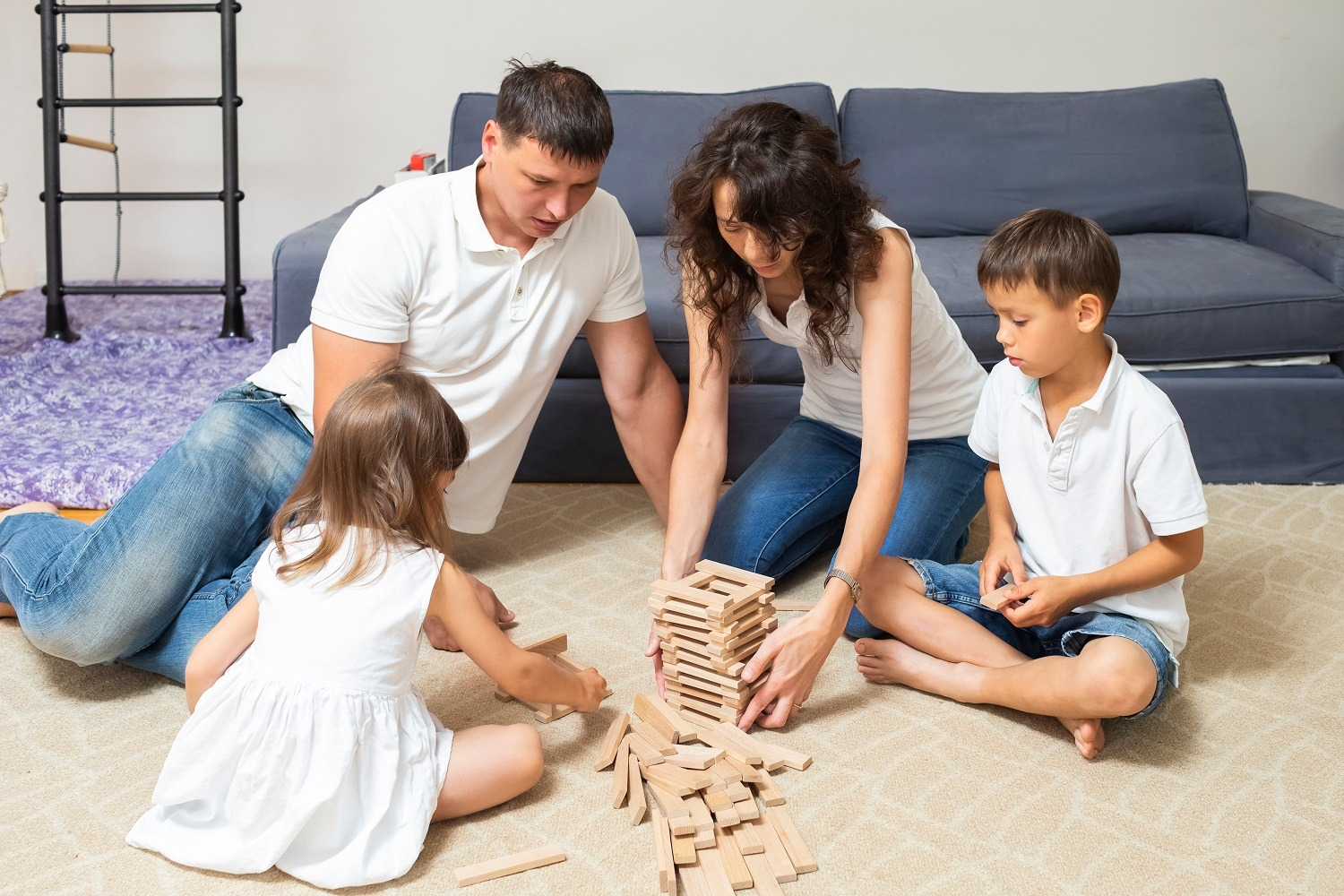
You read an article about handling tantrums, try the recommended approach, and it backfires spectacularly. Or worse, it works perfectly for your friend's kid but leaves yours screaming louder. The problem isn't you. It's that most parenting advice treats complex human beings like they're all running the same operating system.
The Blanket Approach Trap
Pick up any parenting magazine, and you'll find confident declarations: "Do this when your child refuses to listen" or "Stop bribing immediately and say this instead." The advice sounds authoritative. It might even work for some families. But here's what actually happens when you try to apply a universal solution to your specific child: you end up with three distinct groups of parents. One group finds it genuinely helpful. Another discovers it doesn't work at all, or makes the situation noticeably worse. A third group reads it, feels overwhelmed, and never attempts it because their gut tells them it won't fit their reality.
The issue isn't that the advice is inherently bad. It's that random behavior interventions ignore the underlying needs driving your child's actions. Think about the parent who tries "monster spray" for bedtime resistance. It works brilliantly for a child anxious about imaginary creatures. It fails completely when the real issue is adjusting to a new sibling. Same problem on the surface. Entirely different root cause. Great advice applied to the wrong problem becomes useless advice.
Your child isn't misbehaving in a vacuum. They're responding to something specific: hunger, overstimulation, fear, confusion, testing boundaries, or simply being developmentally incapable of what you're asking. When you focus solely on stopping the behavior without understanding what's fueling it, you're treating the symptoms while the actual problem continues to fester beneath the surface.
The Guilt Machine
Somewhere between reading that article and trying to implement it, you'll likely encounter the advice that makes you feel terrible about yourself. You know the kind. It uses words like "NEVER EVER" in all caps, followed by a dire warning that doing this one thing will permanently damage your child. Maybe it's about sleep training. Maybe it's about screen time, organic snacks, or how you handled their meltdown in the grocery store last Tuesday.
This type of advice operates on shame and fear. It suggests you're one wrong move away from screwing up your kid for life. It makes you second-guess decisions you made months or years ago, decisions you can't change now, and had no way of knowing were supposedly "wrong" at the time. The article about vaccines, about co-sleeping, and about when you introduced solid foods. All of it is designed to make you question whether you've already failed.
Here's what that shame doesn't account for: you made those decisions with the information and resources you had available. You were doing your best in that moment. Beating yourself up about it now doesn't help your child. It just makes you a more anxious, guilty parent who second-guesses every future decision with even more fear.
The really insidious part? Advice that makes you feel bad about yourself is never good advice, regardless of how sound the underlying principle might be. Because parenting from a place of fear and guilt creates exactly the stressed, inconsistent environment that makes everything harder.
The Perfection Paradox
You've seen the advice. Be consistent 100% of the time. Never give in. Always follow through. Elementary school children should get 10-11 hours of sleep every night, which means they'd need to go to bed immediately after getting home from school, accounting for homework, dinner, baths, and a realistic wake-up time.
These aren't bad goals. Children who get adequate sleep genuinely are at lower risk for ADHD, obesity, and behavioral issues. Consistency does help with discipline. The problem is the absolute language that leaves no room for being human. No one can maintain perfect consistency. I certainly can't. You can't either. We're setting ourselves up for failure by accepting advice that demands perfection while ignoring real-life constraints like work schedules, extracurricular activities, and the basic logistics of running a household.
When you're stressed, tired, or trying to manage three things at once, your parenting behaviors decline rapidly. You do all the "wrong things" you know you shouldn't do. You gave in when you said you wouldn't. You raise your voice when you promised yourself you'd stay calm. You let them have more screen time because you need fifteen minutes to finish something important. This isn't failure. It's being a real person with finite energy and patience.
The advice that assumes you can operate at peak performance constantly doesn't account for your humanity. It's treating you like a parenting robot who never gets tired, never feels overwhelmed, never has competing demands. That version of you doesn't exist.
What Actually Changes Outcomes
I've noticed something consistent across families who seem to navigate parenting challenges more smoothly. It's not that they follow some specific behavior intervention perfectly. It's that they've figured out how to take care of themselves first. When you're well-rested, not overwhelmed, and feeling relatively okay about life, you become remarkably effective. Patient. Creative. Able to read your child's actual needs instead of just reacting to surface behaviors.
When you're running on empty, everything falls apart. The same situation that you'd handle calmly on a good day becomes a screaming match when you're exhausted. Your ability to be the parent you want to be is directly tied to whether you've had a chance to recharge.
That's why sometimes the best parenting advice sounds almost too simple: get away from your children for a short while. Not because you don't love them. Because stepping away actually makes you a more effective, kind, and nurturing parent when you return. The break isn't selfish. It's strategic.
Tools that help you create those moments of breathing room matter more than most behavior interventions. When your child sits down with something absorbing, and you get fifteen minutes to drink coffee while it's still hot, you're not just keeping them occupied. You're preserving your capacity to parent well for the rest of the day. My Coloring Pages offers 21,838+ FREE Coloring Pages specifically because those quiet, creative moments benefit everyone in the house. Your child develops focus and emotional regulation. You get space to remember why you actually enjoy being a parent.
The Real Pattern Behind Parenting Success
Some parents follow all the expert advice and still have children with intensely challenging behaviors. Others break every "rule" and raise remarkably well-adjusted kids. The relationship between what you do and how your child turns out is far less direct than most advice suggests. Children are their own people with their own temperaments, sensitivities, and developmental timelines.
What actually matters is whether you can stay regulated enough to respond thoughtfully instead of reactively. Whether you can see past the behavior to what your child actually needs. Whether you have enough in your tank to be patient on the fortieth time explaining something. Those capabilities don't come from memorizing the right intervention. They come from being a person who's taken care of enough to have something left to give.
Parenting is genuinely hard. Tools work brilliantly one day and fail the next. Your child changes. Situations evolve. What worked last month stops working this month for reasons you can't quite identify. That's normal. That's everyone's experience, even if the parenting advice industrial complex makes it seem like everyone else has figured out the secret formula.
But there is one thing that consistently makes the difference, and most advice completely misses it.
Related Reading
- Parenting Tips
- Bad Parenting
- Parenting Styles
- Parenting
- Gentle Parenting
- Co-Parenting
- Permissive Parenting
- Parallel Parenting
- Attachment Parenting
- Best Parenting Books
- Parenting Quotes
- Parenting Plan
- Parenting App
- Parenting Advice
Helpful Parenting Advice vs. Common Myths

The difference between helpful parenting advice and destructive mythology lies in whether the guidance acknowledges your child's developmental reality or simply reinforces cultural assumptions that sound true but create harm. Helpful advice explains why a strategy works and under what conditions it does. Myths demand compliance without context, leaving you confused when the promised results never materialize.
Understanding this distinction protects you from wasting energy on interventions that were never going to work in the first place.
Myth 1: "Holding your baby too much will spoil them."
You can't spoil a baby with love and attention. That fear comes from outdated ideas about independence that have nothing to do with how infant brains actually develop.
When you respond to your baby's cries, comfort them when they're upset, and hold them when they need closeness, you're not creating dependency. You're building the neural pathways that teach emotional regulation and trust. Developmental psychology research shows that babies whose needs are met consistently learn to manage their emotions more effectively and develop secure attachments that actually support independence later.
The parents who worry most about spoiling are often the ones doing everything right. They're responding, connecting, and making eye contact. They're wiring their baby's brain for security, not neediness.
So go ahead, snuggle your baby. You're not spoiling them. You're teaching their nervous system that the world is safe and their needs matter.
Myth 2: "Screen time doesn't hurt if it's educational."
What's on the screen matters, but so does how and when it's used. The "educational" label doesn't automatically make screen time beneficial.
The American Academy of Pediatrics recommends minimal screen exposure for children under 18 months, except for video calls. For preschoolers, some interactive, age-appropriate programs can support learning. But even for older children, extended use displaces critical activities such as sleep, active play, face-to-face interaction, and creative exploration.
The real issue isn't whether the app teaches letters or numbers. It's whether passive consumption is replacing the messy, physical, social experiences that build problem-solving skills and emotional intelligence. A child watching an educational video about sharing learns less than a child actually negotiating toy access with a sibling.
Instead of fixating on educational apps, think about co-viewing. Watch together, ask questions, connect what's on screen to real life. Screens should enhance learning, not substitute for the interactions that actually wire young brains.
Myth 3: "Sugar makes kids hyper."
There's no solid evidence linking sugar to hyperactivity. Research shows that sugar does not cause hyperactivity in children, with multiple studies finding no direct link between sugar consumption and increased activity levels.
Parents associate sugar with chaos because sugary treats often appear at exciting occasions: birthday parties, holidays, and celebrations. The environment is already stimulating. Your child is revved up from the event itself, not the cupcake.
What sugar does impact is long-term health. Overdoing it affects dental health, weight regulation, and even mood stability over time. Moderation matters for those reasons, not because a candy bar will send your child bouncing off walls.
The myth persists because correlation feels like causation when you're watching your child run circles around the living room after cake. But the excitement was already there. The sugar just happened to come along for the ride.
Myth 4: "Boys develop later than girls, so delays are normal."
Girls may reach certain language milestones slightly earlier than boys on average. That doesn't mean developmental delays should be dismissed based on gender.
If your child isn't babbling by 9 months, walking by 18 months, or combining two-word phrases by age 2, talk to a pediatrician. Early intervention makes a significant difference for speech delays, motor skill challenges, and social development concerns. Waiting because "boys are just slower" can mean missing critical windows when support would have the greatest impact.
Trust your instincts. If something feels off, don't let myths stop you from seeking help. Gender-based generalizations shouldn't override your observations of your specific child.
Myth 5: "Sleep training harms babies."
Sleep training, when done appropriately, is safe and can improve well-being for the entire family. Many parents worry that structured approaches involving some crying will damage attachment or increase anxiety. Research shows that children who go through sleep training show no difference in anxiety levels or attachment security compared to children who don't.
That said, there's no single required method. If "cry-it-out" doesn't align with your parenting style, gentler approaches exist: gradual fading, consistent bedtime routines, and responsive settling techniques. The goal is helping everyone get the sleep they need, not proving you can stick to one rigid protocol.
Sleep-deprived parents struggle to be patient, attentive, and emotionally regulated. Sometimes the most loving thing you can do is create conditions where everyone sleeps better, even if that means some temporary discomfort during the adjustment period.
Myth 6: "Play is just for fun."
Play is how children learn best. Whether they're stacking blocks, pretending to run a restaurant, or splashing in water, they're building essential skills that structured lessons can't replicate.
Play develops problem-solving abilities, creativity, motor coordination, and emotional resilience. When your child spends an hour being a superhero, they're not wasting time. They're practicing social roles, experimenting with empathy, and working through complex scenarios in a safe context.
The parents who worry that their child should be "doing something productive" are missing the point that play is productive. It's the work of childhood. It's how brains develop the flexibility to handle novel situations and the creativity to consider solutions that don't exist yet.
When you give your child unstructured time to explore their interests without adult direction, you're not being permissive. You're providing exactly what their developing brain needs.
Most families need activities that create space for this kind of focused, creative engagement without requiring constant parental involvement. My Coloring Pages offers over 21,838 free coloring pages because those quiet moments of artistic exploration give children a chance to practice concentration, fine motor skills, and self-expression while parents get a few minutes to breathe. It's not about keeping kids busy. It's about creating the conditions for genuine learning to happen naturally.
Myth 7: "Good parents never lose their temper."
Parenting is hard, and all parents have tough moments. Losing your temper doesn't make you a bad parent. It makes you human.
What matters is what happens after. Children learn emotional regulation not from watching perfect behavior, but from seeing repair. When you apologize, explain what you were feeling, and reconnect with warmth, you're teaching that emotions are manageable and relationships can withstand conflict.
Children don't need flawless parents. They need real parents who show resilience, take responsibility for mistakes, and demonstrate that ruptures can be repaired. That's far more valuable than maintaining an impossible facade of constant calm.
Myth 8: "Discipline means punishment."
Discipline comes from the word "disciple," meaning "to teach." Effective discipline isn't about harsh consequences. It's about guiding children toward better choices.
Time-outs, yelling, and spanking might temporarily stop a behavior. But they don't teach problem-solving or self-regulation. They teach fear of consequences, not understanding of why something matters.
Evidence-based strategies work better: positive reinforcement for desired behaviors, natural consequences that logically follow from choices, and clear limits explained with empathy. These approaches help children understand why a behavior is problematic and how to make better decisions next time, not just how to avoid getting caught.
Punishment produces short-term compliance. Teaching produces lasting change. The difference shows up years later when your child faces situations you're not there to police.
Myth 9: "Parenting comes naturally to every new mother."
Love and care are instinctive. Knowing what to do in specific situations is learned. Every child is different, and parenting strategies that work brilliantly for one fail completely for another.
No one has all the answers, and that's normal. Every day brings new challenges and new insights about your specific child. You learn by doing, by paying attention to what works, by adjusting when something stops being effective.
The expectation that parenting should feel natural creates unnecessary shame when you're confused, overwhelmed, or completely out of ideas. Learning as you go isn't a sign of failure. It's the actual experience of parenting.
Myth 10: "Children must be left alone to learn independence."
Independence develops gradually with support, not by leaving children to figure everything out on their own. When you provide scaffolding, guidance, and encouragement while slowly reducing assistance, you build confidence and problem-solving skills.
Throwing a child into a situation beyond their current capability and expecting them to manage independently doesn't teach resilience. It teaches helplessness and anxiety. Real independence grows from mastering achievable challenges with support, then taking on slightly harder ones.
The goal isn't self-sufficiency at age three. It's building the skills and confidence that eventually lead to genuine independence.
Myth 11: "Good parenting means always putting kids first."
Prioritizing your child's needs is important. Sacrificing your own well-being entirely creates an unhealthy family dynamic that ultimately harms everyone.
When you're exhausted, resentful, and running on empty, your capacity to be patient, creative, and emotionally available plummets. Self-care isn't selfish. It's strategic. Taking time to recharge makes you a more effective, present parent when you're with your children.
A balanced approach that attends to your own needs alongside your child's creates a healthier environment. Your children learn that everyone's well-being matters, not just theirs. They see modeling of healthy boundaries and self-respect.
Myth 12: "Tantrums should be punished."
Tantrums are a normal part of development, especially for toddlers who haven't learned to regulate overwhelming emotions. Punishing a tantrum misses that the behavior is communication: "I don't know how to handle what I'm feeling right now."
When your child melts down, stay calm and offer comfort. Afterward, when they're regulated again, talk about what happened. Help them identify the emotion, practice naming it, and explore better ways to express it next time. Teach breathing exercises, counting strategies, or simple phrases they can use when frustrated.
Punishment stops the tantrum through fear. Teaching emotional regulation gives your child tools they'll use for life.
Myth 13: "Children should always be happy."
Trying to shield children from all negative emotions actually harms their ability to cope with life's inevitable challenges. Disappointment, sadness, and frustration are natural, necessary experiences.
When you rush to fix every problem or prevent every uncomfortable feeling, you rob your child of opportunities to build resilience. They need to learn that difficult emotions pass, that they can survive disappointment, that setbacks aren't catastrophic.
Acknowledge their feelings. Offer support. But don't feel pressured to eliminate every source of discomfort. Help them process and work through emotions rather than avoiding them entirely.
Myth 14: "You have to be your child's best friend."
Children need parents who provide guidance, set boundaries, and offer unconditional love. They don't need friends who always say yes to avoid conflict.
Being a parent means making decisions your child won't like. Enforcing limits. Saying no when it matters. This doesn't damage your relationship. It creates the security and structure that helps children feel safe.
Trying to be your child's friend blurs necessary boundaries and creates confusion about authority. They have plenty of opportunities to make friends. They only have one chance to have parents who love them enough to provide structure, even when it's uncomfortable.
Parenting that offers respect, warmth, and clear expectations is far more valuable than friendship that prioritizes approval over guidance.
But knowing which myths to ignore is only half the battle.
Related Reading
- Tiger Parenting
- ADHD Parenting
- Solo Parenting
- PACE Parenting
- Parenting Research News
- Parenting Hell
- Therapeutic Parenting
- Permissive Parenting Style
- Parenting Styles Psychology
- FAFO Parenting
- Uninvolved Parenting
- Indiana Parenting Time Guidelines
- Authoritarian Parenting Style
- Parenting Classes
- Good Parenting
- Authoritative Parenting Style
- Positive Parenting
- Montessori Parenting
- Snowplow Parenting
36 Time-Tested Best Parenting Advice for Modern Parents

Research-backed parenting principles work better than generic advice because they address how children actually develop rather than how we wish they'd behave. Consistency, empathy, natural consequences, and fostering independence aren't trendy quick fixes. They're foundational approaches that acknowledge developmental reality and give you tools that scale with your child's growth. When you understand why these principles work, you stop chasing the next parenting hack and start building sustainable patterns that actually hold up under stress.
1. Set Smart Limits
Take charge. Children crave limits, which help them understand and manage an often confusing world. Show your love by setting boundaries so your kids can explore and discover their passions safely.
Don't clip your child's wings. Your toddler's mission in life is to gain independence. So when they're developmentally capable of putting their toys away, clearing their plate from the table, and dressing themselves, let them. Giving a child responsibility is good for their self-esteem (and your sanity!).
Don't try to fix everything. Give young kids a chance to find their own solutions. When you lovingly acknowledge a child's minor frustrations without immediately rushing in to save them, you teach them self-reliance and resilience.
Remember that discipline is not punishment. Enforcing limits is really about teaching kids how to behave in the world and helping them to become competent, caring, and in control, not about punishing them.
Pick your battles. Kids can't absorb too many rules without tuning out. Forget arguing about little stuff like fashion choices and occasional potty language. Focus on the things that really matter, like not hitting, not using rude talk, or lying.
2. Create Your Own Quality Time
Play with your children. Let them choose the activity, and don't worry about rules. Just go with the flow and have fun. You don't always have to be the fun parent, but play offers plenty of opportunity for bonding. That's the name of the game.
Read books together every day. Get started when they're a newborn; babies love hearing their parents' voices. Cuddling up with your child and a book is a great bonding experience that will set them up for a lifetime of reading.
Schedule a daily special time. Let your child choose an activity you can do together for 10 or 15 minutes, with no interruptions. There's no better way for you to show your love.
Encourage family time. The greatest untapped resource for improving our children's lives is time with their parents. Kids with engaged parents do better in school, problem-solve more successfully, and generally cope better with whatever life throws at them.
Make warm memories. Your children will probably not remember anything you say to them, but they will recall the family traditions you share, like bedtimes and game nights.
3. Be a Good Role Model
Be the role model your children deserve. Kids learn by watching their parents. Modeling appropriate, respectful, good behavior works much better than telling them what to do.
Fess up when you blow it. This is the best way to show your child how and when they should apologize.
Live a little greener. Show your kids how easy it is to care for the environment. Waste less, recycle, reuse, and conserve each day. Spend an afternoon picking up trash around the neighborhood.
Always tell the truth. It's how you want your child to behave, right? Teach honesty through imitation.
Kiss and hug your partner in front of the kids. Your partnership is one example your child has of what an intimate relationship looks like, feels like, and sounds like. So it's important to set a great standard.
Respect parenting differences. Support your co-parent's basic approach to raising kids unless it's way out of line. Criticizing or arguing with your partner will do more harm to your relationship and your child's sense of security than if you accept standards that are different from your own.
4. Know the Best Ways to Praise
Give appropriate praise. Instead of simply saying, "You're great," try to be specific about what your child did to deserve the positive reinforcement. You might say, "Waiting until I was off the phone to ask for cookies was hard, and I really liked your patience."
Cheer the good stuff. When you notice your child doing something helpful or nice, let them know how you feel. It's a great way to reinforce good behavior, so they're more likely to keep doing it.
Gossip about your kids. Fact: What we overhear is far more potent than what we are told directly. Make praise more effective by letting your child "catch" you whispering a compliment about them to Grandma, Dad, or even their teddy.
5. Use Submarine Parenting, Not Helicopter Parenting
Helicopter parents are those who seemingly hover over every aspect of their child's life (perhaps excessively), participating in their upbringing and helping to pave their child's path. Studies show that the children of helicopter parents actually suffer. They tend to be less resilient, more anxious, and less willing to try new things, all of which lead to struggles and stunted development later in life.
So what's the solution?
Instead of being a helicopter parent, now trends are leaning towards being a "submarine parent," or someone who keeps an eye on what's going on in their kids' lives, but rather than swoop in and rescue them at the first sight of trouble, they let their children see and understand common struggles.
But when trouble occurs, a submarine parent can pop up from under the surface and help out.
Here's the thing: it's perfectly OK to let your kids fall down sometimes; that's how they learn to get back up (and provide you with hilarious stories for future family gatherings).
6. Consistency is Key
Children thrive on predictability, but maintaining consistency can be challenging. Here's a system to help: Create a visual "House Rules" chart with 3-5 key family rules. Review the rules together daily and praise adherence. Implement a consistent consequence system for rule-breaking.
In fact, studies have shown that children who experience more consistent parenting have fewer depressive and physical health symptoms, whereas inconsistent parental behavior has been linked with behavior problems.
Examples of consistency:
If you ask your child to eat their veggies, don't waver! Make a consistent amount of veggies that must be consumed with each meal and stick to it.
Do you prefer cleanliness or tidiness in your house? Make sure everyone knows how you want each room to look and when you like to have a clean-up routine.
7. "Good Enough" Parenting Is OK
There's no such thing as a perfect parent. Cut yourself some slack! Psychologists argue that "good enough" parenting is actually beneficial for children, as it teaches them resilience and problem-solving skills. So, remember to:
Accept that mistakes are part of the learning process, for both you and your child.
Use mishaps as teaching moments to model resilience and problem-solving.
Practice self-compassion when things don't go as planned.
Are you a perfectionist when it comes to your goals? Hint: This may actually do more harm than good!
8. Make Time for Play
Play is as important for development as it is for fun. Research shows that play is essential for developing social-emotional, cognitive, language, and self-regulation skills. Get down on the floor and be silly!
Schedule daily playtime, even if it's just 15-20 minutes.
Let your child lead the play, following their interests and imagination.
Engage fully, putting aside distractions and adult concerns.
9. Encourage Reading
Make reading a daily habit from infancy. According to the American Academy of Pediatrics, reading aloud is great for brain stimulation and the development of critical social-emotional-language skills. Create a cozy reading nook in your home to make it more inviting!
10. Limit Screen Time
On the flip side, excessive screen time can stunt the development of key social-emotional and language skills. The American Academy of Pediatrics recommends no screen time for kids under 18 months, except for video chatting. For older children, set clear boundaries and choose high-quality educational content when using screens.
11. Trust Your Instincts
Your intuition about your child is a quiet voice, easily drowned out by daily noise. To hear it clearly:
Create a daily "worry window" of 10 minutes for focused reflection on your child.
During this time, ask yourself: "What's the one thing about my child that I can't shake today?"
If something surfaces, don't react. Instead, gently investigate. Engage your child in open-ended conversation about their day, friends, or feelings.
Keep a "hunch journal." Brief entries, just a sentence or two. Over time, patterns may emerge that validate or dispel your concerns.
12. Practice Active Listening
Put down your phone and really tune in when your child is talking. This builds trust and improves communication. Try the "repeat back" technique: summarize what your child said to ensure you understood correctly.
13. Encourage Independence
Let your kids try things on their own, even if it means a mess sometimes. This encourages self-reliance and confidence. Here's how:
Start small. Let toddlers dress themselves, or preschoolers make their own snacks.
Create a designated "independence zone" where kids can safely explore and try things on their own.
Resist the urge to intervene immediately when you see your child struggling with a task.
14. Prioritize Sleep
A well-rested family is a happier family. Here's how to make quality sleep a priority:
Establish consistent bedtime routines for both kids and adults.
Create a sleep-friendly environment: dark, quiet, and cool.
Limit screen time before bed and opt for calming activities like reading or gentle stretching.
You can refer to the National Sleep Foundation for more detailed sleep guidelines for every age group.
15. Praise Effort, Not Just Results
This builds a growth mindset and resilience. Instead of saying "You're so smart!" try "I love how hard you worked on that problem!" This encourages children to embrace challenges and persist through difficulties.
16. Create a "Yes" Environment
Childproof your space so you can say "yes" more often than "no." This reduces power struggles and encourages exploration. Here's how you can do it:
Remove or secure potential hazards.
Designate "yes" areas where your child can freely explore.
Offer alternatives when saying "no" (e.g., "We can't draw on walls, but you can use this easel").
17. Use Positive Reinforcement
Catch your kids being good and praise them for it. This encourages repeat behavior. Be specific in your praise: "I noticed you shared your toy with your sister. That was very kind!"
Positive reinforcement can be way more helpful (and safer) than negative reinforcement!
18. Practice Mindfulness
Take a few deep breaths before reacting to stressful situations. This helps model emotional regulation for your children.
19. Be a Safe Haven
Let your kids know they can always come to you, no matter what. This builds trust and open communication. Practice non-judgmental listening and avoid overreacting to build this trust:
Regularly remind your child that they can come to you with anything, no matter how big or small.
Practice active, non-judgmental listening when your child shares concerns or mistakes.
Control your reactions, especially to surprising or upsetting information.
20. Use Natural Consequences as Teaching Experiences
Let minor mishaps be learning experiences. For example, if your child refuses to wear a coat, let them feel cold (within reason). This teaches cause-and-effect better than lectures. More generally, try to identify situations where natural consequences are safe and appropriate.
Resist the urge to rescue your child from minor discomforts or inconveniences.
Use reflective questions to help your child process the experience: "How did it feel when…?"
By allowing them to experience the natural results of their choices, you're preparing them for real-world problem-solving.
21. Develop Emotional Intelligence
Help your kids name and understand their feelings. Emotional intelligence is vital for your child's social and personal well-being. Here's how to help them develop this skill:
Create an "emotion vocabulary" chart with faces and words to help kids identify feelings.
Practice "emotion coaching" in daily interactions: Acknowledge your child's feelings without judgment. Help them name the emotion they're experiencing. Discuss appropriate ways to express and manage that emotion.
22. Teach Responsibility
Give age-appropriate chores to build confidence and life skills. Even toddlers can help sort laundry or feed pets. Praise their efforts and gradually increase responsibilities as they grow. Here's how to approach it:
Create a "family contributions" chart with age-appropriate tasks for each child.
Start small: toddlers can help sort laundry, preschoolers can set the table.
Praise effort and improvement rather than perfection in task completion.
23. Make Mealtimes Family Time
Eat together as often as possible. It's linked to better academic performance and fewer behavioral problems. Use this time to connect, share stories, and model healthy eating habits.
24. Don't Compare
Every child develops at their own pace. Focus on your child's individual progress. Celebrate their unique strengths and support areas where they need extra help:
Keep a "growth journal" to track your child's personal milestones and achievements.
Focus on improvement rather than fixed standards: "You're reading more fluently than last month!"
Identify and nurture your child's specific strengths and interests.
25. Practice Self-Care
You can't pour from an empty cup. Take care of yourself to be a better parent. Here's how to practice self-care:
Schedule regular "me time," whether it's a hobby, exercise, or simply a quiet cup of coffee.
Create a list of quick, rejuvenating activities for when time is limited.
Enlist support from partners, family, or friends to ensure you get your self-care time.
Most parents manage daily stress by pushing through until they collapse, then feeling guilty about needing a break. As responsibilities compound and children's needs intensify, that pattern erodes patience and emotional reserves. Burnout becomes the baseline, making every interaction harder than it needs to be. Resources like My Coloring Pages offer parents practical tools to create breathing room without screens. With 21,838+ free coloring pages designed for different ages and interests, parents can offer children engaging activities that build focus and creativity while carving out the brief recovery periods that make consistent, patient parenting sustainable rather than aspirational.
26. Encourage Curiosity
Children love to ask questions. Answer them patiently and develop a love of learning. Remember to:
Respond to questions with enthusiasm, even if you've heard them before.
Model curiosity by sharing your own wonderings and discoveries.
When you don't know something, use it as an opportunity to demonstrate how to find information and learn together. This satisfies their curiosity and also develops problem-solving and research skills!
Curiosity is a lifelong journey for both children and parents alike!
27. Teach Problem-Solving
Guide them through challenges instead of solving everything for them to build critical thinking skills. Use the "SODAS" method:
Situation: Define the problem clearly. Who's involved? What's the issue?
Options: Brainstorm 2-3 possible solutions. Don't judge ideas yet.
Disadvantages: List 1-3 cons for each option. Every choice has drawbacks.
Advantages: Identify 1-3 pros for each option. Find the silver lining.
Solution: Choose the best option based on your analysis. Remember, there's rarely a perfect solution.
28. Celebrate Differences
Teach your kids to appreciate diversity from an early age. It builds empathy and tolerance, enriching their worldview. Here are a few ways to do it:
Read books featuring diverse characters.
Consume, practice, and appreciate art (e.g., music and film), cuisine, and traditions from different cultures.
Encourage discussions about differences, emphasizing respect, curiosity, and appreciation.
29. Practice Patience
Rome wasn't built in a day, and neither is good behavior. Remember that your child's brain is still developing. Take deep breaths and count to ten when you feel your patience wearing thin.
30. Use Humor
Laughter can defuse tense situations and make parenting more fun. Try silly voices, make up funny songs, or have a dance party to lighten the mood during challenging moments.
31. Encourage Sibling Bonds
Developing strong sibling relationships can create a lifelong support system. Here's how to nurture these important connections:
Create regular "sibling time" where kids engage in cooperative, not competitive, activities together.
Implement a "compliment circle" at dinner, where siblings share what they appreciate about each other.
Avoid comparisons; instead, celebrate each child's unique strengths.
32. Prioritize Quality Time
It can be difficult as your kids get older and life gets busier, but continuing to prioritize your relationship with your child by spending quality time with them may be key to their well-being. Children are perceptive, and they may internalize it if they notice that they always come second to your job, phone, or other priorities.
Aiming to have meals together often is one common way to ensure you regularly connect with your family and let your kids know that they matter, especially if your children are adolescents. One study found that, when controlling for the quality of family relationships, mealtime communication was "significantly associated with higher positive affect and engagement and with lower negative affect and stress."
These findings suggest that this frequent opportunity for kids to talk with their parents can benefit the emotional well-being of adolescents in particular.
33. Watch for Signs of Mental Health Conditions
Mental health conditions can affect children, too. Statistics show that approximately one in five children in the US has a mental health condition, but only 20% of those affected are receiving treatment. As a parent or caregiver, watching for potential warning signs of common childhood conditions can be helpful. If you notice any, you can pursue the support from a doctor and/or mental health professional that your child may need. Potential symptoms of mental illnesses in children may include:
Persistently feeling sad, hopeless, or anxious.
Drastic changes to sleeping and/or eating patterns.
Difficulty making and keeping friends.
A sudden loss of interest in hobbies or activities.
A sudden drop in grades or school performance.
Trouble concentrating.
Pulling away from friends and family.
34. Don't Forget to Teach Social Skills
Ask your children three "you" questions every day. The art of conversation is an important social skill, but parents often neglect to teach it. Get a kid going with questions like, "What was your favorite part of school today?"; "What did you do at the party you went to?"; or "Where do you want to go tomorrow afternoon?"
Teach kids this bravery trick. Tell them to always notice a person's eye color. Making eye contact will help a hesitant child appear more confident and will help any kid to be more assertive and less likely to be picked on.
Acknowledge your kid's strong emotions. When your child's meltdown is over, ask them, "How did that feel?" and "What do you think would make it better?" Then listen to them. They'll recover from a temper tantrum more easily if you let them talk it out.
35. Always Say "I Love You."
Love your children equally, but treat them uniquely. They're individuals.
Say "I love you" whenever you feel it, even if it's 743 times a day. You simply can not spoil a child with too many mushy words of affection and too many smooches. Not possible.
Keep in mind what grandmas always say. Children are not yours; they are only lent to you for a time. In those fleeting years, do your best to help them grow up to be good people.
Savor the moments. Yes, parenthood is the most exhausting job on the planet. Yes, your house is a mess, the laundry's piled up, and the dog needs to be walked. But your kid just laughed. Enjoy it!
36. Trust the Process
Parenting is a marathon, not a sprint. Enjoy the journey! Take photos, keep a journal, and savor the small moments. They grow up faster than you think.
Knowing these principles matters, but the gap between understanding and implementation is where most parents get stuck.
Put the Best Parenting Advice into Practice—Starting Today

Parenting advice that actually supports your family doesn't require perfection or complicated systems. It requires giving your child meaningful choices, clear boundaries, and space to practice independence in ways that fit your real life. One of the simplest ways to do that is by offering screen-free activities that encourage focus, creativity, and decision-making without constant oversight.
When your child selects an activity that genuinely interests them and works on it independently, you're not checking out. You're providing the structure for them to practice autonomy, build focus, and develop patience while you create the breathing room that makes consistent, patient parenting sustainable rather than aspirational.
My Coloring Pages helps parents turn everyday moments into calm, productive time:
- Create custom coloring pages in seconds by describing an idea or uploading a picture
- Choose from 21,838+ free coloring pages shared by parents and educators
- Offer kids meaningful choices that support focus and creativity without overstimulation
- Encourage independent play that fits naturally into routines, quiet time, or transitions
Trusted by 20,000+ parents and rated 4.8/5, My Coloring Pages makes it easy to apply great parenting advice in a simple, practical way—without more screens or complicated setups.
Download 21,838+ FREE coloring pages today and give your kids creative options that support learning, responsibility, and healthy habits.
Related Reading
- Helicopter Parenting
- Toxic Parenting Phrases
- Authoritative vs Authoritarian Parenting
- Parenting Styles Chart
- Parenting Therapy
- Lighthouse Parenting
- Parenting Memes
- Parenting With Love and Logic
- Parenting Techniques
- Soft Parenting
- Triple P Parenting
- Parenting Agreement
- Bible Verses About Parenting
- Nacho Parenting
- Styles of Parenting
- Elephant Parenting
- Parenting Hacks
- Horizontal Parenting
- Parenting Resources