How To Support Coloring Skills Development At Every Age
How to Encourage Creativity in a Child: Learn concrete steps and daily routines for boosting creative habits. My Coloring Pages makes creative play easy and fun.

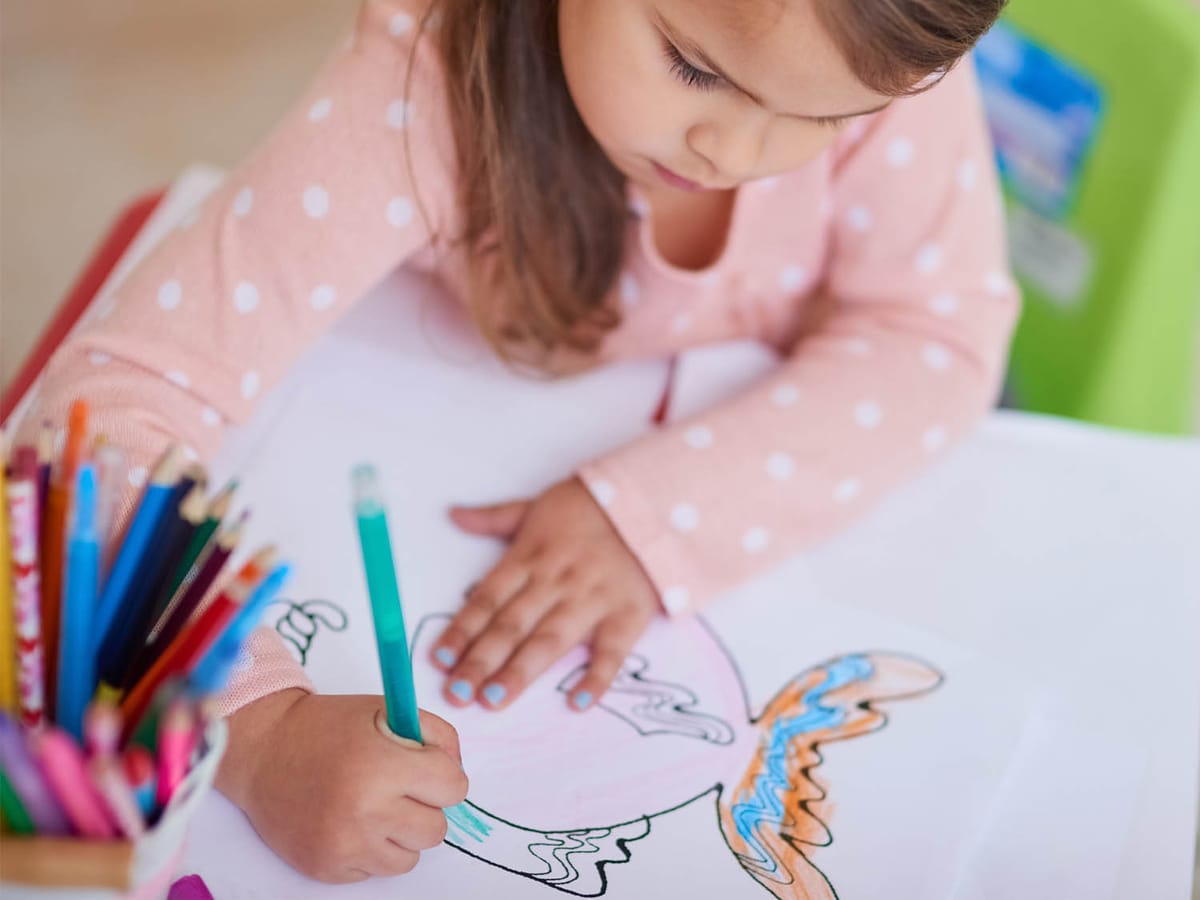
Coloring activities can boost creativity, fine motor skills, and confidence in young minds. Targeted coloring skills development encourages children to experiment with color mixing, shading, and pencil control while naturally enhancing hand-eye coordination. Artful practice supports cognitive growth and refines both focus and self-expression, adapting smoothly to each child's unique pace. This approach transforms simple paper into a foundation for lifelong artistic exploration.
Structured creative play not only nurtures artistic talent but also builds lasting problem-solving and communication skills. Progressive challenges encourage learners to refine techniques and gain mastery over artistic details. My Coloring Pages offers a comprehensive collection of templates that inspire creative expression and skill refinement, including 10,000+ free coloring pages.
To put these ideas into practice, our 10,000+ free coloring pages help you get started right away.
Summary
- Coloring produces measurable gains in fine motor skills, with one source reporting that 85% of children who engage in coloring activities show improved pencil control and small muscle development.
- Regular coloring practice improves bilateral and hand-eye coordination, with research indicating that about 80% of children who color regularly show gains in skills that support tasks such as buttoning and cutting.
- Short, daily coloring sessions improve cognition and motor control; 30 minutes a day is linked to a 40% increase in creativity scores, and 70% of parents report improved focus after coloring.
- Children progress through predictable stages, from whole-arm movements to refined finger control. By age five, roughly 85% can use a variety of colors appropriately, which underlines the need to match supports to the developmental level.
- Micro-practice and graded resistance reduce fatigue and refusal. For example, two to three five-minute blocks across the day outperform a single 20-minute marathon, and brief, scaffolded trials of new tools for one minute over three to five sessions ease transitions.
- Consistency and sequencing matter for progress: if scaled-back tasks do not yield improvement after three consecutive weeks, a health care consult should be considered; deliberate repetition predicts steadier gains than random practice.
- This is where My Coloring Pages' 10,000+ free coloring pages fit in: they provide an extensive, searchable set of level-appropriate printable templates that make short, sequenced practice sessions easier to implement.
What Are The Underlying Skills That Coloring Develops?
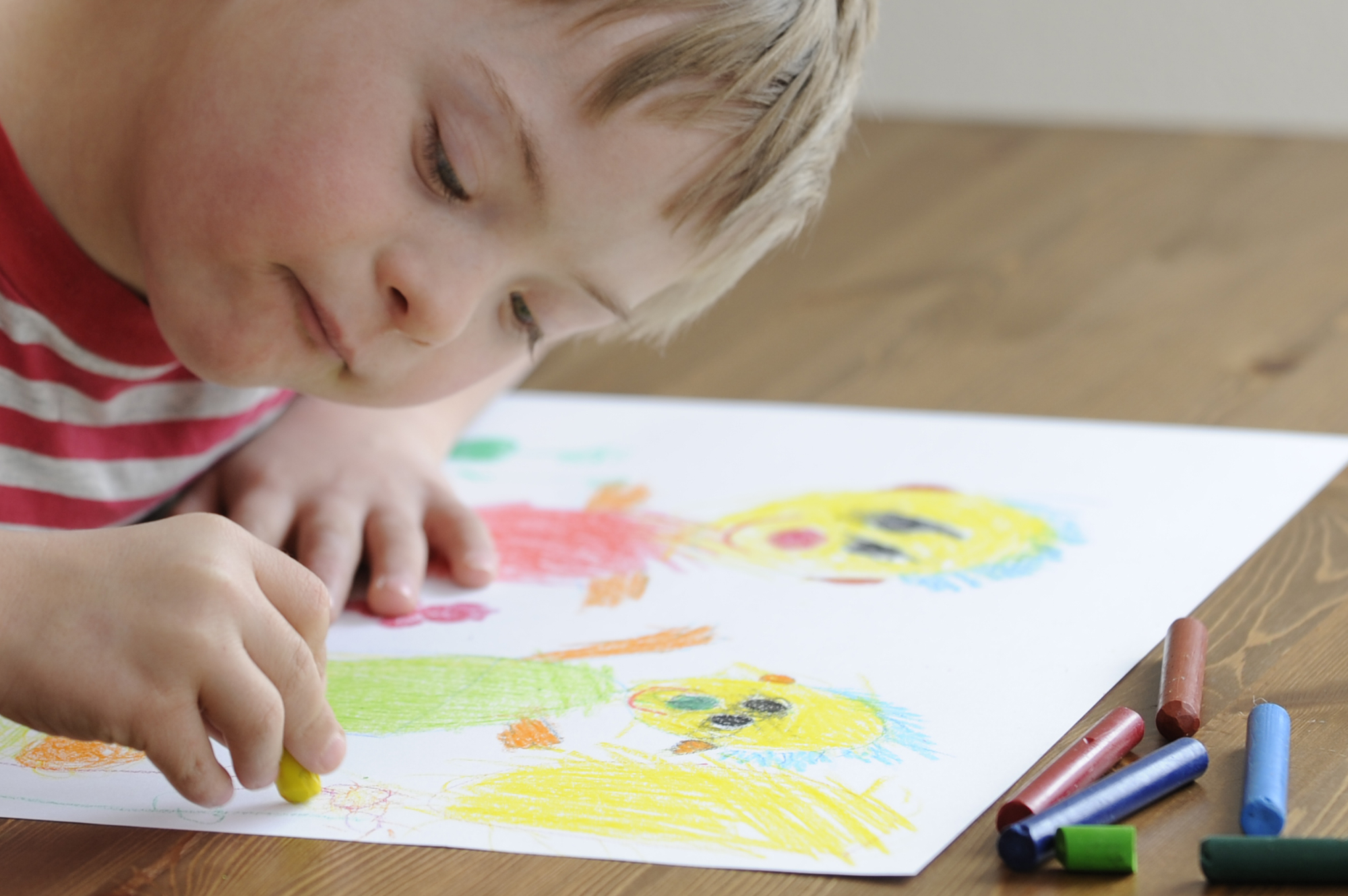
Coloring helps build a group of practical, transferable skills. It improves control of small muscles in the hands, trains visual and motor coordination, and provides the brain with practice in planning, attention, and creative decision-making. When caregivers make coloring a regular activity with guidance, they are not just overseeing art; they are helping children practice the exact movements and thinking habits they need for writing, focused learning, and emotional regulation. For those looking to explore artistic activities, My Coloring Pages offers 10,000+ free coloring pages that can enhance these developmental skills.
How does coloring develop fine motor skills?
Developing fine motor skills is essential for young children. When working with families whose children had difficulty with pencil control, a clear pattern emerged: coloring led to real progress without feeling like therapy. Holding crayons helps kids build grasp patterns and strengthens the small muscles in their fingers. Also, repeated simple tasks help develop hand dominance between the ages of three and five.According to the Monkey Pen Blog, 85% of children who engage in coloring activities show better fine motor skills. This number explains why teachers and therapists often begin with coloring pages when starting prewriting tasks.
What skills are enhanced through bilateral coordination?
Enhancing bilateral coordination and hand-eye coordination begins when a child uses one hand to steady the paper while the other colors. This helps both sides of the body to work together. That stabilizing action is the same coordination used for buttoning a coat, tying shoelaces, and later, for two-handed tasks like cutting with scissors.
Practice also improves visual tracking, which connects the eye and hand. Research shows significant gains in this area; see the Colour Me Kids Blog, which reports that 80% of children who engage in regular colouring activities show improved hand-eye coordination. This improvement is crucial because neat letter formation and careful placement on the page depend on steady visual guidance.
How does body positioning impact coloring skills?
Building core strength and upper-body coordination is essential when a child colors. The way a child positions their body while coloring is more critical than many adults realize.Sitting up straight at a table, leaning a little forward, or standing at an easel all use different muscles to keep the torso steady while the arms make controlled movements.
As control improves, children shift from using their whole arms to using their wrists and fingers. This change enhances shading and accuracy in small areas. Providing varied positions and surfaces can help them quickly transfer their coloring skills to school desk work.
Why should families use structured coloring resources?
Most families manage printable activities by saving single sheets or swapping random designs. This approach works for a while because it is familiar and straightforward. However, as children need progressively targeted practice, scattered pages can lead to wasted time. Parents often spend minutes searching for the right difficulty level, disrupting practice continuity.
Platforms like My Coloring Pages, with 11,117+ pages and customization tools, enable caregivers to scale practice deliberately.This allows them to match page complexity, themes, and repetition to a child’s developing control without adding administrative overhead.
How does coloring improve hand strength?
Coloring with different tools strengthens the small muscles in the hand. This helps them improve their control over how hard they press. This control is essential for good handwriting, as applying too much or too little pressure can make writing tiring and hard to read.Additionally, coloring gives children a chance to practice essential strokes, including vertical, horizontal, and diagonal lines, loops, and circles. Repeating these motions builds the skills children will use later when writing letters and numbers.
How does coloring foster creativity?
Fostering creativity and cognitive skills involves several steps. Choosing a color, deciding which area to tackle first, and finishing an entire page require planning and execution. These cognitive behaviors align with what teachers highlight in multi-step assignments: decide, sequence, sustain effort, check, and revise.Coloring encourages experimentation within limits, fostering flexible thinking. For example, a child learns to change a color choice when an idea doesn’t work, or to redo a space instead of giving up on it.
How does coloring develop patience and self-esteem?
Patience, relaxation, and self-esteem are essential parts of personal growth. Coloring can help kids learn how to be patient. Parents often feel tired when teaching feels too serious, and kids get distracted. Coloring is great because it is calming, repetitive without being dull, and something they can finish in one session.Each completed piece brings small victories, which help build confidence. The steady motion of coloring also helps kids handle frustration. When a child returns to a page after a break and finishes it, they develop a sense of self-efficacy that they can apply to more challenging tasks.
What boundaries does coloring teach?
Focus, boundaries, structure, and awareness of space are essential skills that coloring helps children develop. Studies have shown that children who color often demonstrate better concentration and focus. Coloring teaches children to work within lines, divide visual space, and plan how to color areas effectively. This practice with space improves page layout skills and helps them manage their pace in class.By giving children pages that match their current control level, parents and teachers set clear, achievable limits. These limits can help increase attention spans and reduce cognitive effort, allowing children to focus on doing a good job rather than struggling with the task.
What role does color awareness play in development?
Color awareness and recognition are essential in early development. Color choices are among the first ways children can practice vocabulary and understand differences. Naming colors, comparing shades, and selecting matching or contrasting tones help create a good sense of color. This basic skill supports descriptive language and future subjects such as art and design.Customizable coloring pages support easy learning; they offer templates that focus on a single color concept at a time. As kids get better at recognizing and naming colors, they can start to have more choices.
How does coloring stimulate creativity?
The freedom to break rules in coloring is not reckless; it’s exploratory. Allowing a child to color the sky purple or layer unexpected tones encourages them to take risks safely. That experimentation helps them become better at solving problems in different activities, as children learn that making choices leads to new results. By encouraging variety and discussing their decisions, parents and educators can turn an exercise in motor control into a space for imaginative thinking.With 10,000+ free coloring pages, our resources can inspire creativity and exploration in every child's art.
How does coloring aid self-expression?
Self-expression is essential for children because visual activities often help them share their feelings. For example, a child who usually draws suns or colors tightly inside circles is showing their mood and ways of handling emotions. Coloring provides a safe way for them to express themselves.When adults talk to children about their choices without judging them, it helps kids name feelings and learn emotional words. This approach not only calms behavioral responses but also creates opportunities for conversations that build insight and trust.
How does coloring contribute to language development?
Language development is improved through the creative process of coloring. It encourages storytelling by allowing children to describe their pictures. This practice helps them use descriptive words, sequencing, and causal language. Planning is essential when children choose the order of their coloring, decide where to start, and estimate how long it will take to finish a page.These thinking choices, guided by adult prompts, set the stage for more organized tasks in school.
What strategies keep children engaged in coloring?
To keep a child engaged while developing their coloring skills, think of practice as structured rather than random. Sequence the difficulty, change the tools, and connect the pages to their interests.This way, the motor work stays meaningful, and the learning becomes deliberately cumulative.
What is the significance of steady progress in coloring?
This calm process evolves into something more complex. The following section explains why this steady progress appears simple but is actually layered and surprising.
Related Reading
- Activities for Kids
- Hobbies for Kids
- Activities for 5-Year-Olds
- Creative Activities for Kids
- Educational Activities for Kids
- At Home Activities for Kids
Stages of Coloring Skills Development

Children move through clear stages as control shifts from the whole arm to the fingers. Each step needs practice, patience, and slightly different help.It's essential to expect messiness; some kids start neat, careful coloring quickly, while others may need more practice and focused support before their lines and color choices become consistent. To support this development, consider exploring our 10,000+ free coloring pages that provide various options for every skill level.
What is Stage 1 of coloring development?
Your child shows curiosity about marks by grabbing crayons, pencils, or chalk. They often make broad strokes across paper, walls, or furniture using whole-arm movements. This stage is essential for developing grip and arm strength, as small tools and large surfaces encourage motions that will later improve grip and arm strength.
- Use short, chubby crayons, pencils, and chalk so fingers can hold them easily.
- Provide vertical surfaces, such as walls or easels, to support the shoulders and core and enable more controlled strokes.
- Set clear boundaries about where it is okay to draw, and make those spaces welcoming.
What is Stage 2 of coloring development?
Children start to see paper as the right surface and aim at objects on the page. However, their strokes remain energetic and don't follow outlines or color rules. They are learning about spatial intention, not accuracy, so their attempts may look targeted but will still be messy.
- Reinforce acceptable drawing surfaces by maintaining consistent routines and providing a dedicated art space.
- Practice pressure by letting them color on textured paper or light sandpaper sheets to feel resistance.
- Color together, discuss choices, and play simple color-sorting games to help build vocabulary and maintain interest.
What is Stage 3 of coloring development?
In Stage 3, control improves as strokes go in different directions. Children begin to recognize picture boundaries, even if they can't always stay within them. Their color choices are more thoughtful, moving away from random smears; the use of fill space shows an apparent effort toward completeness.
- Ask about their color choices and accept unusual answers as creative thinking.
- Highlight empty areas and encourage them to complete specific sections to support planning and sequencing.
- To improve accuracy, use sharpened pencils for finer strokes rather than crayons.
What is Stage 4 of coloring development?
At this level, the child can fill shapes with orderly strokes, minimize gaps, and make more consistent color choices. Fine motor skills and attention combine to produce pages that look deliberate rather than accidental. This time marks the start of independent, detailed coloring. Around this age, more consistent color choices show improving visual skills and decision-making, and color choices shift toward a range of suitable colors.
- Color together and compare pages, asking your child to spot any missed areas to teach checking and revision.
- Keep color areas small and gradually increase complexity so each attempt feels achievable.
- Break large pictures into numbered zones or sections to reduce feelings of being overwhelmed and to help them focus.
- Use physical boundaries, such as laying string or Wikki Stix over lines, so the boundary becomes a tactile guide.
- Try drawing around templates or objects, then ask your child to color inside that created boundary.
- Use an HB pencil for outlines and colored pencils for filling, so structural lines remain visible.
How to handle variation and inclusion?
Handling variation and inclusion is a guideline, not a strict rule. This same pattern is seen in homes and preschools: when practice is inconsistent or expectations change too quickly, children can struggle, and families feel frustrated. That frustration intensifies when uneven skill development leaves children excluded from activities or programs.Such situations can be avoided when adults patiently support practice and connect tasks with children's current abilities. If a child appears to be behind, consider simplifying tasks, increasing repetition in short bursts, and celebrating little progress to keep practice motivating rather than discouraging.
What is a common bottleneck in coloring development?
A common problem occurs when parents print a few random pages because this method is easy and familiar. It might work for short times, but children need regular, guided practice. Random pages can disrupt progress and waste time, as parents search for the right shapes and themes.Platforms like My Coloring Pages, with 11,117+ downloadable and customizable pages, make this process smooth. Caregivers can quickly find pages that match their child's level, use the same template to help with motor skills, and adjust content to fit their child's interests. This way, practice stays meaningful and steady.
When the difficulty of the pages matches a child's skills, and the right tools are used, the challenging part of development becomes easier and more manageable. This preparation highlights the real challenge, which often surprises many parents.
How can My Coloring Pages help with coloring?
My Coloring Pages lets users create custom, printable coloring pages in just a few seconds. You can simply describe what you want or upload images, and the app will turn them into pages ready to print.Users can browse 10,000+ free coloring pages from the community, create personalized books, and join over 20,000 parents who give it 4.8/5.
This simple change in approach reveals one surprising obstacle that should not be forgotten.
Related Reading
- Activities for 6 Year Olds
- Activities for 7-Year-Olds
- Fun Activities for Elementary Students
- Fun Activities for Preschoolers
- Screen-Free Activities for Kids
- Activities for 8-Year-Olds
How to Teach and Nurture Coloring Development Skills

Coloring skills improve when adults match their expectations to what the child can currently do. This means setting up short, repeatable practice sessions and rewarding effort over the final result.Use tools, postures, and small routines that gradually build endurance and precision. It's essential to provide clear, calm feedback focused on the task to help the child stay curious rather than discouraged.
Coloring is hard!
When a child doesn’t want to color, it’s essential to view this as information rather than a sign of rebellion. Begin by making it easier for them: shorten the coloring time to five to ten minutes, choose one shape they like, and sit next to them to show slow, patient movements without any pressure.Use a neutral statement, like, “Try this color for two minutes; if you want to stop, that’s okay.” This method helps them feel in control and reduces resistance.
If a child reports that coloring hurts their hands, stop making guesses and switch tools immediately.Provide markers, watercolor sticks, or washable paint pens that are easier to use with less pressure.
How can we help with tired hands?
Incorporate intermittent hand brakes to help strengthen the hands.Simple activities like five squeezes of a stress ball, two quick pulls with putty, or a thirty-second routine of touching the thumb to the fingertips while singing a short song can be practical.These brief, repeatable moves build endurance without making practice feel like a chore.
Coloring can make a child's hands feel tired. Instead of having long sessions, suggest micro-practice. Two to three five-minute blocks spread throughout the day are better for endurance and focus than one 20-minute marathon. Alternating coloring with gross-motor breaks, such as hopping or wall push-ups, helps restore circulation and allows small muscles to recover.
How should we adapt to preferences?
If fatigue persists for weeks on this schedule, consider a brief occupational therapy consultation rather than extending the sessions.
A child's choice of markers over crayons indicates their hand strength and comfort. During our four-week period with caregivers, we observed a clear pattern: children who preferred markers were less likely to resist. Supporting their choice helps create a good learning environment.
What tools should we start with?
Start with low-resistance tools for exploration. Then introduce tapered crayons, twist crayons, or short, broken crayon stubs for three to five sessions, asking the child to try them for just one minute at a time.Celebrate effort with specific praise. For example, say, “You kept your color in that shape for a whole minute; that took control.”
Coloring in the lines can be tough. Instead of seeing it as a problem, think of “in the lines” as a skill to learn. Break pages into numbered zones and ask the child to finish zone 1 before moving on. Alternatively, place a removable stencil over the shape to reduce the area they must fill and make it easier to handle.
How can we improve zone awareness?
Use tactile cues, such as dried glue or Wikki Stix, on the border for a few sessions, then gradually fade the cue as control improves. Progress checks should be objective: Can the child color a zone without stopping for 30 seconds? This benchmark signals readiness to increase complexity.
Finishing a coloring page can be hard. Treat completing it like any other skill: set a reachable goal, use a precise visual timer, and provide immediate, reliable rewards.If you're looking for 10,000+ free coloring pages, our collection offers a wide variety to choose from to suit any skill level.
What strategies support completion?
Consider using sticker charts, where small successes lead to real rewards. You can also use a finishing handshake ritual to signal that the task is complete. If you notice attention drops while reading, shorten the task to a single character or panel. Plan to try again in 20 to 40 minutes, when the child's attention is likely to be better.
Determining the skills needed for coloring starts with identifying which specific abilities require training first. Focus on one target each week to help build progress more effectively.
How to address grip and endurance?
If your grip is weak, focus on using short tool holds and playing finger games. If you have difficulty with line awareness, practice tracing with raised materials, then slowly remove them.If your endurance is low, try increasing your timing by adding 30 seconds to each successful attempt over several days. The clearer the single goal, the easier it is to track progress and provide appropriate recognition.
To improve line awareness and coloring, if accuracy is your goal, it is essential to train your visual-perceptual system separately from your motor endurance.
What activities promote line awareness?
Use simple games that involve crossing a line, such as “drive the crayon car over the road” within a thick-bordered path. Gradually make the border thinner to make it harder. Another good method is contrast enhancement, where you darken the outline with a marker.Then ask the child to stay inside that bold line for a short time. This visual clarity helps the brain connect intent to movement.
For pencil grasp and coloring, instead of forcing a specific grasp, create conditions that help the following developmentally appropriate pattern.
How can we develop grasp skills?
Using short crayons or pencil extenders helps children to move their fingers down the shaft naturally. Adding fun grip challenges can boost their development. For example, you can have them pick up small foam stickers with their thumb and index finger, or roll a tiny ball of Play-Doh between their thumb and middle finger for 60 seconds.This practice should be performed five times per week, in two-minute intervals. Each session should include some verbal feedback, such as “Nice thumb pinching.”
It's essential to adapt strategies by age.For infants and very young toddlers, include fine motor practice in everyday routines.For example, allowing them to hold a safe crayon during snack time for a minute, under supervision, can provide valuable practice.
What age-specific strategies can we use?
For toddlers, present single-color choices and vertical surfaces to encourage whole-arm control. For preschoolers, use short, structured repetition with smaller shapes and tactile borders. For children in kindergarten and older, introduce graded resistance tools, timed "zone" tasks, and interest-led pages to keep them very engaged. Change one thing at a time to see what affects their behavior.
Use games when the child’s emotional energy is low or when the task feels punitive.Consider adding engaging, interactive games to help them learn and increase their motivation.
Which games enhance coloring practice?
- Beat the Timer: color a small shape before a short kitchen timer dings.
- Color Relay: alternate 30-second coloring bursts between child and adult to model pacing.
What if progress stops or the child doesn't want to practice?
This happens at home, in preschool, and in clinics: when adults increase demands faster than the child's ability to process them, resistance increases and learning slows.
What happens when progress stalls?
The solution is based on constraints: reduce task complexity and increase frequency. If a child has difficulty for three consecutive weeks, even with more manageable tasks, it may be time to consult the healthcare team.Ongoing problems with endurance, pain, or coordination may indicate an underlying motor delay.
Caregivers can gain from developing better organizational habits. Many families often keep random printed pages and hope progress happens by chance. This approach may work at first, but it quickly becomes ineffective when training requires consistency and gradual improvement.
How can caregivers improve organization?
That familiar approach is simple, but as practice goals accumulate, determining the proper levels and repeating the same exercises becomes a coordination challenge. Platforms like My Coloring Pages help with this problem. Caregivers find that the ability to create sequenced, interest-based pages and export a week's worth of the same templates saves preparation time and keeps practice consistent. This feature also allows parents to adjust difficulty without creating new worksheets from scratch.
Building patience and reinforcing effort without nagging can happen through effective communication.Instead of simply offering praise, caregivers can use process-based comments and start small rituals to encourage children.
How can we reinforce effort effectively?
Instead of saying “Good job,” try saying, “You kept your hand steady for a full minute; that showed great control.” Pair that comment with a 10-second fun movement, like a silly dance, and then return to the activity later that day. Providing consistent, specific feedback helps reduce performance anxiety and teaches the child to appreciate the effort behind the steps, not just the finished product.
Here are two evidence-based reasons to keep practicing: According to The Science of Coloring: Research-Backed Benefits for Child Development, children who color for at least 30 minutes a day show a 40% increase in creativity scores. This indicates that regular practice improves both thinking and motor control.
What are the benefits of consistent practice?
The same source reports that 70% of parents say their children are more focused after coloring activities. This finding explains why short, repeated practice can provide double dividends for both attention and skill.
A quick analogy helps explain pacing: teaching coloring is like teaching piano scales rather than focusing on a concerto performance. Short, daily repetitions build fluidity, while trying for a long, perfect performance before the fingers are ready often leads to resistance.
What to do when feeling frustrated?
When feeling frustrated, it helps to say this to yourself or to the child: “We are practicing control, not perfection. One small try today is better than ten critiques.” This phrase signals patience and redirects energy toward the process, reducing emotional friction and encouraging the child to return willingly next time.
At first, progress may seem minor. However, the next step shows a practical way to turn these small gains into a routine that families can easily follow.
Related Reading
- Back to School Activities for Elementary Students
- Budget Friendly Family Activities
- Hobbies for Toddlers
- At Home Learning Activities
- How to Encourage Creativity in a Child
Create Custom Printable Coloring Pages and Coloring Books in Seconds
For a simple, screen-free way to add short, purposeful practice to each day, think about My Coloring Pages. Users can create custom, printable coloring pages in seconds by either describing the image they want or uploading a photo. They can also browse 10,000+ free community pages and put together personalized coloring books for kids, classrooms, or adults.
Trusted by over 20,000 parents with a 4.8 out of 5 rating, My Coloring Pages works like a print-on-demand practice workbook. This saves prep time and helps keep kids engaged while making creative progress easy to repeat. Explore our collection of 10,000+ free coloring pages.