80+ Creative Activities for Kids to Inspire Fun and Learning
Creative Activities for Kids: Discover 80+ easy, ready-to-use projects curated by My Coloring Pages to spark fun and learning with minimal prep.

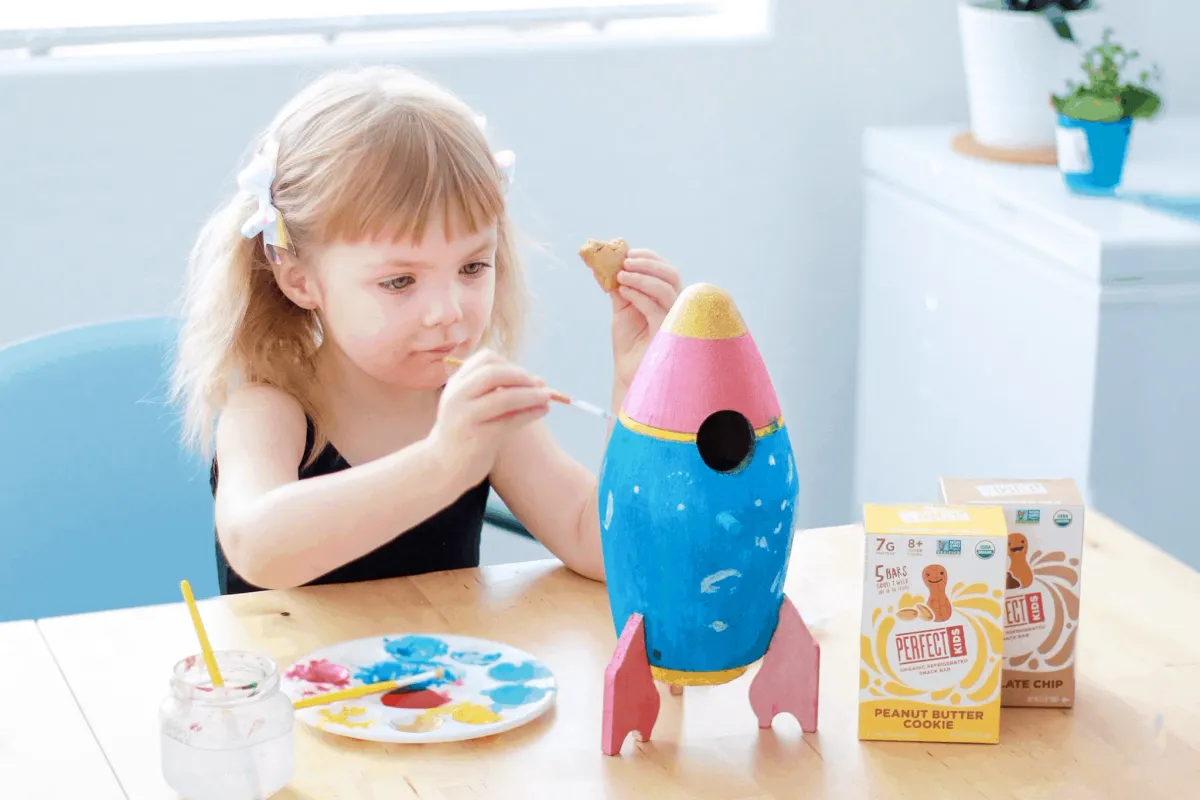
When screens lose their appeal, parents choose hands-on projects that both entertain and educate. Creative activities for kids blend arts and crafts, sensory play, storytelling, and introductory STEM to build fine motor skills and spark imagination.
Quick games and printable projects offer versatile options to keep young minds engaged throughout the day. Clear themes and simple setups make the transition to additional activities easier, and My Coloring Pages offers 10,000+ free coloring pages to help families expand creative play effortlessly.
Summary
- The guide prioritizes practical execution, offering 82 ready-to-use ideas with a one-line how-to, a simple materials list, and safety notes, so parents and teachers can pick activities quickly and confidently.
- The whole collection spans 120 numbered activities, giving a broad menu to match different ages, attention spans, and settings rather than forcing one-size-fits-all solutions.
- The status quo of piecing together activity fragments time, creating redundant prep that can add up to hours each week, and the article explicitly frames the goal as compressing prep from hours to minutes.
- When time is tight, the most straightforward, most effective strategy is clear: choose one low-prep sensory or drawing activity and pair it with a 10-minute story to preserve hands-on learning without a long setup.
- Content breadth covers many modes of play, from art and building to science, music, outdoor, and technology-assisted ideas, with 80+ creative activity prompts highlighted for quick rotation.
- Safety and age-appropriateness are emphasized throughout, with dozens of entries including explicit warnings about small parts, supervision, and non-toxic materials to match developmental needs.
- This is where My Coloring Pages' 10,000+ free coloring pages fit in, offering instant printable templates that can compress lesson prep from hours to minutes when quick, screen-free creative activities are needed.
80+ Creative Activities for Kids
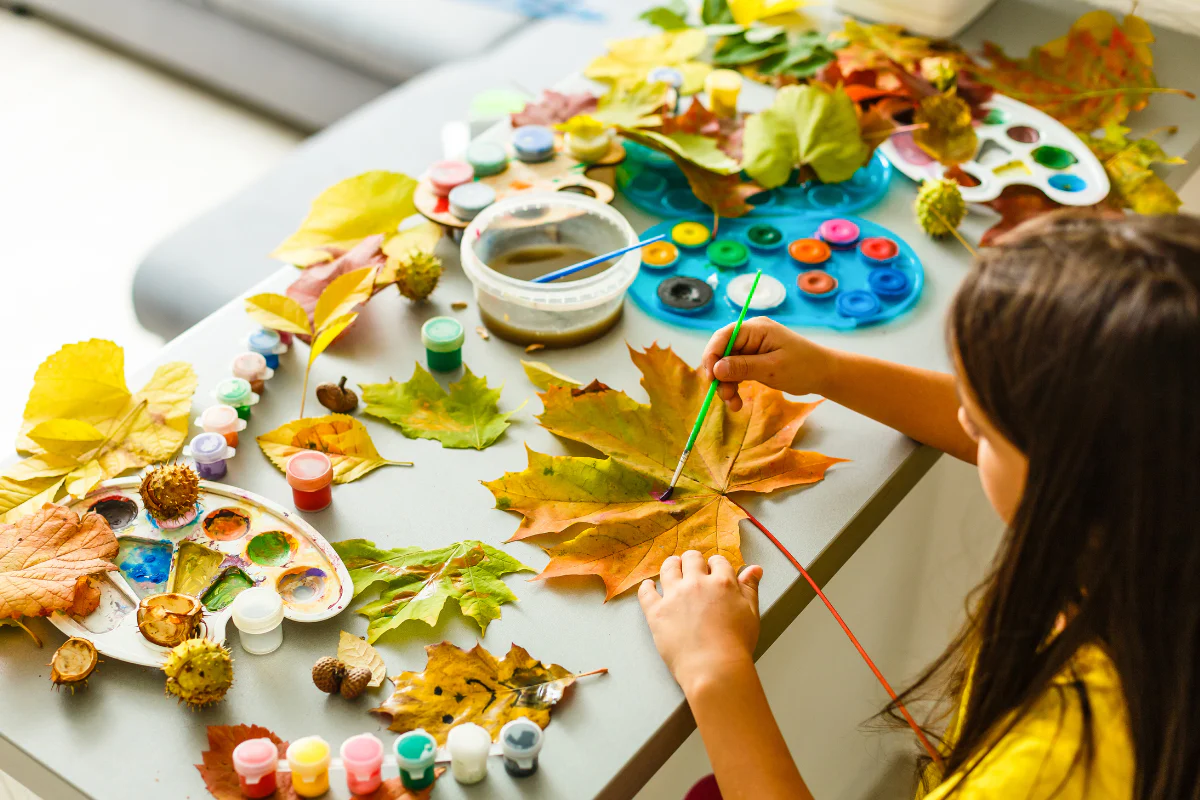
Creative activities give kids great chances to practice imagination, fine motor control, language, and problem-solving skills while having fun. This list includes 82 ready-to-use ideas for use at home or in the classroom. Each entry includes helpful details: a description of the activity, a brief how-to, what materials you need, and any safety notes to help you choose quickly and confidently.
Parents and teachers keep telling us the same thing: it’s essential to be transparent about how kids spend their time. When mornings or daycare periods focus on passive screen use, families often feel the need to make up for that at home with planned creative time. This pattern is seen in daycare and family settings, so choose activities that build hands-on skills and help protect evening family time. If screen time increases during care, balance it with short, parent-led creative sessions later. Consider exploring our 10,000+ free coloring pages as one of these innovative options.
For more visual prompts and craft templates, check out 80+ Creative Activities for Kids, from Pinterest, and for more ideas and variations, look at 120 Creative Activities for Kids Ideas.
1. Art and Craft: Painting and Drawing
- What: Freeform painting or guided drawing sessions.
- How: Lay out paper, washable paints, brushes, markers; suggest a prompt or leave it open.
- Materials: Paper, washable paints/markers, smock.
- Safety: Use non-toxic supplies and supervise young painters.
2. Art and Craft: DIY Crafts (paper flowers, puppets)
- What: Simply constructed crafts kids can decorate and play with.
- How: Cut, glue, and decorate templates; add string or sticks for puppets.
- Materials: Colored paper, glue, scissors, and markers.
- Safety: Use child-safe scissors for little hands.
3. Art and Craft: Collage Making
- What: Assemble pictures, textures, and found objects into a collage.
- How: Provide magazines, fabric scraps, and glue; let kids design freely.
- Materials: Glue sticks, paper, safe scissors, scrap materials.
- Safety: Avoid minor choking hazards for toddlers.
4. Art and Craft: Clay Modelling
- What: Shape animals or abstract forms from modeling clay.
- How: Demonstrate simple shapes, then let kids combine pieces.
- Materials: Air-dry clay or playdough, tools.
- Safety: Choose non-toxic clay; don’t eat.
5. Imaginative Play: Role Playing
- What: Dress up and enact roles like chef, doctor, or astronaut.
- How: Set out costumes and props, offer a scenario to start.
- Materials: Dress-up clothes, simple props.
- Safety: Keep costumes breathable and non-restrictive.
6. Imaginative Play: Story Creation
- What: Make up and act out short group stories.
- How: Start with a setting and let each child add a sentence or action.
- Materials: None required; optional props.
- Safety: Encourage inclusive turns and gentle language.
7. Imaginative Play: Dollhouse & Action Figures
- What: Create scenes and narratives with small toys.
- How: Give a simple brief, then let kids set up and tell stories.
- Materials: Dollhouse, figures, fabric scraps for scenery.
- Safety: Supervise small parts with young children.
8. Imaginative Play: Pretend Play Kitchen/Toolbox
- What: Role-based play using kitchen or toy sets.
- How: Rotate roles: chef, server, customer, repair person.
- Materials: Toy kitchen/tools, play food.
- Safety: Keep fundamental kitchen tools out of reach during play.
9. Building: LEGO and Building Blocks
- What: Construct towers, vehicles, and scenes.
- How: Offer a challenge like “build a bridge that holds a toy car.”
- Materials: LEGO, wooden blocks.
- Safety: Monitor for small pieces with very young kids.
10. Building: Cardboard Creations
- What: Turn boxes into forts, robots, or cars.
- How: Cut windows and doors, decorate with crayons and tape.
- Materials: Cardboard boxes, tape, and markers.
- Safety: Avoid sharp edges; supervise cutting.
11. Building: Magnetic Tiles
- What: Explore shapes and balance with magnetic tiles.
- How: Challenge with prompts: tallest tower, enclosed room.
- Materials: Magnetic tiles set.
- Safety: Ensure magnets are sealed and age-appropriate.
12. Building: Marble Runs
- What: Design a track and observe marbles’ motion.
- How: Use tubes and ramps to test designs and timing.
- Materials: Marble run set or recycled tubes and tape.
- Safety: Keep marbles out of reach of toddlers.
13. Music and Dance: Singing and Karaoke
- What: Sing together and perform favorite songs.
- How: Use instrumental tracks or simple lyrics; encourage solos.
- Materials: Music player, printable lyric sheets.
- Safety: Watch volume levels for hearing comfort.
14. Music and Dance: Learning Instruments
- What: Explore rhythm with simple instruments.
- How: Teach a basic beat and let kids improvise.
- Materials: Tambourines, small keyboards, recorders.
- Safety: Use age-appropriate, non-breakable instruments.
15. Music and Dance: Choreographed Dance
- What: Create short routines to a favorite song.
- How: Break a song into sections and teach moves step-by-step.
- Materials: Music and open space.
- Safety: Clear obstacles; supervise active play.
16. Music and Dance: Music and Movement Games
- What: Games combining listening and action.
- How: Play “freeze dance” or follow-the-leader with rhythms.
- Materials: Music player.
- Safety: Keep the play area safe for movement.
17. Outdoor: Nature Art
- What: Make art from leaves, sticks, stones, and flowers.
- How: Collect items on a walk and arrange them into mandalas or collages.
- Materials: Found natural items, glue, and paper.
- Safety: Teach not to pick protected plants; wash hands.
18. Outdoor: Obstacle Courses
- What: Build physical challenges in the yard or park.
- How: Use cones, ropes, and chalked paths for stations.
- Materials: Cones, ropes, hoops.
- Safety: Set skill-appropriate obstacles; supervise.
19. Outdoor: Gardening
- What: Plant seeds, care for pots, and observe growth.
- How: Assign child-sized tasks: dig, plant, water.
- Materials: Soil, seeds, small tools.
- Safety: Use kid tools and gloves; supervise soil handling.
20. Outdoor: Scavenger Hunt
- What: Treasure hunt for colors, textures, or objects.
- How: Create a checklist or picture list; set boundaries and a timer.
- Materials: List, a bag for collecting.
- Safety: Stay within agreed areas and check findings for hazards.
21. Science & Sensory: DIY Volcano
- What: A baking soda and vinegar reaction in a modeled volcano.
- How: Build a papier-mâché volcano, then pour a baking-soda-vinegar mixture to make it erupt.
- Materials: Baking soda, vinegar, a tray, and modeling materials.
- Safety: Do this on a tray and avoid the eyes.
22. Science & Sensory: Sensory Bins
- What: Tactile play with rice, sand, water beads, or beans.
- How: Hide small toys and tools for scooping and sorting.
- Materials: Bin, filler, scoops.
- Safety: Supervise to prevent ingestion.
23. Science & Sensory: Cooking and Baking Experiments
- What: Follow recipes to learn measurement and chemistry.
- How: Give age-appropriate jobs, such as stirring and counting scoops.
- Materials: Simple recipe ingredients and utensils.
- Safety: Supervise heat and sharp tools.
24. Science & Sensory: Make Slime
- What: Mix safe slime recipes to explore texture.
- How: Use glue, activator, or safe alternatives and colorants.
- Materials: Glue, borax substitute or slime kits, food coloring.
- Safety: Use non-toxic recipes and supervise handling.
25. Science & Sensory: Grow Crystals
- What: Create crystals from salt or sugar solutions.
- How: Dissolve, hang a string, and watch crystals form over days.
- Materials: Salt/sugar, jars, strings.
- Safety: Keep solutions out of the mouth.
26. Reading & Storytelling: Interactive Story Books
- What: Read and pause for predictions and sound effects.
- How: Ask, “what happens next?” and let kids act out the parts.
- Materials: Age-appropriate books, props.
- Safety: Keep small props safe.
27. Reading & Storytelling: Story Creation and Writing
- What: Invent stories with pictures and captions.
- How: Prompt with characters or settings and let kids write or dictate.
- Materials: Paper, pencils, stickers.
- Safety: Encourage positive themes.
28. Reading & Storytelling: Puppet Shows
- What: Put on short plays using hand or sock puppets.
- How: Build simple puppets and rehearse scenes.
- Materials: Socks, glue, buttons, and a marker.
- Safety: Avoid small glued-on bits for toddlers.
29. Reading & Storytelling: Book Clubs & Reading Groups
- What: Group reading with discussion and a related activity.
- How: Pick a short book and pair it with simple follow-up crafts.
- Materials: Copies of the book, discussion prompts.
- Safety: Keep group sizes manageable.
30. Reading & Storytelling: Storytelling with Props
- What: Use simple items to spark tales.
- How: Put several objects in a bag and have each child pick and improvise a story.
- Materials: Random props.
- Safety: Avoid choking hazards.
31. Technology-Assisted: Drawing Apps
- What: Digital drawing with a stylus or finger.
- How: Give prompts and show basic tools like fill and brush.
- Materials: Tablet or phone with drawing app.
- Safety: Limit screen time and supervise purchases or online sharing.
32. Technology-Assisted: Coding Games
- What: Age-appropriate block coding to build animations.
- How: Use guided challenges that teach sequencing and logic.
- Materials: Tablet/computer, kid-friendly coding app.
- Safety: Monitor online accounts and privacy settings.
33. Technology-Assisted: Video Editing for Kids
- What: Make short clips from recorded play or drawings.
- How: Teach basic trim and add music, then export for family viewing.
- Materials: Smartphone/tablet and a simple editor.
- Safety: Protect privacy when sharing.
34. Technology-Assisted: Photography Challenges
- What: Photo scavenger hunts by theme: textures, colors, faces.
- How: Give a list and let kids take and print images.
- Materials: Digital camera or phone.
- Safety: Supervise device use and online sharing.
35. Group-Based: Theater Performances
- What: Rehearse a short play with costumes and roles.
- How: Assign roles, practice lines, and perform for the family.
- Materials: Costumes, simple set.
- Safety: Keep rehearsals age-appropriate and inclusive.
36. Group-Based: Craft Parties
- What: Host a seated craft where everyone makes the same project.
- How: Pre-cut pieces and set stations for easy assembly.
- Materials: Craft kits or prepped supplies.
- Safety: Supervise glue and scissors.
37. Group-Based: Board Games for Creative Thinking
- What: Games that require storytelling, strategy, or building.
- How: Choose games that fit age and encourage cooperative play.
- Materials: Age-appropriate board games.
- Safety: Avoid small pieces for younger players.
38. Group-Based: Community Projects
- What: Create a mural or community collage.
- How: Assign sections and combine at the end.
- Materials: Large paper, paints, brushes.
- Safety: Use washable paints and supervise outdoor setups.
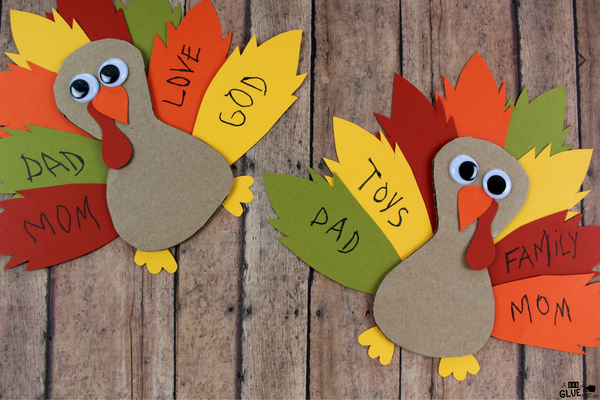
39. Holiday-Themed: Seasonal Crafts
- What: Make decorations tied to holidays and seasons.
- How: Offer templates and let kids customize.
- Materials: Seasonal craft supplies.
- Safety: Be mindful of small seasonal trinkets.
40. Holiday-Themed: Gift-Making
- What: Handcrafted gifts like cards or painted stones.
- How: Set a simple template and let kids personalize.
- Materials: Paper, paints, ribbons.
- Safety: Avoid sharp ornament parts for little kids.
General considerations for creative activities?
Most families print random activities or search many sites because this way feels quick and familiar. However, as lesson preparation increases, it breaks both time and consistency.The hidden cost is that teachers and parents spend valuable minutes adding context and adjusting prompts, which add up to hours of extra preparation each week. Platforms like My Coloring Pages offer instant custom pages and community-curated collections, helping teams reduce prep time from hours to just minutes while keeping activities tailored and ready for the classroom.
41. Holiday-Themed: Festival Cooking
- What: Simple themed recipes tied to celebrations.
- How: Prepare no-bake treats or decorated cookies together.
- Materials: Baking ingredients or no-bake kits.
- Safety: Supervise heat and food allergies.
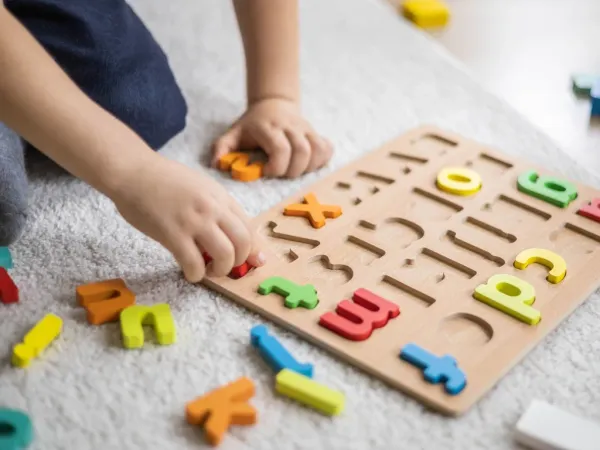
42. Alphabetical Games
- What: Make creative alphabets by drawing or collage.
- How: Assign letters and let kids illustrate each one.
- Materials: Paper, markers, magazines.
- Safety: Use child-safe scissors.
43. Bubble Patterns
- What: Blow colored bubbles onto paper to create prints.
- How: Mix shampoo with water and food coloring, blow with a straw, then press paper.
- Materials: Shampoo, water, food coloring, straws, and paper.
- Safety: Avoid ingestion and splashing in the eyes.
44. Mapping
- What: Learn geography by mapping continents and countries.
- How: Use a blank map and stickers or drawings to label places and animals.
- Materials: World map printouts, stickers.
- Safety: Make tasks age-appropriate.
45. Make a Disk Spinner
- What: Create a spinning toy from cardboard or bottle caps.
- How: Cut circles, attach a pivot, and decorate.
- Materials: Cardboard, brad fastener, markers. Safety: Avoid sharp edges and supervise small parts.
46. Stone Painting
- What: Paint smooth stones with patterns or faces.
- How: Clean stones, sketch designs, and paint with acrylics.
- Materials: Stones, acrylic paints, sealant.
- Safety: Seal paint to avoid flaking; supervise younger painters.
47. Create Solar System (cardboard model)
What: Make planetary models from papier-mache balls. How: Form balls, paint, and glue on a cardboard orbit. Materials: Paper, glue, paint, and cardboard. Safety: Use non-toxic paint and ventilate when gluing.
48. Quiz
- What: Host a knowledge quiz for recall and speed.
- How: Prepare questions suitable for the age and award small prizes.
- Materials: Prepared questions, buzzer optional.
- Safety: Keep a competitive, friendly tone.
49. Draw Story
- What: Children draw sequential panels to tell a story.
- How: Fold paper into panels and have kids illustrate and caption each.
- Materials: Paper, pencils, markers.
- Safety: Encourage gentle use of scissors if cutting.
50. Musical Chair
- What: Classic game with music and chairs.
- How: Arrange chairs and remove one each round until one player remains.
- Materials: Chairs and a music player.
- Safety: Ensure safe movement and soft landing areas.
51. Start Calligraphy
- What: Practice decorative handwriting to build fine motor skills.
- How: Teach basic strokes, then let kids write short phrases.
- Materials: Calligraphy pens or thick markers.
- Safety: Avoid sharp nibs for very young children.
52. Watch Animated Movies (followed by discussion)
- What: Use short animated films as seeds for conversation and art.
- How: Watch together, then ask what they'd change in the story.
- Materials: Short, age-appropriate films.
- Safety: Keep screen time balanced and discuss themes.
53. Play Crosswords
- What: Create or solve simple crosswords and rebuses.
- How: Make a personalized crossword using familiar words.
- Materials: Paper, pencils.
- Safety: Match difficulty to age.
54. DIY Projects (electronic toys, simple machines)
- What: Build small motorized crafts or mechanical toys.
- How: Use beginner kits and follow step-by-step instructions.
- Materials: DIY kits, basic tools.
- Safety: Supervise electrical components and small parts.
55. Gardening (mini projects)
- What: Start a potted herb garden or seed sprouting experiment.
- How: Let kids pot seeds, label them, and record growth.
- Materials: Pots, soil, seeds.
- Safety: Teach safe plant handling and handwashing.
56. Wildlife Exploration
- What: Observe animals in local parks or habitats.
- How: Make a checklist, take notes, or make sketches.
- Materials: Notebook, binoculars optional.
- Safety: Keep safe distances and follow park rules.
57. Nature Scavenger Hunt
- What: Find specific natural items during a walk.
- How: Create a list and set boundaries/time.
- Materials: Checklist, bag.
- Safety: Avoid touching harmful plants or insects.
58. Reading Challenges and Story Time
- What: Set short reading goals or themed story nights.
- How: Design a reading calendar with rewards for milestones.
- Materials: Books, reading log.
- Safety: Keep reading age-appropriate.
59. Backyard Obstacle Course Build
- What: Design and run physical challenges in the yard.
- How: Use household objects as stations for jumping, crawling, and balancing.
- Materials: Hula hoops, ropes, cones.
- Safety: Clear hazards and supervise active play.
60. Bake Together and Learn Math
- What: Use recipes to practice measurement and fractions.
- How: Assign measuring jobs and talk through conversions.
- Materials: Ingredients and measuring tools.
- Safety: Supervise oven use.
61. Puzzle Time and Brain Teasers
- What: Work on jigsaw puzzles or solve riddles together.
- How: Choose a level that requires collaboration and strategy.
- Materials: Puzzles, riddle cards.
- Safety: Store small pieces safely.
62. Music and Dance Party (family performance)
- What: Choreograph and perform a family routine.
- How: Assign roles for music, dance, and stage props.
- Materials: Music, simple costumes.
- Safety: Keep movement safe and accessible.
63. Write and Illustrate a Storybook
- What: Create a small handmade book with text and illustrations.
- How: Fold and staple the pages; let kids design the cover art.
- Materials: Paper, stapler, markers.
- Safety: Supervise stapler use.
64. Kindness Challenges
- What: Small daily acts like thank-you notes or helping neighbors.
- How: Create a checklist and celebrate completed acts together.
- Materials: Paper, envelopes.
- Safety: Ensure any outside interactions are supervised.
65. Original Golf at Home (box holes game)
- What: Score points by hitting beads/balls into cut-out holes.
- How: Cut boxes with holes labeled for points, use beads as balls.
- Materials: Cardboard, beads, or pom-poms.
- Safety: Avoid minor choking hazards for toddlers.
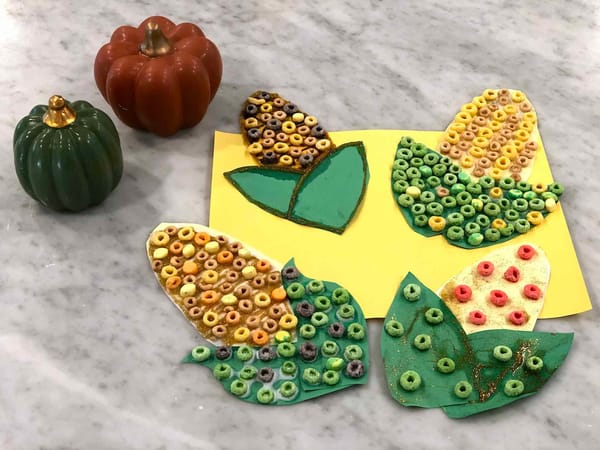
66. Unusual Crafts (appliqué from scrap materials)
- What: Make characters from everyday bits like cotton swabs or cereal.
- How: Arrange and glue scraps to a backing to form pictures.
- Materials: Scrap materials, glue, and backing.
- Safety: Avoid small ingestible pieces.
67. Hold the Ball (no hands relay)
- What: Carry a ball without hands across a course.
- How: Use knees, elbows, or spoons to move the ball.
- Materials: Softball or balloon.
- Safety: Choose soft objects and clear paths.
68. DIY Alphabet (creative letter practice)
- What: Draw and decorate large letters together.
- How: Create letter posters and hang them for practice.
- Materials: Paper, markers, collage supplies.
- Safety: Use non-toxic materials.
69. Fantastic Patterns (bubble print variant)
- What: Make textured prints with colored foam.
- How: Create a foam mix, blow bubbles, and press paper gently for patterns.
- Materials: Gouache or paint, shampoo, and straws.
- Safety: Prevent ingestion and eye contact.
70. Animals and Continents Activity
- What: Match animals to their home continents.
- How: Use a climate map and printed animal pictures for pinning.
- Materials: Map, animal cutouts, pin,s or tape.
- Safety: Use tape instead of pins for younger kids.
71. Mug Painting
- What: Decorate a mug with permanent markers for keepsakes.
- How: Sketch design, fill with marker, and bake per instructions if needed.
- Materials: Plain mug, permanent markers.
- Safety: Use oven-bake instructions and supervise handling.
72. Star Wars Lightsaber (balloon + LED)
- What: Make safe sword toys from balloons and LED lights.
- How: Wrap the cardboard, insert the LED, and cover it with a balloon.
- Materials: Balloons, LED flashlight, cardboard, tape.
- Safety: Avoid small batteries for unsupervised children.
73. DIY Plane Made of Straw
- What: Build a flying toy from paper strips and a straw axle.
- How: Assemble circular paper wings and slide a straw through for flight.
- Materials: Paper, straws, tape.
- Safety: Avoid sharp tape edges and supervise small parts.
74. Rainbow Soap Bubbles
- What: Make rainbow bubbles with colored fabric and soap mix.
- How: Cut the bottle end, stretch the sock with food coloring, dip it in the soap mix, and blow.
- Materials: Bottle, sock, food coloring, dish soap.
- Safety: Keep soap away from eyes and mouth.
75. Unique Tennis (plate rackets & balloon)
- What: Play balloon tennis with homemade rackets.
- How: Use plastic plates glued to sticks as rackets and a balloon as the ball.
- Materials: Plates, sticks, tape, and a balloon.
- Safety: Avoid plates with sharp edges and supervise balloon play.
76. Hopscotch Game at Home
- What: Indoor hopscotch using floor tape.
- How: Mark squares with tape and uses a beanbag for throws.
- Materials: Duct tape, small beanbag.
- Safety: Tape should not cause slipping.
77. DIY Tic-Tac-Toe Game
- What: Paint stones or draw tokens for a reusable game set.
- How: Create a grid and take turns placing tokens until someone wins.
- Materials: Stones, paint, cloth, or board.
- Safety: Manage small stones around toddlers.
78. Homemade Wooden Bracelets
- What: Soak and bend wood or use popsicle sticks to craft bracelets.
- How: Soak thin wood, shape around wrist, and decorate.
- Materials: Thin wood strips, tape, and paint.
- Safety: Avoid splinters and seal edges.
79. Archaeological Excavations (frozen toy in ice)
- What: Freeze a toy in colored water and chip away to free it.
- How: Use a safe tool, such as a spoon, and warm water to melt ice.
- Materials: Balloon or container, toy, water, dye.
- Safety: Avoid sharp tools and supervise closely.
80. Colored Snow (sensory play all year)
- What: Make fake snow from cornstarch and shaving foam with dye.
- How: Mix until fluffy and moldable for pretend play.
- Materials: Cornstarch, shaving foam, food dye.
- Safety: Keep away from the mouth and eyes.
81. Paper Plate Craft
- What: Turn plates into masks, suns, or scenery.
- How: Cut and paint plates, then add extras like paper rainbows.
- Materials: Paper plates, paint, and glue.
- Safety: Use child-safe paint.
82. Labyrinth Made of Cardboard Boxes
- What: Create tunnels and rooms from attached cardboard boxes.
- How: Cut doorways, decorate walls, and join boxes with tape.
- Materials: Cardboard boxes, tape, and paint.
- Safety: Ensurethe structure is stable and supervise play inside boxes.
83. Your Own Model of the Solar System (duplicate variant)
- What: Re-create planets and orbits on cardboard with painted balls.
- How: Make various-sized balls and glue them onto a painted board.
- Materials: Cardboard, balls from paper, paint.
- Safety: Use non-toxic paint and supervise small objects.
84. Discover the Underwater World (watercolor + alcohol drops)
- What: Wet-on-wet watercolor technique with alcohol for texture.
- How: Paint ocean colors, drop alcohol to create rings, and add silhouettes when dry.
- Materials: Watercolor, pipette, black paper cutouts.
- Safety: Use non-toxic paints and keep alcohol away from children’s mouths.
85. Draw with Prints (hand/footprint art)
- What: Use handprints or footprints as bases for paintings.
- How: Press a painted hand onto paper, then add features to make animals/objects.
- Materials: Washable paint, paper.
- Safety: Use washable, non-toxic paints.
86. Quiz (family tea quiz variant)
- What: Host a family quiz with music breaks and prizes.
- How: Prepare categories, rotate hosts, and award simple rewards.
- Materials: Prepared questions, small prizes.
- Safety: Keep quiz length suitable for attention spans.
87. Answer in a Minute
- What: Quick-fire Q&A rounds to build rapid recall.
- How: Set a timer and see how many correct answers each player gives.
- Materials: Timer, question list.
- Safety: Choose age-appropriate questions.
88. Draw a Story (panel storytelling variant)
- What: Build a collaborative stories panel by panel with drawing.
- How: Fold paper and pass around so each child adds a part.
- Materials: Paper, pens.
- Safety: Encourage kind stories.
89. Attention to the Picture (I spy with clues)
- What: Play observation games to build descriptive language.
- How: Give clues like color or function and have kids guess the object.
- Materials: Pictures with many elements.
- Safety: Match complexity to age.
90. Didactic Games (matching mother animals)
- What: Educational games to pair animals with parents or shapes with examples.
- How: Create cards and have kids match pairs.
- Materials: Printed cards or magazine cutouts.
- Safety: Laminate cards to extend their lifespan.
91. Write a Fairy Tale (two-word prompt game)
- What: Invent a tale from two unrelated words suggested by family.
- How: Give two words and create a story together, then illustrate it.
- Materials: Paper, pencils.
- Safety: Keep story content friendly.
92. Wood Magnets
- What: Paint wood slices and glue magnets to the back.
- How: Decorate, seal, and attach a magnet for fridge art.
- Materials: Wood slices, paint, glue, magnets.
- Safety: Secure magnets well for safety.
93. Constructors (build a house for a toy)
- What: Use building sets to make homes and furniture for toys.
- How: Assign rooms and build accessories.
- Materials: Lego or block sets.
- Safety: Monitor small pieces with toddlers.
94. Math Ball
- What: Combine ball toss with arithmetic practice.
- How: Call a number and have kids answer the related math as they catch or throw.
- Materials: Softball.
- Safety: Use soft balls and clear space.
95. Wonder Beast (folded collaborative creature drawing)
- What: Folded drawing game to create funny hybrid animals.
- How: Fold paper and take turns drawing one section without seeing others.
- Materials: Paper, pen.
- Safety: Keep scissors out unless needed.
96. Funny Stories (exquisite corpse writing)
- What: Group-written humorous stories with partial reveal.
- How: Pass paper around with partial lines folded over.
- Materials: Paper, pens.
- Safety: Encourage positive creativity.
97. Paper Masks
- What: Create character masks for play.
- How: Cut a plate or paper into mask shapes, decorate, and attach a string.
- Materials: Paper plates, markers, and elastic.
- Safety: Ensure eye holes align and the elastic is safe.
98. Shop (pretend store with play money)
- What: Role-play buying and selling to practice math and language.
- How: Label items, set prices, and exchange play money.
- Materials: Play money, price tags.
- Safety: Keep small coins out of reach for toddlers.
99. Fun Quest (clue-based treasure hunt)
- What: Hide a prize and write clues leading to it.
- How: Each clue leads to the next until the treasure is found.
- Materials: Clue cards and a small prize.
- Safety: Keep clues and treasure in safe, visible places.
100. Unusual Book (scrapbook creation)
- What: Compile photos, clippings, and mementos into a personal book.
- How: Glue and write captions to build a memory book.
- Materials: Notebook, glue, photos.
- Safety: Supervise glue use.
101. Take off Your Feathers (clothespin tag game)
- What: Clip clothespins as targets and race to remove them from opponents.
- How: Clip on clothespins as “feathers” then try to remove them.
- Materials: Clothespins.
- Safety: Use soft, clipped fabric and supervise fast play.
102. Who is Faster? (relay variations)
- What: Relay races with different movement tasks.
- How: Mix balancing, hopping, and obstacle steps for variety.
- Materials: Balloons, books, cones.
- Safety: Ensure surfaces are non-slip and that obstacles are safe.
103. DIY Coasters (wood slice painting variant)
- What: Decorate small wood slices to use as coasters.
- How: Paint and seal wood slices for everyday use.
- Materials: Wood slices, markers, and sealant.
- Safety: Seal finished pieces before use.
104. Forest Hut (blanket fort)
- What: Indoor fort-building with blankets and cushions.
- How: Drape sheets over furniture and furnish inside with pillows and lights.
- Materials: Blankets, cushions, and clips.
- Safety: Avoid heavy objects on top and ensure airflow.
105. Beauty Salon (role play)
- What: Pretend salon with safe styling for dolls or family members.
- How: Set up stations for hair, nails, and makeup with pretend tools.
- Materials: Toy brushes, nail stickers.
- Safety: Use pretend tools and keep real cosmetics out of reach of young children.
106. Construction (toy car delivery to the site)
- What: Simulate a construction site with toy vehicles and blocks.
- How: Load materials, build, and role-play workers.
- Materials: Toy trucks, blocks.
- Safety: Keep heavy toys on stable surfaces.
107. Delicious Numbers (baked number cookies)
- What: Shape dough into numbers and play counting games.
- How: Bake number cookies and use them for ordering and math games.
- Materials: Cookie dough, baking tools.
- Safety: Supervise oven use.
108. Musical Volleyball (balloon toss with music)
- What: Two-team balloon toss that stops when the music stops.
- How: Toss balloons across a line; when the music stops, the side with fewer balloons loses.
- Materials: Balloons, music.
- Safety: Use soft balloons and clear the space.
109. Scrapbooking
- What: Make albums and postcards with photos and ephemera.
- How: Arrange photos, write captions, and embellish pages.
- Materials: Album, glue, stickers.
- Safety: Supervise cutting and gluing.
110. Rebus and Crosswords
- What: Invent puzzles for peers to solve.
- How: Create clues and drawings to make a homemade puzzle book.
- Materials: Paper, pens, magazine cutouts.
- Safety: Match puzzle difficulty to age.
111. Rock Painting (big round rocks variety)
- What: Paint larger rocks with scenes, animals, or words.
- How: Prime, paint, and seal for outdoor display.
- Materials: Rocks, acrylic paint, sealant.
- Safety: Wash rocks first and supervise paint.
112. Naming Game (categories by letter)
- What: Fill a table of categories starting with a chosen letter.
- How: Race to fill columns with unique answers for points.
- Materials: Paper, pen.
- Safety: Keep competition friendly.
113. Countries and Flags (map pinning)
- What: Learn flags by attaching them to a world map.
- How: Match printed flags with map locations and test recall.
- Materials: Map, printed flags, pins, or stickers.
- Safety: Use stickers or tape with young children.
114. (Extra) Paper Plate Mask Variant — simple alternate craft
- What: Quick mask-making for short play sessions.
- How: Cut eye holes, decorate, and attach a string.
- Materials: Paper plates, elastic.
- Safety: Ensure eye holes are large enough.
115. (Extra) Cardboard City Expansion — extend the earlier cardboard maze idea
- What: Add roads and signage to a cardboard city.
- How: Paint roads, label buildings, and use toy cars.
- Materials: Boxes, paint, tape.
- Safety: Ensure structures are stable.
116. (Extra) Collaborative Story Quilt — group narrative art piece
- What: Each child decorates a square that, when combined, forms a story quilt.
- How: Paint or collage squares, then join them into a wall display.
- Materials: Paper or fabric squares, paint.
- Safety: Use safe adhesives and non-toxic paint.
117. (Extra) Shadow Puppets — light and storytelling play
- What: Create silhouettes to act out tales on a wall.
- How: Cut shapes, attach to sticks, shine light to animate.
- Materials: Black paper, sticks, and a lamp.
- Safety: Keep the lamp at a safe distance and supervise.
118. (Extra) Sound Walk — listening-focused outdoor activity
- What: Walk silently and list sounds you hear to boost attention.
- How: Use a notebook to jot down sounds and categorize them later.
- Materials: Notebook, pencil.
- Safety: Stay on safe paths and supervise near roads.
119. (Extra) Taste Testing Station — safe food exploration
- What: Explore textures and flavors with a supervised tasting.
- How: Offer small samples and discuss descriptors like sweet or sour.
- Materials: Small food samples.
- Safety: Screen for allergies and supervise closely.
120. (Extra) Time Capsule Project — creativity plus reflection
- What: Collect drawings, notes, and small items to seal and open later.
- How: Have each child contribute and choose an opening date.
- Materials: Clean container, paper, and small keepsakes.
- Safety: Keep the time capsule in a safe, dry place.
Related Reading
- Activities for Kids
- Hobbies for Kids
- Activities for 5-Year-Olds
- Educational Activities for Kids
- At Home Activities for Kids
Create Custom Printable Coloring Pages and Coloring Books in Seconds
When you need quick, screen-free creative activities for kids and don't have time to prepare, a photo or simple description can be turned into a ready-to-print coloring page in seconds with My Coloring Pages. You can also browse 10,000+ free community pages or create personalized coloring books for classrooms, family projects, or stress relief.This helps provide hands-on art, fine-motor practice, imaginative play, and classroom-ready resources without any extra prep!
Related Reading
- Activities for 6 Year Olds
- Activities for 7-Year-Olds
- Fun Activities for Elementary Students
- Fun Activities for Preschoolers
- Screen-Free Activities for Kids
- Activities for 8-Year-Olds
- Back to School Activities for Elementary Students
- Budget Friendly Family Activities
- Hobbies for Toddlers
- At Home Learning Activities
- How to Encourage Creativity in a Child
- Coloring Skills Development