60+ Educational Activities for Kids That Make Learning Fun
Educational Activities for Kids: Explore 60+ hands-on projects by My Coloring Pages that make learning tangible and fun—less prep time, more creative play.

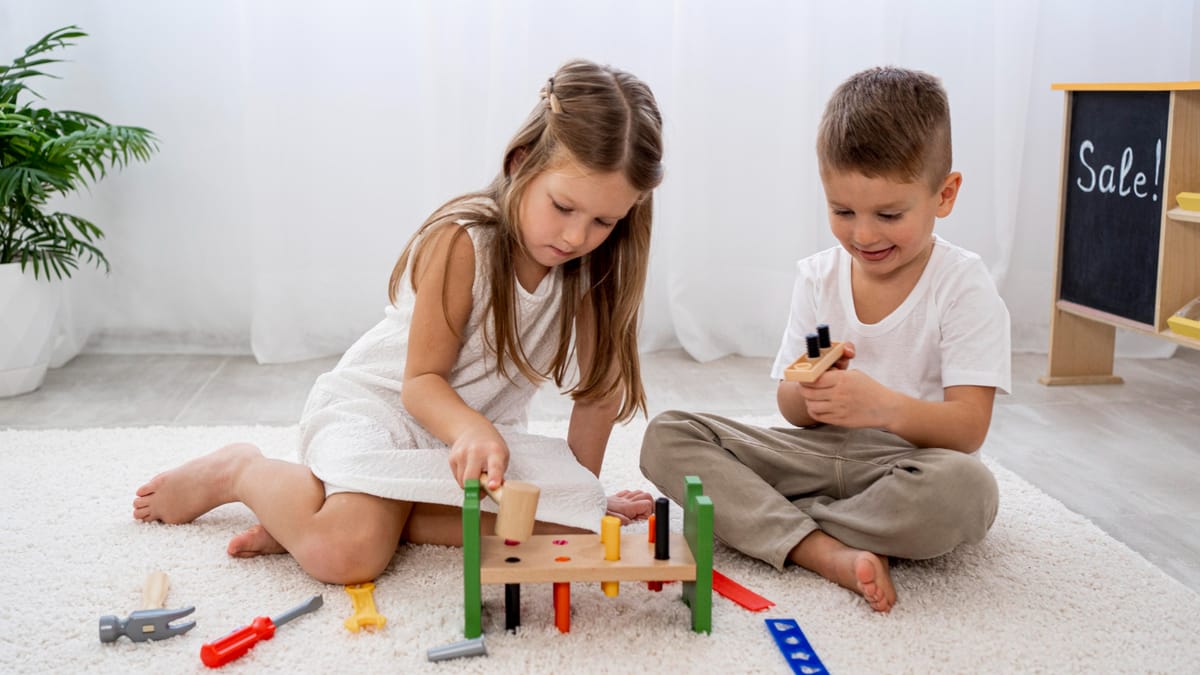
Parents often seek meaningful ways to balance busy schedules with educational activities for kids that spark creativity and support skill development. A range of options, such as crafts, simple science experiments, and motor skill games, can encourage problem-solving and hands-on learning at home or on the go. These activities blend fun and learning, making them a practical choice for nurturing children's curiosity.
My Coloring Pages offers ready-to-use, low-prep resources, including printable projects that appeal to both educators and parents. The carefully designed materials help develop creative thinking while reinforcing critical academic skills. My Coloring Pages also features 10,000+ free coloring pages that deliver engaging tools to support ongoing learning.
To put these ideas into practice, our 10,000+ free coloring pages help you get started right away.
Summary
- Active, hands-on practice turns abstract ideas into usable skills, and research shows that 75% of children show improved retention when engaged in hands-on learning activities.
- Iterative, prototype-driven projects deepen causal reasoning and measurable outcomes, and students participating in hands-on learning are 40% more likely to achieve higher grades on applied assessments.
- Short, focused sessions sustain attention and momentum, with the guide repeatedly recommending 15- to 30-minute timers for app-based practice and similarly brief rotations for experiments and games.
- Procedural scaffolding makes group play truly inclusive, a pattern that emerged during a three-month pilot where clear roles, visual prompts, and transition scripts reduced anxiety and increased participation for children with diverse needs.
- Ad hoc, piecemeal planning creates mounting prep friction as activities multiply, which is why the guide highlights searchable libraries of 8,967+ downloadable templates to compress prep time and maintain consistent learning goals.
- Cross-domain activity sets let families rotate 60+ STEM, art, and literacy projects to build transferable skills, sustain curiosity through visible artifacts, and create portfolios that reinforce long-term motivation.
- This is where My Coloring Pages fits in: 10,000+ free coloring pages address prep friction by providing searchable, themed templates parents can print quickly.
60+ STEM, Art & Literacy Educational Activities for Kids
1. Art and Craft Activities
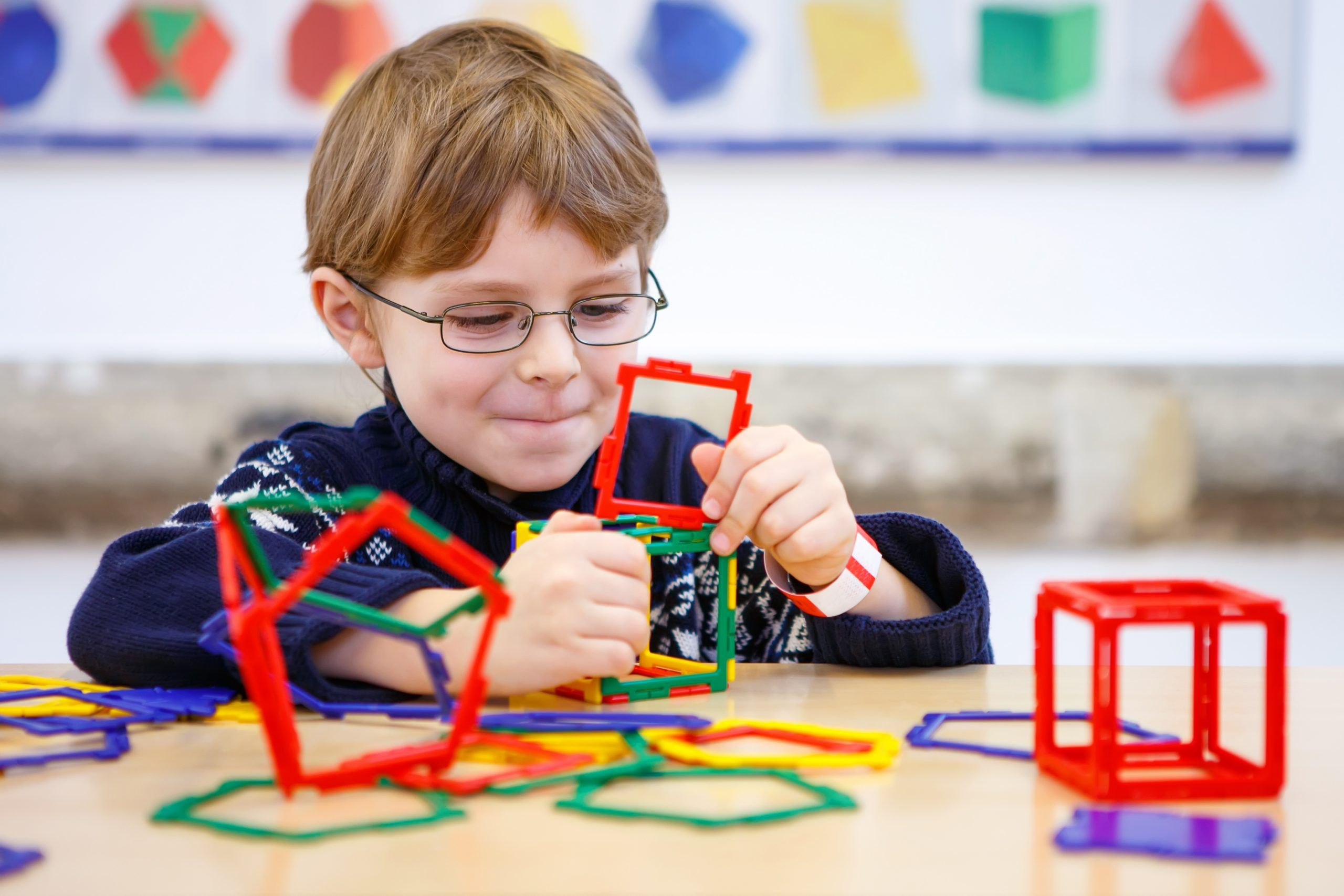
Art and crafts let kids practice focus, patience, and creative problem-solving while making something tangible they can be proud of. Use open-ended projects to encourage experimentation, not perfection, and let children lead the choices to build confidence and ownership.
What will you need?
Sheets of paper, paints, brushes, clay, scissors, colorful papers, glue, recycled bits (bottles, egg cartons, tissue).
How to do it?
- Set up a work surface with accessible supplies and a cloth for spills.
- Offer a short prompt (make a creature, build a house) and let them sketch ideas.
- Encourage trial runs with scrap paper or clay scraps.
- Praise process over product: ask what they tried and what they’d change next time.
- Display finished pieces for a few days to honor the effort.
2. Teach Easy Maths
Make math concrete by tying numbers to physical objects and playful challenges so kids see math as a tool, not a test. Keep activities short and scaffold from counting to simple operations so success builds quickly.
What will you need?
Counters (buttons, beads), measuring tape, paper, pencils, small boxes or cups.
How to do it?
- Begin with a story problem that matters to the child, like sharing snacks.
- Use counters to model addition and subtraction visually.
- Ask the child to explain their reasoning aloud.
- Gradually replace counters with drawings or mental steps as confidence grows.
- Celebrate attempts and correct gently with guided questions.
3. Develop Counting Skills
Counting is the foundation for arithmetic and pattern sense; make it musical, tactile, and visual, so kids internalize number order and quantity. Repetition through play sticks far better than rote drills.
What will you need?
Counting songs, clay or playdough pieces, number cards, and everyday objects.
How to do it?
- Sing a counting song, then ask the child to show the corresponding number of objects.
- Create a number hunt: find 3 red things, pick up 5 leaves.
- Use a number line to jump forward or back, narrating each step.
- Introduce simple word problems using their toys.
- End with a quick reflective question: which number felt easiest and why?
4. Plant a Garden
Gardening teaches life cycles, responsibility, measurement, and patience while connecting kids to the outdoors and food systems. Assign small, consistent tasks so responsibility is real and ownership grows.
What will you need?
Small pots or a patch of soil, seeds or seedlings, watering can, soil, labels.
How to do it?
- Let the child choose seeds and label each pot.
- Demonstrate planting depth and watering, then let them do it.
- Keep a growth chart to measure height weekly.
- Assign a daily quick-check job, such as light watering.
- Use setbacks, like pests, as science questions rather than failures.
5. Egg Drop Challenge
The egg drop is a hands-on way to teach forces, energy, and engineering through iteration and testing. Frame it as a design sprint: hypothesis, prototype, test, revise.
What will you need?
Raw eggs, tape, bubble wrap, cotton balls, straws, cardboard, and measuring tape.
How to do it?
- Ask teams to sketch protection ideas and predict outcomes.
- Build prototypes with available materials.
- Drop from a measured height and inspect the egg.
- Discuss why a design failed or succeeded, then iterate.
- Keep records so kids see improvement across trials.
6. STEM Activities
STEM projects let kids test ideas, form explanations, and connect results to everyday life, building scientific thinking and curiosity. Rotate short experiments so attention stays high and each success fuels the next question.
What will you need?
Basic lab materials (containers, filters, simple circuit parts), safety goggles, and a notebook.
How to do it?
- Start with a straightforward question, like how filters clean water.
- Predict outcomes and design a simple experiment.
- Run the experiment together and record observations.
- Compare results to the prediction and refine the design.
- Encourage kids to present a one-minute summary of what they learned.
A practical resource list of activities and program ideas appears in publications such as the American Alliance of Museums, which catalogs hands-on STEM, art, and literacy approaches museums are using to engage K-12 learners in 2025.
7. Help Your Child Improve Vocabulary
Learning new words becomes durable when they are connected to actions, images, and repeated use throughout the day. Make vocabulary a social game so children practice speaking and listening in low-stakes moments.
What will you need?
Flashcards, markers, word jar, and favorite books.
How to do it?
- Introduce a “word of the day” and write it on a visible card.
- Use it in at least five real sentences during the day.
- Play guessing games with definitions or act the word out.
- Create a short story together that includes the word.
- Add the word to a running family word wall.
8. Backyard Treasure Hunt
Treasure hunts combine literacy, math, and problem-solving while turning movement into a learning scaffold. Design clues that require different skills so every child can shine.
What will you need?
Paper clues, small prizes, a map or checklist, and a pen.
How to do it?
- Pick a theme and create a sequence of 6 to 10 clues.
- Hide clues with varying difficulty appropriate to age.
- Provide the first clue and let kids solve together.
- Offer hints that nudge reasoning without giving answers.
- Debrief at the end: what clue was hardest and why?
9. Install Educational Apps
Educational apps can be powerful when used purposefully and for a limited time, turning screen time into targeted practice. Choose apps that match learning goals and encourage reflection after each session.
What will you need?
Tablet or phone with parental controls, selected apps, and a timer.
How to do it?
- Pick one learning goal per session, like reading or math facts.
- Set a 15 to 30-minute timer and focus on a single app.
- Sit nearby to support when needed and ask a follow-up question.
- Log progress and adjust app choice as skills evolve.
- Balance with offline activities that reinforce the same skill.
10. Identify Colours
Teaching colours becomes more than naming when you connect colours to feelings, functions, and patterns in the world. Make it multi-sensory so memory ties to experience rather than memorization.
What will you need?
Colored toys, crayons, colored cards, and nature items.
How to do it?
- Point out a colour and ask the child to find three more of the same hue.
- Play sorting games with colored items, placing them into bowls.
- Ask questions connecting colour to emotion or purpose.
- Create a collage of items in one colour.
- Use story time to notice colour words in books.
11. Letter-sound scavenger hunt
Letter-sound hunts make phonics active and spatial, strengthening early reading by connecting sounds to objects. Keep rounds short to maintain focus and success.
What will you need?
Letter cards, objects, or pictures that start with target sounds, a small bag.
How to do it?
- Choose a sound or letter and hide matching items around a room.
- Give the child a bag and a target sound to find.
- When an item is found, say the sound and the word together.
- Repeat with new sounds and increase complexity.
- Celebrate completion with a quick read of a book featuring the sound.
12. Phonics play
Phonics play uses manipulatives and games to make letter-sound patterns predictable and portable. Frequent short sessions beat long drills for retention.
What will you need?
Letter magnets, alphabet blocks, and simple phonics books.
How to do it?
- Build simple words with magnets and sound them out together.
- Swap a letter to show how words change (cat, hat, mat).
- Play a “mystery box” game where the child pulls a letter and makes a word.
- Read a short phonics book aloud and point to repeated patterns.
- Keep a running list of words the child can read independently.
13. DIY story stones
Story stones offer tactile prompts that support sequencing and narrative thinking, making them ideal for kids who prefer hands-on storytelling. They travel well and reduce dependence on screens.
What will you need?
Flat stones, permanent markers, paint, and sealant.
How to do it?
- Collect flat stones and clean them.
- Draw simple characters or objects on each stone.
- Seal the stones with a clear coat.
- Spread them out and ask the child to pick five to create a story.
- Record or write the story together and revisit it later.
14. Explore nature with outdoor math
Outdoor math ties numbers to living systems and movement, making abstract ideas concrete and memorable. A clipboard and tally sheet turn a walk into data collection.
What will you need?
Clipboard, paper, pencil, tally marks template.
How to do it?
- Assign a counting task: trees, flowers, birds.
- Use tally marks to record observations.
- Compare tallies at intervals and talk about differences.
- Convert tallies into simple graphs for older kids.
- Ask what new questions the data sparks.
15. Vocabulary treasure hunt
A vocabulary treasure hunt turns new words into scavenger objectives, encouraging active searching and repeated usage. Make the hunt social, so words get practiced aloud.
What will you need?
Word cards, a bag, and index cards with simple definitions.
How to do it?
- Choose a word of the day and write it on a card.
- Hide cards that define or use the word around the house.
- Have your child find each card and read it aloud.
- Ask them to use the target word in three different sentences.
- Keep the won words in a small journal.
16. Create pattern bracelets
Pattern bracelets teach sequencing, fine motor control, and early algebraic thinking through play. Let kids design patterns and explain them to practice verbalization.
What will you need?
Colored beads, string, and small cups for sorting.
How to do it?
- Sort the beads by color and place them in small cups.
- Model a simple alternating pattern and ask the child to continue it.
- Let them design their own pattern and string it.
- Count beads per pattern repeat to introduce multiplication.
- Wear or gift the bracelet as a finished product.
17. Interactive storytelling
Interactive storytelling strengthens comprehension by asking children to act, predict, and change story outcomes—skills functional for empathy and creativity. Costumes and props amplify engagement.
What will you need?
Simple props, costumes, favorite books, and a clear play area.
How to do it?
- Read a short story together, pausing before a key event.
- Ask the child what they would do and act it out.
- Use costumes to play multiple characters.
- Swap roles and encourage retelling in their own words.
- Discuss the characters' emotions to build perspective-taking skills.
18. Cooking with words
Cooking teaches reading, sequencing, and measurement while producing real rewards you can eat together. The kitchen is a lab where language and math meet taste.
What will you need?
Simple recipe, measuring cups, ingredients, oven mitts.
How to do it?
- Read the recipe aloud and highlight action verbs.
- Measure ingredients together, narrating quantities.
- Let the child perform safe tasks, such as stirring.
- Ask them to describe smells and textures during cooking.
- Save the recipe in a family cookbook that helps build.
19. Fraction pizza craft
This craft makes fractions visual and tactile by letting kids combine slices and see parts of a whole. It bridges art and math in a deliciously memorable way.
What will you need?
Paper plates, scissors, markers, and fraction labels.
How to do it?
- Draw a whole pizza on a plate and cut it into equal slices.
- Label slices with fractions and rearrange to show equivalence.
- Combine slices to make one whole and record the equation.
- Add toppings as stickers to visualize mixed numbers.
- Play “order the fractions” for quick practice.
20. Literary arts and crafts
Crafts inspired by books deepen comprehension by making themes and characters physical, which helps memory and interpretation. Use crafts as prompts for discussion, not just decoration.
What will you need?
Book copy, paper, glue, fabric scraps, puppetry sticks.
How to do it?
- Choose a favorite book and pick one scene to recreate.
- Brainstorm visuals and materials that capture the scene.
- Build the craft and narrate decisions as you go.
- Retell the scene using the craft as a prop.
- Ask what might happen next to encourage extension.
21. Dice game
A custom dice game can spark imaginative prompts and quick story-building, useful when energy is high and focus is short. Tailor the faces to learning goals.
What will you need?
Two paper dice, markers, small objects, or drawings for faces.
How to do it?
- Label each die with categories (character, object, location).
- Roll and use the combination to create a short story or scene.
- Take turns adding one sentence each.
- Record the funniest or most surprising story.
- Modify faces over time to add complexity.
22. Create collage sentences
Collage sentences turn reading and grammar into a hands-on assembly task, making syntax visible and playful. This is great for kids who resist worksheets but like crafts.
What will you need?
Old magazines, scissors, glue, paper.
How to do it?
- Cut out words and pictures from magazines.
- Challenge the child to assemble a sentence with subject, verb, and object.
- Glue the sentence onto paper and illustrate it.
- Swap sentences and edit each other’s work politely.
- Make a small booklet of collage sentences.
23. Silent letter snap
Silent-letter snap helps children internalize tricky spellings by turning recognition into a fast-paced matching game. Visual cues make the silent letters less mysterious.
What will you need?
Index cards, words with silent letters, stickers, or drawings.
How to do it?
- Create pairs of cards, some with accented silent letters.
- Play Snap where matches are silent-letter pairs.
- When someone wins a pair, ask them to say the word and point out the silent letter.
- Add new letter combinations as mastery grows.
- Keep a “silent letter wall” for reference.
24. ABC hopscotch
ABC hopscotch combines gross motor skills with early literacy, helping kids map letter order to movement, which aids memorization. Make the rules flexible for all ages.
What will you need?
Chalk, outdoor space, open area.
How to do it?
- Draw a lettered hopscotch grid and number some squares.
- Call out a word and have the child hop letters to spell it.
- Allow two-foot landings on wide letters for younger kids.
- Add a challenge: define a word before hopping to it.
- Reward creative definitions.
25. Science diorama
Dioramas let learners compress a topic into a single scene, forcing them to prioritize key elements and relationships. This clarifies understanding quickly.
What will you need?
Shoebox, paint, glue, small found objects, labels.
How to do it?
- Pick a science topic and list essential components.
- Sketch a layout showing relationships.
- Collect or craft elements and assemble them in the box.
- Label parts and write a two-sentence explanation.
- Present to a family member as a mini-lesson.
26. Storytelling charades
Charades turn comprehension into embodied action, sharpening recall and inferencing as kids act out emotions and plot beats. Keep rounds short to maintain momentum.
What will you need?
Slips with scenes or characters, a timer.
How to do it?
- Write short scene prompts based on a familiar story.
- Act out the prompt silently while others guess.
- Discuss what clues led to the guess.
- Switch roles and let the child choose harder prompts.
- Reflect on how acting changed your understanding of the scene.
27. Mindfulness Activities
Short mindfulness practices improve attention and emotional regulation, skills that make learning more efficient and less fraught. Start with one-minute exercises and expand as tolerance grows.
What will you need?
Quiet spot, soft cushion, simple guided scripts.
How to do it?
- Try a one-minute belly-breathing exercise with hands on the stomach.
- Use mindful coloring for a calm, tactile focus.
- Finish with a brief check-in: name one feeling and one sensation.
- Increase duration gradually and keep sessions predictable.
- Reinforce that quiet practice helps before tests or complex tasks.
28. DIY Bird Feeders
Making bird feeders builds craft skills and observational science, linking home activity to local wildlife. Watching visitors teaches patience and species recognition.
What will you need?
Recycled milk cartons, string, birdseed, stick, scissors.
How to do it?
- Cut openings in the carton and attach a perch.
- Fill with seed and hang in a visible window spot.
- Keep a checklist of birds that visit and sketch them.
- Discuss why different birds prefer different seeds.
- Clean feeders regularly and discuss the ethics of feeding wildlife.
29. Twist and Count
Turn a messy closet game into mathematics by adding numbered prompts to Twister, combining balance with arithmetic under pressure. It’s an active way to test number sense.
What will you need?
Twister mat, sticky notes with numbers, and a marker.
How to do it?
- Place numbered sticky notes on Twister circles.
- Call a target number and ask players to place limbs on numbers that add to it.
- Eliminate incorrect placements gently and keep rounds quick.
- Rotate complexity by asking for products or differences.
- Debrief on strategies used, like pairing large with small numbers.
30. DIY Terrarium
Terrariums are small ecosystems kids can observe daily, making them ideal for teaching the cycles of moisture, light, and plant care. They reward consistent observation with visible change.
What will you need?
Clear jar or container; small plants; soil; gravel; moss.
How to do it?
- Layer gravel, charcoal (optional), then soil in the container.
- Plant small, moisture-loving plants and seal or partially seal, depending on the plants.
- Place in indirect light and monitor condensation.
- Record changes weekly and adjust light or ventilation.
- Use observations to discuss ecosystem balance.
31. Virtual Museum Tours
Virtual tours make high-quality cultural and scientific content accessible from home, great for sparking curiosity and connecting to curriculum topics. Use them as a springboard for hands-on follow-ups.
What will you need?
Computer or tablet, headphones, notebook for observations.
How to do it?
- Choose a short exhibit or gallery that matches a current interest.
- Watch together and pause to ask discovery questions.
- Note three things that surprised you and research one further.
- Design a small project inspired by the tour, like a drawing or model.
- Share findings with family or classmates.
Most families still use museums as inspiration for hands-on projects, and comprehensive compilations like the University of Technology Sydney's collection of activity ideas pair well with virtual exhibits, showing how museums translate their programs for learners at home.
32. Learning About a New Country or Culture
Studying a country blends research, art, cooking, and empathy into a single project that grows worldview and critical thinking. Encourage children to ask respectful questions and try small, authentic practices.
What will you need?
Books or vetted websites, a map, craft materials, recipe ingredients.
How to do it?
- Pick a country and map it out together.
- Read a children’s book or watch a short documentary about daily life there.
- Make a simple craft or cook a basic dish from that culture.
- Compare and contrast routines, foods, and holidays with your own.
- Discuss what surprised you and how it changes your view.
33. Alphabet Matching Games
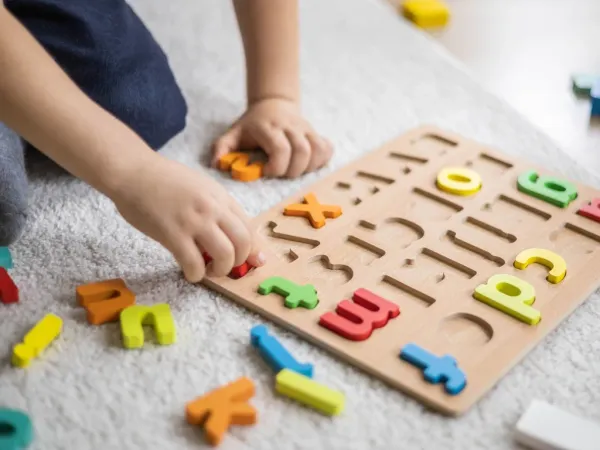
Alphabet matching turns recognition into an interactive puzzle, building the letter-to-sound mapping foundational for reading. Mix tactile and visual formats to support different learners.
What will you need?
Alphabet cards, puzzles, magnetic letters.
How to do it?
- Scatter uppercase letters and ask the child to match lowercase pairs.
- Use a timer for short races to keep energy focused.
- Play “sound hunt,” where you name a sound, and they find the letter.
- Add simple words as competence grows.
- Praise accurate matches and encourage self-correction.
34. Cooking and Baking
Cooking teaches sequencing, fractions, and chemistry while offering a sensory reward that reinforces learning. Let kids lead parts of the process to build independence.
What will you need?
Recipe, measuring tools, ingredients, and a safe kitchen space.
How to do it?
- Choose an age-appropriate recipe and list tasks children can do.
- Read the recipe and assign roles.
- Teach measuring by showing and then having them repeat.
- Discuss changes during cooking, such as how heat transforms batter.
- Enjoy the result and note what to try differently next time.
35. Qwirkle
Qwirkle builds pattern recognition, planning, and strategy in a tactile board game with simple rules that scale in complexity. It’s a nice screen-free way to grow logical play.
What will you need?
Qwirkle set or similar shape-and-color tile game.
How to do it?
- Explain matching rules and demonstrate a play.
- Take turns and encourage explaining moves.
- Talk through scoring opportunities and tradeoffs.
- Play short rounds to maintain focus.
- Discuss what strategy worked and why.
36. Watching NASA Live Stream
Watching live space events connects kids to real science and the excitement of discovery, turning abstract space concepts into shared moments. Prepare questions beforehand to channel curiosity.
What will you need?
Reliable internet, a quiet viewing spot, and a notebook.
How to do it?
- Check the NASA schedule and pick a manageable event.
- Preview basic vocabulary with your child.
- Watch live and pause to discuss key terms.
- Follow up with a small activity, like building a rocket model.
- Keep a record of favorite moments for later conversation.
37. Color Mixing Experiment
Color mixing shows cause and effect quickly and visually, perfect for young scientists learning observation and prediction. It also reinforces fine motor and planning skills.
What will you need?
Clear jars, food coloring, paper towels, and water.
How to do it?
- Fill jars with water and add primary food colors.
- Fold paper towels to connect jars so capillary action moves water.
- Predict which colors will form in the middle jars.
- Observe and record changes at set intervals.
- Discuss why colors changed and try new combinations.
38. Word-Family Sunflower
Word-family sunflowers make phonics patterns visible and playful, helping with decoding and fluency using a floral motif that children enjoy. Turn it into a quick game or classroom display.
What will you need?
Paper sunflowers, markers, word lists.
How to do it?
- Write a word family in the center of each sunflower.
- Add petals with words that match the family.
- Have the child read each petal aloud.
- Mix petals and ask them to sort back to the correct sunflower.
- Create a new family when mastery improves.
39. Story Map
A story map gives structure to narrative thinking, clarifying sequence, setting, and motive so children can plan and retell stories with purpose. It’s constructive for reluctant writers.
What will you need?
Large paper, markers, sticky notes.
How to do it?
- Draw a template with boxes for characters, setting, beginning, middle, and end.
- Ask the child to fill each box with drawings or words.
- Use the map to tell the story, then write it down orally.
- Swap maps and remix elements for creative practice.
- Keep maps to show their progress over time.
40. Fingerprint Painting
Fingerprint painting encourages sensory exploration and fine motor control while creating artwork that’s uniquely theirs. It’s fast, forgiving, and great for very young children.
What will you need?
Non-toxic paints, paper, wipes, and smocks.
How to do it?
- Dab a fingertip in paint and press gently to the paper.
- Use different fingers for different shapes.
- Combine prints to make scenes or patterns.
- Talk about textures and color blends.
- Let the pieces dry and use them as cards or collage elements.
41. Insect Hunt
An insect hunt builds observation skills and introduces classification, ecology, and respect for living things. Equip kids with tools and clear rules for handling insects gently.
What will you need?
Magnifying glass, bug box with an air hole, notebook, tweezers.
How to do it?
- Set boundaries and handling rules before heading out.
- Search specific microhabitats: under logs, on flowers, in bark crevices.
- Observe with a magnifier and sketch or note behaviors.
- Release insects where found and discuss their role in the ecosystem.
- Compare observations over days to notice patterns.
42. Rock Collecting
Rock collecting sharpens classification and observation, teaching kids to notice texture, weight, and color differences. Turn the hobby into a long-term collection with labeled specimens.
What will you need?
Small bag, brush, notebook, labels.
How to do it?
- Collect a variety of rocks, avoiding protected areas.
- Clean and sort by color, texture, or size.
- Label each with the location and date it was found.
- Discuss possible rock types and test simple properties, such as hardness.
- Build a display and revisit classification as knowledge grows.
43. Shadow Art
Shadow art uses light and silhouette to teach shape, proportion, and creativity, with immediate visual feedback that kids can manipulate. It is playful and low-cost.
What will you need?
Objects to cast shadows, such as paper, pencils, a lamp, or sunlight.
How to do it?
- Arrange objects to cast shadows onto paper.
- Trace shadow outlines and encourage exaggeration.
- Add color or pattern to create a scene from the silhouette.
- Experiment with distance to change shadow size.
- Turn finished pieces into a shadow gallery.
44. Sun Printing
Sun printing demonstrates a photochemical reaction through a simple, safe activity that links art and science for kids ages 3 and up. The reveal moment is reliably magical.
What will you need?
Sun print paper, objects (leaves, toys), water, tray.
How to do it?
- Arrange objects on the sun print paper and expose to sunlight per instructions.
- Rinse to stop the process and reveal the print.
- Discuss why some objects block light and others do not.
- Try grouping items by shape to see compositional effects.
- Preserve prints in a book or frame.
45. Nature Journal
Nature journals develop observation, reflection, and scientific recording skills; they also create a long-term record of place and growth. Make entries short and consistent, so it becomes a habit.
What will you need?
Notebook, pencil, crayons, and a small envelope for finds.
How to do it?
- Choose a regular time to record, like after a walk.
- Note the weather, sketch one plant or animal, and write a sentence.
- Tape small finds into the envelope and label them.
- Revisit previous entries to notice the change.
- Use journals for mini research projects.
46. Balance Bike
Balance bikes teach coordination and confidence, preparing kids for pedal bikes without training wheels by focusing on balance first. Short, frequent practice sessions work best.
What will you need?
The balance bike is appropriate for the child's size, helmet, and open area.
How to do it?
- Adjust the seat so the child can plant both feet flat on the floor while seated.
- Start on gentle slopes to encourage gliding.
- Practice steering through simple cones or markers.
- Celebrate independent glides to build confidence.
- Transition to a pedal bike when balance is secure.
47. Mud Kitchen
A mud kitchen offers open-ended sensory play that fosters creativity, social negotiation, and basic cooking concepts without screens. It’s messy, so set clear cleanup rules.
What will you need?
Pots, pans, utensils, water source, and outdoor surface.
How to do it?
- Set up a dedicated space with accessible utensils.
- Encourage recipe play, like making “mud soup.”
- Ask kids to measure or mix ingredients, then name them.
- Use the play to introduce hygiene habits.
- Rotate materials seasonally to keep interest high.
48. Cloud Gazing
Cloud gazing cultivates imagination, patience, and descriptive language while giving kids a quiet way to practice observation and metaphor. Keep sessions relaxed and word-rich.
What will you need?
Blanket, open sky, optional notebook.
How to do it?
- Lie back and encourage free description of shapes seen.
- Ask comparative questions: which cloud looks fastest and why?
- Practice expressive language by writing a one-sentence sky story.
- Note weather changes tied to cloud types for older kids.
- Make a habit of weekly sky-watching.
49. Identifying the Parts of a Plant
Dissecting plants builds vocabulary and the habit of scientific labeling while connecting structure to function. Use real specimens to make parts meaningful.
What will you need?
Variety of plants, magnifier, paper, pencil.
How to do it?
- Collect samples and place them on paper.
- Identify and label leaves, stems, roots, and flowers.
- Sketch close-ups to notice textures and veins.
- Discuss each part’s role in the plant’s life.
- Compile the sketches into a plant sketchbook.
50. Charcoal Paint
Charcoal painting introduces a limited palette and forces attention to value, contrast, and composition, useful for older kids exploring more advanced art techniques. Safety and supervision matter when sourcing materials.
What will you need?
Charcoal sticks, paper, fixative or spray, and smocks.
How to do it?
- Show how to hold and shade with charcoal for gradients.
- Practice creating textures by dragging and smudging.
- Compose a study focusing on light and shadow.
- Fix finished work with a safe fixative.
- Discuss emotional tone and why monochrome affects mood.
51. I Spy
I Spy trains attention to detail and descriptive language while being endlessly portable. Use increasing complexity to match attention span.
What will you need?
Nothing except a view and imagination.
How to do it?
- Choose an object in view and say, “I spy with my little eye something that is…” with a clue.
- Let others guess and offer additional clues if needed.
- Switch turns and vary categories like shape, color, or function.
- Use more challenging clues for older kids.
- Reflect on what details helped the most.
52. Capture the Flag
Capture the Flag combines strategy, teamwork, and physical activity, teaching kids to plan, communicate, and adapt. Clear boundaries and rules make play safe and fair.
What will you need?
Two flags or markers, an open play area, and cones for boundaries.
How to do it?
- Divide players into teams and set home zones.
- Explain tagging rules and how to rescue teammates.
- Start rounds short and increase time as stamina builds.
- Debrief strategy and what worked after each round.
- Rotate team captains to build leadership.
53. Puzzle Race
Puzzle races sharpen spatial reasoning and cooperative planning while adding gentle competitive pressure that many kids find motivating. Choose puzzles that match skill level for fun, not frustration.
What will you need?
Two identical puzzles, timer.
How to do it?
- Split players into two teams.
- Start the timer and let teams collaborate.
- Pause to discuss tactics if a team stalls.
- Celebrate completion and note problem-solving moves.
- Swap puzzles or complexity for the next round.
54. Nature Collage
Nature collages combine art with exploration, encouraging kids to look closely at textures and forms in their environment and make aesthetic choices. They are portable and low-cost.
What will you need?
Cardboard, glue, collected natural items, and paper backing.
How to do it?
- Go on a short walk to collect leaves, petals, and twigs.
- Arrange items on the cardboard before gluing to test the composition.
- Glue pieces and press flat with a heavy book.
- Label the found items and where they were collected.
- Display and discuss texture choices.
55. Bead Counting and Sorting
Bead sorting teaches early math and pattern recognition while producing a wearable product, which makes the learning feel purposeful. Adjust bead size and counting tasks for dexterity and age.
What will you need?
Colored beads, cups, and string.
How to do it?
- Sort beads by color into cups.
- Count beads in each cup and record totals.
- Create simple addition problems by combining cups.
- Make a necklace by following a color pattern.
- Discuss patterns and counts afterward.
56. Homemade Playdough
Making playdough involves chemistry, measurement, and sensory play, and homemade dough is cheap, safe, and endlessly reusable. It also opens up imaginative role-play.
What will you need?
2 cups flour, 2 cups warm water, 1 cup salt, 2 tbsp oil, and food coloring.
How to do it?
- Mix dry ingredients, then add water and oil gradually.
- Knead until smooth, dividing into portions.
- Add food coloring and knead until even.
- Store in airtight containers between uses.
- Use for modeling, stamping, and letter formation games.
57. Shape Sorting Fun
Shape sorting teaches geometry basics through tactile classification, making it ideal for toddlers and preschoolers learning the names and properties of shapes. Keep sorting sessions short and concrete.
What will you need?
Paper or cardboard shapes, labeled containers.
How to do it?
- Scatter shapes and ask children to sort by type.
- Name each shape and count how many belong in each bin.
- Talk about properties like sides and corners.
- Create a quick scavenger hunt for shapes around the room.
- Introduce compound shapes as skills improve.
58. Paper Plate Marble Maze
The marble maze combines design thinking, spatial reasoning, and patience, rewarding careful planning and steady hands. It’s easy to iterate and redesign.
What will you need?
Paper plates, straws or craft sticks, glue, and marbles.
How to do it?
- Plan a simple maze layout on the plate with a pencil.
- Cut and glue straws or sticks down as walls.
- Let dry thoroughly, then test with a marble.
- Adjust walls to change the difficulty or add obstacles.
- Time runs can introduce measurement and improvement tracking.
59. Plant Growth Observation
Documenting plant growth builds scientific habits of measurement and hypothesis, and even small seeds show dramatic change over weeks, which keeps motivation high. Use clear containers to show root development.
What will you need?
Clear plastic cup, soil, seeds (beans work well), water, and a marker.
How to do it?
- Plant seeds against the side of the cup so roots can be seen.
- Label the cup with the planting date.
- Water consistently and place it in a sunny spot.
- Measure growth at set intervals and record.
- Graph results to visualize growth rate.
60. DIY Musical Instruments
Making instruments teaches sound physics and creativity while letting children experiment with pitch, rhythm, and timbre. Homemade instruments invite group play and performance.
What will you need?
Empty containers, rubber bands, rice or beans, sticks.
How to do it?
- Stretch rubber bands over boxes to make string instruments.
- Fill sealed containers with rice for shakers.
- Test sounds and change materials to explore pitch.
- Compose a short rhythm and perform together.
- Reflect on how material changes the sound.
61. Floating and Sinking Objects
Testing buoyancy develops hypothesis testing and classification skills and invites discussion about density and materials in a way kids can see and feel. Predictions matter more than correct answers.
What will you need?
Large tub of water, assorted objects (cork, coin, plastic toy).
How to do it?
- Ask the child to predict whether each object will float or sink.
- Test each item in water and record the results.
- Group objects by outcome and discuss material properties.
- Challenge older kids to design a floating craft that holds weight.
- Use results to introduce density in simple terms.
62. Shadow Puppet Theater
Shadow puppetry combines storytelling, design, and dramatic play, making narrative and visual planning a team sport. The dark reveal of a shadow is an instant reward for effort.
What will you need?
Cardboard, sticks or straws, flashlight or lamp, sheet or blank wall.
How to do it?
- Cut out simple character shapes and attach to sticks.
- Arrange a light source behind the puppets and a screen in front.
- Plan a short script and practice movements to match lines.
- Perform for family, switching roles so everyone directs.
- Record the show and ask for one compliment and one improvement.
When families are trying to manage time, themes, and age-appropriate content, most rely on familiar, piecemeal methods because they work in the moment. While this is fine early on, as activities pile up, the cost becomes apparent in the time lost searching for templates and in inconsistent learning goals.Resources like a searchable library of 10,000+ free coloring pages offer a practical solution, giving parents quick, suitable themes and printable outlines that save prep time while keeping activities child-led and memorable.
This simple change reduces planning challenges and lets you focus on what matters most: the shared experiences kids will remember.
The surprising part of what comes next is how much deeper the rewards turn out to be.
Related Reading
- Activities for Kids
- Hobbies for Kids
- Activities for 5-Year-Olds
- Creative Activities for Kids
- At Home Activities for Kids
6 Benefits of Hands-on Learning Activities for Kids
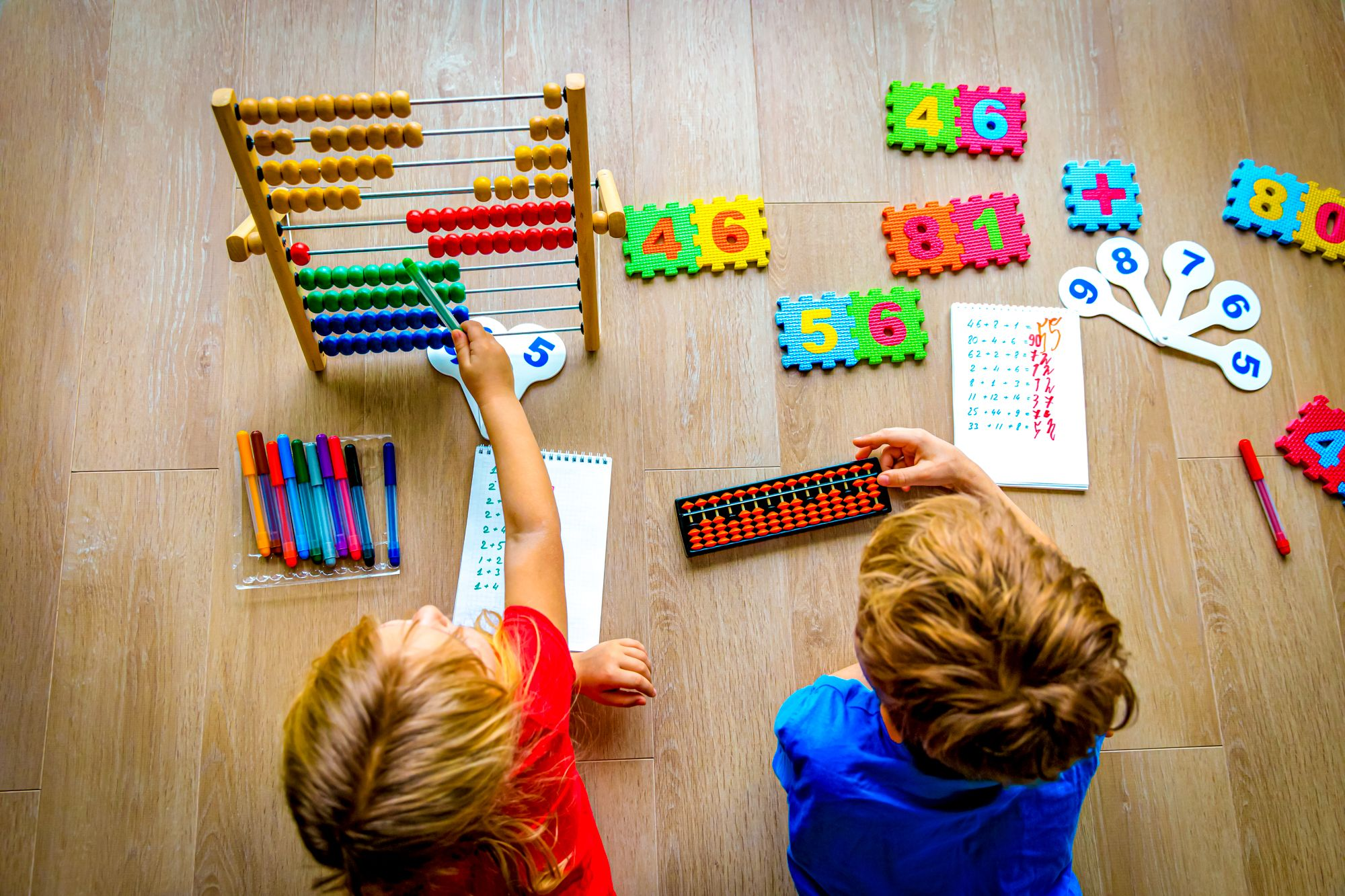
Hands-on learning means children learn by doing, working with real materials, testing ideas, and solving actual problems. This method differs from simply passively receiving facts.Active practice helps solidify understanding in memory, opens up creative pathways, and turns small successes into absolute confidence and social skills.
What does performing a task actually do to a child’s understanding? Research shows that active practice helps the brain connect concepts to actions, turning abstract knowledge into something usable. According to The Nuggets Academy, "75% of children show improved retention when engaged in hands-on learning activities". Children who handle materials and explain what they are doing remember steps and vocabulary more reliably over time.For example, rather than just explaining buoyancy, have a child predict, test, and redesign a small boat in a tub of water. After that, ask them to explain the concept back. The explanations they give show that the learning has stuck with them. Additionally, engaging in 10,000+ free coloring pages can enhance these hands-on activities and provide a creative outlet for children.
How does hands-on work open imaginative thinking?
When kids experiment with materials under loose constraints, they see failure as information instead of something to be ashamed of. Giving them a pile of cardboard, tape, and a simple goal like “carry a stuffed toy across the room” helps them come up with many ideas quickly, create prototypes, and combine different thoughts. These sessions encourage divergent thinking by rewarding curiosity and low-cost risk-taking, which will be necessary for their creativity later on.
How does it build absolute confidence and ownership?
Children gain self-trust when their choices lead to clear outcomes. One example is a six-week classroom project where students built simple clocks. Each student was responsible for one mechanism.By week four, even the quieter students were eager to explain gear ratios because they could show a working piece of machinery they had created. That pride, grounded in a real result, leads to a willingness to take on more complex tasks and to ask for feedback rather than avoid it.
How do we keep group play inclusive and socially prosperous?
During a three-month pilot aimed at helping parents plan small-group activities, a clear pattern emerged. Families with children on the autism spectrum often felt left out when group tasks relied on unstructured social cues rather than clear roles.The solution involves procedural scaffolding: assigning each child a concrete role, providing visual prompts, and using a short script for transitions. These changes help reduce anxiety, make it easier to work together, and allow every child to practice turn-taking, negotiation, and empathetic language with fewer surprises.
How does hands-on practice improve reasoning and problem-solving?
Active projects force kids into cycles of making guesses, testing them, and changing their ideas. In one middle school design challenge, students created a simple alarm using recycled parts and wrote down three rounds of failures before they came up with a working design. Those notes showed deeper causal thinking than those of classmates who only filled out worksheets.
According to research from The Nuggets Academy, "Students participating in hands-on learning are 40% more likely to achieve higher grades". This back-and-forth process leads to real performance improvements on applied tests, especially when students have to use their skills on new problems.
How does hands-on learning sustain long-term motivation?
Physical artifacts and documented progress create a narrative of competence. Portfolios of projects, a stack of custom coloring pages illustrated by a child, or a shelf of small builds become concrete milestones.
These items change short-term wins into a story that the child can revisit. This boosts intrinsic motivation and makes future challenges feel like the next chapter, rather than a fresh, scary test.
The following piece is where things get interesting; this perspective changes how activities are planned at home.
Related Reading
- Activities for 6 Year Olds
- Activities for 7-Year-Olds
- Fun Activities for Elementary Students
- Fun Activities for Preschoolers
- Screen-Free Activities for Kids
- Activities for 8-Year-Olds
Create Custom Printable Coloring Pages and Coloring Books in Seconds
For a fast and practical way to add customizable, printable educational activities for kids, try My Coloring Pages. You can describe what you want or upload a photo, and the app creates a coloring page that is ready to print in seconds. You can also look through 10,000+ free community designs or make your own personalized coloring books. Over 20,000 parents trust this platform, which has a 4.8 out of 5 rating. This makes it a reliable choice for turning ideas into custom printables without any extra preparation. Check out our 10,000+ free coloring pages.