45 Engaging and Fun Activities for Preschoolers That Boost Learning
Fun Activities for Preschoolers: Discover 45 hands-on ideas that boost learning and creativity. Get expert tips from My Coloring Pages for engaging play.

When preschoolers have boundless energy, transforming everyday moments into learning opportunities becomes essential. Creative play through crafts, sensory activities, and simple experiments nurtures essential skills and sparks curiosity. Fun activities for kids that blend safety with education help children explore new concepts while having a great time.
Engaging experiences can boost fine motor skills, promote color recognition, and enhance problem-solving abilities. My Coloring Pages offers 10,000+ free coloring pages, providing practical tools to inspire creativity and support early learning.
To put these ideas into practice, our 10,000+ free coloring pages help you get started right away.
Summary
- The article compiles a parent-tested menu of 45 activities designed to build creativity, fine motor control, language, and gross motor skills, with each entry listing steps, materials, benefits, and quick variations.
- Hands-on counting makes numeracy concrete; for example, the counting activity asks a child to set out three forks for a pretend picnic to practice one-to-one correspondence.
- Puzzles in the 12-24-piece range are recommended for focused problem-solving sessions that support visual discrimination, persistence, and hand-eye coordination.
- The roundup includes multiple movement-based literacy games, citing items 21, 23, and 29 as examples that pair gross-motor actions with letter practice to reinforce letter identification through play.
- Sensory play is emphasized, with activities such as items 12, 18, and 26 using sensory bins, sand or salt tray writing, and discovery bottles to support tactile tracing and sustained attention.
- The guide stresses quick differentiation, advising increased complexity for bored children and tactile or gross-motor alternatives for those who struggle, and notes you can create a custom printable page in under one minute to match a child’s skill level.
- This is where My Coloring Pages fits in, with 10,000+ free coloring pages available as ready-to-print resources for fine motor practice, color recognition, and simple letter or number activities.
45 Engaging and Fun Activities for Preschoolers
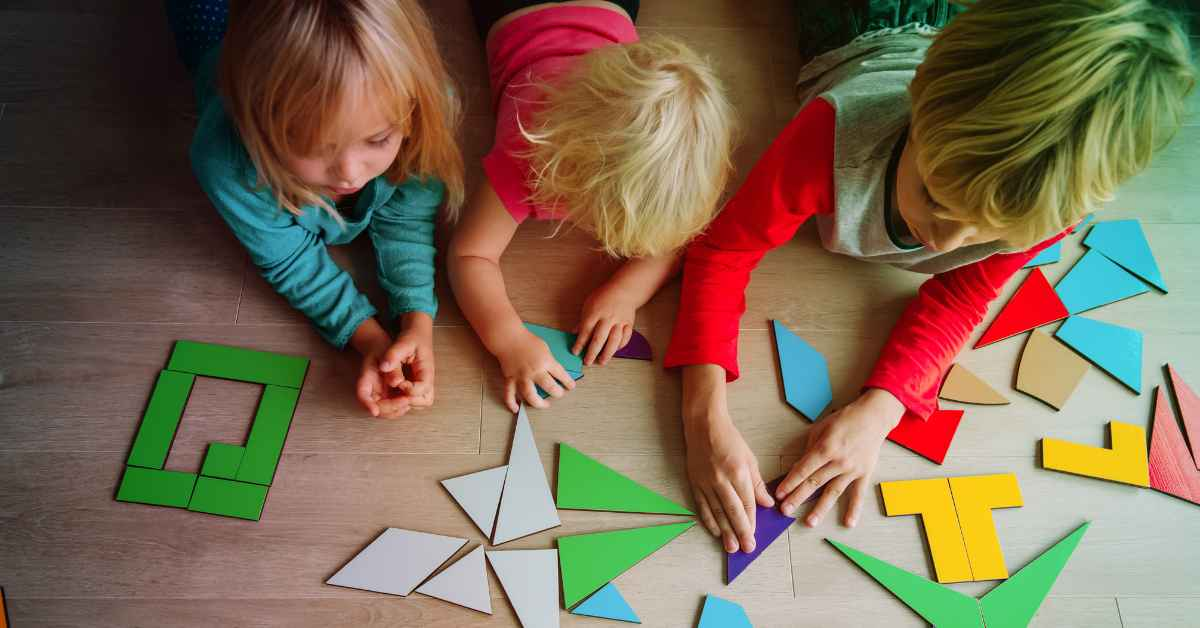
These 45 activities provide a practical, parent-tested way to help children develop creativity, fine motor skills, language, and gross-motor skills while keeping preschoolers curious and happy. Each activity starts with a short invitation, followed by clear, simple steps, a list of materials, the benefits of learning or play, and quick variations to keep things interesting.
This collection builds on the idea of broad, hands-on menus like My First Skool and a similar list from Pinterest, which shows that changing activities helps keep kids engaged. Additionally, if you want to expand your options, check out the 10,000+ free coloring pages we offer to enhance their learning experience.
A note about children who have trouble with fine motor tasks: this issue is common in preschool classrooms and at home.Often, worksheets that require pencils do not interest young learners; tactile alternatives, big-movement letter games, and sensory tracing help these children stay engaged and practice without feeling frustrated.
1. Art Invitations to Create
- Short invite: Offer unusual recyclables and a few art supplies, then step back and watch choices emerge.
- Steps: Place paper towel rolls, tissue boxes, cardboard, and bags on a tray with crayons, washable paint, glue, and tape. Encourage the child to pick one item and add color, then glue on lids, twigs, or leaves. Offer praise for decisions, not results.
- Materials: Recyclables, crayons/paints, glue, tape, natural bits.
- Benefit: Creative decision making, fine motor practice with tearing, gluing, and painting.
- Variations: Turn finished pieces into a cardboard city or photograph them to make a simple printed storybook.
2. Alphabet Collages
- Short invite: Turn a single letter into a themed collage.
- Steps: Pick a letter card and write the letter in large letters on paper. Sort small items or cut pictures from magazines that start with that letter. Glue items onto the page while naming each one.
- Materials: Paper, glue, scissors, magazines, stickers.
- Benefit: Letter recognition, vocabulary building, and categorization.
- Variations: Make a class book where each page is one child’s collage for a different letter.
3. Sort Colors and Shapes
- Short invite: Sorting is a quiet, high-value learning game you can set up in two minutes.
- Steps: Dump a mixed bin of toys, buttons, or paper shapes. Ask the child to make color piles, then shape piles. Talk through decisions as they work.
- Materials: Mixed small objects, bowls, or trays.
- Benefit: Visual discrimination, classification, and language.
- Variations: Time the activity for a gentle challenge, or introduce descriptors like “transparent” or “matte.”
4. Play Rhyming Games
- Short invite: Make a rhythm game out of everyday words.
- Steps: Pick a simple word like “cat.” Say it, then ask the child to suggest words that rhyme. Play with a toy puppet to model thinking aloud.
- Materials: Toys or puppets, picture cards if helpful.
- Benefit: Phonological awareness, vocabulary expansion.
- Variations: Use a basket of picture cards and ask the child to sort rhymes into a “rhyme” pile.
5. Explore Nature Walks
- Short invite: Turn a walk into a sensory scavenger hunt.
- Steps: Make a short list: a round leaf, a smooth rock, something yellow. Stroll, collect items, then sort them back home and make a small collage or journal entry.
- Materials: Small bag, list, clipboard, and crayon.
- Benefit: Observation skills, vocabulary, and appreciation of nature.
- Variations: For advanced kids, add measurement tasks like “find something longer than your hand.”
6. Conduct Simple Science Experiments
- Short invite: Small experiments teach cause and effect and invite prediction.
- Steps: Try baking soda and vinegar in a small container to make a fizzing “volcano.” Ask the child to guess what will happen, then observe and talk about it.
- Materials: Baking soda, vinegar, tray, small cups, dropper.
- Benefit: Early scientific thinking, prediction, and observation.
- Variations: Make color-changing milk with dish soap and food coloring for sensory surprise.
7. Practice Counting with Everyday Objects
- Short invite: Use dishes, stairs, or toys to make counting concrete.
- Steps: Ask the child to set out three forks for a pretend picnic, counting as they go. Repeat with different numbers and objects.
- Materials: Household items, small bowls.
- Benefit: Numeracy, one-to-one correspondence.
- Variations: Introduce simple addition with “two apples plus one apple.”
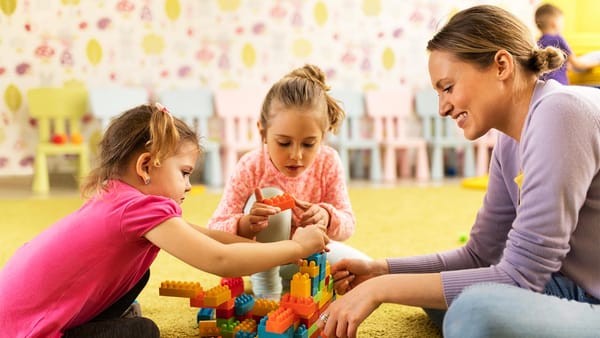
8. Build with Blocks
- Short invite: Block play is problem-solving in three dimensions.
- Steps: Provide a selection of blocks and a simple challenge: build a bridge that spans two chairs. Offer encouragement and suggest testing the structure with a toy car.
- Materials: Blocks, chairs, or books for supports, toy car.
- Benefit: Spatial reasoning, planning, fine motor coordination.
- Variations: Add tape-measure tasks for older kids or limit the number of blocks to encourage efficiency.
9. Make Handprint Art
- Short invite: Handprints become animals, trees, or keepsakes.
- Steps: Spread washable paint on a tray, press the child’s hand to paper, then transform the print into a fish, flower, or dinosaur with markers.
- Materials: Washable paint, paper, and markers.
- Benefit: Sensory feedback, creative transformation, keepsakes for family.
- Variations: Use seasonal themes, such as handprint turkeys or snowmen.
10. Start a Music and Movement Session
- Short invite: Move with songs and simple props to channel energy.
- Steps: Play a short playlist, add scarves or ribbons, and prompt actions such as “fly like a bird” and “stomp like an elephant.” Pause for quiet listening moments.
- Materials: Music, scarves, simple rhythm instruments.
- Benefit: Gross motor skills, rhythm, and self-regulation.
- Variations: Create a simple choreography and practice across several sessions.
11. Organize a Storytime
- Short invite: Stories build language and social imagination.
- Steps: Choose a short book, read expressively, then ask the child to draw their favorite scene or act it out.
- Materials: Books, cushions, puppets.
- Benefit: Listening comprehension, vocabulary, and narrative skills.
- Variations: Make a “story backpack” with props to encourage retelling.
12. Engage in Sensory Bins
- Short invite: Sensory bins invite exploration without pressure to “perform.”
- Steps: Fill a shallow bin with rice, pasta, or kinetic sand. Bury small toys or letters for the child to find using scoops and funnels.
- Materials: Bin, filler (rice, beans, sand), scoops, small toys.
- Benefit: Tactile exploration, fine motor strengthening, sustained attention.
- Variations: Match items to letters or numbers to sneak in literacy or math.
13. Draw with Sidewalk Chalk
- Short invite: Chalk gets kids moving and drawing simultaneously.
- Steps: Give a large sheet of sidewalk chalk, suggest a prompt like “draw your house,” and then walk around talking about parts of the picture.
- Materials: Sidewalk chalk.
- Benefit: Gross and fine motor control, planning.
- Variations: Create hopscotch grids with letters or sight words.
14. Plant a Garden
- Short invite: Growing seeds teaches patience and responsibility.
- Steps: Plant seeds in small pots, label them, and assign watering responsibilities. Record growth with simple drawings each week.
- Materials: Small pots, potting soil, seeds, and a watering can.
- Benefit: Science knowledge, life-cycle understanding, caretaking.
- Variations: Use quick-sprouting seeds like radishes or beans for fast feedback.
15. Assemble Puzzles
- Short invite: Puzzles are concentrated problem-solving sessions.
- Steps: Select a 12–24-piece puzzle, invite the child to sort the edge pieces first, then fit matching colors or patterns together.
- Materials: Age-appropriate puzzles.
- Benefit: Visual discrimination, persistence, and hand-eye coordination.
- Variations: Make a custom puzzle by gluing a coloring page onto cardboard and cutting shapes.
16. Play Dress-Up
- Short invite: Dress-up grows social imagination and perspective-taking.
- Steps: Offer sheets, hats, and simple props. Start a role-play scene and follow the child’s lead, adding new lines or challenges as needed.
- Materials: Clothes, props, fabric pieces.
- Benefit: Social skills, language, empathy.
- Variations: Create simple scripts for cooperative pretend scenes to scaffold talk.
17. Create a Puppet Show
- Short invite: Puppets let shy kids speak through a character.
- Steps: Make sock puppets, set up a small “stage,” and prompt a short scene based on a book you read earlier.
- Materials: Socks, glue, yarn, markers, and a small box for a stage.
- Benefit: Storytelling, expressive language, confidence.
- Variations: Record the show on a phone to watch together and discuss.
18. Practice Writing Letters in Sand
- Short invite: Sand tracing reduces fine-motor pressure while teaching letter shapes.
- Steps: Fill a shallow tray with sand or salt. Model tracing a letter with a finger, then let the child try, saying the letter sound as they trace.
- Materials: Tray, sand/salt, letter cards.
- Benefit: Kinesthetic letter learning, motor planning.
- Variations: Use a feather for a lighter touch or a paintbrush for longer strokes.
19. Make Play-Doh Sculptures
- Short invite: Sculpting strengthens hands while inviting imagination.
- Steps: Give homemade or store-bought play-dough and a theme: make an animal or a favorite food. Encourage descriptive language about shapes and textures.
- Materials: Play-dough, cookie cutters, and a rolling pin.
- Benefit: Fine motor strength, creativity, vocabulary.
- Variations: Add essential oils for smell or mix in rice for texture.
20. Participate in Water Play
- Short invite: Water play is science disguised as fun.
- Steps: Fill a shallow tub with water, add cups, funnels, sponges, and floating toys. Prompt experiments like “which objects float?”
- Materials: Tub, water, measuring cups, sponges.
- Benefit: Concepts of volume and buoyancy, sensory regulation.
- Variations: Add food coloring or soap for safe fizzing effects.
21. Kick the Letter Cup
- Short invite: Combine gross motor movement with letter recognition.
- Steps: Write letters on stacked plastic cups, line them up, give the child a soft ball to kick, then name the letter knocked down.
- Materials: Plastic cups, a marker, and a soft ball.
- Benefit: Letter ID, coordination, following instructions.
- Variations: Call out a letter first for aiming practice.
22. Color Sorting Letters
- Short invite: Combine color work with letter practice for dual reinforcement.
- Steps: Prepare a printable rainbow and colored stickers with letters written on them. Have the child peel and place stickers on matching color bands while saying the letter.
- Materials: Printable rainbow, colored label stickers, and a marker.
- Benefit: Color discrimination, letter recognition, and fine motor sticker skills.
- Variations: Use picture prompts for picture-to-letter mapping.
23. Alphabet Pillow Jumping
- Short invite: Physical play that repeats letter exposure.
- Steps: Tape paper plates with large letters to pillows placed across the floor. Have the child jump pillow to pillow, saying each letter or sound.
- Materials: Paper plates, tape, pillows, and a marker.
- Benefit: Gross motor energy release, letter practice.
- Variations: Spell simple words by landing on pillows in order.
24. Connect-the-Dots with Letters
- Short invite: Connect repeated letters to create personalized trails.
- Steps: Spread butcher paper, write repeating instances of a few letters randomly, and invite children to join the same letters with crayons.
- Materials: Butcher paper, crayons, and markers.
- Benefit: Letter familiarity, large-arm tracing, and visual scanning.
- Variations: Turn lines into race tracks with toy cars when letters are connected.
25. Alphabet Knock Down
- Short invite: Physical play for letter ID and joy.
- Steps: Make pool-noodle “feet” with popsicle sticks labeled by letter; have the child roll a ball to knock them down and name the letter.
- Materials: Pool noodle, popsicle sticks, letter stickers, ball.
- Benefit: Letter recall, motor planning, delightful movement.
- Variations: Introduce sounds or words for older kids.
26. Children’s Book in a Bottle
- Short invite: Discovery bottles keep attention during read-alouds.
- Steps: Fill a clear bottle with themed items from a story, secure the lid, and pass it around during storytime to link objects to text.
- Materials: Clear plastic bottle, small objects, water or oil, and glue for sealing.
- Benefit: Focus during stories, sensory calm, linking text to tangible items.
- Variations: Make quiet bottles for calming corners using glitter and water.
27. Crocodile Circle
- Short invite: A playful passing game that practices letter naming.
- Steps: Create a box with a crocodile face filled with letters. Sing a short rhyme, pass the crocodile, and have the child pull and name a letter.
- Materials: Box decorated to look like a crocodile, letter cards, song lyrics.
- Benefit: Social turn-taking, letter identification.
- Variations: Add surprise cards that reverse the order or award extra turns.
28. Feather Tip Salt Tray Writing
- Short invite: Feather tracing disguises writing practice as play.
- Steps: Pour a thin layer of salt into a shallow tray. Model writing a letter with a feather, then invite the child to try while saying the letter sound.
- Materials: Shallow tray, salt, feather, letter cards.
- Benefit: Sensory feedback, pre-writing strokes, letter formation.
- Variations: Use sugar or kinetic sand for different textures.
29. Alphabet Ball
- Short invite: Letters on a beach ball make catching into a literacy game.
- Steps: Write letters across a beach ball. Toss it and have the child identify the letter their right thumb lands on when they catch it.
- Materials: Beach ball, marker.
- Benefit: Letter identification, hand-eye coordination.
- Variations: Ask for letter sounds or a word that starts with that letter for older kids.
30. Magic Letter Painting
- Short invite: Hidden letters revealed by paint create real surprise.
- Steps: Write letters on white cards with a white wax crayon. Give watercolor paints to reveal the letter magically. Ask the child to name the letter and sound.
- Materials: White cards, white wax crayon, watercolor paints, brushes.
- Benefit: Letter recognition, fine motor painting practice.
- Variations: Use shapes or numbers instead of letters.
31. Letter Matching Archaeology Game
- Short invite: Dig for letters like a mini-excavation.
- Steps: Place magnetic letters on a cookie sheet, lightly cover them with flour, and give the child a soft brush to uncover the letters and match them to a written key.
- Materials: Cookie sheet, magnetic letters, flour, brush, key sheet.
- Benefit: Fine motor control, letter matching, patient focus.
- Variations: Swap letters for sight words for older learners.
32. Mini Alphabet Sensory Bins
- Short invite: Themed bins focus attention on letter-object relationships.
- Steps: Design several small bins, each filled with objects that start with a different letter. Label the box with the letter, and let children explore and guess it.
- Materials: Small boxes, themed objects, labels.
- Benefit: Phonemic awareness, categorization, tactile play.
- Variations: Turn it into a timed sorting race for groups.
33. Snowball Throw Alphabet Game
- Short invite: Soft “snowballs” make throwing a letter-finding game.
- Steps: Crumple paper into balls, tape letters to a wall target, call out a sound, and have the child throw a snowball at the corresponding letter.
- Materials: Paper, tape, wall letters, ping-pong or crumpled balls.
- Benefit: Letter-sound matching, coordination.
- Variations: Use a beanbag toss station and award points.
34. Fingerprint Letters
- Short invite: Finger paint dots, trace letter shapes for tactile learning.
- Steps: Write large letters on paper, give washable ink pads, and ask the child to make fingerprint dots along each letter’s lines.
- Materials: Washable ink pad, marker, paper.
- Benefit: Letter shape familiarity, sensory fine motor practice.
- Variations: Add counting by having them make a set number of fingerprints per letter.
35. Number Match-Slap Game
- Short invite: Turn number recognition into an active slap-and-match game.
- Steps: Tape cards with numbers on a wall, show a matching card, and let children slap the corresponding number on the wall as quickly as possible.
- Materials: Deck of cards, duct tape.
- Benefit: Number correspondence, rapid recognition, gross motor energy.
- Variations: Make it cooperative by having partners find matches together.
36. Word Families with Ping-Pong Balls
- Short invite: Swap letters to build rhyming words using tactile manipulatives.
- Steps: Insert golf tees into Styrofoam, put ping-pong balls with letters on top, and swap initial letters to make word families like “-ig” into “dig,” “pig,” “wig.”
- Materials: Styrofoam block, golf tees, ping-pong balls, and a marker.
- Benefit: Phonics, blending sounds, letter substitution.
- Variations: Record silly sentences that the new words create.
37. Sorting Number Stickers
- Short invite: Sticker sorting offers a neat bridge to writing numbers.
- Steps: Draw a numbered grid, place a sheet of number stickers, and have the child stick numbers into matching boxes, then trace them.
- Materials: Paper, marker, and number stickers.
- Benefit: One-to-one correspondence, fine motor practice, and number writing.
- Variations: Have children add a matching number of small objects to each box.
38. Alphabet Rocks
- Short invite: Natural materials become tactile alphabet tools.
- Steps: Collect smooth rocks, wash and dry them, and write uppercase letters on one side and lowercase letters on the other. Use picture cards to spell simple words.
- Materials: Rocks, paint marker, picture cards.
- Benefit: Letter matching, sensory weight and texture, and outdoor connection.
- Variations: Hide rocks for a scavenger hunt and match found pairs.
39. Triple-Tracing Name Fun
- Short invite: Layered tracing reinforces name recognition with multi-sensory steps.
- Steps: Write the child’s name in a highlighter. Have them trace with a pencil, then pipe glue over one letter and press yarn pieces into the glue one letter at a time.
- Materials: Paper, highlighter, pencil, glue, and yarn.
- Benefit: Name-writing practice, tactile reinforcement, focus.
- Variations: Use sequins or buttons instead of yarn for texture variety.
40. Beginning Sounds Paint Stick
- Short invite: Reclaimed paint sticks become durable, portable phonics tools.
- Steps: Collect paint stir sticks, write beginning letters on the sticks, and have children match picture cards to the correct stick.
- Materials: Paint sticks, markers, picture cards, and free printouts.
- Benefit: Phonemic awareness, matching skills, and durable manipulatives.
- Variations: Add Velcro to sticks and cards for interchangeable play.
41. Letter Bingo
- Short invite: Bingo familiarizes kids with letters through play.
- Steps: Make bingo cards with 16 letters, call letters from a pile, and let children cover them with Legos or cereal until someone wins.
- Materials: Printable bingo cards, letter squares, and markers.
- Benefit: Letter recognition, turn-taking, excitement of game play.
- Variations: Use sounds or words instead of letter names for higher challenge.
42. ABC Go Fish
- Short invite: A familiar card game becomes a literacy tool.
- Steps: Create pairs of letter cards, deal hands, and play Go Fish, asking for matching letters instead of numbers.
- Materials: Cut paper into card-sized squares, a marker.
- Benefit: Memory, letter matching, social play.
- Variations: Group letters by family to focus practice.
43. Sensory Messy Play
- Short invite: Decorating letters with food-safe items engages multiple senses.
- Steps: Write letters with whipped cream on tinfoil, let children decorate with sprinkles and small edible bits while naming the letter.
- Materials: Whipped cream, tinfoil, sprinkles, spoons.
- Benefit: Multi-sensory engagement, letter familiarity, and fine motor control.
- Variations: Use shaving cream and foam shaving-safe paints for non-edible versions.
44. Recycled Scrabble Play
- Short invite: Scrabble tiles become a free-form literacy resource.
- Steps: Pull letters from an old Scrabble set and prompt kids to build rhyming words, simple CVC words, or make letter towers for tactile play.
- Materials: Scrabble tiles or similar letter tiles.
- Benefit: Letter exposure, phonics practice, creative play.
- Variations: Build words to match picture cards or use tiles for math games.
45. Alphabet Kaboom!
- Short invite: Popsicle stick pull games are high-reward and low-prep.
- Steps: Write one letter per stick and add several “Kaboom!” sticks. Place sticks into a cup face down. Children pull sticks, read letters, and if they pull Kaboom, they return sticks to the cup.
- Materials: Popsicle sticks, marker, small cup or bucket.
- Benefit: Letter recall, turn-taking, excitement that reinforces learning.
- Variations: Use sight words for older children or add physical tasks for each letter.
Most families plan activities using recycled ideas and sometimes store-bought workbooks, as these methods are familiar and low-effort. While this approach works at first, as children show different strengths and needs, it often leads to a drawer full of unused worksheets, inconsistent practice, and frustrated caregivers. They have a hard time finding ways to help kids with fine motor skill challenges and those who quickly lose interest.Platforms like My Coloring Pages, with large libraries and easy customization, offer families a quicker way to get targeted, printable pages. These pages match a child’s skill level while keeping a homemade, parent-crafted feel.
What is a practical tip for differentiation?
A practical tip for differentiation is to adapt your approach to the child's needs. If a child seems bored, increase complexity with open-ended prompts or multi-step projects. On the other hand, if a child struggles with fine motor control, switch to tactile tracing, magnetic letters, or gross-motor letter games while occasionally returning to pencil work.
To illustrate this, think of learning as gardening instead of factory assembly work. What you plant in small, varied patches usually thrives longer than rows of the same seedlings.
What is the curiosity loop?
The curiosity loop poses an interesting question: What if you could create a custom, printable page for any of these activities in less than a minute?
Related Reading
- Hobbies for Kids
- Activities for 5-Year-Olds
- Creative Activities for Kids
- Educational Activities for Kids
- At Home Activities for Kids
- Activities for 6 Year Olds
Create Custom Printable Coloring Pages and Coloring Books in Seconds
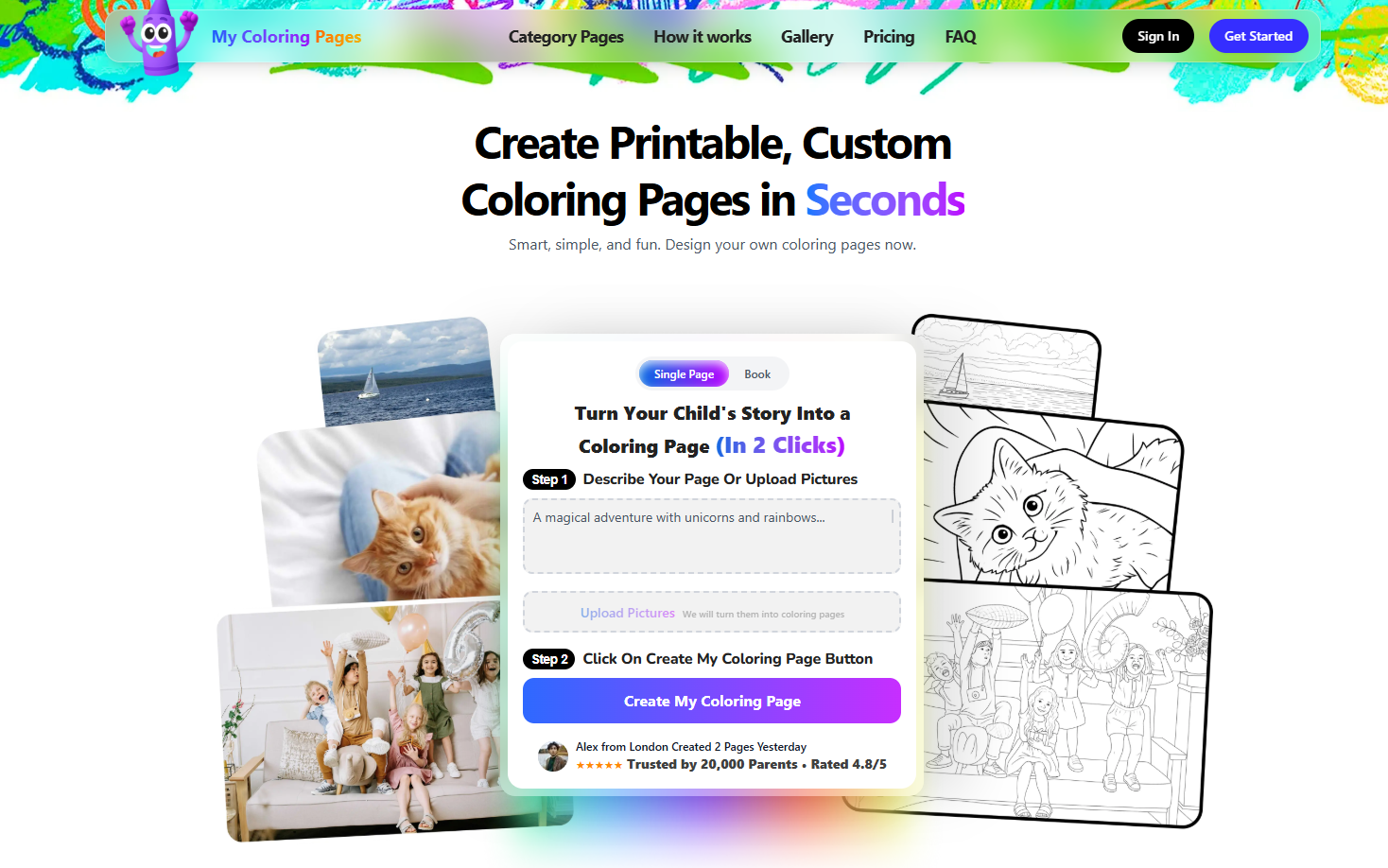
For quick, screen-free activities that enhance fine motor skills, color and shape recognition, and imaginative play, try My Coloring Pages. Users can tell the app what to draw or upload a photo, and it turns that into coloring pages you can print. You can also look through 10,000+ free pages or make your own coloring books that are great for preschool crafts, sensory play, classroom projects, or calm-down time. This handy tool works like a craft drawer parents love, and it has earned the trust of over 20,000 families, earning a 4.8 out of 5 rating.Add fun, printable activities to your day with no extra prep needed. Explore 10,000+ free coloring pages to boost creativity.
Related Reading
- Activities for 6 Year Olds
- Activities for 7-Year-Olds
- Fun Activities for Elementary Students
- Screen-Free Activities for Kids
- Activities for 8-Year-Olds
- Back to School Activities for Elementary Students
- Budget Friendly Family Activities
- Hobbies for Toddlers
- At Home Learning Activities
- How to Encourage Creativity in a Child
- Coloring Skills Development