100+ Creative Hobbies For Kids To Help Them Learn, Grow & Explore
Discover 100+ fun, screen-free Hobbies for Kids that boost creativity, confidence, and learning at home, weekends, or school breaks.


Meta Title: 100+ Creative Hobbies For Kids To Help Them Learn, Grow & Explor
When after-school hours arrive, parents often wonder which Hobbies for Kids will help kids beat screens and build fundamental skills. Simple crafts, DIY projects, outdoor play, and hands-on science experiments offer children opportunities to develop fine motor skills, solve problems, and enjoy creative play. Ready for easy, creative hobby ideas that help your child stay engaged, learn through play, and grow into a confident, curious learner?
My Coloring Pages offers 10,000+ free coloring pages that slip easily into these routines, from themed art projects and seasonal printables to pages that boost letter and number recognition, focus, and calm sensory play. Use them as part of Hobbies for Kids to spark imagination, build skills,s and keep after-school time creative and steady.
Summary
- Hobbies offer predictable, calming activities that support emotional regulation, and 85% of children who engage in hobbies report higher levels of happiness.
- Children with sustained hobbies are 50% more likely to perform better academically, linking iterative hobby practice to improved focus and multi-step problem solving.
- Consistency matters: children who stick with an activity for 6 to 12 weeks show more precise planning, better follow-through, and more willingness to try more complicated tasks.
- Small, repeatable rituals scale in busy families, for example, ten minutes of sketching after dinner or a three-week rotation that swaps one element weekly, which reduces decision fatigue while preserving skill gains.
- When designing after-school plans for 30 families over 8 weeks, caregivers most often requested two quiet options, one outdoor option, and one tech project per week, underscoring a need for adaptable, constrained rotations.
- A broad menu matters: a 100+ collection of hobby ideas lets caregivers mix quiet, high-energy, STEAM, and low-prep options so children can sample diverse skills without overcommitting.
- This is where My Coloring Pages's 10,000+ free coloring pages fit in, offering an extensive library of instantly printable, age-appropriate pages that can cut prep from hours to minutes and slot into ten-minute micro-habits and three-week rotations.
Why are Hobbies For Children Important?

Hobbies give kids a steady place to practice, fail safely, and surprise themselves, which builds creativity, confidence, social ability, emotional steadiness, and practical problem-solving all at once. They create repeatable experiences in which small wins add up to fundamental skills, healthy routines, and more transparent self-knowledge for both the child and the caregiver.
How do hobbies open up imagination and creative thought?
This is where play becomes purposeful. When a child paints, writes a short story, or builds with simple supplies, they learn to make choices, iterate on ideas, and tolerate imperfect first drafts. Think of a hobby as a small workshop where every project trains imagination the way a piano lesson trains fingers: repetition builds fluency, and fluency breeds novel thinking. For parents, that means a coloring sheet turned into a storyboard or a homemade scavenger hunt can be a quick creativity workout that also doubles as quality time.
How do hobbies strengthen confidence and real-world skills?
Confidence grows when effort produces visible progress. A beginner who finishes a drawing, then another, then a more challenging one, begins to expect improvement. Those expectations become resilience. I see the pattern across after-school programs and weekend projects: children who stick with an activity for six to twelve weeks show more precise planning, better follow-through, and a willingness to try more complex tasks. That translates to better communication, leadership in group play, and less fear around new challenges.
How do hobbies support emotional balance and reduce stress?
Hobbies give kids a predictable, calming activity to return to when life feels noisy. They can be a safe place to vent, to calm down after a tough day, or to translate big feelings into something manageable. That’s why 85% of children who engage in hobbies report higher levels of happiness, according to the Child Development Institute. For caregivers juggling work and family, simple, repeatable projects, printables, short craft kits, and a five-minute drawing ritual work as emotional first aid that fits a busy schedule.
How do hobbies improve social skills and empathy?
Group hobbies create low-stakes social practices: sharing tools, negotiating turns, giving feedback, and celebrating each other’s work. This pattern appears in school clubs and neighborhood teams, where children learn to read cues, compromise, and take perspective. Those small interactions compound; the child who learns to wait their turn on a team or co-create a group art piece shows better collaboration in class and more ease in forming friendships.
How do hobbies boost problem-solving and academic readiness?
Activities that require planning, testing, and adjusting sharpen analysis and persistence. That pays off in the classroom, where sustained attention and iterative thinking matter. Children with hobbies are 50% more likely to perform better academically, according to the Educational Research Journal—practically, improved homework focus, stronger sequencing skills, and more confidence tackling multi-step problems.
Most families handle activity planning by piecing together worksheets, store-bought kits, and after-school classes because that approach is familiar and manageable at first. Over time, though, the hidden cost appears: mismatched difficulty, repetitive templates, and hours spent hunting for age-appropriate, themed materials fragment attention and waste time. Solutions like My Coloring Pages help bridge that gap by letting caregivers generate customized, printable coloring pages and themed collections in seconds, preserving the benefits of tailored activities while cutting prep time from hours to minutes.
What’s the simplest way to keep a hobby habit alive at home?
Choose tiny, repeatable rituals that fit your week, then attach them to an existing routine. Ten minutes of sketching after dinner, a weekly nature walk with a photo log, or a short family baking project on Saturdays builds momentum without burning out time or budget. When parents feel constrained by money or hours, the pattern that works best is swapping significant one-off commitments for micro-habits that smoothly integrate into daily life and still produce steady growth.
It’s exhausting when parents feel pressure to provide the “right” activities while juggling costs and time, and that pressure often makes them default to whatever is easiest rather than what helps the child grow; recognizing that tradeoff lets you choose solutions that scale with your life, not against it.
There’s a surprising next step that changes how hobbies actually shape a child’s future, and you’ll want to see it.
Related Reading
- Activities for Kids
- Activities for 5-Year-Olds
- Creative Activities for Kids
- Educational Activities for Kids
- At Home Activities for Kids
100+ Hobbies for Kids to Inspire & Spark Creativity
This list is a broad, flexible collection of ideas organized by category so you can match activities to age, temperament, and available time; each item notes what the child might enjoy, a quick how-to for getting started, and the basic tools or resources that work best. Use it as a menu to mix quiet solo work with high-energy play, STEAM experiments with arts and performance, and low-prep options you can rotate through a week.
What creative projects will keep their hands busy and imaginations running?
1. Painting and drawing — They get color play and composition practice; set up a small art station, offer diverse media from crayons to watercolors, and encourage short "theme" sessions to build confidence; tools: sketchpads, washable paints, colored pencils, or a tablet for digital art. You can also print out coloring pages with them. My Coloring Pages lets you create custom, printable coloring pages in seconds. Simply describe what you want or upload pictures, and our app turns them into ready-to-print coloring pages.
You can also browse 10,000+ free coloring pages from our community, or design your own personalized pages and coloring books for kids, adults, classrooms, or stress relief. Trusted by 20,000+ parents and rated 4.8/5, it's the easiest way to spark creativity and keep your kids off screens, whether you're turning your child's story into art or crafting intricate mandalas for yourself.
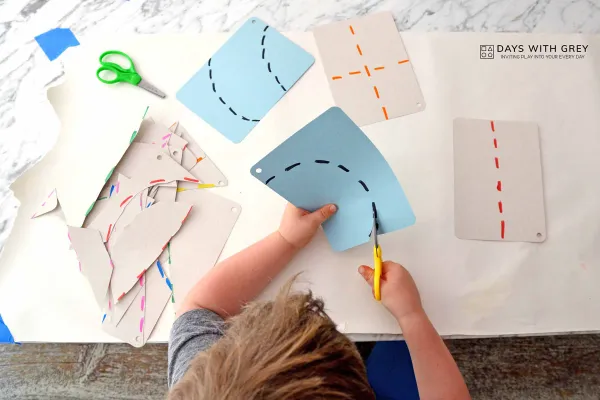
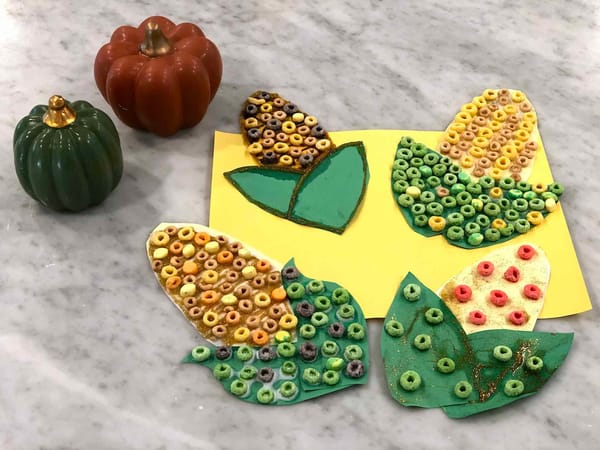
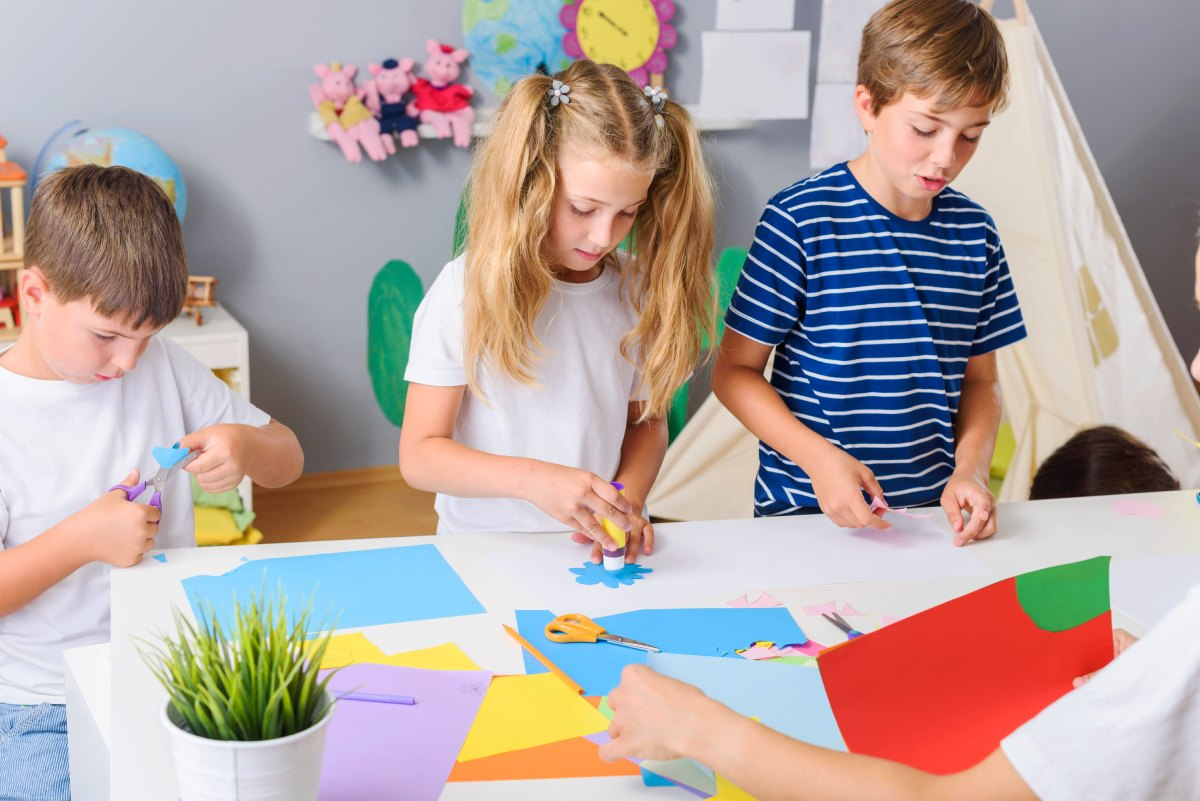
2. Crafting — Kids learn planning and sequence; repurpose recyclables, use kid-safe glue and scissors, and keep simple templates on hand so projects finish quickly; tools: craft paper, beads, glue sticks, yarn.
3. Photography — They learn framing and story; give a smartphone or inexpensive point-and-shoot, set weekly photo prompts, and teach a basic edit workflow; tools: phone camera, free editing apps, small album.
4. Origami — This builds focus and spatial reasoning; start with simple folds, use step-by-step diagram sheets, then progress to modular models; tools: square paper, printed instructions, a paper-folding book.
5. Pottery — Tactile and patient work that improves motor skills; begin with air-dry clay at home, use basic shaping tools, then try a community studio for wheel classes; tools: air-dry clay, sculpting tools, varnish.
6. Collage making — Kids experiment with texture and narrative; create themed prompts, supply magazine cutouts and adhesives, and display finished pieces as rotating gallery walls; tools: magazines, glue, cardstock.
7. Sewing — Teaches sequencing and care; start with felt projects and large plastic needles, then introduce simple patterns and sewing kits; tools: beginner sewing kit, felt, embroidery floss.
8. Jewelry making — Fine motor and design sense improve fast; use bead trays, cord, simple clasps, and teach pattern planning before assembly; tools: beads, pliers, beading thread.
9. Calligraphy — Lettering builds patience and aesthetic control; use beginner brush pens and guided practice sheets, then have kids design cards; tools: brush pens, practice pads, exemplar sheets.
10. Comic book creation — Story structure and visual storytelling combine; teach a three-panel storyboard format, then expand into longer strips; tools: sketchbook, microns or fineliners, blank comic templates.
How can they move, burn energy, and learn coordination?
11. Dance — They explore rhythm and expression; use short routines, mimic challenges, or local classes to increase skill; tools: playlist, open space, optional class enrollment.
12. Martial arts — It teaches discipline and balance; choose schools that emphasize character and non-competitive progress markers; tools: comfortable clothing, protective gear when needed.
13. Rock climbing — Problem-solving and strength work hand in hand; indoor gyms provide graded routes and instructor-led kids’ sessions; tools: equipment, climbing shoes, gym membership.
14. Hiking — Use short loop trails with a scavenger list to build observation skills and endurance; tools: daypack, water, nature ID app.
15. Team sports — Social rules and cooperation are the curriculum; try community rec leagues with minimal commitment and rotating positions so kids sample roles; tools: basic equipment, team signup.
16. Yoga — Focus and breath control translate into calmer moments; pick kid-focused sequences and 10–15 minute routines to keep it approachable; tools: mat, guided videos.
17. Skateboarding — Risk-managed independence and balance; start on gentle slopes with proper pads and stepwise trick progressions; tools: helmet, knee pads, beginner board.
18. Swimming — Safety plus full-body conditioning; enroll in progressive lessons focused on skills and games that reduce anxiety; tools: goggles, swim cap, lessons.
19. Cycling — Freedom and navigation skills grow together; short neighborhood rides with route planning teach safety; tools: helmet, bike, reflective gear.
20. Jump rope — Rhythm, coordination, and quick wins; teach single and double bounce patterns, then introduce tricks and timed challenges; tools: adjustable rope, flat surface.
What learning-focused hobbies sharpen thinking and curiosity?
21. Reading — Promote short, age-appropriate series and themed reading challenges; rotate library loans and build discussion prompts that deepen comprehension; tools: library card, cozy nook, book lists.
22. Learning a new language — Use play-based apps and short daily practice, plus cultural activities like songs and recipes to make it stick; tools: language apps, flashcards, bilingual storybooks.
23. Cooking or baking — Practical math and sequential thinking meet flavor; start with no-bake recipes or simple cookies, then add measurement lessons and kitchen safety; tools: child-sized utensils, recipes with steps.
24. Chess — Strategy and patience improve with micro-lessons; begin with piece movement games and 10-minute puzzles, then join a chess club for play and feedback; tools: chess set, puzzle books, apps.
25. Science experiments — Hypothesis, test, observe, repeat; choose safe kitchen science projects with clear learning outcomes and documented steps; tools: household chemicals, goggles, lab notebook.
26. History projects — Storytelling through models and timelines builds context memory; pick an era, craft a small diorama, and anchor it with a primary source reading; tools: reference books, model supplies, timeline templates.
27. Astronomy — Wonder plus predictable skills like constellation recognition; use backyard stargazing lists and a simple telescope or app to track planets; tools: star chart, telescope or phone app.
28. Puzzles — Problem decomposition and spatial reasoning sharpen; alternate between jigsaws, logic puzzles, and time-trial challenges; tools: puzzle boards, books of brain teasers.
29. Writing stories — Narrative structure and voice grow through regular prompts; try micro-writing sprints and illustrated storybook projects; tools: journal, writing prompts, simple publishing options.
30. Debating — Argument structure and empathy improve; use friendly topical prompts and time-limited rounds to practice listening and rebuttal; tools: timer, topic cards, simple judging rubric.
Which tech hobbies build future-ready skills?
31. Coding — Teach with block-based tools like Scratch, then move toward Python with small projects; set a one-project-per-month rhythm, so kids see deliverables; tools: laptop or tablet, coding platform.
32. Video editing — Storytelling through cuts and sound; start with short clips and teach basic transitions and music balancing; tools: phone/tablet, free editing apps.
33. Robotics — Hands-on engineering and iterative testing; begin with a simple kit and project-based challenges like line following; tools: beginner robotics kit, spare batteries.
34. Stop-motion animation — Patience and planning meet creativity; stage short scenes using a fixed camera and incremental moves, then compile frames in an app; tools: phone, tripod, animation app.
35. Gaming for good — Use constructive games that emphasize building, problem-solving, and collaborative goals; set project rules where gaming time creates a deliverable like a world tour; tools: game console or PC, educational mods.
36. Podcasting — Interview and storytelling skills grow, along with audio tech literacy; script short episodes, practice mic technique, and publish to a private feed for family; tools: USB mic, simple editing software.
37. Digital art — Learn layers, brushes, and composition; start with free drawing apps and themed prompts, then print favorites for physical display; tools: tablet/drawing app, stylus.
38. Web design — Basic HTML/CSS projects teach logic and aesthetics; host a small family site where kids post projects and updates; tools: simple website builders, template lessons.
39. Electronics projects — Circuits, sensors, and troubleshooting teach engineering thinking; use safe kits that teach solderless breadboarding and project documentation; tools: beginner electronics kit, battery packs.
40. Virtual reality — Immersive learning experiences expand empathy and spatial reasoning; choose age-appropriate educational titles and limit session length; tools: kid-safe VR headset and curated content.
How do we turn time outside into discovery?
41. Gardening — Start with container herbs to teach plant cycles and responsibility; create a watering chart and harvest rituals; tools: pots, soil, seeds.
42. Birdwatching — Patience, ID skills, and note-taking improve observation; use checklists and binoculars, and make a scrapbook of sightings; tools: binoculars, field guide, logbook.
43. Geocaching — Navigation, planning, and collaboration combine; use simple GPS apps, set goals for finds, and discuss map reading; tools: GPS-enabled phone, small trinkets for caches.
44. Stargazing — Nighttime routines teach pattern recognition; begin with moon phases and a monthly target constellation, then log findings; tools: star map, red flashlight.
45. Nature journaling — Science observation plus art; sketch plants and insects, note behaviors, and compare across seasons; tools: journal, colored pencils, magnifying glass.
46. Rock collecting — Classification and geology basics; teach safe searching, labeling, and storage of samples with a simple catalog system; tools: field guide, small boxes for storage.
47. Tree identification — Leaf and bark study expands local knowledge; use a leaf-pressing activity and an ID app to confirm species; tools: ID app, plant press, notebook.
48. Camping — Simple planning and resilience practice; start with backyard camping or a short sheltered site, teach basic camp setup and safety; tools: tent, flashlights, basic first-aid kit.
49. Beekeeping — Stewardship and ecology lessons; join a club that offers kid-friendly workshops rather than jumping into hives; tools: club membership, protective gear when appropriate.
50. Fishing — Patience, knot-tying, and ecosystem conversations; teach casting basics, species ID, and catch-and-release ethics; tools: simple rod, bait, license where required.
What low-pressure, meaningful hobbies fit quiet or independent kids?
51. Volunteering — Responsibility and social exposure vary by role; find short regular slots like library help or park cleanups to keep commitment realistic; tools: volunteer orientation, transport.
52. Scrapbooking — Memory work and sequencing; make themed albums with dated captions, and let kids pick the layout; tools: albums, adhesive corners, printed photos.
53. Birdwatching — (listed again here as optional repeat for beginners) Low-key, observational, and adaptable to short sessions with a local checklist and binoculars.
54. Sculpting — Three-dimensional thinking and persistence; use air-dry clay or polymer clay for quick project cycles; tools: clay, sculpting tools, oven if using polymer.
55. Knitting — Pattern recognition and soothing repetition; start with chunky yarn and large needles to speed progress and avoid frustration; tools: beginner needles, yarn, simple pattern book.
56. Sewing — (separate from couture) Focus on practical projects like pillowcases or simple bags; choose patterns with minimal pieces and pre-cut kits for the first sessions; tools: sewing machine or hand-sewing kit.
57. Martial Arts — (also in activities) For self-discipline and goal-setting, pick schools emphasizing belts as personal milestones rather than competition.
58. Puzzles — (also educational) Vary in complexity using timed or cooperative modes to keep it social or solitary as needed.
59. Astronomy — (revisited) For a quiet hobby, subscribe to a monthly star map or pocket guide and target a single object per week.
60. Playing an instrument — Cognitive and motor coordination grow with structured practice; use short daily sessions focused on small, clear goals and positive reinforcement; tools: instrument, tuner, beginner method book.
How can culinary and collectible hobbies teach craft and patience?
61. Breadmaking — Fermentation, timing, and sensory learning; start with no-knead loaves or soda bread, teach reading dough and timing; tools: mixing bowls, scale, proofing space.
62. Coin collecting — History and cataloging skills develop; begin with a starter album and a basic magnifier, and teach safe handling and labeling; tools: coin album, gloves, reference guide.
63. Gymnastics — Body awareness and goal setting; choose recreational classes that pace skill acquisition and emphasize safety; tools: class enrollment, occasional private coaching.
64. Singing — Breath control and expression; short vocal exercises plus performance opportunities in family recitals build confidence; tools: recordings, simple warm-ups.
65. Acting — Role play and empathy practice; use short scenes and improv games that focus on listening and reacting; tools: scripts, improv prompts.
What targeted educational hobbies sharpen school skills?
66. Reading Books — Create genre rotations and comprehension checklists to stretch reading level and understanding.
67. Building Models — Follow plans to learn instruction following and patience; model glue and precise tools help older kids work independently.
68. Puzzles and Brain Teasers — Rotate types to work different cognitive muscles, from logic grids to spatial puzzles.
69. Science Experiments — Use experiment journals to teach documentation and the scientific method.
70. Language Learning — Pair app-based drills with cultural projects like cooking or songs to deepen retention.
71. Mathematics Games — Use board games and apps that make number sense practical and game-like.
72. History Exploration — Assign short research projects with primary sources and a small presentation to build evidentiary thinking.
73. Coding and Programming — Build a capstone like a small game; use versioned projects so kids see progression.
74. Debating — Keep rounds short and use feedback forms to teach constructive critique.
75. Public Speaking — Practice with staged mini-presentations and applause rituals to reduce anxiety.
Which digital and creative production hobbies prepare kids for modern expression?
76. Video Game Design — Start with level design in simplified engines, then iterate based on playtests with friends.
77. Graphic Design — Teach grid systems and color theory through poster projects for real events or causes.
78. Robotics — Combine mechanical builds with coding tasks and use competition-style challenges to focus effort.
79. Blogging — Use short weekly posts and an editorial calendar to practice voice and deadlines.
80. Vlogging — Teach concise storytelling and lighting basics, and keep videos under three minutes for early wins.
81. Creating Digital Art — Encourage limited palette challenges to focus composition.
82. Animation — Begin with flipbook basics, then move to frame-by-frame software.
83. Podcasting — Structure episodes with a simple outline and a clear show length so kids learn editing discipline.
84. Photography and Video Editing — Pair photo scavenger hunts with simple edit assignments to close the creative loop.
85. Building Websites — Use site-builder blocks to teach hierarchy and content planning, not code at first.
How do animal and pet activities teach care and observation?
86. Pet Care — Assign daily responsibilities with checklists and reward systems to teach reliability.
87. Horse Riding — Lessons teach balance and animal empathy; pick barns with certified instructors and a safety-first approach.
88. Bird Watching — (again) Use seasonal checklists and a simple field guide to expand species knowledge.
89. Fish Keeping — Maintain a log for water quality and feeding schedules to teach maintenance planning.
90. Volunteering at Animal Shelters — Start with supervised, short shifts to teach boundaries and empathy.
91. Training Pets — Use short, consistent 5-minute sessions focusing on one cue at a time and positive reinforcement.
92. Building Birdhouses — Design plus basic carpentry skills; start with a simple kit and decorate together.
93. Creating Pet Accessories — Sewing or crafting collars and toys teaches customization and function.
94. Learning About Wildlife — Combine documentary viewings with local habitat field trips and a mini-report.
95. Pet Photography — Teach patience and timing, and use burst mode to capture candid expressions.
Which building and maker hobbies teach measurement and persistence?
96. LEGO Building — Use themed challenges like "build a bridge" or "recreate a scene" to focus creative constraints.
97. Woodworking — Start with pre-cut kits to teach tool safety and joinery basics before moving to measured projects.
98. Model Building — Decal application, painting, and precise assembly build fine motor control.
99. Carpentry — Simple projects like a stool or shelf teach measuring, squaring, and finishing techniques.
100. Building Forts — Imagination plus spatial reasoning, use plans or let children free-design with constraints like time or materials.
101. Repurposing Household Items — Teach upcycling projects with clear safety rules and a materials checklist.
102. Designing and Building Go-Karts — Engineering, safety checks, and teamwork; begin with a scaffolded kit and adult supervision.
103. Creating Furniture for Dolls or Action Figures — Scale drawing, cutting, and finishing teaches proportion and patience.
When parents juggle many interests and limited time, patterns emerge quickly: while building after-school plans with thirty families over eight weeks, the common request was for activities that adapt to mood and energy, so we structured sample rotations with two quiet options, one outdoor choice, and one tech project per week to reduce decision fatigue and boost follow-through. This pattern reveals a constraint-based rule: if you have limited time, prioritize repeatable micro-projects that produce tangible outcomes; when you have more weekend hours, use longer projects that require planning and revisiting.
Most caregivers rely on bookmarks, scattered printables, and occasional kits because those methods feel familiar and flexible, but as activity lists multiply, themes break, difficulty mismatches happen, and prep time balloons into hours. That hidden cost means creativity becomes a source of stress rather than a source of relief. Platforms like My Coloring Pages provide a bridge, offering fast customization, themed collections, and a community library so parents can generate age-appropriate, printable activity sheets and craft templates in seconds, preserving hands-on value while cutting prep dramatically.
A short practical tip: build a three-week rotation of activities that alternates quiet, messy, social, and screen-based options, then swap a single element each week so variety stays fresh without constant planning.
Think of this list as a toolkit, not a syllabus, and pick one activity from three different categories to keep momentum and curiosity alive.
That simple shift reveals a surprising tool that makes converting ideas into ready-made activities almost instant.
Related Reading
- Activities for 6 Year Olds
- Activities for 7-Year-Olds
- Fun Activities for Elementary Students
- Fun Activities for Preschoolers
- Screen-Free Activities for Kids
- Activities for 8-Year-Olds
Create Custom Printable Coloring Pages and Coloring Books in Seconds
When you need a screen-free hobby or a last-minute classroom resource after a long day, digging through scattered templates wastes momentum and patience. My Coloring Pages turns a brief description or a photo into a ready-to-print coloring page in seconds. With 10,000-plus free community pages and a 4.8 out of 5 rating from over 20,000 parents, it makes arts and crafts, DIY projects, and learning activities something you can actually fit into your week.