55 Exciting Hobbies For Toddlers To Encourage Play And Development
This guide offers practical ideas, from sensory play and simple crafts for toddlers to outdoor play and imaginative games

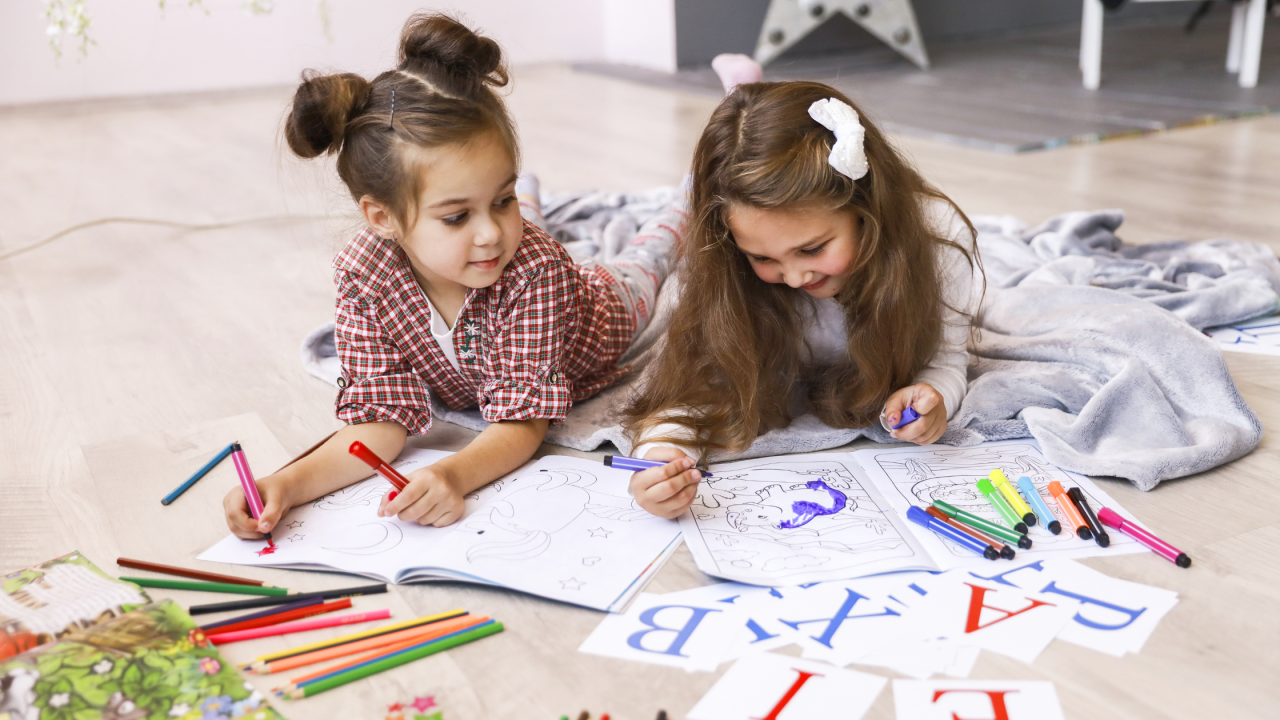
Finding the right Hobbies for Toddlers matters in Activities for Kids. Sticky hands, short attention spans, and endless curiosity make playtime both joyful and chaotic. How do you keep a toddler happily busy, safe, and learning when interests change every few minutes?
This guide offers practical ideas, from sensory play and simple crafts for toddlers to outdoor play and imaginative games, to help keep your toddler happily engaged in safe fun activities that spark creativity, build fine motor skills, support learning, and promote healthy development.To help with that, My Coloring Pages' 10,000+ free coloring pages provide parents with a ready source of toddler activities for quiet time, art practice, color recognition, and simple, screen-free fun.
Summary
- Toddlers who regularly engage in hobbies are 30% more likely to develop advanced problem-solving skills, showing that playful, repeated practice builds transferable thinking habits rather than formal drills.
- About 85% of brain development occurs by age 3, and hands-on crafts can produce a roughly 25% improvement in fine motor skills, making early, tactile hobby time critical for later writing and self-care.
- Children who spend at least 3 hours a week on hobbies are 50% more likely to develop better social skills, and 70% of children who engage in hobbies report higher levels of happiness, linking regular hobby time to both social gains and wellbeing.
- Short, low-pressure trials efficiently reveal genuine interest: keep sessions to 10–15 minutes, offer two to three options, and run a three-week micro-trial to determine whether a hobby reliably captures a child’s attention.
- Sharing hobbies matters for family connection, with 85% of parents reporting stronger relationships when they share hobbies and 60% of children saying they feel happier when hobbies are done with parents.
- Designing activities to be simple and repeatable avoids friction: one clear job, scaled tools, and a 10-minute stop rule preserve curiosity and make it easier to hit the recommended three hours per week benchmark.
- This is where 10,000+ free coloring pages fit in: by providing an extensive, immediately accessible library of age-calibrated, low-prep coloring pages suited to short 10–15-minute trials and fine motor practice.
Why Are Hobbies So Important for Toddlers?

Hobbies in the toddler years support emotional, social, and motor development by providing children with a low-pressure space to experiment, fail safely, and repeat small challenges. They cultivate curiosity, creativity, and confidence through play that prioritizes process over performance, while building the fine motor patterns that underlie writing and self-care.
How do hobbies help a toddler’s emotions and sense of self?
After working with preschool classrooms for nine months, we found a clear pattern: children given playful, self-directed activities settled into calmer, more curious states within weeks. Hobbies become private islands of joy where a child practices being themselves without an audience, reducing stress and building resilience.
That matters because when a child feels accepted while exploring interests, they’re less likely to shut down under pressure. It’s exhausting when adults demand conformity, and giving space instead fosters steadier confidence and honest curiosity.
How do hobbies expand social skills without forcing performance?
The familiar approach is to convert group time into performance lessons, and it works until some kids freeze or dominate the activity. The hidden cost is predictable: skill gaps turn into exclusion, and children who need gentler entry points withdraw.
Solutions like platforms such as My Coloring Pages let teachers and parents generate simple, age-appropriate group templates in seconds, so every child can join with materials matched to their level, which keeps interaction positive and curiosity-driven rather than competitive.
Why do these activities accelerate thinking and problem-solving?
Toddlers learn sequencing, cause-and-effect, and planning through repeated play patterns, not formal drills, and that repetition pays cognitive dividends early on. According to Michigan Virtual, toddlers who engage in hobbies are 30% more likely to develop advanced problem-solving skills, a signal that playful practice builds transferable thinking habits. Give a child a small challenge they care about, and you’ll see the difference in how they test options and recover from mistakes.
How does a hobby play shape motor development?
Most of the brain’s wiring is set very early, so the tiny movements a child repeats matter more than we usually credit. As noted by Michigan Virtual, 85% of brain development occurs by age 3, underscoring the value of early, hands-on hobbies that scaffold grasp, wrist rotation, and bilateral coordination. Simple tools, like thicker crayons, large printed shapes to color inside, and cutting practice on craft-safe scissors, convert delight into durable fine motor progress without turning play into a test.
What kinds of confidence and life skills emerge from low-pressure hobbies?
When I adjusted classroom sessions so children chose the theme and pace for a 15-minute activity, patience and cooperation rose measurably over a single month; children waited, shared tools, and talked about ideas more often.
Hobbies teach time management in tiny increments, patience through repeat attempts, and cooperation when projects are shared, all while preserving the child’s sense of agency. The emotional payoff is real: happier kids take more social risks, ask questions, and try novel tasks.
How do we avoid turning hobbies into another performance metric?
The common trap is over-structuring, which converts joyful practice into a checklist. That breaks because toddlers respond to intrinsic reward, not scores. The fix is simple: tailor the task to what the child can do next, not what you wish they could do eventually, and keep the activity repeatable and undirected. Think of hobby time like tuning an instrument, short and frequent, not a concert rehearsal; small improvements accumulate into capability.
A status quo moment most parents live through, and a better path
Most families rely on whatever printable craft they find or generic coloring books because they are familiar and fast. That approach is fine until a child becomes bored, frustrated by overly detailed designs, or otherwise excluded by a one-size-fits-all page, and the moment intended to calm becomes a source of stress.
Platforms like My Coloring Pages provide a different path: parents and teachers can create custom pages in seconds, simplify shapes, select line thickness, and pull from themed collections so a 10-minute activity becomes deliberate fine motor practice without added prep time.
Practical takeaway feeling, not a how-to
Give toddlers ownership, match materials to skill, and keep the stakes low; the result is steady emotional regulation, richer peer interaction, and motor gains that matter later. What we rarely admit is how small changes in design and expectation convert ordinary play into lasting growth.
That next section shows a set of surprisingly practical, child-friendly activities that put these principles into action — and one of them will change how you think about play.
Related Reading
- Activities for Kids
- Hobbies for Kids
- Activities for 5-Year-Olds
- Creative Activities for Kids
- Educational Activities for Kids
- At Home Activities for Kids
55 Creative Hobbies for Toddlers That Boost Learning and Fun
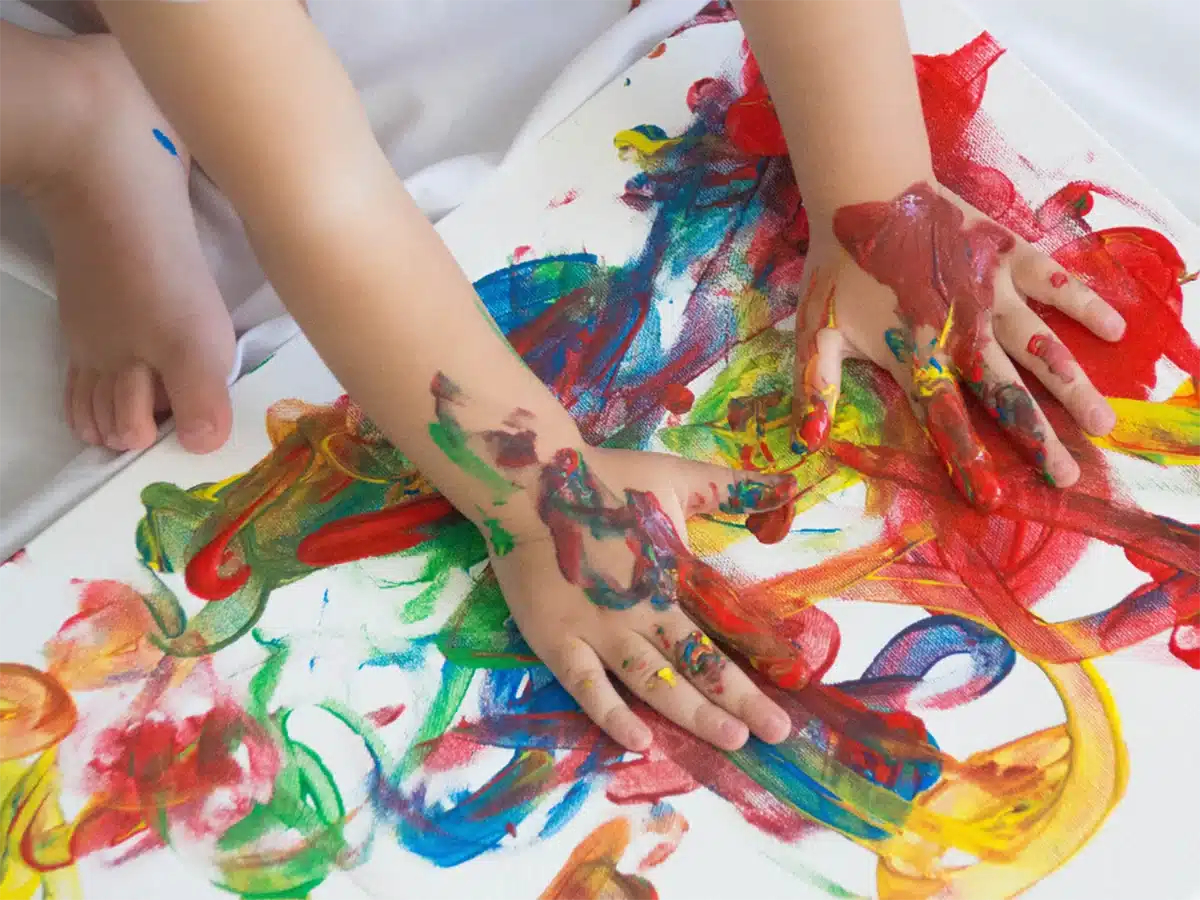
These 55 hobbies offer concrete options you can drop into your day, each matched to a small set of skills and a simple setup, so you and your child can start in minutes. Below you'll find a short why, three clear benefits, and fast, safety-friendly setup guidance for every idea.
After running weekend toddler hobby sessions at a community nursery for six months, a pattern became clear: parents want activities that are safe, genuinely educational, and easy to fold into routines without extra prep or pressure.
1. Get Creative with Painting
Why is painting a fit for toddlers? Painting lets toddlers explore cause and effect with colour and motion, and it builds early visual-motor control while keeping the focus on play.
Benefits
- Boosts hand-eye coordination
- Encourages colour language
- Fosters open-ended creativity
Set-up
Use non-toxic, washable, water-based paints, a washable mat, and oversized brushes or finger paints; limit time to 15–20 minutes and let the child narrate what they’re doing.
Optional tool
If you need fresh, level-appropriate outlines quickly, some platforms generate simple, bold-colored coloring pages in seconds so that you can match complexity to skill.
2. Explore Nature Through Gardening
What makes gardening toddler-friendly? Small garden tasks let toddlers practice turn-taking and sequential actions while learning about life cycles in a sensory outdoor context.
Benefits
- Builds gentle responsibility
- Strengthens fine and gross motor skills
- Promotes sensory exploration
Set-up
Provide a small pot, a scoop, and a watering cup; choose fast-growing seeds or easy herbs and narrate each step as you plant and water together.
3. Move and Stretch with Toddler Yoga
How does yoga help young bodies and minds? Short poses and animal-themed flows train balance and self-regulation through imagination and rhythm rather than instruction.
Benefits
- Improves balance and proprioception
- Teaches breathing and calm
- Encourages body awareness
Set-up
Keep sessions under 10 minutes, use songs or story prompts, and model poses side by side; avoid rigid correction and reward curiosity.
4. Build Confidence with Dancing
Why is dancing so effective for toddlers? Dancing pairs rhythm with social play, turning gross-motor practice into an emotional release that also trains pattern following.
Benefits
- Develops coordination and rhythm
- Releases energy in a safe way
- Strengthens expressive skills
Set-up
Create a short playlist, clear a safe space, and use costume pieces or scarves to make movement tactile and fun.
5. Create Something Special with Scrapbooking
How does scrapbooking suit a toddler? It translates memory-making into a tactile craft where choosing and sticking are the main skills, not precision.
Benefits
- Strengthens fine motor grip
- Stimulates storytelling and vocabulary
- Reinforces sequencing and memory
Set-up
Pre-cut photos and paper, provide glue sticks and stickers, and ask your child to narrate why each item goes on the page.
6. Develop Life Skills with Cooking and Baking
Why involve toddlers in the kitchen? Simple food tasks teach measurement language, cause-and-effect concepts, and safe tool use while improving sensory discrimination.
Benefits
- Teaches the following steps
- Boosts hand-eye coordination
- Encourages healthy food curiosity
Set-up
Offer stirring, pouring, and topping jobs with child-sized utensils; keep heat and sharp tools out of reach and narrate safety rules.
7. Encourage Curiosity with Collecting
Why does collecting work for little learners? Collections turn ordinary walks into pattern practice and sorting games that build early categorization skills.
Benefits
- Teaches sorting and classification
- Enhances observation skills
- Creates a calm, focused hobby
Set up
Provide a small box or tray for collection, establish simple rules for what to gather, and revisit the collection to sort by colour or size.
8. Dive into Storytime with Reading
How can reading be interactive for toddlers? Read aloud with pauses for predictions and invite the child to point to pictures, which trains vocabulary and narrative sense.
Benefits
- Expands vocabulary
- Builds listening stamina
- Models emotional recognition
Set-up
Choose sturdy board books with repetitive phrases and images, read them daily at consistent times, and let the child turn the pages to increase agency.
9. Make a Splash with Water Play
Why is water play ideal for sensory learning? Pouring and transferring water provide toddlers with direct feedback on volume and motion while engaging their tactile senses.
Benefits
- Teaches cause and effect
- Strengthens fine motor squeezing and pouring
- Supports exploratory science thinking
Set-up
Use shallow tubs, supervise closely, and add measuring cups, sponges, and safe toys to vary the challenge.
10. Boost Gross Motor Skills with Soft Play
Why include soft play in routine? Soft obstacles let toddlers test limits safely, building spatial awareness and confidence through repetitive movement.
Benefits
- Improves balance and strength
- Teaches risk assessment in a safe setting
- Encourages turn-taking with peers
Set-up
Build a small obstacle course with cushions and low boxes, practice verbal safety rules, and rotate challenges to maintain engagement.
11. Caring for Animals
Why introduce animal care early? Gentle pet chores teach empathy and routine while giving toddlers concrete tasks that carry visible outcomes.
Benefits
- Develops compassion
- Teaches responsibility rituals
- Supports emotional regulation around living beings
Set-up
Offer simple, supervised tasks like filling water bowls or gentle brushing, and always model calm handling and hygiene.
12. Volunteering
How can volunteering include toddlers? Short, supervised family service activities show children that small acts help others and reinforce social values.
Benefits
- Builds empathy and civic awareness
- Strengthens social connection skills
- Teaches the value of contribution
Set-up
Choose child-appropriate opportunities, keep tasks brief, and debrief the experience with simple questions about feelings and observations.
13. Photography
What makes photography toddler-accessible? A simple point-and-shoot or an instant camera lets toddlers compose images, supporting observation and framing skills.
Benefits
- Enhances visual literacy
- Encourages mindful attention
- Spurs storytelling through images
Set-up
Give a durable camera or supervised phone time, suggest themes (colours, shapes), and make a mini album with the best shots.
14. Puzzles
Why are puzzles a reliable hobby? Puzzles provide incremental cognitive challenges that reward persistence and spatial reasoning without performance pressure.
Benefits
- Strengthens problem-solving
- Builds hand-eye coordination
- Teaches pattern recognition
Set-up
Match puzzle complexity to the child’s level, use knobs or chunky pieces for toddlers, and celebrate small completions.
15. Martial Arts
Why consider martial arts for young children? Age-appropriate classes teach self-control, respect, and focus through structured movement and clear behavioral cues.
Benefits
- Teaches discipline and listening
- Improves coordination and balance
- Builds confidence in a controlled environment
Set-up
Find beginner classes that emphasize play, ensure instructors have toddler experience, and require proper safety gear.
16. Playing an Instrument
How does early instrumental play help toddlers? Simple rhythms and melodic play improve auditory discrimination and attention span while starting a musical vocabulary.
Benefits
- Supports pattern recognition
- Boosts memory and sequencing
- Enhances auditory attention
Set-up
Start with toy percussion or small keyboards, keep sessions under 10 minutes, and turn practice into a shared ritual.
17. Scrapbooking
Why scrapbooking again as a separate suggestion? Different formats invite different skills; guided scrapbooking can emphasize narrative sequencing more than free collage.
Benefits
- Builds storytelling through images
- Encourages decision-making
- Reinforces fine motor skills
Set-up
Use large tabs and pre-cut shapes to reduce frustration; ask the child to label pages with one or two words; and keep glue sticks accessible.
18. Origami
How can simple paper folding suit little hands? Start with basic folds, such as boats and hats, to train bilateral coordination and step-following.
Benefits
- Improves fine motor precision
- Teaches sequencing and patience
- Encourages following visual instructions
Set-up
Use larger sheets and foldable guides, cut preliminary shapes for very young children, and pair each fold with a short, descriptive verb.
19. Pottery
Why try pottery at home? Clay play connects tactile exploration with three-dimensional creation, teaching pressure control and bilateral hand use.
Benefits
- Develops tactile discrimination
- Strengthens hands and wrists
- Encourages imaginative making
Set-up
Use air-dry clay and wipeable surfaces, supervise texture exploration, and keep drying times short so children see results quickly.
20. Collage making
Why is collage great for toddlers? Collage allows children to explore textures and composition without the expectation of drawing skill, which boosts tactile and planning skills. According to Tuco Kids Blog, children who participate in arts and crafts activities show a 25% improvement in fine motor skills. That hands-on crafting time translates into measurable gains in dexterity.
Benefits
- Trains, scissor,s and glue control
- Expands vocabulary for textures and shapes
- Encourages creative decision-making
Set-up
Offer safe scissors, glue sticks, and a variety of papers and fabrics; let toddlers choose and place pieces freely.
21. Sewing
How can sewing be toddler-friendly? Start with lacing cards and large plastic needles to teach threading and bilateral control before introducing fabric projects.
Benefits
- Builds patience and focus
- Strengthens hand-eye coordination
- Teaches process completion
Set-up
Use lacing boards and felt with pre-punched holes, supervise closely, and keep projects short and functional, like simple felt patches.
22. Jewelry making
What skills does jewelry making teach? Beading trains, pincer grip, pattern creation, and following short sequences for visual design.
Benefits
- Enhances fine motor precision
- Encourages pattern recognition
- Provides a tangible reward to share
Set-up
Use large beads and elastic cords, monitor bead size, and prompt pattern games such as ABAB to teach structure.
23. Rock climbing
Why try indoor climbing? Controlled walls allow toddlers to practice vertical movement and route planning, while an equip and an instructor ensure safety.
Benefits
- Builds whole-body strength
- Teaches spatial planning
- Encourages resilience through graded challenges
Set-up
Choose toddler-friendly walls with foam landing areas, keep sessions short, and select gyms that offer family classes and certified instructors.
24. Hiking
How does hiking become a toddler hobby? Short, sensory-rich trails turn walking into exploration, with natural waypoints that teach observation and endurance.
Benefits
- Strengthens leg muscles and stamina
- Teaches environmental awareness
- Encourages observational language
Set-up
Plan short routes with snack breaks, pack a small scavenger list, and wear supportive shoes and sun protection.
25. Team sports
When should toddlers try team sports? Early play-focused sessions teach sharing, spatial awareness, and following simple group rules without scoreboard pressure.
Benefits
- Encourages cooperation
- Develops basic sport skills
- Improves social turn-taking
Set-up
Choose community programs that emphasize play and short practices, and prioritize inclusive, low-cost leagues.
26. Skateboarding
Why skateboarding for older toddlers? With proper pads and a stable board, balance-focused rolling helps coordination and risk assessment.
Benefits
- Builds balance and timing
- Teaches persistence after falls
- Encourages outdoor play
Set-up
Start on flat ground with a balance board or a stabilized skateboard. Wear a helmet and pads, and practice pushes and stops together.
27. Cycling
How does cycling start as a habit? Tricycle or balance bike time trains steering and balance and creates a reliable family routine for short outings.
Benefits
- Strengthens core and legs
- Teaches spatial awareness
- Builds independent mobility confidence
Set-up
Use a balance bike before pedals, keep routes short, and always wear a certified helmet.
28. Jump rope
Why is jump rope useful even for small children? Simple jumping sequences teach coordination and timing, and you can scale the difficulty to your ability rapidly.
Benefits
- Increases cardiovascular activity
- Improves rhythm and timing
- Enhances coordination
Set-up
Use a short rope or ribbons held by an adult, count jumps together, and celebrate incremental progress.
29. Learning a new language
How can toddlers start language learning? Exposure through songs, simple games, and story repetition builds receptive vocabulary before active speech emerges.
Benefits
- Expands receptive vocabulary
- Strengthens listening skills
- Encourages cultural curiosity
Set-up
Use short, daily routines, such as a target-language hello song and labeling common objects; consistency matters more than volume.
30. Astronomy
What does stargazing teach little children? Nighttime observation sparks wonder and simple pattern recognition when you point out bright stars and the moon.
Benefits
- Encourages scientific curiosity
- Teaches observational language
- Builds patience and quiet focus
Set-up
Start with evening sky walks and a simple star map app, keep sessions short, and use warm layers and a flashlight for comfort.
31. Writing stories
Why encourage story writing early? Dictation and drawing together help toddlers connect events to narrative structure and practice sequencing.
Benefits
- Strengthens expressive language
- Builds sequencing skills
- Encourages imagination
Set-up
Turn oral stories into picture books with one sentence per page, let the child illustrate, and bind with staples for ownership.
32. Working Out
How can gentle workouts fit toddlers? Parent-led movement games teach body control and model healthy activity while keeping play central.
Benefits
- Improves strength and coordination
- Models healthy habits
- Creates a shared routine
Set-up
Use short, playful circuits with climbing, jumping, and stretching; avoid heavy resistance and prioritize form and safety.
33. Playing music
Why form a family band? Homemade rhythm instruments and simple songs give toddlers a role in group music, supporting timing and cooperation.
Benefits
- Improves auditory discrimination
- Encourages group participation
- Enhances timing and rhythm
Set-up
Make shakers and drums from household items, assign a simple part, and rehearse brief songs for family performances.
34. Rock-collecting
How does rock-collecting teach science? Identifying shapes, textures, and weights introduces comparative science and cataloguing habits.
Benefits
- Develops classification skills
- Encourages outdoor curiosity
- Builds an observational comparison
Set-up
Provide a labeled box and magnifier, pick safe stones, and teach gentle handling and respect for natural habitats.
35. Birdwatching
Why is birdwatching a calm hobby for toddlers? It rewards patience and introduces species names, colours, and movement vocabulary.
Benefits
- Expands nature vocabulary
- Teaches patience and focus
- Encourages identification skills
Set-up
Use binoculars sized for children or cardboard tubes, start with common local species, and keep sessions short and story-based.
36. Recycling waste
How does recycling become a hobby? Turning sorting into creative projects teaches environmental responsibility and repurposing skills.
Benefits
- Teaches environmental stewardship
- Encourages creative reuse
- Builds sorting and categorization skills
Set up
Set up labelled bins and craft projects that recycle materials into new toys or art, and celebrate reuse outcomes.
37. Singing
How does singing benefit toddlers beyond joy? Singing supports breath control and phonological awareness, the foundations of speech and listening.
Benefits
- Enhances phonemic awareness
- Improves respiratory control
- Builds expressive confidence
Set-up
Sing short songs daily, use call-and-response patterns, and add simple actions to reinforce meaning.
38. Knitting
Can toddlers join knitting? Start with finger knitting and large yarn to teach looping and bilateral hand coordination before needles are introduced.
Benefits
- Builds fine motor sequencing
- Teaches pattern repetition
- Encourages patience and finishing tasks
Set-up
Offer chunky yarn and model basic loops; keep sessions short; and create small items, such as cords, for play.
39. Woodcraft
How can woodcraft be safe for children? Supervised, simplified projects with pre-cut pieces, teaching assembly and tool respect while producing durable outcomes.
Benefits
- Develops problem-solving
- Teaches safe tool habits
- Encourages tangible craftsmanship
Set-up
Use pre-cut kits and plastic hammers, keep sharp tools for adult use only, and focus on gluing and screwing tasks suitable for small hands.
40. Crochet
Why choose crochet over knitting for some kids? Crochet can feel more immediate because single-hook stitches build quickly and show progress fast.
Benefits
- Strengthens hand-eye coordination
- Teaches the sequence following
- Produces usable projects quickly
Set-up
Use large, ergonomic hooks and chunky yarn, teach a basic chain, and celebrate small swatches.
41. Coins
Why start coin collecting young? Coins combine tactile sorting with history and geography, letting children trade stories about places and symbols.
Benefits
- Teaches categorization and value
- Encourages historical curiosity
- Builds gentle collecting habits
Set-up
Start with modern coins, use simple albums, and tell short stories about the designs.
42. Stamps
How does stamp collecting teach detail? Stamps reward close examination of small images, fostering concentration and cultural literacy.
Benefits
- Improves visual discrimination
- Encourages cultural interest
- Teaches organization
Set-up
Use clear sleeves and a safe stamp album; start with large commemorative stamps; pair with maps or stories.
43. Cards
Why are card collections valuable? Trading cards teach negotiation, condition assessment, and value judgment in a social setting.
Benefits
- Builds social trading skills
- Teaches conditional value and rarity
- Encourages focused inspection
Set-up
Use protective sleeves, teach fair-trade rules, and supervise trades to reinforce social boundaries.
44. Comic books
What does comic collecting offer toddlers? Picture-driven narratives support sequential thinking and vocabulary development without heavy reliance on text.
Benefits
- Encourages sequential comprehension
- Builds visual storytelling skills
- Increases reading confidence
Set-up
Choose age-appropriate illustrated stories, read them together, discuss the panels, and organize a small home library.
45. Riddles
How do riddles sharpen thinking? Riddle play rewards lateral thinking and keeps language playful while developing inference and reasoning skills.
Benefits
- Boosts verbal reasoning
- Encourages creative problem-solving
- Improves listening and prediction
Set-up
Use short, picture-based riddles and model solving steps aloud, then invite your child to invent simple ones.
46. Nature Watching
Why is scheduled nature watching valuable? Repeated observation of a single spot teaches seasonal change and cultivates long-term attention.
Benefits
- Teaches temporal change and patience
- Encourages sensory noticing
- Builds place-based knowledge
Set-up
Select a local patch and visit weekly; keep a simple journal of observations; and use a magnifier for close study.
47. Video Games
How can video games be constructive for kids? Age-appropriate games with clear goals and time limits can train problem-solving and hand-eye coordination when chosen carefully.
Benefits
- Trains pattern recognition and strategy
- Enhances fine motor coordination
- Can foster cooperative play
Set up
Set strict time windows, choose curated, family-friendly titles, and play together to scaffold vocabulary and strategy.
48. Sketching and Drawing
How does drawing scale with ability? Start with large gestures and guided prompts to teach line control, then reduce guidance as the skill grows.
Benefits
- Improves grip and control
- Encourages visual expression
- Builds depth perception
Set-up
Provide large paper and chunky crayons, suggest simple prompts, and praise the process over the outcome.
49. Puppetry
Why is puppetry transformative? Puppets provide toddlers with a safe emotional outlet and practice in narrative structure through performance and play.
Benefits
- Builds language and social cues
- Encourages sequencing and storytelling
- Enhances fine motor manipulation
Set-up
Make simple sock puppets, create a small stage, and have short shows that let the child lead the story.
50. Flower Pressing and Botany
How does pressing flowers teach science and craft? It pairs observational botany with a slow craft that rewards patience and produces keepsakes.
Benefits
- Encourages botanical naming
- Teaches patience through preservation
- Produces tangible craft outcomes
Set-up
Collect non-toxic flowers, press them between absorbent paper and a weight, and use the pressed pieces in cards or frames.
51. Bushcraft and Survival Tactics
When is bushcraft appropriate for children? Age-appropriate bushcraft emphasizes respect for nature, simple shelter-building, and basic navigation, with careful supervision.
Benefits
- Builds problem-solving and self-reliance
- Teaches environmental respect
- Encourages observational survival skills
Set-up
Attend certified family courses, practice safe skills such as knot-tying, and always have an adult plan in place.
52. Horseback Riding
Why does riding teach responsibility? Caring for a horse and learning to ride give tactile routines, timing skills, and clear safety protocols that build trust.
Benefits
- Improves balance and coordination
- Teaches animal care and scheduling
- Builds confidence with supervision
Set-up
Use certified instructors, require helmets and properly fitted gear, and focus on short lessons with consistent routines.
53. Archery
When is archery suitable for children? With proper safety training and age-appropriate equipment, archery teaches focus, patience, and measured strength.
Benefits
- Enhances target focus
- Teaches controlled breathing and discipline
- Strengthens upper-body coordination
Set-up
Start with foam-tipped arrows and static targets in supervised classes, and enforce strict range protocols.
54. Foraging
How can foraging be safe and educational? Guided walks that teach plant ID and respect for picking rules transform a hike into an edible-science lesson.
Benefits
- Teaches plant identification and safety
- Encourages sensory exploration
- Builds environmental literacy
Set-up
Learn local rules, use an expert guide for early trips, and always cross-check edibility before tasting.
55. Flying Drones and Model Aircraft
Why introduce flight-based hobbies? Remote flight tasks develop spatial reasoning, cause-and-effect with controls, and potential for STEM interests.
Benefits
- Builds spatial and visual planning skills
- Encourages technical curiosity
- Offers STEM learning and photography practice
Set-up
Follow local regulations, start with low-altitude beginner models, and teach responsible usage and privacy rules.
Most parents stick with whatever printable page or generic activity is handy because it is fast and comfortable, which makes sense when time is scarce. As groups grow or routines demand consistent scaffolding, that one-size-fits-all approach fragments: activities either bore some children, frustrate others, or require constant adult rework.
Platforms like My Coloring Pages reduce that friction; they let parents and teachers create simple, age-appropriate coloring pages in seconds, pull from thousands of themed templates, and match line thickness and detail to skill level, so every child gets a page that teaches without extra prep.
One precise detail I’ll leave you with, before the following section, is that the small choice you make when offering a hobby, whether to simplify or to demand perfection, changes how your child sees trying again.
But the real question is, how will you help your child pick the one hobby that actually sticks?
Tips To Help Your Child Choose A Hobby
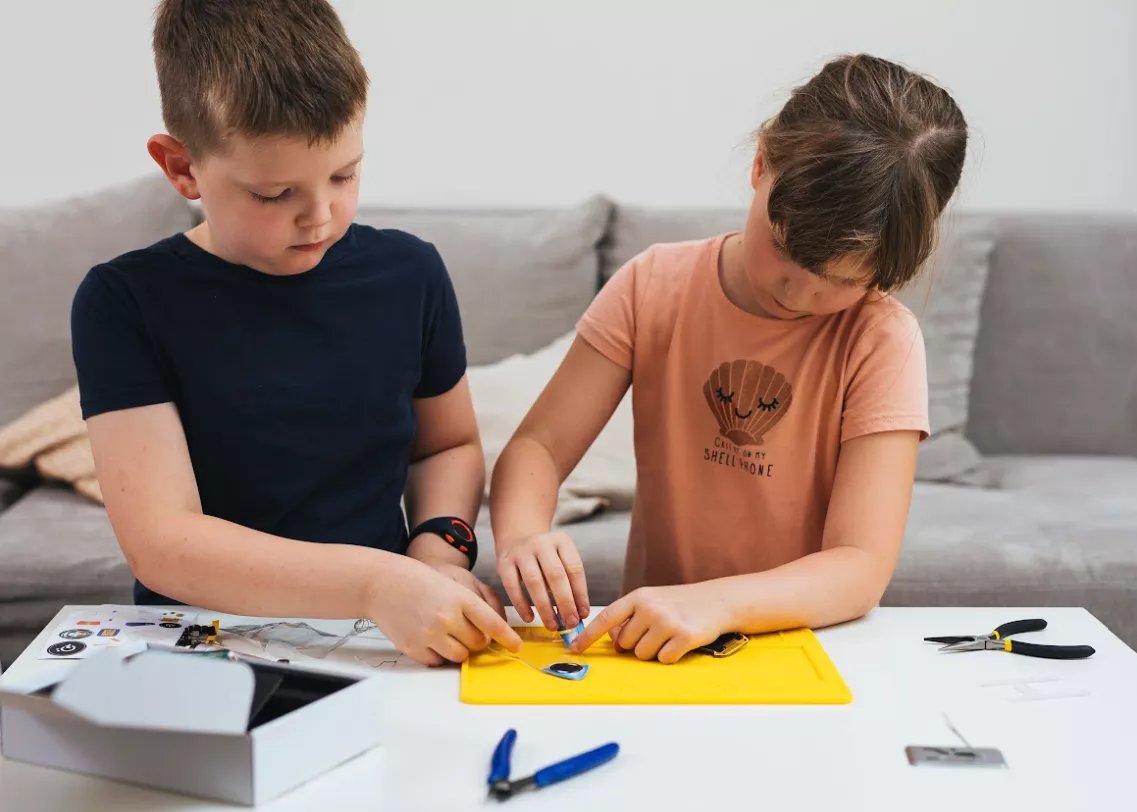
Start with the child’s curiosity and treat the hobby search like a series of short experiments: observe what draws them, offer two or three low-pressure options, and measure how the child responds over a few short trials. That approach respects a toddler’s evolving tastes while providing practical guidance to choose activities that actually stick.
How do you watch without turning interest into pressure?
When you set up choices, keep each trial under 15 minutes and sit quietly nearby, naming what you notice rather than directing it. Look for three signals: the child returns to the same object or page, asks to do it again the next day, or visibly calms and focuses for longer than usual. This is a constraints-based method: short sessions show whether an activity reliably engages attention, and they avoid the burnout that comes from long, adult-driven lessons. Think of it as taste-testing at a market, not committing to a full menu.
How should you involve the child in the decision-making process?
Ask simple, concrete prompts a toddler can answer, for example, “Do you want the red paper or the blue one?” or “Do you want to try making a picture or playing with blocks?” Provide only two to three options and allow them to indicate by pointing, choosing a sticker, or selecting a printable picture. When a child helps build a short wish list of activities, that list becomes both data and a sense of ownership. As you collect choices, use a three-week micro-trial: rotate the top two picks each week and record mood, willingness to return, and the amount of adult help needed.
How do you judge whether an activity is meaningful?
Use a simple scorecard with four quick checks: enjoyment, repeated interest, small skill growth, and social or calm outcomes. Run each hobby through a short, three-week test and record one observation per session. Over time, you will see patterns instead of guesses. Also, remember that consistency matters; evidence shows that children who spend at least three hours a week on hobbies are 50% more likely to develop better social skills.
According to Begin Learning, "Children who spend at least 3 hours a week on hobbies are 50% more likely to develop better social skills." Use that as a planning benchmark: short daily habits or a few longer sessions that hit that weekly threshold tend to create real social returns.
What do you do when a child flips interests every few weeks?
This is a pattern I see repeatedly across home and classroom schedules. Children cycle through enthusiasms quickly, and that’s healthy. Rather than lamenting churn, design your routine so you can swap themes quickly: keep materials organized, use interchangeable prompts, and treat each phase as practice for focus, not a lifelong vow. If a child abandons something after two tries, archive it gently and bring it back later in a new form.
When hobbies cause family friction, how do you react?
In a three-week coaching series I ran with new parents, a standard failure mode emerged. When one adult treats a hobby as a private escape, and another carries most child duties, resentment builds, and family hobby choices suffer. One parent reported heightened stress after late-night gaming that interrupted sleep, and the family reduced conflict only after they negotiated clear hobby windows and created at least one short shared activity slot each weekend. That shift lowered tension and let the child see hobbies modeled as shared, not divisive.
Most parents handle hobby selection by buying kits or signing up for classes because it feels decisive and fast, which is understandable. The hidden cost is that those choices can lead to wasted money, misaligned difficulty, and persistent adult rework as a child loses interest. Platforms like My Coloring Pages change that friction, because they let parents produce tailored, age-calibrated pages in seconds, pick from thousands of themed templates, and quickly simplify or add detail so a short trial becomes meaningful without extra prep time.
How can you make seasonal planning work without forcing commitment?
Use seasons as a rotating catalog rather than a mandate: plan two short projects per season and test each for the three-week window, then retire or adapt them. This keeps variety high while avoiding the trap of enrolling in an activity simply because it seems seasonal, not because the child has shown interest.
Also, maintain a low-pressure “pause” rule, under which any activity can be shelved for two weeks without explanation; this removes shame and protects the child’s sense of choice. And remember, simple repeat engagement matters: according to Mathema Blog, let me know if there is anything else I can help you with. 70% of children who engage in hobbies report higher levels of happiness. Use that as your north star when deciding whether to persist or pivot.
Small habit detail that changes outcomes
When you log one short observation per session for three weeks, you stop guessing and start learning. That tiny operational discipline turns curiosity into usable data, reduces the mental load on parents, and prevents hobbies from becoming another source of tension.
That pattern sounds tidy, but the next challenge is how you actually share and scale a hobby so it becomes part of family life without turning into another obligation.
Related Reading
- Activities for 6 Year Olds
- Activities for 7-Year-Olds
- Fun Activities for Elementary Students
- Fun Activities for Preschoolers
- Screen-Free Activities for Kids
- Activities for 8-Year-Olds
4 Top Tips For Sharing Your Hobby With Your Child

Shrink your hobby to a toddler-sized version, keep sessions very short, and make every moment feel like play instead of practice. Give the child a safe, simplified tool, narrate your actions, and treat the session as quality time, not a lesson.
1. What does a toddler-sized session actually look like?
Keep it under 10 to 15 minutes and make one thing the obvious job, for example, sprinkling, pouring, or dropping stickers. Set out one container, one tool, and two choices. Use child-safe, larger-scale materials, so success is tactile and immediate: thick crayons, big paintbrushes, pre-cut shapes, or a small scoop. When the child repeats an action, quietly acknowledge it and then stop so the desire to return remains intact.
2. How do you follow their lead without losing your hobby?
Offer the simplest entry point and then step back. Present two options and let them point, hand them their own tool, and narrate rather than direct. If you were trimming a bonsai, you would give a toddler an old paintbrush and a tray of leaves to arrange, not your pruning shears. This keeps responsibility real while keeping risk low, and it transforms your pastime into a joint experiment rather than a performance.
3. How do you keep it playful, not instructional?
Turn motions into sounds and small games, label actions as verbs, and turn choices into micro-decisions. Say, “Pouring, pouring, plop,” then hand the cup back; that single line teaches the verb, the motion, and the rhythm without a correction. When attention fades, end on something playful—a giggle, a shared joke, or a sticker—to encode the session as joyful, not evaluative.
4. What safety and supervision rules actually matter?
Make hazards invisible, not forbidden. Keep sharp or hot tools out of reach and use scaled tools that look similar so the toddler learns the routine without risk. Supervise at arm’s reach, use washable surfaces and non-toxic supplies, and plan cleanup as part of the activity so transitions feel natural rather than sudden.
How can small rituals help make this a repeatable habit?
Create a two-step ritual: a one-line invitation and a consistent wrap-up. For example, “Tea time, then put hat on the shelf,” repeated twice a week. Short, predictable rituals reduce resistance and help the child anticipate the activity, which increases voluntary returns.
Why patience and pacing matter more than technique?
This challenge appears across home and preschool schedules: when adults boost standards, toddlers lose interest and curiosity. Lower the bar intentionally, count one small victory per session, and expect interest to fluctuate. That wobble is not failure; it is data telling you which miniature elements to keep, tweak, or discard.
Most parents default to whatever craft or kit is nearby because it is fast and familiar, and that makes sense at the kitchen table. Over time, however, one-size-fits-all pages or kits create friction: some designs bore participants, others frustrate them, and adults spend prep time simplifying materials.
Platforms like My Coloring Pages address that hidden cost by letting parents create tailored, printable pages in seconds, adjusting line thickness, complexity, and theme. Hence, a session matches a child’s ability without extra preparation, keeping the hobby playful and repeatable as skills evolve.
How do you choose a language that teaches while you play?
Use action words and short, vivid verbs, and pair them with sounds to anchor meaning. Replace long explanations with two-word prompts plus an exaggerated action, for example, “Stir slow,” then model and hand over the spoon. Offer binary choices, such as “red or blue,” so toddlers can participate without speech while still exercising choice-making.
What are micro-failures, and how do you celebrate them?
Micro-failures are tiny attempts that fall short, like spilling a cup or coloring outside a line. Celebrate the attempt, not the accuracy. Say, “Nice try, you tried pouring,” then offer to do the next step together. Over three weeks, those small, positive reframes build willingness to try again more reliably than praise tied to outcomes.
How do you handle a child who flips interests every few days?
Treat those transitions as sampling, not abandonment. Rotate themes quickly, keep materials concise, and archive unused prompts for reintroduction later in a new context. Frequent short trials give you honest feedback while protecting your time.
Social return and family connection matter, not just skill practice, and that shows up in surprising ways. For example, according to the Family Hobbies Survey, 85% of parents believe that sharing hobbies with their children strengthens their relationship, which is why the tone you set matters more than the tools you use. Also, that emotional side links to well-being: the Child Development Study finds that 60% of children who engage in hobbies with their parents report higher levels of happiness, a reminder to prioritize joy over progress when you start.
A practical checklist you can act on tonight
- Limit the session to 10 minutes, set a simple timer, and stop while they still want more.
- Offer two clear choices and one easy job.
- Hand a scaled, safe tool that mimics yours.
- Narrate actions with verbs and playful sounds.
- Keep cleanup short and make it part of the game.
Think of the first few sessions as tiny experiments, each supplying one piece of data about tempo, tool, and tone so that you can iterate without guilt or fuss. That is how a hobby shifts from something you hope they will join to something both of you actually wait for.
That simple change transforms hobby time into something you both want to repeat.
Related Reading
- Back to School Activities for Elementary Students
- Budget Friendly Family Activities
- At Home Learning Activities
- How to Encourage Creativity in a Child
- Coloring Skills Development
Create Custom Printable Coloring Pages and Coloring Books in Seconds
If you need a fast, low-prep way to turn spare minutes into screen-free, skill-building play, consider My Coloring Pages. With 10,000+ free printable coloring pages and a tool that converts a short description or a photo into a ready-to-print page in seconds, you get a pocket-sized art studio that keeps toddler hobbies fresh without extra planning.