Top 15 Sources for Letter B Worksheets for Preschoolers
Discover 15 top Letter B Worksheets Preschool resources at My Coloring Pages. Free printables to boost early learning and letter recognition skills.


Watching a preschooler trace their first letters marks a pivotal moment in early literacy development. Letter B worksheets provide structured practice that builds fine motor skills, letter recognition, and phonics awareness through engaging activities like coloring bumble bees, circling objects that start with B, and connecting dots to form bouncing balls. These targeted exercises help children develop the foundational skills needed for reading and writing success. Quality letter B worksheets for preschool make alphabet learning both effective and enjoyable.
Finding educational materials shouldn't require hours of searching or expensive subscriptions. Parents and teachers need instant access to customizable resources that match each child's learning pace and interests. Whether creating bubble letter templates for creative coloring, uppercase and lowercase B tracing sheets, or themed activities featuring butterflies and bananas, the right materials keep little hands busy and young minds growing. For comprehensive learning resources, download 54,349+ free coloring pages to create personalized educational experiences.
Table of Contents
- Why Early Alphabet Knowledge Matters More Than You Think
- What Happens When Children Don't Learn the Alphabet
- When Do Children Start Learning the Alphabets
- How to Teach Preschoolers the English Alphabets
- How to Design Letter B Worksheets
- Top 15 Sources for Printable Letter B Worksheets
- Download 53,980+ free letter B worksheets
Summary
- Letter name knowledge is one of the strongest predictors of early reading success, outweighing factors such as IQ or family income in the early years. Children who recognize letters before kindergarten are two to three times more likely to read at grade level by age seven. Without this foundation, reading becomes guessing instead of decoding, and writing turns into frustration that compounds with every passing month.
- Two out of every 10 children enter kindergarten with skills two to three years below grade level, not because they lack intelligence, but because they missed structured exposure to the alphabet when their brains were most receptive to pattern recognition. By fourth grade, 85% of children lacking phonological awareness in first grade continue to struggle. The gap that begins as a few months of missed exposure becomes years of remedial intervention.
- Children begin recognizing letters between ages two and three, typically starting with those in their own name. Most three-year-olds can recite the alphabet through song, even if they can't yet identify individual letters on a page. Between ages four and five, children begin writing letters, usually starting in preschool or kindergarten, with tracing providing the motor practice needed to form letters independently.
- Teaching the alphabet effectively means starting with high-frequency letters like A, B, M, and S rather than following rigid alphabetical sequences that ignore how children actually process language. Embedding letters into daily routines (B is for banana at breakfast, P is for pillow at bedtime) transforms abstract symbols into familiar patterns through constant, low-pressure exposure. Ten minutes of focused letter play daily outperforms an hour-long session once a week because repetition builds neural pathways more effectively than a single intense session.
- Designing effective letter B worksheets requires placing uppercase B and lowercase b together with clear directional arrows showing stroke order, then structuring tracing as a three-step progression from heavily dashed letters to lighter guides to independent attempts. Preschool hands lack fine motor precision, so letters for tracing should be at least two inches tall with thick lines and generous spacing. Cognitive load research shows that preschoolers process information better when worksheets include two to three example words with clear images rather than five or more competing elements.
- My Coloring Pages addresses the engagement problem that makes generic worksheets fail by letting you create custom Letter B materials matching your child's actual interests, whether that means generating "B for Brachiosaurus" tracing sheets for dinosaur enthusiasts or "B for baseball" coloring pages for sports fans, with access to download 54,349+ free coloring pages and templates that turn worksheet time from obligation into exploration.
Why Early Alphabet Knowledge Matters More Than You Think
Learning the alphabet builds the neural scaffolding for every reading skill your child will develop. According to Shanahan on Literacy, knowing letter names is one of the best predictors of early reading success, mattering more than IQ or family income in the early years. When preschoolers learn to recognize letters, name them, and connect them to sounds, they build the foundation for decoding words, understanding phonics patterns, and reading smoothly and with understanding.
🎯 Key Point: Alphabet knowledge serves as the fundamental building block supporting all future reading skills, making it more predictive of success than intelligence or socioeconomic status.
"Knowing letter names is one of the best predictors of early reading success. It matters more than factors like IQ or family income in the early years." — Shanahan on Literacy
🔑 Takeaway: Investing time in alphabet mastery during the preschool years creates a powerful foundation that accelerates reading development and comprehension skills throughout your child's educational journey.

How does the alphabet unlock literacy for young learners?
The alphabet unlocks spoken language and transforms it into written communication. When children learn to recognize and name letters, they gain the ability to see patterns in words, understand how sounds map to symbols, and spell independently. This knowledge connects the sounds they hear daily to the symbols on a page. Without this foundation, reading becomes guessing, and writing becomes frustrating.
Why do letter combinations matter more than individual letters?
A single letter like "p" represents one sound, but combinations like "ch" (two letters), "tch" (three letters), or "ough" (four letters) represent different sounds. In the word "match," there are five letters but only three graphemes: m, a, tch. Understanding these building blocks early gives children the thinking tools to decode increasingly complex words. Pattern recognition becomes automatic with practice.
What does research show about early letter recognition?
Research from the Institute of Education Sciences shows that children from low-income families and English language learners often start preschool without knowing many letters. Longitudinal studies prove that children who recognise letters before kindergarten are two to three times more likely to read at grade level by age seven. The National Institute of Child Health and Human Development found that structured alphabet instruction in preschool leads to higher reading comprehension scores in elementary school.
How do interactive elements enhance letter learning?
Interactive elements—games, worksheets, and hands-on activities—transform abstract symbols into tangible learning experiences children can touch and see. Platforms like My Coloring Pages offer customizable letter-tracing sheets, bubble-letter templates, and themed worksheets featuring butterflies and bananas. This enables caregivers to create personalized learning materials tailored to each child's pace and interests without costly subscriptions.
How does the early literacy foundation impact long-term learning?
The belief that children will naturally catch up later ignores that literacy skills build on one another. Early alphabet knowledge creates momentum. Children who enter kindergarten already familiar with letters spend less time on basic recognition and more time on phonics, blending, and comprehension.
Those who start behind often struggle to keep pace, not because they lack ability, but because they're building the foundation while their peers construct the framework. The Head Start program demonstrated this clearly: children who received consistent exposure to the alphabet and phonics showed lasting literacy gains three to five years later, particularly among low-income children.
Why is timing crucial for pattern recognition and language acquisition?
The real question is whether we're giving children the tools they need when their brains are most ready to learn pattern recognition and language acquisition. The window for easy learning is narrow: what feels like play at age four becomes remedial work at age seven.
Related Reading
- Preschool Worksheets
- What Age Is Preschool
- Preschool Curriculum
- Preschool Age Range
- Preschool Vibes
- Preschool Homeschool Curriculum
- Preschool Games
- Worksheets For Preschool
- Preschool Education
- Free Preschool Worksheets Age 3–4
- Preschool Books
- What Age Do Kids Start Preschool
- Preschool Graduation
- Free Name Tracing Worksheets for Preschool
- Preschool Backpack
- All About Me Preschool
- Free Preschool Worksheets
- Preschool Self Defense
- What Should a Child Learn in Preschool
- Preschool vs Pre K
- Sight Words for Preschool
- Free Printable Preschool Worksheets Tracing Letters
- First Day of Preschool
- Preschool Math Worksheets
- Preschool Valentine Crafts for Parents
- Preschool Graduation Gifts
- Preschool Toys
- What Age Is Preschool and Kindergarten
- Preschool Quotes About Play
What Happens When Children Don't Learn the Alphabet
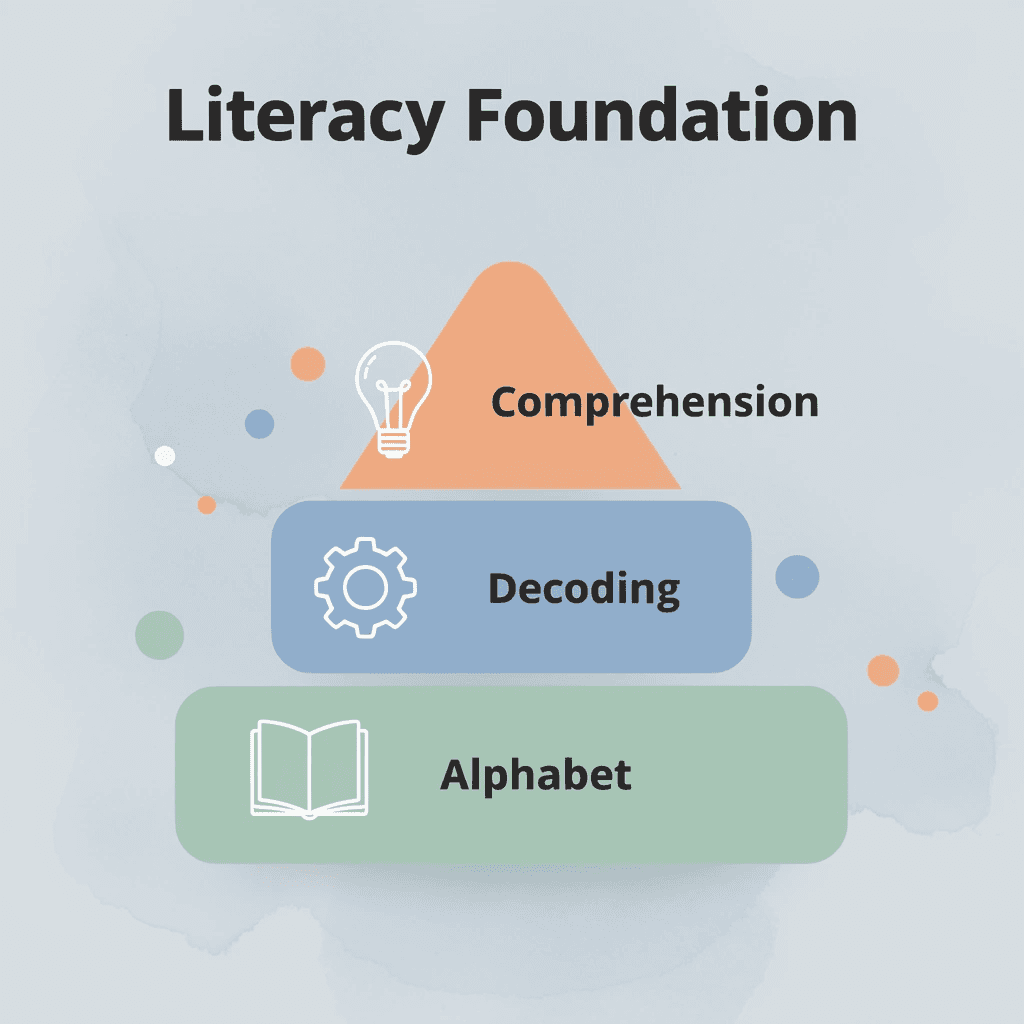
When a child doesn't learn the alphabet early, reading becomes guessing instead of proper decoding, and writing turns into frustration. The gap between them and their peers widens with every passing month, not because they lack intelligence, but because they're missing the fundamental code that unlocks written language.

🎯 Key Point: Early alphabet mastery is the foundation for all future literacy skills - without it, children struggle to connect letters to sounds, making reading comprehension and writing fluency significantly more challenging.
"Children who don't master the alphabetic principle by first grade are four times more likely to struggle with reading throughout their academic career." — National Reading Panel Research
⚠️ Warning: The longer a child goes without solid alphabet knowledge, the more intensive intervention becomes necessary. What could be learned naturally at age 4-5 may require specialized tutoring and months of remediation if delayed until age 7-8.
What happens when children lack letter recognition skills?
Without letter recognition and sound association, children cannot decode words. They rely on memorization and context clues, strategies that fail with unfamiliar text. According to the Children's Reading Foundation, two out of every 10 children enter kindergarten with skills two to three years below grade level, not because of learning disabilities, but because of insufficient structured alphabet exposure during peak pattern-recognition years.
How does orthographic mapping support reading development?
Reading depends on orthographic mapping, in which the brain automatically connects sounds to letters. A child who knows the alphabet sees "bat" and instantly links b-a-t to practiced sounds. Without that foundation, every word becomes a puzzle rather than a recognizable pattern.
How does the achievement gap accelerate over time?
The distance between struggling readers and their peers widens over time. Research shows that 57% of children who don't understand letter sounds in kindergarten perform below basic reading levels by later grades.
By fourth grade, 85% of children lacking phonological awareness in first grade continue to struggle. A gap that begins as months of missed learning widens into years of remedial reading support.
What do national reading scores reveal about early instruction?
The Nation's Report Card found that 40% of eighth-graders scored below the basic reading level. Many were smart, motivated, and supported at home, yet lacked the early alphabet instruction that would have made reading automatic instead of laborious.
Every book they avoided and every assignment they skimmed instead of understanding, widens the gap between where they are and where they need to be.
How does poor alphabet knowledge affect math and science performance?
Knowing the alphabet affects how well children understand maths, science, and social studies because all learning depends on language processing. Children who struggle to read words in a maths problem cannot demonstrate their number skills. Those who struggle with instructions miss the activity, not because they lack critical thinking, but because they cannot read the text quickly enough.
What tools can help transform abstract letters into memorable experiences?
Platforms like My Coloring Pages offer customizable letter-tracing worksheets, bubble-letter templates, and themed activities featuring objects that start with each letter. These tools transform abstract symbols into memorable experiences without expensive curriculum packages or lengthy online searches.
When does intervention actually work for delayed alphabet learning?
It only matters to understand the harm of learning letters late if we know when help works.
When Do Children Start Learning the Alphabets
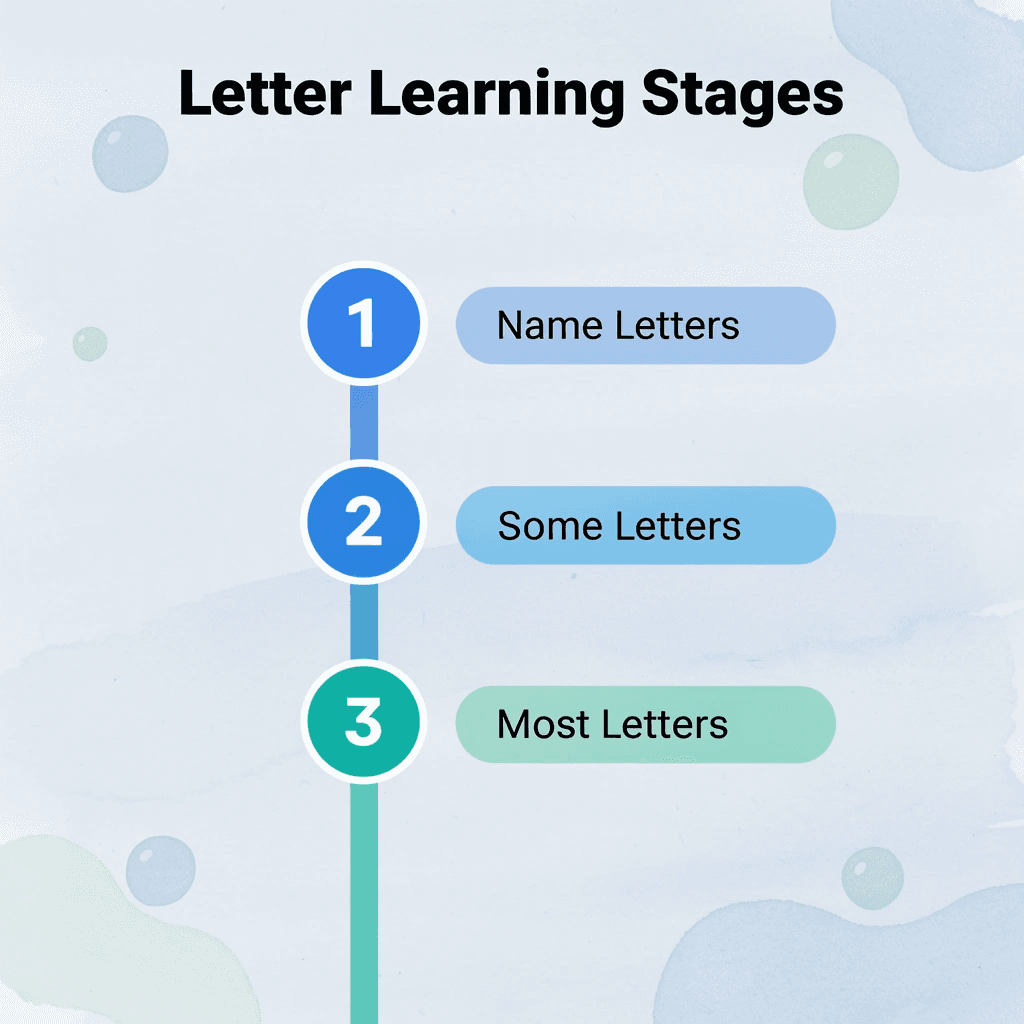
Children start recognizing letters between the ages of two and three, usually beginning with the letters in their own name. According to Begin Learning, by age two, most children can identify some letters, especially those important to them. This is pattern recognition tied to identity and repetition: a child named Maya will spot the letter M on a cereal box before understanding what breakfast means.
🎯 Key Point: Letter recognition begins with a personal connection. Children learn the letters in their name first because they carry the most emotional significance and are repeated daily.
"By age two, most children can identify some letters, especially the ones that are important to them." — Begin Learning
💡 Tip: Use your child's name as the starting point for alphabet learning. Write it on toys, point it out on signs, and incorporate it into their daily routine to speed up letter recognition.
Recitation Comes Before Recognition
Most three-year-olds can recite the alphabet through song, even if they cannot yet identify individual letters on a page. The ABC song becomes muscle memory, a rhythm their brains retain through repetition. Repetition transforms abstract sounds into predictable sequences, and that predictability builds confidence. Singing the alphabet daily feels like play rather than instruction, which is why it works.
Recognition Builds on Familiarity
Between ages three and four, children start matching letters to their shapes. Mrs. Wordsmith reports that most children begin recognizing letters during this time, with personal letters leading the way. A boy named Jace will remember J, then A, C, and E because those letters appear on his name tag, bedroom door, and in his drawings. Ask "What letter is that?" when you see letters during grocery trips or bedtime stories, and recognition becomes a conversation instead of a test.
What tools make letter practice more engaging?
Teachers and parents increasingly turn to customizable tools like My Coloring Pages, which offer letter-tracing worksheets, bubble-letter templates, and themed activities featuring objects that start with each letter. Our platform lets caregivers create personalized materials that match a child's interests, without subscriptions or lengthy prep time. A worksheet featuring a child's favorite animal tracing the letter B can mean the difference between engagement and resistance.
Writing Follows Recognition by a Year or More
By ages 4 to 5, children typically start writing letters, typically in preschool or kindergarten. Most understand that written symbols convey messages and are interested in creating their own. Teaching a child to write their name becomes the anchor point for the alphabet because it combines personal meaning with physical practice. The letters in "Emma" become the template for understanding how E, M, and A work in other words.
How to Teach Preschoolers the English Alphabets
Teaching the alphabet to preschoolers works best when kids discover letters on their own rather than memorizing them. The most effective approach combines strategic sequencing, multi-sensory engagement, and daily repetition disguised as play.
🎯 Key Point: Children learn letters 3x faster when they can touch, see, and hear each letter simultaneously rather than using traditional flashcard methods alone.

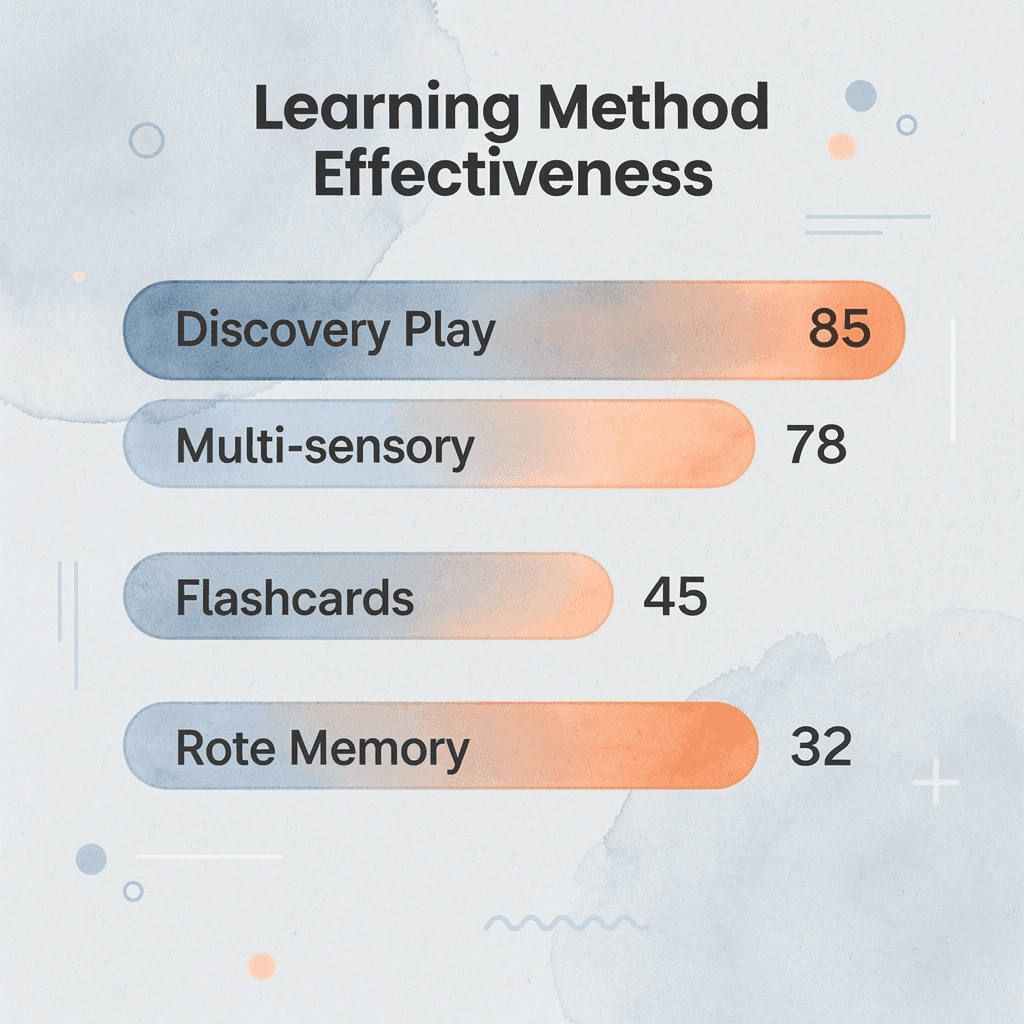
"Preschoolers retain 85% more alphabet knowledge when learning incorporates hands-on activities and discovery-based play compared to rote memorization techniques." — Early Childhood Education Research, 2023
Learning Method | Retention Rate | Engagement Level |
|---|---|---|
Discovery-based play | 85% | High |
Multi-sensory activities | 78% | High |
Traditional flashcards | 45% | Low |
Rote memorization | 32% | Very Low |
⚠️ Warning: Avoid rushing through the entire alphabet in sequential order. Instead, start with high-frequency letters like A, S, T, and letters in your child's name to build immediate relevance and confidence.
Start with High-Frequency Letters, Not Alphabetical Order
Start with letters children see most often in their daily lives: A, B, M, and S, rather than strict alphabetical order. According to research from the Institute of Education Sciences, many children from lower-income families and those learning English as a second language enter preschool without knowing many letters. Teaching A first using familiar words like apple, alligator, and astronaut eases learning because children already understand these words. Once they master A, move to B with words like ball, butterfly, and banana. This step-by-step approach builds confidence before introducing less common letters like Q or X.
How can you integrate letters into everyday conversations?
Add letters into breakfast conversations ("B is for banana"), bedtime rituals ("P is for pillow"), and car rides ("Look, that sign starts with S"). This constant, low-pressure exposure turns abstract symbols into familiar patterns. When a child hears "C is for car" every time they buckle up, the letter C stops being a random shape and becomes part of their daily vocabulary. Repetition creates neural pathways that make recognition automatic.
What tools make letter worksheet creation easier?
Platforms like My Coloring Pages simplify finding printable worksheets by offering customizable letter sheets with objects that match each letter, from butterflies for B to zebras for Z. Our platform creates tracing sheets, bubble-letter templates, and themed coloring pages in seconds, transforming letter practice into creative play without subscriptions or prep time.
Use Worksheets as Reinforcement, Not First Exposure
Introduce each letter through hands-on activities first, then use worksheets to solidify what children have explored. A child who has traced B in sand, built it with blocks, and coloured pictures of bees will approach a B worksheet with recognition, not confusion. Tracing activities strengthen fine motor control while reinforcing letter shapes.
Coloring worksheets featuring B-objects, such as bears or boats, connect the letter to its sound through visual association. Matching activities in which children circle all the Bs on a page develop scanning and pattern recognition skills. Worksheets work best as practice tools that deepen understanding, not as the primary teaching method.
How can you rotate activities to maintain engagement?
Repeat the same letter across multiple days with varied practice methods. Day one focuses on tracing the uppercase B. Day two introduces coloring activities with B-themed images. Day three becomes a letter-hunt day, where children find Bs in books, on cereal boxes, or during neighborhood walks. This variation prevents boredom while reinforcing the same concept through different sensory channels. Ten minutes of focused letter play daily outperforms an hour-long session once a week because repetition builds neural pathways more effectively than a single intense session.
What is the real challenge with preschool letter activities?
The real challenge is designing materials that hold a preschooler's attention long enough for learning to stick.
Related Reading
- Preschool Assessment
- Preschool Crafts
- Preschool Learning Activities
- Preschool Tracing Worksheets
- Daycare Vs Preschool
- Preschool Classroom Layout
- Preschool Playground Equipment
- Free Preschool Games
- Preschool Sight Words
- Preschool Math Activities
- How To Become A Preschool Teacher
- Preschool Prep
- Preschool Lesson Plan Template
- Noah's Ark Preschool
- Preschool Science Experiments
- Preschool Craft Ideas
- Creative Curriculum For Preschool
- Playing Preschool Curriculum
- Preschool Bulletin Board Ideas
- Christmas Crafts Preschool
- Spring Bulletin Board Ideas For Preschool
- Turkey Craft Preschool
- Preschool Learning Games
How to Design Letter B Worksheets
Designing letter B worksheets requires absolute clarity about what you're teaching. Every line, image, and instruction should serve one of four core purposes: letter recognition (distinguishing B from other letters), phonics awareness (connecting the /b/ sound to the symbol), fine motor development (building physical control for writing), or visual discrimination (spotting B among distractions). Random decoration weakens learning; purposeful design strengthens it.
🎯 Key Point: Each worksheet element must have a specific educational purpose. Decoration without function reduces learning effectiveness by creating visual clutter.
⚠️ Warning: Avoid overcrowded layouts that overwhelm young learners. Simple, clean designs with plenty of white space help children focus on the essential learning targets.

Begin with Both Forms Side by Side
Preschoolers need to see the uppercase B and the lowercase b simultaneously since written language uses both. Place them together at the top of the worksheet with clear space between them. Add arrows showing how to write each letter: down, around, around for uppercase B; down, up, around for lowercase b. Use simple, easy-to-print fonts that match what children see in books and at school. Fancy or cursive letters confuse children at this age. Children recognise letters faster when they see the same style repeatedly.
Structure Tracing as a Three-Step Progression
Start with letters featuring heavy dashes and directional arrows showing where to begin and which direction to move. Next, provide lighter tracing with fewer guides so children can rely on the shape they've already practiced. Finally, include blank space for independent attempts. A child who traces successfully ten times will attempt writing independently, while a child who fails on the first try will avoid the activity entirely.
Where can teachers find customizable letter B worksheets for preschool?
Most teachers spend weekend hours searching Pinterest for worksheets that balance tracing difficulty with visual appeal, often settling for generic templates that don't match their students' interests. Our customizable letter tracing sheets on My Coloring Pages eliminate that search by letting you adjust line thickness, add themed borders, and incorporate images that resonate with individual learners. A child obsessed with dinosaurs will engage more deeply with a B worksheet featuring a brachiosaurus than one with generic clip art.
Connect the Letter to Its Sound Through Minimal Examples
Include the phrase "B says /b/" prominently, then show two to three example words with clear, bold images: ball, banana, bear. Cognitive load research shows preschoolers process information better with limited options. Five example words don't teach more effectively than three; they create visual clutter that distracts from focus. Each image should be simple and immediately recognizable. A clean line drawing works better than a realistic photo because young children process bold shapes more quickly than detailed images.
Add One Interactive Element, Not Five
Pick one activity that reinforces what the worksheet already shows. You could circle all the B letters hidden among other letters, color only objects that start with B, match uppercase B to lowercase b, or put dots on every B in a simple sentence. Avoid cramming multiple activities onto one worksheet, as this divides a child's attention. A child who completes one task well learns more than a child who nearly finishes four tasks before losing interest.
Design for Limited Motor Control
Preschool hands lack the fine motor precision that adults take for granted. Letters for tracing should be at least two inches tall, with thick lines so slight deviations don't cause failure. Spacing between elements matters as much as the elements themselves: cramped worksheets frustrate children who skip lines or color outside boundaries, not from carelessness, but from developing motor skills. White space prevents cognitive overload and physical fatigue.
But knowing how to design effective worksheets matters only if you can find quality materials without spending hours searching or paying for unused subscriptions.
Top 15 Sources for Printable Letter B Worksheets
Good letter B worksheets balance tracing practice, phonics reinforcement, and visual interest without overwhelming young learners. The best sources combine clear instructional design with sufficient variety to keep preschoolers engaged across multiple sessions.

🎯 Key Point: Look for worksheets that combine multiple learning modalities - visual, tactile, and auditory - to maximize letter recognition and retention for different learning styles.
"Quality letter worksheets should provide structured practice while maintaining the playful element that keeps young children motivated to learn." — Early Childhood Education Research, 2023
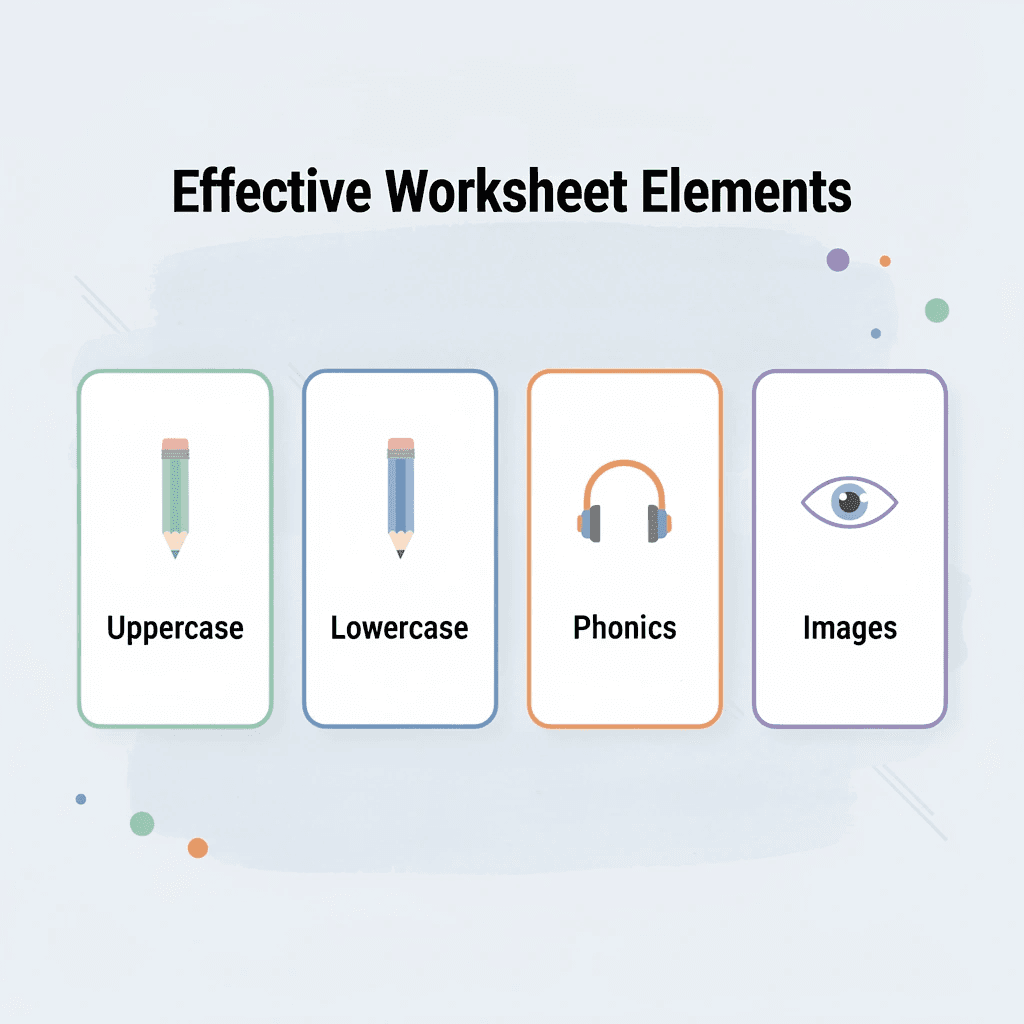
💡 Tip: The most effective letter B worksheets include uppercase and lowercase practice, beginning sound activities, and age-appropriate illustrations that reinforce the letter-sound connection without creating visual clutter.
1. Make Fun Printables
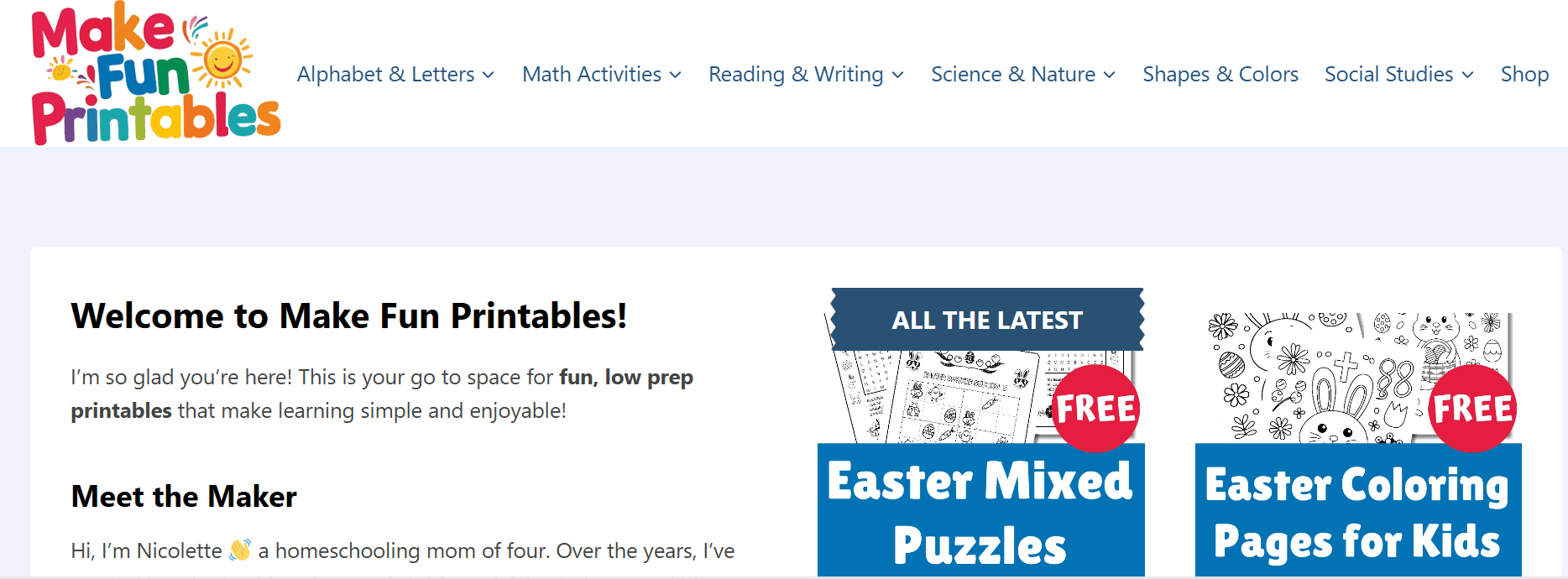
This source provides a 40-page Letter B bundle with tracing (uppercase and lowercase), dot marker sheets, coloring pages, and cut-and-paste activities. The activities progress from easy recognition tasks to more challenging motor challenges, mirroring how children build skills.
A child who masters uppercase B tracing can work on lowercase b the next day, then try dot marker activities that reinforce the letter through different muscle movements. This variety supports visual, kinesthetic, and phonics learners.
How should teachers pace this letter B worksheet bundle?
Spread this bundle across two to three weeks rather than five days in a row; 40 pages of B-focused content needs breaks to maintain engagement. Best for teachers running a full Letter-of-the-Week curriculum who need complete materials without having to create them from scratch.
2. ABCmouse
ABCmouse worksheets use clean, simple designs focused on letter tracing and recognition. The layouts follow early childhood learning frameworks that prioritize white space and clear instructions, reducing cognitive load for beginners. A three-year-old approaching their first tracing worksheet benefits from this simplicity: nothing competes for attention beyond the letter itself and directional arrows.
The tradeoff is variety. You won't find cut-and-paste activities, themed coloring pages, or multi-step challenges. Best for children ages three to four who need a straightforward introduction to letter shapes without visual distractions.
3. Learn Grow Aspire
This collection includes 10+ worksheets connecting the letter B to vocabulary (ball, bat, bear, banana). Each pair the letter with images to color and words to match to pictures, strengthening phonics awareness by linking the letter, sound, and concrete objects children recognise. Coloring a banana while tracing B builds a neural pathway connecting /b/ to both the symbol and the fruit.
The collection is limited in depth and will be used up quickly across multiple teaching days. It suits parents and teachers prioritizing sound recognition and word-picture association over extensive motor practice.
4. Preschool Mom
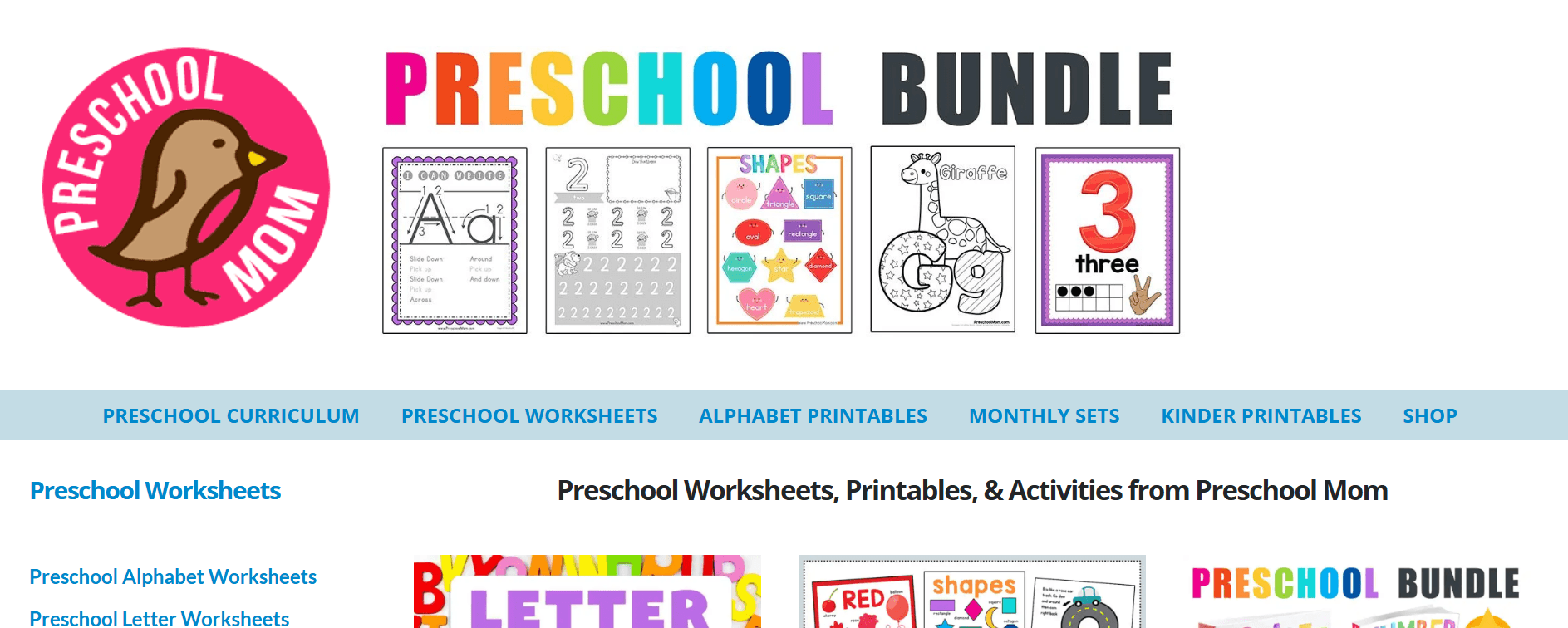
These materials go beyond traditional worksheets to include playdough mats, mini-books, and ASL sign language cards for the letter B. A child who traces B with their finger, forms it with playdough, then sees the corresponding sign language gesture, processes the letter through three different sensory channels, which strengthens retention more effectively than tracing alone.
The preparation requirement is real: playdough mats need to be laminated, mini-books require cutting and stapling, and craft activities demand materials beyond printer paper. Best for interactive classrooms or homeschooling environments where hands-on learning is already part of the routine.
5. Homeschool Preschool
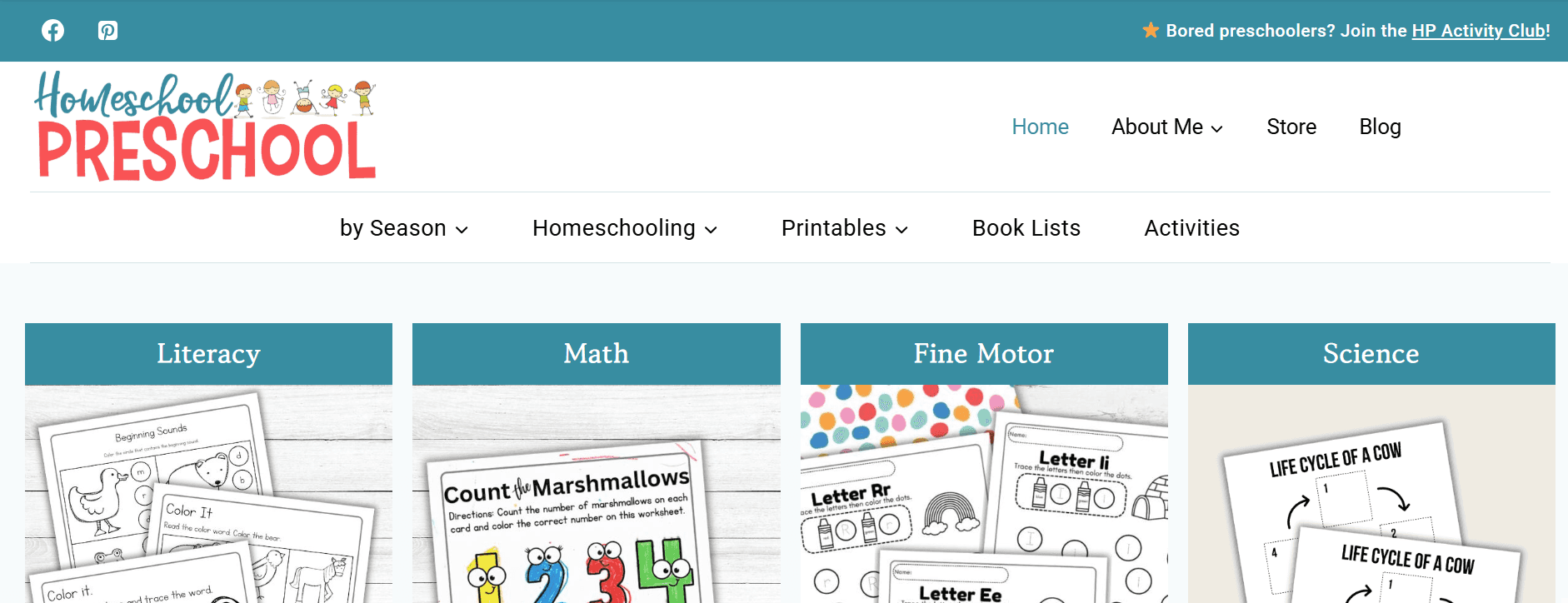
This source emphasizes simplicity through color-by-letter, basic tracing, and sound worksheets, avoiding visual clutter. Each page presents one task clearly, helping children who lose focus when multiple activities compete for attention. The balance between fun and learning prioritizes accessibility over challenge, making these worksheets ideal for children who disengage when tasks feel too complex.
Best for children who get distracted easily or need confidence-building through achievable tasks before tackling more demanding materials.
6. Superstar Worksheets
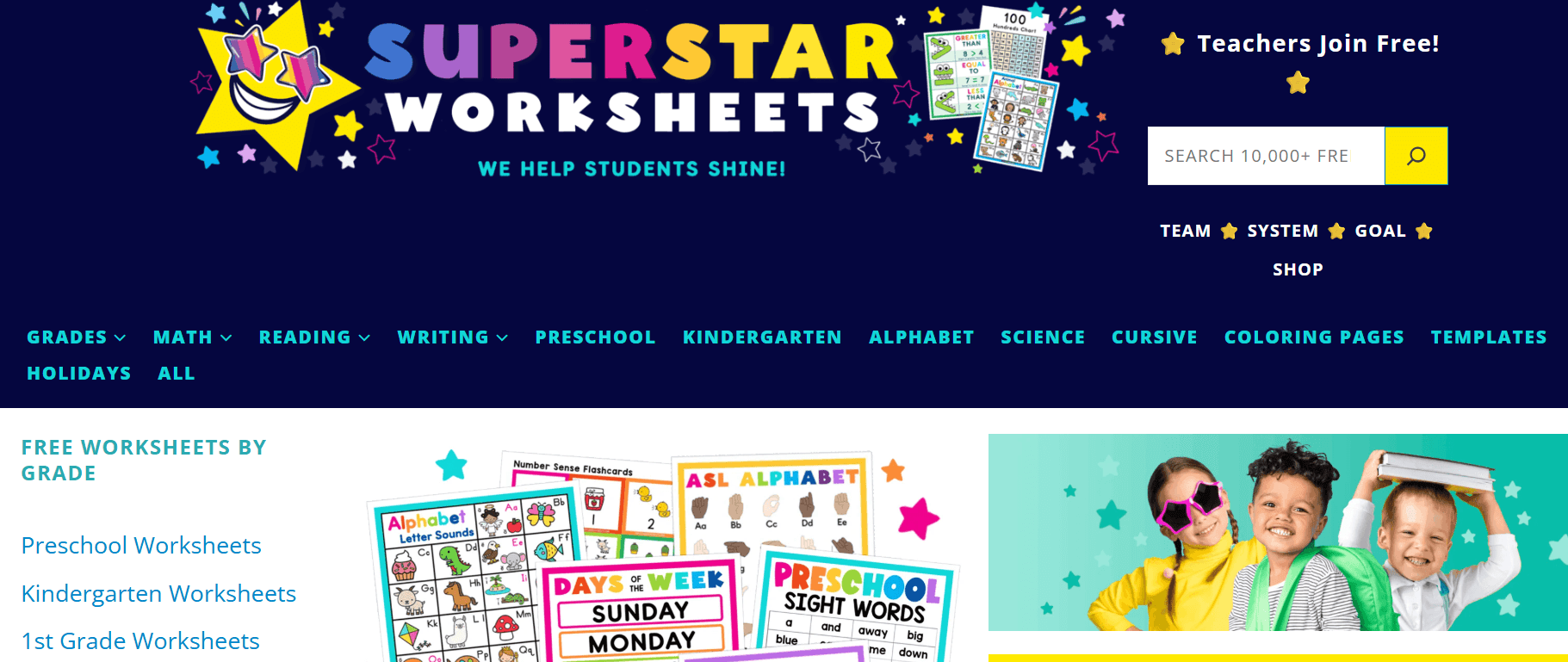
These worksheets combine literacy practice with critical thinking through mazes, puzzles, tracing, matching, and coloring activities. A maze requiring children to follow only B-marked paths teaches letter recognition while developing spatial reasoning. Dot-to-dot B-shaped patterns build fine motor control alongside letter familiarity. The game-like format maintains engagement better than traditional assignments.
Some sheets assume readiness for multi-step instructions that may frustrate younger threes. Best for four- to five-year-olds who have mastered basic recognition and need activities that challenge problem-solving skills while reinforcing letter knowledge.
7. Worksheets Pack
This platform offers simple PDFs covering tracing, coloring, and writing practice without decorative elements or themed activities. The design prioritizes function over visual appeal, enabling quick downloads and printing for immediate use. No prep, cutting, or additional materials required.
Visual engagement is minimal, which may discourage children who are motivated by colorful images or themed content. These sheets work best for quick practice sessions when efficiency matters more than aesthetics.
8. Mommy Is My Teacher
These letter-of-the-week worksheets provide simple tracing and recognition activities for home learning. Instructions address parents directly, explaining what each activity develops and how to guide children through completion, enabling caregivers to support literacy development effectively without formal training.
The variety is limited compared to comprehensive bundles. Best for families introducing the Letter B for the first time and seeking clear guidance on using worksheets.
9. Education.com
This platform provides 20+ worksheets with tracing, matching, and phonics activities based on research-backed literacy principles. The activities progress from pre-reading skills—letter sounds and shape recognition—to early reading comprehension tasks, following the sequence recommended by reading specialists.
Some content requires you to create an account, which suits parents and teachers seeking structured, step-by-step learning backed by educational research.
10. Literacy Learn
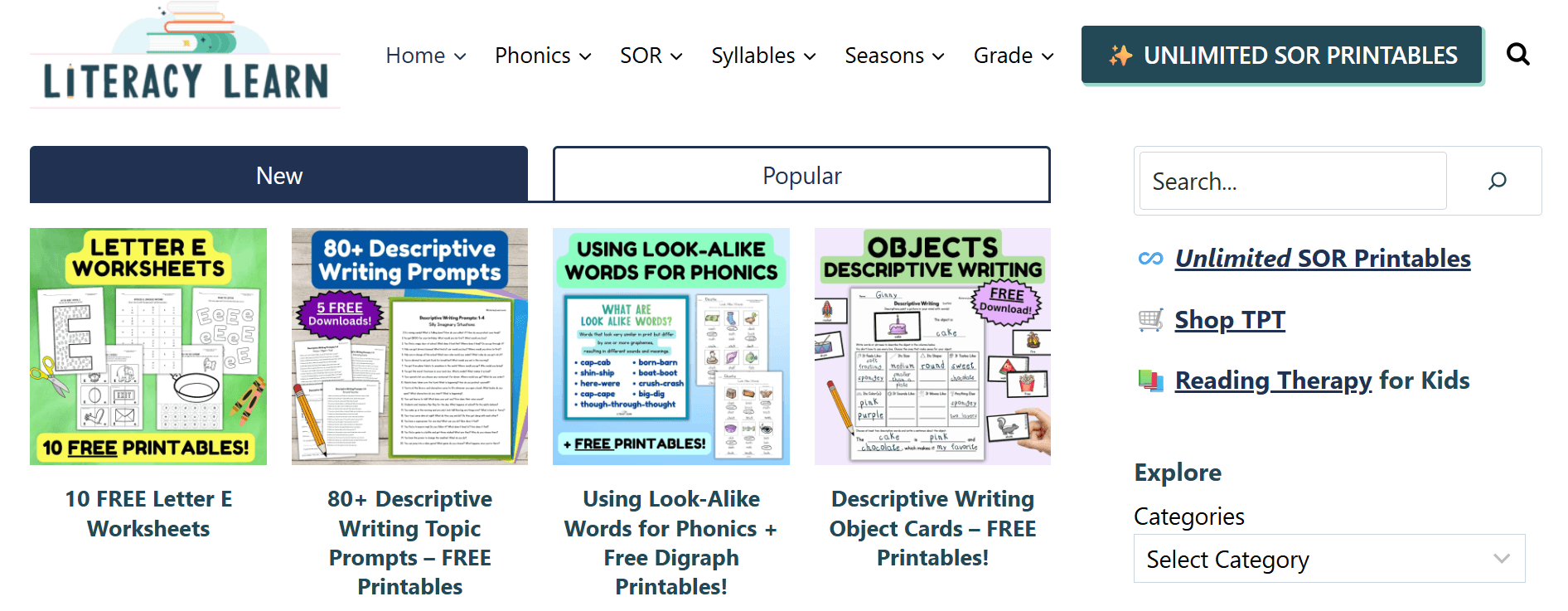
These worksheets use phonics and decoding ideas grounded in the science of reading. They help students learn letter sounds through organized practice, strengthening the connection between symbols and sounds (like B and /b/) through exercises that focus on pattern recognition rather than guessing. This builds the automatic decoding skills children need to read fluently.
The visual design prioritizes function over aesthetics. Children who are primarily motivated by colorful images may find these worksheets less engaging. They work best for caregivers who believe in evidence-based literacy instruction.
11. Clipart Library Worksheets
This collection brings together printable B worksheets from many different creators, so the styles and quality vary. You'll see different design approaches: cartoon animals, geometric shapes, and realistic photographs, which help you identify which formats work best for your child.
The tradeoff is that quality is not always consistent. Review each worksheet before printing to ensure it matches your teaching goals. This option works best if you want to explore different worksheet styles without committing to a single creator.
12. The Simple Homeschooler
These worksheets use clean, simple designs with intentional white space and limited visual elements to reduce cognitive overload. Each page presents one letter form and one activity, making the task immediately clear to young children who struggle with complex instructions.
The interactive elements are minimal, suited for focused learning sessions where distraction reduction matters more than entertainment value.
13. Printabulls
This source offers themed alphabet worksheets tied to seasons, holidays, and popular children's interests. A Letter B worksheet might feature beach balls in summer, bears in autumn, or bells in winter. The thematic connection keeps children engaged across multiple learning sessions as the context shifts with each letter.
Best for maintaining interest through novelty when standard worksheets lose their appeal.
14. SupplyMe
These worksheets focus on handwriting development through tracing activities that build fine motor control and writing precision. The letter-sizing, spacing, and stroke-order guidance follow occupational therapy principles for developing proper pencil grip and letter formation. Children develop muscle memory for writing B correctly before progressing to independent practice.
Phonics integration is lighter than sources focused on sound-letter correspondence, making it best for children needing targeted support with the physical skills required for writing.
15. My Coloring Pages
Most parents download worksheets from generic sites based on speed. Your dinosaur-loving child ignores worksheets with generic clip art. Your space-enthusiast refuses to trace letters surrounded by flowers. Repeated visual styles diminish children's interest.
How does custom worksheet creation work?
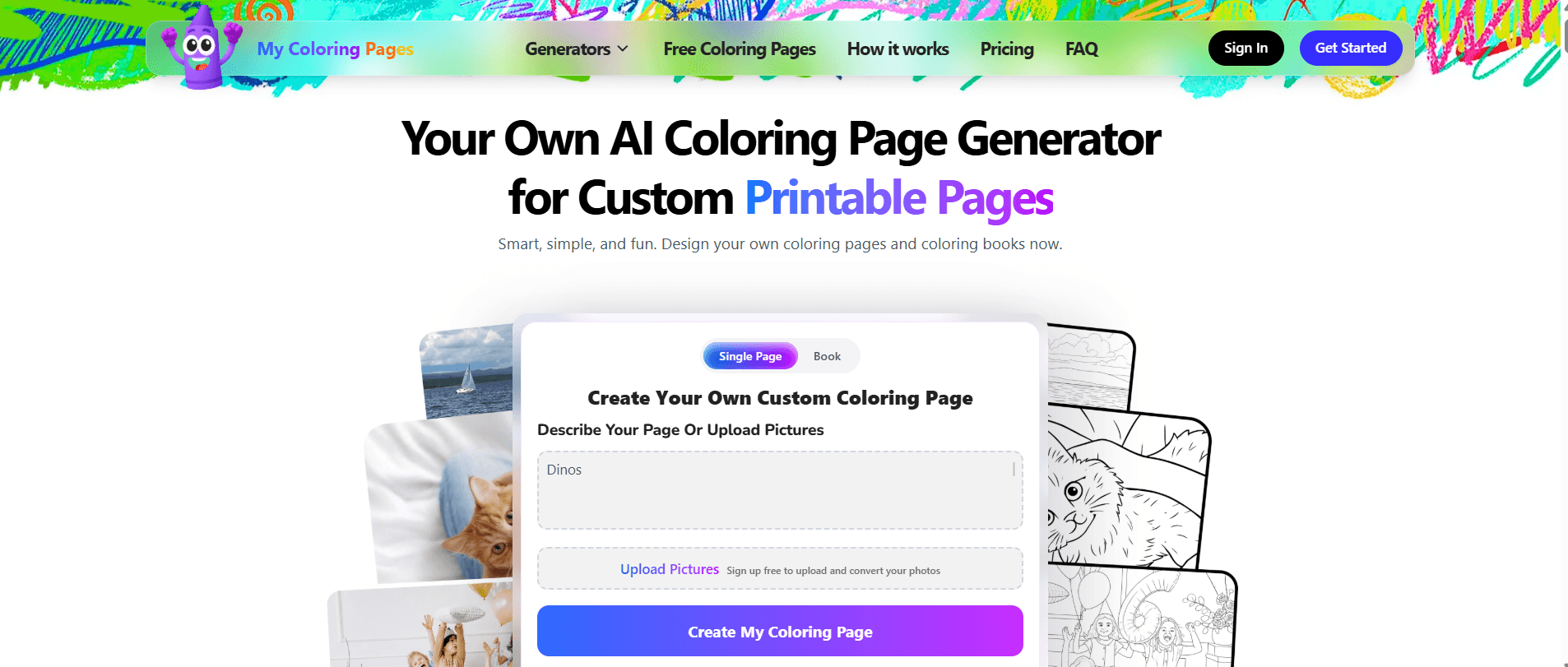
My Coloring Pages lets you create custom Letter B worksheets by converting prompts into printable pages instantly. Type "B for butterfly garden" to generate a tracing worksheet with butterflies, or upload an image of your child's favorite character to turn it into a letter recognition activity.
Our platform provides access to 53,980+ free coloring pages and templates, plus tools to create personalized alphabet books that match individual children's interests rather than generic themes. Children stay engaged longer with materials reflecting their preferences.
Who benefits most from this approach?
Best for parents and teachers seeking customizable learning materials that adapt to different interests without requiring design skills or expensive subscriptions.
Download 53,980+ free letter B worksheets
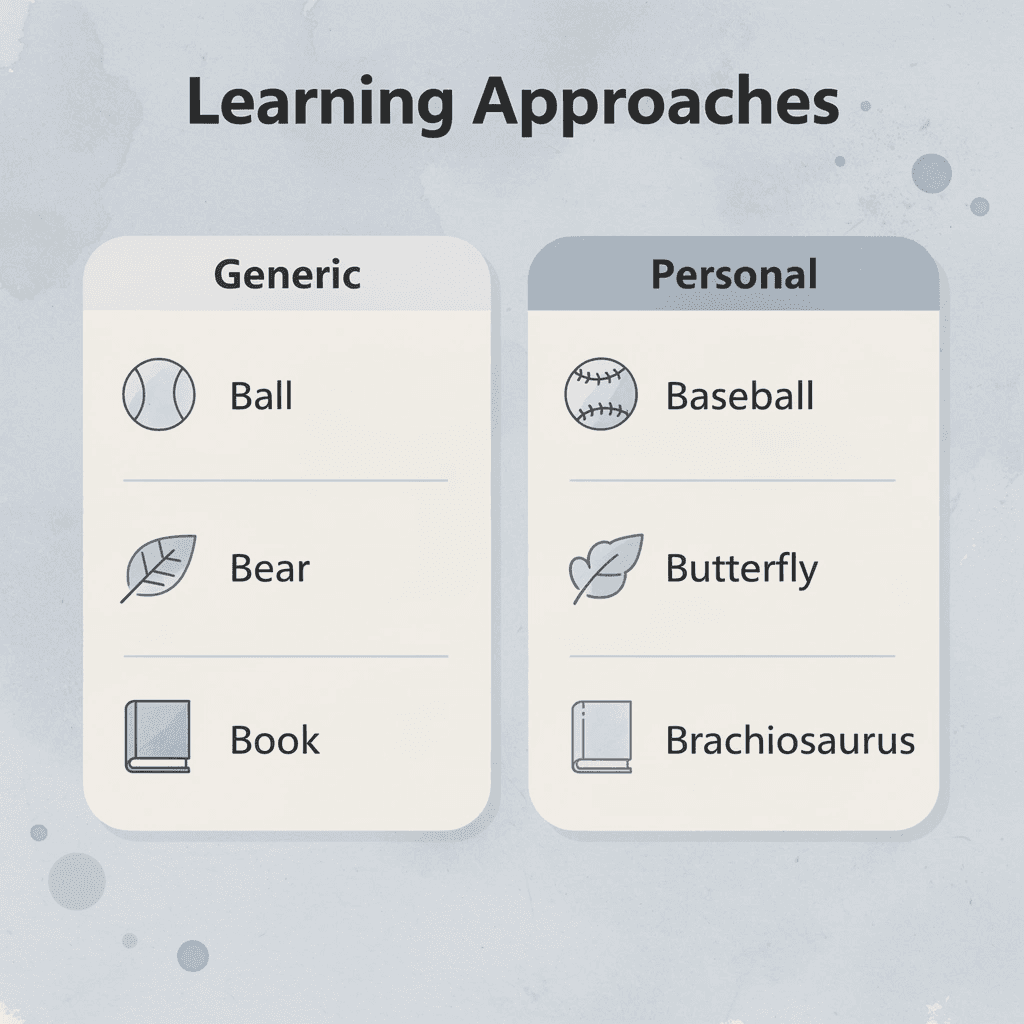
Most Letter B worksheets fail because children see the same generic examples (B for ball, B for bear) repeated until the letter loses meaning and becomes another shape to copy. When a four-year-old encounters "B for ball" for the seventh time this week, their brain stops making connections and starts going through the motions. Engagement drops, retention suffers, and discovery becomes drudgery.
🎯 Key Point: Personal relevance transforms how children's brains process and store letter recognition information.

The fix is personal relevance. A child who loves dinosaurs will remember "B for Brachiosaurus" longer than "B for ball" because the connection already exists in their world. When learning materials reflect what children care about, their brains treat the information as worth storing. This leverages existing neural pathways to build new ones more efficiently.
"When learning materials reflect what children care about, their brains treat the information as worth storing and use existing neural pathways to build new ones more efficiently."

With My Coloring Pages, you can create Letter B worksheets matching your child's interests in seconds. Type "B for baseball" if they love sports, or "B for butterfly garden" if they're fascinated by insects. Our platform generates custom tracing sheets, coloring pages, and recognition activities featuring words and images your child already knows. You're building materials that leverage what they love to teach the letter.
Day | Worksheet Type | Approach |
|---|---|---|
Monday | Standard Letter B tracing | Generic examples |
Tuesday | Personalized worksheet | Child's current obsessions |
Wednesday | Custom coloring page | B-objects from home |
Friday | Combined review | 7 different contexts that matter |
Try this across one week. Create a standard Letter B tracing worksheet on Monday. On Tuesday, generate a personalized worksheet featuring three B-words from your child's current obsessions. On Wednesday, make a coloring page showing the B-objects they encounter daily at home. By Friday, they've seen the letter B in seven different contexts that matter to them, not seven repetitions of generic examples.
💡 Tip: Children practice longer and retain more when worksheets feature their personal interests rather than generic examples.
This shift solves the engagement problem that makes traditional worksheets fail. When children stay interested, they practice longer. When they practice with personally relevant materials, retention improves without adding drill time or pressure. The letter B sticks because it appeared in contexts they were already attending to—exactly how language learning works outside worksheets.