Preschool Classroom Themes for Improved Learning
Preschool classroom themes that boost engagement and learning outcomes. My Coloring Pages offers 50+ creative theme ideas with printable resources.

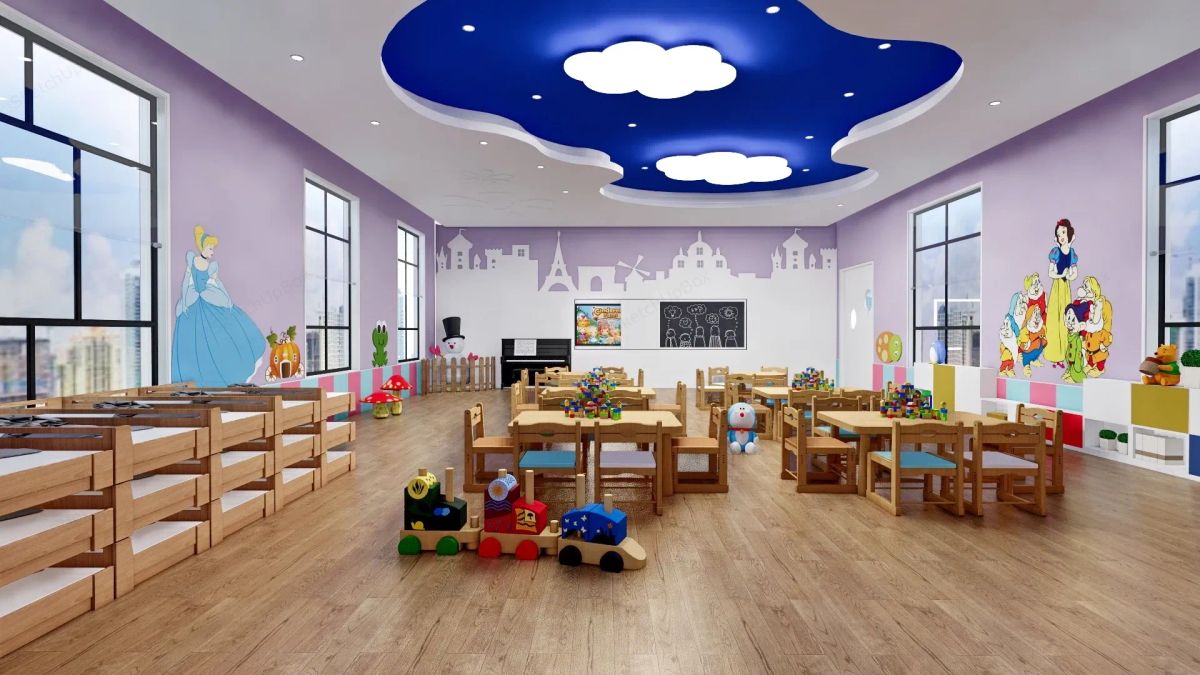
A room full of curious four-year-olds lights up when they walk into a classroom transformed into an underwater ocean or a magical farm. The right preschool classroom themes turn ordinary learning spaces into exciting environments where young minds naturally want to explore and grow. Thoughtfully designed themes paired with engaging activities create connections that help children grasp new concepts while having genuine fun. Strategic theme selection resonates with students and brings learning to life through customized materials that match educational goals.
Teachers need resources that align with their chosen themes without spending hours searching multiple sites or settling for generic printables. Quality materials complement classroom setups and support teaching objectives, giving educators more time to focus on student engagement. Whether the theme involves dinosaurs, community helpers, or seasonal celebrations, having access to diverse, ready-to-use resources makes implementation smooth. Download 52,890+ free coloring pages to find materials that perfectly match any classroom theme.
Summary
- Thematic learning creates cognitive scaffolding that helps preschoolers connect abstract concepts to tangible experiences they can remember. A 1997 study tracking 96 preschoolers found that children taught through integrated thematic units showed significantly higher story comprehension and recall scores compared to those taught using isolated lessons (p < 0.05). The brain builds networks of related ideas rather than storing information in subject silos, and themes mirror this natural memory structure by creating multiple entry points to the same concept.
- Well-structured classroom environments lead to measurable improvements in attention and learning outcomes. Research from the University of Virginia tracking over 2,500 preschoolers found that classrooms with intentional structure showed statistically significant improvements in engagement, with effect sizes ranging from 0.30 to 0.50. Children spend less cognitive energy figuring out what's happening and more energy actually learning when the classroom has a clear organizing logic they can understand.
- The physical classroom design can improve student engagement by up to 25% when it reduces visual noise and creates predictable structures. According to research on the impact of classroom design, excessive visual stimulation increases off-task behavior because children look at the walls rather than their work. Effective themed displays connect directly to current learning goals, use images sparingly, and change regularly to maintain relevance without creating sensory overload.
- Vocabulary acquisition increases significantly when words are taught within meaningful thematic contexts rather than as standalone drills. Research involving roughly 200 preschoolers found that children had higher expressive language scores in theme-based classrooms, with statistically significant gains (p < 0.01). New words anchor to experience when surrounded by related images, books, and activities, providing the repetition children need without the tedium of rote memorization.
- Integrated learning approaches that use theme-based curricula produce long-term academic and social benefits that persist for years. The HighScope Educational Research Foundation tracked 123 children into adulthood and found that those exposed to active, integrated learning performed better in problem-solving tasks and showed stronger cognitive flexibility. Themes teach children that knowledge isn't compartmentalized, modeling the cross-domain thinking that predicts later academic success.
- My Coloring Pages addresses this by offering over 52,890 free themed coloring pages teachers can download or generate in seconds to match their exact curriculum needs, creating materials that reinforce current learning topics without hours of searching.
Table of Contents
- Importance of Choosing an Appropriate Preschool Classroom Theme
- Impact of Classroom Themes on Preschoolers
- Key Elements of a Good Preschool Classroom Theme
- How to Design a Preschool Classroom for Improved Learning
- Preschool Classroom Themes for Improved Learning
- Download 53,908+ Free Themed Coloring Worksheets
Importance of Choosing an Appropriate Preschool Classroom Theme
Choosing the right preschool classroom theme structures learning, anchors memory, and creates emotional safety for children. When themes align with curriculum goals and developmental stages, they serve as cognitive scaffolding that helps young learners connect abstract concepts to tangible experiences they can touch, see, and remember.

🎯 Key Point: The right theme acts as a learning framework that transforms scattered activities into cohesive educational experiences that build upon each other.
A well-chosen theme organizes information into patterns that preschool brains can process and retain. This structured approach helps children make meaningful connections between learning activities, creating a foundation for deeper understanding and long-term retention.
"Thematic learning environments provide the cognitive structure that young children need to organize and retain new information effectively." — Early Childhood Education Research
💡 Tip: Choose themes that can naturally incorporate multiple subject areas - math, science, literacy, and social skills - to maximize learning opportunities and create cross-curricular connections.
1. Thematic Learning Strengthens Memory and Comprehension
When you teach counting through a "farm" theme, children connect numbers to concrete objects: eggs in nests, pigs in mud, apples on trees. The National Association for the Education of Young Children found that integrated, theme-based curricula help children connect concepts across multiple learning domains, leading to deeper understanding. A 1997 study published in Early Childhood Research Quarterly tracked 96 preschoolers and found that children taught through integrated thematic units showed significantly higher story comprehension and recall scores than those taught using isolated lessons (p < 0.05).
Why do themes mirror how memory actually works?
Your brain builds networks of related ideas rather than storing information in separate subject areas. Themes mirror how memory actually works, creating multiple entry points to the same concept. When a child learns about ocean animals through stories, songs, sensory bins, and art projects anchored in an "under the sea" theme, each activity reinforces the others. The seahorse they painted yesterday helps them remember the seahorse in today's counting game.
2. Structured Environments Increase Focus and On-Task Behavior
Research from the University of Virginia tracked over 2,500 preschoolers and found that well-organized, engaging environments led to longer attention spans, increased on-task behaviour, and better learning outcomes. Classrooms with intentional structure, through connected themes, showed statistically significant improvements in engagement, with effect sizes ranging from 0.30 to 0.50.
Why does predictability reduce cognitive load for preschoolers?
Predictability reduces cognitive load. When children understand the organizing logic (everything relates to space exploration this month, or community helpers, or changing seasons), they spend less mental energy figuring out what's happening and more energy learning. Themes create visual and conceptual boundaries that help young children, who are still developing executive function skills, direct their attention effectively.
3. Integrated Curricula Build Cognitive Flexibility
The HighScope Educational Research Foundation tracked 123 children into adulthood. Those exposed to active, integrated learning approaches showed stronger cognitive flexibility, better problem-solving, and superior long-term academic and social outcomes, with these differences persisting for years. Themes teach children that knowledge connects across different subjects. Studying "construction" involves measuring blocks (maths), reading about builders (literacy), exploring simple machines (science), and collaborating on building projects (social skills). This cross-subject thinking shows children how to apply skills in different contexts—the cognitive flexibility that predicts later academic success.
4. Context Accelerates Language Development
Words don't stick in your memory when you learn them in isolation. Research from the American Educational Research Association in 2010 studied approximately 200 preschoolers and found that vocabulary acquisition increased when words were taught in meaningful themes rather than as standalone flashcard drills. Children showed higher expressive language scores in classrooms using thematic instruction, with statistically significant gains (p < 0.01).
Why do themes create better learning environments?
When children learn the word "hibernate" during a winter animals theme, surrounded by pictures of bears in caves, books about sleeping through snow, and dramatic play areas set up as cosy dens, the word connects to real experience. Themes create meaning-rich environments where new words appear naturally across multiple activities, providing the repetition children need without rote memorization.
Related Reading
- Preschool Worksheets
- What Age Is Preschool
- Preschool Curriculum
- Preschool Age Range
- Preschool Vibes
- Preschool Homeschool Curriculum
- Preschool Games
- Worksheets For Preschool
- Preschool Education
- Free Preschool Worksheets Age 3–4
- Preschool Books
- What Age Do Kids Start Preschool
- Preschool Graduation
- Free Name Tracing Worksheets for Preschool
- Preschool Backpack
- All About Me Preschool
- Free Preschool Worksheets
- Preschool Self Defense
- What Should a Child Learn in Preschool
- Preschool vs Pre K
- Sight Words for Preschool
- Free Printable Preschool Worksheets Tracing Letters
- First Day of Preschool
- Preschool Math Worksheets
- Preschool Valentine Crafts for Parents
- Preschool Graduation Gifts
- Preschool Toys
- What Age Is Preschool and Kindergarten
- Preschool Quotes About Play
Impact of Classroom Themes on Preschoolers
The physical classroom sends silent instructions to every child who enters. A messy, cluttered space overwhelms developing brains still learning to filter out information. A thoughtfully themed environment organized around clear visual cues and consistent patterns tells children where to look, what to expect, and how to behave. The room itself becomes a teaching tool before any lesson begins.

🎯 Key Point: Your classroom environment acts as a silent teacher, communicating expectations and supporting learning before you even speak to your students.
"A thoughtfully designed classroom environment can reduce behavioral issues by 30% and increase student engagement by 25% compared to cluttered, unorganized spaces." — Early Childhood Education Research, 2023

💡 Tip: Start with one themed area at a time rather than overwhelming yourself with a complete classroom makeover. Focus on creating clear visual boundaries and consistent organizational systems that help children navigate the space independently.
How does brain development affect classroom focus?
Young children's prefrontal cortex—the brain region responsible for filtering distractions and maintaining focus—is still developing. When walls overflow with unrelated posters, bright colours compete for attention, and materials lack clear organisation, children expend mental energy processing their surroundings. According to ChildCareEd, well-designed classrooms can improve student engagement by up to 25% by reducing visual noise and creating predictable structures that help children control their attention.
Why do themed environments improve learning engagement?
Children in themed classrooms with intentional layouts spend more time engaged in learning activities and less time wandering or asking what to do next. When the reading corner features ocean-themed pillows, books about sea creatures, and blue fabric draped like waves, children immediately recognize it as a place for quiet exploration. The environment does half the teaching work.
Five Design Elements That Change How Children Learn
Light quality, furniture arrangement, wall displays, sound levels, and defined activity centres create the foundation for either focused learning or scattered attention.
How do lighting and colors affect preschool learning?
Natural light and neutral colours reduce stress hormones and help children focus better. Harsh fluorescent lighting and bright wall colours impair children's ability to calm down and concentrate. Soft, diffused light paired with calm background colours (pale blues, warm grays, soft greens) allows children's nervous systems to relax and absorb new information.
Why does furniture arrangement matter in preschool classrooms?
How you arrange furniture changes how children move and interact. Child-sized tables in small groups encourage collaboration while giving teachers clear sightlines. Wide, clear pathways prevent traffic jams during transitions and reduce physical conflicts, allowing children to practise self-control and spatial awareness naturally.
What makes wall displays effective for learning?
Wall displays need to be kept simple. Research tracking preschoolers in classrooms with extensive decorations versus minimal decorations found that excessive visual stimulation increased off-task behavior. Effective themed displays connect directly to current learning, use pictures judiciously, and change frequently to remain useful without overwhelming the senses.
How does sound control impact classroom learning?
Sound control significantly impacts learning. Hard surfaces amplify noise, turning normal classroom activity into overwhelming chaos. Rugs, fabric panels, and designated quiet zones absorb sound and create acoustic boundaries. When children hear instructions clearly and distinguish individual voices from background noise, they follow directions more accurately and participate more confidently.
What makes learning centers effective in themed classrooms?
Learning centers organized around a classroom theme give children freedom within structure. A transportation theme might include a block area designed as a construction zone, a dramatic play space set up as a bus or train station, and a literacy corner featuring books about vehicles. Each centre has clear boundaries, specific materials, and an obvious purpose. Tools like My Coloring Pages help teachers quickly create custom themed materials for each centre, generating transportation-themed colouring pages in seconds that reinforce vocabulary, fine motor skills, and thematic concepts without requiring hours of searching or design work. The classroom environment shapes whether learning happens at all.
Key Elements of a Good Preschool Classroom Theme
A good classroom theme needs six structural elements: flexibility for different learning modes, sound control for enhanced concentration, spaces that invite creative risk-taking, thoughtful technology integration, collaborative zones for social problem-solving, and a smooth indoor-outdoor connection. These aren't decorative choices: they're the structure that determines whether your theme supports learning or merely looks pretty on Pinterest.

🎯 Key Point: The most effective preschool themes prioritize functional design over aesthetic appeal—creating environments where learning naturally occurs through intentional spatial planning.
"Classroom design directly impacts student engagement and learning outcomes—the physical environment serves as the third teacher in early childhood education." — Environmental Psychology Research, 2023

💡 Best Practice: When evaluating your classroom theme, ask yourself: Does this support multiple learning styles, provide quiet focus areas, encourage creative exploration, and facilitate meaningful collaboration? If the answer to all four is yes, you've created a learning-centered environment rather than just a visually appealing space.
1. Flexibility That Adapts to How Children Actually Learn
Preschoolers need space for circle time discussions, hands-on experiments, collaborative building, and quiet reflection, sometimes all within the same hour. Fixed furniture arrangements and permanent wall structures limit the types of learning that can occur.
What furniture solutions create adaptable classroom spaces?
Furniture with wheels enables quick transitions from whole-group instruction to learning centres. Tables roll aside for movement activities, while bookshelves serve as room dividers for calm corners. Portable partitions adjust space size and purpose without construction or budget requests. Beanbags and floor cushions move easily, letting you expand or contract areas as needed. The goal is to build a space that bends to match the learning activity instead of forcing the activity to fit the space.
2. Sound Control That Protects Attention
Learning falls apart in noisy environments. Research tracking preschool classrooms found that when background noise exceeded recommended levels, children's comprehension scores dropped significantly. Children with sensory processing differences cannot filter competing sounds the way adults do. The scrape of a chair across tile or the hum of fluorescent lights becomes cognitive interference, blocking their ability to follow instructions or complete tasks.
What are simple acoustic solutions for classrooms?
You don't need expensive renovations to improve sound in a room. Area rugs absorb sound and define different activity zones. Fabric wall panels reduce echo in rooms with hard surfaces. Tennis balls on chair legs prevent furniture from scraping and creating noise. Felt pads under block bins prevent them from crashing and disturbing the classroom. When children can hear instructions without straining to overcome background noise, behavior problems decrease because comprehension improves.
3. Spaces That Spark Creative Thinking
Creativity requires permission and space. When every wall displays teacher-made decorations and every activity follows set templates, children learn that their job is to copy, not create. A strong classroom theme includes special areas where children control what they create, and their ideas shape what appears on the walls and in learning centres.
How can physical spaces encourage student creativity?
Whiteboard walls or large sheets of paper hung at child height transform vertical space into thinking space. Children sketch ideas, work through problems visually, and see their thinking process displayed as something valuable. An art centre stocked with open-ended materials (cardboard tubes, fabric scraps, natural objects, paint, clay) invites experimentation without predetermined outcomes. Displaying student work prominently with labels explaining their creative process signals that creative thinking has status in the room. Tools like My Coloring Pages let children design custom coloring pages that reflect their interests and ideas, shifting them from consumers of pre-made content to creators of personalized learning materials connected to classroom themes.
4. Technology as a Thinking Tool, Not a Babysitter
Technology in preschool works when it extends learning beyond physical materials. A tablet becomes valuable when children use it to research questions from play, document projects with photos for review and improvement, or explore concepts through interactive simulations that make abstract ideas concrete. The mistake is when screens replace active learning instead of enhancing it. Children learn more by discussing videos, recreating concepts with blocks or art materials, or using them as jumping-off points for investigation. Limit device access to content connecting to your theme and learning goals. Technology should create questions and possibilities, not deliver answers passively.
5. Collaborative Spaces That Teach Social Problem-Solving
Children learn to work together by practising. Open, flexible classroom layouts with clearly defined learning centres create natural opportunities for children to work together, negotiate shared space, and solve problems as a team. Small-group tables in the art area or block corner position children facing each other, making communication easier and collaboration more likely than in isolated individual workstations.
Why do children need quiet spaces for self-regulation?
Working together requires breaks. A calm corner with soft seating, dim lighting, and quiet activities gives children a place to reset when group work becomes overwhelming. This self-regulation space helps children recognize their limits and step away before frustration escalates. Productive group work depends on knowing when to recharge.
How to Design a Preschool Classroom for Improved Learning
A well-designed classroom removes distractions and creates a structure that helps children become independent. When sightlines are clear, visual clutter is minimal, and materials are organized at child height, kids can focus on learning instead of navigating mess and confusion. The physical space should answer questions before children need to ask them.
🎯 Key Point: The classroom environment acts as a silent teacher - when designed thoughtfully, it guides children toward independent learning and reduces behavioral disruptions.
"The physical environment is the third teacher, alongside parents and educators, in shaping a child's learning experience." — Reggio Emilia Approach

💡 Pro Tip: Use the "child's eye view" test - get down to your students' height and walk through the classroom to identify potential visual distractions or accessibility issues you might miss from adult height.
How do clear pathways improve classroom flow?
Wide, unobstructed walking paths let children move between learning centres without squeezing past furniture or waiting for others to shift. This speeds up transitions, reduces conflicts, and lets you see the entire room at a glance. According to research cited by Edutopia, 25% of learning is influenced by the physical environment, so cluttered spaces undermine instruction before lessons begin.
Why does visual clutter affect preschoolers' focus?
Visual clutter competes for attention that children haven't yet learned to control. Store duplicate materials, seasonal decorations, and extra supplies in closed cabinets or behind curtains. Keep only items that connect to current learning goals visible on walls and shelves. When every visible item serves an immediate purpose, children's brains process less irrelevant information and focus more readily on tasks.
How does child-height organization promote independence?
Independence grows when children can access what they need without adult help. Open bins with picture and word labels, placed at child height, teach self-control through repeated practice. Children learn to find materials, use them, and return them to the correct spot without asking permission. This builds executive function skills through environmental design that makes the right choice the easiest choice.
What makes an effective labeling system?
If blocks live on hard-to-reach shelves or art supplies hide in unlabelled containers, children depend on you. Clear or open bins let children see contents immediately. Labels that combine pictures with printed words help pre-readers learn to read. A new student should understand how the system works within minutes of entering the room.
How do learning zones support different types of thinking?
Defined areas teach children that different spaces support different types of thinking. A reading nook with soft cushions, warm lighting, and a curated book selection signals quiet, individual focus. A block area with open floor space and sturdy shelving invites collaborative building and spatial problem-solving. Clear visual boundaries—rugs, low shelves, different lighting—help children transition between activities with less confusion and more intentional engagement.
Why are calm spaces essential for emotional development?
Calm spaces are important tools that help children control their feelings. A small corner with soft lighting, soft textures, and calming activities (books, stuffed animals, simple puzzles) gives overwhelmed children a place to settle before emotions escalate. This space shouldn't feel like punishment or isolation; it's a tool kids learn to use when they notice they need a break, practising awareness of their own feelings that will help them for years to come. Platforms like My Coloring Pages let you create custom coloured pages in seconds, providing calming activities that support what kids are learning while giving them the quiet, focused work that helps them regulate their feelings.
How should wall displays support active learning?
Wall space should do more than look nice. Change displays to match current student learning. Remove outdated materials promptly. Show student work that reveals thinking: photos of students working through problems, sketches showing how ideas evolved, or written explanations of discoveries. This teaches that thinking processes matter as much as correct answers.
Why do visual schedules reduce classroom anxiety?
Visual schedules and routine charts reduce anxiety by making time predictable. Picture sequences showing the day's flow help children anticipate transitions and prepare mentally for what comes next. When children know circle time follows outdoor play and snack precedes centres, they resist transitions less because the structure feels reliable. Check your state's licensing requirements before changing furniture arrangements, cot spacing, or safety equipment, as regulations vary by location. Knowing how to arrange the room matters only if the theme connects to how children think and what captures their sustained attention.
Preschool Classroom Themes for Improved Learning
A strong classroom theme creates structure and engagement that transforms how young children learn. It connects art projects, songs, stories, and play into a cohesive experience that builds vocabulary, social skills, and curiosity. When children explore concepts through multiple themed activities, they retain more and develop a deeper understanding than with disconnected lessons.

🎯 Key Point: Themed learning environments help preschoolers make meaningful connections between different activities, turning scattered lessons into a unified learning journey that enhances retention and comprehension.
"Children who engage with integrated thematic units show significantly improved vocabulary development and concept retention compared to traditional fragmented instruction methods." — Early Childhood Education Research, 2023

💡 Tip: Choose themes that connect to children's natural interests and real-world experiences - this creates authentic engagement that drives active participation and meaningful learning outcomes.
All About Me
This theme helps children learn about themselves and build language skills by discussing who they are. Start with simple questions about names, ages, and favourite things, then have children create personal posters with drawings or photos. Mirror activities, where children describe what they see, build vocabulary and confidence. Self-portrait colouring worksheets connect identity with visual expression while developing fine motor control.
My Family
Understanding family relationships builds emotional security and communication skills. Discuss different family members and their roles, then encourage children to share stories and create family trees. Role-playing home situations, such as cooking or caring for a baby makes relationships concrete. Colouring activities featuring family members reinforce vocabulary and relationship concepts.
My Body
Body awareness helps young children understand science and care for themselves. Teach body parts through songs, movement activities, and games like "touch your nose" or "point to your knees." Use charts and colouring worksheets to help children label parts and visually connect names to their functions.
Emotions and Feelings
Emotional regulation starts with recognition. Introduce emotions through pictures and storytelling, then ask children to act out feelings like happiness, sadness, or anger. Mirrors help children observe their own expressions and connect internal states with external cues. Colouring different facial expressions builds understanding and establishes a foundation for empathy.
Friends and Community
Social skills develop when children interact with each other in organised ways and work toward shared goals. Organise group activities where children must share materials or collaborate toward a common outcome. Pair-based games and "kindness circles," where children say something nice about a friend, create positive social patterns.
Alphabet Theme
Introduce one letter at a time, linking it to familiar objects ("A is for apple") and incorporating phonics activities and songs. Coloring worksheets help children visually reinforce letter shapes and sounds.
Numbers and Counting
Number sense grows when children work with real amounts they can touch and see. Use everyday objects like blocks or toys for counting practice, number songs, and matching activities that connect written numbers to actual quantities. Colour-by-number worksheets combine counting with visual learning, making abstract numbers more concrete.
Shapes
Spatial awareness develops when children look for shapes in their environment. Take them on a "shape hunt" around the classroom to identify shapes in real objects such as windows, doors, and toys. Building shapes with sticks or blocks makes geometry tangible, while colouring shapes helps them recognise and distinguish between different forms.
Colors
Visual discrimination improves through sorting games and new experiences. Introduce colours using classification activities and painting, then experiment with colour mixing to demonstrate how new shades form. Colouring activities strengthen identification and memory while developing fine motor control.
Opposites
Kids develop flexible thinking when they understand differences. Teach concepts like big and small or fast and slow through activities where children act out the contrasts: running fast, then walking slowly, makes these ideas concrete and comprehensible. This builds the cognitive foundation needed for later success in maths and reading.
Seasons
Understanding seasonal patterns helps children grasp time and change. Create seasonal charts, discuss clothing and activities for each season, and use seasonal colouring pages to connect abstract time periods to concrete, recognisable images.
Weather
Watching the weather daily improves your predictive skills and scientific thinking. Track patterns over several weeks using simple charts and conduct experiments, such as observing rain or wind. This transforms the world outside your window into a living laboratory.
Plants and Gardening
Responsibility and patience develop when children care for living things. Let children plant seeds and observe their growth over time, discussing what plants need to survive. Colouring plant life cycles helps them understand growth stages and the passage of time.
Earth and Recycling
Teach children to sort waste into recycling categories and discuss why it matters. This builds early civic responsibility by connecting daily actions to larger environmental consequences.
Ocean
Kids develop sorting skills by exploring different sea animals through water play and activities that group animals by their characteristics. Our coloring worksheets help children recognize sea creatures and learn vocabulary related to ocean ecosystems.
Farm Animals
Teach animal names and sounds through songs and role-play, letting children act out different creatures. Colouring animals helps kids remember by connecting visual images with sounds and names.
Jungle Animals
Children build gross motor skills by acting like jungle animals in an obstacle course, moving like monkeys, snakes, or elephants. This approach makes biology physical and memorable.
Zoo Animals
Kids learn to organize things into groups by sorting animals by type or habitat. Discuss the differences between mammals, birds, and reptiles using examples from zoo visits or books. This helps them understand how scientists meaningfully classify animals.
Bugs and Insects
Organize bug hunts with magnifying glasses to examine legs, wings, and patterns. This builds scientific curiosity by transforming overlooked creatures into subjects worthy of study.
Dinosaurs
Early scientific thinking begins when children compare the sizes and characteristics of dinosaurs. "Fossil digging" activities and size comparisons introduce extinction and adaptation through storytelling, satisfying children's natural curiosity about creatures that once dominated Earth.
Transportation
Kids improve their organisational and vocabulary skills by exploring how people and things move. They can build roads and pretend to drive different vehicles, learning the names and functions of cars, trucks, boats, and planes while connecting movement to destination.
Community Helpers
Use role-play to act out jobs such as doctors, firefighters, or teachers, and discuss how each person helps the community. This builds respect for different types of work and helps children understand how communities function.
Construction
Building helps children develop problem-solving and fine motor skills. Provide blocks and tools to encourage them to plan, construct, and modify their creations. This makes engineering concepts tangible and accessible.
Grocery Store
Set up a pretend store where children "buy" and "sell" items, practising counting, exchange, and conversation. This combines math with social interaction while making abstract economics concrete and playful.
Cooking and Food
Following simple recipes builds sequencing and life skills. Children measure, mix, and watch ingredients change as they learn about nutrition and safety, connecting science, maths, and practical knowledge.
Space
Introduce planets and simple spacecraft to expand curiosity and early STEM thinking. Discuss concepts like gravity and distance through stories and visuals, making the vast universe feel approachable and exciting.
Pirates
Treasure hunts with clues help children develop problem-solving and teamwork skills. As they solve puzzles and find hidden objects together, they build cooperation skills while exercising their imagination.
Superheroes
Kids build confidence and role-play skills by acting out scenarios in which they help others. Discuss what makes someone a hero: kindness, bravery, and helping others, rather than superpowers. This approach builds character while fostering imagination.
Fairy Tales
When children act out familiar stories, they improve their language use and storytelling abilities. Encourage kids to retell stories in their own words, which deepens their understanding of narrative structure, sequencing, and reading and writing skills through characters and plots they love.
Camping
Children build teamwork and outdoor awareness by creating a pretend campsite, telling stories, and engaging in imaginary cooking. This theme makes nature accessible in city classrooms.
Art and Creativity
Fine motor skills and self-expression develop through open-ended art activities. Provide children with drawing, painting, and sculpting materials that encourage exploration without strict rules. Our colouring pages build control and colour recognition.
Music and Movement
Songs and dances improve children's coordination, rhythm, and memory. Music engages kids through instruments and movement games, making learning active and enjoyable while involving their whole body.
Five Senses
Sensory stations let children explore touch, smell, taste, sight, and sound while building awareness of their senses. They expand vocabulary for describing perceptions and help children articulate their experiences.
Color Mixing
Mixing paints helps children develop experimentation skills as they observe colour changes.
Related Reading
- Preschool Assessment
- Preschool Crafts
- Preschool Learning Activities
- Preschool Tracing Worksheets
- Daycare Vs Preschool
- Preschool Classroom Layout
- Preschool Playground Equipment
- Free Preschool Games
- Preschool Sight Words
- Preschool Math Activities
- How To Become A Preschool Teacher
- Preschool Prep
- Preschool Lesson Plan Template
- Noah's Ark Preschool
- Preschool Science Experiments
- Preschool Craft Ideas
- Creative Curriculum For Preschool
- Playing Preschool Curriculum
- Preschool Bulletin Board Ideas
- Christmas Crafts Preschool
- Spring Bulletin Board Ideas For Preschool
- Turkey Craft Preschool
- Preschool Learning Games
Download 53,908+ Free Themed Coloring Worksheets
Preschoolers need to see the same idea many times in different ways. Most classrooms use random worksheets that don't connect to what they're learning. When you repeat ideas calmly, in a way children understand, it helps them remember better and build stronger memory pathways. After you teach any theme, give children a worksheet that reinforces what they learned. While they color a firefighter or label parts of a fish, ask simple questions that help them retain the lesson. The coloring slows their thinking enough to help them process and remember information from the more active parts of the lesson.
🎯 Key Point: Themed worksheets work best when they directly connect to your specific curriculum rather than generic content.
My Coloring Pages gives you access to over 52,890 themed coloring pages you can download right away, or create custom worksheets in seconds that match your exact curriculum needs. Our platform helps you skip the thirty-minute search for ocean content that sort of works—instead, you create a worksheet showing the specific sea creatures you discussed, the vocabulary words you introduced, or the concepts you want children to remember.
💡 Tip: Use similar worksheets the next day with small changes. Children who colored a dolphin yesterday might color a whale today, reinforcing the bigger idea of ocean mammals through repeated exposure. This changes themes from one-time activities into connected learning cycles where each day builds memory pathways.
"Repeated exposure to the same concept through different activities helps preschoolers build stronger memory pathways and deeper understanding." — Early Childhood Education Research