What Is Parenting Styles Psychology? Types, Traits, and Tips
Parenting Styles Psychology explains how different approaches shape behavior. My Coloring Pages offers practical tips for creating consistent, nurturing routines.


Insights from parenting styles psychology explain why some children thrive under a blend of warmth and structure, while others struggle when rules are overly rigid. Differences in temperament, attachment, and consistency significantly influence emotional regulation and self-esteem. Evaluating authoritative, authoritarian, permissive, and uninvolved approaches can clarify how specific behaviors develop over time.
Practical strategies that foster social skills and resilience allow families to align discipline with each child's unique needs. Integrating these methods into daily routines can create a balanced environment where children feel supported and understood. My Coloring Pages supports creative learning and bonding by offering 20,915+ free coloring pages.
To put these ideas into practice, our 20,915+ free coloring pages help you get started right away.
Summary
- Authoritative parenting, which pairs clear expectations with warmth and explanation, is associated with stronger academic and social outcomes; research shows that roughly 70% of children raised this way demonstrate higher academic performance.
- A clear shift toward balanced approaches is evident: 45% of parents were identified as authoritative in 2025, indicating that many families now prioritize predictability alongside empathy.
- Authoritarian parenting correlates with mental health risks, with children of authoritarian parents about 30% more likely to develop anxiety disorders, highlighting the long-term cost of strict, low-responsiveness caregiving.
- Permissive approaches often weaken executive functions and frustration tolerance, and 60% of parents report improved outcomes when they combine elements from different parenting styles rather than sticking rigidly to one.
- Decision overload is common, with 75% of parents feeling overwhelmed by the variety of parenting methods, which is why short, measurable experiments like two-week trials are recommended over sweeping changes.
- Small, repeatable practices make the biggest difference; for example, two micro-routines under five minutes daily or a single predictable ritual sustained for 6 to 8 weeks can produce measurable gains in stability, trust, and self-regulation.
- This is where 20,915+ free coloring pages fit in: they provide short, repeatable activities and simple conversation prompts that align with micro-routines and consistency to support emotional expression and routine-building.
What Are the Major Parenting Styles?

Parenting styles are the regular patterns of expectations, communication, and emotional support that influence how caregivers raise children. They affect everyday choices, discipline methods, and the freedom kids have to grow.
The four main types, authoritarian, authoritative, permissive, and neglectful, fall along two main axes: how demanding a parent is and how responsive they are.Each style leads to different behaviors that can be seen during a family meal or a school pickup. To engage your children creatively, explore our 20,915+ free coloring pages to enhance their skills.
What does authoritarian parenting look like in practice?
Authoritarian parenting is defined by strict rules, top-down demands, and little room for discussion. Parents set strong limits and expect children to comply immediately. They often use punishment to ensure their children follow the rules, rather than explaining why the rules exist. This kind of parenting creates a controlled emotional environment, which leads children to follow orders without learning to think critically about them.
Some common traits of authoritarian parenting are high demands and low responsiveness.
Key features include one-way communication from parent to child, rules enforced without explanation, and strict discipline often portrayed as necessary toughness.
A good example of authoritarian parenting happens during dinner: the rule is clear; you eat what is served without saying anything. If a child does not want to eat, the consequence is immediate and not open to discussion. The family does not discuss why certain foods are served or how food choices can affect health; instead, obedience is the primary focus.
How does authoritative parenting differ, and why does it matter?
Authoritative parents combine clear standards with warmth and explanation. This enables children to understand the rationale behind rules and how to make decisions. This style balances structure and independence, encouraging responsibility while offering emotional support. It produces children who can reflect on their choices rather than merely obey or rebel.
Key traits of authoritative parenting include being very responsive and having high expectations.Parents set clear rules, but are also flexible and willing to listen.They encourage regular two-way communication and use reflective discipline to teach lessons rather than just punishing.
An example of authoritative parenting is when parents model healthy eating, ask kids to help prepare dinner, and let the child choose the side dish one night each week. If a child fails a quiz, the parents should discuss study habits, set a plan, and let the natural consequences teach responsibility.
When does permissive parenting become a problem?
Permissive parents prioritize closeness and avoid conflict. As a result, they set a few limits and often act more like friends than guides. While they usually want to protect the child from harshness, this can lead to unclear boundaries and weak habits.
Common traits of permissive parenting include being very responsive but not very demanding. These parents encourage open communication but do not consistently enforce rules. They tend to avoid power struggles and often give in to keep the peace.
An example of permissive parenting is when a child asks for a snack just before dinner. A permissive parent might make a small meal to keep things calm. Over time, this trains the child to expect special treatment and makes it harder for them to wait for rewards.
How Does Neglectful Parenting Affect a Child?
Neglectful or uninvolved parenting manifests as emotional distance, insufficient monitoring, and few rules.This lack may be intentional or due to the parent's feeling overwhelmed.Regardless of the reason, the child is left without reliable guidance or care, resulting in unmet developmental needs.
Common traits of neglectful parenting include low responsiveness and low demandingness. Parents often show very little interest in their child’s daily life, giving little emotional warmth or practical support.
An example of neglectful parenting is inconsistent meal planning and missed events, which leave the child to handle basic needs and social invitations on their own. This situation creates anxiety about stability and belonging.
What patterns do clinicians and teachers observe?
This pattern shows up in therapy sessions and classroom observations: authoritarian homes often create children who have a hard time making their own choices and looking for outside approval. On the other hand, permissive homes usually lead to poor emotional control and trouble with boundaries.
Authoritative methods tend to be linked with better self-control and social skills, while neglectful situations often lead to problems with attachment and withdrawal. These are not moral judgments; they are expected results based on how families provide daily care and communicate.
Why does consistency across different approaches matter?
Consistency creates predictability, which helps children learn rules and values. This is important because research from the American Psychological Association shows that consistent parenting styles are linked to better academic performance, stronger emotional health, and fewer behavioral issues in children. Simply put, the patterns we repeat have a greater impact than occasional good behavior.
How do parents try to build consistent habits today?
Most parents compile resources from various sources, such as random articles, one-time activities, or advice from friends. These options are easy to find and quick to use. As demand increases, this collection begins to deteriorate.Routines can break down, messages to the child become unclear, and minor conflicts can escalate into larger trust issues. Platforms like My Coloring Pages offer structured, age-appropriate activity kits and simple conversation prompts that help organize practice. This allows parents to rehearse consistent responses and keep routines on track without creating a new plan each week.
What are the common variations of parenting styles?
Subtypes of parenting styles vary widely, each with distinct characteristics that impact child development.
Lighthouse Parenting involves parents acting as steady beacons, offering clear boundaries while encouraging exploration. This metaphor illustrates guidance from a secure point, allowing children to navigate and learn independently while still being supported.
Helicopter Parenting is characterized by highly involved, protective parents who closely monitor their children. They often step in to prevent setbacks, which can reduce the child's autonomy and increase anxiety in the parent's absence. The child lacks routine practice in solving problems alone.
Tiger Parenting emphasizes high achievement through strict expectations and intense involvement in academics or skill development. Although this approach can produce exceptional performance, it often comes at the cost of increased stress and a narrow sense of self.
Snowplow Parenting involves parents who remove obstacles preemptively, smoothing every path to help children avoid failure. This method can short-circuit the trial-and-error learning essential to building resilience and problem-solving skills.
Free-Range Parenting deliberately grants children the freedom to explore and take reasonable risks. This approach reflects the belief that independence is the best teacher. When safety and judgment align with the child's developmental stage, it fosters resourcefulness and confidence.
Attachment Parenting prioritizes continuous emotional connection and responsive caregiving in early life. This style includes practices such as close physical care and attentive soothing, aimed at creating secure bonds that support emotional regulation and trust in later life.
What trend is emerging in modern families?
A clear trend in modern families is emerging. Many parents are shifting toward measurable, balanced approaches. In 2025, 45% of parents identify as authoritative in their parenting style, reflecting a broader move toward combining structure with warmth.This shift matters because it highlights what parents value: predictability paired with empathy. To foster creativity at home, many families can explore 20,915+ free coloring pages tailored for various age groups.
What analogy keeps this practical?
A brief analogy illustrates this concept. Think of parenting like gardening: authoritarian care is like aggressive pruning, while authoritative care involves pruning that considers how the plant grows.In contrast, permissive care is like leaving everything wild, and neglectful care means forgetting to water the plants. The same seed can grow differently depending on the daily care it receives.
What critical question should families consider?
This simple comparison raises an important question families often face: Which small, repeatable practice will you choose today that your child will notice tomorrow?
What complexities arise in the next stage of development?
The more surprising outcomes of these patterns appear in the next stage of development. At this stage, complexities arise that are both unexpected and clearly human.
Related Reading
- Parenting Tips
- Bad Parenting
- Parenting Styles
- Parenting
- Gentle Parenting
- Co-Parenting
- Permissive Parenting
- Parallel Parenting
- Attachment Parenting
- Best Parenting Books
- Parenting Quotes
- Parenting Plan
- Parenting App
- Parenting Advice
How Do Parenting Styles Affect Child Development?

Every parenting style has its own strengths and liabilities that affect how a child feels, makes friends, and thinks. Some methods focus on building an emotional bond rather than simply enforcing obedience, while others prioritize freedom over setting limits. These choices lead to clear patterns in how a child builds self-esteem, gains independence, and develops learning habits.You can see these patterns at home, in school, and later in their jobs. To boost creativity and support development, explore our 20,915+ free coloring pages.
Authoritarian Parenting Styles
The short-term effects of authoritarian parenting styles include predictability and compliance. However, the longer-term consequences can lead to guarded emotions.Children are often taught to hide their feelings to meet outside expectations, which reduces emotional understanding and raises stress responses in social situations. This might appear as high competence but low confidence, or as social stiffness, where the child either withdraws or tries to dominate peers to feel in control.
How does authoritarian parenting change thinking and learning?
Cognitively, authoritarian households encourage children to adopt rule-driven problem-solving. This can help create disciplined study habits, but it also hurts curiosity and metacognitive skills.In these environments, asking "why" is not often encouraged. As a result, students may excel at memorizing and following rules but struggle with open-ended projects or creative tasks that require trial and error.
What are practical, new examples of authoritarian parenting effects?
Practical, new examples can be seen in different situations. For example, during group projects, a child might rely on the teacher or a more dominant peer rather than negotiate because negotiating feels unsafe at home.
Overnight stress can manifest as stomachaches or trouble sleeping before tests, not because the work is hard, but because the child is afraid of failing.This pattern often shows up in school counselor referrals. It highlights the outwardly 'well-behaved' student who feels low self-worth and high anxiety when asked to explain a choice.
Evidence and impact
Children raised this way are 30% more likely to develop anxiety disorders, according to Children with authoritarian parents (Frontiers in Psychology, 2025).This shows a significant increase in anxiety risk, which appears as avoidance, perfectionism, and physical complaints instead of just being shy.
Authoritative Parenting Styles
Authoritative parenting helps children make decisions and recognize their feelings. As a result, children learn the rules and how to control themselves.This learning not only reduces external pressure but also develops thinking habits that help them stay motivated and solve problems effectively.
How do relationships and schoolwork look different for authoritative parenting?
Children raised in authoritative parenting environments often show strong social skills. They can negotiate, apologize, and understand different viewpoints with their friends, having practiced these skills at home.In school, these children usually set realistic goals and maintain steady study habits. Their parents successfully balance expectations with explanations and support, creating a good learning environment.
What are concrete examples of everyday effects of authoritative parenting?
A child argues for a later bedtime, citing data they collected: they tracked homework completion for two weeks and proposed shifting chores to the morning to improve focus.
When a test goes poorly, the family develops a quick, concrete plan: they identify one weak topic, set two 20-minute review sessions, and check back in. The child feels accountable rather than shamed.
What research-based payoff comes from authoritative parenting?
Research shows that this parenting style is associated with better academic outcomes. About 70% of children with authoritative parents show higher academic performance (Frontiers in Psychology, 2025). This means these students tend to earn higher grades and stay motivated longer because they receive support alongside clear expectations.
Permissive Parenting Styles
Permissive parenting styles, characterized by high warmth and few boundaries, teach children that adults will solve problems for them. This often results in a weak ability to handle frustration and poor planning skills.Even though children may feel loved emotionally, they do not receive enough practice tolerating disappointment and waiting for rewards.
How does permissive parenting affect social skills and cognition?
Socially, kids may think rules should change for them, which can lead to problems in organized settings like sports teams or classrooms.Cognitively, skills such as time management and impulse control may not develop as quickly because they require consistent, guided practice.
What are new, practical examples to notice of permissive parenting effects?
New practical examples to notice:
- A teen misses shifts at their first job repeatedly because they were never taught to maintain regular schedules at home.
- A child loses games or chances to lead because they can't handle feedback without getting upset.
What insight can you gain from patterns in permissive parenting?
Analyzing patterns can provide valuable insights. This issue frequently appears in elementary behavior plans. When small, predictable limits are introduced, emotional outbursts decrease, and the ability to delay gratification increases. This indicates that the change concerns skills rather than character.
Uninvolved/Neglectful Parenting Styles
Uninvolved and neglectful parenting styles can greatly affect a child's growth. When there isn’t consistent caregiving, the child's nervous system goes into survival mode. As attachment bonds get weaker, social trust also decreases. When a child’s needs are not met, they become less curious and less likely to take initiative because they can't rely on exploring their environment.
How does neglect reshape thinking and later functioning?
Chronic neglect is strongly connected to delays in executive function, low academic engagement, and trouble reading social cues. These skills develop through responsive interaction. When people grow up, they often experience problems with scheduling, completing tasks, and forming close relationships.
What are concrete signs of neglectful parenting you may see?
- A young adult who has trouble keeping medical appointments or managing taxes, not because they are lazy, but because they were never taught the routines that make those tasks easier.
- A child who avoids asking for help because they think adults will not respond, which continues their isolation and underachievement.
What Can You Do When Neglect Is the Pattern?
When neglect becomes a pattern, practical caregiving can feel inconsistent. It is helpful to start with micro-routines that anyone can maintain.Doing one small, predictable activity, like a bedtime story, checking homework, or having a daily meal, for 6 to 8 weeks can lead to noticeable changes in stability and trust. This happens because predictability shapes expectations more effectively than lectures alone.
What is the problem with common solutions for neglect?
A practical solution for busy parents is very important. Most parents try to fill gaps in care by using articles, making occasional rules, or asking another family member to help. These methods are common and easy to get started with.However, while this can work for a little while, the hidden cost is mixed messages and fractured consistency among caregivers. Children might take advantage of these mixed signals or see them as instability.
Solutions like My Coloring Pages focus on short, age-appropriate conversation topics, repeatable routines, and caregiver scripts. This helps families maintain consistent boundaries and warmth without adjusting their plans each week.
Which parenting style produces the best long-term outcomes?
The question of which parenting style produces the best long-term outcomes requires a careful examination of values, trade-offs, and the real challenges families face.
Which Parenting Style Is Most Encouraged?
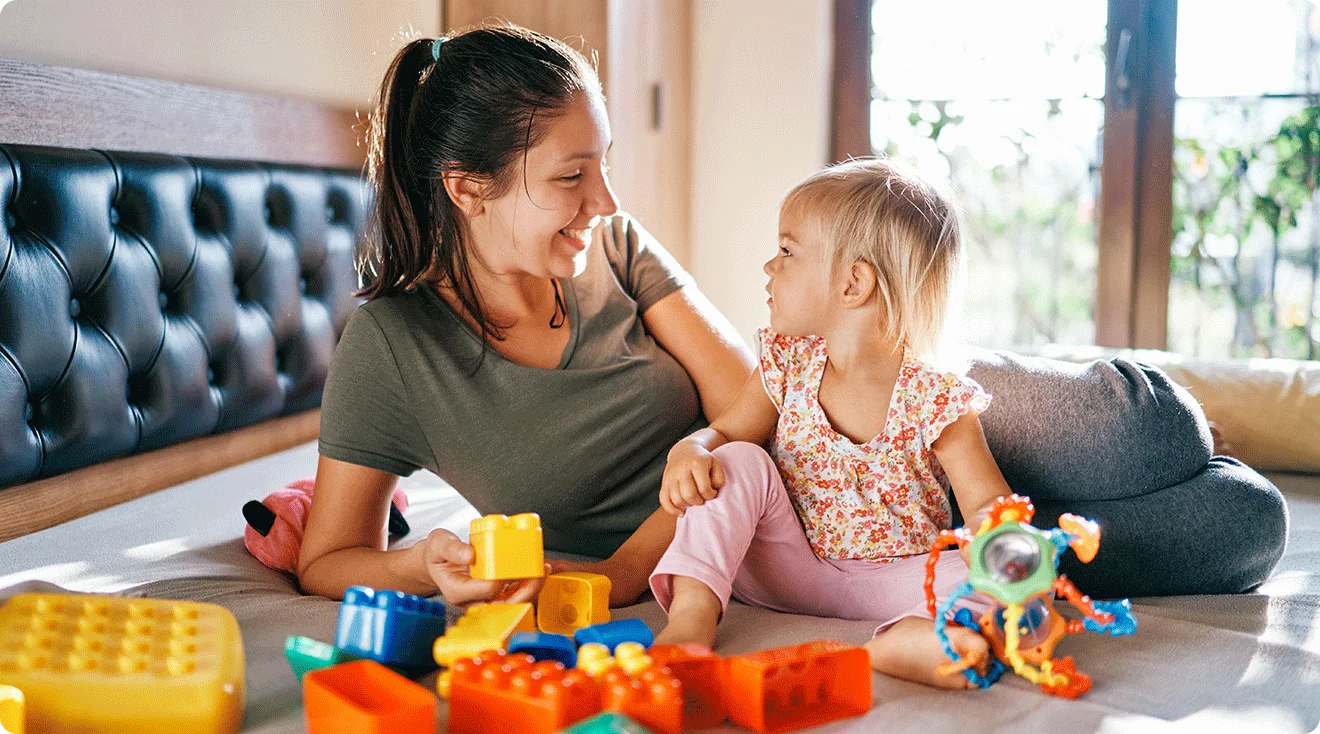
Psychologists and parenting experts mostly encourage parents to use an authoritative approach. This style mixes clear, age-appropriate expectations with steady warmth and active responses, helping children learn self-control and social confidence.
This balance helps children learn the rules rather than just following them out of fear or to take advantage of leniency. This internal understanding boosts both academic success and emotional stability. This is why CNBC (2025) reports that an authoritative parenting style is linked to a 20% higher academic performance.
What makes authoritative parenting better than other styles?
Experts point out two important reasons. First, a stable structure helps kids practice their executive skills. Second, warm responses show kids how to handle emotions and solve problems. These factors lead to significant improvements in how children see themselves and interact with others. According to CNBC (2025), 60% of children raised with authoritative parenting report higher self-esteem.
How do you keep the approach steady when life gets messy?
The plan must be practical, not idealistic. The common problem is not big ideas, but uneven actions. Stressed caregivers often swing between permissiveness and harshness, which teaches children to either push boundaries or back away.
The effective solution is simple: pick two routines to repeat every day, use short and calm phrases for transitions, and enforce these rules calmly for 2 to 4 weeks. This helps the child understand the new pattern. Think of it like learning to ride a bike; short, steady practices help build balance much faster than angry speeches or endless cheerleading.
Why Certain Adaptations Are Necessary and When to Make Them?
Authority is a style to adjust, rather than a rulebook to follow blindly. If a child has attention or sensory differences, raw expectations must be scaffolded with clearer signals, shorter tasks, and immediate reinforcers. When co-parenting, inconsistency often comes from differences in how consequences are delivered, not from intent.The trade-off analysis is straightforward: increase structure when skill-building is the goal, enhance empathy when the child’s nervous system is unbalanced, and avoid allowing stress to lead to the use of authoritarian tactics that raise anxiety.
What should you watch for as proof that you are on the right path?
Look for measurable changes over a month. Practical signs include fewer power struggles during transitions, a child who asks for help rather than having a meltdown, and more frequent problem-solving without adult help.Track three simple markers for four weeks, then adjust: the number of tantrums or shutdowns, how many times the child completes a short task without being prompted, and one example each week of the child negotiating or apologizing independently. These signs show that structure and responsiveness are starting to take hold.
When the method feels like it is failing, don’t take it as a character judgment?
It is tiring when parents use a gentle approach and face entitlement, or choose a stricter method and notice their child's anxiety rises. That disappointment is common, but can be fixed. The answer is to take a step back, re-establish two steady routines, and add one immediate, clear reward.This allows the child to practice delayed gratification in small steps. By making these changes, parents can reduce impulsive reactions and restore the calm predictability children need to understand limits.
What is the one question that most parents find surprising?
The one question that most parents find surprising is not what to teach, but how to keep teaching it day after day without getting tired.
This unresolved difficulty is exactly what the next section will explore.
Related Reading
- Tiger Parenting
- ADHD Parenting
- Solo Parenting
- PACE Parenting
- Parenting Research News
- Parenting Hell
- Therapeutic Parenting
- Positive Parenting
- Permissive Parenting Style
- FAFO Parenting
- Uninvolved Parenting
- Indiana Parenting Time Guidelines
- Authoritarian Parenting Style
- Parenting Classes
- Good Parenting
- Authoritative Parenting Style
- Montessori Parenting
- Snowplow Parenting
- Co-Parenting With a Narcissist
Tips for Choosing the Right Parenting Approach

You can identify and refine your parenting style by watching two things: how you habitually react under stress and how your child responds to those reactions. Use short experiments, clear measurements, and small, repeatable shifts. This way, you stop guessing and start seeing real change within weeks.
How do I map my default habits so they no longer run the show?
When you log specific moments for seven days, you can quickly find patterns.Track three columns each evening: the trigger (what happened), your response (words and actions), and the result (child reaction plus what changed next). Rate each row for warmth and firmness on a 1-to-5 scale.After a week, you can see whether you tend to have more heat than structure, more rules than empathy, or a mix. This clarity helps turn vague frustration into specific choices that you can try to change.
What should I watch for in my child to confirm my adjustments are working?
This pattern shows up in homes: kids give clear signs when something suits their temperament. For example, you might see calmer bedtime routines or fewer refusals to try tasks.
Look for micro-shifts rather than big changes; examples include quicker protests during transitions, one night of starting homework independently, or a moment when the child asks for help rather than becoming upset.Track those signs for two weeks. Then adjust one parent's behavior at a time to determine the cause of the change.
How do I set boundaries that my child will accept without daily power struggles?
If a rule can be changed, it should be stated clearly. If a rule cannot be changed, present it simply with consistent follow-through. For the next 30 days, choose two rules that cannot be changed and enforce them. Write each rule in one clear sentence and set a consequence that is immediate, fair, and can be changed back.For younger children, use visual cues, like a colored card or a short checklist. When they follow the rules, offer them a small, specific choice to help them feel a sense of control. For example: “You can do your reading now or after a 10-minute play break.”
Which tiny routines actually change behavior overnight?
A problem-first approach shows that inconsistency slows down progress faster than any specific rule. Start with two small routines, each taking less than five minutes, to begin and end the day: a morning check-in and an evening debrief.
Use the same script for transitions, such as counting to three and repeating the same phrase each time. Reward someone right away with specific praise; for example, you can say, “You picked up your backpack without being asked; that shows responsibility.” Do this for two weeks.These routines help build executive function by providing regular chances to practice important skills.
How do co-parents or caregivers stay aligned without arguing in front of the kids?
If co-parents disagree in front of the child, the child can learn to play them against each other. To avoid this, it's best to agree privately on two main things to enforce. Practicing how each parent will talk can also help. Additionally, set a 10-minute weekly meeting to make adjustments.After an issue, talk about it away from the child for no more than five minutes: explain what happened, suggest one change, and then end the discussion. The usual problem is not mismatched values but mismatched consequence delivery; therefore, ensuring the response is consistent is more important than winning the argument.
How will you know if this is actually improving your family life?
A confident stance is that change is shown in counts and rhythms, not in drama. To measure improvement, pick three objective markers to track over four weeks. For example, think about the number of delayed bedtimes, missed homework episodes per week, and the number of sudden emotional meltdowns. Simply write these markers on a wall calendar or in a phone note.If two of the markers move in the right direction after three weeks, consider adjusting the approach. If they do not, reverse one change and try a different small tweak.
Why Mixing Approaches Usually Gives Better Results?
Sticking too closely to one parenting style often doesn't work well in practice. Many parents mix different techniques to get better results. In fact, according to Call Emmy, 60% of parents found that combining parts of different parenting styles helps their children more. This shows that being flexible isn't a sign of being indecisive, but rather a sign of smart adjustment. Parents should feel confident using strategies that fit their child and align with their family's routine.
Why parents feel stuck and what to do about it?
Confident stance: decision overload is real and exhausting. This explains why many parents freeze when asked to choose a parenting style instead of taking action. According to Call Emmy, 75% of parents reported feeling overwhelmed by the variety of parenting styles available (Call Emmy, 2025).Therefore, simplifying choices into two-week experiments is not just optional; it is practical. Narrow your focus, test one change, and give it time.
What does thoughtful parenting look like over time?
Keep going, not harder. Thoughtful parenting is a practice, not a performance; small, steady changes can add up to real skill over months. It’s important to remember that you are allowed to learn as you go.
This is where it gets interesting. The tool that makes consistency into daily teamwork is surprisingly simple and will change how your child interacts with you.
Related Reading
- Helicopter Parenting
- Toxic Parenting Phrases
- Best Parenting Advice
- Authoritative vs Authoritarian Parenting
- Parenting Styles Chart
- Parenting Therapy
- Lighthouse Parenting
- Parenting Memes
- Parenting With Love and Logic
- Parenting Techniques
- Soft Parenting
- Triple P Parenting
- Parenting Agreement
- Bible Verses About Parenting
- Nacho Parenting
- Styles of Parenting
- Elephant Parenting
- Parenting Hacks
- Horizontal Parenting
- Parenting Resources
Engage Your Kids and Support Healthy Development with Free Coloring Pages
Are you looking for ways to keep your kids engaged, focused, and learning while staying calm?My Coloring Pages makes it easy to offer screen-free activities that support healthy child development.
You can create custom coloring pages in seconds from your child’s favorite stories, characters, or your own drawings.
You can also browse over 20,000 free pages for stress relief, learning, or quiet time.
These activities help kids learn focus, patience, and creativity: great for parents who want structure without stifling fun.
Trusted by over 20,000 parents and rated 4.8/5, My Coloring Pages helps turn downtime into meaningful, creative learning. Start designing free coloring pages today!