What Is Parenting With Love and Logic? Principles, Benefits, and Tips
Discover what Parenting With Love and Logic means and how its principles help raise responsible, confident kids without power struggles.


Consider this: your child refuses to put on their shoes for school, and you feel that familiar tension rising in your chest. You know you could raise your voice or launch into yet another lecture, but deep down, you want something better for both of you. Parenting With Love and Logic offers a different path, one where children learn from natural consequences and parents stay calm, connected, and in control. This guide will show you how to build that dynamic in your home, teaching responsibility and independence without the daily battles that leave everyone exhausted.
When you're working to raise confident, self-reliant kids who respect boundaries, having the right tools makes all the difference. My Coloring Pages offers 21,838+ FREE Coloring Pages that provide children with a productive, calming activity while they practice empathy, with clear expectations. These resources create space for kids to process emotions through creative expression, supporting the kind of thoughtful problem-solving and self-regulation that form the foundation of effective parenting strategies rooted in mutual respect and natural learning opportunities.
Summary
- Parenting with Love and Logic combines empathy with natural consequences, teaching children responsibility by letting them experience the results of their choices rather than through fear or reward systems. Over 3 million parents and educators have been trained in these techniques, which shift the parent-child dynamic from adversarial power struggles to collaborative problem-solving partnerships, where children develop internal motivation rather than simply complying to avoid punishment.
- Traditional parenting methods often prioritize immediate compliance over long-term skill development, creating children who either rebel or lose their sense of self. According to Talker Research, 41% of parents now lean towards cycle-breaking parenting, recognizing that fear-based discipline teaches avoidance rather than understanding, while reward systems create performance-dependent self-worth that collapses once external incentives disappear, leaving children without the intrinsic motivation needed for genuine growth.
- The method works by offering children choices within boundaries parents can accept, then allowing natural consequences to teach lessons while maintaining empathy throughout. When a child experiences the uncomfortable result of their decision (being cold without a coat, losing a bike left unlocked), the consequence becomes the teacher rather than the parent, who remains a supportive ally helping navigate difficulties instead of an adversary inflicting punishment.
- Love and Logic differs fundamentally from authoritarian parenting by transferring ownership of decisions and consequences to the child rather than demanding obedience through force. The Bump's 2025 Future of Parenting Report found that 90% of today's parents emphasize respect for cultural differences, reflecting a broader shift toward two-way communication in which children's thoughts matter, building stronger verbal reasoning and conflict-resolution skills that translate into healthier adult relationships.
- Implementation requires parents to describe what they will do rather than commanding what children must do, using enforceable statements like "I'll be happy to drive you once homework is finished" instead of "Do your homework now." This eliminates power struggles because children cannot argue with your decision about your own behavior; they can only decide how to respond to the reality you've created, shifting responsibility exactly where it belongs.
- The method demands significant personal growth from parents, who must maintain calm empathy when children's choices create hardship, since the entire framework collapses when parents lose emotional control. Empathy is what makes consequences effective rather than punitive.
- My Coloring Pages addresses this by offering 21,838+ FREE Coloring Pages that give families simple, customizable activities for rebuilding connection after difficult moments, providing calm engagement that supports regulation for both parents and children during the low-pressure creative sessions where decision-making skills develop naturally.
Why Traditional Parenting Approaches Often Backfire

Traditional parenting methods often backfire because they prioritize immediate compliance over long-term skill development, leaving children who either rebel against control or lose their sense of self. Fear-based discipline and reward-dependent behavior management address surface symptoms without building the emotional intelligence, problem-solving abilities, or self-awareness children need to navigate life independently. The result? Short-term obedience that crumbles the moment external pressure disappears, leaving parents exhausted and kids unprepared.
The frustration you feel when your child ignores consequences, melts down over minor requests, or seems immune to every strategy you've tried isn't a reflection of your parenting or your child's character. It's a signal that the approach itself misses something fundamental about how children actually learn, grow, and develop autonomy.
The Fear Motivation Trap
Authoritarian methods rely on a simple equation: fear of punishment equals behavioral control. Time-outs, removal of privileges, and physical discipline, these tactics operate on the assumption that discomfort will teach children to make better choices. What they actually teach is avoidance.
When children act out of fear rather than understanding, they're not learning *why* certain behaviors matter or *how* to manage their impulses. They're learning to hide mistakes, calculate risk, and perform compliance when authority figures are watching. According to Talker Research, 41% of parents now lean towards cycle-breaking parenting, recognizing that repeating the fear-based methods they experienced as children perpetuates patterns they want to end.
The moment fear disappears (you're not in the room, they're with different adults, they're old enough to face consequences), the behavioral foundation collapses. Kids either explode into full rebellion or freeze into confusion, unsure how to meet expectations without external threats driving their decisions.
I've watched children stuff books into their pants to cushion blows, perfect the art of appearing compliant while seething inside, or become so quiet they disappear entirely. None of these outcomes reflects actual learning. They reflect survival strategies that follow kids into adulthood, manifesting as people-pleasing, conflict avoidance, or chronic anxiety around authority.
The Reward System Illusion
Positive reinforcement sounds gentler, more progressive. Sticker charts, point systems, verbal praise for meeting expectations these methods feel like love-based alternatives to punishment. But they operate on the same conditional logic: your worth depends on your performance.
Children become expert reward calculators, suppressing genuine feelings and needs to earn approval. The little girl who sits through class with a broken arm to score points for her team isn't learning resilience or teamwork. She's learning that her pain matters less than external validation, that pleasing others trumps listening to her own body.
Reward-dependent systems spotlight the divide between "good kids" (those whose temperament, development, and circumstances allow them to meet arbitrary standards) and "struggling kids" (those whose needs, processing styles, or challenges make compliance difficult). This division doesn't build skills. It builds shame.
When the stickers stop coming, when the chart gets forgotten, when children realize the reward isn't worth the cost of self-suppression, the behavior collapses. They haven't internalized values or developed self-regulation. They've learned to perform for external incentives, a pattern that makes it nearly impossible to develop intrinsic motivation later.
Research from Talker Research shows that 32% of parents now employ gentle parenting approaches, yet many discover these methods lack the consistency and firmness needed when children have complex needs or strong-willed temperaments. Rewards without skill-building create the same hamster wheel as punishments: temporary compliance masking unresolved underlying issues.
The Symptom Versus Root Cause Problem
Most parenting advice treats behavior as the problem rather than the communication. Your child hits their sibling, refuses to do homework, and throws tantrums in public; these actions are symptoms of unmet needs, undeveloped skills, or overwhelming emotions they can't yet process.
Addressing symptoms with consequences (positive or negative) is like taking cough drops for a bacterial infection. You might temporarily suppress the cough, but the infection will still spread. The behavior returns, often intensified, because the core issue remains untouched.
Children who lack emotional vocabulary melt down because they can't articulate frustration. Kids who struggle with executive function appear defiant when they're actually overwhelmed by multi-step instructions. Children whose sensory needs aren't met seem to "act out" when they're desperately seeking regulation through movement or stimulation.
Traditional methods ask: "How do we stop this behavior?" The better question: "What is this behavior trying to communicate?" Shifting from symptom management to root cause understanding transforms the entire parent-child dynamic. Instead of adversaries locked in a compliance battle, you become partners solving problems together.
When families focus on building the skills children lack (emotional regulation, problem-solving, communication, impulse control) rather than punishing the absence of those skills, behavior changes naturally. Not because fear or rewards compel it, but because children develop a genuine capacity for self-management.
Why "That's How I Was Raised" Fails Forward Progress
The human brain craves familiar patterns, even painful ones. Many parents default to the methods their own parents used because those neural pathways run deep, activated by stress and overwhelm. "I turned out fine" becomes the justification for perpetuating approaches that may have caused lasting harm.
But "fine" often means "functional despite damage," not "thriving because of support." Adults who grew up with authoritarian parenting frequently struggle with anxiety, perfectionism, difficulty setting boundaries, or challenges trusting their own judgment. The coping mechanisms developed in childhood (hyper-vigilance, people-pleasing, emotional suppression) don't vanish just because you survived them.
Choosing different methods doesn't reject your parents or invalidate your childhood. It acknowledges a fundamental principle: when you know better, you do better. Society no longer needs factory workers trained for blind obedience. Today's world requires critical thinkers, creative problem-solvers, and emotionally intelligent collaborators, skills that authoritarian and reward-based parenting actively suppress.
The discomfort you feel when considering new approaches isn't a sign of weakness or disloyalty. It's your brain resisting unfamiliar territory, trying to keep you safe in known patterns. Growth requires pushing past that discomfort toward methods that align with the relationships you want to build and the adults you hope your children become.
Parenting strategies that worked in survival-focused eras don't serve connection-focused families. Recognizing this gap isn't about blame. It's about breaking cycles that no longer serve anyone.
When Gentle Parenting Isn't Enough
Conscious, respectful, gentle parenting emerged as a welcome alternative to authoritarian control. These approaches prioritize emotional safety, validate feelings, and treat children with dignity. For many families, this shift creates profound healing and stronger bonds.
But gentle methods often lack the structure, consistency, and problem-solving frameworks that children with big emotions, strong wills, or neurodivergent processing styles desperately need. Validation without skill-building leaves kids drowning in feelings they can't regulate. Respect without boundaries creates anxiety, not freedom.
Children who push limits aren't testing your love. They're often seeking the container of clear expectations and consistent follow-through that helps them feel safe. When gentle parenting becomes permissive parenting (avoiding conflict, over-explaining, negotiating non-negotiables), kids lose the framework they need to develop self-discipline.
The gap between gentle and effective isn't cruelty. It's clarity. Children need both emotional attunement *and* structured guidance. They need parents who validate feelings *and* maintain boundaries. They need space to express themselves *and* support learning how to manage those expressions appropriately.
Gentle parenting also assumes children have the developmental capacity and skill foundation to respond to reasoning, empathy, and negotiation. Many don't, yet. They need active teaching of regulation strategies, step-by-step problem-solving practice, and co-regulation support before independent emotional management becomes possible.
When families find themselves stuck in endless negotiations, walking on eggshells to avoid meltdowns, or feeling controlled by their children's emotional volatility, gentleness alone isn't the answer. Integration of structure, skill-building, and relationship-focused boundaries creates the foundation children actually need.
When traditional discipline feels too harsh and gentle methods leave you overwhelmed, something essential is missing from the equation.
Related Reading
- Parenting Tips
- Bad Parenting
- Parenting Styles
- Parenting
- Gentle Parenting
- Co-Parenting
- Permissive Parenting
- Parallel Parenting
- Attachment Parenting
- Best Parenting Books
- Parenting Quotes
- Parenting Plan
- Parenting App
- Parenting Advice
What Parenting With Love and Logic Is and Why It Works
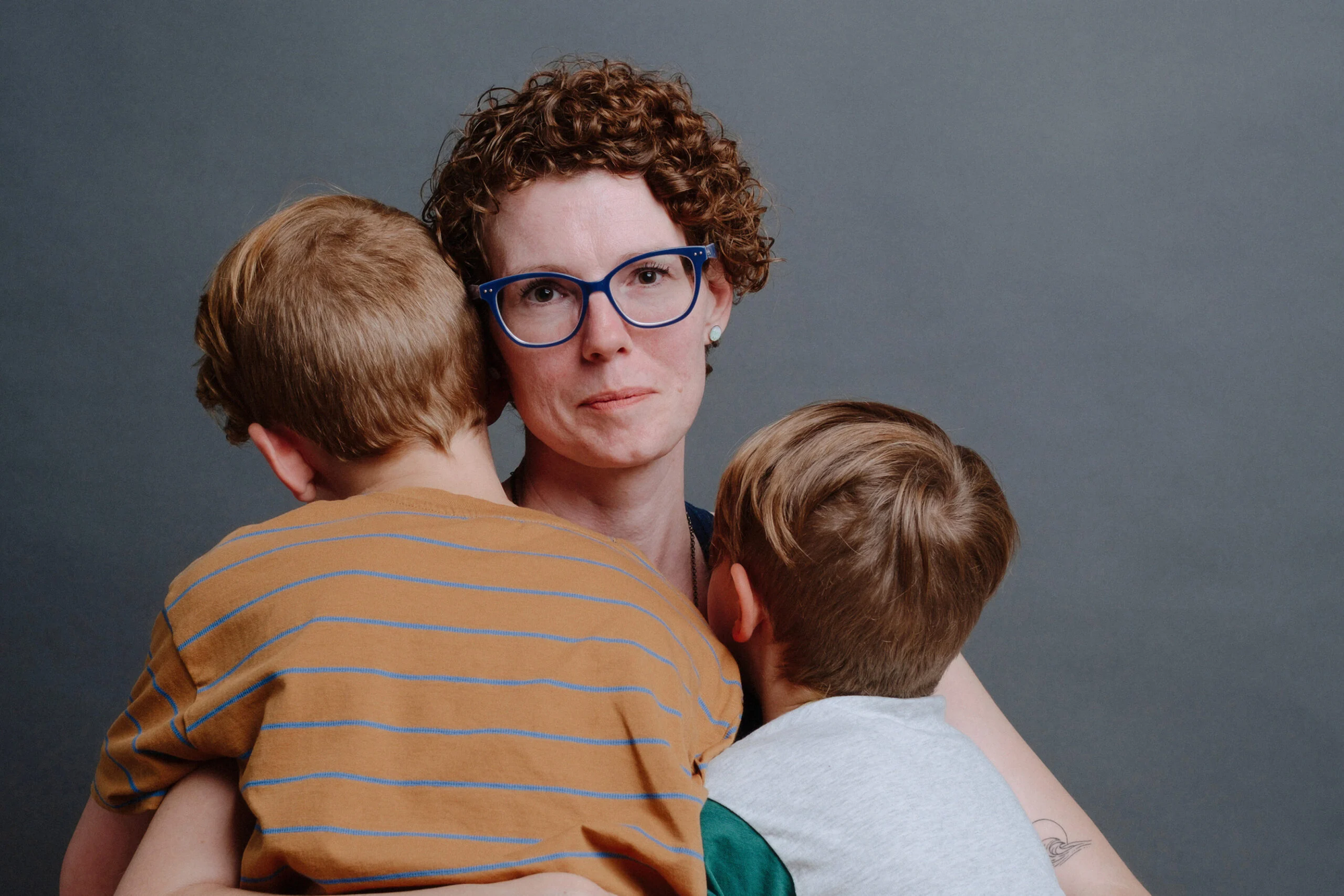
Parenting with Love and Logic combines empathy with natural consequences, creating a framework where children learn responsibility through experiencing the results of their choices while parents remain calm, connected guides. Instead of controlling behavior through fear or rewards, this approach teaches decision-making skills when stakes are low, building the internal voice children need to navigate life independently. It transforms the parent-child dynamic from adversarial power struggles into collaborative problem-solving partnerships.
Over 3 million parents and educators have been trained in Love and Logic techniques, developed by Jim Fay and Foster W. Cline, M.D., based on their combined 75+ years of working with children. The method addresses a fundamental gap in modern parenting: how to raise respectful, responsible children without resorting to harsh discipline or permissive approaches that leave families overwhelmed.
How the Method Actually Works
The mechanics are deceptively simple. Parents offer choices within boundaries they can accept, then allow children to experience the consequences of those decisions while maintaining empathy throughout. A child refuses to wear a coat on a cold day? The parent responds with genuine concern ("Oh, that's sad you're cold. I bet next time you'll choose differently") rather than lectures or "I told you so" statements.
This shifts the entire emotional landscape. The child's poor decision becomes the "bad guy," not the parent. Instead of fighting against authority, children wrestle with reality itself. That internal dialogue ("I wonder how much pain my next decision will cause me?") develops naturally when consequences teach lessons more effectively than parental warnings ever could.
The empathy piece matters enormously here. When parents lock in compassion before discussing consequences ("What a bummer. I understand how easy it is to make that mistake"), children stay emotionally connected rather than defensive. They can actually absorb the lesson because their nervous system isn't flooded with shame or anger. The parent becomes a supportive ally, helping them navigate difficult experiences, rather than an adversary meting out punishment.
Parents who implement this consistently report something remarkable: their children start making better decisions not because they fear punishment, but because they've learned that choices carry weight. The motivation becomes internal rather than externally imposed.
Why Traditional Methods Miss This Component
Most parenting approaches focus on stopping unwanted behavior immediately. Love and Logic prioritizes long-term skill development over short-term compliance. When a child leaves their bike unlocked, and it gets stolen, the traditional response involves anger, lectures about responsibility, and either replacing the bike immediately or refusing to ever buy another one.
The Love and Logic response sounds different: "Oh no, that's terrible. I bet you feel awful. I paid for the first bike. You'll have another one as soon as you earn enough money to replace it." The parent stays calm. The natural consequence (no bike until the child earns money) teaches the lesson. Empathy maintains the relationship.
Children raised this way learn that adults can be trusted to stay emotionally regulated even when kids make mistakes. That trust becomes the foundation for honest communication. Kids don't hide problems or lie to avoid consequences because they know their parents will help them navigate difficulties rather than add shame to already painful situations.
The method also eliminates the exhausting cycle of repeated warnings, threats, and negotiations. Parents make clear statements once, then follow through consistently. "The car leaves at 8:00 whether you're ready or not" replaces endless reminders and morning battles. When the child isn't ready and experiences the natural consequence (missing an activity, facing school consequences for tardiness), the lesson sticks far more effectively than any lecture.
The Self-Concept Connection
Children develop confidence through struggle and achievement, not through constant praise or protection from difficulty. When parents rescue kids from every problem or cushion every failure, they rob children of the opportunity to discover their own capabilities. A child who solves a problem independently experiences genuine pride that no amount of "you're amazing" can replicate.
Love and Logic parents provide supportive guidance while allowing children to wrestle with age-appropriate challenges. A kindergartener who forgets their lunch experiences minor discomfort (being hungry until snack time), which teaches planning skills. A teenager who procrastinates on a project and receives a poor grade learns time management through real-world feedback. The parent empathizes with the difficulty while trusting the child to learn from the experience.
This builds what psychologists call an "internal locus of control." Children recognize that their choices directly influence outcomes. They stop blaming others (teachers, siblings, circumstances) and start taking ownership of their decisions. That shift from victim mentality to personal agency becomes one of the most valuable gifts parents can provide.
The approach also teaches children that failure isn't catastrophic. When parents respond to mistakes with empathy rather than anger or disappointment, kids learn that setbacks are information, not indictments of their worth. They develop resilience because they've practiced recovering from difficulties with support rather than judgment.
Why Age and Development Matter
The book's coat example illustrates both the method's power and its limitations. Allowing a two-year-old to go outside without winter gear in freezing temperatures isn't teaching responsibility. It's neglecting safety because toddlers lack the cognitive development to connect current discomfort with future planning.
Love and Logic works best when children have the developmental capacity to understand cause and effect, remember past experiences, and apply what they have learned to new situations. For younger children, parents need to establish clear boundaries first ("We wear coats when it's cold"), then gradually expand choices as the child demonstrates readiness ("You can choose the blue coat or the red one").
The funnel approach, starting with tight boundaries in early childhood and progressively widening them as children mature, provides the structure Love and Logic sometimes assumes rather than explicitly teaches. A preschooler needs direct guidance about safety, nutrition, and basic routines. A school-age child can make choices about clothing, snacks, and activities. A teenager should be making increasingly complex decisions about time management, relationships, and responsibilities.
Parents who apply Love and Logic principles without considering developmental stages often feel frustrated when logical consequences don't produce behavior change. A child with executive function challenges might genuinely struggle to remember multi-step instructions, appearing defiant when they're actually overwhelmed. A neurodivergent child might need explicit teaching of skills that neurotypical children acquire through observation.
The method works beautifully when matched to the child's actual capabilities. It fails when parents expect logic to override developmental limitations or neurological differences.
The Control Battle Solution
Traditional power struggles emerge when parents try to force compliance and children resist. Love and Logic sidesteps this entirely by offering choices within boundaries that the parent can accept. "You can wear your pajamas or your clothes to the store" gives the child autonomy while ensuring the parent's need (that the child is dressed) is met.
This transforms the dynamic immediately. The child exercises real power through choosing, eliminating the need to fight for control. The parent maintains authority by setting the available options. Both parties get what they need without the exhausting battle of wills that characterizes so many family interactions.
The "going brain dead" technique handles inevitable arguments with remarkable effectiveness. When children protest consequences or try to negotiate non-negotiables, parents simply repeat: "I love you too much to argue." No matter what the child says, the parent responds with that single phrase, refusing to engage in debate.
It sounds overly simple, but it works because it removes the parent from the adversarial position. The child can't win an argument that isn't happening. The emotional energy that would fuel a power struggle dissipates because there's nothing to push against. Most children give up within minutes when they realize arguing won't change the outcome.
This doesn't mean parents ignore their children or refuse to discuss problems. It means they distinguish between situations requiring discussion (collaborative problem-solving, understanding feelings, teaching new skills) and situations where the boundary is firm (safety issues, established rules, non-negotiable expectations). Children learn which topics are open for input and which aren't, reducing the impulse to challenge every parental decision.
Where Empathy Becomes Essential
The difference between Love and Logic and punitive discipline lies entirely in the empathy component. When parents respond to mistakes with genuine compassion, children's brains stay receptive to learning. Shame, anger, and disappointment trigger defensive reactions that block the cognitive processing needed to internalize lessons.
"That's really sad, you're cold. Too bad you didn't wear a coat. I bet next time you'll choose differently," acknowledges the child's discomfort without adding parental judgment. The child can focus on the natural consequence (feeling cold) rather than defending against parental criticism.
Families often struggle with betrayal around safety decisions, feeling dismissed when partners don't take concerns seriously. When boundaries are violated, especially when children are exposed to potentially harmful situations, that empathy piece becomes critical for everyone. Parents need partners who will work collaboratively on safety decisions, taking lived experience seriously rather than prioritizing superficial assessments or external opinions.
Teaching children to keep secrets from parents, even "harmless" ones, mirrors grooming behaviors that normalize the concealment of information. Love and Logic parents maintain open communication by responding to disclosures with empathy rather than punishment, ensuring children feel safe bringing problems to trusted adults.
The method also addresses the exhausting dynamic where parents feel controlled by children's emotional volatility. When families walk on eggshells to avoid meltdowns or find themselves negotiating every request, something has shifted out of balance. Empathy without boundaries creates anxiety, not security. Children need both emotional attunement and clear expectations to develop healthy self-regulation.
Building the Problem-Solving Muscle
Love and Logic transforms children into active problem-solvers rather than passive recipients of parental solutions. When kids encounter difficulties, parents resist the urge to immediately fix things. Instead, they ask questions: "That sounds frustrating. What do you think you could do about it?" or "Hmm, that's a tough situation. What are your options?"
This coaching approach teaches the decision-making process. Children learn to identify problems, brainstorm solutions, predict consequences, and evaluate outcomes. Those skills transfer across contexts, helping kids navigate social conflicts, academic challenges, and personal responsibilities with increasing independence.
The method works particularly well for building emotional regulation skills. Instead of telling children how to feel or dismissing their emotions, parents validate the feeling while guiding them toward appropriate responses: "You're really angry right now. That makes sense. What can you do with that anger that won't hurt anyone or break anything?"
Children need practice managing big emotions while the stakes are relatively low. The toddler who melts down over the wrong color cup experiences genuine distress, but the consequence of that meltdown (calming down before getting a drink) teaches regulation without catastrophic outcomes. The teenager who makes a poor choice about curfew faces uncomfortable consequences (loss of privileges) that teach responsibility before the stakes involve legal trouble or serious safety issues.
Many families discover that creative activities offer natural opportunities to practice these skills in low-pressure environments. When children can customize experiences to match their interests and developmental levels, they engage more deeply with problem-solving and emotional processing. Accessible resources that families can personalize together create shared experiences that reinforce collaborative learning without the pressure of high-stakes decisions.
When the Stakes Increase
The real test of any parenting method comes during adolescence, when peer pressure intensifies, and consequences become more serious. Love and Logic parents invest years building the internal voice that asks, "How much pain will this decision cause me?" That voice becomes the protective factor when friends offer substances, pressure for risky behavior, or encourage choices with lasting consequences.
Teenagers raised with consistent empathy and natural consequences have practiced decision-making hundreds of times in lower-risk situations. They've learned that parents stay calm and supportive even when kids make mistakes. That foundation of trust means adolescents are more likely to seek parental guidance when facing truly difficult choices, rather than hiding problems until they escalate.
The method also prepares children for adult life in ways that protection-focused parenting cannot. Young adults who've experienced consequences, solved their own problems, and recovered from failures with support enter independence with realistic confidence. They don't expect others to rescue them from difficulties or blame external circumstances for their choices. They know how to assess situations, make decisions, and adjust course when needed.
But here's what the manuals rarely emphasize clearly enough: this only works when parents remain genuinely consistent and emotionally regulated themselves.
The hardest part isn't implementing the techniques; it's maintaining calm empathy when your child's poor choice creates genuine hardship or when their behavior triggers your own unresolved childhood patterns.
Assist me in understanding the distinction between this approach and the methods that shaped previous generations.
Related Reading
- Tiger Parenting
- ADHD Parenting
- Solo Parenting
- PACE Parenting
- Parenting Research News
- Parenting Hell
- Therapeutic Parenting
- Permissive Parenting Style
- Parenting Styles Psychology
- FAFO Parenting
- Uninvolved Parenting
- Indiana Parenting Time Guidelines
- Authoritarian Parenting Style
- Parenting Classes
- Good Parenting
- Authoritative Parenting Style
- Positive Parenting
- Montessori Parenting
- Snowplow Parenting
Love and Logic vs. Traditional or Authoritarian Parenting

The central difference comes down to who owns the problem. Authoritarian parenting keeps control firmly in the parent's hands, demanding obedience without explanation. Love and Logic transfers ownership of decisions and consequences to the child, with parents serving as empathetic guides rather than enforcers. One approach creates compliance through fear or coercion; the other builds genuine responsibility through experience.
The Control Question
Authoritarian parents operate from a position of absolute authority. Rules exist because the parent said so. Questions get met with "because I'm the parent" or "while you're under my roof." The underlying message: your thoughts, feelings, and reasoning don't matter as much as my commands.
This creates a brittle structure. Children learn to obey when someone bigger and more powerful is watching. They don't develop the internal compass that guides behavior when authority figures aren't present. The moment they gain independence (at college, in relationships, in early career decisions), many struggle because they've never practiced making choices and living with the results.
Love and Logic inverts this entirely. Parents establish boundaries around safety and family values, then offer choices within those boundaries. "You can do your homework now or after dinner. You decide" gives the child real agency, while the parent maintains the non-negotiable expectation that homework gets completed. The child practices decision-making with supportive coaching rather than simply following orders.
The shift feels seismic for families transitioning from authoritarian patterns. Children initially test boundaries aggressively because they're accustomed to fighting for any scrap of autonomy. Parents feel anxious about releasing control, worried that offering choices means losing authority. But within weeks, most families discover that shared control actually strengthens parental influence because children stop expending energy on power struggles and start engaging with genuine learning.
Communication Patterns That Reveal Everything
Traditional authoritarian households run on one-way communication. Parents issue directives. Children comply or face consequences. Dialogue, negotiation, and explanation are seen as undermining parental authority rather than building relationships and understanding.
According to The Bump's 2025 Future of Parenting Report, 90% of today's parents emphasize respect for cultural differences with their children, reflecting a broader shift toward valuing diverse perspectives and open communication. That same openness applies within family dynamics, where two-way dialogue builds trust and teaches children that their thoughts matter.
Love and Logic parents talk *with* children, not *at* them. They ask questions that develop thinking skills: "What do you think might happen if you choose that?" or "How did that decision work out for you?" These conversations treat children as capable learners rather than empty vessels requiring constant instruction.
The emotional tone shifts dramatically, too. Authoritarian approaches often carry anger, disappointment, or frustration when children fail to meet expectations. Love and Logic maintains warmth and empathy even when consequences are uncomfortable. "Oh man, that's really tough. I bet you wish you'd made a different choice," acknowledges the child's pain without adding parental judgment to an already difficult situation.
Children raised with two-way communication develop stronger verbal reasoning, better conflict-resolution skills, and greater confidence in expressing their needs. They learn that disagreement doesn't equal disrespect, that questions demonstrate engagement rather than defiance. Those skills translate directly into healthier adult relationships and more effective professional collaboration.
What Discipline Actually Teaches
Punishment-based discipline teaches children to avoid getting caught. Grounding, spanking, and privilege removal, these tactics create an external motivation system. Children calculate risk versus reward, learning to hide mistakes rather than take responsibility for them. The lesson becomes "don't let them find out" rather than "make better choices."
Natural and logical consequences teach something fundamentally different. The child who refuses to eat dinner gets hungry before breakfast. The teenager who loses their phone through carelessness goes without until they earn money for a replacement. The consequence flows directly from the choice, creating a clear cause-and-effect understanding that punishment never provides.
The authoritarian parent might ground the child for losing the phone, removing privileges unrelated to the actual problem. This teaches the child that parents are arbitrary enforcers rather than logical guides. It also makes the parent the "bad guy," damaging the relationship without building any practical skills.
Love and Logic parents separate the child from their choice. "I love you. That was a poor decision. Here's what happens next." The empathy stays intact while the consequence does its teaching work. Children don't waste energy being angry at parents; they focus on the problem itself and how to avoid repeating it.
The Long-Term Outcome Gap
Authoritarian parenting produces two distinct types of adults. Some become perpetual rule-followers, anxious and rigid, unable to think critically or challenge systems even when warranted. They struggle with innovation, creative problem-solving, and adapting to unexpected situations because they've been trained to wait for instructions rather than assess and act independently.
Others rebel completely, rejecting all authority and structure because they associate boundaries with control and disrespect. They often swing too far toward permissiveness with their own children, perpetuating dysfunction in a different direction. Neither outcome reflects healthy adult functioning.
Love and Logic aims for the middle ground that research consistently links to positive outcomes: children who respect reasonable authority while thinking independently, who follow rules that make sense while questioning those that don't, who take responsibility for their choices while seeking support when needed.
These adults enter relationships expecting mutual respect rather than dominance or submission. They handle workplace challenges with problem-solving rather than blame or helplessness. They raise their own children with the same balance of warmth and structure they experienced, breaking cycles rather than repeating them.
The difference shows up in stress responses, too. Adults raised with authoritarian discipline often struggle with anxiety, perfectionism, and difficulty regulating emotions under pressure. Those raised with empathy and natural consequences typically demonstrate better stress tolerance, more realistic self-assessment, and healthier coping strategies.
Where Cultural Context Complicates Things
Some families worry that rejecting authoritarian methods means abandoning cultural values around respect, hierarchy, and family structure. This creates genuine tension, especially in communities where strict parenting is seen as demonstrating care and commitment rather than control.
Love and Logic doesn't require abandoning cultural identity or family traditions. It asks parents to examine which practices build the outcomes they actually want for their children. If the goal is to raise respectful adults who honor family bonds while thinking independently, authoritarian methods often undermine that goal, despite good intentions.
Respect taught through fear disappears when the fear does. Respect modeled through empathy, clear expectations, and consistent follow-through becomes internalized. Children learn to respect themselves and others not because they're afraid of punishment, but because they've experienced what respectful relationships feel like.
Many families find that Love and Logic principles align beautifully with cultural values around family, responsibility, and community, while separating them from the harsh discipline tactics that sometimes accompany those values. The structure remains; the coercion disappears.
The Consistency Challenge Nobody Mentions
The hardest part of Love and Logic isn't learning the techniques. It's maintaining calm empathy when your child's choice creates real hardship, when their behavior triggers your own childhood wounds, when you're exhausted and defaulting to the parenting patterns you swore you'd never repeat.
Authoritarian parents can implement their methods while angry, stressed, or emotionally dysregulated. Fear-based discipline doesn't require parental emotional control because it operates through force rather than relationship. Love and Logic breaks down entirely when parents lose their composure, because the empathy component is what makes consequences effective rather than punitive.
This demands significant personal growth from parents. You can't teach emotional regulation while screaming. You can't model problem-solving while catastrophizing. You can't build your child's confidence while projecting your own anxiety onto their every choice.
Families often need support systems that help parents process their own triggers, practice regulation strategies, and access resources when they're overwhelmed. Creative outlets that parents and children can customize together, shared experiences that reinforce connection during calm moments, these tools provide the foundation that makes Love and Logic sustainable during difficult phases.
The method works beautifully when parents have the emotional capacity to implement it consistently. When that capacity wavers, having accessible resources that families can personalize to their specific needs makes the difference between abandoning the approach and adapting it to real-life constraints. Platforms offering 21,838+ FREE Coloring Pages provide families with simple, customizable activities that rebuild connection after difficult moments, offering the calm engagement that supports both parent and child regulation without requiring extensive planning or financial investment.
The question isn't whether Love and Logic works better than authoritarian methods. Research and lived experience confirm it does. The real question is how parents build the support systems that let them stay consistent when implementation gets hard.
But knowing the difference between approaches means nothing if you can't translate theory into the messy, exhausting reality of Tuesday afternoon meltdowns and bedtime negotiations.
How to Practice Parenting With Love and Logic Daily

Start With What You Control, Not What You Want Them to Do
The shift begins in your language. Instead of telling children what to do ("Clean your room," "Stop hitting your brother," "Get ready for school"), describe what you will do. "I'll be happy to drive you to practice once your homework is finished." "I listen to people who use calm voices." "Dinner is served at 6:00. The kitchen closes at 6:30."
This single change eliminates most power struggles. Your child can't argue with your decision about your own behavior. They can only decide how to respond to the reality you've created. The control battle evaporates when you stop trying to control them. You've simply stated your boundary and let them choose their response.
Enforceable statements work because they shift responsibility exactly where it belongs. When you say "Be quiet," you've created a command you cannot actually enforce without escalating to threats or punishment. When you say, "I'll continue this conversation when voices are calm," you've described your action, which you control completely. The child must now solve their own problem: how do I get what I want, given this new reality?
Parents who practice this consistently report something remarkable. Children stop asking "why" constantly because the answer is always the same: this is what I'm doing. The endless negotiations disappear. Kids learn to assess situations and make choices based on clear parameters rather than testing to see if today's the day mom finally gives in.
Give Choices That Actually Matter
The two-option framework only works when both choices are genuinely acceptable to you. "Do you want to wear the red shirt or the blue shirt?" gives real autonomy. "Do you want to get dressed or go to school in your pajamas?" only works if you're truly willing to follow through on the second option.
This is where many families stumble. They offer fake choices, then panic when the child picks the option the parent didn't actually want. A four-year-old who chooses pajamas for school and then gets forced into clothes anyway learns that choices are illusions, that parent words don't match parent actions. Trust erodes immediately.
Real choices require real follow-through. If you're not willing to let your child experience the consequence, don't offer it as an option. "You can do homework now or after dinner" only works if you're genuinely fine with either timing. If after-dinner homework creates problems (too tired, too late, conflicts with bedtime), then that's not actually a choice you can accept.
The framework scales beautifully as children mature. Preschoolers choose between two specific options. Elementary kids choose from broader categories. Teenagers make increasingly complex decisions about time management, social commitments, and responsibilities. Each level builds the decision-making muscle they'll need as adults.
Let Consequences Teach the Lessons You Can't
The hardest part isn't setting up natural consequences. It's staying calm and empathetic when they happen. Your child forgets their lunch for the third time this week. Every instinct screams to lecture about responsibility, to express disappointment, to rush the lunch to school so they won't be hungry. All of those responses steal the learning opportunity.
Instead: "Oh no, that's really frustrating. I bet you're hungry. What will you do differently tomorrow?" The empathy stays intact. The consequence (hunger until snack time) does the teaching. Your relationship doesn't absorb the damage that lectures and rescues create.
Logical consequences work when they connect directly to the choice. The child who leaves toys scattered experiences the logical outcome: toys get put away for a week while they practice remembering. The teenager who overspends their allowance lives with empty pockets until the next scheduled payment. The connection between action and result becomes impossible to miss.
This requires parents to resist the rescue impulse that feels like love but actually communicates "I don't trust you to learn from difficulty." Every time you save your child from a consequence they could handle, you rob them of the chance to discover their own capability. The kindergartener who forgets show-and-tell survives the disappointment. The middle schooler who procrastinates and gets a poor grade learns to manage their time. The high schooler who loses their phone earns money for a replacement. Each experience builds the resilience that protection destroys.
Practice the Seven-Minute Connection
Before corrections, consequences, or expectations, invest seven minutes in pure, positive connection. Not instruction disguised as conversation. Not interrogation about homework or chores. Genuine interest in their world, their thoughts, what they find funny or fascinating or frustrating.
This isn't soft or permissive. It's strategic. Children whose emotional tanks are full cooperate more readily, listen more openly, and recover from disappointment more quickly. The connection creates the foundation that makes everything else work. When kids feel genuinely seen and valued, they stop fighting for attention through negative behavior.
The timing matters too. Morning connection before requests start flying. After-school reconnection before homework battles begin. Bedtime presence before sleep resistance emerges. These small investments prevent the massive conflicts that drain everyone's energy.
Many families find that shared creative activities during these connection windows work beautifully. When children can customize experiences to match their interests, and you can engage without performance pressure, real conversation flows naturally. Resources like My Coloring Pages give families simple, personalized activities that rebuild connection after difficult moments, providing calm engagement that supports regulation for both parents and kids without requiring extensive planning or special supplies.
Hand Problems Back With Genuine Curiosity
When your child complains about a conflict with friends, struggles with homework, or faces a decision, resist the urge to solve it. Instead, get genuinely curious: "What do you think you could do about that?" "How have you handled similar situations before?" "What are your options here?"
This feels uncomfortable initially. You can see the solution clearly. Offering it would be faster, easier, and more efficient. But efficiency isn't the goal. Capability is. Every problem you solve is a problem they don't learn to solve. Every decision you make is a decision they don't practice making.
The questioning approach teaches the thinking process behind problem-solving. Children learn to identify the real issue (not just the surface complaint), brainstorm multiple solutions, predict likely outcomes, and evaluate results. Those skills transfer across every context they'll encounter as adults.
When they struggle or make poor choices, your response matters enormously. "That didn't work out how you hoped. What will you try differently next time?" keeps the focus on learning rather than shame. The child's brain stays in problem-solving mode instead of shutting down in defense. They build the habit of treating setbacks as information rather than a catastrophe.
Maintain the Calm That Makes Everything Else Possible
The entire method collapses when parents lose emotional control. You cannot teach regulation while dysregulated. You cannot model problem-solving while catastrophizing. You cannot build confidence while projecting anxiety onto every choice your child makes.
This demands more personal growth from parents than from children. When your child's behavior triggers your own childhood wounds, when their choices create genuine hardship, when you're exhausted and defaulting to the parenting you swore you'd never repeat, staying calm feels impossible.
But it's not optional. The empathy component is what makes consequences effective rather than punitive. The calm presence is what keeps children's nervous systems regulated enough to actually learn. The consistent follow-through is what builds the trust that makes the entire framework function.
Parents need their own support systems. Spaces to process triggers before they explode at children. Strategies for self-regulation when stress peaks. Resources that help rebuild connection after inevitable moments of losing composure. The method works beautifully when parents have the capacity for it. When capacity wavers, having accessible tools that require minimal energy makes the difference between abandoning the approach and adapting it to real constraints.
Build the Habit Before You Need It
Practice these techniques during calm moments, not crisis situations. Offer choices about low-stakes decisions. Use enforceable statements for minor boundaries. Let small consequences teach lessons when the stakes are manageable. This builds the muscle memory you'll need when situations intensify.
The parent who waits until the teenager is sneaking out to start implementing Love and Logic will struggle. The foundation needed years of practice with smaller choices, lower-pressure situations, and consistent follow-through that built trust gradually. You cannot install this framework overnight when desperation hits.
Start where you are. Pick one technique and practice it for a week. Notice what changes. Add another. The transformation happens through consistency over time, not perfection in every moment. You'll mess up. You'll revert to old patterns under stress. That's normal. What matters is returning to the approach, repairing with your child when you lose composure, and practicing again tomorrow.
The daily repetition creates a family culture in which children take responsibility because they've practiced it hundreds of times in contexts that felt safe and supportive. By the time stakes increase during adolescence, the patterns are deeply established. The internal voice that asks "how much pain will this choice cause me?" operates automatically because it's been developing since toddlerhood.
But none of this matters if families can't sustain it when life gets messy, schedules compress, and everyone's running on empty.
Related Reading
- Helicopter Parenting
- Toxic Parenting Phrases
- Best Parenting Advice
- Authoritative vs Authoritarian Parenting
- Parenting Styles Chart
- Parenting Therapy
- Lighthouse Parenting
- Parenting Memes
- Parenting Techniques
- Soft Parenting
- Triple P Parenting
- Parenting Agreement
- Bible Verses About Parenting
- Nacho Parenting
- Styles of Parenting
- Elephant Parenting
- Parenting Hacks
- Horizontal Parenting
- Parenting Resources
Spark Creativity While Practicing Love and Logic Parenting
Parenting with Love and Logic thrives when children can practice decision-making and self-regulation in environments that feel safe, engaging, and free from high-pressure stakes. Structured creative activities provide exactly that space, offering opportunities for kids to make choices, experience natural consequences, and build patience without the emotional weight of academic performance or social conflict. When children can explore their interests through customizable, screen-free experiences, they develop the focus and emotional control that make Love and Logic principles sustainable in the long term.
When Quiet Time Becomes the Training Ground
The moments between big decisions matter more than most parents realize. A child who practices choosing between coloring designs, deciding which colors to use, and managing frustration when a page doesn't turn out as considered builds the exact skills Love and Logic depends on. These low-stakes creative sessions teach persistence, emotional regulation, and the ability to start over without catastrophizing, all without a parent hovering or correcting.
Traditional approaches fill downtime with passive entertainment or highly structured activities that leave no room for genuine choice. Children consume content someone else created, following instructions someone else designed, never exercising the decision-making muscle that adolescence will demand constantly. The gap between entertainment and true engagement becomes apparent years later, when teenagers lack the internal resources to navigate complex choices independently.
Creative activities that children can personalize to match their interests change the dynamic entirely. A six-year-old who chooses their own design, selects their approach, and solves problems when colors bleed, or details frustrate them, practices autonomy in a context where failure carries zero social or academic penalty. The experience builds confidence through genuine accomplishment, not empty praise for participation.
Making Connection Practical When Energy Runs Low
The seven-minute connection window works beautifully in theory. In practice, exhausted parents struggle to manufacture enthusiasm for another conversation about Minecraft or the injustice of bedtime. Creative activities solve this by giving families a shared focus that doesn't require performance from either party. Side-by-side coloring creates a relaxed presence where real conversation happens naturally, without the pressure of direct eye contact or forced dialogue.
Most families handle connection through scheduled activities that require planning, transportation, expense, or specific timing. These work until they don't, until schedules compress, budgets tighten, or a child's mood makes leaving the house impossible. Having instantly accessible options that require nothing beyond paper and basic supplies means connection doesn't depend on perfect conditions. The parent who keeps a rotation of fresh designs available can pivot to calm engagement within minutes, meeting children exactly where they are emotionally without elaborate preparation.
Platforms like My Coloring Pages give families thousands of instantly downloadable designs across every interest and complexity level, from simple shapes for toddlers to intricate patterns for older kids and adults. The customization tools let parents create pages featuring their child's specific interests, turning generic downtime into personalized experiences that children actually want to engage with. When connection activities match what genuinely captures a child's attention rather than what a curriculum suggests, cooperation naturally replaces resistance.
Teaching Consequences Through Creative Problem-Solving
Every creative activity presents dozens of small decision points. Which section to color first? Whether to stay inside the lines or experiment beyond them. How to handle a mistake, whether to start over, adjust the approach, or incorporate the error into a new design. These micro-decisions mirror the exact thinking process Love and Logic develops, compressed into a single sitting where children can practice and refine without parental intervention.
The child who rushes through a design and dislikes the result experiences an immediate, understandable consequence. No lecture needed. The connection between hasty choices and disappointing outcomes becomes visceral. The parent who responds with genuine empathy ("Oh, that's frustrating when it doesn't turn out how you pictured. What will you try differently next time?") reinforces the Love and Logic framework while the lesson is fresh and the stakes remain manageable.
Creative activities also reveal each child's natural problem-solving style. Some kids plan meticulously before making a single mark. Others dive in impulsively, then adjust as they go. Neither approach is wrong, but both create different challenges as complexity increases. Parents who observe these patterns during low-pressure creative time can coach more effectively when higher-stakes decisions arise, asking questions that align with the child's processing style rather than imposing a one-size-fits-all decision-making framework.
Turning Transitions Into Opportunities Instead of Battles
The hardest moments in most family days cluster around transitions: getting ready for school, shifting from play to homework, winding down before bed. These pressure points trigger power struggles because children resist being controlled while parents face genuine time constraints. Creative activities provide a bridge that honors both needs, giving children autonomy over how they spend transition time while parents maintain the boundary around when the transition must be completed.
"You can color until the timer goes off, then we leave for school," offers real choice within a firm boundary. The child controls their activity during that window. The parent controls the departure time. The creative engagement often makes the transition smoother because the child has experienced genuine autonomy rather than constant directives. The internal resistance that fuels most transition battles dissipates when children feel they've had legitimate control over part of their experience.
This approach scales across developmental stages. Preschoolers transition from play to cleanup more readily when they can choose a simple coloring page as their "calm down" activity afterward. Elementary kids shift from screen time to homework more smoothly when they can select a design to color during their break. Teenagers who need decompression after school before tackling responsibilities benefit from having customizable creative options that match their maturing interests rather than activities that feel babyish or prescribed.
The consistency matters enormously. Families who integrate brief creative sessions into daily routines build predictability that anxious or strong-willed children desperately need. The structure provides security while the customization honors individuality, balancing the two elements Love and Logic requires but that many parenting approaches keep in tension.