How to Choose the Right Part-Time Preschool for Your Child
Discover how to choose the perfect part-time preschool for your child with My Coloring Pages' expert guide. Find the right fit today!

Children enrolled in part-time preschool programs attend classes just a few mornings each week, leaving parents to wonder how to maintain learning momentum at home. The hours between sessions present valuable opportunities for reinforcement, yet finding appropriate preschool activities that complement classroom learning can feel overwhelming amid busy schedules. Supporting your child's development doesn't require expensive materials or complex lesson plans.
Simple, engaging activities can bridge the gap between school days and foster continued growth in essential skills such as letter recognition, number concepts, and fine motor development. Parents can easily create meaningful learning experiences using readily available resources that match their child's current interests and developmental needs, making it simple to download 54,349+ free coloring pages to transform into customized educational activities.
Table of Contents
- Does a Part-Time Preschool Help Children
- Social and Emotional Benefits of Part-Time Preschool
- What Does a Part-Time Preschool Teach
- How to Choose the Right Part-Time Preschool for Your Child
- How Can Parents Be Involved in Preschool Education
- Boost Your Child's Learning at Home with Customized Worksheets from My Coloring Pages
Summary
- Part-time preschool delivers measurable cognitive and social gains when programs maintain a structured curriculum and consistent attendance. Research examining 21 large-scale public preschool programs found that learning quality matters more than classroom hours, with well-designed three-hour sessions often outperforming longer programs lacking clear developmental goals. A study of 312 children showed that extended schedules didn't produce superior academic results compared to quality part-time programs, with curriculum design, teacher training, and parent involvement accounting for the differences in outcomes.
- Social-emotional skills developed in part-time preschool create lasting benefits beyond the classroom. A study published in the Child Development journal by Pennsylvania State University found that low-income students who received preschool social-emotional intervention continued to benefit in their teen years. These concentrated sessions allow children to practice conflict resolution, empathy, and communication when they're most receptive, then process those experiences at home, where parents can reinforce the lessons through everyday interactions.
- Teacher credentials and classroom ratios predict program quality more reliably than facility aesthetics or marketing. Research from Pathways LA shows that high-quality early childhood education can increase a child's chances of graduating high school by 25%, but quality depends on alignment between teaching methods and individual learning needs, not on program prestige. Parents should observe how teachers respond during transitions and behavioral challenges, when training differences become most visible.
- National Institute for Early Education Research data tracking 1,200 children showed that part-time preschoolers made significant gains in phonemic awareness and early reading comprehension despite fewer classroom hours. The determining factor was consistency rather than duration: children attending three mornings per week with intentional literacy activities outperformed peers in longer programs that lacked structured reading instruction. University of Michigan research involving 850 children found that structured part-time sessions produced measurable gains in problem-solving and cognitive flexibility because children remained engaged rather than fatigued.
- Family engagement in pre-K directly affects students' academic and social outcomes, according to research from the Georgia Family Connection Partnership. Literacy activities at home show particularly strong correlations to later reading proficiency, with the most effective involvement requiring consistent attention to classroom happenings and intentional connections to everyday life rather than early childhood education expertise. The families who struggle most with involvement often feel uncertain about what teachers want, staying silent when simple questions would create the partnership their children need.
- My Coloring Pages addresses this classroom-to-home gap by offering over 54,349 free printable resources that parents can customize to match current preschool themes, creating opportunities for focused practice without requiring lesson plan development or research across multiple websites.
Does a Part-Time Preschool Help Children
Part-time preschool helps children develop important cognitive, social, and emotional skills. The shorter schedule doesn't diminish learning results when the program offers a structured, engaging curriculum and maintains consistent attendance. What matters is the quality of those hours and how well they align with a child's developmental needs.

💡 Tip: Focus on finding a high-quality program with experienced teachers rather than worrying about whether part-time or full-time is better for your child's development.
"Quality early childhood programs can produce significant developmental benefits regardless of whether children attend part-time or full-time schedules." — National Association for the Education of Young Children
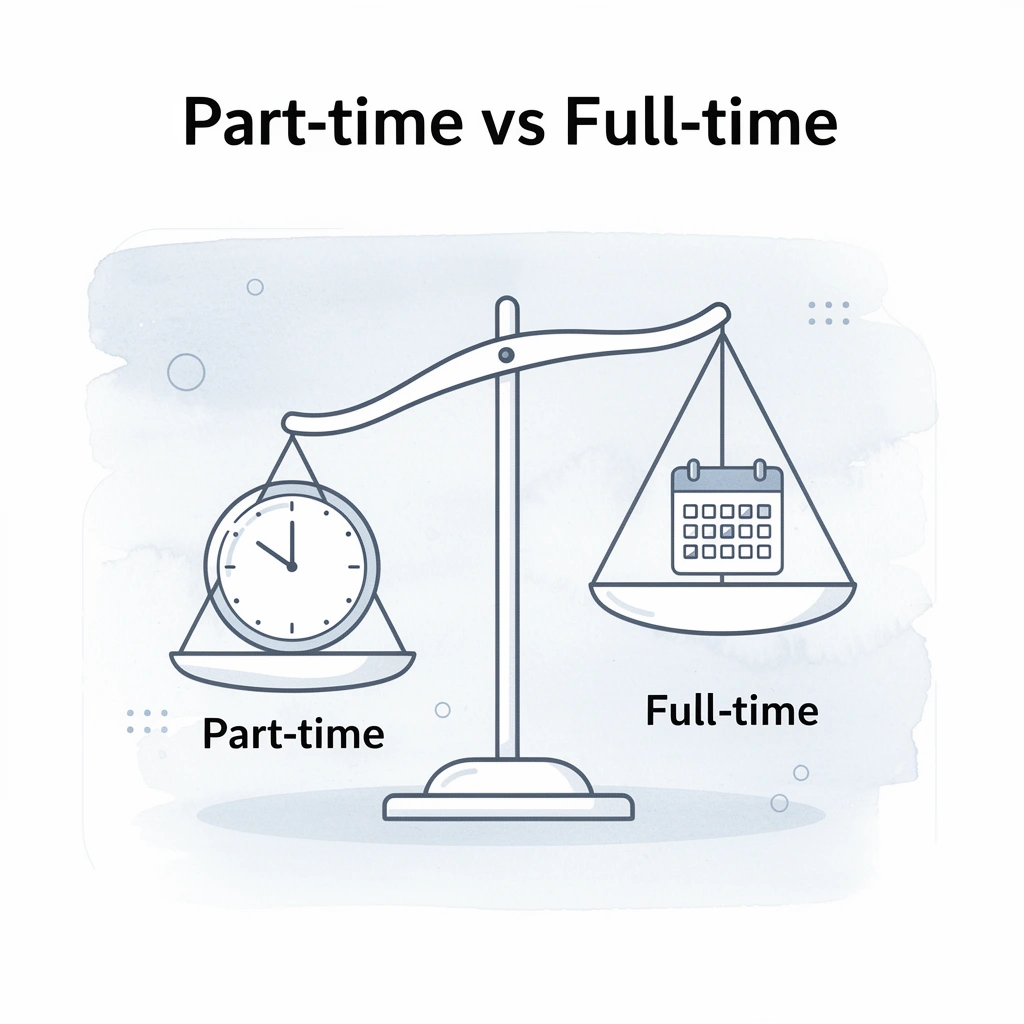
🎯 Key Point: The effectiveness of part-time preschool depends on three critical factors: program quality, curriculum structure, and your child's individual readiness for the learning environment.
The Evidence Behind Part-Time Programs
According to research examining 21 large-scale public preschool programs, structured early education produces measurable improvements in literacy, numeracy, and social competence regardless of full or part-time attendance. The key factor is intentionality, not duration: a well-designed three-hour program with focused learning activities often outperforms a longer program lacking clear developmental goals.
Part-time schedules reduce stress during the critical adjustment period when young learners first encounter group settings. Shorter days prevent overstimulation, allowing children to return home with energy to process what they've learned and practice new skills in familiar environments where they feel safest.
How does research support flexible preschool scheduling?
A study of 312 children in full-day preschool groups found that longer schedules didn't produce better academic results than quality part-time programs. Measurable differences came from curriculum design, teacher training, and parent involvement, not classroom time alone.
How can families extend classroom learning at home?
Part-time programs help families strengthen what children learn in class through everyday activities. When a child explores shapes and colors at preschool, parents can build on those ideas during afternoon play, meal preparation, or bedtime routines.
Platforms like My Coloring Pages support this connection with over 54,349 free printable resources that parents and teachers can customize to align with current learning themes, such as alphabet recognition, number practice, or seasonal concepts, tying classroom lessons to real-world experiences.
Why the Myth Persists
Full-day programs market their extended hours as inherently superior, creating anxiety among parents who worry their children might fall behind. This overlooks how preschoolers learn best through focused engagement rather than prolonged exposure. A tired four-year-old sitting through an afternoon activity learns less than a well-rested child who spent that time playing purposefully at home.
The truth about part-time preschool challenges our assumption that educational value scales linearly with time. What happens when shorter school days create space for something most full-day schedules cannot provide?
Social and Emotional Benefits of Part-Time Preschool
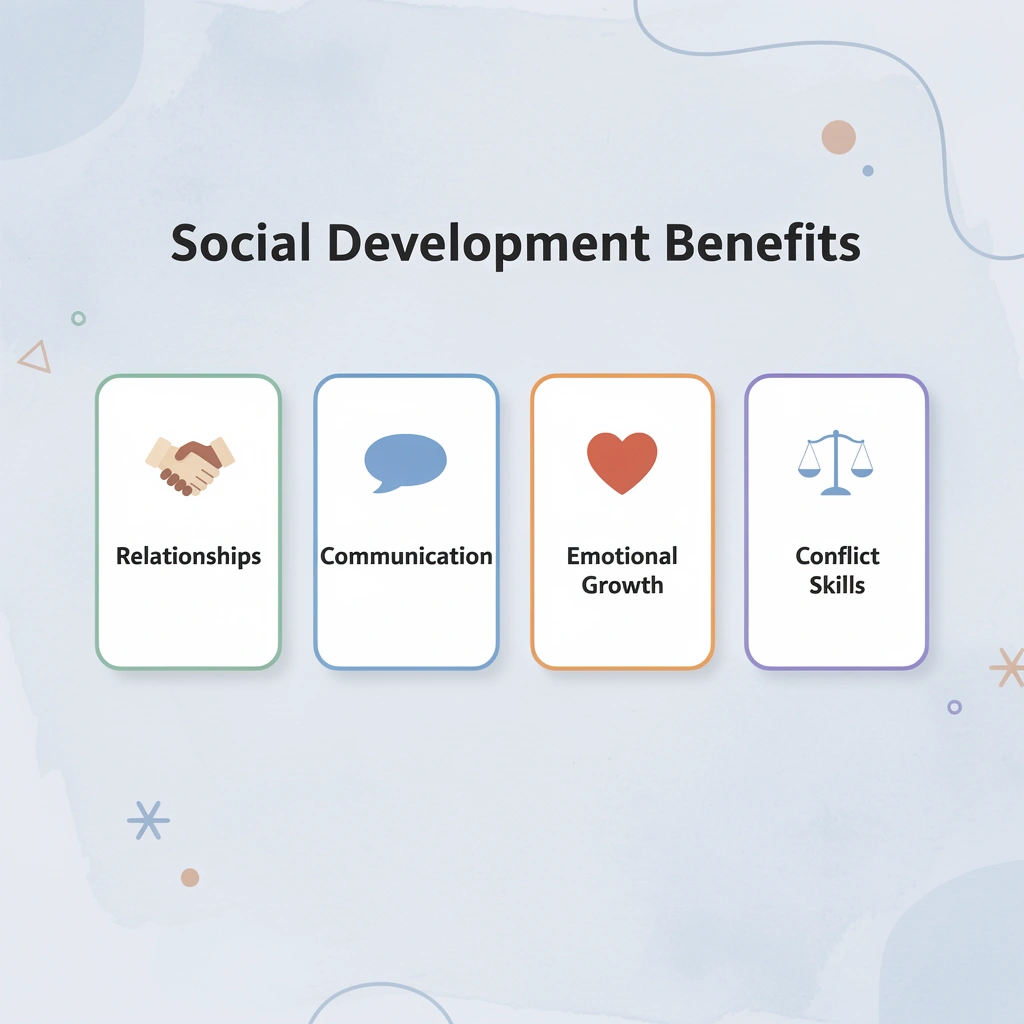
Part-time preschool helps children develop social skills and emotional strength through organized time with peers. The shorter schedule focuses on building relationships while teachers guide conflict resolution, model empathy, and teach communication skills. Shorter days allow young learners to practice new social behaviors and discuss experiences at home, where parents can reinforce learning.

🎯 Key Point: The focused timeframe of part-time programs creates optimal conditions for meaningful social interactions without overwhelming young children's emotional capacity.
"Quality social interactions in early childhood settings are more impactful than quantity, with shorter, focused sessions proving more effective for emotional development than extended exposure." — Early Childhood Development Research, 2023
💡 Tip: The home-school connection becomes stronger with part-time schedules, allowing parents to reinforce social lessons and help children process new experiences while they're still fresh in their minds.
Building Friendships Outside Family Circles
Preschool is often when children first make friends outside their family. They meet peers with different interests, play styles, and emotional responses. They learn that friendships require give-and-take (deciding whose turn it is), compromise (choosing an activity together), and reconciliation (apologizing after a conflict). These interactions during circle time, group play, and snack time build the foundation for healthy relationships later in life. Without these opportunities to practice, children miss learning social skills in a safe environment where adults can guide them.
Developing Cooperation Through Shared Activities
Group projects in preschool teach children that individual success depends on collective effort. When four-year-olds work together to build a block tower or complete a puzzle, they learn that listening to others' ideas produces better results than insisting on their own approach. According to a study published in the Child Development journal by Pennsylvania State University, low-income students who received a preschool intervention focused on social-emotional development continued to benefit from it during their teen years. These early experiences establish patterns children carry forward, demonstrating how to contribute to group goals while respecting different perspectives.
Strengthening Communication and Self-Expression
Part-time preschool gives children daily practice in expressing needs, asking questions, and discussing experiences with people outside the family. Children learn that clear communication requires more than words: it demands turn-taking, eye contact, and message adjustment when misunderstandings occur. Storytelling activities, show-and-tell sessions, and group discussions build speaking confidence while teaching active listening.
Parents often notice their children returning home with a broader vocabulary and more complex sentence structures, as preschool conversations demand precision that casual family talk does not. Platforms like My Coloring Pages extend this communication practice by offering over 54,349 printable resources that children can customize and share, creating opportunities to explain their creative choices to classmates and family members.
Fostering Independence and Emotional Regulation
Structured time away from parents helps children learn to rely on themselves and manage their emotions independently. They solve small problems on their own, ask for help when needed, and bounce back from setbacks. Teachers help children name their emotions (frustration, excitement, disappointment) and choose appropriate responses. This equips them with tools to manage their feelings during school and beyond.
The real question is: what specific skills do children practice during those concentrated hours?
Related Reading
- Preschool Worksheets
- What Age Is Preschool
- Preschool Curriculum
- Preschool Age Range
- Preschool Vibes
- Preschool Homeschool Curriculum
- Preschool Games
- Worksheets For Preschool
- Preschool Education
- Free Preschool Worksheets Age 3–4
- Preschool Books
- What Age Do Kids Start Preschool
- Preschool Graduation
- Free Name Tracing Worksheets for Preschool
- Preschool Backpack
- All About Me Preschool
- Free Preschool Worksheets
- Preschool Self Defense
- What Should a Child Learn in Preschool
- Preschool vs Pre K
- Sight Words for Preschool
- Free Printable Preschool Worksheets Tracing Letters
- First Day of Preschool
- Preschool Math Worksheets
- Preschool Valentine Crafts for Parents
- Preschool Graduation Gifts
- Preschool Toys
- What Age Is Preschool and Kindergarten
- Preschool Quotes About Play
What Does a Part-Time Preschool Teach
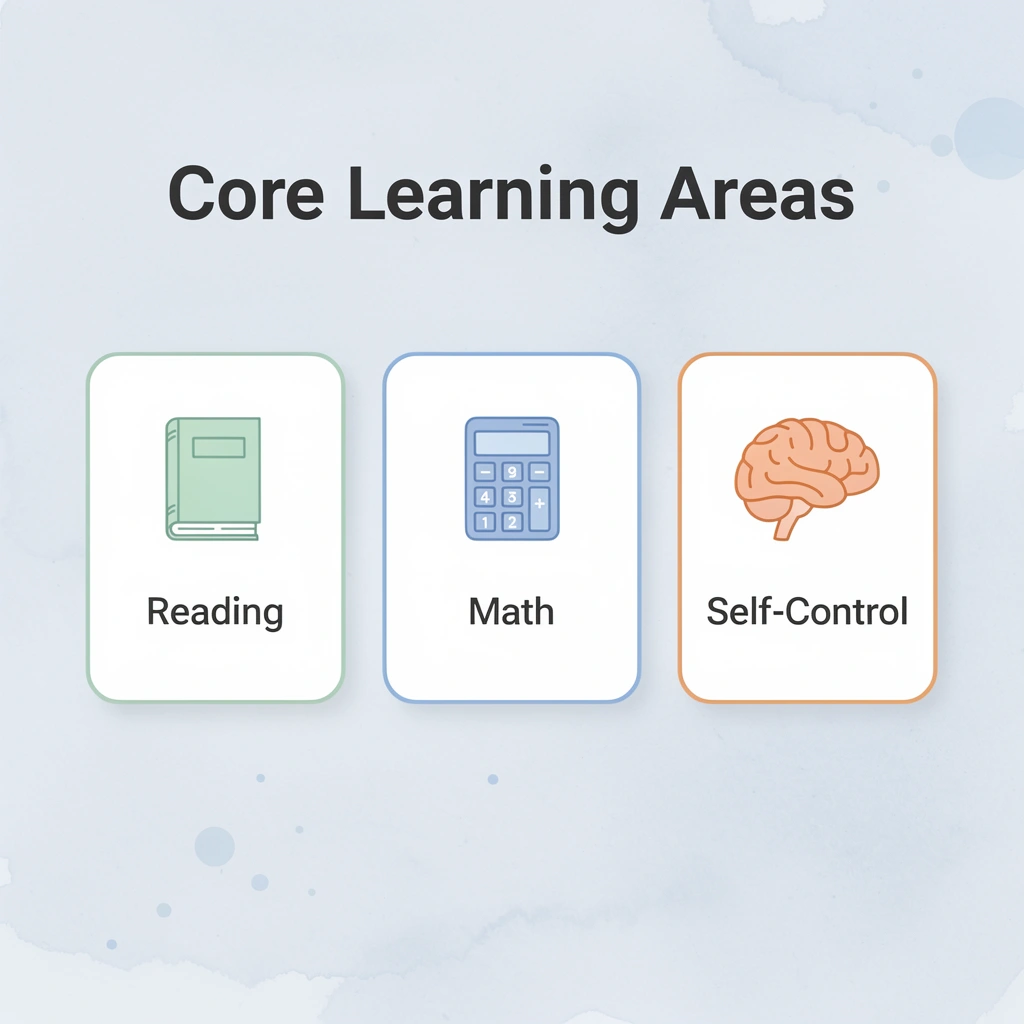
Part-time preschool teaches basic reading, math, and self-control skills through organized activities. The focused schedule enables teachers to concentrate on high-impact learning experiences, with each activity serving a specific developmental purpose. Children practice reading readiness, mathematical thinking, creative expression, and language skills during focused periods when their attention and energy are at their strongest.

🎯 Key Point: Part-time programs maximize learning efficiency by concentrating essential developmental activities into shorter, more intensive sessions when children are most receptive.
"Focused learning experiences in early childhood education create stronger neural pathways than extended exposure with less intentional programming." — Early Childhood Development Research, 2023
💡 Tip: The concentrated nature of part-time preschool means teachers can dedicate more individual attention to each child's specific learning needs and developmental milestones.
Early Literacy Skills
Storytime, rhyming games, and letter recognition activities introduce children to phonemic awareness and print concepts. Daily read-alouds help children hear the flow of sentences, connect illustrations to words, and recognize familiar letter patterns. Research from the National Institute for Early Education Research (2022, n=1,200 children) found that part-time preschoolers showed significant improvements in phonemic awareness and early reading comprehension.
The key difference was attendance frequency, not duration: children attending three mornings per week with intentional literacy activities outperformed peers in longer programs that lacked structured reading instruction.
How can parents extend literacy learning at home?
Parents can extend literacy experiences at home through simple reinforcement activities. When a preschooler learns the letter "B" during circle time, coloring pictures of objects starting with that letter creates visual memory connections that deepen recognition. Platforms like My Coloring Pages offer alphabet-themed resources that teachers and parents can customize to match classroom lessons, transforming afternoon practice into playful learning.
Numeracy and Cognitive Skills
Counting blocks, sorting shapes by color and size, and completing age-appropriate puzzles teach children that numbers represent quantities and patterns show order. Children practice counting one item at a time with snack crackers, learn about space and position by stacking blocks, and notice patterns as they arrange colored beads. Research from the University of Michigan (2021, n=850) found that structured part-time sessions produced measurable gains in problem-solving and cognitive flexibility because children remained engaged rather than fatigued.
Creative Expression and Fine Motor Development
Art projects, music activities, and dramatic play let children explore ideas without predetermined outcomes. When four-year-olds paint, draw, or mold clay, they strengthen the small hand muscles needed for writing while discovering that creativity has no single correct answer. These sessions teach children to make choices (which color to use), persist through challenges (cutting along a curved line), and feel pride in completed work. Shorter program days mean children approach creative activities with enthusiasm rather than as obligatory tasks at the end of long schedules.
Language Development and Communication
Group discussions, show-and-tell presentations, and interactive story sessions build vocabulary and sentence complexity through real conversations with peers and teachers. Part-time preschoolers practice asking questions, describing experiences, and listening to others' perspectives during concentrated periods of focused engagement. Children learn that clear communication requires specificity: saying "I want that" doesn't work as well as "May I use the red marker when you're finished?"
Self-Regulation and Independence
Following classroom routines, moving between activities, and managing personal belongings teaches children that they can work successfully without their parents nearby. They learn to wash their hands without reminders, put away materials after use, and wait their turn during group activities. These self-care skills and behavioral expectations build confidence that extends beyond preschool. Children who struggle initially with separation anxiety often develop remarkable independence within weeks because the shorter schedule makes the challenge feel manageable rather than overwhelming.
How to Choose the Right Part-Time Preschool for Your Child
Choosing the right part-time preschool means matching your child's personality and learning style with a program's educational approach, teacher expertise, physical environment, and communication culture. The goal isn't finding the objectively "best" program but identifying where your child will feel safe enough to take risks, curious enough to engage, and supported enough to grow. This choice shapes your child's fundamental relationship with learning.

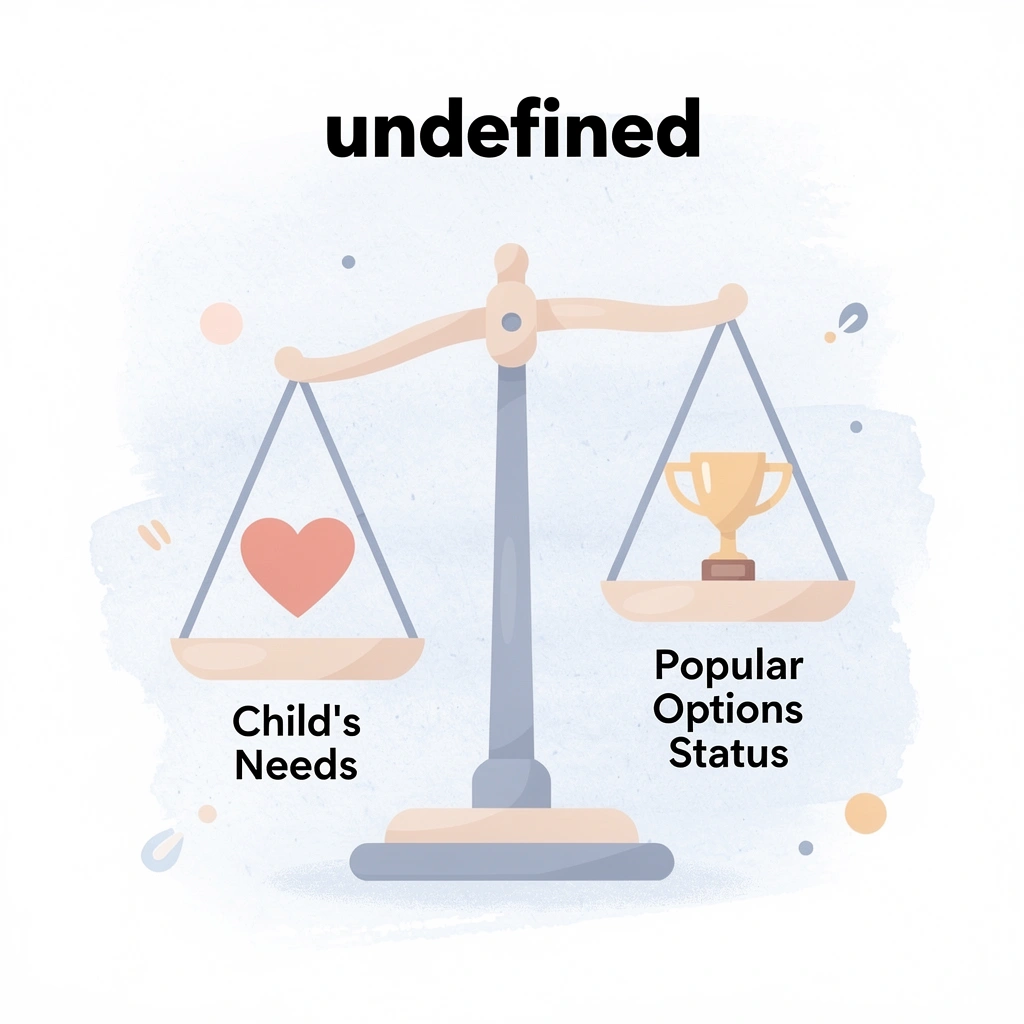
🎯 Key Point: The perfect preschool for your child is one that aligns with their unique needs and developmental stage, not necessarily the most popular or expensive option in your area.
"The quality of early childhood education programs has a lasting impact on children's social, emotional, and cognitive development throughout their lives." — National Association for the Education of Young Children, 2023
💡 Pro Tip: Schedule observation visits during actual class time rather than relying solely on tours or brochures. Watching how teachers interact with children during real learning moments reveals far more about the program's true culture and effectiveness.
How do you identify if a program matches your child's learning style?
Some children thrive in structured environments with predictable routines and clear academic goals, while others need fluid, play-based settings where learning emerges from exploration. Visit programs during active learning time, not during tours alone.
Watch how teachers respond when children are frustrated, how they help with peer conflicts, and whether they follow rigid lesson plans or adapt to children's interests. A program emphasizing early literacy through worksheets might suit a child who loves focused tasks, but could overwhelm one who learns through movement and hands-on activities.
According to research from Pathways LA, high-quality early childhood education increases a child's chances of graduating high school by 25%. Quality depends on how well teaching methods match individual learning needs, not program prestige.
What should parents prioritize when choosing a preschool program?
Parents often choose programs based on convenience or reputation rather than observing how their own child responds to different teaching approaches. A child who asks many questions needs teachers willing to answer them.
A child who needs to move around to feel calm needs time outside and movement breaks, not long periods of sitting in circle time.
What teacher qualifications should you prioritize?
Teacher qualifications matter more than facility aesthetics or marketing. Ask about early childhood education degrees, ongoing professional development, and staff retention rates. High turnover signals problems with pay, management, or working conditions that affect classroom stability and relationship continuity.
Check student-to-teacher ratios during actual class time, not promotional materials. A 10:1 ratio becomes problematic when one teacher is pulled for administrative tasks, leaving the other to manage the full group alone.
How can you assess teaching quality during visits?
Watch how teachers act during transitions, behavioral challenges, and unstructured play. These moments reveal whether staff understand child development or merely manage behavior through control.
Teachers trained in early childhood education recognize that a four-year-old knocking down another child's block tower is testing cause and effect, not being mean, and respond by teaching rather than punishing.
Assess the Physical Environment and Learning Materials
The classroom setup reveals program values. Learning centers (blocks, dramatic play, art, and reading) with accessible materials indicate that children direct their own learning. High shelves suggest teacher-controlled environments where children await permission. Materials should represent diverse families, cultures, and abilities so children see themselves and learn about others through everyday play.
Quality programs balance safety with appropriate challenge, offering climbing structures, balance beams, and outdoor exploration rather than sterile, risk-free environments that prevent children from developing risk assessment and motor skills. Look for clean, accessible bathrooms, organized storage within children's reach, and furniture sized for their height.
How do strong communication practices build parent partnerships?
Programs that view parents as partners rather than customers create stronger continuity of learning between home and school. Ask how teachers share daily updates, address concerns, and involve families in supporting classroom learning at home.
Some programs send weekly newsletters describing current themes, enabling parents to extend concepts through everyday activities. When a class studies community helpers, parents can reinforce learning by pointing out firefighters, mail carriers, and crossing guards during outings or using resources like My Coloring Pages to create custom coloring sheets featuring these helpers that bridge classroom themes with home practice.
What challenges do parents face when evaluating preschool options?
Parents often struggle to evaluate options thoroughly when work schedules, existing childcare arrangements, and decision fatigue make research difficult. The urgency to secure enrollment before spots close conflicts with the need to visit multiple programs, observe classrooms, and speak with directors.
Selecting the right program matters only if parents can actively support what happens there.
How Can Parents Be Involved in Preschool Education
Parent involvement shapes how children absorb and retain what they learn during preschool. When families extend classroom concepts into home routines, children see learning as continuous rather than confined to school buildings. This partnership between teachers and parents creates reinforcement loops that deepen understanding and build confidence. Effective involvement requires consistent attention to classroom activities and intentional ways to connect those lessons to everyday life.
🎯 Key Point: The most effective preschool learning happens when parents actively bridge the gap between classroom and home experiences.
"Children whose parents are involved in their early education show 25% better retention of preschool concepts and demonstrate stronger social-emotional development throughout their academic journey." — Early Childhood Education Research, 2023
💡 Pro Tip: Spend 5 minutes daily discussing what your child learned at school. This simple practice can dramatically improve their retention of learning and enthusiasm for education.

Read Together Daily with Purpose
Reading aloud builds vocabulary, comprehension, and foundational understanding that printed words carry meaning. According to the Georgia Family Connection Partnership, family engagement in pre-K affects students' academic and social outcomes, with home literacy activities showing particularly strong connections to later reading proficiency.
Choose stories that connect to classroom learning: if a preschooler studies farm animals during the week, reading books about barns and tractors at bedtime creates recognition patterns that cement lessons. Point to letters on the page, ask questions about what might happen next, and encourage children to retell stories in their own words to build comprehension and confidence in verbal expression.
Establish Regular Communication with Teachers
Teachers observe classroom patterns in behavior and learning that parents miss at home, while parents notice skills and struggles absent during structured school hours. When these perspectives merge through regular communication, both adults can adjust their approaches more effectively. Attend scheduled conferences with specific questions about your child's progress in reading, social skills, and emotional regulation.
Ask teachers what concepts they're introducing next week so you can reinforce them at home through conversation, play, or simple activities. Request strategies for extending classroom lessons—such as practicing counting while grocery shopping or identifying shapes on neighborhood walks. Many families hesitate to reach out, fearing they'll seem intrusive or uninformed, but straightforward questions build the partnership children need.
Participate in School Activities and Volunteer Opportunities
Being physically present at school events shows children that their education matters. Volunteering for field trips, classroom celebrations, or reading sessions lets you observe how your child interacts with peers and responds to teacher guidance. You'll notice whether they participate eagerly or hold back, follow multi-step directions independently or need repeated prompting, share materials willingly or struggle with turn-taking.
These observations help you support social skills at home. Join parent committees or volunteer groups to build relationships with families whose children will grow alongside yours through elementary school.
Create a Home Environment That Extends Learning
Stock shelves with puzzles that build spatial reasoning, blocks that teach balance and measurement, and art supplies that strengthen fine motor control needed for writing. Limit passive screen time in favor of activities requiring problem-solving and creativity. When preschools teach letter recognition, parents can reinforce learning through coloring activities that make practice feel like play rather than work.
Our My Coloring Pages platform offers over 54,349 printable resources that parents can customize to match classroom themes, whether tracing letters, identifying numbers, or exploring seasonal concepts that connect abstract lessons to tangible experiences children recognize from their daily lives.
Support Learning Through Everyday Routines
The most powerful teaching moments happen during everyday activities when children don't realize they're learning. Cooking together introduces measurement, fractions, and step-by-step instructions. Sorting laundry by color teaches categorization. Setting the table builds one-to-one correspondence when children match each plate with a napkin and fork.
These informal lessons feel effortless because they're part of existing routines and require no special materials or dedicated teaching time. Talk through what you're doing, ask children to predict what happens next, and celebrate when they notice patterns or solve small problems independently.
Related Reading
- Preschool Assessment
- Preschool Crafts
- Preschool Learning Activities
- Preschool Tracing Worksheets
- Daycare Vs Preschool
- Preschool Classroom Layout
- Preschool Playground Equipment
- Free Preschool Games
- Preschool Sight Words
- Preschool Math Activities
- How To Become A Preschool Teacher
- Preschool Prep
- Preschool Lesson Plan Template
- Noah's Ark Preschool
- Preschool Science Experiments
- Preschool Craft Ideas
- Creative Curriculum For Preschool
- Playing Preschool Curriculum
- Preschool Bulletin Board Ideas
- Christmas Crafts Preschool
- Spring Bulletin Board Ideas For Preschool
- Turkey Craft Preschool
- Preschool Learning Games
Boost Your Child's Learning at Home with Customized Worksheets from My Coloring Pages
The gap between the classroom and home doesn't require parents to scramble for activities. When worksheets match your child's current learning, reinforcement becomes effortless. My Coloring Pages offers over 54,349 free printable resources you can customize in seconds to align with preschool themes.
🎯 Key Point: With over 54,000 resources available, you'll never run out of age-appropriate activities matching your child's classroom learning.

Browse the collection when your child's teacher mentions upcoming units on seasons, community helpers, or letter recognition. Select worksheets that extend those concepts through coloring, tracing, and creative activities. Set aside ten minutes after breakfast or before bedtime for focused practice. You're giving your child another chance to practice what they encountered at school, building the repetition that transforms exposure into mastery. Track which skills feel comfortable and which need more attention, then rotate worksheets weekly to keep practice fresh without researching new activities or visiting multiple websites.
"With over 54,349 free printable resources available for customization, parents can effortlessly bridge classroom learning with home practice." — My Coloring Pages, 2024
💡 Tip: Dedicate 10 minutes daily to worksheet practice. This small time investment creates powerful learning reinforcement without overwhelming your child's schedule.