
What Are the Different Styles of Parenting and Which Is the Best?
Styles of Parenting: Learn how diverse approaches build your child's resilience and independence. Discover balanced strategies with My Coloring Pages.


Challenges in parenting often arise when children test limits and boundaries, shaping their emotional intelligence and resilience over time. The parenting styles adopted during these moments can have a lasting impact on a child's ability to handle conflict. Thoughtful strategies allow parents to navigate difficult situations with calm and clarity.
Calm moments created through creative activities can transform tension into opportunities for meaningful connection. Integrating stress-reducing techniques into daily routines makes challenging interactions easier to manage. My Coloring Pages offers valuable tools for fostering communication and creativity, including 21,874+ FREE Coloring Pages.
To put these ideas into practice, our 21,874+ FREE Coloring Pages help you get started right away.
Summary
- Parenting advice can feel contradictory because many strategies are correct in specific contexts, but experts rarely explain when each approach applies or what long-term goal it serves. Validation addresses emotional safety, boundaries teach self-control, and natural consequences build problem-solving capacity. These aren't competing philosophies but complementary tools working toward the same outcome: raising adults who can manage emotions, think independently, and recover from failure. The confusion arises when parents treat situational guidance as universal rules, without understanding the developmental stage or the specific problem each method addresses.
- The four parenting styles (authoritative, permissive, authoritarian, and neglectful) describe observable patterns in how parents balance warmth and structure, not fixed personality types. According to U.S. Census Bureau data, three-quarters of children lived with two married parents as of 2014, while one-quarter lived in single-parent households. These family structures don't determine parenting style, but they affect capacity. A single parent working late shifts might become permissive or neglectful due to exhaustion rather than by choice. Most parents shift between styles based on context, stress levels, and the moment, making intentionality more important than perfect consistency.
- Children develop genuine confidence by mastering challenges independently, not through praise or by having obstacles removed. Authoritative parenting builds this by setting age-appropriate expectations and allowing children to meet them without rescue. Permissive parents often confuse support with intervention, removing obstacles instead of teaching navigation skills. The child feels loved but never develops the competence needed to build lasting confidence. When they encounter challenges parents can't fix, they collapse because they've never practiced problem-solving under pressure or experienced the connection between effort and outcome.
- Effective limits require advance planning, clear explanation, and consistent enforcement across caregiving adults. Making rules on the fly leads to inconsistency because parents decide under pressure with incomplete information. Two adults with different standards create confusion and teach children to seek the permissive parent, which isn't manipulation but rational behavior when the system rewards it. In front of the child, co-parents support each other's decisions, even when they disagree. Later, away from the child, they discuss whether boundaries should be adjusted based on developmental stage or on what's actually working.
- Behavior problems often reflect mismatches between parenting approach and the child's developmental stage or temperament rather than defiance or parental failure. Authoritarian parents typically tighten control, which increases resistance and escalates the cycle until relationships break down. Permissive parents remove structure, which increases chaos and leads to more behavioral issues. Authoritative parents treat behavior as information, asking what need isn't being met, what skill hasn't developed, or what boundary needs clarification, then adjust the system rather than just punishing or excusing the behavior.
- My Coloring Pages' 21,874+ FREE Coloring Pages adapt to different parenting philosophies, allowing families to structure creative time according to their specific goals, whether that's focused completion practice, child-led exploration, or emotional regulation during difficult transitions.
Why Parenting Advice Feels Contradictory, and What’s Missing
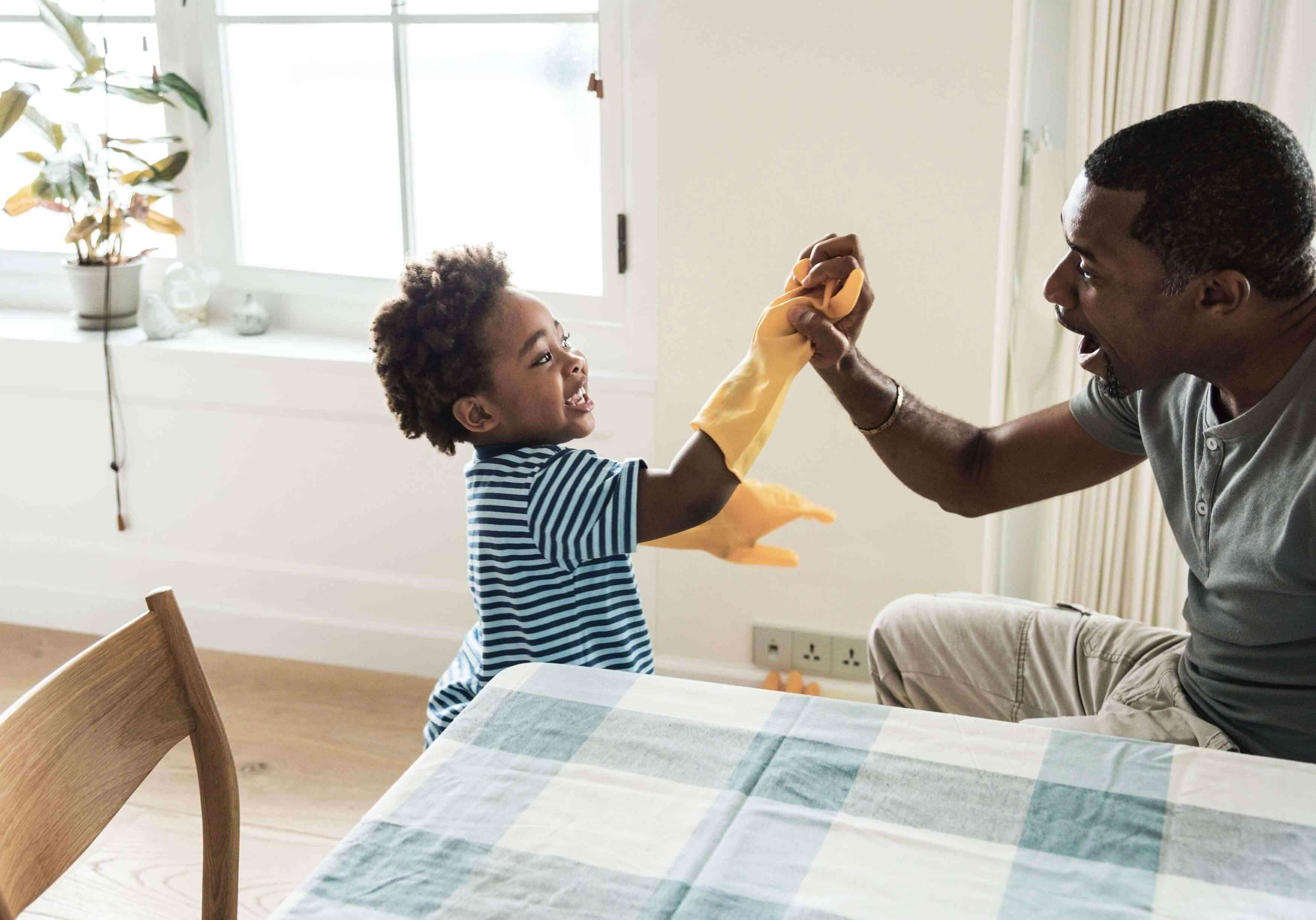
Parenting advice often seems to conflict because much of it is right in its own situation. The problem isn't that experts can't agree on what works; it's that they often don't explain when each method applies or what the main goal is. Without this understanding, every piece of advice seems absolute, leaving parents unsure which guideline takes priority when their four-year-old is having a meltdown in the cereal aisle.
The truth is, parenting isn't just one skill but a mix of decisions made under stress, often with limited information and a loud audience. One expert suggests validating feelings, another insists on setting firm boundaries, and a third recommends letting natural consequences teach the lessons. All three views are right, but they answer different questions.Validation supports emotional safety, boundaries teach respect and self-control, and natural consequences help build problem-solving skills. Confusion arises when these are viewed as opposing ideas rather than as complementary tools that work together toward a shared long-term goal: raising adults who can think for themselves, manage their emotions, and bounce back from failure. For those looking to spark children's creativity during these challenging moments, check out our 21,874+ FREE Coloring Pages for a fun distraction.
When a social worker like Hannah L. Mulholland tells parents that it's okay for kids to feel angry at them, she's not saying that connection or warmth doesn't matter. Instead, she's highlighting a specific issue: the fear of being disliked prevents parents from setting the important limits that their children need. This advice makes more sense when you understand why it’s given. Parenting isn’t just about picking between being loved and being effective; it's about realizing that unconditional love means being there even when your child is upset, because you're the one person who won’t leave them for having strong emotions.
Why is trust important in parenting?
The main problem is that many people miss an important point. The reason your child can safely show anger towards you is that you have built trust through many smaller moments. Advice about setting limits assumes there is a solid connection, while gentle parenting advice believes that consequences still need to be applied. Each expert focuses on only one part of the bigger picture, leaving parents to piece together the pieces without a clear plan.
According to The Peaceful Sleeper's Facebook discussion, this gap is causing real concern. Parents have more information than ever, yet many feel less confident. Although many parenting resources are available, they do not make decision-making easier because they lack a common language and often fail to recognize their own limits.Some methods may work well for bedtime problems but struggle with sibling fights; others may handle tantrums well but do not help encourage independence. You are not failing; you are just managing a complicated situation without a guide.
What is the ultimate goal of parenting?
The missing framework is simpler than it sounds: your job is to prepare a capable adult, not to make childhood perfect. Every decision, whether it is strict or gentle, structured or flexible, should work toward that outcome.Does this choice build resilience or create dependence? Does it teach problem-solving, or does it teach helplessness? Does it account for their developmental stage, or does it require skills they haven't developed yet?
When you look at advice through that lens, contradictions disappear. Letting your child choose when to do homework isn't permissive if the goal is to teach time management and accepting consequences.Setting a firm limit on screen time isn't authoritarian if it protects sleep and creates room for other developmental needs. Allowing distress when they forget their lunch isn't cruel if it builds the memory and responsibility they will need as adults. The method may change, but the direction stays the same.
Why is context crucial in applying parenting advice?
Parents who have the hardest time aren't always the ones following the wrong advice. Instead, they often take situational guidance as a universal rule. For example, they might read that kids need choices, so they provide seventeen options for breakfast and then wonder why mornings feel chaotic.They also hear that kids need limits, so they try to control everything, but can't figure out why their teenager won't talk to them. Both parents got good advice, but neither one understood the context that makes it work.
Platforms like 21,874+ FREE Coloring Pages understand this flexibility. Some families use coloring as a structured quiet time that helps kids focus and finish tasks. Others view it as a way for children to explore their creativity. Still, others see it as a tool for resetting during emotional moments.This resource adapts to each family's parenting style rather than pushing a single approach. Ultimately, it helps you as a parent, not the other way around. The coloring pages work well whether you're authoritative, permissive, or somewhere in between, because you decide how they fit into the capable adult you're raising.
How should parents adapt their approach over time?
The hardest part of parenting isn't choosing between strict and gentle approaches; it's learning to read the moment and adjust. When your child forgets their homework once, you let natural consequences teach them. If they forget it three times in a row, investigate whether something else is happening, as a pattern change can signal deeper issues. You set a boundary; they push back; and you hold firm.
However, when they push back with genuine distress, pause and assess whether the boundary aligns with their current developmental stage. This isn't an inconsistency; it's being responsive. Most advice assumes a static situation, but real parenting happens in motion. Your child's needs shift as they grow. What worked when they were four may not work when they're seven; what builds independence in one child can create anxiety in another.
The framework for preparing capable adults remains the same, but the tactics must change over time. Parents who do well aren't those who found the perfect method; they're the ones who learned to troubleshoot, adapt, and trust their understanding of their unique child in that specific moment.
What context is often overlooked in parenting advice?
That is the unifying context most experts skip. Advice makes sense when you understand what problem it solves, what stage it fits, and what goal it serves. Without that context, one ends up collecting rules that seem to contradict each other, leaving them wondering why none feel quite right.
Recognizing that the framework exists is just the first step; it does not provide guidance on how to use it effectively. This issue is compounded by the fact that experts often disagree on what those styles actually look like in practice.
Related Reading
- Parenting Tips
- Bad Parenting
- Parenting Styles
- Parenting
- Gentle Parenting
- Co-Parenting
- Permissive Parenting
- Parallel Parenting
- Attachment Parenting
- Best Parenting Books
- Parenting Quotes
- Parenting Plan
- Parenting App
- Parenting Advice
The 4 Main Styles of Parenting (and How They Actually Show Up at Home)

Parenting styles aren't just personality tests or labels. They show how people handle rules, discipline, emotional support, and communication. Researchers found that these four dimensions cluster into predictable combinations, which lead to different results in children.
By understanding these patterns, you can see what you're already doing, why some approaches feel right or wrong, and when changing styles supports a child's development more than sticking to one approach. Our 21,874+ FREE Coloring Pages are a great resource for engaging your children creatively and supporting their development.
The four styles, authoritative, permissive, authoritarian, and neglectful, show different mixes of warmth and structure.1. Authoritative Parenting: Structure With Explanation
Authoritative parents have high expectations and are very responsive. Permissive parents are warm but set few limits. Authoritarian parents have strict rules and little emotional understanding.Neglectful parents meet basic needs but are not very involved. None of these styles is pure; people switch between them based on the situation, their current ability, and what that moment requires.
According to research from the US Census Bureau, three-quarters of children lived with two married parents as of 2014, while one-quarter lived in single-parent households. These family structures do not decide parenting style, but they do influence capacity. For example, a single parent who works late shifts might lean toward permissive or neglectful patterns, not by choice, but because they are tired.On the other hand, a two-parent household may take a different approach. One parent may use an authoritative style, while the other may use an authoritarian style. This could confuse the child about which rules are really important. Knowing this framework helps identify these patterns without judgment, allowing parents to make thoughtful changes rather than react.
Authoritative parents set clear expectations and enforce them consistently. They explain the reasons for the rules and listen to their child's perspective. While the parent makes the decisions, the child understands why certain rules are in place.At mealtimes, this can mean letting children help with meal planning, like choosing a side dish or picking dinner one night a week. Parents demonstrate healthy eating habits and discuss their nutritional choices. This teaches the child that their input is valued while adults still guide final decisions.
Children raised in this way tend to develop confidence, emotional regulation, and problem-solving skills. They understand that boundaries are important and make sense, rather than being random. When they express disagreement, their feelings are acknowledged, even if the rules stay the same.This mix of structure and respect builds trust. The child learns that authority figures can be firm but still fair, which helps shape how they manage relationships and institutions later in life.
Authoritative parenting requires significant energy and commitment. Parents can't just say, "because I said so," and expect kids to follow their rules. Instead, they need to talk, explain, and, when necessary, negotiate within the limits they've already set.When parents feel tired or overwhelmed, it can seem impossible to keep being responsive. During these times, they might accidentally use other parenting styles, not because they don't care about their values, but because they are only human. Realizing this change helps parents get back on track when they feel better, rather than feeling guilty about being inconsistent.
2. Permissive Parenting: Connection Without Consequences
Permissive parents focus on emotional closeness and open communication. They are warm and caring, spending a lot of time with their child's feelings, but they usually lack structure. Rules are not strict, discipline is infrequent, and the child often makes choices they are not ready to make.At mealtimes, this might mean preparing separate meals for each child based on their preferences, or allowing unlimited snacking without regard to nutrition. Even though the child feels heard and loved, they do not learn self-regulation or how to handle limits.
Children raised permissively often have strong self-esteem and good social skills because they are treated as equals within the family. However, problems arise when they encounter situations that do not change to suit their preferences. They have difficulty with delayed gratification, impulse control, and accepting authority.These children expect the world to adapt to them, just like their parents did. When reality does not meet their expectations, they often lack the resilience to adapt.
Parents who struggle with co-parenting often see this when one parent becomes the 'fun' parent to balance out the other’s strictness. The child learns to exploit dynamics by playing the parents against each other, going to the lenient parent when they want something, and staying away from the one who enforces rules. This behavior isn’t manipulative; it makes sense because the setup rewards it.The child isn’t broken. Instead, inconsistencies across households create the problem.
3. Authoritarian Parenting: Rules Without Reasoning
Authoritarian parents enforce strict standards with little explanation or flexibility. The child learns obedience through punishment rather than understanding. Rules exist only because the parent says so, and questioning them leads to consequences. At mealtimes, this means the child must finish everything on their plate or eat the same meal as everyone else, without discussing preferences, hunger cues, or the importance of certain foods. Compliance comes from fear, not comprehension.
As a result, these children often behave well in structured environments because they are good at following instructions. They know how to avoid punishment.
However, they have difficulty making independent decisions or handling situations without clear authority. When they become teenagers or adults and face unclear choices, they may either freeze or rebel fiercely. Since they have never practiced decision-making in safe situations, they tend to either cling to external control or reject it entirely.
This style often comes from how the parent was raised or from cultures where respect for authority is very important. It's not cruelty; instead, it's a way of thinking about how children learn discipline and respect. The problem arises in modern settings that value flexibility, critical thinking, and emotional intelligence over blind obedience. As a result, children raised this way might find it difficult in jobs that require collaboration and initiative, or in relationships that require emotional vulnerability and negotiation.
4. Neglectful Parenting: Minimal Engagement
Neglectful parents meet basic needs like food and shelter but provide little emotional support, guidance, or supervision. This lack of support is not always intentional; it can come from mental health struggles, financial stress, or simply feeling overwhelmed by situations. At mealtimes, parents may not plan consistently, leaving the child unsure about when food will be available.This uncertainty can lead the child to focus on scarcity, possibly resulting in overeating when food is present. Such patterns can contribute to weight issues or unhealthy eating habits.
Children in these situations often develop self-sufficiency out of necessity. They learn to take care of themselves because no one else helps. However, this resilience has a price. They struggle with emotional regulation, have difficulty trusting others, and often lack the social skills needed to form healthy relationships. Without consistent guidance, they may turn to inappropriate role models or make risky choices because they do not fully understand the consequences.
How does capacity affect neglectful parenting?
Recognizing neglectful patterns does not mean blaming the parent; it highlights the importance of their ability to care. A parent working multiple jobs to keep the family in a home may not have enough time or energy to provide the emotional support the family needs.Likewise, a parent dealing with depression may want to be involved but find it hard to gather the emotional strength to connect with their child. This approach is not about assigning fault; it focuses on finding ways to support or help that can improve the child's situation.
Recognizing Your Pattern Without the Guilt
Most parents don't consistently stick to one style. They adjust their behavior based on the situation, their stress level, and the needs of each moment. For example, when safety is at risk, they might adopt an authoritarian tone because there's no time to discuss it. On the other hand, when a child is feeling emotional, parents may choose a more permissive style to focus on connecting with their child.When teaching a new skill, they often adopt an authoritative approach, providing structure and explanations. The aim isn't to be consistent for its own sake; rather, it's about being thoughtful in their parenting decisions.
What can coloring activities reveal about parenting styles?
Some families use coloring activities to see different patterns in parenting. Authoritative parents might set aside time for coloring, where the child can choose from 21,874+ FREE Coloring Pages, with clear expectations for focus and completion, while still maintaining freedom within those rules. Permissive parents may allow the child to color anytime, anywhere, without expecting them to finish. Authoritarian parents might give specific pages to color and demand perfection. Neglectful parents might provide supplies but not engage with the child. The activity itself is neutral. How you frame it reveals your approach to structure, autonomy, and connection.
How can parents adjust their styles?
The pattern recognized in oneself isn't a verdict; it's valuable information. If a parent recognizes they are too permissive and their child struggles with boundaries, they can add structure without sacrificing warmth. On the other hand, if authoritarian tendencies are recognized and the child is hesitant to communicate, the parent can practice explaining their reasoning while maintaining control. These styles are not fixed identities; they are tendencies that can be adjusted once they are clearly identified.
Recognizing the pattern and understanding its significance presents different challenges, especially when parents feel exhausted and just focus on getting through the day.
Related Reading
- Tiger Parenting
- ADHD Parenting
- Solo Parenting
- PACE Parenting
- Parenting Research News
- Parenting Hell
- Therapeutic Parenting
- Permissive Parenting Style
- Parenting Styles Psychology
- FAFO Parenting
- Uninvolved Parenting
- Indiana Parenting Time Guidelines
- Authoritarian Parenting Style
- Parenting Classes
- Good Parenting
- Authoritative Parenting Style
- Positive Parenting
- Montessori Parenting
- Snowplow Parenting
How Can I Make Sure My Parenting Style Won’t Mess Up My Child?

It's impossible to guarantee that your child will never struggle; that's not your job. No parenting style makes perfect adults who are immune to failure or disappointment. Instead, focus on building your child's resilience: the ability to bounce back when things go wrong and the skills to solve problems independently. This growth occurs when children practice handling failure in safe situations, rather than when every challenge is avoided.
The fear of "messing up" your child often comes from seeing their results as a sign of your worth as a parent. According to Jean Twenge, a psychology professor, understanding the four main parenting styles helps parents recognize that children's successes or failures belong to the child, not the parent. Those aren't your grades. That's not your college acceptance letter. Your role is to provide tools and limits, not to control every outcome or protect them from natural consequences.
Children learn best when they experience the natural results of their choices within the limits you've set. If your child plays video games instead of studying and does poorly on a test, they learn that time management is important. If you let them stay home "sick" to study more, you've taken away the lesson. The grade itself isn't the main issue. The link between choices and outcomes is what helps them develop judgment.
This approach does not mean leaving your child to sink or swim. It means knowing the difference between consequences that teach and those that can really hurt. For example, forgetting lunch can teach responsibility, while skipping meals often signals a bigger problem that needs help.A single bad grade may teach prioritization, while a pattern of failing in school calls for more attention, not punishment. Understanding the difference between a learning moment and a call for help is really important.
How do parental feelings affect children's outcomes?
Parents who struggle often judge their own worth based on their child's achievements. When the child does well, they feel good about themselves. On the other hand, when a child fails, they often feel they have failed.This emotional entanglement makes it very hard for parents to allow natural consequences to occur. Parents might step in not because the child needs saving, but because they want to feel less anxious about watching their child struggle.
Children build real confidence when they overcome challenges by working hard on their own, not just when you tell them they're special. Authoritative parenting helps by creating age-appropriate expectations and allowing children to meet them independently. You're not doing their science project for them. You're there to answer questions, but the project and the grade are theirs.
What are the risks of permissive and authoritarian parenting?
Permissive parents often mix up support with rescue. They want their child to feel capable, so they remove obstacles instead of teaching the child how to handle them.While the child feels loved, they never build the skills needed for true confidence. When a challenge comes that the parent can't solve, the child struggles because they've never practiced solving problems when it counts.
Authoritarian parents create a different kind of problem. The child may do well under strict supervision because they fear the consequences, but they don't truly learn the standards.They simply follow orders rather than learning to make their own decisions. When the authority figure is not watching, they either feel lost without guidance or push back against the control they have long disliked.
How can children learn emotional regulation?
Your child needs to feel uncomfortable emotions and learn that they can get through them. That's how emotional regulation develops.When your toddler has a meltdown because you cut their sandwich the wrong way, your job isn't to fix the sandwich. It's about staying calm while they feel frustrated, naming the feeling, and recognizing that intense emotions can pass without harming them.
Parents who can't handle their child's distress often raise adults who have trouble with their own emotions. If you rush to comfort every upset, negotiate away every disappointment, or blame external factors for every failure, your child learns that negative emotions are emergencies that need rescuing. As a result, they never learn to sit with discomfort, address it, and keep going.
How do authoritative parents balance warmth and structure?
This is where the balance between warmth and structure matters most. Authoritative parents validate feelings while holding boundaries. For example, they might say, "I know you're angry I won't buy that toy. It's okay to be mad. We're still leaving the store."In this way, the child learns that their emotions are acceptable, but they do not control outcomes. In contrast, permissive parents often give in to stop the tantrum, inadvertently teaching the child that emotional escalation works. Meanwhile, authoritarian parents may punish the feeling itself, making the child believe that emotions are dangerous and must be hidden.
How can parents build independence in children?
Independence is built by gradually widening boundaries as a child demonstrates they can handle more. Consider it like a pasture: you put up a fence, give resources inside it, and let the child explore freely within those limits.Once they demonstrate responsibility, you can move the fence outward. It’s important not to micromanage their movements in the pasture while ensuring they stay safe and don’t wander into traffic.
Many parents find this idea difficult because stepping back can feel like they are abandoning their child. If they’re not directing every choice, how will they know what to do? Children who never make decisions without supervision often grow into adults who can't function without someone else guiding them.
They may end up waiting for someone to tell them what to major in, which job to take, or whether to stay in a relationship. Instead of building independence, they learn to be obedient, losing their own agency.
What are the challenges of adjusting parenting styles?
The transition can feel risky because it really is. Your seven-year-old might pick mismatched clothes, and your teenager might choose friends you wouldn’t pick. However, these small choices help build the decision-making muscle they will need for wider choices later. This process does not mean giving up guidance; rather, it involves shifting from control to consultation, moving from a director to an advisor.
When behavior problems happen, parents often blame either the child or themselves. A better question to consider is whether your current approach aligns with your child's developmental stage and temperament. For example, a rule that worked well at age five might need to be changed by age eight. Likewise, a consequence that motivates one child might completely turn off another.
How do different parenting styles handle behavior problems?
Authoritarian parents often see behavior problems as defiance that needs stricter punishment. They tighten their control, which makes kids push back more and justifies even more control. This cycle worsens until the relationship ultimately breaks.On the other hand, permissive parents view the same behavior as a sign that the child needs more understanding and fewer limits. They weaken the structure, creating more chaos and, as a result, more behavioral problems.
Authoritative parents see behavior as information to analyze. They ask questions like: What need isn't being met? What skill hasn't developed yet?What boundary needs clarification? Instead of just punishing or excusing the behavior, they change the system. This approach doesn’t mean there are no consequences; it ensures those consequences are logically tied to the behavior and offer valuable lessons.
How can parents effectively set limits?
Changing your parenting style is as hard as any behavior change. Parents often struggle because of patterns they learned in their own childhoods, habits built over the years, and instincts that kick in faster than they can think. When a child tests a boundary, the response is often automatic, mirroring what parents experienced when they were young or going to the other extreme.
Reflection is very important. Think about what worked well in your childhood and what caused real problems. If your parents were strict and controlling, you might have become more lenient to avoid making the same mistakes. But being the opposite of one problem isn’t healthy; it’s just a different problem.Finding the middle ground, structure with warmth and explanation with authority, takes effort because it’s not usually the way we naturally act.
What are some practical tools for parents?
Platforms like 21,874+ FREE Coloring Pages offer a simple way to practice balance. Coloring time can be structured as a focused activity with clear completion expectations, or it can be a free creative exploration.It can be a reward for completing homework or a calming tool when feelings run high. This resource aligns with your parenting style rather than telling you what to do, allowing you to try different methods and find what works best for your child.
Parenting workshops, books like How to Talk So Kids Will Listen & Listen So Kids Will Talk, and therapy with someone who understands family systems can all help you spot patterns and practice new options.
The goal isn't perfection; it's awareness. When you see that you're reacting out of fear or making the same mistakes as your parents, you can pause, reset, and choose a response that helps you become the adult you want to be.
How can co-parents align their approach?
Effective limits should be set in advance, clearly communicated, and consistently enforced. Making rules on the fly leads to inconsistency because decisions are made under pressure with incomplete information. Before the school year starts, co-parents should meet to agree on screen time limits, homework expectations, and bedtime routines. When a child tests these boundaries, parents will not be scrambling to figure out what's fair; instead, they will be enforcing an agreement they already made.
This alignment requires coordination among co-parents. When two adults with different standards are involved, it creates confusion and teaches the child to use these differences. The child is not being manipulative; rather, they are acting logically. If one parent allows something that the other forbids, the child will naturally seek out the parent who allows it. This is not a character flaw, but rather a rational behavior in a system that rewards it.
What should parents consider in setting boundaries?
In front of the child, it’s important to support your co-parent’s decision, even if you don’t agree. Later, when you’re away from the child, you can talk about whether the boundary should change. This approach is not just about looking good together; it’s important not to weaken the structure your child needs while you both figure out what that structure should be.
Knowing how to set limits doesn’t give a clear answer for when your child needs space to explore, create, and develop interests that you might not share.
Related Reading
- Helicopter Parenting
- Toxic Parenting Phrases
- Best Parenting Advice
- Authoritative vs Authoritarian Parenting
- Parenting Styles Chart
- Parenting Therapy
- Lighthouse Parenting
- Parenting Memes
- Parenting With Love and Logic
- Parenting Techniques
- Triple P Parenting
- Parenting Agreement
- Bible Verses About Parenting
- Nacho Parenting
- Styles of Parenting
- Elephant Parenting
- Parenting Hacks
- Horizontal Parenting
- Parenting Resources
Spark Creativity While Adjusting Your Parenting Style
Parenting isn't the same for everyone, and neither is playtime. Creative activities work best when they align with your child's developmental stage, your family's values, and the specific skills you want to develop. The same coloring page can be structured learning in one home and open-ended play in another, based on how you present it and what you hope to achieve.
Many parents think that creative time means buying special kits or following set activities. This can work until your child's interests change, your budget tightens, or the activity no longer meets your family's needs.Consequently, you might find drawers full of half-used craft supplies and a child who feels bored before you even open the package. The real challenge is to find activities that can adapt as you change your methods, test new ideas, and respond to your child's immediate needs.
Platforms like 21,874+ FREE Coloring Pages support this by letting you choose from thousands of themed pages or create custom designs that align with your child's current interests, learning goals, or emotional needs. Strict parents use them to create focused, creative time with clear expectations about finishing. More relaxed parents present them as a way for children to explore independently without rules.Parents who are working on emotional control can use them as calming tools during transitions. This resource adapts to your parenting style rather than forcing you into someone else's method, as the pages are flexible based on how you use them. They work because you decide how they help the capable adult you're raising.
Creative activities also give you a chance to practice the parenting changes you're trying to make. If you want to offer more choices within limits, let your child pick the coloring page while setting a timer for focused work. If you're practicing natural consequences, explain that unfinished pages will be put away instead of displayed. If you're promoting independence, allow them to manage their own supplies and clean up without reminders.These small tests during creative time build the muscle memory needed for more serious situations, without the stress of grades or social dynamics, making the lesson more challenging. The key is to match the activity to the skill you're developing, instead of just filling time. Screen-free creative work helps develop focus and patience in ways that passive entertainment cannot. Completing a detailed page teaches perseverance. Choosing colors and designs boosts confidence in decision-making.Working on a page together can build a bond without direct conversation, which is important when your child may not want to talk but will sit next to you and color. You're not just keeping them busy; you're creating chances to repeat the behaviors you want to become automatic.
Download My Coloring Pages today and see how easy it is to make parenting a fun, creative experience that supports your goals, not someone else's idea of how childhood should be.