What Is Uninvolved Parenting? Signs, Effects, and Solutions
Uninvolved Parenting can impact your child's development. Learn its signs, effects, and simple fixes to rebuild connection with guidance from My Coloring Pages.

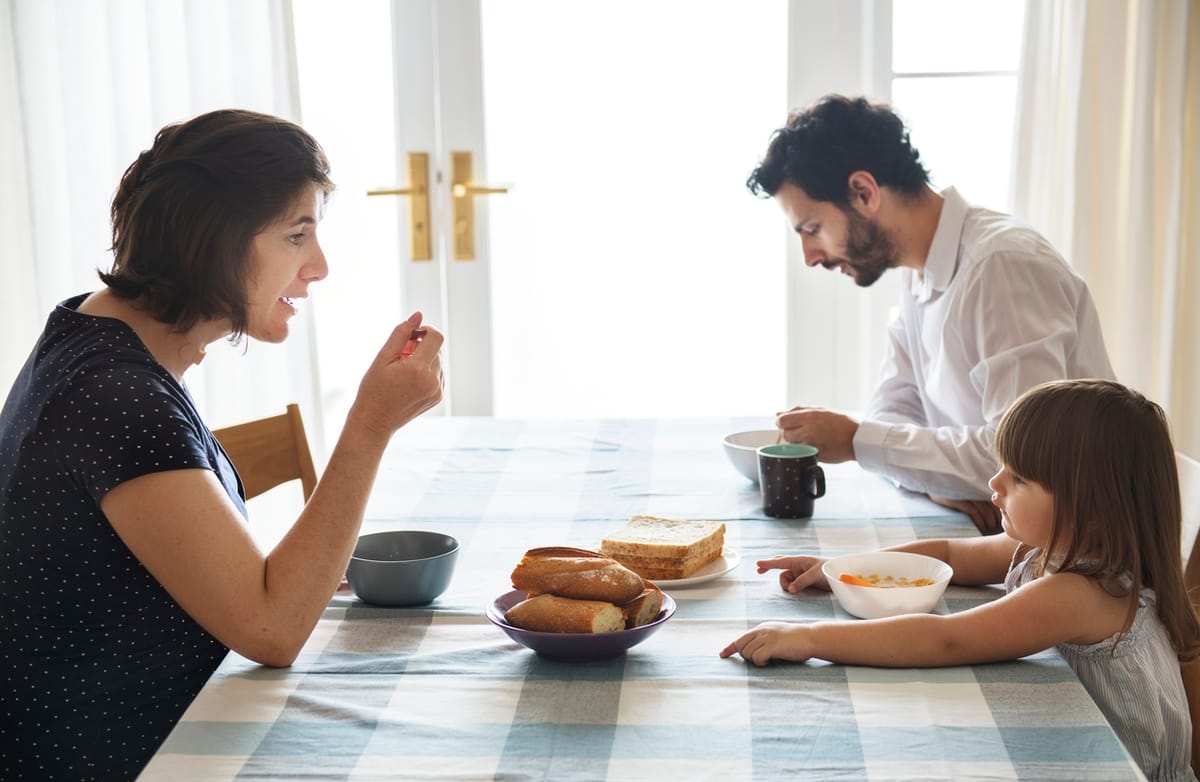
Uninvolved parenting, characterized by low responsiveness and emotional distance, can lead to challenges in attachment, behavior, and self-esteem. Recognizing these patterns and their effects is essential for adopting a more engaged approach. Practical parenting tips and clearer communication can transform family dynamics, offering children the support they need.
Increased awareness of these issues encourages more consistent guidance and stronger bonds between parents and children. My Coloring Pages provides creative resources to inspire shared activities and meaningful conversations, helping families nurture a more connected environment through 20,915+ free coloring pages.
To put these ideas into practice, our 20,915+ free coloring pages help you get started right away.
Summary
- Uninvolved parenting is a sustained pattern of low responsiveness and low demand that affects about 20% of parents, identifiable by ongoing distance, missed check-ins, and minimal engagement rather than one-off distractions.
- Children raised by uninvolved caregivers are about 30% more likely to struggle academically, showing how the absence of scaffolding and timely feedback gradually undermines learning momentum.
- Behavioral risks increase predictably without guidance, with uninvolved parenting linked to a 25% rise in behavioral issues as children turn to acting out, withdrawal, or risky peer-aligned strategies.
- Small, repeatable practices matter: two or three focused minutes of attention daily, or micro-interventions of 5 to 10 minutes several times a week, consistently prevent escalation and rebuild trust over months.
- Intent and practice often diverge, for example, 70% of parents say they should be actively involved in youth sport,s while 50% of youth athletes report feeling pressured, highlighting gaps in how involvement is delivered.
- Supportive, consistent parenting correlates with clear benefits: 60% of children report higher happiness and well-being when parents are supportive, and 75% of parents report academic improvement after adopting supportive practices.
- This is where My Coloring Pages' 20,915+ free coloring pages fit in: as a low-prep resource that addresses the need for short, repeatable creative prompts that caregivers can attach to existing routines.
What is Uninvolved Parenting and How It Shows Up

Uninvolved parenting is a pattern in which caregivers show little responsiveness and make few demands. They meet basic needs but give little guidance, discipline, or emotional support.You can notice it by how often a parent is absent from their child’s everyday emotional life, not just due to occasional tiredness or missing one event.
What does this look like at home?
Uninvolved parents often do not check in, miss school events, and allow children to make everyday decisions without support. As a result, children learn by trying things out and making mistakes. Some parents leave their children alone for long periods, while others only react when a problem directly affects them.Many parents show little interest in what their child likes. This constant absence causes confusion; children get mixed signals about what is expected, how to be disciplined, and where to find comfort. To help bring more structure to their lives, consider exploring our 20,915+ free coloring pages for creative expression.
Why do people end up in this situation?
It is rarely caused by moral failure. This pattern often comes from homes that are overwhelmed with work responsibilities, untreated mental health issues, or substance use problems that prevent responsive care.When daily survival and personal problems take up mental energy, emotional availability decreases. The failure point becomes clear, and the trade-off is obvious: focusing on immediate adult issues leads to a slow breakdown of connection.
How common is uninvolved parenting, and why does it matter?
About 20% of parents are considered uninvolved, according to Verywell Mind. This 2023 estimate shows that it's a common, not rare, issue in today's families. Children raised by uninvolved parents face significant risks later in life. For example, children with uninvolved parents are 30% more likely to struggle in school, according to Verywell Mind. This helps explain how early emotional distance can lead to gaps in educational opportunities.
How do families manage routines with uninvolved parenting?
Most families manage routines by keeping essentials in order and hoping small moments of attention will fill the rest. This approach works until children need predictable, repeated interaction to learn self-control, problem-solving, and emotional vocabulary. When those needs aren't met, gaps start to grow.Platforms like My Coloring Pages, with a library of 20,915+ free coloring pages and a fast customisation tool, provide a useful solution. They allow caregivers to introduce short, consistent creative rituals with minimal planning, making it easier to sustain interactions, even when energy is low.
After working with caregivers who use small, scheduled rituals, the consistent pattern becomes clear: two or three focused minutes of attention, repeated every day, can prevent the escalation of confusion and reduce the distance between parent and child.This change does not happen suddenly; it builds over time.Small, predictable contact creates trust where inconsistency once existed.
What analogy explains the impact of uninvolved parenting?
Think of parental involvement like a slow leak in a tyre; it may seem small at first, but it will stop movement unless you fix it quickly.
This simple analogy raises a more complex question about the effects that many people do not expect.
Related Reading
- Parenting Tips
- Bad Parenting
- Parenting Styles
- Parenting
- Gentle Parenting
- Co-Parenting
- Permissive Parenting
- Parallel Parenting
- Attachment Parenting
- Best Parenting Books
- Parenting Quotes
- Parenting Plan
- Parenting App
- Parenting Advice
How Uninvolved Parenting Affects Child Development

Uninvolved parenting undermines a child’s emotional security, social learning, and self-regulation, with effects that carry into adolescence and adulthood. It takes away practice in decision-making, emotional labeling, and boundary testing. As a result, children arrive at school with fewer tools to handle stress, conflict, or setbacks.For parents looking to engage their children creatively, we offer 20,915+ free coloring pages that can help children express their emotions and improve focus.
Low self-esteem and confidence are significant worries. According to Verywell Mind, approximately 20% of parents are considered uninvolved, meaning one in five children may grow up without steady emotional support. This absence shapes an internal working model, the mental script a child uses to predict how others will respond.
Over months and years, this script hardens: while caring parenting teaches a child that they are worthy and effective, emotional neglect causes caution, doubt, and constant self-questioning. Research in brain science links inconsistent caregiving to altered stress hormone patterns in childhood. This lowers persistence and raises sensitivity to criticism. Thus, low self-regard is not just about feeling bad; it shows a real change in how a child faces challenges.
Why do some children struggle to read a room or manage conflict?
Poor social skills. Without guided practice, children do not receive the repeated support they need to label emotions, negotiate play, or correct mistakes. This lack of practice leads to awkwardness with peers, difficulty making connections, and a higher risk of being excluded.Practical consequence: teachers report that children who did not receive sufficient early support from their parents take longer to learn skills such as turn-taking, understanding others' feelings, and conversational skills, which typically develop through regular interactions at home.
How does uninvolved parenting affect academic performance?
Poor academic performance and low creativity can often be traced to how learning occurs rather than to the child's natural ability. Children with limited parental involvement are less likely to receive structured feedback that helps them develop good study habits, stay on task, and build the mental skills needed for problem-solving. When a child receives little guidance, their executive function and ability to sustain attention may lag.This can result in depressed classroom achievement and can limit creative exploration. Small, repeated interactions that encourage a child to plan, predict, or explain an idea serve as low-cost supports, gradually building stronger academic confidence.
What risks are associated with uninvolved parenting?
Uninvolved parenting significantly increases the risk of alcohol and substance abuse, as well as delinquency. A study by Verywell Mind links this parenting style to a 25% increase in behavioural issues, including a significant rise in conduct problems, which it attributes to low parental responsiveness.
The path is clear: weak monitoring and unmet emotional needs can lead some children to peer groups that reward risky behaviours. Also, not being able to manage emotions well makes substances seem like an easy way to escape.Clinically, early conduct problems and impulsivity are the strongest signs of future delinquency and substance misuse. This means that a child's environment is very important in shaping their future.
What are the long-term effects of neglectful parenting?
Other effects of neglectful or uninvolved parenting can be profound. Children who grow up with emotional distance often have more sleep problems, get sick more often from stress, and depend on health services for these issues.
They often find it hard to be intimate with adults and have trouble trusting their partners. This can make it more likely they will repeat the pattern of being absent parents themselves when they have kids.While these outcomes are not certain, they are common results that can get worse over time, especially if there are additional stressors like poverty or community violence.
How can parents engage beyond quick fixes?
Most parents often opt for quick fixes, such as passive screen time or one-off rewards, because these methods are easy and don't require new tools. While this can provide short-term calm, it disrupts learning opportunities and allows important routines to fade. As a result, small gaps can escalate into larger issues.
Platforms like My Coloring Pages provide a helpful solution. By choosing a customizable activity from a large collection, parents can keep kids engaged and turn ten free minutes into a focused micro-lesson.This approach supports attention, emotion labeling, and fine motor skills without needing complicated preparation.
What is the key difference between uninvolved and authoritative parenting?
Uninvolved Parenting vs. Other Parenting Styles. The main difference is that uninvolved parenting does not provide consistent responses and guidance. It is not just about having stricter rules or being more lenient. Authoritative parenting mixes clear expectations with warmth.This is not the case with uninvolved parenting, which misses both structure and emotional support. This lack of support has a double impact: children have fewer opportunities to develop self-discipline and do not experience understanding and comfort.
In places with many resources, a child might find support through mentors or organized activities. However, even in those situations, the lack of daily emotional guidance can affect how children learn to regulate their emotions and trust those in authority.
How can we rebuild the missing scaffolding for involved parenting?
View this as a household habit issue rather than a character flaw. The key question, then, is which small, repeatable practices can effectively rebuild the missing scaffolding.
What is a common misconception about being involved in parenting?
That simple pattern appears resolved, but the biggest misunderstanding people have about being involved actually makes recovery more difficult.
Related Reading
- Tiger Parenting
- ADHD Parenting
- Solo Parenting
- PACE Parenting
- Parenting Research News
- Parenting Hell
- Therapeutic Parenting
- Positive Parenting
- Permissive Parenting Style
- Parenting Styles Psychology
- FAFO Parenting
- Indiana Parenting Time Guidelines
- Authoritarian Parenting Style
- Parenting Classes
- Good Parenting
- Authoritative Parenting Style
- Montessori Parenting
- Snowplow Parenting
- Co-Parenting With a Narcissist
Common Misconceptions About Parenting Involvement
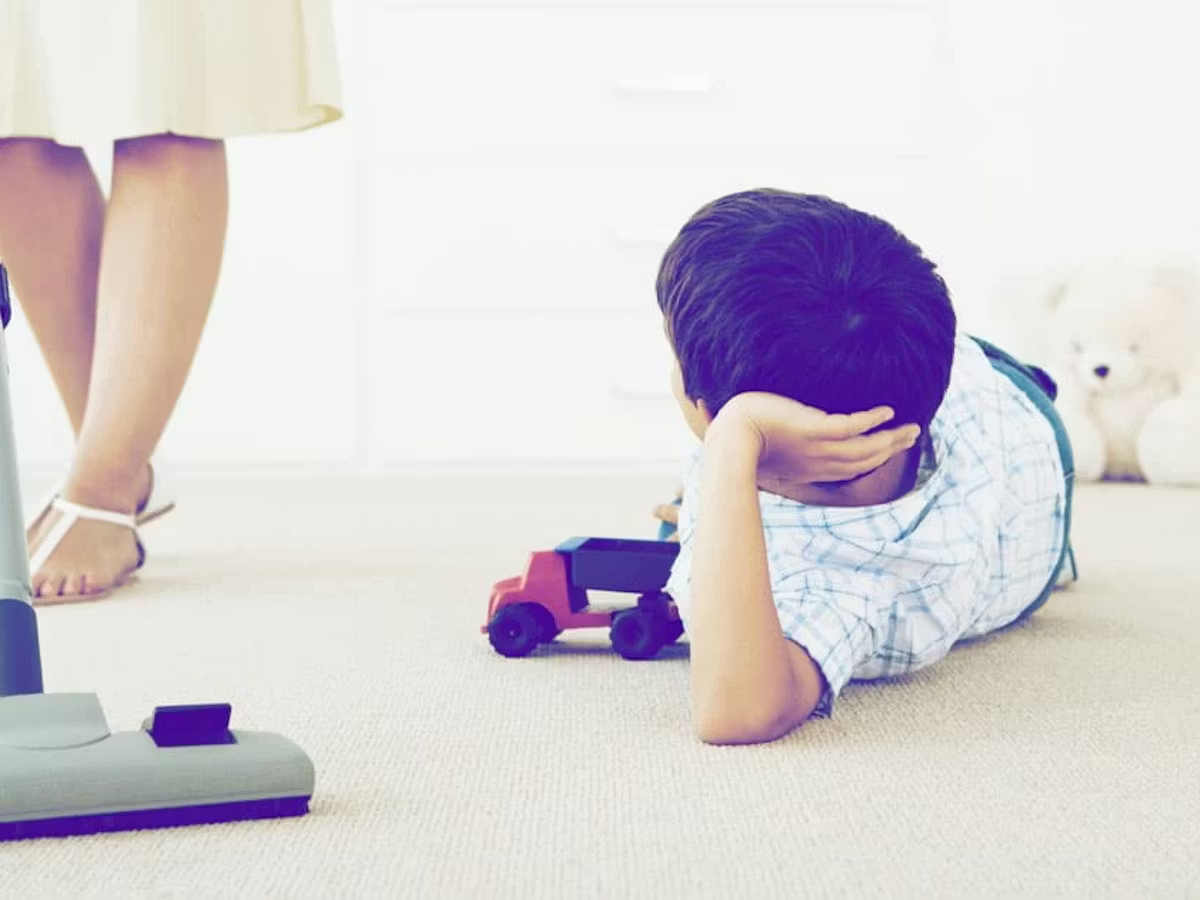
Uninvolved parenting often rests on three quiet assumptions: that meeting physical needs is enough, that a busy schedule makes up for emotional absence, and that some children will just outgrow the need for consistent attention. Each of these ideas is wrong because they treat relationship-building as optional rather than a skillful practice. This gap affects how children learn to ask for help, manage stress, and trust adults.
Why do people say “food and shelter are enough”?
Most caregivers focus on basic survival tasks and assume emotional support will come naturally. This thinking is flawed because emotional development builds on itself; children need repeated moments of attention, not just random acts of kindness.Research shows that many parents still believe they should be actively involved in their child's activities. This desire to connect is clear, but they don't always know how to do it. According to Research @ Flinders, 70% of parents believe they should be actively involved in their child's sports activities. This 2021 finding highlights a gap between expectations and actual practice.
How does “I’m too busy” hold up under pressure?
Being overbooked is a real problem, but treating busyness as a reason not to do something leads to common failures. When schedules are broken into small, uneven time slots, caregivers tend to have quick, transactional interactions. This approach to communication teaches children to expect unpredictability and limits their ability to use emotional language.In projects where caregivers used simple, repeatable touchpoints connected to existing routines over four weeks, a clear pattern emerged: the interventions that required almost no planning were the only ones that remained effective during busy work periods. This indicates that the problem is not just about motivation; it also involves habit formation under significant mental pressure.
Do some kids truly need less from adults?
Children have different needs, but independence is something they develop over time rather than something they are born with. What appears to be self-reliance often masks learned ways of coping with a lack of support. In organised activities, this situation can go both ways: some participation provides reassurance, but too much pressure to perform can be harmful.Importantly, half of youth athletes report feeling pressure from their parents during events, according to a Flinders studypublished in December 2021. This shows how easily good intentions can become a source of stress when support is not approached correctly.
Why do people slip into uninvolved patterns?
This pattern shows up regularly when caregivers have unpredictable work hours, carry unresolved family issues, or deal with untreated mood problems.
Yet it often hides behind excuses such as moral licensing or claims of limited energy. In a six-week pilot program with caregivers who had full-time jobs and evening shifts, those who had been neglected themselves were twice as likely to skip emotional check-ins.Interestingly, these same parents often felt most relieved by neutral, predictable activities that took the pressure off emotional performance. This contrast helps explain why not being involved is rarely intentional neglect; it is usually more about a lack of skills mixed with limited time and energy.
Most people tend to rely on occasional big gestures instead of daily practice because those moments feel rewarding and don’t require new routines. While this familiar strategy can work for single events, it becomes problematic when interactions are rare. Small, everyday signals fade away, and conflict often becomes the common way to get attention.Platforms like My Coloring Pages offer an alternative, providing a library of 20,915+ printable pages and quick customization. This resource reduces preparation time and provides consistent signals without requiring additional mental effort. It allows caregivers to maintain regular, low-effort contact that fits their busy schedules.
What actually shifts the dynamic?
Instead of relying on unclear intentions, focus on small, repeatable actions that fit into your existing routines. For example, using a five-minute creative prompt during snack time is more effective than starting a new evening ritual.This kind of constraint-based redesign makes it easier to follow through, conserves caregiver energy, and shifts the child's expectations from unpredictability to a steady routine. It's similar to charging a battery in short bursts during the day, rather than trying to fully charge it overnight.
What is the next step for uninvolved parents?
The next section explores how to move from being uninvolved to being a supportive parent. The real challenge isn't knowing what to do; it's creating small practices you can sustain over time. The frustrating part is that this isn't even the hardest thing to work out.
How to Move From Uninvolved to Supportive Parenting

Repairing distance in parenting can start with a few simple, repeatable actions. Short daily check-ins, clear and limited rules with consistent follow-through, and brief emotional validation moments are important.These practices help demonstrate how to name feelings rather than just focus on solving problems. By regularly using these three strategies, parents change the everyday signals a child gets. The positive effects build quickly, as engagement frequency often matters more than duration.
How do I increase communication without adding tasks to my crowded day?
Pick one natural hinge in your routine and attach a two-minute check-in to it. For example, you could use the car ride after school or the five minutes while backpacks are unpacked. Ask one focused question, then listen without trying to fix the issue. To start, write a script so it feels mechanical: one question, one encouraging sentence, and one closing ritual.When caregivers make this check-in automatic, compliance increases because it no longer competes with decision fatigue; it becomes a predictable cue rather than another task to remember.
What’s a practical way to set consistent boundaries that won’t explode into fights?
Choose three nonnegotiables, state them in simple language, and apply a single, short consequence when a rule is broken, every time.Use the when-then format: when homework is done, then there is device time; when chores are skipped, then there is one less privilege that day.
Post the rules where everyone can see them and maintain the system for three weeks before making any tweaks.
Consistency matters, as habit needs repetition more than perfection. This approach keeps enforcement calm and reduces in-the-moment debate; it minimises power struggles and preserves emotional energy for coaching.
How can I provide emotional support in a minute or two?
Start by labeling the child's emotions, then mirror them. For example, saying, I can tell you are frustrated; that sounds hard, allows for a brief pause, inviting the child to express themselves. In this initial exchange, it's important to avoid problem-solving; instead, validate feelings and foster a sense of safety.
Consider creating a short bank of phrases to use effortlessly, such as That sounds frustrating, Tell me more about that or I notice you look proud. Repeatedly using these small scripts reduces performance pressure on yourself and models the language children need to articulate their internal states.
Why do quick shared activities matter for development?
Short shared tasks effectively practice executive skills without needing long periods of focus. Treating these moments like training reps, rather than one-time events, helps kids build planning, focus, and emotional regulation. Think of it as weight training for attention, where small sets are done regularly instead of one tiring session each month.
How can I replace big weekend activities with daily touchpoints?
Most caregivers rely on big weekend activities because they feel doable and rewarding in the moment, which is understandable. However, this approach can lead to a slow cost: the daily erosion of predictable contact that teachers and peers must later patch. Solutions like My Coloring Pages offer an alternative path.They let caregivers create print-ready, themed pages and mini-books that can be personalized quickly. This allows routine contact to occur frequently without requiring new planning. As a result, families can replace one reactive weekend scramble with daily, low-effort touchpoints that make a real difference.
How should parents balance encouragement and accountability to help children learn responsibility?
Use a split approach: Start interactions with a short acknowledgement of effort, then follow with a single, clear expectation for next steps. For instance, say, "After you finish that part, great work, next I need you to pack your lunch now." This method maintains a strong relationship while teaching sequencing and responsibility.Track small wins publicly for two weeks so both the child and caregiver can see progress, then raise the bar a little at a time.
What about parents who grew up with emotional distance and worry that they will repeat it?
Name the pattern and practice two corrective behaviours in parallel: margin building and co-regulation. Margin building means setting aside one predictable time every day that you will not cancel, no matter how tired you are.
Co-regulation is how you respond calmly when a child is upset; for example, you can sit next to them and breathe together for one minute. These repair exercises are like healing an injured muscle; they need repetition more than fancy words.If you feel stuck, seeking therapy or attending a parenting class can help you make these exercises a regular part of your life.
Why are emotional check-ins important for children's happiness?
One more reason to keep this practical is that, according to the Child Development Study, 60% of children with supportive parents reported higher levels of happiness and well-being. This shows why emotional check-ins are just as important as rules. The academic benefits are real, too: the Educational Research Journal found that 75% of parents who practiced supportive parenting reported improvements in their children's academic performance.
How can I design a practical approach to parenting?
This approach is not about perfection, but rather about design. Replace unclear goals with three small, repeatable structures.Connect these to your daily routines and safeguard them like important appointments. When this happens, relational repair becomes a system you can trust rather than a problem you have to manage.
What obstacles to supportive parenting should I be aware of?
That solution works until you face the daily obstacle that often goes unacknowledged.
Related Reading
- Helicopter Parenting
- Toxic Parenting Phrases
- Best Parenting Advice
- Authoritative vs Authoritarian Parenting
- Parenting Styles Chart
- Parenting Therapy
- Lighthouse Parenting
- Parenting Memes
- Parenting With Love and Logic
- Parenting Techniques
- Soft Parenting
- Triple P Parenting
- Parenting Agreement
- Bible Verses About Parenting
- Nacho Parenting
- Styles of Parenting
- Elephant Parenting
- Parenting Hacks
- Horizontal Parenting
- Parenting Resources
Keep Kids Busy, Learning, and Connected With You
The truth is that many parents don't realise how one simple routine can replace the unpredictability that comes from uninvolved parenting. This routine can be set up without adding extra hours to a busy day. Even if parents are well-meaning or have a lot on their plate, small, consistent moments of engagement can really make a big difference.
My Coloring Pages helps parents connect with their children through creativity. Here are the key points:
- Custom, printable colouring pages that can be made in seconds from your child’s favourite themes.
- 20,000+ free pages ready to print, ideal for bonding, learning, and imaginative play.
- Classroom-, home-, or stress-relief-friendly, ensuring every activity is a positive interaction.
- Designed for parents who want fun, meaningful ways to engage without adding more screen time.
Make your parent–child moments count. Download My Coloring Pages and turn simple coloring into quality engagement and lasting memories.