14 Free Coloring Websites for Kids for Screen-Free Fun
Discover 14 free coloring websites for kids to inspire creativity. Easily print beautiful pages for hours of healthy, screen-free fun.


Kids get bored fast, and parents juggle screens, schoolwork, and quiet time. You need simple ways for children to practice letters, build fine motor skills, and enjoy art without another app. Want coloring activities that feel fresh, teach something, and actually keep little hands busy? This article shows how free fun websites for kids can help your kids stay happily engaged with creative, screen-free activities that support learning while giving parents peace of mind.
My Coloring Pages' collection of over 10,000 free coloring pages and printable coloring sheets organizes art activities by age and topic so that you can find educational coloring, themed printables, and fun kids' coloring pages in seconds.
Summary
- Coloring is a high-impact motor practice; one study reported that 85% of children who engage in coloring activities showed improved fine motor skills, translating into easier handwriting, neater cutting, and faster progress on dressing tasks.
- Short, predictable coloring breaks calm children and boosts attention, with research indicating up to a 30% increase in focus when coloring is used before transitions, especially when paired with simple prompts and brief reflection.
- Swapping passive screen time for active practice matters, because a focused 10 to 20 minute coloring session provides repeated hand-eye coordination exercises that build control the way pushups build arm strength.
- Supply and demand shifted rapidly during the pandemic, with a reported 50% increase in online coloring activity and over 100,000 free pages available. Yet, many caregivers still turn a 15-minute prep task into an hour-long hunt without centralized organization.
- Match the page complexity to readiness: toddlers need bold, large shapes, early elementary benefits from 10 to 20 minute practice pages, and less than five minutes of engagement twice in a row signals the difficulty or theme is off.
- Run short tests and organize resources into small packs to iterate faster, for example three-day micro-experiments tracking minutes engaged and completed versus abandoned pages, and use 6 to 12 page rotation packs since over 60% of adults report coloring as relaxing. The average adult coloring book has about 50 pages.
This is where My Coloring Pages fits in, since its 10,000+ free coloring pages address the need for quickly accessible, age-appropriate, printable activities that support focused 10 to 20 minute practice and reduce prep time.
Why Coloring Pages are Fantastic for Kids’ Development
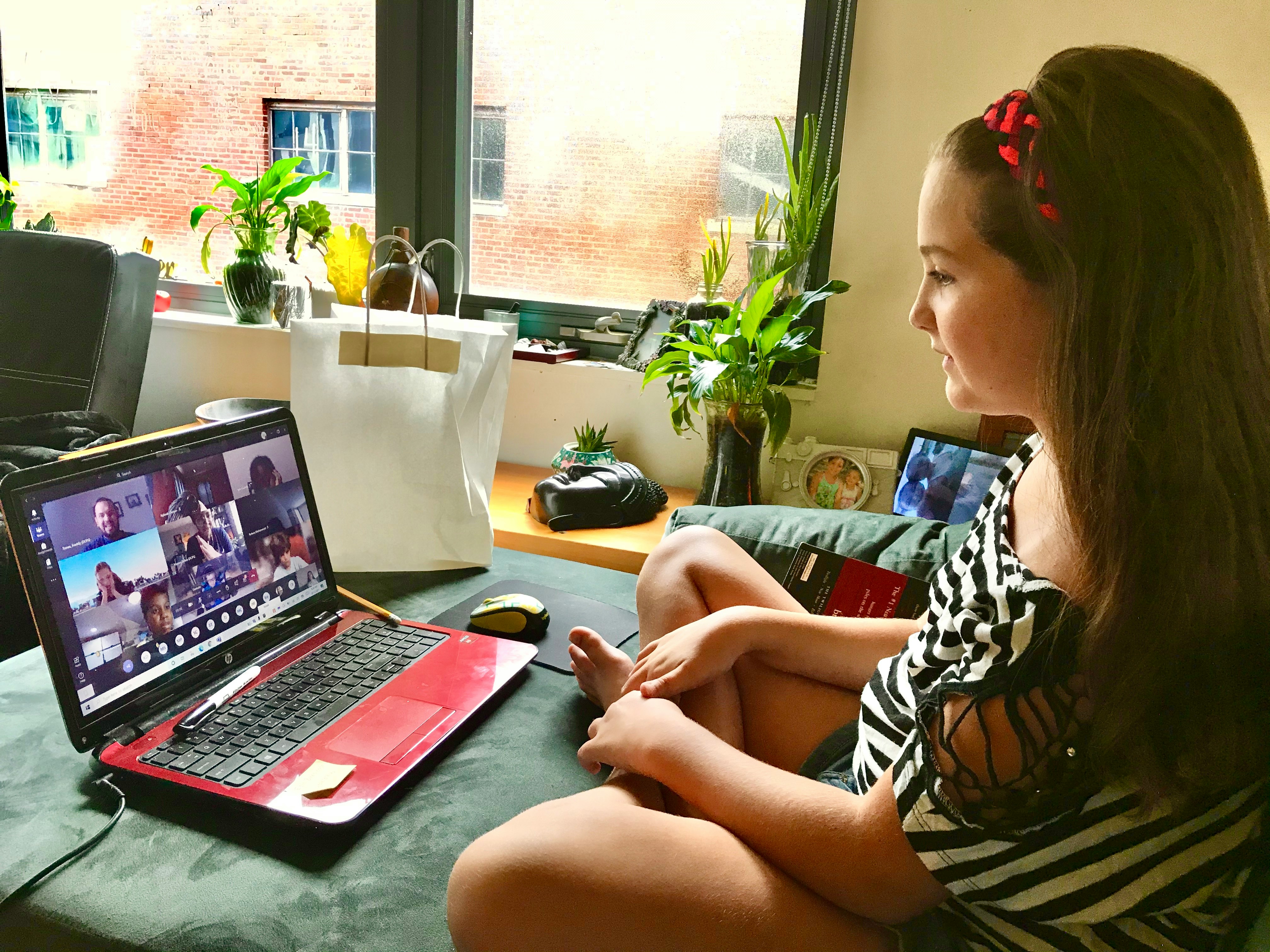
Coloring pages are a simple, high-impact tool you can use now to strengthen your child’s focus, creativity, and fine motor control, while providing a calm, low-pressure space to practice early learning. They produce measurable outcomes you can see at home or in class: steadier hands, longer attention on a task, clearer emotional expression, and easier transitions between activities.
Why Does Hands-On Coloring Matter More Than Another Passive Activity?
The familiar habit is handing a device over and hoping for quiet. That works in the short term, but it does nothing to train the hand, the eye, or the impulse to finish a task. When you swap a screen hour for a 10 to 20 minute coloring session, you trade passive consumption for active practice, and those tiny repetitions build coordination the same way pushups build arm strength.
How Does Coloring Actually Build Fine Motor Skills?
This pattern appears across preschool and early elementary classrooms. Children who spend regular time holding crayons, tracing shapes, and staying inside outlines gain practical control over pencils and scissors.
Research from Monkey Pen Blog shows that 85% of children who engage in coloring activities demonstrate improved fine motor skills, which translate into easier handwriting, neater cutting, and faster progress in dressing skills. Think of coloring as a gym for the small muscles in the hand, a place to rehearse the grip and pressure control they will use every school day.
Can Coloring Improve Focus and Support Emotional Regulation?
When teachers introduce short, predictable coloring breaks before transitions, the room calms and kids settle faster; this is not theory, it is an observed pattern in classrooms that structure brief creative pauses. Monkey Pen Blog reports that coloring can increase focus and concentration in children by up to 30%, a boost you can leverage by pairing a simple prompt, like “color only the animals,” with a two-minute reflection afterward.
Freeform coloring serves a different emotional role, allowing a child to express worry or excitement through color choices without the pressure of getting a “right” answer.
Streamlining Lesson Prep: From Fragmented Files to Instant Generation
Most parents and teachers prepare worksheets by piecing together offline resources because it feels familiar and inexpensive. That approach is serviceable at first, but as lessons, themes, and individual needs grow, prep fragments into dozens of mismatched files, saved searches, and last-minute print runs, wasting time and reducing print quality.
Platforms like My Coloring Pages, with innovative customization and a 100,000+ curated library, enable teams to generate print-ready pages in seconds, reducing prep time from minutes of hunting to seconds of generation while keeping pages consistent and classroom-ready.
How Do Coloring Pages Introduce Academic Concepts Without Feeling Like Schoolwork?
Coloring pages let you scaffold learning without lecturing. Start with labeled pictures to reinforce vocabulary, then move to fill-in-the-number color-by-number sheets to practice counting, and finally ask a child to invent a short caption for their page to extend literacy.
When used as a micro-lesson, these printable activities become multisensory anchors for retention, turning a single sheet into a layered learning experience that combines motor practice, pattern recognition, and language.
What Makes a Coloring Session Actually Productive Rather Than Just Busywork?
If the child is overstimulated, choose a single-color palette and open-ended prompts; if the goal is skill practice, pick pages with smaller shapes and a timer for focused repetition.
Alternate 10-minute guided prompts with longer free sessions to honor both instruction and self-expression. And when possible, pair a printed page with a quick, specific goal, for example, “stay inside the lines on the wings,” so effort maps to a visible achievement.
From Novelty to Necessity: The Efficiency of Routine Coloring
Coloring is simple, but people treat it as optional when it should be routine; the gap between what’s familiar and what scales well is where you waste time and patience. That’s where tools that make pages customizable and printable in seconds shift from novelty to reclaiming minutes that add up to teaching moments.
That quiet 10-minute habit changes afternoon meltdowns, handwriting practice, and vocabulary all at once, and you will notice which piece is most complex to fix next.
Related Reading
- Fun Websites for Kids
- Free Drawing Websites for Kids
- Coloring Websites for Kids
- Educational Websites for Kids
- Coloring Pages Websites for Kids
- Learning Websites for Kids
14 Free Coloring Websites for Kids
1. My Coloring Pages
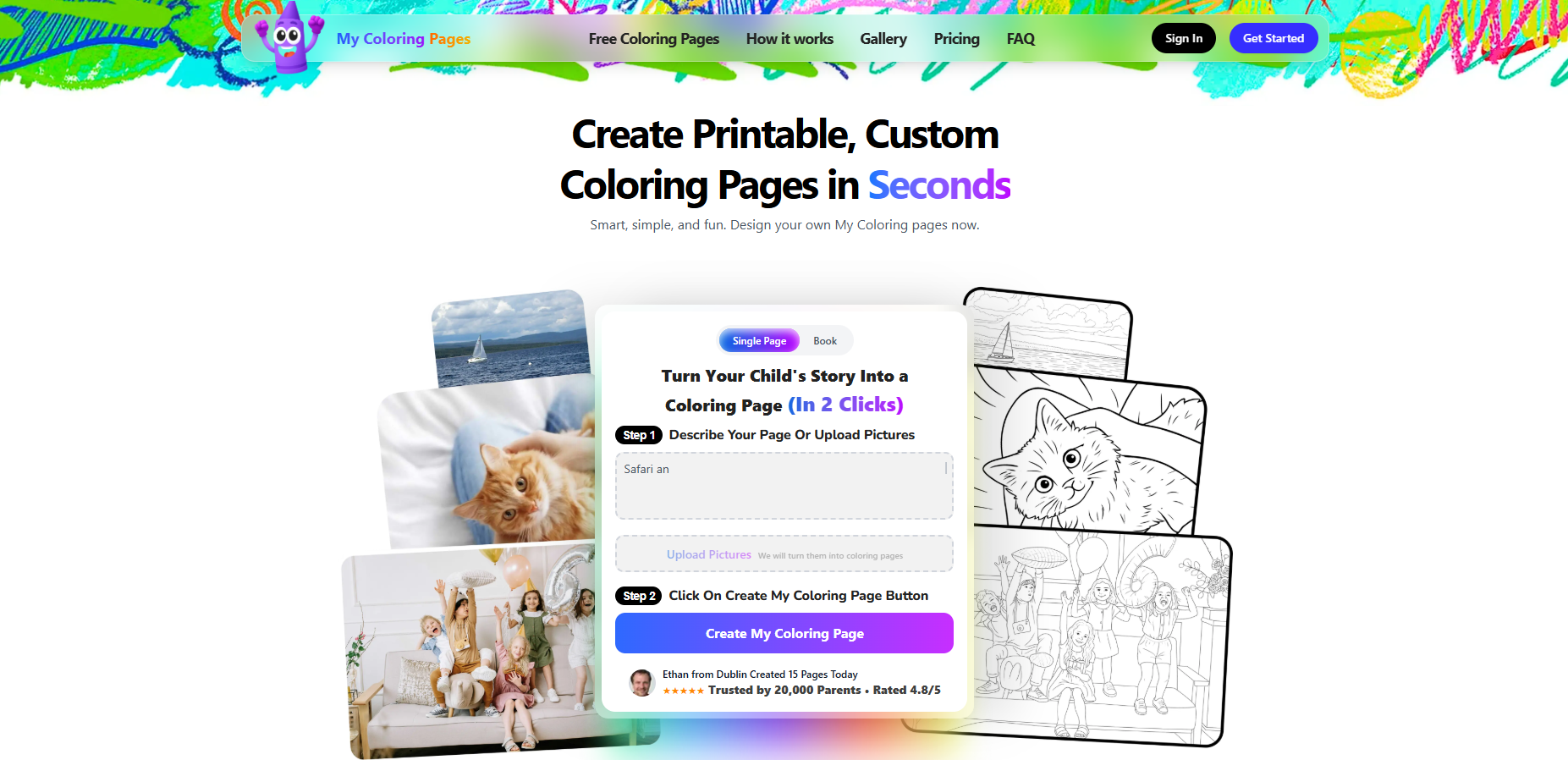
A parent-built platform that generates custom, printable coloring pages from text or uploaded photos and offers an extensive community library.
What it offers:
- Instant custom sheet creation, personalized coloring books, and a browsable library of 10,000+ community pages.
Best for:
- Toddlers through adults, with quick tools for teachers and caregivers.
Why kids love it:
- Turning a child’s drawing or story into a print-ready page feels magical and personal.
Standouts:
- Fast customization, high print quality, book-building for keepsakes, and simple classroom-ready outputs trusted by many caregivers.
2. Supercoloring.com
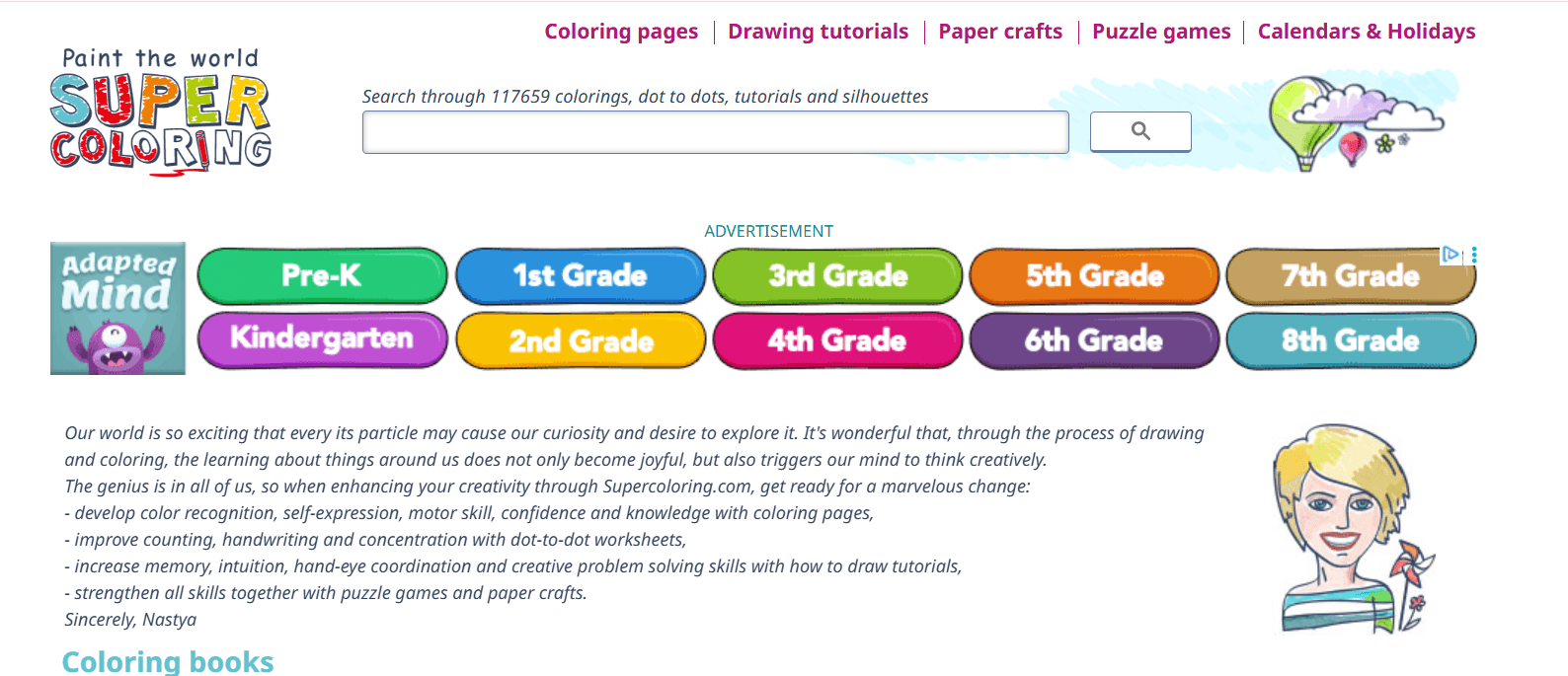
A massive free library organized by theme and difficulty.
What it offers:
- Thousands of pages, including more than 7,000 mammal images, dinosaur, flower, and transport categories, plus worksheets and crafts.
Best for:
- Preschoolers through older children and adults who want variety.
Why kids love it:
- Clear, recognizable subjects and themed sets make series-style coloring fun, like collecting matching animal sheets.
Standouts:
- Strong categorization, printable high-resolution outlines, difficulty filters, and extra activities such as drawing tutorials and puzzles.
3. Crayola.com
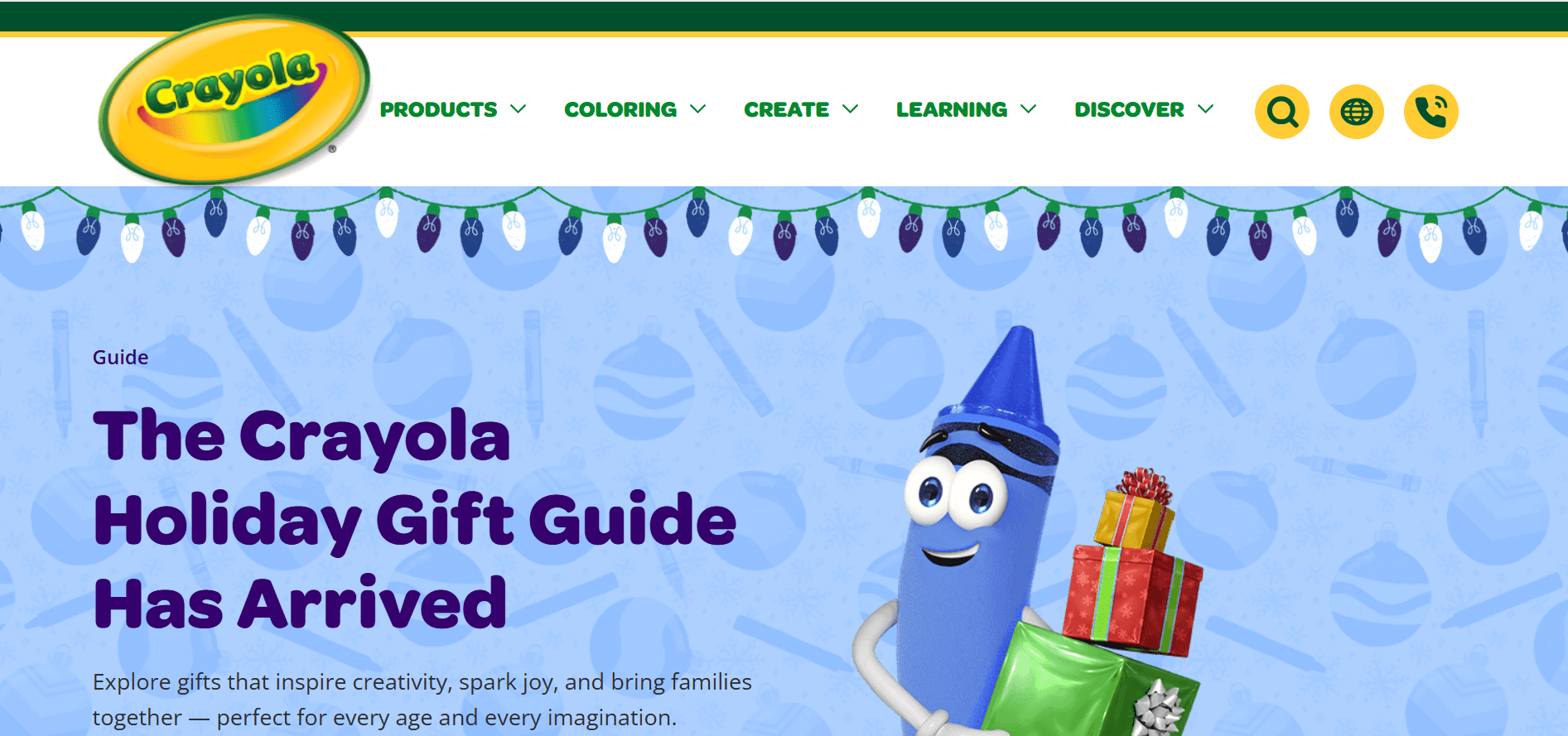
The classic arts-and-crafts brand offering free printable content.
What it offers:
- Seasonal pages, franchise character sheets, nature and animal themes, plus craft project ideas.
Best for:
- Preschool- and early-elementary-aged children who enjoy familiar characters.
Why kids love it:
- Branded characters and seasonal surprises keep engagement high around holidays and school events.
Standouts:
- Mobile-friendly prints, project instructions that pair with coloring pages, and reliable, kid-friendly formatting.
4. ColorPageAI
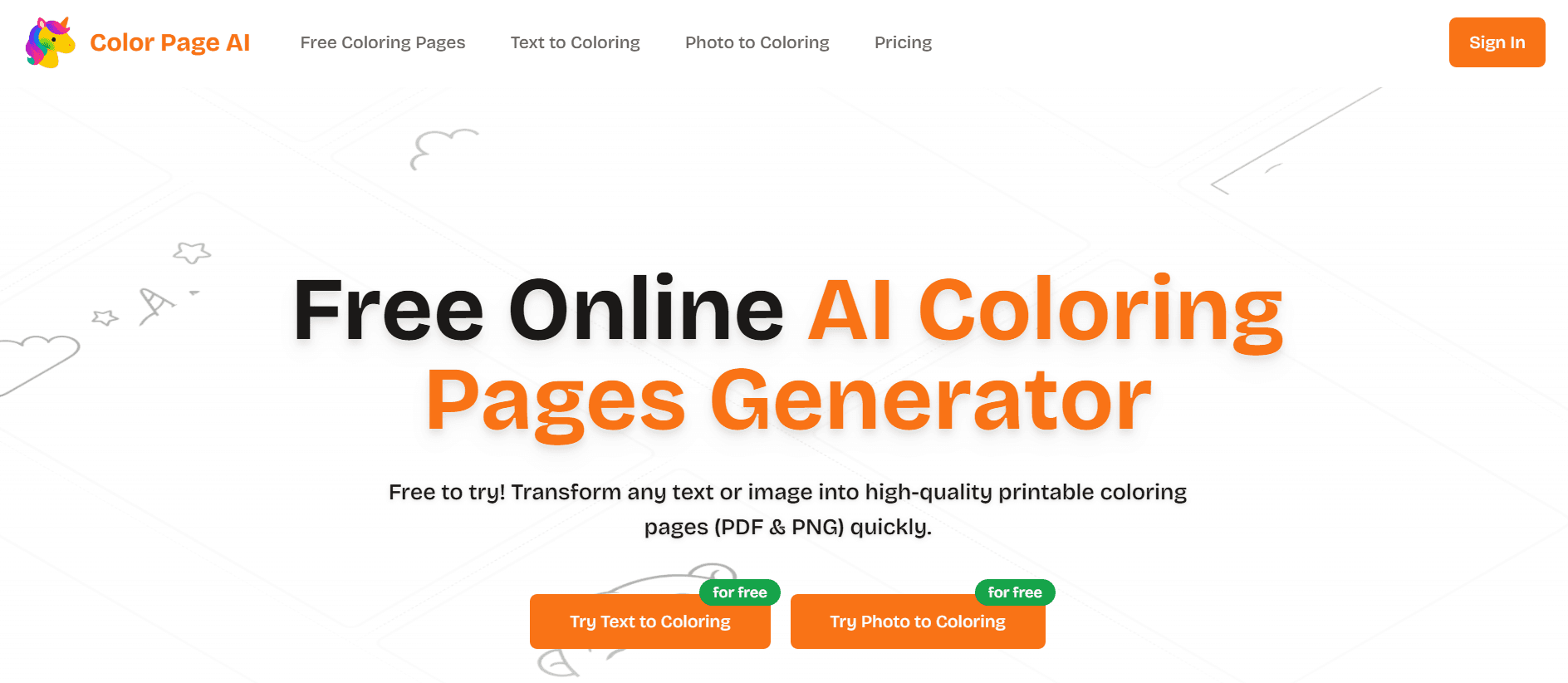
An AI-driven generator that creates bespoke coloring pages from simple prompts.
What it offers:
- Age-smart complexity control, ten free generations to try, and instant, clean outlines ready to print.
Best for:
- Teachers and parents who want tailored lesson content for ages 2 through adult.
Why kids love it:
- Pages can be built around their favorite subjects or inside jokes, which increases ownership and focus.
Standouts:
- Custom curriculum alignment, adjustable line detail for different ages, and rapid iteration when you need many related pages.
5. Superstar Worksheets
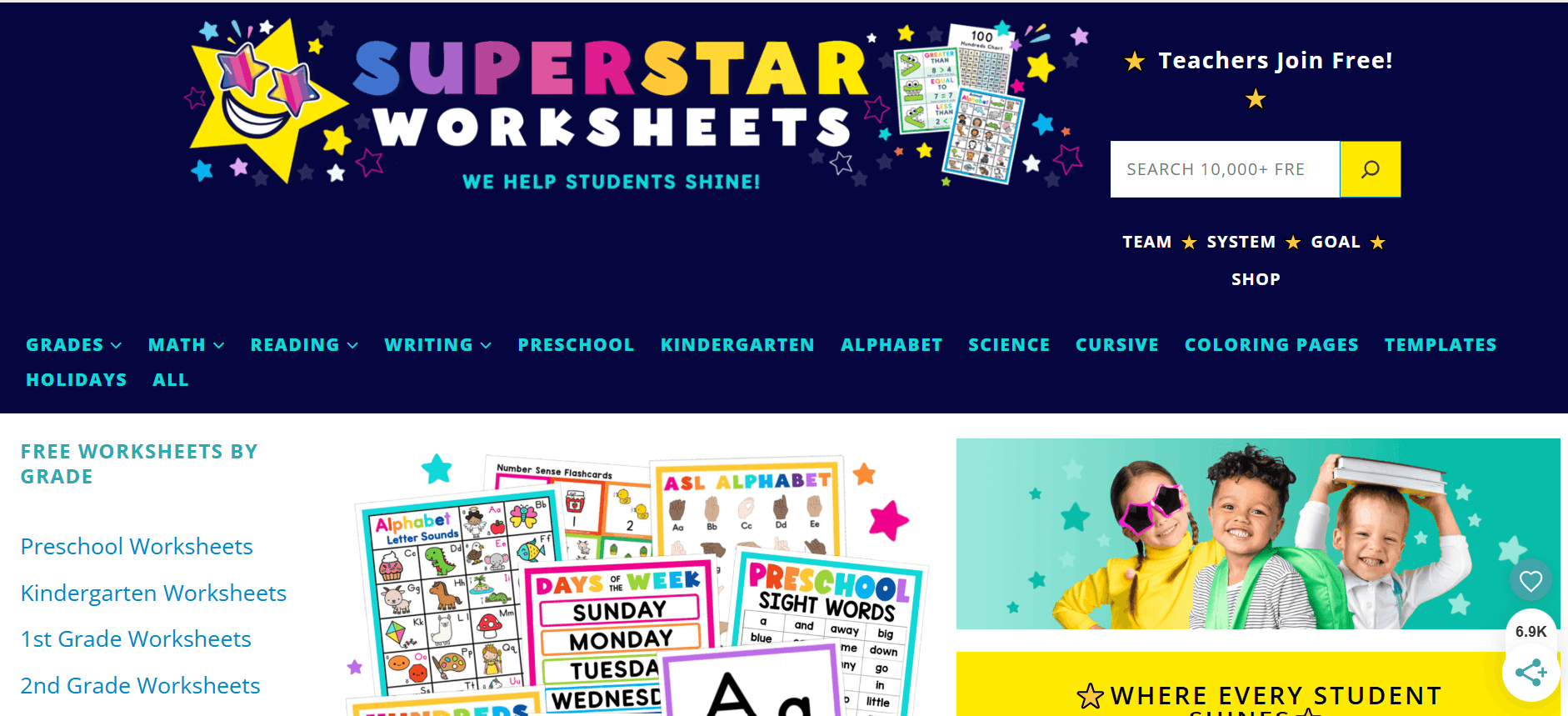
An ad-light site that embeds curriculum topics into printable coloring and worksheet formats.
What it offers:
- Geography, science diagrams, scripture pages, and early literacy activities.
Best for:
- Kindergarten to upper elementary students are working on specific academic goals.
Why kids love it:
- Activities feel purposeful, not just decorative, so finishing a page feels like an achievement.
Standouts:
- Clean, education-first layouts that pair coloring with simple comprehension tasks.
6. Vibrant Coloring
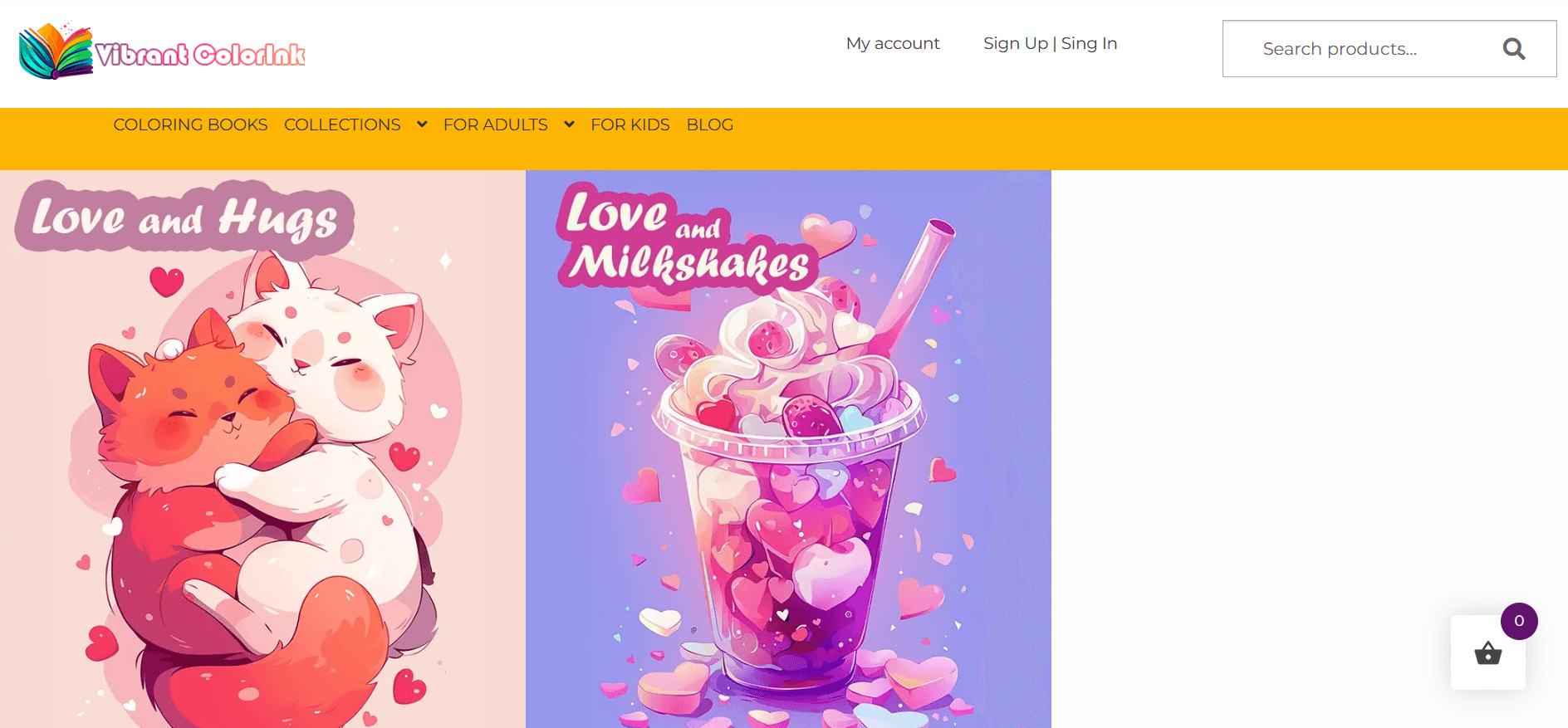
A site focused on activity-rich sheets, not just pictures to fill.
What it offers:
- Mazes, color-by-number, dot-to-dot, and magic-reveal pages are available alongside standard illustrations.
Best for:
- Preschoolers through elementary students who enjoy puzzles and structured play.
Why kids love it:
- The interactive formats add a small challenge and a hidden reward,
which keeps attention longer.
Standouts:
- Variety of activity types, printable practice pages for number and letter work, and easy navigation.
7. Magicoloring Pages
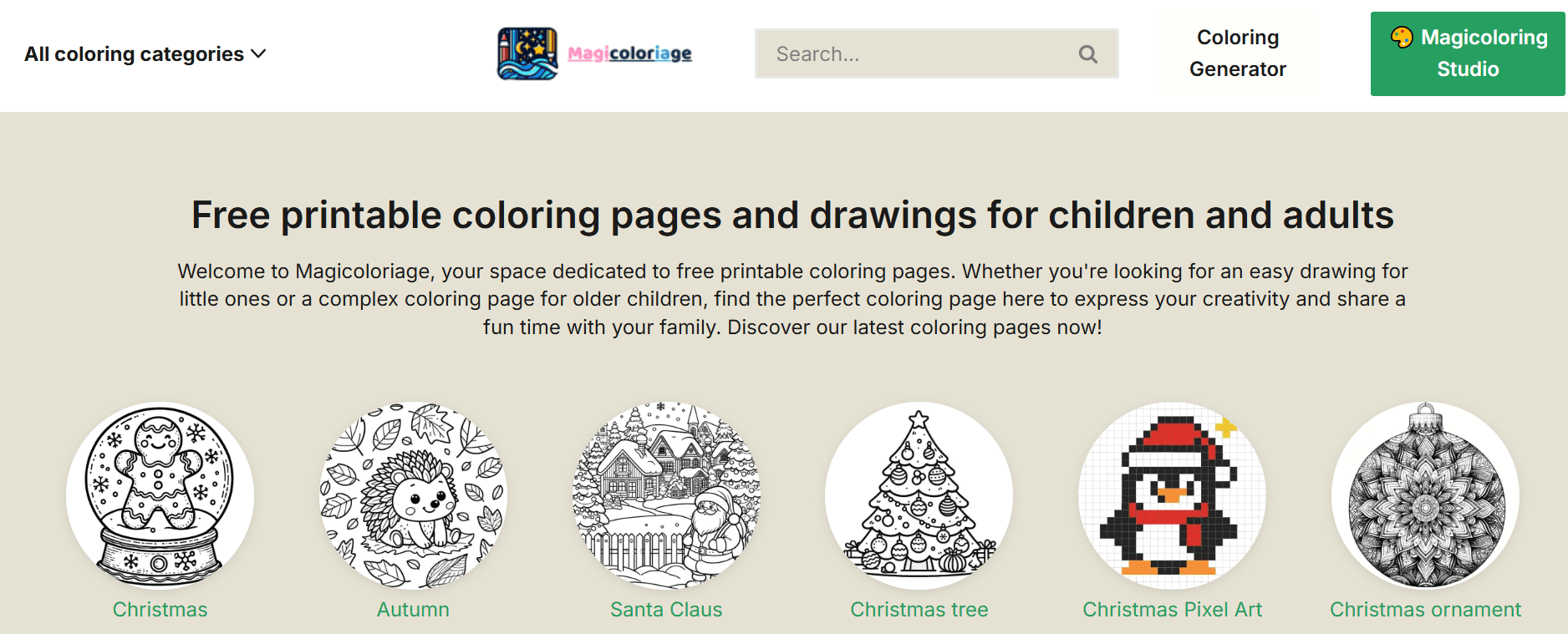
A compact educational collection focused on core school topics.
What it offers:
- Over 150 printable pages covering letters, numbers, science, and history basics.
Best for:
- Preschoolers through early elementary learners.
Why kids love it:
- Clear, simple images make success likely for early colorers and readers.
Standouts:
- Age-appropriate scaffolding and straightforward downloads with no signup required.
8. Coloring Pages Only
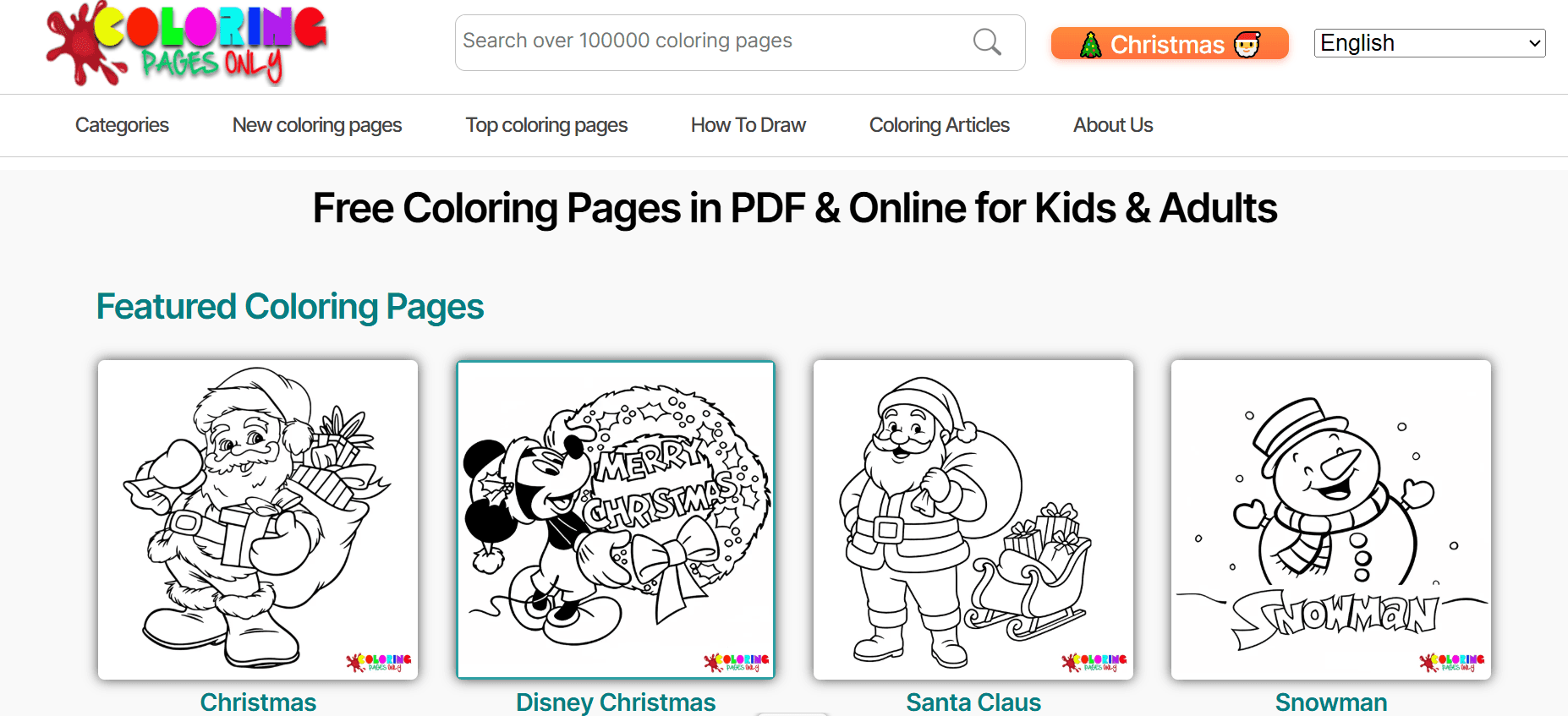
A wide-ranging library emphasizing educational and nature themes.
What it offers:
- Over 1,500 printable educational sheets spanning alphabet, space, and biology.
Best for:
- Preschool to elementary students and substitute teachers who need ready content.
Why kids love it:
- The frequent updates keep discovery fresh, and pages are reliably clean for coloring.
Standouts:
- Fast browsing, steady updates, and easily printable formats for classroom packets.
9. Coloring Teacher
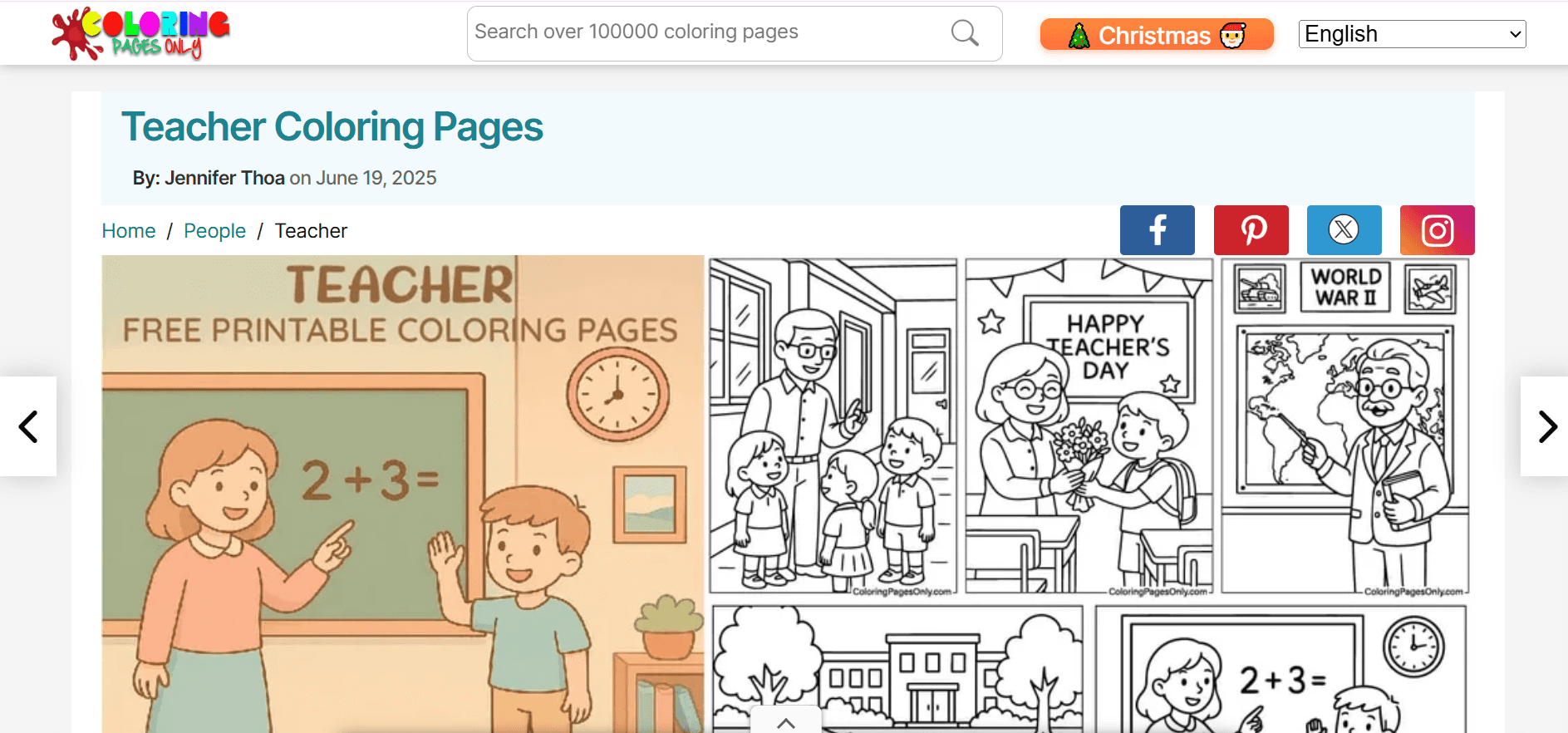
A multi-age collection built to support lesson plans and differentiated levels.
What it offers:
- Simple outlines for young children and more complex scientific and historical illustrations for older students.
Best for:
- K through middle school, with usable options for adult hobbyists.
Why kids love it:
- Older children receive more intricate designs, while younger children receive friendly, bold shapes.
Standouts:
- Regular content refreshes and crossover use for homework or enrichment.
10. Tulamama
A niche site concentrating on school-themed coloring pages.
What it offers:
- Bus, backpack, classroom objects, and back-to-school activity sheets.
Best for:
- Preschoolers and children preparing to transition to school.
Why kids love it:
- Familiar school items reduce anxiety and build excitement about routine.
Standouts:
- Perfect for first-week activities, simple bold lines for early motor practice.
11. Tiny Sketcher
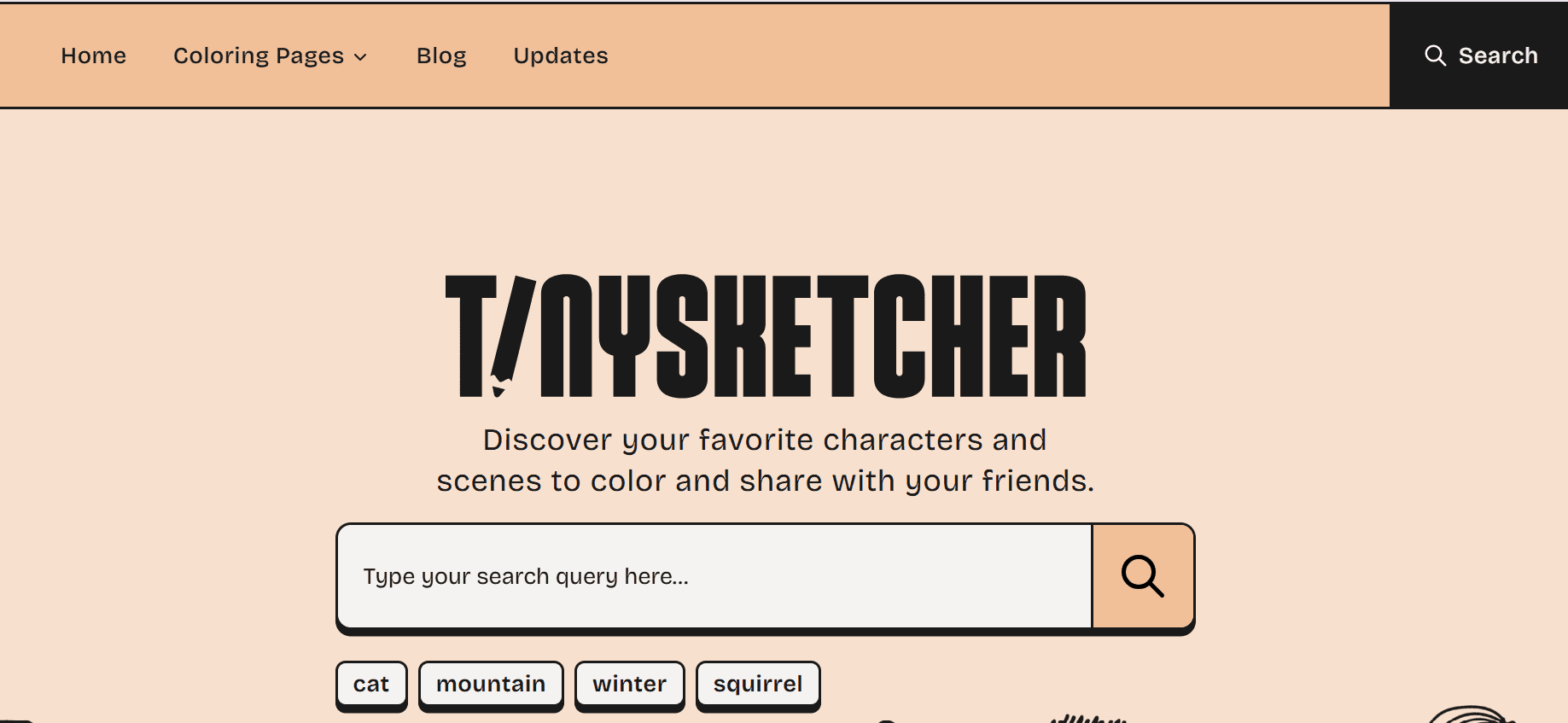
A quality-focused site with a range of science and nature illustrations.
What it offers:
- Alphabet and number sets for early learners, plus more detailed science and history pages.
Best for:
- Preschool through upper elementary kidsare interested in subject-focused sheets.
Why kids love it:
- The designs lend themselves well to storytelling after coloring.
Standouts:
- Crisp artwork and category pages that support short lesson plans.
12. Kidipage
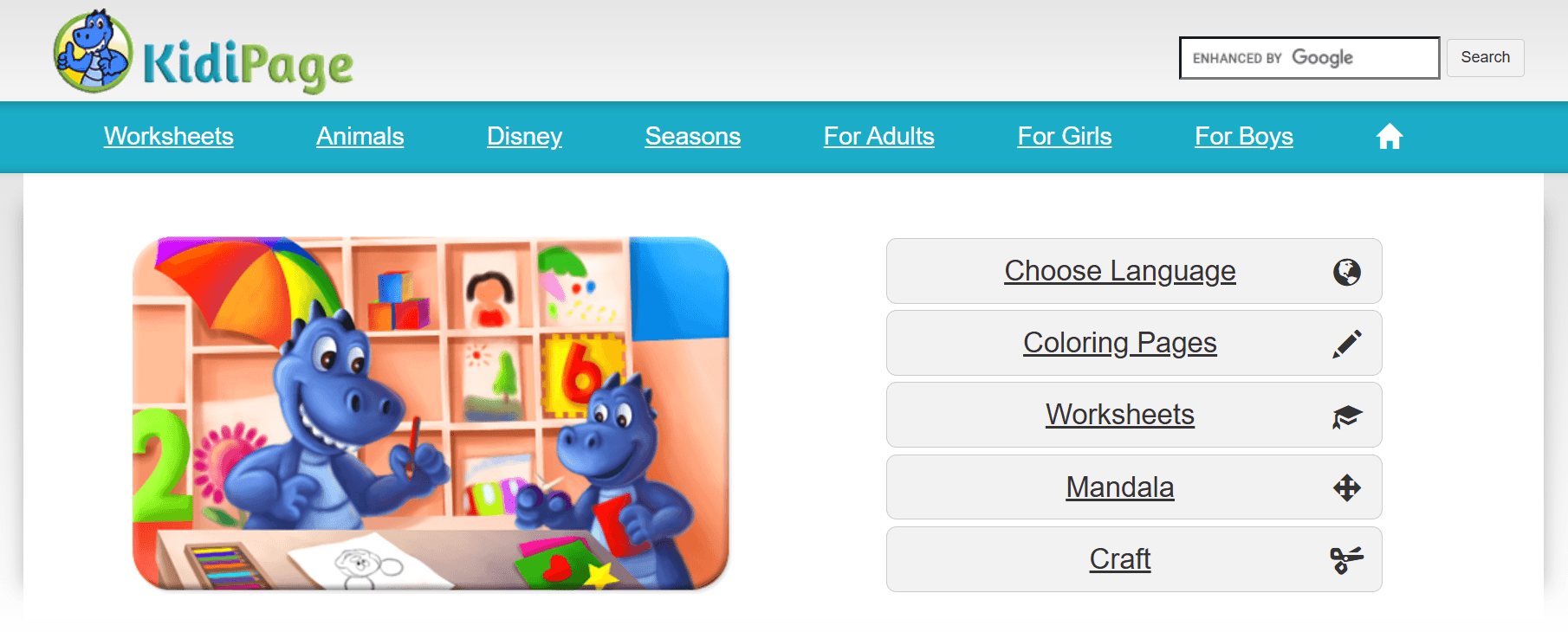
A curated index that links to thousands of printables and crafts across the web.
What it offers:
- Organized thumbnails, crafts, and worksheets that expand beyond coloring.
Best for:
- Teachers and parents hunting niche topics or craft pairings.
Why kids love it:
- The visual browsing feels like flipping through a craft book.
Standouts:
- A broad discovery tool that saves time when you need a precise theme or seasonal project.
13. GetColorings
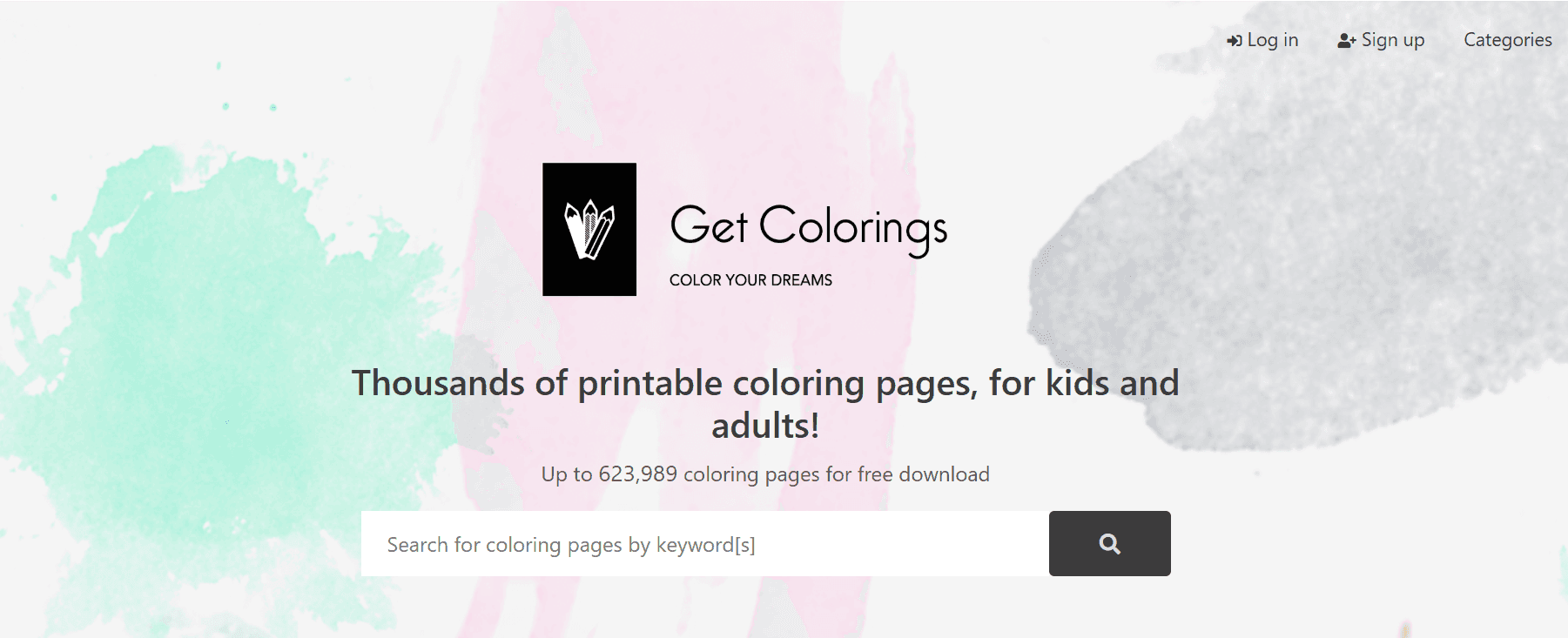
A community-driven repository with both downloadable sheets and a simple online color tool.
What it offers:
- User-submitted pages, searchable categories, and an in-browser coloring option.
Best for:
- Quick at-home activities and digital-only sessions for older toddlers and up.
Why kids love it:
- The online coloring avoids setup and cleanup so that kids can jump right in.
Standouts:
- Fast search, community breadth, and a mess-free digital fallback.
14. Just Color
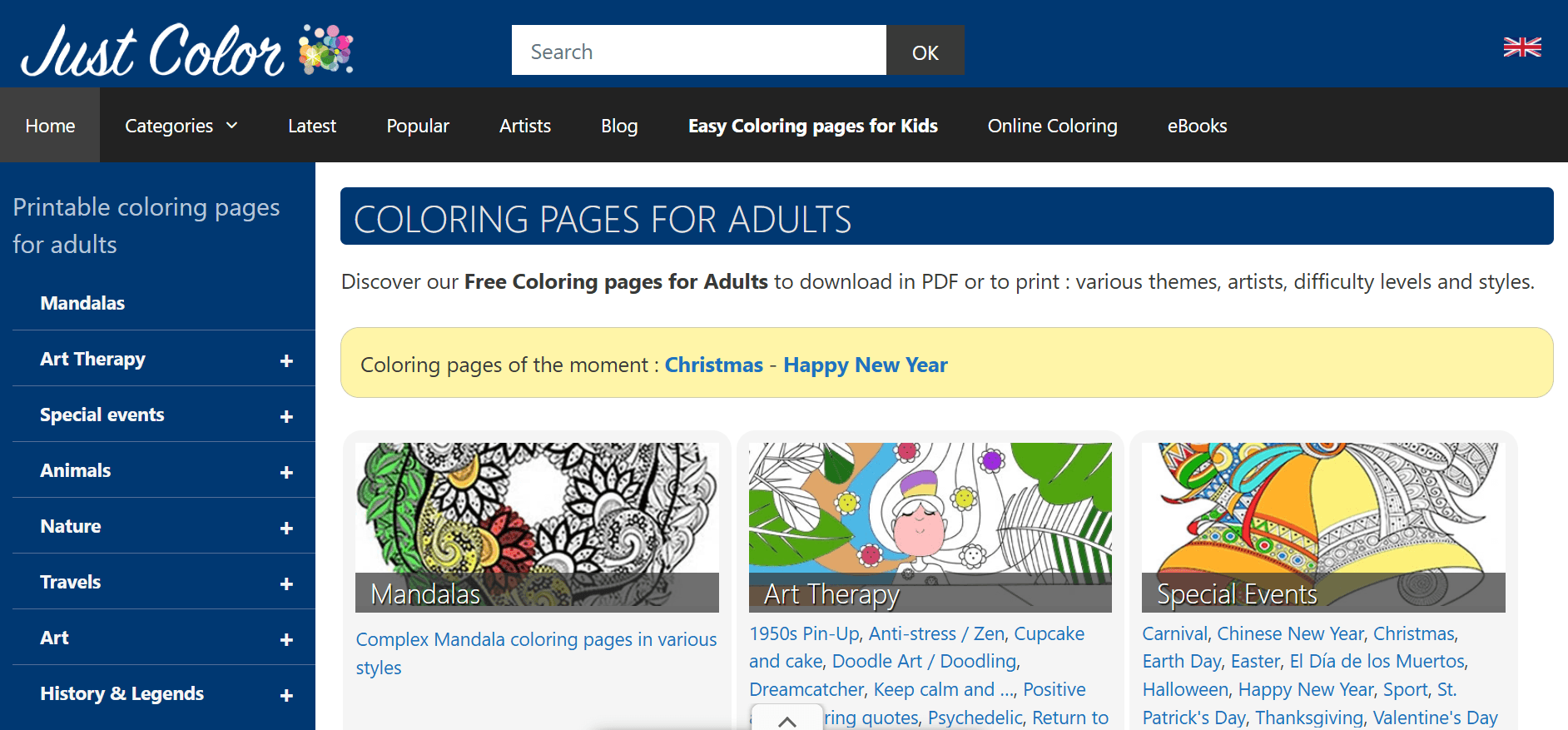
An expansive site that mixes simple learning pages with advanced artistic templates.
What it offers:
- Foundation sheets for letters and numbers, guided magical color-by-number pages, and intricate doodle art for teens.
Best for:
- Preschoolers to adults, especially mixed-age groups in a single household or classroom.
Why kids love it:
- Younger children receive structured guidance, while older children focus on complex patterns.
Standouts:
- Guided activities that reinforce number and color recognition, plus advanced options for concentration practice.
Optimizing Resource Selection for Scalability and Ease
You want options that save time without sacrificing quality, so I focused on printable readiness, clear age signals, and formats that scale from single sheets to classroom sets.
That next choice is the tricky one everyone underestimates, and it changes everything about picking a resource.
Related Reading
- Drawing Websites for Kids
- Best Educational Websites for Kids
- Art Websites for Kids
- Safe Websites for Kids
- List of Websites to Block for Kids
- Cool Websites for Kids
- Reading Apps for Kids
- Best Learning Apps for Kids
- Best Learning Games for Kids
- Math Apps for Kids
How to Choose Your Perfect Coloring Resource

Pick resources based on the child’s age and attention span, the learning target you want to hit, and whether you need a quick printable or a mess-free digital option. Run short, focused trials, observe what the child chooses and how long they stay with it, then iterate. The goal is confident, simple decision-making, not perfection.
How Should Age and Fine-Motor Readiness Change My Choice?
This pattern appears across homes and classrooms. When outlines are too detailed, kids rush and abandon the page; when shapes are too broad, older children check out.
- For toddlers: Choose bold, large shapes that help them succeed quickly.
- For early elementary: Pick pages with moderate detail that support 10- to 20-minute practice.
- For upper elementary and teens: Offer tighter lines or thematic complexity to stretch patience and planning.
Look for moment-to-moment signals, not promises: a child who colors for less than five minutes twice in a row is telling you the difficulty or theme is off.
What Should Interests and Learning Goals Steer Me Toward?
- If your objective is vocabulary, vocabulary-tagged pages and labeling prompts are most effective.
- If the goal is counting, use color-by-number or numbered regions to combine repetition with reward; for open creativity, favor unlabelled scenes and storytelling prompts.
- If you need differentiation at scale, prioritize platforms that let you filter or generate pages by topic and complexity, because a single library will rarely fit all learners without fine-grained filters.
Printable or Digital: Which Wins for My Situation?
If you want tactile practice, keepsakes, or a no-screen routine, print on heavier paper with a simple border so little hands don’t crumple edges. For on-the-go use, quiet classrooms, or quick repeat attempts, digital viewers eliminate setup and cleanup friction.
Technically, prefer 300 DPI PDF exports for print, single-outline PNG for in-browser coloring, and avoid overly compressed files that blur thin lines when scaled. Rapidly swap formats during trials to see which yields longer engagement.
Efficiency Gains: Transitioning from Manual Prep to Centralized Platforms
Most teams handle prep by downloading individual pages and patching them together because it is familiar and requires no new tools. That approach works at first, but as lesson plans multiply, downloads scatter across folders, print settings vary, and quality slips, turning a 15-minute prep task into an hour-long hunt.
Platforms such as My Coloring Pages centralize searchable, print-ready content with innovative customization and an extensive curated library, compressing prep time from hours to minutes while keeping outputs consistent for classrooms and caregivers.
How Do I Test Quickly so I Stop Guessing?
Run three-day micro-experiments. Day one, offer two distinct pages for the same child at the same time of day; day two, swap one page for a slightly more complex or easier variant; day three, compare who chose which page and how long they stayed with it.
Track simple metrics: minutes engaged, completed vs abandoned pages, and whether the child asks to color the same sheet again. If a variant increases engagement by a visible margin and invites voluntary return, scale similar pages into the weekly rotation.
How Do I Keep Variety Without Chaos?
Organize by theme, difficulty, and format. Build short packs of 6 to 12 pages per week so caregivers can pull one folder, not a thousand files. For adult colorists or caregiver-led sessions, remember that Coloring Stress Free reports that over 60% of adults find coloring relaxing, which is why including a small set of intricate sheets helps adults model calm focus.
Since Coloring Stress Free finds that the average adult coloring book contains 50 pages, consider binders or mini-books of 10 to 20 pages to keep rotation fresh without overwhelming storage.
What Signals Tell Me to Switch Resources?
Watch for repeating behaviors:
- If a child refuses specific themes, they are not motivated by the subject
- If engagement drops only when pages include tiny regions, the issue is motor challenge, not boredom
If multiple children lose interest in the same format, the delivery is the problem, not the art. When administrative costs creep up, such as inconsistent print sizing or frequent reformatting, switch to a tool that exports classroom-ready PDFs and keeps margins predictable.
Practical Checklist To Apply Right Now
- Decide your primary goal for the session, then select pages that align directly with that goal.
- Run a three-day trial before committing to a whole semester plan.
- Rotate packs of 6 to 12 pages, not single sheets, to lower friction.
- Use engagement signals, not assumptions, to iterate: time on task, requests to repeat, and voluntary completion.
- If prep time exceeds 15-20 minutes for a weekly theme, consider a different workflow or a centralized tool that automates export and sizing.
This choice feels overwhelming because options multiply faster than attention. Still, the right move is simple: pick a hypothesis, run a tiny experiment, measure one or two plain signals, then commit or change.
The following section reveals the one feature that makes custom printable pages actually take seconds, and it changes how you prepare, forever.
Create Custom Printable Coloring Pages and Coloring Books in Seconds
If you want more control, create custom coloring pages that match your child’s interests, learning level, or a special occasion, because tailored pages let you move from hunting for files to handing a purpose-built activity in minutes. My Coloring Pages enables you to create custom, printable coloring pages in seconds; simply describe what you want or upload pictures and the app turns them into ready-to-print sheets.
You can also browse 10,000+ free coloring pages or design personalized pages and coloring books for kids, adults, classrooms, or stress relief. Trusted by 20,000+ parents and rated 4.8 out of 5, it’s the fastest, most straightforward way to spark creativity and keep your kids off screens.
Related Reading
- Music Apps for Kids
- Best Apps for 6-Year-Olds
- Best Apps for Kids
- Best Coding Apps for Kids
- AI Tools for Kids
- Language Learning Apps for Kids
- Best Drawing Apps for Kids