120 Fun Creative Hobbies for Adults That Don't Cost Much
Fun creative hobbies for adults on a budget — My Coloring Pages shares 120 ideas to spark joy without spending much.
Creative hobbies do more than fill free time. They sharpen problem-solving skills, build focus, and give people a genuine outlet for self-expression. Whether someone is drawn to drawing, painting, crafting, or DIY projects, the hardest part is often knowing where to start.
Finding fun, creative hobbies that fit real life doesn't have to be complicated. My Coloring Pages makes it easier with a free library built for both kids and adults, covering a wide range of interests and skill levels. To get started right away, download free 75,000+ coloring pages and turn any spare afternoon into something worth keeping.
Table of Contents
- Are Creative Hobbies Important for Adults?
- What Happens When Adults Neglect Having a Hobby
- 12 Reasons Why Adults Neglect Having a Hobby
- How to Choose Creative Hobbies for Adults in 9 Steps
- 120 Fun Creative Hobbies for Adults That Don't Cost Much
- Easy Coloring and Drawing Hobbies
- Your Hobby Doesn’t Need More Time, It Needs to Be Easier to Start
Summary
- Creative hobbies provide measurable mental health benefits that go well beyond simple enjoyment. A 2024 study of 7,182 adults in England found that people who engaged in arts and crafts reported significantly greater life satisfaction and a sense that life was worthwhile, even after accounting for age, health, and employment status. The activity did not need to produce income or impress anyone to deliver those results.
- The stress-relief effect of creative activity is nearly immediate and requires no prior skill. A small study found that cortisol levels dropped in roughly 75% of participants after a single 45-minute art-making session, and the reduction was not meaningfully related to prior art experience. Beginners benefited just as much as experienced creators, which challenges the common assumption that you need talent before you can start.
- Adults who regularly engage in creative hobbies show substantially lower rates of several serious health outcomes. Research from the Journal of Epidemiology found that adults with hobbies had a 15 to 40% lower risk of developing disabling dementia compared to those without hobbies. Separately, the Journal of Global Health found that hobby engagement was associated with a 24% lower risk of all-cause mortality among adults aged 50 and older. These findings reframe creative leisure as something with concrete, long-term consequences when it goes missing.
- The reasons adults abandon hobbies are rarely dramatic and almost never about talent. Exhaustion, comparison to more experienced creators, guilt about non-productive time, and the all-or-nothing mindset each quietly compound over time until a creative interest disappears without any single decision. According to the American Psychiatric Association's 2024 Healthy Minds Monthly Poll, 46% of Americans already use creative activities to relieve stress or anxiety, which suggests the desire to engage creatively remains intact even when the habit has lapsed.
- The most reliable predictor of whether a creative hobby will stick is not how skilled someone is but how easy it is to begin. Adults who try to wait for a large uninterrupted block of time, expensive supplies, or a dedicated workspace tend to never start. A hobby that fits imperfectly into a real schedule still outperforms a well-planned hobby that never happens. Nine in ten adults who participate in creative activities report that successfully completing a creative project brings them joy, according to Ipsos, which means the emotional return is nearly universal once people actually follow through.
- My Colouring Pages' Download 75000+ Free Customized Worksheets addresses the friction problem directly by letting adults generate a personalized, ready-to-print creative activity from a description or photo in seconds, removing the setup cost that most often stands between wanting a creative hobby and actually having one.
Are Creative Hobbies Important for Adults?
Creative hobbies are not a luxury for adults with extra time. They are an evidence-backed way to build wellbeing, reduce stress, and reconnect with a part of yourself that productivity culture trains you to ignore.
"Creative engagement is not frivolous — it is a clinically recognized pathway to improved mental health, stress resilience, and long-term wellbeing in adults." — PubMed Research
🎯 Key Point: Creative hobbies are an evidence-backed investment in your mental health and overall wellbeing.
💡 Tip: If productivity guilt stops you from picking up a creative hobby, reframe it: creative practice is not wasted time; it is essential self-maintenance.
Does a creative hobby need to be impressive to matter?
The idea that a hobby only counts if you're talented enough to sell or show it is one of the biggest creativity killers in adult life. Adults often quit drawing, knitting, photography, pottery, or creative writing when they compare their beginner work to someone else's polished output. A 2024 study of 7,182 adults in England found that people who engaged in arts and crafts reported significantly greater life satisfaction and a sense that life was worthwhile, even after accounting for age, health, and employment status. The activity didn't need to produce income or impress anyone to matter.
Why the "productive output" standard ruins creative hobbies
The same pattern shows up across every creative field: someone starts a hobby for fun, then slowly replaces that reason with performance goals. They begin crocheting because it is calming, then wonder if they should open an Etsy shop. They start sketching because they love the process, then check how many likes their posts get. The moment a hobby gains an audience, a deadline, or a metric, it stops working as a hobby and becomes a second job.
Why do so many adults turn to creative activities for stress relief?
According to the American Psychiatric Association's 2024 Healthy Minds Monthly Poll, 46% of Americans use creative activities to manage stress or anxiety. Nearly half of adults turn to creative outlets to cope, not because they are talented or seek income, but because making something with your hands or imagination creates a feeling that scrolling and streaming cannot. Creative engagement requires active participation: choosing a color, a word, a shape, and solving a small problem in the moment.
Do you need natural talent before a creative hobby benefits you?
Most people think they need natural talent before starting. A small study of 39 adults found that cortisol levels fell in roughly 75% of participants after a single 45-minute art-making session, regardless of art experience. Beginners benefited as much as experienced creators. Our Download 75000+ Free Customized Worksheets removes the barrier to entry: users describe an idea or upload a photo and receive a personalized coloring page to engage with immediately.
How do you choose the right creative hobby for your life right now?
The honest question is not "which hobby am I talented enough to pursue?" but "what kind of experience is currently missing from my life?" If you want something you can touch and feel, try pottery, crochet, or woodworking. If you want to express yourself, try journaling, painting, or songwriting. If you want to see clear progress, calligraphy and instrument practice offer obvious signs of improvement. UCLA Health research reports that people with hobbies are 30% less likely to experience depression, low mood, and boredom. But here is what most conversations about creative hobbies never address: what quietly happens to adults without one.
Related Reading
- Creative Hobbies
- Creative Hobbies For Men
- Creative Hobbies For Women
- Creative Hobbies For Adults
What Happens When Adults Neglect Having a Hobby
When adults stop doing creative hobbies for a long time, life doesn't fall apart. It just slowly gets smaller. The days get filled up, but things feel less interesting, and most people don't notice until they're looking at a free Saturday afternoon and have no idea what they actually want to do with it.
"When we lose our hobbies, we don't lose time — we lose identity. The absence of creative pursuit leaves a quiet void that busyness can never fill." — Psychology of Leisure Research
⚠️ Warning: The danger of neglecting hobbies isn't dramatic — it's subtle. Life feels functional but flat, and most adults don't recognize the problem until the emptiness is already chronic.
💡 Tip: If you can't answer "what do I do for fun?" without hesitation, that's a critical signal that your creative life needs attention — and it needs it now.
Sign of Hobby Neglect | What It Looks Like |
|---|---|
Loss of identity | No answer to "what are your hobbies?" |
Emotional flatness | Days feel full but meaningless |
Decision paralysis | Free time feels overwhelming, not refreshing |
Shrinking curiosity | Nothing sounds genuinely exciting anymore |
How does skipping hobbies affect the mind over time?
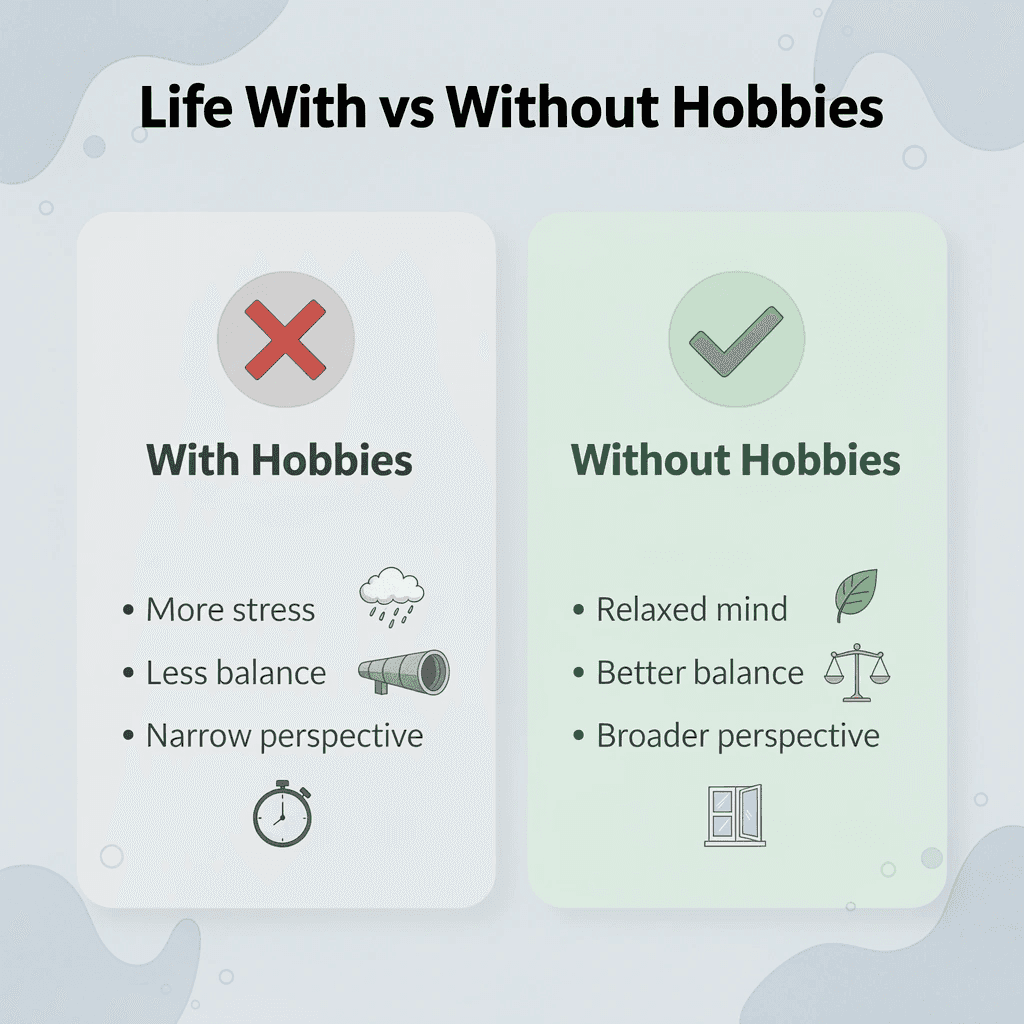
The consequences accumulate subtly: a shorter temper after difficult workdays, restlessness on Sunday evenings, a growing inability to answer "what do you enjoy?" without defaulting to streaming services or food. Research from the Journal of Epidemiology found that adults with hobbies had a 15 to 40% lower risk of developing disabling dementia compared to those without hobbies. A hobby isn't a luxury you fit around a full life; it's part of what keeps the mind sharp and the self intact.
Without something creative to return to, most adults unconsciously reduce themselves to their roles: job title, family responsibilities, obligations. Those roles carry expectations. A creative pursuit—sketching, writing, photography, coloring—gives you a space where no one expects performance. The moment a hobby becomes something you do purely for yourself, it stops being optional and starts being protective.
What does neglecting creativity do to your free time?
Most adults spend their free time consuming passively: scrolling, streaming, checking notifications. A creative hobby disrupts that pattern. Platforms like My Coloring Pages let adults describe an idea, generate a custom coloring page, and create something personally theirs in minutes, without artistic background. It's a meaningful way to spend an hour making rather than consuming.
GML Therapy reports that people with hobbies are 34% less likely to experience stress, low mood, and depression. A hobby channels stress productively. Without an absorbing activity after a difficult day, the mind replays what went wrong. Focused creative attention—the kind that emerges when absorbed in making something—is the most effective way to move past stress.
What is the quietest cost of going too long without a hobby?
The quietest danger is slowly losing track of what you like. Put off creative interests long enough, and "what do you enjoy?" stops feeling like a real question. The cost is that you gradually lose a sense of self outside your responsibilities.
12 Reasons Why Adults Neglect Having a Hobby
Adults don't stop doing creative hobbies because of one big decision. Instead, they quit through many small choices that each seem reasonable on their own. But when you add them all together, it becomes much harder to go back to those hobbies.
"It's never one dramatic moment that kills a hobby — it's the quiet accumulation of small, seemingly harmless trade-offs that slowly erode the habit until it disappears entirely."
Reason Adults Neglect Hobbies | How It Happens | Why It Feels Justified |
|---|---|---|
Time pressure | Work and family fill the schedule | "I'll get back to it later" |
Guilt | Leisure feels unproductive | "I should be doing something useful" |
Loss of skill | Breaks cause skill fade | "I'm not as good as I used to be" |
Social pressure | Hobbies feel childish to others | "Adults don't do this" |
Financial concerns | Supplies and tools cost money | "It's an unnecessary expense" |
Perfectionism | Fear of not being good enough | "Why bother if I can't excel?" |
Digital distraction | Screens are easier and instant | "I'll just watch one more video" |
No community | Doing it alone feels pointless | "There's no one to share it with" |
Burnout | Work exhaustion kills motivation | "I'm too tired to be creative" |
Identity shift | No longer see themselves as a hobbyist | "That's just not who I am anymore" |
Lack of space | No dedicated area to practice | "I have nowhere to set up" |
All-or-nothing thinking | Can't do it fully, so don't do it at all | "If I can't commit, why start?" |
🎯 Key Point: The real danger isn't any single reason — it's how these 12 reasons stack on top of each other, making the path back to a hobby feel overwhelming rather than inviting.
💡 Tip: Recognizing which specific reasons apply to you is the essential first step. Once you can name the barrier, you can begin to dismantle it — one small choice at a time.
⚠️ Warning: Don't underestimate the compounding effect of these small decisions. What starts as "I'll skip this week" can quietly become months or even years away from something that once brought you genuine joy and fulfillment.
1. There Is Always Something More Important to Do
Adult life is structured around obligations that feel urgent. Work expands to fill available hours. Errands multiply. Laundry, messages, dinner, and tomorrow's to-do list form a permanent queue. The hobby waits at the back for years. The painful part isn't that adults choose responsibilities over creative interests. They never technically decide to quit; they keep putting it off. Repeated long enough, putting it off works exactly like quitting, without the psychological closure that might prompt reconsideration.
2. You're Too Exhausted to Start Something That Requires Effort
When adults finally get an hour to themselves, the choice isn't between painting and doing nothing: it's between painting and picking up a phone. One requires activation—finding supplies, setting up, and accepting that the first attempt might be bad. The other requires almost nothing. Adults who lose hobbies to screen time describe the same pattern: supplies sit in drawers while apps open faster. That's not a willpower failure. Passive entertainment is engineered to beat anything that requires a starting effort.
3. The Comparison Trap Kills Enjoyment Before It Begins
Social media creates a new kind of creative discouragement unknown to previous generations. You decide to try watercolor painting and within minutes see gallery-quality work from someone your age. You try crochet, and TikTok delivers finished wardrobes. The gap between where you are and what you see feels less like a learning curve and more like evidence you shouldn't bother. What makes this destructive is the asymmetry: you compare your raw beginning to someone else's polished result, often years of practice. It's your Tuesday afternoon attempt against their highlight reel. Creative confidence rarely survives this without examination.
4. Your Hobby Starts Feeling Like Another Task
Adult life is full of performance expectations: deadlines, reviews, targets, and metrics. When a creative hobby carries the same weight, when sketching feels like falling behind, the activity stops working as relief and becomes another source of pressure. The "proper hobby" myth does real damage here. Adults convince themselves a hobby must produce something impressive and shareable. Anything less feels like wasted time, so they either push the hobby toward performance, draining the joy, or abandon it entirely, draining something harder to name.
5. The Monetization Pressure That Turns Play Into Work
Someone tells you that you bake well. "You should sell these." You take good photographs. "Have you thought about freelancing?" You make jewelry. "Open an Etsy store." The advice is well-intentioned, yet the effect is harmful. The moment a hobby gains customers, deadlines, and performance expectations, it stops being an escape from those pressures. What was once a creative outlet becomes a side business with all the stress of a job and none of the salary security.
6. Guilt Makes Rest Feel More Justified Than Creativity
You sit down to make something. Then you notice the dishes, remember an unanswered email, and recall the laundry still in the dryer. A familiar voice asks whether you should spend time on this when so much else needs handling. That guilt is not irrational. It's the product of a culture that rewards productivity and treats leisure as something to earn, not something necessary. Adults spend their free time doing things they can justify, not things they enjoy. Even downtime becomes another place to feel behind.
7. The All-or-Nothing Mindset That Guarantees Inaction
You want to write, but you only have 20 minutes, so you don't start. You want to learn guitar, but can't practice for an hour daily, so you wait. You want to paint, but the setup feels like too much for a short window, so the paints stay in the drawer. The all-or-nothing mindset prevents hobbies from taking root. It transforms small opportunities into insufficient efforts, making the hobby possible only when rare conditions align. Twenty minutes of sketching three times a week separates a creative practice from a creative intention that never materializes.
8. Life Changes and the Hobby Format Doesn't Adapt
The hobbies that worked at 22 often don't survive at 35, not because the person stopped caring, but because the format no longer fits. Entire Saturday afternoons gave way to careers, relationships, children, and financial demands that reshaped how time gets distributed. The mistake is reading that mismatch as a loss of interest. Most adults haven't lost interest in creative activities like photography, journaling, crafting, or drawing—they've simply never redesigned those interests around their current life. The hobby didn't fail them. The old format did.
9. Passive Entertainment Wins by Default, Not by Choice
Unstructured free time arrives without instructions. The phone is already in your hand. One video becomes twenty. One scroll becomes an hour. The hobby that required you to take out the notebook, open the paint set, or sit at the piano never had a chance to compete. Most adults don't consciously choose scrolling over creating. The default wins because it's frictionless and instant. When the easiest available option always wins, creative hobbies—which require minimal setup—get systematically excluded from the day, not by decision but by design.
10. The Identity Shift That Makes Hobbies Feel Optional
As a child, you introduced yourself through what you loved doing. As an adult, the introduction changes. You become your job title, your role, your responsibilities. "I'm an accountant." "I'm a parent." "I'm busy right now." Once hobbies stop being part of how you see yourself, protecting time for them becomes harder to justify. You don't lose creative interests overnight; you gradually become so identified with your obligations that your interests stop feeling important enough to defend. The hobby doesn't disappear. It just stops feeling like yours.
11. The Emotional Exhaustion Nobody Names
A type of hobby neglect isn't about time management. During grief, difficult relationships, mental health struggles, or ongoing stress, activities requiring mental stillness—reading, sketching, writing—become difficult. The mind is too occupied to settle into something quiet. Adults often call this laziness or lack of discipline. It isn't. Emotional exhaustion consumes the mental space that creative hobbies need. The interest remains; the ability to access it temporarily doesn't. Recognizing this difference matters because the answer isn't willpower—it's addressing what's consuming mental space.
12. The Hobby That Never Got Redesigned for Real Life
Most adults who say they don't have hobbies have creative interests they haven't pursued in months or years. They simply haven't found a way to practice these interests within their actual schedule, energy levels, and available free time.
What changes when a creative hobby fits your actual life?
That's where My Coloring Pages changes the equation. Adults seeking a creative outlet without a steep learning curve can generate a custom coloring page from a description or photo in less than a minute. The creative act is immediate, personal, and accessible. It requires neither drawing skill nor an hour of uninterrupted time. It fits into the life adults actually have.
Why does building the habit now matter more than waiting?
According to a UCL researcher's study, via HealthDay, engaging in hobbies is linked to fewer signs of depression among people aged 65 and over across 16 countries on three continents. The benefit builds from habits you create now, not merely at retirement.
Why the pattern keeps repeating
None of the twelve reasons above are dramatic. That's what makes them effective at wearing down creative life. No single decision feels like a real loss. "I'm tired tonight" is true. "I should do something productive" is understandable. "I'll start when things calm down" sounds reasonable. Adulthood teaches people to protect time for work, recovery, and obligation while expecting creativity, curiosity, and play to survive on whatever remains. Usually, there isn't much. The reasons don't disappear on their own: they wait, patient and familiar, for the next free hour.
What does research say about the cost of skipping creative hobbies?
The Journal of Global Health found that hobby engagement was associated with a 24% lower risk of all-cause mortality among adults aged 50 and older. This reframes creative leisure from a luxury into a health necessity. Understanding why the pattern happens is one thing. Knowing what to do about it in your life right now is where it gets interesting.
Related Reading
- Creative Hobbies For Seniors
- Creative Hobbies That Improve Mental Clarity
- Fun Creative Hobbies
- Creative Hobbies To Try
How to Choose a Creative Hobby for Adults in 9 Steps
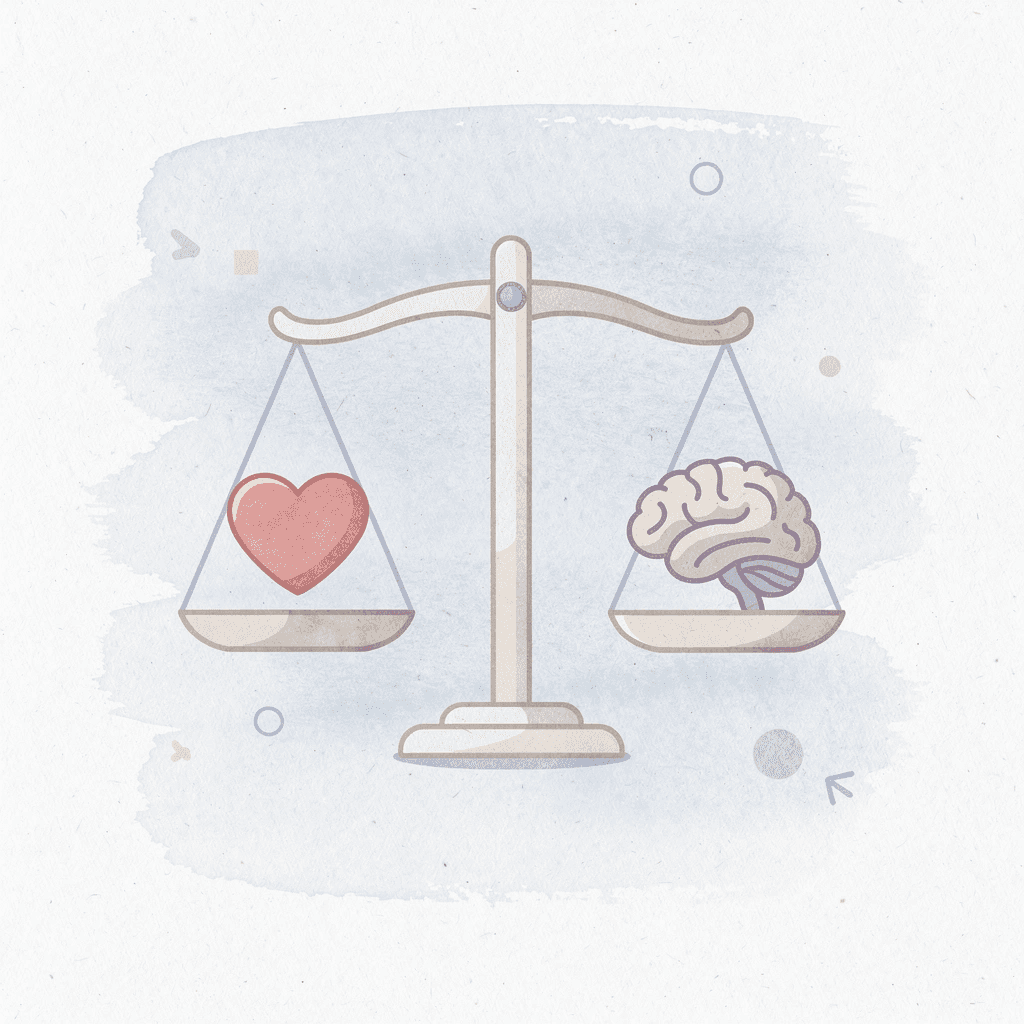
Pick a hobby by finding something that is the opposite of what you already get too much of in your daily life. This one simple filter gets rid of most guesswork by focusing on contrast instead of novelty.
"The best creative hobby for an adult isn't the most exciting option — it's the one that fills the gap your daily routine leaves behind." — Hobby Selection Principle
🎯 Key Point: If your job keeps you glued to a screen, choose something hands-on and tactile — like pottery, woodworking, or painting. If your work is physically exhausting, lean toward calm, seated hobbies like journaling or sketching.
Your Daily Life Has Too Much Of... | Try a Hobby That Is... |
|---|---|
Screen time & digital work | Hands-on & tactile (pottery, woodworking) |
Sitting & sedentary tasks | Active & physical (dance, gardening) |
Solo, quiet work | Social & collaborative (improv, choir) |
Loud, high-pressure environments | Calm & meditative (watercolor, knitting) |
Rigid rules & structure | Open-ended & expressive (freewriting, collage) |
💡 Tip: Don't overthink novelty — the real goal is balance. A hobby that contrasts your routine will feel instantly refreshing, making it far easier to stick with long-term.
1. Start with what your routine already overdelivers
If your workday runs on structured thinking, screens, and abstract decisions, another screen-based activity feels like a lateral move, not a break. Your nervous system needs a different texture, not a different topic. Hands-on creative hobbies like pottery, cooking from scratch, or woodworking give your brain somewhere different to go because they demand physical decisions, not digital ones.
How does the contrast between work and hobby create real relief?
If your job involves repetitive physical movements, activities requiring focused attention—such as nature photography, creative writing, or illustrated journaling—provide the cognitive engagement that manual work rarely offers. This contrast makes them beneficial.
2. Identify the experience you want, not just the activity
Most adults pick hobbies the wrong way. They ask "what sounds interesting?" instead of "what kind of thinking do I almost never get to do?" These questions yield different answers. If you overthink everything and struggle to make decisions, hands-on hobbies like clay, dough, or paint force you to make real-time decisions with physical materials and directly challenge that pattern. If your brain runs constantly, lower-demand activities like gardening, knitting, or birdwatching create mental space for your thoughts to settle. Matching the hobby to the thinking gap you want to fill is more reliable than matching it to your perceived personality type.
3. Why "am I good at this?" is the wrong question
Adults abandon hobbies after the first two sessions because they judge their competence instead of enjoying the experience. You try watercolor once, it looks nothing like what you imagined, and the judgment comes fast: "I'm not an artist." That conclusion is premature and misses the point. The better question is whether you are curious enough about something to endure being bad at it for a while. Beginner discomfort is not proof that a hobby is wrong for you; it is proof that you are learning something new, which is what makes creative leisure valuable.
4. The cross-domain advantage
The creative hobbies that offer the most contrast come from an area different from your work. A writer who picks up photography isn't producing more words. A designer who tries improv comedy isn't perfecting another visual output. The shift to a different area forces you to think in unfamiliar ways, and that unfamiliarity is where the brain benefit lives. Cross-area hobbies introduce different ways of solving problems. A musician learning to cook from scratch notices timing and layering differently. A software engineer who takes up life drawing reads spatial relationships in new ways. The skills do not stay separate for long.
5. Does the hobby actually fit your life?
A hobby that looks perfect on paper is useless if you won't do it. A ceramics studio across town requiring a two-hour block on a weeknight isn't beginner-friendly for someone with a full schedule; it's a plan that will quietly fade away.
What makes a creative hobby genuinely accessible?
When figuring out whether a creative hobby suits you, consider how much time each session takes, the startup cost, whether you need new equipment, whether you can do it at home or nearby, and whether you'll want to pursue it after a regular workday. A hobby that fits your life imperfectly is still better than a dream hobby you never start.
Do accessible creative hobbies really require expensive tools or studio space?
Most adults assume accessible creative hobbies require expensive tools or a dedicated studio space. Sketching needs a notebook. Creative writing needs nothing but time. Coloring, now recognized as an effective stress-relief and mindfulness practice, can start with a single printed page. My Coloring Pages lets adults create custom coloring pages from a description or photo, so the creative act begins the moment an idea forms, not after a shopping trip or class registration. The barrier is low enough that the habit can stick.
6. Try one thing, not ten
Trying five hobbies in a single week is not exploration; it's avoidance dressed as curiosity. When you rotate through activities before any develop, none feel meaningful, and you conclude creative hobbies aren't for you. Pick one activity and give it consistent repeated exposure before judging. Show up more than once, even when the first session felt awkward. Newness takes time to become engagement, and engagement takes time to become habit.
7. A four-week test that actually works
Week one: try one hobby for about 20 minutes without judging your performance. Week two: repeat the same activity and notice whether any part felt engaging. Week three: if 20 minutes felt too short, extend to 30; if you were miserable, try a different activity within the same broad category. Week four: ask whether the hobby produced curiosity, leftover energy, or desire to return. The specific minutes are not the point. The structure is. Most adults abandon hobbies before gaining enough repeated exposure to move past beginner discomfort. Four weeks of consistent low-pressure sessions is usually enough to know whether the engagement is real.
8. Evaluate how you feel after, not what you produced
The wrong way to judge a creative hobby is to look at what you made and ask if it is any good. That turns a relaxing activity into another performance review, and adults already have enough of those. Instead, ask: Did you lose track of time? Did the session feel different from your normal routine? Did you leave with more energy or a quieter mind than when you started? Did you think about coming back? According to Ipsos, nine in ten adults who participate in creative activities say successfully completing a creative project brings them joy. The obstacle is rarely the hobby itself: it's reaching the point where completion feels possible.
9. When a hobby is not working, change the category
Spending several weeks sketching and hating it doesn't mean creative hobbies aren't for you. It may mean visual art isn't the right activity for you right now. That's a category problem, not a personal failing.
What does switching categories actually look like in practice?
If hands-on visual work isn't working out, try something improvisational. If solo creative work feels isolating, try something communal. If a quiet, meditative activity makes you restless, try something requiring fast decisions and movement. Switch to a different type of creative leisure, not away from it entirely.
Why do so many adults feel creatively stuck for years?
Many adults who feel creatively stuck have not tried a range of creative activities. They have tried one or two, concluded the category is closed to them, and spent years scrolling through other people's creative output instead. That substitution feels like engagement but delivers none of the contrast, absorption, or leftover energy that actual creative practice produces.
A simple formula for choosing
Work through this sequence: What dominates your everyday life? What kind of experience or skill does your routine almost never give you? What hobby produces the opposite kind of stimulation? Can you realistically afford and repeat it in the next two weeks? Try it consistently for several sessions. Keep it if you are curious enough to return, not because you are already good at it.
Why does this sequence work better than browsing trending hobbies?
This sequence won't give you a perfect answer the first time, but it will get you closer than simply picking whatever sounds coolest from what's trending.
What actually makes a creative hobby the right fit for you?
The best creative hobby for any adult is not the one that looks best in photos, is hardest to learn, or that their most creative friend recommends. It is the one that fills a gap in their daily life and that they want to return to once the initial excitement fades.
120 Fun Creative Hobbies for Adults That Don't Cost Much
1. Color Printable Pages From My Coloring Pages
Use a ready-made printable from My Coloring Pages and choose the colors. Our large library of free printable coloring pages, including designs for adults, removes both the "I'm not artistic enough" barrier and the effort of deciding what to create. Color for 10 or 20 minutes after work and stop whenever you want. There's no blank-page pressure, expensive setup, or need to produce anything impressive, making it useful if fatigue, lack of time, or perfectionism usually stops you from having a creative hobby.
2. Doodle in a Notebook
Fill a cheap notebook with flowers, faces, stars, shapes, tiny characters, or whatever your hand wants to draw. Doodling works well for adults who think drawing has to be "good" because there is deliberately no finished product to judge.
3. Try One-Line Drawing
Draw an object without lifting your pen from the paper. The strange results challenge the fear of being bad at something that often stops adults from being creative.
4. Make Tiny Daily Sketches
Draw one small object from your day: a coffee mug, shoe, plant, or snack. Five minutes is enough, so you can't use the "I don't have an hour" excuse.
5. Draw With Your Non-Dominant Hand
Drawing with your weaker hand guarantees imperfect results, making it nearly impossible to take yourself too seriously. This helps adults who have turned every hobby into another performance test.
6. Try Zentangle-Style Pattern Drawing
Fill small sections of paper with repeated lines, dots, waves, spirals, and geometric patterns. This requires no recognizable drawing skills, making it ideal when artistic insecurity holds you back.
7. Create Mini Mandalas
Use circles, petals, dots, and repeated shapes to build simple mandala-style designs. The repetitive process feels restful rather than demanding, helping when rest always seems more urgent than creativity.
8. Draw Cartoon Versions of Everyday Objects
Give your toaster a face or turn your coffee cup into a tiny character. Because the goal is humor rather than realism, it avoids social-media pressure to create something polished.
9. Make Your Own Coloring Pages
Draw simple black-and-white designs, then color them yourself later. This transforms one inexpensive activity into two and gives you creative ownership without needing to sell, share, or make anything "useful."
10. Try Blind Contour Drawing
Look at an object and draw it without looking down at your paper. The result will probably be ridiculous, which is exactly why it's useful if you've forgotten how to play without caring about the outcome.
11. Make Magazine Collages
Cut interesting words, colors, textures, and pictures from old magazines and arrange them into a collage. This removes blank-page pressure since you're rearranging existing material rather than creating from scratch, and costs almost nothing.
12. Create a Vision Collage
Collect pictures that show places, colors, experiences, foods, or moods you want more of. This gives adults permission to think about what they like, not just what they need to accomplish.
13. Try Origami
Start with printer paper and free beginner tutorials for simple boats, flowers, boxes, or animals. Small projects take only a few minutes.
14. Make Paper Flowers
Use scrap paper, old book pages, tissue paper, or coloured paper to make flowers. You'll have a finished object without needing professional-level artistic ability.
15. Create Handmade Bookmarks
Decorate strips of cardstock with drawings, quotes, stickers, or pressed flowers. They're quick to finish and offer satisfaction without becoming a major project.
16. Make Greeting Cards
Make simple birthday, thank-you, or "just because" cards for people you know. The practical use can help justify creativity if guilt about "wasting time" normally stops you.
17. Start Paper Quilling
Roll thin strips of paper into spirals and combine them into basic patterns. Beginner designs require inexpensive supplies and offer hands-on focus distinct from screen time.
18. Make Mini Paper Houses
Use cereal boxes, scrap cardboard, or thick paper to create tiny houses, shops, or rooms. The miniature scale makes it engaging, and the materials cost almost nothing.
19. Try Paper Cutting
Fold paper and cut simple symmetrical shapes: snowflakes, stars, or decorative patterns. You can finish one design in a few minutes, making it perfect for adults with low energy after work.
20. Make Scrapbook Pages
Combine old photos, tickets, receipts, handwritten notes, and inexpensive paper to create scrapbook pages. This preserves your memories while offering a creative, personally meaningful activity that requires no fancy kits.
21. Keep a Creative Journal
Put together doodles, quotes, thoughts, stickers, lists, and small observations without rules. This unstructured approach counters the adult tendency to turn hobbies into rigid assignments.
22. Write Micro-Stories
Tell an entire story in 100 words or fewer. This tiny format makes fiction manageable when "I don't have enough time to write" has kept you from starting.
23. Write Bad Poetry on Purpose
Give yourself permission to write the most dramatic, cheesy poem you can imagine. Removing the expectation that it needs to be good makes writing fun again instead of another skill you're embarrassed not to have mastered.
24. Create Character Profiles
Create a fictional person with a name, job, secrets, habits, favorite food, fears, and quirks. You can exercise your imagination for storytelling without writing a full novel.
25. Rewrite Fairy Tales
Take a familiar story and change one element: Cinderella is the villain, Little Red Riding Hood is a detective, or the story happens in 2050. An existing framework reduces blank-page anxiety.
26. Write Letters You Never Send
Write to your future self, your younger self, a fictional character, your favorite city, or even your Monday morning alarm. This approach lets you express yourself without worrying about others' judgment.
27. Start a “What If?” Notebook
Write one strange question daily—What if animals could leave online reviews about humans?—then explore it for five minutes. This builds imaginative thinking in small, manageable doses.
28. Try Six-Word Stories
Tell a story in exactly six words. This limit makes it easier to start and turns writing into a quick game.
29. Write Alternate Movie Endings
Pick a movie or TV show you already know and write a different ending for it. This approach works well when you lack the mental energy to create an entirely new world from scratch.
30. Make Funny Lists
Write "10 terrible names for a coffee shop," "things my cat would complain about," or "worst possible superpowers." This deliberately prioritizes fun over achievement and resists the urge to turn it into another productivity project.
31. Learn Basic Crochet
A hook and one ball of yarn are all you need to learn chains, squares, and simple shapes. Beginner projects are small enough that you can see progress quickly.
32. Try Finger Knitting
Make simple cords and small projects using yarn and your hands instead of needles. The minimal setup makes it an easier choice than scrolling when tired.
33. Learn Simple Hand Embroidery
Start with an old piece of fabric, thread, and a needle to practice basic lines, flowers, or initials. Slow improvement becomes part of the pleasure, challenging the belief that you must already be talented before starting.
34. Decorate Old Clothes With Embroidery
Add a flower, star, initials, or tiny design to a plain pocket or T-shirt. Upgrading something you already own makes the hobby inexpensive and silences the "I should be doing something useful" voice.
35. Make Friendship Bracelets
Embroidery thread makes simple striped, braided, or chevron bracelets. They're inexpensive, portable, and quick to work on in short bursts.
36. Try Visible Mending
Fix holes or worn patches with colorful stitches on purpose. This approach blends creativity with practicality, easing any guilt about spending time on hobbies for their own sake.
37. Make Fabric Collages
Cut scraps from damaged clothes or leftover fabric and arrange them into designs. Imperfections become part of the texture, so you need not compare your work to polished digital art.
38. Learn Basic Sewing by Hand
Practice sewing buttons, simple pouches, or tiny fabric projects. This practical skill lets you experiment with colors and fabrics.
39. Make Yarn Pom-Poms
Use leftover yarn and cardboard to make pom-poms for garlands, keychains, or decorations. This makes an ideal low-effort evening project.
40. Try Simple Macramé
Start with basic knots and inexpensive string to make a small keychain or plant hanger. Repeating a few knots demonstrates clear progress without requiring advanced artistic ability.
41. Paint Old Jars
Reuse empty food jars as colorful pen holders, plant pots, or storage containers. You create with something you'd otherwise discard, keeping startup costs and guilt low.
42. Decorate Cardboard Storage Boxes
Cover delivery boxes with paper, paint, fabric scraps, or doodles. This satisfies the adult urge to be productive while leaving room to play.
43. Upcycle Old Picture Frames
Paint, collage, doodle, or decorate inexpensive or existing frames. Changing these frames instead of making new ones makes this hobby accessible, even if you don't consider yourself creative.
44. Create Tin-Can Planters
Clean cans, decorate them, add drainage holes, and use them for small plants. This approach combines creativity with usefulness at minimal cost.
45. Turn Old Clothes Into Tote Bags
You can turn T-shirts into reusable bags using simple no-sew or basic sewing methods. This finished practical object helps adults who feel uncomfortable creating without a tangible purpose.
46. Make Bottle-Cap Art
Save colorful caps and arrange them into flowers, geometric patterns, or tiny mosaics. Collecting materials keeps costs minimal.
47. Decorate Plant Pots
Paint inexpensive terracotta pots or reuse containers you already have. The project offers enough structure to avoid blank-page anxiety while still letting you choose patterns and colors.
48. Make DIY Magnets
Turn bottle caps, tiny drawings, photographs, shells, or air-dry clay shapes into fridge magnets. These quick projects eliminate time constraints as an excuse.
49. Make Decorative Garlands
Use paper scraps, dried leaves, fabric pieces, or old cards to create hanging decorations.
50. Try Junk Journaling
Turn packaging, receipts, tickets, old paper, labels, and other everyday scraps into journal pages. It celebrates imperfect, ordinary materials, the opposite of social media's polished creativity.
51. Press Flowers
Collect fallen flowers or leaves and press them between heavy books. Use them later in cards, bookmarks, journals, or frames: a slow creative hobby requiring minimal equipment.
52. Make Leaf Art
Arrange fallen leaves into faces, animals, abstract shapes, or collages. Free, temporary materials reduce pressure to achieve perfection.
53. Start Phone Nature Photography
Take pictures of interesting shadows, flowers, textures, skies, or insects during regular walks. This transforms everyday walks into creative practice without requiring a camera purchase.
54. Keep a Nature Sketchbook
Sketch one leaf, cloud, flower, or bird whenever you're outside. The goal is observation, not realistic drawing, so it works even if you can't draw.
55. Paint Small Rocks
Collect smooth rocks and decorate them with patterns, insects, flowers, or encouraging words. Small surfaces are less intimidating than large canvases.
56. Grow Plants From Kitchen Scraps
Try growing spring onions, herbs, avocado seeds, or other plant scraps. Watching them grow gives you a small project to fill your evenings.
57. Arrange Mini Bouquets
Collect cheap or garden flowers and try different colors, heights, and shapes. Since arrangements last only a few days, you can accept imperfection without worrying about permanence.
58. Make Nature Mandalas
Arrange stones, petals, sticks, shells, and leaves into temporary symmetrical patterns outside. Since these creations are meant to be taken apart or left behind, there's no pressure to sell, post, or preserve them.
59. Try Cloud Photography
Create a collection of unusual skies, clouds, sunsets, or light patterns using your phone. This encourages you to notice your environment during ordinary days.
60. Create a Tiny Windowsill Garden
Grow a few herbs or inexpensive plants and experiment with arrangement, labels, and containers. This works even when a larger gardening hobby doesn't fit your home or schedule.
61. Do a One-Photo-a-Day Challenge
Take one intentional photo daily with your phone. This solves the "I don't have enough time to have a hobby" problem while training you to notice interesting details.
62. Try a Color Photography Challenge
Pick one color and photograph every interesting example you see that week. This constraint eliminates the exhausting question of "What should I photograph?"
63. Photograph Everyday Objects Creatively
Try different kinds of light, angles, reflections, and backgrounds using things you already have at home. This provides a creative challenge without requiring travel or equipment purchases.
64. Make Digital Collages
Use free design apps to combine photos, textures, words, and illustrations: a low-energy alternative to cleaning up after physical crafts.
65. Create Phone Wallpapers
Design wallpapers using your own photos, quotes, or simple graphics. It's a satisfying creative project that requires minimal time.
66. Make Mood Boards
Collect colors, outfits, interiors, places, art, or textures around a theme. Keep them private if comparison triggers anxiety; the value lies in discovering what appeals to you, not proving you have good taste.
67. Edit Old Photos Creatively
Try different ways to edit photos already on your phone: crop them, adjust contrast, convert to black-and-white, or experiment with unusual compositions.
68. Make Mini Photo Stories
Pick five photos that tell a small story: "my morning," "things that made me laugh," or "a rainy day." Giving photographs a story transforms everyday life into creative material.
69. Try Stop-Motion With Household Objects
Use a phone and a free app to make a pen walk across your desk or snacks move around a plate. This format helps adults reconnect with pointless experimentation they often stop allowing themselves to do.
70. Design Fake Posters
Create imaginary movie posters, concert flyers, café menus, or book covers using free design tools. Without a real client, you face no deadlines, revisions, or pressure to monetise your hobby.
71. Learn Songs on a Cheap Harmonica
A beginner harmonica is inexpensive and portable, requiring only short practice sessions without elaborate setup.
72. Learn Basic Ukulele Chords
A borrowed or inexpensive ukulele and a handful of basic chords unlock many beginner songs. Playing for enjoyment rather than posting covers keeps progress separate from social comparison.
73. Make Playlists Around Stories
Make playlists for fictional characters, moods, seasons, trips, or imaginary movies instead of saving your favorite songs. This transforms listening from a passive activity into active creation.
74. Try Body Percussion
Create rhythms by clapping, snapping, tapping, and stomping. Body percussion requires no equipment and demonstrates that creativity doesn't depend on gear.
75. Write Silly Song Lyrics
Rewrite the lyrics of a familiar song about your cat, workday, friend group, or dinner. The goal is to have fun; talent and profit are not important.
76. Learn Beatboxing Basics
Start with basic sounds using free tutorials. Since your mouth is the instrument, cost and setup aren't barriers to getting started.
77. Practice Voice Acting
Read book passages, advertisements, or scripts in different characters and accents. It offers creative play without requiring public performance.
78. Try Improvised Storytelling
Give yourself three random words and create a two-minute story that includes all of them. The time limit prevents perfectionism and lets you write before your inner critic intervenes.
79. Learn Simple Dance Routines at Home
Use free beginner tutorials and practice one short routine privately. Home practice eliminates the cost and embarrassment that often prevents adults from trying something new.
80. Create Your Own Tiny Dance Routine
Pick 20–30 seconds of a song you like and create your own movements. The goal is to connect your creativity with your body instead of spending time on a screen or work task.
81. Experiment With Toast Art
Arrange fruit, spreads, seeds, herbs, or vegetables on toast in colorful patterns. This integrates creativity into an existing routine.
82. Decorate Cookies
Use simple homemade or store-bought cookies and inexpensive icing. Silly or funny designs prevent the hobby from becoming another performance competition.
83. Practice Latte or Coffee Presentation
Try different foam techniques, cinnamon stencils, glassware, or simple presentation methods. It transforms a normal everyday habit into creative play.
84. Create Your Own Sandwich Combinations
Challenge yourself to invent new combinations from ingredients you already have. Even mediocre results become lunch.
85. Try Creative Plating
Arrange an ordinary meal differently and play with shape, spacing, and color. Creativity fits into things you already do.
86. Make Homemade Popsicles
Try different fruits, juice, yogurt, herbs, or layered colors. Simple recipes yield fun results worth looking forward to.
87. Invent Mocktails
Mix together affordable juices, fruit, herbs, sparkling water, or syrups to make alcohol-free drinks. Naming your creations adds fun and creativity.
88. Try Pancake Shapes
Use pancake batter to make hearts, animals, letters, or intentionally bad portraits. Breakfast disappears fast, so perfection isn't necessary.
89. Keep a “One New Recipe” Notebook
Try one inexpensive new dish and write down what you would change next time. This transforms cooking into a slow creative experiment rather than another household chore.
90. Recreate a Favorite Snack at Home
Create your own version of a store-bought snack. This gives problem-solving and experimentation a clear, real-world purpose while keeping the hobby connected to everyday life.
91. Make Patterned Coloring Cards
Color small cards instead of full pages when you lack energy. Ten minutes feels like completing something, which helps you stop believing hobbies require a whole evening.
92. Start a Sticker Journal
Organize inexpensive or collected stickers around themes, colors, or little stories. There's almost no skill barrier, making it accessible if fear of being "untalented" has kept creativity out of your life.
93. Make a Gratitude Collage
Put together words, small drawings, photographs, and pieces that represent things you enjoyed that week. It transforms reflection into something tangible and visual, creating a more personal record than a simple list.
94. Create a Color-of-the-Day Page
Pick a color that reflects how your day went and fill a page with marks, shapes, or objects in that color. There is no right answer.
95. Try Geometric Pattern Making
Use a ruler, coins, cups, or household objects to trace shapes and build repeating patterns. This method eliminates blank-page paralysis.
96. Make Tiny Clay Figures
Inexpensive air-dry clay can become miniature food, animals, ghosts, or abstract shapes. Small projects are low-cost, quick to complete, and reduce pressure to produce impressive results.
97. Create Sensory Jars
Layer pebbles, dried flowers, shells, coloured paper, or other small objects in reused jars. This hands-on activity provides a screen-free break from digital fatigue.
98. Paint With Coffee
Use strong coffee as a single-color paint on paper. Working with a familiar household material removes the barrier of needing proper art supplies.
99. Make Shadow Drawings
Put objects in sunlight, trace their shadows, and turn the outlines into unusual illustrations. The environment provides the starting shape, so you don't have to invent everything yourself.
100. Create Miniature Scenes
Arrange small household objects into tiny scenes and photograph them. The fun size gives adults permission to make something unnecessary, the kind of creativity that productivity culture tends to squeeze out.
101. Start a Two-Person Craft Night
Invite one friend, and each bring a craft you're working on. Social accountability protects hobby time from competing responsibilities.
102. Exchange Handmade Postcards
Make simple cards and mail or hand them to friends. Knowing that one person will enjoy what you made can motivate you without sharing your beginner work on social media, where people often compare their work to others.
103. Do a Drawing Challenge With a Friend
Pick the same silly prompt—"a fashionable pigeon," for example—and compare the results. Being "bad" becomes part of the fun.
104. Start a Casual Book-and-Art Club
Read a short story or chapter and create something inspired by it: a doodle, collage, playlist, or photograph. This combines hobbies to create something new without requiring professional-level skill in any area.
105. Swap Hobby Supplies
Trade unused yarn, paper, paints, magazines, or other materials with friends. This reduces experimentation costs and simplifies transitions when hobbies no longer fit your life.
106. Make Collaborative Stories
One person writes a paragraph, the next continues it, and nobody plans the ending. Shared unpredictability removes the perfectionist pressure that makes solo creative work feel serious.
107. Host a “Bad Art” Evening
Everyone intentionally creates the ugliest painting, sculpture, or drawing they can. This directly confronts the fear of being judged and reminds adults that hobbies can exist purely for enjoyment.
108. Cook a Theme Dinner Together
Pick a country, color, movie, decade, or fictional world and build an inexpensive meal around it. This transforms a routine task into a fun creative event with friends.
109. Create Collaborative Playlists
Take turns adding songs around a theme such as "main-character walk" or "songs for surviving Monday." It's free, easy to maintain, and creative enough to count even if you don't produce physical art.
110. Start a Monthly Hobby Swap
Each month, one friend teaches the group a simple hobby they already know. Everyone is expected to be new, which reduces the comparison that often makes adults quit.
111. Take One Creative Photo on Your Lunch Break
Give yourself a five-minute mission to photograph one interesting thing. It's ideal when adult responsibilities constantly push creativity aside.
112. Draw One Object Before Bed
Sketch whatever is beside you for five minutes. This small commitment prevents fatigue from derailing your progress.
113. Write One Haiku a Day
Three short lines capture something funny, annoying, beautiful, or ordinary from your day: a complete creative act without a writing session.
114. Make a Daily Mini-Collage
Use three scraps of paper, packaging, receipts, or old magazines to make something small. This constraint prevents the hobby from becoming an expensive supply-shopping project.
115. Fold One Origami Shape During a Break
Keep scrap paper nearby and fold one small shape during a ten-minute break. This replaces the "I need a whole free afternoon" mentality with repeatable micro-creativity.
116. Do a Five-Minute Free-Write
Set a timer and write continuously without fixing grammar or deleting anything. Perfectionism cannot interfere when polishing is not allowed.
117. Create One Tiny Comic Strip
Draw three boxes showing something that happened to you today. Stick figures are fine; storytelling matters more than artistic skill.
118. Invent One New Character a Week
Give them a name, a strange habit, an outfit, a fear, and one secret. It takes a few minutes and keeps your imagination active.
119. Make a “Found Color” Collection
Pick one color each week and photograph examples as you encounter them. This transforms errands, commutes, and walks into creative opportunities without requiring extra time.
120. Keep a 10-Minute Creative Menu
Write down five hobbies from this list that require minimal setup: coloring, doodling, micro-writing, collage, and phone photography. When you catch yourself saying "I'm too tired" or automatically opening social media, choose one and do it for ten minutes. This breaks the habit of waiting for the perfect time to create.
What should you look for in a hobby that actually fits your life?
If being an adult has pushed hobbies out of your life because you're tired, busy, perfectionistic, intimidated, or guilty about relaxing, start with something easy.
Choose something that:
- Costs little enough that you won't worry about wasting money.
- Fits into 10–30 minutes instead of requiring an entire free evening.
- Doesn't require existing talent.
- Feels sufficiently different from your work and responsibilities.
- Can remain private if social comparison ruins the experience.
- Feels worthwhile even if you never monetize it.
- Is easy enough to begin when your energy is low.
Do you really need to find your passion to get started?
You don't need to discover your "passion." You only need to find one activity that makes "I'll just scroll until bedtime" less appealing than "I actually want to make something tonight."
Your Hobby Doesn’t Need More Time, It Needs to Be Easier to Start
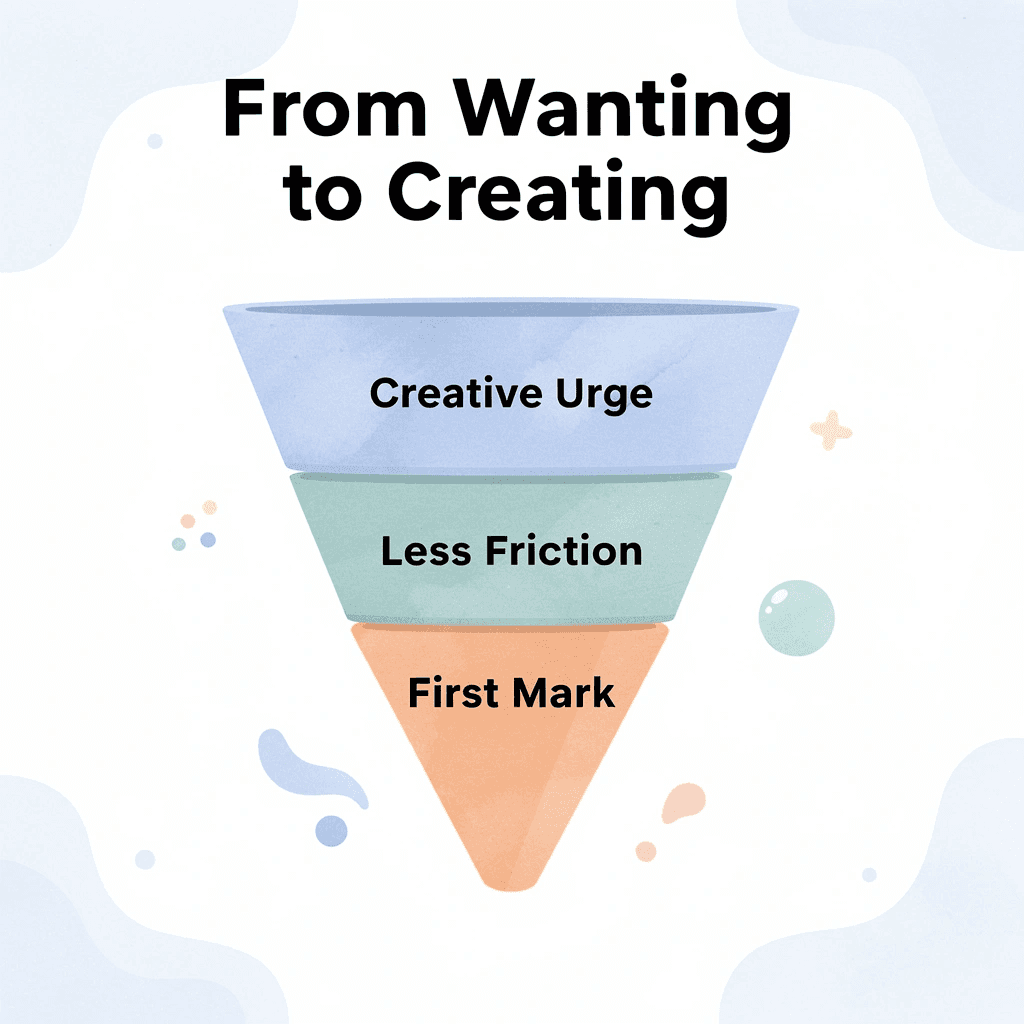
That obstacle is almost never talent, and it is almost never time. It is friction. The gap between wanting a creative hobby and having one usually comes down to how many small decisions stand between you and the first mark on the page. The fix is not clearing your schedule. It is removing the setup cost entirely.
"The gap between wanting a creative hobby and having one comes down to friction: not talent, not time, but the small decisions stacked between you and starting."
💡 Tip: If starting feels hard, the problem isn't you. It's the number of steps before you begin. Eliminate the setup, and the habit follows.
My Coloring Pages does exactly that. Browse our 75,000+ free coloring pages when you have no energy to decide what to make, or describe an idea and get a custom, ready-to-print page in seconds. Adults use our collection for intricate mandalas, personalized images, and designs tied to what matters to them. It is trusted by 20,000+ users and rated 4.8 out of 5.
Feature | What It Means for You |
|---|---|
75,000+ free pages | No decision fatigue — just browse and pick |
Custom AI-generated pages | Describe your idea, print in seconds |
Intricate mandala designs | Built for adult complexity and focus |
20,000+ trusted users | A proven, community-backed creative tool |
4.8 out of 5 rating | Consistently loved by real hobbyists |
🎯 Key Point: My Coloring Pages removes every barrier between you and a creative outlet — no supplies, no planning, no blank-page paralysis.
Choose one free page tonight, print it, and give yourself 10 minutes. You do not need more money, more talent, or a quieter life to start a creative hobby again.
✅ Best Practice: Start with 10 minutes. Research shows that beginning is the hardest part: once the page is in front of you, momentum takes over.
Related Reading
- Creative Hobbies To Try When Bored
- Easy Creative Hobbies
- Creative Hobbies To Try At Home
- Cheap Creative Hobbies
- Creative Hobbies That Make Money