55 Educational and Fun Indoor Group Activities for Kids
Indoor group activities for kids made easy! My Coloring Pages shares 55 fun, screen-free ideas that boost learning and keep kids engaged.

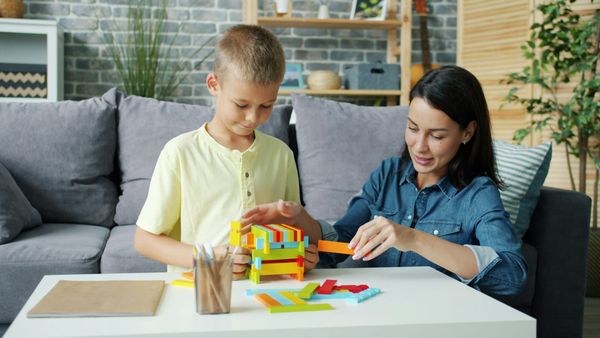
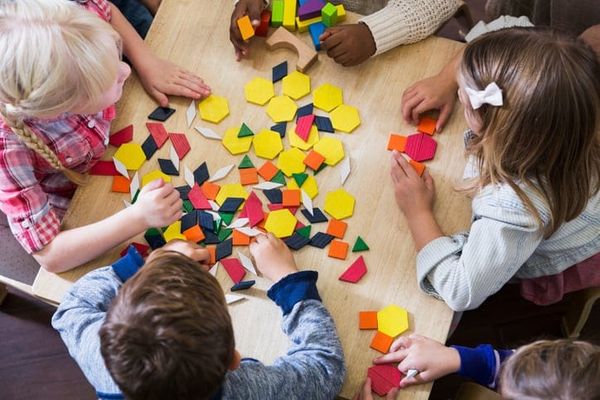
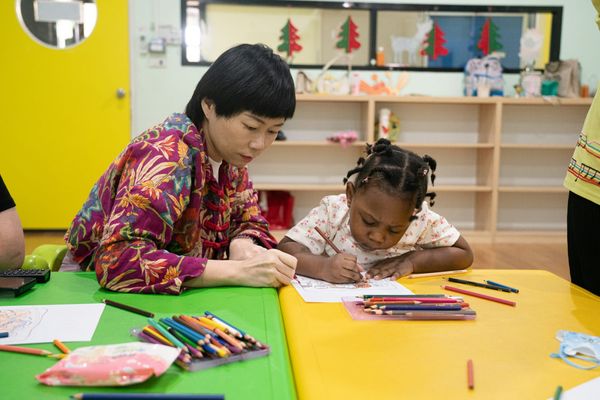
Keeping kids engaged during a rainy afternoon or a planned playdate takes more than a good idea. Indoor group activities for kids that involve collaboration, creative art, or hands-on storytelling help children build social skills, sharpen focus, and develop imagination in ways that genuinely support early childhood development. The right activity does not just pass the time; it gives kids something meaningful to work on together.
Ready-to-use resources make it far easier to bring structure and creativity into group play without hours of preparation. My Coloring Pages offers a wide range of printable options suited to different ages, themes, and skill levels, so every child at the table stays interested. To get started, Download 75000+ Free Customized Worksheets.
Table of Contents
- Are Indoor Group Activities Important for Kids?
- Why Are Group Activities Important for Kids
- What Happens When Kids Aren't Involved in Group Activities
- How to Encourage Kids to Get Involved in Group Activities
- 55 Educational and Fun Indoor Group Activities for Kids
- Why These Activities Work Better Than “Just Keeping Kids Busy”
- Turn One Indoor Activity Into Something Every Child Helps Create
Summary
- Children ages 8 to 12 spend an average of 4 to 6 hours per day looking at screens, according to Lurie Children's Hospital. The challenge for adults is not eliminating screen time but designing indoor group experiences that genuinely compete with it, not through novelty or noise, but by placing real demands on children's attention and social skills.
- The most common mistake in group activity planning is placing children near each other and assuming collaboration will follow. For a group activity to build social skills, each child needs a role, a piece of information, or a decision the others cannot proceed without. Proximity is not the same as interdependence, and when the structure does not require genuine cooperation, children default to parallel work even when sitting at the same table.
- Children who regularly participate in structured group activities develop stronger conflict resolution skills and show greater willingness to attempt collaborative tasks independently over time, according to research published by the Boys and Girls Clubs of America in 2024. The goal is not to produce children who enjoy group work but to produce children who do not collapse when the group becomes difficult. Flexibility and the ability to contribute without controlling are learned skills, not fixed personality traits.
- Children who do not attend playgroup are twice as likely to be developmentally behind their peers by the time they start school, according to reporting from The Sydney Morning Herald. That gap reflects more than academic readiness. It points to a deficit in the low-stakes peer interactions where children first learn that other children, not just adults, can be useful resources and collaborative partners.
- Sport England's Active Lives Children and Young People Survey found that 3.2 million children (28%) are doing less than 30 minutes of physical activity per day, and social avoidance in group settings follows a similar compounding pattern. The first time a child skips a group activity, the relief feels immediate. By the tenth time, avoidance has quietly hardened into identity, and "I am just not good with people" becomes the reason they give for opting out of the next opportunity.
- Quiet children who never push back and let a confident peer lead every group session can appear cooperative while learning that their contribution doesn't belong in the room. Assigning roles the group genuinely needs, giving every child 60 seconds of thinking time before open discussion begins, and teaching specific phrases for navigating disagreement all address different entry points for hesitant participants without singling anyone out.
- My Coloring Pages's Download 75000+ Free Customized Worksheets helps adults skip the material-searching phase and focus on what drives development: how children interact with one another around the activity, not just completing it.
Are Indoor Group Activities Important for Kids?
Indoor group activities create a special learning environment where children have to talk to each other, work out disagreements, and think together with other kids. It's essential to understand the difference between just being near each other and actually working together. A real group activity needs to require that everyone depends on each other — each child needs to have information, a job, or a choice that the other kids need in order to move forward. When that setup exists, the room becomes a place where real thinking happens.
"A real group activity requires mutual dependence — every child must hold a piece of the puzzle that others genuinely need to move forward." — Core Principle of Collaborative Learning
🎯 Key Point: The difference between passive proximity and active collaboration is everything. Simply placing kids in the same room is not a group activity—true interdependence drives learning.
💡 Tip: When designing indoor group activities, give each child a unique role, resource, or decision — this ensures genuine collaboration rather than one child leading while others watch.
⚠️ Warning: Don't confuse physical grouping with actual collaboration. If a child can complete their task without input from others, the activity isn't truly a group experience — and the learning opportunity is lost.

Why do indoor group activities matter more now than ever?
This design challenge matters more now than ever. According to the Lurie Children's Hospital Blog, children ages 8 to 12 spend an average of 4 to 6 hours per day on screens. The question isn't how to eliminate screen time, but how to design indoor group experiences that are more engaging than the alternative: experiences that ask more of the child, not through volume, but through depth.
What makes a group craft activity actually developmental?
Most adults choose crafts for indoor group activities, but the familiar version—where every child follows the same steps and makes the same thing—removes the learning opportunity. Nobody needs to explain anything. Nobody needs to listen. The fix is structural: give each child a different piece, and make the final result impossible without every piece.
Ready-to-use resources can shift this dynamic without adding planning burden. Download 75000+ Free Customized Worksheets from My Coloring Pages puts themed, age-appropriate materials at your fingertips within seconds, freeing adults to focus on what drives development: how children interact with one another around the activity.
How do indoor group activities support quieter or hesitant kids?
Indoor group play gives quieter or hesitant children a structured way to join in that outdoor free play rarely offers. A well-designed indoor activity assigns every child a role before the game begins. That predictability invites participation, not limitation.
Why Are Group Activities Important for Kids
Group activities teach children something no worksheet or solo project can: how to listen to another person's ideas while keeping their own. This critical skill — really paying attention to someone else while they think differently than you do — is about far more than just taking turns or sharing things.
"The ability to collaborate, listen actively, and hold your own perspective simultaneously is one of the most essential life skills a child can develop — and group activities are the primary training ground for it."
🎯 Key Point: Group activities build the kind of deep listening and perspective-holding skills that no individual assignment can replicate — making them essential to a child's social and cognitive development.
💡 Tip: When choosing group activities for kids, prioritize ones that require genuine collaboration — where every child's input shapes the outcome — rather than tasks that can simply be divided and completed alone.

What children actually practice when they work together
The child who always has the right answer but never says it out loud is not struggling academically. She is struggling with trusting that her voice has weight before anyone confirms it. Structured group tasks give her a concrete reason to speak, not because she was told to, but because the group cannot move forward without her contribution. That shift, from passive participant to necessary contributor, is where real confidence gets built: not from praise, but from evidence.
How do indoor group activities for kids teach listening as a skill?
Then there is the opposite child, the one who fills every silence, composing his next sentence while you finish yours. Group activities expose that pattern quickly. When the task requires listening to respond—not waiting to talk—children learn that a conversation isn't a series of monologues. That distinction shapes friendships, classroom dynamics, and eventually every professional relationship they will have.
Why is disagreement during group activities actually useful?
Most indoor group activities for kids create moments where disagreement becomes unavoidable—and that's the point. A child who discovers that "I don't like your idea" and "I don't like you" are different sentences has learned something many adults still confuse. Repeated group experiences, especially low-stakes ones with clear structure, give children a safe place to separate those two things before the emotional cost of confusing them rises.
Many parents and teachers resolve group friction immediately, stepping in the moment two children want the same role or disagree on direction. When adults consistently absorb that friction, children get fewer chances to practice negotiation, repair, and the specific discomfort of changing their mind in front of someone else. Platforms like My Coloring Pages offer one practical way to sidestep that bottleneck: when every child in a group can generate a coloring page built around their own theme or interest in seconds, the activity starts with built-in ownership. Less competition for the same resource leaves more room for each child to contribute something distinct.
What does research say about children who practice group work regularly?
According to research published by the Boys and Girls Clubs of America in 2024, children who regularly participate in structured group activities develop stronger conflict-resolution skills and, over time, show greater willingness to attempt collaborative tasks independently. The goal was never to produce children who love group work, but to produce children who do not fall apart when the group gets hard. Flexibility, persistence, and the ability to contribute without controlling are skills that, like any skill, require repetition in conditions challenging enough to stretch without breaking.
Related Reading
- Group Activities for Kids
- Group Therapy Activities for Kids
- Group Activities for Kids With Autism
- Early Childhood Development
- Cognitive Development In Early Childhood
What Happens When Kids Aren't Involved in Group Activities
When children skip group activities, they miss opportunities to practice social skills repeatedly. These repeated experiences are essential for learning how to interact with others. When kids miss these activities, the gaps in their social skills grow faster than most adults realize.
"When kids miss group activities, the gaps in their social skills grow bigger and faster than most adults realize." — Key Insight
⚠️ Warning: Missing group activities isn't a one-time setback. Every skipped opportunity means fewer repetitions of critical social practice, and those gaps compound over time.
🎯 Key Point: Repeated social experiences are the only way children build the interaction skills they'll need for life. No shortcut or substitute replaces this hands-on practice.

When ideas stay silent
A child who rarely participates in indoor group activities like cooperative games, shared building projects, or team storytelling exercises misses chances to practice joining an ongoing conversation. They may have the answer or a better idea, but when several children talk simultaneously, they say nothing and someone else decides. When this happens enough times, hesitation becomes habit. The shift is subtle but important: "I have something to say" slowly becomes "it's easier not to bother." Adults rarely notice because the child causes no trouble.
The same child may struggle to ask peers for help, defaulting to waiting for an adult or pushing through alone. According to The Sydney Morning Herald, children who don't attend playgroup are twice as likely to be developmentally behind by school entry. This gap reflects a deficit in low-stakes peer interactions where children first learn that other people, not just adults, can be useful resources.
Why does sharing control feel unbearable for some children?
When a child works alone, they control everything: what happens, when it happens, and how it happens. Then another child enters and says, "I want to do this first," and that predictability collapses. Without sufficient practice sharing control during group crafts, indoor team games, or collaborative art sessions, that moment feels unbearable rather than inconvenient. The child argues, grabs, shuts down, or leaves, and the behavior gets labeled as difficult when the real issue is a skill that was never built.
How do well-structured group activities build that missing skill?
Most well-structured group activities for kids create conditions to practice that skill safely. Many common approaches assign instructions to one confident child and call it group work. Platforms like My Coloring Pages work differently: every child or small group can generate a custom coloring page around their chosen theme in seconds, giving each participant a distinct creative stake in the activity. Nobody follows someone else's plan. That structural shift changes who speaks and who stays quiet.
How avoidance hardens into identity
The progress that matters most is not the first time a child avoids a group activity, but the tenth. Sport England's Active Lives Children and Young People Survey reports that 3.2 million children (28%) are doing less than 30 minutes of physical activity a day. Avoiding something provides immediate relief but removes the practice that would make the next attempt easier. What starts as "I don't like group projects" becomes "I'd rather do everything myself," then "I'm not good with people." That last sentence is not a description of personality but an identity built from accumulated avoidance. Once it solidifies, it becomes the reason the child opts out of the next opportunity.
Which children are quietly learning the wrong lesson?
The children who worry adults most are rarely the disruptive ones. They are the quiet ones who go along, never push back, and let the confident child lead every group activity without complaint. They appear cooperative. But they learn that their contribution doesn't belong in the room, and that lesson travels with them long after the activity ends.
How to Encourage Kids to Get Involved in Group Activities
Start by identifying what's actually stopping your child from participating — the specific friction point in this group, today. Once you find that barrier, every other strategy becomes sharper and far more effective.
"Understanding the root cause of a child's reluctance is the single most critical step before applying any intervention strategy." — Child Development Research
💡 Tip: Don't assume the barrier is always shyness — it could be sensory overload, fear of failure, or simply not knowing the rules of the activity.
⚠️ Warning: Skipping the barrier-identification step and jumping straight to solutions is the most common mistake parents make — it wastes time and can increase resistance in your child.
Find the Real Barrier Before Offering a Solution
Kids who avoid group activities often want to join but get stuck at the start because no one gives them a specific role or a clear entry point. Instead of asking "Why don't you ever play with everyone?", ask "What part feels hardest?" This shifts the conversation from blame to problem-solving. The answer usually points to something fixable: the group is too loud, someone dominates, or the child doesn't know how to initiate. Once you identify what's blocking them, you can address it directly instead of offering generic encouragement.
Build Up Group Size Gradually
Start smaller than feels necessary. A child who shuts down in a group of eight may do perfectly well with one partner, then two, then three. Each small success builds evidence that they can handle social interaction. The progression from one partner to a small group to a larger group creates a repeatable experience of "I handled that," which lasts far longer than any pep talk.
How does personal interest help children push through social complexity?
Most adults organizing group activities use pre-packaged themes for convenience, handing out identical dinosaur sheets and calling it a group activity. But when every child colors the same image with no input, the activity makes no social demands. Our library at My Coloring Pages offers a different approach: 100,000+ customizable printable coloring pages where theme, characters, and content match what the specific children in the room care about. When a child sees the group building around something they love, personal interest becomes the reason to navigate social complexity.
Give Every Child a Job and a Voice
Assign roles the group needs: idea chooser, materials holder, builder, checker, presenter. When a child sees the group cannot work without their specific job, participation becomes part of the structure rather than optional. Give every child sixty seconds of thinking time before open discussion to write or draw one thought. Quieter children stop being outpaced by faster talkers and arrive at the conversation prepared. This structural change levels the room without singling anyone out.
Teach the Language, Then Reflect on the Experience
Children who freeze in group settings often lack words at the critical moment. Practicing phrases like "Can I do this part?" or "What if we try both?" in low-pressure role-play gives them something to reach for when real situations arrive. After the activity, ask what felt easy, what felt hard, and what they would try differently next time. Reflection turns a shared activity into active learning about participation, and that habit compounds over time far more than any single successful session.
But knowing how to get children into a group is only part of the equation: what you put in front of them once they arrive changes everything.
Related Reading
- Occupational Therapy Group Activities for Kids
- How Do Children Learn
- Early Childhood Learning
55 Educational and Fun Indoor Group Activities for Kids
1. Split-Clue Treasure Hunt
Tackles: Kids relying on adults for every answer.
Give each child a different clue leading to the next location. Nobody has enough information alone, so the group must:
- Share
- Listen
- Combine information
- Decide where to search
Learning can include reading, directions, numbers, riddles, or vocabulary.
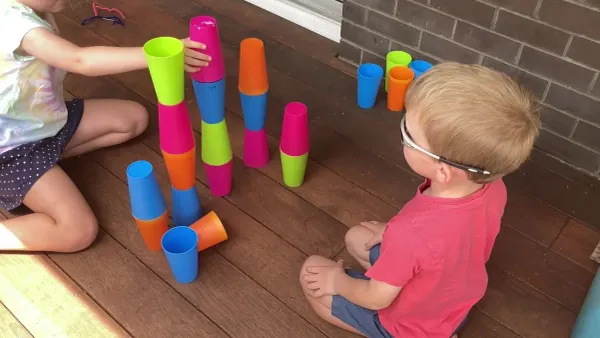
2. Build the Tallest Team Tower
Tackles: One child taking over.
Give children cups, blocks, or cardboard, but each child may place only one piece before the next person takes a turn.
Success requires:
- Planning together
- Waiting
- Watching what others do
- Adjusting the next move
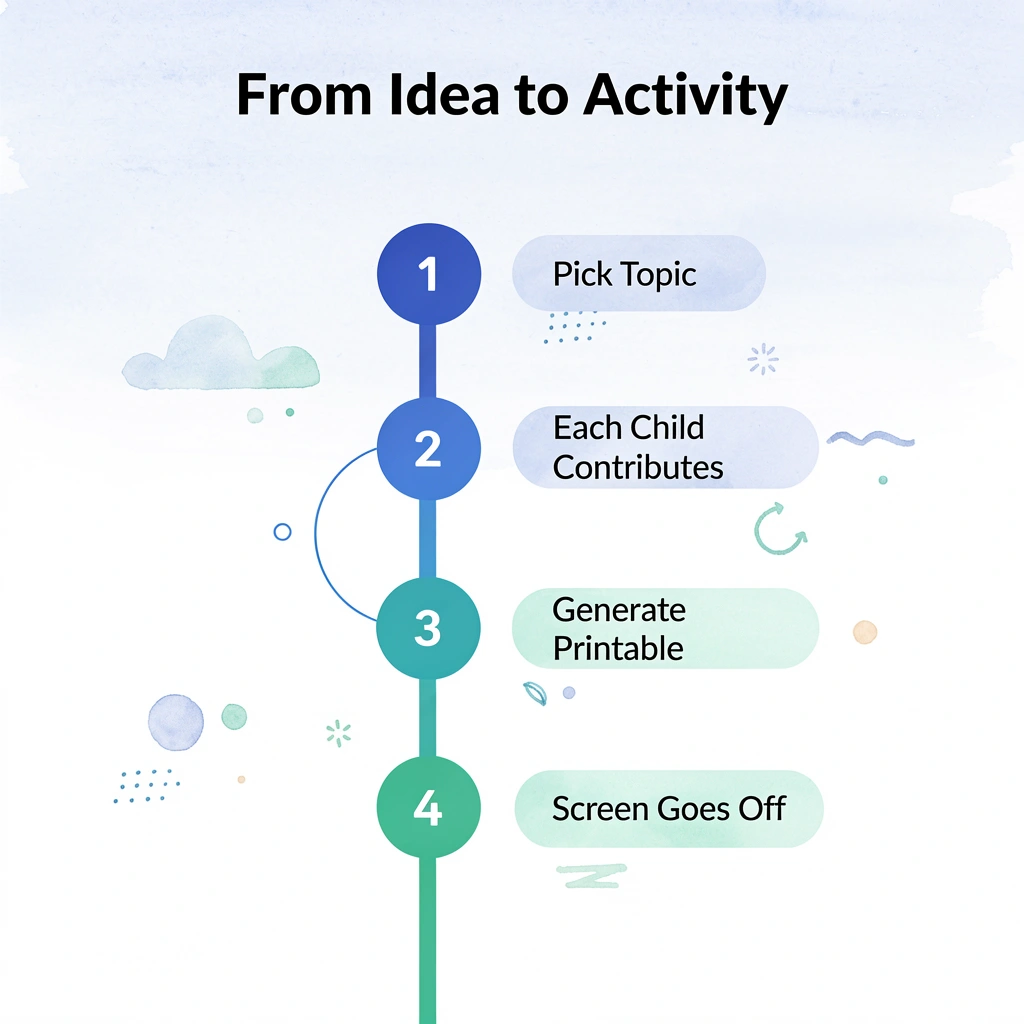
3. Create a Shared Learning Picture With My Coloring Pages
Tackles: Blank-page difficulty, passive screen time, and one child's idea dominating the whole activity.
Pick a topic such as:
- The ocean
- Space
- Dinosaurs
- A rainforest
- A story
Each child contributes one element to the scene.
Use My Coloring Pages to turn those combined ideas into a printable starting outline, then put the screen away.
Children can:
- Color
- Label
- Add details
- Change parts
- Explain their contribution
The bridge becomes:
Every child supplies knowledge → My Coloring Pages removes setup friction → group continues offline → children make choices, negotiate, and explain what they learned.
4. One-Sentence Group Story
Tackles: Children talking without listening.
One child begins a story, and each child adds exactly one sentence.
Their contribution must fit what came before, forcing:
- Attention
- Memory
- Flexible thinking
- Contribution
5. Puzzle Piece Exchange
Tackles: Kids sitting together but working independently.
Divide one puzzle among group members.
Children must communicate to find missing pieces rather than simply grabbing them.
The puzzle becomes a reason to:
- Ask
- Describe
- Respond
- Cooperate
6. Mystery Object Bag
Tackles: Weak descriptive language.
One child feels or views an object secretly and gives clues about:
- Shape
- Size
- Texture
- Function
- Color
The group uses the clues to identify it.
The child must turn observation into useful language.
7. Indoor Science: Sink or Float Predictions
Tackles: Children waiting for adults to tell them what will happen.
Before testing each object, everyone makes a prediction and explains why.
Then compare:
Prediction → evidence → revised explanation
8. Build a Habitat Together
Tackles: Vague “everyone help” group work.
Assign children responsibility for:
The habitat is incomplete unless every contribution is included.
9. Group Memory Tray
Tackles: Memory games becoming competitive.
Show several objects, cover them, and ask:
“How many can the TEAM remember?”
Children pool memories instead of competing, turning individual recall into shared information.
10. Indoor Scavenger Hunt by Category
Tackles: Passive recognition.
Ask teams to find things that are:
- Round
- Soft
- Made of metal
- Start with B
- Used in a kitchen
Children must apply categories to real objects rather than only identify them on worksheets.
11. Which One Doesn't Belong?
Tackles: Rigid thinking and believing there is only one right answer.
Show four objects or pictures and ask each child to defend a different possible answer.
Children learn that different reasoning can still make sense.
12. Design a Paper Bridge
Tackles: Children quitting when the first attempt fails.
Give paper and tape and ask the group to build a bridge that holds a toy.
If it collapses, ask:
“What did we learn?”
Before rebuilding.
Failure becomes information.
13. Group Comic Strip
Tackles: Separate ideas not connecting.
Agree on characters and a problem, then give each child one panel.
Children must coordinate so the finished story makes sense from beginning to end.
14. Make a Human Shape
Tackles: Kids ignoring their position in relation to others.
Ask them to create a:
- Letter
- Triangle
- Number
- Simple object
using their bodies.
Nobody can complete it alone.
15. Math Shop
Tackles: Maths feeling disconnected from everyday life.
Create a pretend shop with price tags.
Rotate roles such as:
- Customer
- Cashier
- Item finder
- Total checker
Use the activity to practice counting, addition, subtraction, or money.
16. Build a Group Board Game
Tackles: Children following rules without understanding how rules work.
Let the group invent:
- A goal
- Rules
- Challenges
- A way to win
Then test it and revise anything unfair or confusing.
17. Pass-the-Drawing
Tackles: Children needing complete control over creative work.
Each child draws for 30 seconds, then passes the page.
The next person must build on what is already there rather than restart.
18. Indoor Obstacle Course Design
Tackles: Adults plan everything.
Let each child create one safe station, then decide together how the stations connect.
Children practice:
- Planning
- Sequencing
- Movement
- Compromise
19. Simon Says With Learning Rules
Tackles: Weak attention and impulse control.
Add academic prompts such as:
- “Simon says touch something shaped like a rectangle.”
- “Simon says jump three times.”
Kids must listen carefully before acting.
20. Balloon Keep-Up Team Challenge
Tackles: Competitive games leaving weaker players out.
The goal is to beat the group's previous number of touches, with the rule that nobody can hit the balloon twice in a row.
Success depends on awareness of teammates.
21. Group Sorting Challenge
Tackles: Children applying only one classification rule.
Give mixed objects and ask the group to sort them one way.
Then challenge them to find another valid system.
This builds:
- Categorization
- Flexible thinking
22. Build a Cardboard City
Tackles: One child's creative plan controlling everything.
Each child creates one area, such as:
- Hospital
- School
- Park
- Shops
- Houses
All roads must connect.
Individual ownership has to fit a shared plan.
23. Emotion Charades
Tackles: Limited emotional vocabulary.
Children act out feelings while others identify:
- Facial clues
- Body clues
- Situational clues
Extend the activity by asking what might help someone feeling that emotion.
24. Three Uses for One Object
Tackles: Rigid thinking.
Give a simple item such as a paper cup and challenge the group to invent as many unusual uses as possible.
No repeated ideas are allowed.
25. Group Word Chain
Tackles: Weak vocabulary retrieval and listening.
One child says a word, and the next must say a related word or one that begins with the previous word's final letter.
Each response depends on hearing the previous one.
26. Indoor Map-Making
Tackles: Spatial learning while staying abstract.
Draw a map of:
- The room
- Home
- An imaginary island
- School
Different children add:
- Landmarks
- Routes
- Symbols
- Labels
Then use the map to direct someone.
27. Recipe Sequence Challenge
Tackles: Children losing track of multi-step tasks.
Use a simple no-cook recipe with visual steps.
Give each child responsibility for one stage and let the group check whether the sequence is correct.
28. Mystery Number
Tackles: Guessing without reasoning.
Give clues such as:
- Greater than 10
- Less than 20
- Even
- Not 14
Children discuss possibilities before agreeing on one answer.
29. Build From Verbal Instructions
Tackles: Poor listening and unclear explanations.
One child sees a simple block model and describes it without showing it.
The group has to recreate it from the instructions.
30. Indoor “Would You Rather?” Debate
Tackles: Children thinking disagreement means conflict.
Ask fun questions such as:
“Would you rather live underwater or in space?”
Each child explains their reasoning, then the group tries to agree on one answer.
31. Make a Chain Reaction
Tackles: Kids focusing only on their own part.
Each child builds one part of a domino or rolling-object chain reaction.
Each section must connect for the final result to work.
32. Story Ending Challenge
Tackles: Children waiting for one correct answer.
Read part of a story and let small groups invent different endings.
Then compare how each ending changes what happens to the characters.
33. Indoor Nature Detective
Tackles: Science learning needing outdoor access.
Bring in safe items such as:
- Leaves
- Stones
- Seeds
- Pictures
Classify them by:
- Texture
- Shape
- Origin
- Function
34. Group Alphabet Hunt
Tackles: Letter practice becoming repetitive.
Give each child several letters and ask the team to find indoor objects beginning with them.
Older kids can hunt for prefixes, nouns, or adjectives instead.
35. Build a Marble Run
Tackles: Blaming people when a shared project fails.
Each child designs one section.
If the marble stops, ask:
“Where does the system need changing?”
Rather than asking whose section is wrong.
36. Guess My Rule
Tackles: Children memorizing categories without understanding patterns.
Secretly sort several objects according to a rule, then let the group infer it by testing hypotheses.
37. Group Riddle Creation
Tackles: Children only solving rather than creating.
Give each group an object and ask them to write three clues without naming it.
Another team solves the riddle.
38. Make a Shared Playlist of Movements
Tackles: One child's preference dominating physical play.
Each child contributes one movement, such as:
- Clap
- Jump
- March
- Spin
- Stretch
Then perform the full sequence together.
39. Indoor Restaurant Role-Play
Tackles: Children struggling with functional communication.
Rotate through:
- Customer
- Waiter
- Cook
- Cashier
Children practice:
- Requesting
- Listening
- Sequencing
- Counting
- Responding to other people
40. Copy the Pattern, Then Change It
Tackles: Children who can copy but struggle to create.
First, reproduce a block, bead, or shape pattern.
Then every child changes one feature and explains why.
41. Shared Collage With Required Contributions
Tackles: Quieter children disappearing in creative groups.
Each child must add one specific piece before the collage is complete.
The group's final product visibly includes everyone's contribution.
42. Teach the Group Something
Tackles: Group success hiding individual understanding.
After learning something, each child teaches one small part back to the others through:
- Speech
- Demonstration
- Drawing
- Objects
43. Indoor Weather Station
Tackles: Children consuming facts without collecting data.
Create roles for:
- Temperature recorder
- Weather observer
- Chart maker
- Reporter
Compare observations across several days.
44. Make a Group Time Capsule
Tackles: Children struggling to talk about themselves.
Each child contributes a:
- Picture
- Prediction
- Favorite thing
- Short message
Each child also explains why it should be included.
45. Build the Strongest Paper Structure
Tackles: Children assuming more materials automatically means better results.
Give all teams the same limited supplies.
They must:
- Plan before building
- Test the structure
- Revise after testing
46. Indoor Quiz Where the Team Must Agree
Tackles: The fastest child answering everything.
Nobody may answer until every teammate has had time to think.
The team submits one final response after discussion.
47. Missing Object Detective
Tackles: Observation and working memory.
Display several objects, cover them, and secretly remove one.
Then let the group determine what is missing and explain how they remembered it.
48. Group Poetry Builder
Tackles: Writing activities becoming individual and intimidating.
Choose a theme and let each child contribute one line.
The group then rearranges lines to improve rhythm or meaning.
49. Design an Invention
Tackles: Children seeking adult solutions.
Give a problem such as:
“How could we stop pencils rolling off a desk?”
Every child proposes one idea.
Then the group combines or tests them.
50. Indoor Escape-Room Puzzle Chain
Tackles: Kids solving everything separately.
Create several age-appropriate puzzles involving:
- Numbers
- Words
- Patterns
- Clues
Different group members should hold information needed for each stage.
51. Build a Story From Random Objects
Tackles: Difficulty adapting when unexpected information appears.
Give each child a random object and require the final story to include every one.
Children have to adapt their original ideas rather than reject others.
52. Group Graphing Survey
Tackles: Data concepts feeling meaningless.
Ask a question such as:
- Favorite fruit
- Favorite pet
- Favorite book
- Favorite game
Collect everyone's response, build a graph, and interpret:
- Most
- Least
- Equal
- Differences
53. Problem-Solving Mission Cards
Tackles: “I can't” appearing before children try.
Give challenges such as:
“Move this toy across the table without touching it with your hands.”
Require every child to suggest an idea before testing any solution.
54. Compliment With Evidence Circle
Tackles: Vague praise and weak awareness of others.
Children give a specific observation such as:
“You helped me find the missing piece.”
Rather than a generic “You're nice.”
This teaches them to notice useful behavior in peers.
55. Group Challenge Day
Tackles: Kids thinking cooperation matters only in one activity.
Set up several short indoor stations involving:
- Movement
- Building
- Memory
- Storytelling
- Problem-solving
- Creativity
Instead of scoring which child performs best, ask after each station:
- Did everyone contribute?
- Did they listen?
- Did they solve a problem together?
- Did they change strategy when something failed?
Why These Activities Work Better Than Just Keeping Kids Busy
The solution bridge is the important part.
Quiet Child Stays Invisible
Use:
- Split clues
- Required contributions
- Assigned roles
- Teach-back
- Shared creative projects
One Child Takes Over
Use:
- Turn structures
- Distributed information
- Consensus tasks
- Roles that make everybody necessary
Kids Work Beside Each Other Instead of Together
Choose:
- Puzzles
- Construction challenges
- Treasure hunts
- Chain reactions
- Information-gap tasks
These activities require interaction for success.
Children Do Not Listen
Use:
- Group stories
- Verbal building
- Memory chains
- Riddles
- Activities where the next move depends on hearing the previous child
Different Ideas Become Arguments
Use:
- Open-ended design
- “Would You Rather?” activities
- Group stories
- Invention challenges
- Multiple-answer reasoning tasks
Kids Wait for Adults to Solve Everything
Use:
- Science predictions
- Construction challenges
- Mission cards
- Activities where adults ask questions instead of supplying the answer
Kids Give Up After Failure
Use:
- Bridges
- Marble runs
- Towers
- Inventions
- Structures that are expected to need redesigning
Learning Feels Boring
Embed literacy, maths, science, memory, and reasoning inside:
- Stories
- Pretend play
- Movement
- Building
- Mysteries
- Creative challenges
Screens Become Passive Entertainment
Use My Coloring Pages only for the brief creation step, then move the learning offline into:
- Coloring
- Labeling
- Modifying
- Explaining
- Group decision-making
Group Success Hides Individual Learning
End activities with:
- Teach-back
- Explanation
- Prediction
- One contribution each child can identify as their own
Competition Makes Some Kids Withdraw
Use team goals such as beating the group's previous score rather than ranking children against one another.
Turn Indoor Time Into Meaningful Group Learning
Instead of:
- Kids are stuck inside
- An adult finds something to occupy them
- Everyone follows instructions
- Time passes
- “At least they weren't bored.”
Create a more meaningful pattern:
- Give children a meaningful shared challenge
- Make sure every child contributes
- Encourage communication
- Allow different ideas to appear
- Let problems and mistakes happen
- Give children opportunities to think, move, negotiate, or redesign
- Finish with something they created or discovered together
That is what makes an indoor group activity both fun and genuinely useful.
The Strongest Question to Ask
Instead of asking:
“Did this keep them busy for an hour?”
Ask:
“Did every child have to think, communicate, move, remember, create, or solve something because they were doing it with other people?”
The goal of indoor group activities should not be simply to pass the time.
It should be to turn that time into something children could not have learned quite the same way alone.
Turn One Indoor Activity Into Something Every Child Helps Create
What you put in front of kids matters far less than how much ownership each child feels. When every child contributes one idea before the activity begins, the dynamic shifts from passive participation to genuine investment. This shift—from receiving an activity to shaping it—transforms group energy and individual engagement in ways no pre-packaged craft or worksheet could.
"When children feel ownership over a shared activity, they move from passive participants to active co-creators—and that changes everything about how they engage." — Child Development Research
💡 Tip: Before any group activity starts, go around the room and collect one idea from every child, including the quietest ones. That small act of inclusion builds buy-in that lasts the entire session.
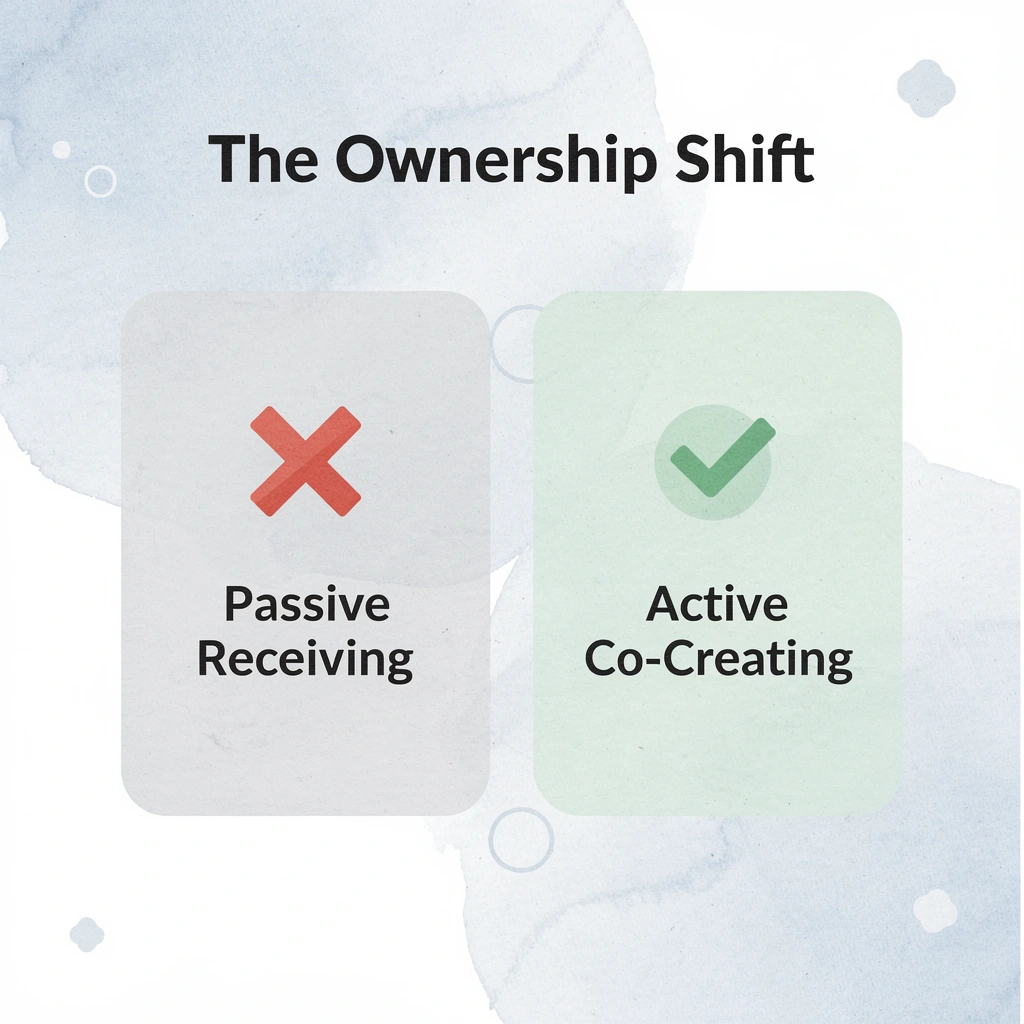
My Coloring Pages makes that immediately practical. Choose a shared topic the group genuinely cares about, collect one idea from each child, and generate a custom printable in seconds — with access to our 75,000+ free customized worksheets. The screen goes off, and the real group work begins. No adult micromanagement required.
✅ Best Practice: Use the group's collected ideas as the creative brief — let kids see their suggestions reflected in the final printable. That moment of recognition is powerful motivation.
Indoor group activities stop being something adults manage and start being something kids own together. That shift—from managed to owned—is the difference between an activity that fills 30 minutes and one that kids remember. When children feel like co-creators, the results are clear: deeper focus, less conflict, and a group that wants to keep going.
🎯 Key Point: The goal isn't a completed activity but a shared experience every child helped build. That sense of contribution transforms a simple indoor afternoon into something meaningful.
Related Reading
- Strategies For Child Development