
35 Best Math Apps for Kids for Fun, Focused Learning
Math Apps for Kids boost learning with 35 top apps and printable follow-ups from My Coloring Pages. Build strong math skills fast.


Math lessons can easily feel like a chore when they lose their playful edge, yet innovative design transforms routine counting and problem-solving into engaging challenges. Some fun websites for kids integrate intuitive math apps that spark curiosity and build number sense, mental math, and focus. Not every digital tool strikes this balance of fun and education, so careful selection is essential to keep learning engaging.
Techniques that combine interactive practice with hands-on activities reinforce these essential skills and boost confidence. My Coloring Pages offers a robust collection of resources, with 17,180+ free coloring pages that complement digital tools and enhance hands-on learning.
To put these ideas into practice, our 17,180+ free coloring pages help you get started right away.
Summary
- Many popular math apps trade reasoning for recognition, resulting in stalled learning, and a 2025 report found that 75% of students using math apps do not show significant improvement.
- Curriculum misalignment creates additional work for teachers; 60% report that math apps do not integrate well with their curricula.
- When apps combine adaptive scaffolding and corrective feedback, they can produce measurable gains: one dataset shows that 90% of children using well-structured math apps improved their performance. Interactive designs are associated with a 15% increase in standardized test scores.
- Engagement is typical but not sufficient: 80% of teachers reported increased student engagement from math apps, yet that engagement requires paired off-screen practice to translate into durable skills.
- A six-month pilot involving 40 families and two grade-level teams showed that apps that paired adaptive pacing with explicit visual representations produced the best follow-through. At the same time, reward-loop-only tools led to short-lived use.
- Focused selection and follow-up matter, which is why the article includes 35 curated mini-reviews to help match an app to a child’s temperament and a specific learning target.
- This is where 17,180+ free coloring pages fit in, providing an extensive, printable resource for parents and teachers to turn app-identified gaps into low-stress counting, fraction, and pattern practice.
Why Most Kids Struggle With Math Apps (And Why Many Don’t Work)

The truth is, parents and teachers are exhausted because kids lose interest, apps feel repetitive, and progress stalls. Many people think that just downloading a math app means children are learning. Most apps depend on passive drills, shallow reward loops, and one-size-fits-all pacing. So, what seems like practice turns into a treadmill with no real skill transfer. Adding variety with engaging tools can help; our 17,180+ free coloring pages can be a great way to make learning fun.
Why do so many math apps stall real learning?
This problem shows up in home practice and classroom homework: apps replace thinking with recognition. They give instant feedback and flashy badges, but they rarely ask kids to slow down, explain their thinking, or connect counting, shapes, and fractions to real objects. The result is short attention spans and low retention, not a better understanding of numbers.
How does this situation affect a child and their parent?
When children face problems that are too difficult for them, they don’t just get the wrong answer; they feel small and confused. Parents feel helpless as they watch their child's change from curiosity to avoidance. This challenge appears in both homes and classrooms, where an app’s pace can be faster than a child’s basic skills, leaving them disinterested.
According to the Center on Reinventing Public Education, 75% of students using math apps do not show significant improvement in their math skills. This 2025 report notes that many app-driven methods fail to deliver meaningful improvements and can even worsen math anxiety.
Why do parents reach for apps?
Most people use apps because they are convenient and seen as a sign of progress. Many parents handle this by letting their children play short app sessions, since they are familiar and require no extra preparation. This method works until gaps in learning show up, which leads to avoidance behavior. In this case, a child swipes past mistakes instead of fixing them.
Platforms like My Coloring Pages provide an alternative path. They let parents turn app concepts into hands-on, printable activities. Through a free customizable library and online design tool, they can change abstract drills into low-pressure coloring tasks that strengthen counting, patterns, and fractions. This all happens while keeping practice calm and creative.
Why do teachers say apps don’t fit the classroom?
If sticking to the curriculum is essential, many apps don’t do a good job of it. This creates additional work for teachers, who must adjust lessons and monitor varying levels of progress. According to the Center on Reinventing Public Education, 60% of teachers report that math apps do not integrate well with their curriculum.
This 2025 finding shows why classroom use often slows down or becomes optional. When teachers need to fill this gap, printable, standards-aligned worksheets and customizable coloring pages become helpful tools that respect both pacing and learning goals.
Related Reading
- Fun Websites for Kids
- Free Drawing Websites for Kids
- Coloring Websites for Kids
- Free Coloring Websites for Kids
- Educational Websites for Kids
- Coloring Pages Websites for Kids
- Learning Websites for Kids
What Actually Makes a Math App Effective for Kids

Five key mechanisms that make learning in math apps effective include adaptive difficulty, immediate feedback, playful motivation, age-appropriate sequencing, and strong visual models. When these features are combined with simple, hands-on follow-up activities, they build lasting number sense and confidence.
This exploration examines how each mechanism works under the hood, its impact on learning transfer, and how low-friction printable practice can help sustain gains in memory, such as using our 17,180+ free coloring pages as engaging practice materials.
How does adaptive difficulty keep kids in the sweet spot?
Adaptive difficulty is not magic; it is a control system. Good engines measure a child’s success rate and then adjust the difficulty of problems up or down. This keeps the challenge within the zone of proximal development.
The practical result is twofold: consistent wins build competence, and spaced exposure to slightly more complex problems encourages retrieval, which strengthens memory.
Many systems use item-response-style scoring or performance thresholds to determine when to introduce a new concept or revert to a previous one. This pacing matters more than the raw volume of practice. Think of it as a thermostat for learning, not a one-size-fits-all approach.
Why does immediate feedback matter beyond a green check?
Feedback is only valuable when it identifies mistakes and encourages their correction. The best responses not only explain what went wrong but also include a brief example or question to help clarify, followed by an opportunity to try the fix on a similar case. When feedback only praises or punishes, kids often memorize patterns without really getting them, which hurts their number sense. This inconsistency can break their momentum.
Such patterns can occur in both classroom trials and home routines when systems lack adequate support or change unexpectedly, resulting in mixed messages for students. This can leave them confused instead of making progress. Quick cycles of correction that encourage explanations and retries create a repair loop, which is key for turning guesses into fundamental understanding.
How does game-based motivation create real practice, not just clicks?
Motivation that lasts connects progress to competence, not only to rewards. Games that include small, meaningful choices, clear short-term goals, and a visible path to mastery change repetitive practice into deliberate practice.
When a child chooses a strategy, observes its effect, and receives feedback on that strategy, their intrinsic motivation increases while anxiety decreases. External badges help to some extent, but the more important factor is making the task itself enjoyable, like solving a puzzle, so practice can continue without needing parental pressure.
Do the numbers back this up?
Yes. According to the National Education Association, "90% of children who used math apps showed improvement in their math skills." Well-structured digital practice can yield significant gains when it supports learning and tracks progress.
Similarly, Educational Technology Research, "students using interactive math apps scored 15% higher on standardized tests," shows that interactive designs can improve measurable achievement when they focus on reasoning and adaptability.
These findings do not mean every app is approved; instead, they show that effective methods can have real effects when used correctly.
What does age-appropriate progression actually look like on a worksheet?
Good progression follows a clear path from concrete to abstract ideas. It starts with manipulatives or colored areas, then moves to pictures like number lines or area models, and finally introduces symbols.
On paper, this order includes color-coded counting strips, matching pictures to numbers, coloring region-based fraction models, and, in the end, practice with only symbols. Each step focuses on one micro-skill, allowing a child first to practice counting up to ten, then partitioning, and then comparing, rather than mixing tasks.
How do visual models anchor number sense and transfer?
Visual models help show thinking and make hidden structure clear. For example, a number line shows relative size, an area model reveals equivalence for fractions, and a shape-sorting activity builds spatial number sense.
These models create strong mental hooks that phone screens alone rarely create.
Drawing, shading, or cutting involves motor memory and conceptual understanding. A simple color-by-number fraction sheet, for instance, makes a child match a symbol to a visual part and then act on it. This links the emblem, its representation, and its action.
What are the challenges of using app progress reports?
Most teachers and parents pull app progress reports to decide what to teach next, which makes sense because data feels objective. But that habit creates problems: converting those logs into ready-to-use, hands-on practice takes time and design choices that most caregivers lack.
Solutions like My Coloring Pages, with a free, customizable coloring-page library and an online design tool, let adults create print-ready pages that address specific gaps identified by app analytics. This compresses preparation time from an hour of planning to just a few printable sheets while keeping the teaching goals in mind.
What is the analogy for understanding the system?
A short analogy to make the system feel real: adaptive practice is the engine, immediate feedback is the tune-up, game design is the road that keeps you moving, age sequencing is the map, and visual models are the landmarks.
Without any of these components, travel becomes guesswork rather than a clear arrival.
How does this method change app and activity selection?
That method sounds like progress. However, the surprising part comes next. It fundamentally changes how users pick apps and activities.
Related Reading
- Drawing Websites for Kids
- Best Educational Websites for Kids
- Art Websites for Kids
- Safe Websites for Kids
- List of Websites to Block for Kids
- Reading Apps for Kids
- Best Learning Apps for Kids
- Best Learning Games for Kids
35 Best Math Apps for Kids (By Age, Skill, and Learning Style)
These 35 mini-reviews give a clear overview of why each app works well, who should use it, and the primary skill it helps improve. This allows parents to choose tools that complement printable, hands-on activities. By using short reviews, they can identify an app that aligns with a child’s personality and learning goals, then turn key ideas into low-pressure coloring activities to support learning.
Curated math apps — mini reviews
1. My Coloring Pages
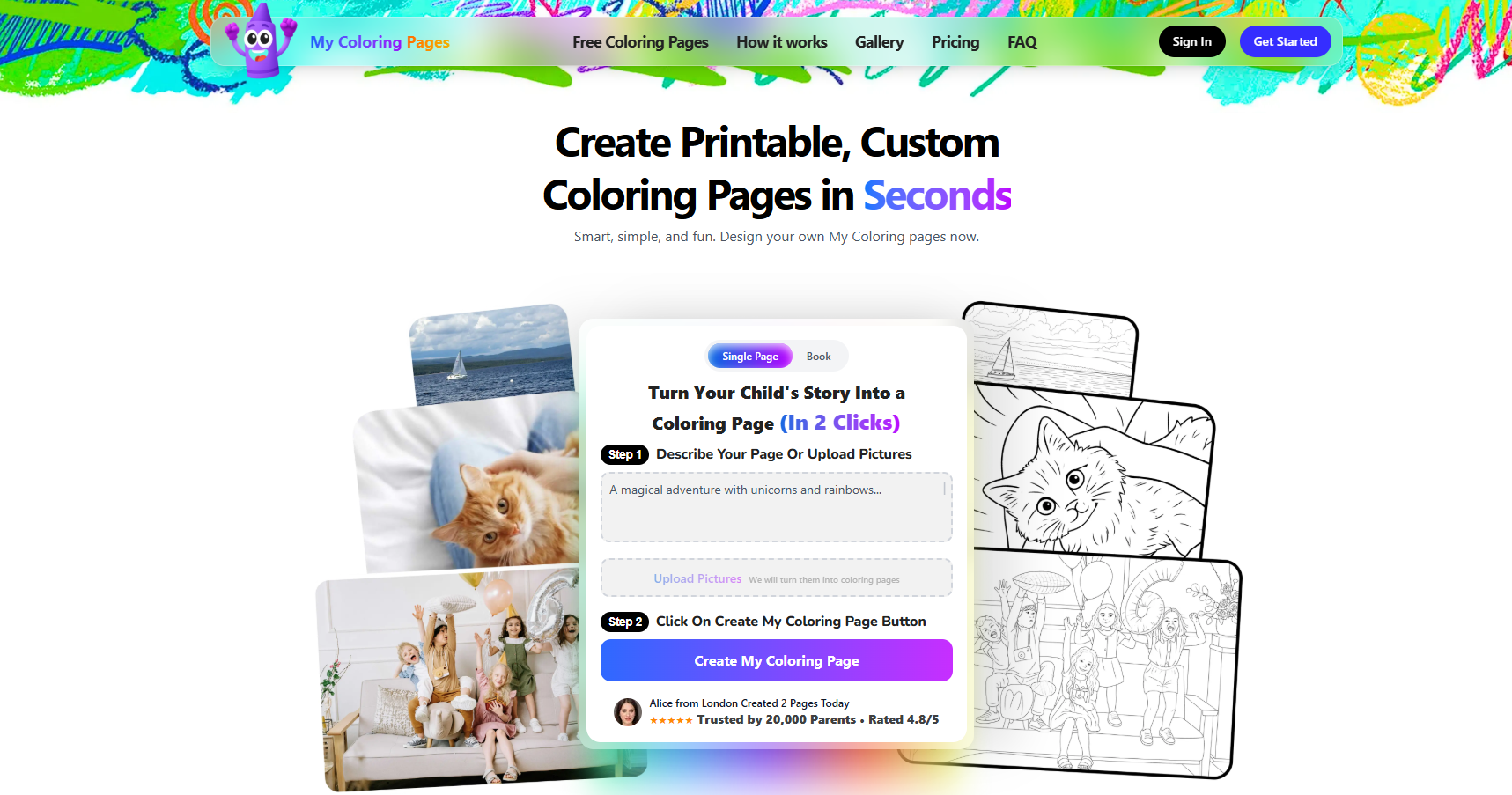
- Why it works: Fast, low-friction creation of printable activities that turn abstract ideas into tactile practice.
- Who it’s for: Parents and teachers who need custom worksheets and calming follow-up activities.
- Skills strengthened: Number sense, shape recognition, and visual fraction models through coloring and labeling.
2. Prodigy Math
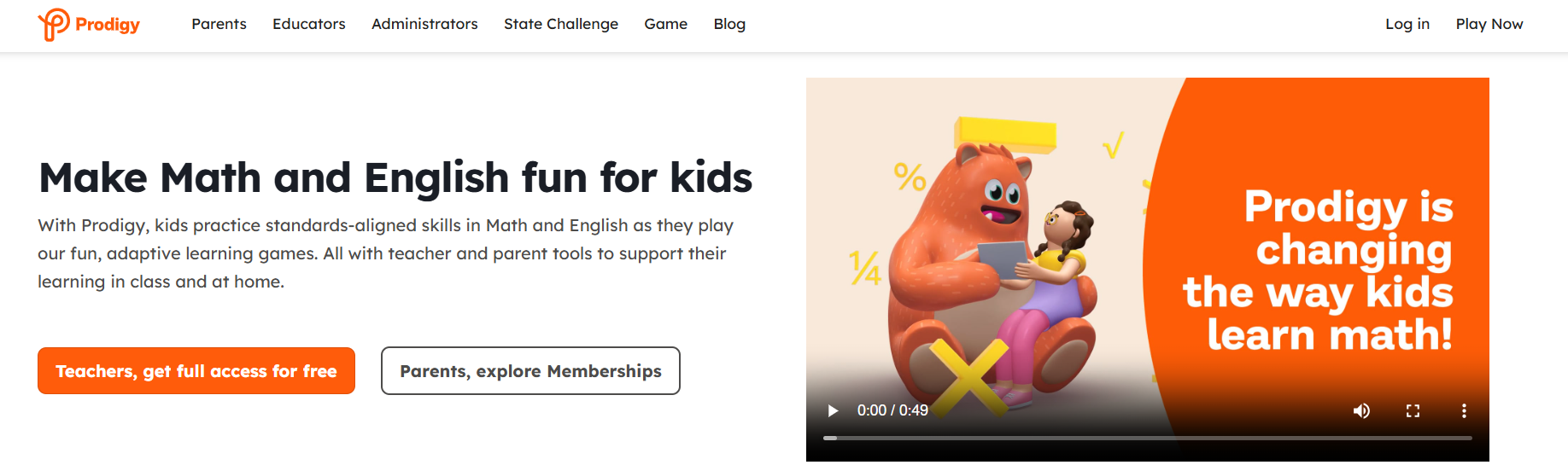
- Why it works: RPG-style adaptive practice motivates sustained play and aligns many core skills with classroom standards.
- Who it’s for: Elementary and middle school students who respond well to game rewards.
- Skill it strengthens: Curriculum skills across 1st to 8th grade, fluency, and applied problem-solving.
3. Elephant Learning Math Academy
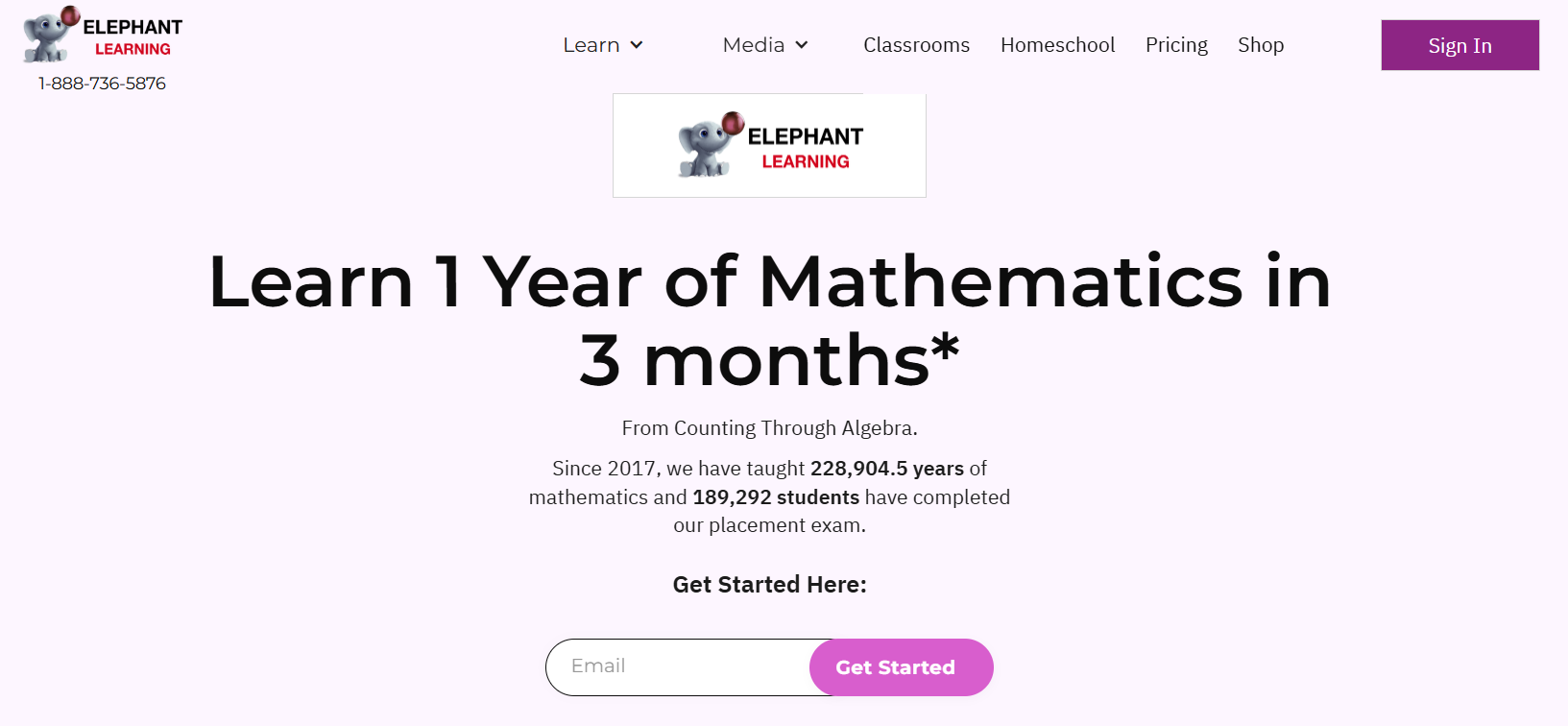
- Why it works: A concept-focused adaptive engine promises rapid gains with short weekly sessions.
- Who it’s for: Families looking for high-frequency, low-time commitment practice.
- Skill it strengthens: Foundational numeracy, concept fluency, and early algebraic thinking.
4. DoodleMaths
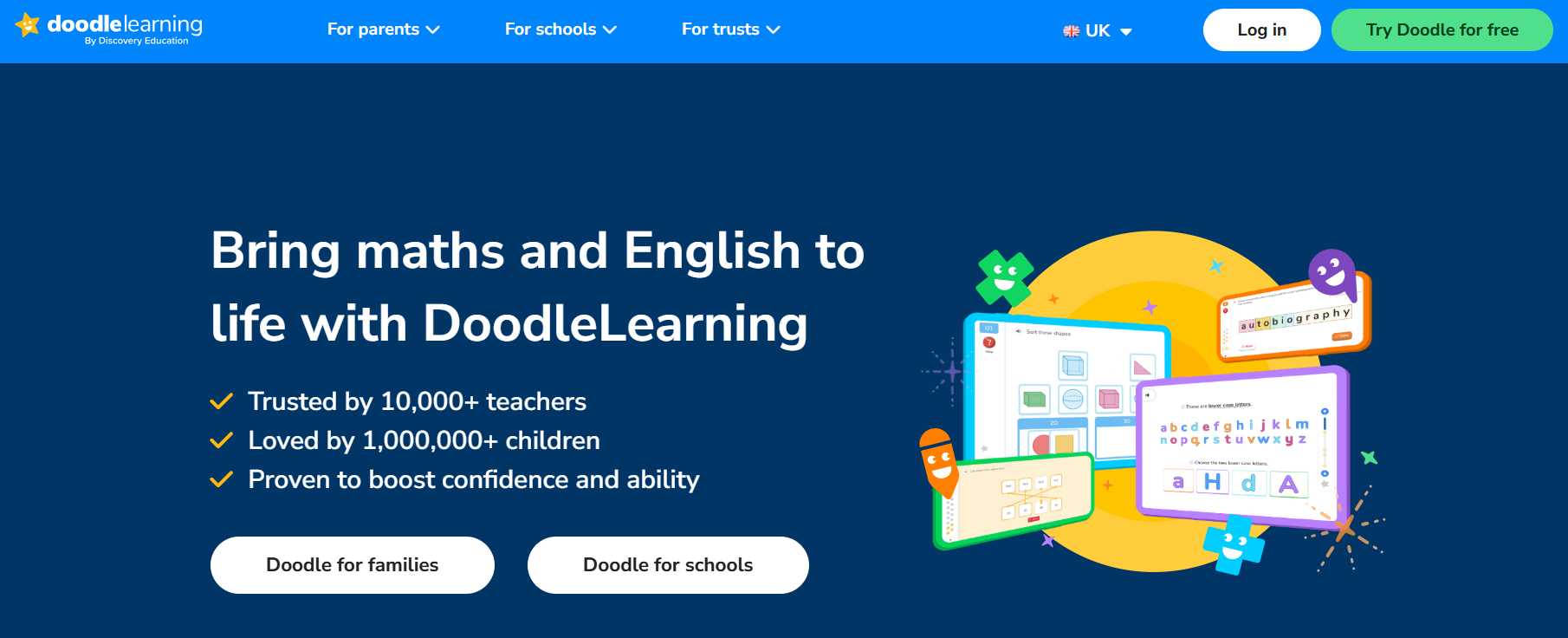
- Why it works: Bite-sized, tutor-like adaptive lessons with a parent dashboard for targeted follow-up.
- Who it’s for: Kids who benefit from daily micro-practice.
- Skill it strengthens: Core arithmetic and readiness skills mapped to Common Core.
5. CK-12
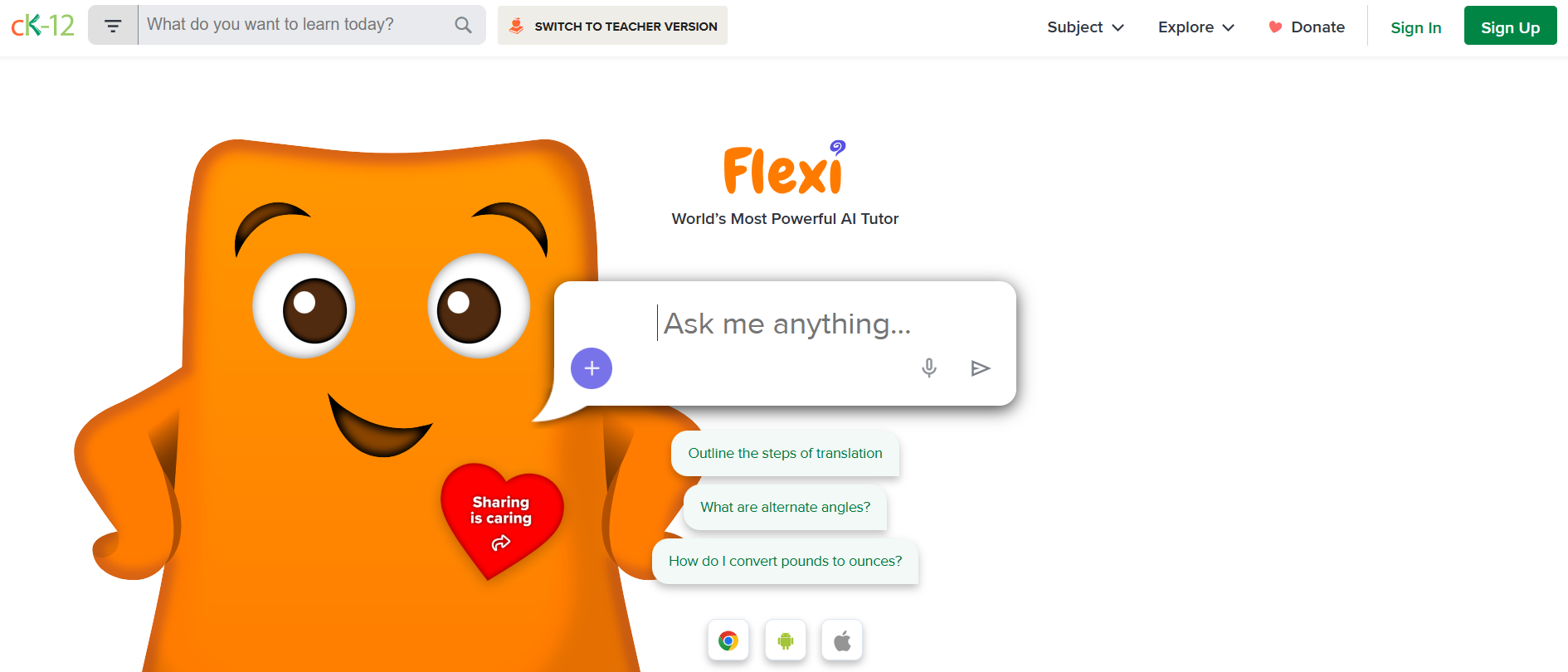
- Why it works: Open, modular STEM content in many formats so you can mix videos, text, and activities.
- Who it’s for: Learners who need free, customizable lessons and teachers building differentiated packets.
- Skill it strengthens: Conceptual understanding across math topics, from basics to advanced topics.
6. Khan Academy
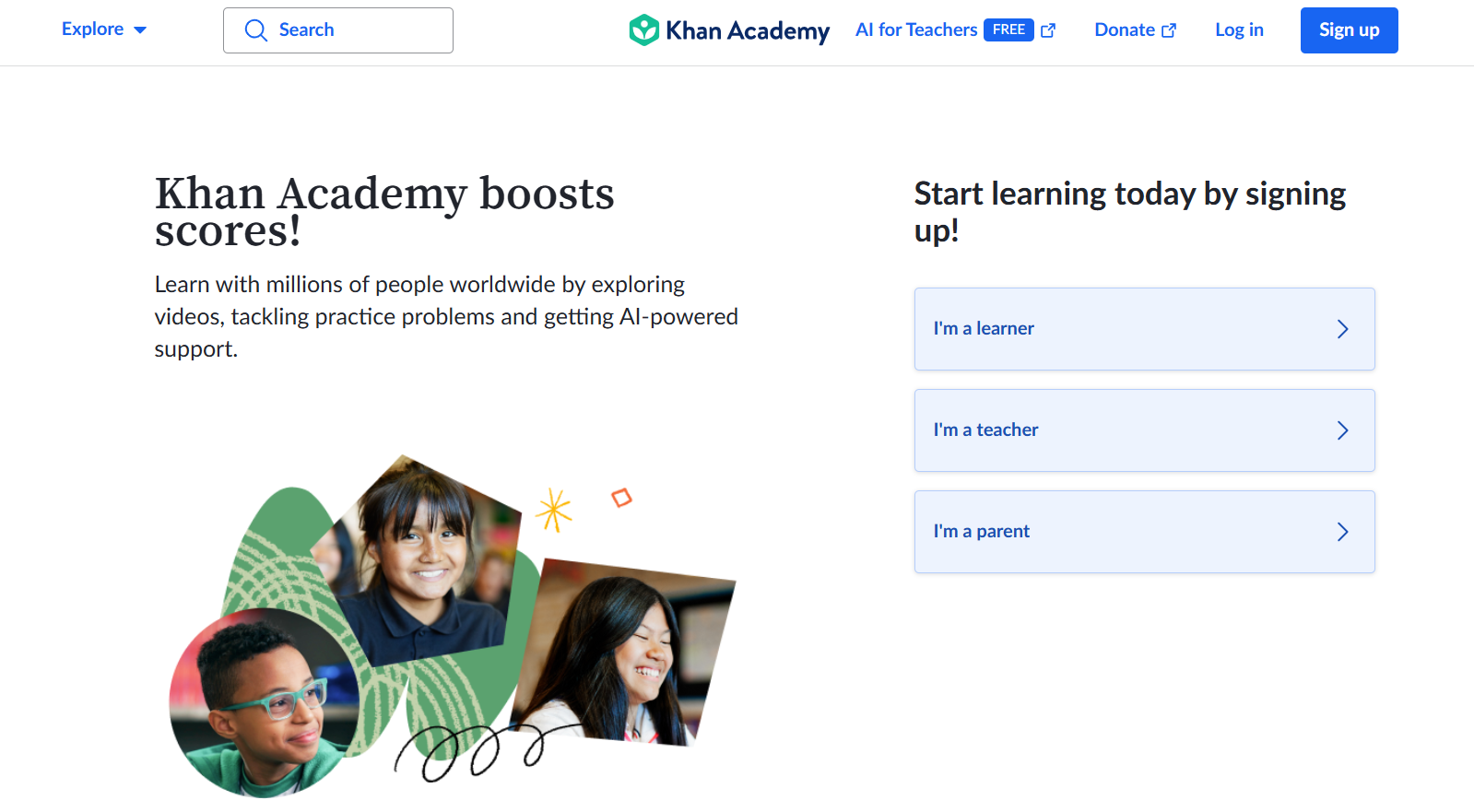
- Why it works: Structured practice plus high-quality instructional videos and mastery checkpoints.
- Who it’s for: Self-paced learners of any age and teachers who want clear lesson sequences.
- Skill it strengthens: Procedural fluency and conceptual explanation through worked examples.
7. Buzzmath
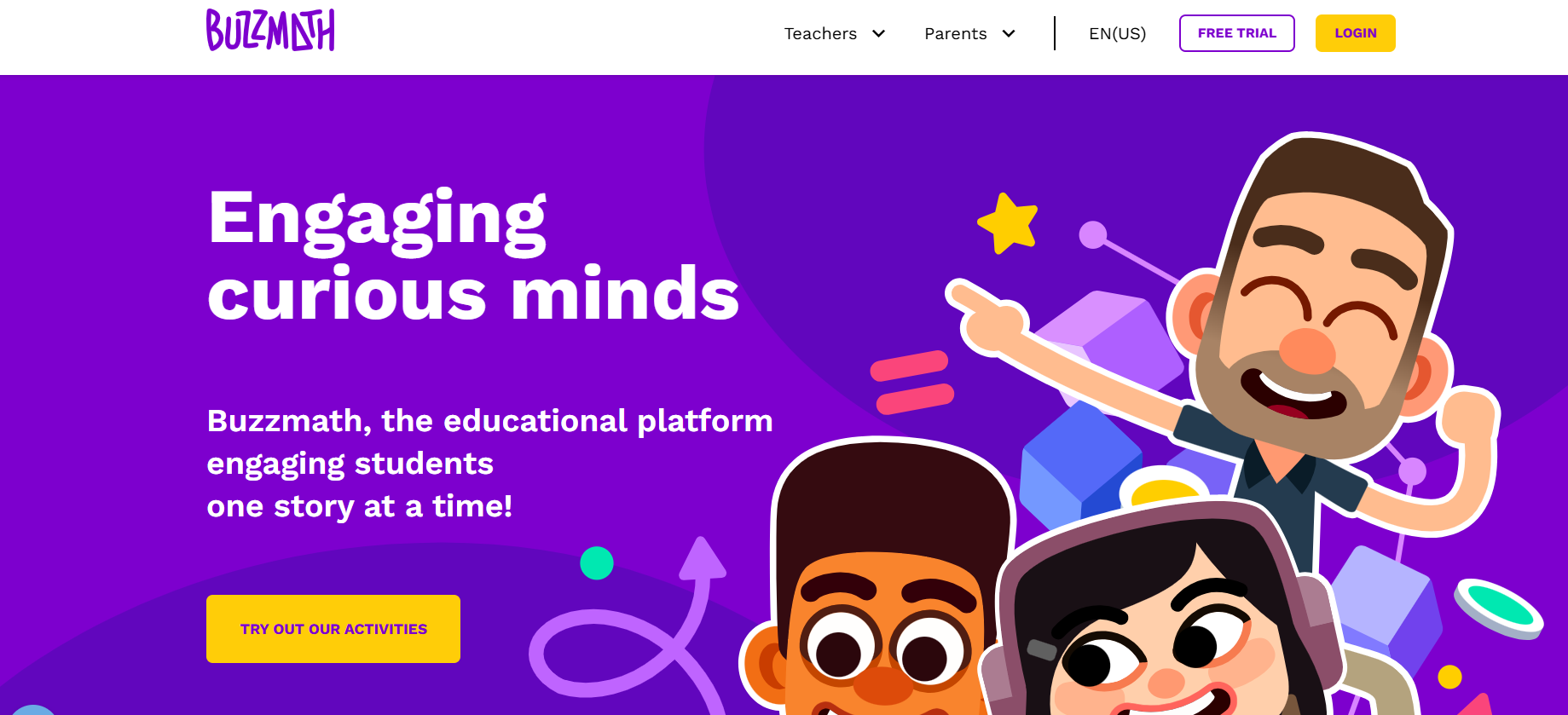
- Why it works: Mission-structured progression, aligned with Common Core, keeps learners focused on level-appropriate goals.
- Who it’s for: Upper elementary and middle grade students who like mission-driven systems.
- Skill it strengthens: Problem solving, deeper reasoning, and skill consolidation.
8. Rocket Math
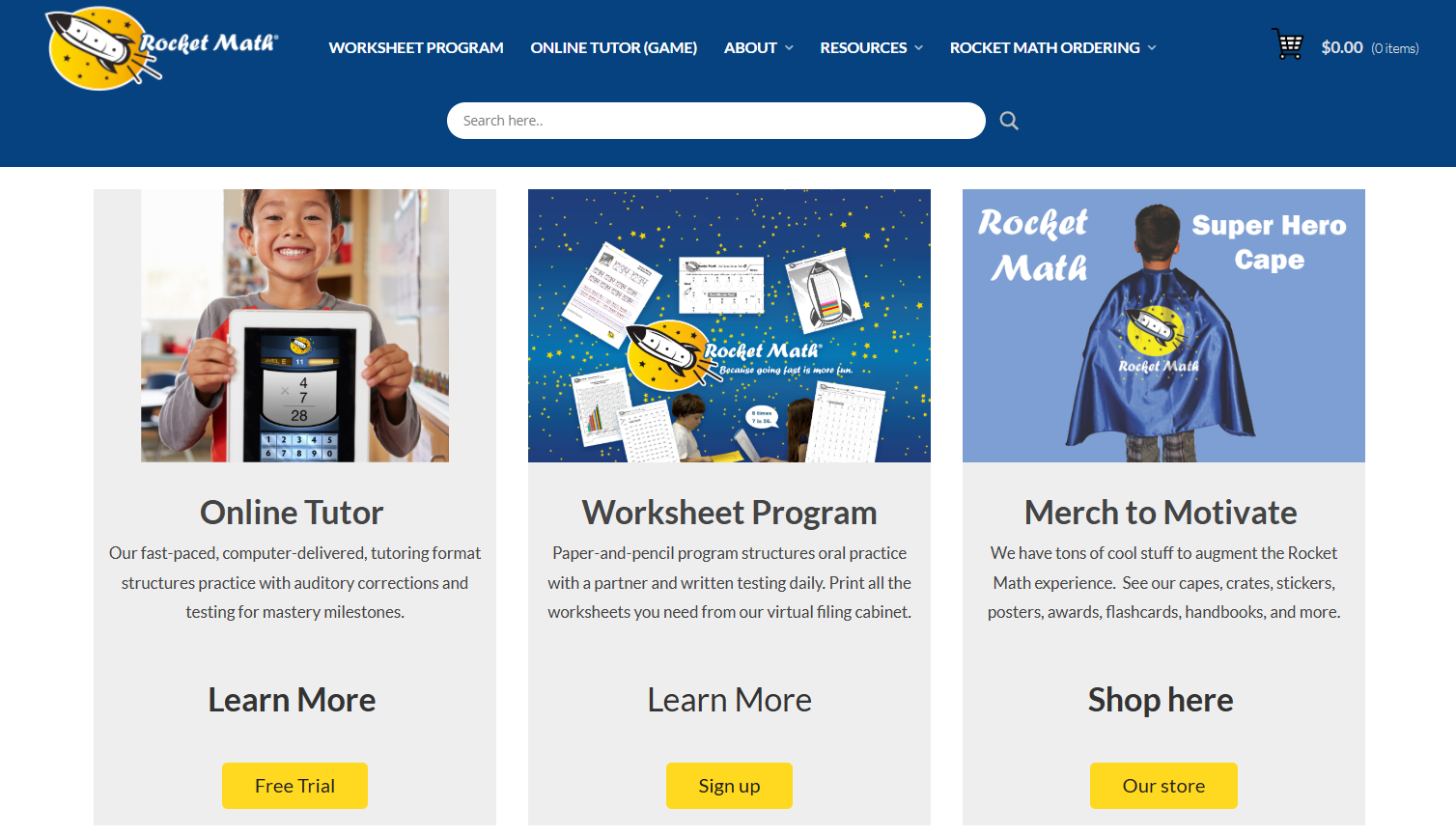
- Why it works: Time-bound fluency drills with clear, incremental levels to build factual automaticity.
- Who it’s for: Students who need fast recall of basic facts.
- Skill it strengthens: Math facts across operations, speed, and accuracy.
9. Marble Math Junior
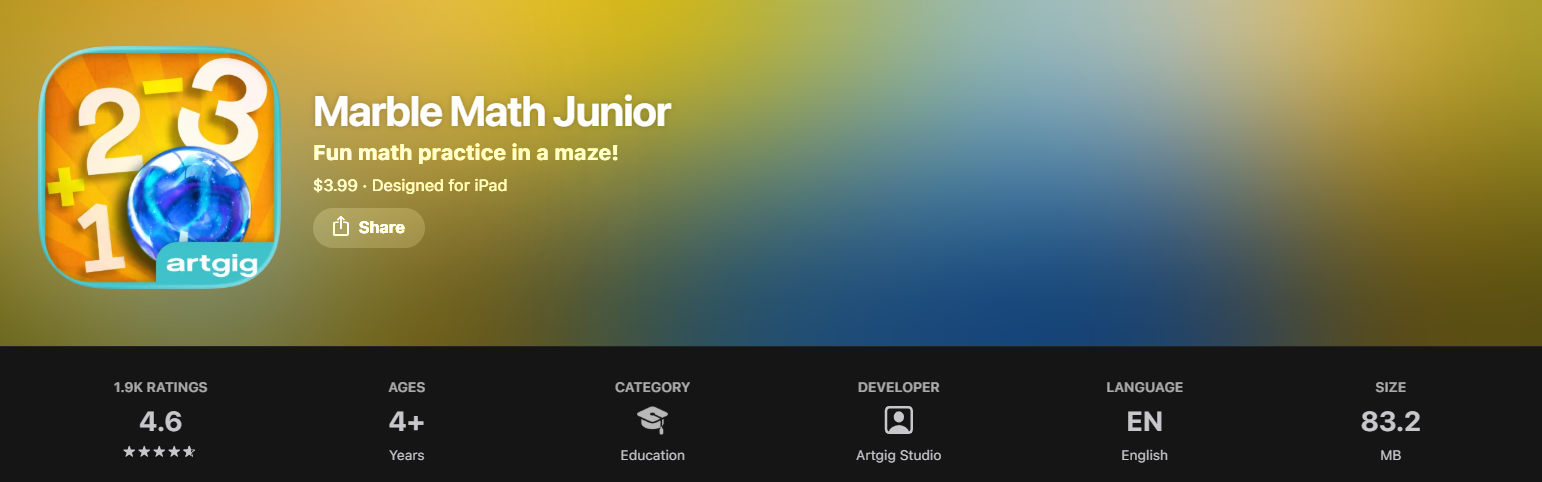
- Why it works: Kinesthetic problem solving inside a maze format that pairs play with counting and addition.
- Who it’s for: Early elementary learners and gifted pre-K kids who enjoy tactile challenges.
- Skill it strengthens: Counting, simple operations, spatial reasoning.
10. Operation Math
- Why it works: Narrative missions and tiered difficulty keep practice purposeful rather than repetitive.
- Who it’s for: Kids who respond to story-based math practice.
- Skill it strengthens: Mixed operations and applied arithmetic within word-problem contexts.
11. Motion Math
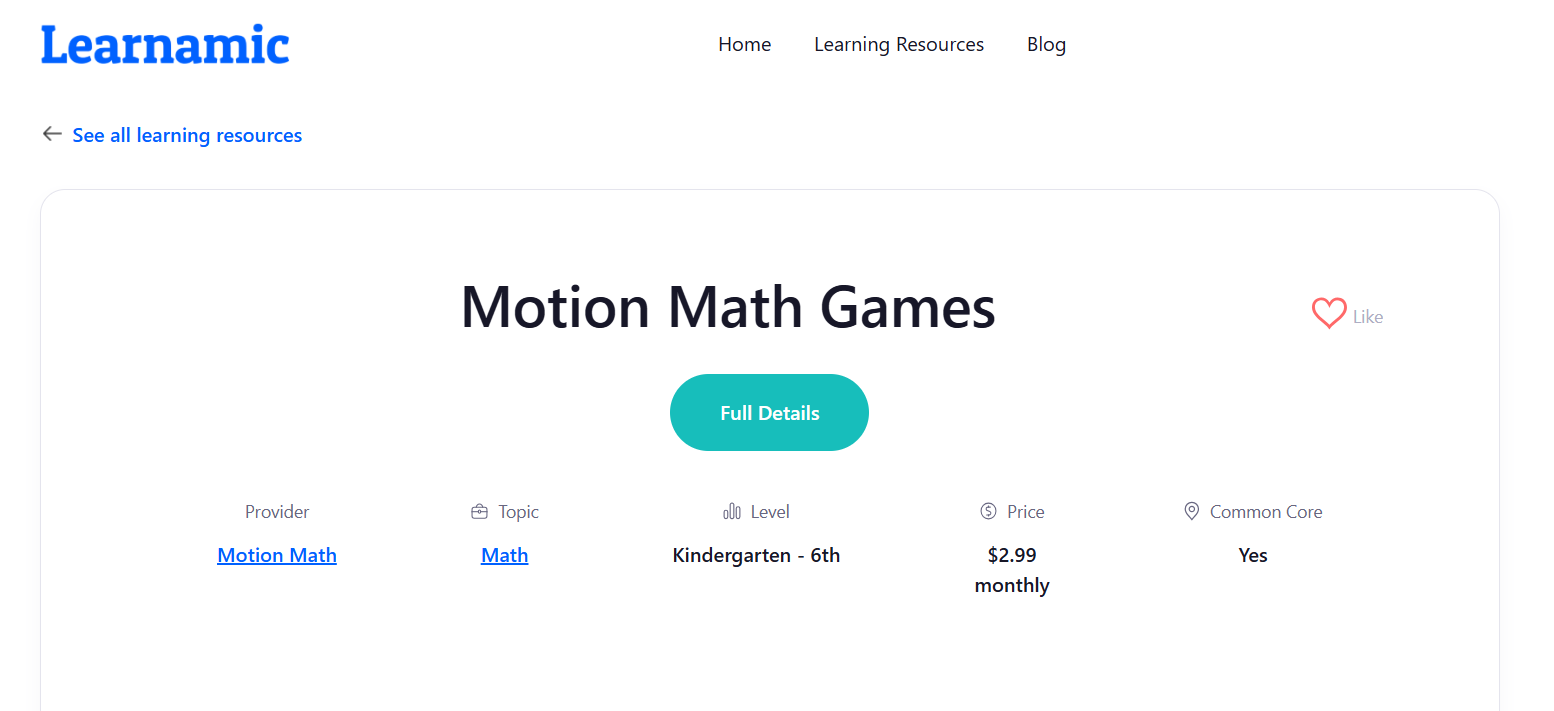
- Why it works: Research-informed adaptive levels and visual number models support conceptual understanding.
- Who it’s for: K–6 learners who need varied representations and deep practice.
- Skill it strengthens: Number sense, fractions, decimals, and mental math.
12. Math Learning Center apps
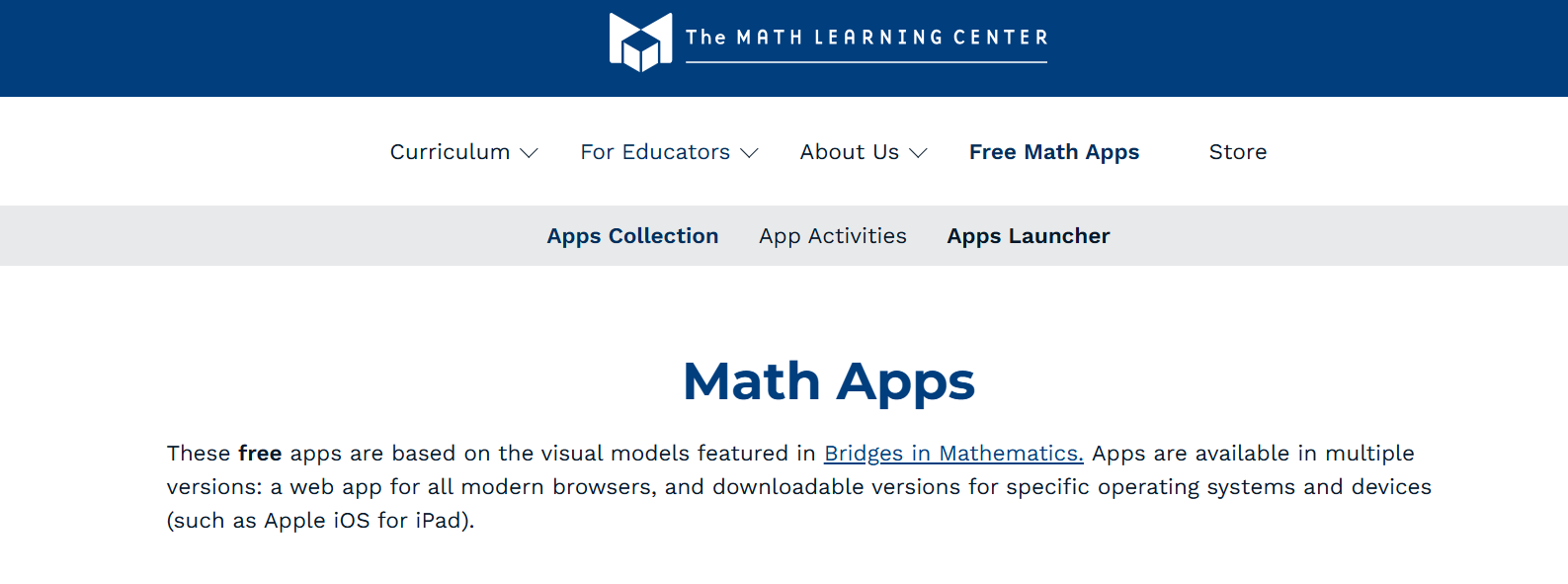
- Why it works: Eleven focused tools model visual strategies used in strong PK–5 curricula.
- Who it’s for: Teachers and caregivers who prefer manipulatives and visual models over gamified drills.
- Skills strengthened: Place value, fractions, geometry, and number relationships.
13. DragonBox
- Why it works: Playful, motivation-based puzzles reveal algebraic structure through exploration.
- Who it’s for: Children ready to bridge arithmetic to algebraic thinking.
- Skill it strengthens: Early algebra, equation thinking, and structural reasoning.
14. IXL
- Why it works: Massive topic coverage with real-time analytics for pinpointing gaps.
- Who it’s for: Families or classrooms that want data-driven practice at scale.
- Skill it strengthens: Targeted practice across pre-K to high school standards.
15. Splash Math (SplashLearn)
- Why it works: Grade-specific pathways with 351 skills let learners advance without artificial ceilings.
- Who it’s for: Elementary students who need a progression that follows mastery.
- Skill it strengthens: Foundational arithmetic and grade-aligned competencies.
16. Moose Math
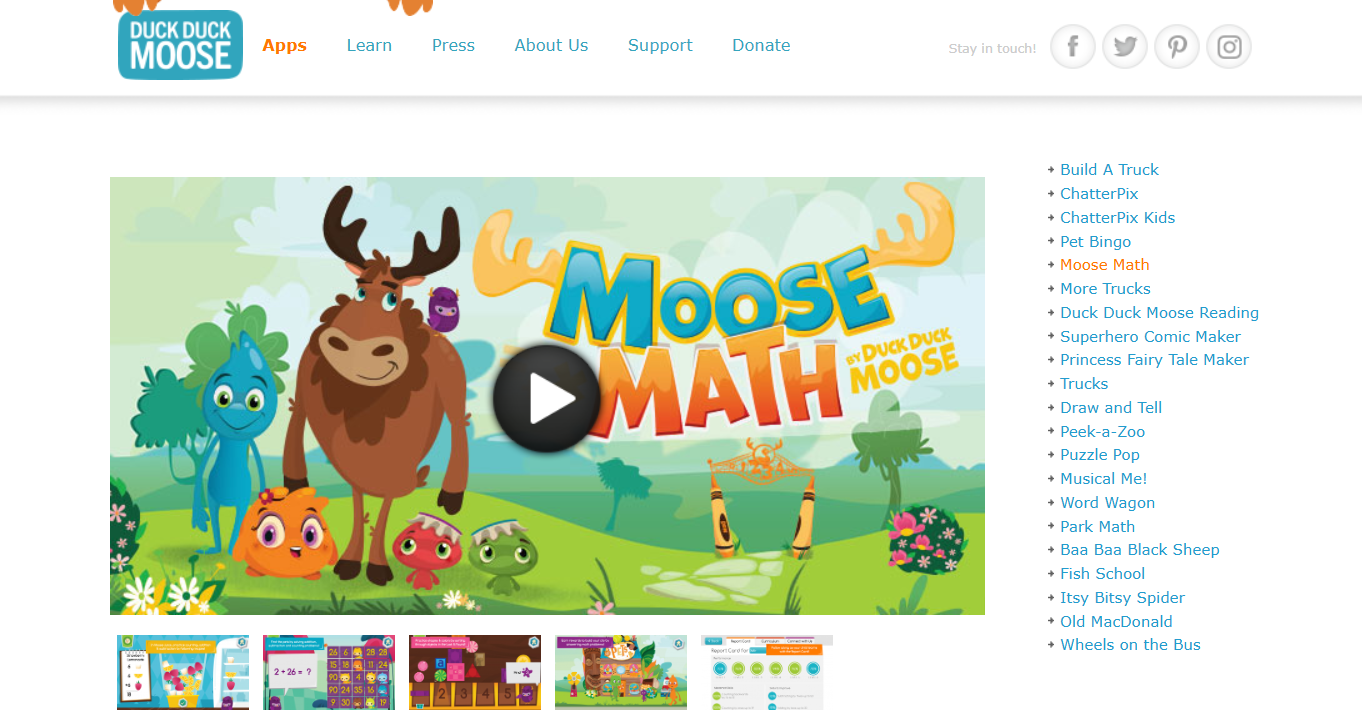
- Why it works: Playful, Common Core–aligned activities embedded in a gentle adventure.
- Who it’s for: Preschool and early elementary children starting formal math.
- Skill it strengthens: Counting, basic operations, shapes, and early measurement.
17. MentalUP
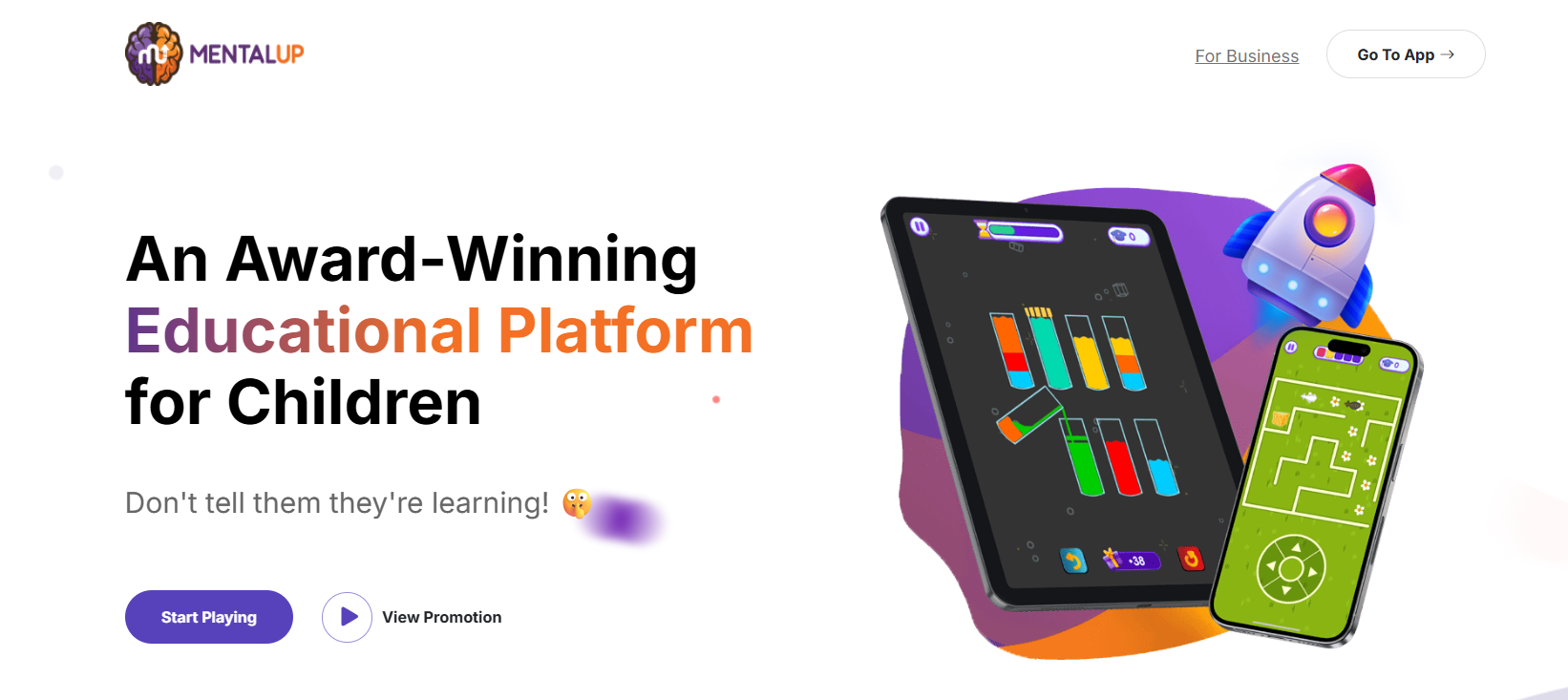
- Why it works: Short brain games that mix cognitive skills with math practice to support working memory and reasoning.
- Who it’s for: Kids needing boosted focus and logic practice alongside math.
- Skill it strengthens: Problem solving, pattern recognition, and mental arithmetic.
18. Bedtime Math
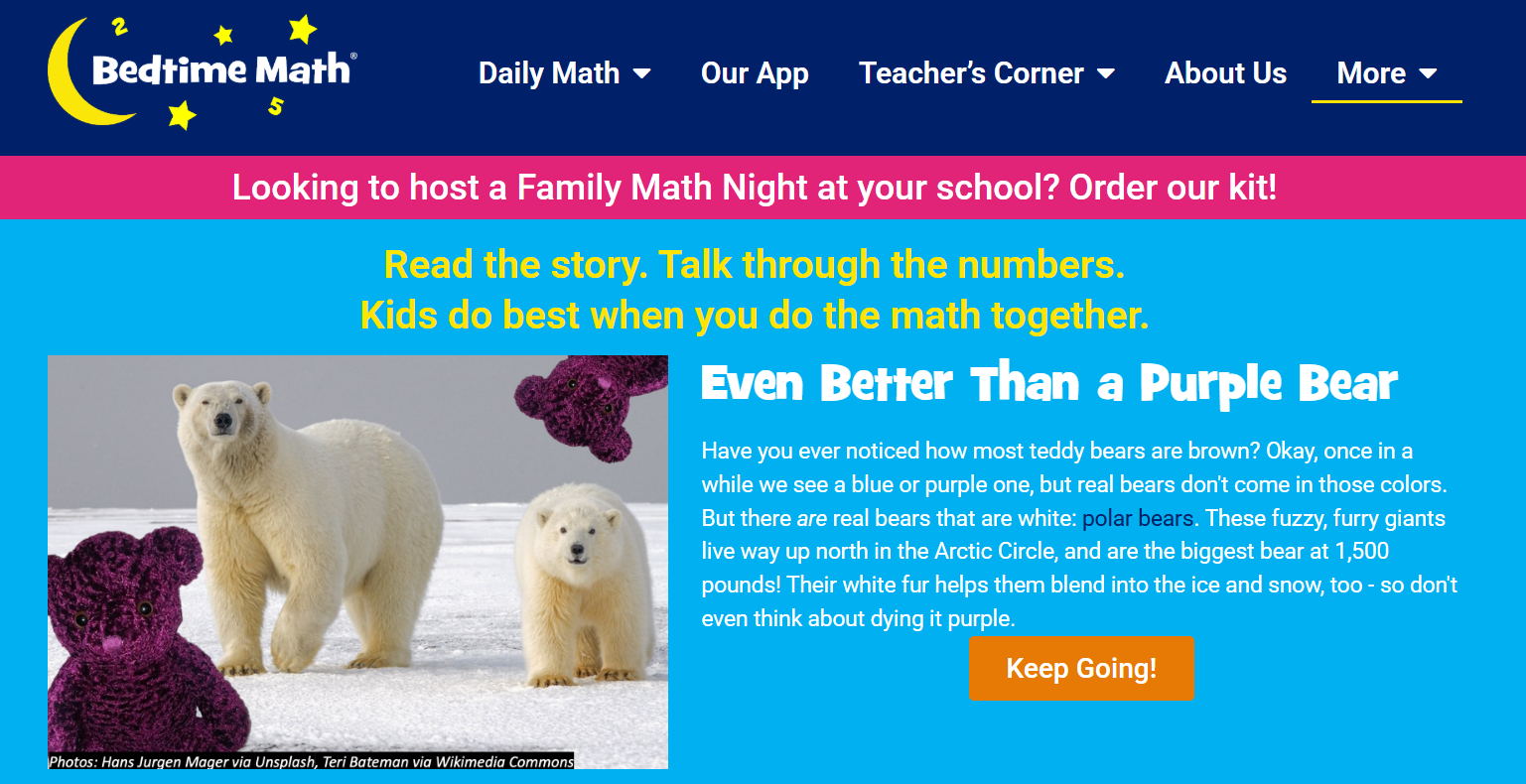
- Why it works: Daily, family-friendly problems that normalize math talk and reduce anxiety.
- Who it’s for: Parents who want quick, conversational math routines.
- Skill it strengthens: Estimation, number sense, and joyful math habits.
19. Monster Math
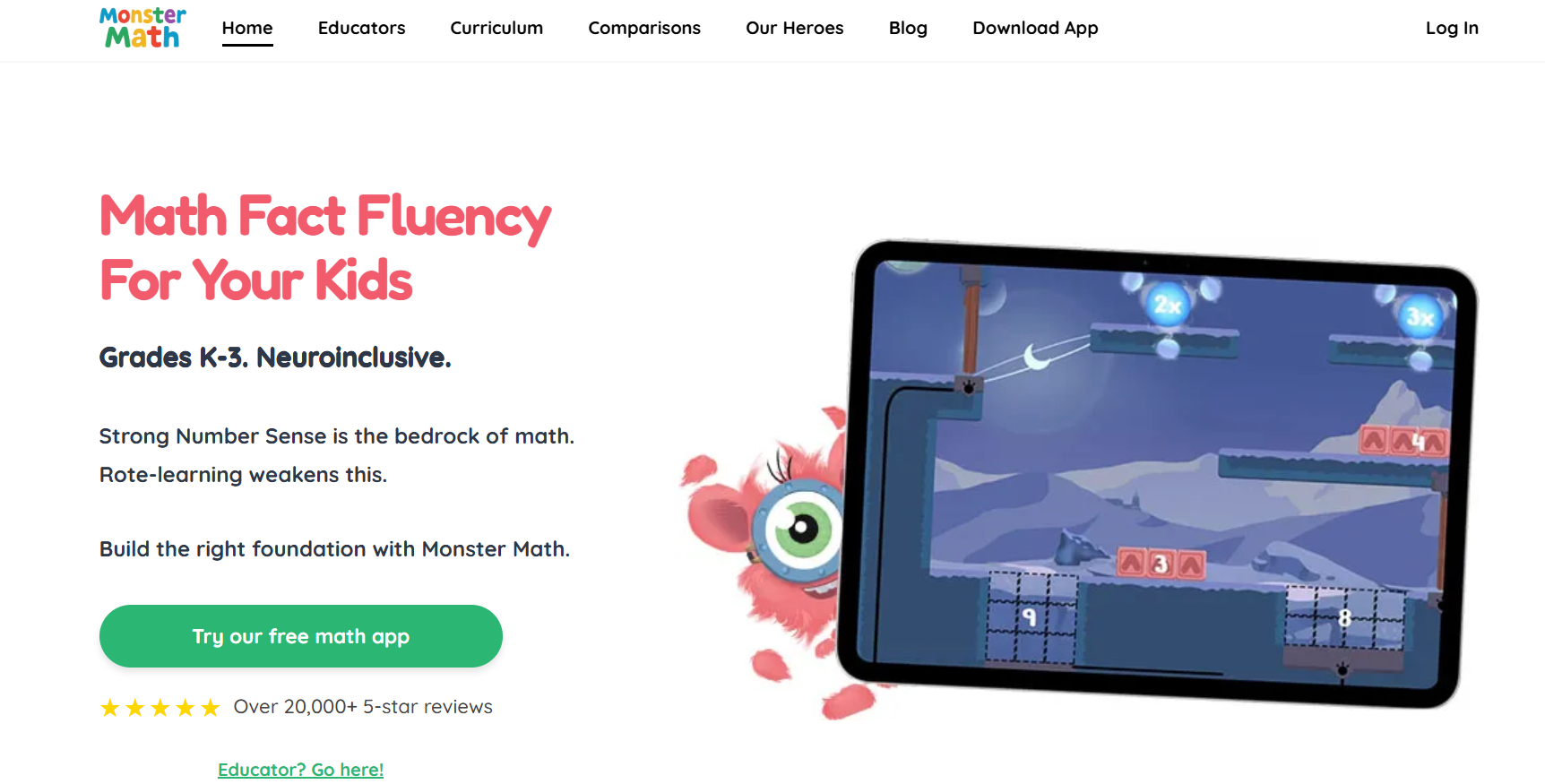
- Why it works: Adaptive story missions that scaffold operations while keeping difficulty comfortable.
- Who it’s for: Elementary learners who need adaptive scaffolding tied to progress.
- Skill it strengthens: Addition through division and adaptive fluency.
20. Starfall
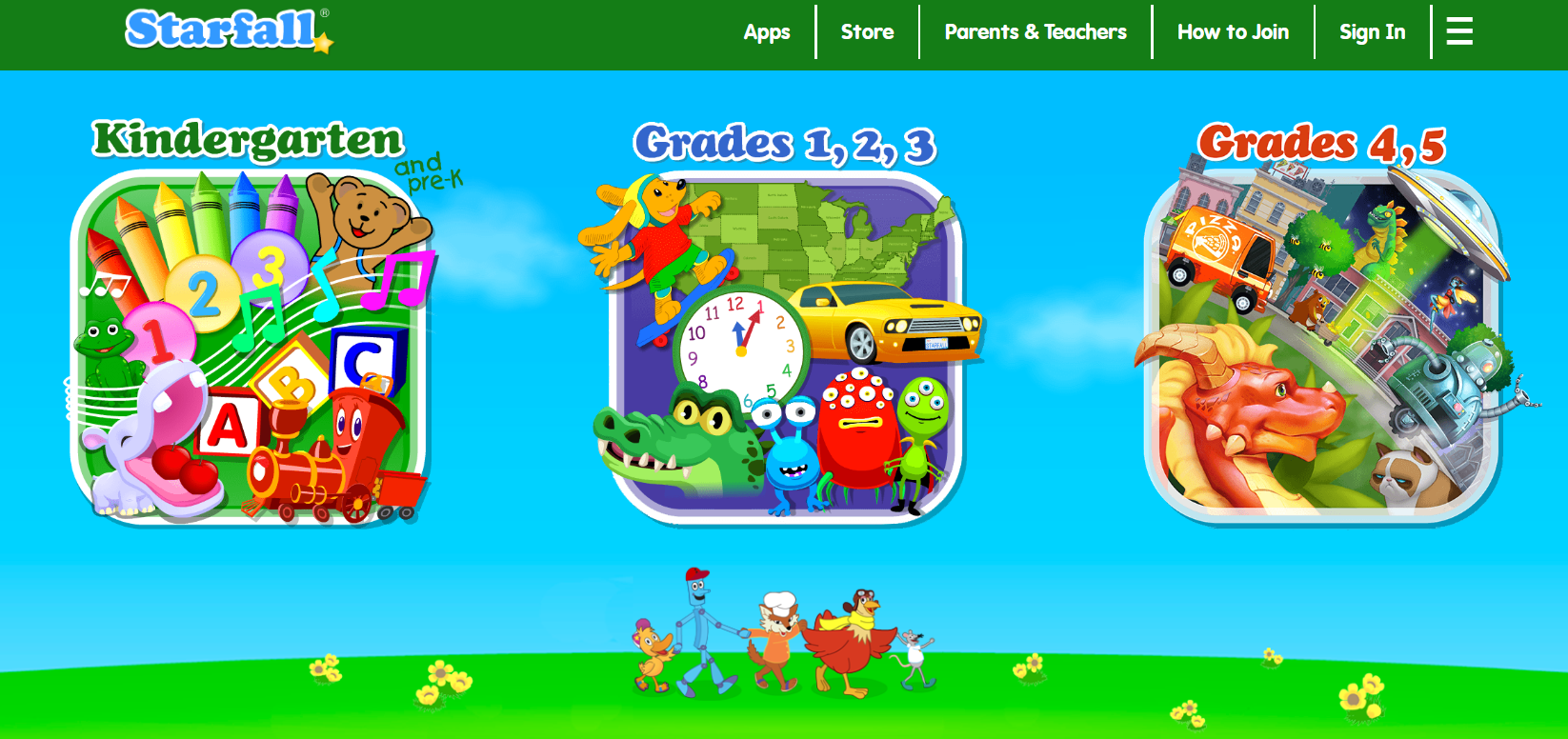
- Why it works: Colorful, simple activities that introduce counting, shapes, and basic operations to young learners.
- Who it’s for: Preschool and kindergarten children learning through play.
- Skill it strengthens: Early numeracy, counting, and shape recognition.
21. Todo Math
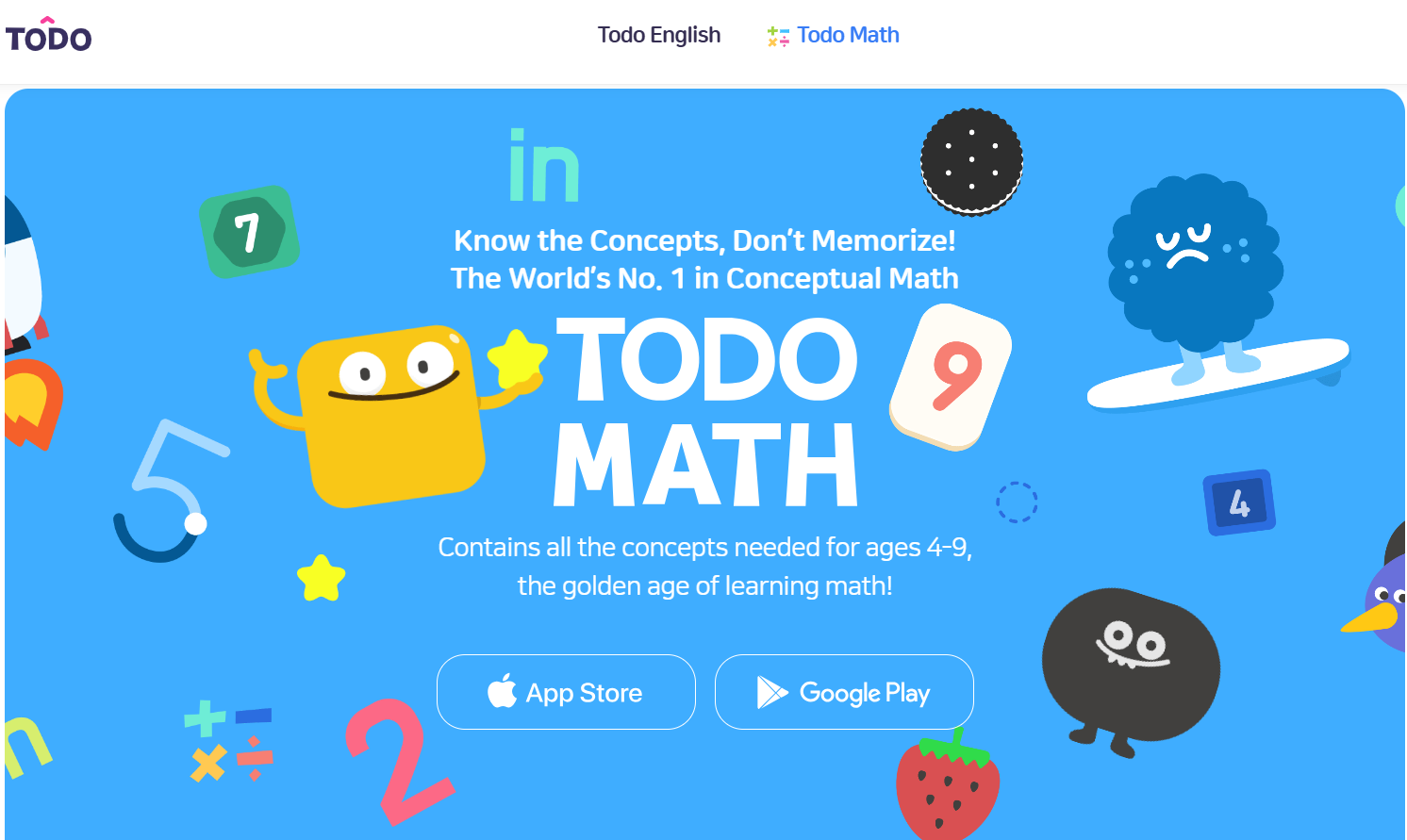
- Why it works: Diverse activities with a focus on accessibility and foundational skills.
- Who it’s for: Young learners who benefit from varied entry points and scaffolded help.
- Skill it strengthens: Number tracing, counting, and early computation.
22. Matific
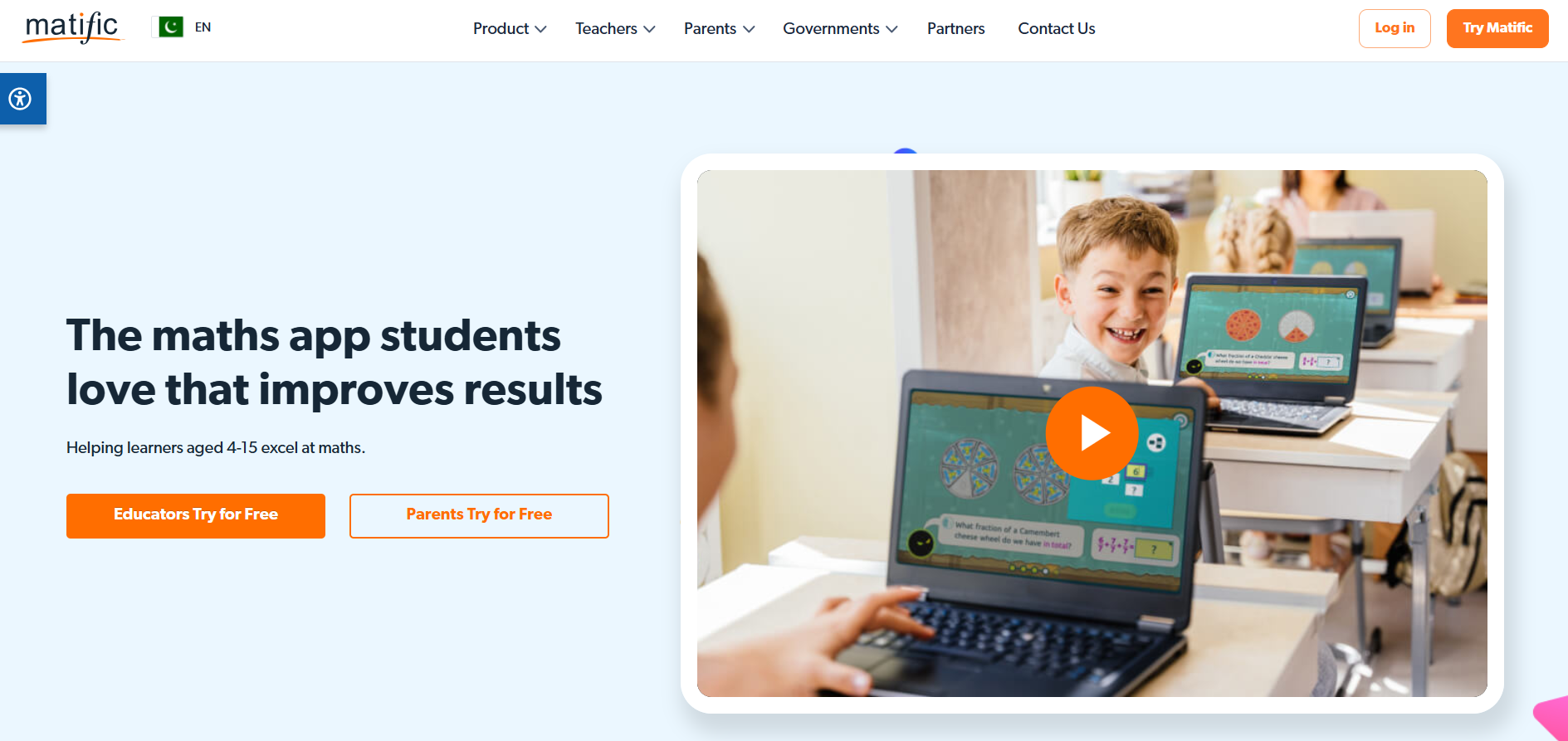
- Why it works: Interactive games that encourage problem-solving across topics and ages.
- Who it’s for: Classrooms and homeschoolers seeking engaging activity sets.
- Skill it strengthens: Concept application, reasoning, and topic variety from arithmetic to early algebra.
23. PBS Kids
- Why it works: Trusted, child-centered content that integrates math into familiar characters and stories.
- Who it’s for: Young children receptive to media-based learning tied to a trusted educational brand.
- Skill it strengthens: Counting, shapes, and basic arithmetic in a narrative context.
24. ABC MathSeeds
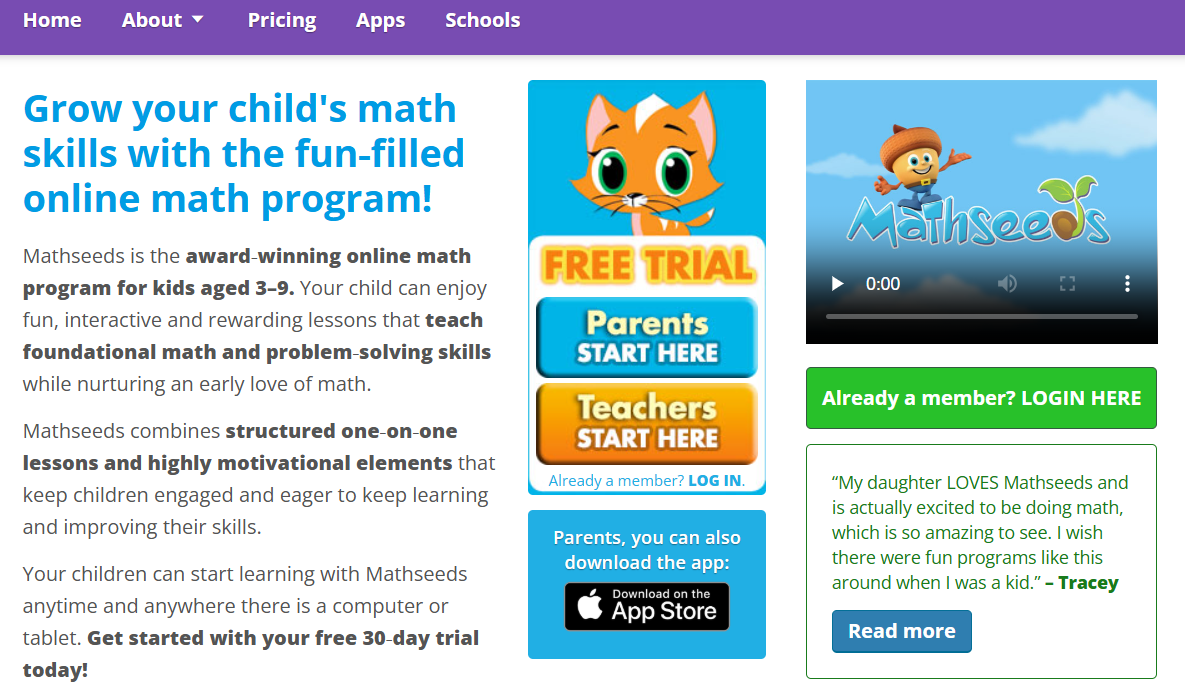
- Why it works: Structured lesson paths with clear progression for pre-K to early elementary.
- Who it’s for: Children aged 3 to 9 who need sequential scaffolding.
- Skill it strengthens: Counting, basic operations, and shape recognition.
25. MobyMax
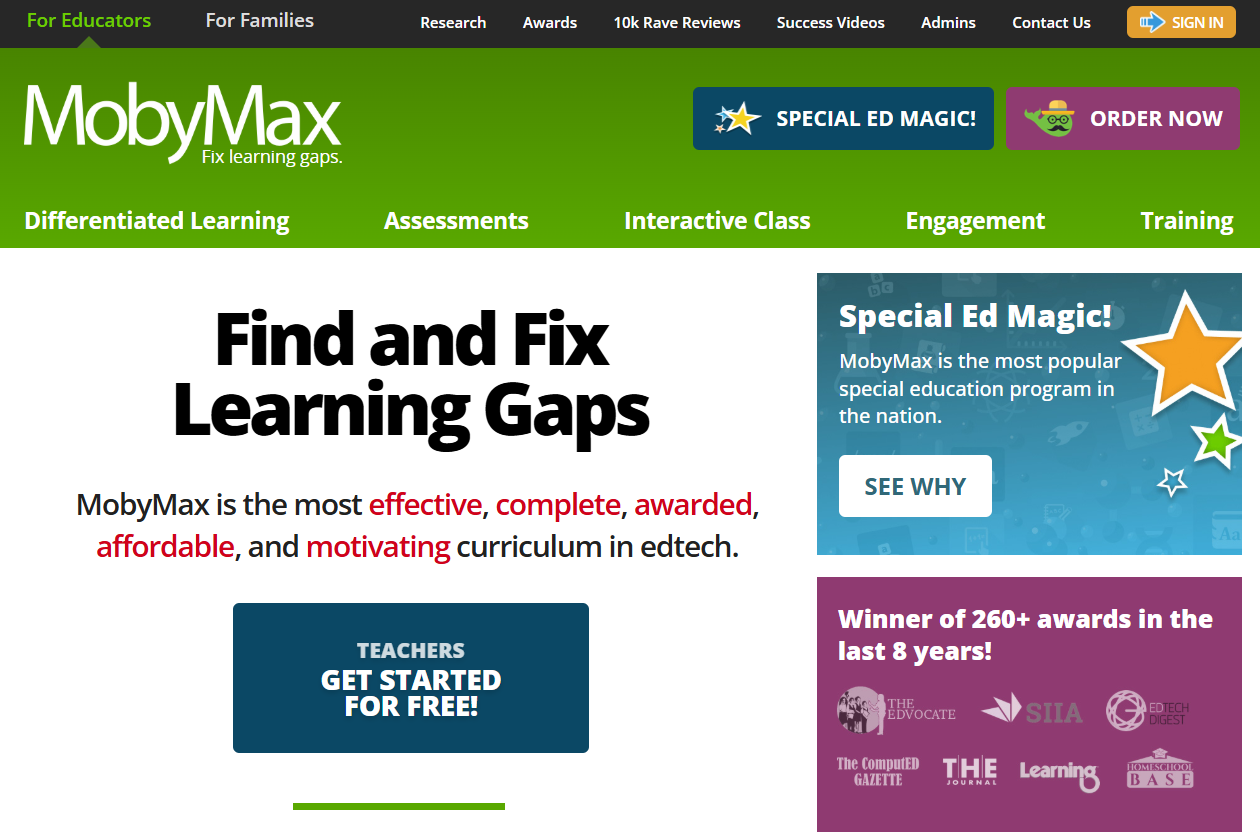
- Why it works: Broad subject coverage with diagnostics that zero in on each child’s gaps.
- Who it’s for: Schools or families wanting cross-subject remediation and visible progress charts.
- Skill it strengthens: Skill gap repair across math strands and grades K–8.
26. Brighterly
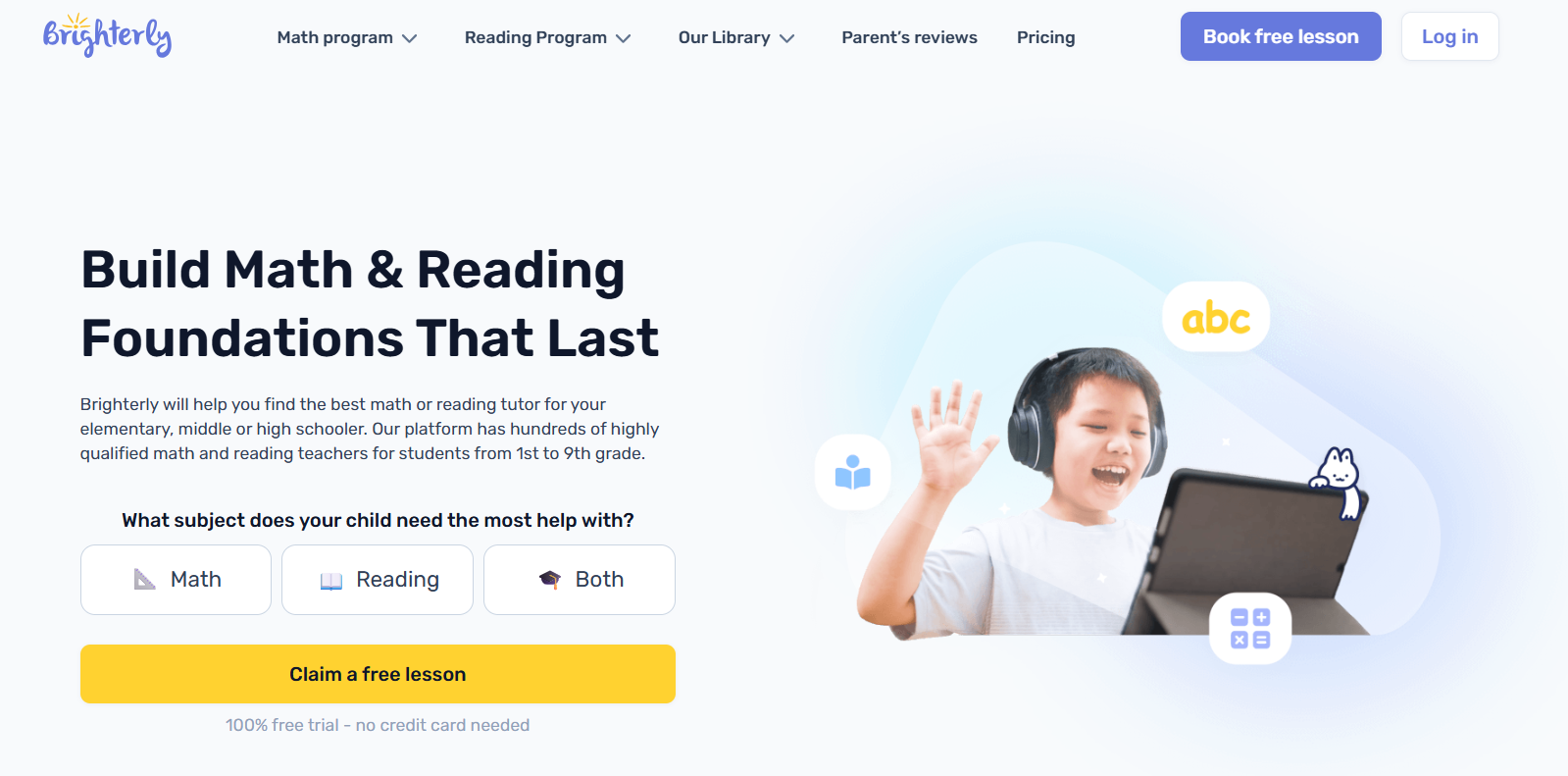
- Why it works: Live tutoring plus structured materials for targeted skill building and timetable flexibility.
- Who it’s for: Students who benefit from scheduled, interactive instruction and extra practice.
- Skill it strengthens: Numbers, geometry, fractions, and higher-order topics aligned to school standards.
27. Dodo Does Math
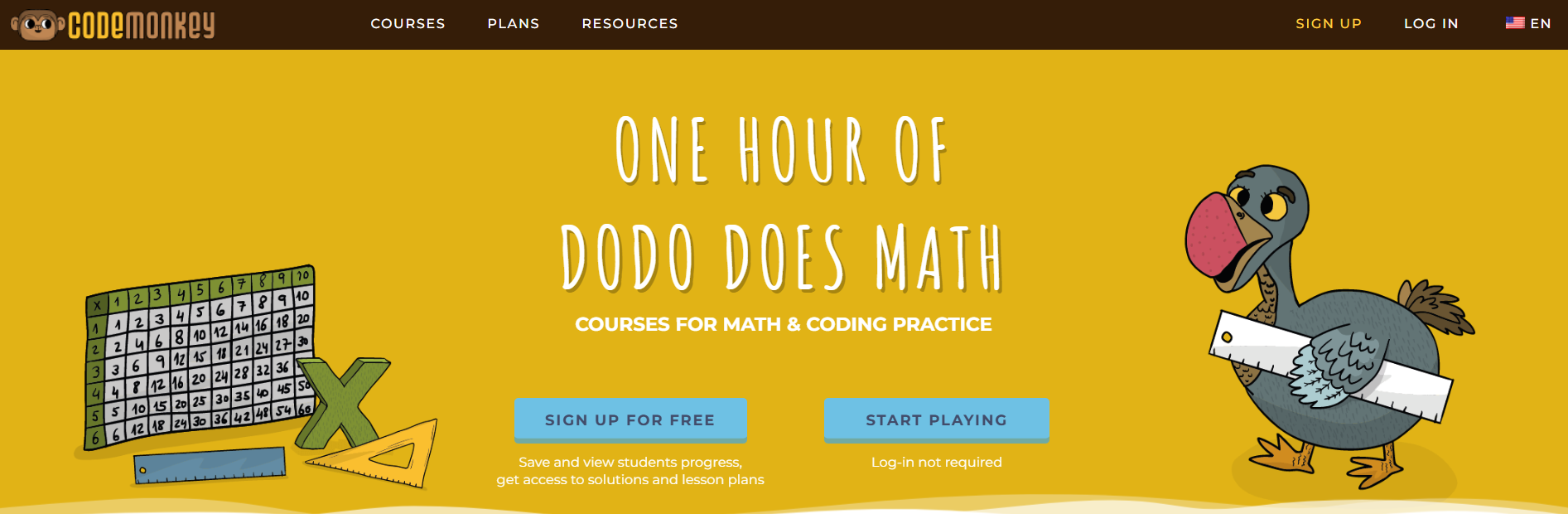
- Why it works: Blends coding with math puzzles so students apply logic in playful contexts.
- Who it’s for: Children who enjoy puzzles and early computational thinking.
- Skill it strengthens: Problem decomposition, arithmetic, and early coding literacy.
28. Mathpid
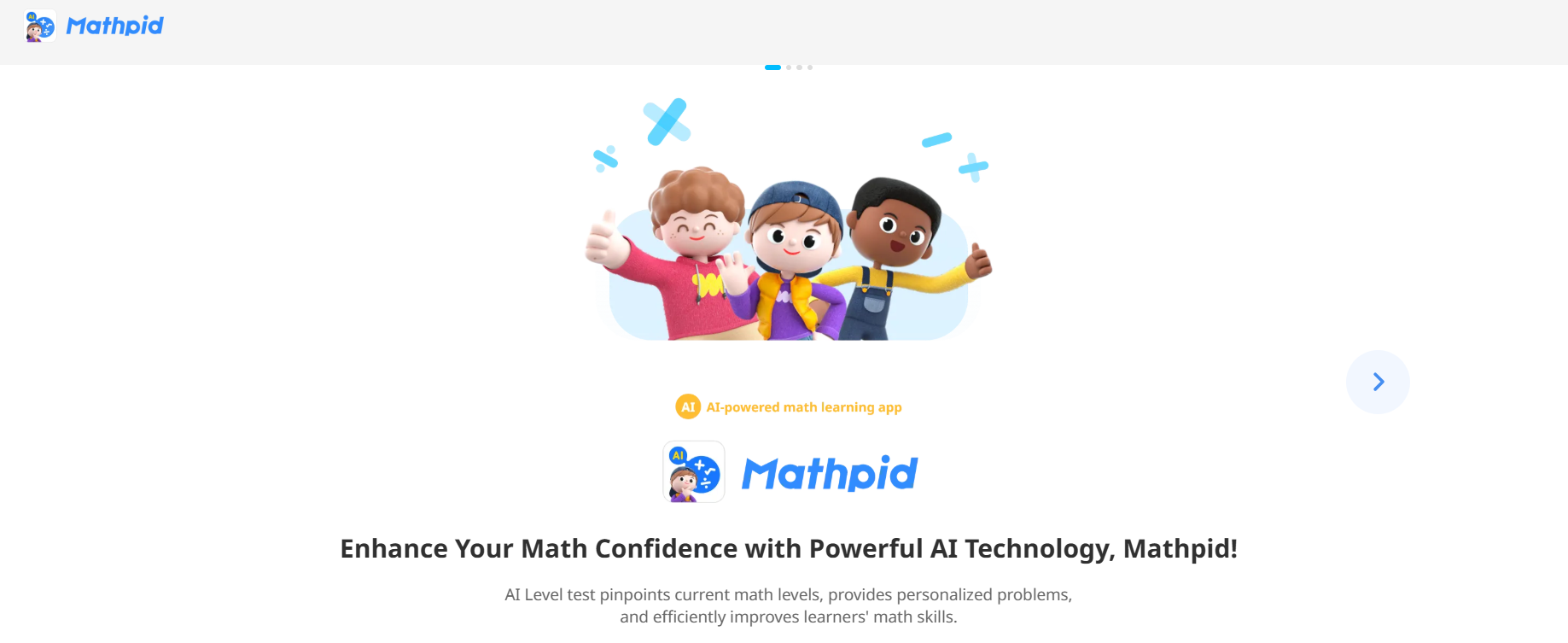
- Why it works: AI-driven diagnostics and real-time feedback with printable worksheets and a math camera for on-the-spot help.
- Who it’s for: Students who need immediate, personalized explanations and unlimited practice.
- Skill it strengthens: From basic arithmetic to algebra, with adaptive remediation.
29. Komodo Maths
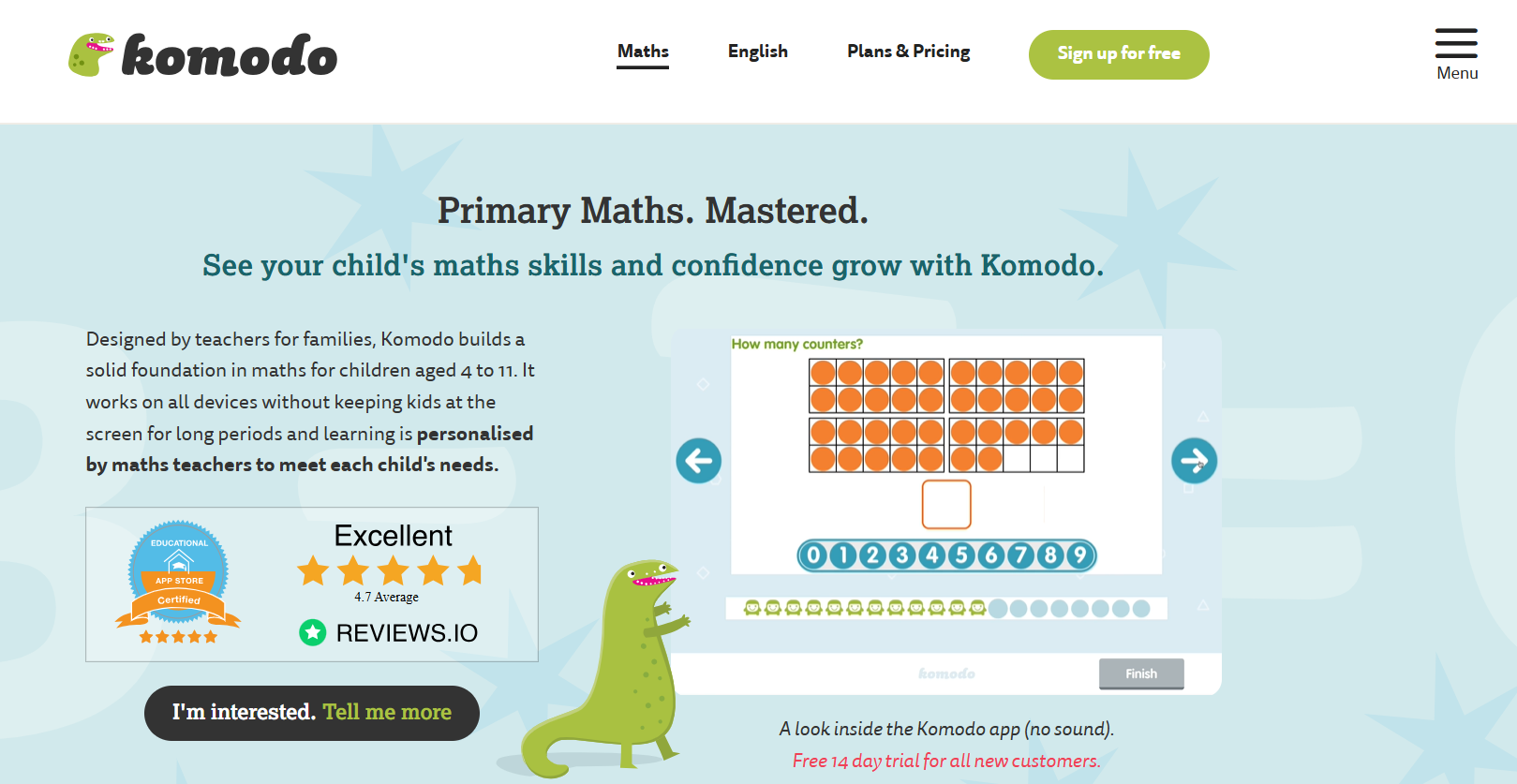
- Why it works: Teacher-built tutorials and step scaffolds that complement the UK curriculum, adjustable by difficulty.
- Who it’s for: Struggling learners who need explicit, incremental instruction.
- Skill it strengthens: Multiplication, fractions, decimals, and times tables.
30. Teach Me: Math Facts
- Why it works: Customizable fact group quizzes and rewards that make rote practice tolerable and trackable.
- Who it’s for: Students who need targeted fact memorization.
- Skill it strengthens: Addition, subtraction, multiplication, and division fluency.
31. Squeebles Times Tables
- Why it works: Reward-driven practice with engaging mini-games to reduce resistance to rote learning.
- Who it’s for: Children learning times tables aged 5 to 11.
- Skill it strengthens: Multiplication facts up to 15, retention, and speed.
32. Quizlet Flashcards & Learning
- Why it works: User-generated sets and multiple practice modes that support spaced repetition.
- Who it’s for: Older students and families creating custom practice sets.
- Skill it strengthens: Any topic, ideal for vocabulary, formulas, and problem types.
33. Mathletics
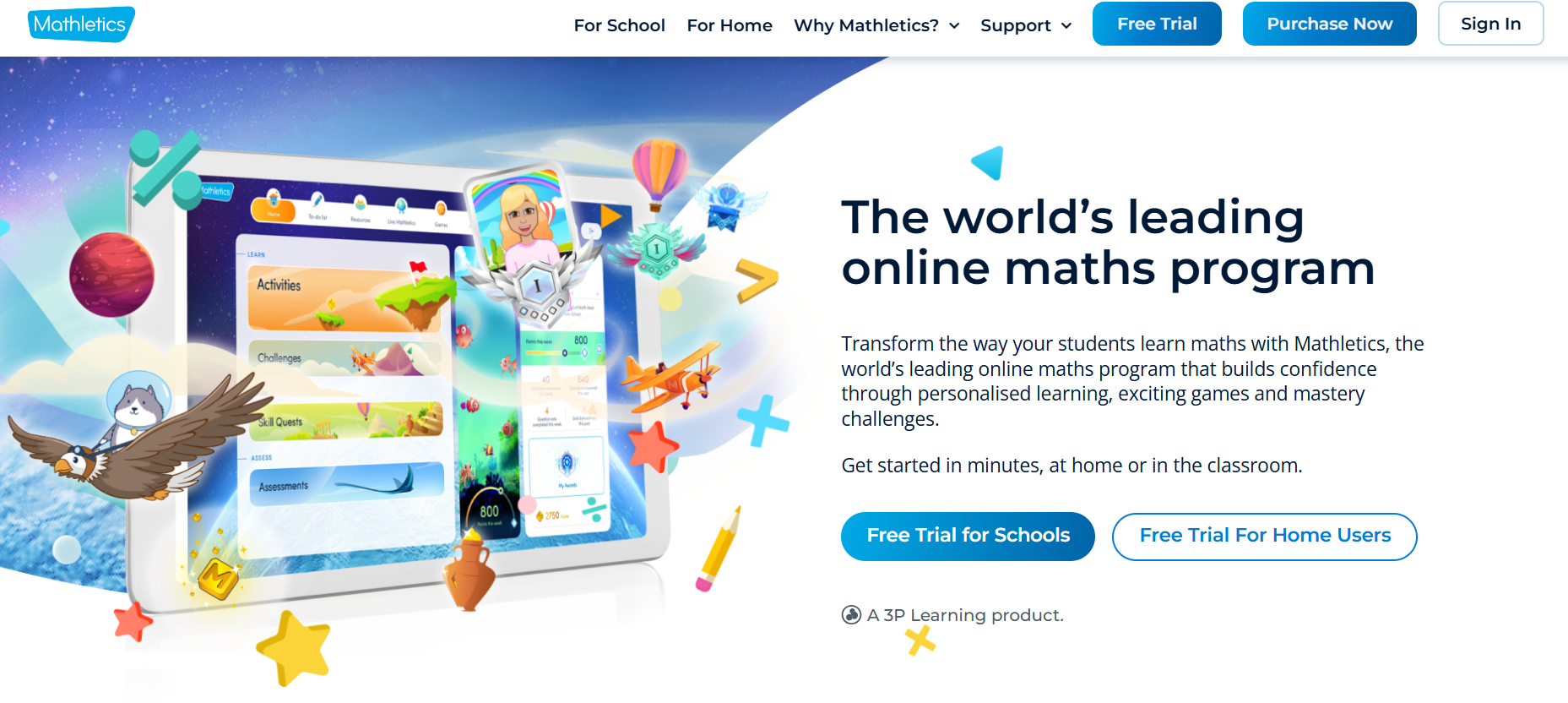
- Why it works: Short, focused question sets and competitive live play that make consolidation social and motivating.
- Who it’s for: Students who thrive on short sprints and classroom integration.
- Skill it strengthens: Concept review and rapid practice across topics.
34. Osmo Pizza Co.

- Why it works: Tactile, hybrid play that links physical tiles to digital gameplay for hands-on money and fraction practice.
- Who it’s for: Kids who learn best with manipulatives and social role play.
- Skill it strengthens: Money math, mental addition, subtraction, and basic fractions.
35. Symbolab
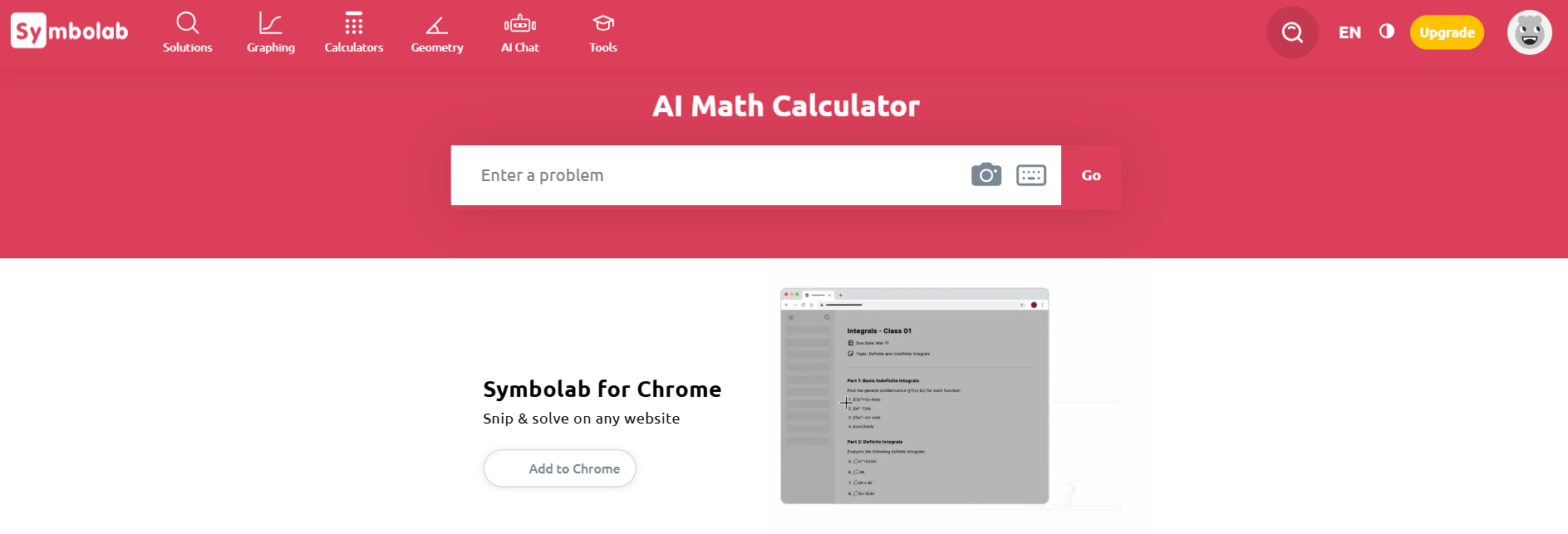
- Why it works: Step-by-step algebraic and calculus solutions that reveal procedure and reasoning for higher math.
- Who it’s for: High school students and advanced learners needing worked examples.
- Skill it strengthens: Algebra, pre-calculus, calculus, trigonometry, and problem solving with symbolic manipulation.
How do these tools actually deliver results in practice?
After running a six-month pilot with forty families and two grade-level teams, a consistent pattern emerged: apps that combine adaptive pacing with explicit, replaceable representations produced the best follow-through. In contrast, those that relied only on reward loops created short-lived engagement.
This pattern depends on measurable supports and an adult who translates app analytics into targeted practice; otherwise, the digital gains disappear. For those interested in creative outlets, our collection of 17,180+ free coloring pages can also be a valuable tool for promoting engagement and creativity.
What should you ask before you assign more app time?
- Will this app provide precise diagnostics that I can act on?
- Can I translate a specific skill into a printable activity for follow-up?
What challenges exist in app selection?
Most families choose apps based on what they already know, which saves time. This familiar approach works well when learning needs are similar, but it can cause issues as needs diverge.
The hidden problems of this method include scattered progress, last-minute activities, and hours that teachers spend turning data into sound practice. Solutions such as a free, customizable coloring page library and an online design tool help make this process easier.
They enable adults to quickly convert recognized learning gaps into ready-to-print, themed activities, preserving pedagogical intent while significantly reducing prep time. For more engaging resources, explore
Does the evidence support pairing apps with hands-on follow-up?
According to the Teacher's Association Survey, 2025-12-22, "80% of teachers reported that math apps increased student engagement." More engagement gives students a chance to practice concepts off-screen. Paired practice is essential to keep up that progress.
Also, the National Education Association, "90% of children who used math apps showed improvement in their math skills," suggests that well-made app practice can lead to real learning. This learning works best when it happens through spaced, multisensory repetition.
What does an intentional math app provide?
When you choose math apps carefully and pair them with low-stress printable activities, screen time changes from a source of frustration into a confidence-building routine that your child can enjoy.
What is the next step in math app usage?
The next step is where things become surprisingly practical and very satisfying.
Related Reading
- Music Apps for Kids
- Best Apps for 6-Year-Olds
- Best Apps for Kids
- Best Coding Apps for Kids
- AI Tools for Kids
- Language Learning Apps for Kids
- Best Drawing Apps for Kids
Download 17,180+ FREE Coloring Pages
Most parents and teachers need quick and easy ways to turn math app insights into hands-on, screen-free practice. My Coloring Pages is recommended because, in seconds, users can describe what they want or upload a picture to get a ready-to-print custom coloring page.
Alternatively, they can browse 17,180+ free coloring pages to create personalized worksheets and coloring books for counting, shapes, patterns, and fractions. It is a pocket art studio trusted by over 20,000 parents and rated 4.8/5.