
What Are Parenting Styles and How Do They Shape Child Behavior?
Explore the different parenting styles and how each one influences child behavior, development, and emotional well-being.

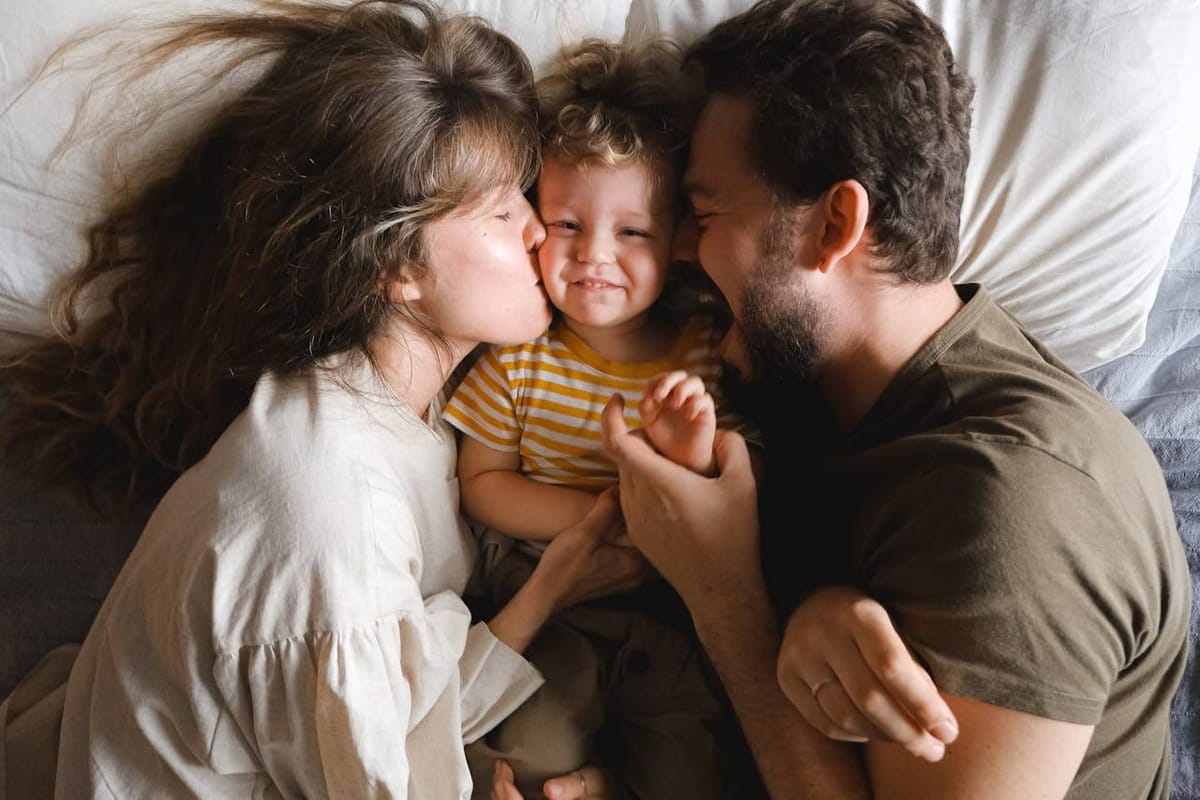
You know the scene: one child responds to a firm rule with calm, while another rebels or shuts down. Which approach will shape good behavior, strengthen attachment, and build social skills for your child?
This guide explains the main Parenting Styles—authoritative, authoritarian, permissive, and uninvolved—and shows how warmth, boundaries, consistent discipline, clear communication, responsiveness, and consequences work together to guide behavior and support emotional and social development.To help with that, My Coloring Pages offers 19,017+ free coloring pages parents can use to name feelings, practice cooperation, model routines, and open gentle conversations that reinforce the parenting approaches you choose.
Summary
- Many parents default to a single parenting style to reduce daily uncertainty, a pattern linked to decision paralysis, given that 75% of parents feel overwhelmed by the amount of parenting advice available online.
- Digital life is reducing time for chores and emotional coaching: 60% of parents report that their children spend more than 4 hours a day on digital devices.
- Authoritative parenting, which combines clear expectations with warmth and explanation, correlates with academic benefits: 50% of children raised this way perform better academically.
- Permissive caregiving supports creativity and expression but leaves gaps in frustration tolerance and follow-through, reflected in data showing 30% of children with permissive parents have higher levels of anxiety.
- Conflicting guidance nudges caregivers toward low-effort, inconsistent routines, a dynamic echoed by 70% of parents who say they feel overwhelmed by conflicting parenting advice.
- Targeted, small-scale changes move the needle: roughly 30% of parents adjust their approach after workshops, and 75% of those who adapt report improved child emotional well-being.
- This is where 19,017+ free coloring pages fit in: a centralized library of printable activities that can reduce prep time and support consistent, temperament-matched routines across parenting styles.
Why Your Parenting Approach Might Be Working Against You

Parents often default to what felt right for them as children, and that instinct is not a flaw; it is a starting place. The false belief that a single rigid approach will work for every child quietly produces stubborn problems in behavior, emotional health, and family dynamics because children differ in temperament, stress response, and learning needs.
Why does one-size-fits-all feel safer?
Most parents choose a single style because it reduces daily uncertainty; you set a routine, everyone learns the rules, and you can predict outcomes. The immediate benefit is order, but the hidden cost shows up when a child’s needs change or when stress spikes. This pattern appears across homes and classrooms: a method that controls behavior at age six fails at age ten, and parents respond by tightening rules or withdrawing support, which then damages trust and curiosity.
What happens to kids when limits are avoided?
When parents prioritize being liked over enforcing boundaries, children miss opportunities to practice frustration, responsibility, and consequences. That gap is why I advocate letting kids fail in controlled ways: resilience is a learned skill. It is exhausting when parents feel forced into policing every mistake, and that exhaustion connects to a broader overload: according to The New York Times, 75% of parents feel overwhelmed by the amount of parenting advice available online, a 2025 report showing how the advice glut creates decision paralysis for caregivers.
How do modern pressures change the tradeoffs?
Digital life alters the balance between stimulation and skill practice, which raises new constraints on parenting choices. For families juggling school, work, and screens, time for chores, free play, or emotional coaching compresses, and that shift creates brittle coping. This is visible in device use patterns: The New York Times, 60% of parents report that their children spend more than 4 hours a day on digital devices, a 2025 finding that explains why parents scramble for calm, structured activities that actually teach self-regulation.
If one method breaks down, what should you pivot to?
Think in terms of constraints, not rules. If a child is anxious, trade strict penalties for predictable routines and small, achievable responsibilities to build confidence. When a child is impulsive, introduce clear, immediate consequences and short practice tasks that teach delay of gratification. These are not abstract prescriptions; they are tradeoffs: permissive approaches maximize creativity but risk missed structure; authoritarian approaches maximize order but can reduce emotional safety. Choose based on your child’s current behavior and the household constraints, then re-evaluate every few months.
Most families manage activities with scavenged printouts, rote worksheets, or one-size activity packs because they are quick and familiar. That works for a day, but as needs diverge, the paperwork piles up, and you spend minutes searching for the correct page while your child loses interest. Platforms like 19,017+ free coloring pages provide large customizable libraries and simple tools to create calming routines, skill-focused practice, or open-ended creativity, letting caregivers match activities to a child’s temperament while cutting prep time and reusing tailored resources across siblings.
How to start with one small change?
Begin by identifying a single domain where independence matters, such as laundry, homework timing, or device limits. Set a predictable consequence, explain it once, and let the child experience the result without rescuing them. Expect the hard words and tears; they mean the lesson is working. That one shift trains executive function through repeated practice and scales: a child who learns to manage a morning routine will handle larger responsibilities later.
Parenting is like tailoring a jacket: the fabric is the child, the style is your approach, and the best fit comes from measuring and adjusting as the child grows. That keeps the connection without compromising standards and preserves the real goal: raising adults who can handle life.
But the next part exposes a deeper pattern in how we label and respond to these differences, and it will change how you choose what to keep and what to let go.
Related Reading
- Parenting Tips
- Bad Parenting
- Parenting
- Gentle Parenting
- Co-Parenting
- Permissive Parenting
- Parallel Parenting
- Attachment Parenting
- Best Parenting Books
- Parenting Quotes
- Parenting Plan
- Parenting App
- Parenting Advice
Understanding the 4 Main Parenting Styles and Their Impact

Parenting behavior clusters into four recognizable patterns that shape what a child learns about rules, emotion, and responsibility, and those patterns show up in everyday interactions more than in labels. Below are four core statements to anchor this section, followed by practical descriptions and observable outcomes you can use to recognize how each style shows up at home.
1. There are four main parenting styles: authoritarian, authoritative, permissive, and neglectful. You don’t have to commit to one style. It’s natural to use different styles in different situations. When safety is at stake, a parent might use a firm, authoritarian style that leaves no room for negotiation. But a parent might put consequences on hold and adopt a more permissive approach to encourage a teenager to seek help if they put themselves in a dangerous situation.
2. “As parents, we are all doing the best we can each day,” Mulholland says. “Our intentions are always good, but we struggle to execute depending on our own capacity in the moment. Give yourself a break as a parent and recognize your own limits. All of the advice in this guide is for when you are your very best self, not necessarily something you can implement all of the time.”
3. Here’s a look at each of the four styles.
4. In the 1960s, psychologist Diana Baumrind conducted a study on more than 100 preschool-age children. Using naturalistic observation, parental interviews, and other research methods, she identified critical dimensions of parenting. These dimensions include disciplinary strategies, warmth and nurturing, communication styles, and expectations of maturity and control. Based on these dimensions, Baumrind suggested that most parents exhibit one of three parenting styles. Later research by Maccoby and Martin suggested adding a fourth parenting style. Each of these has various effects on children's behavior.
What does authoritarianism look like in daily life?
Authoritarian parenting shows up as high control with low emotional responsiveness. You will see rigid schedules, few explanations for rules, and immediate punitive consequences for mistakes. Children raised in this environment often become compliant and orderly in public. Still, the hidden outcomes include heightened anxiety about making mistakes, reduced willingness to ask for help, and weaker intrinsic motivation. You can spot it when a child follows rules without asking why, or when they hide mistakes to avoid punishment.
How does authority appear in real moments?
Authoritative parenting pairs clear expectations with warmth and explanation. In practice, this looks like consistent rules, firm boundaries, and conversations after mistakes about how to do better next time. This mix teaches self-regulation, cooperation, and problem-solving.
Evidence supports the payoff: according to Rogers Behavioral Health, 50% of children raised with authoritative parenting styles perform better academically, a 2025 finding that links structure plus support to concrete learning gains. Watch for children who take responsibility for chores, manage homework without constant prompting, and use words to resolve conflicts.
What are the everyday signs of permissive parenting?
Permissive caregivers prioritize closeness and freedom over rules. The household feels warm, and discipline is rare or inconsistent. In visible behavior, this produces kids who are creative and confident in expression, but who struggle with delay of gratification, follow-through, and emotional regulation.
Clinical evidence shows a concerning link: Rogers Behavioral Health, 30% of children with permissive parents have higher levels of anxiety, which points to how lax boundaries can leave children unpracticed in coping skills. You’ll notice missed deadlines, impulsive choices, or social friction when rules are suddenly needed.
When does uninvolved or neglectful parenting show up?
Uninvolved parenting is low demand and low responsiveness, often caused by caregiver burnout, severe stress, or competing survival needs. Practically, children receive basic care but little guidance, conversation, or emotional scaffolding.
The observable outcomes are poor school engagement, weaker social skills, and difficulty with self-control. A typical pattern emerges in families under heavy strain: parents mean well but are depleted, and children act out or withdraw because no one is coaching their emotions or routines.
Why styles mix and where parents get stuck
This is where patterns become useful, not labels. The familiar approach is to pick one strategy because it reduces daily uncertainty, yet different situations demand different levers. I see the same failure mode across busy households: parents default to the style that conserves their energy, which works for a week but breaks down under stress.
The emotional detail matters, too—many caregivers prioritize the appearance of stability over confronting personal conflicts, leaving children feeling tension even when surface routines remain intact. That pressure to perform a single coherent style fuels guilt and rigid enforcement, or it leads to a retreat into emotional distance.
How to read behavior, not labels
Look for sequences of behavior: what happens when a child makes a mistake, asks for help, or pushes a boundary? Those responses reveal the operative style more reliably than a parent’s stated philosophy. For instance, a household that enforces curfew without explanation and punishes quickly is operating authoritarily, even if parents believe they are being “strict but fair.” The valuable skill is to map specific interactions to desired outcomes, then adjust one lever at a time—consistency, explanation, warmth, or consequence—so you can test what changes the child’s behavior.
Status quo disruption: a practical fix for friction in activities
Most parents juggle activity planning with limited time and stick to the same quick fixes because they are familiar with them. That familiarity helps at first, but as kids’ needs diverge, prepping different materials becomes a time sink and routines collapse.
Platforms such as My Coloring Pages centralize an extensive, customizable library and let caregivers tailor printable activities to a child’s temperament and learning goals, reducing prep time while maintaining consistency. Families find that customizing a single worksheet for calm-down practice or a series of themed pages for a study block reduces friction and preserves the exact structure the child needs to learn new habits.
A short analogy to make this stick
Think of parenting styles as two control knobs, one labeled rules and the other labeled warmth, and your daily choices are small turns on those knobs; minor adjustments change tone quickly without swapping the whole approach.
That tension you feel about which approach to use, and when to change it, is precisely what we'll interrogate next.
The Pros and Cons of Each Parenting Style

Each parenting style brings reliable strengths and predictable weaknesses, and the right choice depends on the child, the moment, and the household constraints. When you judge a style, look at three outcomes: a child’s independence, their capacity to bounce back from setbacks, and how well they form relationships with peers and adults.
When does an authoritarian approach actually help, and when does it break down?
Authoritarian control yields rapid compliance, which is helpful in high-risk moments or clear safety transitions, and it keeps routines stable when adults have almost zero bandwidth. The cost appears over months, not minutes: children taught to obey without explanation often struggle to self-start, ask fewer questions, and avoid risk rather than manage it, which reduces independent problem-solving. The failure mode is predictable: it occurs when rules remain fixed as responsibilities grow. The repair is deliberate practice in small choices, not a wholesale removal of boundaries.
How does authoritative parenting translate into measurable gains?
Authoritative care, with firm expectations and clear explanations, systematically builds executive skills: planning, delayed gratification, and verbal conflict resolution. Those gains show up as better classroom cooperation and fewer disciplinary escalations. The practical constraints are time and emotional energy, both of which parents lack in some weeks. When caregivers are exhausted, the model degrades into either overly lenient or purely punitive responses, so the real test is consistency over time, not perfection in any single interaction.
Where does permissive parenting serve kids well, and where does it leave holes?
Permissive homes nurture creativity and a strong sense of internal expression, which fuels entrepreneurship and improvisational social skills. The downside is weaker practice with frustration tolerance, follow-through, and group norms; kids get fewer opportunities to learn that some rewards require sustained effort. A practical compromise is low-cost micro-commitments, short, predictable tasks that preserve autonomy while training follow-through.
What makes uninvolved patterns so damaging beyond the obvious?
Neglectful or under-engaged caregiving often follows caregiver overload and inconsistent supports, and the result is not just missed rules, but missed coaching moments that never return. This pattern arises when families rely on mismatched, one-off activities and inconsistent routines; the fragmentation breeds unrealistic expectations about results and increases parental frustration, which in turn reduces engagement further. The emotional consequence is a slow drift from connection into checklist mode, and the fix requires rebuilding predictable, small interactions before tackling bigger goals.
Why change is possible, even if it feels stuck right now
Change happens, but not by accident. When parents learn concrete techniques and practice them for several weeks, behavior shifts. According to the Parenting Workshops Association, 30% of parents change their parenting approach after attending parenting workshops, a 2025 finding that shows structured learning can move habits in a sizable minority of caregivers. That means targeted training and brief, repeatable exercises are a realistic lever for many families.
Why feeling torn matters for outcomes
Conflicting advice and too many options wear people down, and that exhaustion steers choices toward the lowest-effort option, not the best. According to the American Psychological Association, 70% of parents feel overwhelmed by conflicting parenting advice, a 2025 statistic that explains why good intentions often collapse into inconsistent practices. When parents are overwhelmed, the child’s opportunity to learn resilience and social problem-solving becomes sporadic, and progress stalls.
Most families handle activities with paper scraps or random printouts because it is familiar and fast. That works at first, but as you try to teach persistence, emotion coaching, or responsibility, the inconsistency shows: children get mixed signals, and caregivers spend time comparing resources instead of running the practice. Solutions like My Coloring Pages, with large, customizable libraries that centralize templates, let caregivers tailor a single routine for calm-down work, skill practice, or creative time, keeping instruction consistent while cutting prep time and reducing the comparison loop that fuels overwhelm.
Think of styles like tool choice in a workshop: sometimes you need a plane to smooth rough edges, sometimes a rasp to shape detail, and if you only ever use a hammer, you break the piece.
That solution works until you hit the one obstacle nobody talks about.
Related Reading
- Tiger Parenting
- ADHD Parenting
- Solo Parenting
- PACE Parenting
- Parenting Research News
- Parenting Hell
- Therapeutic Parenting
- Positive Parenting
- Permissive Parenting Style
- Parenting Styles Psychology
- FAFO Parenting
- Uninvolved Parenting
- Indiana Parenting Time Guidelines
- Authoritarian Parenting Style
- Parenting Classes
- Good Parenting
- Authoritative Parenting Style
- Montessori Parenting
- Snowplow Parenting
- Co-Parenting With a Narcissist
How to Adapt Your Parenting Style to Match Your Child's Needs
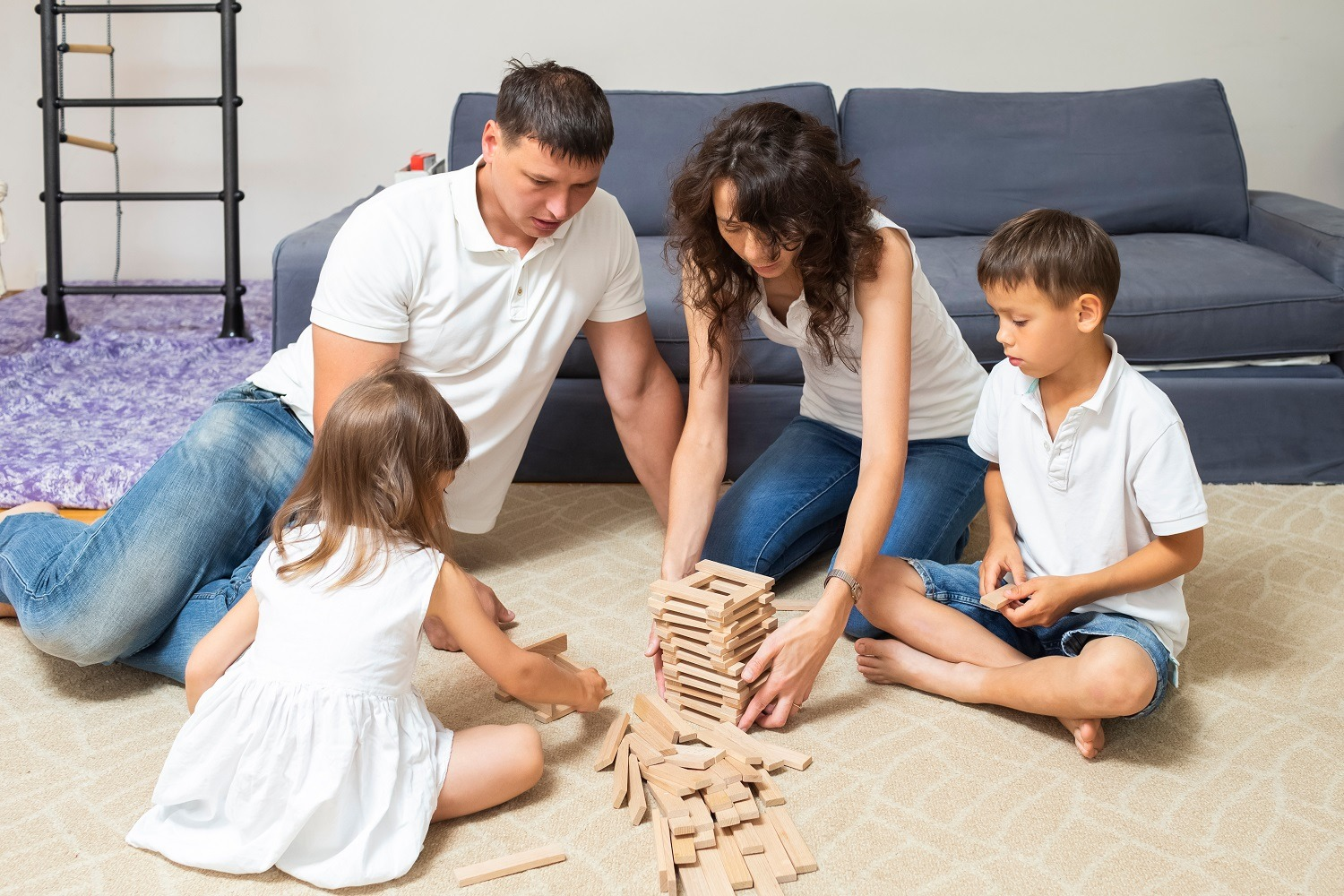
You will not permanently "mess up" your child by making typical parenting mistakes. Focus on observing what works for this child, run small, deliberate experiments, and maintain consistent communication so children learn recovery skills and understand predictable consequences.
What should I look for first?
When we worked with caregivers over several months, the first useful step was to map triggers rather than blame behavior. Spend two weeks making three quick notes a day: what happened just before the meltdown, the exact behavior, and what calmed or escalated it. That simple observation turns guessing into data, and it reveals patterns you can change without drama.
How do I match discipline to temperament?
If a child is slow to warm up, reduce surprise and increase predictability by using short warnings and predictable transition cues. For a highly sensitive child, replace long lectures with a single clear sentence stating the rule, followed by a calm consequence, then praise when they recover.
For impulsive kids, use immediate, brief consequences tied to the specific action, along with frequent small wins, such as timed tasks or token points redeemable for privileges. Practice the swap as a one-week micro‑trial, then compare behavior frequency across the week to determine which adjustment moved the needle.
How do I build autonomy without losing structure?
Offer controlled choices and graduated responsibility: start with two acceptable options, then let them own the plan. For chores, break tasks into visible steps, teach the first step together, then require completion before moving on.
Schedule one short weekly problem-solving meeting where the child proposes solutions for a single household rule, you push back once, and you both commit to a test period. This creates genuine negotiation skills while keeping you in charge of safety and standards.
Why consistency matters and how to keep it when life is messy
Parents guard their free time and boundaries for good reason, and I have seen that defensive reactions to outside judgment push people toward either rigid control or permissive retreat. That tension shows up when routines require last‑minute prep, and you are tired, creating inconsistency. The practical fix is to simplify the repeatable parts of your routine, so you only need to choose once and reuse the same plan until it becomes a habit.
Most families handle activity prep with ad hoc printouts because it feels faster, but as needs change, that method creates confusion and extra work. Platforms like 19,017+ free coloring pages reflect this reality; they expose the hidden cost of fragmented prep and provide a bridge by centralizing customizable, printable activities, enabling caregivers to create consistent calming routines or skill drills in minutes rather than hours.
How will I know the new approach is working?
Treat each change like a short experiment with clear metrics and a fixed length, for example, three to six weeks. Track a single behavior, such as nights with bedtime resistance or the number of tantrums per week, and pick one measurable target.
If your intervention moves the metric in the right direction over the trial, scale it; if not, tweak one variable and run the subsequent trial. Small, repeatable wins build parental confidence and teach children that rules predict outcomes.
What about the emotional payoffs parents actually see?
Families who intentionally adjust their approach notice results in both connection and conflict patterns: according to Call Emmy, 75% of parents report that adapting their parenting style improved their child's emotional well-being. Likewise, Call Emmy found that 80% of families who adapted their parenting style reported fewer family conflicts, underscoring the importance of small, sustained shifts over perfect performance.
A brief, practical script you can try tonight
Use this three-line script for a common friction: acknowledge, state the rule, and offer a clear consequence. For example, "I see you are upset. We do screens after homework. If homework is done, you get 20 minutes; if not, screens wait till tomorrow." Short, consistent language removes ambiguity and reduces drama, helping the child understand the connection between choice and outcome.
Parenting is an iterative craft, not a one-off certification; keep testing, keep the language simple, and let the small wins accumulate.
That single change feels like progress, but the next step will reveal how simple resources can accelerate it.
Related Reading
- Helicopter Parenting
- Toxic Parenting Phrases
- Best Parenting Advice
- Authoritative vs Authoritarian Parenting
- Parenting Styles Chart
- Parenting Therapy
- Lighthouse Parenting
- Parenting Memes
- Parenting With Love and Logic
- Parenting Techniques
- Soft Parenting
- Triple P Parenting
- Parenting Agreement
- Bible Verses About Parenting
- Nacho Parenting
- Styles of Parenting
- Elephant Parenting
- Parenting Hacks
- Horizontal Parenting
- Parenting Resources
Download 19,017+ FREE Coloring Pages
If you want a gentle, practical way to support emotional regulation, sharpen focus, and create short family-connection rituals that fit different parenting styles, consider My Coloring Pages as a low-pressure complement to your existing routines. My Coloring Pages lets you create custom, printable coloring pages in seconds. Simply describe what you want or upload a photo, and the app turns it into ready-to-print pages. You can also browse 19,017+ free community pages, design personalized coloring books, and join 20,000+ parents who rate it 4.8 out of 5.