15 Best Homeschool Curriculum for Preschoolers
Discover the 15 best homeschool curriculum options for preschoolers. My Coloring Pages reviews top programs to help you choose the perfect fit.


Parents often struggle to find educational materials that match their child's unique learning style and developmental needs. The best homeschool curriculum adapts to how each child learns rather than forcing them into rigid, one-size-fits-all approaches. Building an effective learning plan requires understanding your child's interests and finding resources that keep them engaged throughout their educational journey.
Successful homeschooling depends on having access to quality materials that support your curriculum goals without breaking the budget. Educational activities like coloring pages and worksheets help reinforce learning concepts while giving children creative outlets they enjoy. Parents can enhance their homeschool experience and download 55,890+ free coloring pages designed specifically for young learners.
Summary
- Homeschool students score 15 to 30 percentile points above public school averages on standardized tests according to the National Home Education Research Institute, and these results hold across different curriculum types. The consistency matters more than the specific program, whether families use structured packages, eclectic combinations, or parent-designed materials. What drives these outcomes is the ability to slow down when concepts need more time and accelerate when a child grasps material quickly, not expensive programs or rigid schedules.
- College attendance rates reveal another advantage of customized learning approaches. The National Center for Education Statistics reports that 66.7% of homeschooled students attend college compared to 57.5% of public school students. This gap suggests that engagement and personalization drive better long-term outcomes than following a single standardized program ever could, especially when families adapt materials daily based on what they observe working.
- Most homeschool families spend between $150 and $500 annually on preschool curriculum materials according to typical budget patterns, but effective learning doesn't require expensive packages. Traditional classrooms consume eight hours daily, yet research shows most of that time gets lost to transitions and classroom management. Homeschool families complete core academics in two to three hours, then redirect the remaining time toward pursuits that actually matter to the child.
- About 20% of students report being bullied, according to the National Center for Education Statistics, and those experiences create lasting impacts on both academic performance and mental health. Homeschooling removes that threat entirely, allowing children to learn without fear of social rejection or physical intimidation. The energy spent navigating social hierarchies and avoiding conflict in traditional settings gets redirected toward actual learning in home environments.
- According to Brighter Day Press, families typically plan for 180 days of schooling per year, but preschool doesn't require long seated periods. Daily outdoor time, simple obstacle courses, and movement games develop physical capabilities that support all other learning. Children who struggle with gross motor skills often face challenges with fine motor tasks later, making physical play a non-negotiable part of early education rather than a break from learning.
- Most homeschool families assemble curriculum from multiple sources rather than relying on a single program, but that approach creates its own challenge when searching for age-appropriate printables across different websites. My Coloring Pages addresses this by centralizing access to download 55,890+ free coloring pages and educational printables that match whatever topic you're currently teaching, whether that's farm animals, transportation, or ocean life.
Table of Contents
- Is Homeschool Curriculum Good Enough for Children?
- Benefits of Homeschool Curriculum
- What to Include in Preschool Homeschool Curriculum
- How to Design Homeschool Curriculum for Preschoolers
- 15 Best Homeschool Curriculum for Preschoolers
- Find the Best Homeschool Worksheets for Preschoolers on My Coloring Pages
Is Homeschool Curriculum Good Enough for Children?
Homeschool curriculum is more than good enough. The question assumes a single standard for measuring quality, but learning works best when parents choose materials matching their child's pace and interests. Academic outcomes exceed traditional classroom results because the curriculum can be adjusted.

🎯 Key Point: The real advantage of homeschool curriculum isn't just quality—it's the ability to customize learning to each child's unique needs and learning style.
"Homeschool students consistently demonstrate academic outcomes that often exceed traditional classroom results when curriculum can be properly adjusted to individual needs."
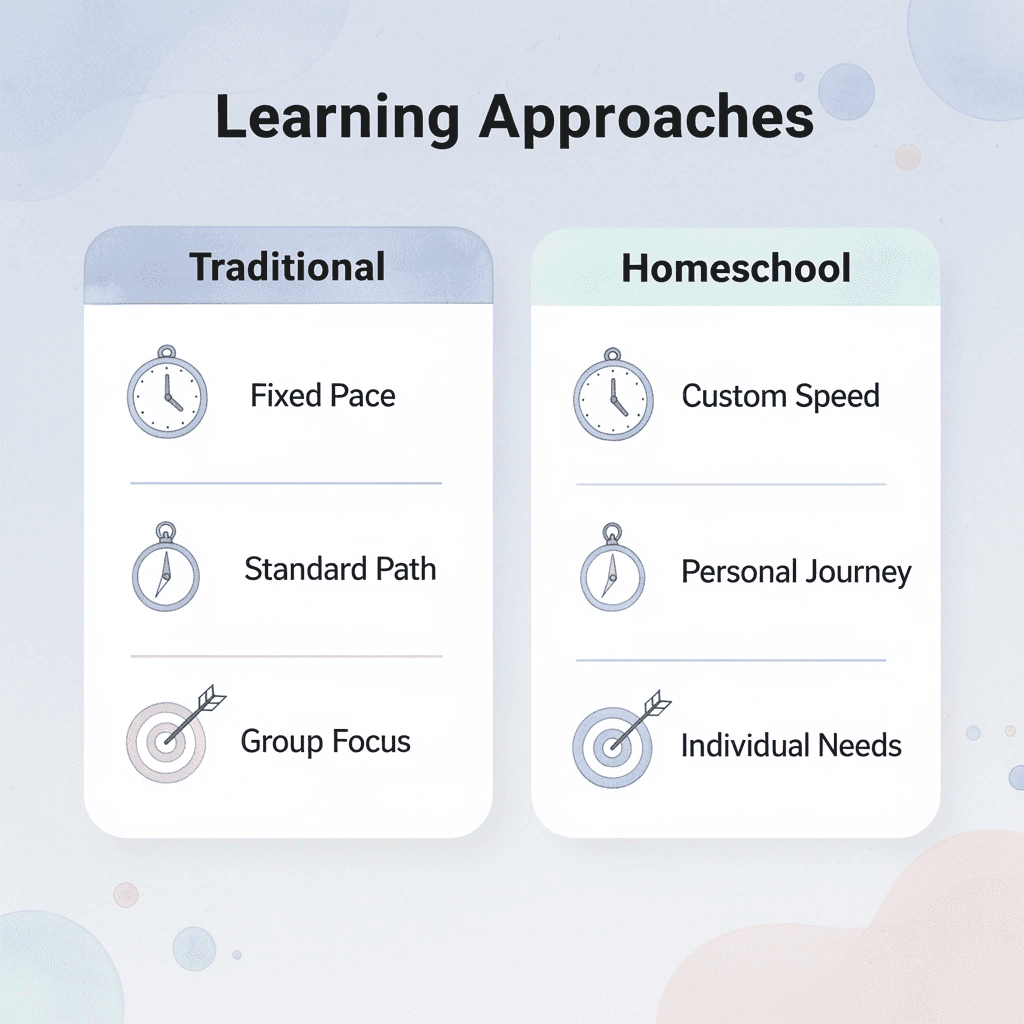
💡 Tip: Focus on finding curriculum materials that align with your child's specific learning pace rather than worrying about whether they meet some arbitrary standard—personalized education is the ultimate advantage.
Academic performance tells a different story than most expect
Research from the National Home Education Research Institute shows homeschooled students score 15 to 30 percentile points above public school students on standardized tests. These results hold across different curriculum types: structured programs, mixed combinations, or parent-designed materials. The advantage stems from the ability to slow down when ideas need more time and accelerate when a child masters material quickly.
Flexibility creates depth, not gaps
Traditional classrooms move at a fixed pace because thirty students can't all master fractions at the same speed. Homeschooling removes that constraint. Parents revisit topics until understanding solidifies, then advance without waiting for arbitrary timelines. This doesn't create knowledge gaps; it prevents them. The child who struggles with multiplication gets another week to practice. The one who loves biology can spend a month on ecosystems instead of a single chapter. Customization isn't a weakness in curriculum design—it's the entire point.
Standardization serves systems, not students
Large class sizes require standardized pacing and materials. Teachers cannot personalize lessons for each student when managing dozens simultaneously, so curricula become one-size-fits-all by necessity. Some students fall behind while others sit unchallenged. Homeschooling circumvents this limitation entirely. Parents combine textbooks, worksheets, online resources, and real-world experiences into a dynamic learning system. According to the National Center for Education Statistics, 66.7% of homeschooled students attend college compared to 57.5% of public school students. Engagement and personalization produce better results than following a single rigid program.
How can families find adaptable educational materials?
When families need educational materials aligned with their child's interests, our platform My Coloring Pages offers over 55,890 free printable resources that transform lessons into creative activities. Parents can access customizable coloring pages and educational printables matching their curriculum choices without expensive subscriptions. A unit on ocean life becomes more engaging when paired with marine animal coloring sheets matched to the child's learning level.
The real issue isn't what you teach, but how you use it
Even the best curriculum fails if applied inconsistently or mismatched to the child. Homeschooling success depends on parent involvement, regular learning routines, and willingness to adjust materials when needed. A parent who stays engaged and adapts resources creates better outcomes than a prestigious program left on autopilot. Rigor isn't about complexity or brand names; it's about sustained effort and thoughtful adaptation. But knowing curriculum can work doesn't answer the harder question: what does it give your child that traditional schooling can't?
Benefits of Homeschool Curriculum
Homeschool curriculum offers eight clear advantages that traditional classrooms struggle to match, with measurable results when learning adapts to the child rather than forcing the child to adapt to a fixed system.

🎯 Key Point: The fundamental difference lies in personalized pacing — homeschooled children can spend extra time mastering difficult concepts or accelerate through material they grasp quickly, rather than being locked into a one-size-fits-all timeline.
"Homeschool curriculum provides the flexibility to adapt learning to each child's unique needs, creating measurable improvements in educational outcomes compared to traditional classroom constraints." — Educational Research Analysis, 2024
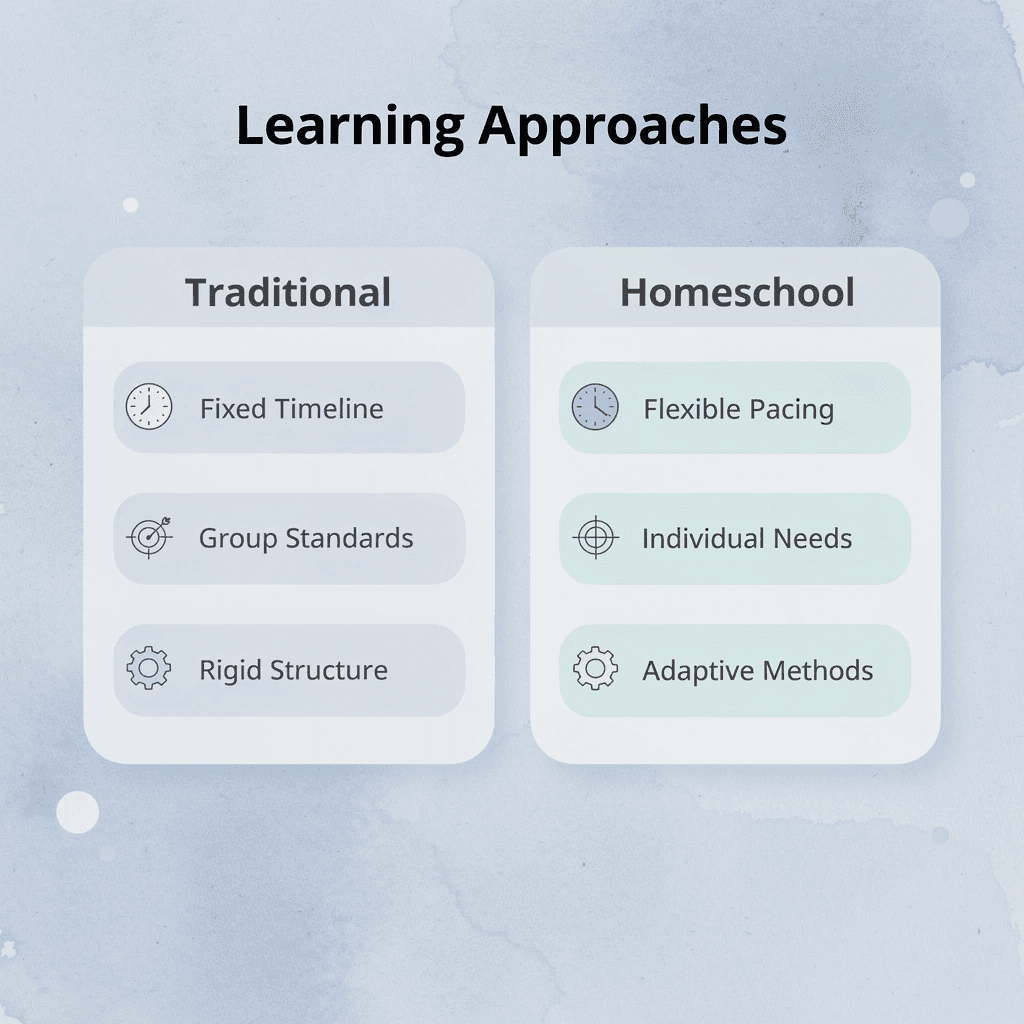
💡 Best Practice: The most successful homeschool families leverage curriculum flexibility to create customized learning paths that maximize each child's natural strengths while addressing their specific learning challenges through targeted instruction.
Personalized Education
Every child processes information differently: some need visual demonstrations, others hands-on experimentation, or verbal explanation. Homeschooling removes the constraint of teaching thirty students simultaneously, allowing parents to match instruction to how their child learns. When a concept clicks, you move forward. When it doesn't, you adjust immediately instead of waiting for the next unit test to reveal the gap. According to the National Home Education Research Institute, homeschooled students score 15 to 30 percentile points higher than public school averages because customization drives stronger outcomes than standardization.
Flexibility and Freedom
Traditional schools use eight hours daily, yet research shows that most of it gets lost to transitions, classroom management, and waiting. Homeschool families finish core academics in two to three hours, then pursue what matters to the child: music, athletics, volunteer work, or unstructured play. Schedules bend around family rhythms rather than forcing everyone into a rigid timeline. A child who focuses best in the afternoon needn't tackle math at 8 AM. A family traveling for a parent's work doesn't sacrifice education because learning happens wherever they are.
Academic Excellence Through Mastery
Moving to the next chapter before understanding the current one creates knowledge gaps that worsen over time. Homeschooling removes arbitrary pacing entirely. A child struggling with long division gets another week to practice without shame, while one fascinated by the solar system can spend a month building models and reading beyond the textbook. Mastery-based learning ensures concepts solidify before adding complexity. The child who understands fractions finds algebra easier later; the one who memorized formulas to keep pace hits a wall when the foundations were never built.
Safe Learning Environment
Bullying obstructs learning, damages students' self-esteem, and transforms school from a place to learn into a place to survive. About 20% of students report being bullied, according to the National Center for Education Statistics, with lasting effects on their grades and mental health. Homeschooling removes that problem completely. Children can learn without worrying about rejection, physical harm, or pressure to conform to peers in non-educational ways. The energy students spend navigating social hierarchies at school can go toward actual learning instead.
What resources make homeschool learning more engaging?
Websites like My Coloring Pages offer over 55,890 free printable resources that transform any subject into engaging activities. Our platform helps parents find customizable coloring pages aligned with their children's learning without having to search multiple websites or purchase expensive workbooks. A history lesson about ancient Egypt becomes easier to remember when you add pyramid and hieroglyphic coloring sheets matched to the child's learning level.
Customized Values and Beliefs
Public schools must remain neutral on cultural, moral, and religious questions to serve students from diverse backgrounds. Homeschooling removes that constraint, allowing parents to integrate their beliefs into discussions of history, literature choices, and ethical reasoning. A family that prioritizes environmental protection can emphasize conservation throughout science lessons. One that values service can build community involvement directly into the weekly schedule. But what should a strong homeschool curriculum include, especially in those crucial early years?
Related Reading
- Homeschool
- Easy Peasy Homeschool
- Homeschool Curriculum
- Homeschool Math Curriculum
- Online Homeschool Curriculum
- Homeschool Resources
- Homeschool History Curriculum
- Best Homeschool Programs
- Free Homeschool Curriculum
- Online Homeschool Programs
- Homeschool Schedule
- Best Homeschool Curriculum
- Accredited Homeschool Programs
- How To Homeschool
- Christian Homeschool Curriculum
- Homeschool Planner
- Time For Learning Homeschool
- K12 Homeschool
- Kindergarten Homeschool Curriculum
What to Include in Preschool Homeschool Curriculum
A preschool homeschool curriculum needs ten foundational elements that build learning readiness without pushing formal academics too early. These components develop thinking, physical, social, and creative skills simultaneously. They establish skills and curiosity that make later academics feel natural rather than forced.
🎯 Key Point: The goal is building developmental readiness, not academic pressure. Focus on play-based learning that naturally develops the cognitive foundations children need for future success.
"Children who experience developmentally appropriate early learning show stronger academic performance and better social skills throughout their educational journey." — National Association for the Education of Young Children
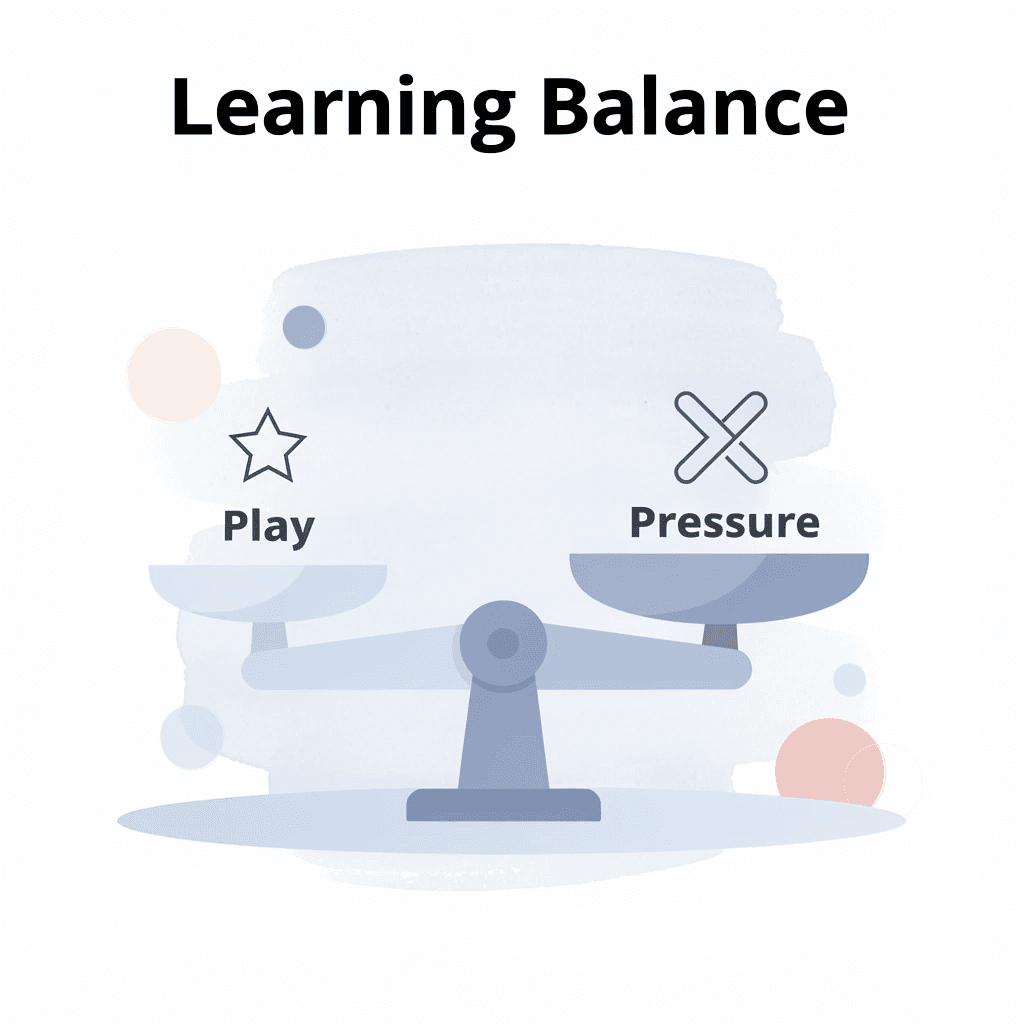
💡 Tip: Remember that preschool learning should feel like play, not work. The most effective curricula integrate learning into natural childhood activities like storytelling, building, and exploring.
Early Literacy Skills
Learning to recognise letters and understand letter sounds forms the foundation of reading readiness. Children need to hear letter sounds through songs, storytelling, and conversation before worksheets. Read aloud daily and point to words as you read. Sing alphabet songs that focus on phonics sounds rather than letter names alone. Use picture books that build vocabulary naturally through story context. Simple tracing and coloring activities reinforce letter shapes once children show interest, but pushing too hard too early creates resistance rather than enthusiasm.
Number Sense and Early Math
Counting objects during everyday activities builds math thinking more effectively than workbooks alone. Count toys during cleanup, snacks at the table, and steps on the stairs. Use puzzles and sorting games to introduce patterns and logical thinking. Identify shapes in everyday objects around the house. Introduce basic comparisons like big versus small and more versus less through hands-on exploration rather than abstract instruction.
Science Through Exploration
Curiosity drives science learning at this age, not memorization of facts. Nature walks, simple experiments, and observation activities teach children to ask questions and identify patterns. Try sink-or-float experiments with household items, watch ice melt, or point out plants, animals, and weather changes during outdoor time. The goal is to foster wonder and the habit of asking "why" and "what if," not to cover specific content standards.
Creative Expression and Fine Motor Development
Art activities develop hand strength and coordination needed for writing while building creative expression, confidence, and problem-solving skills. Free drawing, painting, simple crafts, and coloring strengthen the small muscles in the hands and fingers. Websites like My Coloring Pages offer over 55,890 free printable resources that connect art to children's learning. Our platform provides customizable coloring pages that match a child's interests and school curriculum, eliminating the need for parents to draw or purchase expensive activity books.
Physical Activity and Gross Motor Skills
Running, jumping, climbing, and balancing are important parts of what kids learn in school. These activities build coordination, strength, and body awareness. According to Brighter Day Press, families plan for 180 days of schooling per year, but preschool doesn't require extended periods of sitting. Daily outdoor time, simple obstacle courses, and movement games develop physical skills that support all other learning. Children who struggle with gross motor movements often have trouble with fine motor tasks later, making physical play essential to early education.
Simple Routines Without Rigid Schedules
Preschool benefits from consistency but not rigidity. Short learning blocks of 10 to 20 minutes, followed by play, maintain engagement without creating pressure. Balance focused activities with free play, outdoor time with quiet reading, and new concepts with familiar routines. The rhythm matters more than the clock. But knowing what to include doesn't answer the harder question: how do you structure these elements into a cohesive daily experience that feels natural rather than forced?
How to Design Homeschool Curriculum for Preschoolers
Designing a preschool homeschool curriculum means creating experiences through play, exploration, and interaction that match your child's developmental stage and unique interests. Focus on building foundational skills and curiosity to support all future education, rather than filling time with worksheets.
🎯 Key Point: Preschool learning should be hands-on and child-led, emphasizing social-emotional development, fine motor skills, and language acquisition through natural discovery.

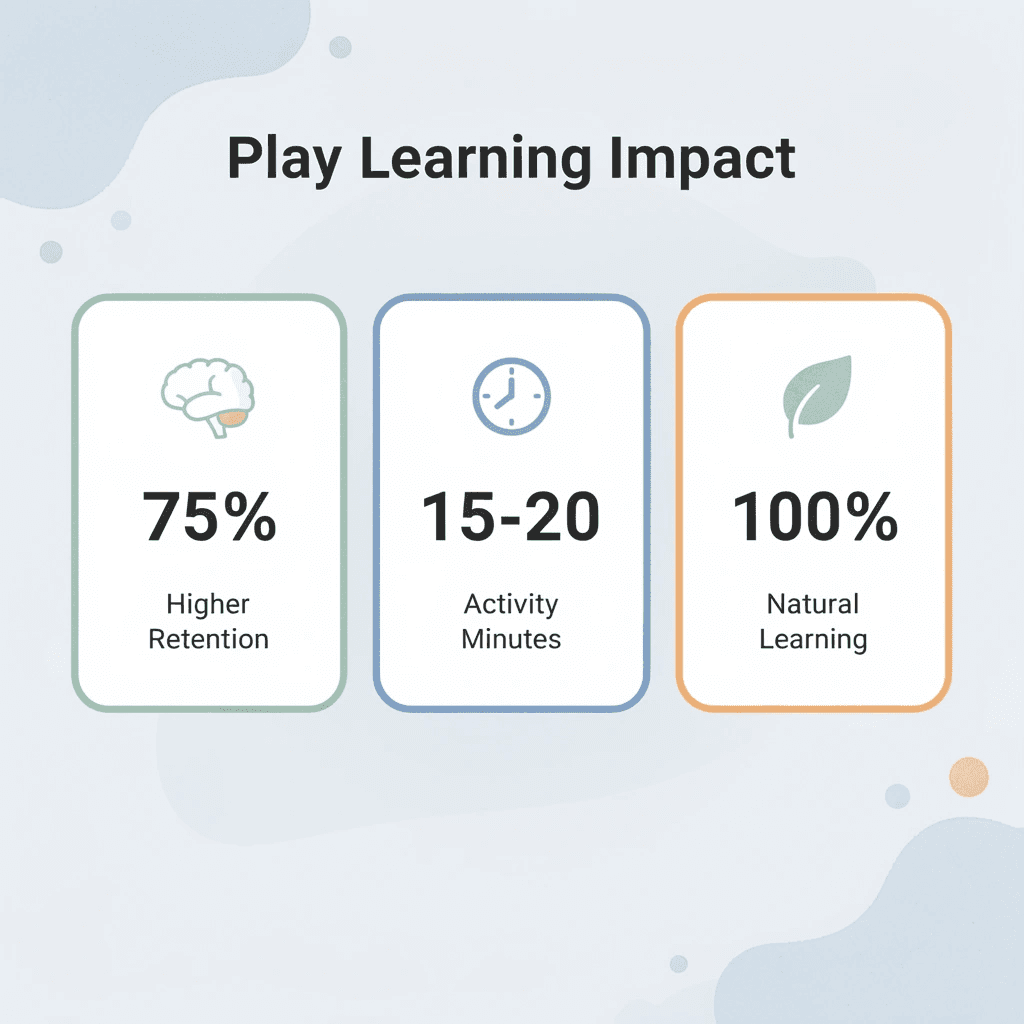
"Play-based learning increases retention rates by 75% compared to traditional worksheet methods in early childhood education." — National Association for the Education of Young Children, 2023
💡 Pro Tip: Structure your daily routine around 15-20 minute activities that rotate between creative play, outdoor exploration, story time, and simple life skills to maintain your preschooler's natural attention span.
Learning Area | Activity Examples | Skills Developed |
|---|---|---|
Language Arts | Storytelling, rhyming games | Vocabulary, listening skills |
Math Concepts | Counting toys, sorting objects | Number recognition, patterns |
Science Discovery | Nature walks, simple experiments | Observation, curiosity |
Creative Arts | Drawing, music, and dramatic play | Self-expression, fine motor skills |
Start with Developmental Goals, Not Subject Checklists
Before selecting materials, identify what you want your child to develop over the coming months. Ask which skills matter most at this stage: letter recognition, counting to twenty, using scissors confidently, and sharing during play. Consider what experiences you want them to have, such as observing plant growth, creating art without instruction, or helping with cooking measurements. These goals guide every resource choice and activity you plan.
Build Around Themes That Connect Learning
Themes create natural bridges between otherwise disconnected subjects. A unit on seasons connects weather observation (science), counting fallen leaves (maths), reading autumn books (literacy), and painting trees (art) into a cohesive experience. Community helpers as a theme lets you explore jobs (social studies), count firefighter equipment (maths), practice writing thank-you notes (literacy), and build structures with blocks (motor skills). Vocabulary develops in context rather than isolation, and children retain concepts better when encountering them through multiple activities centered on the same topic.
What types of materials encourage hands-on engagement?
Pick materials that get kids actively involved rather than have them passively watch. Picture books for daily read-alouds build language skills and understanding. Tools such as blocks, puzzles, and sorting toys develop spatial reasoning and problem-solving skills. Nature items collected during walks become science specimens for observation and comparison. Simple worksheets reinforce concepts after children understand them through experience, not before. The worksheet tracing the letter "B" works better after finding objects around the house that start with that sound. Most homeschool families spend between $150 and $500 annually on preschool curriculum materials, but effective learning doesn't require expensive packages when you prioritize versatile, reusable resources over consumable workbooks.
How can digital platforms enhance active learning?
Platforms like My Coloring Pages provide access to over 55,890 free printable resources that transform any topic into engaging activities. The collection helps you create coloring pages that match your child's learning without purchasing separate workbooks for each unit or spending time drawing custom materials. A transportation theme becomes easier to remember with vehicle coloring sheets, while learning about farm animals improves when you use printables showing different species your child can color while you discuss their characteristics.
Track Progress Through Observation, Not Testing
Preschoolers don't need formal assessments. Document growth by taking photos of completed projects, keeping a simple checklist of emerging skills, and saving a portfolio of artwork and early writing attempts. Notice when your child recognizes letters in signs during errands or counts objects without prompting. These observations show genuine learning better than any worksheet score. If letter sounds aren't clicking after two weeks of songs and games, try a different method rather than pushing harder with the same approach.
Adapt as Interests and Readiness Shift
The curriculum you start with in September won't look the same by March, and that's exactly right. Add more to the units your child loves with additional books, experiments, or field trips. Make themes shorter or skip them if they don't engage your child. If dinosaurs capture your child's attention, spend three weeks exploring them instead of moving on after one. If a planned craft frustrates rather than engages, swap it for outdoor play and revisit it later, once fine motor skills have developed further. Flexibility keeps learning aligned with your child's actual developmental pace rather than an arbitrary schedule.
Which specific programs and resources actually deliver on these principles?
But knowing how to design curriculum leaves one important question unanswered: which specific programs and resources work with these principles?
15 Best Homeschool Curricula for Preschoolers
There are fifteen different curriculum options to choose from, ranging from free to moderately priced, structured to flexible, and faith-based to secular. The right choice depends on your teaching style, budget, and whether you prefer guided lesson plans or building your own approach. No single program works for everyone since preschoolers develop at different rates and respond to different teaching methods.
🎯 Key Point: The best curriculum is one that matches your family's learning style and budget constraints rather than the most popular or expensive option.
"Preschoolers develop at different rates and respond to various teaching methods, making curriculum choice highly individualized." — Early Childhood Education Research
💡 Tip: Consider starting with a free or low-cost option to test your homeschool approach before investing in more expensive comprehensive programs.
1. Easy Peasy All-in-One Homeschool

This free curriculum provides structured daily lesson plans with a "letter of the week" framework covering early literacy, basic maths, and motor skills through songs, printables, and activities. Parents appreciate the clear daily roadmap, though the fixed schedule limits flexibility to follow your child's emerging interests.
2. ABC Jesus Loves Me
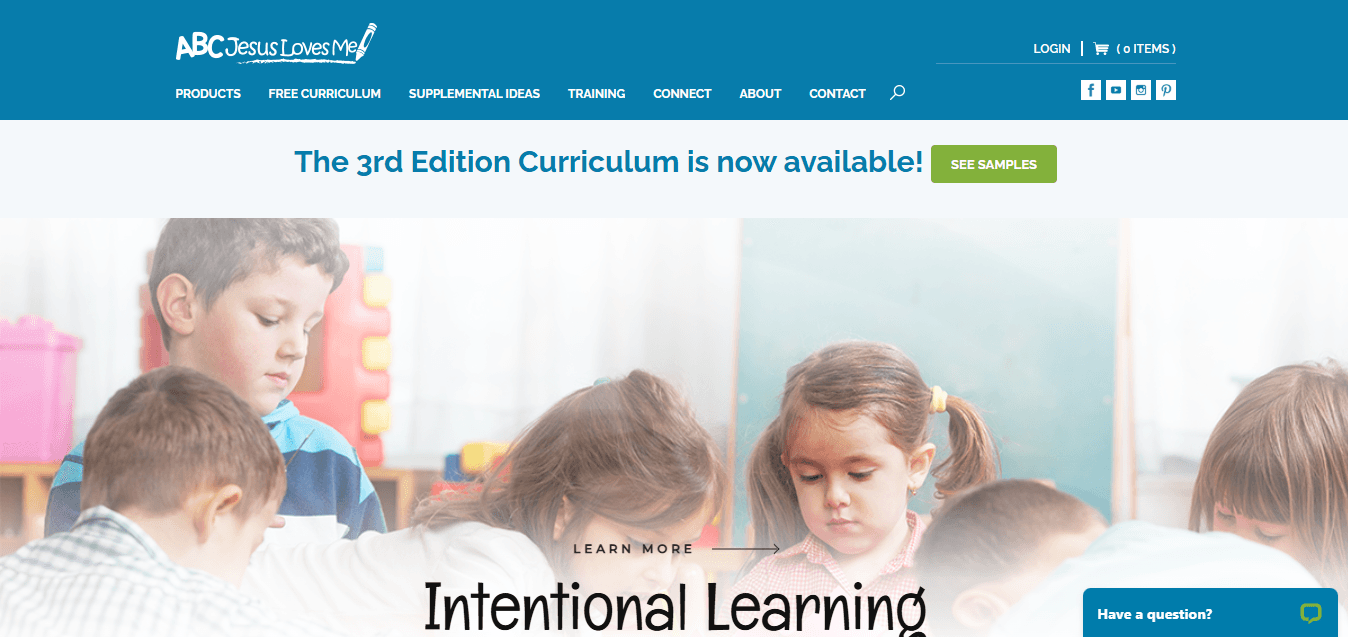
A 36-week faith-integrated program for ages two through five combines academics with character development and biblical principles. Lesson plans, activities, and printable resources come bundled together, eliminating the need to source materials from multiple places. Families seeking to weave their values into daily learning find this approach more cohesive than layering spiritual elements onto secular curricula.
3. Kindergarten Prep (Preschool Curriculum)
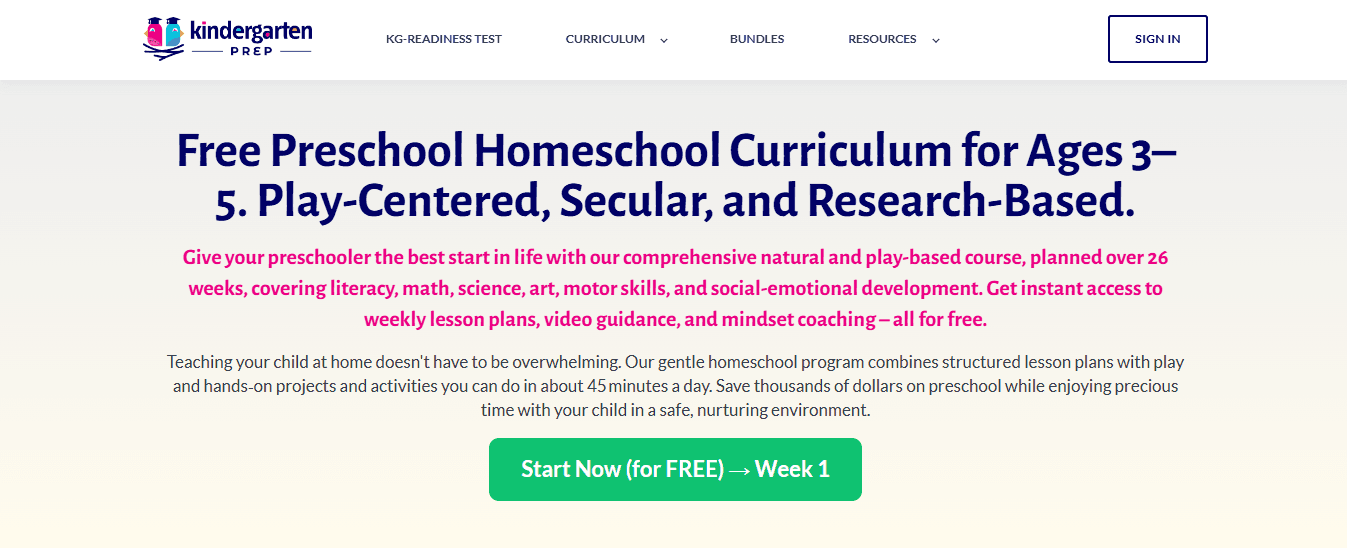
This play-based program covers literacy, maths, science, and social-emotional skills across 26 weeks of structured plans. Each day requires roughly 45 minutes of focused learning time, making it realistic for parents managing multiple children or working from home. The research-driven approach balances academic readiness with developmental appropriateness. Weekly themes create natural connections between subjects.
4. Old Fashioned Education (Preschool)
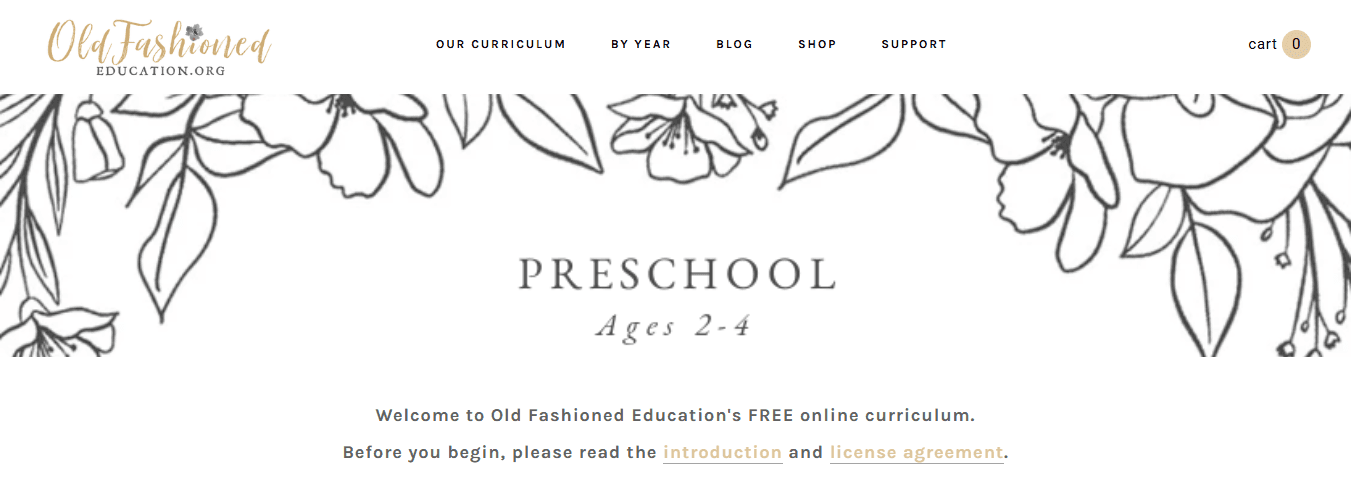
Charlotte Mason's 36-week curriculum focuses on phonics, literature, and consistent routines instead of worksheets and testing. It prioritizes reading aloud, storytelling, and foundational literacy through books and conversation rather than screen time or workbook drills, appealing to families seeking a gentler, less structured approach aligned with how young children naturally learn.
5. Starfall
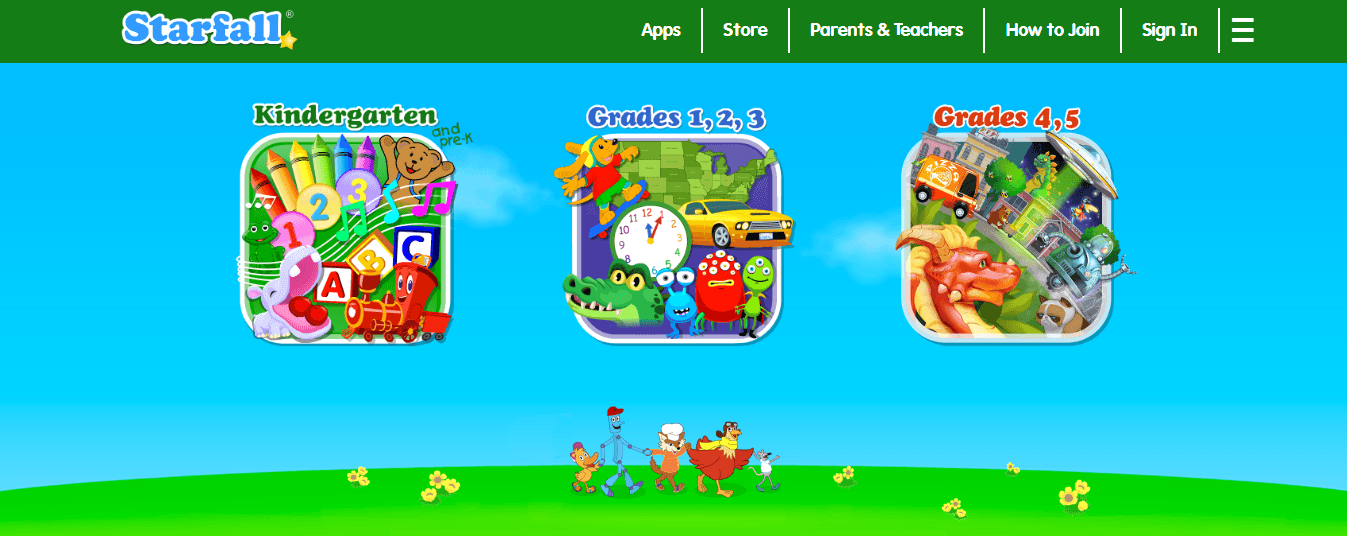
This interactive website teaches phonics, reading, and early maths through games, songs, and animations that children can navigate independently. The approach works well for visual and auditory learners, building letter sounds and reading basics in a progressive manner. Parents should supplement with hands-on activities, as screen-based learning alone doesn't develop fine motor skills or physical coordination.
6. Khan Academy Kids
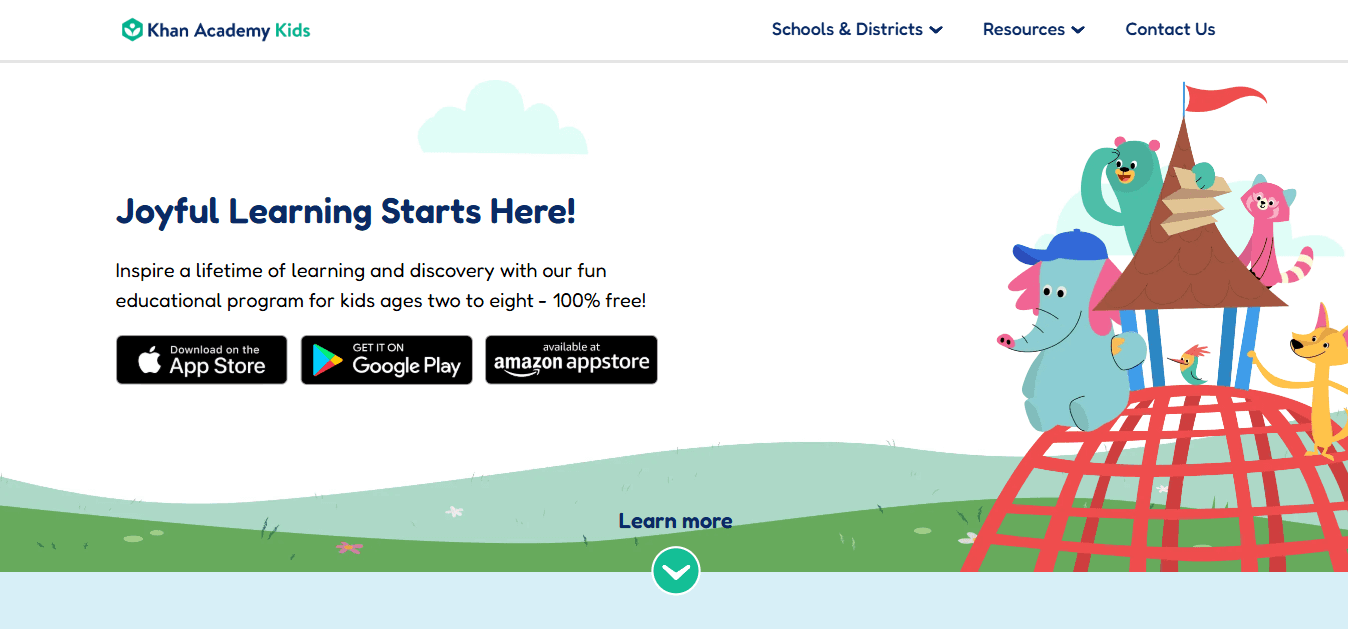
A free app-based curriculum covers maths, reading, social-emotional learning, and creativity through self-paced interactive lessons backed by educational research. Progress tracking shows parents which concepts their child grasps quickly and which need reinforcement. The platform adapts to each child's learning pace, though screen time remains a concern for families seeking to limit their preschooler's exposure to digital content.
7. The Good and the Beautiful (Preschool)
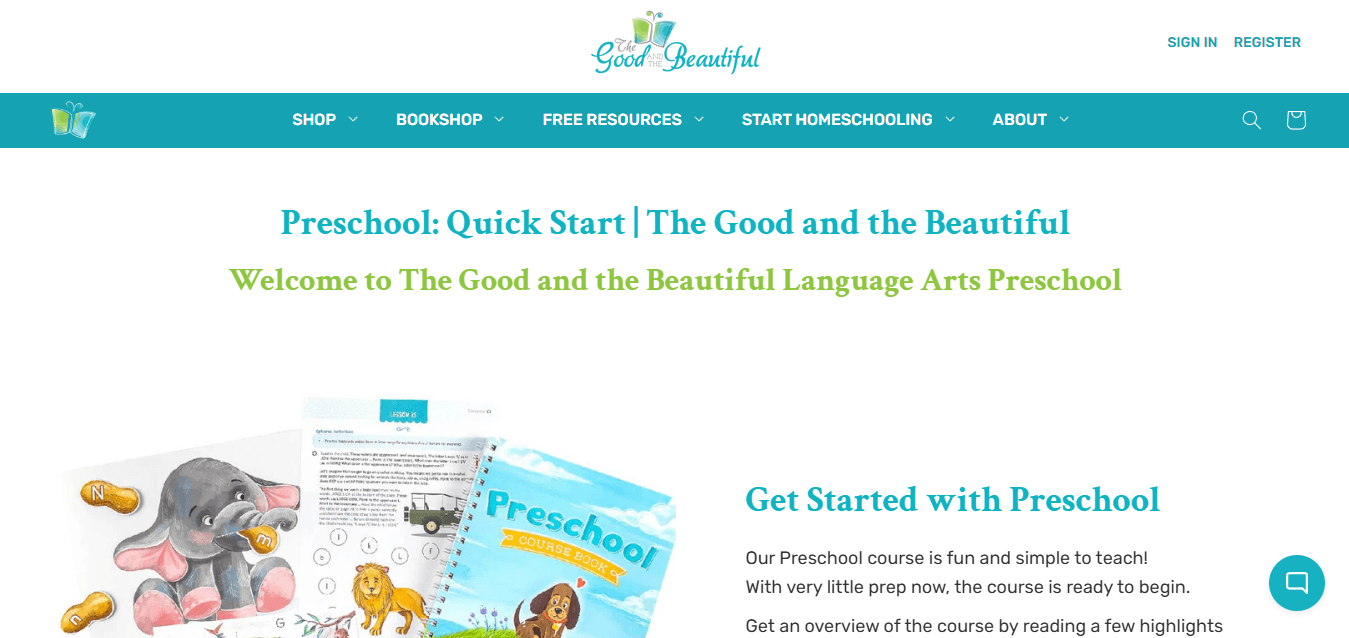
This complete curriculum integrates reading, art, nature study, and character values into screen-free lessons that emphasize gentle learning over academic pressure. Free preschool resources make it accessible to budget-conscious families without compromising content quality. The approach appeals to parents seeking nurturing education over test-score-focused learning, though some find the pace slower than their child's readiness.
8. Homeschool Creations (Preschool Packs)
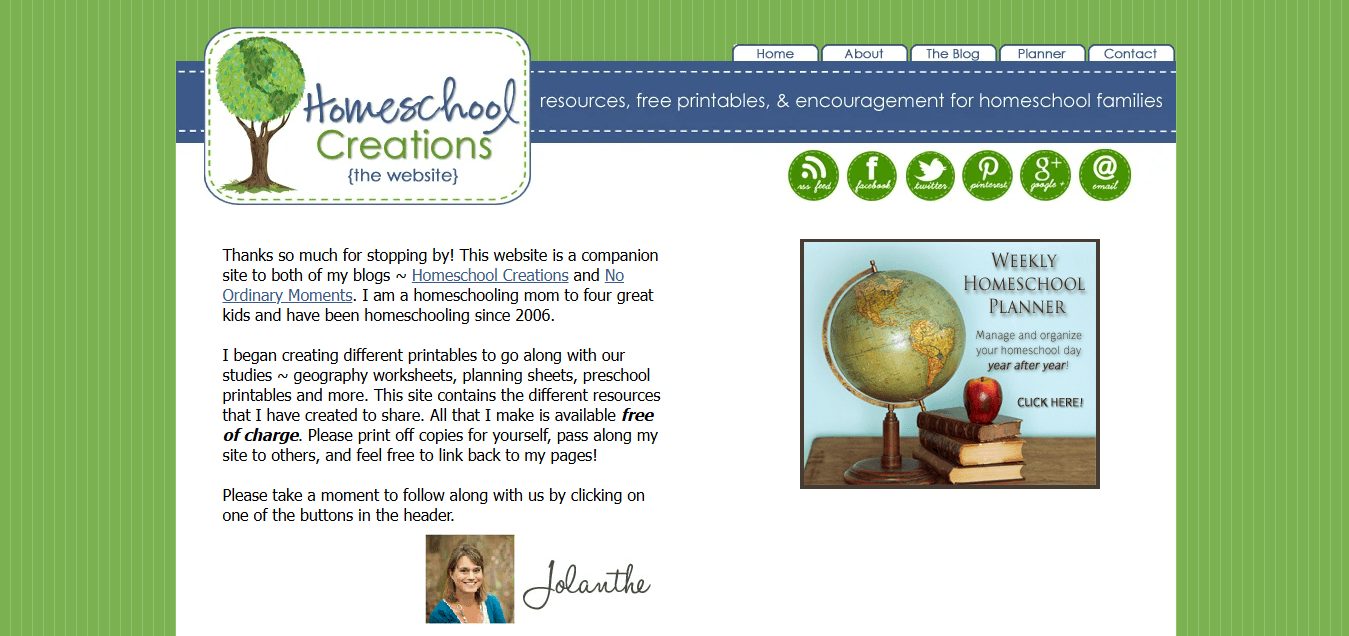
Themed printable packs covering letters, numbers, seasons, and holidays provide hands-on learning materials without expensive workbooks or subscriptions. Our My Coloring Pages resources help parents create customized learning experiences within their existing home routines rather than following a set curriculum. This lets you spend more time on topics your child loves and skip those that don't engage them.
How can centralized printable platforms save teaching time?
Most homeschool families assemble curriculum from multiple sources, but searching for age-appropriate printables across different websites consumes valuable teaching time. Platforms like My Coloring Pages provide access to over 55,890 free educational printables matching your current topic. Instead of hunting through Pinterest or buying separate activity books for each unit, you can create custom coloring pages and worksheets aligned with your child's interests, such as farm animals, transportation, or ocean life.
9. Mother Goose Time
This theme-based curriculum delivers hands-on activities covering math, literacy, science, and art through monthly material boxes. The focus on sensory learning and real experiences suits children who learn best by touching, building, and exploring rather than completing worksheets. Monthly themes create connected learning experiences, though subscription costs accumulate compared to free or low-cost alternatives like My Coloring Pages.
10. Ambleside Online (Early Years)
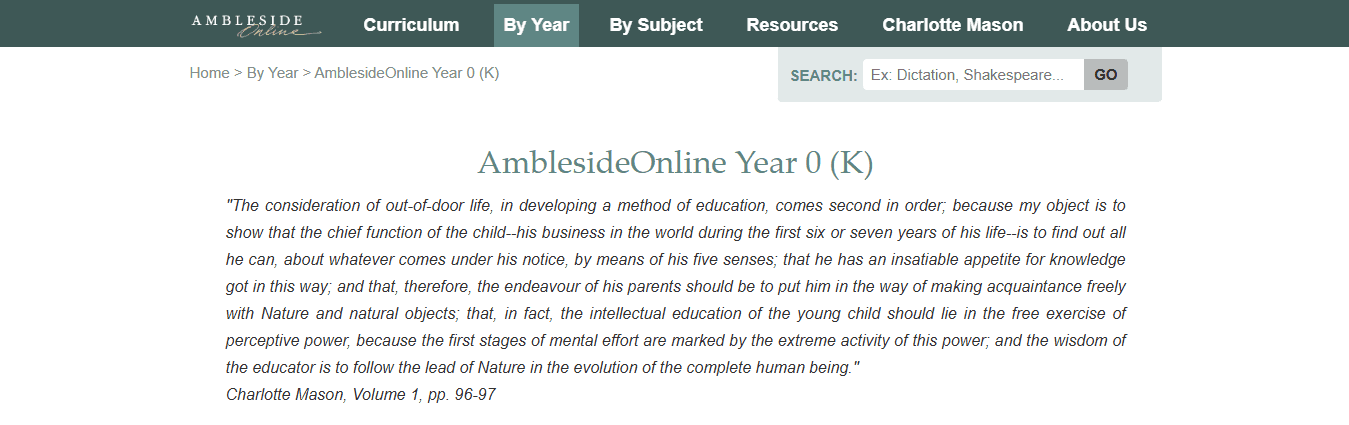
A literature-based curriculum inspired by Charlotte Mason emphasizes storytelling, reading aloud, and nature study over formal instruction and testing. This worksheet-free approach appeals to families who believe young children learn through rich language exposure and outdoor exploration. It demands more parental creativity than structured programs do, but rewards parents who are comfortable leading discussions and observations.
11. Core Knowledge Foundation
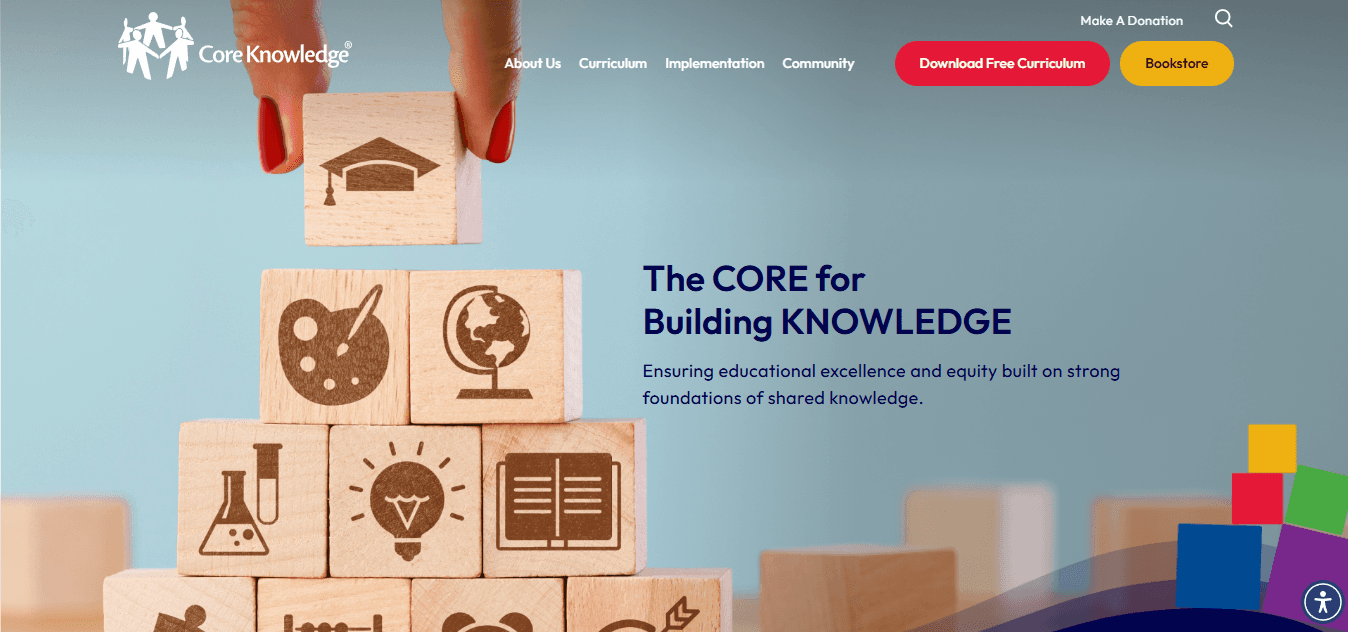
You can download a free curriculum covering early education topics. It provides the structure of traditional schools while remaining flexible for home use, focusing on building knowledge and developing vocabulary to create a strong academic foundation for later learning.
12. Creative Kids Virtual Preschool
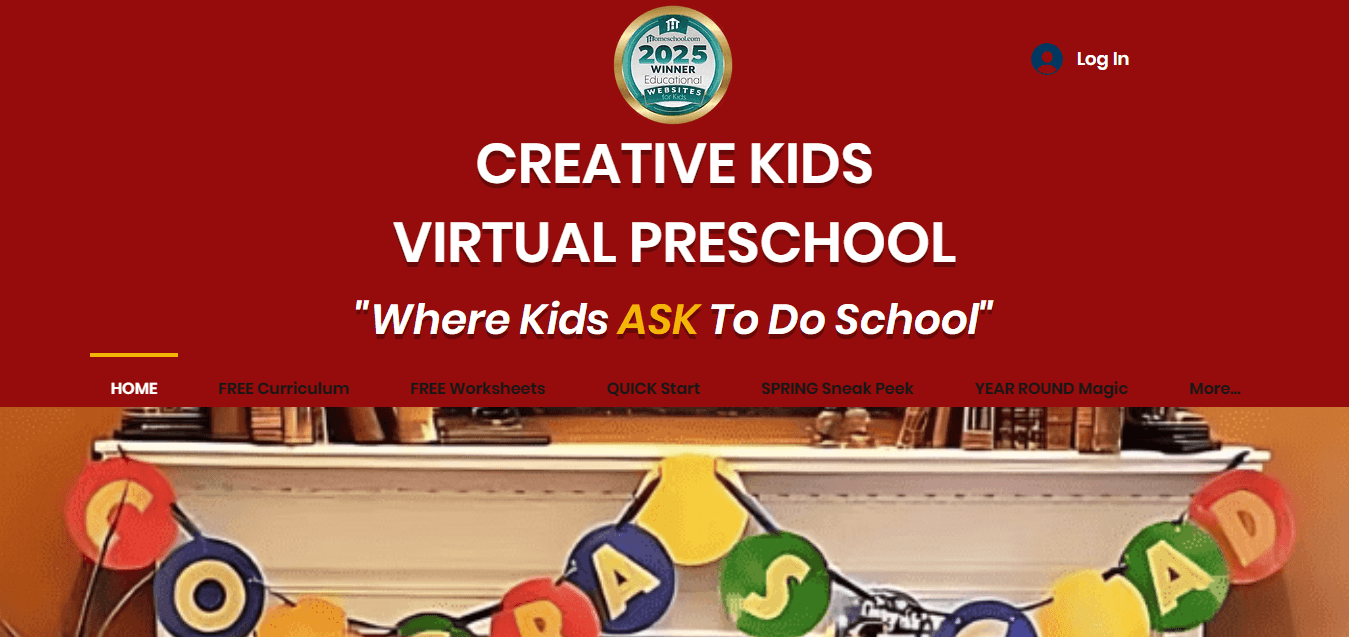
This online program replicates classroom experiences through interactive lessons, structured routines, and guided activities. Children preparing for kindergarten find the format familiar. The trade-off is reduced flexibility to follow your child's pace, as lessons follow the program's schedule rather than individual readiness.
13. Funbrain
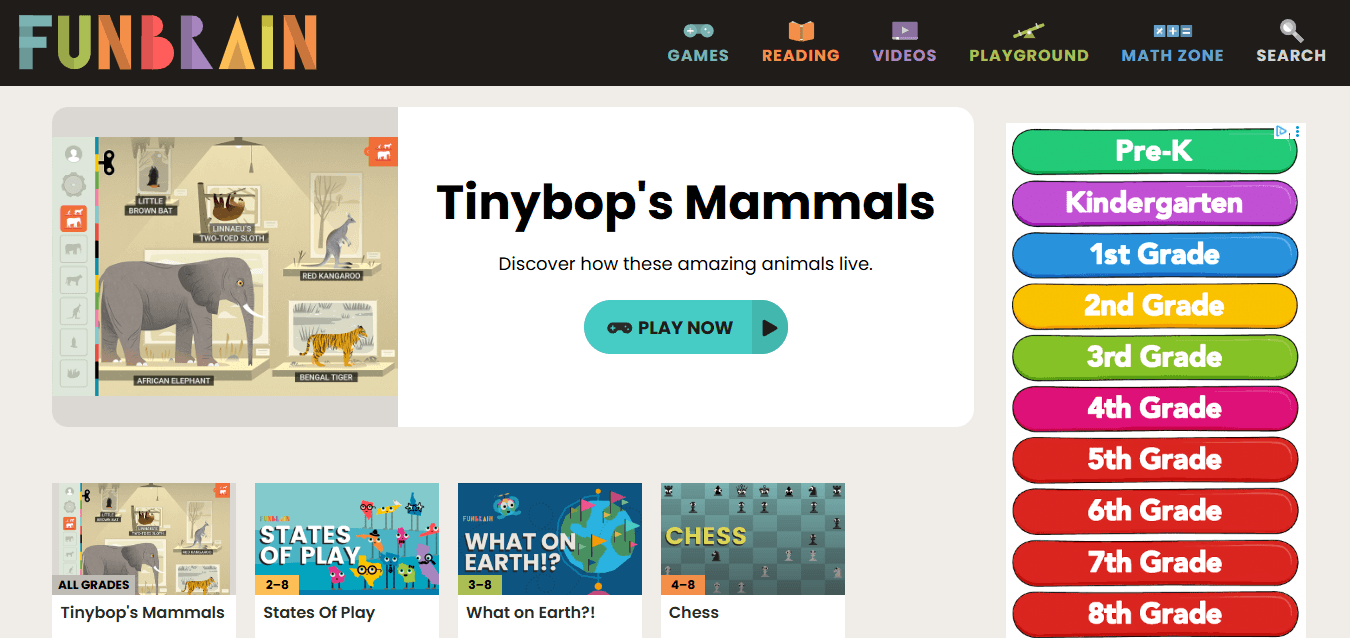
Games, books, and videos about reading, maths, and problem-solving skills work best as supplementary tools rather than a full curriculum. The engaging format reinforces concepts while maintaining children's interest, though screen time remains a consideration.
14. Hess UnAcademy Resource List
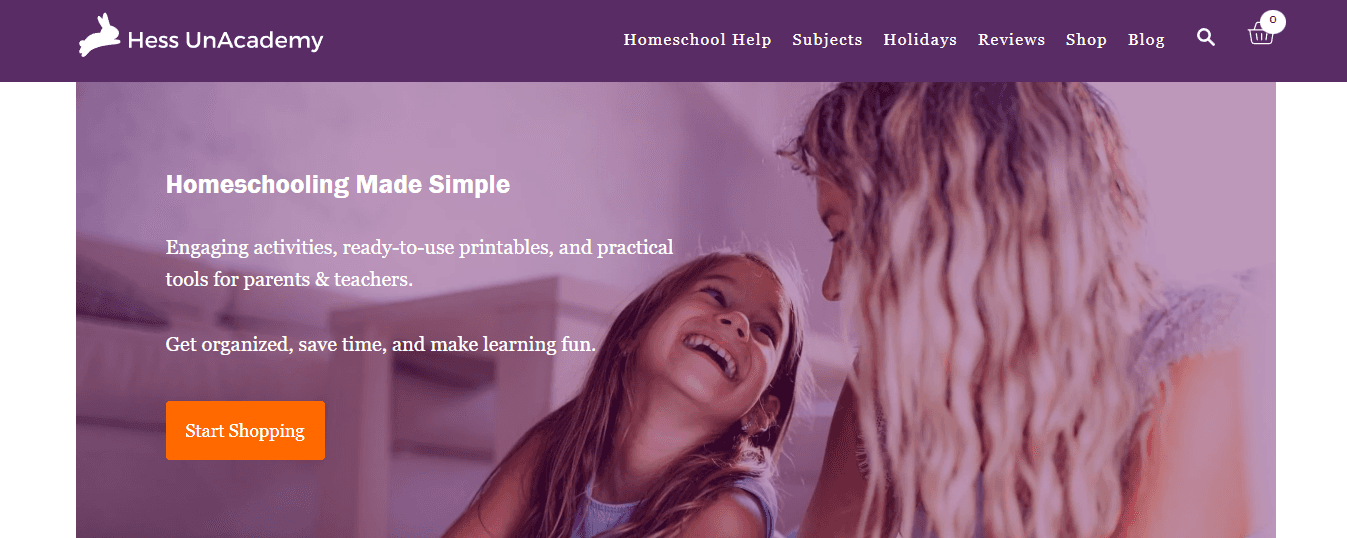
This curated collection of 50-plus free homeschool resources covers science, unit studies, and printable materials, saving you time searching for quality content while letting you choose what fits your approach.
15. My Coloring Pages
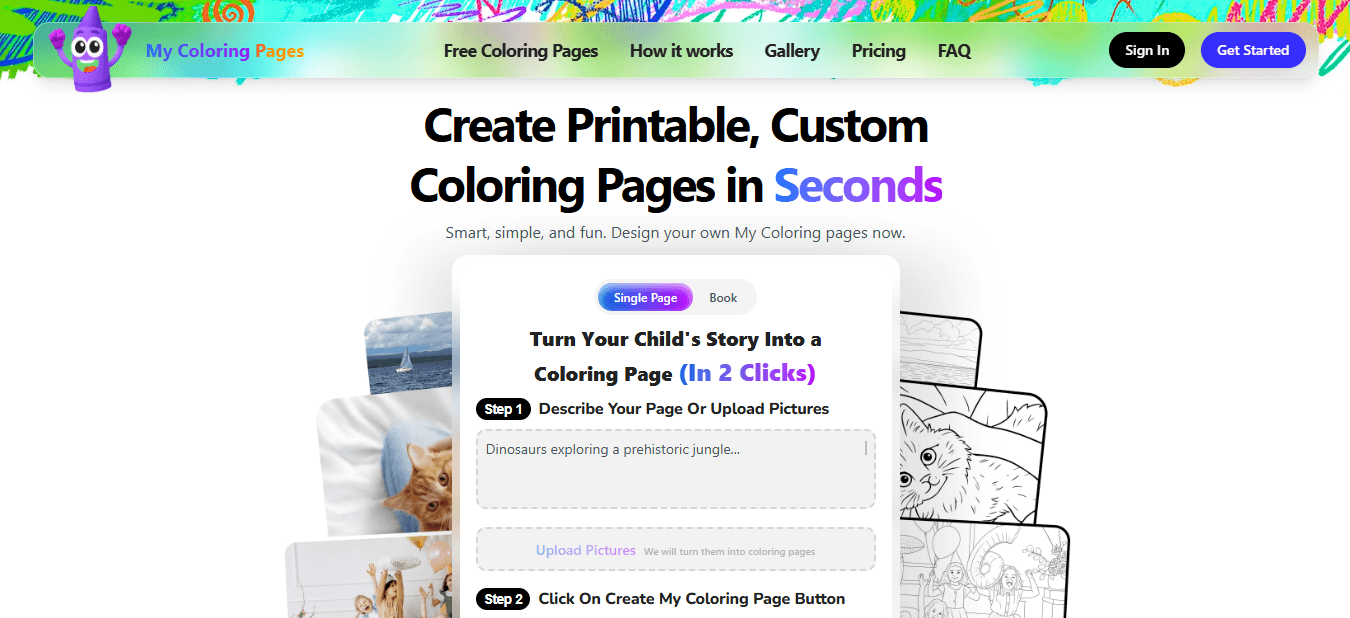
Custom-printable worksheets and coloring pages transform lessons into hands-on, visual learning. You design activities tailored to specific letters, numbers, science topics, or current themes that align with what your child is learning. A transportation unit becomes more engaging with vehicle coloring sheets. Weather studies deepen with printables that show different cloud types or seasonal changes, and your child can color while discussing their characteristics. But having a list of fifteen programs still leaves the harder question unanswered: how do you choose between them when they all claim to work?
Related Reading
- Homeschool Report Card Template
- How To Homeschool Your Kids
- Texas Homeschool Requirements
- Language Arts Homeschool Curriculum
- Homeschool Vs Public School
- Homeschool Preschool
- Homeschool Room Ideas
- Homeschool Coop
- 6th Grade Homeschool Curriculum
- Abeka Homeschool Curriculum
- 1st Grade Homeschool Curriculum
- Kentucky Homeschool Laws
- How To Homeschool In Texas
- Pre K Homeschool Curriculum
- Georgia Homeschool Laws
- Homeschool Room
- Florida Homeschool Requirements
- Colorado Homeschool Laws
Find the Best Homeschool Worksheets for Preschoolers on My Coloring Pages
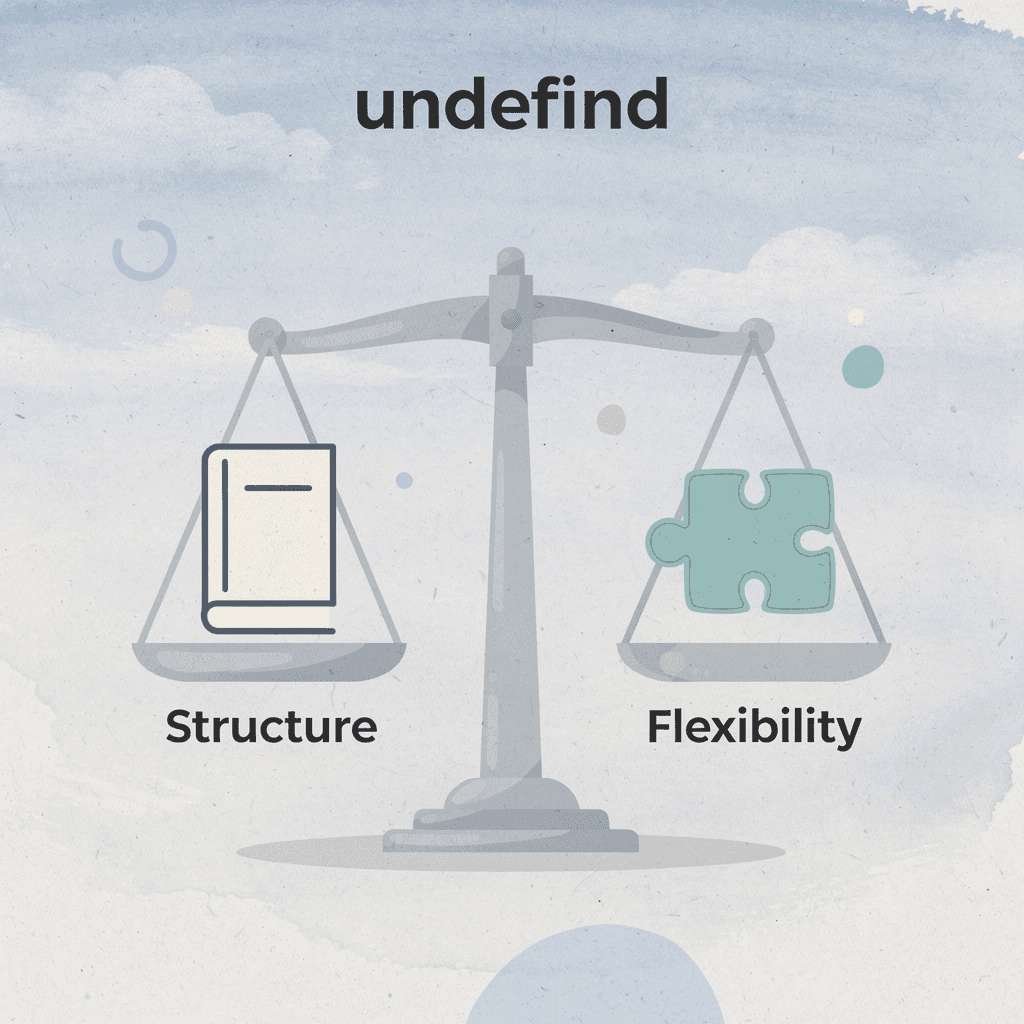
No single curriculum works for every learning style, interest change, or developmental pace. The solution is building a flexible system that combines structured lessons with targeted reinforcement where your child needs it. Start by choosing one core curriculum that provides daily structure and clear learning objectives. Then identify specific areas where your child needs extra practice, more engagement, or a different approach. Perhaps phonics clicks through songs but needs visual reinforcement; counting makes sense with manipulatives but needs more repetition through worksheets. These gaps are opportunities to personalize.
🎯 Key Point: Strategic supplementation transforms curriculum gaps into personalized learning opportunities that match your child's exact needs.
Supplement strategically with resources that match those exact needs. When your child struggles with letter recognition, add coloring activities that reinforce shapes through repetition without feeling like drill work. When number sense needs strengthening, integrate printables that turn counting into games rather than tests. Platforms like My Coloring Pages provide access to over 55,890 free educational printables that adapt to whatever topic needs reinforcement, whether shapes, letters, animals, or seasonal themes. Our collection helps you generate custom materials that align with your child's current learning focus and interests, rather than searching multiple websites or purchasing separate workbooks for each skill gap.
"Flexible supplementation allows parents to address learning gaps immediately rather than waiting for predetermined curriculum schedules, leading to more effective skill mastery." — Educational Research Foundation, 2023
Review progress regularly by observing what your child grasps quickly and what requires more time. If a concept solidifies faster than expected, move forward without waiting for arbitrary timelines. If understanding develops more slowly, add more hands-on activities and visual materials until mastery emerges.
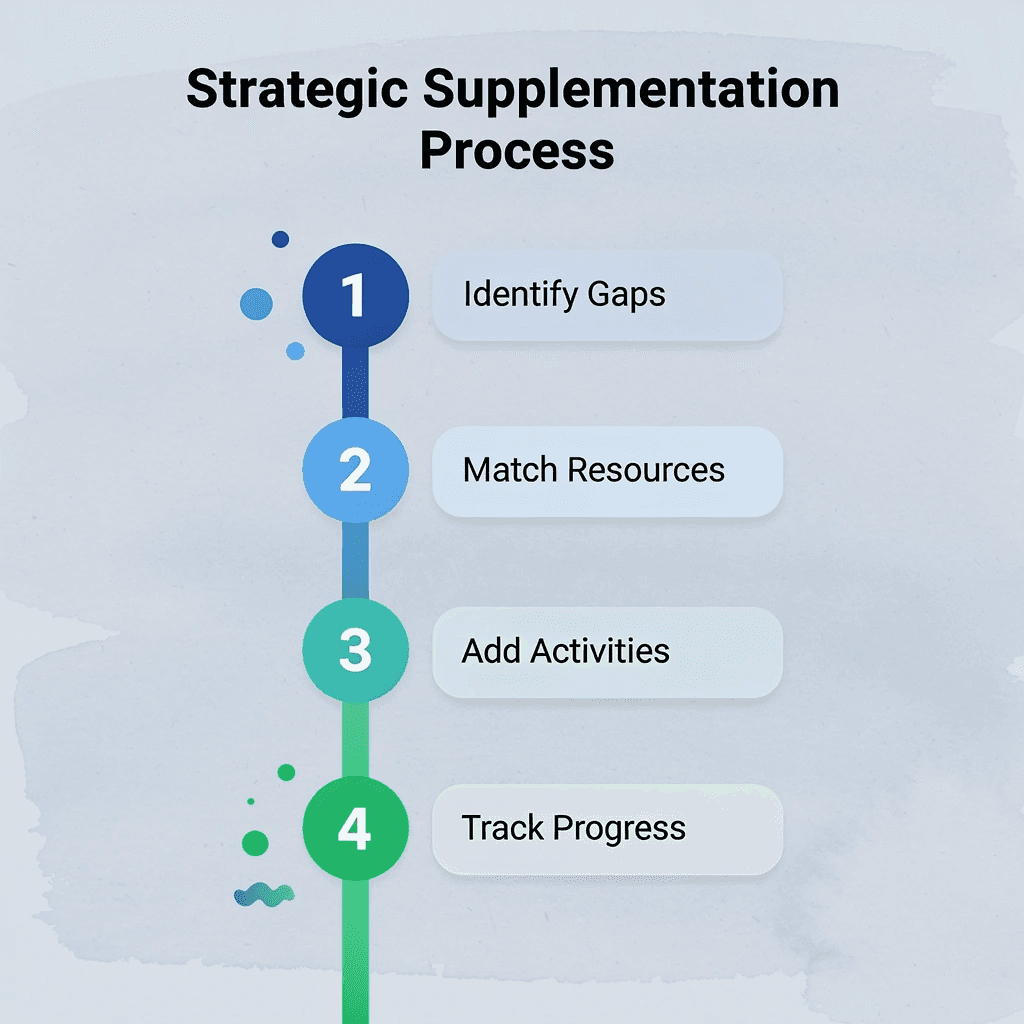
💡 Tip: Track which supplemental activities generate the most engagement and learning breakthroughs to build your personalized resource library over time.
By combining structured curriculum with flexible supplemental resources, you build an education that works for your specific child instead of forcing them to fit someone else's predetermined path.
Related Reading
- 3rd Grade Homeschool Curriculum
- Accredited Homeschool Curriculum
- 4th Grade Homeschool Curriculum
- Science Homeschool Curriculum
- Illinois Homeschool Laws
- 5th Grade Homeschool Curriculum
- Michigan Homeschool Laws
- 2nd Grade Homeschool Curriculum
- Alabama Homeschool Laws
- How To Homeschool In California
- Georgia Homeschool Requirements
- North Carolina Homeschool Laws
- Homeschool Art Curriculum
- Homeschool Reading Curriculum
- California Homeschool Laws