How to Enhance Human Creativity Using AI in 7 Ways
Discover 7 proven ways to enhance human creativity with AI tools. My Coloring Pages shows you practical techniques to boost your creative output today.


Children naturally lose themselves in drawing, building, and creating stories from nothing. Adults possess this same potential for imaginative thinking and artistic expression, yet routines and responsibilities often diminish these abilities. Understanding how to foster creativity requires creating space for exploration, experimentation, and play, whether nurturing a child's innovative thinking or rediscovering one's own creative voice through activities that encourage fresh perspectives.
Unlocking creative potential doesn't require expensive art supplies or complicated programs. Simple tools like coloring pages serve as starting points for creative projects and hands-on activities. These resources provide structured frameworks while leaving room for personal interpretation, color choices, and imaginative additions, making them perfect for encouraging artistic development in both children and adults through My Coloring Pages.
Summary
- AI-generated content shows a 41% reduction in idea diversity according to research from Harvard Business School and Boston Consulting Group. While AI-assisted consultants completed tasks 25% faster and produced outputs rated 40% higher in quality, their ideas became more similar and predictable. When AI systems autonomously generated thousands of images without human guidance, outputs converged into only 12 dominant visual themes, revealing how pattern-based generation creates creative homogenization rather than genuine originality.
- Exceptional human creativity still outperforms AI in breakthrough innovation and emotional authenticity. Research from IDIBELL confirms that while AI can outperform average humans in certain divergent-thinking tests, the highest-performing human participants still surpass AI capabilities. Human creativity emerges from lived experience, memories, trauma, relationships, and cultural context that no training dataset can replicate, which matters enormously in storytelling, music, filmmaking, and work that carries emotional weight.
- Creative skills atrophy when people stop practicing independent thinking and problem-solving. The biggest danger isn't AI creativity itself but passive dependence that weakens imagination, experimentation, and original ideation over time. This matters especially for children whose cognitive development depends on the struggle of working through creative challenges without immediate algorithmic solutions. Regular practice without AI assistance builds creative resilience that cannot be developed through pattern consumption alone.
- Creativity protects against algorithmic conformity by requiring active engagement rather than passive consumption. Algorithm-driven content quietly narrows the range of ideas people encounter while creating the illusion of variety, weakening the mental muscles required for independent thought. Creative activities disrupt this pattern by requiring people to generate rather than select, imagine possibilities beyond their current environment, and think outside what algorithms predict they want to see next.
- Children build creative capacity through activities that demand imagination and decision-making under constraints, not just task completion. Research examining play-based interventions with 86 to 178 participants demonstrates that structured creative activities significantly improve both creativity and social-emotional competencies when they encourage ongoing engagement rather than simple completion. The most effective exercises train children to generate original ideas, solve problems without templates, and extend thinking beyond the first answer that comes to mind.
- My Coloring Pages addresses passive AI dependence by offering 75,890+ free coloring pages that require active interpretation, color choices, and imaginative additions rather than finished content that children consume without modification.
Is Human Creativity Better Than AI Creativity?
Human creativity isn't universally better than AI creativity—it depends on what you're measuring. AI excels at rapid brainstorming, endless variations, and polished outputs in seconds. Humans lead in emotional authenticity, breakthrough innovation, and work that challenges cultural norms. The question isn't which is superior, but which type of creativity your situation demands.
🎯 Key Point: The creativity debate isn't about declaring a winner—it's about matching the right tool to your specific creative needs and project goals.
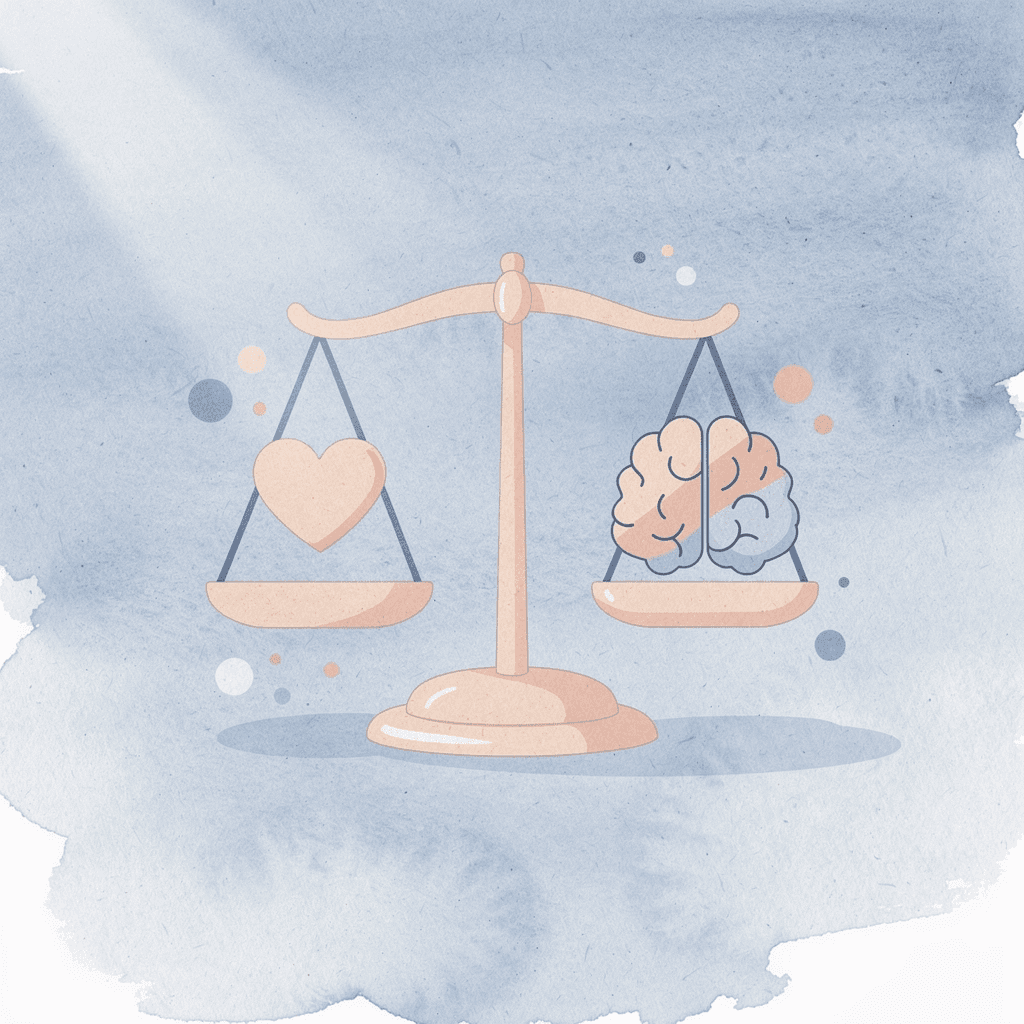
"The most innovative solutions emerge when we stop asking whether humans or AI are more creative, and start asking how their different creative strengths can complement each other." — Creative Technology Research, 2024
AI Creativity Strengths | Human Creativity Strengths |
|---|---|
Rapid iteration and volume generation | Emotional depth and authentic storytelling |
Pattern recognition across massive datasets | Cultural insight and norm-challenging concepts |
Consistent quality and 24/7 availability | Breakthrough innovation and paradigm shifts |
Cost-effective scaling and instant outputs | Contextual nuance and human connection |
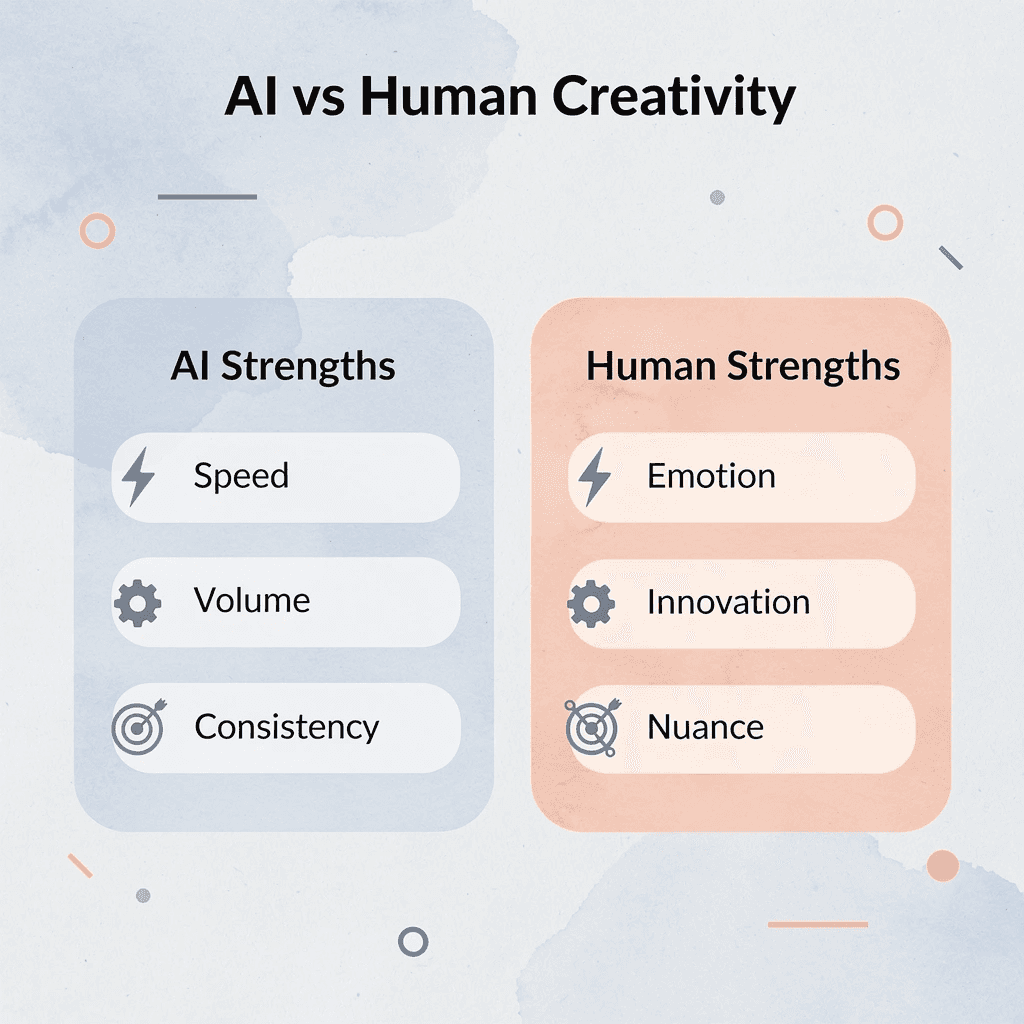
💡 Tip: Instead of choosing sides in the creativity debate, focus on leveraging both approaches—use AI for rapid ideation and humans for strategic direction and emotional resonance.
How does AI excel in speed and volume?
AI generates ideas faster than humans, brainstorming hundreds of concepts instantly and producing polished outputs within seconds. A Harvard Business School and Boston Consulting Group study of 750+ consultants found that GPT-4 users completed tasks 25% faster, finished 12.2% more work, and produced outputs rated 40% higher in quality.
What are the creative limitations of AI?
Yet the same research revealed a serious problem: AI reduced idea diversity by 41%. Users who received AI assistance generated ideas that were more alike, more predictable, and less original. A 2025 computational creativity study found that when AI systems independently generated thousands of images, the results fell into only 12 main visual themes: lonely trees, lighthouses, bridges, and neon-lit city scenes. Though visually impressive, they lacked genuine creativity.
What makes human creativity emerge from lived experience?
Human creativity stems from memories, emotions, trauma, relationships, identity, culture, and personal struggle. AI predicts patterns based on data; it doesn't experience grief, love, fear, nostalgia, joy, or human connection. This difference matters significantly in storytelling, poetry, music, filmmaking, and emotional art. According to research from IDIBELL, while AI outperforms the average human on certain divergent-thinking tests, the best human participants still surpass AI. Exceptional human creativity remains unmatched.
Why can't AI replicate emotional authenticity in creative work?
AI can copy emotional language, but it doesn't truly feel emotion itself. When someone creates from personal pain, cultural revolution, or radical imagination, the work carries weight that pattern-based generation cannot replicate. Breakthrough creativity historically stems from unusual life experiences, social movements, emotional vulnerability, and risk-taking. AI typically optimizes existing patterns rather than intentionally breaking them.
The Real Risk Is Passive Dependence
The biggest danger isn't AI creativity itself: it's passive dependence on AI-generated thinking. If people stop practicing imagination, experimentation, storytelling, and original ideation, creative skill development weakens. This matters especially for children and students, whose creativity develops through struggle, exploration, mistakes, and independent problem-solving. When AI handles the hard work, those skills atrophy.
How can AI tools maintain active, creative practice?
Platforms like My Coloring Pages offer a middle path. Instead of relying solely on pre-made designs, users can create custom coloring pages that still require personal choices about colors and creative additions. Our platform handles the technical work while leaving creative decisions to the user, keeping creative practice active rather than replacing it.
What happens when we stop distinguishing between creativity types?
But the question everyone keeps asking misses the deeper issue: what happens when we stop distinguishing between types of creativity?
Importance of Human Creativity
Human creativity stops things from staying the same by breaking away from familiar patterns. It makes you question what you believe, combine ideas that seem unrelated, and come up with solutions that don't already exist in your mental library.
🎯 Key Point: Creativity isn't just about artistic expression—it's about pattern disruption and innovative problem-solving that challenges the status quo.
As automation handles predictable tasks, non-linear thinking becomes the main difference between people who adapt and those who fall behind. Research from IDIBELL shows that human creativity still surpasses creative generative AI, particularly when generating new ideas rather than recombining existing patterns. This gap exists because creativity requires the mental flexibility to navigate unclear situations without clear answers.
"Human creativity still surpasses creative generative AI, especially when it comes to generating truly new ideas instead of just mixing existing patterns in new ways." — IDIBELL Research
💡 Tip: The future belongs to those who can navigate ambiguity and create original solutions that AI cannot replicate through pattern recognition alone.
Creativity Solves Problems That Logic Alone Cannot
Most people hit walls because they apply the same thinking to different situations. Logic works when you know what things are and how they connect. Creativity becomes important when you don't know either one.
Workplace challenges often recur because teams rely on the same thinking patterns and arrive at similar solutions. Creative thinking introduces new ideas, transforms problems into opportunities, or questions whether the problem itself is worth solving. This shift in perspective often matters more than the quality of the answer.
Creativity Protects Against Algorithmic Conformity
Algorithms have quietly changed how people think. Recommendations, feeds, and personalized results create an illusion of choice while limiting the range of ideas people encounter. Over time, this weakens the thinking skills needed for independent thought.
Many people react to what appears before them, mistake seeing for understanding, and confuse familiarity with truth. Creativity disrupts this passive consumption by forcing active engagement: requiring you to generate rather than select, to imagine possibilities beyond your current environment, and to think beyond what algorithms predict you'll want to see.
How does creativity transform communication beyond technical accuracy?
Being technically accurate doesn't mean people will understand. People remember stories, metaphors, and emotional connections far longer than bullet points. Creativity transforms information into experience, making ideas stick by connecting them to feelings rather than facts.
This matters in every situation where communication determines outcomes: presentations that need to persuade, relationships that require openness, leadership that depends on inspiration, or content that competes for attention. Without creative expression, communication becomes transactional. With it, communication becomes memorable.
Why do people struggle with clear self-expression?
Many people struggle to express themselves clearly, not because they lack vocabulary, but because they've never practiced turning internal experience into external form. Creative activities like drawing, writing, or designing build that translation skill. Platforms like My Coloring Pages make this accessible by letting anyone generate custom coloring pages that reflect personal interests or family moments, transforming passive consumption into active creative practice without requiring technical skills or artistic training.
Related Reading
- Best Books To Inspire Creativity In Kids
- Best Toys For Promoting Creativity
- Creativity Quotes
- Best Toys For Developing Creativity
- How To Encourage Creativity In Kids
- What Is Creativity
How to Enhance Human Creativity Using AI in 7 Ways
Creativity works best when people maintain complete control of meaning while using AI to generate more options. Think of AI as a tool that accelerates idea exploration and helps you overcome being stuck, not as a replacement for your own thinking. If you use what AI creates without thinking critically about it, you'll lose the skills that distinguish human creativity.
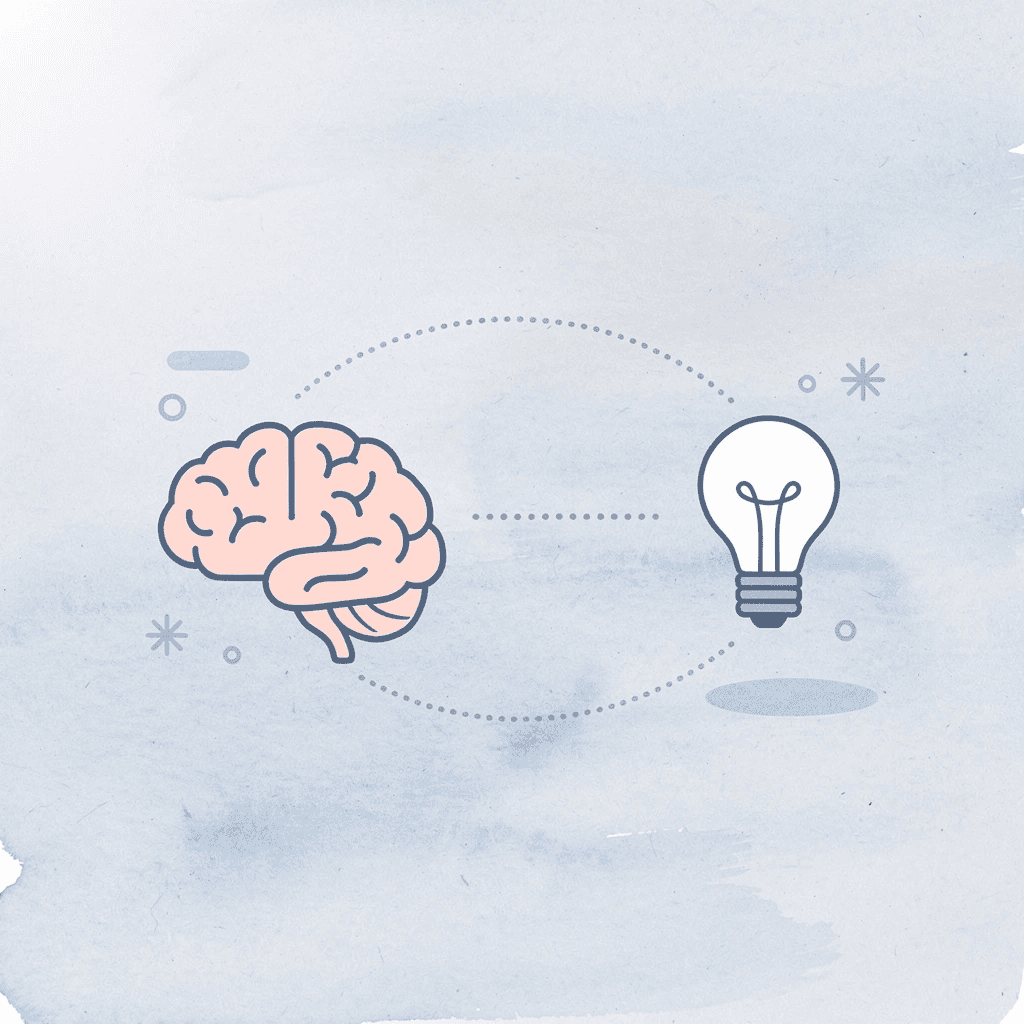
🎯 Key Point: The most effective approach to AI-enhanced creativity is to maintain human oversight while leveraging AI as an ideation accelerator. This balance ensures you expand your creative capacity rather than diminish it.
"The key to successful human-AI collaboration in creative work is ensuring that artificial intelligence amplifies human imagination rather than replacing it." — Creative Technology Research, 2024
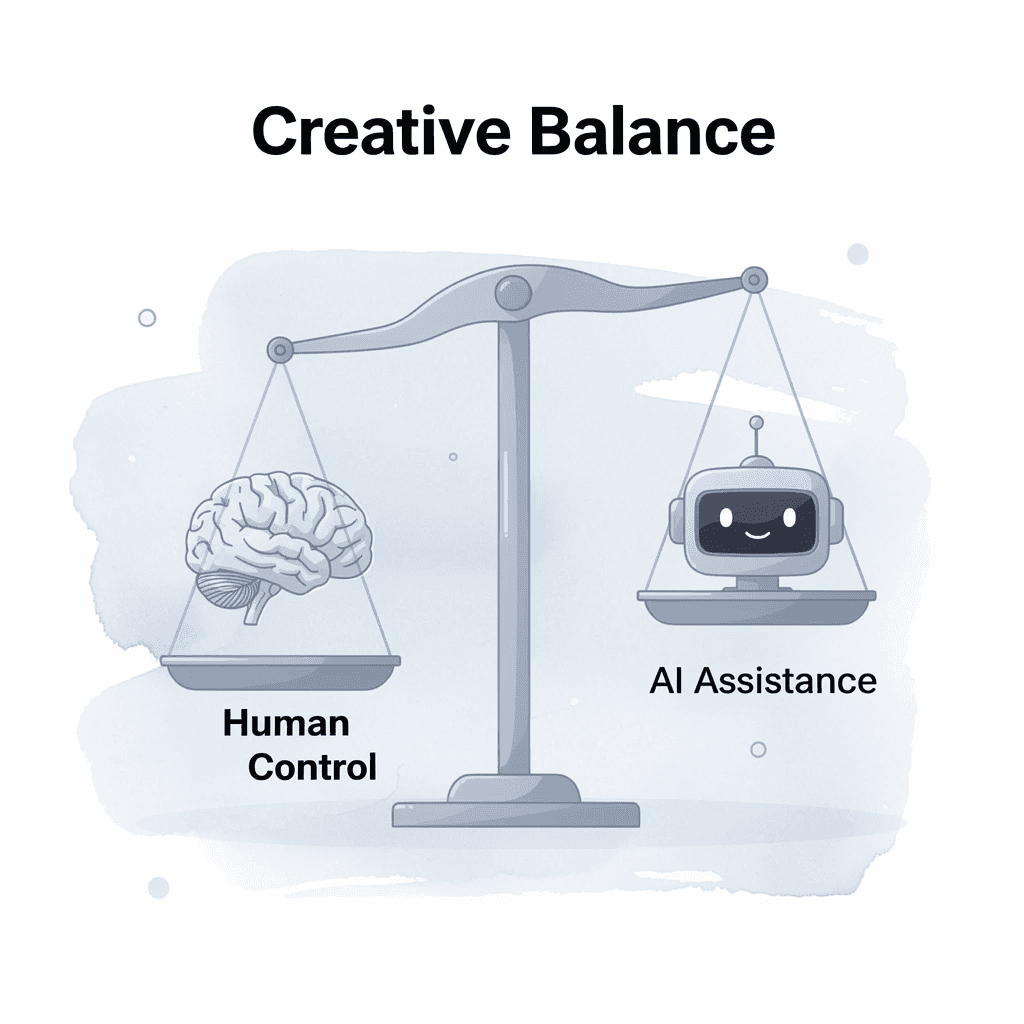
💡 Best Practice: Always review and refine AI-generated ideas through your own creative lens. Use AI to overcome creative blocks and generate multiple possibilities, but let your human judgment determine the final direction and meaning of your work.
1. Use AI to Break Through Mental Paralysis
Creative blocks occur when your brain relies on the same neural pathways. AI breaks this cycle by generating unexpected starting points your mind wouldn't normally produce. A stuck writer can ask AI to blend genres or suggest unusual settings, not to use those ideas verbatim, but to spark new ways of thinking.
What's the best way to use AI-generated ideas for human creativity?
Think of AI outputs as ideas to explore rather than final answers. When AI suggests a plot twist involving time travel and corporate espionage, notice which part interests you most, then take that idea in a direction only you could imagine. According to research published in PsyCh Journal, AI has become a genuine creative partner by fostering collaboration and idea refinement rather than passive acceptance.
2. Expand Beyond Your Default Aesthetic
Most creators work within narrow style boundaries: designers stick to familiar color choices, writers use comfortable story structures. AI shows you combinations you'd never naturally think of, not because it has better taste, but because it lacks your built-in preferences. This creates helpful discomfort.
When you generate multiple layout variations in seconds, you train your eye to recognise why certain combinations feel fresh while others fall flat. That pattern recognition, built through quick repetition, strengthens your creative judgment faster than spending days on a single direction.
3. Accelerate Iteration Without Losing Intention
Strong creative work comes from cycles of testing, improving, and combining ideas. AI accelerates these cycles: you can test five different directions in an afternoon instead of spending a week on one idea only to discover it doesn't work, then investing more time in refinement.
Why does faster iteration build creative confidence?
This speed builds creative confidence. When testing ideas feels expensive, you become cautious. When you can explore freely, you take bolder risks. The Wharton Human-AI Research AI Horizons webinar found a 25% increase in idea quality when creators used AI for rapid prototyping: not because AI generated better ideas, but because humans could test more possibilities before committing.
4. Challenge AI Outputs to Strengthen Your Voice
The biggest danger isn't that AI generates mediocre ideas—it's that accepting them without resistance weakens your creative judgment. Every time you copy an AI suggestion directly, you skip the thinking work that builds originality. Treat AI outputs as rough drafts requiring your perspective to become meaningful.
When AI generates a paragraph, rewrite it entirely in your voice. When it suggests a visual concept, identify what feels generic and push it toward something more specific to your context. This friction between AI's patterns and your instincts is where authentic creativity lives.
5. Connect Unrelated Domains to Spark Innovation
Big ideas emerge from mixing concepts across different fields. AI excels at finding surprising connections because it lacks the mental walls that compartmentalize thinking. A therapist might ask AI to combine mindfulness techniques with game design to discover engagement strategies neither field would develop independently. AI's value lies in making unexpected combinations. Your job is to identify which strange pairings have hidden potential, then do the hard work of realizing that potential using what you know.
6. Lower the Barrier to Creative Experimentation
Many people avoid creative activities because learning feels too hard at first. AI helps by breaking things down into smaller steps. A beginner can practice storytelling by asking AI to create a scene, then rewriting it to be more emotional. A new designer can explore fonts by generating a range of options and then analyzing why certain choices work better. Creativity strengthens through practice, not innate talent. When AI removes the fear of creating something imperfect on the first attempt, more people engage in creative activities they would otherwise avoid.
Why do personalized creative tools matter more than generic options?
Most families want creative activities that match their real interests, not generic themes chosen by someone else. Traditional coloring books offer fixed content that may not appeal to them.
Platforms like My Coloring Pages change this model by letting anyone create custom coloring pages from simple text descriptions—whether a family pet, favorite story character, or specific interest like dinosaurs or architecture. The platform transforms coloring from passive consumption into active creative expression without requiring drawing skills or technical knowledge.
7. Preserve Human Judgment as the Final Filter
AI can create many ideas quickly, but it cannot determine which ideas matter. That judgment requires real-world experience, cultural background, and emotional understanding that machines lack. Your role becomes deciding what works and why.
The competitive advantage goes to people who can recognise quality, add meaning, and maintain their creative independence while using AI as a tool. The best creators use AI as a thinking partner that expands their options, not as an authority that makes final decisions. The harder challenge is maintaining that balance without becoming too dependent on AI.
How to Balance AI and Human Creativity in 9 Ways
The healthiest relationship with AI starts with clear roles. AI generates possibilities, explores variations, and expands directions quickly. Humans choose the strongest ideas, add emotional meaning, and shape the final vision. Without this division, creativity becomes dependent on machine-generated patterns that feel polished but empty.
🎯 Key Point: Success comes from treating AI as your creative partner, not your replacement—let it handle idea generation while you focus on meaning and vision.
"The most effective creative partnerships emerge when AI handles rapid exploration and humans provide emotional depth and strategic direction." — Creative Technology Research, 2024
⚠️ Warning: Relying on AI-generated content without human refinement leads to work that feels technically competent but lacks emotional resonance.
Use AI for Exploration, Not Final Thinking
Think of AI as a brainstorming partner that opens doors, not the architect that builds the house. AI excels at producing volume and speed: generating concept variations or alternative approaches in hours that would take humans days. But selection, emotional core, and creative decisions should remain in human hands.
A writer might ask AI to generate ten plot complications or character backstories. The value lies in seeing unexpected combinations that trigger better ideas the writer wouldn't have conceived on their own. The writer then discards what doesn't fit, reshapes what sparks interest, and builds something that carries a personal voice and meaning.
Why should you protect your independent imagination phase?
One of the quietest risks of AI accessibility is how quickly people skip their own thinking. Before opening a chat window or prompt interface, spend time with your own imagination first. Sketch rough concepts, write messy first drafts, and explore personal interpretations without algorithmic input. This struggle matters more than it feels in the moment.
What happens when creators rely too heavily on AI?
Research from Oliver Hauser at the University of Exeter found a 40% reduction in idea diversity when creators relied on AI-generated outputs. Big ideas emerge from uncertainty and productive frustration. When AI removes creative struggle, people stop developing the deeper imaginative abilities that produce original work.
Expand Ideas Without Replacing Originality
AI becomes harmful when users copy outputs directly, depend on it for every decision, or stop contributing original thoughts. Using AI to build upon ideas, refine concepts, and explore possibilities faster is amplification. Letting AI determine your creative direction is a substitution.
A designer might use AI to generate layout variations, color palettes, or typography combinations. The AI provides raw material and unexpected juxtapositions, but the designer decides which elements communicate the intended emotion, which combinations feel authentic, and how to adjust details reflecting personal aesthetic judgment. The emotional core and meaningful choices remain human.
Why does emotional depth matter in creative work?
AI can copy artistic styles, emotional language, storytelling structures, and visual aesthetics with impressive technical skill. What it cannot do is experience emotions, form memories, or live through human struggles. Human creativity derives its power from personal perspective, emotional depth, identity, culture, and lived experience that no training dataset can replicate.
How can creators maintain emotional authenticity when using AI?
When creators depend too much on AI-generated outputs, their work becomes technically polished but emotionally hollow. Writing sounds correct, but doesn't move anyone. Images look professional but feel generic. Stories follow proper structure but lack the specificity that makes fiction feel true. Balancing AI means ensuring humans provide the emotional meaning behind creative work: the part that connects with others because it came from lived understanding.
Challenge Creative Homogenization
AI systems trained on huge amounts of data tend to follow familiar patterns and converge toward similar ideas, a phenomenon researchers call creative homogenization. People produce similar captions, artwork, stories, and content structures because they all draw from the same algorithmic well.
The solution requires intentional resistance: combine unrelated ideas that AI wouldn't naturally connect, add unusual perspectives beyond common training data, and experiment with outputs beyond the predictable by asking, "What would make this feel less like everything else?" The goal is originality that stands apart from pattern-based generation.
Practice Creativity Without AI Regularly
Creativity works like a muscle. If people stop imagining, brainstorming, sketching, writing, experimenting, and solving problems independently, those abilities weaken over time. This is especially important for children and students whose brain development depends on independent creative thinking.
Set aside time for journaling, drawing, storytelling, invention challenges, and creative play without AI assistance. Let yourself struggle with blank pages, failed experiments, and ideas that don't work the first time. This struggle builds creative resilience and imaginative capacity that AI cannot develop for you.
Automate Repetition, Not Imagination
AI excels at removing repetitive work that drains creative energy without adding value: formatting, editing, organization, research summaries, idea clustering, and production tasks. This frees humans to imagine, experiment, and engage in deeper creative thinking.
Automate the mechanical parts that consume time without requiring creative judgment. Protect the imaginative parts that need human curiosity, interpretation, and original thought. When you catch yourself using AI to think for you rather than work for you, you've crossed into dangerous territory.
Protect Slower Creative Processes
The obsession with speed kills creativity. Instant ideas, instant content, instant solutions lack the curiosity, patience, exploration, and reflection that creativity demands. AI can generate outputs instantly, but humans need time to think deeply, interpret meaning, and develop original insights.
When creative teams prioritize speed above all else, they sacrifice the slower human processes that produce meaningful work. The best ideas emerge after living with a problem, letting your subconscious work on it, noticing unexpected connections, and refining through multiple iterations. That timeline cannot be compressed.
How can children use AI as a creativity partner instead of a dependency?
Kids growing up with AI tools face a unique challenge. If they use AI only to generate answers or complete assignments quickly, they may struggle to develop imagination, problem-solving, and independent thinking skills. How they use it matters more than access to it.
Kids should learn to use AI as a creativity helper and brainstorming partner, not an answer machine. AI can generate story prompts, invent fantasy worlds, or brainstorm characters, but kids should build the story, develop their own interpretations, and generate ideas themselves. The AI provides starting points; the child provides imagination, perspective, and creative decisions that transform possibilities into something meaningful.
What's the difference between expanding creativity and replacing thinking?
Many parents worry that their children will lose creative independence if AI handles too much of the thinking. The solution isn't to avoid AI entirely, but to teach children to recognise the difference between using AI to expand their creativity and relying on it to replace their own thinking. That distinction will matter for the rest of their lives. Teaching these principles only works if adults model them consistently, which is harder than it sounds when AI makes everything feel easier.
Related Reading
- Do Schools Kill Creativity
- AI and Creativity
- Creativity Training
- How To Improve Your Creativity
- Examples Of Creativity
- Ai Creativity
10 Activities to Enhance Human Creativity in Children
Children build creative capacity through activities that ask them to use their imagination, make decisions, and have the courage to invent something new. The most effective exercises push young minds to generate original ideas, solve problems without following a set plan, and think beyond the first answer.
🎯 Key Point: Creative development in children requires hands-on activities that challenge them to think independently and explore multiple solutions to problems.
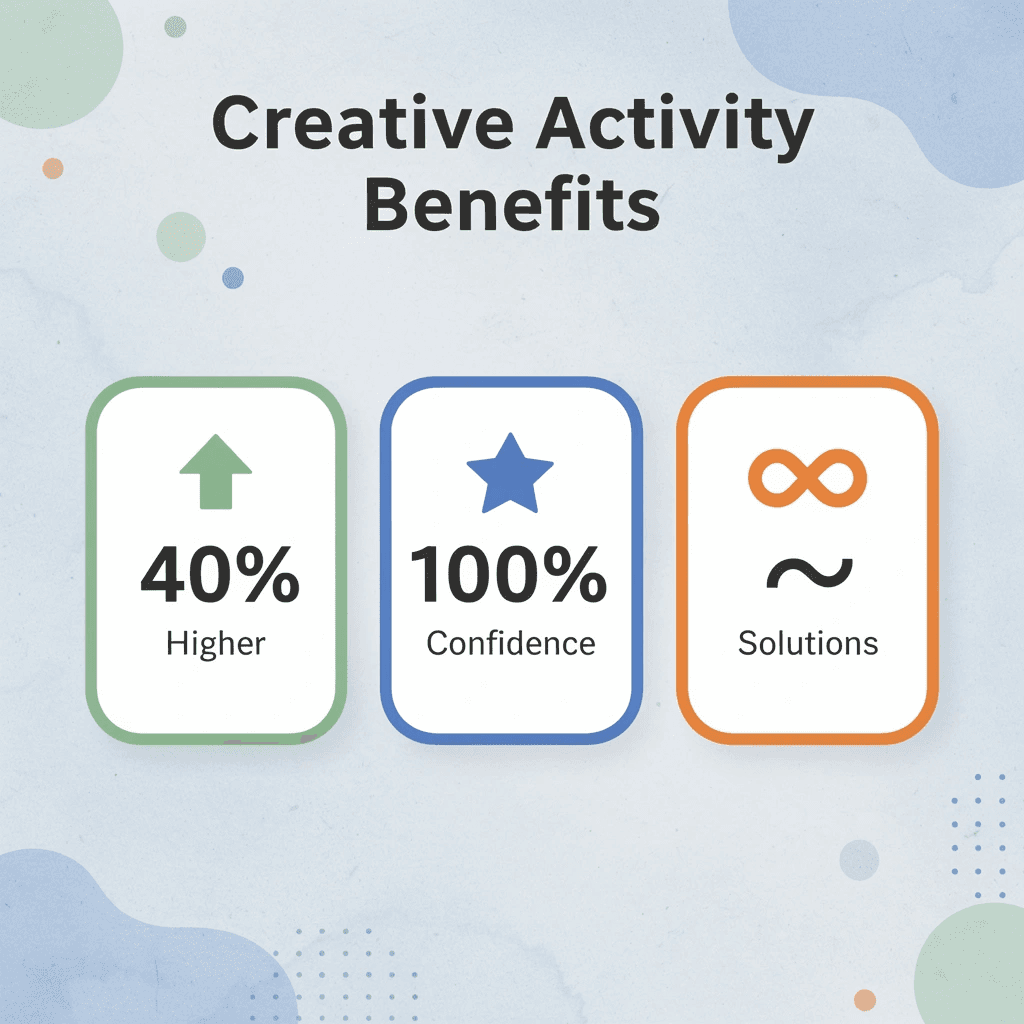
"Children who engage in creative activities show 40% higher problem-solving abilities and demonstrate increased confidence in tackling new challenges." — Child Development Research, 2023
💡 Tip: Focus on open-ended activities that have no single correct answer – these encourage divergent thinking and help children develop the confidence to express their unique ideas without fear of being wrong.
1. Story Building Challenge
Give children control over narrative elements: characters, settings, conflicts, and resolutions. This trains them to make creative decisions under constraints rather than write perfectly structured stories. When a child chooses a detective cat in a floating city, they practice the mental flexibility that separates pattern-following from genuine invention. Exploring unusual combinations builds comfort with ideas that don't fit established templates.
2. DIY Craft Using Recycled Materials
Give children cardboard boxes, plastic bottles, and paper scraps, then step back. Limited materials force them to be resourceful: they can't buy perfect supplies or follow the kit instructions. They must imagine what's possible with what they have, then figure out how to make it real. This builds the problem-solving skill that matters in every creative area: working with limitations instead of waiting for ideal conditions.
3. Drawing and Free Art Expression
Copying images helps children learn technical skills, but doesn't build creative thinking. Children need practice inventing visual ideas: imaginary worlds, creatures combining unexpected features, or scenes from unfamiliar stories. The goal is to help them create original visual ideas without relying on copying.
4. Build Your Own Board Game
Designing a game requires children to think systematically about rules, objectives, and player experience. They test whether their ideas work when someone else follows them, combining imagination with logical structure and learning that creativity demands careful consideration of how pieces fit together.
5. Role-Play and Pretend Play
When children play different roles, they practice emotional creativity and perspective-taking. A child playing a doctor or explorer improvises responses, solves problems while in character, and builds a story as they go, strengthening their ability to understand perspectives outside their own experience—a foundation for empathy and storytelling.
6. Nature-Inspired Creativity Hunt
Send children outside to collect leaves, stones, flowers, or twigs, then ask them to transform those objects into art or stories. This trains observation and interpretation, teaching them to see creative potential in ordinary materials and practice the mental shift from "this is a leaf" to "this could become part of something new." That shift matters more than the final creation.
7. "What If?" Imagination Games
Ask "what if" questions without a single correct answer: What if animals could talk? What if gravity stopped? What if schools were underwater? These questions encourage children to think divergently, generating multiple possibilities rather than seeking one correct response. Children who practice this become more comfortable with ambiguity and develop confidence in their own ideas.
8. Music and Rhythm Creation
Give children access to homemade instruments or simple sound-making objects. Let them experiment with beats, patterns, and combinations without instruction. Musical creativity develops differently from visual or narrative thinking: it's more abstract, temporal, and intuition-driven than planning-based thinking. This expands the range of creative thinking children can access.
9. Building Challenges (LEGO / Blocks / Cardboard)
Building activities help children develop spatial reasoning and experimental thinking. They test ideas physically, observe what fails, and adjust their approach. This teaches resilience: that creativity is iterative, not about getting it right the first time.
10. Guided Creative Coloring + Story Expansion
Most children finish coloring a page and stop. Research examining play-based interventions with 86 to 178 participants shows that structured creative activities significantly improve both creativity and social-emotional competencies when they encourage ongoing engagement rather than simple completion. A child colors a dinosaur and walks away. The image exists, but the story doesn't. What happens next? Where does the dinosaur live? What problem does it need to solve? These questions transform passive completion into active narrative construction.
How can themed designs spark ongoing creative projects?
Platforms like My Coloring Pages offer thousands of themed designs that naturally invite story extension. A child who colors a space explorer can generate a companion page showing the alien planet, then another showing the spaceship interior. The coloring pages transform the activity into a serialized creative project, in which each image prompts the next imaginative decision. This approach moves children from finishing tasks to building worlds. They practice the same creative expansion that professional storytellers use: taking a single image and asking what came before, what comes next, and what else exists in that universe.
Why does questioning beyond the original prompt matter?
The real value emerges when children learn that creative work improves through sustained questioning, idea development, and choices beyond their initial concept. This habit carries over into all their future creative endeavors. Building these habits means understanding when creativity becomes something kids depend on too much.
Breaking AI-Dependence in Creative Thinking With MyColoringPages
When a child accepts AI-generated work as finished, they skip the most valuable part of the creative process: the thinking that shapes raw material into something personally meaningful. That gap—between consuming an idea and owning it—is where imagination either grows or atrophies. The answer isn't to stop using AI tools but to introduce a deliberate step that restores human interpretation to the workflow.
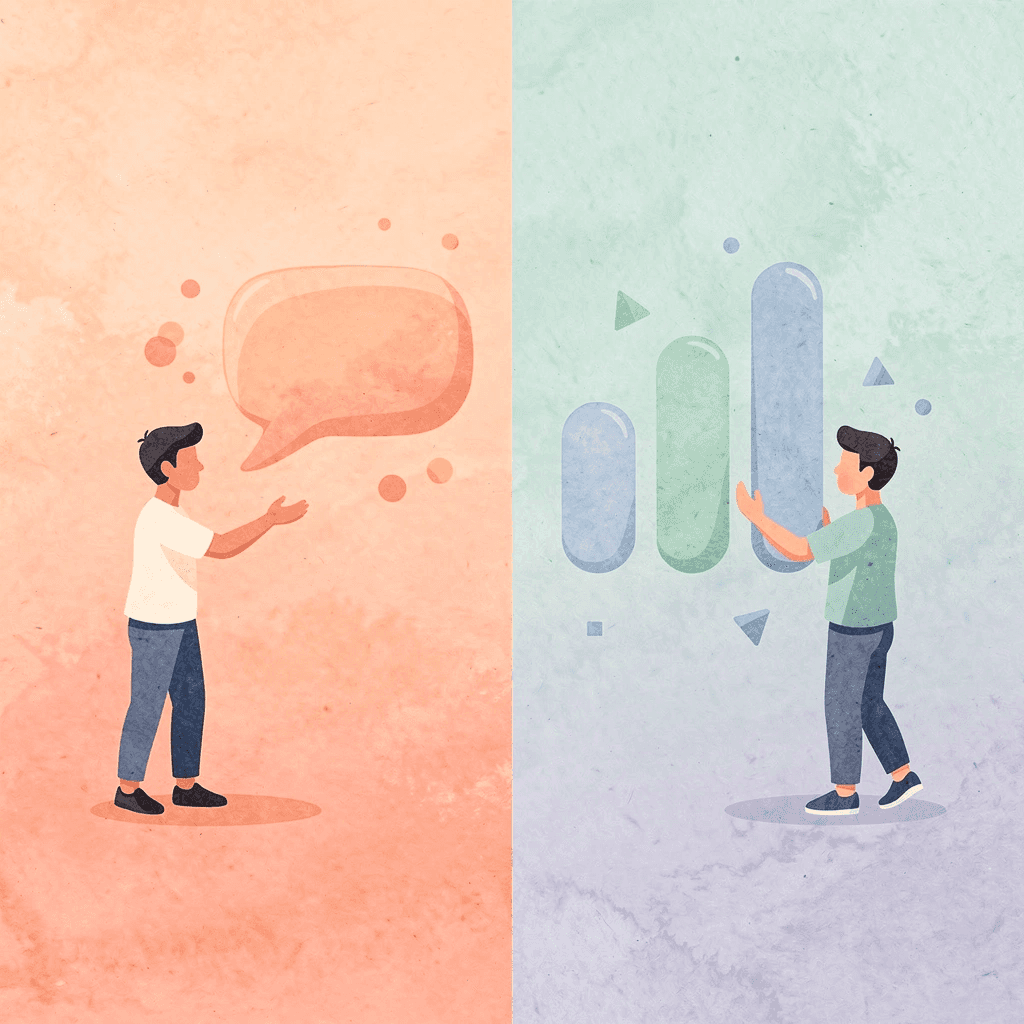
💡 Tip: After AI generates a concept, transfer it into a visual format where the child must actively rebuild it. Ask them to draw the character, but change three specific details. Ask them to redesign the scene to reflect their own neighborhood. Ask what happens next in the story and have them illustrate that continuation. Translating and extending the idea by hand reintroduces the cognitive friction that builds creative capacity.
"The child's default mode shifts from 'what could I make?' to 'what will AI make for me?' when outputs accumulate without intervention."
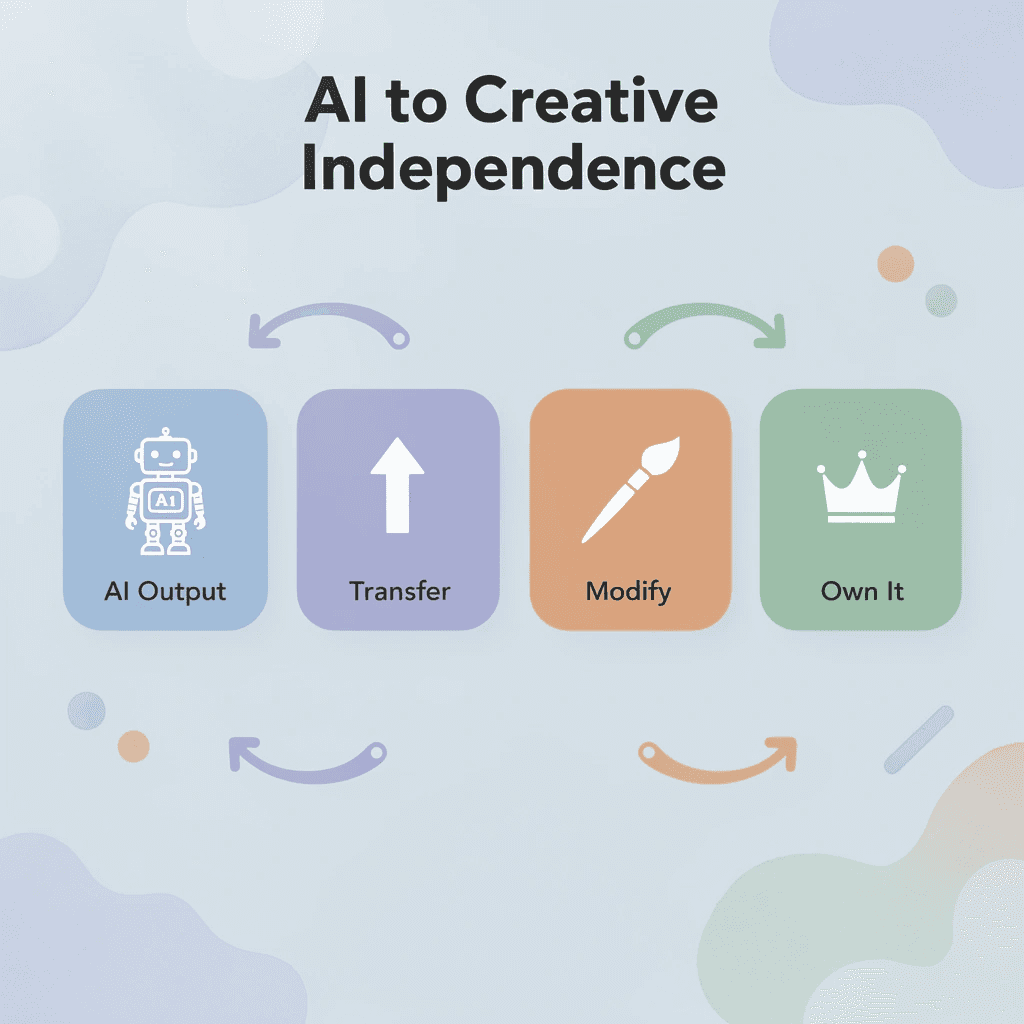
Most families let children consume AI outputs without modification because it feels efficient. But as outputs accumulate without intervention, the child's default mode shifts from "what could I make?" to "what will AI make for me?" The cost surfaces later when they struggle to generate original ideas without prompting, can't visualize solutions beyond familiar patterns, or assume creativity starts with asking a machine instead of exploring their own curiosity first.
🎯 Key Point: Platforms like MyColoringPages make modification the central activity. Our coloring pages transform AI concepts into outlines that require human decisions to complete. What colors belong here? What background details are missing? What would make this more interesting or true to your vision? The page isn't finished until the child has made dozens of small creative choices.
AI-Dependent Approach | Creative Independence Approach |
|---|---|
Accept the first AI output | Treat output as draft |
Consume without modification | Require active revision |
"What will AI make?" | "What could I make?" |
Passive consumption | Active creative choices |
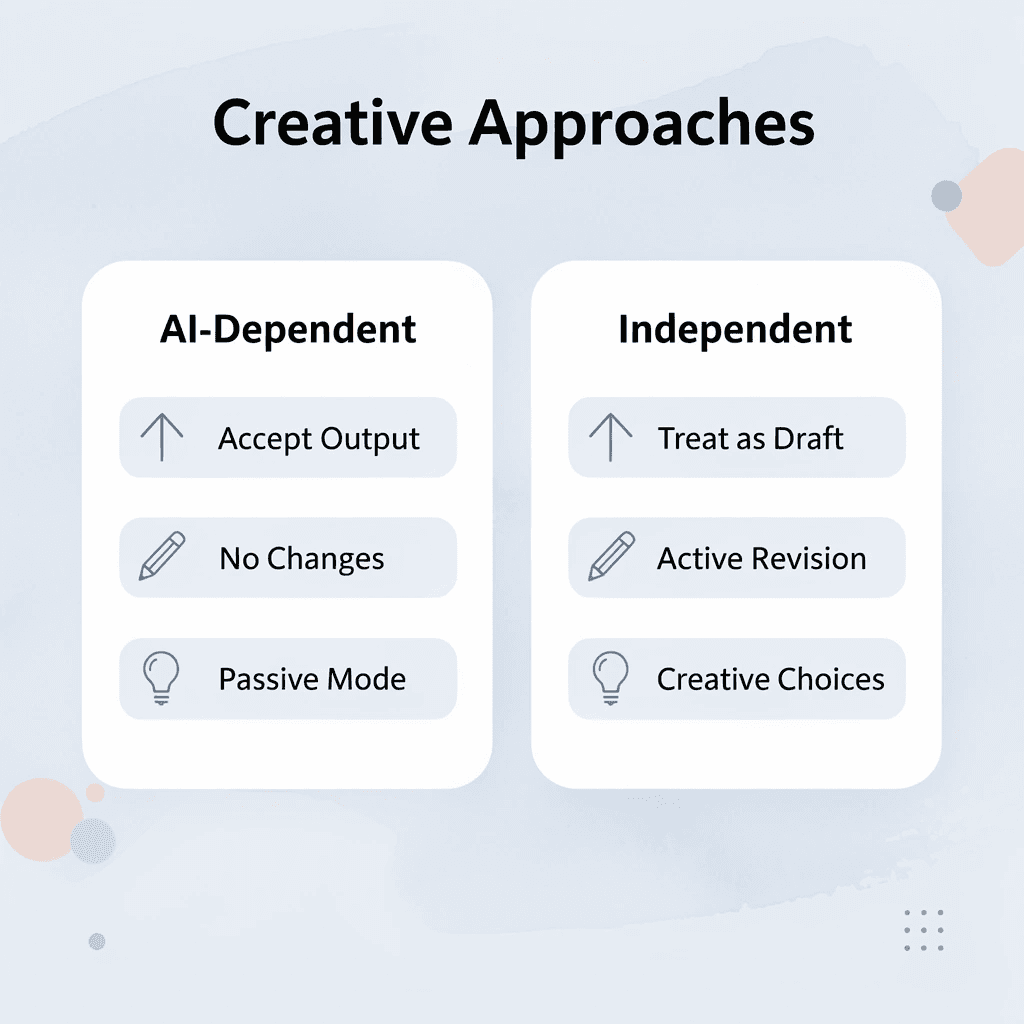
⚠️ Warning: Treat AI-generated starting points as drafts that demand revision. When children learn that the first version is never final, that creative work deepens through questioning and reshaping, they develop the habit of independent thought that transfers across every domain. That habit determines whether they use AI as a tool that amplifies imagination or a crutch that replaces it.
Related Reading
- Is Creativity A Skill
- Creativity Toys For Toddlers
- Human Creativity
- Types Of Creativity
- Ai Vs Human Creativity