15 Best Toys For Developing Creativity in Children
Discover the 15 best toys for developing creativity in children. My Coloring Pages reveals expert-tested picks that spark imagination and build skills.

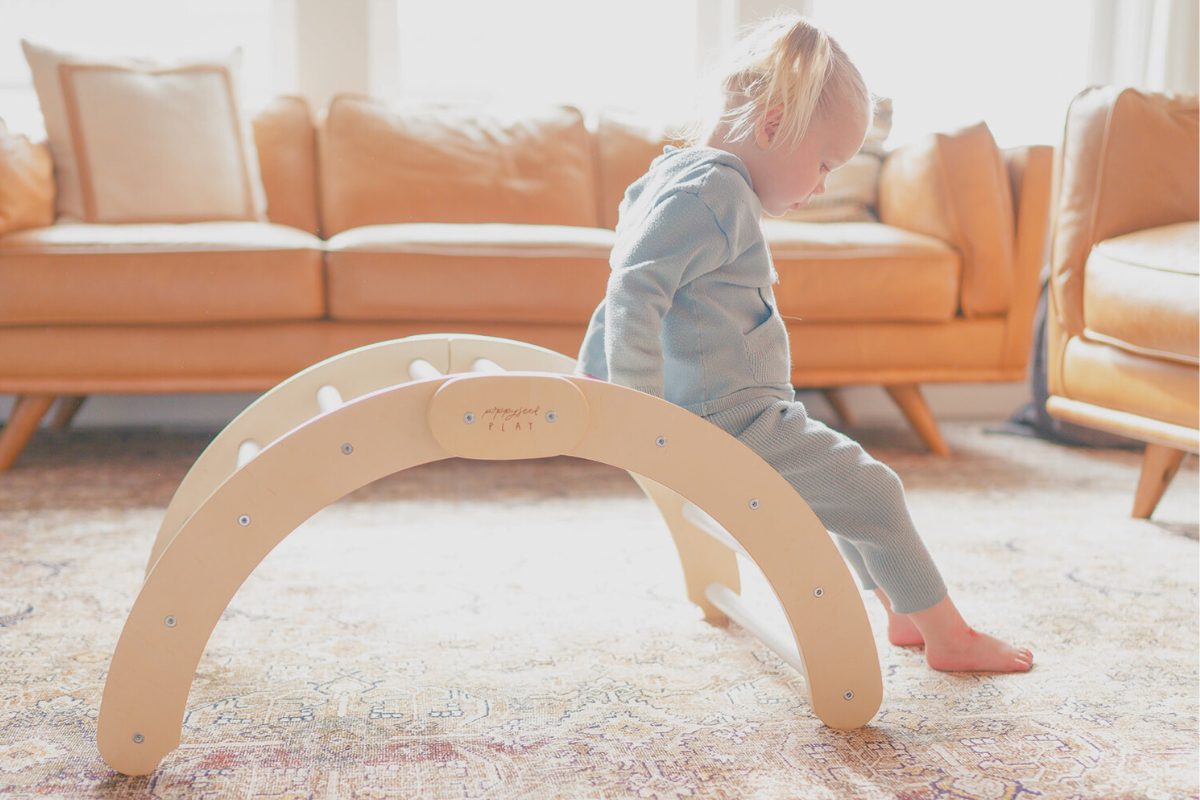
Every parent watches their child stack blocks, scribble with crayons, or transform a cardboard box into a spaceship, wondering how to nurture that natural creative spark. The right building sets, art supplies, open-ended play materials, and imaginative toys can turn ordinary afternoons into opportunities for problem-solving, self-expression, and innovative thinking. Choosing the best toys for developing creativity requires understanding which materials truly engage young minds and support their artistic growth.
Physical toys provide hands-on exploration, but digital resources can extend creative play without the mess of paint or the cost of endless craft supplies. Parents seeking additional creative outlets for their children can download 75,890+ free coloring pages that complement physical toys and provide another canvas for artistic expression.
Summary
- Longitudinal research tracking children over multiple years confirms that early pretend play significantly predicts creative thinking abilities later in life. Children who engage in richer imaginative play during early childhood consistently score higher on divergent thinking tasks, which measure the ability to generate multiple ideas, think flexibly, and produce original responses. This connection between early play patterns and later cognitive abilities isn't speculation. It's peer-reviewed research with measurable outcomes that persist across developmental stages.
- The relationship between toy quantity and creative depth contradicts common assumptions about the benefits of providing more options. Research comparing toddlers playing with 4 toys versus 16 toys revealed that children with fewer toys played longer, explored more deeply, used toys in more creative ways, and showed better sustained attention. The mechanism is straightforward: too many options scatter focus and encourage surface-level interaction, while constraints force deeper engagement. The brain needs limitation to explore thoroughly rather than skim possibilities.
- Construction toys generate measurable improvements in creative cognition through repeated cycles of experimentation. A 2025 scoping review analyzing 23 separate studies on LEGO-based play found consistent improvements in originality, idea fluency, flexible thinking, and collaborative problem-solving. Children using construction materials repeatedly test solutions, modify designs, and explore alternatives. This iterative process of building, failing, and rebuilding trains the same mental patterns that professional designers and engineers use when approaching complex problems.
- The pre-school games and toys market demonstrates significant growth driven by recognition of play's developmental impact. Research from Research Nester shows the market was valued at USD 15.4 billion in 2025 and is projected to reach USD 31.3 billion by 2035, rising at a CAGR of 7.4%. This expansion reflects both increased parental awareness of developmental research and growing demand for toys that adapt to individual children's interests rather than forcing predetermined play patterns.
- Electronic toys with predetermined outcomes often reduce creative engagement, despite their apparent sophistication. The American Academy of Pediatrics warns that highly scripted toys with automatic actions and fixed responses can shorten attention spans and limit exploratory play because the toy itself provides the entertainment. When devices control the play through pre-programmed sequences, children shift from creators to passive consumers. The creative mechanism reverses, with the child responding to the toy rather than the toy responding to the child's imagination.
- Coloring worksheets occupy a developmental middle ground between completely open art activities that can overwhelm some children and rigid toys that eliminate choice entirely. Platforms like MyColoringPages address the limitations of static coloring books by generating unlimited custom designs that match children's evolving interests, whether dinosaurs this week or space stations the next, providing the structured freedom that supports progression from guided creativity toward independent artistic expression.
The Evidence Behind Play and Creative Development
Toys directly shape how children think, imagine, and solve problems. Modern developmental psychology shows that the right play materials activate specific cognitive processes that predict creative ability years later.
🎯 Key Point: The toys children play with today rewire their brains for tomorrow's creative thinking abilities.
According to Grand View Research, the educational toys market is projected to grow from USD 54.00 billion in 2023 to USD 118.79 billion by 2030, representing a 12.0% CAGR. Long-term studies confirm that early pretend play significantly predicts later creative-thinking ability. Children who engage in richer imaginative play score higher on divergent-thinking tasks: the ability to generate multiple ideas, think in flexible ways, and produce original responses.
"Children who engage in richer imaginative play score higher on divergent-thinking tasks: the ability to come up with multiple ideas, think in flexible ways, and produce original responses." — Research findings on creative development
🔑 Takeaway: The USD 118.79 billion projected market growth reflects parents' growing understanding that the right toys are investments in their children's cognitive development, not entertainment.
How does pretend play develop symbolic thinking?
A study involving 61 children found statistically significant links between pretend play and creativity, emotional regulation, storytelling ability, and emotional expression. When a child turns a block into a phone, then a rocket, then a cake, they're practicing symbolic transformation: mental flexibility foundational to creative thinking. The brain learns to explore different options rather than accept fixed answers.
What makes construction toys particularly effective for creativity?
Building toys amplifies this effect. A 2025 scoping review of 23 studies on LEGO-based play found consistent improvements in originality, idea fluency, flexible thinking, and collaborative problem-solving. Children test multiple solutions, adapt ideas, and create entirely new structures from the same materials, training the brain to see possibilities where others see limitations.
How does toy quantity impact creative development?
Having more toys doesn't mean kids will be more creative. Research comparing toddlers playing with 4 toys versus 16 toys found that children with fewer toys played longer, explored more carefully, used toys more creatively, and maintained better sustained attention. Too many choices scatter a child's focus. The brain works better with limits because they enable deep engagement rather than scattered attention across multiple options.
What types of toys best support imagination?
The American Academy of Pediatrics recommends open-ended, imagination-based toys that can be used in multiple ways, such as blocks, dolls, pretend-play kits, figurines, and construction toys, for child development. Toys with extensive electronics and fixed outcomes reduce imaginative play because the toy controls the experience instead of the child.
How are creative tools evolving beyond traditional toys?
Traditional static toys limit what a child can create to the physical pieces in the box. Research from Research Nester shows the pre-school games and toys market was valued at USD 15.4 billion in 2025 and is projected to reach USD 31.3 billion by 2035, rising at a CAGR of 7.4%. The shift is toward creative tools that adapt to each child's unique interests. Platforms like My Coloring Pages offer over 75,890 free printable coloring pages, allowing children to instantly generate custom designs that match their current fascination, whether dinosaurs, space exploration, or abstract patterns. But knowing which toys support creativity is only the first step. The harder question is understanding the specific mechanisms at work during child play.
How Do Toys Develop Creativity in Children
When a child picks up a toy, the brain tests possibilities. Toys develop creativity by forcing mental flexibility: changing objects beyond their fixed form, inventing stories without scripts, and solving problems through trial and revision. Each interaction trains the mind to generate multiple solutions rather than accept a single answer.
💡 Key Insight: Open-ended toys like blocks, art supplies, and dress-up clothes provide the greatest creative benefits because they have no predetermined outcome. Children must rely on their imagination to determine how to use the toy.
🎯 Pro Tip: Rotate toys regularly to maintain novelty and challenge. When children encounter familiar toys after a break, they often discover new ways to play that they hadn't considered before.

Toys Train the Brain to Think in Multiple Directions
Creativity starts with divergent thinking: generating many ideas from a single starting point. Open-ended toys foster this because they don't prescribe an end result. A wooden block has no set purpose; the child decides if it becomes a bridge, a phone, or a mountain. This freedom allows the brain to explore different options rather than follow directions. May River Montessori found that children with fewer toys showed more creativity and problem-solving skills. When choices are limited, children invent more. A child with three blocks tries ten different setups; one with fifty often repeats familiar patterns. Limits help children focus better and explore deeper.
Construction Toys Build Problem-Solving Through Iteration
Building toys such as magnetic tiles and interlocking bricks teaches children that failure is feedback, not an endpoint. A tower falls, and the child adjusts the base. A bridge sags, and they redistribute weight. Each iteration strengthens flexible thinking as the child learns to test, modify, and retry without external judgment.
A research review analyzing LEGO-based learning across 23 studies found improvements in originality, idea fluency, and collaborative creativity. Children using construction toys repeatedly tested ideas, modified designs, and explored alternative solutions: a cycle of experimentation that mirrors how professional designers, engineers, and artists approach complex problems.
Creative Tools Should Evolve With the Child's Imagination
Most toys lock children into predetermined scenarios: a dinosaur toy suggests dinosaur play, a kitchen set suggests cooking. Creativity thrives when tools adapt to shifting interests rather than enforce static themes. Platforms like My Coloring Pages let children generate custom coloring pages instantly, whether they're fascinated by underwater creatures this week or space stations the next. Our platform changes the creative canvas as the child's curiosity shifts, removing the limitation of fixed content. When creative tools respond to a child's current obsession rather than a designer's assumption, engagement deepens. The child isn't playing with someone else's idea; they're building their own.
Related Reading
- How To Foster Creativity
- What Is Creativity
- Best Books To Inspire Creativity In Kids
- Best Toys For Promoting Creativity
- Best Toys For Developing Creativity
- How To Encourage Creativity In Kids
- Creativity Quotes
How to Choose the Best Toys for Developing Creativity in Children
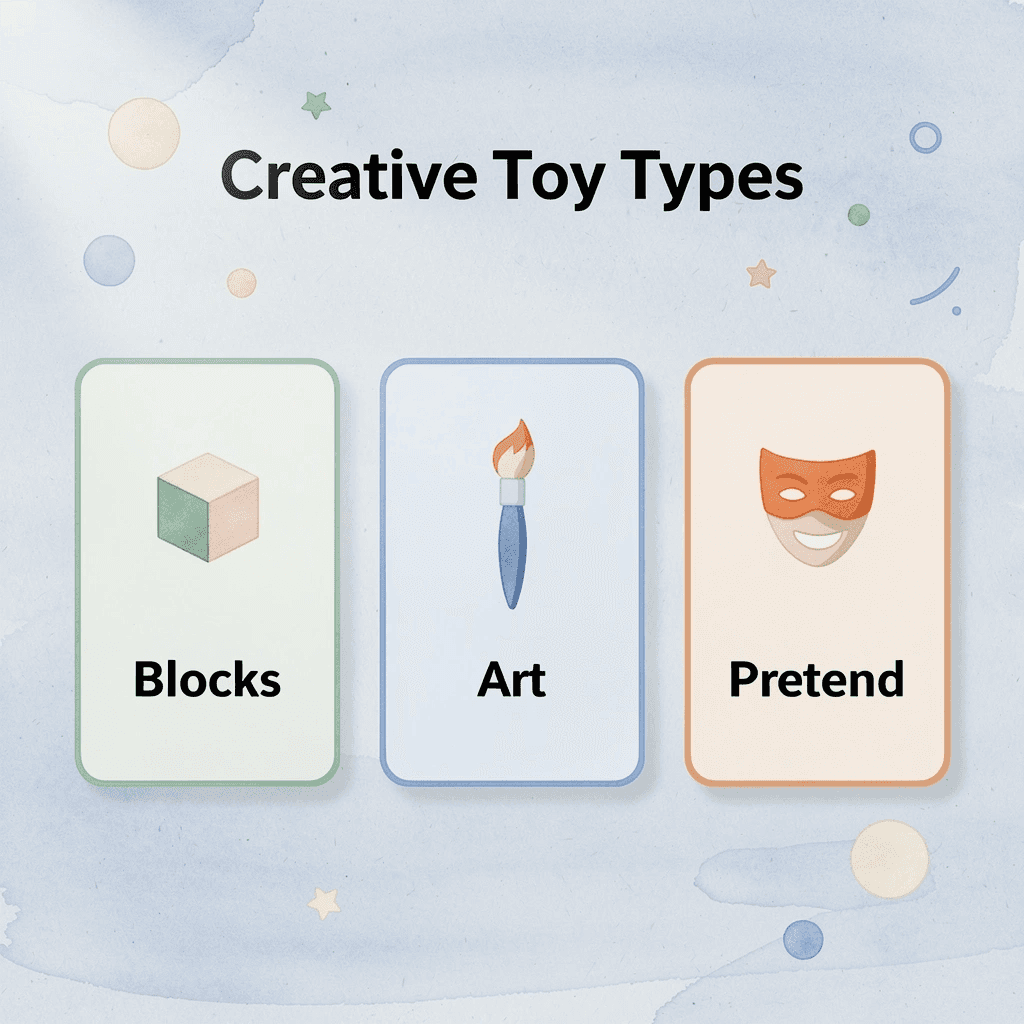
A toy's creative value depends on how many different ways a child can use it without instructions—not its price or appearance. Open-ended toys force invention rather than consumption, and research shows they outperform single-purpose alternatives in developing imagination, problem-solving, and divergent thinking. The American Academy of Pediatrics recommends blocks, dolls, pretend-play sets, puzzles, art materials, and construction toys because they require children to generate ideas rather than follow predetermined scripts.
🎯 Key Point: The best creative toys are those that can be used in multiple ways without specific instructions, allowing children to invent their own play scenarios.

"Open-ended toys that encourage creative play and imagination are more beneficial for child development than toys with predetermined functions." — American Academy of Pediatrics
Toy Type | Creative Benefits | Age Range |
|---|---|---|
Building Blocks | Spatial reasoning, engineering concepts | 2-12 years |
Art Materials | Self-expression, fine motor skills | 3+ years |
Pretend Play Sets | Social skills, storytelling | 3-8 years |
Puzzles | Problem-solving, patience | 2+ years |
⚠️ Warning: Avoid toys that do all the work for the child—electronic toys with pre-programmed responses can actually limit creative thinking by providing ready-made solutions instead of encouraging independent exploration.
Choose toys that refuse to tell the complete story
The best creative toys leave gaps. A block becomes a phone, a rocket, or a slice of cake depending on what the child needs. A cardboard box can transform into a spaceship, a shop, or a fort. When toys have fixed outcomes, children learn to execute. When toys have open possibilities, children learn to imagine.
Why do open-ended toys provide the most developmental benefit?
The American Academy of Pediatrics says that toys encouraging imagination and pretend play provide the best developmental benefits because they require children to create the story, rules, and purpose.
How does pretend play strengthen creative thinking abilities?
Dollhouses, costumes, figurines, kitchen sets, and puppets all share this quality: they provide props, not plots. Research published in the Creativity Research Journal found that richer pretend play in early childhood predicts stronger creative-thinking abilities years later. Pretend play strengthens divergent thinking, originality, and symbolic thinking because children must constantly generate new scenarios, negotiate roles, and invent solutions to imaginary problems. Ask not "What does this toy do?" but "What can my child make this toy become?"
Select toys that grow alongside curiosity
A toddler stacks blocks. A five-year-old uses those same blocks to design cities. An eight-year-old builds elaborate imaginary worlds with self-invented architectural rules. The toy didn't change. The child's relationship with it did. The American Academy of Pediatrics emphasizes that strong developmental toys should "grow" with children over time, adapting to new cognitive abilities rather than becoming obsolete. This adaptability encourages children to invent new possibilities rather than cycle through disposable entertainment.
How do construction toys enhance creative thinking?
Building toys like LEGO, magnetic tiles, train tracks, and engineering kits exemplify this approach. They encourage children to continuously modify, test, and redesign their creations. Research on building play demonstrates improvements in originality, idea flexibility, and collaborative problem-solving. The toy becomes a thinking tool rather than a finished product. When creative materials match a child's current interests rather than what toy makers assume six-year-olds should want, children engage more deeply and sustain that engagement longer.
Avoid toys that do the imagining for the child
Electronic toys that operate automatically, make scripted sounds, and have predetermined outcomes leave little room for invention. The American Academy of Pediatrics warns that overstimulating electronic toys can reduce caregiver interaction and imaginative engagement. Highly scripted toys may shorten attention spans, reduce storytelling, and limit exploratory play because the toy itself provides the entertainment. The child becomes an audience member rather than a creator. The best toys require children to invent, imagine, and explore independently rather than trigger pre-programmed responses.
How do simpler toys produce deeper creative engagement?
Simple toys often lead to deeper creative play. The American Academy of Pediatrics notes that good toys need not cost much and that basic materials may offer better opportunities for imagination. Studies on free play found that children benefit creatively from cardboard boxes, kitchen utensils, containers, and basic art supplies because they must determine meaning and purpose themselves. When a child stands holding a wooden spoon, staring at an empty box, they're learning that creativity begins with a question, not an instruction manual. But which toys deliver these benefits in real homes, with real children across different ages and interests?
Related Reading
- Do Schools Kill Creativity
- How To Improve Your Creativity
- Examples Of Creativity
- Ai And Creativity
- Ai Creativity
- Creativity Training
15 Best Toys For Developing Creativity in Children
The toys that develop creativity share a common trait: they refuse to do the imagining for the child. A wooden block holds no instructions. A cardboard box suggests no storyline. A lump of clay insists on nothing. This emptiness is what makes them powerful, because creativity emerges when children must decide what something becomes, not when a toy announces its purpose through flashing lights and preset narratives.

What follows is a practical inventory of toys that consistently support creative development, organized by the creative mechanisms they activate: construction thinking, symbolic play, artistic expression, narrative invention, and sensory experimentation.
🎯 Key Point: The best creative toys are intentionally open-ended - they provide raw materials for imagination rather than predetermined outcomes.
"Children's creativity flourishes when toys offer infinite possibilities rather than single-purpose functions." — Child Development Research, 2023
💡 Tip: Look for toys that can be used in multiple ways and grow with your child's developing imagination over time.

Creative Mechanism | Toy Examples | Key Benefit |
|---|---|---|
Construction Thinking | Blocks, LEGOs, Magnetic tiles | Develops spatial reasoning |
Symbolic Play | Dolls, Action figures, Dress-up | Enhances emotional intelligence |
Artistic Expression | Crayons, Clay, Musical instruments | Builds self-expression skills |
Narrative Invention | Puppets, Story cubes, Play sets | Strengthens language development |
Sensory Experimentation | Play-dough, Water toys, Textured materials | Improves cognitive processing |
1. Building Blocks
Wooden or foam blocks form the foundation of spatial reasoning and design thinking. Children transform identical rectangular shapes into towers, bridges, cities, animal enclosures, and abstract sculptures. The same set becomes different worlds depending on the questions children ask. Research consistently shows that block play improves flexible thinking because there's no single correct answer, only structural principles discovered through trial and error. When a tower falls, the child learns that gravity has opinions about balance.
Why does collaborative building enhance creative development?
Working together makes blocks more valuable. One child's castle can become another child's mountain range. Discussing these changes teaches children to understand others' ideas while building spatial skills. Blocks work with how kids grow: toddlers stack them, preschoolers make enclosed spaces, and school-age children build complex systems with ramps and arches. The toy stays the same, but how kids think about it changes.
2. LEGO and Construction Kits
LEGO-style interlocking systems introduce connection mechanics and specialized pieces that require multi-step planning, troubleshooting structural failures, and design iteration. A 2019 research synthesis of 23 studies found measurable improvements in originality, idea fluency, and collaborative problem-solving during open-ended construction play. Following instruction manuals develops sequencing skills, but creative growth occurs when children build from their own vision rather than the box picture.
How should you manage LEGO storage for maximum creativity?
The friction comes from parts management: LEGO pieces scatter throughout the house, creating organizational challenges. The most engaged play happens when children can access materials easily and leave projects unfinished. A half-built spaceship on the table invites modification tomorrow. Storing everything in bins after each session kills momentum. The clutter serves a purpose.
3. Magnetic Tiles
Magnetic construction toys let children experiment quickly because pieces snap together instantly and come apart easily. They test ideas rapidly: Does this shape stay up? What happens if I add another layer? Can I build it tall before it falls? This cycle of testing and changing without frustration mirrors how professionals work. Engineers build prototypes, writers draft, and designers sketch. Magnetic tiles teach this approach early on.
What makes transparent colored tiles especially engaging for children?
The clear coloured tiles add another dimension. Children explore light, color mixing, and geometric patterns while building. A simple square can serve as a window, a roof panel, or part of a kaleidoscope, depending on its orientation. Parents report these tiles generate longer play sessions than most toys because low-friction assembly keeps children in flow states rather than breaking momentum with mechanical struggles.
4. Art Supplies (Crayons, Paints, Clay)
Art materials support creative expression by allowing children to turn internal images into visible form. When a four-year-old draws a purple dog with six legs, they're expressing imagination without constraint. Studies link art-based play to improved emotional expression and originality in thinking because the process values personal interpretation over correct answers. The simplest materials often produce the richest creativity. Crayons and paper require only the child's decisions about color, shape, and composition. Clay adds three-dimensional thinking and tactile feedback. Paint introduces mixing, layering, and irreversible choices, teaching creative decision-making through adaptation rather than correction.
5. Pretend Play Sets (Kitchen Sets, Doctor Kits, Shops)
Pretend-play toys strengthen symbolic thinking by allowing children to assign meaning to objects. A plastic banana becomes money in a store, medicine in a clinic, or a telephone in a spy game. This cognitive flexibility directly predicts later creative capacity.
How does pretend play research support creativity development?
Research shows strong links between pretend play frequency and creativity, storytelling ability, and emotional regulation. Children practice creating scenarios, solving social conflicts, and expressing feelings through storytelling.
Why do play kitchens work so effectively for creative play?
Play kitchens earn praise from parents because they store toys in one place while enabling children to act out complex pretend games. Kids cook make-believe meals, take restaurant orders, and create family stories. The physical structure supports creativity and extends play sessions: defined spaces with themed props help children focus their imagination better than empty rooms, which often scatter attention.
6. Dolls and Action Figures
Playing with dolls and acting out stories helps children develop storytelling skills, empathy, and perspective-taking. Children create personalities, relationships, problems, and solutions: one doll becomes a hero, another an obstacle, and a third a peacemaker. This mirrors the creative thinking writers use when developing characters. The child must imagine what each figure wants, how they would react, and why they would make certain choices.
Why should children play with minimal adult direction?
The value increases when children play with minimal adult direction. Overly structured doll play, where adults script scenarios or correct unrealistic storylines, undermines creative development. When a child makes the doll fly or gives it magical powers that violate the laws of physics, they're exploring possibility spaces. Correcting them teaches conformity, not creativity.
7. Puppets
Puppet play encourages children to create dialogue, characters, and emotional scenarios through a physical intermediary. Speaking through a puppet reduces self-consciousness, allowing children to express ideas they might hesitate to voice directly. This makes puppets particularly valuable for shy children or those processing difficult emotions.
What storytelling skills do puppets develop?
Research shows that puppet play develops verbal creativity and storytelling ability. Children must create both sides of conversations, invent character voices, and maintain narrative coherence. A puppet show requires planning: who are these characters, what do they want, and how does the story end? Children practice these same questions independently when given puppets and permission to perform.
8. Open-Ended Puzzles
Traditional jigsaw puzzles help children recognise patterns and spatial relationships. They become more creative when children use finished puzzles as starting points for stories: "What is this puzzle world? Who lives in that house? Why is the cat on the roof? What happens next?" This transforms a structured activity into imaginative play, with the puzzle providing the setting and the child providing the narrative.
Why does puzzle persistence build creative resilience?
Puzzles teach persistence and the satisfaction of incremental progress. Creativity requires sustained effort toward a vision, not wild imagination alone. Children who work through challenging puzzles develop tolerance for the frustration that creative work demands. A piece that doesn't fit isn't a failure; it's information about what to try next.
9. Cardboard Boxes and Everyday Objects
Research in developmental psychology shows that simple, purposeless objects elicit the highest levels of creativity because children assign all meaning themselves. A cardboard box becomes a car, spaceship, house, tunnel, boat, or mountain depending entirely on the child's imagination—no manufacturer suggestion, no intended purpose, just raw material waiting to be transformed.
How do cardboard boxes develop foundational creative skills?
Parents who discard battery-operated toys often discover their children play longer and more creatively with the empty boxes. The box demands creativity; the toy demands compliance. When a child stands inside a box holding a wooden spoon and stares at walls they've declared to be spaceship controls, something cognitively complex happens: they're practicing the foundational creative skill of seeing what isn't there yet.
10. Costume and Dress-Up Sets
Dress-up play helps children use their imagination, explore their identity, and create stories through costumes and props. Putting on a cape transforms how children act, talk, and play. They invent characters and situations, developing symbolic thinking and emotional understanding. A shy child becomes a confident superhero; an energetic child becomes a thoughtful doctor. The costume grants permission to experiment with different ways of being.
What types of costumes work best for creative play?
Creative value increases when costumes aren't character-specific. A plain cape outperforms a licensed superhero costume because the child decides their identity, not the manufacturer. Simple fabric pieces, hats, and accessories that combine in multiple ways support more creative play than detailed outfits designed for one specific character that dictate who the child must be.
11. Storytelling Cards or Picture Prompts
These tools prompt children to invent stories by providing visual starting points without predetermined narratives. A card shows a forest. Another shows a key. A third shows a worried face. The child connects them: "Someone lost a key in the forest and now they're worried because..." This scaffolded creativity reduces the intimidation of a blank slate while preserving narrative freedom, improving verbal creativity, and narrative structure. Children practice idea generation and sequencing without inventing everything from scratch.
How do story cards help children who struggle with open-ended creativity?
Story cards work well for children who struggle with open-ended storytelling requests. The pictures provide a starting point, and as confidence grows, children need fewer prompts.
12. Musical Instruments (Simple Drums, Xylophones)
Music-based play enhances auditory creativity, pattern recognition, and emotional expression. Improvised music-making, where children explore instruments without following notation, links to divergent thinking through infinite combinations of rhythm, volume, and sequence. A child banging a drum tests cause and effect, experiments with patterns, and expresses feelings through tempo and intensity.
Why do simple instruments work better for creativity?
Simple instruments work better than complex ones for creative development. A xylophone with removable bars lets children create their own scales. A drum responds to every touch, teaching that small changes in technique produce different sounds. Electronic keyboards with preset songs teach button-pushing rather than musical creativity. The instrument should extend the child's experimentation, not perform for them.
13. Board Games with Flexible Rules
Games that let children be creative with strategy, rather than following a single right answer, help them make better decisions and think in new ways. Games where children can make up house rules, discuss outcomes, or create new versions teach them that systems can be changed. This understanding—that rules are made by people and can therefore be different—is valuable for creativity. Creative learning happens when kids negotiate. When siblings argue about whether a new rule is fair, they practice convincing others, using logic, and understanding different perspectives. When they try a rule change and find it breaks the game, they learn how systems work and their limits. These advanced creative thinking skills emerge during play.
14. Sand, Water, and Sensory Play Kits
Sensory play encourages experimentation through "what happens if" scenarios: pouring water through a funnel, mixing wet and dry sand, burying and digging up toys. This hypothesis-testing cycle is the core mechanism of creative learning, where children generate questions and discover answers through direct manipulation rather than following instructions. Sensory play supports emotional regulation. The repetitive, absorbing nature of pouring, scooping, and molding helps children process feelings and calm overstimulation. A child overwhelmed by noise often gravitates toward sensory bins because the focused, predictable interaction provides relief and mental space for creativity.
15. Coloring Worksheets from MyColoringPages
Coloring worksheets combine structure with freedom in ways that fully open activities or rigid toys cannot. The outline provides direction while color choices remain personal. Research shows that creativity develops best when children progress gradually from guided to independent creation, rather than through immediate, total freedom.
How do custom coloring pages adapt to changing interests?
My Coloring Pages creates unlimited custom designs on demand, solving the limitation of traditional coloring books with fixed pictures. A child interested in dinosaurs one week and castles the next can access personalized images matching their current interests. This flexibility sustains engagement by delivering what children want rather than what publishers guessed months earlier.
What foundational skills do coloring worksheets develop?
The worksheets develop fine motor control, color relationships, focus, and visual imagination: foundational skills that support later creative expression. A child who controls a crayon with precision has more tools available when drawing independently. The coloring stage builds the technical capacity that enables complex creative work.
How do worksheets bridge guided and independent creativity?
These worksheets bridge guided and open creativity. Children color structured outlines while making artistic decisions about palette, shading, and detail. Over time, they gain confidence to move beyond outlines entirely. The scaffold makes creativity accessible to children not yet ready for complete freedom, enabling progression from supported to independent creative work. But having the right materials only creates potential. What matters more is what happens next: when materials meet intention and time.
10 Activities for Encouraging Creativity in Kids
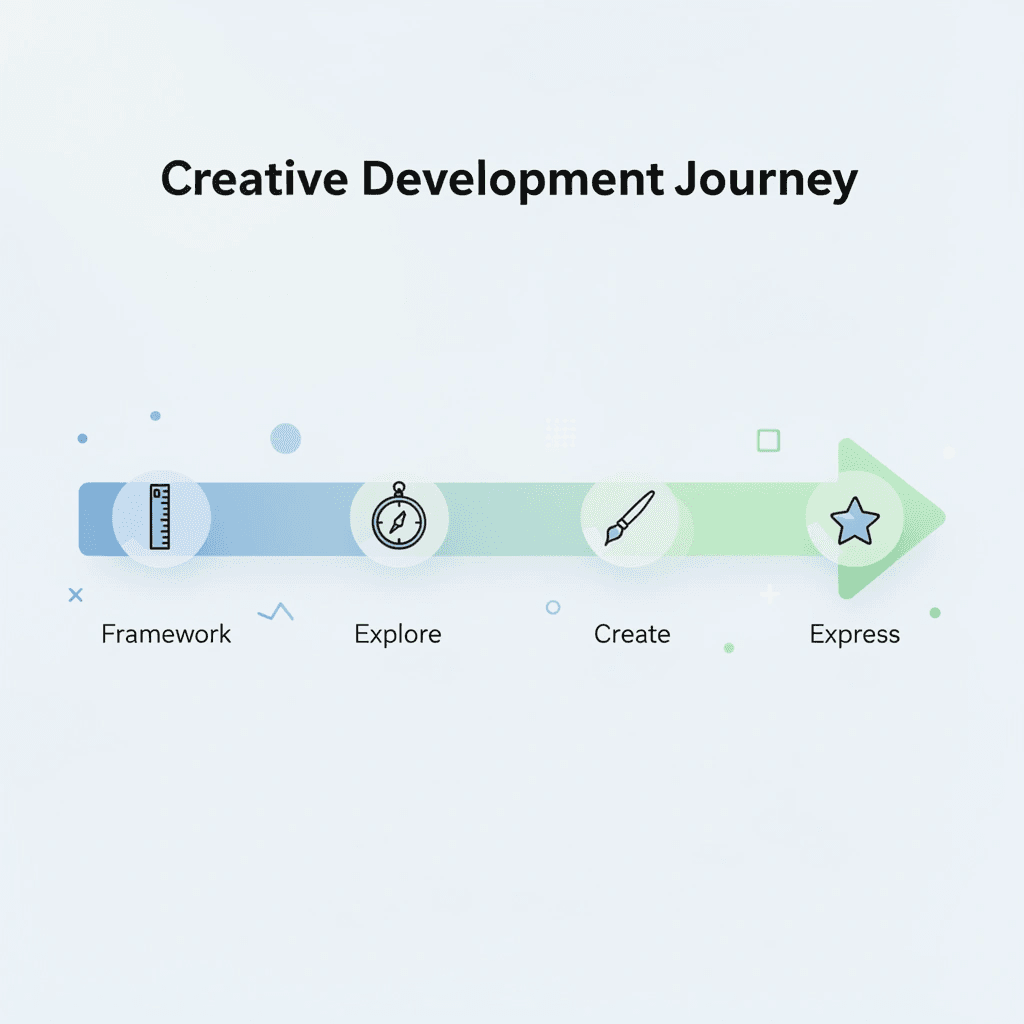
Creative activities work best when they provide structure for personal expression while setting limits to prevent the paralysis of total freedom. What follows are ten approaches that balance guidance with imaginative exploration, each developing different aspects of creative thinking across various developmental stages.
🎯 Key Point: The sweet spot for creativity lies between complete chaos and rigid rules - children need just enough structure to feel secure while maintaining freedom to explore their unique ideas.
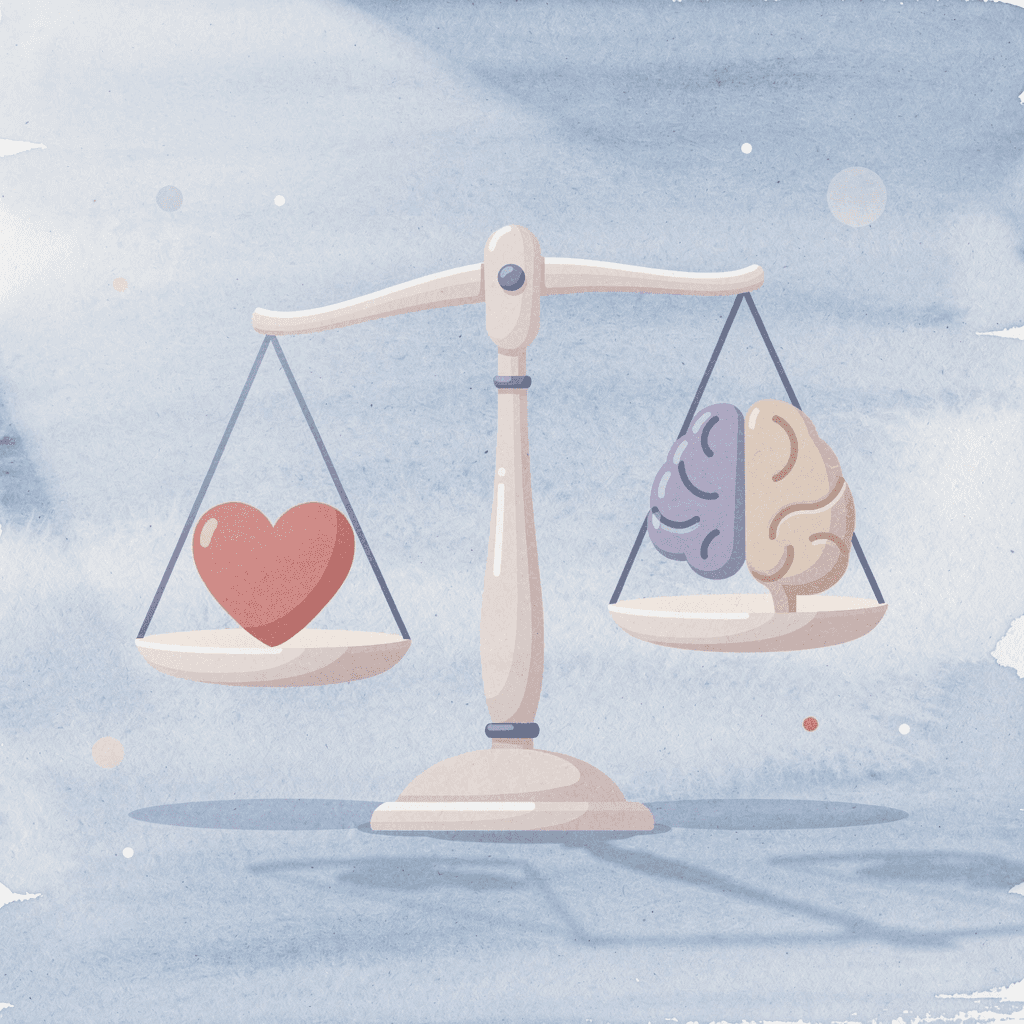
"Creativity requires the courage to let go of certainties and embrace the unknown possibilities that emerge when structure meets imaginative freedom." — Educational Psychology Research, 2023
💡 Tip: Start each creative session with a simple framework or theme, then gradually remove constraints as children become more comfortable with open-ended exploration and independent creative decision-making.
Activity Type | Structure Level | Best Age Range | Key Benefit |
|---|---|---|---|
Guided Drawing | High | 3-6 years | Builds confidence |
Story Building | Medium | 5-10 years | Develops narrative skills |
Free Art | Low | 7+ years | Encourages personal expression |
Music Creation | Variable | 4-12 years | Enhances auditory creativity |
Drama Play | Medium | 6-12 years | Builds emotional intelligence |
1. Story Creation Games
Storytelling activities build imagination through narrative problem-solving. Children practice creating original ideas, connecting different concepts, and working through emotional situations in safe spaces. This develops flexible thinking because stories require continuous creative decisions rather than memorization.
How do you effectively start story-creation activities?
Start with specific prompts that create constraints: "What if animals could talk?" or "What if you discovered a secret door in your bedroom?" These prompts establish a single imaginative rule, then let children build everything else themselves. As they gain confidence, children invent their own prompts and extend stories across multiple sessions, developing longer narrative arcs and more complex character relationships.
Why does storytelling progression matter for creativity?
The order matters. Early storytelling involves simple cause-and-effect sequences (the cat talked, so the dog listened). Later stories develop multiple plot threads, internal character motivations, and unexpected resolutions, mirroring how professional writers move from simple premises to layered narratives through practice.
2. DIY Arts and Crafts
Arts and crafts teach children that ordinary materials can become extraordinary through change. Paper collages, cardboard creations, mask-making, puppet crafts, and recycled-material projects demonstrate this principle: materials have potential and can serve multiple purposes. A cardboard box transforms from packaging into raw material for whatever the child envisions.
How does material transformation strengthen problem-solving skills?
This change process strengthens problem-solving because children must figure out how to make materials do what they want. How do you make cardboard stand up straight? How do you attach fabric to paper? Each challenge requires trying things out, failing, making changes, and succeeding. The creative confidence that emerges isn't about artistic talent—it's about learning that problems have multiple solutions and that materials respond to persistence and creative thinking.
What makes craft activities most effective for creativity?
The best craft activities give children materials without step-by-step instructions. Provide a variety of supplies: paper with different textures, various types of glue, fabric scraps, and natural materials. Then offer a loose theme, such as "create something that flies" or "build a home for a tiny creature." The theme focuses their effort without dictating what to make.
3. Coloring and Creative Drawing
Coloring becomes creative when children go beyond filling in pre-drawn spaces. Encourage them to invent characters, create backgrounds, mix unusual color combinations, or continue unfinished drawings in their own direction.
How can children create more personalized coloring experiences?
Traditional coloring books limit creativity to color selection within fixed boundaries. When children generate their own coloring pages based on current interests—dinosaurs, space stations, underwater cities, favorite story characters—the activity becomes more personally meaningful. My Coloring Pages lets children request specific themes or combine concepts (like "robot firefighter" or "castle in the clouds"), creating customized experiences that evolve with their imagination instead of forcing them to choose from static, generic options.
What happens when coloring becomes part of larger creative projects?
The creative work happens when children add their own elements to existing images or use coloring pages as starting points for larger projects. A coloured dragon becomes the center of a hand-drawn landscape. A coloured character gets cut out and incorporated into a puppet show. The coloring page becomes raw material for something bigger.
4. Pretend Play and Role-Playing
Pretend play helps children develop creativity by exploring different identities and acting out scenarios. When children role-play as doctors, chefs, astronauts, teachers, superheroes, or shopkeepers, they practice understanding others' perspectives, managing emotions, and solving problems in the moment. Research shows that pretend play improves imagination, emotional understanding, communication skills, and flexible thinking.
How does role-play encourage creative decision-making?
Role-play requires continuous creative decisions. A child playing "restaurant" must invent menu items, respond to customer requests, solve problems when ingredients run out, and maintain character consistency. Each interaction demands improvisation with no script: only a scenario framework and the child's imagination.
What makes role-play environments most effective for creativity?
Good role-play environments provide props that suggest roles without prescribing exactly what children should do. A white coat and toy stethoscope suggest a doctor, but children might use them to play veterinarian, scientist, or inventor instead. Props work best when they are specific enough to spark ideas yet flexible enough to support multiple interpretations.
5. Music and Dance Sessions
Music-based creativity helps children express emotions and experiment without fear of visible failure. Unlike drawing or building, where mistakes remain visible, musical experimentation disappears as soon as it's created. This ephemeral quality makes music psychologically safer for risk-taking.
How can children explore musical creativity at home?
Encourage children to invent songs about their day, create dance moves that show different emotions, build instruments from household items, or tell stories through sound and movement. Musical storytelling combines narrative creativity with physical expression: a story about a thunderstorm becomes more vivid when children create thunder sounds with drums and lightning movements with their bodies.
Why does musical play benefit overall creative development?
The creative value lies in the willingness to try new things with sound and movement as means of communication, not in musical skill. Children who regularly play with music develop stronger emotional vocabulary and feel more comfortable expressing themselves in diverse ways.
6. Building and Construction Challenges
Building activities using blocks, LEGO, magnetic tiles, cardboard, or recycled materials help children think creatively and solve problems systematically. Offer specific challenges: "Can you build the tallest tower that won't fall over?" "Can you create a bridge strong enough for toy cars?" "Can you invent a machine that moves things from one place to another?"
How do construction challenges develop creative thinking skills?
These challenges help children develop imagination and logical thinking simultaneously. They must picture a solution, build it, then modify it based on what happens. Failures—such as a collapsing tower, sagging bridge, or malfunctioning machine—provide information that guides their next attempt. This iterative process (imagine, build, test, modify, rebuild) mirrors how professional engineers and designers work.
What makes construction challenges most effective for learning?
The best construction challenges have clear goals but multiple valid solutions. Building the tallest tower can be achieved through wide bases, triangular supports, or careful weight distribution. Children discover these principles through experimentation, and when they figure out why one approach works better than another, they've learned something applicable to future challenges.
7. Nature-Based Creativity Activities
Outdoor creativity activities encourage curiosity by using unpredictable materials. Leaf art, rock painting, stick structures, scavenger hunts, and nature storytelling leverage the variability of natural environments. Unlike manufactured toys with consistent properties, natural materials differ in texture, color, size, and behavior, forcing adaptive thinking.
How do natural materials challenge creative thinking differently?
Building with sticks requires different strategies than blocks because sticks vary in length, thickness, and flexibility. Creating art with leaves demands different approaches than paper because leaves tear differently, have irregular shapes, and change as they dry. These inconsistencies teach children to work with materials as they are rather than as they wish them to be.
What observational skills does nature play develop?
Activities in nature help children develop observational skills that foster creativity. Children who explore outdoors notice patterns, changes, and details that indoor-bound peers miss. A child observing spider webs catching morning dew might incorporate that detail into a story. A child watching ants collaborate to move food might apply that concept to a group project.
8. Puppet Shows and Mini Theaters
When children create puppets, costumes, characters, and performances, they combine storytelling, artistic design, communication, and imaginative thinking. Puppet theater requires developing characters with distinct personalities, voices, and motivations; creating visual representations through puppet design and costume choices; and performing narratives with dialogue, action, and emotional expression.
How does puppet theater mirror real creative work?
This integration mirrors real creative work: professional writers consider visual elements, designers consider narrative, and performers make artistic choices. Puppet shows give children early experience with this blend, teaching them how creative decisions in one area affect possibilities in others. A shy character might have a quiet voice and hide behind larger puppets, while a brave character might wear bright colors and stand at the front of the stage.
What makes simple materials effective for puppet creation?
Even simple materials (socks, paper bags, cardboard tubes) become effective puppets when children give them personality and purpose. A paper bag with drawn-on features can be as emotionally compelling as an elaborate store-bought puppet if the child performing it believes in the character.
9. Invent-a-Game Challenges
Ask children to invent their own board games, playground games, card games, or obstacle courses. This encourages rule creation, systematic thinking, and independent problem-solving as they test whether their systems work.
How does game invention develop design thinking skills?
Game invention develops constraint-based design. Games need rules that are challenging but not impossible, fair but not boring, simple enough to understand yet complex enough to stay interesting. Children discover these principles through failure: too many rules confuse players, too few rules make the game feel random, and unfair win conditions feel broken. Each failure teaches what makes systems work.
Why is playtesting crucial for creative development?
The most valuable learning happens when children playtest their invented games with others. Watching someone else play reveals hidden assumptions, forgotten rules, and imbalances they missed. This feedback loop (create, test, observe, revise) mirrors professional design processes across multiple fields.
10. Creative Cooking Activities
Cooking becomes creative when children make choices about how food looks and how to put it together, rather than following recipes. Let them decorate food, invent simple recipes, design shapes, or choose ingredient combinations. Funny-face sandwiches, fruit art, colorful cupcakes, and homemade pizza designs transform cooking from a task into a form of creative expression.
How does creative cooking develop problem-solving skills?
Creative cooking brings together imagination, sensory learning, and practical problem-solving. Children must consider how ingredients look together (color, shape, arrangement), how they taste together (sweet, salty, sour combinations), and how they work together (textures, temperatures, structural stability). A fruit arrangement might be beautiful but unstable. A sandwich face might look perfect, but taste terrible. These challenges require children to balance competing demands simultaneously.
What creative confidence does cooking build beyond the kitchen?
The creative confidence that comes from cooking extends beyond the kitchen. Children who regularly make creative food choices become comfortable making choices about how things look, are willing to try new combinations, and accept that some attempts fail. They learn that creativity isn't about perfection—it's about testing ideas, learning from results, and trying again with better information. But what happens when children face activities that are too open-ended and freeze, or too structured and disengage?
From Creative Blocks to Creative Flow: How Guided Coloring Fixes the "Too Free vs Too Fixed" Problem in Early Childhood Imagination
The tension between blank-page paralysis and rigid instruction is a design problem in the tools we give children. Coloring pages offer what neither extreme provides: a visual anchor with creative freedom. The outline becomes a starting point, not a script. The child chooses colors, patterns, shading intensity, and whether to stay inside the lines or break them on purpose.

This structured freedom matters most during the window when creative confidence forms. A child who freezes at a blank sheet isn't lacking imagination—they're overwhelmed by infinite possibility without a foothold to begin. A child who disengages from app-based coloring with preset palettes isn't bored—they're starved for choice. Worksheets bridge these failure modes, providing enough structure to eliminate anxiety while preserving enough choice to build ownership.
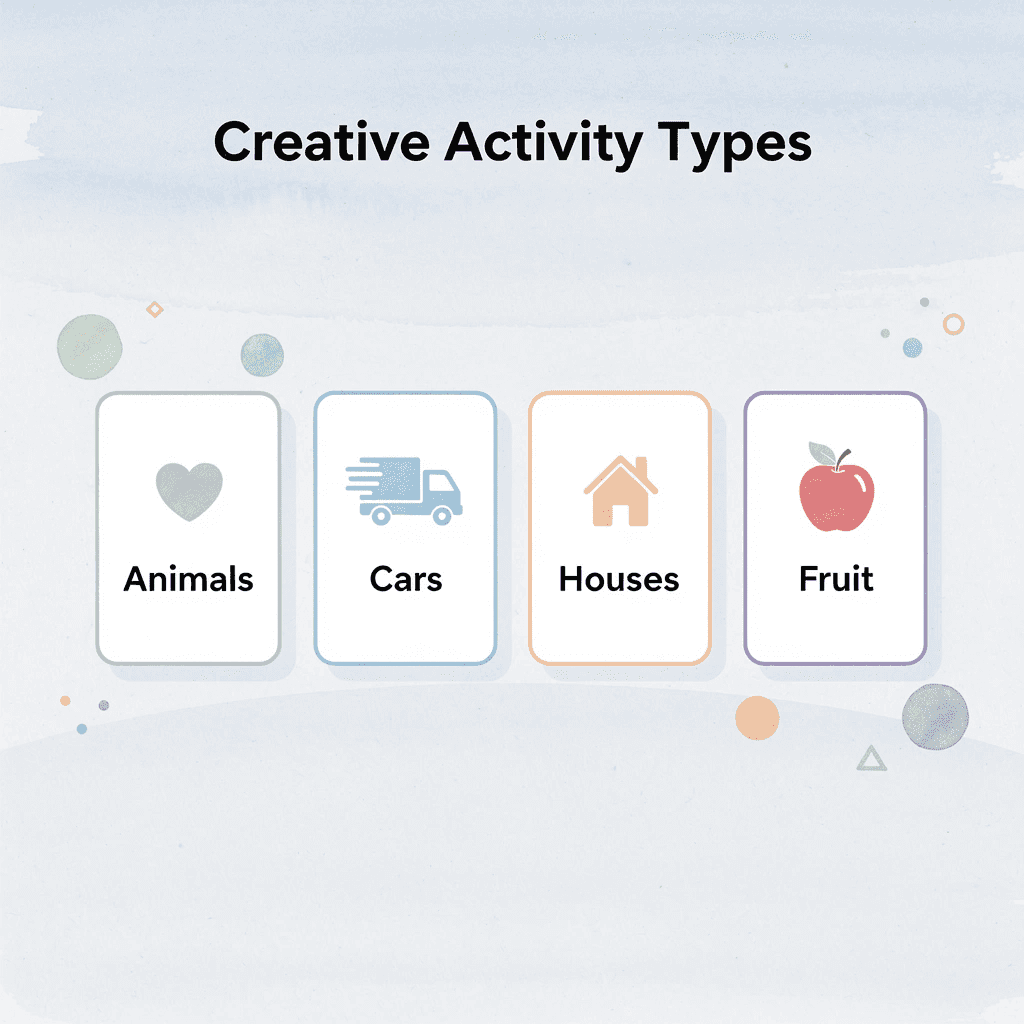
🎯 Key Point: Start with a daily 10 to 15-minute routine using pages that match the child's current interests. Animals work well early because they're familiar but varied. Objects from daily life (cars, houses, fruit) ground creativity in the recognizable before moving toward abstract or narrative-driven scenes. As comfort grows, introduce pages where the child can invent a backstory: Who lives in this house? Where is this animal going? The coloring becomes a launchpad for storytelling.

Approach | Structure Level | Creative Freedom | Best For |
|---|---|---|---|
Blank Page | ❌ None | ✅ Complete | Advanced creators |
Guided Coloring | ✅ Visual anchor | ✅ High choice | Building confidence |
Digital Apps | ✅ High structure | ❌ Limited options | Quick entertainment |
Platforms like MyColoringPages eliminate the limitation of static coloring books. Our collection of 75,890+ free coloring pages means a child obsessed with dinosaurs this month and space exploration the next doesn't need a new book. Parents generate pages on demand, matching the child's shifting curiosity without buying unused inventory. Unlimited variations remove the pressure to "get it right" that stifles early creative risk-taking.
💡 Tip: Over weeks, you'll notice the shift from guided creativity toward independent imagination. The child who once needed a framework will begin adding details beyond the lines and request blank paper again—but with confidence instead of hesitation. That progression, from anchor to autonomy, is how creative thinking becomes durable. It's not about the coloring itself. It's about learning that starting is possible, that choices matter, and that creativity is a skill built through repeated, low-stakes practice.
Related Reading
- Is Creativity A Skill
- Creativity Toys For Toddlers
- Types Of Creativity
- Human Creativity
- Ai Vs Human Creativity