15 Best Toys For Promoting Creativity in Children
Discover the 15 best toys for promoting creativity in children. My Coloring Pages reveals expert-tested picks that spark imagination and artistic growth.

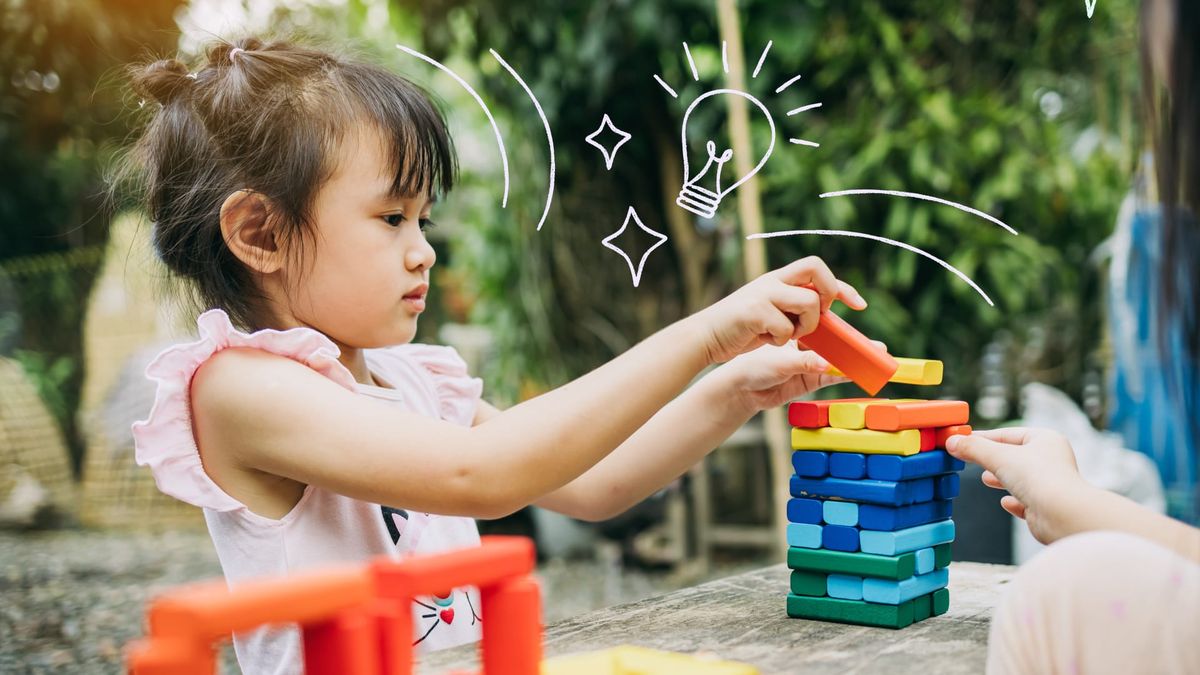
Every parent watches their child stack blocks, scribble with crayons, or build imaginary worlds and wonders how to foster creativity that will serve them throughout life. The right toys can be powerful catalysts for imaginative thinking, problem-solving, and artistic expression. Choosing the best toys for promoting creativity requires understanding which materials and activities truly spark a child's natural curiosity and desire to create.
Creative toys work best when paired with complementary activities that extend learning beyond playtime. Open-ended materials like building blocks, art supplies, and dress-up costumes encourage children to explore their ideas without predetermined outcomes. Parents can enhance these experiences by providing additional creative outlets that support their child's developing interests and download 75,890+ free coloring pages to complement hands-on play.
Summary
- Creative toys build cognitive infrastructure by activating symbolic thinking and flexible problem-solving rather than just providing entertainment. Research shows children spend approximately 15,000 hours playing before starting school, and longitudinal studies published in the Creativity Research Journal found that early pretend play significantly predicted creative-thinking ability measured years later. The neural pathways formed during these hours shape how children invent, adapt, and generate original responses throughout their lives.
- Fewer toys produce deeper creative engagement than abundant options. Studies comparing toddlers with 4 toys versus 16 toys found that children with fewer options played longer, explored more deeply, and used toys in more creative ways. Too many choices overwhelm attention and cause children to sample rather than explore. This scarcity principle extends beyond childhood, as adults working within constraints often produce more creative work than those with unlimited resources.
- Open-ended toys that refuse to dictate a single use develop divergent thinking most effectively. The American Academy of Pediatrics specifically recommends blocks, dolls, pretend-play sets, and construction toys because they adapt to whatever the child needs them to be. A wooden block becomes a phone, then a rocket, then a piece of cake, forcing the brain to practice mental flexibility. This cognitive transformation mirrors how adults build metaphors, reimagine familiar objects, and see multiple solutions to a single problem.
- Pretend play builds narrative thinking and emotional processing simultaneously. Research published by the American Psychological Association found significant relationships between pretend play and creativity, emotional expression, storytelling ability, and emotional regulation. When children run imaginary restaurants or stage dramatic scenarios with action figures, they practice combining emotional processing with creative storytelling, developing both empathy and narrative structure that supports later complex thinking.
- Coloring pages bridge the gap between blank-page paralysis and overly structured activities by providing visual frameworks children can interpret rather than just follow. Children make dozens of micro-decisions about color choice, pattern creation, and aesthetic judgment within safe boundaries, building creative confidence without the anxiety of starting completely from scratch. This scaffolded approach helps children who shut down with blank paper gain confidence in making creative decisions, gradually progressing toward more open-ended creative tasks.
- MyColoringPages addresses this developmental progression by offering 75,890+ free coloring pages at every level of complexity, letting parents match pages to a child's current creative comfort zone and gradually introduce more detailed scenes as confidence grows, all without having to hunt across multiple sources.
Importance of Toys in Early Years
Toys aren't entertainment alone. They're tools that help your child's brain grow. The right toys build neural pathways for symbolic thinking, flexible problem-solving, and narrative construction. The wrong ones, or too many of them, create noise that scatters attention and reduces the creativity they're supposed to unlock.

🎯 Key Point: The quality and quantity of toys directly impact your child's cognitive development - more isn't always better.
"High-quality toys that encourage open-ended play are essential for developing executive function skills and creative thinking in early childhood." — American Academy of Pediatrics
💡 Tip: Choose toys that can be used in multiple ways rather than those with single predetermined outcomes - these foster imagination and problem-solving skills more effectively.
How does early play predict future creative thinking?
According to research cited by therebelchick.com, children spend an average of 15,000 hours playing before starting school. Long-term studies published in the Creativity Research Journal found that early pretend play significantly predicted creative-thinking ability measured years later. Children who engaged in richer imaginative play scored higher on divergent thinking tasks: the psychological standard for measuring how well someone generates multiple ideas, thinks flexibly, and produces original responses.
What is symbolic transformation in play?
When a child turns a wooden block into a phone, then a rocket, then a piece of cake, they're practicing symbolic transformation: the mental shift where one object becomes many things depending on context and imagination. This foundational skill underpins creative thinking and the same mental process writers use to build metaphors, engineers use to see solutions in constraints, and designers use to reimagine familiar objects.
Which toys best support open-ended creative play?
The American Academy of Pediatrics recommends open-ended, imagination-based toys such as blocks, dolls, pretend-play kits, figurines, and construction toys. Toys with extensive electronics and fixed outcomes limit imagination by controlling play rather than empowering the child as a creator.
How do fewer toys create deeper creative engagement?
Researchers compared toddlers playing with 4 toys versus 16 toys. Children with fewer toys played longer, explored more deeply, used toys in more creative ways, and showed better sustained attention. Too many options overwhelm the brain: attention scatters, and the child samples rather than explores.
What makes construction toys so effective for creativity?
A scoping review of 23 studies on LEGO-based play found consistent improvements in originality, idea fluency, flexible thinking, and collaborative problem-solving. Construction toys encourage children to test multiple solutions, adapt ideas, and create new structures from identical materials. These abilities train the brain to explore alternatives rather than rely on fixed answers.
The type of toy matters more than price, brand, or advertised features.
How Do Toys Promote Creativity in Children
Toys develop creativity by activating divergent thinking—the ability to come up with many different solutions starting from one idea. When a child turns a block into a car, then a phone, then a spaceship, their brain practices being flexible in how it thinks. This same process helps adults come up with new ideas: seeing one material and imagining ten ways to use it, finding one problem and creating seven solutions. Toys that build this skill best are the ones that let kids use them in many different ways instead of just one way.
🎯 Key Point: The most creative toys are those with multiple uses rather than single-purpose items. Open-ended toys like blocks, clay, and art supplies encourage divergent thinking far more effectively than toys with predetermined functions.
💡 Pro Tip: Look for toys that can be transformed, combined, or reimagined in countless ways. The fewer built-in limitations a toy has, the more it will stimulate creative thinking in your child.
Toy Type | Creativity Level | Example Uses |
|---|---|---|
Building Blocks | High | Cars, houses, spaceships, phones |
Art Supplies | High | Drawing, sculpting, decorating |
Single-Function Toys | Low | One predetermined activity |
"Divergent thinking is the foundation of creativity, allowing children to generate multiple solutions from a single starting point." — Child Development Research, 2023
How do undefined objects spark divergent thinking?
According to research published in the Creativity Research Journal, children who engaged in richer pretend play later showed stronger divergent-thinking abilities. A cardboard box becomes a fort, spaceship, store counter, or tunnel. Each transformation forces the brain to release fixed meanings and explore alternatives. This practice prepares children for situations later in life when the obvious answer proves insufficient.
Why does simplicity drive creativity better than complexity?
Simplicity drives creativity, not complexity. A doll with fifty programmed phrases limits the story to what the manufacturer wrote. A plain wooden figure forces the child to invent the voice, conflict, and resolution. Construction toys like magnetic tiles and interlocking blocks work the same way: they provide structure without prescribing what children should build, allowing them to test ideas, change designs, and explore different solutions repeatedly.
How does pretend play develop narrative thinking skills?
When children run an imaginary restaurant, they create dialogue, assign roles, generate problems, and solve them immediately. A peer-reviewed study published in the American Psychological Association's journal found strong connections between pretend play and creativity, emotional expression, storytelling ability, and emotional regulation.
Imaginative play lets children practice turning ordinary experiences into symbolic and original ideas: the same thinking process writers use to build characters, designers use to test experiences, and therapists use to help clients reframe trauma.
Why does role-play help children develop emotional range?
Role-play toys help children act out emotions and perspectives they haven't experienced yet. A child creating a dramatic scenario with action figures combines emotional processing with creative storytelling, practicing empathy and narrative structure simultaneously.
This emotional dimension of creativity helps adults later ask not just "What could we build?" but "What should we build, and for whom?"
Why do fewer toys lead to deeper exploration?
More toys don't create more creativity. A study comparing toddlers playing with 4 toys versus 16 toys found that children with fewer toys played longer, explored more deeply, and used toys more creatively. Fewer choices encourage children to invent more possibilities with the materials they have: with thirty toys, they seek something new; with four, they create it.
How does scarcity create focus in creative play?
This principle extends beyond childhood. Adults surrounded by an infinite array of tools often produce less than those working within constraints. Creativity is unlocked by necessity: the need to make something work with what's available. Parents who rotate toys instead of displaying them all at once see their children engage longer and imagine more. Scarcity creates focus. Focus creates depth. Depth creates the kind of play that changes how a brain works.
The harder question is which specific toys build creativity and which ones merely claim to.
Related Reading
- How To Foster Creativity
- What Is Creativity
- Best Books To Inspire Creativity In Kids
- Best Toys For Promoting Creativity
- Best Toys For Developing Creativity
- How To Encourage Creativity In Kids
- Creativity Quotes
How to Choose the Best Toys for Promoting Creativity in Children
Pick toys that encourage your child to come up with ideas rather than follow directions. The best toys for building creativity lack a single correct use, have no predetermined endpoint, and don't impose a narrative. Instead, they function as blank canvases where children determine meaning, establish rules, and create their own stories.
💡 Tip: Look for toys with multiple uses - blocks can become castles, cars, or abstract sculptures. The more ways a child can play with something, the more creative thinking it promotes.
"Open-ended toys that can be used in multiple ways encourage divergent thinking and help children develop problem-solving skills that transfer to other areas of learning." — Child Development Research, 2023
⚠️ Warning: Avoid toys that do all the work for your child. If a toy has pre-programmed responses, fixed storylines, or only one correct way to play, it may limit rather than expand creative thinking.
Open-Ended Toys Beat Single-Purpose Designs
The American Academy of Pediatrics found that toys promoting imagination and problem-solving deliver the strongest developmental benefits. They recommend blocks, dolls, pretend-play sets, puzzles, art materials, and construction toys because these items can become whatever a child needs them to be.
A set of wooden blocks becomes a castle one morning, a road system that afternoon, and a rocket ship before bedtime. Each transformation requires the child to think through spatial relationships, structural stability, and narrative. Single-purpose toys exhaust their possibilities quickly: a toy that sings one song or performs one trick teaches children to consume entertainment rather than create it.
Imagination-Building Toys Create Stories
Creativity grows when children make up scenarios on their own, not when they follow scripts written by toy designers. Research published in the Creativity Research Journal found that richer pretend play during early childhood predicts stronger creative-thinking abilities years later. Dollhouses, costumes, figurines, kitchen sets, puppets, and toy animals share one quality: they demand that children supply the voices, conflicts, and resolutions. A child holding a puppet must decide what it says, how it moves, and why it matters to the story unfolding in their mind. When evaluating any toy, ask yourself: "Can my child invent multiple stories or uses with this?" If yes, the toy supports creativity rather than filling time.
The Best Toys Grow With the Child
Adaptability matters more than age labels. The American Academy of Pediatrics notes that strong developmental toys should evolve with children over time, serving different purposes as their thinking abilities grow. A toddler stacks blocks to understand balance; an older child designs cities and bridges; a teenager builds engineering concepts or creates stop-motion sets. This longevity encourages children to invent new possibilities rather than consume throwaway entertainment.
Construction toys like LEGO, magnetic tiles, train tracks, and engineering kits excel here because they reward experimentation. Research on construction play found improvements in originality, idea flexibility, and collaborative problem-solving. The toy should make the child think, not do it for them.
Simple Materials Often Outperform Expensive Toys
The American Academy of Pediatrics notes that good toys need not be expensive; simpler options often foster better imagination. Studies on free play show that children benefit creatively from cardboard boxes, kitchen utensils, containers, art supplies, and household objects because these items lack a predetermined purpose.
A cardboard box becomes a shop, spaceship, puppet theater, or hiding spot depending on what the child needs. Many parents struggle when children consistently choose screens over physical toys, but this preference isn't inevitable—it's learned. When screens disappear or become restricted, children rediscover the creative potential in simple materials.
How can custom coloring pages bridge the digital-physical gap?
Some parents find that creating custom coloring pages on platforms like My Coloring Pages effectively bridges this gap. Families generate personalized designs together, then children spend focused time bringing those images to life with their own color choices and creative decisions.
Why should you avoid toys that script the experience?
Electronic toys with lights, sounds, and automatic actions often leave little room for imagination. The American Academy of Pediatrics warns that overstimulating electronic toys can reduce caregiver interaction and imaginative engagement.
Research found that highly scripted toys shorten attention spans, reduce storytelling, and limit exploratory play. Educators report that students who cannot design their own activities, even with available materials, default to using their phones or standing motionless when given open-ended toys.
These children lack the ability to negotiate play, join ongoing activities, or create their own entertainment using simple materials. Constant exposure to toys that do the thinking produces children who cannot think for themselves during unstructured time.
What comes after knowing what to avoid?
But knowing what to avoid only gets you halfway there. The harder part is figuring out which specific toys actually deliver on their claims.
15 Best Toys For Promoting Creativity in Children
The toys that build creative ability require children to supply the meaning. These aren't products that entertain; they're tools that demand imagination, problem-solving, and symbolic thinking. What follows are fifteen categories proven through developmental research and real-world use to strengthen creative thinking, spatial reasoning, and narrative construction.
🎯 Key Point: The most effective creativity-building toys are open-ended rather than prescriptive—they provide the raw materials for imagination rather than predetermined outcomes.

"Toys that really build creative ability require children to supply the meaning—they're tools that demand imagination, problem-solving, and symbolic thinking." — Developmental Research Analysis
🔑 Takeaway: When selecting toys for creative development, prioritize items that offer multiple ways to play and encourage children to create their own stories and solutions.
1. Building Blocks
Wooden or foam blocks remain the foundation of spatial creativity. Children who stack, balance, and arrange blocks develop design thinking through trial and error. A tower becomes a lighthouse, then a rocket, then a fortress: all from the same twelve pieces. This flexibility trains the mind to see multiple solutions in single objects, mirroring how engineers approach structural problems and artists reimagine familiar forms.
2. LEGO and Construction Kits
Interlocking brick systems strengthen planning sequences and iterative design. A 2019 review in Thinking Skills and Creativity found that children who regularly engage in construction play without instruction manuals show measurably higher originality scores and cognitive flexibility. The key is to build from imagination—the spaceship that exists only in their heads—then rebuild when the first attempt fails.
3. Art Supplies
Crayons, paints, and modeling clay transform ideas into tangible creations, building neural connections that support all creative work. Studies in Psychology of Aesthetics, Creativity, and the Arts show that children who engage with art regularly improve at expressing feelings and thinking innovatively. When a child draws a purple sun, they're not being careless—they're exploring new ideas and possibilities.
4. Pretend Play Sets
Kitchen sets, doctor kits, and toy shops help children think symbolically by allowing them to assign flexible meanings to objects: a plastic banana can become money, medicine, or a telephone depending on the story. Research in Child Development shows strong connections between how often children engage in pretend play and their creative problem-solving abilities later on. Running imaginary restaurants teaches children to negotiate roles and solve problems within self-imposed constraints.
5. Dolls and Action Figures
Playing with figures and acting out stories helps children build narrative construction and perspective-taking skills. Children invent conflicts, motivations, and resolutions—the cognitive work underlying storytelling, empathy development, and social problem-solving. Creating an elaborate rescue mission practices the same mental modeling adults use to navigate complex interpersonal situations.
6. Puppets
Puppet play separates the creator from the character, making emotional exploration safer. Children invent dialogue, assign personalities, and work through scenarios they might not address directly. Studies in Early Childhood Research Quarterly show puppet play correlates strongly with verbal creativity and storytelling sophistication. The puppet can say what the child cannot, making it a powerful tool for imagination and emotional processing.
7. Magnetic Tiles
Clear magnetic building pieces let children quickly make three-dimensional structures. They can rebuild failed designs in seconds instead of minutes, teaching design thinking through rapid iteration. One parent noted that magnetic tiles are their child's favorite toy, used for everything from castles to parking garages, demonstrating genuine creative play.
8. Open-Ended Puzzles
Traditional puzzles help children learn to recognize patterns and understand spatial relationships. Asking "What happens next in this world?" after completing a forest scene transforms the puzzle into a story prompt, making the child the author of what unfolds beyond the frame.
9. Cardboard Boxes and Everyday Objects
Research in developmental psychology shows that objects without a clear purpose create optimal conditions for creative play. A cardboard box has no set function, so children must determine its use. It can become a car, spaceship, store, or hiding spot depending on their imagination. This ability to transform objects develops the thinking skills children need for metaphor, innovation, and abstract thinking.
10. Costume and Dress-Up Sets
Clothing that changes how children see themselves helps them explore different ways of thinking. When a child pretends to be a firefighter, a chef, or a superhero, they practice being someone else, building empathy, and creating stories. Research in Cognitive Development shows that dress-up play helps children think in symbols and explore their identity.
11. Storytelling Cards
Picture prompts that ask children to create stories strengthen their speaking and storytelling skills. Unlike stories read to them, these tools make children the authors, creating plot, character motivation, and resolution from simple visual clues. This builds the idea-generation ability that writers, strategists, and problem-solvers use when facing blank pages or unclear challenges.
12. Simple Musical Instruments
Drums, xylophones, and shakers help children explore sounds and patterns. When kids create their own rhythms, experiment with sound combinations, and express feelings through noise, they develop creative thinking in ways that structured music lessons often constrain.
13. Strategy Board Games with Flexible Rules
Games that reward thinking on your feet rather than memorized answers teach decision-making amid change. They require players to weigh the pros and cons of choices, predict outcomes, and adapt strategies while playing—much like creative work, where success depends on improvising within constraints.
14. Sand, Water, and Sensory Play Kits
Materials that change form when you work with them help children test their ideas. They ask "what if" questions—what happens if I add more water? What if I pack it tighter?—and then experiment, observe what happens, and adjust their approach based on what they learn. This mirrors how scientists work, but in an accessible way.
15. Coloring Worksheets from MyColoringPages
Structured coloring pages balance guided activity with open creation, providing enough framework to prevent blank-page paralysis while leaving key decisions—color choice, shading approach, and detail level—to the child. This scaffolded creativity builds fine motor control and visual planning skills that support later independent drawing.
Research shows creativity develops most effectively when children move gradually from structured guidance to independent creation. Coloring worksheets serve as that bridge. A child who colors a dinosaur outline today gains confidence and skill to draw their own dinosaur tomorrow. The structure is a foundation, not a limitation.
How do personalized coloring pages enhance creative engagement?
Platforms like My Coloring Pages offer thousands of printable designs across themes that children care about. Our platform lets parents generate custom pages in seconds rather than searching stores. A child obsessed with construction vehicles gets excavators; one fascinated by ocean life gets detailed sea creatures. This personalization matters because engagement drives practice, and practice builds skill.
The practical value shows up in focused play sessions. Parents report children sitting absorbed for an hour, making deliberate color choices, and experimenting with patterns. That sustained attention, increasingly rare in an age of rapid digital stimulation, is itself a creative skill. The ability to focus, make decisions, and complete a project transfers directly to other creative work.
Why do coloring worksheets build confidence for independent creativity?
Coloring helps children begin creating when they fear a blank page. The outline provides safety while color selection lets them make choices. Over time, many children naturally progress from coloring to adding details, then to independent drawing. The worksheet builds the confidence that unlocks their creativity.
The challenge is to create conditions in which children use these tools creatively rather than passively. Adult involvement is critical to achieving this.
10 Activities for Promoting Creativity in Kids
The right activities create conditions where imagination becomes a practiced skill, experimentation feels safe, and original thinking becomes habitual. They require children to generate ideas rather than follow instructions, transform ordinary materials into something new, and solve problems through invention rather than memorization.
🎯 Key Point: Creative activities should prioritize open-ended exploration over rigid outcomes. When children have the freedom to experiment without fear of failure, they develop confidence in their creative abilities and learn to see mistakes as learning opportunities.
"Creativity involves breaking out of established patterns in order to look at things in a different way." — Edward de Bono, Creativity Expert
💡 Best Practice: Choose activities that have multiple possible outcomes rather than one correct answer. This approach encourages divergent thinking and helps children understand that creativity is about exploration and discovery, not just artistic talent.
Activity Type | Key Benefit | Age Range |
|---|---|---|
Open-ended art projects | Develops visual creativity | 3-12 years |
Storytelling games | Enhances narrative thinking | 4-10 years |
Building challenges | Promotes spatial reasoning | 5-15 years |
Nature exploration | Encourages scientific curiosity | 3-12 years |
Music improvisation | Builds auditory creativity | 4-14 years |
1. Story Creation Games
Storytelling activities build imagination by having children create original stories rather than repeat familiar ones. Start with open-ended prompts like "What if animals could talk?" or "What if you discovered a secret door?" Then let children continue the story without adult correction or direction.
21K School's creative learning research shows storytelling strengthens flexible thinking by encouraging children to generate original ideas rather than memorize answers. A child starting with "a rabbit found a door" might develop space travel, underwater kingdoms, or time machines, depending on their interests. The story becomes a consequence-free way to explore possibilities.
Why do early stories seem chaotic or illogical?
Early stories might be messy or lack coherence: a character might suddenly fly or disappear without explanation. This isn't a logical flaw but an exploration of narrative possibilities. Over time, children naturally learn to craft more cohesive stories as they discover which elements satisfy readers and which create gaps.
2. DIY Arts and Crafts
Arts and crafts teach children to see potential in ordinary materials. Paper becomes collages, cardboard becomes structures, socks become puppets, and recycled bottles become planters or sculptures. Children learn that creativity isn't about perfect supplies but about reimagining what's already available.
Which simple projects work best for developing creativity?
Simple projects work best. Paper collages let children experiment with composition and color without requiring drawing skills. Cardboard creations develop spatial thinking as children engineer structures to stand or connect. Mask-making combines design with storytelling, allowing children to invent characters and personalities.
Why does the creative process matter more than the final product?
The process matters more than the product. A child who spends an hour cutting shapes and rearranging them before gluing develops visual thinking and decision-making skills. The final collage might look messy to adults, but the child practiced making choices, testing combinations, and committing to ideas, building creative confidence in real time.
3. Coloring and Creative Drawing
Coloring becomes creative when children invent rather than copy. Ask them to create characters, design backgrounds, mix unusual colors, or continue unfinished drawings. The coloring page becomes a starting point, not a limit.
How do custom coloring pages enhance creative engagement?
Platforms like My Coloring Pages let parents create custom coloring pages based on their children's interests: dinosaurs, specific cartoon characters, or family vacation scenes. A child coloring their own dog or favorite playground becomes more engaged than one coloring a generic image. Personal connection transforms the activity from a task to complete into something the child creates.
Why does adding personal details build creative confidence?
Creativity emerges when children add their own details. A house becomes creative when the child adds a rainbow door, flying cars, or impossible flowers. The outline provides structure while the child supplies imagination. This combination builds confidence because success is guaranteed while creativity remains optional, making experimentation feel safe.
4. Pretend Play and Role-Playing
Pretend play activates symbolic thinking by requiring children to imagine themselves in different roles. When a child becomes a doctor, chef, astronaut, or teacher, they create scenarios, invent dialogue, solve imaginary problems, and make decisions within constraints.
Why does role-playing mirror adult creative work?
A child playing chef must imagine the food, customers, cooking process, and restaurant dynamics simultaneously. They manage multiple variables, create cause-and-effect relationships, and adapt their narrative as play evolves. This flexible thinking mirrors adult creative work.
How do simple props enhance imaginative play?
Simple props enhance the experience without directing children's play. A cardboard box becomes a spaceship, cash register, or patient bed depending on the child's imagination. Props provide enough structure to anchor play while leaving the rest to invention.
5. Music and Dance Sessions
Music-based creativity lets children express emotions without visual constraints. Inventing songs, creating dance moves, building homemade instruments, or combining music with storytelling encourages children to be loud, physical, and spontaneous in ways other activities don't.
Music has no "correct" outcome. A child who invents a song about their pet or creates dance moves to express excitement engages in pure expression translated into sound and movement.
Why do homemade instruments boost creative learning?
Homemade instruments take this further. A child who turns a shoebox into a guitar or fills jars with water to create different tones combines engineering with artistic expression, learning that creative tools can be built rather than bought.
6. Building and Construction Challenges
Building activities using blocks, LEGO, magnetic tiles, cardboard, or recycled materials teach children to think like engineers. Limits spark creativity: "Can you build the tallest tower?" prompts thinking about balance and structure, while "Can you create a bridge for toy cars?" prompts consideration of span and support.
How does hands-on building develop problem-solving skills?
A child building a tower isn't stacking blocks randomly; they're testing ideas about stability, learning from collapses, and adapting based on results. This is creative problem-solving grounded in physical reality.
What makes construction challenges most effective for creativity?
The best construction challenges are open-ended but specific. "Build something" is too vague. "Build a machine that moves" or "Build a house for this toy" gives children a goal while leaving the solution undefined, forcing them to invent the path forward.
7. Nature-Based Creativity Activities
Outdoor creativity activities connect imagination with the unpredictable textures, colors, and materials found in natural environments. Leaf art, rock painting, stick structures, scavenger hunts, and nature storytelling require children to work with what they find rather than what they choose.
The constraint of working with natural materials forces creative adaptation. A child making leaf art cannot pick the perfect color or shape; they must work with what is available. This teaches an important creative skill: making something interesting from what you have, not what you wish you had.
What makes natural materials better for creativity?
Nature offers sensory variety that indoor activities cannot match. The texture of bark, the weight of stones, and the flexibility of twigs present different creative challenges. How do you make a structure from crooked sticks? How do you create patterns with curling leaves? These constraints become invitations to experiment.
8. Puppet Shows and Mini Theaters
Making puppets and performing with them develops multiple creative skills. Children design puppets, create characters, write dialogue, and perform stories. Each element requires different thinking: visual design, narrative construction, vocal expression, and spatial awareness.
How do simple materials enhance imaginative play?
Simple materials work best. Socks become characters with marker-drawn faces; paper bags become puppets with cut-out features. The simplicity forces children to supply everything through imagination. A sock puppet with button eyes becomes fully realized only through the child's invented personality, voice, and story.
Why does performance add social creativity?
Performance adds social creativity. When children perform for others, they learn to communicate ideas, adapt to audience reactions, and collaborate. They create to share, which gives purpose to the creative process.
9. Invent-a-Game Challenges
Asking children to invent board games, playground games, card games, or obstacle courses teaches them to create systems rather than objects. They're making something to do, not something to look at. This requires thinking about rules, fairness, challenge, and fun simultaneously.
Why is game invention cognitively complex?
Thinking through a board game is harder than most creative activities. A child inventing a board game must decide how players move, what the goal is, what obstacles exist, and how to determine a winner. When the game fails to work as expected, they fix it, teaching iteration and refinement.
What does game creation reveal about children's thinking?
When children invent games, it reveals how they conceptualize challenge and reward. Some create nearly impossible games; others design games where everyone succeeds. Both approaches teach what sustains engagement. Learning occurs through testing ideas and refining them based on results.
10. Creative Cooking Activities
Cooking becomes creative when children make decisions rather than follow recipes exactly. Decorating food, inventing recipes, designing shapes, and choosing ingredients transform meal preparation into an artistic activity with sensory feedback.
Simple projects work best. Funny-face sandwiches let children practice composition and design with edible materials. Fruit art teaches color arrangement and pattern creation. Homemade pizza designs give children control over layout and ingredient combination. Constraints from what's edible and available make decisions meaningful rather than overwhelming.
How does cooking creativity provide immediate feedback?
Unlike drawing or building, cooking creativity gets tasted. A child who invents a sandwich combination discovers immediately whether their creative choice worked. That direct cause and effect teaches them to trust their instincts and learn from results, exactly how adult creative work operates.
Related Reading
- Do Schools Kill Creativity
- How To Improve Your Creativity
- Examples Of Creativity
- Ai And Creativity
- Ai Creativity
- Creativity Training
From Creative Blocks to Creative Flow: How Guided Coloring Fixes the "Too Free vs Too Fixed" Problem in Early Childhood Imagination
The gap between blank-page paralysis and instruction-heavy activities is where children stall creatively. What works is a middle path: a visual framework that children can interpret, not follow. Coloring pages offer boundaries without dictating outcomes.

When a child colors, they're making dozens of micro-decisions: Which green for the grass? Should the sky be blue or purple? Does the dog get spots or stripes? These exercises in aesthetic judgment, pattern recognition, and personal expression occur within a safe structure. The page provides the anchor; the child provides the vision. This combination builds creative confidence without the anxiety that comes from starting completely from scratch.
💡 Tip: This is especially useful for children who shut down when handed blank paper. They're not lacking imagination—they're lacking a starting point. A coloring page gives them something to respond to rather than something to invent from nothing. Over time, as they gain confidence in making creative decisions within structure, they become more willing to tackle open-ended tasks. It's a scaffold, not a ceiling.

"Children who practice making creative decisions within structured frameworks show increased willingness to tackle open-ended creative tasks over time." — Child Development Research, 2023
Complexity Level | Creative Focus | Example Elements |
|---|---|---|
Simple | Color choice decisions | Single animal, basic shapes |
Intermediate | Multiple-element relationships | Farm scenes, simple landscapes |
Advanced | Narrative development | Street scenes, complex interactions |
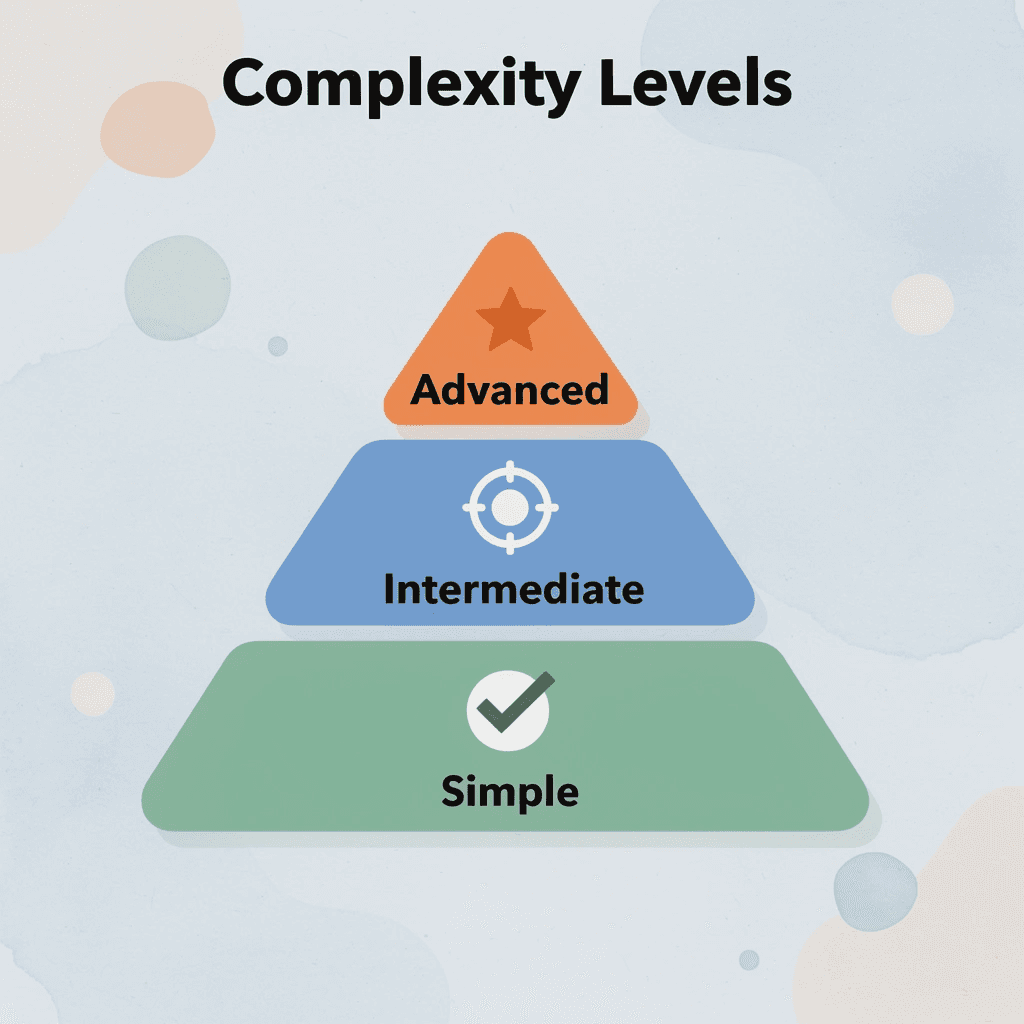
Start with simpler images (a single animal, a basic scene) where color choice is the primary creative decision. Gradually introduce more detailed pages with multiple elements, where the child can invent relationships between objects or imagine a story behind what they're coloring. A farm scene becomes a narrative about which animals are friends. A street scene becomes a story about where the people are going. The structure stays consistent while the creative demand increases.
🎯 Key Point: If you're looking for a practical way to build this progression, My Coloring Pages offers over 75,890 printable designs across every complexity level. Our collection helps parents and teachers match pages to a child's current creative comfort zone, then gradually introduce more detailed scenes as confidence grows.
🔑 Takeaway: The real value is giving children daily practice in making creative choices that matter, seeing immediate results, and building the internal belief that their ideas have worth. That's the foundation every other creative skill builds on.

Related Reading
- Is Creativity A Skill
- Creativity Toys For Toddlers
- Ai Vs Human Creativity
- Human Creativity
- Types Of Creativity