55 Creative Hobbies That Improve Mental Clarity for Adults
Creative hobbies that improve mental clarity await you. My Coloring Pages shares 55 proven ways to sharpen focus and reduce stress.

Creative hobbies that improve mental clarity do more than fill spare time. They quiet a busy mind, sharpen focus, and deliver a genuine sense of accomplishment that passive activities rarely provide. Drawing, painting, writing, or knitting each engage the brain in ways that build calm and concentration over time.
Coloring is one of the most accessible ways to start a mindful creative practice, requiring no prior skills and minimal setup. It works equally well for beginners drawn to simple designs and experienced enthusiasts who prefer intricate patterns. To make it easy to begin today, download 74,389+ free coloring pages from My Coloring Pages and find designs that match any mood or interest.
Table of Contents
- Do Creative Hobbies Improve Mental Clarity?
- What Happens When You Neglect Creativity
- How to Make Time for Hobbies as an Adult in 8 Ways
- How to Choose a Creative Hobby for Adults in 8 Steps
- 55 Creative Hobbies That Improve Mental Clarity for Adults
- Feeling Mentally Drained? Start With the Simplest Hobby on This List.
Summary
- Creative hobbies produce measurable physiological changes, not just subjective feelings of calm. Researchers at Drexel University found that 45 minutes of art-making reduced cortisol levels in 75% of participants, regardless of their artistic background. Because elevated cortisol actively impairs concentration and decision-making, reducing it through creative activity restores the cognitive conditions needed for clear thinking, not just a better mood.
- Creativity is a trainable skill, not a fixed personality trait. A 2024 meta-analysis published in Psychological Bulletin reviewed 169 studies and 844 effect sizes across five decades of research and found that creative thinking improves with practice. Roughly 70% of participants who received creativity training outperformed the average control group member, suggesting that cognitive flexibility grows the same way physical fitness does: through consistent use rather than innate ability.
- The timing of creativity's benefits matters more than most people realize. A 13-day diary study of 658 adults found that creative activity predicted improved mood and a stronger sense of flourishing the following day, and that the relationship operated only in one direction. Creativity improved well-being, but improved well-being did not predict more creativity. This asymmetry means waiting until you feel good before starting a creative practice is the wrong approach.
- Neglecting creative hobbies has compounding consequences that extend beyond missing a pleasant activity. Research published in the Journal of Occupational and Organizational Psychology found that employees who engaged in creative activities outside work experienced measurably stronger recovery from daily stress, and those recovery experiences directly predicted better performance the next day. Without that outlet, cortisol accumulates without a reliable release, and baseline stress quietly rises over time.
- The practical barriers to starting a creative hobby are smaller than most adults assume. Sketching requires a notebook and pencil, journaling costs nothing, and adult coloring can be picked up and set down in 20-minute windows without any setup or skill. Adults who have found the right creative outlet consistently describe the same markers, including time disappearing during sessions, quiet anticipation before the next one, and a general sense that things feel more manageable. Those signals are more reliable guides than talent or trend.
- Engaging in hobbies for at least two hours per week is linked to improved mental health outcomes, a threshold most people could reach with three 40-minute sessions spread across a week. According to a TIME report on hobbies and life satisfaction, that modest investment produces measurable protective effects against stress, low mood, and depression. The obstacle for most adults is not time itself but the belief that personal creative time requires justification before it counts.
- My Coloring Pages addresses the entry-point problem directly, giving anyone immediate access to 74,389+ free coloring pages that require no artistic skill, preparation, or financial commitment.
Do Creative Hobbies Improve Mental Clarity?
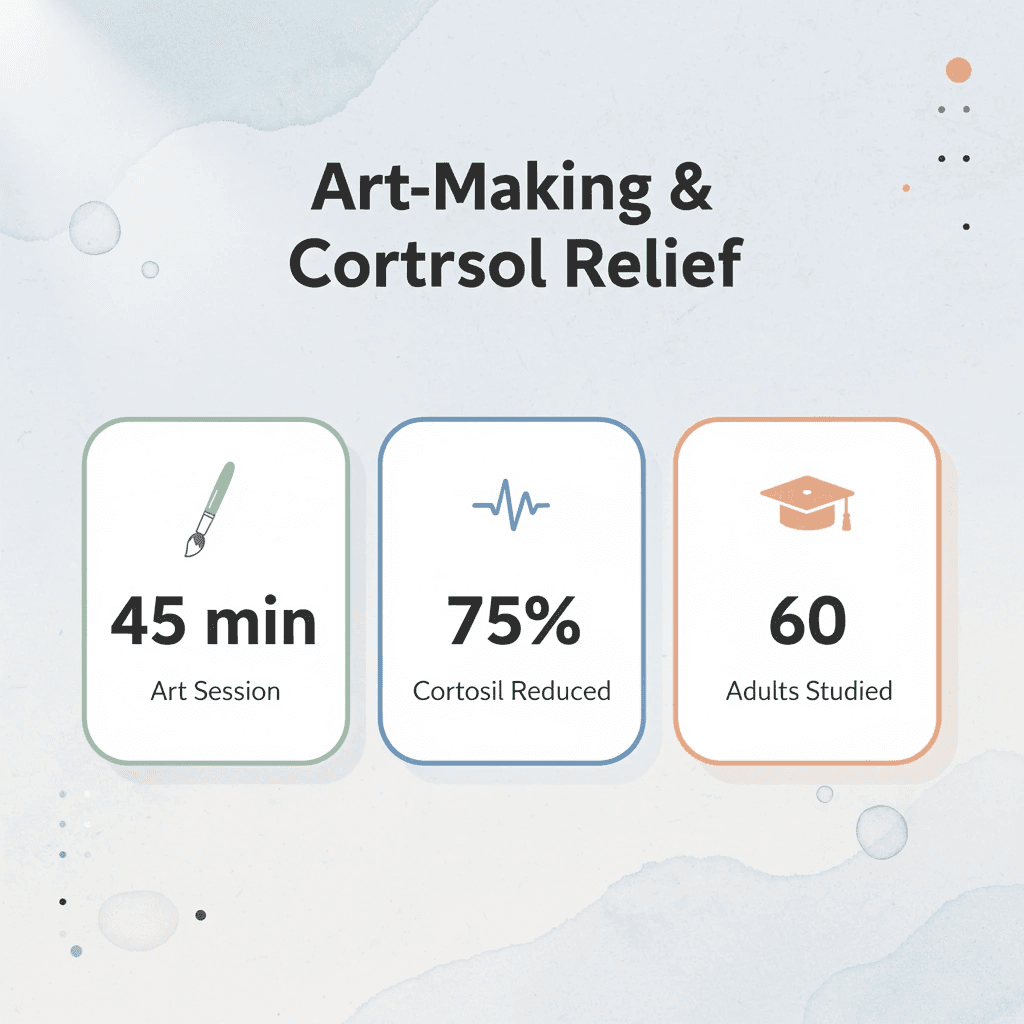
Creative hobbies improve mental clarity through measurable physiological changes. Researchers at Drexel University found that 45 minutes of art-making reduced cortisol levels in 75% of participants, regardless of artistic experience. A coloring page or sketchbook functions as a physiological reset, not a pastime.
"45 minutes of art-making reduced cortisol levels in 75% of participants — regardless of prior artistic experience." — Drexel University Researchers
🎯 Key Point: You don't need to be a skilled artist to benefit. Any creative activity lasting 45 minutes can trigger measurable stress reduction in the body.
Elevated cortisol degrades concentration, information processing, and decision-making — three pillars of genuine mental clarity. A 2024 study of 60 adults found that acute stress impaired divergent thinking — the critical cognitive skill that generates multiple solutions to problems. Reducing stress through creative activity restores the exact conditions your brain needs to function clearly.
Cortisol Impact | Cognitive Effect |
|---|---|
High cortisol | Impaired divergent thinking |
High cortisol | Reduced information processing |
High cortisol | Weakened decision-making |
Lowered cortisol | Restored mental clarity |
🔑 Takeaway: Stress isn't just an emotional problem — it's a neurological one. Creative hobbies act as a biological intervention, directly restoring the brain's capacity for clear, flexible thinking.
⚠️ Warning: Ignoring chronic stress doesn't just affect your mood — it actively erodes your cognitive performance over time.
Does creativity actually build cognitive strength over time?
A meta-analysis of 169 studies published in Psychological Bulletin in May 2024 found that creative thinking is a learnable skill, not an innate trait. You are either creative or not; you are someone who practices creative thinking or someone who hasn't started yet. Cognitive flexibility, the mental ability to shift perspectives and adapt to new information, strengthens with use.
Why does starting a creative hobby feel so immediately clarifying?
Many adults turn to brain-training apps when they feel mentally tired, but they overlook the recovery side of mental clarity: giving the brain structured space to reset rather than pushing harder. Most people who try a creative outlet for the first time report being surprised by how quickly their thinking sharpens, not because the activity was difficult, but because it quiets internal noise. Platforms like My Coloring Pages make that entry point frictionless, offering over 74,389 free printable coloring pages at varying levels of complexity and eliminating the barrier between intention and action.
What does the research say about next-day mental state?
According to a Harvard Health Publishing analysis of a 2023 study of 93,000 adults aged 65 and older, people who maintained hobbies reported better health, greater happiness, fewer depressive symptoms, and higher life satisfaction. A 13-day diary study of 658 adults found that creative activity predicted improved mood and flourishing the following day, with the relationship working in only one direction: creativity improved well-being, but improved well-being did not predict more creativity. You need not feel good before you start. Starting produces the feeling.
What shifts when you give yourself permission to treat creativity as maintenance?
According to the American Psychiatric Association's Healthy Minds Monthly Poll, 46% of Americans use creative activities to relieve stress or anxiety. The barrier isn't awareness; it's permission. Many view creative practice as a luxury rather than an essential for brain health. Once you grant yourself permission, the practice becomes a priority instead of something you pursue only when other obligations are complete. But what happens when you stop altogether? The answer is more unsettling than most people expect.
Related Reading
- Creative Hobbies For Adults
- Creative Hobbies
- Creative Hobbies For Women
- Creative Hobbies For Men
What Happens When You Neglect Creativity
Ignoring creativity takes away one of your brain's best tools for handling stress, staying mentally flexible, and feeling truly happy with your days.
"Creativity is not a luxury — it is a fundamental cognitive tool that supports stress resilience, emotional balance, and long-term mental well-being." — Psychology & Creativity Research
⚠️ Warning: When you consistently neglect creative outlets, you don't just lose a hobby — you lose a critical mental reset mechanism that your brain depends on to process emotion and reduce cognitive overload.
💡 Tip: Even 5–10 minutes of unstructured creative activity — drawing, writing, or brainstorming — can meaningfully restore your mental flexibility and lower stress levels throughout the day.
What Creativity Supports | What You Lose Without It |
|---|---|
Stress regulation | Higher anxiety and tension |
Mental flexibility | Rigid, stuck thinking patterns |
Emotional happiness | Reduced daily satisfaction |
Cognitive resilience | Slower recovery from pressure |
1. You May Struggle to Recover From Daily Stress
Most adults relax by scrolling or streaming. But watching things doesn't help your mind recover the way making something does. Research published in the Journal of Occupational and Organizational Psychology found that employees who regularly engaged in creative activities outside work experienced better recovery. They felt stronger mastery and control over their free time. These recovery experiences directly predicted better performance the next day. The gap between watching and making isn't about effort—it's about what your nervous system gains from each activity.
2. Your Stress Hormones Have Nowhere to Go
Skipping creative hobbies means missing a biological reset. Researchers at Drexel University measured cortisol levels in 39 adults before and after a 45-minute art-making session and found a statistically significant reduction in the body's primary stress hormone, regardless of artistic background. Without creative activity, cortisol accumulates, and your baseline stress level rises.
3. Your Mood Pays the Price Tomorrow, Not Just Today
A 13-day diary study of 658 adults in the Journal of Positive Psychology found that people reported greater positive emotions and stronger flourishing the day after engaging in creative activities. Critically, creativity predicted improved well-being, not the reverse. Skipping creative hobbies shapes how you feel the next morning. Most people assume creative hobbies require talent, equipment, or dedicated time. That assumption is the real barrier. Platforms like My Coloring Pages offer over 100,000 downloadable coloring pages requiring no artistic skill, allowing you to build a creative practice in minutes between other tasks.
4. Your Brain Gets Less Practice Staying Flexible
Cognitive flexibility—the ability to shift your thinking when a situation changes—weakens without use. A 2024 meta-analysis in Psychological Bulletin, examining 332 effect sizes, found that creativity training produced moderate improvements in creative performance, with roughly 70% of trained participants outperforming average control-group members. Without regular creative engagement, your brain loses opportunities to practice the thinking required to adapt, solve problems, and generate ideas under pressure.
5. Life Outside Work Starts to Feel Flat
Without a creative outlet, many adults drift into work, obligations, and passive screen time. Research involving 279 adults aged 40 to 84 found that participation in creative hobbies was positively associated with mental well-being and personal fulfillment across middle and older age. The relationship between creative engagement and purpose becomes more important, not less, as you age. The hardest part is not understanding why creativity matters, but finding the time for it in an already full life.
How to Make Time for Hobbies as an Adult in 8 Ways
Scheduling creativity changes what your days actually look like.
"Most adults treat hobbies as rewards earned after everything else is done — but that leftover time never comes." — A hard truth worth confronting
Approach | What Happens | Result |
|---|---|---|
Treat hobbies as rewards | Wait until all tasks are done | Never get to them |
Schedule hobbies as commitments | Block dedicated time upfront | Consistent creative practice |
Leave hobbies to chance | Scrolling and chores fill the gap | Zero progress |
💡 Tip: Even 15–30 minutes of intentionally blocked time on your calendar is enough to build a sustainable hobby habit — start small, but start deliberately.
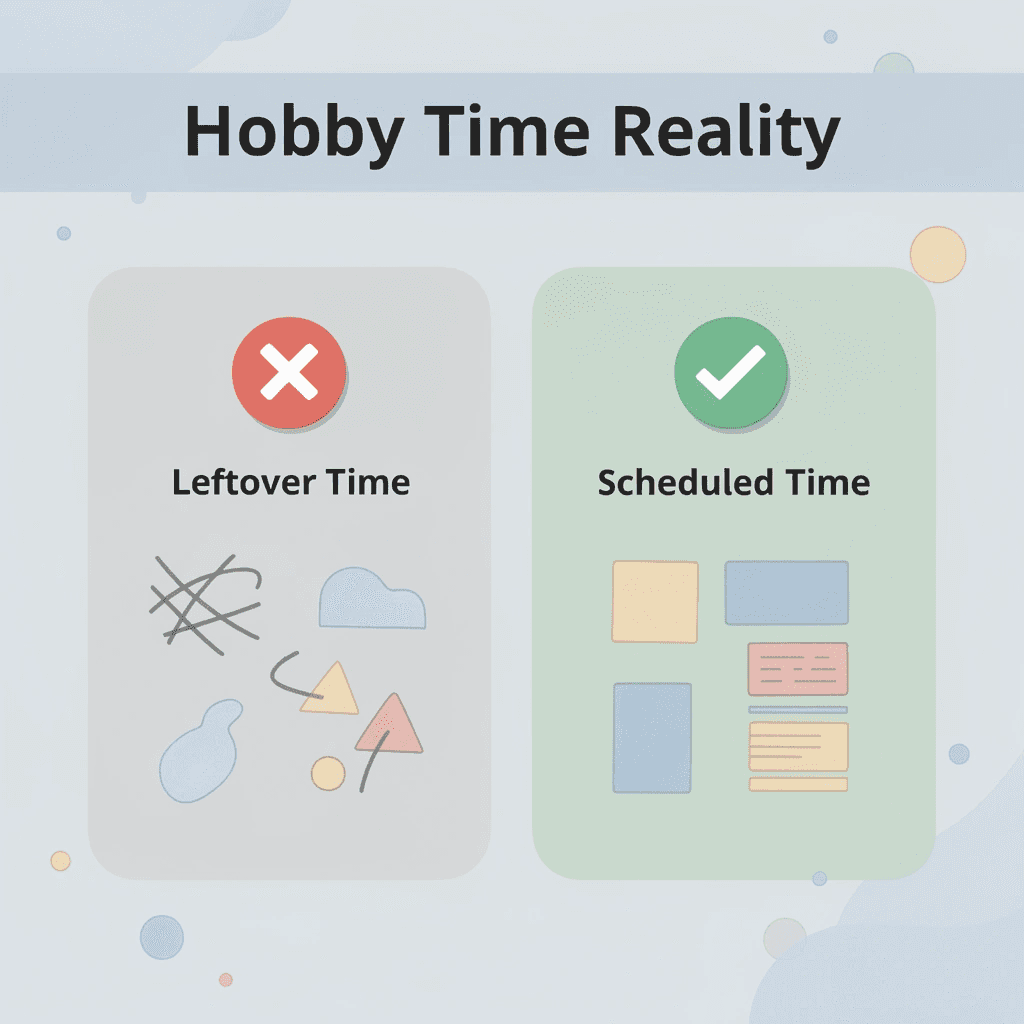
Most adults treat hobbies as rewards earned after everything else is done, but that leftover time never comes. Chores expand, work emails creep in, and mindless scrolling fills the gap. The real fix is treating your creative practice like any other commitment that matters.
🎯 Key Point: Your hobbies will never compete successfully against an unstructured to-do list. They need a protected time slot, not a standing invitation to be bumped.
⚠️ Warning: Waiting for a "free moment" is the #1 reason adults abandon hobbies entirely. Spontaneous free time is a myth; intentional scheduling is the only reliable solution.
1. Schedule It Like a Meeting
Block 20 to 30 minutes on your calendar and protect it. When something has a designated time slot, your brain stops treating it as optional: a creative session at 8 p.m. on Tuesday is harder to skip than a vague intention to "do something creative this week."
2. Start Smaller Than Feels Meaningful
A common pattern emerges among adults who struggle to build hobby habits: they assume each session must produce a finished product. It doesn't. Coloring two panels, writing a single paragraph, or knitting four rows builds the neural groove that makes tomorrow's session easier. Consistency beats intensity.
3. Redirect Screen Time Instead of Searching for Extra Hours
Most adults already have pockets of passive time—twenty minutes of social media after dinner is consumption without recovery. Redirecting even a fraction of that toward a hands-on creative activity changes the texture of your evening. According to Hustle Sanely® by Jess Massey, adults who have hobbies are 34% less likely to experience stress, low mood, and depression, making this swap measurably protective.
4. Remove Friction Before It Stops You
The failure point is usually not motivation—it's setup. When supplies are buried in a closet, every session begins with digging them out, which kills the urge to start. Leave your coloring book on the coffee table, your journal on the nightstand, your sketchpad next to the couch. Visible tools are an invitation your future self will accept.
Why does low-friction access make creative hobbies easier to start?
Digital entertainment wins after work because it requires nothing. But that low-friction pull makes creative hobbies feel harder than they are. Platforms like My Coloring Pages address this directly: with over 74,000 downloadable, printable coloring pages and an AI generator that creates custom designs in seconds, starting requires no preparation, artistic skill, or planning.
5. Stack Your Hobby Onto an Existing Habit
New behaviors stick fastest when anchored to existing automatic habits. Color while drinking your morning coffee. Journal after brushing your teeth at night. Sketch after dinner. The existing habit acts as a trigger, eliminating the need for willpower. This is how durable routines form.
6. Give Yourself Permission to Be a Beginner
Adults often quit hobbies within the first few weeks because they expect to be good at something before practicing it enough. Calligraphy looks awkward before it looks beautiful. Watercolor bleeds in unintended ways. That discomfort is not a signal to stop; it is the actual experience of learning, and every person who ever made something worth making passed through exactly that phase. The goal of a creative hobby is not a finished product you are proud to display, but the process of making something with your hands and attention, which offers its own form of mental restoration. Focus on enjoyment, and let output quality fall away.
7. Choose What You Actually Want to Do
Social pressure shapes hobby choices more than most people admit. Someone recommends watercolor painting, so you buy supplies. A trend makes macrame appealing, so you try it. But if the activity doesn't genuinely interest you, no scheduling trick will sustain it. The most durable hobby is one you find yourself thinking about between sessions.
How do you match a hobby to your actual temperament?
If you love calm, repetitive motion, coloring or knitting fits naturally. If you prefer solving visual problems, photography or woodworking keeps you engaged. If you want something expressive but low-commitment, journaling or sketching works without demanding a dedicated workspace. Matching the hobby to your temperament is the strategy.
8. Reframe the Guilt Around Taking Time for Yourself
Many adults believe time spent on hobbies is stolen from something more important. That belief is factually wrong. Research published in the Journal of Occupational and Organizational Psychology found that creative activity helps people recover from work demands and improves job performance. Your hobby session is not a detour from productivity; it is what makes sustained productivity possible.
How much time do you actually need to see a difference?
A TIME article on hobbies and life satisfaction reports that spending at least two hours per week on hobbies correlates with better mental health. Most people can achieve this with three 40-minute sessions spread across a week.
Why does specificity matter more than good intentions?
The eight strategies above are specific, and specificity separates intentions from habits. But knowing how to make time is only part of the answer. The harder question is figuring out which hobby is worth the time you are about to protect.
How to Choose a Creative Hobby for Adults in 8 Steps
Start with one honest question: why do you want a creative hobby? This single answer filters out noise and points you toward activities that will actually stick.
"The hobbies that last are the ones rooted in genuine motivation — not trends, not pressure, but personal purpose." — Psychology of Leisure Research
💡 Tip: Before browsing hobby lists or buying supplies, write down your 'why' in one sentence. Is it stress relief, self-expression, social connection, or skill-building? Your answer is your most powerful filter.
Motivation Type | Creative Hobbies That Fit | Why It Works |
|---|---|---|
Stress Relief | Painting, knitting, journaling | Repetitive, calming actions lower cortisol |
Self-Expression | Writing, illustration, music | Outlets for personal voice and emotion |
Social Connection | Pottery classes, improv, choir | Built-in community and shared experience |
Skill-Building | Photography, woodworking, coding, and art | Clear progression milestones keep you engaged |
🎯 Key Point: Skipping this foundational step is the #1 reason adults abandon hobbies within the first 30 days. Your true motivation is the difference between a hobby that transforms your life and one that collects dust.
⚠️ Warning: Choosing a hobby based on what looks impressive on social media — rather than what genuinely excites you — is a fast track to burnout. Always lead with authentic interest, not aesthetics.
1. Start With Your "Why"
Your reason for wanting a creative hobby shapes everything else. Someone seeking relaxation needs a different outlet than someone wanting social connection or a mental challenge. For calm, consider adult coloring, knitting, or embroidery. To express something you cannot easily say aloud, try painting, photography, or creative writing. To meet people, pottery workshops, choir, or improv classes put you in a room with others who share that goal. Knowing your "why" protects you from chasing trends. A hobby that is popular on social media but does not match your actual goal will feel empty within two weeks.
2. Choose Something Different From Your Daily Work
People who spend their days on screens, in spreadsheets, or in structured analytical thinking often burn out faster when their hobby mirrors that same mode. A graphic designer who comes home to digital illustration is not resting; they are switching tabs. Research links cross-domain transfer to enhanced creative thinking. When your brain engages in an unrelated domain, it builds new cognitive pathways that feed back into your primary work. A data analyst who spends evenings in a pottery class rewires how they approach problems.
3. Match the Hobby to Your Personality
Constraint-based thinking applies here: if you prefer quiet evenings alone, group improv classes will feel like punishment rather than restoration. If you thrive on social energy, solo journaling five nights a week will feel isolating rather than fulfilling. Ask yourself whether you prefer hands-on or conceptual work, structured instructions or open-ended exploration, detailed precision or broad creative freedom. A person who loves detail might gravitate toward embroidery or calligraphy, while someone who prefers big-picture thinking might find watercolor or creative writing more satisfying. Matching a hobby to personality reduces the friction that causes most people to quit.
4. Start With a Low-Cost Entry Point
The financial barrier stops more people than the skill barrier does. Adults often avoid trying new things because they assume they'll need to spend a significant amount of money before discovering whether they'll enjoy the activity. This assumption is costly.
Which hobbies can you try without spending money?
Sketching requires a notebook and a pencil. Journaling costs nothing beyond what you already own. Phone photography, origami, and digital drawing apps offer easy, nearly free entry points. Once you've spent two or three weeks with an activity and confirmed you genuinely look forward to it, investing in better tools makes sense. Before that, it's just a guess with a receipt. Sometimes, Homemade lists 51 activities for adult relaxation and personal growth, a useful reminder that most options require minimal financial commitment to explore.
5. Drop the Talent Myth
A common misconception is that creative hobbies are only for people who are already good at them. This belief stops more adults from starting than any other obstacle. Skill level has almost no effect on whether a creative activity reduces stress or improves your mood. A Drexel University study found that 39 adults aged 18 to 59 experienced significant reductions in cortisol after 45 minutes of art-making, with beginners benefiting as much as experienced artists. The process carries the value, not the output. Your first coloring page, sketch, or knitted row doesn't need to be impressive—it needs to exist.
6. Experiment Before You Commit
The right creative outlet is rarely found on the first try. Spend one to two weeks with an activity before deciding whether it fits. If it doesn't resonate, move on without guilt. The goal is to find something that makes Tuesday evening feel different from Tuesday morning. Most adults find adult coloring a low-barrier starting point. My Coloring Pages offers over 100,000 downloadable, printable coloring pages and an AI generator that creates custom pages in seconds, letting you test the activity without upfront investment or artistic skill.
7. Trust How It Makes You Feel
The best sign that a hobby is right for you is how you feel while doing it and afterward. Adults who have found the right creative hobby describe it consistently: things feel manageable, time disappears, and quiet anticipation precedes the next session rather than a sense of obligation. Pay attention to whether the activity leaves you relaxed, curious, or energized. If you finish thinking about the next session, that signals a good fit. If you feel relieved that it is over, that is also useful information.
8. Choose What Fits Your Actual Life
A hobby becomes a habit only when it fits your actual life, not an idealized version of it. If your schedule is packed, choose activities you can start and stop in 20-minute windows: adult coloring, crochet, journaling, sketching. If weekends offer more space, pottery, woodworking, or longer sewing projects become possible. Whether the hobby works with your schedule isn't trivial; it's the deciding factor between a hobby that lasts and one you abandon after three weeks.
How Do You Know You Have Found the Right One?
You lose track of time. You look forward to the next session. You enjoy the process without fixating on the finished result. You notice gradual improvement without feeling pressured by it. According to the Jenna Rainey Blog, these emotional markers are more reliable guides than talent, trends, or others' opinions. A hobby need not be productive; it must be meaningful enough to draw you back to it. The simplest hobby on this list might be the most surprising place to start.
Related Reading
- Creative Hobbies That Improve Mental Clarity
- Creative Hobbies For Seniors
- Creative Hobbies To Try
- Fun Creative Hobbies
55 Creative Hobbies That Improve Mental Clarity for Adults
1. Adult Coloring Pages (My Coloring Pages)
Adult coloring is one of the easiest creative hobbies to start because it requires no artistic experience or expensive supplies. Focusing on colors and patterns and staying within the lines encourages your brain to concentrate on one task at a time, giving it a break from constant multitasking and digital distractions. It's an excellent choice for adults who want a relaxing hobby they can enjoy in just 10–15 minutes.
2. Mandala Coloring
Mandalas feature repeating geometric patterns that encourage slow, repetitive coloring. Many people find the symmetrical designs calming because they naturally draw your attention toward the present moment, making them ideal when your mind feels busy or overwhelmed.
3. Pencil Sketching
Sketching encourages careful observation rather than rushing through tasks. Whether you're drawing objects, people, or landscapes, your brain has to slow down, notice details, and translate them onto paper, making it an excellent exercise for focus and concentration.
4. Watercolor Painting
Unlike many other art forms, watercolor requires patience because the paint naturally spreads and blends. Learning to work with the medium encourages you to slow down, accept imperfections, and stay fully engaged in the creative process instead of worrying about the final result.
5. Acrylic Painting
Acrylic paints dry quickly, allowing you to experiment with colors, textures, and techniques without waiting long between layers. This makes it a great hobby for adults who enjoy expressing themselves while developing creative problem-solving skills.
6. Gouache Painting
Gouache combines the smooth blending of watercolor with the bold coverage of acrylic paint. It allows you to easily paint over mistakes, encouraging experimentation and reducing the pressure to make every brushstroke perfect.
7. Digital Illustration
Using a tablet or drawing app lets you create artwork without worrying about wasting paper or supplies. Features like unlimited undo buttons encourage experimentation and creativity, making digital illustration ideal for beginners who want to practice regularly.
8. Calligraphy
Calligraphy involves creating decorative letters using slow, controlled pen movements. Because each stroke requires precision and patience, it naturally fosters deep concentration and helps you disconnect from everyday distractions.
9. Hand Lettering
Unlike traditional calligraphy, hand lettering focuses on drawing letters rather than writing them. It combines creativity with design, making it an enjoyable hobby for adults who like creating greeting cards, journals, or personalized artwork.
10. Zentangle Art
Zentangle is a structured drawing method that uses repetitive patterns to create intricate designs. Since there are no mistakes or predetermined outcomes, it encourages relaxation while giving your mind a single point of focus, making it particularly helpful when you feel mentally overwhelmed.
11. Creative Journaling
Creative journaling goes beyond writing about your day—it combines words, doodles, stickers, colors, and personal reflections. Unlike traditional journaling, there are no rules, making it a low-pressure way to organize your thoughts and express emotions. If your mind constantly feels cluttered with unfinished tasks or worries, creative journaling gives those thoughts a place to go instead of letting them loop in your head.
12. Gratitude Journaling
Gratitude journaling involves regularly writing down things you're thankful for, whether it's a meaningful conversation, a beautiful sunset, or a personal achievement. This simple habit helps shift your attention away from daily stressors and toward positive experiences, making it easier to end the day with a calmer, clearer mindset.
13. Creative Writing
Whether you're writing a short story, a fantasy novel, or flash fiction, creative writing encourages your brain to imagine new worlds, solve narrative problems, and think beyond everyday routines. It's an excellent hobby for adults who enjoy storytelling and want to strengthen both creativity and mental flexibility.
14. Poetry Writing
Poetry challenges you to express complex emotions and ideas using carefully chosen words. Because every line matters, writing poetry encourages slower, more intentional thinking while helping you reflect on experiences from new perspectives.
15. Short Story Writing
Creating fictional characters and plots requires planning, imagination, and problem-solving. Each story asks your brain to connect ideas, develop conflicts, and find satisfying resolutions, making it an engaging mental workout and a creative escape from everyday life.
16. Bullet Journaling
Bullet journaling combines productivity with creativity by allowing you to design planners, trackers, calendars, and habit logs that reflect your personal style. Decorating pages with colors, icons, and illustrations makes planning feel less overwhelming while helping organize daily responsibilities more clearly.
17. Nature Journaling
Nature journaling combines observation, sketching, and writing while exploring parks, gardens, or hiking trails. Recording what you see encourages mindfulness and helps you slow down enough to notice details that often go unnoticed during busy days.
18. Letter Writing
Writing handwritten letters to friends, family, or even your future self is a creative hobby that encourages thoughtful communication. Unlike instant messaging, letter writing slows the pace of conversation and allows you to fully focus on expressing your thoughts without distractions.
19. Comic Creation
Creating comics combines storytelling with illustration. Even simple stick figures require you to think about characters, dialogue, pacing, and visual storytelling, making it a fun hobby that exercises both your artistic and problem-solving skills.
20. Scriptwriting
If you enjoy movies, television, or theater, scriptwriting is a rewarding creative outlet. Writing dialogue, planning scenes, and developing characters require you to think critically about how stories unfold while encouraging creative thinking and imagination.
21. Crochet
Crochet uses repetitive hand movements to create blankets, scarves, toys, and decorations from yarn. Many adults find the rhythmic nature of crocheting relaxing because it encourages sustained attention without feeling mentally exhausting. Watching a project gradually take shape also creates a satisfying sense of accomplishment.
22. Knitting
Knitting is another calming fiber craft that combines repetitive movements with creative design. Following patterns keeps your brain gently engaged, while the repetitive stitching creates a steady rhythm that many people find soothing after a stressful day.
23. Embroidery
Embroidery transforms ordinary fabric into decorative artwork using colorful thread and carefully placed stitches. Because each stitch requires patience and precision, embroidery naturally encourages you to slow down and focus on the present moment rather than racing through tasks.
24. Cross Stitch
Cross-stitch is ideal for adults who enjoy structure and clear goals. Following a pattern, one stitch at a time, encourages concentration, while completing sections of the design provides a steady sense of progress and achievement.
25. Sewing
Whether you're repairing clothes, making tote bags, or designing your own garments, sewing combines creativity with practical problem-solving. Every project requires planning, measuring, and experimenting, making it both mentally stimulating and personally rewarding.
26. Quilting
Quilting combines sewing, color selection, and pattern design into one creative hobby. Arranging different fabrics into unique designs encourages visual planning and attention to detail while giving you the satisfaction of creating something both beautiful and useful.
27. Pottery
Working with clay is a hands-on hobby that requires patience, focus, and experimentation. Whether you're hand-building bowls or throwing pottery on a wheel, shaping clay encourages you to concentrate fully on the physical process, providing a welcome break from screens and mental overload.
28. Clay Sculpting
Unlike pottery, clay sculpting allows complete creative freedom without the need to make functional objects. You can create animals, miniature figures, home décor, or abstract art while strengthening your spatial thinking and imagination.
29. Candle Making
Candle making combines creativity with simple science as you experiment with waxes, fragrances, colors, and molds. It's an enjoyable hobby for adults who like making personalized gifts while engaging in a calm, step-by-step creative process.
30. Soap Making
Soap making lets you design unique soaps using different scents, colors, textures, and botanical ingredients. Following recipes while experimenting with creative designs keeps your mind engaged and results in practical products you can use or gift to others.
31. Origami
Origami, the Japanese art of paper folding, transforms a simple sheet of paper into intricate animals, flowers, and geometric shapes. Because every fold builds on the previous one, it requires careful attention and patience. Following step-by-step instructions helps train your brain to focus on one task at a time, making origami an excellent hobby for adults who want a break from multitasking.
32. Paper Quilling
Paper quilling involves rolling, shaping, and gluing thin strips of paper into decorative patterns and artwork. Although the technique is simple to learn, creating detailed designs requires precision and concentration. It's a relaxing hobby that rewards patience while encouraging creativity.
33. Scrapbooking
Scrapbooking combines photographs, decorative paper, stickers, handwritten notes, and embellishments to preserve memories in a creative way. Organizing meaningful moments while designing unique layouts can be both emotionally rewarding and mentally engaging, giving your mind a chance to focus on positive experiences instead of daily stress.
34. Card Making
Designing handmade greeting cards allows you to experiment with colors, stamps, watercolor, calligraphy, and paper crafts. Because every card is personalized, the creative process feels meaningful while encouraging attention to detail and thoughtful expression.
35. Junk Journaling
Junk journaling turns everyday items—old tickets, magazines, wrapping paper, postcards, fabric scraps, and receipts—into artistic journal pages. There are no strict rules, making it a perfect hobby for adults who enjoy experimenting without worrying about perfection.
36. Paper Flower Making
Creating paper flowers combines folding, cutting, and shaping techniques to produce realistic or decorative blooms. It encourages patience and precision while offering a creative project that can brighten your home or make a handmade gift.
37. Vision Board Creation
A vision board is a collage of images, quotes, and goals that represent your dreams or future plans. While it's often associated with goal setting, the creative process of selecting visuals, arranging layouts, and designing your board can also help organize your thoughts and clarify what matters most to you.
38. Learning the Piano
Playing the piano combines reading music, coordinating both hands, listening carefully, and remembering patterns—all at the same time. Whether you're learning classical pieces or your favorite songs, practicing regularly gives your brain a challenging yet rewarding mental workout.
39. Learning Guitar
Learning guitar encourages patience as you develop finger coordination, rhythm, and musical memory. Every new chord and song provides a small sense of achievement, making it easier to stay motivated while giving your mind a healthy distraction from everyday worries.
40. Playing the Ukulele
The ukulele is one of the easiest musical instruments for beginners to learn. Its simple chords and lightweight design make it less intimidating than many other instruments, allowing adults to enjoy making music without a steep learning curve.
41. Singing
Singing is a creative outlet that combines breathing, rhythm, memory, and emotional expression. Whether you sing in a choir or simply along with your favorite playlist, it offers a chance to focus completely on the music rather than the stresses of the day.
42. Songwriting
Songwriting encourages you to combine storytelling, emotion, rhythm, and melody into something uniquely your own. It challenges both the analytical and creative sides of your brain, making it an excellent hobby for adults who enjoy expressing themselves through music.
43. Music Production
Creating digital music involves arranging beats, experimenting with sounds, recording vocals, and editing tracks. It's a hobby that blends creativity with technology, making it especially appealing for adults who enjoy both artistic expression and learning new software.
44. Dance Choreography
Creating your own dance routines requires creativity, rhythm, planning, and movement. Whether you're choreographing for fun or simply dancing at home, developing routines encourages your brain to think creatively while staying physically active.
45. Photography
Photography teaches you to slow down and notice details that others often overlook. Instead of rushing through your surroundings, you begin paying attention to lighting, colors, textures, and interesting compositions. This shift in perspective can make everyday environments feel more engaging and inspiring.
46. Nature Photography
Nature photography combines creativity with time outdoors. Searching for interesting plants, wildlife, landscapes, or changing seasons encourages careful observation while giving you an opportunity to disconnect from screens and spend more time in natural environments.
47. Photo Editing
Editing photos allows you to experiment with color, lighting, cropping, and composition to create a final image that reflects your vision. Because there are many possible creative choices, photo editing keeps your mind actively engaged while helping you develop an eye for design.
48. Graphic Design
Graphic design involves combining text, images, colors, and layouts to communicate ideas visually. Whether you're designing posters, social media graphics, or logos, each project encourages creative problem-solving and thoughtful decision-making.
49. Interior Decorating
Rearranging furniture, choosing color palettes, or creating DIY home décor projects lets you express creativity in your everyday surroundings. Even small changes to a room can make your space feel more inspiring while giving your brain an enjoyable design challenge.
50. Gardening
Gardening is a creative hobby because it involves designing outdoor spaces, choosing plants, and watching your ideas grow over time. Planning flower beds, arranging containers, or creating a vegetable garden combines creativity with hands-on activity and encourages you to slow down and connect with nature.
51. Floral Arranging
Floral arranging allows you to experiment with colors, textures, and shapes to create beautiful bouquets or centerpieces. It encourages creativity while helping you focus on balance, composition, and visual harmony.
52. Woodworking
Woodworking transforms raw materials into practical or decorative items through measuring, cutting, sanding, and assembling. Every project requires planning and creative thinking, making it a satisfying hobby for adults who enjoy working with their hands.
53. DIY Home Décor
From painting furniture to creating wall art, DIY home décor allows you to personalize your living space while learning new creative skills. Completing projects yourself also fosters a strong sense of accomplishment, as you can enjoy your work every day.
54. LEGO Building for Adults
Modern LEGO sets designed for adults feature detailed architecture, vehicles, artwork, and botanical collections that can take hours to complete. Building them requires concentration, patience, and spatial reasoning, making LEGO an enjoyable screen-free hobby that keeps your mind fully engaged.
55. Mosaic Art
Mosaic art involves arranging small pieces of glass, ceramic, stone, or tiles into decorative patterns and pictures. Because every piece must be placed thoughtfully, the process encourages patience, careful planning, and sustained focus. The gradual transformation from scattered pieces into a finished artwork is both relaxing and deeply satisfying.
Feeling Mentally Drained? Start With the Simplest Hobby on This List.
If your brain feels full but unproductive, the problem is often the absence of a low-stakes creative outlet. Adult coloring fits that description perfectly. You need no technique, course, or hour-long commitment. Ten minutes, a printed page, and a few colored pencils shift your nervous system out of reactive mode.
"You don't need a complex hobby — you need a frictionless one. Ten minutes and a printed page can reset an overstimulated mind." — Mental wellness principle
💡 Tip: If you're feeling overwhelmed, adult coloring is one of the fastest ways to create a mental reset with no skill, setup, or pressure required.
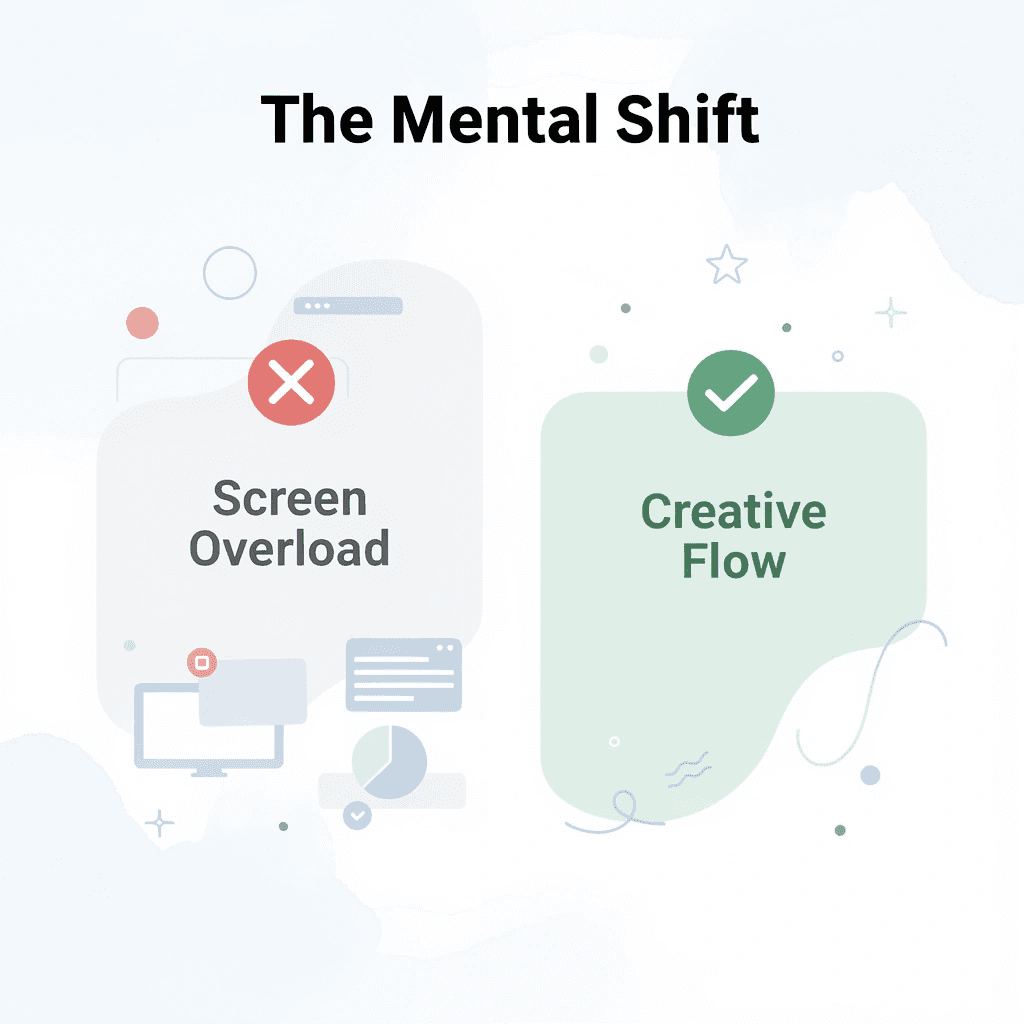
Most people assume starting a creative hobby means committing to something difficult, which stops them before they even begin. My Coloring Pages offers 74,389+ free printable coloring pages designed for exactly this moment — when you want to build a screen-free creative habit without adding pressure to an already full schedule. Print one page tonight and treat it as a reset, not a project.
🎯 Key Point: With 74,389+ free printable pages, there is zero barrier to starting — no cost, no commitment, and no learning curve standing between you and your first creative reset.
What You Need | What You Don't Need |
|---|---|
10 minutes of free time | An hour-long commitment |
A printed page | Expensive art supplies |
A few colored pencils | Any prior art experience |
A printer or a phone | A paid course or tutorial |
⚠️ Warning: Don't let perfectionism turn a simple reset habit into another item on your to-do list — the entire point is low pressure, high reward.
Related Reading
- Creative Hobbies To Try At Home
- Cheap Creative Hobbies
- Easy Creative Hobbies