55 Creative Hobbies to Try at Home for Adults
This article walks you through some of the best creative hobbies to try at home, with practical ideas to help you get started fast.

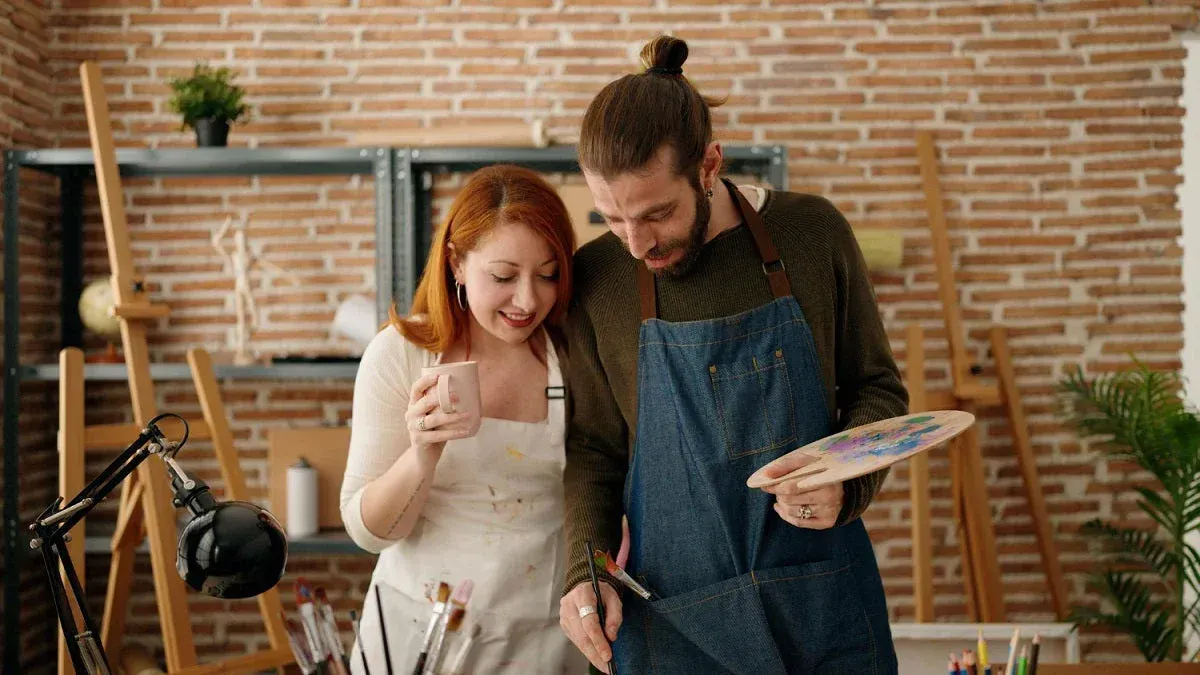
Have you ever found yourself with free time at home and no idea how to spend it well? Creative hobbies like painting, knitting, journaling, and drawing give you a real way to unwind, build new skills, and make something with your hands. This article walks you through some of the best creative hobbies to try at home, with practical ideas to help you get started fast, including ways to get customized worksheets and coloring pages that make the process easier and more fun.
One of the simplest ways to jump into a new hobby is to start with something ready to use, and that is exactly what My Coloring Pages offers. With over 74,389 free coloring pages available to download, you get instant access to a wide range of designs, from intricate patterns for adults to playful scenes for kids, covering everything from DIY crafts and art projects to educational worksheets. Whether you are exploring hand lettering, trying watercolor techniques, or looking for quiet activities the whole family can enjoy, having the right materials ready makes it far easier to pick up a new creative habit and stick with it.
Summary
• Creative hobbies like drawing, coloring, knitting, and journaling carry measurable mental health benefits that researchers have now confirmed at scale. A 2024 study published in Frontiers in Public Health, analyzing data from 7,182 adults aged 50 and older, found that regular participation in arts and crafts was associated with significantly higher life satisfaction, with the well-being benefit comparable in size to the effect of being employed. A separate study in Nature Mental Health, drawing on more than 93,000 participants, confirmed similar findings across all genders, age groups, and socioeconomic backgrounds.
• The barrier to starting a creative hobby at home is lower than most people assume. The majority of home-based creative activities, including coloring, sketching, journaling, and basic watercolor, require nothing more than inexpensive supplies and a flat surface. Research consistently shows that the act of making something is what rebuilds motivation, not the other way around, which means waiting until you feel ready or skilled is one of the most reliable ways to never begin.
• Environment shapes whether a creative habit actually sticks. When supplies are visible and within reach, the decision to create instead of scroll becomes significantly easier. A basket of yarn near the couch, a sketchbook on the coffee table, or a folder of printable pages beside a favorite chair reduces friction enough to change behavior. Most people do not stop being creative because they lose interest; they stop because the setup quietly wins every time.
• Passive entertainment creates a different kind of fatigue than people expect. Two hours of scrolling or streaming may feel like rest, but many adults finish the evening with a sense of emptiness because the brain needs engagement, not just stillness. Creative hobbies give the mind an actual problem to solve or a page to fill, and that distinction between passive consumption and active creation accounts for much of the difference in how people feel at the end of the night.
• Choosing the right hobby matters more than choosing the most popular one. Activities that match a person's available time, physical space, and current energy level are far more likely to become sustainable habits. Compact activities like coloring, doodling, or journaling fit a ten-minute window on a Tuesday evening, while longer uninterrupted blocks suit painting or sewing. Matching the hobby to actual conditions rather than ideal ones is what separates a lasting practice from a shelf of abandoned supplies.
• Consistency produces more lasting benefit than intensity. A 2023 study published in the Journal of Epidemiology and Community Health, involving 3,725 US adults across five months of the COVID-19 pandemic, underscored how reliably people turn to home-based creative outlets during periods of stress. A 45-minute coloring session three times a week builds more than a single ambitious project completed once and never returned to. The goal is not to create something impressive; it is to create something, regularly, and let that repetition do its work.
• My Coloring Pages addresses the friction of getting started by offering download 74,389+ free coloring pages across a wide range of themes and difficulty levels, giving adults and families an immediate, low-barrier entry point into home-based creative hobbies without requiring supplies, design skills, or setup time.
Table of Contents
- Can You Do Creative Hobbies at Home?
- How to Start Creative Hobbies at Home in 7 Ways
- How to Choose Creative Hobbies at Home
- 55 Creative Hobbies to Try at Home for Adults
- Bring Creativity Home, Starting Today
Can You Do Creative Hobbies at Home?
You do not need a studio, a class, or a significant budget to build a genuine creative practice. Home-based creative hobbies, including sketching, watercolor painting, hand lettering, knitting, origami, journaling, and coloring, deliver measurable mental health benefits that researchers have now confirmed across tens of thousands of participants, regardless of age, income, or prior experience.
What the research actually shows
A study published in Frontiers in Public Health (2024) analyzed data from 7,182 adults aged 50 and older and found that people who regularly participated in arts and crafts activities reported significantly higher life satisfaction compared with those who did not. The well-being benefit was comparable in size to the effect of being employed. That is not a minor finding. It means that picking up a sketchbook at your kitchen table carries the kind of psychological weight most people associate with major life changes, not quiet Tuesday evenings at home.
The same pattern holds across broader populations. A separate large-scale study published in Nature Mental Health (2024), drawing on more than 93,000 participants, confirmed that engaging in creative activities at home was associated with better mental health and greater feelings that life is worthwhile, across all genders, age groups, and socioeconomic backgrounds. According to [Psychology Today](https://www.psychologytoday.com/us/blog/our-youths-well-being/202607/trade-screen-time-for-a-creative-hobby), creative hobbies can strengthen your mind, build self-esteem, and make life more meaningful. The evidence is not anecdotal anymore.
The barrier is lower than most people think
Many adults who want to try a creative hobby at home assume they need to feel motivated, skilled, or energized before they begin. That assumption is exactly what keeps people stuck. People recovering from illness or exhaustion often describe losing their creative drive entirely, feeling as though that part of their identity simply disappeared. What the research suggests, and what many people discover only after starting, is that the act of making something, even something simple and imperfect, is what rebuilds the drive, not the other way around.
Most home-based creative hobbies require nothing more than inexpensive supplies and a flat surface. Coloring, doodling, basic watercolor, and journaling can all be started within minutes. For people who find the blank page intimidating, platforms like [My Coloring Pages](mycoloringpages.ai) remove that first obstacle entirely: you describe an idea, and a print-ready page appears in seconds, no artistic background required. That kind of low-friction entry point matters enormously when energy is limited and motivation is fragile.
According to a [study published in the Journal of Epidemiology and Community Health (Bone et al., 2023)](https://pmc.ncbi.nlm.nih.gov/articles/PMC10086468/), 3,725 US adults participated in research on creative leisure activities and mental health across five months of the COVID-19 pandemic, underscoring just how consistently people turn to home-based creative outlets during periods of stress and disruption. Consistency, not intensity, is what produces lasting benefit. A 45-minute coloring session three times a week builds more than a single ambitious art project abandoned after one sitting. And here is where the conversation about creative hobbies gets more interesting than most people expect.
Why Adults Need a Creative Corner at Home
Your home was never meant to be a place you simply survive. But for most adults, that is exactly what it has become: a location for finishing tasks, recovering from the day, and cycling through the same passive routines until sleep arrives. When every corner of your home is tied to obligation or consumption, the space stops feeling like yours. It becomes functional but not fulfilling.
Passive entertainment is a quiet thief. Two hours of scrolling or streaming can feel like rest, but many people finish the evening with a strange emptiness, physically still but mentally untouched by anything meaningful. The brain needs more than rest; it needs engagement. Creative hobbies like drawing, coloring, journaling, or knitting give your mind something to actually do, a problem to solve, a page to fill, a shape to form. That distinction between passive consumption and active creation is where the real difference in how you feel at the end of the night lives.
What a Creative Corner Actually Does for Your Routine
According to [The Oregonian](https://www.facebook.com/theoregonian/posts/research-shows-one-in-seven-adults-globally-engage-in-arts-and-crafts-to-unwind-/1420317753476712/), 1 in 7 adults globally engage in arts and crafts to unwind, which suggests that the impulse to create at home is far more widespread than most people admit out loud. What that number points to is a quiet truth: people are already looking for this. They are already carving out small pockets of creative time because something in them recognizes that passive entertainment alone is not enough. The problem is not desire. It is access and habit.
That is where the environment does the heavy lifting. A creative corner does not require a dedicated room or expensive supplies. A sketchbook on the coffee table, a basket of yarn near the couch, or a folder of printable coloring pages beside your favorite chair lowers the barrier enough that you actually use them. Most people do not stop being creative because they lose interest; they stop because the friction of getting started quietly wins every time. Most adults find that when their DIY craft supplies or coloring materials are already visible and within reach, the decision to create instead of scroll becomes almost effortless.
The familiar pattern is to wait until you have more time, more space, or more skill before starting a home-based creative hobby. That wait rarely ends. Solutions like [My Coloring Pages](mycoloringpages.ai) address that friction directly, offering a library of over 100,000 downloadable coloring pages that anyone can personalize and print in seconds, with no design background needed. For adults who want a low-barrier entry point into creative hobbies at home, having a ready-made, customizable creative outlet removes the excuse of setup entirely.
The Long-Term Cost of Skipping It
The failure point is usually invisibility. Nobody decides to stop being creative; they just never make room for it, and weeks become months. Over time, those missed evenings accumulate into a version of home life that feels oddly flat, full of activity but short on meaning. Replacing even a fraction of nightly screen time with a hands-on hobby, whether that is origami, hand lettering, watercolor sketching, or coloring, produces something the evening of scrolling never does: a finished thing you made. That shift, small as it sounds, changes how your home feels to live in. The surprising part is not how much creative time you need. It is how little it takes to change the whole texture of your week.
Related Reading
- Creative Hobbies For Adults
- Creative Hobbies
- Creative Hobbies For Women
- Creative Hobbies For Men
How to Start Creative Hobbies at Home in 7 Ways
Starting a creative hobby at home does not require a dramatic life overhaul. It requires a smaller decision than most people expect, made once, and then repeated.
1. Choose One Hobby, Not Five
The temptation to buy supplies for painting, crochet, journaling, and pottery all in the same week is real, and it almost always ends the same way: a cluttered shelf and nothing finished. Decision fatigue is not a personality flaw; it is what happens when too many options compete for the same limited attention. Pick one hobby that genuinely pulls at you, commit to it for two to three weeks, and let it settle into your routine before you consider anything else.
2. Start With What You Already Own
A common pattern surfaces before people even begin: they convince themselves they need the full kit before they can start. In practice, most creative hobbies at home need almost nothing to get going. Colored pencils and printer paper cover coloring and origami. A notebook and pen handle journaling. Your smartphone is a capable photography tool. Old magazines become collage material. Using what you already own removes the financial pressure and, more usefully, removes the excuse.
3. Build a Small Creative Corner
The failure point is usually not motivation. It is friction. When your supplies are buried in a closet or packed into a box, the couch and your phone will always win. A basket beside the sofa, a small desk near a window, a drawer dedicated to art supplies, or a rolling cart with your favorite craft materials changes the equation. Visible supplies become an invitation. Hidden supplies become forgotten ones.
Most people who start coloring as a hobby run into a quieter version of this problem: they find generic, pre-packaged pages that feel impersonal and quickly lose interest. A platform like [My Coloring Pages](mycoloringpages.ai), which lets you describe an idea or upload a photo and generate a print-ready page in seconds, removes that friction entirely. When the page in front of you is one you actually chose or created, picking up the pencils feels less like a task and more like a continuation of something you already care about.
4. Make Your First Project Tiny
Adults quit creative hobbies early because the first project feels too large to finish. The fix is not more motivation; it is a smaller project. Complete one coloring page. Fold one origami crane. Write one journal entry. Sketch your favorite mug. The point is not the output; it is the experience of finishing something, because that small win is what makes you want to come back the next evening.
According to [Classpop! Magazine's creative hobbies guide](https://www.classpop.com/magazine/creative-hobbies), there are 69 distinct creative hobbies worth exploring in 2026, which means the real challenge is never a shortage of options. It is narrowing down to one that fits your actual life right now, starting at a scale you can realistically complete, and building from there.
5. Schedule It Like an Appointment
Waiting to feel creative is a reliable way to never be creative. After a long day, most people default to whatever requires the least decision-making, and scrolling wins that competition every time. Block out 15 to 20 minutes on a few evenings each week and treat that block the way you would treat a meeting you cannot skip. A consistent schedule beats motivation every single time, because motivation is weather-dependent and a calendar appointment is not.
6. Let Yourself Be a Beginner
The fastest way to abandon a new hobby is to compare your first attempt to someone else's fifth year of practice. Every skilled watercolor artist, hand letterer, or paper crafter started with something imperfect and slightly embarrassing. The goal of a creative hobby at home is not to impress anyone. It is to build a practice that helps you decompress, experiment, and express something that does not have a deadline or a grade attached to it. As the Interior Design Institute notes, you do not need professional skill to begin; experimenting without fear of mistakes is how you discover what you actually enjoy.
7. Match the Hobby to Your Real Life
The best creative hobby is not the one trending on social media. It is the one you will actually return to on a Tuesday night when you are tired. If you have ten minutes, coloring, doodling, or journaling fits. If you enjoy working with your hands, crochet, clay sculpting, or DIY paper crafts are worth exploring. If decorating your home matters to you, watercolor painting or handmade paper flowers serve double duty. [Cosmopolitan UK](https://www.cosmopolitan.com/uk/lifestyle/a69381252/hobby-ideas-for-adults-2025/) lists 40 hobby ideas for adults worth trying in 2025, but the right filter is always the same: does this fit your schedule, your space, and the kind of satisfaction you are actually looking for?
When your hobby matches your lifestyle instead of fighting it, it stops feeling like something you should do and starts feeling like something you actually want to do. That shift is small in theory and enormous in practice. But picking the right hobby turns out to be more complicated than most people expect, and the reason why might surprise you.
Related Reading
• Creative Hobbies That Improve Mental Clarity
• Creative Hobbies For Seniors
• Fun Creative Hobbies
• Creative Hobbies To Try
How to Choose Creative Hobbies at Home
Choosing the right creative hobby comes down to three honest questions: What do you actually enjoy? How much time do you realistically have? And where will you do it? Get those three answers right, and the rest follows naturally.
Start With What You Already Like
The easiest place to begin is with what you already do when no one is watching. If you rearrange furniture for fun, DIY home décor or floral arranging is a short step away. If you lose track of time listening to music, songwriting or learning a basic instrument follows that same instinct. If you love working with your hands, crochet or clay sculpting will feel like a natural extension of something you already are, not something you are trying to become. Hobbies that connect to existing interests stick because they feel like more of you, not a performance of someone else.
Be Honest About Your Time and Space
A common pattern surfaces across people who abandon creative hobbies early: they chose an activity that required more time or space than their life actually allows. If you have 10 to 15 minutes on a Tuesday evening, watercolor painting with a full setup is not going to happen. Sketching, journaling, or origami will. If your weekends open up, painting or sewing suits those longer, uninterrupted blocks. Space works the same way: compact activities like drawing, digital illustration, or coloring pages fit a kitchen table in a small apartment, while woodworking needs a garage. Matching the hobby to your actual conditions, not your ideal conditions, is what makes it sustainable.
Start Cheap, Then Invest
Most people spend too much before they know whether they enjoy something. Printable coloring pages, pencil sketching, collage making, poetry writing, and smartphone photography cost almost nothing to try. Spend two weeks with a low-cost option first. If you find yourself looking forward to it, that is the signal to invest in better supplies. If not, you have lost very little and learned something useful about yourself.
The familiar approach to coloring is buying a pre-made book from a store shelf, flipping through pages that feel generic, and losing interest within a week. The hidden cost of that approach is that the activity never felt personal enough to pull you back. [My Coloring Pages](mycoloringpages.ai) works differently: you describe an idea, upload a photo, or build a theme, and a print-ready page is generated in seconds, no technical skills required. That shift from passive selection to active creation changes how invested you feel in the result.
Match the Hobby to What You Need Right Now
Decide upfront whether you want to unwind or grow. If your goal is to decompress after a long day, calming activities like coloring, knitting, or watercolor painting deliver that. If you want to challenge yourself and build something new, graphic design, music production, or sewing offer a steeper but more rewarding curve. Neither is better. They serve different versions of what you need, and those needs change over time. The mistake is choosing a skill-building hobby when you are exhausted, or a relaxing one when you are craving progress, and then blaming the hobby for not working.
Drop the Talent Test
Adults talk themselves out of creative hobbies more often than they get talked into them. The internal question is almost always some version of "Am I going to be good at this?" That is the wrong question entirely. A better one: "Would I look forward to doing this again next week?" Enjoyment predicts consistency far more accurately than aptitude does. Every creative skill, whether it is hand lettering, pottery, or digital illustration, begins at the beginner level. The only difference between people who develop those skills and people who do not is whether they kept showing up. And that willingness to simply show up, without pressure to perform, turns out to be the one thing that makes creative hobbies worth starting in the first place.
55 Creative Hobbies to Try at Home for Adults
1. Adult Coloring (Using My Coloring Pages)
Adult coloring is one of the easiest creative hobbies to start at home because you don't need artistic experience or expensive supplies. Simply print a design, grab your favorite colored pencils or markers, and start coloring whenever you have a few free minutes. It's perfect for relaxing after work, reducing screen time, and building a daily creative habit. My Coloring Pages offers hundreds of printable designs, so you can always find something new to color without leaving home. What you'll need: Printable coloring pages, colored pencils or markers
Estimated cost: Free–$15
2. Watercolor Painting
Watercolor painting is a great hobby if you enjoy soft, colorful artwork. With a small paint set, a few brushes, and watercolor paper, you can paint flowers, landscapes, greeting cards, or abstract designs right from your kitchen table. Start with simple shapes and gradually learn blending and layering techniques as your confidence grows. What you'll need: Watercolor paints, brushes, watercolor paper
Estimated cost: $15–30
3. Sketching
Sketching is one of the most affordable creative hobbies because all you need is a pencil and a sketchbook. You can draw everyday objects, plants, pets, or people while improving your observation skills. Since there's almost no setup or cleanup, it's easy to fit into your daily routine. What you'll need: Sketchbook, pencils, eraser
Estimated cost: $5–15
4. Acrylic Painting
If you love bold colors, acrylic painting is an excellent hobby to try at home. Acrylic paint dries quickly and works on canvas, wood, rocks, and many other surfaces. Beginners can start with simple landscapes, flowers, or abstract art before moving on to more detailed projects. What you'll need: Acrylic paints, brushes, canvas
Estimated cost: $20–35
5. Paint-by-Numbers
Paint-by-numbers lets you enjoy painting without worrying about drawing. Simply match each numbered section with the correct paint color until the artwork is complete. It's a relaxing hobby that's perfect for beginners and anyone who wants a stress-free creative activity at home. What you'll need: Paint-by-numbers kit
Estimated cost: $15–30
6. Creative Journaling
Creative journaling combines writing with drawings, stickers, photos, colorful pens, and decorative layouts. There are no rules—you can record memories, set goals, collect quotes, or simply express your thoughts in a creative way. It's a great hobby if you enjoy both writing and art but don't want the pressure of creating perfect pieces. What you'll need: Notebook, pens, stickers, or decorative supplies
Estimated cost: $5–15
7. Bullet Journaling
Bullet journaling turns planning into a creative activity. Instead of using a regular planner, you design your own calendars, habit trackers, reading logs, and weekly spreads using colors, lettering, and simple doodles. It's ideal for adults who want to stay organized while enjoying a creative hobby at home. What you'll need: Dotted notebook, pens, markers
Estimated cost: $10–20
8. Hand Lettering & Modern Calligraphy
Hand lettering is the art of drawing beautiful letters and words instead of simply writing them. You can create inspirational quotes, greeting cards, journal titles, or home décor while practicing different lettering styles. It's beginner-friendly and only requires a few brush pens and practice sheets to get started. What you'll need: Brush pens, paper, lettering worksheets
Estimated cost: $10–20
9. Creative Writing
Creative writing lets you turn your ideas into poems, short stories, novels, or personal essays. Whether you enjoy fiction or real-life storytelling, writing helps you use your imagination while improving your communication skills. You can write in a notebook or use a free writing app, making it one of the most affordable hobbies to start at home. What you'll need: Notebook or laptop
Estimated cost: Free
10. Poetry Writing
Poetry is a creative way to express thoughts, emotions, or everyday experiences using carefully chosen words. You don't need to follow strict rules—free verse, haikus, or rhyming poems are all great places to begin. Even writing one short poem a week can help you develop your creativity and confidence. What you'll need: Notebook or notes app
Estimated cost: Free
11. Scrapbooking
Scrapbooking allows you to preserve memories using photographs, tickets, postcards, stickers, patterned paper, and handwritten notes. Each page tells a story while giving you the freedom to experiment with different layouts and decorations. It's perfect for documenting vacations, family milestones, or everyday moments. What you'll need: Scrapbook, glue, photos, decorative paper
Estimated cost: $10–25
12. Junk Journaling
Junk journaling is a fun way to turn everyday items into art. Instead of throwing away receipts, packaging, old book pages, envelopes, or magazine clippings, you use them to create unique journal spreads. Since many of the materials are recycled, it's an inexpensive hobby that encourages creativity. What you'll need: Notebook, recycled paper, glue, scissors
Estimated cost: Free–$10
13. Collage Making
Collage-making involves cutting out pictures, patterns, words, and textures from magazines or other printed materials and arranging them into creative artwork. Because there are no rules, it's an excellent hobby for adults who want to express themselves without needing drawing or painting skills. What you'll need: Magazines, scissors, glue, cardstock
Estimated cost: Free–$10
14. Origami
Origami is the Japanese art of folding paper into animals, flowers, boxes, and decorative shapes without using glue or scissors. It's surprisingly relaxing and only requires paper, making it one of the cheapest creative hobbies you can do at home. Beginners can start with simple designs before moving on to more intricate creations. What you'll need: Origami paper or printer paper
Estimated cost: Free–$10
15. Paper Quilling
Paper quilling uses thin strips of paper that are rolled, curled, and glued together to create decorative artwork, greeting cards, bookmarks, and wall art. It looks intricate but is easy to learn with a basic quilling tool and paper strips, making it an enjoyable hobby for beginners. What you'll need: Quilling paper, quilling tool, glue
Estimated cost: $10–15
16. Crochet
Crochet uses a single hook and yarn to create scarves, blankets, hats, stuffed animals, and home décor. After learning a few basic stitches, you can complete simple projects while watching TV or listening to music. It's a relaxing hobby that's easy to do from the comfort of your home. What you'll need: Crochet hook, yarn
Estimated cost: $10–20
17. Knitting
Knitting is a timeless hobby that lets you make cozy scarves, sweaters, socks, blankets, and other handmade items. While it takes some practice, many adults enjoy the repetitive stitching because it's both relaxing and rewarding. You can start with a simple scarf before moving on to larger projects. What you'll need: Knitting needles, yarn
Estimated cost: $10–25
18. Embroidery
Embroidery involves decorating fabric with colorful thread to create flowers, quotes, patterns, or custom designs. You can personalize clothing, tote bags, pillowcases, or create framed artwork. Beginner embroidery kits usually include everything you need, making it easy to start at home. What you'll need: Embroidery hoop, fabric, thread, needle
Estimated cost: $10–20
19. Cross Stitch
Cross-stitch is a beginner-friendly needlecraft where you create pictures using small X-shaped stitches. By following a printed pattern, you can make landscapes, animals, flowers, or seasonal decorations. It's a relaxing hobby that's perfect for adults who enjoy detailed, repetitive crafts. What you'll need: Cross-stitch kit or fabric, thread, needle
Estimated cost: $10–20
20. Sewing
Sewing lets you create practical and decorative items such as tote bags, cushion covers, clothing, or reusable shopping bags. If you don't own a sewing machine, you can begin with simple hand-sewing projects using just a needle and thread. It's a valuable skill that combines creativity with everyday usefulness. What you'll need: Needle, thread, fabric (optional sewing machine)
Estimated cost: $10–30
21. Macramé
Macramé uses simple knots to create plant hangers, wall décor, coasters, keychains, and other handmade decorations. Once you learn a few basic knotting techniques, you can make beautiful home décor using affordable cotton cord and minimal tools. What you'll need: Cotton cord, scissors
Estimated cost: $10–20
22. Candle Making
Candle making lets you create custom candles with different scents, colors, containers, and dried flowers. It's a fun hobby that also produces useful home décor and thoughtful handmade gifts. A beginner kit can make several candles, making it cost-effective over time. What you'll need: Wax, wicks, fragrance oils, containers
Estimated cost: $20–35
23. Soap Making
Soap making is a creative DIY hobby where you customize soaps with fragrances, colors, botanicals, and molds. Melt-and-pour soap kits are especially beginner-friendly because they don't require advanced techniques. Homemade soaps also make great gifts for friends and family. What you'll need: Melt-and-pour soap base, molds, fragrance oils
Estimated cost: $20–30
24. Air-Dry Clay Crafts
Air-dry clay lets you make bowls, planters, jewelry dishes, ornaments, and decorative figures without needing a pottery kiln. After your project dries, you can paint and seal it to create a finished piece that's both functional and decorative. What you'll need: Air-dry clay, sculpting tools, acrylic paint
Estimated cost: $10–20
25. Jewelry Making
Jewelry making allows you to design bracelets, necklaces, earrings, and keychains using beads, wire, charms, or polymer clay. It's an enjoyable hobby that lets you create accessories that match your style or make personalized gifts for others. What you'll need: Beads, jewelry wire, pliers, clasps
Estimated cost: $10–25
26. DIY Home Décor
DIY home décor lets you personalize your living space by creating wall art, decorative signs, painted picture frames, candle holders, or seasonal decorations. Instead of buying expensive décor, you can make pieces that match your style while giving old household items a new purpose. What you'll need: Paint, glue, craft supplies, recycled materials
Estimated cost: $10–25
27. Rock Painting
Rock painting turns ordinary stones into colorful decorations using acrylic paints or paint pens. You can paint flowers, animals, inspirational quotes, or mandalas to display in your home or garden. Since rocks are often free, it's one of the most affordable creative hobbies to try. What you'll need: Smooth rocks, acrylic paint, or paint pens
Estimated cost: $5–15
28. Pressed Flower Art
Pressed flower art involves drying flowers and leaves before arranging them into bookmarks, greeting cards, framed artwork, or journals. It's a simple way to preserve the beauty of nature while creating unique handmade decorations. What you'll need: Flowers, heavy books or a flower press, cardstock, glue
Estimated cost: Free–$15
29. Floral Arranging
Floral arranging lets you design beautiful bouquets and centerpieces using fresh or dried flowers. Experiment with different colors, textures, and containers to create displays that brighten your home or make thoughtful gifts for friends and family. What you'll need: Flowers, vase, floral scissors
Estimated cost: $10–25
30. Terrarium Making
Terrariums are miniature indoor gardens housed in glass jars or other containers, featuring small plants, stones, moss, and decorative elements. They're easy to maintain and make beautiful home décor while giving you a fun gardening project you can complete indoors. What you'll need: Glass container, small plants, soil, stones
Estimated cost: $15–30
31. Indoor Gardening
Indoor gardening allows you to grow herbs, succulents, flowers, or houseplants without needing a backyard. Caring for plants while arranging them creatively around your home adds both beauty and a sense of accomplishment to your living space. What you'll need: Pots, soil, seeds, or houseplants
Estimated cost: $10–30
32. DIY Planters
Instead of buying decorative pots, create your own using mason jars, tin cans, wooden boxes, or recycled containers. You can paint, decorate, or personalize each planter to match your home's style while giving everyday objects a second life. What you'll need: Recycled containers, paint, plants
Estimated cost: $5–15
33. Miniature Fairy Gardens
Fairy gardens combine tiny plants, miniature houses, pebbles, and decorative accessories to create magical landscapes in pots or containers. They're a fun hobby for anyone who enjoys gardening, crafting, and storytelling all in one project. What you'll need: Container, small plants, miniature decorations
Estimated cost: $10–25
34. Vision Board Making
A vision board is a creative collage of images, quotes, and goals that inspire your future plans. By cutting pictures from magazines or printing images that motivate you, you create a visual reminder of the life you want to build while enjoying a relaxing craft session. What you'll need: Poster board, magazines, scissors, glue
Estimated cost: Free–$10
35. Handmade Greeting Cards
Instead of buying greeting cards, design your own using cardstock, watercolor, stickers, stamps, or calligraphy. Handmade cards add a personal touch to birthdays, holidays, and special occasions while giving you a creative project that's easy to complete at home. What you'll need: Cardstock, markers, stickers, stamps
Estimated cost: $5–15
36. Smartphone Photography
You don't need an expensive camera to enjoy photography. Your smartphone is enough to capture beautiful photos of nature, food, pets, architecture, or everyday moments. As you practice different angles, lighting, and composition techniques, you'll begin seeing ordinary scenes in a more creative way. What you'll need: Smartphone
Estimated cost: Free
37. Food Photography
If you enjoy cooking or baking, food photography is a creative way to showcase your meals. Experiment with natural lighting, backgrounds, and plating techniques to make everyday dishes look restaurant-worthy. It's also a useful skill if you enjoy sharing recipes or posting on social media. What you'll need: Smartphone or camera, natural lighting
Estimated cost: Free
38. Nature Photography
Nature photography encourages you to capture flowers, trees, insects, sunsets, rain, or wildlife around your home or backyard. It's an excellent hobby for slowing down, appreciating your surroundings, and building your photography skills without having to travel far. What you'll need: Smartphone or camera
Estimated cost: Free
39. Photo Editing
Photo editing lets you enhance your pictures by adjusting brightness, colors, contrast, and cropping. Free apps like Snapseed or Canva make it easy for beginners to transform ordinary photos into eye-catching images while learning valuable creative skills. What you'll need: Smartphone or computer, editing app
Estimated cost: Free
40. Graphic Design
Graphic design is a creative hobby where you design posters, invitations, social media graphics, planners, or digital artwork. Beginners can start with free platforms like Canva before exploring more advanced software as their skills improve. What you'll need: Computer or tablet, Canva or similar software
Estimated cost: Free
41. Digital Illustration
Digital illustration lets you draw and paint on a tablet or computer without using paper or paint. Features like layers and unlimited undo make it beginner-friendly, while free drawing apps allow you to experiment with different styles from home. What you'll need: Tablet or computer, drawing app
Estimated cost: Free–$20
42. Sticker Designing
Design your own stickers for journals, laptops, water bottles, or planners using digital illustration software or hand-drawn artwork. You can print them yourself or simply enjoy creating unique designs as a creative project. What you'll need: Tablet or paper, design software (optional)
Estimated cost: Free–$20
43. Canva Designing
Canva makes it easy to create social media posts, printable planners, invitations, presentations, vision boards, and digital art using drag-and-drop templates. It's one of the easiest creative hobbies to learn and requires no previous design experience. What you'll need: Computer or smartphone, Canva account
Estimated cost: Free
44. Blogging
Blogging combines writing, photography, and design into one creative hobby. Start a blog about cooking, travel, books, crafts, gardening, or any topic you're passionate about. Even if you never publish it, blogging is a great way to improve your creativity and communication skills. What you'll need: Computer or notebook
Estimated cost: Free
45. Podcasting
Podcasting allows you to share stories, discuss topics you enjoy, or interview interesting people from home. You can start with your smartphone and free recording software before upgrading your equipment later if you decide to continue. What you'll need: Smartphone or microphone, recording app
Estimated cost: Free–$30
46. Learning the Guitar
Learning the guitar is a rewarding creative hobby that lets you play your favorite songs, write original music, or simply relax after a busy day. You don't need formal lessons to get started—there are thousands of free tutorials online that teach basic chords and simple songs for beginners. What you'll need: Beginner guitar, guitar picks (optional)
Estimated cost: $30–60 (or free if you already own one)
47. Learning the Ukulele
The ukulele is one of the easiest musical instruments to learn because it has only four strings and simple chord patterns. Its compact size makes it perfect for practicing at home, and many popular songs can be played after learning just a few basic chords. What you'll need: Ukulele
Estimated cost: $30–50
48. Singing
Singing is a creative hobby you can enjoy anywhere in your home without buying any equipment. Practice your favorite songs, improve your vocal skills through free online lessons, or sing along with karaoke tracks. It's a fun way to express yourself and build confidence. What you'll need: Your voice, karaoke app or YouTube (optional)
Estimated cost: Free
49. Songwriting
If you enjoy music, try writing your own lyrics or melodies. You can write about personal experiences, fictional stories, or everyday life without needing professional musical knowledge. Pair your lyrics with simple guitar or piano chords, or keep them as poems until inspiration strikes. What you'll need: Notebook or notes app
Estimated cost: Free
50. Music Production
Music production lets you create beats, instrumentals, or full songs using free software like GarageBand or BandLab. You can experiment with different sounds, mix tracks, and even record vocals—all from your computer or tablet at home. What you'll need: Computer or tablet, free music software
Estimated cost: Free
51. LEGO Building
LEGO isn't just for children. Many adults enjoy building detailed architectural, botanical, or vehicle sets as a relaxing, creative hobby. You can also use loose bricks to create original designs and display them around your home. What you'll need: LEGO bricks or a LEGO set
Estimated cost: $20–40
52. Model Building
Model building involves assembling miniature cars, airplanes, ships, trains, or famous landmarks. It's a satisfying hobby that improves patience and attention to detail while giving you impressive display pieces once each project is finished. What you'll need: Model kit, glue (if required)
Estimated cost: $15–35
53. DIY Puzzles & Brain Games
Instead of only solving puzzles, create your own crossword puzzles, word searches, escape room clues, or logic games. Designing puzzles challenges your creativity and gives friends or family something fun to solve afterward. What you'll need: Notebook or free online puzzle generator
Estimated cost: Free
54. Creative Baking
Baking can be just as creative as painting when you decorate cakes, cookies, cupcakes, or pastries with colorful icing and unique designs. Experiment with themes, piping techniques, or seasonal decorations to turn simple desserts into edible works of art. What you'll need: Basic baking ingredients, decorating tools (optional)
Estimated cost: $10–25
55. DIY Home Organization Projects
Turn organizing into a creative hobby by decorating storage boxes, labeling pantry jars, creating drawer dividers, or customizing baskets to match your home's style. You'll enjoy a fun craft project while making your living space more functional and visually appealing. What you'll need: Storage containers, labels, paint, craft supplies
Estimated cost: $10–20
Bring Creativity Home, Starting Today
The waiting never ends on its own. If the right moment hasn't arrived yet, it won't announce itself, and no amount of scrolling will bring it closer. The simplest move is to start with something that requires almost nothing from you except a few minutes and the willingness to try.
If you want a creative hobby that fits inside a real evening, with no shopping trip, no learning curve, and no dedicated studio, [download 74,389+ free coloring pages](mycoloringpages.ai) from My Coloring Pages and print one tonight. The library covers everything from intricate botanical designs for adults to family-friendly themes you can share with kids at the kitchen table, making it one of the few home creative activities that genuinely works across ages and moods. You already have the supplies. You already have the space. The only thing left is to begin.
Related Reading
• Cheap Creative Hobbies
• Creative Hobbies To Try At Home
• Easy Creative Hobbies