120 Adult Creative Hobbies to Try in 2026
Creative hobbies to try in 2026: My Coloring Pages shares 120 adult ideas to spark joy, build skills, and fill your free time.

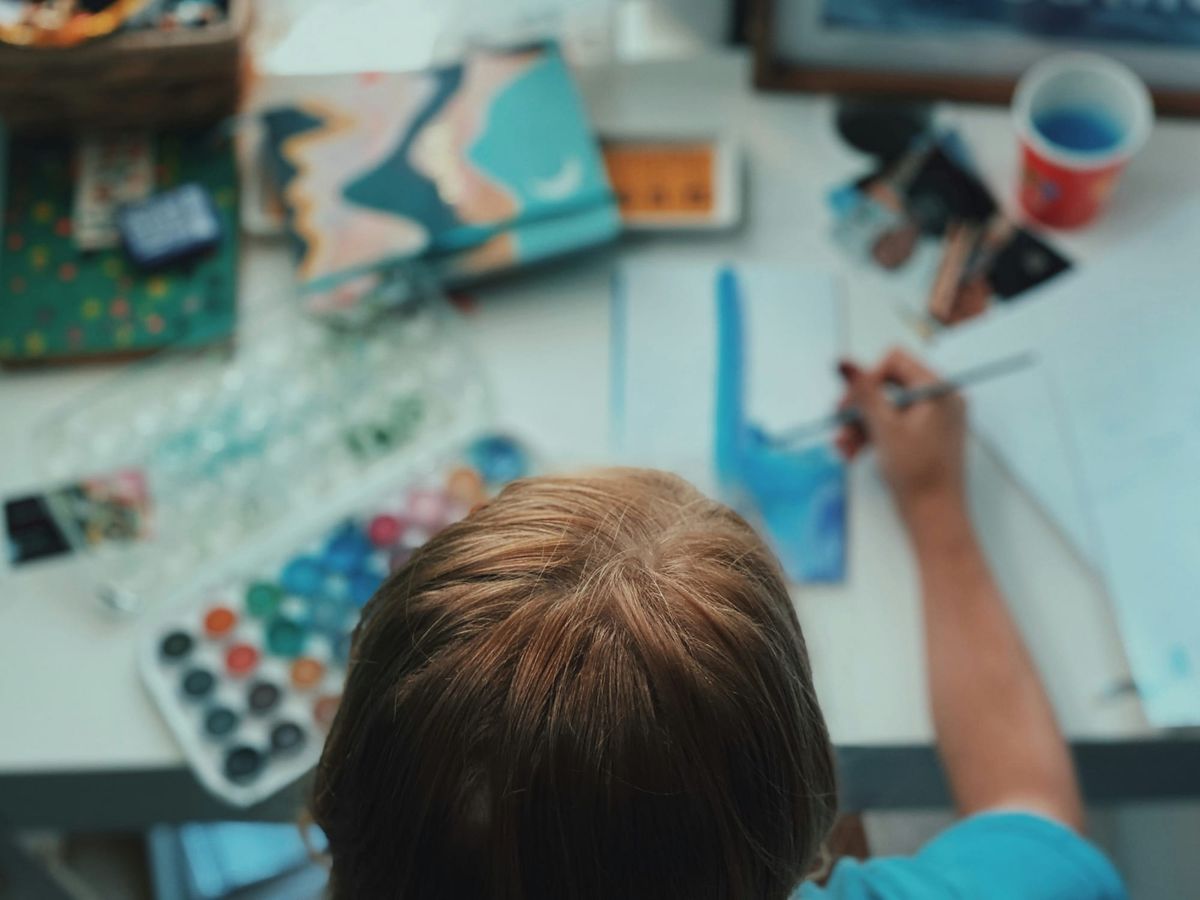
Creative hobbies like drawing, painting, and hand lettering offer more than a way to pass the time. They build focus, reduce stress, and develop skills that carry over into everyday life. Whether someone is picking up a brush for the first time or looking for structured activities to share with kids, having the right materials on hand makes a real difference.
Finding quality resources does not have to be complicated or expensive. My Coloring Pages offers a straightforward library of ready-to-use designs suited to beginners and experienced artists alike, so anyone can get started without the hassle of sourcing materials from scratch. To explore the full collection, download 74,389+ free coloring pages.
Table of Contents
- Importance of Creative Hobbies
- 9 Reasons Why You Should Not Neglect Creative Hobbies
- How to Make Time for Creative Hobbies in 11 Ways
- How to Choose a Suitable Hobby for Adults in 11 Steps
- 120 Adult Creative Hobbies to Try in 2026
- Stop Waiting for the "Perfect Hobby" to Finally Start Creating
Summary
- Creative hobbies produce measurable psychological benefits that passive entertainment cannot replicate. Research shows that just 45 minutes of visual art-making can reduce cortisol levels regardless of prior skill, and the American Psychiatric Association found that 46% of Americans already reach for creative activities when stress builds. The mechanism is participation, not talent.
- The psychological gap between active and passive leisure is significant and well-documented. UCLA Health data shows that people with hobbies are 30% less likely to suffer from depression, low mood, and stress, a gap that screen time alone does not close. Creative activities ask the brain to plan, decide, and produce, which generates a sense of completion that passive consumption rarely delivers.
- Neglecting creative hobbies carries a compounding cost that most people underestimate. Without personal creative outlets, stress accumulates without a constructive outlet, creative thinking weakens from disuse, and personal identity gradually narrows to professional and domestic roles. These consequences build slowly and quietly, which is why most people do not recognize them until they are already well established.
- The barrier to starting a creative hobby is almost never a lack of skill. It is friction, the lack of accessible materials, unclear starting points, or the belief that conditions must be ideal before beginning. Research from Asian Efficiency identifies low-barrier creative activities as among the most effective for building lasting habits, precisely because the decision cost is low enough to act on small windows of motivation.
- Consistency matters far more than session length when building a creative practice. Adults who start with something almost too easy, a single coloring page, one journal entry, a few sketched lines, build early wins that sustain the habit. According to Domestika's 2025 creative hobby guide, the most sustainable creative practices are built around low-commitment, high-frequency engagement rather than marathon sessions.
- Creative hobbies are most restorative when they are treated as ends in themselves rather than productivity investments. Psychologists describe completed personal projects as mastery experiences, self-directed accomplishments that build self-efficacy in ways external validation cannot easily replace. The value is in what the activity does to you while you are doing it, not in what it produces for an audience.
- My Coloring Pages addresses one of the most common friction points in starting a creative habit by offering 74,389+ free coloring pages that can be downloaded, personalized, and printed within minutes, with no prior experience or setup required.
Importance of Creative Hobbies
Passive entertainment—scrolling, binge-watching, background noise—feels like rest but rarely leaves you with anything. Creative hobbies are different. They produce something: a finished page, a written scene, a handmade object you can hold. That tangible output is the difference between consuming your free time and actually using it.
"Creative hobbies transform free time from something you spend into something you invest—leaving you with real, lasting output instead of nothing." — Core Insight
🎯 Key Point: Creative hobbies generate tangible results—a finished page, a crafted object, a written scene—while passive entertainment leaves no lasting trace.
💡 Tip: Next time you reach for the remote or your phone, ask yourself: will this produce something I can hold, share, or build on? If not, consider swapping even 30 minutes for a creative outlet instead.
What the evidence says about creative engagement
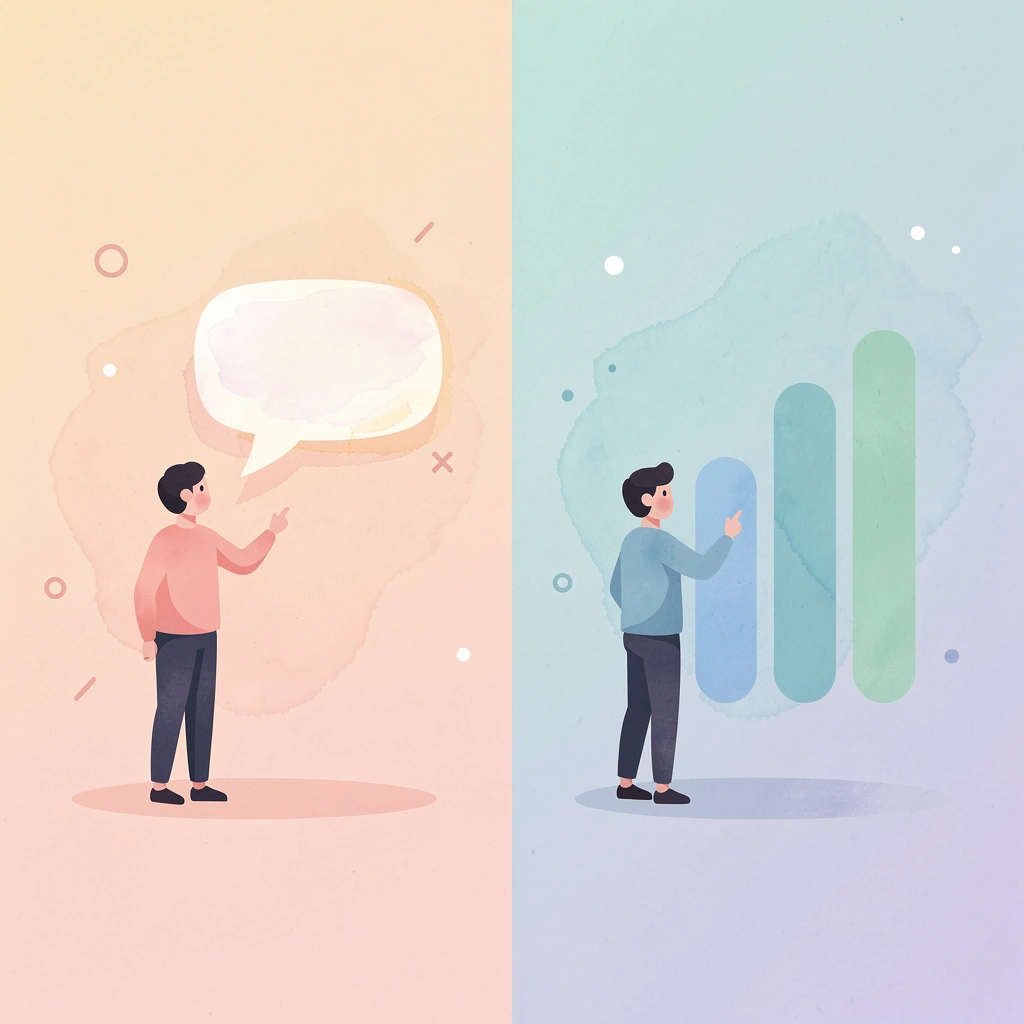
According to the American Psychiatric Association's Healthy Minds Monthly Poll, 46% of Americans use creative activities to relieve stress or anxiety. Research shows that 45 minutes of making visual art can measurably reduce cortisol, the body's primary stress hormone, regardless of artistic skill level.
How do creative hobbies engage the brain differently?
Creative hobbies engage multiple thinking skills simultaneously. Drawing, writing, crafting, and coloring require imagination, decision-making, planning, and fine motor coordination working in concert. This simultaneous activation builds flexibility, attention, and problem-solving capacity over time, something passive leisure cannot replicate.
When you finish something you made, you have visible proof of effort. Psychologists call these mastery experiences, and they reliably strengthen self-efficacy. Many people who describe their creative hobby as an "escape" mean something more precise: a space where they can see themselves improve, where progress is measurable, and where the work belongs entirely to them.
What does research show about hobbies and mental health?
UCLA Health reports that people with hobbies are 30% less likely to suffer from depression, low mood, and stress. Creative hobbies differ from entertainment in a crucial way: they require you to make decisions, accept imperfection, and maintain focus long enough to finish. These demands drive the benefits.
My Coloring Pages transforms how people begin creative hobbies. With over 74,389 free coloring pages and an AI generator that lets you describe, upload, or customize designs, selecting and personalizing your page becomes part of the creative experience.
The psychological payoff from creative engagement extends beyond the activity itself.
9 Reasons Why You Should Not Neglect Creative Hobbies
Ignoring creative hobbies costs you mental clarity, your sense of self, and genuine wellbeing. The consequences build slowly, which is why most people miss them until the damage is already done.
"Creative activity is one of the most essential contributors to psychological wellbeing — yet it remains one of the most neglected aspects of modern self-care." — Psychology Today
💡 Tip: Don't wait for a burnout moment to rediscover your creative side — the best time to protect your mental clarity is before the damage sets in.
⚠️ Warning: The slow build of neglecting creativity is what makes it so dangerous. Because there's no single dramatic moment, most people don't recognize the cost to their wellbeing until it's deeply embedded in their daily life.
🔑 Takeaway: Creative hobbies aren't a luxury — they are a critical foundation for mental health, self-identity, and long-term wellbeing.

1. Your Stress Has Nowhere Healthy to Go
Modern life delivers stress in layers: work pressure, financial worry, family demands, and constant digital notifications. Without a constructive outlet, many people default to scrolling, binge-watching, or working more. None of those responses release tension; they delay it.
Stress with no outlet builds quietly, affecting sleep, mood, and decision-making long before it becomes a crisis. Active creative engagement channels stress in ways passive consumption cannot.
2. Burnout Becomes More Likely
When every hour belongs to someone else's schedule, something important disappears. Creative hobbies give you freedom, let you follow your own interests, and provide the satisfaction of finishing something entirely yours—things that work and home responsibilities rarely offer. Without them, life becomes a repetitive cycle of obligations.
Over time, neglecting to recharge leads directly to emotional exhaustion. Burnout arrives quietly, a gradual loss of excitement for things that once mattered to you.
3. Your Creative Thinking Weakens
Creativity works like a muscle: it strengthens with use and weakens with neglect. People who abandon creative activities for extended periods struggle to generate new ideas, solve problems flexibly, or think innovatively under pressure.
This goes beyond art and design. The mental flexibility that helps you finish a drawing or design a handmade card also helps you solve problems at work or navigate difficult conversations differently. If you don't practice creative thinking when the stakes are low, you lose the mental sharpness needed when the stakes are high.
4. Your Confidence Quietly Erodes
People who invest all their effort into outcomes for others and none into personal projects gradually lose a sense of their own capability. Professional achievements matter, but they rarely deliver the psychological weight of finishing something that was entirely yours from start to finish.
What happens when you finish something entirely your own?
Completing a personal creative project—a painted canvas, handmade coloring book, or scrapbook page—creates what psychologists call a mastery experience. You set the standard, did the work, and saw it through. That self-directed accomplishment builds confidence in a way that external validation cannot.
Why does the starting point matter so much for creative confidence?
Most people stuck with blank pages or generic templates lack not skill but a starting point that feels truly theirs. Our My Coloring Pages platform fixes this directly by letting adults describe an idea, upload a photo, or build a custom coloring book from the start, so creation feels personal before a single color is applied.
5. Free Time Stops Being Restorative
Passive entertainment and active creativity produce different outcomes in the brain. According to UCLA Health, people who engage in hobbies are 34% less likely to experience depression, a gap that passive screen time alone does not close.
You can spend an entire evening watching content and wake up mentally flat. Active creative engagement—coloring, knitting, journaling—requires focus, decision-making, and production. That process delivers a sense of completion that passive consumption cannot match.
6. Positive Emotions Become Harder to Access
Research in positive psychology shows that regular creative activities boost happiness, curiosity, enthusiasm, and life satisfaction, with mood benefits extending into the next day. When you stop engaging in creative work, these positive feelings diminish and fade more quickly.
Optimism and enthusiasm emerge after you engage in something, put in effort, and experience the small wins that creative work provides regularly.
7. Your Brain Misses Important Exercise
Research published in the Journal of Epidemiology and Community Health (Bone et al., 2023) found that people who engaged in creative activities at home showed improvements in depression, anxiety, and life satisfaction across thousands of adults. Creative participation functions as active mental maintenance, not mere leisure.
Creative hobbies challenge the brain through planning, memory, sustained attention, and problem-solving. Replacing them entirely with passive entertainment forgoes the mental exercise that keeps cognitive function sharp. The brain responds to what you ask of it: ask it to consume, and it gets good at consuming; ask it to create, and it stays capable.
8. Your Identity Shrinks to Your Roles
One of the quieter results of giving up creative hobbies is losing a sense of self that exists outside of what you must do. Without personal interests, many people define themselves almost entirely by their job or family roles: employee, parent, caregiver, manager. Those identities are real and important, but they are not the whole picture.
Creative hobbies hold space for the parts of you that deadlines and to-do lists never touch. They create room for self-expression, exploration, and personal fulfillment that no performance review or household task can provide. This loss is a slow narrowing that most people notice only after it has happened.
9. Waiting for the right time costs more than you think
The most common reason people avoid creative hobbies is time. The plan is to start when things slow down, but that quieter season rarely arrives. Weeks become months. Months become years. Meanwhile, stress builds, creative thinking dulls, and personal identity contracts.
What does postponing creativity actually cost you?
The longer creativity stays on hold, the more unfamiliar it feels to start again. Starting small now—even a single coloring page or ten-minute sketch—keeps the habit alive. Procrastination carries a cost that compounds over time, and most people don't recognise how much until years have passed.
The hardest part is not finding the time. It is deciding that you are worth making the time for.
Related Reading
- Creative Hobbies For Women
- Creative Hobbies For Men
- Creative Hobbies For Adults
- Creative Hobbies
How to Make Time for Creative Hobbies in 11 Ways
Making time for creative hobbies is less about finding extra hours and more about deciding that those hours belong to you. The strategies below are not passive suggestions — they are active decisions about what kind of life you want to build, one small session at a time.
"People who regularly engage in creative hobbies report higher levels of life satisfaction and a stronger sense of personal identity outside of work." — Psychology of Aesthetics, Creativity, and the Arts
💡 Tip: You don't need a perfect schedule or extra free time — you need a firm decision that your creative pursuits are non-negotiable priorities.
🎯 Key Point: Every strategy in this list works on one core principle — protecting your creative time like it's your most valuable asset, because it is.
⚠️ Warning: The biggest mistake people make is waiting for a large block of free time that never comes — small, consistent sessions build more momentum than rare marathon creative days.
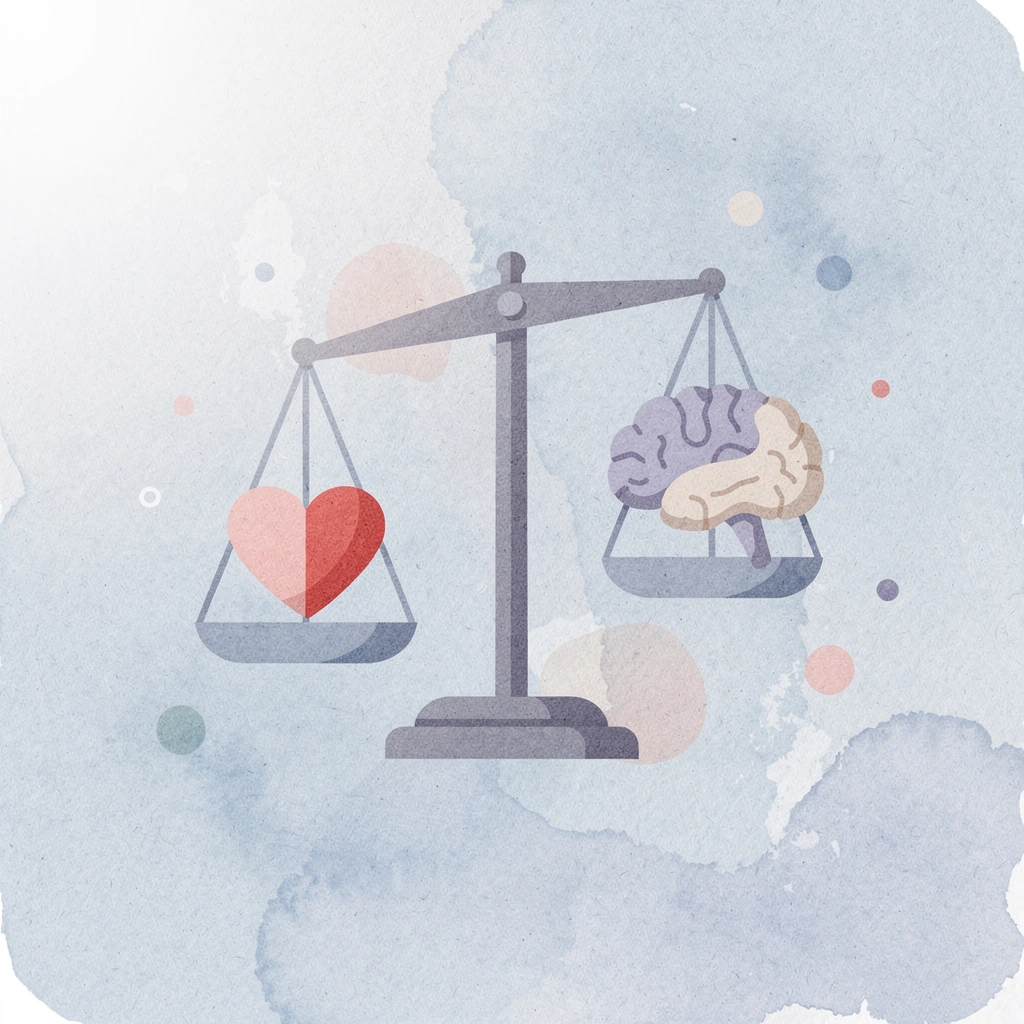
1. Redefine What Creativity Actually Means
Most people avoid creative hobbies because they picture the finished product before beginning: the polished painting, the flawless story, the perfect knitted blanket. Then they decide they're not ready. That's the wrong starting point.
Creativity is not a performance. It's a process of showing up, experimenting, and letting the work be what it is. When you measure a session by how it feels rather than what it produces, starting becomes easy.
2. Reconnect With Your Original Reason
When schedules get tight, creative time is often the first thing dropped. Before you skip another session, ask yourself: Why did this hobby interest you initially? How does it make you feel when you're doing it? What stress does it help you work through? What would disappear from your life if you stopped?
These answers are useful, not merely about feelings. A hobby connected to a clear personal reason survives busy weeks better than one pursued from a vague good intention.
3. Schedule It Like a Real Commitment
Most people don't stumble into creative time—they protect it. Blocking fifteen minutes before work, twenty minutes after dinner, or thirty minutes on a weekend morning creates space for creativity that doesn't depend on inspiration or leftover energy. Treat those blocks like meetings with someone you respect: don't cancel casually or let them slide for something else. Scheduled creativity becomes habitual creativity, and habitual creativity compounds.
4. Match the Hobby to Your Natural Energy
Some people think most clearly in the early morning before the day's noise begins. Others find that creative thinking loosens up in the evening after work pressure lifts.
Ask not "When do I have time?" but "When do I have the most creative energy?" Scheduling a hobby during your natural peak window makes it feel like an activity you're drawn toward, not another obligation you're dragging yourself through.
5. Reduce the Friction of Starting
The harder it is to start, the easier it is to put off. A sketchbook buried in a drawer, knitting supplies packed away, or coloring materials stacked in a closet all send the same message: this is not ready for you right now.
How does keeping supplies visible make it easier to start?
Keeping your supplies visible and accessible changes that. Leave the sketchbook on your desk. Store coloring pages in an easily accessible folder. Keep the journal on your nightstand. When the barrier to starting is low, a five-minute gap becomes a creative session instead of a missed opportunity.
Is more time really the solution to low creative output?
Most people think the answer to low creative output is more time. It usually has less friction. My Coloring Pages removes a common friction point by letting you generate, download, and print a personalized coloring page within minutes, with no artistic experience, expensive supplies, or elaborate setup required.
6. Start Smaller Than You Think You Should
Waiting for a long, uninterrupted block of time is one of the most reliable ways to never start. Ten focused minutes can complete a coloring page, fill a journal entry, sketch a rough idea, or practice a few lines of calligraphy. Twenty minutes is enough to crochet a few rows or brainstorm the bones of a short story.
Small sessions build consistency, which transforms a hobby from an occasional indulgence into a genuine part of your identity. According to Domestika's 2025 creative hobby guide, the most sustainable creative practices in 2025 rely on low-commitment, high-frequency engagement rather than marathon sessions.
7. Keep Your Hobby Separate From Your Work
If your job already requires creative thinking, choosing a hobby that mirrors your professional output rarely feels restorative. A graphic designer who paints at home enters a different relationship with making things: one without deadlines, client feedback, or performance pressure.
Your brain needs to connect the hobby with relief, not responsibility. A writer who gardens, a photographer who journals, a marketer who colors—each gives their creative mind a different texture to work with. That contrast is where restoration happens.
8. Let Yourself Be a Beginner
Perfectionism is not a high standard: it's a delay tactic. Your first drawing will be uneven, your first knitted row may need redoing, and your first painted canvas may look nothing like the image in your head. That is not failure; it's the beginning of competence.
Creative hobbies develop through accumulated attempts, not by waiting until you feel ready. The sooner you permit yourself imperfect work, the sooner the hobby becomes something you enjoy rather than dread.
9. Find Creativity in the Gaps Already in Your Day
You don't need a cleared afternoon or a dedicated studio to be creative. Sketching during a coffee break, coloring over lunch, journaling before bed, or taking pictures during your daily walk are legitimate creative practices, not mere substitutes for longer sessions.
People who wait for the perfect creative window rarely find it, but those who use imperfect gaps build stronger, more consistent habits. Small creative moments scattered through the day often produce more output than a single weekend session that keeps getting postponed.
10. Choose Activities That Require Almost No Setup
If getting started feels like a project itself, the hobby will lose to inertia every time. Activities like coloring, doodling, journaling, or working through printable creative worksheets require minimal preparation and can begin within two minutes of deciding to start.
Asian Efficiency's productivity research identifies low-barrier creative activities as among the most effective for building lasting habits: the decision cost is low enough that you can act on a small window of motivation rather than waiting for a larger one.
11. Track Progress, Not Perfection
Chasing perfection is tiring and discouraging. Tracking your creative habit—marking days on a calendar, saving finished pieces, photographing projects, or keeping a creative journal—gives you something far more motivating: evidence of growth.
Progress is visible in a way perfection never is. Thirty completed coloring pages, a filled journal, or sketches that gradually sharpen remind you that the habit is working, even when individual sessions feel unremarkable. That evidence builds momentum in a way that waiting for a breakthrough never does.
How to Choose a Suitable Hobby for Adults in 11 Steps
Choosing a creative hobby as an adult comes down to three honest questions: What actually holds your attention? What do you want to feel differently about? And what will you realistically do again next week? Most people skip these questions and browse options instead, which is why so many hobbies get abandoned after just two sessions. The match matters more than the activity itself.
"Most hobbies are abandoned not because they're the wrong activity — but because adults choose them without asking the right questions first." — Hobby & Leisure Research
💡 Tip: Before browsing hobby lists, answer all three questions in writing first. Adults who identify their why before choosing a hobby are significantly more likely to stick with it past the first month.
🎯 Key Point: The right hobby match isn't about what looks appealing online — it's about what aligns with your attention, emotions, and real weekly schedule. Skipping this step is the #1 reason adult hobbies fail.
⚠️ Warning: Browsing options first is the most common mistake adults make. Without self-awareness as a filter, even the most exciting hobby will feel like a chore by week three.
1. Start With What Already Pulls You In
Think back to activities that made time disappear—not ones you thought you should enjoy, but ones that genuinely absorbed you. Whether sketching in notebook margins or building something with your hands, these patterns reveal more about your creative instincts than any personality quiz.
Ask yourself whether you prefer making physical things or working digitally, creating alone or with others, following structured processes or improvising. These preferences predict whether a hobby will feel like relief or obligation.
2. What Do You Actually Want From This?
Different creative outlets serve different needs. Watercolor painting and embroidery calm the nervous system, while creative writing and digital illustration sharpen focus and build narrative thinking. Photography trains you to notice what you normally walk past.
Figure out what you're after before choosing: stress relief, a new skill, handmade gifts, or time offline. Your goal shapes the choice. Someone decorating their home needs a different starting point than someone quieting a racing mind after work.
3. Match the Hobby to Your Actual Life
A hobby requiring a dedicated studio, expensive equipment, or two hours of uninterrupted time won't survive a real adult schedule. Friction kills habits before they start, not a lack of discipline.
Be honest about your available time, budget, and space. If your evenings are short and your apartment is small, activities like creative journaling, phone photography, origami, or coloring fit naturally into that reality. They require minimal setup, cost little to start, and can be picked up and set down without losing momentum.
4. Start Small, Without Apology
Adults who successfully build creative habits often start with something deceptively simple: doodling in a notebook, writing one paragraph, or coloring a single page. These low barriers create early wins that sustain momentum.
Many adults believe creative hobbies require expensive supplies, formal lessons, or dedicated workspace. That belief is the obstacle, not the reality. Origami needs paper. Creative writing needs a notes app. Phone photography needs nothing new at all. Starting small is a strategy, not settling.
5. Skill Is Earned, Not Inherited
One of the most common misconceptions adults hold about creative hobbies is that you need talent to start. You don't. Talent is an early practice that becomes invisible over time.
Every skilled illustrator, calligrapher, or textile artist started by making work that looked nothing like what they make now. The difference between them and someone who never started is that they kept going past the awkward early phase.
6. Try Several Before You Commit
Try different hobbies over a few weeks: watercolor painting, knitting, calligraphy, or digital illustration. Think of it as exploration, not an audition.
Adults often feel bad when they stop doing a hobby that didn't work out, as if switching means they failed. It doesn't. Exploration matters. You can't find what works for you without trying more than one thing.
7. Think Honestly About Supplies
Some hobbies flourish from a ten-dollar starting point, while others require substantial upfront investment before you can determine if you enjoy them. For beginners, that investment creates pressure rather than motivation. Choosing a hobby with affordable, accessible supplies lowers the stakes enough to let curiosity lead. If you later discover you love the activity, investing more feels like an earned choice rather than a risk.
8. Choose Something That Feels Restorative
After demanding days, a creative hobby should restore rather than add pressure. Many adults want to slow down, be present, and escape screens. Activities like coloring, embroidery, painting, or journaling work well because they encourage focus on a single task without requiring impressive output. The restoration happens in the quiet act of making something with your hands.
How quickly can a simple activity like coloring shift your mental state?
Most adults are surprised by how quickly coloring changes their mental state. Choosing colors, deciding on shading, and working through a detailed design require enough focus to push out distracting thoughts without becoming stressful. That balance is harder to find than it sounds.
9. Build the Habit Around Frequency, Not Duration
Consistency matters more than session length. A hobby practiced for 20 minutes, 3 times a week, builds skill, familiarity, and genuine enjoyment faster than a 2-hour session once a month.
Ask whether you can realistically return to this several times a week, not only when conditions are ideal. Hobbies that survive fit inside ordinary days, not extraordinary circumstances.
10. Look for a Hobby That Grows With You
The best creative outlets progress from simple to complex, from copying to creating. This ongoing challenge sustains interest for years rather than months.
Most adults who start coloring begin with straightforward designs before moving on to intricate patterns, color blending, or original compositions. Platforms like MyColoringPages.ai support this progression with printable designs at varying levels of difficulty, allowing you to build confidence and tackle more detailed work as your skills develop. A hobby that no longer challenges you eventually loses your attention.
11. Create for the Joy of It, Not the Return
The pressure to be productive during free time is real for adults. People evaluate every activity: Could this become a side business? Does this improve a job-relevant skill? Is this worth my time?
Why do creative hobbies not need to earn their place?
Creative hobbies need not earn their place through output or income. Their value lies in what they do to you while you're doing them: helping you relax, express something without words, and return to life with greater capacity. Giving yourself permission to create without an audience, product, or plan is necessary, not indulgent.
But knowing which hobby fits you is only part of the equation. The harder obstacle is the one most people never admit.
Related Reading
- Creative Hobbies For Seniors
- Creative Hobbies for Women
- Fun Creative Hobbies
- Creative Hobbies That Improve Mental Clarity
120 Adult Creative Hobbies to Try in 2026
1. Adult Coloring
Adult coloring is one of the easiest creative hobbies to start because it requires no artistic experience while still encouraging creativity and relaxation. Coloring intricate patterns, mandalas, animals, or landscapes can help reduce stress, improve focus, and provide a calming break from screens. It's an excellent hobby for anyone looking to unwind after a busy day while creating something colorful and satisfying.
2. Watercolor Painting
Watercolor painting allows you to create beautiful artwork using soft, flowing colors and simple techniques. It's beginner-friendly yet offers endless opportunities to develop advanced skills over time. Whether you're painting landscapes, flowers, or abstract art, watercolor encourages experimentation and helps improve patience, creativity, and observation.
3. Acrylic Painting
Acrylic painting is popular because the paint dries quickly and can be applied to canvas, wood, paper, and many other surfaces. Adults enjoy experimenting with bold colors, textured brushstrokes, and different artistic styles. As your confidence grows, you can create decorative pieces for your home or thoughtful handmade gifts.
4. Sketching
Sketching develops your ability to observe details while strengthening drawing skills. You can sketch people, architecture, nature, pets, or everyday objects using only a pencil and notebook. Because it requires minimal supplies, it's one of the most accessible hobbies for adults who want to practice creativity anywhere.
5. Digital Illustration
Digital illustration combines traditional drawing skills with modern technology. Using tablets and drawing apps, you can create portraits, fantasy art, comics, logos, or social media graphics. Since mistakes are easy to undo, many beginners find digital art less intimidating than traditional drawing.
6. Calligraphy
Calligraphy transforms ordinary handwriting into elegant works of art. Learning different lettering styles improves hand control while allowing you to create beautiful invitations, greeting cards, journals, and home décor. Many adults enjoy calligraphy because it combines mindfulness with creative expression.
7. Hand Lettering
Unlike formal calligraphy, hand lettering focuses on drawing decorative letters rather than writing them. You can experiment with modern fonts, colorful markers, and creative layouts to design inspirational quotes, planners, or personalized gifts. It's an enjoyable hobby for people who appreciate typography and design.
8. Creative Journaling
Creative journaling blends writing with artistic expression through doodles, stickers, colorful layouts, and mixed media. Instead of simply recording daily events, you create pages that reflect your thoughts, emotions, and personal experiences. It's both therapeutic and creatively fulfilling.
9. Bullet Journaling
Bullet journaling combines organization with creativity. Adults personalize planners using decorative lettering, colorful themes, habit trackers, illustrations, and custom layouts. Besides improving productivity, it offers a relaxing way to express your artistic side while staying organized.
10. Scrapbooking
Scrapbooking allows you to preserve meaningful memories using photographs, decorative paper, stickers, handwritten notes, and embellishments. Each page becomes a personalized story that captures important moments while encouraging creativity and storytelling.
11. Origami
Origami is the Japanese art of paper folding that transforms simple sheets of paper into intricate animals, flowers, and geometric designs. It improves patience, concentration, and fine motor skills while providing the satisfaction of creating impressive sculptures without expensive materials.
12. Paper Quilling
Paper quilling uses thin strips of paper that are rolled, shaped, and glued into decorative patterns. Adults often create greeting cards, wall art, jewelry, and home décor using this surprisingly relaxing technique. It's perfect for anyone who enjoys detailed craftsmanship.
13. Pottery
Pottery lets you shape clay into bowls, mugs, vases, sculptures, and decorative items. Working with clay is highly tactile and meditative, making it an excellent creative outlet for adults who enjoy hands-on hobbies while learning practical artistic skills.
14. Ceramic Painting
If sculpting clay feels intimidating, ceramic painting offers a simpler alternative. Paint pre-made mugs, plates, ornaments, or figurines with your own designs and colors. Every finished piece becomes a functional work of art you can use or give as a gift.
15. Knitting
Knitting transforms yarn into scarves, sweaters, blankets, hats, and countless handmade projects. Many adults find repetitive motions calming and enjoy the satisfaction of producing practical items they can wear or share with loved ones.
16. Crocheting
Crocheting uses a single hook instead of knitting needles to create blankets, toys, clothing, bags, and home décor. It's highly portable, easy to learn, and offers endless project possibilities for beginners and experienced crafters alike.
17. Embroidery
Embroidery uses colorful thread to decorate fabric with patterns, flowers, animals, quotes, or personalized designs. Whether embellishing clothing or creating framed artwork, embroidery combines patience and creativity to produce beautiful handcrafted pieces.
18. Cross Stitch
Cross-stitch is a relaxing needlecraft where X-shaped stitches gradually form detailed pictures or patterns. It's beginner-friendly because designs follow printed grids, making it an excellent hobby for adults looking for a calm, screen-free creative activity.
19. Sewing
Sewing allows you to make clothing, pillow covers, tote bags, curtains, costumes, and countless other projects. Beyond saving money, sewing encourages creativity by letting you customize fabrics, colors, and designs to match your personal style.
20. Quilting
Quilting combines sewing with artistic design by stitching together colorful fabric pieces into blankets, wall hangings, or decorative textiles. Each quilt tells a unique story through patterns, colors, and handcrafted detail, making it both creative and meaningful.
21. Jewelry Making
Jewelry making lets you design earrings, bracelets, necklaces, rings, and charms using beads, wire, gemstones, resin, or metal. Adults enjoy experimenting with styles while creating personalized accessories or thoughtful handmade gifts.
22. Candle Making
Candle making blends creativity with home décor. Experiment with fragrances, wax colors, decorative containers, dried flowers, and unique molds to create beautiful candles that make thoughtful gifts or cozy additions to your living space.
23. Soap Making
Soap making combines art with practical craftsmanship. You can customize colors, fragrances, botanical ingredients, and decorative patterns to produce luxurious handmade soaps for yourself or as personalized gifts.
24. Resin Art
Resin art allows you to create glossy coasters, trays, jewelry, bookmarks, and decorative pieces by mixing pigments, glitter, dried flowers, and other materials into epoxy resin. The endless design possibilities make every project unique.
25. Macramé
Macramé uses decorative knotting techniques to create plant hangers, wall art, bags, keychains, and home décor. This retro craft has become increasingly popular because it requires only rope, patience, and creativity to produce stylish handmade designs.
26. Wood Burning (Pyrography)
Wood burning uses heated tools to create detailed artwork on wooden surfaces. Adults can decorate cutting boards, signs, ornaments, coasters, or wall art with personalized illustrations, quotes, and intricate patterns.
27. Wood Carving
Wood carving transforms blocks of wood into sculptures, utensils, figurines, and decorative artwork using specialized carving tools. It develops patience, craftsmanship, and problem-solving skills while producing beautiful handmade creations.
28. Photography
Photography encourages you to see the world differently by focusing on light, composition, color, and storytelling. Whether using a smartphone or a professional camera, capturing meaningful moments helps develop creativity while preserving memories.
29. Smartphone Photography
You don't need expensive equipment to enjoy photography. Modern smartphones allow you to explore portrait photography, landscapes, food styling, street photography, and creative editing using apps that transform everyday scenes into artistic images.
30. Nature Journaling
Nature journaling combines sketching, writing, watercolor, and observation while spending time outdoors. Adults record birds, flowers, insects, weather, and landscapes in a personalized journal, making it an ideal hobby for anyone who enjoys both creativity and nature.
31. Creative Writing
Creative writing lets you turn ideas, memories, or imagination into stories, poems, or fictional worlds. Whether you write for fun or hope to publish one day, it's an excellent way to strengthen creativity, communication skills, and emotional expression while exploring new perspectives.
32. Short Story Writing
Short stories are perfect for adults who enjoy storytelling but don't want to commit to writing a full novel. You can experiment with different genres, characters, and endings while improving your writing skills one story at a time.
33. Poetry Writing
Poetry encourages you to express emotions, experiences, and observations using carefully chosen words and imagery. There are countless styles to explore, from free verse to haiku, making poetry an accessible creative hobby for beginners and experienced writers alike.
34. Novel Writing
Writing a novel is a long-term creative challenge that allows you to build characters, worlds, and plots from scratch. While it requires dedication, many adults find it incredibly rewarding to watch their ideas develop into a complete manuscript.
35. Screenwriting
If you enjoy movies and television, screenwriting offers a creative way to tell visual stories. You'll learn how to structure scenes, develop dialogue, and create compelling characters while thinking like a filmmaker rather than a traditional writer.
36. Blogging
Blogging combines creativity with sharing your knowledge or passions. Whether you write about travel, cooking, fitness, books, or personal experiences, blogging helps improve writing skills while building an online portfolio of your work.
37. Memoir Writing
Memoir writing focuses on meaningful moments from your own life. Instead of documenting everything chronologically, you tell personal stories that shaped who you are. It's a creative and reflective hobby that also preserves family history.
38. Songwriting
Songwriting combines storytelling, poetry, and music into one creative process. Even if you don't play an instrument professionally, writing lyrics or simple melodies can be a fulfilling way to express thoughts and emotions.
39. Comic Creation
Creating comics allows you to combine illustration with storytelling. Whether you draw humorous strips, superhero adventures, or slice-of-life stories, comics encourage both artistic and narrative creativity.
40. Graphic Novel Illustration
Graphic novels combine longer stories with detailed illustrations. Adults who enjoy both writing and drawing can create original characters, worlds, and adventures while simultaneously developing multiple creative skills.
41. Printmaking
Printmaking involves carving, etching, or stamping designs to create multiple copies of original artwork. Techniques like linocut and block printing produce bold, handmade prints that can be made into cards, posters, or framed artwork.
42. Linocut Printing
Linocut is a beginner-friendly printmaking technique where you carve designs into linoleum before transferring them onto paper or fabric. It's ideal for adults who enjoy bold graphic designs and handcrafted art.
43. Bookbinding
Bookbinding lets you create handmade notebooks, journals, sketchbooks, and planners using decorative papers, fabric covers, and stitching techniques. Every finished book becomes a personalized piece that's both practical and artistic.
44. Handmade Card Making
Designing greeting cards allows you to combine drawing, lettering, stamping, watercolor, and paper crafts into meaningful handmade gifts. Personalized cards often become treasured keepsakes for family and friends.
45. Personalized Gift Crafting
Instead of buying generic presents, create customized gifts like memory boxes, decorated mugs, photo frames, or handmade ornaments. This hobby combines creativity with thoughtful giving, making every project uniquely meaningful.
46. Floral Arranging
Floral arranging teaches you how to combine flowers, greenery, colors, and textures into elegant bouquets and centerpieces. Whether using fresh or dried flowers, it's a relaxing hobby that also enhances your home's décor.
47. Pressed Flower Art
Pressed flower art preserves flowers and leaves to create bookmarks, greeting cards, framed artwork, or resin crafts. It's a beautiful way to combine nature with creativity while making lasting decorative pieces.
48. Terrarium Design
Terrariums are miniature indoor gardens created inside glass containers. Arranging plants, moss, stones, and decorative elements lets you create tiny landscapes that require relatively little maintenance while adding natural beauty to your home.
49. Creative Gardening
Gardening becomes a creative hobby when you design flower beds, themed gardens, herb displays, or decorative planters. It combines artistic planning with the satisfaction of watching your creations grow over time.
50. Bonsai Cultivation
Growing bonsai trees requires patience, pruning, and artistic vision. Shaping miniature trees over several years creates living works of art while teaching mindfulness and appreciation for nature.
51. Fairy Garden Making
Fairy gardens combine miniature houses, plants, figurines, pathways, and tiny decorations into magical landscapes. Adults enjoy designing imaginative scenes that blend gardening with storytelling and craftsmanship.
52. Miniature House Building
Building dollhouses or miniature rooms allows you to design tiny furniture, decorations, lighting, and architectural details. Every room becomes a creative project filled with intricate craftsmanship.
53. Miniature Painting
Miniature painting involves carefully painting small figurines used for tabletop games, fantasy collections, or decorative displays. It develops patience, precision, and color theory while producing impressive miniature artwork.
54. Model Building
Whether assembling aircraft, cars, ships, or architecture kits, model building combines engineering with creativity. Many hobbyists enjoy customizing paint schemes and adding realistic details to make every model unique.
55. LEGO MOC (My Own Creation) Building
Instead of following instruction manuals, LEGO MOC builders design completely original structures, vehicles, and landscapes using their imagination. It's a surprisingly creative hobby enjoyed by adults around the world.
56. Puzzle Design
Rather than simply solving puzzles, try creating your own crosswords, escape-room challenges, logic puzzles, or treasure hunts. Designing puzzles exercises both creativity and problem-solving skills.
57. Adult Coloring with MyColoringPages Customized Worksheets
Using MyColoringPages customized worksheets transforms traditional coloring into a personalized creative experience. Instead of coloring generic designs, you can choose printable pages that match your interests, favorite themes, holidays, or skill level. They're affordable, easy to print whenever you have free time, require very few supplies, and make it simple to enjoy relaxing creative sessions without worrying about artistic ability or perfection.
58. Vision Board Creation
Vision boards combine magazine cutouts, photographs, quotes, drawings, and decorative materials to represent your goals and aspirations. Creating one encourages reflection while producing an inspiring piece of personalized artwork you can revisit throughout the year.
59. Mood Board Design
Mood boards help organize colors, textures, typography, and visual inspiration for future creative projects. Whether you're planning home décor, fashion, branding, or artwork, assembling a mood board strengthens your creative thinking and design skills.
60. Interior Styling
Interior styling lets you creatively redesign your living space without major renovations. Experimenting with color palettes, furniture arrangements, artwork, lighting, and decorative accessories helps transform everyday rooms into spaces that reflect your personality while developing your eye for design.
61. Cake Decorating
Cake decorating combines baking with artistic design. Learn how to pipe frosting, create fondant flowers, paint edible designs, and experiment with textures to turn ordinary cakes into edible works of art for celebrations or personal enjoyment.
62. Cookie Decorating
Decorating cookies with royal icing is both relaxing and rewarding. You can create seasonal designs, personalized gifts, or intricate patterns while improving precision, color coordination, and artistic skills.
63. Bread Art
Bread art goes beyond baking by using decorative scoring, braided dough, and creative shaping techniques. Every loaf becomes both delicious and visually impressive, making it an enjoyable hobby for food lovers.
64. Chocolate Making
Chocolate making lets you craft handmade truffles, chocolate bars, bonbons, and filled treats. Experiment with flavors, molds, and decorative finishes while creating gourmet sweets for yourself or as thoughtful gifts.
65. Latte Art
Latte art teaches you how to pour milk into espresso to create hearts, tulips, rosettas, and more intricate designs. It's an excellent hobby for coffee enthusiasts who enjoy combining technical skill with creativity.
66. Mixology
Mixology is the creative art of crafting mocktails and cocktails using unique ingredients, garnishes, and presentation styles. Experimenting with flavors and glassware makes every drink feel like a personalized creation.
67. Food Styling
Food styling focuses on arranging meals to look visually appealing for photography, social media, or personal enjoyment. It combines cooking, composition, and design while encouraging attention to detail.
68. Recipe Development
Instead of following recipes, create your own. Experiment with ingredients, flavors, and cooking techniques to develop signature dishes that reflect your personal tastes and creativity.
69. Fashion Illustration
Fashion illustration allows you to sketch clothing designs, accessories, and runway concepts. Whether you're interested in fashion design or simply enjoy drawing, it's a creative way to explore color, fabric, and style.
70. Clothing Upcycling
Transform old clothes into stylish new pieces through painting, embroidery, patchwork, dyeing, or sewing. Upcycling combines sustainability with creativity while helping you build a wardrobe that's uniquely yours.
71. Tie-Dye
Tie-dye uses folding, twisting, and dyeing techniques to create colorful patterns on clothing, bags, and fabric. Every project produces a one-of-a-kind design, making it a fun hobby for experimenting with color.
72. Fabric Painting
Fabric painting allows you to personalize tote bags, T-shirts, pillowcases, shoes, and other textiles using specialized paints and brushes. It's an enjoyable way to turn everyday items into wearable art.
73. Leather Crafting
Leather crafting teaches you to create wallets, belts, journals, keychains, and bags using cutting, stitching, stamping, and dyeing techniques. Handmade leather goods are durable, practical, and highly satisfying to create.
74. Basket Weaving
Basket weaving uses natural fibers or synthetic materials to create decorative and functional baskets. The repetitive weaving process is calming while producing beautiful handmade home décor.
75. Weaving
Weaving on a loom allows you to create scarves, tapestries, table runners, and wall hangings. Mixing colors, textures, and yarn types gives every project its own artistic personality.
76. Tapestry Making
Tapestry weaving focuses on creating decorative wall art using intricate patterns and colorful fibers. It's an ideal hobby for adults who enjoy textile arts and handcrafted home décor.
77. Mosaic Art
Mosaic art involves arranging pieces of glass, ceramic, stone, or tile into colorful images and patterns. Adults often create tabletops, garden decorations, mirrors, and wall art that become striking conversation pieces.
78. Stained Glass Art
Stained glass combines colored glass pieces into decorative windows, ornaments, lamps, and hanging artwork. Learning this traditional craft allows you to create beautiful pieces that interact with natural light.
79. Glass Painting
Glass painting transforms plain jars, vases, bottles, and windows into colorful decorative items. You can experiment with transparent paints, outlines, and patterns to produce elegant handmade designs.
80. Rock Painting
Rock painting is an affordable hobby where ordinary stones become miniature canvases. Paint inspirational quotes, animals, mandalas, or seasonal artwork to decorate your home or leave hidden kindness rocks for others to discover.
81. Doodling
Doodling encourages spontaneous creativity without rules or expectations. Filling notebooks with simple sketches, patterns, or imaginative drawings helps improve creativity while providing a relaxing mental break.
82. Zentangle Drawing
Zentangle is a structured drawing method that uses repetitive patterns to create intricate artwork. It's particularly popular among adults seeking a calming, meditative, creative activity that doesn't require advanced drawing skills.
83. Mandala Design
Designing mandalas combines geometry, symmetry, and creativity to produce intricate circular patterns. Creating mandalas encourages concentration and mindfulness while resulting in visually striking artwork.
84. Pixel Art
Pixel art uses small colored squares to create retro-style digital illustrations inspired by classic video games. It's a great hobby for adults interested in digital creativity and nostalgic design.
85. Animation
Animation brings drawings or digital characters to life through movement. Beginners can experiment with simple frame-by-frame animations before progressing to more advanced 2D or 3D projects.
86. Stop-Motion Filmmaking
Stop-motion filmmaking uses photographs of small movements to create animated videos featuring toys, clay figures, paper cutouts, or everyday objects. It's a rewarding hobby that combines storytelling with photography.
87. Filmmaking
Filmmaking allows you to write, shoot, edit, and produce your own short films or documentaries. Whether using a smartphone or a professional camera, it's an exciting hobby that blends visual storytelling with technical skills.
88. Video Editing
Video editing transforms raw footage into engaging stories through transitions, music, effects, and pacing. Learning editing software opens creative opportunities for travel videos, family memories, social media, or filmmaking.
89. Podcast Production
Podcasting combines storytelling, interviewing, audio editing, and creative communication. Whether discussing hobbies, history, books, or personal experiences, it's an engaging way to share ideas with others.
90. Music Production
Music production lets you compose original songs, beats, or instrumentals using digital audio software. Experimenting with melodies, rhythms, and sound effects makes it one of the most versatile creative hobbies for adults interested in music, even without formal musical training.
91. Playing the Piano
Learning the piano combines creativity with technical skill as you explore melodies, harmony, and rhythm. Whether you play classical pieces or modern songs, practicing regularly improves coordination, memory, and musical expression while providing a rewarding lifelong hobby.
92. Learning the Guitar
The guitar is one of the most versatile instruments for adults. You can play acoustic, electric, or classical styles while learning your favorite songs or writing your own music. It's an enjoyable creative outlet that can be practiced almost anywhere.
93. Playing the Ukulele
The ukulele is beginner-friendly thanks to its small size and simple chords. It's perfect for adults looking for a fun, portable instrument that allows them to play songs quickly while building confidence in music.
94. Learning the Violin
Learning the violin develops patience, discipline, and musical creativity. Although it requires practice, mastering this expressive instrument allows you to perform everything from classical music to modern arrangements.
95. Singing
Singing is one of the most accessible creative hobbies because your voice is your instrument. Joining a choir, taking vocal lessons, or simply practicing at home can improve confidence, breathing, and self-expression while making music enjoyable.
96. Song Cover Recording
Recording your own versions of favorite songs combines singing, music, and audio editing into one creative hobby. Sharing covers online or simply keeping them as personal projects lets you track your improvement over time.
97. DJing
DJing allows you to mix songs, create playlists, and experiment with transitions and effects. It's a creative hobby that combines music appreciation with live performance skills and technical creativity.
98. Creative Dance
Creative dance encourages self-expression through movement without requiring professional choreography. Whether you enjoy freestyle, lyrical, or interpretive dance, it's a fun way to combine creativity with physical activity.
99. Choreography
If you enjoy dancing, try creating your own routines. Choreography challenges you to match movement with music while telling stories or expressing emotions through original performances.
100. Acting
Acting lets you step into different characters and explore storytelling from a new perspective. Participating in community theater, improv classes, or short films helps build creativity, confidence, and communication skills.
101. Improvisation (Improv)
Improv encourages spontaneous thinking by creating scenes and dialogue without a script. It's an entertaining hobby that strengthens creativity, quick thinking, communication, and confidence in social situations.
102. Voice Acting
Voice acting allows you to bring animated characters, audiobooks, games, or commercials to life using only your voice. Experimenting with accents, emotions, and character personalities makes this a unique creative challenge.
103. Magic and Illusion
Learning magic tricks combines performance, storytelling, psychology, and creativity. Adults enjoy mastering sleight of hand and entertaining friends while constantly learning new techniques and routines.
104. Creative LEGO Architecture
Instead of building existing kits, design your own cities, castles, landmarks, or futuristic structures using LEGO bricks. This hobby combines architecture, engineering, and imagination while encouraging endless experimentation.
105. Puzzle Sculpting
Puzzle sculpting involves creating three-dimensional structures from wooden puzzles, modular blocks, or interlocking construction systems. It's a satisfying hobby for adults who enjoy both creativity and spatial thinking.
106. Digital Graphic Design
Graphic design allows you to create logos, posters, social media graphics, branding materials, and digital artwork. Learning design software opens countless opportunities for creative expression and even freelance work.
107. Typography Design
Typography focuses on designing beautiful letterforms, logos, and text layouts. Adults interested in branding, publishing, or visual communication often enjoy experimenting with fonts and creative lettering styles.
108. Sticker Design
Design your own stickers for planners, laptops, water bottles, journals, or small businesses. Creating original sticker collections combines illustration, graphic design, and creativity into a fun, modern hobby.
109. Surface Pattern Design
Surface pattern designers create repeating artwork used on fabrics, wallpaper, wrapping paper, stationery, and home décor. It's an excellent hobby for adults who enjoy illustration and decorative design.
110. Wallpaper Design
Wallpaper design lets you create seamless repeating patterns inspired by nature, geometric shapes, florals, or abstract art. Modern digital tools make it easier than ever to turn original artwork into printable designs.
111. Home Décor DIY
DIY home décor projects allow you to personalize your living space by creating wall art, decorative shelves, planters, mirrors, or customized furniture. Every project reflects your creativity while making your home more unique.
112. Furniture Flipping
Furniture flipping combines restoration with artistic design. Old chairs, tables, or cabinets can be sanded, painted, stained, and transformed into stylish statement pieces that look brand new.
113. Decorative Painting
Decorative painting includes painting flower pots, wooden signs, ornaments, trays, or household items with artistic designs. It's a versatile hobby that allows you to personalize everyday objects.
114. Seasonal Crafting
Creating handmade decorations for holidays and special occasions keeps creativity fresh throughout the year. From Christmas ornaments to Halloween décor and spring wreaths, seasonal projects offer endless inspiration.
115. Vision Sketching
Vision sketching combines drawing with goal setting by illustrating future dreams, travel destinations, dream homes, or personal achievements. It's both motivational and creatively fulfilling.
116. AI Art Creation
AI art allows adults to experiment with creative prompts and generate unique digital artwork. Many hobbyists combine AI-generated concepts with their own editing, painting, or illustration skills to create original pieces.
117. 3D Printing Design
Designing objects for 3D printing combines creativity with technology. You can create custom organizers, miniatures, home décor, toys, prototypes, or artistic sculptures that come to life through a printer.
118. Laser Engraving Projects
Laser engraving lets you personalize wood, leather, acrylic, glass, and metal with custom artwork, names, or decorative patterns. It's a rewarding hobby for adults interested in precision craftsmanship.
119. Creative DIY Workshops
Joining creative workshops—either online or in person—is an excellent way to explore multiple hobbies before choosing a favorite. From pottery and painting to candle making and embroidery, workshops provide expert guidance while introducing you to new creative communities.
120. Mixed Media Art
Mixed media art combines multiple creative techniques into a single project. You might layer paint, paper, fabric, photographs, calligraphy, stamps, dried flowers, and textured materials to create highly personalized artwork. Because there are no strict rules, mixed media encourages experimentation and allows adults to combine several creative hobbies into one expressive artistic practice.
Stop Waiting for the "Perfect Hobby" to Finally Start Creating
The hardest obstacle most people never admit is the quiet belief that starting requires the right conditions, supplies, or free time. That belief keeps creativity on hold indefinitely.
"The perfect moment to start creating is the one you keep waiting for: it never arrives on its own." — Creative Habit Research
💡 Tip: The barrier to starting a hobby isn't a lack of supplies or time: it's the mental permission you haven't given yourself yet. Start imperfectly. Start now.
If you are ready to stop waiting, My Coloring Pages gives you a practical place to begin. With our 74,389+ free coloring pages, you can personalize around your own ideas, photos, or themes; creation starts the moment you choose a page. Print a few pages, set aside fifteen minutes, and let the doing be enough.
🎯 Key Point: You don't need the perfect hobby setup — you need one page, fifteen minutes, and the willingness to begin. That's it.
Related Reading
- Easy Creative Hobbies
- Cheap Creative Hobbies
- Creative Hobbies To Try At Home