55 Easy Creative Hobbies for Adults in 2026
Easy creative hobbies for adults, ranked and explained. My Coloring Pages helps you find 55 fun ideas to start today.
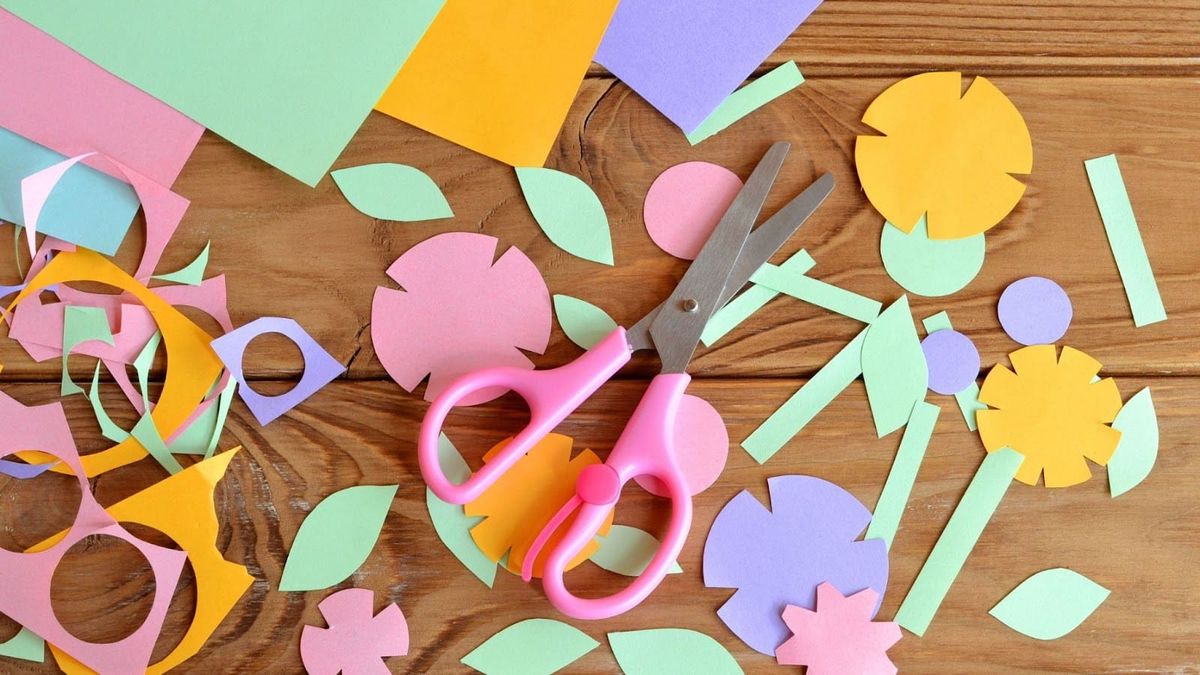
Starting a creative hobby often stalls not from lack of interest, but from not knowing where to begin. Easy creative hobbies like drawing, hand lettering, and simple art projects become far more approachable when the right resources are already in hand.
Having structured, ready-to-use materials removes the pressure of starting from scratch and keeps momentum going. For anyone looking to ease into a creative routine, a strong first step is to download 74,389+ free coloring pages from My Coloring Pages and start creating right away.
Summary
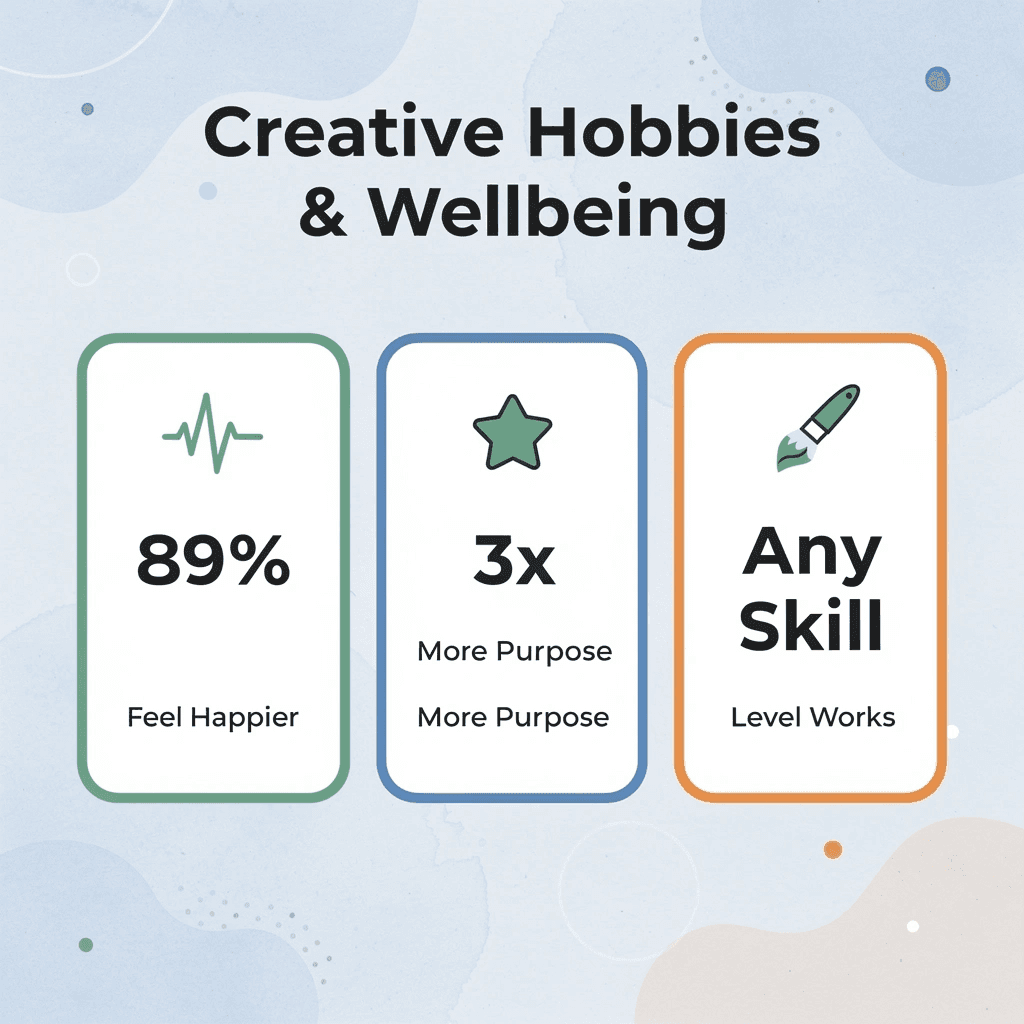
- Creative hobbies produce measurable psychological benefits regardless of skill level. A 2024 study published in Nature Mental Health analyzed data from more than 93,000 participants and found that people who regularly engaged in everyday creative activities reported better mental health, greater life satisfaction, and a stronger sense of lifeis worth. The researchers confirmed this held true regardless of age, income, gender, or education level.
- The stress-reduction benefits of art-making are biological, not just psychological. Researchers found that 75% of participants had measurably lower cortisol levels after just 45 minutes of art-making, even among people with little to no prior artistic experience. Skill level had no bearing on whether the benefit appeared, which means the barrier to entry is lower than most adults assume.
- Skipping creative activity has a real cost beyond boredom. A 13-day diary study involving 658 adults, published in The Journal of Positive Psychology, found that creative activity predicted greater flourishing and more positive emotions the following day, suggesting that creativity improves mood rather than simply reflecting it. Adults who opt out of creative hobbies are opting out of a documented cause of emotional well-being.
- Consistency matters more than complexity when building a creative habit. A simple activity returned to three times a week outperforms an ambitious project abandoned after one session, and research from the Journal of Occupational and Organizational Psychology found that employees who engaged in creative activities outside work reported stronger recovery from job demands and better next-day performance. The mechanism is active mental engagement in something low-stakes, not rest.
- Cognitive flexibility is a skill that atrophies without use, and creative hobbies are among the most accessible ways to exercise it. A 2024 meta-analysis published in Psychological Bulletin, examining 332 effect sizes, found that creativity training produced a moderate improvement in creative performance (Hedges' g = 0.53), with roughly 70% of participants outperforming the average person in control groups. Easy creative hobbies like sketching, coloring, and paper crafts provide this cognitive exercise with almost no setup cost.
- Setup friction is one of the most underrated reasons why adults abandon creative hobbies before they form. Hobbies that require 20 minutes of preparation before any actual creating happens quietly disappear from weekly routines, while portable, low-setup formats with near-zero barriers between intention and action tend to stick. My Coloring Pages addresses this directly, offering 74,389+ free coloring pages that can be generated from a text description and printed in seconds, removing the blank-page barrier that stops most people from building a consistent creative habit.
Why You Should Try Easy Creative Hobbies
Easy creative hobbies improve mental health, life satisfaction, and sense of purpose. Research consistently shows benefits whether you're a skilled artist or picking up a colored pencil for the first time: skill level is irrelevant to the rewards you receive.
"The creative process itself—not the quality of the output—is what drives measurable improvements in mental health and well-being." — PMC / NCBI Research
🎯 Key Point: You don't need to be talented to benefit. Every beginner qualifies for the full mental health boost that creative hobbies provide.
Many adults dismiss activities like coloring, doodling, journaling, or paper crafts as too simple to matter. The idea that real benefits require mastery is flat-out wrong — the data proves otherwise.
💡 Tip: If you've been waiting until you're "good enough" to start a creative hobby, stop waiting. The benefits begin immediately — from your very first session.
Creative Hobby | Primary Benefit | Skill Required |
|---|---|---|
Coloring | Stress reduction & mindfulness | ✅ None |
Doodling | Focus & cognitive engagement | ✅ None |
Journaling | Emotional processing & clarity | ✅ None |
Paper Crafts | Fine motor skills & satisfaction | ✅ Minimal |
⚠️ Warning: Don't let perfectionism be the barrier. The biggest mistake adults make is dismissing low-effort creative activities before experiencing their proven, research-backed benefits.
Why does skill level have nothing to do with the benefit
A 2024 study in Nature Mental Health examining data from 93,000+ people found that those who regularly engaged in everyday creative activities reported better mental health, greater life satisfaction, and a stronger sense that life is worthwhile, regardless of age, income, gender, or education level. The study focused on ordinary people doing ordinary creative activities, not professional artists.
Does stress relief actually require artistic experience?
Most people conflate complexity with impact, assuming that difficulty signals value. A 2016 study found that 75% of participants had measurably lower cortisol levels after 45 minutes of making art, regardless of prior artistic experience (Kaimal et al., Art Therapy, 2016). Stress relief doesn't check your portfolio.
What stops most people from building a consistent creative habit?
Most people who want to start a creative hobby get stuck because the traditional model requires you to supply the idea, materials, and skill simultaneously. Platforms like My Coloring Pages remove this barrier: you describe what you want and get a print-ready page in seconds, eliminating the blank-page problem that prevents most people from building a consistent creative habit.
The best hobby is the one you will actually do
Consistency matters more than complexity. A simple activity you return to three times a week will outperform an ambitious project you abandon after one sitting. Easy entry points like adult coloring, beginner sketching, paint-by-numbers, or paper crafts work because they're easy to start and enjoyable enough to sustain. The creative habit builds itself when friction is low. What nobody warns you about is what happens during long stretches without any creative outlet.
What Happens When You Neglect Creativity
Ignoring creativity damages the psychological systems that help you recover, adjust, and feel like yourself outside of work.
"Creativity is not a luxury — it is a core psychological need that sustains resilience, identity, and emotional recovery." — PMC Research
⚠️ Warning: When you consistently neglect creative outlets, you aren't just missing out on a hobby — you are actively undermining the mental systems responsible for stress recovery and emotional regulation.
💡 Tip: Even small, regular doses of creative activity — as little as a few minutes a day — can help restore the psychological balance that work and routine erode over time.
What Gets Neglected | Psychological Impact |
|---|---|
Creative expression | Reduced sense of identity and self |
Recovery rituals | Slower emotional reset after stress |
Playful thinking | Diminished adaptability and resilience |

1. You May Struggle to Recover From Daily Stress
Most adults relax by scrolling through a feed or queuing up another episode. The problem is that passive entertainment doesn't provide the same psychological recovery as making something. A study published in the Journal of Occupational and Organizational Psychology found that employees who regularly engaged in creative activities outside work reported greater relaxation, a stronger sense of mastery, and more control over their free time. These recovery experiences translated directly into better performance and creativity the following workday.
2. Your Stress Levels May Stay Higher Than They Need To
Skipping creative activity means missing one of the few habits that produce measurable biological change. Researchers at Drexel University found that 45 minutes of art-making produced a statistically significant drop in cortisol, the body's primary stress hormone, across adults of all skill levels. The benefit appeared regardless of prior artistic experience, so the barrier isn't ability—it's showing up.
3. You May Miss Out on a Better Mood and Greater Life Satisfaction
A 13-day diary study of 658 adults in The Journal of Positive Psychology found that creative activity predicted greater flourishing and more positive emotions the following day. Creativity didn't reflect a good mood; it created one. Skipping creative hobbies means forgoing a habit that research identifies as a cause of better emotional well-being.
What happens when adults break the cycle of screens and obligations?
Many adults who grew up without encouragement toward creative expression describe a persistent sense of emptiness. This pattern emerges consistently: a routine dominated by screens and obligations, with no activity that produces genuine accomplishment. For adults looking to break that pattern with something low-friction and enjoyable, our My Coloring Pages tool generates custom printable coloring pages from simple text descriptions, with no artistic skill required.
4. Your Brain Gets Fewer Opportunities to Stay Mentally Flexible
Creative hobbies are cognitive exercises. A 2024 meta-analysis in Psychological Bulletin examined 332 effect sizes and found that creativity training produced moderate improvement in creative performance (Hedges' g = 0.53), with roughly 70% of participants outperforming control groups. Cognitive flexibility—the ability to shift thinking when circumstances change—deteriorates without use. Easy creative hobbies like sketching, paper crafts, or coloring are among the most accessible ways to maintain it.
5. You May Feel Less Engaged Outside of Work
Without a creative hobby, many adults cycle through work, chores, and passive screen time with nothing personally meaningful in between. Research involving 279 adults aged 40 to 84 found that participating in creative hobbies was positively associated with mental well-being and personal fulfillment. The absence of a creative outlet narrows your sense of identity outside your job title. The challenge is protecting time for creativity when life fills every gap.
Related Reading
- Creative Hobbies For Adults
- Creative Hobbies
- Creative Hobbies For Women
- Creative Hobbies For Men
How to Make Time for Hobbies as an Adult in 8 Ways
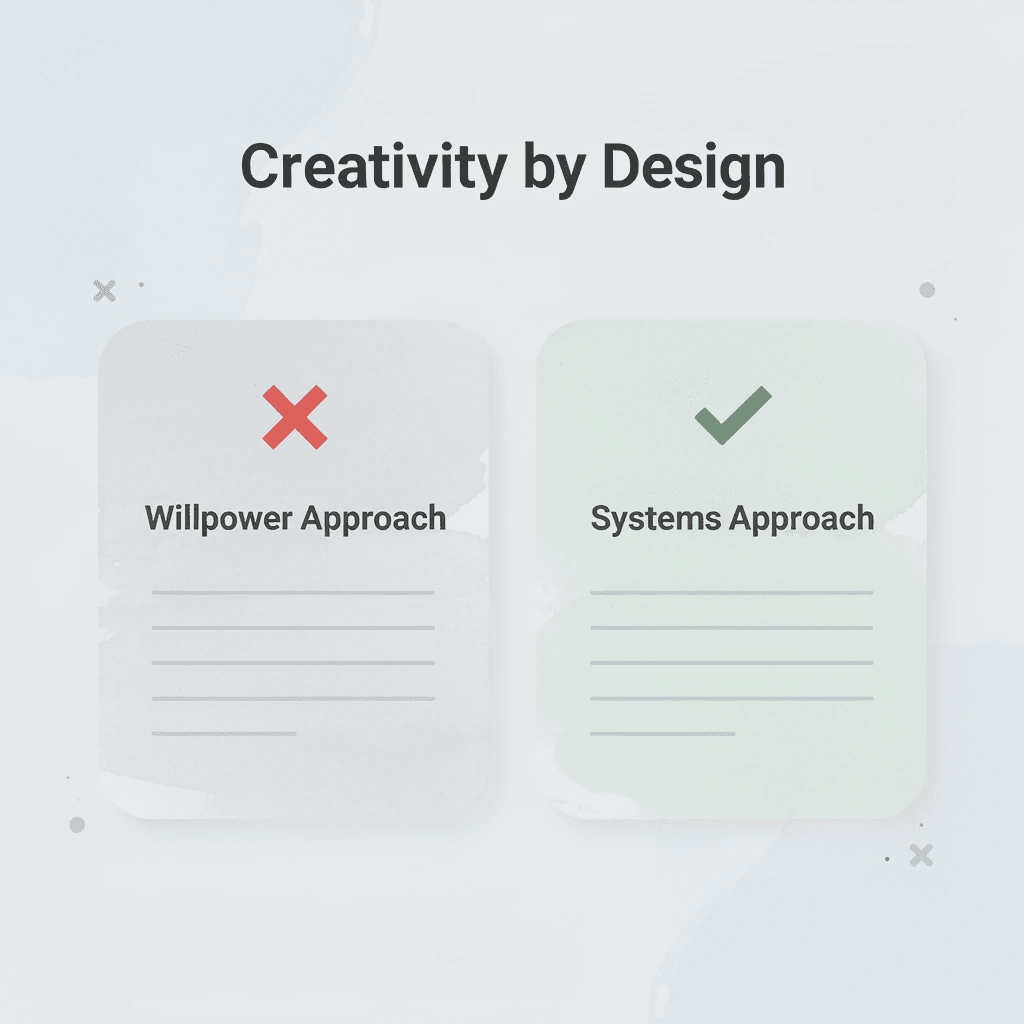
Protecting time for creative hobbies isn't a willpower problem—it's a design problem. Most adults lack a system that makes creativity the default rather than the exception.
"Adults who intentionally schedule hobby time report significantly higher levels of life satisfaction and reduced burnout compared to those who rely on leftover time." — Leisure Research, 2023
💡 Tip: Don't wait for free time to appear—design your schedule so that hobby time is protected by default, not squeezed in as an afterthought.
Approach | Result |
|---|---|
Relying on willpower alone | Inconsistent, hobby time gets skipped |
Building a system | Creativity becomes a daily default |
Scheduling dedicated blocks | Higher follow-through and satisfaction |
🎯 Key Point: The real barrier to hobbies as an adult isn't a lack of desire—it's the absence of a deliberate structure that treats creative time as non-negotiable.
1. Stop Waiting for a Free Afternoon
The single most damaging belief about hobbies is that they require a large, uninterrupted block of time. Scheduling 20 to 30 minutes on your calendar—the same way you'd block time for a call or workout—changes how it works. When creative time has a specific slot, it no longer competes with everything else.
2. Start Smaller Than Feels Meaningful
When something feels too small to matter, most people skip it. That's wrong. Fifteen minutes of sketching, a few rows of knitting, or coloring a single design builds the brain habit that makes the next session easier to start. Regular, small sessions add up faster than occasional, long ones.
3. Swap Screens, Don't Add Hours
The failure point isn't a lack of hours: it's where those hours are already going. Most adults spend 45 to 90 minutes after dinner on passive screen time, which leaves them feeling emptier than when they started. Even 20 minutes of redirecting toward a hands-on hobby produces a measurable change in mental state by bedtime.
Why does creative activity work better than rest?
A 2014 study in the Journal of Occupational and Organizational Psychology (Eschleman et al.) found that creative activity was positively associated with recovery from work demands and with stronger next-day performance. The mechanism is active mental engagement in something low-stakes and personally meaningful, rather than rest.
Does it matter how personal the activity feels?
Most adults buy a generic coloring book and abandon it because nothing interests them. Platforms like My Coloring Pages let you generate print-ready pages based on what you want: a forest scene, a favorite pet, a custom theme. When the activity feels personal rather than generic, motivation to return strengthens considerably.
4. Keep Your Supplies Visible
Friction kills habits before they start. If your coloring supplies are in a box in the closet, you won't use them tonight. Leave the sketchbook on the kitchen table, the colored pencils in a jar on the counter, and the crochet basket next to the couch. Visibility removes the decision.
5. Attach the Habit to Something You Already Do
New behaviors stick when they ride alongside existing ones. Color while your morning coffee brews. Journal after brushing your teeth at night. Sketch during your lunch break instead of scrolling. The existing routine acts as the trigger, eliminating reliance on motivation alone.
6. Let Yourself Be a Beginner
Most adults abandon creative hobbies within the first few weeks because they expect competence before comfort. Calligraphy looks awkward at first. Watercolor bleeds where you didn't intend. Knitting produces uneven rows. That's not failure; that's the process. Every creative skill starts with output that doesn't match your vision, and pushing through that gap is how you close it.
7. Choose What You Actually Enjoy
You don't need to paint because it looks impressive or learn guitar because someone else swears by it. The best creative hobby is one you genuinely look forward to returning to. If you prefer quiet and stillness, coloring or hand lettering might suit you. If you like working with your hands, pottery or woodworking could hold your attention longer. If you enjoy problem-solving, photography or bookbinding might be a better match. What matters is what keeps pulling you back.
8. Reframe What "Productive" Means
Many adults feel guilty about spending time on themselves, treating hobbies as borrowed time from more serious work. Creative engagement isn't a detour from productivity; research shows it supports it. Structured breaks through personally meaningful activities return you to responsibilities with sharper focus and lower stress. The shift isn't finding more time, but treating creative time as essential rather than optional.
How to Choose an Easy Creative Hobby for Adults in 6 Steps
Matching a hobby to your life is about removing friction points — the hidden barriers that cause most people to quit before they ever truly begin. The six factors below provide a practical filter to help you find a hobby that actually sticks.
"The best hobby is the one with the fewest barriers to entry — because low friction is what turns a one-time experiment into a lasting habit." — Behavioral Design Research
Step | Factor to Evaluate | Why It Matters |
|---|---|---|
1 | Time availability | Ensures the hobby fits your real schedule |
2 | Startup cost | Prevents financial friction from stopping you early |
3 | Physical requirements | Matches the hobby to your energy levels |
4 | Learning curve | Avoids overwhelm in the first few sessions |
5 | Space needed | Confirms you have a practical place to practice |
6 | Social preference | Aligns with whether you want solo or group engagement |
💡 Tip: Run every hobby idea through all six filters before committing — a hobby that fails even one critical factor is a hobby you're likely to abandon.
🎯 Key Point: Friction is the real enemy of creative hobbies for adults — not lack of talent, not lack of time. Removing obstacles upfront is the single most effective strategy for long-term enjoyment and consistency.
1. Match the hobby to your actual free time
The most common reason adults stop doing creative hobbies isn't boredom: it's a mismatch. A hobby requiring an hour to set up when you have fifteen minutes will fail, not because you lack commitment, but because the format doesn't fit your available time. Match hobbies to the time you have: five to ten minutes work for adult coloring and doodling; fifteen to thirty minutes for watercolor painting, crochet, and bullet journaling; an hour or more for acrylic painting, sewing, or DIY crafts requiring setup, process, and cleanup.
2. Don't choose based on skill level
Adults typically fail by choosing hobbies they think they should take up rather than ones that genuinely interest them. This difference is critical. Skill builds within a hobby you already enjoy—it's not a prerequisite. Beginner-friendly activities like sketching, collage making, and watercolor let you experience the process before worrying about the outcome. The creative process itself holds the value, not the finished product.
3. Start with a low-cost hobby
When testing whether a creative hobby fits your life, start cheap. Journaling, paper crafts, sketching, and coloring require minimal upfront investment, so you're not financially committed until you confirm genuine interest. Most adults who stick with creative hobbies long-term started simply; upgrading supplies later feels like a reward, not a risk. Platforms like My Coloring Pages eliminate the need to hunt for the perfect coloring book. Describe a scene, theme, or favorite character and generate a print-ready page in seconds—creating something personally meaningful from day one.
4. Think about why you want a hobby
Your motivation shapes which hobby will hold your attention past the first week. If you want to relax after work, paint-by-numbers, adult coloring, and knitting provide repetitive, low-decision-making activities that quiet mental noise. If you want to express specific ideas, creative writing or journalling offers that outlet. If you want something tangible at the end, crochet, sewing, and candle making produce objects you can use or give away. If you want to personalize your space, DIY home décor, pressed flower art, and watercolor painting serve that goal directly.
5. Pick something easy to continue
Setup cost is an underrated reason why hobbies die. A hobby that requires you to clear a table, gather materials from multiple locations, and spend 20 minutes on prep will quietly disappear. One where supplies sit ready and cleanup takes two minutes, will survive. Portable, low-setup hobbies like sketching, journaling, and coloring have strong staying power because the barrier between "I have a few minutes" and "I'm doing it" is nearly zero.
6. Give yourself permission to be a beginner
Every creative hobby has a learning curve. Your first coloring page, journal spread, or knitted row doesn't need to be impressive; it needs to exist. The easiest hobby isn't the one you master quickly. It's the one you keep returning to because the process itself feels worth doing. Most adults already know what kind of creative activity appeals to them. What they don't know yet is which specific hobby, format, or starting point will make that pull feel irresistible rather than overwhelming.
55 Easy Creative Hobbies for Adults in 2026
Here are 55 creative hobbies worth trying in 2026—each with low barriers to entry, manageable costs, and genuinely rewarding processes.
"The best creative hobby is the one you'll actually start — low cost and easy entry are the two factors most likely to turn curiosity into a lasting habit."
💡 Tip: Don't overthink your first pick. The 55 options below are curated specifically for adults who want creative fulfillment without overwhelming startup investment — so browse, pick one, and start today.
🎯 Key Point: Every hobby on this list was chosen for its accessibility, meaning you can realistically begin within days — not months.
What to Expect | Details |
|---|---|
Number of Hobbies | 55 curated options |
Barrier to Entry | Low — beginner-friendly |
Cost Level | Manageable for most budgets |
Best For | Adults seeking creative outlets in 2026 |
Core Benefit | Rewarding, sustainable creative processes |

1. Adult Coloring
You don't need artistic skill to start coloring. Print a design, pick up coloured pencils or markers, and you have a complete creative session in minutes. My Coloring Pages offers 100,000+ printable designs: describe what you want, generate a custom page, and print it without additional purchases beyond basic supplies.
What you'll need: Printable coloring pages, colored pencils or markers
Estimated cost: Free to $15
2. Doodling
Doodling requires only a pen and a few spare minutes. Draw shapes, faces, patterns, or random ideas in a notebook while listening to music or during free time. The goal is not a finished product, but rather to move your hand across a page without pressure.
What you'll need: Notebook and pen or pencil
Estimated cost: Free to $10
3. Sketching
Pick any object within arm's reach and draw it: a coffee mug, a houseplant, your own hand. Sketching trains your eye to notice overlooked details. Improvement happens gradually, session by session, with a sketchbook and a few pencils.
What you'll need: Sketchbook, pencils, eraser
Estimated cost: $5 to $15
4. Paint-by-Numbers
Paint-by-numbers removes the hardest part of painting by pre-numbering each section of the canvas with a corresponding color. You follow the system rather than invent one, making it immediately rewarding for adults seeking a finished painting without the frustration of composition or color theory.
What you'll need: Paint-by-numbers kit
Estimated cost: $15 to $30
5. Watercolor Painting
Watercolor is forgiving compared to most painting mediums. Start with simple flowers, loose washes of color, or abstract shapes: the soft transparency does much of the visual work for you. A basic set costs under $20 and handles dozens of projects.
What you'll need: Watercolor paints, brushes, watercolor paper
Estimated cost: $15 to $30
6. Acrylic Painting
Acrylic paint dries fast, covers mistakes easily, and works on almost any surface: canvas, wood, rocks, and terracotta pots. The quick drying time lets you layer and adjust without waiting hours between sessions. Beginners typically start with simple landscapes or abstract color blocks before progressing to more detailed work.
What you'll need: Acrylic paints, brushes, canvas
Estimated cost: $20 to $35
7. Finger Painting
Finger painting isn't limited to children. Using your hands instead of brushes creates textures and shapes that tools cannot replicate, and the hands-on experience is calming. Use acrylic or finger paints on thick paper or canvas, focusing on color and movement rather than the final result.
What you'll need: Finger paints or acrylic paints, thick paper or canvas
Estimated cost: $10 to $20
8. Hand Lettering
Hand lettering is drawing letters instead of writing them. Each character becomes a design choice, building a skill that looks impressive but starts simply with brush pens and practice sheets.
What you'll need: Brush pens, paper
Estimated cost: $10 to $20
9. Modern Calligraphy
Modern calligraphy uses brush pens instead of traditional dip pens, making it easier to learn. Practice the basic alphabet, then move on to cards, invitations, or decorative quotes. Most adults create something worth keeping after their first two or three practice sessions.
What you'll need: Brush pen or calligraphy markers, practice paper
Estimated cost: $10 to $20
10. Coloring Mandalas
Mandalas work well as a creative hobby because their repeating circular structure provides a natural starting point. Focus on one small section at a time, try out color gradients or complementary palettes, and the finished result will look more intentional than the effort required. Printable mandalas let you start immediately without buying a coloring book.
What you'll need: Printable mandalas or coloring book, coloured pencils or markers
Estimated cost: Free to $15
11. Creative Journaling
Creative journaling combines writing with visual elements like drawings, stickers, photos, washi tape, and colorful pens. With no rules about format, frequency, or subject matter, it's highly adaptable. You can document moments, collect quotes, or fill pages with color.
What you'll need: Notebook, pens, stickers or washi tape (optional)
Estimated cost: $5 to $15
12. Bullet Journaling
Bullet journaling transforms planning into a hands-on creative project. You design custom calendars, habit trackers, reading logs, and weekly layouts using color, lettering, and simple illustrations. Adults who struggle to find time for creative activities often commit to them more readily because they function as a productivity system.
What you'll need: Dotted notebook, pens, markers
Estimated cost: $10 to $20
13. Gratitude Journaling with Doodles
A gratitude list surrounded by small doodles, hand-lettered borders, and coloured accents becomes something you'll look forward to filling out. The creative layer adds enough engagement to make a daily five-minute habit feel like a treat rather than a task.
What you'll need: Journal, coloured pens or markers
Estimated cost: $5 to $15
14. Poetry Writing
Poetry doesn't require formal structure. Free verse, haiku, or rhyming couplets all count. The value lies in finding precise words for unclear feelings, a process available to anyone with a notebook or notes app. Short-form poetry suits busy adults; a complete piece takes fewer than ten minutes.
What you'll need: Notebook or notes app
Estimated cost: Free
15. Creative Writing
Creative writing includes personal essays, fiction, and children's stories. Start with a writing prompt and give yourself permission to write badly; the creative muscle strengthens through practice, not perfect first drafts.
What you'll need: Notebook or computer
Estimated cost: Free
16. Short Story Writing
A short story can be finished in a single sitting, making it manageable for adults intimidated by larger writing goals. Build one character, one problem, one resolution. That constraint teaches you more about storytelling structure than months of novel planning.
What you'll need: Notebook or laptop
Estimated cost: Free
17. Origami
Origami needs only paper, making it one of the easiest handmade crafts to try. Start with simple cranes or boxes, then progress to flowers, butterflies, and modular geometric designs. The physical act of turning a flat sheet into a three-dimensional object is deeply satisfying.
What you'll need: Origami paper or printer paper
Estimated cost: Free to $10
18. Paper Quilling
Paper quilling involves rolling thin strips of paper into coils and arranging them into decorative shapes. You can use it to create greeting cards, bookmarks, or framed wall art. The finished results appear more complicated than the skill required to make them.
What you'll need: Quilling paper, quilling tool, glue
Estimated cost: $10 to $15
19. Collage Making
Making a collage requires no drawing ability. Cut images, text, and textures from magazines or printed photos, then arrange them on cardstock until the composition feels right. All creative decisions stem from what you choose and where you place it, making collage accessible to adults who believe they can't make art.
What you'll need: Magazines, scissors, glue, cardstock
Estimated cost: Free to $10
20. Scrapbooking
Scrapbooking transforms memories into physical albums by arranging photos, tickets, postcards, and handwritten notes with patterned paper and stickers. The creative work centers on selecting what to include and deciding how to arrange it, rather than producing original artwork.
What you'll need: Scrapbook, glue, photos, decorative paper
Estimated cost: $10 to $25
21. Junk Journaling
Junk journaling is a creative hobby that costs little to nothing. Collect receipts, old envelopes, wrapping paper scraps, magazine cutouts, and book pages, then layer them into journal spreads using glue and scissors. Because every collection of materials differs, no two junk journals look the same.
What you'll need: Notebook, recycled paper, glue, scissors
Estimated cost: Free to $10
22. Greeting Card Making
A handmade greeting card conveys something store-bought cards cannot. You can decorate cardstock with watercolor washes, pressed flowers, hand lettering, or stamped patterns for birthdays, holidays, or thank-you notes. Each card takes 20 to 30 minutes to create and results in something worth keeping.
What you'll need: Cardstock, markers, stickers, stamps (optional)
Estimated cost: $5 to $15
23. Bookmark Making
If you read regularly, making bookmarks is a natural way to express yourself creatively. Use watercolor, pressed flowers, hand lettering, or laminated designs on cardstock, then add a ribbon or tassel. They make thoughtful handmade gifts you can finish in under an hour.
What you'll need: Cardstock, scissors, markers, ribbon (optional)
Estimated cost: $5 to $10
24. DIY Gift Tags
Design personalized gift tags using decorative paper, stamps, calligraphy, or hand-drawn illustrations. Add names, seasonal themes, or short messages to make wrapped gifts feel thoughtfully considered.
What you'll need: Cardstock, hole punch, ribbon, markers
Estimated cost: $5 to $10
25. Vision Board Creation
A vision board is a physical collage of images, quotes, and goals that shows what you're working toward. Cut inspiring photos from magazines or print them, then arrange everything on a poster board you'll see regularly. The process of selecting and organizing those images serves as an intentional reflection.
What you'll need: Poster board, magazines, scissors, glue
Estimated cost: Free to $10
26. Rock Painting
Smooth stones become small canvases for flowers, animals, mandalas, or short phrases painted in acrylic. Display them in your garden, on a shelf, or leave them in public places for strangers to find. The low cost and forgiving surface make rock painting one of the easiest ways to experiment with paint without committing to a full canvas.
What you'll need: Smooth rocks, acrylic paint, or paint pens
Estimated cost: $5 to $15
27. Painted Flower Pots
A plain terracotta pot becomes something personal with an hour of painting. Use geometric patterns, floral designs, or hand-lettered quotes in acrylic paint, then seal with a clear coat to protect the finish. The result is functional decor that transforms how you feel about the space it occupies.
What you'll need: Terracotta pots, acrylic paint, brushes
Estimated cost: $10 to $20
28. Pressed Flower Art
Press flowers and leaves between heavy books for one to two weeks, then arrange them into framed artwork, greeting cards, or journal pages using a small amount of glue. Materials are often free with garden or outdoor access, and finished pieces have a delicate, handmade quality.
What you'll need: Flowers, heavy books or a flower press, cardstock, and glue
Estimated cost: Free to $15
29. Air-Dry Clay Crafts
Air-dry clay hardens at room temperature without special equipment. Shape it into jewelry dishes, small sculptures, ornaments, or coasters; let it dry for 24–48 hours, then paint with acrylic paint. Working with clay offers a calming quality that drawing and other flat crafts lack.
What you'll need: Air-dry clay, sculpting tools, acrylic paint
Estimated cost: $10 to $20
30. Polymer Clay Jewelry
Polymer clay stays soft and workable until you bake it in a regular kitchen oven, giving you time to shape it and mix colors as desired. You can create earrings, pendants, keychains, or rings in any color combination. Each piece costs little to make, and the finished items are gift-worthy or sellable.
What you'll need: Polymer clay, clay tools, baking tray
Estimated cost: $10 to $20
31. Beaded Bracelets
String colorful beads, letter beads, or charms onto elastic cord to create bracelets in any color combination. The technique takes about 20 minutes to learn and produces wearable results immediately.
What you'll need: Beads, elastic cord, scissors
Estimated cost: $5 to $15
32. Friendship Bracelets
Friendship bracelets use embroidery floss tied into repeating patterns. Two or three basic knot types create dozens of designs by changing colors and sequences. The repetitive knotting is calming, and finished bracelets make meaningful gifts.
What you'll need: Embroidery floss, scissors, tape
Estimated cost: $5 to $10
33. Simple Embroidery
Embroidery adds color and texture to fabric using a needle and thread. Learn basic stitches—the backstitch, satin stitch, and French knot—to create flowers, leaves, or phrases on tote bags, pillowcases, or framed fabric. Beginner kits include all necessary materials.
What you'll need: Embroidery hoop, fabric, thread, needle
Estimated cost: $10 to $20
34. Cross Stitch
Cross-stitch uses small X-shaped stitches worked across a grid fabric to build images and patterns. Following a printed chart, the repetitive motion is calming and meditative, making it ideal for evenings at home.
What you'll need: Cross-stitch kit or fabric, thread, needle
Estimated cost: $10 to $20
35. Crochet
Crochet uses a single hook and yarn to create scarves, blankets, plush toys, and home decor. The foundational stitches—chain, single crochet, and double crochet—can be learned in an afternoon using free video tutorials. Once you master these three stitches, you can complete a wide range of beginner patterns.
What you'll need: Crochet hook, yarn
Estimated cost: $10 to $20
36. Knitting
Knitting is built on two basic stitches: knit and purl. These stitches combine to create a wide variety of textures and patterns. A simple flat scarf using the knit stitch can be finished in a few weeks of casual practice. Many adults who start knitting report that the rhythm of knitting effectively reduces stress.
What you'll need: Knitting needles, yarn
Estimated cost: $10 to $25
37. Macramé
Macramé creates decorative objects through knotting rather than weaving or stitching. Plant hangers, wall hangings, and coasters can be made with a few knot types and cotton cord. The finished pieces have a modern, handmade aesthetic that suits most home interiors and requires only scissors as a tool.
What you'll need: Cotton cord, scissors
Estimated cost: $10 to $20
38. Candle Making
Custom candles combine scent, color, and container design into a single creative project. Use soy or paraffin wax, fragrance oils, and dried botanicals to create candles that match your home's aesthetic or make personalized gifts. Beginner kits include pre-measured materials, eliminating the trial-and-error phase from initial pours.
What you'll need: Wax, wicks, fragrance oil, containers
Estimated cost: $20 to $35
39. Soap Making
Melt-and-pour soap kits make soapmaking accessible without requiring chemistry knowledge. Melt a pre-made soap base, add fragrance oils, colorants, and botanicals, then pour into molds and let it set. The finished bars work well, make excellent gifts, and offer endless customization options.
What you'll need: Melt-and-pour soap base, molds, fragrance oils
Estimated cost: $20 to $30
40. DIY Home Décor
Making your own home decorations—painted frames, decorative jars, candle holders, or seasonal centerpieces—gives you control over your space's appearance for a fraction of the cost of store-bought. The creative challenge centers on design choices: color, proportion, texture, and placement. Using recycled materials keeps costs down while making each piece unique.
What you'll need: Paint, glue, recycled materials, craft supplies
Estimated cost: $10 to $25
41. Terrarium Making
A terrarium is a tiny landscape built inside a glass container using small plants, moss, pebbles, and decorative stones. The creative work lies in arranging and layering the materials, and the finished piece requires minimal care.
What you'll need: Glass container, small plants, soil, decorative stones
Estimated cost: $15 to $30
42. Indoor Herb Gardening
Growing herbs like basil, mint, or rosemary on a sunny windowsill combines practicality with design. Arranging pots by height and color engages your creative sensibility while providing fresh ingredients for cooking.
What you'll need: Herb seeds or plants, pots, potting soil
Estimated cost: $10 to $20
43. Succulent Arrangement
Succulents handle irregular watering, making them ideal for a low-maintenance creative project. Mix different sizes, colors, and textures in a single container, add decorative stones, and create a display that functions as both plant and home décor.
What you'll need: Succulents, planter, decorative stones
Estimated cost: $10 to $25
44. Floral Arranging
Working with fresh or dried flowers develops your eye for color, proportion, and texture. Experimenting with different stem heights, greenery, and vase shapes reveals how small changes affect your arrangement. Dried arrangements last indefinitely, making them cost-effective.
What you'll need: Flowers, vase, floral scissors
Estimated cost: $10 to $25
45. Smartphone Photography
Your smartphone camera can take great pictures if you master three basics: which direction the light comes from, where you place your subject, and keeping the background simple. Practice with everyday things—your morning coffee, your pet, afternoon light on the floor. Using one device helps you develop creativity faster than accumulating equipment would.
What you'll need: Smartphone
Estimated cost: Free
46. Nature Photography
Walking outdoors to photograph what you notice changes how you experience familiar places. Flowers, insects, bark textures, puddle reflections, and seasonal shifts become subjects worth studying. Nature photography builds observational skills while encouraging regular time outside.
What you'll need: Smartphone or camera
Estimated cost: Free
47. Food Photography
If you cook or bake regularly, photographing your finished dishes adds a creative layer to something you're already doing. Use natural window light, try simple backgrounds, and adjust your camera angle until the composition feels balanced. The practice creates a satisfying visual record of your cooking to revisit.
What you'll need: Smartphone or camera
Estimated cost: Free
48. Canva Designing
Canva's template library makes graphic design accessible to adults with no design background. Use it to create invitations, printable planners, vision boards, or decorative wall art. Creative decisions—color palette, font pairing, layout balance—develop genuine design skills with practice, even as the tool handles technical execution.
What you'll need: Computer or smartphone, Canva account
Estimated cost: Free
49. Digital Illustration
Drawing apps like Procreate or free alternatives like Sketchbook let you create digital artwork on a tablet or phone without wasting paper. Practice simple objects, cartoon characters, or botanical illustrations, and use the undo function as a learning tool. The digital format removes the worry of ruining a physical page, making experimentation lower-stakes.
What you'll need: Tablet or computer with a drawing app
Estimated cost: Free to $20
50. LEGO Building
LEGO sets for adults include botanical collections, famous buildings, vehicles, and abstract sculptures. Following a complex build is calming: one careful step at a time. Designing original creations from loose bricks rewards spatial thinking and improvisation.
What you'll need: LEGO set or loose bricks
Estimated cost: $20 to $40
51. Creative Baking
Decorating baked goods with piped icing, hand-painted designs, or edible flowers transforms a practical task into visual art. The creative choices—color mixing, pattern design, and composition—apply to any visual medium, but the edible, shareable result makes this one of the most rewarding hobbies to share with others.
What you'll need: Basic baking ingredients and decorating tools (optional)
Estimated cost: $10 to $25
52. Puzzle Designing
Most adults think of puzzles as something to solve, not create. Designing your own crossword, word search, or logic puzzle requires you to consider structure, difficulty, and how the solver will experience it. Free online tools handle formatting, and you can share the finished puzzle with friends or family as a personalized gift.
What you'll need: Notebook or online puzzle creator
Estimated cost: Free
53. Learning the Ukulele
The ukulele has four strings and uses simpler chord shapes than a guitar, making it the most beginner-friendly stringed instrument for adults. With a few basic chords, you can play recognizable songs within weeks. Its small size allows you to practice for ten minutes without setup.
What you'll need: Ukulele
Estimated cost: $30 to $50
54. Singing
Singing is the only creative hobby on this list requiring no equipment or cost. Practice with your favorite songs, use free vocal warm-up videos, or set up a karaoke session at home with a free app. The creative satisfaction of matching pitch, finding harmony, or singing without self-consciousness is available to everyone, regardless of natural ability.
What you'll need: Your voice, karaoke app (optional)
Estimated cost: Free
55. Decorating a Personal Planner or Calendar
A plain planner becomes a daily creative ritual when you treat each page as a small design project. Add coloured stickers, hand-lettered headings, washi tape borders, or small doodles to your weekly layouts. The result is a planner personal enough to use consistently.
What you'll need: Planner or calendar, pens, stickers, washi tape
Estimated cost: $5 to $15
What makes a creative hobby actually stick for adults?
The pattern across all 55 of these hobbies is worth noticing. The ones that stick are where the process itself holds your attention—where the act of making something, even something small, returns something you couldn't get from a passive evening. Adults who find a creative outlet they enjoy report a sense of authorship over their own time, a feeling surprisingly rare in schedules built around others' priorities.
Do you need to spend a lot to start a creative hobby?
A common misconception is that starting a creative hobby requires significant upfront investment. Most options above cost under $20 to begin, and several cost nothing. The real investment is the first session: the one where you sit down without knowing whether this activity will click for you. That session tells you whether to keep going.
What happens when a new hobby feels harder than you expected?
The harder question is the one nobody asks directly: what happens when you try something and it feels harder than expected?
Related Reading
- Fun Creative Hobbies
- Creative Hobbies That Improve Mental Clarity
- Creative Hobbies For Seniors
- Creative Hobbies To Try
Don't Let "Too Hard" Stop You From Being Creative
The hardest part of any creative hobby isn't technique—it's the moment before you start, when the activity feels unfamiliar, and your brain convinces you that you're not the kind of person who does this. That feeling passes faster than you expect once you have something in your hands.
"The barrier to creativity isn't talent or skill—it's the hesitation before you begin. Starting is the only technique that matters."
💡 Tip: The next time your brain says "I'm not creative," recognize it as a false story, not a fact. Pick up the pencil anyway.
To lower the barrier between hesitation and creative output, download 74,389+ free coloring pages from My Coloring Pages. Type a description, choose a design, print it, and start creating. No supplies to buy, no technique to learn, no artistic confidence required.
⚠️ Warning: Don't let the "I need to prepare first" mindset keep you stuck. The best creative tool is the one you can access right now—with 74,389+ free designs, there's no reason to wait.
🎯 Key Point: My Coloring Pages removes every friction point: no cost, no skill barrier, no setup. The only thing left is to create.
Related Reading
- Easy Creative Hobbies
- Creative Hobbies To Try At Home
- Cheap Creative Hobbies