15 Best Books To Inspire Creativity In Kids
Discover the 15 best books to inspire creativity in kids with My Coloring Pages. Spark imagination and artistic skills today!


Every parent recognizes that moment when their child stares at a blank page, unsure where to begin. Fostering creativity goes beyond providing art supplies or setting aside time for play—it starts with the right inspiration. Carefully selected books can unlock a child's creative potential by sparking imagination, encouraging problem-solving, and helping young minds see the world through fresh eyes.
Reading lays the foundation, but children need hands-on activities to bring their ideas to life. Whether inspired by picture books about animals, chapter books featuring brave adventurers, or stories about young artists, children develop confidence when they can transform passive reading into active creation. Parents looking to extend that creative spark can download 75,890+ free coloring pages that connect directly to the stories and themes their children love.
Summary
- Children's brains don't passively absorb stories the way they process screen content. Reading requires active mental construction of characters, environments, and emotions from symbols on a page. Research from Emory University tracked brain activity over 19 consecutive days of fiction reading and found heightened connectivity in regions responsible for mental simulation. Imagination persisted even after participants stopped reading, demonstrating that the act of building imaginary worlds from text trains the neural pathways underlying all creative work.
- Theory of mind, the ability to understand other perspectives, sits at the heart of both empathy and creative thinking. A 2013 study published in Science found that reading literary fiction significantly improved emotional interpretation and perspective-taking in hundreds of participants. This matters for creativity because every act of imagination requires stepping outside your own viewpoint, and when children read about characters facing unfamiliar challenges or experiencing new emotions, they practice the same mental flexibility required to invent new ideas and solve problems from unexpected angles.
- Traditional coloring books run out of pages after 30, but stories can fuel weeks of imaginative play and self-created storytelling. Research from the National Association for the Education of Young Children shows children regularly extend book narratives through pretend play and creative expression, turning passive reading into active invention. This symbolic transformation, the ability to take one idea and reimagine it in another form, strengthens when picture books provide inspiration that continues beyond the final page.
- Children who are read to regularly from infancy hear approximately 1.4 million more words before school entry compared to those who aren't, according to the American Academy of Pediatrics. That represents 1.4 million more conceptual building blocks to combine, remix, and transform creatively later, because stories repeatedly expose readers to hypothetical situations, alternative realities, and unexpected outcomes that train the brain to think beyond fixed answers and develop divergent thinking, the scientific measure of creative potential.
- Only about one in three children aged 8 to 18 now enjoy reading in their free time, partly because reading increasingly feels tied only to academic performance rather than pleasure. Experts repeatedly stress that children who enjoy reading voluntarily are far more likely to continue reading long term, develop stronger language skills, and build imagination naturally, but this requires parents to stop treating every book like a test and instead focus on emotional engagement, following children's existing interests, and creating no-pressure reading environments where stories feel like discovery rather than duty.
- After children finish reading, the story often ends without inviting them to keep going, leaving inspiration as just a feeling that fades by bedtime. MyColoringPages addresses this gap by offering over 75,890 printable pages that extend the themes children encounter in books, providing a bridge between the world they just imagined and something they can touch, shape, and continue building, so the momentum doesn't stop at the last page.
Why Books Matter More Than You Think
Books build the mental architecture for creative thinking. When a child reads, their brain actively constructs characters, environments, emotions, and entire imaginary worlds from symbols on a page, rather than passively receiving information like screen content. This mental simulation process—building something from nothing inside your own mind—is the foundation of all creative work.

🎯 Key Point: Reading transforms your child into an active creator rather than a passive consumer, developing the neural pathways essential for innovation and problem-solving.
"Reading actively constructs entire imaginary worlds from symbols on a page, building the mental architecture for all creative work." — Cognitive Research Studies
💡 Tip: Encourage your child to describe the scenes they're imagining while reading—this strengthens the mental simulation process and builds even stronger creative muscles.
What does neuroscience reveal about reading's impact on creativity?
Brain science research from Emory University (2013) tracked brain activity over 19 consecutive days of fiction reading and found that brain effects persisted after people stopped reading. The study showed stronger connections in brain areas responsible for mental simulation, imagination, and understanding others' perspectives. Your child's brain learns to create possibilities, build alternatives, and think beyond what they see immediately.
How does understanding others' perspectives boost creative thinking?
Theory of mind—understanding how other people think and feel—is essential to both empathy and creative thinking. A 2013 study published in Science found significant improvements in emotional interpretation and perspective-taking after reading literary fiction. Every act of imagination requires stepping outside your own viewpoint. When your child reads about a character making difficult choices or experiencing unfamiliar emotions, they practice the mental flexibility required to invent new ideas, solve problems from unexpected angles, and create work that resonates with others.
Why do stories spark more creativity than traditional activities?
A story can fuel weeks of imaginative play, drawing, role-playing, and self-created storytelling, far beyond what a traditional coloring book offers. Picture books especially strengthen symbolic transformation: the ability to take one idea and reimagine it in another form. Research from the National Association for the Education of Young Children shows children extend book narratives through pretend play and creative expression, turning passive reading into active invention.
What screens can't replicate about building imagination?
When your child watches a video, pictures, voices, and settings come to life immediately. Books work differently: readers must imagine scenes, create characters, and actively determine emotions and events. The American Academy of Pediatrics reports that children who are read to regularly from infancy show stronger language development, imagination, and cognitive engagement than those who aren't. One major study found these children heard approximately 1.4 million more words before school entry—1.4 million more conceptual building blocks to combine, remix, and transform creatively later.
How does fiction exposure develop creative thinking skills?
The Creativity Research Journal published findings showing that exposure to fiction positively correlates with originality, idea flexibility, and imaginative problem-solving. Stories expose readers to hypothetical situations, alternative realities, unexpected outcomes, and complex perspectives. Each "what if?" question a book raises, each character decision that could have gone differently, each imagined world operating by different rules, trains the brain to think beyond fixed answers. This divergent thinking—the scientific measure of creative potential—develops naturally through reading. But knowing books inspire creativity and connecting that creative spark to tangible expression are two different challenges.
How Do Books Inspire Creativity in 5 Ways
Books train the brain to build something from nothing. Every sentence requires mental construction: faces, voices, entire worlds assembled from symbols on a page. That active creation process is the foundation of creative thinking, and it happens automatically every time a child reads.
Reading differs fundamentally from passive screen time: it's the gap between building a house and watching someone else live in one.
🎯 Key Point: Mental construction through reading is the most powerful way to develop creative thinking skills in children—it's like a gym workout for the imagination.

"Every sentence requires mental construction—faces, voices, entire worlds put together from symbols on a page." — The foundation of creative development
💡 Tip: The more vivid imagery children create while reading, the stronger their creative muscles become for real-world problem solving.
Why does the brain need raw material for creativity?
Creativity requires a mental library of ideas, patterns, and possibilities that your brain combines in new and unexpected ways. A 2013 study published in Science found that reading literary fiction improved people's ability to understand others' thoughts—a cognitive skill that directly connects to creative problem-solving because both demand imagining perspectives beyond your own experience.
How do passive media limit creative development?
When children scroll through short videos or watch pre-designed animations, they absorb surface-level content without building a deep understanding. The brain receives finished products: emotions already expressed, conflicts already resolved, visuals already created. With nothing left to construct, imagination weakens from disuse.
What makes books uniquely powerful for building creativity?
Books make you think in different ways. Every description becomes a design challenge: What does "nervous" look like on this character's face? How does a forest sound at midnight? Your brain makes thousands of small decisions on each page, strengthening neural pathways responsible for original thought.
How does reading develop the mental flexibility needed for innovation?
Creative people constantly ask "what if?" That question requires mental flexibility: the ability to hold multiple possibilities simultaneously and explore alternatives without committing to a single answer. Books develop this capacity by presenting unfamiliar scenarios, moral dilemmas, and alternative realities that readers must navigate.
What does neuroscience research reveal about reading's impact on creativity?
According to research from Emory University's neuroscience department, reading fiction increased connectivity in brain regions associated with perspective-taking and mental simulation. The effect persisted for days after participants stopped reading, suggesting that regular reading creates lasting changes in how the brain processes possibilities.
Why do many adults struggle with creative thinking patterns?
Many adults say they feel creatively stuck, caught in the same thinking patterns. This pattern often starts when children stop reading books and instead consume small pieces of information online. When the brain doesn't regularly work through complex stories that require sustained attention, it loses practice in thinking through multi-layered problems.
How do stories help children recognize patterns across different situations?
Creativity means recognizing patterns from one area and applying them to another: seeing how a biological solution might solve an engineering problem, or how a literary story structure could organize a business presentation. Books expose children to many patterns: character arcs, cause-and-effect sequences, symbolic relationships, and thematic connections. A child who reads about a character solving problems through persistence might apply that pattern to a maths challenge or a conflict with friends.
What role does symbolic thinking play in creative development?
The British Council's review of creative play research found that storytelling strengthens symbolic thinking: the ability to understand that one thing can represent another. This cognitive skill underlies every form of creative expression, from drawing to coding to designing experiments.
Traditional coloring books offer fixed images that children complete according to predetermined designs. Platforms like My Coloring Pages let children describe what they want to create—a dragon in a library, a robot gardening, a castle underwater—and generate custom coloring pages from those descriptions. This process mirrors the imaginative work of reading, in which mental images become concrete through active engagement.
Why does sustained focus matter for creative thinking?
It's hard to focus for long periods these days. Many children struggle to concentrate on one task at a time, constantly needing outside stimulation to stay interested. This fragmented attention creates fragmented thinking: ideas that never develop beyond surface observations because the brain doesn't stay with a concept long enough to explore it deeply.
How does reading strengthen attention systems?
Reading demands mental focus. Following a story requires tracking characters, remembering prior events, anticipating what comes next, and synthesizing ideas across chapters. This mental exercise strengthens attention skills, which enhances creative work.
What happens when children only engage superficially?
When you engage with information at the surface level, you get surface-level ideas. Your brain can't form the deep connections that create original insights, so you end up mixing familiar concepts in obvious ways because you never learned them deeply enough to see their hidden possibilities.
How do books expand children's mental reference library?
Highly creative people tend to be obsessive readers. The more concepts, perspectives, and scenarios your brain encounters, the more raw material it has for creative recombination. Each book adds vocabulary, emotional nuances, problem-solving approaches, and conceptual frameworks to your mental toolkit. A child who reads widely develops a larger internal reference library. When facing a creative challenge, their brain can draw from diverse sources: mythology, science, historical events, and character motivations from different stories. Creativity emerges from the brain connecting existing knowledge in unexpected ways, and you cannot connect what you haven't encountered.
What challenges do parents face in encouraging reading over screens?
But knowing that books build creativity and getting children to choose reading over screens are two different challenges.
Related Reading
- How To Foster Creativity
- What Is Creativity
- Best Books To Inspire Creativity In Kids
- Best Toys For Promoting Creativity
- Best Toys For Developing Creativity
- How To Encourage Creativity In Kids
- Creativity Quotes
10 Practical Tips to Encourage Kids to Read Books
Treating every book like a test kills a child's natural love of reading. When books feel like discovery instead of duty, reading becomes something children actively choose.
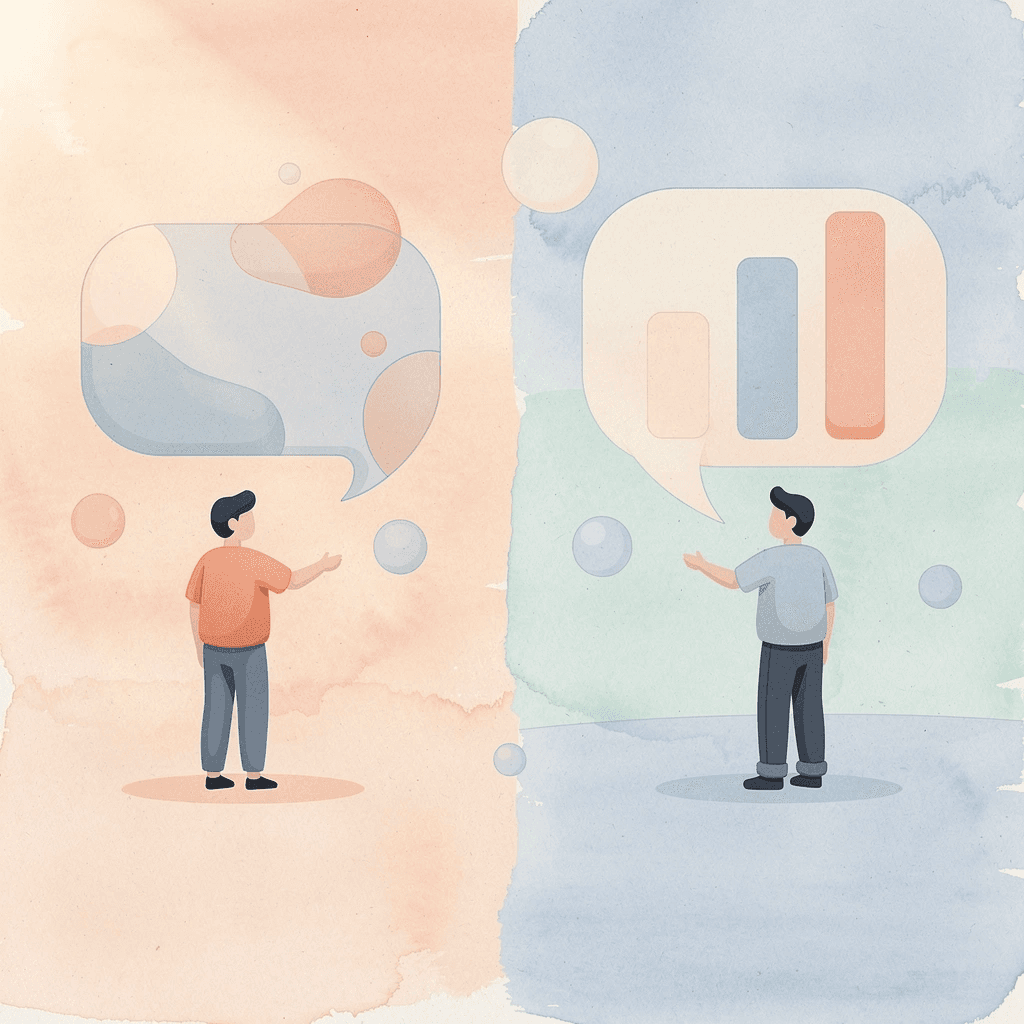
🎯 Key Point: The moment reading feels like homework or an obligation, children develop negative associations that can last for years. Instead of quizzing them on every detail or demanding book reports, focus on creating positive experiences around books.
"Children who associate reading with pleasure are 3x more likely to become lifelong readers compared to those who view it as an academic requirement." — National Reading Panel, 2023
Reading Approach | Child's Response | Long-term Impact |
|---|---|---|
Test-focused | Stress, avoidance | Negative associations |
Discovery-focused | Curiosity, engagement | Lifelong reading habit |
Duty-based | Compliance only | Stops reading after requirements end |
Choice-driven | Natural interest | Self-motivated learning |
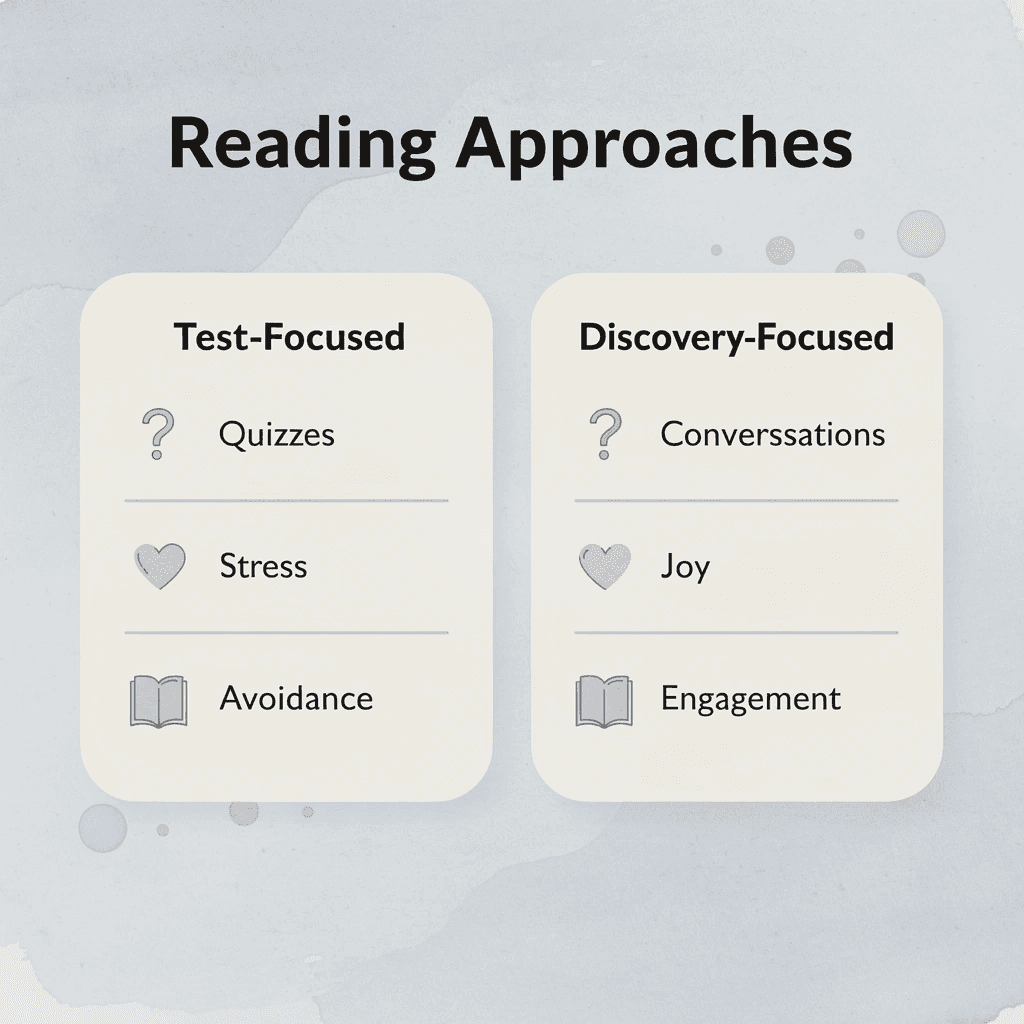
💡 Tip: Ask open-ended questions like "What was your favorite part?" or "Which character would you want as a friend?" instead of testing their comprehension or memory. This approach encourages reflection without the pressure of getting answers "right."
⚠️ Warning: Avoid turning every reading session into a learning opportunity. Sometimes, the greatest gift you can give a young reader is simply letting them enjoy the story without any educational agenda attached.
1. Stop Treating Reading Like Homework
The moment a child finishes a chapter and hears "What's the moral?" or "Spell this word," their brain shifts from imagination to evaluation mode. The British Council found that children develop stronger reading habits when reading is connected to pleasure rather than pressure. Children who feel judged while reading associate books with stress instead of curiosity. This mental shift is difficult to reverse once established.
2. Let Children Read What They Actually Like
A child forced to read historical fiction when they love dinosaurs will abandon both the book and the habit. Twinkl Reading Tips and British Council Reading Advice both emphasize following children's existing interests, whether that's football, space, superheroes, animals, cooking, or comics. Emotional excitement drives consistency. A reluctant reader who discovers graphic novels about mythology will read more in a month than they did all year with assigned classics.
3. Create a "No Pressure" Reading Environment
Kids rarely enjoy reading when tired, distracted, rushed, or competing with screens. The British Council recommends comfortable, quiet spaces with cushions, good lighting, and minimal distractions. Even 10 to 15 minutes of relaxed daily reading makes a significant difference over time. The goal is to make reading feel safe, calming, and enjoyable, not like another school assignment.
4. Read With Children, Not Just To Them
Reading together increases engagement far more than having children read alone in early childhood. Ask children, "What do you think happens next?" or "Which character would you be?" rather than reading every page without pausing to discuss it. Use funny voices, dramatic reactions, and humor to make stories memorable. Children remember how a story made them feel long after they forget what happened.
5. Use Coloring Activities to Turn Reading Into an Interactive Experience
Reading often feels like something kids do without thinking. Once they close the book, they stop thinking about the story. Without a way to connect the words to pictures in their minds, many children struggle to visualize the stories they read. Coloring pages featuring the story's characters, scenes, or events help children stay engaged after reading. They can imagine details, feel connected to characters, and illustrate scenes from the narrative. For reluctant readers, this offers active participation beyond passive listening.
What tools make story-based coloring activities more accessible?
Websites like My Coloring Pages use AI to create coloring pages matching specific story themes, eliminating the need to search through generic coloring books. After finishing a story, give your child a related coloring page and ask, "What colors match this character's personality?" or "Can you add details from the story?" This transforms reading into a multi-step creative activity.
6. Let Children See Adults Reading
Children copy what they see. If books are never visible at home, reading starts feeling like something that only happens for school. Twinkl recommends keeping books, magazines, comics, and newspapers visible around the house. Reading before bed, talking about books, or discussing interesting facts from reading shows children that adults value it. That quiet modeling builds credibility that lectures never will.
7. Allow Comics, Graphic Novels, and Funny Books
Many children avoid reading because they think books must be hard, long, or serious. Literacy experts increasingly encourage comics, graphic novels, joke books, and illustrated stories as valid reading tools. Graphic novels engage reluctant readers because they feel less intimidating and more visually stimulating. Building reading enjoyment comes first; confidence follows.
8. Make Reading Part of Everyday Life
The British Council recommends encouraging children to read road signs, menus, recipes, instructions, and labels. This helps children understand that reading is not a school subject but part of real life, reducing the "books only equal work" mindset. When reading appears in contexts children already care about—such as choosing what to order at a restaurant or following a recipe for their favorite cookies—it stops feeling like schoolwork and becomes useful.
9. Don't Force Children to Finish Every Book
One overlooked reason children stop reading is being forced to continue books they dislike. Even librarians now recommend allowing children to abandon books that fail to engage them, as forcing them to complete them can damage reading motivation over time. Giving children permission to quit teaches them that reading should be enjoyable, not something they must endure.
10. Focus on Building Enjoyment Before Perfection
Only about one in three children aged 8 to 18 enjoys reading in their free time, partly because reading increasingly feels tied to school performance. This shift from pleasure to pressure has consequences that extend far beyond test scores. Children who enjoy reading on their own are far more likely to continue reading over the long term, develop stronger language skills, and naturally build imagination. Experts stress that enjoyment comes first; everything else follows. Choosing the right books requires a different kind of attention than most parents realize.
Related Reading
- Do Schools Kill Creativity
- How To Improve Your Creativity
- Examples Of Creativity
- Ai And Creativity
- Ai Creativity
- Creativity Training
How to Choose the Best Books for Inspiring Creativity in 9 Steps
Choosing books that inspire creativity means selecting stories that require active thinking, not passive consumption. The best books leave room for imagination, spark exploration, and connect emotionally so strongly that the story continues in your mind long after the final page.
🎯 Key Point: Creative books engage your mind as an active participant, not a passive observer.
"The best books leave room for your imagination, transforming readers from passive consumers into active co-creators of the story." — Creative Reading Research, 2024
💡 Tip: Look for books that make you pause and wonder "what if" or leave you imagining alternative endings and scenarios.
Pick Books That Require Mental Construction
When children read "The forest was dark and mysterious," their brains must build that scene themselves. They decide what mysterious means, what sounds exist in that darkness, whether danger feels close or distant. This active construction strengthens neural pathways responsible for original thinking.
How do descriptive books make children co-creators?
Books with rich descriptive language force readers to become co-creators of the experience. A character described as "anxious" requires the reader to imagine facial expressions, body language, and tone of voice, unlike heavily illustrated books, where every detail appears pre-rendered, leaving nothing for the imagination to complete.
What does research show about reading and brain activation?
Research from Emory University (2013) found that reading narrative fiction activates brain regions associated with physical sensation and movement. When readers encounter "she grabbed the rough rope," their sensory cortex responds as if they were touching the rope, enabling them to imagine experiences beyond their personal history.
Look for Stories That Stretch Possibility Thinking
Fantasy and science fiction create "what if" questions by establishing rules for impossible worlds and exploring their consequences. What if animals could talk? What if time moved backward? What if you could become invisible?
How do mystery and adventure stories build creative thinking skills?
Mystery and adventure stories engage your brain in flexible thinking. They present problems with multiple possible answers, prompting readers to test possibilities, examine evidence, and imagine alternative outcomes. This practice of guessing and imagining transfers directly to solving creative problems in other areas. A sign that a story sparks creativity: children continue the story through play, drawing, or talking, making up new characters, creating different endings, and moving story elements into new settings.
Choose Books Aligned With Existing Passions
Emotional engagement determines how deeply imagination is activated during reading. A child fascinated by ocean life will visualize underwater scenes with far more detail and curiosity than one reading indifferently. That emotional investment fuels sustained attention, richer mental imagery, and stronger memory formation.
Why do passionate interests unlock creative thinking?
Parents often pick books based solely on reading level or educational value, missing the creativity boost that genuine interest provides. When a child who loves dinosaurs reads about paleontology, their knowledge network grows and connects in new ways. They imagine undiscovered species, visualize excavation processes, and mentally reconstruct ancient ecosystems.
How does forced reading limit imagination?
This principle applies across all interests: space exploration, cooking, mythology, sports, art, and animals. Forced interest rarely generates creative thinking because the mind remains passive, completing the assignment rather than exploring possibilities.
Avoid Books That Feel Like Constant Evaluation
When reading becomes connected mainly with testing, correction, and performance pressure, children shift from imaginative engagement to self-monitoring. They focus on remembering details for quizzes, identifying "correct" interpretations, or avoiding mistakes. This evaluative mindset directly opposes the open, exploratory thinking that creativity requires.
The British Council's research on creative learning emphasizes that imaginative development requires psychological safety. Children must feel free to interpret stories personally, imagine freely, and explore ideas without judgment. When every reading session ends with comprehension questions or critical analysis, that safety disappears.
How can a discussion approach determine creative impact?
Talking about books matters, but how you talk about them makes a difference. Asking "What would you do in that situation?" invites imagination. Asking "What is the author's intended message?" expects a single correct answer. One type of question opens thinking; the other limits it.
Select Books With Emotionally Complex Characters
Stories with characters who have complicated motivations, conflicting desires, and moral ambiguity encourage readers to consider multiple viewpoints simultaneously. This kind of thinking builds the mental flexibility that creative thinking requires. When a character makes a questionable choice, readers must imagine their reasoning, consider alternatives, and trace the consequences.
How does understanding others' perspectives fuel original thinking?
A 2013 study published in Science showed that reading literary fiction significantly improved readers' theory of mind: the ability to understand what others are thinking and feeling. This capacity to imagine different viewpoints and emotional experiences provides raw material for original thinking, which often stems from combining perspectives or seeing familiar situations through unfamiliar lenses.
What happens when characters lack complexity?
Books with one-dimensional characters or obvious moral lessons don't challenge your brain. When every character is clearly good or evil and every choice obviously right or wrong, readers absorb the story without thinking critically. Real mental engagement happens when things are unclear or complicated.
Don't Dismiss Visual Storytelling Formats
Graphic novels and comics stimulate imagination differently from text-heavy books, not worse. Sequential art requires readers to fill gaps between panels, imagine movement and sound, and interpret pacing and emotion from visual information.
Why do visual formats work well for reluctant readers?
These formats work well for readers who avoid dense text. When you combine pictures and words, you build confidence while engaging the brain. Many children who develop reading skills through graphic novels later transition easily to traditional books.
What determines the creativity factor in different book formats?
How creative something is depends on how hard you have to think, not its format. A simple picture book requires less thought than a complex graphic novel with a detailed world.
Find Books That Spark Extended Engagement
The strongest sign that a book inspired creativity appears in what happens after the reading ends. Does the child want to draw the characters, act out scenes, build the story's world with toys, or invent what happens next? This continuation reveals that the story fuelled ongoing imaginative play. Many children finish books and immediately move to the next activity without processing or extending what they read. Imagination strengthens through continued interaction with ideas, not brief exposure.
How can you extend creative engagement beyond the story?
After finishing a story about underwater exploration, children often exhaust the pages of traditional coloring books within days. Platforms like My Coloring Pages solve this by creating unlimited custom coloring pages that match specific story themes, whether deep-sea creatures, fantasy castles, or space adventures. This customization keeps children engaged with story elements longer, transforming reading into an extended creative process rather than a contained event. Ask questions that encourage this extension: "Can you redesign this character for a different environment?" or "What would you add to this world?" These prompts transform passive reading into active, creative practice.
Prioritize Books That Expand Worldview
Creativity comes from mixing ideas from different contexts and perspectives. Books that expose readers to unfamiliar cultures, historical periods, or impossible scenarios provide raw material for this kind of thinking. The more diverse your mental library, the more connections your brain can make.
How do unfamiliar stories expand a child's imagination?
A story about a child in another country, a historical figure facing unusual challenges, or a character with different abilities broadens perspective. Each new viewpoint adds dimensions to the readers' imagination of human experience. Books that present unfamiliar perspectives with depth and empathy invite readers to imagine themselves into those experiences, building both creative capacity and emotional intelligence.
Watch for Books That Balance Challenge and Accessibility
Books inspire creativity best when they are slightly harder than what a reader can easily do, without being too difficult. If a book is too easy, your mind doesn't have to work, and you don't engage with it. If a book is too hard, you spend all your energy deciphering words instead of imagining the story. The best spot is when you have to work to understand what's happening, but you can still get lost in the story.
How does this balance change as children grow?
This balance shifts constantly as reading skills develop. A book that perfectly challenges a child at eight may feel too simple at nine. Parents often stick with familiar authors or series for too long, missing out on the creativity boost that comes from encountering new narrative styles, vocabulary, and storytelling structures.
What signals show when the difficulty level is right?
Pay attention to how engaged the child is while reading. If the child seems bored, try something more challenging. If they keep asking what words mean and seem frustrated rather than curious, make it easier. The goal is to reach a flow state: a focused attention in which imagination comes alive.
15 Best Books To Inspire Creativity In Kids
Children's books that build creative capacity show how ideas form, change, and survive doubt. The fifteen books below teach creativity's fundamental behaviors: starting small, embracing imperfection, protecting fragile ideas, and treating mistakes as raw material rather than failure.
🎯 Key Point: The best creativity books for children don't just tell stories—they demonstrate creative thinking processes through character actions and plot development.
"Books that teach creativity show children that every great idea starts with curiosity and grows through experimentation." — Child Development Research, 2023
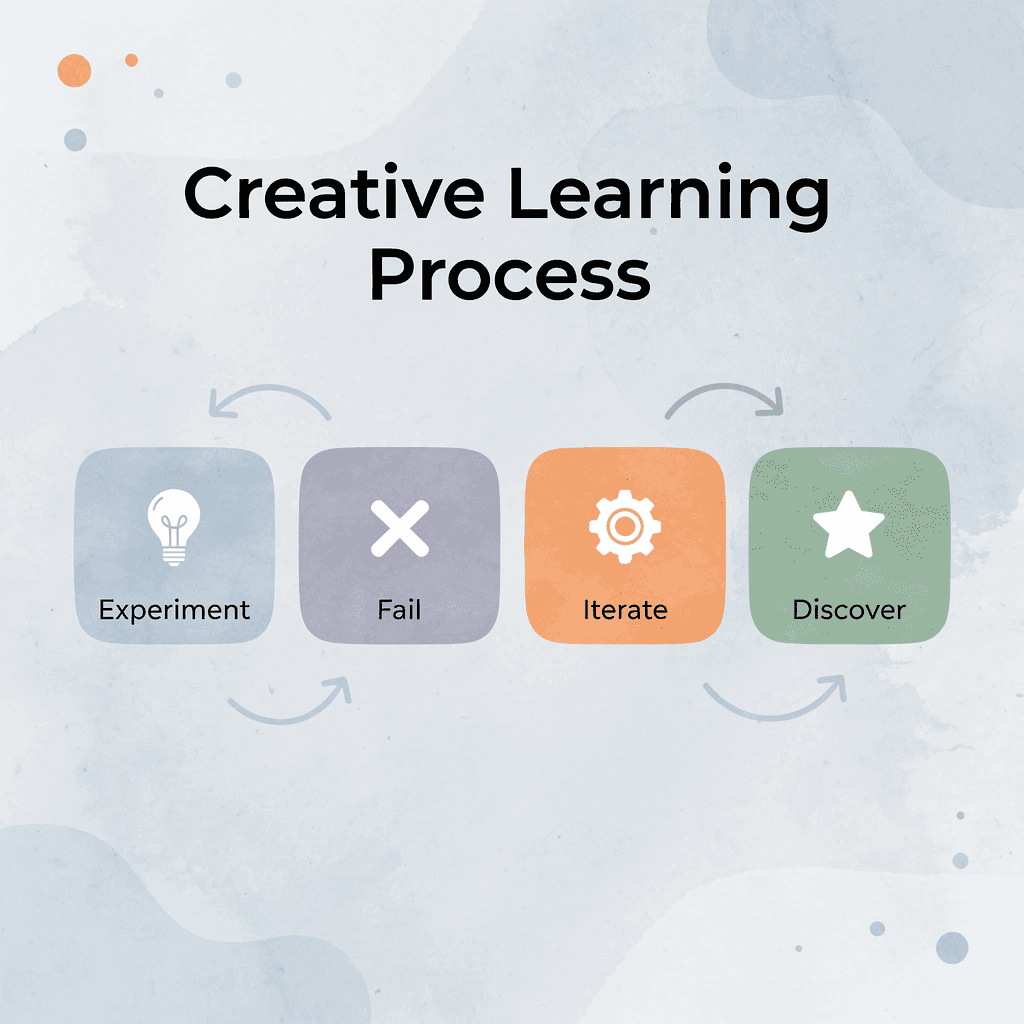
💡 Tip: Look for books where characters experiment, fail, iterate, and discover new solutions. These narrative patterns mirror the real creative process children need to internalize.
1. The Dot by Peter H. Reynolds
A child says she cannot draw until a teacher asks her to "make a mark." That single dot becomes the starting point for an entire art exhibition. The story illustrates what creativity researchers call "lowering the activation threshold": reducing how hard something seems allows experimentation to begin. Creative confidence builds through small, repeated acts of making without waiting for permission or perfection.
2. Ish by Peter H. Reynolds
A boy draws with energy until his older brother criticizes his work. He crumples every attempt until his younger sister shows him she's been collecting his "ish" drawings—the ones that look tree-ish or house-ish—celebrating their approximate beauty. This book addresses the fear of judgment that shuts down children's creative output as early as age 6. "Ish" thinking reframes accuracy as one option among many, not the only valid outcome.
3. Beautiful Oops! by Barney Saltzberg
Each page transforms a printing "mistake" into something new: a torn page becomes an alligator's mouth, a smudge becomes a sheep. This interactive format trains adaptive thinking—the ability to see accidents as opportunities rather than endpoints. Mistakes become invitations to ask "what else could this be?" instead of discarding what didn't go as planned.
4. What Do You Do With an Idea? by Kobi Yamada
A child gets an idea that follows them everywhere, growing bigger as they nurture it despite others' doubt. Eventually, the idea becomes so large that it transforms everything around them. The story illustrates how creative work develops: ideas arrive weak and strange, require protection while fragile, and demand hard work when external support is lacking. Most ideas fail because people ignore or reject them prematurely, not because they are inherently flawed. The book teaches children to recognise the critical period between an idea's inception and realization, when belief matters most.
5. Harold and the Purple Crayon by Crockett Johnson
Harold draws a world into existence and walks through it, solving problems by adding new elements as needed. When lost, he draws a window with a moon, then follows it home. The story functions as a pure mental simulation where imagination directly shapes reality. Children practice the neural pathways used in creative problem-solving: picturing possibilities, mentally testing them, and adjusting based on the outcomes. The crayon becomes a tool for thinking, not decoration.
6. The Day the Crayons Quit by Drew Daywalt
Each crayon writes a letter of complaint: beige feels underused, black is exhausted from outlining, peach and orange argue over who's the true color of the sun. The format requires children to attribute human qualities to objects and to build their inner lives, thereby strengthening narrative creativity. Children learn that stories can come from any viewpoint and that personality and conflict can be given to anything, expanding what counts as story-worthy material.
7. Not a Box by Antoinette Portis
A rabbit insists the box is not a box: it's a rocket, a mountain, a race car, a burning building. The simple text and illustrations emphasize symbolic thinking—the ability to mentally transform one object into another. This skill underlies imaginative play and abstract reasoning. When children see a stick as a sword or a blanket as a cape, they practice the mental flexibility that enables metaphorical thinking, hypothesis generation, and conceptual innovation.
8. Rosie Revere, Engineer by Andrea Beaty
Rosie builds inventions in secret until her great-great-aunt encourages her to share them publicly. When her cheese-copter crashes, her aunt celebrates the failure as proof that Rosie tried something ambitious. The story demonstrates creative resilience and the willingness to persist on projects through setbacks. Research on innovation shows that breakthrough ideas emerge from repeated refinement, not single perfect attempts. Children need stories that normalize the gap between vision and execution, treating it as a workspace rather than a defeat.
9. The Most Magnificent Thing by Ashley Spires
A girl and her dog try to build "the most magnificent thing," but they fail repeatedly. Frustrated, she takes a break, then returns with a fresh perspective and succeeds. This story mirrors real creative work: you start out excited, face difficulties, respond emotionally, recover, and finally succeed through persistence. The book shows that struggle is a normal part of making things, not a sign of inability—a message rarely seen in children's books, which typically depict instant success or encourage giving up.
10. If I Built a Car by Chris Van Dusen
A boy designs an elaborate fantasy car with features ranging from practical to absurd: a swimming pool, a fireplace, a snack machine, and a robot driver. The book encourages idea fluency, generating many possibilities without immediately filtering for feasibility. Early-stage creativity benefits from unrestricted brainstorming before constraints narrow options. Generating volume before judging value produces more original outcomes than cautious, pre-filtered thinking.
11. Boxitects by Kim Smith
Children compete to build the best cardboard structure, then realize that working together produces something better than working alone. The story demonstrates flexible building thinking, where plans adapt based on available materials and emerging ideas. Creative teamwork requires communication, compromise, and building on others' suggestions rather than protecting original ideas.
12. The Cardboard Kingdom by Chad Sell
Kids in the neighborhood turn cardboard into armor, castles, and fantasy identities, creating a shared imaginary world. The graphic novel format shows multiple perspectives simultaneously, revealing how group storytelling works. Each child adds different elements, and the story they create together becomes richer than any single imagination could produce.
13. Press Here by Hervé Tullet
The book instructs readers to press dots, tilt the book, or shake it, then displays the "results" on the next page. Children explore cause-and-effect thinking, where their actions change how the story ends. This exploratory behavior—testing actions without knowing what will happen—forms the foundation of scientific thinking and creative problem-solving.
14. Where the Wild Things Are by Maurice Sendak
Max creates a fantasy world after being sent to his room, becomes king of the wild things, and then chooses to return home. The story demonstrates that imagination is a powerful tool for processing difficult emotions. It teaches children that creativity helps them understand their experiences, manage upset feelings, and work through problems.
15. Mix It Up! by Hervé Tullet
An interactive book where children "mix" colors by pressing dots, creating new shades through their actions. The format teaches experimental thinking with immediate visual feedback, showing children that their choices produce tangible results and that outcomes can be influenced.
What common traits do these creativity books share?
These fifteen books share common traits: they show creativity as a process rather than a talent, normalize failure as information rather than an endpoint, and position imagination as active construction rather than passive consumption. Each model's specific thinking behaviors are linked to creative capacity: adaptive thinking, perspective-taking, symbolic reasoning, iterative refinement, idea protection, and unrestricted generation.
How can parents extend creative activities beyond traditional books?
Parents often exhaust traditional coloring books within weeks. Platforms like My Coloring Pages let families create custom coloring pages instantly, matching children's interests without waiting for shipping or visiting stores. A child reading about wild things can color their own wild creature designs, transforming story ideas into personalized creative work.
Why don't creative books always translate to real-world behavior?
Reading these books helps create mental pictures of how creativity works. Children learn that ideas start small, mistakes provide material to work with, and persistence matters more than perfection. However, stories alone don't guarantee that creative behavior will transfer to real-world situations. Most children close these books feeling inspired, then return to their previous activities—a gap that reveals something important about how imagination develops.
From Reading Inspiration to Creative Action: Fixing the “Passive Story Ending Problem” in Children’s Imagination
The problem isn't that children lack imagination after reading—it's that the story ends and nothing invites them to keep going. Inspiration without a next step fades by bedtime. Children need a bridge between the world they imagined and something they can touch, shape, and continue building.
🎯 Key Point: The gap between reading inspiration and creative action is where most children's imagination gets lost.
After your child finishes a book like The Dot or Not a Box, hand them a coloring page tied to the story's theme. Ask: "What else could this become?" or "How would you change this scene?" That single prompt transforms passive inspiration into active creation. The child who imagined a box transforming into a rocket now draws their own version, adding details the book never mentioned.
"Creativity requires repetition and practice, not just a single emotional spark."
Creativity requires repetition and practice, not a single emotional spark. A child who colors and reimagines scenes from beloved books begins to see creative thinking as something they do, not something they feel.
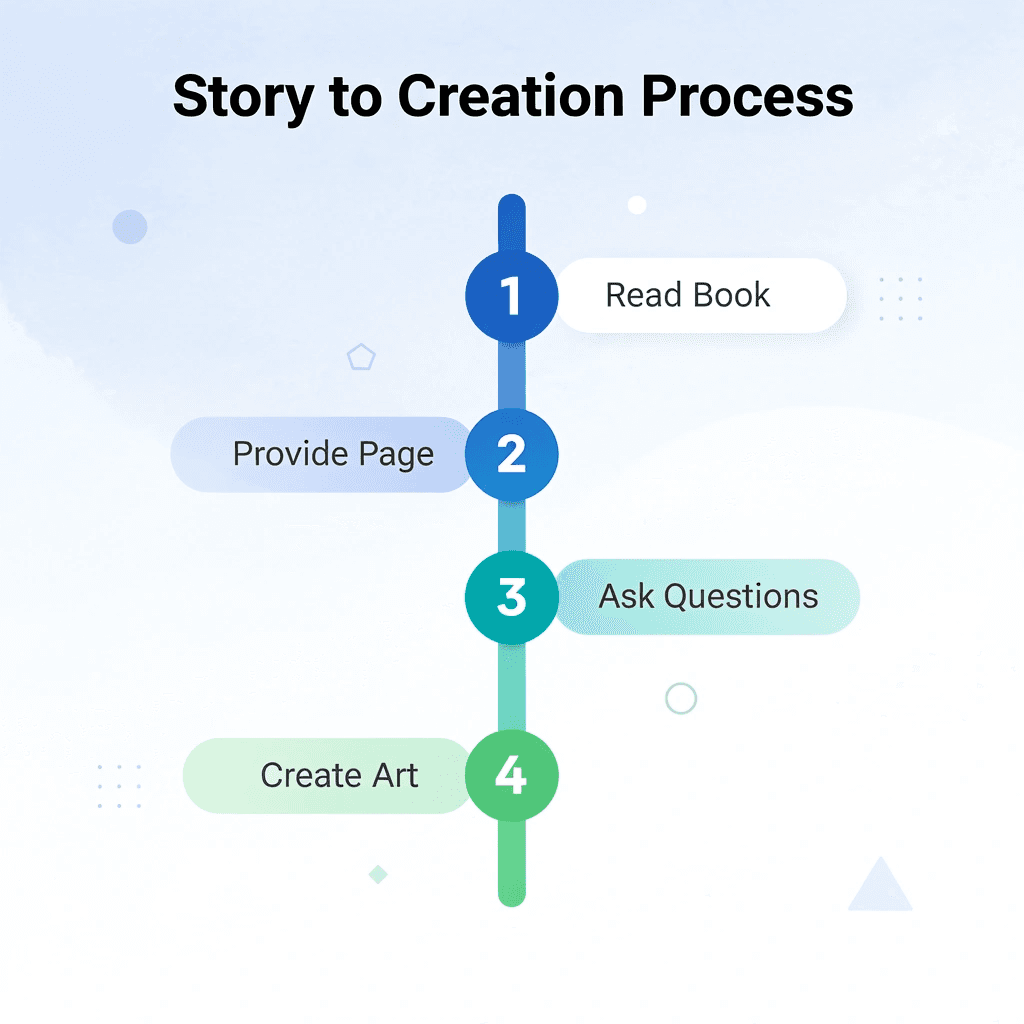
💡 Tip: Transform story time into creation time by immediately following reading with hands-on activities that extend the book's themes.
Platforms like MyColoringPages solve this gap by offering over 75,890 printable pages that extend the themes children encounter in books. Our collection matches the story's creative challenge, whether transformation, possibility, or visual problem-solving, so you can focus on nurturing your child's imagination rather than searching for the right activity.
Reading Stage | Action Required | Creative Outcome |
|---|---|---|
Story Ends | Provide a themed coloring page | Continued imagination |
Child Inspired | Ask extension questions | Active creation |
Ideas Forming | Encourage personal additions | Original thinking |
The best books plant seeds, but those seeds need soil and water to grow. Coloring pages provide that continuation space where ideas expand. A child who reads about making art from a single dot and then draws their own dot-inspired design learns that creativity isn't reserved for characters in stories.
⚠️ Warning: Without immediate creative follow-up, even the most inspiring stories become passive entertainment rather than active imagination builders.
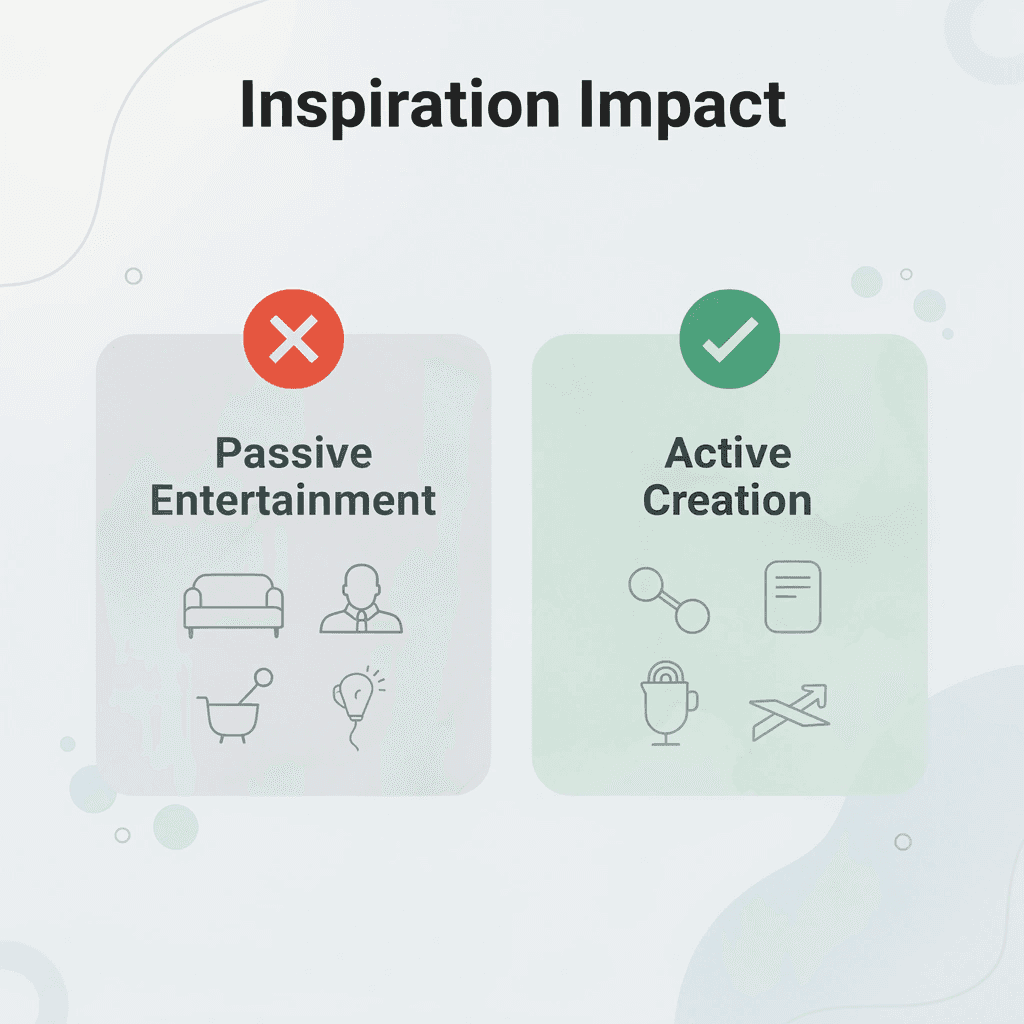
Give them the book, then give them the page. That's how inspiration becomes habit.
Related Reading
- Is Creativity A Skill
- Creativity Toys For Toddlers
- Ai Vs Human Creativity
- Types Of Creativity
- Human Creativity