How Do Children Learn in Early Childhood & How to Make it Fun
How do children learn best? My Coloring Pages reveals proven early childhood strategies that make learning stick—and actually fun.

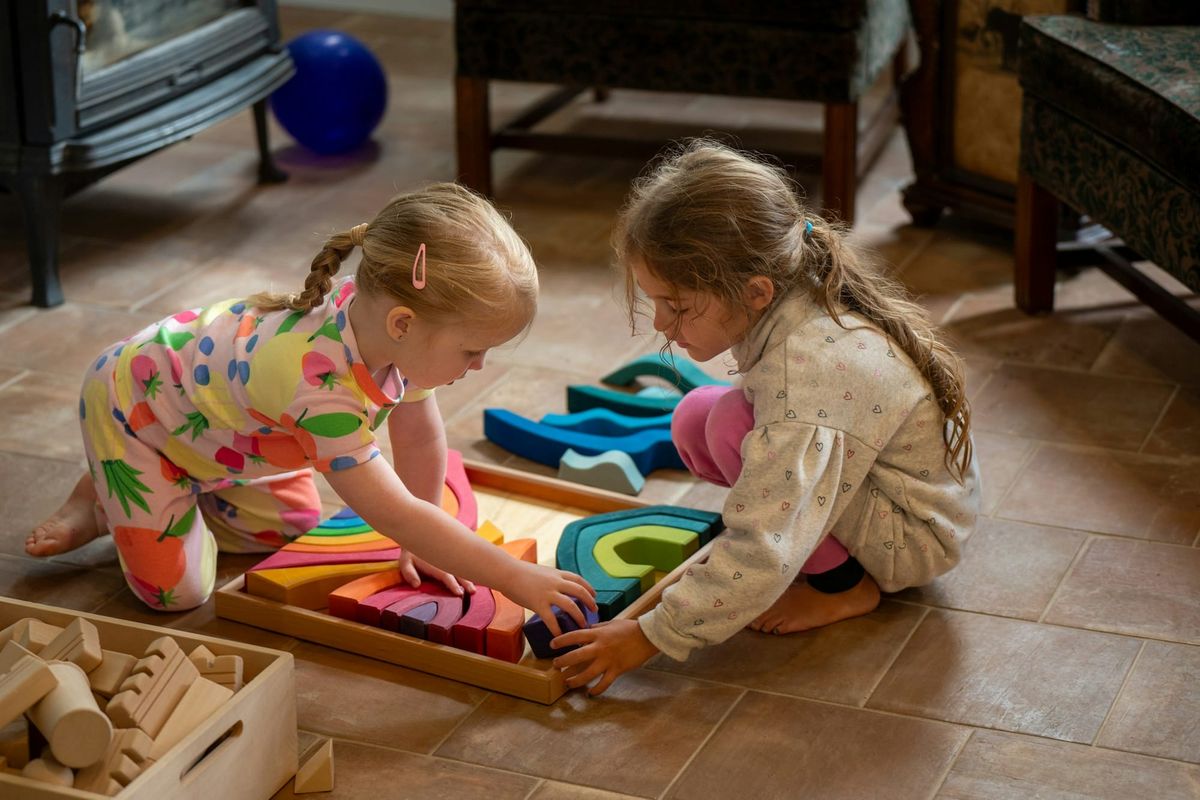
Children learn by doing, repeating, and making sense of the world on their own terms. Understanding how children learn at each developmental stage helps parents and educators provide the right support at the right time. Early childhood development is shaped by hands-on experiences that gradually and naturally build cognitive skills, creativity, and focus.
Matching activities to how a child actually thinks and plays makes a meaningful difference in what sticks. Coloring pages and creative worksheets are simple, effective tools that support fine motor skills, imaginative thinking, and focused attention without feeling like structured work. To get started, download 75,000+ free coloring pages from My Coloring Pages and find resources that fit where your child is right now.
Summary
- Real learning is not the same as correct performance during practice. Psychologists Nicholas Soderstrom and Robert Bjork define learning as a lasting change in knowledge or skill that supports future retention and transfer, which is a meaningfully different standard than answering correctly while the lesson is still fresh. A child who performs well immediately after instruction may simply be recognizing familiar scaffolding rather than retrieving durable knowledge.
- Retrieval is what makes memory last. When children search their own memory for an answer rather than recognizing it from a prompt or recent exposure, the act of searching itself strengthens the knowledge. Research on desirable difficulties shows that spacing out practice and requiring independent retrieval produces significantly stronger long-term retention than massed, identical repetition, even when retrieval feels slower and harder in the moment.
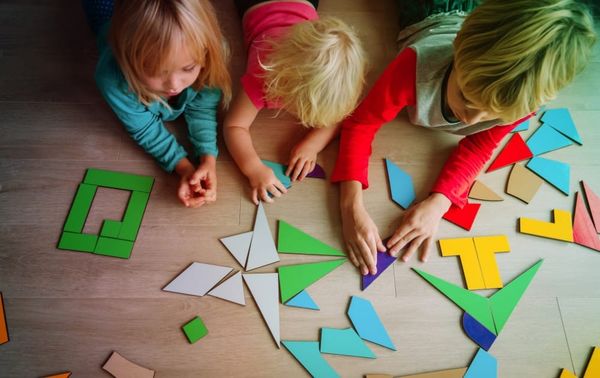
- Transfer is the most reliable test of genuine understanding. A child who correctly identifies a triangle in one format but fails when it is rotated has learned a specific example rather than the underlying concept. The same gap appears when a child knows 5 + 2 = 7 but freezes when the same operation appears inside a word problem. Exposure to the same idea across varied contexts, formats, and situations is what builds the flexible thinking that transfers to new problems.
- Mistakes signal information, not failure. Carol Dweck's longitudinal research at Stanford consistently found that children praised for effort rather than outcome show greater persistence after difficulty. When errors are treated as data points about strategy rather than verdicts about ability, children build a mental model where effort and approach are the variables they can actually change.
- Early learning experiences carry compounding consequences. New knowledge attaches to existing knowledge, so a child who understands letter-sound relationships decodes faster, reads more, builds vocabulary, and comprehends more across every subject. When foundational knowledge is shaky, each new concept arrives with extra weight because the child is managing both the gap underneath and the new idea on top. According to NSPCC Learning's research, neglected learning is associated with lower school attendance and attainment across all key stages, not just one subject or year.
- Curiosity and conversation are underrated learning mechanisms. Research from the American Academy of Pediatrics (2018) found that back-and-forth conversation between caregivers and young children is one of the strongest predictors of language and cognitive development, more so than the sheer volume of words a child hears. Asking a child to predict, explain, or reason aloud is cognitively more demanding than listening and produces more durable understanding.
- My Coloring Pages's Download 75000+ Free Customized Worksheets addresses the need for varied, interest-driven learning contexts by letting children choose themes that connect to their curiosity, turning coloring and drawing activities into retrieval and meaning-making exercises that don't require adult mediation at every step.
How Does Learning Look Like for Children
Correct answers feel like proof. A child finishes a worksheet, repeats a definition, solves five examples in a row, and says "I get it now." But psychologists Nicholas Soderstrom and Robert Bjork draw a sharp line between performance and learning. They define real learning as a lasting change in knowledge or skill that helps with future retention and transfer. Performance during practice is a surprisingly unreliable measure of what actually sticks.
"Real learning is defined as a lasting change in knowledge or skill that supports future retention and transfer — not a snapshot of performance during practice." — Nicholas Soderstrom & Robert Bjork
💡 Tip: Don't mistake a child's in-the-moment accuracy for genuine mastery. A correct answer today does not guarantee the knowledge will be there tomorrow.
⚠️ Warning: Relying on worksheet performance or repeated practice in a single session as a measure of learning is one of the most common mistakes parents and educators make. True learning only reveals itself through delayed recall and transfer to new contexts.
🔑 Takeaway: The goal for children isn't getting it right once — it's building knowledge that lasts and transfers. Understanding the difference between performance and real learning is the first step to helping children study smarter, not just harder.
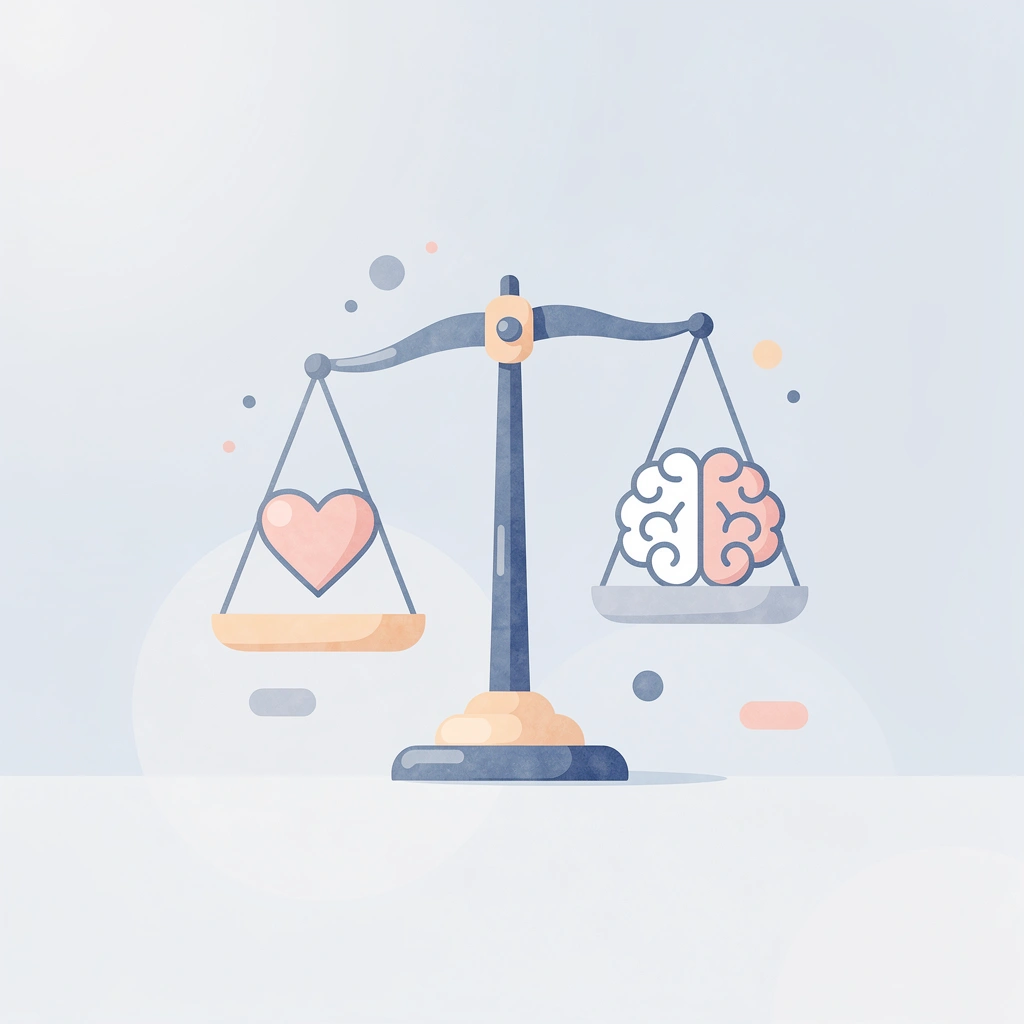
Why does familiarity fool everyone into thinking a child has learned?
The failure point is usually this: a child answers correctly because everything familiar still surrounds the answer. They heard it, saw it, and practiced the exact format moments before. Researchers studying metacognition call this an illusion of competence, where ease during practice gets misread as secure knowledge. So "but you knew this yesterday" becomes one of the most common frustrations in childhood learning, because the child did perform well. The knowledge simply wasn't strong enough to survive without yesterday's scaffolding.
What does it actually mean for a child to retain what they learned?
Real learning survives forgetting. The stronger test is not "can they answer right after the lesson?" but "can they remember it tomorrow, without reading it again first?" That retrieval process, where a child searches their memory rather than recognizes new information, is where lasting knowledge forms. Bjork's research on desirable difficulties shows that retrieval practice over repetition improves long-term retention, provided the task remains achievable for the learner.
Doing It Right Is Not the Same as Understanding Why
Transfer is where learning proves itself or reveals its gaps. A child who correctly identifies a triangle every time may have learned "a triangle looks exactly like this example" rather than "a triangle has three sides no matter which way it is turned." Rotate it, and suddenly it is not a triangle anymore. The same gap appears when a child knows 5 + 2 = 7 but freezes when five dinosaurs and two more arrive in a word problem. Learning becomes flexible when children encounter the same underlying idea across different examples, contexts, and formats.
How can small changes after success reveal deeper understanding?
Most parents and educators practice by asking the same question repeatedly until the child answers correctly. This tests whether a child remembers the answer rather than whether they can generate one independently. A better approach is to change something small after success: a different format, a new context, or a request to explain rather than solve. Download 75000+ Free Customized Worksheets makes this variation practical. Our collection of over 75,000 customizable worksheets and coloring pages helps parents and educators shift the context around the same concept, so children encounter ideas through drawing, sorting, storytelling, and building rather than repeating the same exercise.
Mistakes Today Do Not Mean Learning Is Failing
Two children, same lesson. Child A gets almost everything right because examples are familiar, hints arrive immediately, and each question closely mirrors the last. Child B makes mistakes because questions shift, retrieval is independent, and explanation is required. The learning-versus-performance literature is clear: some practice conditions temporarily reduce visible performance while improving later retention and transfer. Struggling today does not equal learning badly, any more than getting everything right today guarantees anything about tomorrow.
What is the real test of whether a child has learned something?
The real test is not "did they do well while we were teaching?" It is whether they can remember it tomorrow without the example in front of them and use it somewhere completely different. A child who learned about camouflage from a book has learned something. A child who looks at a moth on tree bark and says, "It's hiding because it matches," has learned it in a way that lasts.
This distinction reveals something surprising about why learning matters.
Importance of Learning for Children
Learning shapes not just what children know, but how they respond to unfamiliar problems — a difference most people don't fully understand until they see a child freeze in front of one.
"The goal of education is not the accumulation of facts, but the development of thinking — the ability to face the unknown with confidence and skill." — Educational Research Perspective
🎯 Key Point: Early learning experiences don't just fill a child's mind with information — they fundamentally rewire how that child approaches challenges, uncertainty, and problem-solving for life.
💡 Tip: Watch how a child reacts to a problem they've never seen before. That reaction — whether they lean in or shut down — is one of the clearest indicators of the quality of their learning foundation.
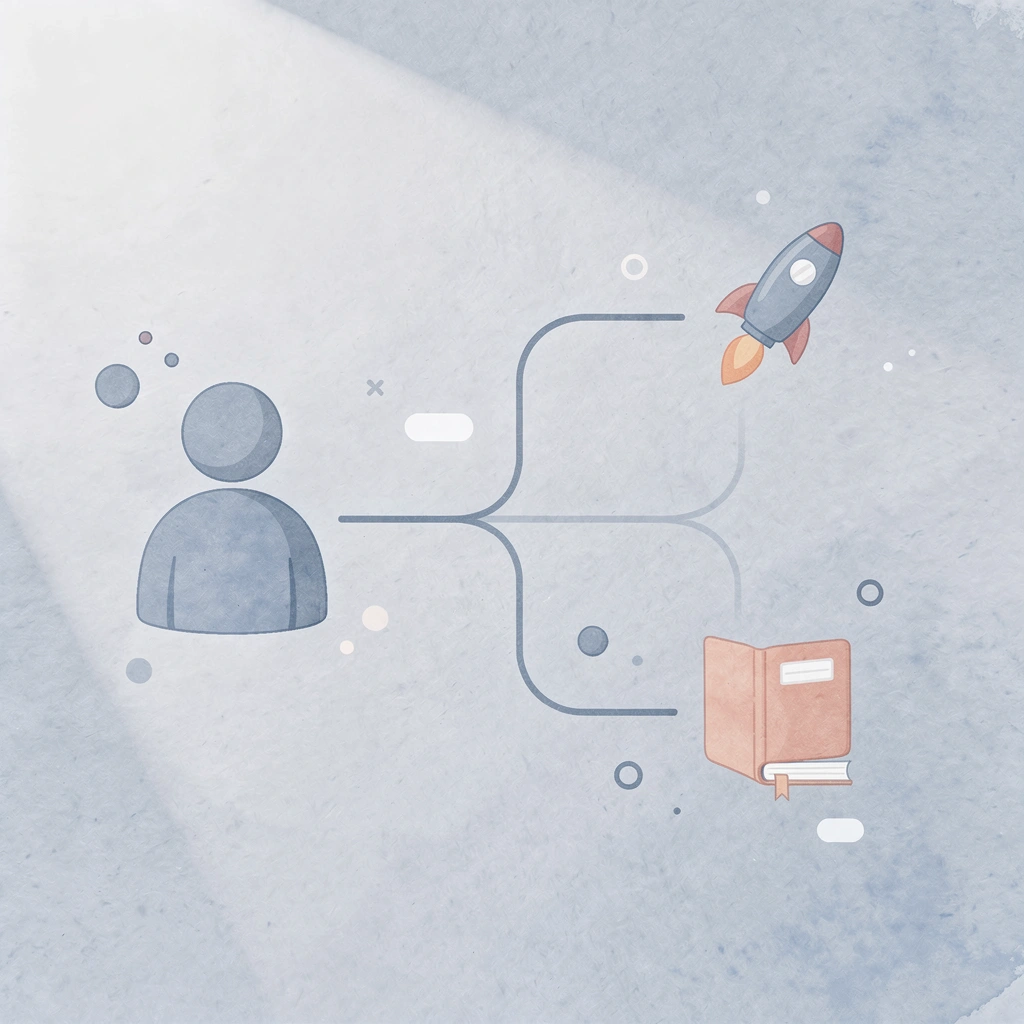
Why retention matters more than recognition
The failure point is usually this: a child recognizes information when it appears in front of them but cannot retrieve it when it does not. Recognition and retrieval feel identical in the moment, yet produce completely different outcomes a week later. Effective learning requires children to return to knowledge after time has passed and pull it back without a prompt. That act of searching, even when effortful and slow, makes memory more durable. Think of it less like saving a file and more like retracing a path through unfamiliar terrain: the more times you walk it, the less you need the map.
How transfer reveals whether understanding is real
When a concept appears in a new format and a child says, "we never learned this," the problem usually isn't memory; it's that the child learned a specific step-by-step process rather than an underlying idea. A child who only adds numbers on a worksheet may not recognize addition in a story problem, because the surface features changed even though the concept did not. Transfer is what matters, and it develops only when children apply knowledge across genuinely different situations.
Why does scaffolding need to shrink for real independence to grow?
Most parents and teachers start with worked examples and guided practice, which is correct. The hidden cost emerges when scaffolding never diminishes. Children who receive hints before struggling never develop the internal process of identifying where they are stuck. The progression that builds independence follows this sequence: the adult demonstrates, the child tries with support, hints diminish, the child retrieves the strategy, and the child works without the scaffold. Skipping the later stages produces children who perform well with an adult nearby but stop progressing without one.
How can creative tools turn everyday activities into deliberate learning?
That same principle applies to creative learning contexts. Tools like Download 75000+ Free Customized Worksheets offer a different path: a collection of over 100,000 printable coloring pages can be matched to specific learning themes, a child's interests, or emotional needs, transforming a coloring activity into purposeful retrieval and engagement without requiring technical skill to set up.
What mistakes actually teach
The critical difference between children who grow through difficulty and those who shrink from it is not intelligence, but whether mistakes are treated as information rather than verdicts. When a learning environment frames errors as "that approach did not work, so try another," children build a mental model where effort and strategy are variables, not fixed ability. Research in developmental psychology shows that children praised for effort rather than outcome demonstrate greater persistence after failure, a finding replicated across multiple studies including Carol Dweck's longitudinal work at Stanford. Confidence built on real evidence—on the memory of figuring something out independently—proves far more resilient than confidence built on reassurance.
Why does early knowledge shape everything that comes after?
New knowledge connects to what a child already knows. A child who understands letter-sound relationships decodes faster. A child who decodes faster reads more. A child who reads more builds vocabulary. Vocabulary supports comprehension, and comprehension supports learning across every subject. When foundational knowledge is shaky, each new concept arrives weighted by two problems: the gap underneath and the new idea on top. This compounding effect means early learning experiences carry consequences that stretch far beyond the year they occur.
What no one warns you about is how quietly the cycle builds in the wrong direction when learning remains shallow, and what that silence costs a child over time.
Related Reading
What Happens When You Neglect Child Learning
That silent cycle of getting weaker becomes noticeable during critical moments like a test, a new school year, or when a child must work entirely on their own.
"The consequences of neglected learning rarely appear overnight — they surface at the worst possible moments, when pressure is highest and support is lowest."
⚠️ Warning: By the time learning gaps become obvious, they've been building for weeks or months, making them significantly harder to close.
💡 Tip: Watch for early warning signs like increased frustration, avoidance of schoolwork, or a sudden drop in confidence. These signal that the silent cycle has already begun.
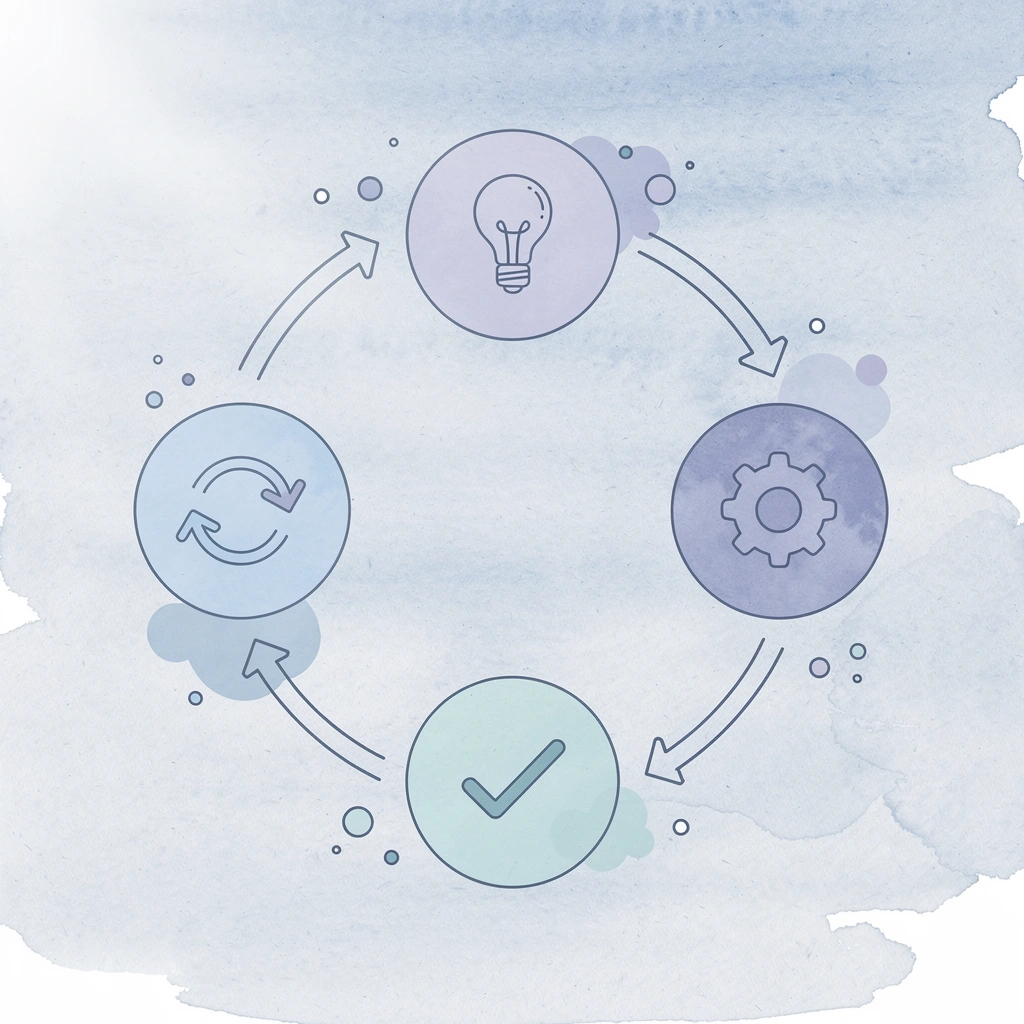
What repeated neglect actually does to a child's learning
Ignoring how children learn creates a pattern of dependency that becomes harder to fix over time. The child stops developing internal skills that sustain learning: retrieval, self-correction, transfer, and independent problem-solving. External scaffolding becomes the only way the child can function academically.
According to NSPCC Learning's research on child neglect, children who experience neglect are more likely to have poor educational outcomes, with neglect associated with lower school attendance and attainment across all key stages. This confirms developmental patterns: when a learning environment fails to challenge, reinforce, or personalize a child's experience, the damage extends beyond one subject or one year.
The fifteen ways neglected learning shows up in real behavior
When learning is neglected, the same fifteen problems emerge across different children, subjects, and ages. Knowledge never moves from temporary to permanent. New concepts pile onto weak foundations: a child who struggles with number sense will find multiplication nearly impossible and word problems overwhelming, not from lack of ability but from each layer built on unstable ground. They become dependent on constant hints, performing well only with active adult guidance. They score perfectly during practice, then forget everything the next morning. Unfamiliar questions feel like entirely new subjects, copying replaces thinking, and mistakes become personal verdicts rather than useful information.
Why does adding more adult help sometimes make things worse?
Most parents respond by giving more help, explaining more slowly, and breaking tasks into smaller steps. However, research from NCBI's review of child development consequences confirms that sensitive periods in early childhood are vulnerable to experiential deprivation—the absence of rich, varied, and responsive learning experiences reshapes the brain's capacity to learn. More adult help, without restructuring that support, can deepen dependency rather than resolve it. Tools like My Coloring Pages offer a practical bridge: when children engage with personalized, interest-driven coloring pages tied to learning themes, they interact with concepts in a low-pressure, self-directed way that builds familiarity without requiring constant adult mediation.
When learning difficulty becomes a learning identity
The shift from "I forgot this" to "I'm not a learning person" happens slowly over time. Curiosity diminishes first: the child stops asking why something works and starts asking only what answer to write. Then avoidance emerges, where anything unfamiliar prompts refusal before the child even reads the task. Finally comes the biggest shift, where the child stops separating what they have not yet learned from what they believe they can learn. At that point, the original problem—whether weak memory, poor transfer, or too much adult support—becomes much harder to fix because it is now part of how the child sees themselves.
This shift in how a child sees themselves can begin early, depending largely on what happens in the years before formal schooling starts.
Related Reading
How Do Children Learn in Early Childhood
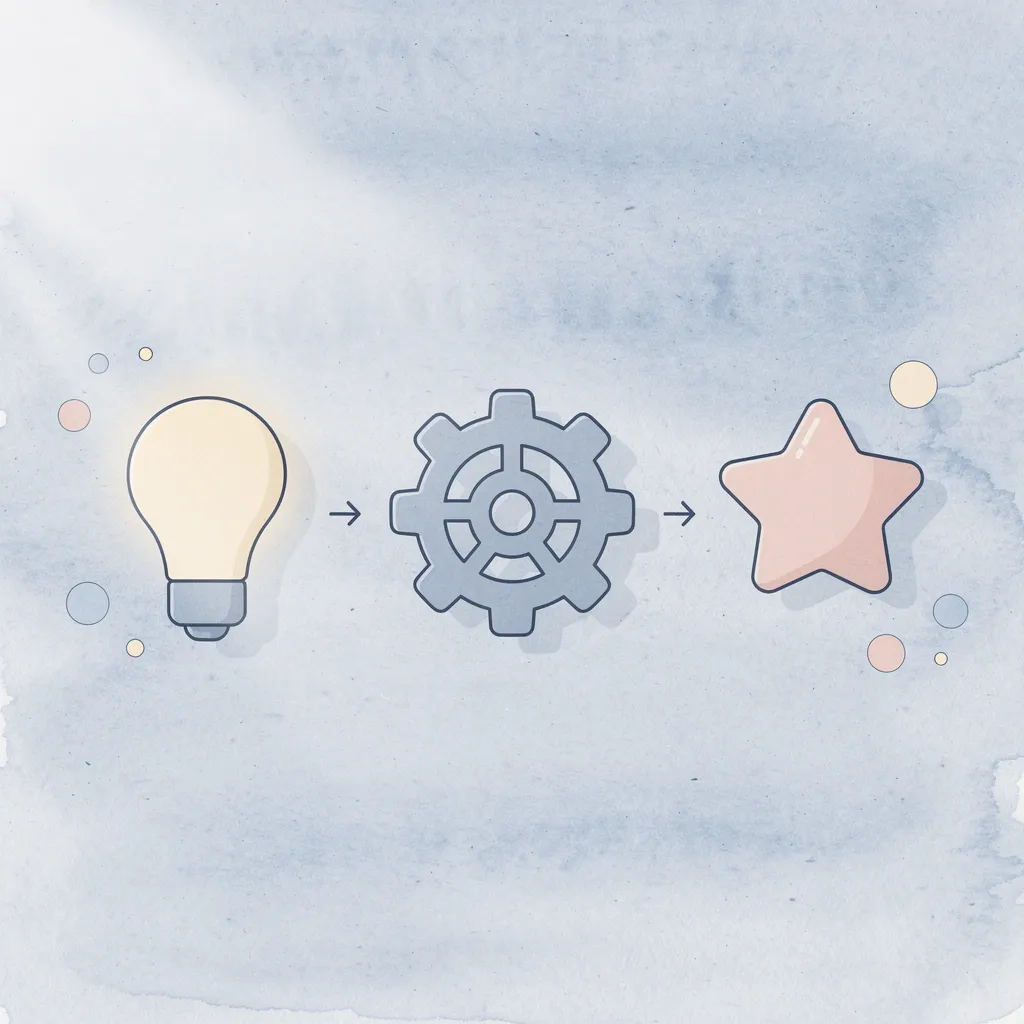
Kids learn by connecting new information to what they already know, testing ideas through action, and retrieving knowledge over time. These observable patterns distinguish genuine learning from momentary performance.
"Children learn best when new concepts are anchored to prior knowledge, reinforced through active testing, and recalled after meaningful intervals — separating real mastery from short-term retention." — Early Childhood Learning Research
💡 Tip: Encourage children to explain new concepts in their own words — this activates prior knowledge connections and dramatically boosts genuine understanding.
⚠️ Warning: Don't confuse momentary performance with real learning. A child who answers correctly in the moment may not have achieved true retention — always allow time for delayed retrieval practice.
How connection and action drive real understanding
When a child encounters something unfamiliar, the brain seeks an existing anchor. A child who knows that people breathe air can grasp that whales do the same underwater, because the new fact has somewhere to land. Without that anchor, information floats loose and fades quickly. Active use accelerates learning. When children predict whether a leaf or a spoon will sink, then observe what happens, they move through a cycle of prediction, observation, and revision that passive explanation cannot replicate.
Why does the type of repetition shape what children actually learn?
Repetition matters, but the type determines what gets learned. Repeating the same question in the same format teaches pattern recognition rather than understanding. Varying the context—asking a child who has practiced "3 + 2 = 5" to count three toy cars and then add two more—forces the brain to retrieve the idea rather than recall the surface. That retrieval effort is where consolidation happens. Research consistently shows spacing out practice and varying context produces significantly stronger long-term retention than massed, identical repetition.
How should adults support a child who gets stuck without taking over?
Most parents help right away when a child gets stuck. But solving the problem removes the thinking moment that builds independence. The better move is to offer the smallest useful prompt: "What could you check first?" or "Which part looks familiar?" This keeps the child working on the problem rather than receiving the solution. Support should diminish intentionally, moving from showing how to working together to a small hint to no help at all. The clearest sign that learning has stuck is that the child needs less help the next time.
How does play engage the same cognitive processes as formal learning?
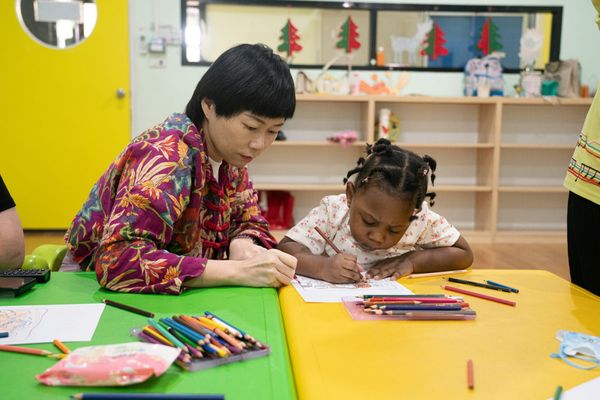
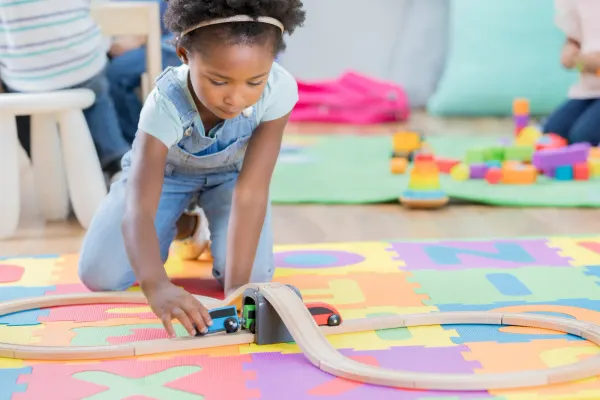
Play is not a break from learning. A pretend shop requires counting, turn-taking, memory, and real-time decision-making. Building with blocks requires planning, testing structural logic, and revising when something collapses. These are the same thinking processes in a context the child finds worth engaging with. A child coloring a scene they designed around a story they invented practices retrieval, sequencing, and creative application simultaneously. Tools like My Coloring Pages, which let children generate personalized coloring pages tied to their specific interests or learning themes, turn what seems like a simple activity into child-directed meaning-making, where the content belongs to them.
Why curiosity and conversation are underrated learning engines
Curiosity is a learning tool. When a child asks why the moon seems to follow the car, asking "What do you think?" first lets the child guess, preparing the brain to understand the real answer more deeply. The same principle applies to conversation. When adults ask children to explain what happened in a story, why a character made a choice, or what they would do differently, they prompt the child to organize, figure out, and communicate—which demands more thinking than listening alone. Research from the American Academy of Pediatrics (2018) found that back-and-forth conversation between caregivers and young children is one of the strongest indicators of language and brain growth, more so than the number of words a child hears.
How do choice and challenge shape the way children learn?
Choice and appropriate challenge help children learn best. When a child picks which material to try first or which character their story will follow, they practice trusting their own thinking. That trust becomes important later, when schoolwork requires independent judgment without an adult nearby to check every step. Challenge works similarly: tasks slightly harder than what a child can already do comfortably produce more growth than tasks that are either too easy or too difficult to reach. The goal is to make difficulty feel manageable and worth trying.
How you deliver learning changes everything about whether a child chooses to show up.
15 Tips for Teaching Children in Fun Ways
1. Turn the Lesson Into a Problem They Actually Want to Solve
This tackles: passive learning and children waiting for adults to tell them what to do.
Instead of beginning with:
“Today we're learning about measurement.”
Give them a problem.
“Which toy can fit inside this box?”
Or:
“Can you build a bridge long enough for this car to cross?”
Now measurement has a purpose.
The child has to:
- Compare
- Estimate
- Measure
- Adjust
They use these skills because those skills help them reach a goal.
The learning cycle becomes:
Interesting problem → need for skill → use skill → see result
That makes the child an active participant instead of simply a recipient of information.
2. Let the Child Choose Part of the Lesson
This tackles: “What am I supposed to do?” and constant dependence on adult direction.
You do not need to hand over the entire lesson.
Give two or three meaningful choices.
For example:
“Do you want to practise counting with dinosaurs, cars, or snacks?”
“Should our story happen in space or underwater?”
The skill stays the same, but the child now owns part of the experience.
That creates:
Choice → investment → participation
It begins shifting the child from:
“Tell me exactly what to do.”
Toward:
“I can make some decisions about how I learn.”
3. Use My Coloring Pages to Turn Their Ideas Into a Learning Activity
This tackles: blank-page hesitation, passive screen use, copying instead of creating, and “I don't know what to make.”
Start with the child, not the tool.
Ask:
“What would you like to create about what we learned?”
If they are learning about:
- Animals
- Space
- Weather
- History
- Letters
- A story
Let them come up with the idea first.
Maybe:
“A polar bear trying to survive in the desert.”
Or:
“A dinosaur going to school.”
Then use My Coloring Pages to turn their description or image into a printable starting outline, or choose from its 75,000+ community coloring pages.
The important learning happens after the outline appears:
Child chooses idea → My Coloring Pages removes the starting barrier → print → child colors and adds details → child explains choices → adult asks one extension question
For example:
“Why would the polar bear struggle in the desert?”
“What would you change so it could survive?”
Now the activity can involve:
- Retrieval
- Creativity
- Reasoning
- Language
- Application
My Coloring Pages removes:
“I don't know how to start.”
Without removing:
“What do I think should happen next?”
4. Make Them Predict Before You Give the Answer
This tackles: curiosity turning into “Just tell me.”
Before explaining, ask:
“What do you think?”
For example:
- “Which object will sink?”
- “Which ice cube will melt first?”
- “What do you think happens next in this story?”
Then test or reveal the answer.
Now learning becomes:
Prediction → result → comparison → explanation
Even an incorrect prediction is useful because the child now has something to compare against what actually happened.
That is far more cognitively active than:
Adult gives fact → child hears fact
5. Turn Practice Into a Treasure Hunt
This tackles: constant “Pay attention!” reminders.
Instead of asking a child to stare at information, make them search for it.
If learning letters:
“Find five things that start with S.”
For shapes:
“Can you find three rectangles in this room?”
For colors:
“Find something red that is smaller than your hand.”
Now attention has a goal.
The mechanism becomes:
Hold rule in mind → scan environment → identify match → check
Instead of demanding focus, the activity gives the child a reason to focus.
6. Bring Learning Into Pretend Play
This tackles: facts being remembered only inside worksheets.
Set up:
- A shop
- Restaurant
- Doctor's office
- Post office
- Classroom
A pretend shop can practice:
- Counting
- Addition
- Communication
- Decision-making
A restaurant can involve:
- Reading menus
- Writing orders
- Sequencing
- Maths
Now skills move from:
“I can answer this on paper.”
To:
“I know when this skill is useful.”
That directly builds transfer.
7. Change the Example Once They Get It Right
This tackles: children succeeding with familiar questions but freezing when the format changes.
Do not stop at:
“Correct!”
Change something.
If they identify a triangle:
“Can you find one turned sideways?”
If they solve:
3 + 2 = 5
Ask:
“Can you show me five another way?”
If they learn about habitats:
“What would happen if this animal lived somewhere colder?”
The process becomes:
Understand → vary example → apply again
That helps distinguish:
“I memorized this answer.”
From:
“I understand the idea.”
8. Let Them Teach You
This tackles: correct answers without real understanding.
After learning something, say:
“Okay, now you're the teacher.”
Pretend you do not understand.
Ask:
- “Why?”
- “What happens first?”
- “Can you show me another example?”
The child must:
Retrieve → organize → explain → respond
That makes learning visible.
If they cannot explain it yet, you have discovered something far more useful than simply knowing they got one question correct.
9. Use Silly Mistakes on Purpose
This tackles: children becoming afraid of being wrong.
Deliberately make an obvious mistake.
Say:
“Cats have eight legs, right?”
Or:
“I think 2 + 2 is 7.”
Let the child correct you.
Then ask:
“How did you know?”
Now mistakes become:
Something to notice → explain → correct
The child experiences being wrong as part of learning, not something embarrassing.
Sometimes the fastest way to reduce:
“What if I get it wrong?”
Is to show them that even the adult can be wrong without anything terrible happening.
10. Make Them Retrieve Yesterday's Learning Before Reviewing It
This tackles: “But you knew this yesterday!”
Before reopening yesterday's book or worksheet, ask:
“What do you remember?”
Give them time.
If they struggle, provide a clue rather than immediately rereading everything.
For example:
“Yesterday we learned something about animals hiding from predators. What was that called?”
Now they must search memory.
The cycle becomes:
Time passes → attempt retrieval → hint if needed → remember → strengthen
That is much stronger than repeatedly putting the answer back in front of them before they even try to remember it.
11. Use Storytelling to Teach Facts
This tackles: isolated facts that children understand briefly but struggle to remember or connect.
Instead of teaching several disconnected facts about rain:
“Imagine you're a tiny drop of water…”
Then move the child through:
- Evaporation
- Clouds
- Rain
- Collection
Or ask the child to create the story.
“Where does your water drop go next?”
Now the information has:
- Sequence
- Context
- Imagery
- Meaning
The child is not simply memorizing:
Fact 1 → fact 2 → fact 3
They are connecting the information into something they can reconstruct.
12. Add Movement to the Learning
This tackles: boredom, low attention, and the assumption that learning only happens while sitting still.
Practicing numbers?
Put number cards on the floor and ask them to jump onto the answer.
Learning vocabulary?
Act out each word.
Learning sequencing?
Create movements:
“Clap, turn around, then jump.”
Now the child has to:
Listen → remember → move → check
Movement does not automatically make an activity educational.
But when movement requires the child to use the target skill, it can turn passive practice into active participation.
13. Turn Mistakes Into Detective Work
This tackles: “I got it wrong, so I'm bad at this.”
Instead of immediately correcting:
“No, that's wrong.”
Say:
“Let's find where it changed.”
For a maths problem:
“Which step should we check?”
For spelling:
“Which sound doesn't match yet?”
For a failed experiment:
“What happened differently from what we expected?”
Now the child becomes a detective investigating the mistake.
The cycle changes from:
Wrong → judgment
To:
Wrong → clue → investigation → correction
That keeps the child's attention on the strategy instead of turning the mistake into a statement about ability.
14. Use Short Challenges With a Clear Win
This tackles: children becoming overwhelmed and giving up before they begin.
Instead of:
“Finish this entire worksheet.”
Try:
“Can you solve these three before the timer ends?”
Or:
“Let's see if you can remember four animals without looking.”
Then gradually raise the challenge.
The useful structure is:
Small achievable challenge → effort → success → slightly harder challenge
Children get evidence that:
“I can handle something difficult.”
That is much more useful for confidence than constantly telling them:
“You're smart.”
15. End With “Show Me Somewhere Else”
This tackles: learning to stay trapped inside the activity where it was taught.
After the lesson, ask the child to use the idea somewhere else.
If they learned fractions:
“Can you show me half of this sandwich?”
If they learned shapes:
“Find a rectangle outside.”
If they learned about camouflage:
“Which animal here would be hardest to see in grass?”
If they learned a new word:
“Can you use it in your own sentence?”
This creates the final learning bridge:
Learn → remember → apply somewhere different
That is one of the clearest signs that the child did more than simply finish the lesson.
How These Fun Teaching Strategies Solve Common Learning Problems
These tips aren't fun for fun's sake.
Each one directly tackles a learning problem.
- Child waits for adult instructions: Give choices and problems to solve.
- Blank pages create “I don't know”: Use My Coloring Pages as a starting scaffold while keeping the idea with the child.
- Learning becomes passive: Use predictions, hunts, movement, play, and creation.
- Child forgets the next day: Retrieve learning after time has passed.
- They only recognize familiar formats: Change examples and contexts.
- They copy without understanding: Make them teach and explain.
- They know facts but cannot use them: Move learning into pretend play and real-life situations.
- Mistakes feel like failure: Use silly errors and detective-style correction.
- Curiosity becomes “tell me”: Predict before explaining.
- Hard tasks immediately become “I can't”: Use manageable challenges with visible progress.
- Children depend on constant hints: Create tasks where they make the first attempt.
- Learning stays trapped in the lesson: Finish with “show me somewhere else.”
That changes teaching from:
Adult explains → child copies → adult corrects → child finishes
Into:
Child becomes interested → makes a prediction or choice → tries → gets feedback → remembers → explains → uses the idea differently → needs less help next time
That is what makes learning both fun and effective.
The goal is not simply:
“My child enjoyed the lesson.”
And it is not only:
“My child got the answer right.”
The stronger outcome is:
“My child wanted to participate, did more of the thinking, remembered something later, and could use it again without me doing the hard part for them.”
Make the Next Lesson Fun Enough to Join and Useful Enough to Remember
Pick one concept your child is working on and ask: "How can I make them do more than just listen?" When children make decisions about their learning, name their choices, and explain their reasoning out loud, retention follows naturally. The shift from passive listening to active engagement is where real understanding begins.
"When children name their choices and explain their reasoning out loud, retention follows naturally because ownership of the process drives depth of learning."
💡 Tip: Start with one single concept per session. Covering too much at once undermines the active engagement that makes lessons stick.
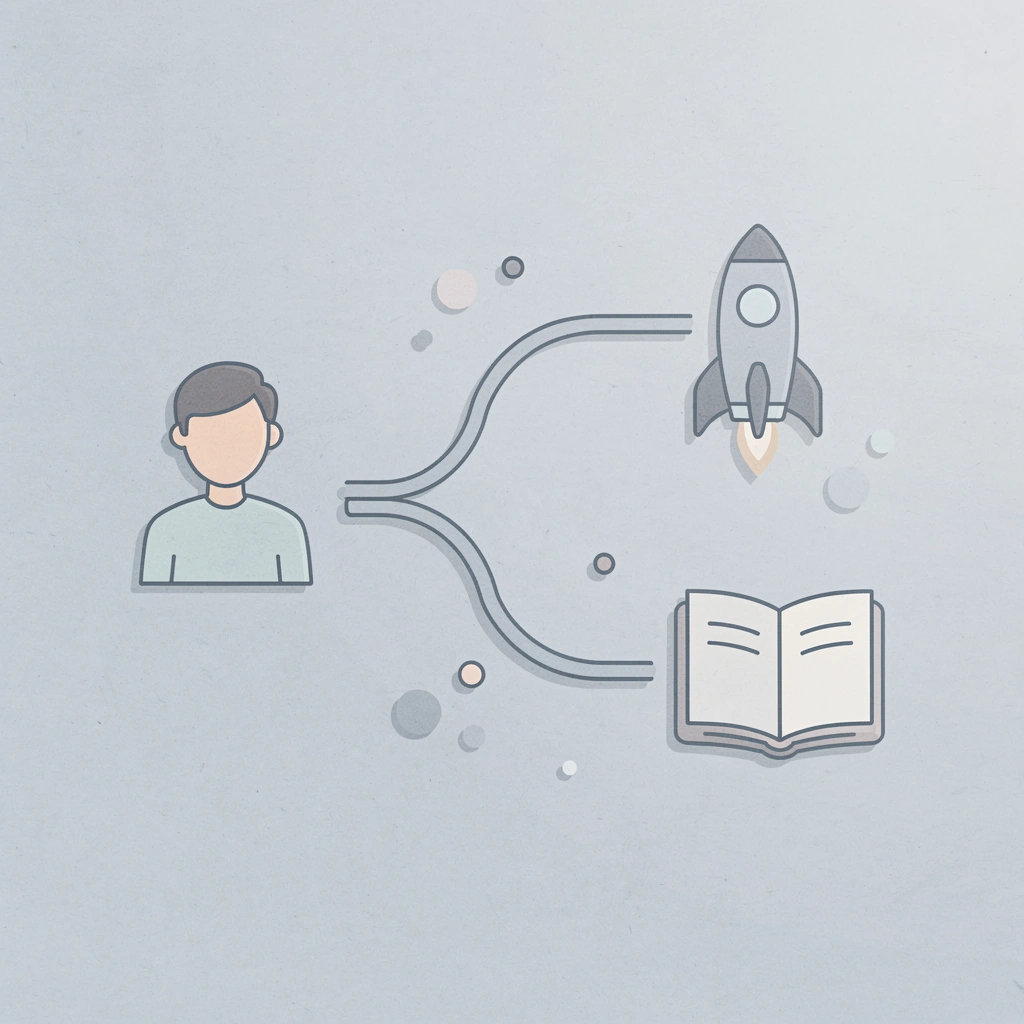
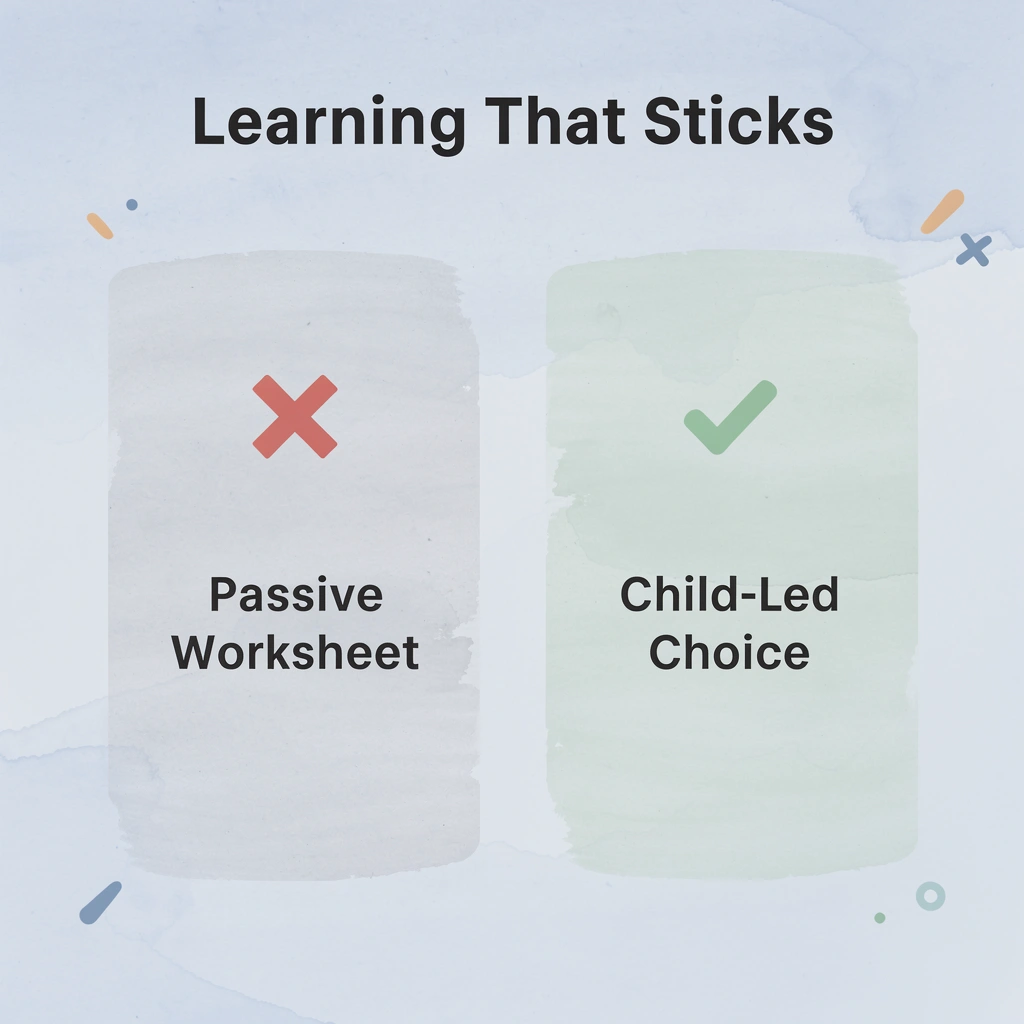
Most parents hand over a worksheet and hope something sticks. The problem is the passivity it creates — when nothing belongs to the child, nothing lands. Our My Coloring Pages library, with over 75,000 free customized worksheets, lets the child choose the theme first, so the activity starts with ownership rather than obligation.
⚠️ Warning: Handing over a worksheet without child input creates passive compliance — not genuine learning. The starting point matters as much as the content itself.
Let the child lead with an idea, use the printable as a starting point, then ask them to explain every choice they made. That is how children learn to think — not complete tasks. When a child can articulate their reasoning, they've moved from surface-level task completion into genuine cognitive ownership.
🎯 Key Point: The three-step formula is simple: let them choose, let them do, then let them explain. That final step of verbal reasoning transforms a fun activity into a lasting lesson.