15 Play-Based Learning Activities for Early Childhood Development
Early childhood development thrives through play. My Coloring Pages shares 15 proven activities to boost learning, creativity, and growth.

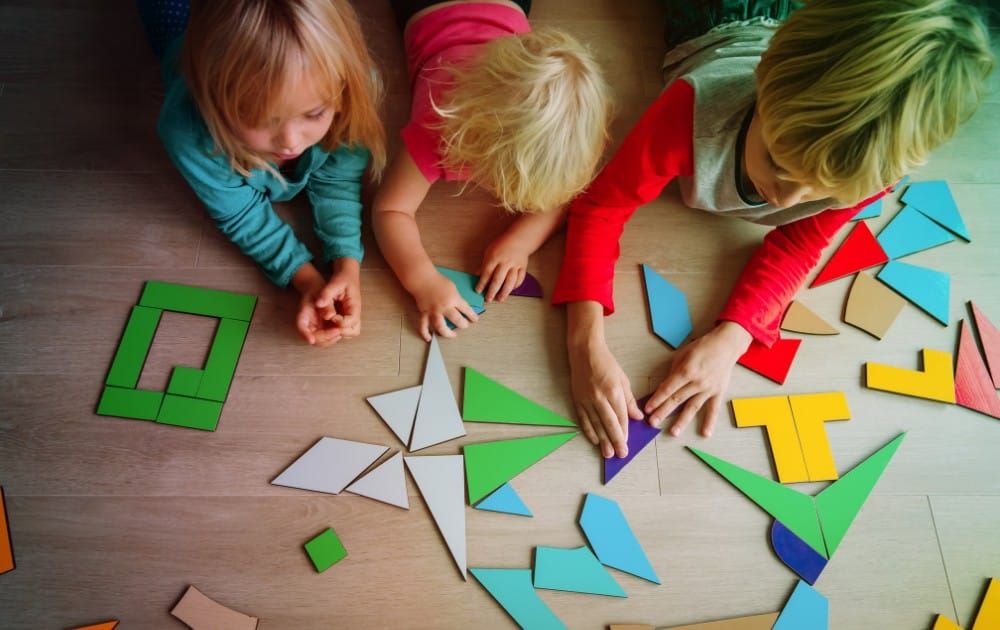
Early childhood development unfolds rapidly, with cognitive growth, motor skills, language, and social awareness all building on one another in the first few years of life. The tools children engage with during this window shape how they learn, create, and problem-solve. Hands-on activities like coloring and tracing give young learners a low-pressure way to practice focus, coordination, and self-expression at their own pace.
Finding resources that match a child's current stage without overwhelming them is often the real challenge for parents and caregivers. Printable coloring pages and worksheets offer a flexible, screen-free option that adapts easily to different ages and skill levels. My Coloring Pages makes it simple to get started, with a library where families can download 75,000+ free coloring pages suited to a wide range of learning moments.
Table of Contents
- Is Teaching Academic Skills in Early Childhood Important?
- Importance of Play-Based Learning in Early Childhood Development
- What Happens When You Neglect Play in Early Childhood
- How to Engage Children in Play-Based Learning Activities
- 15 Play-Based Learning Activities for Early Childhood Development
- How These Activities Solve the Problems We Discussed Earlier
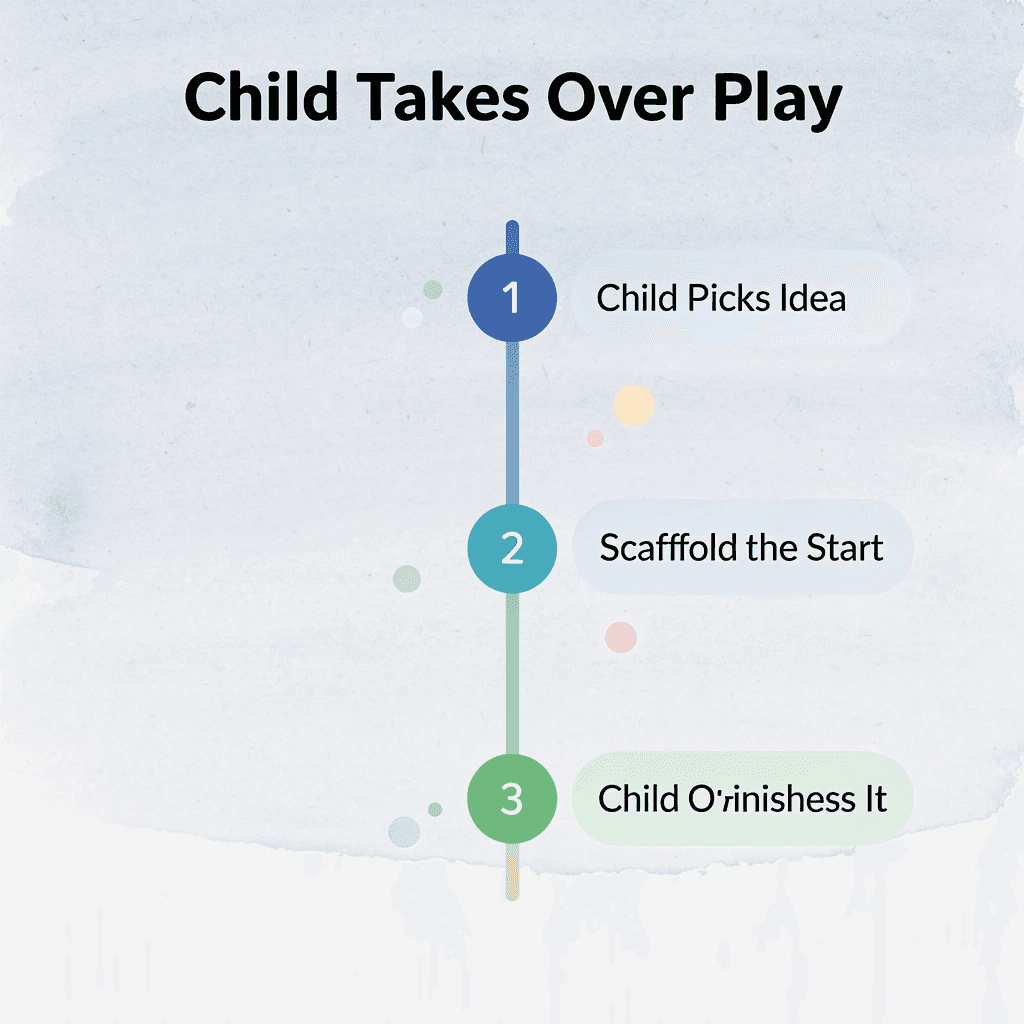
- Turn One Idea Into Play They Can Take Over
Summary
- According to IES research, children who attended high-quality early childhood education programs showed measurable gains in literacy and math skills by kindergarten entry. Quality over quantity matters here. The number of worksheets completed or hours of instruction delivered is far less important than whether the experience matches how young children actually develop. That distinction shifts the question from how much is being taught to how well the activity fits the child.
- Play-based learning environments produce 30% greater gains in self-regulation skills compared to traditional instruction settings, according to IES REL Northeast and Islands research. Self-regulation is not a supplementary skill. It is the mechanism that allows children to stay with difficult problems, try again after failure, and absorb new information rather than shutting down when challenged. Without it, academic instruction has a much weaker foundation.
- Children who spend most of their early years in directed, structured settings rarely get practice deciding what to do next. When every activity has a correct answer and a prescribed method, children learn to wait for instructions rather than generate their own. Play reverses this by making the child responsible for the next move, building the expectation that their choices matter and that they can figure things out independently.
- Research on early neglect found that limited play and child-directed time during the first four years negatively impacts both social functioning and academic readiness by kindergarten and first grade. The costs do not appear all at once. They accumulate quietly as children lose practice with imagination, frustration tolerance, and the ability to move through boredom productively. A child who has rarely chosen their own activity may arrive at school already behind in ways that grades cannot easily capture.
- Play-based learning is associated with gains of up to 6 months in early literacy and math skills compared to direct instruction alone, according to IES REL Northeast and Islands findings. This suggests that preserving curiosity is not just emotionally valuable. It is academically productive. Children who regularly ask investigative questions and test their own ideas are practicing the same mindset that deeper academic learning eventually requires.
- My Coloring Pages's Download 75000+ Free Customized Worksheets addresses the blank-page problem by letting children choose or generate content built around their own interests, so the starting point belongs to the child rather than the adult selecting it.
Is Teaching Academic Skills in Early Childhood Important?
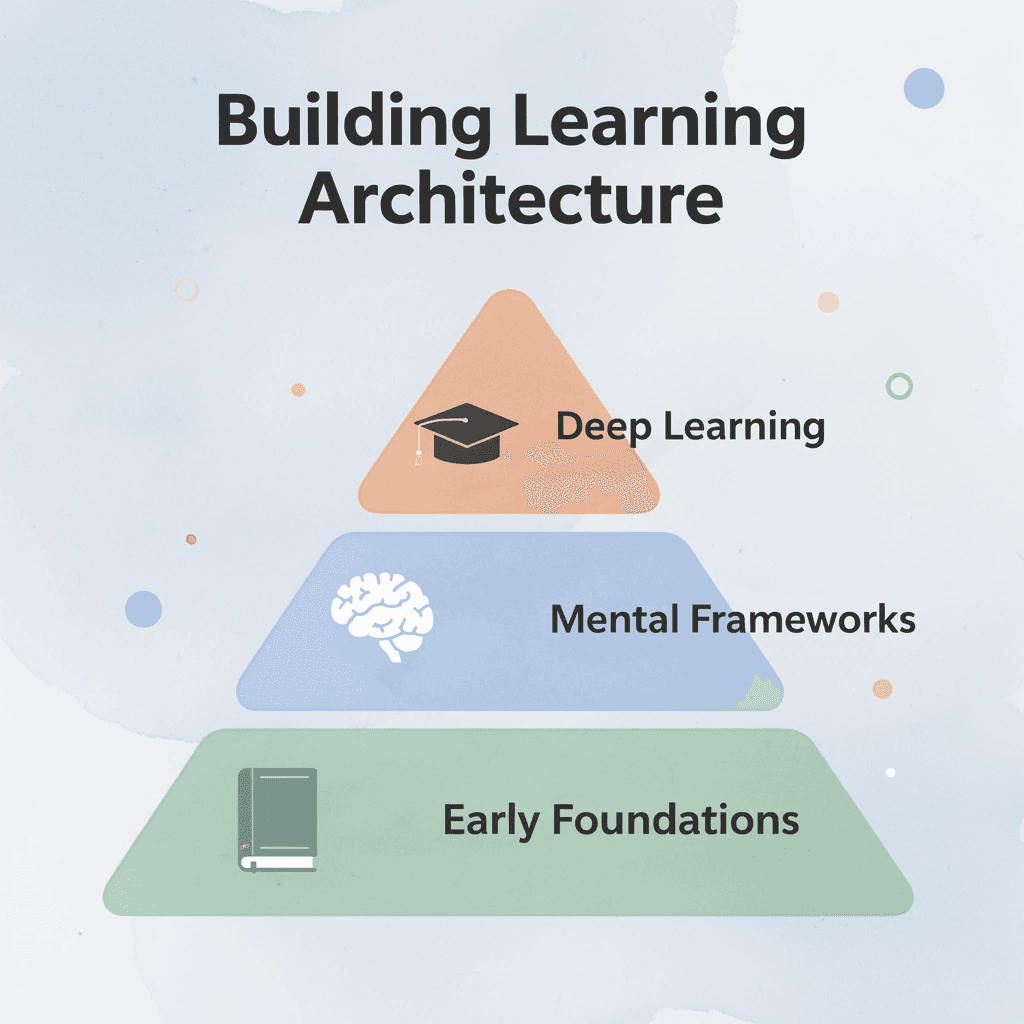
Teaching academic skills early matters, but not in the way most parents picture it. The goal is not to fill a young child with facts as fast as possible, but to build the mental architecture that makes learning stick later.
"The goal is not to fill a young child with facts as fast as possible, but to build the mental architecture that makes learning stick later."
🎯 Key Point: Early academic skill-building constructs lasting cognitive frameworks rather than rushing children through content.
🔑 Takeaway: The value of early education lies in developing mental architecture: the foundation that determines how well a child absorbs, retains, and applies knowledge for life.
What does the research say about quality early learning?
According to the IES REL West Blog, children who attended high-quality early childhood education programs showed gains in literacy and math skills by kindergarten entry. The key word is "quality": not how much teaching, how many hours, or how many worksheets are completed. This distinction matters because it shifts the question from "how much are we teaching?" to "how well does the experience match how young children grow and learn?"
What does "academic" really mean at age four?
The failure point is usually a mismatch between what looks productive and what builds capacity. A child tracing letters twenty times is doing something visible. A child negotiating the rules of an imaginary game builds working memory, language, self-regulation, and cognitive flexibility at the same time. Harvard's Center on the Developing Child describes executive-function skills as the brain's air traffic control system, developed through experience rather than drilled through repetition. When parents treat "looks academic" as a proxy for "is developmental," they optimize for the wrong thing.
Why do structured drills crowd out meaningful learning?
Most parents use structured worksheets and drills because the output is measurable and progress feels tangible. When creative moments get replaced by fill-in-the-blank tasks, children lose the chance to make choices, encounter problems, and determine solutions. Our Download 75000+ Free Customized Worksheets lets children engage with content built around their own interests, so the activity has meaning beyond producing a finished page.
Who is doing the thinking?
The most useful question a parent can ask about any early learning activity is: who is doing the thinking? If the adult makes every decision and the child follows instructions, the cognitive load sits with the adult. If the child chooses, predicts, creates, and adjusts, the load shifts to where development happens. A child coloring a self-chosen page, explaining the story behind it, and changing colors midway through engages in something mentally richer than mechanically completing a prescribed task. The activity matters less than the mental engagement within it.
Early childhood development is not a race to collect academic content before kindergarten. It builds attention, language, problem-solving, and emotional regulation: the ability to work through difficulty long enough to learn from it. Academic skills grow faster and last longer when the foundation underneath them is solid. And what that foundation is made of might surprise you.
Importance of Play-Based Learning in Early Childhood Development
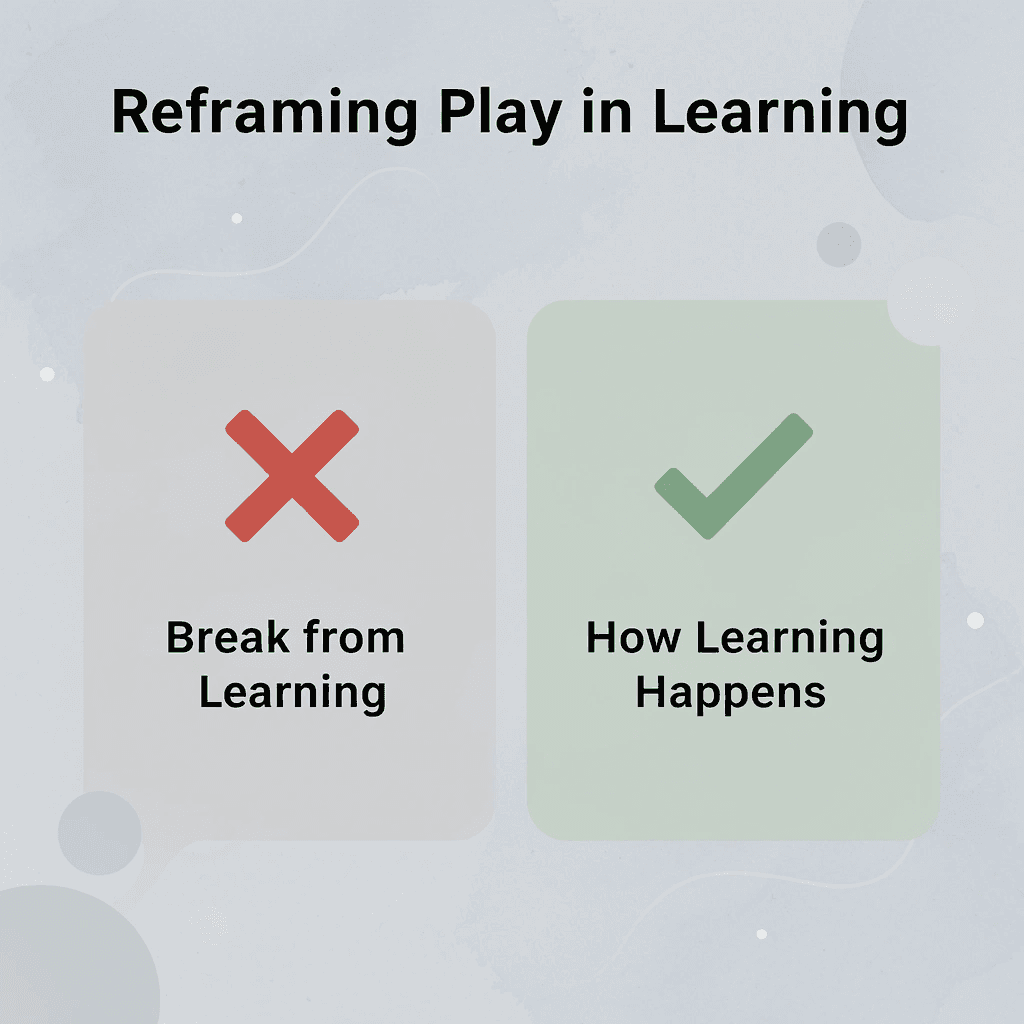
Play is not a break from learning—it is how learning happens in the early years.
"Play is not a break from learning—it is how learning happens in the early years."
🎯 Key Point: This reframes everything. Most people treat play as the opposite of education, but in early childhood development, play is the education.
💡 Tip: When evaluating early childhood programs, look for environments where play-based learning is treated as core curriculum, not a reward or filler activity.
When children play, they build the thinking skills that academic instruction depends on. According to the IES REL Northeast & Islands Blog, children in play-based learning environments show 30% greater gains in self-regulation skills compared to those in traditional instruction settings. Self-regulation allows a child to keep trying with difficult problems, try again after failing, and listen long enough to learn something new.
"Children in play-based learning environments show 30% greater gains in self-regulation skills compared to those in traditional instruction settings." — IES REL Northeast & Islands Blog
Skill Developed | Play-Based Learning | Traditional Instruction |
|---|---|---|
Self-Regulation Growth | +30% greater gains | Baseline |
Problem Persistence | Actively practiced through play | Passively instructed |
Resilience After Failure | Built into play cycles | Rarely reinforced |
Sustained Attention | Developed organically | Externally enforced |
🔑 Takeaway: A 30% improvement in self-regulation is not a minor edge—it is the foundation for every future academic skill. Children who can regulate themselves are better equipped to tackle hard problems, recover from setbacks, and stay engaged long enough to master new concepts.
⚠️ Warning: Cutting play-based time in early education to add more direct instruction may undermine the very cognitive foundations that make instruction effective in the first place.
How play builds independent thinkers
Children who spend most of their early years being told what to do rarely practice deciding what to do next. When every activity has a correct answer and a set way to do it, they learn to wait for instructions rather than generate their own ideas. Play disrupts that pattern. A cardboard box with no instructions becomes a rocket, shop, or fortress, depending entirely on the child's choice. That decision-making, repeated across hundreds of small moments, builds the expectation that their choices matter and that figuring things out is within their capability.
Why does failure during play matter for later learning?
Play changes how a child thinks about failure. When a block tower falls during play, no adult marks it wrong. The child simply rebuilds, adjusts, and tries a different base. That loop of trying, falling, and trying again mirrors the emotional pattern that later school challenges require. A child who has practiced that loop in low-stakes play is better prepared to work through a confusing maths problem than one who has only experienced mistakes as corrections from someone else.
How does open-ended play develop language and imagination differently than structured tasks?
Most parents use worksheets or structured activities because they appear productive. However, structured tasks alone do not give children practice generating their own ideas, managing frustration independently, or using language for genuine communication. A child playing restaurant must negotiate roles, take orders, explain preferences, and adapt when the game shifts. Language gains purpose—fundamentally different from repeating vocabulary words on command. Tools like My Coloring Pages reflect this philosophy: when a child colors a page built around their interests, the activity becomes active, requiring decisions, narration, and imagination.
Why curiosity is worth protecting early
Curiosity gets quietly replaced by rule-following in early childhood settings and home learning environments. Children who spend most of their time answering questions with correct answers stop asking questions that don't. Play protects that instinct. When a child asks what happens if they mix two colors, or how tall a tower can get before it falls, they practice the investigative mindset that deeper learning requires. According to the IES REL Northeast & Islands Blog, play-based learning is associated with gains of up to 6 months in early literacy and maths skills compared to direct instruction alone. Preserving curiosity is academically productive, not merely emotionally valuable. What happens when that curiosity gets crowded out early becomes clear only much later.
Related Reading
- Kids Learning
- Best Learning Games For Kids
- What Are Fun Learning Activities for Kids?
- How to Help Kids With Learning Difficulties
What Happens When You Neglect Play in Early Childhood
When children don't get enough time to play in early childhood, they lose practice with thinking and feeling skills that no worksheet can teach. Problems emerge quietly, then surface all at once.
"Play is not a break from learning: it is the learning. Children who are deprived of play in early childhood show measurable gaps in cognitive, social, and emotional development." — Child Development Research
⚠️ Warning: The consequences of play deprivation are rarely obvious at first. By the time developmental gaps become visible, critical windows for growth may already be closing.
🔑 Takeaway: Early childhood play is not optional enrichment: it is the essential foundation for lifelong thinking, emotional regulation, and social competence.
Skill Area | Developed Through Play | Impact of Play Neglect |
|---|---|---|
Cognitive Thinking | Problem-solving, creativity | Reduced critical thinking ability |
Emotional Regulation | Managing feelings in real time | Higher rates of anxiety and frustration |
Social Skills | Cooperation, empathy, communication | Difficulty with peer relationships |
💡 Tip: If a child is struggling with focus, emotional outbursts, or social connection, the first question to ask is: how much unstructured play time are they getting each day?
How does missing play affect a child's readiness for school?
According to The Impact of Neglect on Initial Adaptation to School, children who lack proper care during their first four years struggle to adjust to school in kindergarten and first grade, affecting their social skills and readiness to learn. The earliest years form the foundation, not a warm-up. When play is crowded out during this window, children arrive at school already behind in ways that grades cannot measure.
When boredom stops being useful
A child with regular free play learns to move through boredom productively: inventing, building, testing. A child without that practice learns a different pattern: feel bored, find an adult, get an activity. Repeat that loop enough times and even a room full of options produces "I don't know what to do." The problem isn't a shortage of toys, but a shortage of practice generating ideas independently. Imagination, like any cognitive skill, weakens without repetition.
What happens when children lose practice handling open-ended tasks?
The same pattern shows up in how children handle mistakes and open-ended tasks. In structured settings, errors are visible and corrected quickly. Play offers a different experience of failure: a block tower falls down, and nobody says it's wrong. The child simply rebuilds. Without those low-stakes moments, mistakes feel like judgment rather than information. When a teacher says "choose your own topic" or "find another way," the child who has mostly followed instructions may freeze—not from lack of intelligence, but from lack of practice choosing the goal before executing it.
Why does filling free time with organized activities fall short?
Most parents fill free time with organized activities because it feels productive. But KVC Nebraska's research on the consequences of early neglect reminds us that what children miss matters as much as what they receive. When creative, child-directed time disappears, the parent-child relationship shifts from curious collaborator to scheduler and corrector. Tools like Download 75000+ Free Customized Worksheets from My Coloring Pages offer a middle path: a child picks a theme that interests them, engages with it at their own pace, and makes small creative decisions along the way.
What gets lost when every hour has an owner
A child can have a full schedule and still have almost no control over their day. Classes, lessons, clubs, sports, and homework can fill every hour, leaving little chance to practice choosing, starting, and finishing something because they decided it mattered. Self-direction builds agency. A child who has rarely chosen their own activity may reach adolescence with impressive credentials and genuine uncertainty about what they want to pursue.
What happens to resilience when friction is always removed?
The same gap appears in frustration tolerance and social problem-solving. Play regularly delivers small doses of friction: the game does not go as planned, another child wants a different role, the puzzle is harder than expected. Children who move through those moments build resilience and the ability to persist after the first unpleasant moment. When adults consistently remove that friction, later frustration can feel disproportionately intense. The child has not yet learned to tolerate the gap between wanting something to work and it not working—the space where persistence lives. Once you see what play was quietly building all along, the question of how to bring it back becomes far more interesting than it initially appears.
How to Engage Children in Play-Based Learning Activities
Bringing play back into a child's life means changing your role in those activities, not scheduling more of them. The shift is becoming a thoughtful participant—someone who follows the child's lead, asks open-ended questions, and resists the urge to direct or correct. When adults step back from control, children step forward into creativity, problem-solving, and confidence. This is the essential mindset every caregiver and educator must adopt.
💡 Tip: Start small: join one existing play activity today and let the child set every rule. Your job is to engage, not lead.
⚠️ Warning: The most common mistake adults make is turning free play into a structured lesson. Resist the urge to redirect—unscripted moments are where the deepest learning happens.
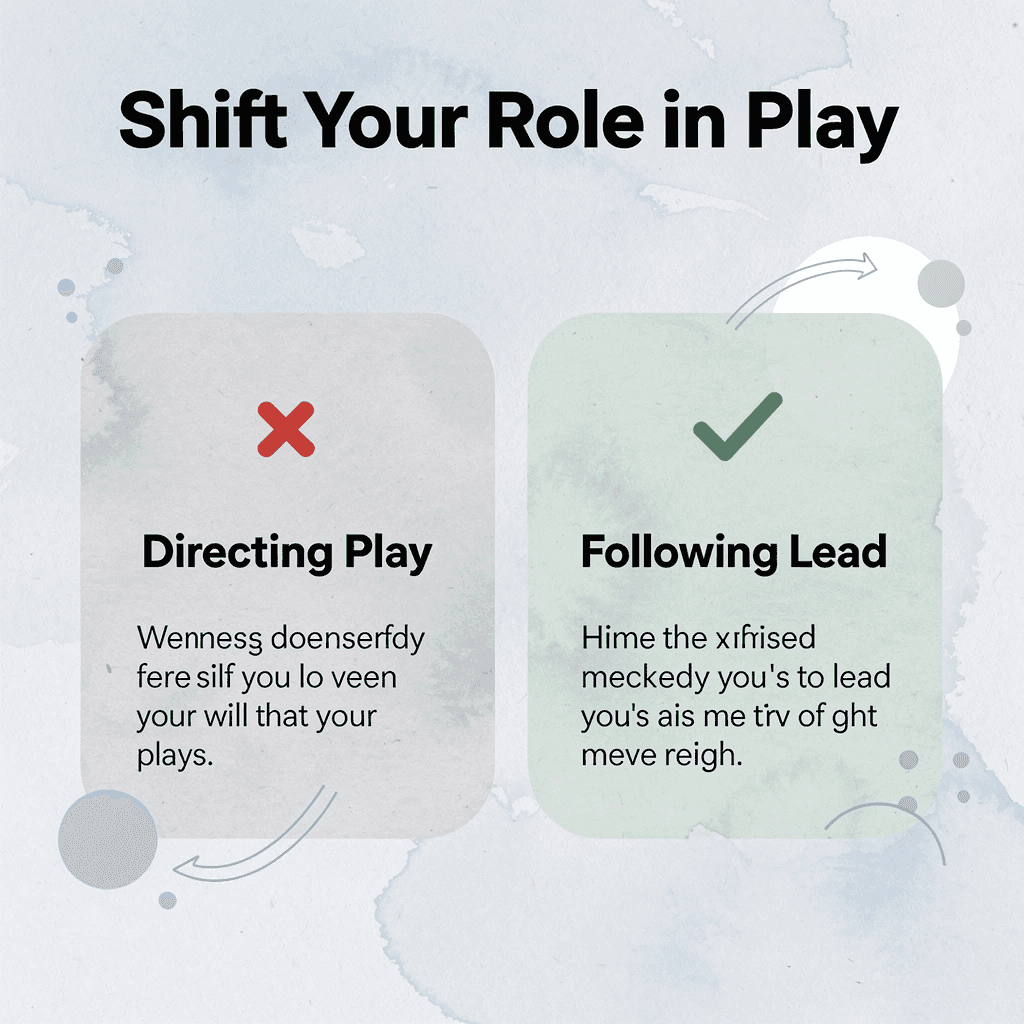
According to Studies Weekly's research on play-based learning, 75% of early learning happens through play — making it far more than just fun. The quality of adult participation carries enormous developmental weight, and the challenge is being genuinely present without becoming the person who runs everything.
"75% of early learning happens through play — meaning the way adults show up in those moments shapes the majority of a child's developmental foundation." — Studies Weekly Research
🎯 Key Point: High-quality engagement doesn't mean hovering — it means asking, listening, and wondering aloud alongside the child. The goal is co-exploration, not instruction.
Adult Role | Impact on Learning |
|---|---|
Passive observer | Minimal — child plays alone without enrichment |
Directive leader | Reduced — child follows rules instead of creating them |
Active co-player | Highest — child builds language, creativity, and confidence |
Supportive questioner | Strong — child develops critical thinking and problem-solving |
Give the child a starting point, not a finished activity
The most common mistake is solving the blank-page problem for the child before they feel it. When a child asks, "What should I do?" the instinct is to hand them a complete plan. Instead, narrow the possibilities enough to spark direction: "What could these boxes become?" That single question shifts the child from passenger to driver. Cognitive development research consistently links that shift to stronger executive function, language development, and self-regulation in early childhood.
Most parents suggest a specific project because it feels helpful and keeps things moving. The hidden cost is that children learn to wait for ideas instead of generating them. Our Download 75000+ Free Customized Worksheets library lets children choose or generate coloring pages built around their own interests—dinosaurs, space, their neighborhood—so the starting point belongs to them, not the adult.
What happens when failure stays in the room long enough to teach something?
When a tower falls, or a paper bridge bends under weight, resist the urge to fix it immediately. The moment between "it broke" and "I wonder why" is where young children do important learning. Problem-solving, task persistence, and emotional regulation develop during that pause. Ask "what happened?" before doing anything else, and let the child's observations guide what comes next.
Why do open-ended materials build deeper cognitive flexibility?
Open-ended materials speed this up. Blocks, cardboard, clay, and loose craft supplies have no instructions, forcing children to decide what they're building and why. This decision-making process, repeated across dozens of play sessions, builds cognitive flexibility that structured worksheets rarely reach. A child who has invented uses for a cardboard box handles academic novelty differently than one who has only followed prescribed steps.
Protect the slow moments
Slower activities like puzzles, drawing, or sorting collections ask children to create their own energy and drive, a skill that matters far beyond childhood. When a child says it is boring, resist the urge to intervene: this is the exact moment where self-directed attention either develops or disappears. Give it a few minutes, and you will often find the child has moved into something entirely their own. Once a child learns to take over an activity, the next question is what happens when you hand them something more open-ended from the start.
15 Play-Based Learning Activities for Early Childhood Development
Play-based learning gives young children opportunities to explore, create, solve problems, communicate, and learn through meaningful experiences. Instead of simply following instructions, children can take an active role in deciding what to do and how to respond when things don't go as planned. Here are 15 play-based learning activities for early childhood development that encourage creativity, problem-solving, independence, communication, and curiosity.
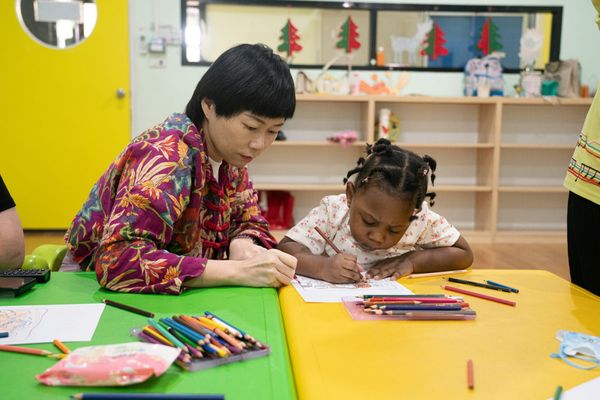
1. Create a Personalized Coloring Story With My Coloring Pages
This tackles: Blank-page frustration, passive screen use, "tell me what to make," and fear of doing creative work "wrong."
Start by asking the child:
"What would YOU like to make today?"
They might choose:
- A dinosaur in space
- A cat running a bakery
- A castle underwater
- Themselves as a superhero
With My Coloring Pages, you can turn a description or image into a printable starting outline, or choose from 75,000+ existing coloring pages. But the important part is what happens after the outline appears.
Use this sequence:
Child chooses idea → My Coloring Pages provides starting outline → print → child chooses colors → adds details → changes parts → tells you the story behind it.
That directly reverses several problems:
- "I don't know what to make": The child supplies the idea first.
- Blank page feels intimidating: The outline removes only the technical starting barrier.
- Screens become passive: The activity quickly moves offline.
- "Is this right?": There is no single correct way to finish the page.
- Child depends on adults: Ask, "What happens next?" instead of telling them what to add.
The tool provides the scaffold.
The child still provides the decisions, imagination, and meaning.
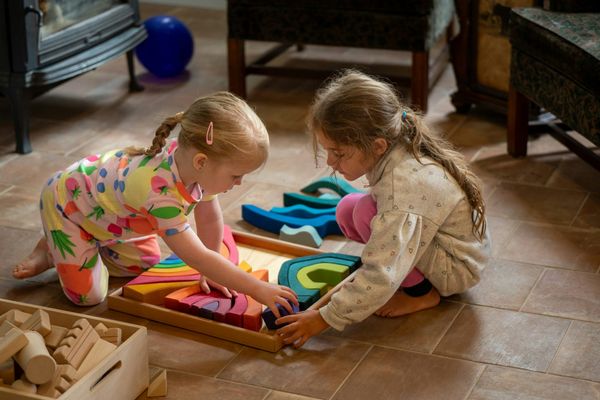
2. Build the Tallest Tower
This tackles: Low frustration tolerance and immediately asking adults to fix problems.
Give the child:
- Blocks
- Cups
- Cardboard
- Safe household objects
Ask:
"Can you build a tower taller than this bottle?"
Then let it fall.
Do not rebuild it for them.
Ask:
"What could make the bottom stronger?"
The learning cycle becomes:
Plan → build → collapse → inspect → change → rebuild.
That teaches an important lesson:
"Something going wrong does not mean the activity is over."
3. Open a Pretend Shop
This tackles: Passive learning and adults deciding every part of the activity.
Let the child decide:
- What the shop sells
- How items are arranged
- What things cost
- Who plays each role
Use toys, food packages, or handmade items.
Children can practice:
- Counting
- Communication
- Turn-taking
- Decision-making
- Early math
Instead of:
Adult asks a math question → child answers
The skill becomes useful inside the game.
For example:
"You bought two apples. How many do you have now?"
Now math helps the play continue.
4. Build a Home for a Toy Animal
This tackles: "Tell me exactly how to do it" and weak problem-solving.
Choose a toy animal and ask:
"What kind of home does it need?"
Give materials such as:
- Boxes
- Paper
- Blocks
- Fabric
- Sticks
- Tape
Do not provide a design.
Let the child decide:
- Where it sleeps
- How it gets inside
- What keeps it safe
- What it needs nearby
If something does not work, ask:
"What could you change?"
Now the child moves from following directions to designing a solution.
5. Create an Indoor Treasure Hunt
This tackles: Short attention spans and learning that feels overly adult-directed.
Hide several clues around the room.
For younger children, use:
- Colors
- Pictures
- Shapes
- Numbers
- Simple directions
For example:
"Find something red."
Then:
"Look under something you sit on."
The child has a reason to:
- Observe
- Remember
- Move
- Solve
- Continue
The motivation comes from:
"Where is the next clue?"
rather than:
"Finish this because I told you to."
6. Invent a New Animal
This tackles: Fear of wrong answers and constantly asking for adult approval.
Ask:
"Can you invent an animal nobody has ever seen before?"
The child decides:
- How many legs it has
- Where it lives
- What it eats
- How it moves
- What special ability it has
Then ask:
"Why does it need that?"
There is no correct animal.
That gives the child practice saying:
"I chose this because..."
instead of:
"Is mine right?"
7. Make a Sink-or-Float Experiment
This tackles: Children treating mistakes as failure.
Collect safe objects.
Before testing each one, ask:
"Do you think it will sink or float?"
Then test it.
If the prediction is wrong, say:
"Interesting. What do you think happened?"
The sequence becomes:
Predict → test → observe → revise idea.
Wrong answers become useful information.
That helps children experience mistakes as part of discovery rather than something embarrassing.
8. Create a Story One Sentence at a Time
This tackles: Passive consumption and limited creative ownership.
Start with:
"One morning, a tiny dragon appeared outside the house..."
The child adds one sentence.
Then you add one.
Keep alternating.
The child must:
- Listen
- Remember
- Adapt
- Imagine
- Communicate
If you introduce an unexpected twist, they also have to change their plan.
That practices:
- Language
- Memory
- Flexibility
- Creativity
9. Design a New Game Rule
This tackles: Children becoming better at following rules than inventing solutions.
Take a familiar game.
Then ask:
"What rule should we change?"
Maybe:
- Players move backward on certain spaces.
- You earn an extra turn for a challenge.
- Everyone has a special power.
Play using the new rule.
If it makes the game unfair, ask:
"How could we fix it?"
Now the child experiences:
Idea → test → consequence → revise.
They are not just following a system.
They are learning to build one.
10. Make a Cardboard Box Into Anything
This tackles: "I'm bored" becoming "entertain me."
Give the child an empty cardboard box.
Do not say:
"Make a car."
Ask:
"What could this become?"
If needed, offer only a small starting choice:
"Could it become somewhere to go or something to travel in?"
Then step back.
A box can become:
- A rocket
- A shop
- A house
- A boat
- A pet bed
- A robot
The value comes from the child generating the idea, not from receiving a completed activity.
11. Cook or Prepare a Simple Snack Together
This tackles: Learning to feel connected to real life.
Use age-appropriate tasks such as:
- Counting pieces
- Measuring
- Pouring
- Mixing
- Following steps
- Deciding how to divide portions
For example:
"We have eight strawberries and four people. How many does each person get?"
Now math has an immediate purpose.
Children also practice:
- Sequencing
- Patience
- Coordination
- Following meaningful instructions
The activity shows:
"Learning helps me do real things."
12. Create a Mini Obstacle Course
This tackles: Constant sitting, weak engagement, and dependence on externally supplied stimulation.
Use:
- Pillows
- Tape lines
- Chairs
- Cushions
- Safe household objects
Let the child help decide:
- Where to jump
- Where to crawl
- Where to balance
- Where to turn
- Where to stop
Then ask:
"Can you make it harder?"
Now they are not just completing the course.
They are redesigning it.
That combines:
- Movement
- Planning
- Sequencing
- Self-control
- Problem-solving
13. Make a "What Could Fix This?" Challenge
This tackles: Immediately bringing every problem to an adult.
Create a small practical problem.
For example:
"These crayons keep rolling off the table. What could we make to stop them?"
Or:
"This toy needs to cross the gap. How could we help it?"
Give materials, not instructions.
The child goes through:
Problem → idea → build → test → improve.
That is exactly the habit you want to replace:
Problem → "You do it."
with:
Problem → "Let me try something."
14. Let the Child Lead "Teacher Time"
This tackles: Passive learning and adults always being the expert.
Ask the child to teach you something.
It could be:
- How their toy works
- How to draw something
- What they know about dinosaurs
- The rules of a game they invented
Ask genuine questions.
For example:
"Why do I do this first?"
"What happens if I do it differently?"
Now the child has to:
Remember → organize → explain → answer questions.
Instead of always being:
The person being corrected
they get to experience:
"I know something worth teaching."
That can be especially useful for confidence.
15. Make a Child-Led "Boredom Box"
This tackles: "I'm bored" automatically becoming "give me a screen."
Let the child help create a box of activity prompts.
Examples include:
- Build something taller than your shoe.
- Draw an animal nobody has seen.
- Make a shop.
- Create a treasure hunt.
- Invent a game.
- Build a home for a toy.
- Make up a story.
The important part is that the child should help choose what goes into the box.
Later, when they say:
"I'm bored."
Instead of immediately entertaining them, say:
"What could you choose from your box?"
Over time, the box becomes less important.
The long-term goal is:
Bored → generate idea
rather than:
Bored → adult or screen supplies activity.
How These Activities Solve Common Early Childhood Learning Challenges
These activities are not random. Each one directly tackles a problem that can develop when play is neglected.
- "Entertain me": Cardboard-box play and the boredom box require children to come up with ideas.
- "Tell me what to do": My Coloring Pages, invented animals, and building activities give a starting point while leaving decisions with the child.
- Every problem goes to the adult: Towers, toy homes, and fix-it challenges require children to try first.
- Mistakes feel threatening: Sink-or-float experiments and building challenges make failure useful.
- "Is this right?": Creative storytelling, coloring, and invented animals have multiple possible outcomes.
- Imagination becomes passive consumption: My Coloring Pages and cardboard play move children from consuming to creating.
- Children follow rules but struggle to invent: Game-design activities make them create and revise rules.
- Frustration causes immediate quitting: Towers, obstacle courses, and construction challenges require retrying.
- Adults always control learning: Pretend play, teacher time, and child-led choices increase ownership.
- Learning feels unrelated to real life: Cooking, shops, and practical challenges give academic skills a purpose.
The stronger play-based learning cycle is:
Interesting starting point → child chooses → child acts → something happens → child encounters challenge → adult gives only necessary support → child adjusts → child creates, solves, or explains.
That is the solution.
The goal is not simply:
"My child stayed entertained for 30 minutes."
It is:
"My child had 30 minutes where they had to choose, think, communicate, solve, create, or try again."
Because the strongest play-based learning activities do not leave children waiting for the next instruction.
They leave them thinking, "What can I try next?"
Related Reading
Turn One Idea Into Play They Can Take Over
Start with the problem you're noticing most. If your child waits for direction, gets frustrated when something looks wrong, or spends free time consuming rather than creating, pick one activity that gives them more ownership over the outcome. Identifying the single biggest barrier first means you're solving a real problem, not adding another activity to the pile.
💡 Tip: You don't need a complete plan. One small shift in who controls the outcome can change how your child shows up for creative play.
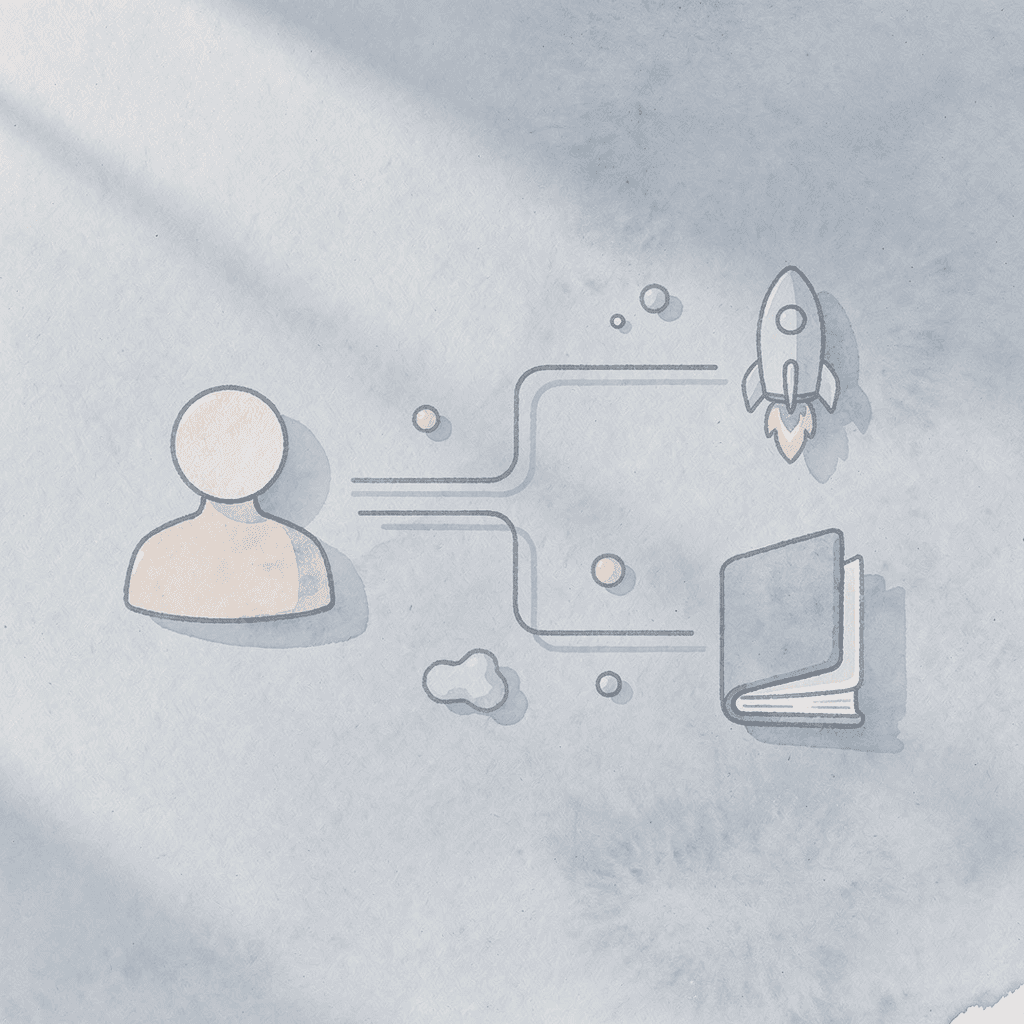
When the barrier is a blank page, try My Coloring Pages as a starting scaffold — but let your child provide the idea first. Ask what they want to create — a dinosaur bakery or a superhero version of themselves — then use the library of 75,000+ free customized worksheets to turn that idea into a printed starting point. From there, the screen steps out and the child steps in, choosing colors, changing details, and deciding what happens next.
"The best creative prompt isn't a blank page — it's their idea given a shape they can hold in their hands."
Stage | Who Leads | What It Builds |
|---|---|---|
Choose the idea | Child | Creative ownership |
Generate the worksheet | Tool | Scaffolded starting point |
Color, adapt, and decide | Child | Problem-solving & confidence |
Finish with a made object | Child | Pride and independence |
🎯 Key Point: The 75,000+ worksheet library exists to serve your child's idea — not replace it. The tool is the scaffold; your child is the architect.
This sequence addresses the core goal: a child who chooses the idea, owns the process, and finishes with something they made rather than something they watched. That's when play builds the independence, creative thinking, and problem-solving capacity that early childhood development is meant to support.
⚠️ Warning: When adults over-direct the activity, even with good intentions, children learn to wait for approval instead of trusting their own creative instincts. Keep idea generation firmly in their hands.