How to Make Learning Fun for Kids & 15 Fun Learning Activities
How to make learning fun for kids: 15 proven activities from My Coloring Pages that spark curiosity and keep children engaged.


Getting kids to engage with learning takes more than good intentions. When children find activities genuinely interesting, they absorb information faster, retain it longer, and ask for more. Making learning fun for kids often comes down to replacing passive instruction with hands-on, creative experiences that feel less like schoolwork and more like play.
Printable worksheets and coloring pages are among the most accessible tools for achieving that balance at home or in the classroom. They work across subjects, suit different skill levels, and can be swapped out quickly to keep things fresh. Parents and teachers looking for ready-to-use options can download 75,000+ free learning pages from My Coloring Pages to get started right away.
Table of Contents
- Can Learning Be Fun for Kids?
- Importance of Making Learning Fun for Kids
- What Happens When Learning is Boring for Kids
- How to Make Learning Fun for Kids in 15 Ways
- 15 Fun Learning Activities for Kids
- Why These Activities Make Learning Fun Without Removing the Learning
- Turn One Learning Topic Into Something They Actually Want to Make
Summary
- Student engagement is far lower than most parents and educators assume. According to Discovery Education's 2024 research, only 34% of students report being engaged in school. That gap is not primarily a curriculum problem. It is an engagement problem, and the activities children are asked to do often directly cause the shortfall.
- Playful learning does not reduce academic rigor. A systematic review of 39 studies involving 3,893 children found that guided play produced stronger outcomes than direct instruction for early maths skills, shape knowledge, and task switching. The research makes a specific distinction: fun structured around a clear learning goal can outperform traditional instruction that lacks an engagement layer.
- Boredom in school is not a passing mood. It is a pattern with a measurable trajectory. The Harvard Graduate School of Education found that 2 out of 3 high school students report being bored in class every single day, with rates increasing as children get older. What begins as disengagement during repetitive tasks in early grades can harden into a fixed identity by secondary school, where students describe themselves as "not academic people" rather than as people who encountered poor delivery methods.
- Attention in children is not a fixed resource. It is a response to conditions. A child who cannot focus for ten minutes on a worksheet but will spend forty minutes building or discussing a favorite topic is not attention-deficient. The activity is motivation-deficient. When learning offers no personal relevance, curiosity, or meaningful challenge, children depend entirely on external pressure to stay mentally present, which makes every session a negotiation.
- Format matters as much as content for retention. According to Common Sense Press, kids retain up to 75% more information when learning is made fun and engaging. That means ten minutes of active, interest-driven practice will outperform a long passive session on the same material, and choosing the right format is not a soft concern but a direct retention strategy.
- My Coloring Pages' Download 75000+ Free Customized Worksheets addresses this by giving children a concrete starting point tied to their own interests, so that even quieter activities like coloring carry the subject matter a child is working through without the worksheet feeling like an obligation.
Can Learning Be Fun for Kids?
Learning works better when it's fun. Many people believe that serious learning requires visible struggle, but this is a persistent myth in education. When a child is laughing while solving a problem, that laughter is evidence of sustained attention, the actual requirement for learning anything.
"When a child is laughing while solving a problem, that laughter is evidence of sustained attention—the actual requirement for learning anything."
💡 Tip: Don't mistake a child's enjoyment for a lack of rigor. Fun and deep learning are not opposites; engagement is the foundation of retention.
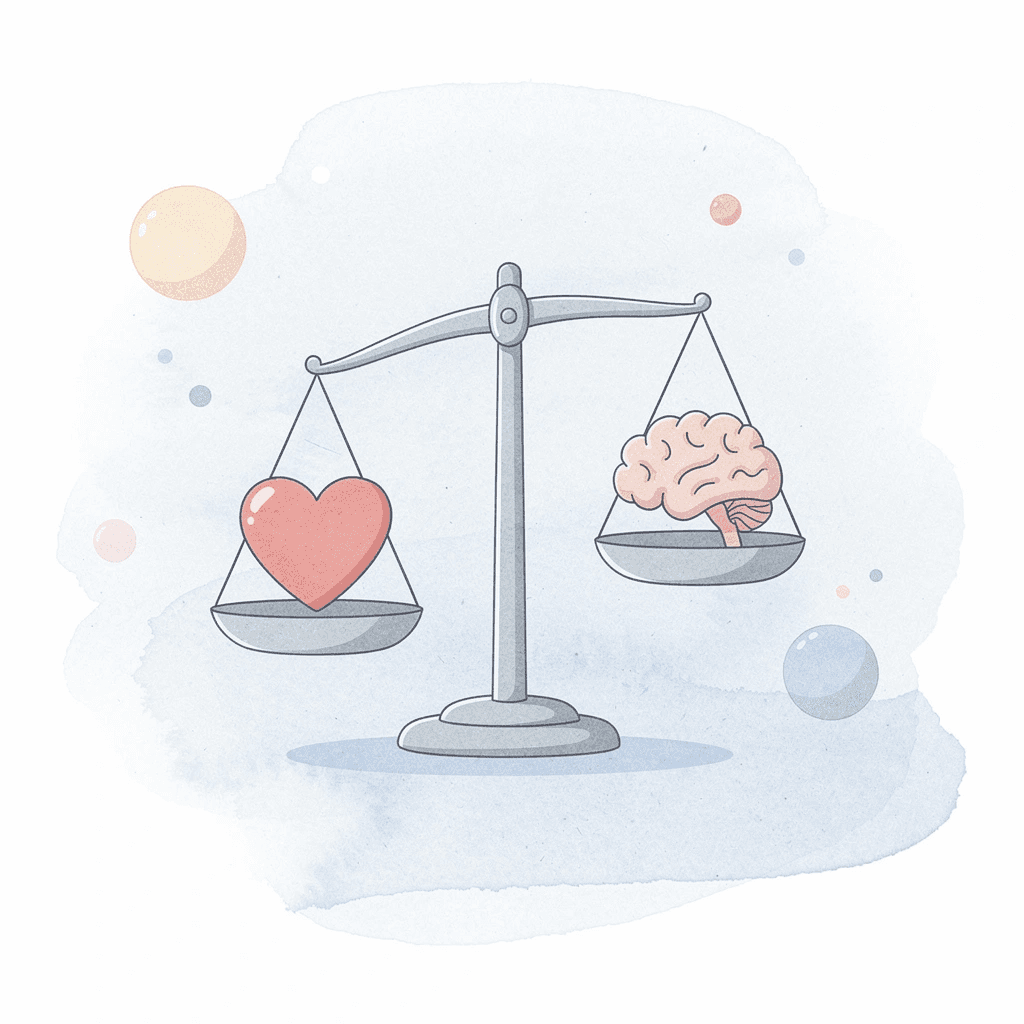
According to Discovery Education's 2024 research, only 34% of students report being engaged in school. This is a critical engagement problem, and playful learning is designed to solve it. A child who wants to keep going will practice longer, make more attempts, and learn significantly more than a child who is simply following along.
🔑 Takeaway: With only 34% of students engaged, the majority of classroom time is being lost to disengagement—playful learning directly targets this gap by making children want to continue.
Learning Mode | Student Behavior | Outcome |
|---|---|---|
Passive / Disengaged | Follows along minimally | Lower retention, fewer attempts |
Playful / Engaged | Seeks to continue independently | Longer practice, more attempts, greater learning |
⚠️ Warning: Assuming compliance equals engagement is one of the most common mistakes in K–12 education. A quiet classroom is not the same as an actively learning one.
What makes an activity actually educational?
The critical difference is whether the child must think to keep participating. A pretend shop that requires calculating change teaches arithmetic. A treasure hunt built around reading clues builds comprehension and inference. Strip away the theme, and the cognitive demand should remain.
Why do worksheets fall short of real understanding?
Most parents use worksheets and structured drills because those formats look like learning. But when the only feedback is adult approval or a red mark on paper, children learn to perform for evaluation rather than think for understanding. Tools like My Coloring Pages, which let children generate custom printable pages around topics they're curious about, shift that dynamic. Children engage with self-chosen content, which changes how long they stay with it and how much they remember.
Does fun lower the difficulty?
A systematic review of 39 studies involving 3,893 children ages 1 to 8 shows that guided play produced stronger outcomes than direct instruction for early math skills (g = 0.24), shape knowledge (g = 0.63), and task switching (g = 0.40). These foundational skills developed through purposeful, engaging activities rather than passive information reception. Structured play with clear learning goals outperforms instruction lacking engagement.
Why does failure make playful learning stronger?
The best playful learning includes failure. A child whose tower falls down must make guesses, make changes, and try again: this is how scientists think. Repetition drives learning. When failure feels safe enough to try again, practice continues naturally, and that is where real skill development happens. Yet what matters most to a child goes beyond method or structure.
Related Reading
Importance of Making Learning Fun for Kids
Fun isn't a reward added on top of learning—it's what makes learning possible over time. When a child genuinely wants to show up, half the work is already done.
"Fun is not a reward added on top of learning — it's the thing that makes learning possible over time."
💡 Tip: Don't treat fun and learning as separate goals. When engagement comes first, retention, focus, and long-term motivation follow naturally.
🔑 Takeaway: A child who wants to learn is a child who will learn. Intrinsic motivation is the most powerful force in any educational journey — and making learning fun is how you unlock it.
Learning Approach | Child's Response | Long-Term Outcome |
|---|---|---|
Fun, engaging methods | Eager to participate | Sustained motivation |
Passive, repetitive tasks | Resistant or disengaged | Burnout and avoidance |
Play-based learning | Naturally curious | Deeper retention |
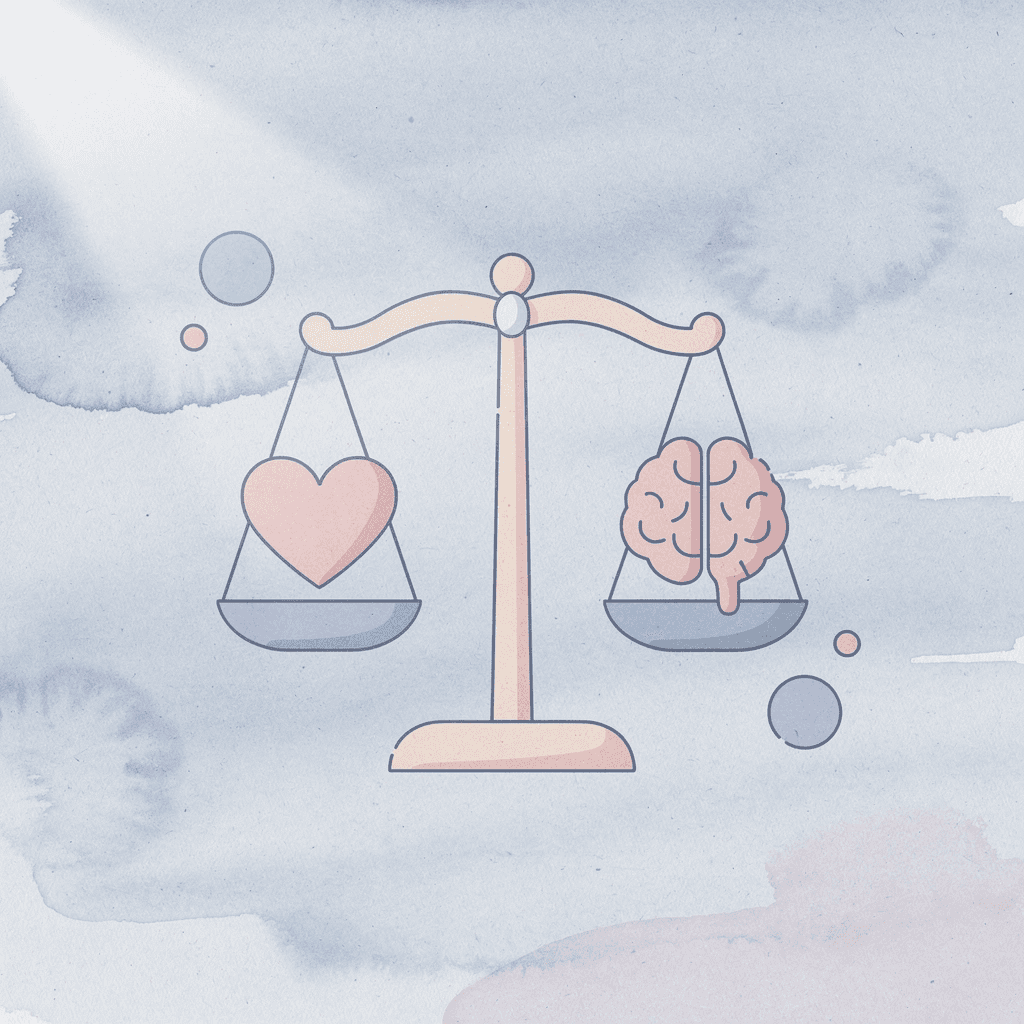
Why willingness matters more than ability
The hardest part of teaching a child is rarely the subject itself: it's the emotional starting point they bring to it. A child who resists before the activity begins cannot practice the skill being taught, no matter how well-designed the lesson. Fun shifts that starting point from "I have to do this" to "okay, let's see what happens." Willingness creates participation, participation creates repetition, and repetition is where skill development lives.
How does a child's identity around a subject form so quickly?
Kids form strong opinions about subjects quickly. A child who connects maths with pressure and correction doesn't think "this teaching method is frustrating"—they think "I hate maths." Once that belief solidifies, it shapes every future encounter with the subject. Changing how it's taught, embedding maths in a game, recipe, or building challenge, gives the child a chance to discover that their frustration was with the teaching method, not with maths itself.
What happens when practice depends entirely on external pressure?
Most parents use structured repetition because it looks like hard work: worksheets, timed drills, read-and-answer sequences. When the activity itself doesn't provide motivation, every minute of practice depends on outside pressure, and learning becomes a negotiation. Tools like My Coloring Pages, which let children generate custom printable coloring pages around subjects they care about, shift that dynamic. When a child colors a page they chose about volcanoes or ancient Egypt, motivation comes from the content itself, not from reminders to focus.
How does fun protect a child's confidence and identity?
The confidence piece is what most adults underestimate. Children don't say "this teaching method isn't working." They say "I'm bad at this" or "I'm not smart." Repeated frustration becomes internalized as a judgment about who they are. Fun, achievable learning experiences interrupt that cycle by showing children that effort connects to progress. A child who solves a puzzle or improves after a second attempt builds a lasting story: "I can figure things out." That story matters far longer than any specific lesson.
How does fun change a child's relationship with being wrong?
Fun changes how a child relates to being wrong. In high-pressure formats, a wrong answer carries social and emotional cost, so children stop guessing and asking questions. Low-pressure activities make uncertainty feel safe. When a guess is allowed and tested, children learn that not knowing yet is a valid starting point. This is one of the most transferable skills a child can develop, and it rarely shows up on a worksheet.
What is the real long-term benefit of making learning fun for kids?
The long-term benefit of making learning fun is not that children will always enjoy studying, but that they won't have already decided they hate it before discovering what they're capable of. That distinction between a child who finds learning hard and one who has stopped trying entirely is crucial.
What Happens When Learning is Boring for Kids
Boredom in learning is not a feeling; it is a direction. When a child consistently finds schoolwork unstimulating, their relationship with learning itself begins to shift in ways that are harder to reverse than most parents or educators expect.
"When children are chronically bored in school, it's not just engagement that suffers — it's their long-term identity as learners that is quietly being reshaped." — Learning & Development Research
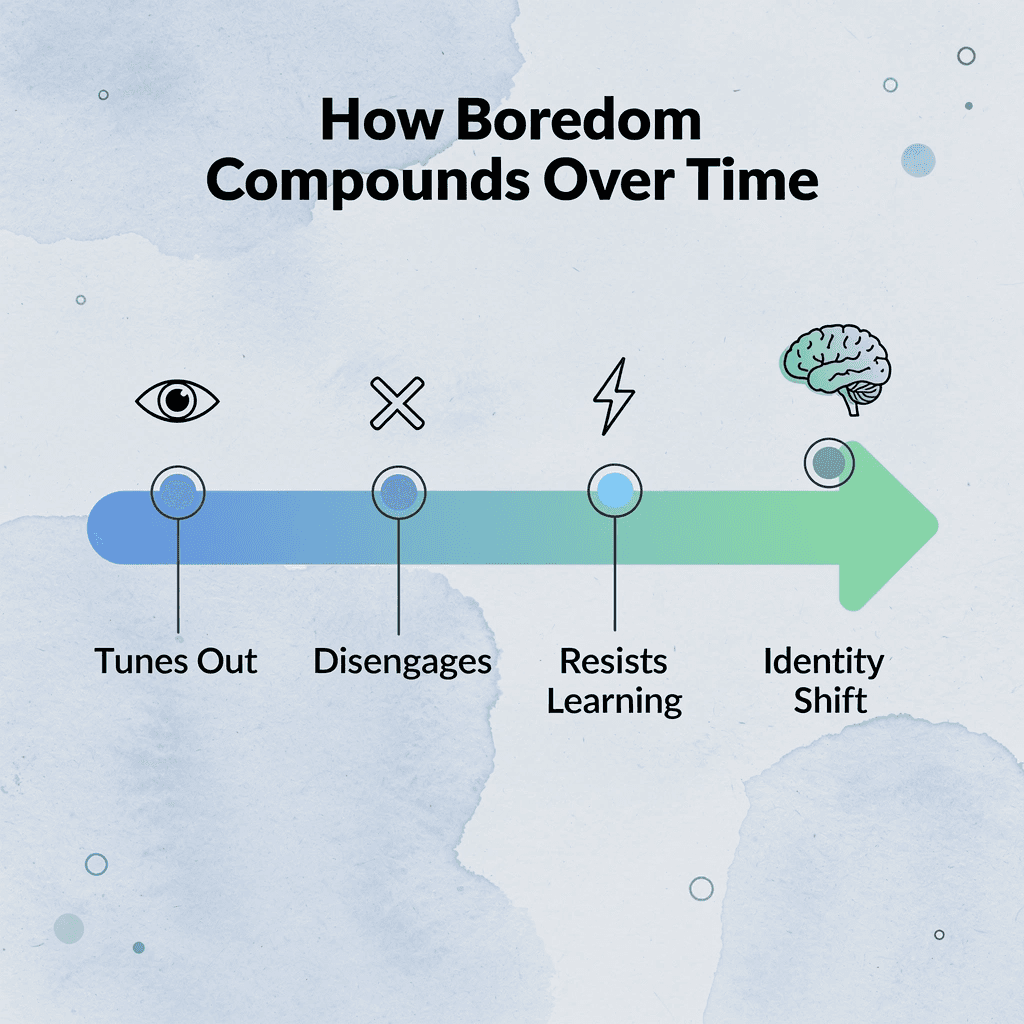
⚠️ Warning: Boredom left unaddressed doesn't stay still — it compounds. What starts as a child tuning out during one lesson can evolve into a deep-rooted resistance to learning that follows them for years.
💡 Tip: Watch for early warning signs like repeated complaints about schoolwork being "too easy" or "pointless" — these are not just excuses. They are signals that the learning environment needs to change before disengagement becomes the default.
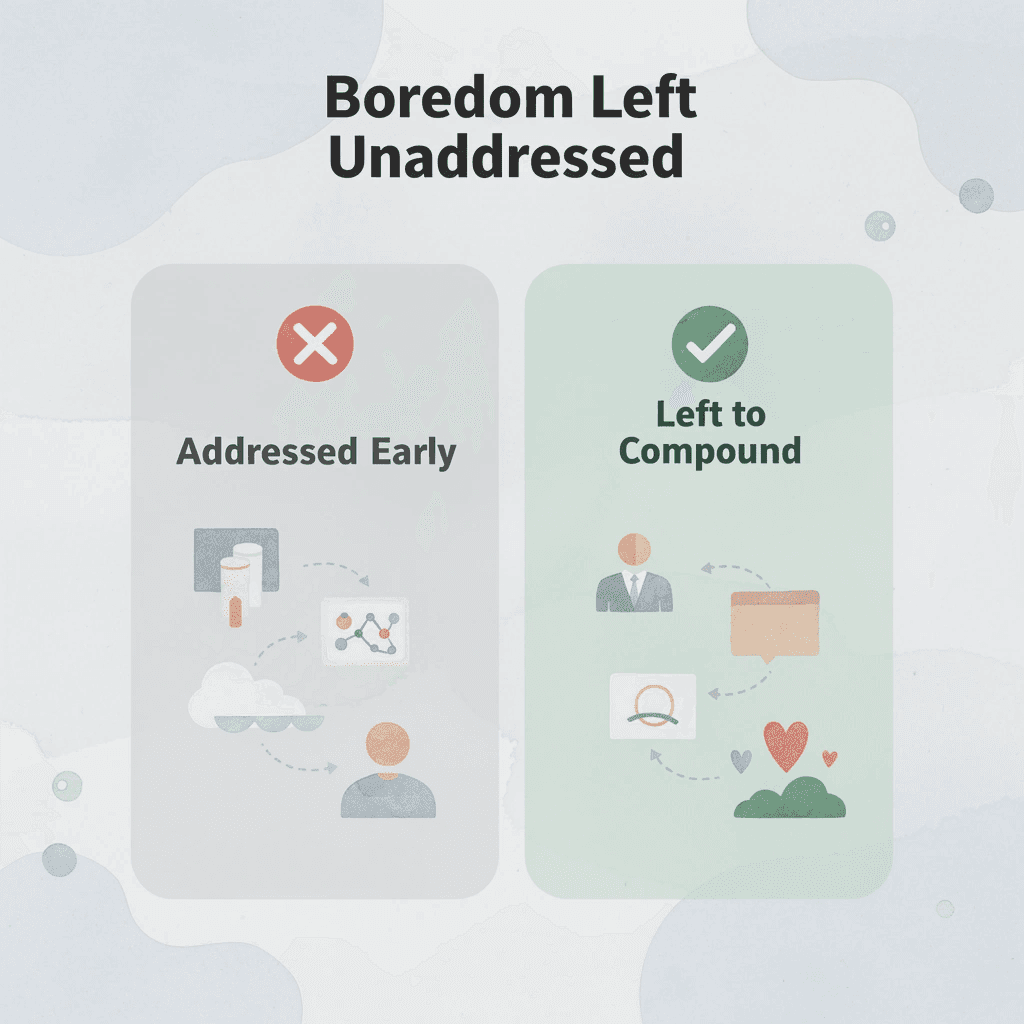
How does boredom change the way kids approach schoolwork?
The most immediate effect is strategic withdrawal. The child completes tasks but shifts from understanding to escaping: skipping instructions, guessing answers, writing minimally, and avoiding mistakes. What makes this difficult to catch is that a child can appear academically compliant while learning to treat education as something to get through rather than engage with.
Why does early disengagement become harder to reverse over time?
According to the Harvard Graduate School of Education, 2 out of 3 high school students report being bored in class daily, with boredom intensifying as students age. The disengagement that builds in a seven-year-old during repetitive worksheets is not a phase but a pattern gaining momentum. By secondary school, the habit of passive, minimal-effort participation becomes deeply entrenched.
What does boredom quietly do to a child's attention?
A child who cannot focus for ten minutes on a worksheet but will spend forty minutes building, drawing, or discussing a favorite topic is not attention-deficient; they are motivation-deficient in that context. Attention responds to conditions, not a fixed resource. When an activity offers no curiosity, no meaningful challenge, and no personal relevance, the child relies entirely on external pressure to stay mentally present. This creates a cycle: boring task, drifting attention, adult correction, brief forced focus, drift again, frustration for everyone. Eventually, learning feels exhausting before the lesson begins.
How does repeated boredom shape a child's learning identity?
A child who repeatedly experiences maths as worksheets, corrections, and repetition concludes they hate maths. Reading becomes assigned books, questions, and tests, and they come to hate it. What starts as "this lesson is boring" becomes "school is boring," then "I hate learning," and finally "I'm not an academic person." That identity can outlive the worksheet that created it. Tools like My Coloring Pages offer a different starting point, letting children generate custom pages around their own interests—dinosaurs, space, ancient Egypt—so the activity carries personal relevance before a single crayon is lifted.
When curiosity gets replaced by compliance
The most lasting consequence of chronic boredom is the erosion of intellectual risk-taking. Young children naturally ask why, what if, and how does that work. But when learning consistently means listen, remember, and answer exactly what was asked, children gradually learn that the safest strategy is not to explore—it is to wait. "What do I need to know for the test?" replaces "I wonder what happens if." Creativity and deeper understanding require trying unusual ideas, asking strange questions, and spending time on something because it is interesting.
A child focused on finishing tasks quickly has no reason to do any of those things. When eventually given freedom to choose any topic, a child who never practiced directing their own curiosity will freeze and say: "Just tell me what to do." The difference between a child who finds learning hard and one who has stopped trying entirely is not intelligence.
How to Make Learning Fun for Kids in 15 Ways
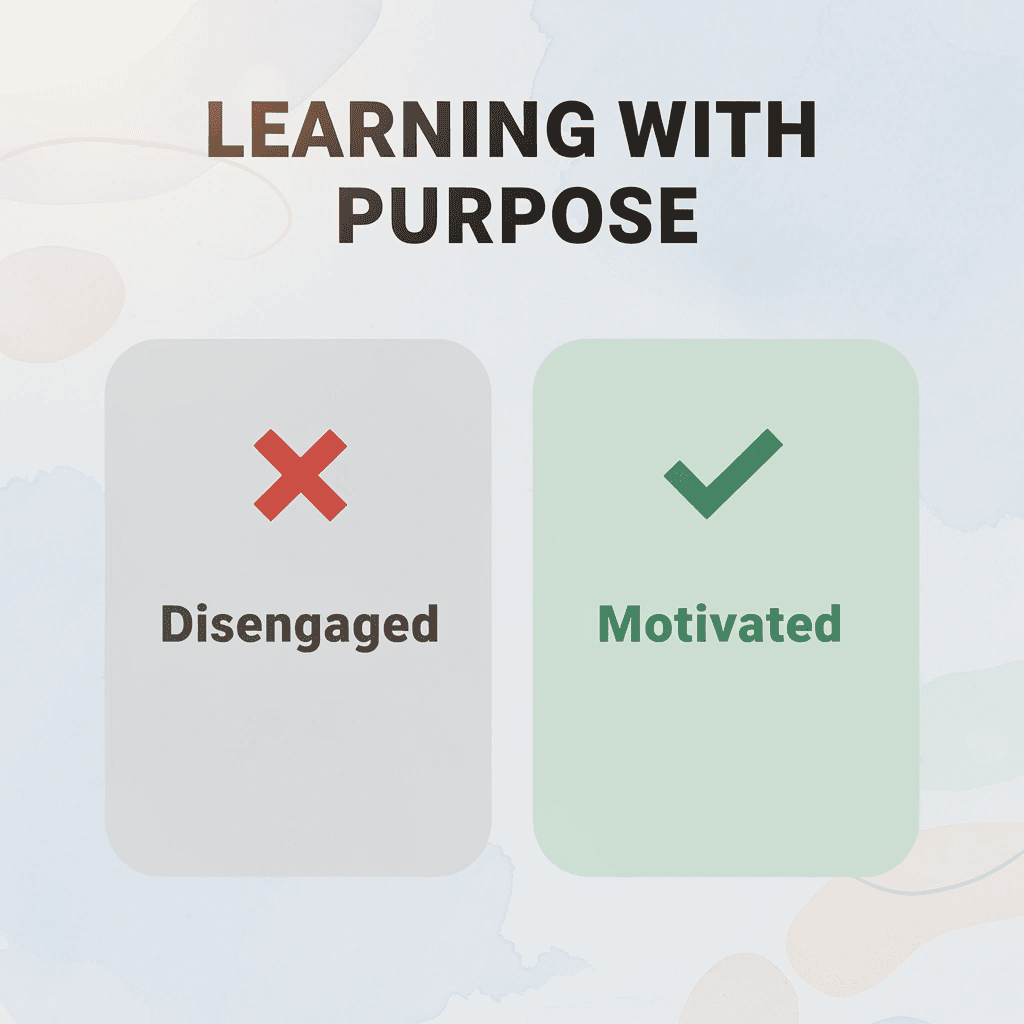
The gap between a child who finds learning hard and one who has stopped trying entirely is about what the work asks of them — and whether it gives them a reason to stay. Giving learning a real purpose changes everything about how a child engages.
"When children understand why they are learning something, engagement rises dramatically — turning reluctant learners into motivated, self-directed students." — Learning & Education Research
💡 Tip: Before introducing any new topic, ask your child one simple question: "Why do you think this might matter to you?" That single moment of purposeful connection can transform resistance into genuine curiosity.
🎯 Key Point: The secret to making learning fun isn't about tricks or rewards — it's about closing the gap between what kids are asked to do and why it feels worth doing.
Child Who Struggles | Child Who Has Disengaged |
|---|---|
Finds the work challenging | Finds the work meaningless |
Needs better strategies | Needs a compelling reason |
Responds to skill-building | Responds to purpose and relevance |
Engagement can be rebuilt quickly | Motivation must be rekindled first |
1. Give the Learning a Goal Beyond "Finish the Worksheet"
When the only finish line is completion, finishing fast is the smartest strategy. Give the skill somewhere to go instead. Math becomes a pretend shop. Writing becomes a menu. Reading becomes clues in a treasure hunt. Now the child needs the skill to accomplish something, and the cycle shifts from answer-then-escape to problem-then-achieve-then-want-more.
2. Match Activities to Something Your Child Already Cares About
A child who loves football will calculate averages and distances without complaining. A child fascinated by space will read about planets without being asked twice. Before you decide your child cannot concentrate, ask whether the material engages their natural interests. Interest is not a distraction from learning; it is the vehicle.
3. Change the Format Before Assuming They Hate the Subject
A child who resists multiplication worksheets may love the same concept in a dice game or cooking challenge. You've only tested the delivery method, not the subject itself. Changing the format gives the subject a fair chance before the child decides "I'm not a math person," one of the most expensive beliefs a young learner can develop.
4. Start With Their Questions Sometimes
Children naturally ask, "Why does that happen?" and "What would happen if?" Those questions drive learning. When you start with what the child is genuinely curious about and extend that curiosity into reading, writing, or science, you reverse the most damaging shift in a young learner's mindset: from "I want to know" to "tell me what to do."
5. Let Progress Be Part of the Reward
Most parents say "finish this and then you can play," which teaches children that learning is a means to escape it. Instead, make improvement visible: point out that yesterday they solved three problems independently and today they solved five. That observation motivates more than any sticker chart, because it gives the child something to work toward that belongs entirely to them.
6. Build in Reasons to Slow Down and Check
Telling a child to slow down rarely works, because rushing makes sense when speed is the only thing that matters. Change what matters instead. A math detective game where the child finds the deliberately wrong answer makes accuracy the point. A writing editor challenge where they earn a point for every mistake they catch themselves turns checking into a skill. Now careful thinking has a purpose the child can feel.
7. Replace Long Repetition With Short, Active Practice
Forty-five minutes of the same worksheet is endurance, not studying. According to Common Sense Press, children retain up to 75% more information when learning is engaging: format becomes a retention strategy, not a peripheral concern. Ten minutes of explanation, a short game, five practice questions, a movement break, and quick review outperform long passive sessions. Judge learning by engagement quality, not time at the table.
8. Turn Difficult Work Into a Challenge They Can Beat
There is a meaningful difference between "do these difficult questions" and "think you can solve three before I do?" The difficulty doesn't change—the emotional framing does. Aim for the sweet spot where the challenge feels slightly out of reach but not impossible; too easy creates boredom, and too hard creates shutdown. The question you want the child asking is not "when is this over?" but "I don't know if I can do this yet, but I want to find out."
9. Give Kids Safe Wins in Subjects They Already Fear
When maths already makes a child think "I don't want to do this," starting with the hardest question confirms every fear they have. Begin with something they can do successfully, then increase difficulty in steps: known skill, slightly harder version, supported challenge, independent attempt. Fun does not mean removing hard work—it means giving children enough early success that they don't emotionally quit before the hard work begins.
How do personalized materials stop a subject from feeling irrelevant?
Generic worksheets feel structured but signal to the child that the subject has nothing to do with them. A worksheet on long division looks identical whether a child loves dinosaurs, space, or cooking. Tools like My Coloring Pages let parents and educators generate custom printable pages tied to any theme a child already cares about, so even a quieter activity like coloring carries the subject matter without feeling like punishment.
10. Ask Questions With More Than One Possible Answer
When every question has one correct answer, children learn to wait for the answer the adult wants instead of sharing their own thinking. Open-ended questions change that. "How many ways could we solve this?" or "What would you change about this ending?" or "Can you invent an animal that could survive here?" require children to produce something original. That practice builds the habit of intellectual risk-taking, which one-answer learning suppresses.
11. Give Them Meaningful Choices
Small amounts of control produce big changes in how willing kids are to participate. You don't need to let children decide whether learning happens. Give them controlled choices within it: math or reading first, spelling through a story or a game, show what you learned by drawing it or explaining it. The adult keeps the objective; the child owns the route. This shift—from "adult decides and child complies" to "adult sets the goal and child participates in how we get there"—changes the emotional texture of the entire session.
12. Reduce Homework Battles by Changing the Start
The problem usually isn't the homework itself, but when it starts. When "go do your work" gets a "no," both people feel frustrated, and the lesson begins poorly. A reliable routine—snack, short break, child picks which subject comes first, one manageable opening task—stops that cycle before it starts. Beginning with "show me what looks easiest and what looks hardest" gives the child a say before they resist.
13. Connect Learning to Things That Matter Outside Grades
"Will this be on the test?" is a reasonable question when grades are the only visible reason to learn anything. Show children where the skill lives outside school. Fractions appear in recipes. Percentages appear in discounts. Measurement appears in building and decorating. Writing appears in messages, reviews, and stories that real people read. When learning becomes a tool rather than an obligation, motivation shifts.
14. Let Kids Create Something From What They Learn
After a lesson, replace quizzes with: "What could you make with this?" A poster, model, story, comic, game, or quiz they design shifts learning from receive-and-repeat to receive-interpret-decide-create, requiring greater ownership. New Horizon Academy identifies creation as one of 15 core ways to make learning engaging because making something forces children to decide what comes next—something passive learning never demands.
15. End With "What Do You Want to Know Next?"
Closing with "good, we're done" teaches children that adults control the off switch for learning. Instead, end with "what did this make you wonder about?" A dinosaur lesson might spark "how do we know what color they were?" or cooking might lead to "why does bread rise?" Write questions down and return to them later rather than answering immediately. This tells the child their curiosity belongs to them, not the assignment.
The real danger isn't a bored child in one session. It's a child who expects boredom whenever learning begins, because that expectation becomes the filter through which they evaluate every future subject before it has a chance. When you push one of these strategies further than expected, surprising results emerge.
Related Reading
- Free Learning Websites For Kids
- Best Online Learning Platforms For Kids
- How To Make Learning Fun For Kids
15 Fun Learning Activities for Kids
1. Create a Personalized Learning Page With My Coloring Pages
This tackles: passive screen use, blank-page frustration, adult dependence, weak creativity, and learning that ends as soon as the lesson ends. After your child learns something, don't immediately give them another quiz.
Ask:
“What could you create from what you just learned?”
If they learned about:
- Space: create an astronaut exploring a new planet.
- Animals: make an animal inside its habitat.
- Dinosaurs: create a prehistoric scene.
- A story: turn one scene into a printable.
- History: create a setting from the period they studied.
With My Coloring Pages, you can describe the idea or upload an image and turn it into a printable coloring page. If your child struggles to think of something from scratch, they can also choose from 75,000+ free coloring pages. But the important part is what happens next.
Use this learning sequence:
Child recalls what they learned → chooses what to create → My Coloring Pages provides the starting outline → print → child colors, labels, adds details, or explains the scene.
That directly fixes several problems from the earlier sections.
- Learning becomes passive: the child has to retrieve and apply information.
- “Tell me what to make”: the child chooses the concept.
- Blank page creates “I can’t draw that”: the outline removes the technical starting barrier.
- Screen time keeps extending: the digital step is brief, and the activity continues offline.
- Learning feels like constant right/wrong answers: the child gets creative decisions without one perfect finished result.
You can extend it with:
- “Why did you put this here?”
- “What does this character need to survive?”
- “What happened before this scene?”
- “What would happen next?”
Now one activity becomes:
retrieval + creativity + storytelling + decision-making + application.
That is why My Coloring Pages makes sense here—it does not replace the learning. It helps the child do something with what they've learned afterward.
2. Open a Pretend Shop
This tackles: maths feeling pointless and children rushing through worksheets. Set up toys, snacks, books, or household objects as products.
Let your child:
- set prices
- make signs
- count money
- calculate totals
- give pretend change
Instead of:
“Solve 7 + 5.”
the question becomes:
“Your customer bought something for 7 and something for 5. How much do they owe?”
The skill stays the same.
The difference is that the child needs the answer to keep the game going.
That changes:
maths → finish page
into:
maths → solve something useful inside play.
3. Create a Treasure Hunt With Learning Clues
This tackles: attention drifting and reading feeling like something children just have to finish. Hide clues around the house.
Each clue can require your child to:
- read
- solve a simple equation
- answer a vocabulary question
- work out a riddle
The child is not reading because:
“Mom said read this paragraph.”
They are reading because:
“I need this clue to find the next one.”
That creates:
curiosity → reading/thinking → reward of discovery → keep going.
It is particularly useful for children who constantly ask:
“How much is left?”
because the next step becomes something they want to uncover.
4. Build a Bridge That Can Hold a Toy
This tackles: difficult work feeling pointless and children giving up after the first failure.
Give them:
- cardboard
- paper
- blocks
- straws
- tape
- craft sticks
Then ask:
“Can you build a bridge that holds this toy?”
Do not show them exactly how.
If it collapses, ask:
“What could you change?”
The learning comes from:
idea → build → fail → inspect → redesign → retry.
That directly reverses:
“It didn’t work, so I’m bad at this.”
The child learns:
“It didn’t work, so I need another strategy.”
5. Invent an Animal That Could Survive Somewhere Extreme
This tackles: curiosity disappearing and children constantly searching for the one correct answer.
Choose an environment:
- desert
- Arctic
- rainforest
- deep ocean
- another planet
Ask the child to invent an animal that can survive there.
They decide:
- What does it eat?
- How does it stay warm or cool?
- How does it protect itself?
- How does it move?
Now knowledge about habitats and adaptation becomes something they have to use creatively. There is no single correct animal. That gives children space to take intellectual risks without constantly asking:
“Is mine right?”
6. Cook Something Together
This tackles: learning and feeling disconnected from real life.
Cooking naturally uses:
- reading
- counting
- measurement
- fractions
- sequencing
- science
Let the child help with age-appropriate tasks such as:
- measuring ingredients
- doubling quantities
- reading instructions
- deciding how to divide portions
Now:
½
is not just a symbol on a worksheet.
It becomes:
“We need half a cup.”
This directly answers:
“Why do I even need to learn this?”
Because the child experiences the skill actually doing something.
7. Let Them Design Their Own Board Game
This tackles: passive learning and children waiting for adults to decide everything.
Give them:
- paper
- dice
- counters
- markers
- cardboard
They decide:
- the goal
- the rules
- the obstacles
- how players move
- how somebody wins
Then play it.
The first version will probably have problems.
Maybe:
- one player always wins
- the rules are confusing
- the game never ends
Excellent.
Now the child has to:
identify the problem → revise the rules → test again.
Instead of following somebody else’s system, they create and improve one themselves.
8. Do a Sink-or-Float Prediction Game
This tackles: children becoming afraid of wrong answers. Collect several safe household objects.
Before placing each one in water, ask:
“Sink or float? Why?”
Write down the prediction.
Then test it.
If the child is wrong, the activity does not become:
“You failed.”
It becomes:
“Interesting. Why do you think that happened?”
The cycle is:
predict → test → discover → revise idea.
That teaches children something extremely useful:
A wrong prediction can still move learning forward.
9. Make a Story One Sentence at a Time
This tackles: weak attention, passive learning, and reluctance to take creative risks.
Start:
“One morning, a dragon appeared at our front door…”
Your child adds the next sentence.
Then you add another.
Keep alternating.
The child has to:
- listen
- remember what happened
- adapt to your idea
- invent what comes next
If you suddenly say:
“But the dragon was terrified of fire,”
they now have to revise whatever direction they expected.
That quietly practices:
memory + flexibility + language + imagination.
10. Turn the House Into a Measurement Challenge
This tackles: children seeing academic skills as something only useful for tests.
Ask:
“What do you think is longer—the sofa or the dining table?”
Predict first.
Then measure.
You can compare:
- doors
- books
- shoes
- toys
- tables
- rooms
For older children, add:
- area
- perimeter
- estimation
- unit conversion
The activity creates:
prediction → real measurement → compare → revise.
Now maths leaves the worksheet and becomes a tool for answering something about the world around them.
11. Create a “Wrong Answer Detective” Game
This tackles: rushing and repeated careless mistakes.
Instead of repeatedly telling your child:
“Check your work!”
make checking the actual game.
Write several examples where some are deliberately wrong.
For example:
- 7 + 5 = 12
- 8 + 6 = 13
- 9 + 4 = 13
Ask:
“Can you catch all my mistakes?”
Now the child gets rewarded for:
- slowing down
- checking
- explaining
- noticing errors
The skill changes from:
finish quickly
to:
inspect carefully.
You can use the same approach with:
- spelling
- grammar
- maths
- factual statements
12. Let the Child Become the Teacher
This tackles: passive learning and low confidence.
After they learn something, say:
“Okay, now teach me.”
Let them explain:
- how multiplication works
- why plants need sunlight
- how a game is played
- what happened in the story they read
Ask a few genuine questions.
You can even make a harmless mistake, so they correct you.
The child moves from:
person being evaluated
to:
person who knows something worth explaining.
That requires them to:
retrieve → organize → explain.
And for a child beginning to think:
“I’m bad at learning,”
successfully teaching somebody else can provide powerful evidence against that belief.
13. Create a Real-Life Problem for Them to Solve
This tackles: learning feeling adult-controlled and irrelevant. Use a manageable household problem.
For example:
“These pencils keep rolling everywhere. Can you design something to hold them?”
“We need to divide these snacks equally between four people. How should we do it?”
“Our toys keep getting mixed up. Can you create a system?”
Now the child is not waiting for:
“What question do I answer?”
They are facing:
“Something needs fixing. What could I do?”
That develops independence and practical problem-solving at the same time.
14. Create a “Choose What We Learn” Hour
This tackles: children feeling like learning is always something being done to them. Give your child a limited period where they choose a question they genuinely want answered.
Maybe:
“Why do cats purr?”
“Could humans live underwater?”
“How do airplanes stay up?”
“Why are some dinosaurs so huge?”
Help them:
ask the question → research an age-appropriate answer → explain what they found → create something from it.
The goal is not to abandon structured education.
It is to occasionally reverse:
adult chooses topic → child receives information
into:
child becomes curious → child investigates → child explains.
That helps protect the habit of learning because you want to know something, not only because it will be graded.
15. Create a Family Learning Challenge
This tackles: learning becoming associated with pressure, correction, and parent-child conflict. Choose a challenge everybody participates in.
For example:
- Who can build the strongest paper tower?
- Who can invent the funniest six-word story?
- Can the family solve five clues together?
- Can everyone predict the result of a science experiment?
Make adults participants instead of always being:
the person who assigns, checks, and corrects.
That changes the emotional dynamic from:
parent vs. child over homework
to:
everyone solving something together.
You can even let the child be better at something. That helps learning feel like a shared activity rather than another place where adults are watching for mistakes.
Why These Activities Make Learning Fun Without Removing the Learning
These activities were chosen specifically to reverse the problems caused by boring learning.
- Kids rush just to finish: pretend shops, treasure hunts, and mistake-detective games give them a reason to pay attention.
- Their attention constantly drifts: stories, mysteries, building challenges, and personally interesting questions create something worth following.
- They say they hate a subject: cooking, measurement, games, and real-world problems let them experience the same skill through another format.
- Curiosity disappears: invented animals and child-led learning start with questions, not answers.
- They need external rewards: discovery, solving, creating, and beating a challenge become part of the reward.
- Mistakes feel threatening: science predictions and engineering challenges make wrong attempts useful.
- Hard work feels pointless: the skill helps accomplish something inside the activity.
- They become passive: board-game design, problem-solving, personalized coloring, and teaching put them in control of what happens next.
- They only care about grades: real-life problems show why knowledge can matter outside school.
- Homework becomes a battle: collaborative activities let parents occasionally become teammates instead of supervisors.
- They begin thinking “I’m not a learner”: activities give them repeated opportunities to experience:
“I figured something out.”
That creates the stronger learning cycle:
curiosity → choice → action → challenge → feedback → adjustment → discovery → willingness to continue.
Not:
adult assigns → child completes → adult checks → child escapes.
The goal of a fun learning activity therefore is not simply:
“My child enjoyed it.”
It is:
“My child enjoyed it because they were actively thinking, solving, choosing, experimenting, or creating.”
Turn One Learning Topic Into Something They Actually Want to Make
Start with one subject your child is learning right now and ask what they would want to make from it. This single question shifts from passive consumption to active ownership—where real learning begins.
"The shift from passive consumption to active ownership is where real learning begins." — Core principle of project-based education
🎯 Key Point: You don't need a curriculum overhaul. One question—"What would you want to make from this?"—transforms how your child engages with any subject.
My Coloring Pages makes this concrete and immediate. A child describes an idea tied to what they learned, and the AI generates a personalized printable in seconds. They then color, label, add details, and explain their choices—turning one page into retrieval practice, creative expression, and applied thinking all at once. With 75,000+ free pages available as starting points, the blank-page barrier disappears without taking the child out of the decision-making process.
Learning Activity | What It Builds |
|---|---|
Describing their idea to the AI | Verbal retrieval + concept clarity |
Coloring and labeling the page | Visual encoding + fine motor engagement |
Adding personal details | Creative ownership + deeper connection |
Explaining their choices | Applied thinking + communication skills |
💡 Tip: Ask your child to explain every choice they made on the page after they finish—this single step activates active recall and cements the learning far beyond the coloring itself.
⚠️ Warning: Don't skip the "explain your choices" step. Without it, the activity stays creative but misses the retrieval practice that makes it genuinely educational.
Related Reading
- Ai Learning App Kids
- Abc Learning For Kids