55 Fun Learning Activities for Kids That Are Easy to Do
Discover 55 fun learning activities for kids from My Coloring Pages that spark curiosity, build skills, and keep children engaged at home.

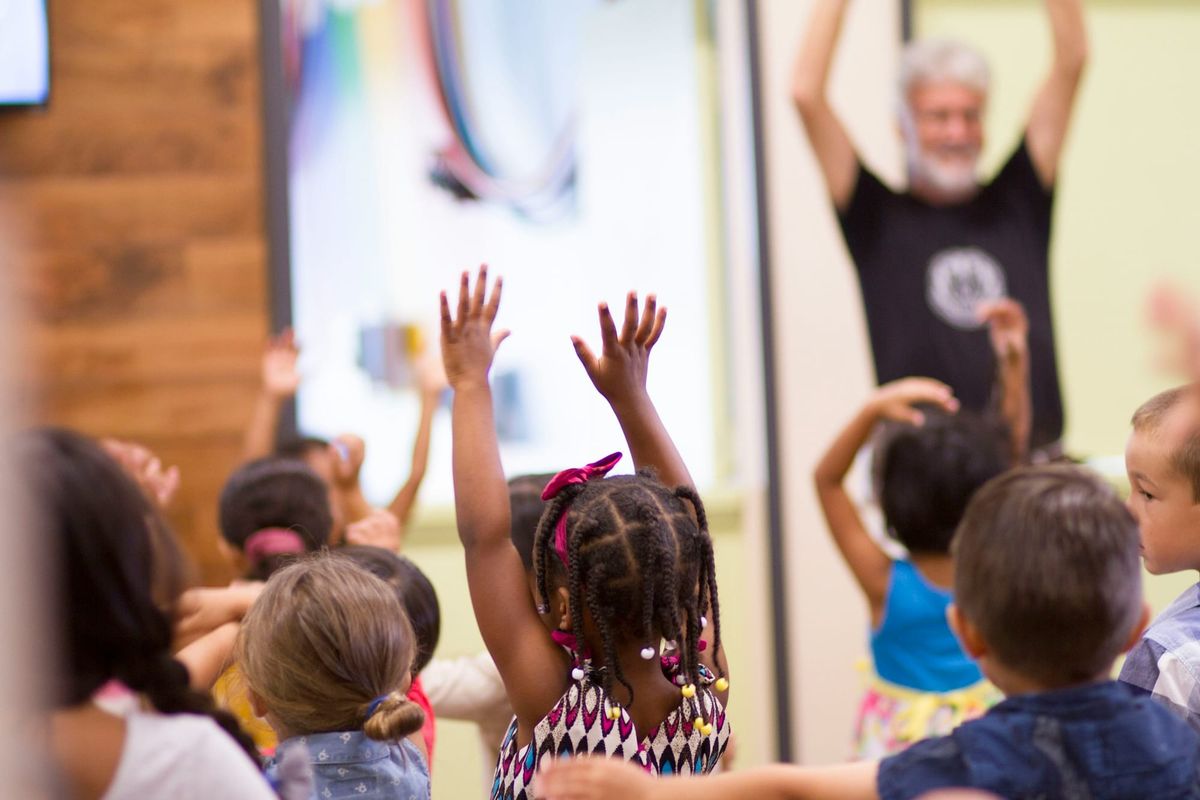
Children learn best when curiosity and engagement work together, yet finding activities that hold their attention while building real skills is a common challenge for parents and educators. Fun Kids learning activities strike that balance by turning everyday concepts into hands-on experiences, whether through storytelling, drawing, games, or creative projects that develop focus and imagination.
Coloring is one of the most accessible and effective tools in that mix, offering a low-pressure way for children to practice fine motor skills, pattern recognition, and creative thinking. For families looking to make it even easier, Download 75,000+ free coloring pages from My Coloring Pages and find printables suited to any age, interest, or learning goal.
Summary
- Children learn most effectively when they are genuinely engaged, not just compliant. Research from Talker Research and Crayola found that 74% of kids say they learn better when they are having fun, and play-based learning research shows children in those settings demonstrate 30% higher motivation levels than those in traditional instruction methods. Enjoyment isn't a distraction from learning; it's a precondition for it.
- An activity's educational value depends on whether the child has to think to keep going. Pretend shops, storytelling games, and building challenges all develop real cognitive skills including counting, sequencing, spatial reasoning, and working memory, even when they look nothing like formal study. The cognitive load during open-ended play often exceeds what happens during structured worksheet completion.
- Matching an activity to a child's existing interests significantly increases how long and how deeply they engage. A child who cares about the topic pays closer attention, persists longer, and retains more from the experience. Relevance is not a design bonus. It is part of how attention and skill-building actually work together.
- Children spend approximately 80% of their waking hours outside of school, according to the National Academies of Sciences, Engineering, and Medicine, and research from the Afterschool Alliance found that children who participated in organized afterschool activities showed higher academic achievement and stronger social skills in longitudinal studies tracked over years. What happens in unstructured and semi-structured time compounds in ways that formal instruction alone cannot replicate.
- Neglecting free play produces gradual effects that are easy to misread. Children who rarely experience open-ended, self-directed activity tend to struggle with boredom tolerance, creative risk-taking, navigating peer conflict, and tasks that lack a clear rubric. Anxiety disorders now affect 1 in 3 adolescents in the United States, and research from Beth Tyson links this pattern to a decline in free play time of more than 8 hours per week since the 1980s.
- My Coloring Pages' Download 75000+ Free Customized Worksheets addresses the relevance gap directly by letting parents, teachers, and children generate printable pages tied to specific interests rather than defaulting to generic, pre-packaged content, where engagement tends to hold longest.
Can Kids Learn Through Fun Activities?
Fun and learning aren't competing forces. When a child is genuinely engaged—laughing, building, inventing, or solving—their brain works harder than during quiet, compliance-based tasks.
💡 Tip: Design learning moments around active engagement: the more a child is doing, the more their brain retains.
🎯 Key Point: Engagement-driven learning isn't a shortcut; it's scientifically the more demanding and effective cognitive state.
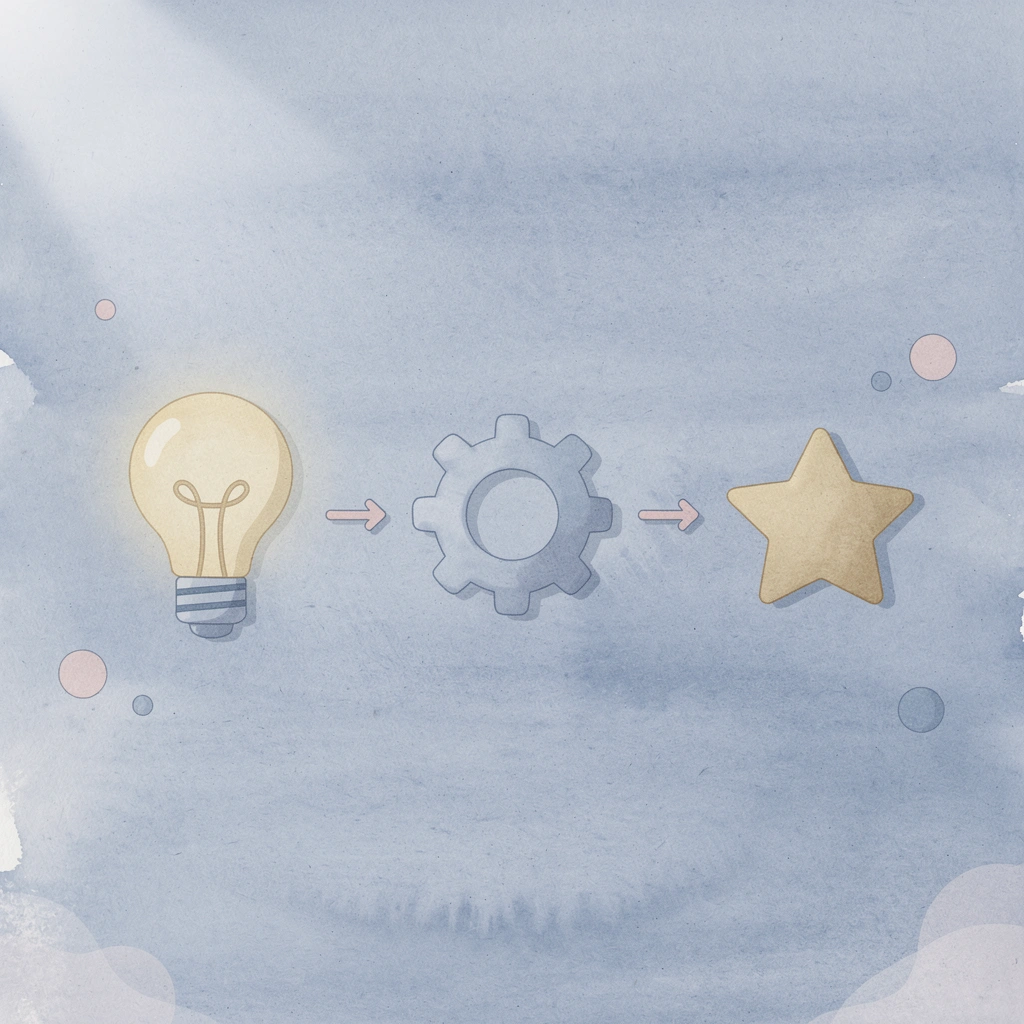
According to Talker Research and Crayola, 74% of kids say they learn better when having fun. Research from The World Game shows children in play-based learning have 30% higher motivation levels than those in traditional instruction methods.
"74% of kids say they learn better when having fun — and children in play-based learning show 30% higher motivation levels than those in traditional instruction." — Talker Research & Crayola / The World Game
🔑 Takeaway: These numbers aren't minor — a 30% motivation boost is the difference between a child who struggles through a lesson and one who asks for more.
Does the child have to think in order to keep going?
The difference between a productive activity and an enjoyable distraction comes down to one question: Does the child have to think to keep going? Running a pretend shop requires counting, decision-making, and communication. Hunting for shapes around the house builds spatial awareness and classification. Inventing a story develops sequencing, vocabulary, and narrative logic. Each feels like play, but beneath the theme, a skill is being practiced with genuine attention.
Is visible effort the same as real cognitive engagement?
Most parents use printed worksheets because the effort is easy to see and progress feels measurable. The problem is that visible effort and real cognitive engagement are not always the same. A child can complete ten addition problems without thinking, while a child designing a board game quietly practices counting, planning, rule formation, and frustration tolerance without it looking like studying. Platforms like Download 75,000+ Free Customized Worksheets from My Coloring Pages let parents and teachers generate activities built around a child's specific interests, so the material feels personally relevant rather than generic: exactly when engagement tends to stay high.
Does the activity need to match the child's interest to work?
A child who loves dinosaurs will count dinosaurs longer, read about dinosaurs more carefully, and draw dinosaur habitats with more detail than they would apply to a random worksheet topic. Relevance is not an extra feature of good learning activities; it is how they work. When the subject connects to something a child already cares about, attention comes naturally, and sustained attention is where real skill-building happens.
Which types of activities build the most skills at once?
- Pretend play and role-playing build language, social reasoning, and perspective-taking as children negotiate rules, assign roles, and narrate scenarios.
- Building and construction challenges (bridges, towers, obstacle courses) develop spatial reasoning, trial-and-error problem-solving, and physics intuition through direct physical feedback.
- Creative storytelling and drawing strengthen sequencing, descriptive language, and narrative structure, especially when children explain their choices or continue someone else's story.
- Sorting and scavenger hunts teach classification, pattern recognition, and early maths concepts without requiring printed numbers.
- Cooking and measuring activities make fractions, ratios, and sequencing concrete and immediately useful, embedding them in memory.
- Themed coloring and art projects develop fine motor skills, color recognition, and focused attention. When the page connects to something the child chose, creative investment deepens noticeably.
- Games with rules (card games, board games, movement games) build working memory, turn-taking, strategic thinking, and the ability to hold multiple pieces of information simultaneously.
Does personalizing an activity really make that much difference?
What surprises most people is not that these activities work, but how much better they work when the child feels the activity was made for them.
Importance of Fun Activities for Kids Learning
That "made for them" feeling is the difference between a child who completes an activity and one who loses track of time inside it.
"The best learning experiences don't feel like learning at all: they feel like play that a child never wants to stop."
🎯 Key Point: When an activity is truly designed for a child, engagement becomes effortless, and that's when deep learning takes root.

The National Academies of Sciences, Engineering, and Medicine report that children spend around 80% of their waking hours outside of school. Most of that time is for play, and most of that play goes to whoever designs it well enough to keep a child's attention. This is where habits, creativity, and self-directed thinking either get built — or quietly starved.
💡 Tip: Don't underestimate out-of-school hours — they represent the single largest block of time available to shape a child's long-term learning habits.
🔑 Takeaway: With 80% of waking hours happening outside the classroom, the quality of play and activity design isn't a bonus — it's essential to a child's development.
What makes fun learning activities actually work for kids?
Fun learning activities work best when purposeful design supports the enjoyment. A sensory bin sorted by texture teaches classification. A homemade obstacle course builds spatial reasoning and body coordination. A storytelling game where each person adds one sentence develops narrative thinking, listening skills, and plot comprehension. None of these feel like lessons. All of them are.
Most parents default to pre-packaged activity kits or screen-based educational apps for convenience, but these formats give children a finished world rather than raw material to build from. A child coloring a generic princess page completes someone else's vision, while a child coloring a page built around their own favorite character makes creative decisions from the first mark to the last. Tools like My Coloring Pages let kids, parents, and teachers generate custom printable pages tied to specific interests instead of settling for whatever came in the box.
How do consistent engaging activities shape a child's development over time?
According to the Afterschool Alliance's report on afterschool benefits, children who participated in organized afterschool activities demonstrated higher academic achievement and stronger social skills than their peers. Consistent, engaging, structured-yet-flexible learning experiences build on each other over time. Children who regularly build, create, and problem-solve after school develop the thinking habits that formal education depends on.
Ignoring these activities does not create an obvious gap immediately. The effects accumulate slowly, and by the time they appear, they are easily misread as attitude or attention problems rather than what they are.
Related Reading
11 Things That Happen When We Neglect Play for Kids
Neglecting play rarely announces itself. The child still shows up, still performs, still checks every visible box of a productive childhood. What erodes is quieter and harder to name.
"What erodes when play is neglected is quieter and harder to name — the invisible costs accumulate long before the visible signs appear." — Child Development Research
🚨 Warning: Don't mistake a child's outward performance for inner wellbeing — neglected play creates hidden deficits that surface later, often when it's hardest to reverse.
💡 Key Point: The absence of play doesn't look like failure — it looks like a child who is compliant, busy, and quietly depleted.
1. "I'm Bored" Becomes Someone Else's Problem
When boredom is resolved the moment it appears—through a screen, suggestion, or scheduled activity—children lose the practice of moving through it. The mental sequence of "nothing is happening, so what could I create?" gets skipped so consistently that children stop attempting it. Boredom stops being a starting point and becomes a complaint waiting for an adult to resolve.
The concern is not that screens or structured activities cause harm in themselves, but that constant ready-made stimulation crowds out moments when a child's brain must generate its own. According to Beth Tyson's research on play-deprived children, children's free play time has declined by more than 8 hours per week since the 1980s, widening the gap between stimulation supplied by others and stimulation invented by the child.
2. Compliance Grows, Self-Direction Shrinks
A child who follows instructions beautifully is easy to mistake for a thriving child. But following a clear path and generating your own are entirely different cognitive tasks, and only one gets practiced when every activity comes with predetermined steps.
During open-ended play, children decide what to build, which rules apply, what happens next, and whether to change direction. Remove those moments consistently, and you get a child who excels at executing other people's plans while losing confidence in their own. This child can look like a model student until life asks them to figure something out without a rubric.
3. Small Mistakes Start Carrying Too Much Weight
Play gives children hundreds of low-stakes failures per week: towers fall down, drawings don't match their mental images, games stop working. Nobody grades any of it. Children simply decide what to try next, which is the entire lesson.
When activities shift to emphasizing correct performance, mistakes feel significant instead of ordinary. You start hearing "I can't do it," "you do it," or "I don't want to try." Rescuing children from frustration means they never practice the one thing that builds resilience: discovering that difficulty is not an emergency.
4. Open-Ended Problems Feel Threatening
Worksheets ask for the correct answer. Play asks what could work. These demands are fundamentally different, and children who rarely encounter the second kind struggle when life presents it.
If a block bridge keeps falling, several solutions exist. If two children want the same toy, they need to negotiate. If an imaginary game becomes dull, someone must reinvent it. These situations demand flexibility, experimentation, and tolerance for uncertainty. Children accustomed to structured environments may perform well when the path is clear but freeze when it is not.
5. Imagination Shifts From Creating to Consuming
Stories are already written. Characters are already designed. Games are already programmed. Worlds are already built. The problem is that consuming someone else's imagination displaces time children spend developing their own.
A stick becomes a sword because the child decides it does. A cardboard box becomes a spaceship. Those objects do nothing unless the child supplies the missing story. When leisure activities arrive completely finished, children spend less time in the thinking mode required to fill in the blanks themselves. The risk is that they stop creating their own stories.
6. Creativity Becomes Performance
Give a child a blank page and watch what happens. In a play-rich environment, they start drawing. In a heavily directed one, they ask what to draw, what color the roof should be, whether it looks right, and if you approve. The creative act becomes performance for external approval rather than internal satisfaction.
What happens when every creative choice needs approval?
Real creativity means accepting work that is strange, unfinished, or different from what others made. Every time you fix something, you teach the child to ask, "What will the adult like?" instead of "What do I want to make?" Those two questions lead to different places over time.
How can coloring activities give children a real creative voice?
Most coloring activity at home follows the same pattern: a pre-drawn character from a popular show, handed to a child with a box of crayons and the expectation that they color inside the lines. Tools like My Coloring Pages change that by letting children create pages around their own interests, stories, or ideas. This transforms a passive coloring session into an act of authorship where the child shapes what appears on the page before picking up a crayon.
7. Peer Conflict Becomes Harder to Navigate
Kids arguing over a toy is exhausting and prompts adults to intervene. However, small conflicts during play are normal and valuable. These disagreements give children opportunities to practice negotiating, compromising, developing empathy, and resolving disputes independently.
If you take away most of the time kids play with each other, those hundreds of chances to practice disappear. Then adults must teach directly what kids once learned through experience—and that's inferior to learning from real situations. The child who never figured out how to take turns fairly over the last toy won't be ready for that same problem at 14 or 24.
8. Free Time Starts Feeling Uncomfortable
A busy schedule teaches children that fun time must be planned ahead and provided by adults: school, homework, sports, lessons, screens, repeat. Then one afternoon arrives with nothing on the calendar.
Instead of feeling free, the empty time feels wrong. "What are we doing today?" "Where are we going?" "There's nothing to do." This language reveals a child with insufficient practice in unstructured time, for whom open space feels like a problem rather than an opportunity. Parents who work hardest to provide enriching activities can inadvertently reduce their child's ability to handle and use time that belongs entirely to them.
9. Creative Risk-Taking Disappears
Children who play freely make silly things: purple elephants, cars with wings, rules that make no sense. No customer, no grade, no audience waiting to judge the result.
Once play becomes heavily structured, children grow cautious: "Is this allowed?" "Is mine wrong?" That caution keeps them safe from mistakes but also prevents them from discovering what happens when they try something unusual—the source of creative confidence. Creativity cannot flourish when the safest choice is always to do what everyone else is doing.
10. Patience for Self-Directed Effort Erodes
Many children's activities now provide quick feedback: points, animations, levels, sounds, wins. Open-ended play often provides none of that. You can spend an hour building something only for it to collapse. You can draw without an audience. You can invent a game simply because the process itself is interesting. This gives children practice doing something because they want to see what happens, not because a reward awaits.
When every activity requires outside feedback to hold a child's attention, tasks that demand patience and self-direction become harder to manage. The attention-span concerns many parents notice in older children often start here.
11. Early Struggle Hardens Into "I'm Just Not Good At This"
Adults often simplify tasks, solve problems, and demonstrate how to do things because they want to help. But this prevents children from experiencing the normal discomfort of being a beginner.
Play puts children in situations where they're temporarily not good at something, and no one rescues them. The puzzle doesn't fit. The drawing is uneven. The ball misses. Children repeatedly kept from this struggle can start to believe that early difficulty means they'll never succeed—a belief that often persists into adulthood.
What happens when a child's day leaves no room for choice?
According to Beth Tyson's analysis of play-deprived children, anxiety disorders now affect 1 in 3 teenagers in the United States. Children navigate busy days of school, homework, classes, sports, and screens without making a single choice about how to spend their own time.
Why does losing free play make it harder for children to know themselves?
Play may be the only part of childhood where a child gets to say "this is what I want to do, and this is how I want to do it." When that disappears, children become skilled at following schedules made by others while rarely discovering what interests them. The question parents should ask is not whether their child is busy enough, but whether their child knows what to do when nobody is watching, directing, or evaluating them.
The most telling sign of a play-deprived child is one who faces a blank afternoon or unfamiliar problem and immediately says, "Tell me what to do." That quiet sentence reveals the real cost.
Related Reading
- Best Online Learning Platforms For Kids
- Free Learning Websites For Kids
- How To Make Learning Fun For Kids
How To Engage Kids in Fun Learning Activities in 15 Ways
Getting kids interested in learning comes down to one main idea: pick an activity that fits the child, not the other way around. A six-year-old who loves dinosaurs won't want to do a regular addition worksheet — the problem is that it doesn't match their interests, not the math itself. Start with this idea, and almost everything else gets easier.
"The secret to engaging kids in learning isn't harder worksheets — it's smarter alignment between a child's natural interests and the activity itself."
💡 Tip: Before choosing any learning activity, identify your child's top 2–3 interests first — then build the lesson around those passions for maximum engagement.
🎯 Key Point: The single most important rule of fun learning is this — never force the child to fit the activity. Instead, shape the activity to fit the child, and motivation will follow naturally.
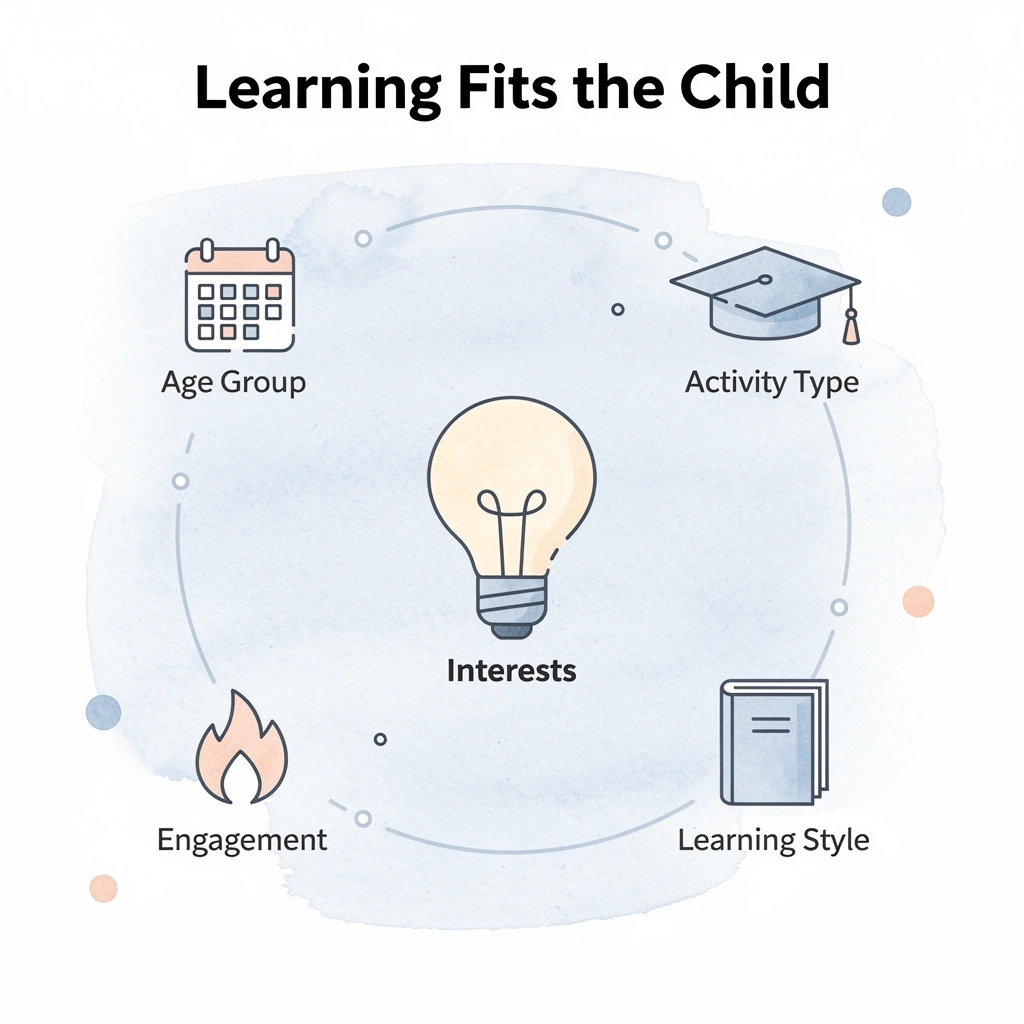
1. Start With What They Already Love
Whatever your child is obsessed with is a doorway into learning, not a distraction. A child fixated on cooking can learn fractions by halving a recipe, sequencing by following steps, and reading by decoding instructions. The obsession doesn't need redirecting—it needs to be used.
Most adults make the mistake of asking, "How do I make this subject interesting?" The better question is, "What already interests my child, and how does this subject fit inside that?" One question starts with curriculum; the other starts with the child.
2. Build Choices Into the Activity
Kids don't need total control, but they need some. Even a small choice, like practicing numbers with blocks or a pretend shop, shifts how they feel from "I have to do this" to "I get to decide something here." That shift changes how a child relates to the task before they begin.
The adult sets the learning goal; the child determines how to reach it. That division of responsibility is where engagement lives.
3. Frame Skills as Real Problems
"Add 4 plus 3" is an instruction. "Seven people are coming to the picnic and we only have four plates. How many more do we need?" is a problem. The maths is identical, but the reason for doing it differs entirely. When a child has a reason to use a skill, it stops feeling like a drill and becomes a tool.
This works across subjects. Instead of "learn about bridges," try "build a bridge that holds this toy car." Knowledge becomes useful when a problem requires it.
4. Let the Child Do the Thinking
A simple test for any learning activity: who is doing most of the thinking? If the adult explains every step, shows every move, corrects every error, and tells what comes next, the child may appear engaged while doing little cognitive work.
Reverse that balance. Ask, "What do you think?" and wait. Ask, "What could you try next?" and resist filling the silence. The adult creates the opportunity; the child does the thinking. That sequence matters more than the activity itself.
5. Make It Hands-On Wherever Possible
Children learn better when they can physically touch, build, sort, or move something. Instead of learning measurements from a page, measure objects around the house. Instead of reading about plants, plant one. Hands-on learning provides immediate, honest feedback without requiring adult intervention.
The tower either stands or falls. The puzzle piece fits, or it does not. Natural consequences teach without the adult needing to label every attempt as "correct" or "wrong."
6. Leave Room for Their Imagination
Activities that come completely finished leave nothing for the child to add to. A coloring sheet with specific instructions differs from a blank page and a prompt: one asks the child to follow directions, the other asks the child to create.
Why does leaving things unfinished spark more engagement?
Well-meaning learning setups often prepare everything so thoroughly that the child's only job is to consume it. Leaving something deliberately unfinished—offering materials and a starting idea rather than a completed activity—invites imaginative engagement that sustains attention far longer than a polished kit.
How can a custom coloring page become a creative starting point?
Most parents use pre-packaged coloring books for convenience until they notice a child colors the same generic butterfly page in ninety seconds and asks what comes next. Tools like My Coloring Pages work differently. Our platform lets a child generate a custom page around their specific interest—whether a T-rex in a spaceship or their favorite sports team—transforming a coloring session into a starting point for storytelling, habitat-building, or imaginative play rather than a task to complete.
7. Let Mistakes Become Information
When a child tries something and it fails, we often want to fix it immediately. But when we correct every mistake as soon as it happens, children learn to avoid errors instead of exploring new possibilities.
Try asking, "That did not work. What could we change?" instead. Now the mistake becomes a question worth investigating. The learning loop shifts from correction to curiosity, then to adjustment, then to another attempt. That builds resilience that generic praise cannot.
8. Stop Before They Want To
An activity doesn't need to last an hour to count. Dragging a fifteen-minute activity into forty-five minutes because "we need to finish it" can turn something a child genuinely enjoyed into something they dread next time. Attention fading is not a discipline problem: it's feedback.
The more useful question is not "How long can I keep them engaged?" but "How actively are they thinking right now?" A short session of genuine participation beats a long session of going through the motions.
9. Build Movement Into Learning
Expecting children to sit still for long periods is often the real barrier to engagement, not unwillingness to learn. Letter hunts around the room, number hopscotch, acting out vocabulary words, and placing answers on the wall for children to move toward aren't workarounds; they match how children process information.
When "sit down and concentrate" becomes a daily battle, the format is likely the problem, not the child.
10. Use Screens to Create, Not Just Watch
Technology doesn't need to be removed from learning—it needs redirection. The key difference isn't whether a screen is present, but whether the child is consuming or creating. Research an animal, then build its habitat. Watch an experiment, then test it safely at home. Look up a place, then draw a map or write a story set there.
The screen sparks an idea; the child makes something from it. That order produces engagement. The reverse—open app, watch, next video, next video—produces little.
11. Ask Better Questions, and Fewer of Them
Questions can help learning grow, but too many ruin the activity. Asking lots of quick yes-or-no questions while playing feels like a test, stops the flow, and suggests you care more about getting the right answer than exploring something interesting.
Use open questions occasionally. "What do you think will happen?" "How could we make this stronger?" "Tell me about what you made." These questions prompt thinking rather than testing recall. One well-placed question outweighs ten that feel like an interview.
12. Make Learning Social Sometimes
Children learn differently when working with others. Building things together, telling group stories, playing pretend shops, playing board games, and doing team treasure hunts help children explain their thinking, listen to others, resolve differing ideas, and adapt when plans change.
These skills are hard to learn through worksheets alone. For many children, social learning helps academic skills stick.
13. Let the Child Teach You
Reversing roles is one of the most underused engagement strategies available. Ask the child to teach you how something works, or make a deliberate small mistake and let them catch it: "Wait, is 5 plus 3 equal to 7?"
Now the child must retrieve information, organize it, explain it clearly, and notice the error: a significantly more demanding cognitive task than answering a question. This shifts them from being tested to holding knowledge worth sharing, creating a meaningful emotional shift.
14. Connect Learning to Real Life
Kids who ask "why do I need to learn this?" deserve a real answer. Give them experiences they can see, touch, or taste: count real money, measure actual ingredients, follow a recipe as a reading exercise, grow something and observe what happens.
When learning connects to direct experience, it stops feeling like something school invented and starts feeling like a description of the world they already inhabit.
15. Keep Checking Who Is Actually in Charge
This is the one most adults miss. You start with "let's build a city together." Ten minutes later you are placing the roads, choosing the blocks, and fixing the buildings while the child watches. The shift from helping to controlling happens slowly and without bad intention.
A useful question to keep returning to: "Am I helping them continue, or am I deciding what happens next?" The child who builds the city, even imperfectly, learns far more than the child who watches an adult build a perfect one.
What actually keeps kids engaged?
Activities that hold a child's interest longest share key traits: the child cares about the topic, makes at least one real choice, solves or creates something, mistakes feel safe, and the challenge is difficult yet achievable.
What does the engagement cycle look like in practice?
This creates a different cycle than the normal one. Instead of an adult giving tasks, a child completing them, an adult checking the work, and a child waiting, you get interest leading to choice, choice to action, action to challenge, challenge to discovery, and discovery to the desire to keep going. The goal is for fun to come from real thinking, choosing, and creating.
What happens when kids get real agency regularly?
What happens when you give a child that kind of power to make choices regularly may surprise you.
55 Fun Learning Activities for Kids That Are Easy to Do
1. Create a Personalized Coloring Page With My Coloring Pages
Helps with: creativity, independent decision-making, storytelling, fine-motor skills, and reducing blank-page frustration.
If your child often says:
“I don't know what to draw.”
You don't necessarily need to choose the idea for them.
Ask:
“What would YOU like to color?”
Maybe they invent:
- Their dog flying a spaceship
- A dinosaur birthday party
- An underwater school
- Themselves as a superhero
With My Coloring Pages, you can describe that idea or upload a picture and turn it into a printable coloring page. You can also browse 75,000+ free coloring pages when they need an easier starting point.
The important learning process is:
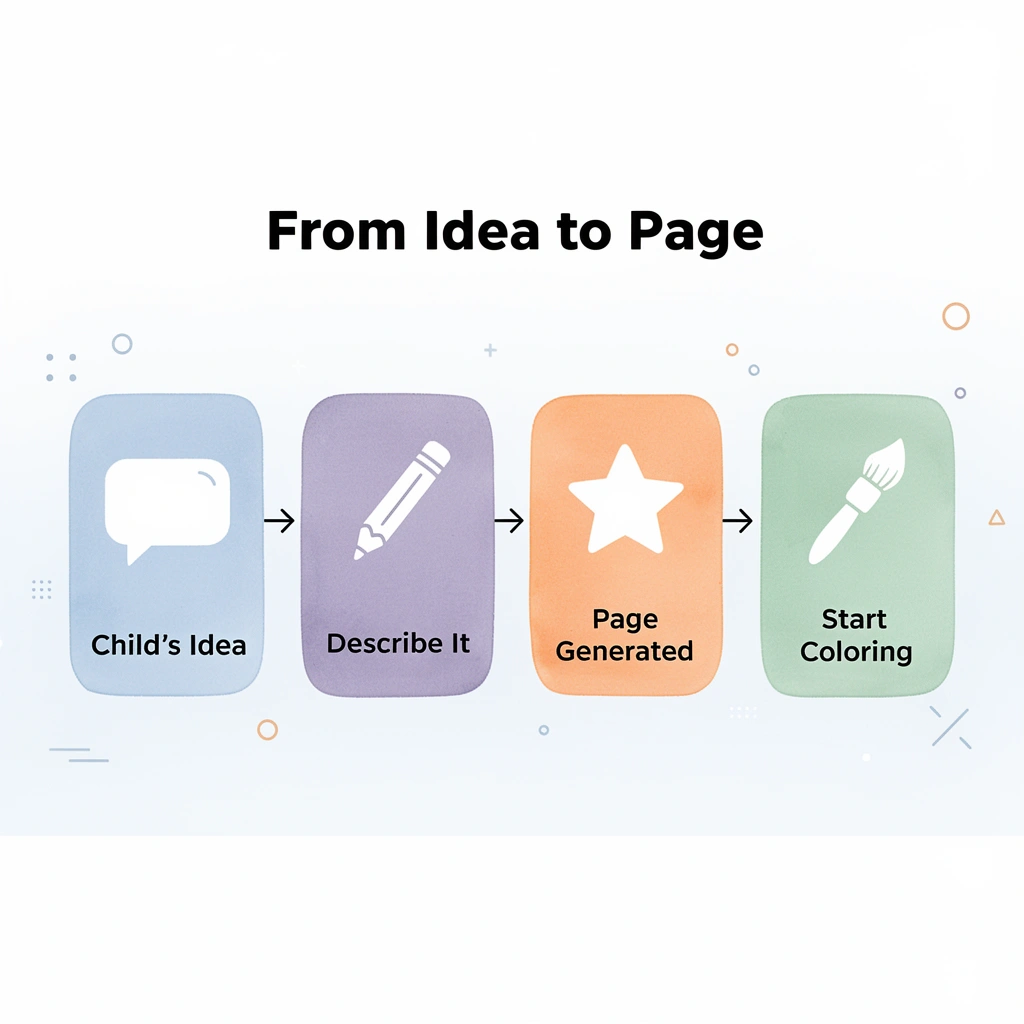
Child invents idea → My Coloring Pages creates the starting outline → print → child chooses colors, patterns, background, extra objects, and story details.
That makes the tool useful because it removes only the technical starting barrier without removing the child's imagination.
It directly tackles several reasons play matters:
“Tell me what to do” → The child chooses the concept.
Fear of getting it wrong → There is no single correct way to complete the page.
Passive screen use → The screen becomes a short creation step before the activity moves offline.
Adult dependence → The parent helps facilitate while the child keeps the creative decisions.
Extend it by asking:
- “What happened before this picture?”
- “Where does this character live?”
- “What could you add that isn't already there?”
Now one printable can become coloring, storytelling, decision-making, and imaginative play.
2. Draw a Creature That Doesn't Exist
Ask kids to invent an animal with its own habitat, diet, powers, body parts, and name.
Why it matters: There is no correct answer, so children practice generating ideas instead of constantly asking, “Is this right?”
3. Finish the Scribble
Make a random scribble and challenge the child to turn it into a recognizable picture.
Why it matters: It develops flexible thinking by teaching children to see possibilities instead of predetermined answers.
4. Design a New Planet
Let them decide what lives there, what the weather is like, what people eat, and how they travel.
Why it matters: Children combine imagination with reasoning and have to make their own decisions.
5. Make a Comic Strip
Give them three or six empty boxes and let them create the story.
Why it matters: It practices sequencing, storytelling, writing, and planning while leaving the outcome open-ended.
6. Invent a Superhero
Ask them to design the hero, weakness, powers, costume, and problem they solve.
Why it matters: Kids move from consuming existing characters to creating their own imaginative world.
7. Draw With the “Wrong” Colors
Try a green sun, purple grass, or orange ocean.
Why it matters: It teaches children that creative activities don't always require one correct answer and reduces perfectionism.
8. Create Art From Recycled Materials
Give children boxes, tubes, paper scraps, bottle caps, and tape.
Ask:
“What could you make?”
Why it matters: They must transform ordinary objects through imagination rather than receiving a finished activity.
9. Create a Family Storybook
Each child contributes a page with a picture and sentence.
Why it matters: Combines literacy with creative ownership and collaboration.
10. Design a Dream Bedroom
Let them draw a room, arrange furniture, and explain their choices.
Why it matters: Kids practice spatial reasoning and decision-making while solving a personally meaningful design problem.
Building Activities That Teach Problem-Solving
11. Build the Tallest Tower
Use blocks, cups, paper, or cardboard.
When it falls, ask:
“What could make it stronger?”
Why it matters: Children experience failure → adjustment → retry rather than expecting adults to fix every difficulty.
12. Build a Bridge for a Toy
Provide basic materials and challenge them to get a toy safely across a pretend river.
Why it matters: Encourages engineering thinking, experimentation, and persistence.
13. Build a House for a Toy Animal
The child decides what the animal needs.
Why it matters: Requires planning around somebody else's needs and introduces practical problem-solving.
14. Make a Paper Airplane and Improve It
Fly the first design, observe what happens, then modify it.
Why it matters: Children learn that the first attempt is information, not failure.
15. Build Something Using Only 20 Blocks
Introduce a constraint.
Why it matters: Limits can actually stimulate creativity because children must find solutions with what is available.
16. Make a Marble Maze
Use cardboard, straws, blocks, or craft sticks to create a path.
Why it matters: Develops planning, spatial reasoning, testing, and redesign.
17. Build a Boat That Floats
Create small boats using safe household materials and test them in water.
Why it matters: Children naturally move through prediction → experiment → result → modification.
18. Protect an Egg From a Fall
For older children, provide safe craft materials and let them design protection around an egg.
Why it matters: Makes physics and engineering meaningful because children need knowledge to solve an actual challenge.
19. Build the Strongest Paper Structure
Give them paper and tape and see how much weight their design can hold.
Why it matters: Encourages experimentation instead of memorizing which structure is “correct.”
20. Invent a Machine
Ask:
“What problem does your machine solve?”
They can draw or build it.
Why it matters: Connects creativity to practical problem-solving.
Learning Activities That Turn Maths Into Play
21. Open a Pretend Shop
Use toys or household items as products.
Children can:
- Set prices
- Count money
- Make signs
- Calculate totals
Why it matters: Maths becomes something they need to use, not simply answer on a worksheet.
22. Number Treasure Hunt
Hide numbers around the room and give clues or simple equations leading to each one.
Why it matters: Adds movement and problem-solving to number practice.
23. Measure Everything
Ask:
“What is longer—the sofa or the table?”
Then measure.
Why it matters: Turns abstract measurement into something children can test in their own environment.
24. Lego Addition
Build two Lego towers and combine them to practice addition.
Why it matters: Children physically manipulate quantities instead of only seeing symbols.
25. Snack Fractions
Cut sandwiches, fruit, or pizza into halves, quarters, or eighths.
Why it matters: Makes fractions visible and useful.
26. Dice Addition Race
Roll two dice, add the numbers, and move that many spaces.
Why it matters: Repetition happens naturally because children want to continue playing.
27. Shape Hunt
Search the house for:
- Circles
- Rectangles
- Triangles
- Squares
Why it matters: Children learn to recognize academic concepts in the real world.
28. Estimate Before Counting
Fill a jar with a manageable number of objects and let children guess first.
Why it matters: Encourages prediction and numerical reasoning rather than immediate answer retrieval.
29. Build Patterns
Use beads, blocks, colors, or household objects.
Why it matters: Children practice pattern recognition and must predict what comes next.
30. Create Your Own Maths Board Game
Let children design rules involving numbers.
Why it matters: They move from solving somebody else's maths problems to building a system using maths themselves.
Language and Reading Activities
31. Make Up a Story One Sentence at a Time
One person starts; everyone adds a sentence.
Why it matters: Children have to listen, remember what happened, and adapt their ideas.
32. Change the Ending of a Familiar Story
Ask:
“What if the villain became the hero?”
Why it matters: Encourages flexible thinking instead of treating stories as fixed information.
33. Create a Puppet Show
Children write or improvise a short story and perform it.
Why it matters: Combines language, social communication, imagination, and confidence.
34. Make a Restaurant Menu
Children invent food, write names, set prices, and decorate the menu.
Why it matters: Writing becomes useful inside pretend play rather than an isolated exercise.
35. Letter Scavenger Hunt
Choose a letter and find objects beginning with it.
Why it matters: Children actively search their environment instead of simply memorizing letter lists.
36. Make a Silly Rhyming Game
Take turns finding increasingly ridiculous rhymes.
Why it matters: Builds phonological awareness while making mistakes low-stakes and funny.
37. Write a Secret Message
Use simple codes, symbols, or invisible writing activities appropriate for the child's age.
Why it matters: Reading and writing become tools needed to solve a mystery.
38. Interview a Family Member
Let children invent questions and record the answers.
Why it matters: Practices speaking, listening, curiosity, and forming meaningful questions.
39. Play “Describe It Without Naming It”
Describe an object without saying its name while others guess.
Why it matters: Strengthens vocabulary and flexible language use.
40. Create a Newspaper About Your House
Include:
- Breaking news
- Weather
- Interviews
- Cartoons
- Advertisements
Why it matters: Children use writing for a self-created purpose instead of simply filling lines on a page.
Science and Discovery Activities
41. Sink-or-Float Experiment
Before dropping objects into water, ask children to predict what will happen.
Why it matters: The important process is:
Prediction → test → observation → explanation.
42. Grow a Plant
Let the child plant something and observe changes over time.
Why it matters: Develops patience, observation, responsibility, and understanding of biological processes.
43. Nature Detective Hunt
Ask children to find:
- Three leaf shapes
- Two textures
- Evidence of an animal
- Five colors
Why it matters: Turns ordinary surroundings into something they can actively investigate.
44. Shadow Experiment
Trace shadows at different times of the day.
Ask:
“Why did it move?”
Why it matters: Curiosity starts the lesson rather than an adult simply delivering the explanation.
45. Make a Mini Weather Station
Track:
- Temperature
- Clouds
- Rainfall
- Wind
Why it matters: Children gather and compare their own data.
46. Ice-Melting Race
Test which conditions make ice melt faster.
Why it matters: Kids form hypotheses and see whether their predictions survive an experiment.
47. Magnet Hunt
Predict which objects a magnet will attract and test them.
Why it matters: Children learn through discovery and correcting their own predictions.
48. Make a Simple Volcano Experiment
With adult supervision, use a safe baking-soda-and-vinegar demonstration.
Why it matters: A memorable reaction can naturally lead to questions about cause and effect.
Social, Movement, and Real-Life Learning Activities
49. Create a Treasure Hunt for Someone Else
Instead of completing a hunt, children design clues for another person.
Why it matters: They have to practice planning and perspective-taking:
“Will somebody else understand my clue?”
50. Invent a New Outdoor Game
Give kids a ball, chalk, cones, or open space and let them create the rules.
Why it matters: Children practice negotiation, rule-making, compromise, and adapting when the first version doesn't work.
51. Cook a Simple Recipe Together
Let children help:
- Measure
- Count
- Sequence steps
- Make age-appropriate choices
Why it matters: Maths, reading, science, and independence become part of a real-life task.
52. Create an Indoor Obstacle Course
Let children design the route themselves using safe household items.
Why it matters: Combines physical movement with planning and problem-solving.
53. Play “Teacher for the Day”
Ask the child to teach you something they recently learned.
Why it matters: Explaining forces them to organize and retrieve knowledge, not just recognize the right answer.
54. Solve a Real Household Problem
Ask:
“These pencils keep falling everywhere. What could we make to organize them?”
Or:
“How could we sort these toys?”
Why it matters: Children experience themselves as people who can notice a problem and invent a solution, rather than waiting for adults to fix everything.
55. Create a Boredom Box
Have children help write activity prompts such as:
- Invent a creature.
- Build something taller than your knee.
- Make a three-minute puppet show.
- Draw a treasure map.
- Create something using five pieces of paper.
Then place them in a box.
When they say:
“I'm bored.”
They can pull one—or eventually invent their own.
Why it matters: This directly tackles one of the biggest consequences of too little open-ended play:
“I'm bored” → adult entertains me.
The goal is to gradually change it into:
“I'm bored” → I can think of something to do.
Why These 55 Activities Support Learning Through Play
These activities are not here simply because they are entertaining.
Each one gives children opportunities to practice something that highly structured learning can sometimes leave less room for.
If your child constantly asks “What should I do?” → Personalized coloring pages, invented creatures, cardboard creations, board games, and boredom boxes require them to contribute the idea.
If mistakes make them immediately quit → Bridges, towers, boats, airplanes, mazes, and science experiments make failure part of the activity.
If they always want the correct answer → Storytelling, open-ended art, imaginative worlds, and invention challenges deliberately allow multiple possible outcomes.
If screens provide most of their entertainment → Coloring, building, cooking, nature hunts, experiments, and creative projects put them back in the role of maker, not viewer.
If academic concepts feel meaningless → Pretend shops, recipes, measurements, menus, treasure hunts, and building challenges give children a reason to actually use maths, reading, science, and language.
If adults solve every problem → Engineering challenges, social games, household problems, and child-designed activities require children to generate their own next step.
If children struggle to tolerate boredom → Open-ended materials and the boredom box teach them that an empty period does not automatically require a screen or an adult-planned activity.
That creates the learning cycle play is especially good at providing:
Curiosity → choice → action → problem → attempt → feedback → adjustment → discovery.
Rather than:
Adult explains → child follows → adult corrects → child waits for the next instruction.
That is why the best fun learning activities shouldn't just keep children smiling.
They should give children something meaningful to think, decide, solve, create, or discover while they're having fun.
Turn Their Next “I’m Bored” Into Something They Create
When a child says "I don't know what to do," that moment is an opening: will you fill it for them or help them fill it themselves?
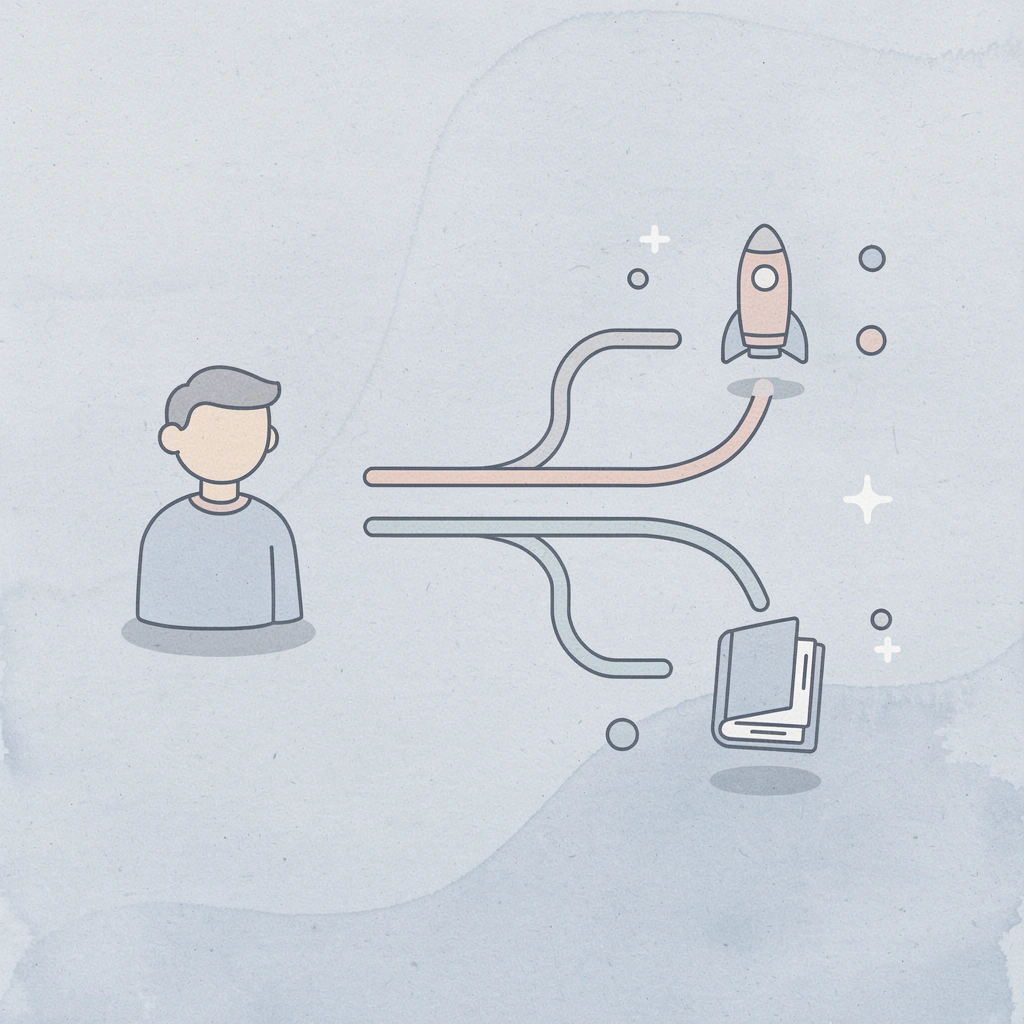
You don't need 55 activities planned. You need one easy way to get started that puts the decision in their hands. My Coloring Pages lets a child describe any idea — however strange or specific — and turn it into a printable coloring page in seconds. From there, the screen goes away, and the real learning begins: choosing colors, inventing a backstory, adding details nobody told them to add. That is creative decision-making, not entertainment.
"The screen goes away and the real learning begins — choosing colors, inventing a backstory, adding details nobody told them to add. That is creative decision-making, not entertainment."
💡 Tip: Let your child describe the weirdest, most specific idea they can think of. The stranger the prompt, the more creative ownership they feel over the result.
The child who regularly gets to choose what gets made builds the habit of starting. That habit—more than any worksheet or structured lesson—is what carries forward.
🎯 Key Point: Boredom isn't a problem to solve for your child. It's a creative prompt waiting to be handed to them.
⚠️ Warning: Filling every "I'm bored" moment with a ready-made activity trains dependence, not creativity. The goal is to make them decide what comes next.
Related Reading
- Ai Learning App Kids
- Abc Learning For Kids