Best ABC Learning Online Worksheets for Kids
ABC Learning for Kids made fun at My Coloring Pages. Free printable worksheets to teach letters A to Z with ease.

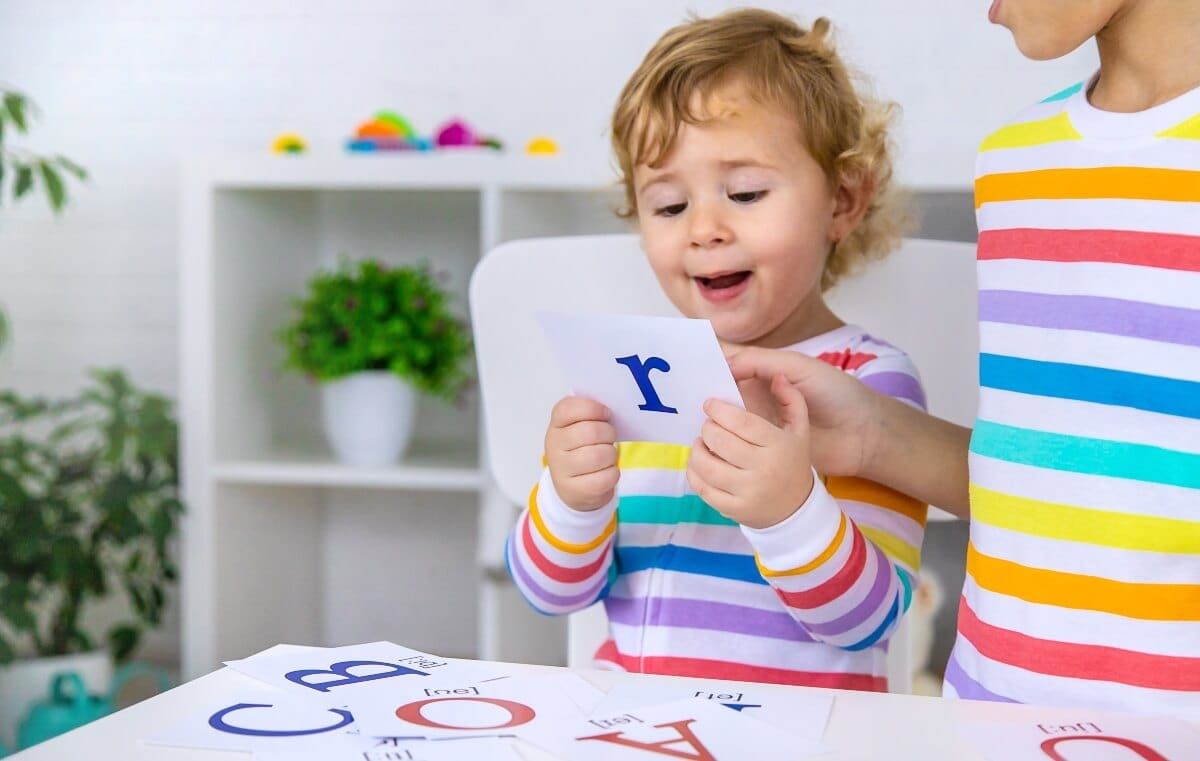
Learning the alphabet is one of the earliest and most important milestones in a child's education, shaping how they read, write, and communicate for years ahead. ABC learning for kids works best when it feels like play rather than a chore, so the right tools for letter recognition, phonics, and tracing can make a real difference in how quickly children progress.
Printable worksheets and coloring pages are among the most effective resources parents and teachers can use, because they combine visual engagement with hands-on practice. Finding quality materials does not have to be a struggle, and families ready to get started can download 75,000+ free coloring pages from My Coloring Pages to support every stage of early alphabet learning.
Table of Contents
- Is Alphabet Learning Easy for Kids?
- What Happens When Kids Aren't Taught ABC
- When Should Kids Start Learning the Alphabet
- How to Teach Kids the Alphabet in 14 Ways
- 15 ABC Learning Online Worksheets for Kids
- How to Use ABC Worksheets Without Turning Them Into Busywork
- Turn the Letter They’re Struggling With Into a Worksheet They’ll Actually Use
Summary
- Early alphabet learning is a multi-year process, not a quick milestone. Most children recognize and name all 26 letters between ages four and five, and by age three, many know roughly half the alphabet. That timeline means consistent, varied exposure over months matters far more than any single concentrated push.
- Letter confusion between visually similar pairs like "b" and "d" or "p" and "q" is a normal developmental challenge, not a sign of a learning problem. Young children are still building the perceptual understanding that orientation changes meaning, a concept that does not apply to most objects in their world. Physical activities like forming letters from playdough or tracing in sand build spatial memory in ways that repeated visual exposure alone does not.
- The alphabet song creates a false sense of progress if it becomes the only route to letter knowledge. When children only encounter letters in sequence, they use surrounding letters as retrieval cues rather than recognizing each symbol independently. Practicing letters out of alphabetical order is one of the clearest ways to test and build genuine recognition.
- By age five, about 80% of children can identify most letters, meaning the groundwork for that recognition is laid well before formal schooling begins. Children who arrive at kindergarten phonics instruction without prior letter familiarity face a heavier cognitive load, because they must learn letter shapes, names, sounds, and blending simultaneously rather than building on existing knowledge.
- According to a 2025 assessment, two-thirds of American children cannot read or do math at grade level, a figure that reflects not a sudden failure but the slow accumulation of early gaps that were never specifically addressed. Weak letter-sound connections create a compounding problem: decoding stays effortful, reading feels exhausting, and children often internalize the difficulty as a fixed identity rather than a solvable skill gap.
- My Coloring Pages's Download 75000+ Free Customized Worksheets addresses the specificity problem in early letter practice by letting parents and teachers generate printables built around the exact letters, words, and images a child already knows, rather than relying on generic materials that cannot account for individual gaps or interests.
Is Alphabet Learning Easy for Kids?
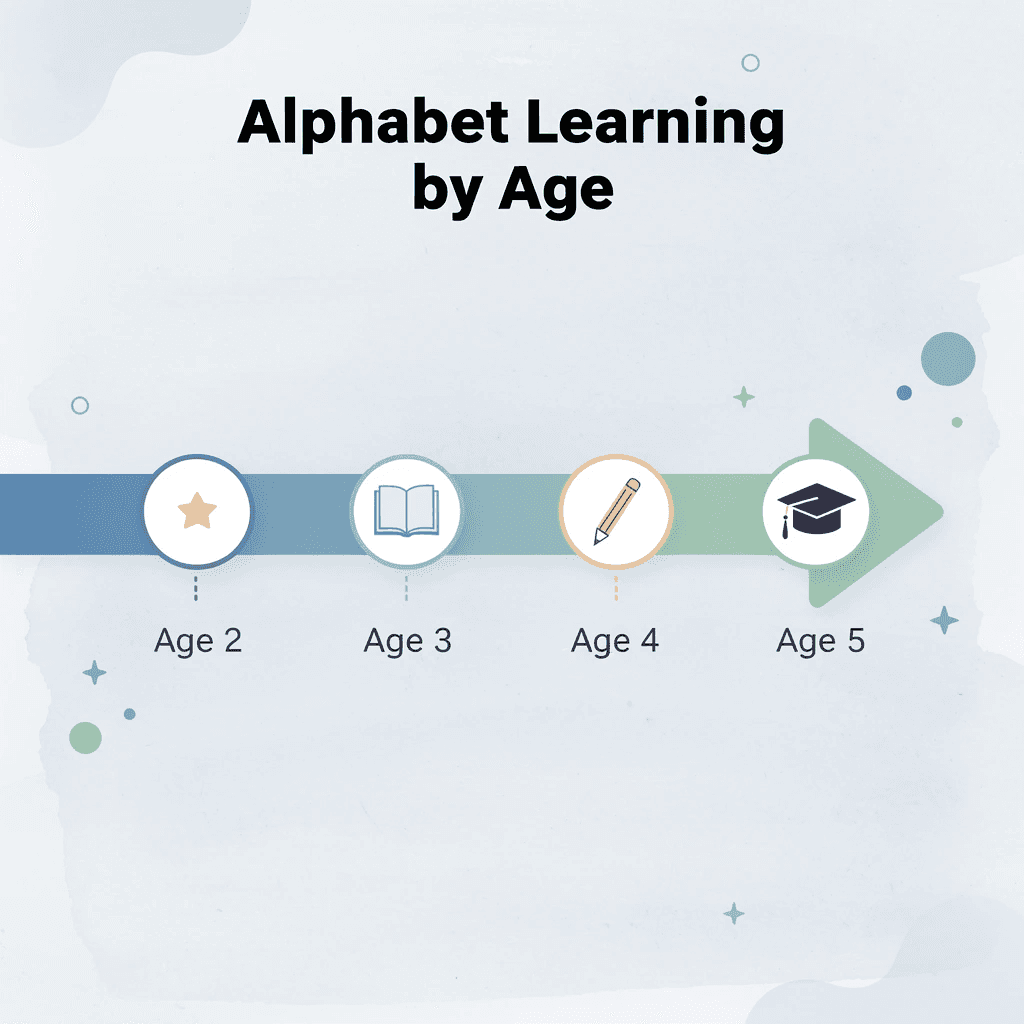
Learning the alphabet is not easy for everyone. Some children learn letter names quickly between ages two and three, while others need to see letters many times in different ways before they remember them. According to Understood, most kids learn to recognize and name all 26 letters by age four to five: a process that takes many years, not a weekend.
"Most kids learn to recognize and name all 26 letters by age four to five: a process that takes many years, not just a weekend." — Understood
🎯 Key Point: Alphabet learning is a gradual process. Expecting kids to master all 26 letters overnight sets unrealistic expectations. Repetition and varied exposure are essential to success.
💡 Tip: If your child is between ages two and five and still struggling with certain letters, that's completely normal. Focus on consistent, multi-sensory practice rather than rushing the learning timeline.
What skills does letter recognition actually require from a child?
Letter recognition requires a child to look at an abstract printed symbol, retrieve its name from memory, connect that name to a sound, and eventually link that sound to words they already speak. Singing "A, B, C, D" to a familiar tune is a memory task. Spotting a standalone "G" on a cereal box and naming it independently is a retrieval task. These are distinct skills.
Why do some letters confuse kids more than others?
Kids usually learn letters in their own name first, then plateau. Letters like "b" and "d" or "p" and "q" create visual confusion because young children are still developing the ability to recognise that letter orientation matters. A cup is a cup whether it faces left or right. A "b" is not a "d." That difference takes time and deliberate practice to understand.
Why does alphabetical practice create a hidden crutch?
Most parents practice letters in alphabetical order, pointing to charts and asking "What's this one?" Alphabetical order acts as a crutch: children use surrounding letters as clues rather than recognizing each letter independently. Platforms like Download 75000+ Free Customized Worksheets address this by generating personalized letter activities where specific letters appear alone, paired with pictures tied to words a child already knows, replacing rote repetition with effective recognition.
What actually builds letter knowledge
By age three, Understood reports that children may know roughly half the letters in the alphabet. Children build stronger letter knowledge when they encounter letters in meaningful contexts: finding the first letter of their name on a sidewalk sign, matching an "S" to a picture of a snake they drew, or tracing a letter shape in sand. Physical and emotional engagement accelerates the connection between symbol, name, and sound more effectively than passive chart-pointing.
Why does meaningful context matter more than memorization?
The goal is a child who sees a letter anywhere and knows what it means and what it does, not one who recites 26 letters in order when asked. That difference shapes how you practice, what materials you choose, and how you measure progress. But what happens when that foundation never gets built? The results are quieter and more enduring than most people expect.
What Happens When Kids Aren't Taught ABC
Weak alphabet foundations build quietly, one small avoidance at a time, until a child who was once eager to try asks someone else to read.
"A child who avoids reading today is building a habit of dependence that becomes harder to break with every passing year." — Early Literacy Research
⚠️ Warning: The signs of poor alphabet foundations are easy to miss in early stages. Small avoidances and hesitations can mask a growing literacy gap before parents or teachers notice.
🔑 Takeaway: Early intervention is critical. A child's reluctance to read signals unresolved foundational gaps in letter recognition, phonics, and alphabet fluency, not attitude.
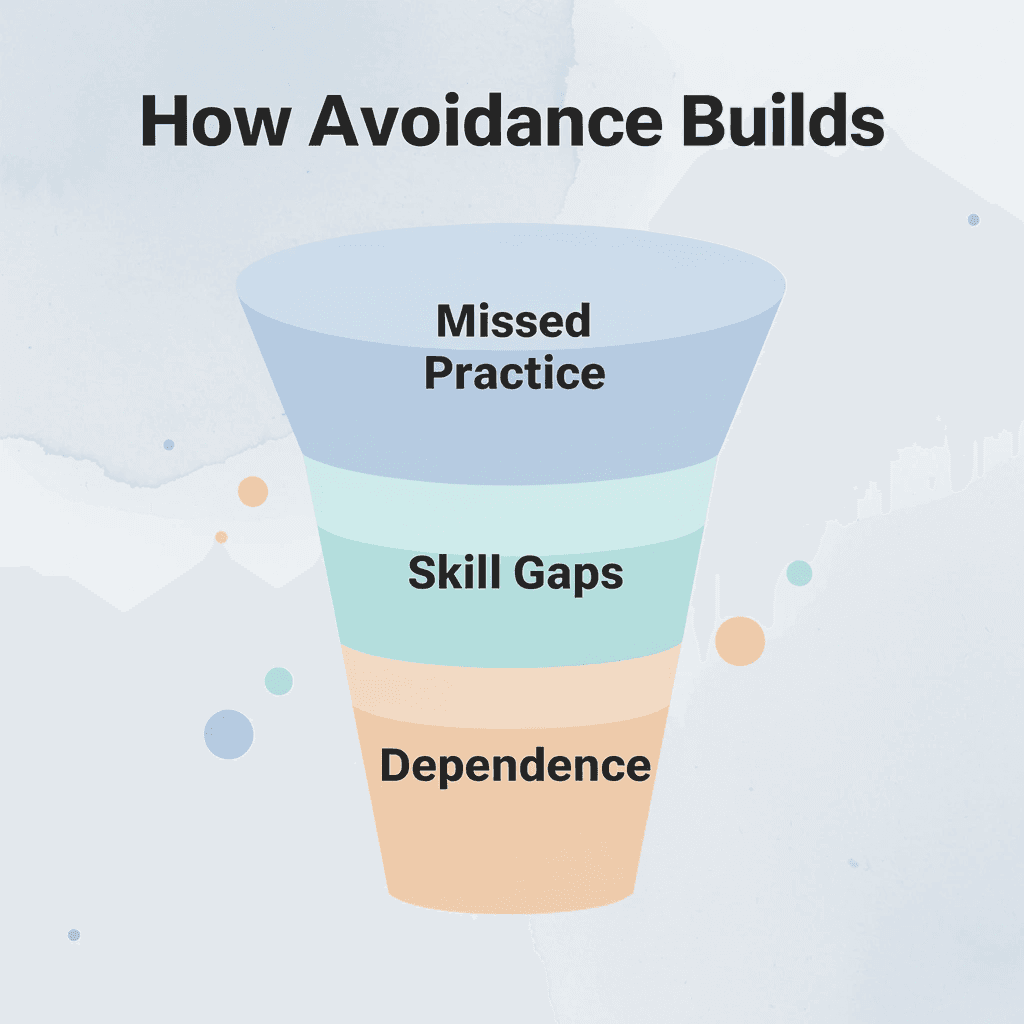
How one gap becomes many
A child who cannot reliably decode letters uses pictures, memory, and context to appear capable. This works initially, but as texts grow more complex and pictures disappear, these workarounds fail. What looked like reading was smart guessing, and guessing has limits.
Why does letter confusion make every sentence exhausting?
For a child who knows letter sounds well, recognizing a word happens automatically. For a child still unsure whether a symbol is "b" or "d," every word requires active problem-solving. A short sentence becomes a tiring sequence of tiny decisions, leaving little mental space for understanding what the words mean.
Why can reading aloud accidentally widen the gap?
Most parents help with early reading problems by reading aloud, which builds vocabulary and exposure. But when the underlying issue is weak letter recognition, reading aloud doesn't develop that specific skill—it can deepen the gap by letting the child access stories without engaging with letters. Our My Coloring Pages library of 75,000+ free customized worksheets lets families create personalized, print-ready coloring pages built around specific letters, sounds, and words their child is working on, transforming a familiar creative activity into targeted letter-recognition practice without feeling like a lesson.
When difficulty becomes identity
According to Rahm Emanuel's 2025 assessment, two-thirds of America's children cannot read or do math at grade level. An ABC News report confirms that U.S. students are performing worse in school than they were ten years ago. These statistics describe children who struggled with letters at age five and came to see reading as something other people did well.
What happens when letter-sound connections aren't automatic?
When letter-sound connections aren't automatic, everything built on them takes more effort than it should. Phonics lessons feel too fast. Worksheets take too long. Writing feels impossible before the first word is attempted. The child doesn't experience this as a skills gap—they experience it as proof that they aren't a reader. That quiet conclusion, "reading is something I can't do," is the most damaging outcome. Knowing what causes it raises an important question: when does the window to prevent it open?
Related Reading
- Kids Learning
- Best Learning Games For Kids
- What Are Fun Learning Activities for Kids?
- How to Help Kids With Learning Difficulties
When Should Kids Start Learning the Alphabet
Learning the alphabet works best when it starts early enough to feel normal before reading demands arrive, but gently enough that letters stay connected with curiosity rather than correction.
💡 Tip: The goal is building a natural relationship with letters so that when formal reading begins, the foundation is solid and stress-free.
🎯 Key Point: Starting too late risks playing catch-up; starting too aggressively risks turning letters into a source of anxiety rather than wonder.
KScope Learning reports that by age 5, about 80% of children can identify most letters of the alphabet—meaning the critical groundwork was laid well before kindergarten even begins.
"By age 5, approximately 80% of children can identify most letters of the alphabet, meaning groundwork was laid well before kindergarten." — KScope Learning / NCES
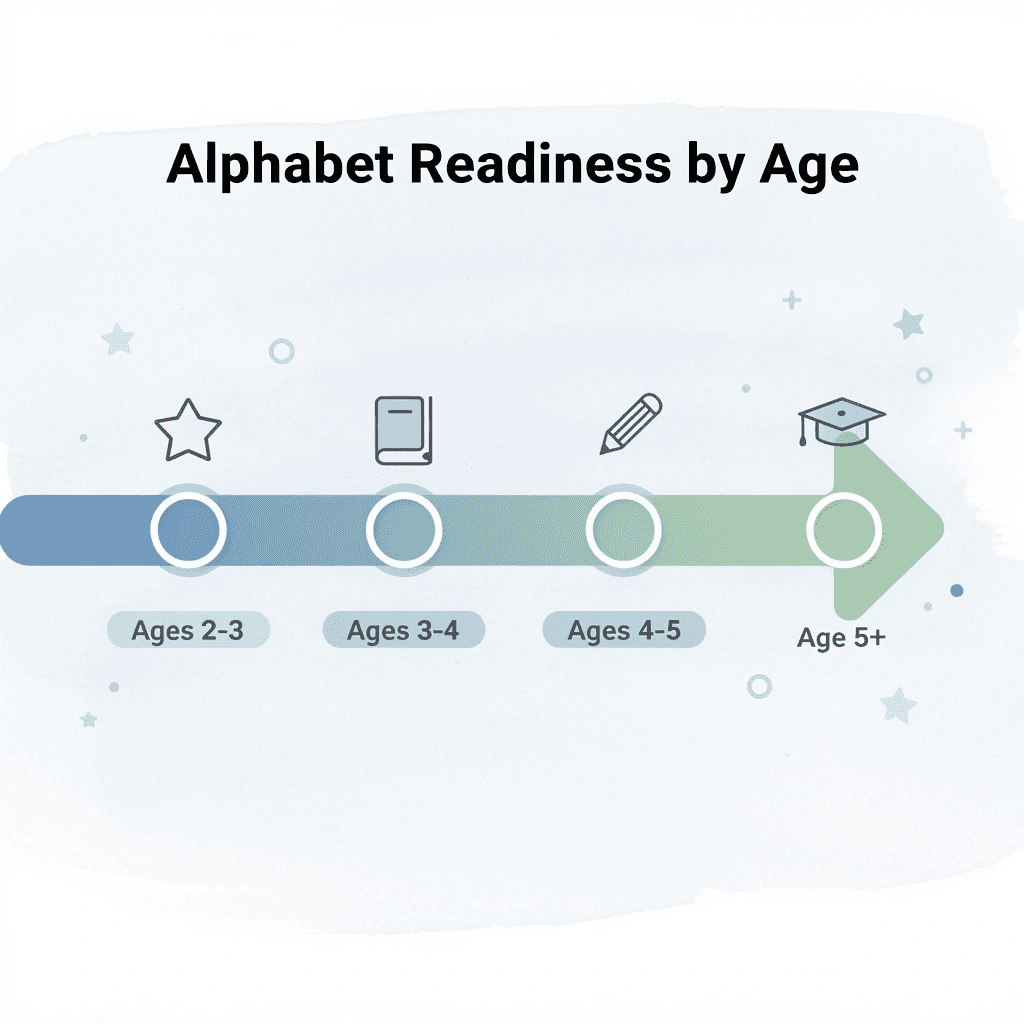
Learning the alphabet moves in four distinct stages — each building on the last:
Stage | Age Range | What Happens |
|---|---|---|
Exposure | Ages 2–3 | Letters appear in songs, books, and play |
Recognition | Ages 3–4 | Children begin identifying familiar letters |
Sound Connection | Ages 4–5 | Letters are linked to phonetic sounds |
Functional Use | Kindergarten entry | Letters are used actively in early reading |
🔑 Takeaway: These four stages are guides, not deadlines — every child moves through them at their own pace, and rushing any stage can undermine the confidence built in the one before it.
⚠️ Warning: Treating these age ranges as strict milestones is one of the most common mistakes parents make — developmental timelines vary, and comparison can do more harm than good.
What does "early enough" actually look like?
A common pattern emerges in families who wait for formal school to teach letter instruction: the child arrives at phonics already behind, forced to identify unfamiliar letter shapes while simultaneously recalling their names, connecting sounds, and blending words—four competing tasks. Compare that with a child who has spent two years casually noticing the M on a cereal box or tracing letters in sand. For that child, the letter shape is already familiar, so phonics can focus on meaning rather than identification.
Why does starting early get confused with starting intensively?
Most parents who describe early letter learning as an "emotional rollercoaster" are struggling because the method doesn't match the stage. Drilling a three-year-old with flashcards treats letter recognition as performance rather than gradual familiarity. The child shuts down, the parent pushes harder, and letters become the thing they fight about before dinner. Starting early is useful; starting intensively is different, and the two are easy to confuse when anxiety about kindergarten readiness drives the schedule.
What does a practical middle ground between exposure and drilling look like?
A practical bridge exists between passive exposure and pressured drilling. Many families find that personalizing letter encounters—starting with the child's own name, then spotting those letters on signs, packaging, and book covers—builds genuine recognition without urgency. Platforms like My Coloring Pages let parents generate custom alphabet coloring pages around a child's interests, so the letter A appears next to an astronaut the child loves rather than a generic apple. That specificity matters because a letter tied to something familiar has reason to stick.
How does the typical development sequence set realistic expectations?
Keiki notes that most children can say the alphabet by age 4. Saying it precedes recognizing letters, which precedes understanding their sounds. A four-year-old who can sing the ABC song but stops at a standalone Q is exactly where they should be. The goal at each stage is steady, low-pressure progress through the sequence, so that by formal reading instruction, letters feel like old friends rather than new problems. Knowing when to start is only half the equation; the methods you choose at each stage can either speed up how familiar kids get with letters or work against it.
Related Reading
- Free Learning Websites For Kids
- How To Make Learning Fun For Kids
- Best Online Learning Platforms For Kids
How to Teach Kids Alphabets in 14 Ways
Teaching the alphabet well requires making consistent choices over months, and how good these choices are determines whether a child reads with confidence or feels like they're falling behind.
"The quality of early literacy instruction is one of the strongest predictors of a child's long-term reading success." — Early Childhood Education Research
💡 Tip: Consistency is everything — even 5 minutes of daily alphabet practice outperforms occasional long sessions when it comes to building lasting letter recognition.
Teaching Approach | Best For | Key Benefit |
|---|---|---|
Singing & Songs | Ages 2–4 | Auditory memory reinforcement |
Tracing & Writing | Ages 4–6 | Motor skill + letter formation |
Flashcards & Games | Ages 3–5 | Active recall and engagement |
Storytime & Books | All ages | Context-based letter recognition |
Phonics Activities | Ages 4–6 | Sound-letter association |
🎯 Key Point: The real difference between a child who thrives and one who struggles often comes down to how intentional and varied the teaching methods are — not just how much time is spent.
⚠️ Warning: Relying on a single teaching method is one of the most common mistakes parents and educators make — multi-sensory approaches produce significantly stronger results.

1. Start With Letters That Already Mean Something
Your child's name is the most powerful starting point. If they're called Maya, the letter M already has meaning before formal teaching begins. Look for M on cereal boxes, street signs, and book covers. The letter stops being an abstract shape and becomes something they own.
2. Teach Letters Out of Alphabetical Order Too
The alphabet song is useful, but children who only learn letters in order treat A-B-C as a memorized chain rather than independently recognizable symbols. Mix up the order during practice: ask for B, then R, then M. That randomness is where real recognition lives.
3. Connect the Letter Name and Sound at the Same Time
Stopping at the letter name is like teaching someone a door handle without telling them it opens anything. According to DoodleLearning, all 26 letters in the English alphabet need to be learned with both their names and the sounds they represent. Build the chain: letter, name, sound, familiar word. "This is S. S says /s/. Snake starts with /s/." This four-part connection makes decoding feel automatic, not effortful.
4. Turn Letter Recognition Into a Hunt
Flashcards are passive; letter hunts are not. Challenge a child to find three A's in the room or locate the first letter of their name before you do. The child must hold the letter's shape in memory, scan real print, and distinguish between similar shapes independently—a fundamentally different cognitive task than responding to a card an adult holds up.
How can anchoring sounds to real objects strengthen letter learning?
Once a child knows a letter sound, make it physical. Collect a ball, a book, and a banana for B. Ask what sound comes first in each word, then connect it back to the letter. This sequence—hearing the word, noticing the beginning sound, and connecting it to the letter—prepares the brain for the reverse process that reading requires.
Why does personalized practice make a difference for kids?
Generic flashcard sets and workbooks cover the basics, but they cannot know that your child is obsessed with dinosaurs or that their best friend is named Felix. Platforms like My Coloring Pages let parents and teachers create custom printable coloring pages built around the exact letters, words, and characters a child cares about, turning letter practice into something a child asks for rather than tolerates.
6. Let Kids Build and Touch Letters
Visual confusion between similar letters (b and d, p and q) resolves through doing, not looking. Let children form letters from playdough, trace them in sand, or arrange magnetic letters on a surface. When a child physically rotates a b and a d and notices where the bump sits, they build spatial memory that worksheets cannot replicate.
7. Use Words From the Child's Own World
The failure point is usually vocabulary. If you teach D with "daffodil," you've added unnecessary unfamiliarity. Use dog, dad, door—or better still, their cat's name or favorite toy. A new letter plus a known word is manageable; a new letter plus a new word plus a new meaning overwhelms children and causes disengagement.
8. Let Them Attempt the Sound Before You Answer
When a child hesitates on a letter, resist answering right away. A pause followed by a small clue ("It starts like Mommy...") lets the child figure out the answer themselves. Retrieval is the practice: every time an adult answers first, the child loses a repetition that strengthens the connection.
9. Encourage Early Writing Attempts, Even Imperfect Ones
If a child wants to write "cat," ask what sound they hear first rather than spelling it for them. They might write a K instead of a C—evidence they're using letter-sound knowledge. This habit of listening for sounds and choosing letters is the exact process skilled writers use. Accept the imperfect attempt and build from it.
10. Bring Letter Awareness Into Real Books
During shared reading, occasionally point to a word and ask what letter it starts with, connecting the story experience with print. Begin Learning outlines 15 specific ways to help children master letters, and drawing attention to print in familiar books consistently ranks among the most effective. A child who checks whether the word matches the picture begins to use letters as information, not decoration.
11. Introduce Blending Once a Few Sounds Feel Familiar
Blending is the natural next step once a child knows five or six reliable letter-sound connections. Start simple: /k/ + /a/ + /t/ becomes cat. Go slowly so the child feels how sounds combine. That moment when a child blends a word independently for the first time rewards every earlier step.
12. Give Unknown Words a Decoding Routine
The pattern that breaks reading confidence is when an unfamiliar word becomes something to memorize rather than something to solve. Build a routine instead: what letter does it start with, what sound does that make, what comes next, can we put those sounds together? With that routine, a child treats new words as puzzles rather than threats.
13. Keep Sessions Short Enough to End on Success
Longer practice sessions rarely produce better results when children are learning letters. A five-minute letter hunt followed by one alphabet book often proves more effective than a thirty-minute drilling session, because the child finishes feeling capable rather than tired. Ending while a child still feels capable is a deliberate teaching choice, not a shortcut.
14. Track the Specific Gap, Not Just the Letter Count
Knowing that a child recognizes 18 out of 26 letters tells you almost nothing useful. Knowing that they can name a letter but cannot retrieve its sound tells you exactly what to practice next. The diagnostic questions matter: can they recognize the letter independently, name it, connect it to a sound, hear that sound inside a word, and blend it with others? Each gap points to a different practice approach, and treating them all as "needs more alphabet practice" allows small gaps to quietly grow into larger reading difficulties. Sometimes, the single letter a child keeps getting wrong is where the right kind of practice changes everything.
15 ABC Learning Online Worksheets for Kids
Learning the alphabet is an important first step toward reading and writing. However, memorizing the alphabet from A to Z doesn't always mean a child can recognize individual letters, connect them to sounds, or use them in words. The following ABC learning online worksheets build those connections through recognition, matching, sounds, writing, and simple reading activities.
1. Personalized Alphabet Coloring Pages With My Coloring Pages
This tackles: Letters feeling meaningless, blank-page frustration, passive screen use, and children struggling to connect letters with things they already know. Instead of giving your child another generic "A is for apple" worksheet, start with something they actually care about.
Ask:
"What starts with M that YOU like?"
Maybe they choose:
- Moon
- Monkey
- Minecraft
- Mom
- Their own name
With My Coloring Pages, you can describe the alphabet scene you want or use an image as a starting point to create a personalized printable. There are also 75,000+ existing coloring pages to explore.
A stronger alphabet-learning sequence is:
Child chooses letter → thinks of familiar word → My Coloring Pages creates or provides a visual starting point → print → child colors → traces or adds letter → says name and sound → explains connection.
For example:
"M is for moon. This is M. M can make /m/."
This directly solves several common problems:
- Letters feel like random symbols: Connect them with something meaningful to the child.
- Child waits for adults to supply every example: Let them choose the word first.
- Online learning becomes passive: Use the digital step to lead into an offline activity.
- Child recognizes pictures but ignores print: Make the letter itself part of the page and ask them to identify it before coloring.
The AI or online tool removes the drawing and setup barrier. The child still has to supply the letter connection, sound, choices, and explanation.
2. Find and Circle the Letter Worksheet
This tackles: Children knowing the ABCs in sequence but struggling to recognize individual letters. Give the child a page containing mixed letters:
M A T C M R P M B
Then ask:
"Circle every M."
The important part is that the letters are out of alphabetical order.
This changes:
A → B → C → remembered sequence
into:
Random symbol → inspect → recognize independently.
You can gradually make it harder by mixing:
- Uppercase letters
- Lowercase letters
- Visually similar letters
3. Uppercase and Lowercase Matching Worksheet
This tackles: Recognizing A but not realizing a is the same letter. Create two columns with uppercase and lowercase letters. The child draws lines between matching pairs.
This strengthens:
Letter identity → different printed forms
Without this practice, a child may confidently know:
"That's G."
and then hesitate when they see:
g
inside an actual book. This worksheet helps letters become recognizable beyond one familiar font or format.
4. Letter-to-Sound Matching Worksheet
This tackles: Children knowing letter names but not being able to use them for reading. Give the child several letters and pictures.
For example:
- B → ball
- S → sun
- M → moon
Ask them to match each letter to the picture whose name begins with that sound.
The learning sequence becomes:
See B → remember /b/ → hear /b/ in ball → make connection.
That is much more useful for future reading than simply knowing:
"B comes after A."
5. Beginning Sound Picture Worksheet
This tackles: Difficulty hearing letter sounds inside real words.
Show a picture of a cat and give the child:
C M S
Ask:
"Which letter does cat begin with?"
Repeat with familiar objects.
Now the child works in the opposite direction:
Hear word → isolate beginning sound → choose corresponding letter.
That is particularly useful for early writing because children eventually need to hear sounds in a word before deciding what letters to put on paper.
6. Trace, Then Find the Letter Worksheet
This tackles: Tracing becoming mindless repetition.
Instead of:
Trace A → trace A → trace A → trace A
Use two stages.
First:
Trace A three times.
Then give a mixed group:
B A D C A G A
Ask the child to find the same letter.
Now tracing is connected to:
Forming shape → remembering shape → recognizing it independently.
That gives the motor practice a purpose beyond simply filling the page.
7. Similar-Letter Detective Worksheet
This tackles: Confusion between letters such as b/d and p/q.
Create a row such as:
b d b b d b
Ask:
"Circle every b."
Then compare the two letters.
You can add simple cues such as:
"Where is the round part?"
or:
"Which way is the line facing?"
The worksheet changes:
Adult repeatedly says "wrong letter"
into:
Child examines visual features → identifies difference → makes decision. That helps build a strategy for recognizing confusing shapes instead of relying entirely on correction.
8. Letter Hunt in a Mini Story
This tackles: Alphabet knowledge staying disconnected from real reading. Give the child a short, age-appropriate sentence such as:
"Sam sees six small stars."
Then ask:
"Circle every S."
Next, ask:
"What sound does S make here?"
Now letters appear where children actually need them:
Inside words and sentences.
This helps bridge:
Alphabet worksheet → real print
It can also reduce the tendency to recognize letters only when they appear large and isolated on flashcards.
9. My Name Letter Worksheet
This tackles: Letters feeling abstract and early writing feeling intimidating. Write the child's name at the top.
For example:
MAYA
Then create activities such as:
- Circle every M.
- Trace MAYA.
- Find another A.
- Match uppercase M with lowercase m.
- Say the first sound.
The child's name gives the letters immediate meaning.
Instead of memorizing:
"M is the thirteenth letter."
They learn:
"M is MY letter."
That personal connection can make early alphabet practice easier to engage with.
10. Missing Letter Worksheet
This tackles: Remembering alphabet order, but it should be used alongside out-of-order recognition rather than replacing it.
Give sequences such as:
- A, B, __, D
- G, __, I
- __, M, N
The child supplies the missing letter.
This helps reinforce alphabet order.
However, a child can become excellent at:
A → B → C
while still struggling to recognize C independently.
So pair this worksheet with:
- Letter hunts
- Matching
- Sound activities
- Random-order recognition
11. Sort Pictures by Beginning Letter
This tackles: Children memorizing one example per letter rather than understanding the sound relationship.
Give two headings:
B
M
Then include pictures of:
- Ball
- Banana
- Moon
- Mouse
- Book
- Milk
The child sorts each one.
Now they have to recognize that:
B is not simply "B is for ball."
It represents a sound that can appear in many different words.
That builds a more flexible connection:
Letter → sound → multiple words.
12. Choose the Word That Matches the Picture
This tackles: Relying on pictures to guess words instead of looking at the print.
Show a picture of a cat.
Underneath, provide:
- cat
- mat
- sun
Ask:
"Which word says cat?"
Instead of letting the picture provide the entire answer, prompt:
"What letter does cat begin with?"
The child now uses:
Picture + beginning sound + printed letter
rather than:
Picture → guess word
As they improve, reduce how much the picture helps. That prepares them for books where illustrations no longer reveal every word.
13. Build a Simple Word From Letter Choices
This tackles: Children knowing individual letter sounds but struggling to combine them.
Show a picture of a cat and give:
c a t m
Ask the child to select or arrange:
c + a + t
Then say each sound and blend:
/k/ → /a/ → /t/ → cat
This creates the bridge:
Individual letters → individual sounds → combined sounds → recognizable word
That is exactly the transition children need when ABC knowledge starts becoming actual reading.
14. Fix the Wrong Letter Worksheet
This tackles: Mistakes leading immediately to adult correction instead of child thinking.
Give examples such as:
- bog
- mat
- mun
Then ask:
"Something is wrong with the first letter. Can you fix it?"
For the dog:
bog → dog
Now mistakes become puzzles.
The child has to:
Look at word → say object → hear beginning sound → compare with printed letter → correct it.
That develops much more independence than:
"No, that's wrong. Put D."
The child is practicing how to find and repair the mistake themselves.
15. Mixed ABC Review Worksheet
This tackles: A child appearing to "know the alphabet" while one specific connection is still weak.
Create one short worksheet with several different tasks:
- Circle the M.
- Match A with a.
- Which picture starts with B?
- Trace S.
- What sound does T make?
- Choose the first letter in dog.
- Build C-A-T.
This is useful because alphabet knowledge is not one skill.
A child might:
- Recognize M but forget /m/.
- Know /b/ but confuse b and d.
- Know individual sounds but struggle to blend them.
A mixed worksheet helps reveal where the connection breaks down.
Then you can respond specifically:
- Shape confusion: More visual matching
- Letter-name difficulty: Recognition practice
- Sound difficulty: Beginning-sound work
- Writing difficulty: Tracing plus independent attempts
- Blending difficulty: Combine a few already-familiar sounds
That is far more useful than simply deciding:
"They need more ABC worksheets."
How to Use ABC Worksheets Without Turning Them Into Busywork
The 15 worksheets above directly address common challenges in early alphabet learning.
- Kids memorize A–Z but cannot recognize letters: Use letter hunts and random-order identification.
- Similar letters remain confusing: Use visual detective and matching worksheets.
- They know names but not sounds: Use letter-sound and beginning-sound matching.
- They rely on pictures: Make them check the printed first letter.
- They depend on adults: Use error-detective and choice-based tasks where they attempt first.
- Writing becomes "tell me every letter": Practice hearing sounds and selecting letters themselves.
- Phonics feels overwhelming: Move gradually from letter → sound → simple blending.
- New words become things to memorize: Practice constructing and decoding simple words.
- ABC practice becomes boring: Personalize letters around names, interests, coloring, and meaningful words.
- Online learning becomes passive: Use tools such as My Coloring Pages to create the starting material, then move the child into an offline task where they still have to identify, color, write, choose, and explain.
The strongest worksheet progression is:
Recognize → Match → Name → Connect sound → Find sound in words → Write or select letter → Blend → Read or write something independently
So do not judge an ABC worksheet by how many letters it squeezes onto one page.
Ask:
"What connection will my child have to make to complete this?"
Because the goal is not a pile of completed worksheets. It is a child who gradually needs the worksheet and the adult beside them less and less because the alphabet is becoming something they can actually use.
Turn the Letter They’re Struggling With Into a Worksheet They’ll Actually Use
Pick the one letter your child keeps missing and build from there. You don't need fifteen worksheets to make progress.
"One targeted worksheet, chosen by the child and practiced with intention, outperforms a stack of generic pages." — Core Phonics Principle
💡 Tip: Start with a single letter causing the most frustration. Mastering one gap builds the confidence to tackle the next.
When generic alphabet sheets stop working, the fix is relevance, not variety. Platforms like My Coloring Pages let a child choose the word, image, and letter connection themselves, turning a passive coloring sheet into active phonics practice. Our customized worksheets help you match the printable to the exact skill gap — whether that's letter recognition, sound recall, or connecting a letter to words the child already knows. With 75,000+ free options, you can target exactly what your child needs.
Skill Gap | Worksheet Focus | What It Builds |
|---|---|---|
Letter Recognition | Visual tracing + matching | Shape-to-symbol memory |
Sound Recall | Letter + phonics prompt | Audio-to-letter connection |
Word Connection | Letter in familiar words | Real-world reading context |
⚠️ Warning: Using too many different worksheets at once dilutes focus — one targeted printable beats a stack of generic pages every time.
One targeted worksheet the child chooses and practices with intention outperforms a stack of generic pages. The five-step sequence is short enough to hold attention and specific enough to close the gap that matters:
- Recognize the letter
- Name it
- Say its sound
- Write it
- Find it in a word the child already knows
🎯 Key Point: When a child chooses the image and word themselves, engagement spikes and so does retention. Ownership of the learning process drives real phonics progress.
Related Reading
- ABC Learning For Kids
- Ai Learning App Kids