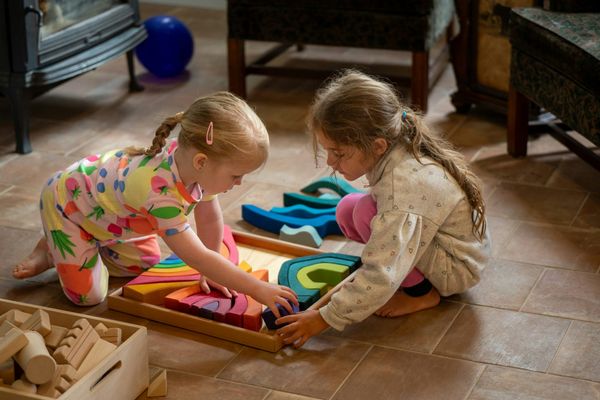
130 Creative Hobbies for Men That Aren't Time-Consuming
Creative hobbies for men that fit busy schedules — My Coloring Pages shares 130 ideas to spark your creativity starting today.


Many men find themselves locked into routines that leave little room for personal expression or hands-on learning. Creative hobbies for men, whether woodworking, sketching, painting miniatures, or leather crafting, create space where focus sharpens, and real satisfaction builds. Building a creative habit is less about natural talent and more about finding consistent, engaging activities that challenge the mind and hands.
Starting is often the hardest part, which is why ready-made resources make a real difference. Instead of facing a blank page, structured starting points matched to personal interests, from intricate stress-relief designs to pattern-based sheets and themed visual art pages, keep momentum going without overthinking. Anyone ready to build or deepen a creative practice can Download 75000+ Free Customized Worksheets and get started right away.
Table of Contents
- Are Creative Hobbies Important for Men?
- What Happens When Men Neglect Creativity?
- 13 Reasons Why Men Don't Have a Hobby
- How to Choose a Good Creative Hobby for a Man in 10 Steps
- 130 Creative Hobbies for Men That Aren't Time-Consuming
- You Don’t Need a Free Evening to Start a Creative Hobby
Summary
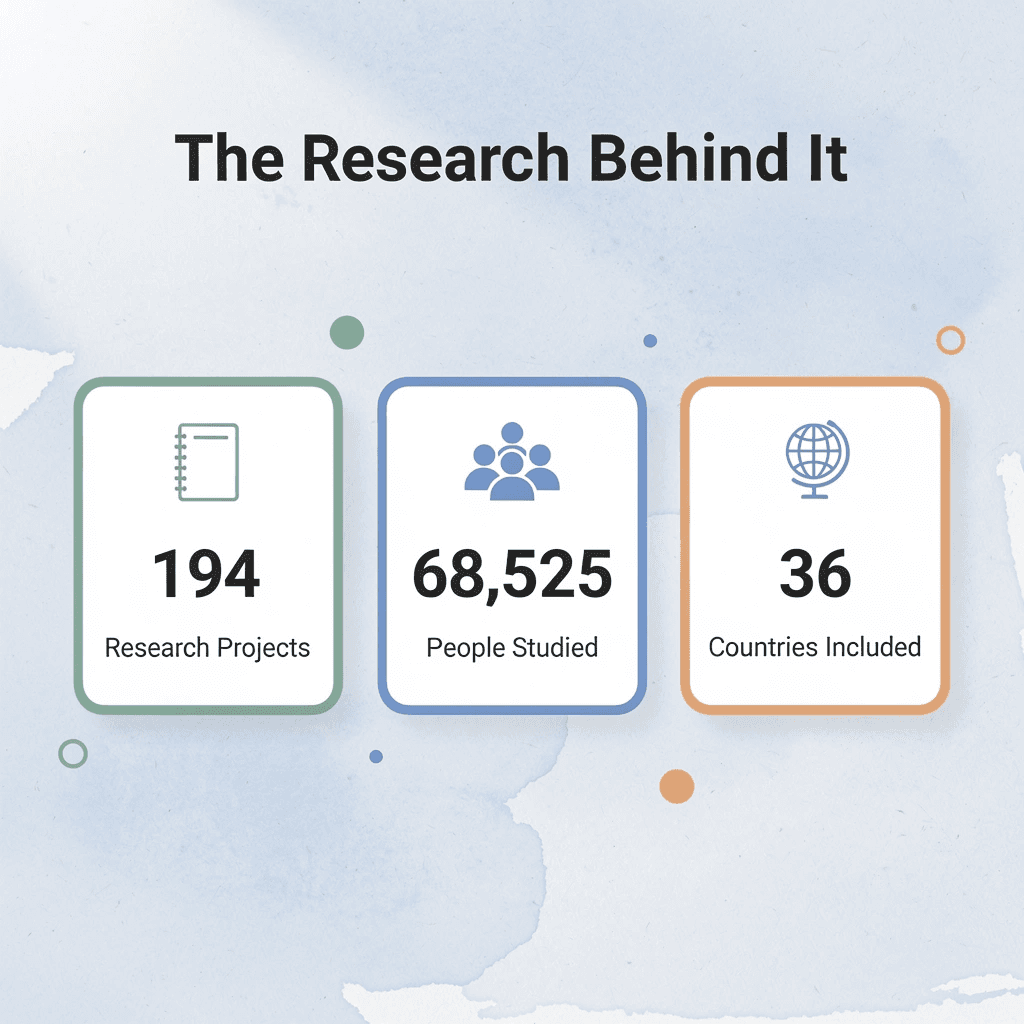
- Creative hobbies provide measurable mental health benefits that most men never access. A 2024 study of 7,182 adults in England found that arts and crafts participation linked to greater life satisfaction and happiness even after controlling for age, employment, health, and income. UCLA Health reports that people with hobbies are 30% less likely to suffer from depression and low moods, regardless of the specific activity involved.
- The barriers keeping men away from creative hobbies are cultural, not biological. A meta-analysis drawing on 194 studies and 68,525 people across 36 countries found that gender differences in creative ability were minimal and statistically inconsistent. The real obstacle is an internalized cultural script that narrows which hobbies feel acceptable before a man ever tries one.
- Neglecting creativity carries costs that accumulate quietly over time. When nearly all available time serves work, fitness, or obligation, identity narrows to role performance, and stress has no outlet beyond passive consumption or rumination. Only 36% of referrals to NHS talking therapies are for men, according to the Baring Foundation, which means creative activity often represents one of the few accessible options for processing daily stress.
- The productivity mindset is one of the most common reasons men abandon creative pursuits before they develop. Men are particularly prone to measuring free time by output, asking whether an activity builds income, fitness, or career skills. When creative hobbies fail that test, they get quietly eliminated, even as passive entertainment, which produces nothing at all, remains untouched.
- Choosing the right hobby depends on identifying what a current routine is missing rather than selecting what seems appropriately masculine. A screen-heavy analytical job points toward something tactile like woodworking or pottery. A physically repetitive job points toward something imaginative like writing or music. A high-stress, low-energy evening points toward low-friction options like coloring, sketching, or miniature painting. Matching the hobby to the gap it fills determines whether it survives past the first month.
- Starting small and privately works better than waiting for ideal conditions. Men who abandon creative hobbies within the first month typically dislike the pressure created by early financial investment, not the activity itself. A four-week test of 20 to 30 minutes twice a week, done without an audience or a monetization plan, is enough to determine whether an activity is worth continuing.
- My Coloring Pages' Download 75000+ Free Customized Worksheets addresses the starting friction directly by giving men a concrete, low-cost entry point into creative practice, with detailed architectural designs, geometric patterns, and interest-specific content that removes the blank-page barrier without requiring prior artistic skill.
Are Creative Hobbies Important for Men?
Creative hobbies matter for men. A study analyzing 194 research projects involving 68,525 people from 36 countries found that men and women have similar creative abilities. The differences were small and inconsistent across studies. The barrier keeping men from creative pursuits is not biological: it's cultural.
"A study spanning 194 research projects, 68,525 participants, and 36 countries found that differences in creative ability between men and women were small and inconsistent — meaning the gap is cultural, not biological." — Cross-National Research Meta-Analysis
🔑 Takeaway: With data from 36 countries and nearly 70,000 people, the evidence is clear: no biological barrier exists between men and creativity. The real obstacle is social conditioning, and you can unlearn it.
💡 Tip: If you've told yourself you're "not the creative type," recognise that belief as a cultural myth, not a biological fact. Picking up a creative hobby is one of the most evidence-backed things a man can do for his mental and emotional wellbeing.
Why do men talk themselves out of creative hobbies?
Men learn a narrow view early on: woodworking is a man's hobby, but pottery is not. Fixing an engine gets respect, while painting needs explanation. This creates a quiet voice inside: "I'm probably not the creative type anyway." That self-doubt is the real problem, not lack of ability.
Does the same beginner struggle get judged differently depending on the hobby?
A lopsided first woodworking joint reads as "I need more practice." A lopsided first pottery bowl reads as "this confirms it's not for me." Same skill gap, completely different story. That difference in how we interpret these mistakes reveals which hobbies men have already decided belong to them.
Why creative hobbies deserve a serious look
The practical case for creative hobbies is stronger than many realize. According to the American Psychiatric Association's Healthy Minds Monthly Poll, 46% of Americans use creative activities to relieve stress or anxiety. A 2024 study of 7,182 adults in England found that arts and crafts were linked to greater life satisfaction and happiness, even after controlling for age, employment, health, and income.
What is the right question to ask before choosing a creative hobby?
Most men ask whether a creative activity looks masculine enough rather than whether it fulfills a genuine need. The better question is specific: Do you want hands-on making? Quiet focus after a demanding day? A visual challenge with no deadline? Sketching, music production, leatherworking, coloring, miniature painting, creative writing, and photography all qualify. Download 75000+ Free Customized Worksheets at My Coloring Pages for detailed architectural designs, intricate pattern pages, and interest-specific content that gives men a concrete starting point.
How do you know if a creative hobby is actually working for you?
UCLA Health reports that people with hobbies are 30% less likely to suffer from depression and low moods, regardless of whether the hobby involves a bandsaw or coloured pencils. To evaluate a creative hobby, commit to it for 20 to 30 minutes twice weekly for four weeks. Then assess whether you enjoyed it, whether it held your attention, and whether initial frustration diminished over time. What happens when men skip this entirely and leave that creative space empty merits consideration.
Related Reading
What Happens When Men Neglect Creativity?
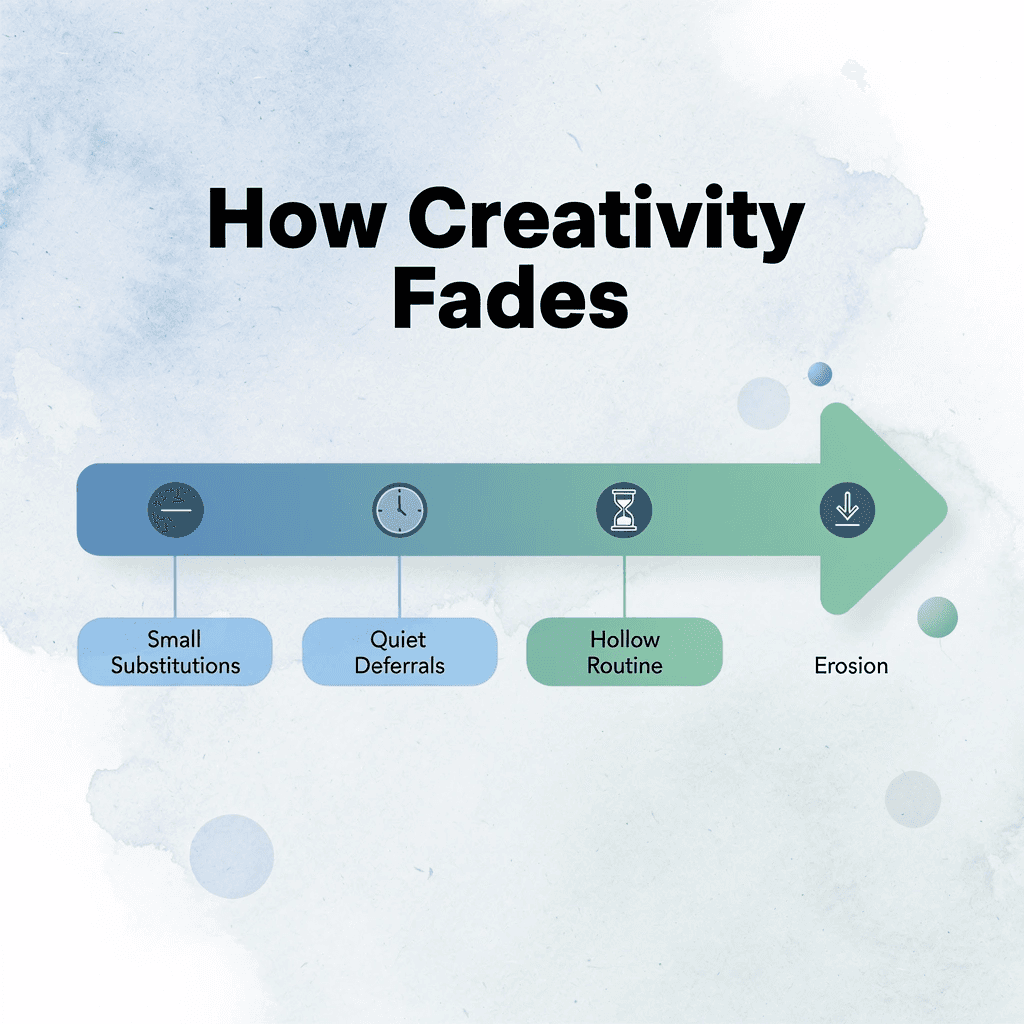
Neglecting creativity happens gradually — through small substitutions and quiet deferrals — until one day your life is functional, organized, and oddly hollow.
"The slow erosion of creative habit is rarely dramatic — it's the accumulated weight of a thousand small surrenders." — Unnamed Insight
⚠️ Warning: The danger isn't a single moment of creative abandonment — it's the slow drift toward a life that looks fine on the outside but feels empty at its core.
💡 Tip: Recognize the early warning signs — restlessness, unexplained dissatisfaction, and a sense that something essential is missing from your days — before the hollowness becomes permanent.
Stage of Neglect | What It Looks Like |
|---|---|
Early | Skipping creative outlets occasionally |
Middle | Replacing creativity with passive consumption |
Late | Life feels functional but deeply unfulfilling |
When your identity shrinks to your role
One of the most overlooked costs is identity narrowing. When almost everything you do serves someone else's need—employee, provider, partner, father, manager—you stop building experiences that are yours alone. A creative hobby, whether you photograph industrial architecture, build speaker cabinets, or sketch portraits on Sunday mornings, gives you an identity that needs no explanation. Without it, when someone asks "who are you outside of work?" the honest answer takes longer to come than it should.
When leisure starts needing a return on investment
You think about picking up woodworking, then immediately wonder whether you could sell what you make. You enjoy writing, then ask whether it could become income. Soon, any activity without measurable output feels irresponsible. The painful irony is that you can become skilled at building a useful life while quietly removing everything that made it interesting. Productivity becomes your only lens, and anything that doesn't help your career, body, or bank account gets eliminated.
What happens when passive consumption replaces making things?
Most men default to passive consumption after work—streaming, scrolling, gaming—because it requires no justification. The hidden cost is spending thousands of hours surrounded by others' creativity while neglecting your own. When you attempt to make something, the gap between your first attempt and professional content feels humiliating, so you stop. Platforms like My Coloring Pages offer an accessible entry point to creating with over 100,000 detailed, customizable pages covering architectural designs, geometric patterns, and complex mandalas, giving men a way to engage creatively without the steep skill barrier that typically triggers early abandonment.
When stress has nowhere to go
Stress without a creative outlet doesn't disappear—it resurfaces elsewhere. A frustrating workday replays into the evening through rumination or numbing. According to the Baring Foundation, only 36% of referrals to NHS talking therapies are for men, meaning most men don't pursue formal mental health support. Creative activity isn't a replacement for therapy, but it offers a third option between rumination and escape.
When the scoreboard shrinks to one metric
If your self-worth depends almost entirely on salary, fitness, status, and performance, a rough professional stretch doesn't feel like a temporary setback—it feels like a verdict. Creative hobbies add a second scoreboard, one where progress is personal, and failure is low-stakes. Maybe work was difficult this week, but you finally nailed that chord progression, or your fifth attempt at a sketch was noticeably better than your first. This doesn't erase professional difficulty, but it prevents career performance from becoming the only measure of your wellbeing. The Baring Foundation reports that men are three times more likely to die by suicide than women—a figure that becomes harder to ignore when you consider how few emotional outlets most men maintain. The harder question is why so many men never start creative pursuits, and the reasons are more specific and surprising than most people expect.
13 Reasons Why Men Don't Have a Hobby
Men don't stop doing creative hobbies because they stop caring. They stop doing them through a slow buildup of reasonable-sounding decisions, where each choice makes sense by itself, but together they cause real damage over time.
"The absence of hobbies isn't a single decision — it's the accumulated weight of a hundred small ones that each seemed perfectly reasonable in the moment." — PMC Research, 2022
🎯 Key Point: It's never one big moment that kills a hobby — it's the slow erosion of small, reasonable-sounding trade-offs that compound into a complete loss of personal creative time.
Stage | What It Looks Like | The Real Cost |
|---|---|---|
Early Trade-Off | Skipping one session for work | Feels harmless |
Pattern Formation | Hobby gear collects dust | Loss of momentum |
Full Abandonment | "I used to do that" | Identity erosion |
⚠️ Warning: The most dangerous part of this pattern is how invisible it is — by the time most men notice, the habit is already gone.

💡 Tip: Recognizing the slow buildup is the first and most critical step to reversing it. You don't need a dramatic overhaul — you need to catch the pattern early and protect even small pockets of creative time before they disappear entirely.
1. The productivity trap
When you think about learning photography, your brain asks whether it can make money. When you consider woodworking, you justify it by noting you could build something useful. The activity itself never gets evaluated on its own terms. According to research cited by Routine Philosophy, men are particularly prone to measuring free time by output: does this make me fitter, richer, more skilled, more employable? If the answer is no, the activity registers as waste. The consequence is that you can build a highly productive life while quietly eliminating everything you enjoy from it.
2. When energy runs out before the evening does
You have free time after work, but those two hours at 9 p.m. are not the same two hours you had at 10 a.m. By evening, deadlines, decisions, commuting, and people have depleted your concentration. When the choice is between picking up a guitar or lying down to scroll, your brain chooses the easiest path: not because you don't want hobbies, but because hobbies get whatever mental energy remains after everything else has taken its share, and usually that's minimal.
3. The discomfort of being a beginner again
Adults grow accustomed to competence. You know your job, routine, and responsibilities. Then you pick up a guitar and sound terrible. Try pottery and make something crooked. Start sketching and realize your hands won't cooperate. Suddenly you're back in that uncomfortable place of not knowing what you're doing. For many men, that beginner discomfort feels threatening rather than exciting. The thought becomes "this clearly isn't for me" instead of "I'm learning," and the hobby gets abandoned before it becomes enjoyable.
4. Why do men filter out certain hobbies before even trying them?
A man saying he goes to the gym rarely needs to explain himself. Saying he's started coloring or learning pottery can feel different. Men absorb the idea that their interests should look practical, competitive, technical, or physically demanding. Activities like painting, journaling, gardening, or creative writing get dismissed not because men genuinely dislike them, but because they don't match the version of masculinity they feel expected to perform. Sometimes "that's not my thing" means "I'd feel embarrassed if other people knew that was my thing."
What actually happens when men sit down and try it?
Most men who try adult coloring for the first time hesitate because they assume it's childish. Then they sit down with a detailed architectural design or complex mandala and discover it demands real focus and patience. Platforms like My Coloring Pages have built their library around this reality, offering 100,000+ designs ranging from intricate geometric patterns to detailed technical illustrations, giving men a starting point that matches their interests without requiring artistic skill or prior experience.
5. Rest and recovery are not the same thing
After a stressful week, the instinct is to rest passively: watching, scrolling, lying down. The problem arises when all recovery becomes passive and gets stuck in a cycle: work drains you, passive rest follows, no personally meaningful activity occurs, then back to work. You can rest constantly without ever feeling like your free time gave you anything to look forward to. That's a different kind of exhaustion.
6. The phone wins on friction alone
Photography requires deciding what to photograph. Drawing requires opening the sketchbook. Guitar requires picking it up. Your phone requires one thumb. That difference in starting friction matters more than most people admit. When you have 20 minutes of free time, the easiest available activity wins almost every time. You tell yourself you'll scroll for five minutes, then 45 minutes disappear, and the hobby loses without ever getting a fair chance. You're not choosing social media because you enjoy it more; you're choosing it because it has almost zero barrier to entry.
7. The all-or-nothing time trap
You want to start woodworking but have only 30 minutes, so you dismiss it as insufficient. You want to learn guitar but can't commit to an hour daily, so you postpone starting properly. Later never arrives. This all-or-nothing thinking kills more hobbies than lack of interest ever does. A creative hobby doesn't require a free Saturday, perfect equipment, or a two-hour session to be worthwhile. Small pockets of available time get wasted instead of used.
8. When curiosity becomes a full commitment in your head
You want to try photography, and your brain immediately imagines buying a camera, learning editing software, building a portfolio, and traveling for shoots. You want to paint, and now you're mentally pricing brush sets, canvases, and online courses. Adults forget that you're allowed to try something casually, without making it part of who you are. You can take pictures for a month and see whether you enjoy it. Turning every passing interest into a full commitment makes curiosity feel expensive, so most curiosity never gets acted on.
9. Comparison kills momentum before it starts
You decide to sketch, then open Instagram and find someone who has been drawing for 12 years. You try photography, and your feed immediately shows you professionals with expensive equipment. Your beginner work looks embarrassing by comparison. You've measured your first week against someone else's developed skill, and because men already feel uncomfortable being visibly bad at something, that comparison intensifies the discomfort. You may never discover whether you enjoy a hobby because you're judging whether you're impressive at it before you've had enough time to become competent.
10. Social obligations fill the remaining space
As you get older and busier, your free time fills with work, family, relationships, errands, and friends. When every free evening is already promised, a hobby becomes something you'll do only if nobody needs you—which often means you never do it. A creative hobby needs protected time to survive; otherwise it gets treated as the least important thing on your schedule because it doesn't complain when ignored. You can become available to everyone except yourself.
11. When you've forgotten what you actually like
This can be the most uncomfortable reason of all. You want a hobby, but nothing comes to mind when you consider what you enjoy. As a child, you might have drawn, built things, played music, collected objects, made videos, or written stories. Then school, work, and adult responsibility took over. You stopped asking what interests you because it felt less urgent than what you needed to do. When free time finally appears, you don't know what to fill it with. You've been disconnected from your own interests for so long that you no longer know what you'd choose.
12. The earned reward that never arrives
Finish the work first. Clean everything. Answer every message. Handle the errands. Then maybe you can enjoy yourself. Except adult responsibilities have no finish line. There is always another email, another task, another thing to improve. If your internal rule is that you can have a hobby once everything important is done, the hobby will always come last. You can spend your entire adult life waiting for free time that never comes.
13. Why does creative work feel more exposing than other hobbies?
Creative hobbies carry a particular risk that physical or technical hobbies don't. When you make something, part of you becomes visible. A photograph shows what you notice. Writing shows what you think. Music shows your taste. A drawing shows your choices. If someone dislikes it, it can feel like they disliked your idea, not just the thing. So it feels safer not to create at all. Avoiding creative hobbies may protect you from judgment, but it also prevents you from discovering what you're capable of making.
How do reasonable excuses quietly kill a creative interest over time?
The pattern across all thirteen reasons isn't laziness or indifference. It's a slow series of reasonable thoughts: "I'm busy," "I'm tired," "I should do something useful," "I'm terrible at this," "that hobby isn't for someone like me," "I'll start properly when I have more time." Repeat them long enough and an interest becomes something you used to do, then something you keep meaning to restart, then something you barely remember enjoying. Men are often taught to protect time for work, fitness, responsibility, and recovery, while creativity and play survive on whatever remains. Usually, there isn't much. Knowing why the barriers exist is one thing; knowing which hobby is worth crossing them for is another, and the answer is more personal than most advice suggests.
How to Choose a Good Creative Hobby for a Man in 10 Steps
Choosing the right creative hobby starts with an honest question: not "what do men usually do?" but "what is my actual life missing right now?" That gap is where the right answer lives.
"The best hobby isn't the most popular one — it's the one that fills the specific void your current life has left open." — Creative Wellness Research
💡 Tip: Before browsing hobby lists, pause and audit your week — identify what's missing: stillness, challenge, physical output, or creative expression. That answer points directly to your ideal hobby match.
What You're Missing | Creative Hobby to Consider | Why It Fits |
|---|---|---|
Mental stillness | Painting or sketching | Forces slow, focused attention |
Physical challenge | Woodworking or sculpting | Demands hands-on effort and skill |
Creative output | Writing or music production | Builds a tangible body of work |
Social connection | Improv, band, or pottery class | Combines creativity with community |
🎯 Key Point: The most critical step in choosing a creative hobby is not copying what others do — it's identifying your personal gap and letting that guide every decision that follows.
⚠️ Warning: Skipping this self-audit step is the most common reason men abandon hobbies within the first 30 days — they chose what looked good, not what felt necessary.
1. Start With What Your Life Is Currently Missing
If your days are tightly scheduled and focused on output, your nervous system probably needs something experimental, not another structured task. Painting, photography, creative writing, and music offer open-ended exploration without a final product. If your work is mostly analytical and screen-based, seek physical contrast: woodworking, pottery, leathercraft, and cooking let your hands solve problems instead of your brain. The hobby that fills the gap your routine creates is most likely to feel like genuine relief, not a second job with better aesthetics.
2. Match the Hobby to Your Real Energy Level, Not Your Ideal One
The same issue shows up in gym memberships and guitar purchases: men choose for the version of themselves they plan to become, not the version showing up on a tired Tuesday night. If 25 minutes of low-energy evening time is your realistic window, sketching, coloring, journaling, or miniature painting are far more sustainable than woodworking or furniture restoration, which require longer, more alert sessions. A hobby practiced in small, consistent doses builds more skill and satisfaction than one you wait for a perfect Saturday to do.
3. Decide Whether You Want to Make With Your Hands, Mind, or Both
This question cuts your list in half. If your job focuses on ideas and abstract thinking, choose something you can touch and make: model building, pottery, cooking, or leathercraft. If your work is physical or repetitive, choose something creative: creative writing, music composition, or filmmaking concepts. If you want both, drawing, photography, and DIY projects sit in that middle space where thinking and making happen at the same time. Choose a hobby that differs from, rather than mirrors, how you already spend most of your hours.
4. Choose Based on the Process, Not the Result
The finished product attracts you. The process determines whether you stay. Don't choose guitar because playing songs looks impressive; ask whether you would tolerate practicing basic chord transitions poorly for several weeks. Don't choose photography because professional shots look cool; ask whether you would enjoy walking slowly through a neighborhood looking for things worth framing. When novelty fades, the only thing keeping you at the table is whether you enjoy the act of doing it.
5. Keep Your Startup Cost Low
Spending money before you know whether you enjoy something creates pressure that kills creative hobbies early. If you're curious about drawing, start with paper and a pencil. If photography interests you, use your phone before buying a camera. If woodworking appeals to you, try one small beginner project before equipping a workshop. Low investment removes the sunk-cost guilt that transforms a casual experiment into a stressful obligation.
Most men who abandon creative hobbies within the first month didn't dislike the activity; they disliked feeling obligated to justify the money spent. Starting cheap keeps the hobby in its proper place: an experiment, not a commitment.
6. Choose Something You Can Be Bad at Privately
Fear of looking incompetent is one of the most underestimated reasons men avoid creative hobbies. The cycle is predictable: fear of looking bad leads to avoiding practice, which prevents improvement, which confirms the belief that the hobby isn't for you. The fix is choosing something you can do badly in private. You don't need to post your sketches, perform the song, or show anyone your first attempt. Private practice makes mistakes feel low-stakes, and low-stakes mistakes are where real improvement happens.
Men who pursue creative hobbies in shared spaces often skip the private, headphones-in stage where most skill development happens. A hobbyist practicing DJing or music production at full volume in an apartment at 11 p.m. isn't just being inconsiderate; he's undermining his own learning. Starting quietly, literally and figuratively, is the smarter path.
7. Don't Default to the Most "Masculine" Option
Woodworking is a rewarding hobby if you want to build things with your hands. It's a poor choice if you picked it because pottery, painting, or coloring felt unsuitable for men. Gender expectations limit your options before you've explored what you enjoy. The earlier sections of this piece showed how cultural conditioning shapes men's relationship with creativity; this is where that conditioning manifests in the specific choices men make. Choose based on interest, challenge, curiosity, and fit. If you enjoy making it, that's reason enough.
8. Decide Whether You Want Relaxation or Stimulation
Different creative hobbies solve different problems. If work mentally exhausts you, choose something repetitive and calming: coloring, simple sketching, and miniature painting offer low-cognitive-load engagement that lets your mind decompress without switching off entirely.
Which type of hobby matches what your life is currently missing?
If your routine feels boring, try new, challenging activities: photography, cooking experiments, filmmaking, or creative writing. For physical pursuits, try woodworking, pottery, and restoration projects. The question isn't which hobby is best overall, but which one fills the specific gap in your current life.
How does subject matter affect whether a hobby actually sticks?
Download 75000+ Free Customized Worksheets from My Coloring Pages solves a specific problem: men often find regular coloring books boring because the topics don't match their interests. Our platform offers over 100,000 pages featuring architectural designs, mechanical subjects, and geometric patterns, so you can find content that matches your preferences.
9. Avoid Turning It Into a Side Hustle Too Soon
The moment a creative hobby becomes a product, the relationship with it changes. Someone says "you should sell these," and suddenly the thing you were doing for yourself has deadlines, expectations, and a mental calculus of whether it's "worth it." Give yourself permission to have one creative skill that produces nothing except the experience of making it. According to The Art of Manliness, there are over 75 hobby ideas worth considering for men's free time, and most have no income potential.
10. Run a Four-Week Hobby Test
Don't judge a hobby after one frustrating session. Pick one option and commit to 20–30 minutes twice a week for four weeks. Then ask yourself five questions: Do you look forward to it? Do you lose track of time? Are you curious about getting better? Does it give you something your normal routine doesn't? Would you still do it if nobody ever saw the result? If most answers are yes, keep going. If not, you've ruled one out—exactly how the process works.
Use a Simple Formula to Narrow the List
Start with what takes up most of your week, then identify what your life is missing. Decide if you want relaxation, challenge, self-expression, or hands-on creation. Then ask which hobby provides that with the easiest path, fits your budget, and works during a normal week, not a perfect one.
Which creative hobby matches your actual daily situation?
An office job plus screen tiredness points toward woodworking, sketching, pottery, or cooking. Stressful work plus low evening energy points toward coloring, miniature painting, or photography walks. A monotonous routine points toward creative writing, filmmaking, or music. Technical challenge points toward music production, model building, or woodworking. The goal is to find the one you'll return to after the workday ends, even when it earns you nothing and proves nothing to anyone. Knowing how to choose is only half the equation. The part most advice skips is far more practical.
Related Reading
- Creative Hobbies to Try
- Creative Hobbies for Seniors
- Fun Creative Hobbies
- Creative Hobbies That Improve Mental Clarity
130 Creative Hobbies for Men That Aren't Time-Consuming
Low-Energy Creative Hobbies for Tired Evenings
1. Use My Coloring Pages
If blank-page pressure, low energy, or “I can’t draw” usually stops you, My Coloring Pages removes the hardest first step. Describe something you actually want to color or upload a photo, and the app turns it into a ready-to-print coloring page in seconds; when you don’t even have the energy to think of an idea, you can browse 75,000+ free coloring pages instead. The useful creative chain is your idea → AI creates the outline → you print it → you choose the colors, patterns, and additions, so technology removes the technical friction without making every creative decision for you. A 10–20 minute session also directly tackles the “I don’t have enough time for a hobby” problem.
2. Doodling
Keep a small notebook and fill a page with random shapes, faces, symbols, or patterns for ten minutes. Because nothing needs to look impressive, doodling helps men who avoid creative hobbies because being a beginner feels uncomfortable.
3. Geometric Pattern Drawing
Use a ruler, coins, or household objects to build repeating patterns. The structure removes blank-page anxiety while still giving you control over the finished design.
4. Mandala Coloring
Detailed patterns give your attention somewhere specific to go after work without requiring you to invent anything from scratch. It works particularly well when mental exhaustion makes more demanding hobbies feel impossible.
5. One-Line Drawing
Draw an object without lifting your pen. The intentionally imperfect result makes it easier to stop treating creativity like another skill you must master immediately.
6. Sketching One Object a Day
Draw your watch, coffee mug, keys, shoe, or anything nearby for five to ten minutes. Tiny sessions challenge the belief that drawing only counts if you can devote hours to improving.
7. Blind Contour Drawing
Look at an object while drawing it without looking at the paper. Because the results are supposed to be strange, fear of embarrassment loses much of its power.
8. Adult Paint-by-Numbers
You get the satisfaction of physically creating something without needing advanced painting skills. The built-in structure helps men who want creativity but dislike the uncertainty of a completely blank canvas.
9. Sticker Journaling
Arrange stickers, ticket stubs, labels, or small scraps into quick pages. There is almost no skill threshold, making it easier to choose when exhaustion would normally send you toward passive entertainment.
10. Junk Journaling
Use receipts, packaging, old paper, labels, and everyday scraps to make rough journal pages. Its deliberately imperfect aesthetic helps counter the pressure to make creative work polished or impressive.
11. Coffee Painting
Use strong coffee like watercolor to create simple monochrome images. You need almost no special equipment, so “I need to buy proper supplies first” cannot become another excuse.
12. Shadow Drawing
Place a small object in sunlight, trace its shadow, and turn the outline into something else. The starting shape is already provided, reducing both effort and beginner anxiety.
13. Tiny Comics
Draw a three-panel comic about something annoying, funny, or ridiculous that happened that day. Stick figures work perfectly, so storytelling matters more than artistic ability.
14. Patterned Bookmark Making
Spend 10–15 minutes decorating a strip of card with simple patterns or drawings. A finished, practical object can make creative time easier to justify if productivity guilt is a barrier.
15. Mini Collages
Combine three or four images from old magazines or packaging into one small composition. Working with existing material means you don’t need the energy to invent everything yourself.
16. Origami
Learn one simple fold at a time using ordinary paper. Small projects can be completed in minutes, directly countering the “I need a free afternoon” mindset.
17. Paper Airplane Design
Experiment with small changes to ordinary paper airplanes and see what flies differently. It combines creativity with practical testing, which may appeal if purely artistic hobbies feel unfamiliar at first.
18. Puzzle Designing
Create your own word search, riddle, maze, or logic puzzle. It exercises creativity through problem-solving rather than traditional art.
19. Color Palette Collecting
Save or photograph color combinations you notice in clothes, buildings, films, or nature. It develops visual awareness without requiring a large project.
20. Miniature Clay Sculpting
Use a small amount of inexpensive air-dry clay to make tiny objects or figures. Small scale keeps both time commitment and fear of wasting materials low.
Hands-On Hobbies for Men Who Spend All Day on Screens
21. Whittling Small Objects
Small beginner projects can offer a tactile contrast to office or computer work. Keep sessions short, and focus on simple shapes rather than trying to make elaborate pieces right away.
22. Basic Wood Burning
Create simple lines or patterns on scrap wood with suitable equipment. It feels practical and hands-on while still letting you make personal design choices.
23. Mini Woodworking Projects
Try a coaster, simple phone stand, or small shelf instead of imagining an entire workshop. Smaller projects prevent woodworking from becoming another hobby you postpone until you have “proper time.”
24. Leather Keychain Making
A tiny leather project combines craftsmanship with design and can be finished over short sessions. It suits men who want creativity to result in something tangible.
25. Paracord Designs
Learn different knots and color combinations for keychains or simple accessories. Repetition makes it easy to continue even after a tiring day.
26. Model Kit Building
Build a car, aircraft, robot, or other small model in 15–30 minute chunks. You get structure and visible progression without having to invent the entire project yourself.
27. Miniature Painting
Paint one miniature or even one section at a time. Because progress is highly visible, it can satisfy men who lose motivation when improvement feels too abstract.
28. LEGO Free-Building
Instead of always following a kit, give yourself a small challenge, like building a vehicle from whatever pieces you already own. It introduces experimentation without requiring artistic confidence.
29. Cardboard Prototyping
Turn delivery boxes into organizers, stands, models, or completely useless inventions. Free materials remove the fear that experimenting badly will waste money.
30. Simple Electronics Projects
Small beginner circuits or kits combine technical thinking with creative problem-solving. This can help men realize creativity does not have to mean painting or writing.
31. Repair and Redesign
Take a small damaged object and think beyond simply restoring it—change its appearance or function. It satisfies the desire for practicality while still exercising imagination.
32. Furniture Upcycling
Work on a drawer, stool, frame, or small furniture component instead of an entire room. The practical output makes creativity easier to prioritize without demanding much time.
33. Bottle-Cap Art
Arrange saved caps into symbols, mosaics, or patterns. The material is essentially free, so there is little financial pressure to produce something “worth it.”
34. Tin-Can Projects
Turn empty cans into holders, planters, or simple desk accessories. It blends creativity with usefulness, which can be a comfortable entry point if “unproductive” hobbies make you feel guilty.
35. Simple Rope Knotting
Learn decorative and practical knots for a few minutes at a time. It offers tactile concentration without a large creative setup.
36. Miniature Architecture
Build tiny rooms, structures, or models from cardboard and paper. It combines design and spatial problem-solving without needing professional architectural skills.
37. DIY Desk Accessories
Design a small cable holder, pen tray, or organizer from scrap materials. Improving something you actually use can make creative experimentation feel worthwhile.
38. Stone Painting
Turn one smooth stone into a symbol, pattern, face, or miniature design. The tiny surface naturally prevents the project from becoming overwhelming.
39. Magnet Making
Transform small drawings, clay shapes, or reused objects into fridge magnets. Projects are quick enough to deliver the satisfaction of finishing something in one sitting.
40. Simple Wire Sculpting
Use inexpensive craft wire to experiment with abstract forms or tiny objects. It rewards curiosity rather than perfection.
Photography Hobbies That Only Need Your Phone
41. One-Photo-a-Day Photography
Take one intentional photograph rather than hundreds of random phone pictures. The entire hobby can take two minutes, making lack of time almost irrelevant.
42. Street Detail Photography
Photograph signs, textures, doors, shadows, or overlooked details during your existing commute or walks. You don’t even need to make extra time for a hobby.
43. Black-and-White Photography
Look specifically for contrast, light, and shape. A simple constraint makes ordinary environments feel creatively different.
44. Color-Themed Photography
Choose one color for the week and photograph interesting examples whenever you see them. It turns normal errands into a low-effort creative challenge.
45. Shadow Photography
Look for unusual shadows rather than obvious subjects. It develops visual observation without expensive equipment.
46. Architecture Photography
Photograph lines, symmetry, old buildings, staircases, or modern structures. It gives walks a purpose and can be done completely privately if social comparison bothers you.
47. Food Photography
Experiment with photographing whatever you were already planning to eat. Add creativity to an existing routine rather than competing for extra time.
48. Object Photography
Take one everyday object and photograph it from five unusual angles. This teaches you to find alternatives rather than accepting the first obvious perspective.
49. Reflection Photography
Use puddles, windows, mirrors, or shiny objects to create interesting compositions. It encourages experimentation from ordinary surroundings.
50. Minimalist Photography
Try creating images containing only one or two major elements. The restriction gives overthinkers a clear starting point.
51. Night Photography With a Phone
Experiment with streetlights, signs, silhouettes, and reflections during evening walks. It can turn an existing routine into a creative one.
52. Photo Storytelling
Use five pictures to tell the story of your morning, commute, workout, or weekend. You exercise narrative creativity without having to write anything.
53. Before-and-After Photography
Document small DIY, cooking, fitness, restoration, or organization projects creatively. It can make practical tasks themselves feel more creative.
54. Texture Collecting
Photograph interesting wood, metal, concrete, fabric, rust, or natural textures. This develops observation and gives your brain fresh visual material.
55. Perspective Challenges
Photograph an ordinary location from an angle you’ve never used before. It's a small exercise in breaking habitual thinking.
56. Self-Portrait Experiments
Try silhouettes, shadows, hands, or partial portraits rather than conventional selfies. It gives you room for self-expression without needing to post anything.
57. Photo Editing
Spend 10–15 minutes experimenting with crops, light, contrast, or monochrome edits on pictures you already have. No new outing is required.
58. Album Curation
Create small themed albums such as “Lahore at Night,” “Things That Look Better in Rain,” or “Red Objects.” Selecting and arranging images exercises creative judgment.
59. Phone Wallpaper Photography
Take photos specifically designed to become your own phone backgrounds. The useful outcome reduces the “what’s the point?” objection.
60. Photo Recreation Challenges
Try recreating the lighting or composition of an image you admire using household objects. It gives beginners structure while still requiring problem-solving.
Creative Writing Hobbies That Take Minutes
61. Six-Word Stories
Tell an entire story in six words. The extreme time limit removes the excuse that writing requires hours of concentration.
62. 100-Word Fiction
Write one tiny story and stop at 100 words. You get a complete creative exercise without committing to becoming “a writer.”
63. Character Creation
Invent a person’s name, job, strange habit, fear, and secret. You can enjoy storytelling without taking on an entire novel.
64. Alternate Movie Endings
Rewrite how a familiar movie or series should have ended. Starting with an existing world makes the hobby easier on tired evenings.
65. Bad Poetry
Write deliberately terrible poetry. Making “bad” part of the rule directly challenges perfectionism and fear of looking incompetent.
66. Comedy Premise Writing
Write down funny observations or ridiculous premises from daily life. No one is expecting you to perform them.
67. Personal Essays
Take one memory or opinion and explore it privately for 15 minutes. Writing can be a creative outlet without becoming a blog or side hustle.
68. Micro-Journaling
Write only three or four sentences about something you noticed that day. It prevents journaling from becoming another demanding daily obligation.
69. Dialogue Writing
Write a one-page conversation between two fictional characters. Focus entirely on voices and interaction rather than plot structure.
70. Writing Fake Reviews
Write humorous reviews from the perspective of your pet, furniture, boss’s coffee mug, or another object. The ridiculous format lowers creative pressure.
71. Inventing Product Ideas
Choose an everyday annoyance and create a fictional solution. This is useful if you enjoy creativity more when it feels practical.
72. World-Building Notes
Invent one small detail about a fictional city, civilization, game world, or future each day. Tiny fragments eventually build into something substantial.
73. Writing Prompts for Yourself
Create unusual questions such as “What would happen if sleep became illegal?” Generating the prompt itself exercises imagination.
74. Haiku Writing
A three-line structure gives you boundaries and lets you complete it during a break. You can write about serious experiences or completely ordinary ones.
75. Memory Sketch Writing
Describe one memory using sensory details for ten minutes. It encourages personal creativity that generic templates can't fully replicate.
Quick Music and Audio Hobbies
76. Guitar Chord Practice
Learn one chord or transition at a time for 10–15 minutes. Breaking the hobby down helps prevent “I don’t have an hour every day, so why start?”
77. Ukulele Practice
Simple chord structures can make early progress feel accessible. It is useful if beginner frustration usually makes you quit quickly.
78. Harmonica
A small, inexpensive instrument can be practiced almost anywhere. Minimal setup makes it easier to choose over your phone.
79. Beat Making
Use a simple music app to create short drum patterns or loops. Start with 15-minute experiments rather than imagining you need to become a producer.
80. Sampling Everyday Sounds
Record doors, footsteps, rain, machinery, or kitchen sounds and combine them creatively. Ordinary surroundings become raw material.
81. Playlist Curation
Build highly specific playlists around stories, moods, fictional characters, workouts, or memories. Selection and sequencing make listening more active and creative.
82. Song Rewriting
Write funny or personal replacement lyrics for a familiar song. You can enjoy musical creativity without needing to compose from scratch.
83. Rhythm Practice
Tap rhythm patterns on a desk or practice with a basic metronome. No equipment purchase is necessary.
84. Voice Acting
Read a paragraph in different characters, moods, or voices. It lets you experiment privately and removes fear of public performance.
85. Mini Audio Stories
Record a one-minute fictional story on your phone. It combines writing, performance, and storytelling in a tiny time commitment.
86. Soundscape Recording
Record rain, city noise, birds, trains, or other environments and organize them into small collections. It trains attention while fitting into places you're already visiting.
87. Melody Humming
Record melody ideas when they appear instead of trying to compose full songs. Tiny fragments keep musical creativity low-pressure.
88. Digital Piano Practice
Use a simple keyboard or app to learn a few notes or chords at a time. Small progression prevents the hobby from feeling like formal music education.
89. Music Mashup Planning
Think about which songs, rhythms, or styles could work together. Even before technical production, combining ideas exercises creativity.
90. Album-Cover Concepts
Listen to a song and sketch or describe what its imaginary cover should look like. This combines music with visual imagination.
Digital Creativity for Men Who Already Like Technology
91. Digital Collage
Combine images, textures, and typography using a simple design app. It is low-cost and accessible if physical craft supplies create too much friction.
92. Poster Design
Create fictional posters for movies, bands, sports events, or businesses. With no client involved, there are no revisions or deadlines.
93. Logo Challenges
Pick a made-up company and design a simple logo in 20 minutes. Constraints can turn creative practice into a short problem-solving exercise.
94. Pixel Art
Small grids make projects manageable and visually satisfying. You can complete tiny objects or characters without advanced drawing ability.
95. Digital Illustration
Start with simple icons or shapes rather than complicated character art. The undo button lowers fear of mistakes.
96. Typography Experiments
Arrange words, fonts, spacing, and shapes into small compositions. It can appeal to men who like design but don't think of themselves as “artists.”
97. Meme Creation
Turn observations from work, hobbies, sports, or everyday life into memes. Humor makes creativity feel less vulnerable and serious.
98. Animated GIF Making
Create tiny looping animations rather than full videos. Projects are quick and give an immediate finished result.
99. Short-Form Video Editing
Edit a 10–20 second clip using footage already on your phone. It combines rhythm, storytelling, and visual judgment without requiring filmmaking equipment.
100. Digital Mood Boards
Collect visual references around a room, outfit, vehicle, trip, or fictional project. It can help you discover what styles genuinely appeal to you.
101. Fantasy Map Making
Design a small imaginary island, city, race track, or world. Technical-looking structures can provide an easier entry point into drawing.
102. Custom Phone Icon Design
Create simple icons or backgrounds for your own devices. Practical use can help creativity feel less frivolous.
103. 3D Modeling Basics
Spend short sessions learning to create simple shapes or objects, not full scenes. It combines technical challenge with creative construction.
104. Game-Level Sketching
Design a map, mission, arena, or level on paper or digitally. It turns gaming interests from pure consumption into creation.
105. Website Mockup Design
Create fictional landing pages or interfaces purely for experimentation. With no real client, you can try ideas that would normally feel too risky.
Practical Creative Hobbies That Still Feel “Useful”
106. Experimental Cooking
Change one ingredient, spice combination, or technique in a meal you already cook. It adds creativity to something you needed to do anyway.
107. Sandwich Experiments
Invent unusual combinations from ingredients already available. The downside of a failed experiment is usually just an average lunch.
108. Coffee Presentation
Experiment with serving, foam, glassware, or simple designs around your normal coffee routine. No extra hobby session needs scheduling.
109. Mocktail Creation
Combine inexpensive drinks, herbs, fruit, or syrups and name your creations. It offers experimentation with an immediate payoff.
110. Creative Plating
Arrange an ordinary meal differently. It builds visual creativity without adding another task to the evening.
111. Knife-Skill Presentation
Experiment with safe decorative food preparation and presentation. The creativity is attached to an existing household task.
112. Spice-Blending
Create your own small seasoning combinations and test them. It appeals to men who enjoy experimentation more than traditional craft hobbies.
113. Workspace Redesign
Move, remove, or repurpose objects to make your desk work better. It turns organization into design and problem-solving.
114. Room Layout Sketching
Try alternate furniture layouts on paper before physically changing anything. It exercises spatial creativity in short sessions.
115. Plant Arrangement
Arrange a few indoor plants or inexpensive containers more intentionally. It creates a visible environmental change without a major project.
116. Sneaker Styling Concepts
Sketch colorways or customization ideas for shoes you already own. You don't need to actually modify them for the design exercise to count.
117. Outfit Combination Challenges
Create new combinations from clothes already in your wardrobe. It makes style an act of creativity instead of simply buying something new.
118. Gift Design
Create personalized notes, packaging, playlists, photo sets, or small additions to gifts. Personal meaning gives the creative effort a clear purpose.
119. Travel-Itinerary Design
Build imaginary weekend itineraries around unusual rules—food only, architecture only, no tourist attractions. Planning itself becomes a creative puzzle.
120. Home Storage Hacks
Try solving one annoying storage problem using objects you already own. Practicality can help men who struggle to permit themselves purely artistic leisure.
Creative Hobbies That Fit Into Social Life or Existing Routines
121. Photography Walks With a Friend
Meet for a normal walk, but photograph the same theme each time. It combines social time with creativity instead of competing against it.
122. Bad-Art Nights
Meet friends and deliberately create terrible drawings or paintings. Making failure the goal directly attacks embarrassment and comparison.
123. Collaborative Playlists
Create a themed playlist with friends and explain each choice. It requires almost no extra time while making music consumption more active.
124. Two-Person Story Games
Take turns adding one sentence to a ridiculous story. Nobody has enough control to make it perfect, which keeps the experience playful.
125. Theme Cooking With Friends
Turn a meal you would already eat into a simple creative challenge based on a country, movie, color, or ingredient.
126. Urban Sketch Walks
Take a notebook on a normal walk and stop for one five-minute sketch. You don't need to call yourself an artist or show anyone the result.
127. Nature Photography
Use your regular walks to photograph trees, skies, textures, insects, or weather. It can reduce the gap between “I should get outside” and “I want a creative hobby.”
128. Object Collecting and Display
Collect inexpensive objects such as coins, tickets, stones, postcards, or interesting packaging and design small displays. The creative part lies in categorizing and presentation.
129. Creative Conversation Games
Ask friends questions such as “What terrible invention would somehow make millions?” or “How would you redesign airports?” Creativity can be social and verbal rather than something you make alone.
130. The 10-Minute Hobby Rotation
Choose three or four hobbies from this list—perhaps coloring, photography, sketching, music, or writing—and keep everything required easy to reach. Whenever “I'm too tired” or “I don't have enough time” comes up, do one activity for exactly ten minutes before defaulting to your phone; the goal isn't mastery, but breaking the habit of waiting for ideal conditions.
You Don’t Need a Free Evening to Start a Creative Hobby
The practical part most advice skips: the hobby you choose matters far less than whether you can start it tonight. If options keep getting postponed because you're mentally drained, short on time, or unwilling to invest in gear, start with one that removes every barrier between you and the first mark on the page.
💡 Tip: The best creative hobby isn't the most impressive one: it's the one with zero friction standing between you and starting right now.

That's where My Coloring Pages fits. Our platform offers 75,000+ free printable pages built for adult interests, or you can describe your own idea and generate a custom page in seconds. Ten minutes, no equipment, no artistic background required. Men on the platform work on detailed architectural designs, intricate mandalas, and scenes pulled from their own photos or interests — because the creative decisions happen through color, shading, and pattern, not draftsmanship.
"The creative decisions happen through color, shading, and pattern — not draftsmanship. Anyone can start tonight." — My Coloring Pages
Barrier | How It's Removed |
|---|---|
No time | Pages take as little as 10 minutes |
No equipment | Free printable — just need a printer |
No artistic skill | Creative choices are made through color, not drawing |
No ideas | 75,000+ pages or generate a custom one instantly |
⚠️ Warning: Don't let the search for the perfect hobby become another reason to delay. Starting imperfectly tonight beats planning indefinitely.
Pick a page that interests you, print it, and color one section tonight. Stop whenever you want. The point isn't the finished page — it's the 15 minutes you spent creating instead of consuming, and how different that feels by the end of the week.
🔑 Takeaway: A single 15-minute session shifts your evening from passive to actively creative — and that shift compounds fast over days and weeks.