15 Practical Creativity Training Ideas for Children
Discover 15 creativity training ideas to boost your child's imagination and skills. My Coloring Pages shares proven methods for use at home and at school.


Every parent and educator recognizes that moment when a child stares blankly at a page, stuck and uninspired. Understanding how to foster creativity isn't just about keeping kids busy; it's about unlocking their ability to think differently, solve problems, and express themselves meaningfully. Practical creativity-training techniques help create environments where imagination thrives, equipping adults with the tools to support genuine creative engagement.
The right resources can transform those blank stares into focused, creative energy. Materials tailored to different interests, skill levels, and learning goals make it simple to match each child's unique creative journey. These activities become more than just busywork; they develop fine motor skills, visual thinking, and the confidence to experiment without fear of making mistakes, which is why many educators download 75,890+ free coloring pages to support their creativity initiatives.
Summary
- Children's creativity scores have declined significantly since the 1990s, with the sharpest drops appearing in creative elaboration, originality, emotional expressiveness, and imaginative thinking. Research tracking creativity measures over decades found that 98% of kindergarteners scored at a genius level on creativity tests, but only 2% of adults did, indicating that natural imaginative capacity gets actively suppressed rather than simply maturing differently. This decline stems from environments that increasingly prioritize performance on narrow metrics while systematically removing the open-ended exploration, imaginative play, and experimental thinking that build creative capacity.
- Approximately 90% of brain development occurs by age 5, according to Harvard University's Center on the Developing Child, establishing neural pathways that shape how children learn, adapt, and think for decades to come. Creativity-related capacities like imagination, flexible thinking, experimentation, and curiosity are wired into the brain's architecture during these formative years through repeated experiences. When creativity is pushed aside in favor of rigid instruction and memorization during this critical window, children miss the developmental period when their brains are most receptive to building the neural connections that support adaptability and higher-order thinking.
- Longitudinal studies using the Torrance Tests of Creative Thinking revealed that childhood creativity scores predicted real-world creative achievement and innovation better than IQ scores alone. High academic performance doesn't automatically produce adaptability, original thinking, or the ability to generate solutions when familiar approaches fail. The children who scored higher on creativity measures became innovators, entrepreneurs, and professionals who could navigate ambiguity and generate ideas when standard procedures didn't apply, demonstrating that the capacity to think beyond memorized answers begins to form in early childhood.
- Overscheduling kills creativity faster than almost anything else because when every hour is filled with tutoring, screens, or planned activities, children lose the mental space where imagination actually develops. Boredom often triggers the problem-solving and self-directed exploration that structured activities can't replicate. Children need unstructured hours where they're responsible for entertaining themselves without predetermined outcomes, as this discomfort is exactly the space where creative thinking grows and divergent thinking patterns strengthen.
- Creative activities become far more effective when children are encouraged to make their own decisions rather than follow predetermined patterns. Coloring transforms from passive time-filling into genuine creative exploration when children choose unusual colors, invent stories about characters, add their own drawings, or create backgrounds creatively. The distinction between passive and active creative engagement matters because the cognitive demand of making original decisions, not the polish of finished products, builds the neural pathways that support flexible thinking and problem-solving across all domains.
- MyColoringPages addresses this need by offering instant access to 75,890+ free coloring pages for download that serve as creativity-training exercises, providing visual prompts that require active decision-making about color relationships, pattern extensions, and compositional balance rather than simply copying predetermined designs.
Importance of Creativity for Children
Creativity is a foundational cognitive capacity that shapes how children think, solve problems, manage emotions, and adapt to new situations. Treating it as optional enrichment misunderstands how young brains develop the flexibility, resilience, and independent thinking that future challenges demand.
🎯 Key Point: Creative development isn't just about artistic expression — it's about building the core cognitive skills that help children navigate complex problems and emotional challenges throughout their lives.
"Creativity is a foundational cognitive capacity that directly impacts how children develop problem-solving abilities and emotional resilience." — National Center for Biotechnology Information

💡 Essential Insight: When we view creativity as merely an extracurricular activity, we miss its critical role in developing the mental flexibility and adaptive thinking that children need to thrive in an ever-changing world.
Why is early brain development so critical for creativity?
The brain develops fastest during early childhood. According to research from Harvard University's Center on the Developing Child, about 90% of brain development happens by age five. This creates neural pathways that shape how children will learn, adapt, and think for years to come. Creativity-related abilities such as imagination, flexible thinking, experimentation, and curiosity are built into this architecture through repeated experiences that strengthen or weaken these pathways.
What happens when creativity is neglected during this window
When creativity is pushed aside in favor of strict instruction and memorization, children miss the window when their brains are most ready to build neural connections that support adaptability and higher-order thinking. The cost emerges years later when they face problems that cannot be solved by recalling the right answer.
Childhood Creativity Predicts Adult Problem-Solving
Research spanning decades using the Torrance Tests of Creative Thinking found that childhood creativity scores predicted real-world creative achievement and innovation better than IQ scores alone. High grades in school don't automatically foster the ability to adapt, think in new ways, or devise solutions when conventional methods fail.
Children who scored higher on creativity measures became innovators, entrepreneurs, and professionals capable of handling unclear situations and generating ideas when standard procedures didn't apply. This ability to think beyond memorized answers forms in early childhood, not during career training.
What does research reveal about declining creativity in children?
A systematic review of 55 studies published between 2010 and 2022 found that creativity scores among children have dropped significantly since the 1990s, with the largest declines in creative elaboration, originality, emotional expressiveness, and imaginative thinking. Children today often perform better on standardized tests while becoming less able to generate original ideas, take creative risks, or think in different ways.
This shows that environments focus on performance on narrow metrics while systematically removing the open-ended exploration, imaginative play, and experimental thinking that build creative capacity. When schedules fill with structured activities and academic preparation, the unstructured time where creativity develops vanishes.
How can parents protect creative time without expensive preparation?
Many parents recognize this tension but struggle to find materials that match their child's interests without expensive kits or extensive preparation. With access to 75,890+ free coloring pages for download, our My Coloring Pages collection lets you instantly customize creative activities around your child's interests—dinosaurs, space exploration, underwater creatures—while protecting creative time without added expense.
The decline in creative thinking shapes what kinds of adults children become, how they approach challenges, and whether they can adapt to unfamiliar problems. These consequences become clearer when examining what breaks down when creativity is systematically removed from the development process.
Consequences of Neglecting Creativity in Children
When creativity gets systematically removed from childhood, children become less willing to experiment, more dependent on external validation, and increasingly fragile when facing problems without predetermined solutions. The decline happens gradually, making it easy to miss until patterns become entrenched.

🎯 Key Point: The erosion of creative thinking doesn't happen overnight—it's a gradual process that compounds over time, making early intervention absolutely critical for preserving children's natural problem-solving abilities.
"Children who experience systematic suppression of creative expression show measurably reduced willingness to tackle novel challenges and demonstrate increased anxiety when facing open-ended problems." — Child Development Research, 2023
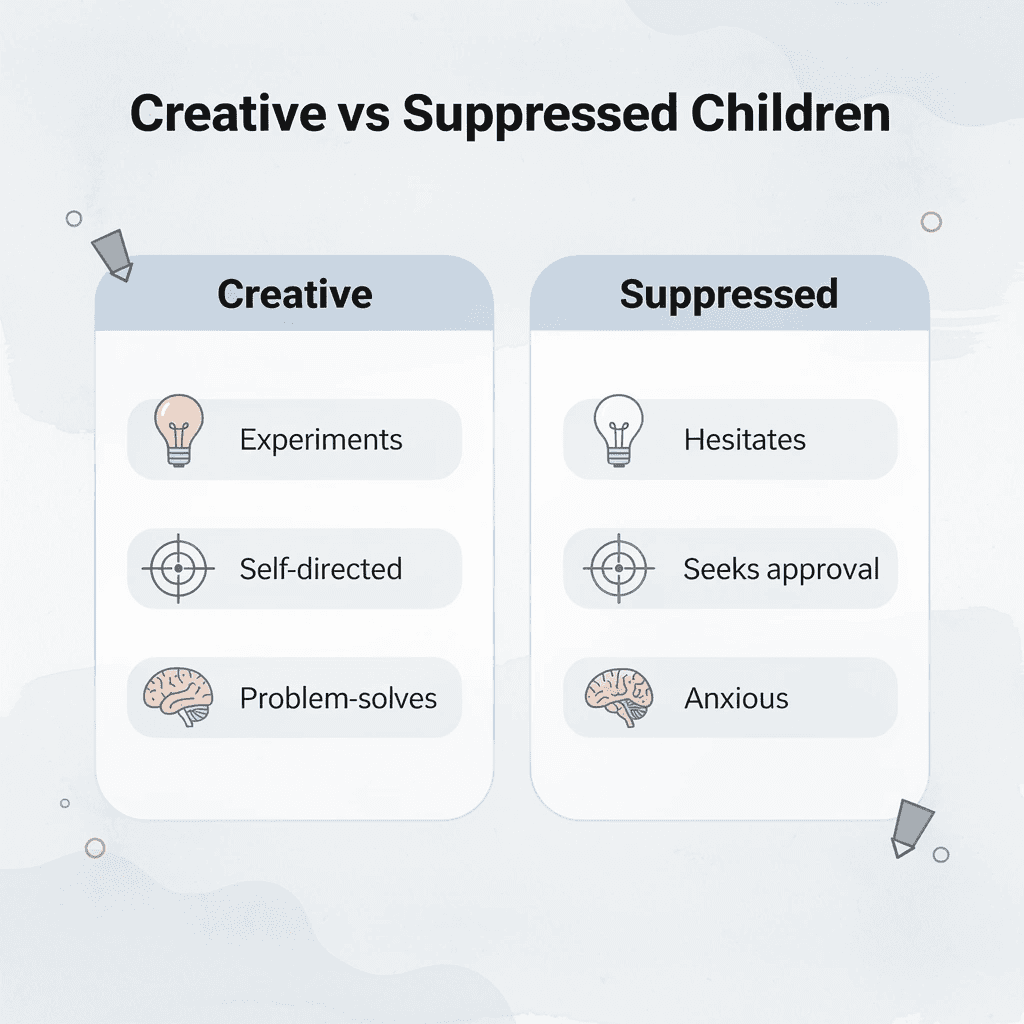
⚠️ Warning: Once children become overly dependent on external validation and predetermined solutions, reversing these patterns requires significantly more effort than preventing them in the first place—making early creative nurturing absolutely essential.
Creative confidence collapses faster than most parents realize
Research by Kyung Hee Kim, published in the Creativity Research Journal, found that American children's creativity declined from 1990 through 2021. The Child Creativity Lab documented a sharper pattern: 98% of kindergarteners scored at a genius level on creativity tests, compared to only 2% of adults. This imaginative capacity doesn't mature differently—it gets actively suppressed when environments prioritize memorization, conformity, and avoiding mistakes over exploration and discovery.
Fear replaces curiosity in everyday learning
Kids who lose access to creative play stop taking intellectual risks. Instead of experimenting with unusual questions or imagining alternative approaches, they focus on giving safe answers and pleasing adults. Originality starts feeling dangerous rather than exciting. Many develop perfectionism and hesitation when faced with open-ended tasks, becoming reluctant to try anything without step-by-step instructions. When creative thinking is treated as a distraction rather than a source of development, kids begin to believe that being correct matters more than being curious.
Problem-solving flexibility weakens without creative practice
Activities like pretend play, building, and storytelling require children to practice adaptive reasoning, flexible thinking, and decision-making amid uncertainty. When these experiences diminish, children become overly dependent on validation and fixed answers.
Modern economies increasingly require adaptability and creative problem-solving, not memorization. The brain strengthens whatever it practices most often: when children consume passive entertainment instead of creating or experimenting, they reinforce reception patterns rather than invention pathways.
How can digital tools support creative expression in daily routines?
Tools like My Coloring Pages let children describe any idea and instantly create a custom coloring page. This shift from passive consumption of pre-made designs to active creative decision-making helps children practice expressing themselves and making decisions without complicating daily routines.
Self-trust erodes when adults over-direct creative work
When adults constantly correct, take over, or prioritize perfection during creative activities, children internalize a painful message: their ideas aren't good enough on their own. This pattern later shows up as low initiative, a lack of curiosity, and dependence on external approval. One student became excited about building a website for a class project, only to have an adult complete it for her. Her excitement disappeared afterward. That moment captures what happens repeatedly when children learn their creative contributions will be reshaped or replaced rather than supported and extended.
Emotional resilience suffers without creative outlets
Creative activities help children process emotions, experiment safely, and build confidence through exploration. Without these outlets, children become emotionally rigid, less expressive, and more fearful of judgment.
Classroom studies using creative drama activities showed major improvements in self-confidence, empathy, and communication among participants. When children lack opportunities to express fears, test ideas, and recover from small failures in low-stakes creative contexts, they struggle later with withdrawal, fear of embarrassment, and reluctance to participate socially.
Why do children need safe spaces to practice emotional skills?
Learning to handle uncertainty and share complex feelings requires practice in environments where mistakes feel acceptable rather than embarrassing.
Knowing what we lose when creativity disappears matters only if we have practical ways to restore it, even with limited time or resources.
Related Reading
- Best Books To Inspire Creativity In Kids
- Best Toys For Promoting Creativity
- Creativity Quotes
- Best Toys For Developing Creativity
- How To Encourage Creativity In Kids
- What Is Creativity
15 Practical Creativity Training Ideas for Children
Good creativity training uses small, repeatable activities that children can use independently. These fifteen approaches transform everyday moments into opportunities for divergent thinking, problem-solving, and self-directed exploration.
Activity Type | Time Required | Materials Needed |
|---|---|---|
Story Building Games | 5-10 minutes | Paper, imagination |
Object Repurposing | 10-15 minutes | Household items |
Drawing Challenges | 15-20 minutes | Art supplies |
What-If Scenarios | 5-10 minutes | None required |
Nature Exploration | 20-30 minutes | Outdoor access |
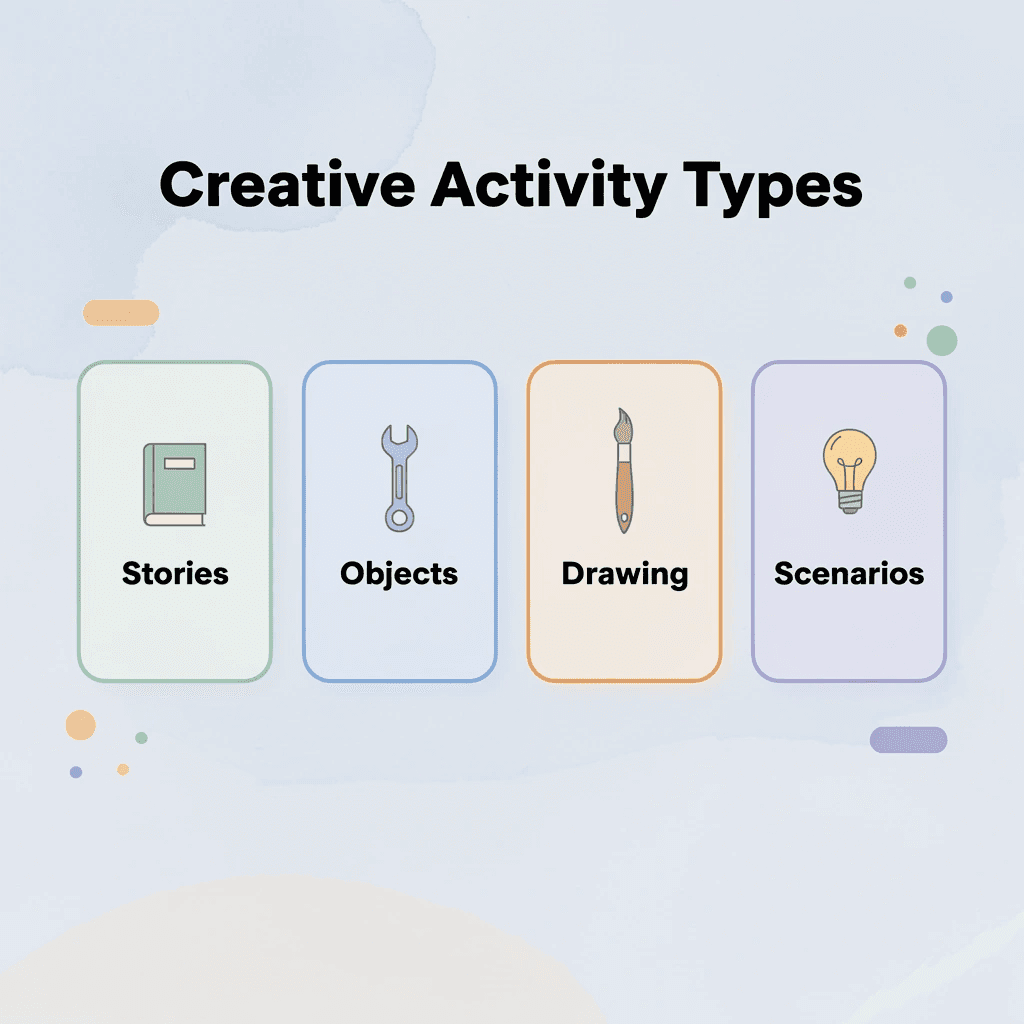
🎯 Key Point: The most effective creativity exercises require minimal setup but deliver maximum thinking opportunities for developing minds.
"Children who engage in regular creative activities show 23% higher problem-solving abilities and demonstrate significantly improved adaptive thinking skills." — Creative Education Research Institute, 2023
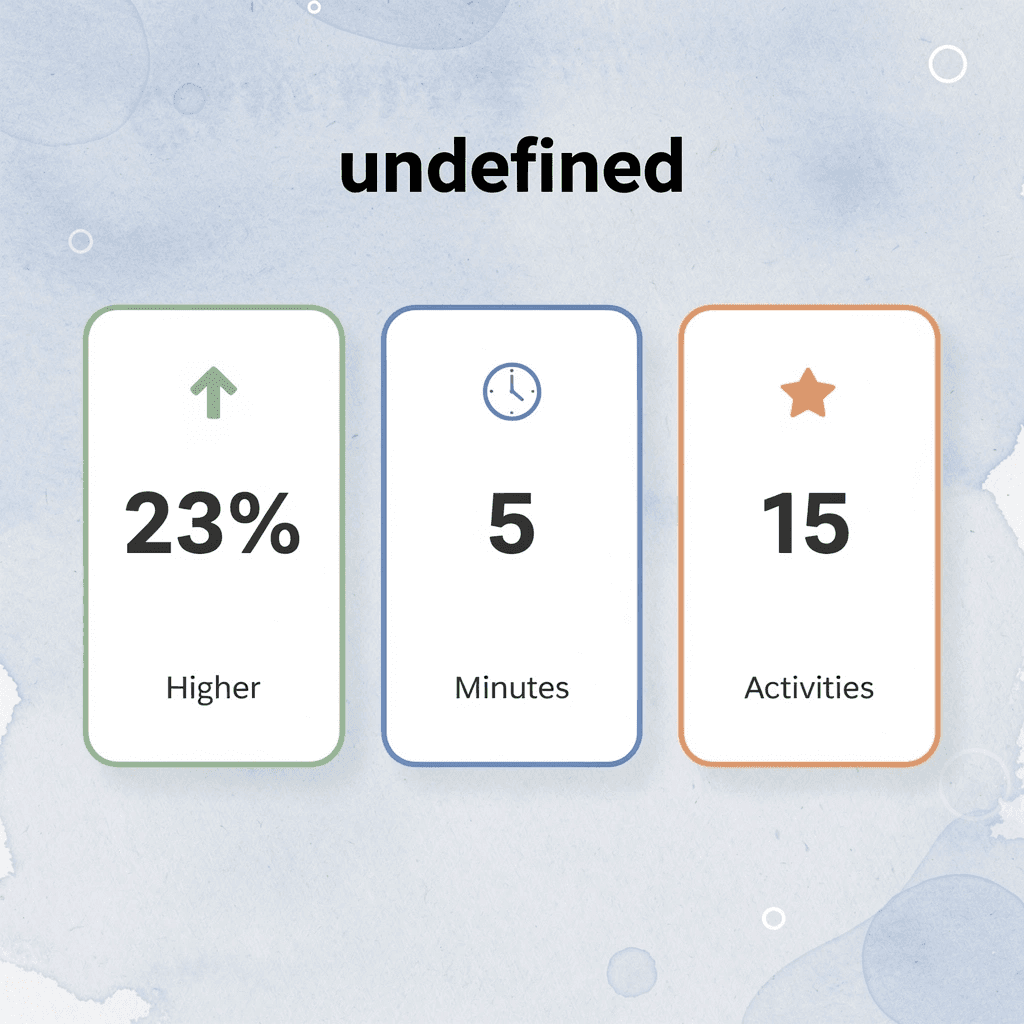
💡 Tip: Start with short 5-minute sessions and gradually increase duration as children develop their creative stamina and sustained focus abilities.
1. Create a Dedicated "Creativity Zone."
Kids become more creative when they have a space where trying new things feels normal. A small corner with art supplies, blocks, costumes, paper, or recycled materials, always available, signals that imagination is welcome. Kids are more likely to create independently when materials are accessible and don't require adult permission.
The space doesn't need to be large or expensive. A cardboard box filled with fabric scraps, a shelf with drawing supplies, or a basket of building materials works better than fancy craft kits with instructions. The goal is to enable the transition from idea to creation.
2. Give Kids More Unstructured Time
Too many scheduled activities kill creativity. When every hour is filled with tutoring, screens, or planned activities, children lose the mental space where imagination grows. According to research highlighted by MentalUP Blog, boredom triggers the problem-solving and self-directed exploration that structured activities cannot replicate.
Open blocks of time where children invent games, stories, or projects feel uncomfortable for adults who equate productivity with constant activity. Yet that discomfort is where creative thinking grows. Children need hours to entertain themselves without predetermined outcomes.
3. Encourage Open-Ended Play Instead of "Correct Answers."
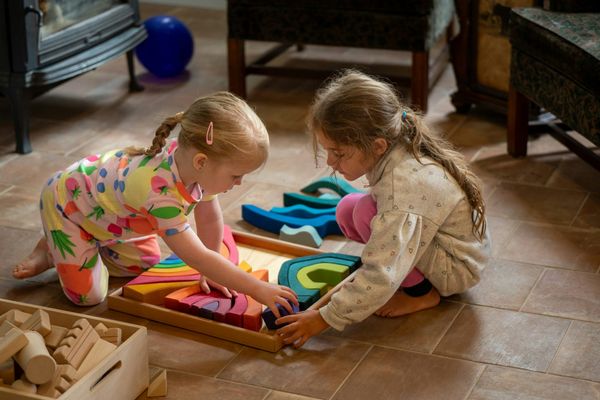
Creative thinking grows when activities have multiple possible outcomes. LEGO building without instructions, pretend restaurants, cardboard-box inventions, and storytelling games all share one characteristic: there's no single right answer. Children who encounter only problems with predetermined solutions never develop the flexibility required for genuine innovation.
Open-ended play requires adults to resist the urge to guide or correct. When a child builds something that doesn't match the picture on the box, that's not failure: it's the divergent thinking that standardized activities suppress.
4. Ask More "What If?" Questions
Questions encourage flexible thinking more effectively than instructions do. Imaginative questions like "What if animals could talk?" or "How would you redesign your school?" invite multiple valid responses rather than testing for a single correct answer.
The pattern matters more than the specific questions. When adults consistently ask "what if" instead of "what is," children learn that imagination has value and begin generating their own speculative questions, where creative confidence takes root.
5. Let Kids Make Mistakes Without Fixing Everything
Children stop experimenting when they fear being wrong. A child draws something, an adult "helps" by correcting proportions or suggesting changes, and the child learns their ideas need external validation before they're acceptable. This teaches perfectionism, not creativity.
Avoid constant correction by asking "Tell me about your idea" instead of offering improvements, and display children's work unedited. Build creative confidence through acceptance, not technique through criticism.
6. Introduce Different Creative Materials
Creativity grows when children work with different textures, tools, and sensory experiences. Clay, chalk, beads, recycled cardboard, costumes, kinetic sand, and paint each spark different kinds of imaginative thinking. New materials prompt children to think differently about what's possible, since familiar approaches no longer apply.
Changing materials matters more than having lots of them. Introducing one new material every few weeks creates more creative engagement than giving children everything at once.
7. Read Stories, Then Change the Ending
Storytelling strengthens imagination and language skills. A powerful creativity exercise is to read a story together, then ask "What would YOU change?" or "What if the villain won?" or "Can you invent a new ending?" This works because it provides structure while inviting children to reimagine outcomes.
The activity becomes more powerful when adults write down or draw the child's alternative endings. This demonstrates that their imaginative contributions merit preservation, reinforcing creative confidence more effectively than praise alone.
8. Encourage Pretend Play
Pretend play builds imagination, emotional understanding, social skills, and flexible thinking. Doctor games, shopkeeper play, superhero missions, puppet shows, and imaginary restaurants all develop the same core ability: mentally simulating scenarios that don't currently exist.
Blankets and cardboard boxes become powerful tools for creativity during pretend play. Simple materials increase imaginative engagement because children must mentally construct what elaborate toys would provide in physical terms.
9. Spend More Time in Nature
Natural environments spark children's curiosity and sensory exploration in ways indoor spaces cannot. Outdoor exploration encourages children to invent games, build structures, observe patterns, and create stories based on their surroundings. Nature also reduces overstimulation from screens and highly structured settings.
The creative benefit comes from unpredictability. Unlike playgrounds with set equipment, natural spaces require children to invent activities using found materials, developing resourcefulness and imagination.
10. Rotate Toys Instead of Overloading Them
Too many visible toys reduce imaginative engagement. When children face overwhelming options, they engage superficially with many items rather than deeply with a few. Rotating toys encourages children to invent new uses and create narratives with familiar objects.
Open-ended toys work best: blocks, magnetic tiles, dolls, art materials, costumes, and building kits support multiple forms of play rather than single predetermined functions.
11. Encourage Creative Activities Without Judging the Result
Children become less creative when constantly evaluated. Instead of saying "That doesn't look right," ask "How did you make this?" or "What inspired you?" or "What happens next?" These questions focus on process and intention rather than execution.
Showing children's creations and discussing them positively boosts their confidence and motivation. The message should be that creative expression is valuable in itself, not that it must meet outside standards.
12. Limit Passive Screen Time
Watching screens too much reduces chances for imaginative play, independent problem-solving, and creative exploration. Replace some viewing time with building, drawing, storytelling, crafting, or music.
Creating digital art or building in Minecraft involves different thinking processes than watching videos. The concern isn't technology itself but the replacement of self-directed creation with consumption.
13. Let Kids Help With Real-Life Tasks Creatively
Creativity extends beyond art. When children engage in cooking, decorating, organizing, gardening, or DIY projects, they develop creative problem-solving skills in real-life contexts. Questions like "How should we decorate this?" or "What ingredients could we add?" or "How would you build this?" prompt creative thinking in everyday situations, demonstrating that imagination solves practical problems.
14. Encourage Music, Dance, and Movement
Music and movement activities help children express feelings, understand rhythm, improve coordination, and use their imagination. Making up songs together, doing dance challenges, creating homemade instruments, and telling stories through music develop creative skills that the visual arts alone cannot build.
Simple home activities work as well as formal lessons for young children. The goal is fun, creative movement that supports thinking and emotional growth, not technical skill development.
15. Use Coloring Activities as Creative Exploration
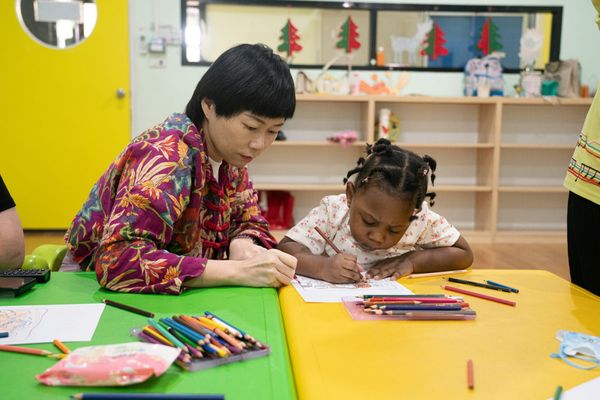
Coloring becomes creativity-building when children choose unusual colors, invent stories about characters, add their own drawings, or create backgrounds. This transforms a potentially passive activity into genuine creative exploration.
Printable resources work well because many children feel safer expressing creativity through guided starting points before moving into independent work. Our My Coloring Pages platform offers thousands of starting points that children can personalize rather than copy, turning coloring into a bridge toward more confident creative expression.
But even the best creative activities lose their power when parents cannot afford the necessary supplies.
Related Reading
- Do Schools Kill Creativity
- AI and Creativity
- Creativity Training
- How To Improve Your Creativity
- Examples Of Creativity
- Ai Creativity
Affordable Supplies for Creative Activities for Kids
The affordability gap determines whether creativity becomes a daily habit or an occasional luxury. When families must decide whether they can afford another coloring book or set of markers, creative expression gets rationed. According to Intel Market Research, the global Kids Arts and Crafts market was valued at USD 826 million in 2024, reflecting both demand and the ongoing cost burden families face. The challenge is to identify materials that remain affordable for repeated use while sparking genuine creative engagement.
"The global Kids Arts and Crafts market was valued at USD 826 million in 2024, reflecting significant demand but also the ongoing cost burden families navigate." — Intel Market Research, 2024
💡 Tip: Look for multi-use supplies like basic art materials that work across dozens of projects rather than single-use craft kits that quickly drain your budget.
🔑 Takeaway: The $826 million market size shows families want to invest in creative activities, but the key is finding cost-effective solutions that provide lasting value rather than temporary entertainment.
Crayons and Chunky Drawing Tools
Crayons offer excellent value by combining durability with psychological safety. Children experiment more freely with crayons than markers or paints because mistakes feel reversible and the medium is forgiving. Chunky crayons help preschoolers develop grip strength and hand coordination without frustration from slipping or breaking tools. The confidence built with simple drawing implements transfers to more complex creative tasks later.
Washable Markers and Paints
Washable supplies remove the worry that stops kids from trying new things. When children know their creative choices won't cause permanent damage, they explore color combinations and techniques they'd otherwise avoid. Families often hesitate to provide frequent creative opportunities because the mess feels costly in cleanup time and potential damage. Washable paints and markers make cleanup predictable and damage impossible, enabling daily creative sessions instead of reserving them for special occasions.
Printable Coloring Resources
Printable resources reduce family spending by allowing families to print activities repeatedly instead of buying new books each time a child finishes one. A single coloring page can be printed multiple times, letting children try different color choices without pressure to "get it right" the first time. Our My Coloring Pages collection provides thousands of customizable pages that parents can print again and again, transforming coloring from a single-use activity into a reusable creative resource.
Construction Paper and Recycled Materials
Construction paper costs little and enables dozens of projects, from collages to folded crafts to storytelling scenes. Its versatility matters because families need supplies that work with whatever creative direction their children pursue, rather than materials limited to one purpose. Recycled household items like cardboard boxes, toilet paper rolls, and egg cartons cost nothing while helping kids develop problem-solving skills: children must imagine how ordinary objects become creative materials. This constrained creativity builds resourcefulness that extends far beyond art projects.
Glue Sticks, Play-Dough, and Assembly Materials
Glue sticks eliminate mess, making frequent creative sessions sustainable at home. Play-dough supports three-dimensional creativity and sensory exploration affordably, particularly when families make their own dough as part of the activity. Child-safe scissors, craft sticks, and pipe cleaners enable construction projects that develop spatial reasoning and engineering thinking. These assembly-focused supplies shift creativity from two-dimensional representation toward building and problem-solving, expanding the range of creative thinking children practice without requiring specialized or expensive materials.
Knowing which supplies to buy solves only half the problem; the other half is knowing what children should do with them.
10 Activities for Encouraging Creativity in Kids
Activities turn creativity theory into a practical application. While art supplies and unstructured time matter, children often default to familiar patterns without specific prompts. The activities below trigger divergent thinking, emotional expression, or problem-solving using minimal materials and no specialized training.

🎯 Key Point: The most effective creativity activities provide just enough structure to spark new thinking patterns while leaving room for personal expression and exploration.
"Children who engage in structured creative activities show 40% more original thinking compared to those with only free play time." — Journal of Creative Behavior, 2023

💡 Tip: Start with activities that build on your child's existing interests, then gradually introduce unfamiliar materials or challenges to expand their creative comfort zone.
1. Story Creation Games
Storytelling activities push children into imaginative territory through open-ended prompts like "What if animals could talk?" or "What if you discovered a secret door?" The power lies in continuation, not completion. When children invent what happens next without predetermined answers, they practice flexible thinking and emotional expression simultaneously.
Research shows storytelling strengthens divergent thinking because children generate original ideas instead of memorizing correct responses. The activity works across age ranges: younger children speak stories aloud while older ones write or illustrate them. Either way, the cognitive demand remains constant—create something that didn't exist before.
2. DIY Arts and Crafts
Arts and crafts serve as creativity exercises when children transform ordinary materials into imaginative creations. Simple activities include paper collages, cardboard constructions, mask-making, puppet crafts, and recycled-material projects. The value lies in the experimentation process itself, not in how polished the finished product appears.
Children learn to see potential in discarded materials: an empty cereal box becomes a robot's body, bottle caps turn into wheels, fabric scraps become costumes. This transformational thinking builds problem-solving confidence by turning constraints into creative opportunities through unexpected combinations. Creativity isn't about having perfect supplies; it's about seeing possibilities others miss.
3. Coloring and Creative Drawing
Coloring becomes creative when children invent characters, create backgrounds, mix unusual colors, or continue unfinished drawings. This requires decision-making: choosing colors, inventing details, and extending partial images, all of which practice visual problem-solving and personal expression.
Platforms like My Coloring Pages guide children through themed activities while preserving creative autonomy. Children decide how a dragon should look or what colors a fantasy landscape contains, transforming coloring from recreation into creative practice.
4. Pretend Play and Role-Playing
Pretend play is one of the strongest activities for building creativity because it requires sustained imagination and emotional flexibility. Children role-playing doctors, chefs, astronauts, teachers, superheroes, or shopkeepers must think from another perspective, invent dialogue, and solve problems within imagined scenarios.
Research in child development shows that pretend play improves imagination, emotional understanding, communication, and flexible thinking. The activity costs nothing and requires only household items repurposed as props: a cardboard box becomes a spaceship, a wooden spoon becomes a magic wand. The cognitive work happens when children maintain the imagined reality despite contradictory evidence from the physical world.
5. Music and Dance Sessions
Music-based creativity activities help children express emotions and experiment without fear of visible mistakes. Ideas include inventing songs, dance challenges, homemade instruments, and musical storytelling. Music engages different neural pathways than visual or verbal creativity, expanding the range of creative thinking children practice.
Creative movement activities improve confidence, coordination, and emotional expression. When children invent a dance to match a feeling or create a rhythm using kitchen pots, they practice translating internal experiences into external forms, a skill that transfers to writing, visual art, and other creative domains.
6. Building and Construction Challenges
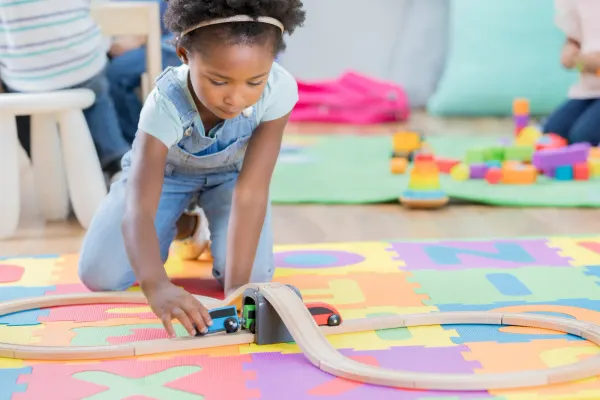
Activities using blocks, LEGO, magnetic tiles, cardboard, or recycled materials help children think creatively and solve spatial problems. Frame activities as challenges with prompts like "Can you build the tallest tower?" or "Can you create a bridge for toy cars?" These constraints encourage creative problem-solving while developing imagination and logical thinking.
Children must visualize solutions, test them physically, observe failures, and iterate toward success—a process mirroring professional engineering and design thinking. This teaches that creativity involves systematic experimentation, not artistic expression alone. Adults should resist demonstrating solutions and instead ask guiding questions that support discovery.
7. Nature-Based Creativity Activities
Outdoor creativity activities encourage curiosity and exploration because natural environments provide unpredictable textures, colors, and materials. Examples include leaf art, rock painting, stick structures, scavenger hunts, and nature storytelling. Nature offers infinite variation: no two leaves are identical, no two rocks have the same shape.
This variability forces children to adapt creative plans to available materials rather than expecting materials to match predetermined visions. A child building a fairy house must work with the sticks and stones present, not idealized versions. This constraint-based creativity builds flexibility and resourcefulness, teaching children to see limitations as creative parameters rather than obstacles.
8. Puppet Shows and Mini Theaters
Kids create puppets, costumes, and characters from simple materials like socks, paper bags, or cardboard, then perform short stories. The activity combines storytelling, artistic design, communication, and imaginative thinking. Each element requires creative decisions: What does the character look like? How does it move? What does it say? How does the story unfold?
Performance for an audience, even family members, transforms casual play into purposeful creation. Kids must commit to choices, maintain character consistency, and deliver a coherent narrative. This strengthens creative confidence as they discover their invented ideas can entertain and engage real people.
9. Invent-a-Game Challenges
Ask children to invent their own board games, playground games, card games, or obstacle courses. This activity encourages rule creation, experimentation, and independent thinking, shifting them from consumers to creators and from rule followers to rule makers.
The activity teaches that creativity requires both structure and logic. A game needs rules clear enough for others to understand, yet interesting enough to stay engaging. Children learn to balance freedom and constraint, testing whether their invented rules produce fun or frustration. This iterative design thinking applies to the creation of businesses, technologies, and social systems.
10. Creative Cooking Activities
Cooking becomes creative when children decorate food, invent recipes, design shapes, or choose ingredients: funny-face sandwiches, fruit art, colorful cupcakes, or homemade pizza designs. The activity combines imagination, sensory learning, and problem-solving with immediate, edible results.
Creative cooking teaches that creativity yields tangible results. A child who adds too much salt learns about balance; one who arranges fruit into a face learns about visual composition. These lessons stick because they're experienced through multiple senses simultaneously.
Download 75,890+ free coloring pages for improving creativity
The problem isn't a lack of creative inspiration—most of us consume it constantly through videos, tutorials, and social media. The problem is that inspiration without practice produces nothing. Creative thinking strengthens through repetition, not observation.
💡 Tip: Transform passive creative consumption into active practice sessions for measurable skill development.
Most people treat creativity like something to admire rather than something to train. They scroll through beautiful designs and bookmark interesting projects, but rarely practice the cognitive work of making original decisions. What looks like creative engagement is often just passive entertainment.
"Creative thinking strengthens through repetition, not observation. Active decision-making builds neural pathways that generate original thinking."
Structured practice tools become essential. After any creative activity or tutorial, use a themed worksheet from My Coloring Pages instead of passive scrolling. Our platform offers over 75,890 free printable pages that function as creativity training exercises. Each page presents visual prompts requiring active decision-making about color relationships, pattern extensions, and compositional balance. Download pages instantly at mycoloringpages.ai and start practicing within seconds.
Creative Challenge Type | Example Question | Skill Developed |
|---|---|---|
Scene Redesign | "Can I redesign this scene completely differently?" | Visual Innovation |
Narrative Creation | "Can I create a backstory that changes my color approach?" | Conceptual Thinking |
Expectation Breaking | "Can I turn this expected image into something unexpected?" | Original Problem-Solving |
Transform each worksheet into deliberate practice by adding one creativity challenge: "Can I redesign this scene completely differently?" or "Can I create a backstory that changes how I approach the colors?" or "Can I turn this expected image into something unexpected?" These questions shift your brain from following instructions to generating original interpretations.
🔑 Takeaway: Small daily practice sessions with structured creative exercises build stronger innovation skills than consuming endless inspiration content.

That small shift converts creativity from something you appreciate into something you actively build every day. Each decision about an unexpected color choice or invented pattern detail strengthens the neural pathways that generate original thinking. Over time, these exercises make creative problem-solving feel natural in every area of your life.
Related Reading
- Is Creativity A Skill
- Creativity Toys For Toddlers
- AI vs. Human Creativity
- Human Creativity
- Types Of Creativity