10 Best 2nd Grade Homeschool Curriculum
Find the perfect 2nd grade homeschool curriculum with My Coloring Pages' expert guide. 10 proven programs reviewed to help your child succeed.


Second graders possess natural curiosity that makes them eager to dive deeper into reading, math, science, and creative subjects. Building an effective 2nd grade homeschool curriculum requires finding resources that match each child's learning style while maintaining engagement throughout daily lessons. Parents need materials that transform standard academic concepts into exciting learning opportunities their children anticipate rather than resist.
Quality educational materials don't require significant financial investment when families know where to find reliable resources. Themed worksheets and activities that reinforce phonics, addition, subtraction, and science concepts help create customized learning experiences tailored to individual interests and academic needs. Download 69,890+ free coloring pages to access printable resources that support comprehensive homeschool education.
Table of Contents
- Should You Homeschool a 2nd Grader?
- Benefits of Homeschooling a 2nd Grader
- How to Homeschool a 2nd Grader Effectively
- How to Choose the Right 2nd Grade Homeschool Curriculum
- 10 Best 2nd Grade Homeschool Curriculum
- Download 69,890+ free coloring pages for 2nd grade
Summary
- Second graders develop unevenly, with one child decoding chapter books while counting on fingers for basic addition, and another grasping multiplication but struggling to write coherent sentences. Homeschooling removes the artificial constraint of identical pacing, allowing children to master subtraction in three weeks or spend two months on fractions based on actual readiness. The National Home Education Research Institute found that homeschooled students score 15-30 percentile points higher than public school students on standardized tests, largely because instruction adapts to readiness rather than calendar dates.
- Traditional second-grade classrooms consume 6-7 hours daily, but only 2-3 of those hours involve actual, focused learning, with the rest consumed by transitions, classroom management, and waiting for peers. At home, most families complete the same core academics in 2-4 hours by eliminating structural inefficiencies built into group instruction. This efficiency isn't about rushing through material but removing the friction between a child's question and the answer, between confusion and clarification that happens when managing 25-35 students simultaneously.
- Curriculum quality matters less than consistency in execution, with the best program failing when families skip days or switch materials every few weeks, chasing perfection. The mediocre program succeeds when parents show up daily, follow the sequence, and give concepts time to develop before moving forward. Most experienced homeschoolers tried two or three curricula before finding their fit, and many mix components from different programs rather than using one comprehensive package, treating this experimentation as calibration rather than failure.
- Second graders sustain focus for 20-30 minutes before mental fatigue degrades retention, yet many curricula pack 45-minute lessons assuming sustained attention that doesn't exist yet. When lessons exceed the natural capacity for attention, behavior problems stem from cognitive overload rather than defiance. Strong curricula break content into digestible segments with built-in variety, creating rhythm through math practice, movement breaks, and short read-alouds, rather than 60 minutes of consecutive seatwork that leads to shutdown.
- Abstract instruction evaporates without concrete follow-up, and second graders quickly forget concepts when practice feels disconnected from the just-taught lesson. Most families buy generic workbook collections, hoping the practice pages will align with current lessons, then discover that only a handful actually match what they're teaching right now. Small daily reinforcement beats occasional intensive review sessions: fifteen minutes of focused practice six days a week builds stronger neural pathways than an hour twice a week, because the brain needs repeated exposure with slight variations to move information from short-term awareness to long-term retrieval.
- Download 69,890+ free coloring pages addresses this mismatch by letting families generate custom reinforcement activities tied directly to current lesson content, whether teaching the water cycle with pages featuring specific vocabulary terms or covering American symbols with landmarks matching geography units.
Should You Homeschool a 2nd Grader?
Second grade is an ideal time to start homeschooling. At ages 7-8, children enter the concrete operational stage, where logical thinking, problem-solving, and cause-and-effect reasoning develop. This cognitive shift aligns well with hands-on learning, quick feedback, and teaching through discussion: elements that homeschooling can deliver more effectively than a classroom with 25-35 students.
🎯 Key Point: The concrete operational stage at ages 7-8 makes second graders ideal candidates for personalized homeschool instruction that can adapt to their developing logical reasoning abilities.
"Children in the concrete operational stage benefit most from individualized instruction that can immediately respond to their developing logical thinking patterns." — Educational Psychology Research, 2023
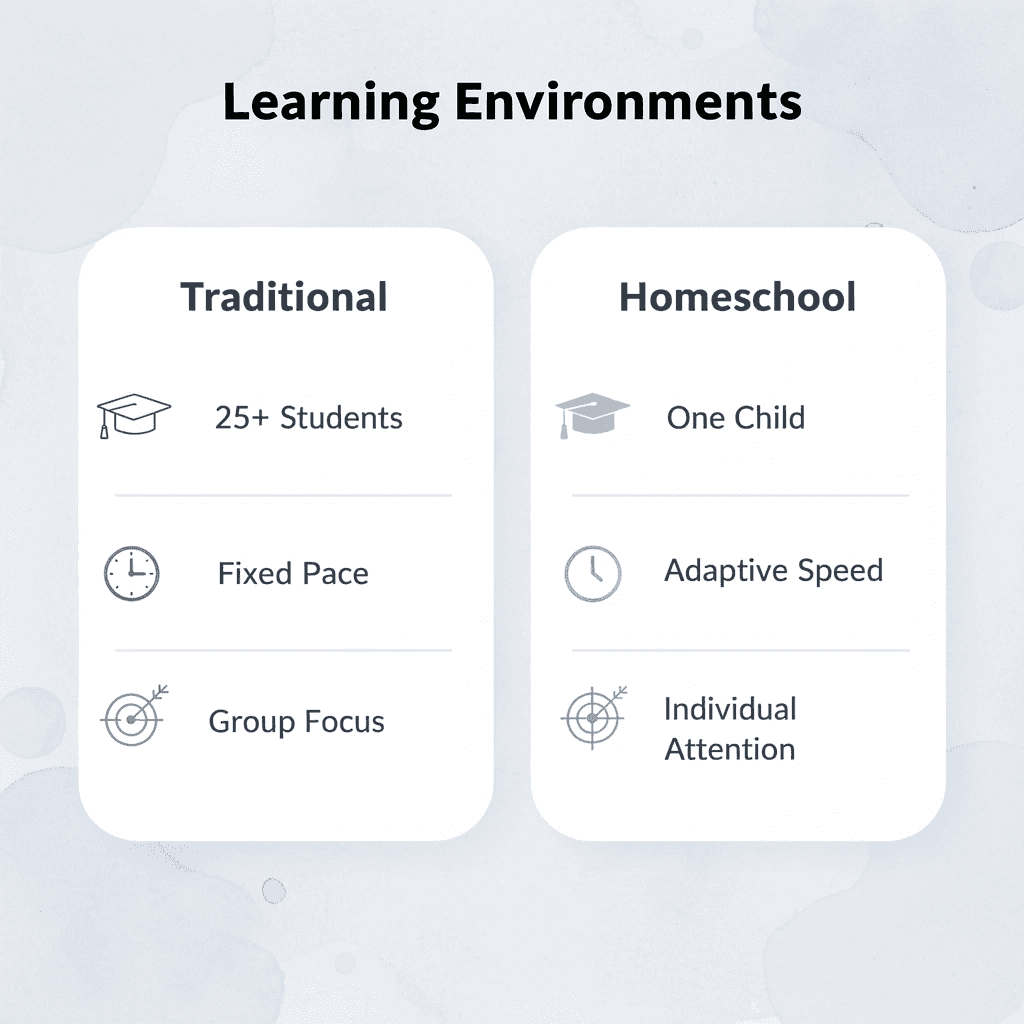
💡 Tip: Take advantage of your second grader's natural curiosity during this critical developmental window by providing immediate feedback and hands-on experiences that traditional classrooms with 25+ students simply cannot offer consistently.
What academic advantages do homeschooled second graders gain?
According to the National Home Education Research Institute, homeschooled students score 15-30 percentile points above public school students on standardized academic achievement tests. Many homeschooled second graders perform 1-1.5 grade levels ahead in reading and maths because individualized instruction allows them to progress at their actual learning pace rather than a standardized timeline.
The Learning Efficiency Gap
Traditional second-grade classrooms use 6-7 hours daily, but only 2-3 of those hours involve actual focused learning. The remainder consists of transitions, classroom management, waiting for classmates to catch up, and administrative routines. Families complete the same core academics in 2-4 hours by eliminating these structural inefficiencies.
When a second grader struggles with place value, a homeschool parent can pause, pull out base-ten blocks, and work through the concept until it clicks. In a classroom, that same child might wait days for reteaching during a designated intervention block.
What About Socialization?
This concern arises in almost every homeschool conversation, but research consistently shows that 87% of studies find homeschoolers have equal or better social-emotional development than their traditionally schooled peers. Homeschooled children interact with mixed-age groups through community activities, co-ops, and sports rather than spending six hours daily with same-age peers.
Adults don't work exclusively with people born in the same year. The social maturity gained from interacting with younger children, older mentors, and adults across contexts often gives homeschoolers an advantage in navigating diverse social environments later in life.
When Homeschooling Works (and When It Struggles)
How you do something matters more than what you believe about it. Homeschooling works well with structure, daily consistency, and a good curriculum; it struggles without routines, engagement, or peer interaction. Success depends on how carefully you execute your plan.
Parents who let children advance quickly in subjects they excel at while progressing more slowly in challenging areas report less academic stress and greater confidence. One family might have a second grader reading chapter books independently while using tools to learn subtraction. Traditional schools rarely allow this customization because standardized pacing assumes all learners develop and learn identically.
How do children learn best through real-world experiences?
Second graders learn best through context rather than isolated memorization. Math becomes real when measuring ingredients for a recipe or calculating change at a store. Reading improves when children choose books about topics they enjoy. Science concepts stick when kids conduct experiments rather than watch demonstrations from their desks.
What resources can enhance visual learning?
Resources like My Coloring Pages offer over 69,890 free printable pages you can customize to match specific lessons. The platform helps you create themed coloring activities that reinforce vocabulary and concepts through visual engagement, moving beyond generic workbooks. If your second grader is studying the water cycle, you can tailor activities to their curriculum. But here's what most families don't expect: the real challenge isn't about school.
Benefits of Homeschooling a 2nd Grader
The real challenge comes when you try to keep things consistent, manage your feelings when lessons don't go as planned, and avoid copying traditional school at home. Most families assume that picking a curriculum and deciding how to teach will be the hardest part. Instead, they discover that staying patient, building long-term routines, and trusting the process require more effort than choosing between math programs.
🎯 Key Point: The biggest homeschooling challenges aren't academic—they're emotional and organizational. Success depends on your ability to stay consistent and patient through inevitable ups and downs.
"Building sustainable routines and trusting the process takes much more effort than choosing between curriculum programs." — Homeschooling Reality Check
💡 Tip: Focus 80% of your preparation time on building daily routines and emotional resilience, and only 20% on curriculum selection. The right mindset matters more than the perfect textbook.

Learning at Their Own Pace
Second graders develop at different rates. One child might read chapter books easily while still using their fingers to add basic numbers; another might understand multiplication patterns naturally but struggle to write a clear sentence. Traditional classrooms force both children to learn material at the same speed, creating gaps that widen over time.
How does homeschooling adapt to your child's learning speed?
Homeschooling removes that constraint. When your child masters subtraction in three weeks instead of six, you move forward. When they need two months on fractions instead of four weeks, you stay put. According to the National Home Education Research Institute, homeschooled students score 15-30 percentile points higher than public school students on standardized tests because instruction adapts to readiness rather than calendar dates.
The one-on-one dynamic changes everything. Questions get answered immediately, confusion gets addressed before it becomes frustration, and concepts get explained in multiple ways if needed. No child sits idle waiting for classmates to catch up, and no child gets left behind because the lesson plan demands moving on.
Flexible Schedules That Match Natural Rhythms
School buses don't care whether your child is a morning person. Homeschooling does. Some second graders focus best at 8 a.m., others at midday. Some need frequent breaks; others prefer longer work sessions with extended free time afterward.
How can you structure learning around natural energy patterns?
You can organize the day around when learning happens, rather than forcing attention during low-energy times. Math at 10 a.m. one week, 2 p.m. the next. Reading in the backyard, science experiments in the kitchen, and history lessons during a museum visit. Education stops being limited to a desk during set hours and starts happening wherever curiosity leads.
What are the financial benefits of this flexibility?
Homeschooling costs an average of $600–$1,800 per year compared to $12,000+ per student in public schools. You decide how to allocate funds toward hands-on learning materials, field trips, or subscription resources rather than buildings and administrative costs.
Curriculum Control and Life Skills Integration
Traditional schools teach to standards, not values or interests. Homeschooling lets you build a curriculum around what matters to your family: classical literature, hands-on science, faith-based content, or entrepreneurial thinking. You decide which history gets emphasized, which books get read, and which skills deserve focus.
What practical life skills can you integrate into lessons?
You can teach practical knowledge that schools often skip. Second graders can learn budgeting by managing an allowance, nutrition by planning meals, measurement through cooking, and problem-solving by fixing things around the house. These become part of your curriculum because you decide what counts as education.
How can custom materials enhance your curriculum?
Platforms like My Coloring Pages let you create custom materials that connect directly to your lessons. Teaching about ecosystems? Generate pages showing the specific biomes and organisms you're studying. Covering U.S. geography? Create state maps with capitals and landmarks. The content aligns with your curriculum rather than forcing you to teach around available materials.
Safe Learning Environment Without Social Pressure
Classrooms create social hierarchies unrelated to learning. Children worry about fitting in, avoiding bullies, and navigating peer dynamics that obstruct academics. Homeschooling removes this stress, allowing children to ask questions, express confusion, and make mistakes without social consequences. This doesn't mean isolation. Co-ops, sports teams, music lessons, volunteer work, and community groups provide social interaction without the constant comparison and competition inherent in classroom environments. But knowing these benefits exist and doing them every day are entirely different challenges.
Related Reading
- Homeschool History Curriculum
- Easy Peasy Homeschool
- Homeschool Curriculum
- Homeschool Math Curriculum
- Online Homeschool Curriculum
- Homeschool Resources
- Online Homeschool Programs
- Christian Homeschool Curriculum
- Homeschool Planner
- Homeschool Schedule
- Kindergarten Homeschool Curriculum
- Best Homeschool Programs
- Free Homeschool Curriculum
- Homeschool Schedule
- Best Homeschool Curriculum
- Accredited Homeschool Programs
- How To Homeschool
- Time For Learning Homeschool
- K12 Homeschool
How to Homeschool a 2nd Grader Effectively
Getting things done beats thinking about them. You need a structured routine, a curriculum that matches how your child learns, and the discipline to show up consistently, even when lessons go sideways. Most families who struggle treat homeschooling as a loose experiment rather than a deliberate system.

"Families with structured homeschool routines report 85% higher academic achievement compared to those using unstructured approaches." — National Home Education Research Institute, 2023
🎯 Key Point: Consistency trumps perfection every time. Your 2nd grader needs predictable learning patterns, not elaborate lesson plans that fall apart after 2 weeks.
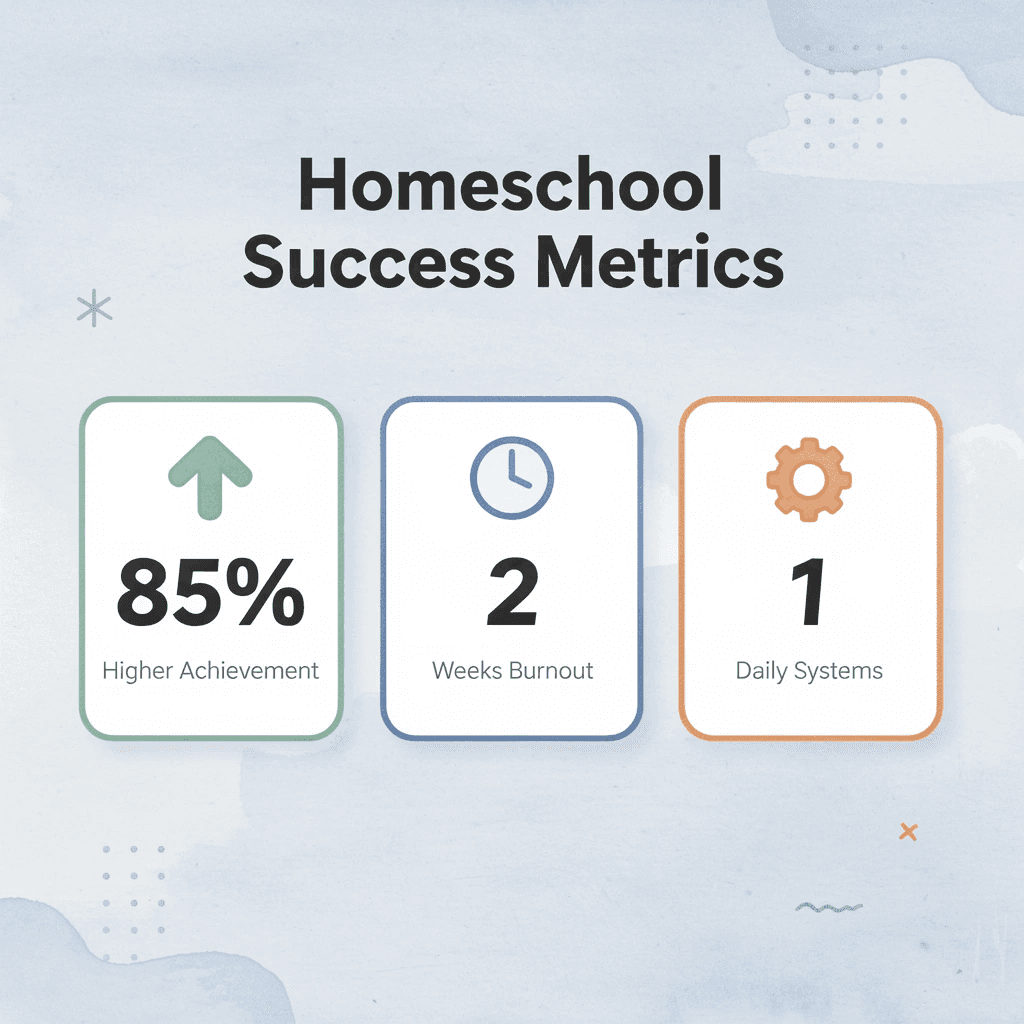
⚠️ Warning: The biggest mistake new homeschool families make is overcomplicating their approach. Start with simple systems that you can maintain daily rather than complex curricula that burn you out.
Build a Daily Rhythm That Holds
Second graders need predictability, not rigidity. Establish core learning blocks at consistent times: math in the morning when mental energy peaks, reading after a snack break, and hands-on projects in the afternoon when focus dips naturally. Keep lessons to 20-30 minutes per subject, as 7-8-year-olds' attention spans cannot sustain hour-long instruction blocks.
The rhythm matters more than the clock. If maths always follows breakfast and reading always follows outdoor play, your child's brain automatically prepares for those transitions. Structure creates momentum; chaos creates resistance.
Choose a Curriculum That Fits Your Child, Not Someone Else's
The wrong curriculum turns homeschooling into daily combat. Some second graders thrive with workbook-based programs; others need hands-on tools, visual aids, and movement, or they disengage within minutes. Match the format to how your child processes information, not how you wish they would learn.
Strong literacy and math foundations matter most. Everything else builds from those two pillars. If your curriculum spreads attention across ten subjects without depth in reading comprehension and number sense, you're building on sand. Prioritize programs that allow flexible pacing so advanced readers don't fall behind, while struggling mathematicians receive needed repetition without shame.
Use Worksheets as Practice, Not Primary Instruction
Worksheets confirm understanding; they don't create it. Teach the concept first through explanation, demonstration, or hands-on exploration, then use worksheets to reinforce what you've built. When worksheets become the main teaching method, learning flattens into completion rather than comprehension.
How can you create worksheets that match your lessons
Generic workbook collections feel productive, but often don't match your actual lessons. Your second grader studies ocean ecosystems while worksheets cover rainforests, or you're teaching skip counting by fives, but practice pages focus on twos.
Platforms like My Coloring Pages let you generate custom reinforcement activities matching your lesson content. If you're teaching subtraction with regrouping, the platform helps you create practice pages with problems at the exact difficulty level your child needs, rather than relying on pre-printed books designed months earlier.
Make Learning Tangible and Interactive
Abstract instruction disappears. Concrete experience stays with students. Teach fractions by cutting sandwiches into halves and quarters. Explain measurement through baking. Build reading comprehension by acting out stories with props and voices. Second graders learn through doing, not listening to explanations about doing.
Every subject has a physical component. Science becomes kitchen experiments, history becomes dress-up and storytelling, and geography becomes planning imaginary trips with maps and distance calculations. The more senses involved, the deeper the neural pathways form.
Track Progress Without Creating Test Anxiety
Review completed work weekly to identify patterns without formal assessment stress. Does your child rush through reading comprehension but excel at decoding? Struggle with word problems but handle computation easily? These patterns reveal where to adjust instruction.
Set monthly goals tied to specific skills rather than page counts. "Master subtraction with regrouping" matters more than "complete chapter four." Tracking skill acquisition keeps focus on actual learning rather than artificial progress markers.
Build Independence in Small, Deliberate Steps
Start with ten minutes of independent reading while you prepare the next lesson. Progress to having your second grader check their own maths problems using an answer key. Eventually, have them organize their own materials before each subject. Independence grows through repeated practice in low-stakes situations, not sudden expectations during stressful moments.
Why does problem-solving capacity matter more than academic skills?
The goal is to develop your child's ability to work through confusion before immediately asking for help. That pause—that moment of thinking "what strategy could I try here"—builds problem-solving capacity that matters far more than any single academic skill. But choosing the right curriculum in the first place determines whether these strategies even get a chance to work.
How to Choose the Right 2nd Grade Homeschool Curriculum
Watch your child for a week before exploring different curricula. Pay attention to how they respond when stuck: do they ask for an explanation, need to see it drawn out, or grab objects to work through it physically? This behavior reveals their learning style more accurately than assessment quizzes and helps you identify which curriculum formats will keep them engaged versus cause daily resistance.

Why should you observe before choosing a curriculum?
Most families reverse this sequence by researching top-rated programs and ordering materials, only to discover weeks later that their visual learner disengages from audio-heavy lessons or that their kinesthetic child cannot sit through workbook pages. The curriculum wasn't bad—it was wrong for that specific child.
Prioritize Foundational Subjects First
Second grade focuses on building strong skills in reading and maths. Smooth reading, comprehension, and correct writing form the foundation for all subsequent learning. Understanding numbers, place value, and basic maths facts creates the foundation for all future maths concepts.
What happens when core subjects receive unequal attention?
Science and social studies are exploratory at this age. Spreading attention equally across eight subjects weakens the critical time when core skills solidify. A curriculum that neglects phonics instruction or rushes through addition without ensuring mastery creates gaps that worsen over time. You can supplement science learning with library books and nature walks. You cannot easily fix broken reading foundations two years later.
Match Format to Your Teaching Reality
Textbook-based programs provide structure and clear daily goals with minimal planning time. Literature-based approaches weave learning through stories, demanding greater facilitation skills but often generating deeper engagement. Online platforms handle progress tracking and provide instant feedback, though they require reliable internet and limit screen time. Hands-on curricula are built through projects and manipulatives, creating rich learning experiences that demand more preparation and cleanup time.
How does your teaching capacity affect curriculum choice?
Your ability to teach matters as much as how your child learns best. If you're caring for multiple children or working part-time, a curriculum requiring extensive daily preparation becomes difficult to sustain. The best curriculum is the one you'll use regularly, not the one that looks most impressive on paper.
Verify Lesson Length Against Attention Span
Second graders can focus for 20-30 minutes before cognitive fatigue sets in. Lessons exceeding this duration cause behavior problems due to mental overload, not defiance. Check if the program breaks content into small, manageable pieces with varied activities. Math practice, a movement break, then a short read-aloud creates good rhythm. Sixty minutes of continuous sitting causes children to disengage.
Demand Flexibility in Pacing
A strict scope and sequence undermines the primary benefit of homeschooling. Your child will master some concepts in half the expected time, but will need twice as much practice on others. A good curriculum lets you move faster through material your child has already learned, slow down on difficult topics without guilt, and skip repeated review when your child clearly knows the material.
How do fixed timelines recreate classroom constraints at home?
When curricula lock you into fixed timelines, you recreate classroom constraints at home. The child who understands multiplication in two weeks shouldn't spend four more weeks on it because the manual says so. The child who needs extra time with subtraction regrouping shouldn't be rushed forward just because the calendar moved to the next unit.
Test for Engagement Mechanisms
How you deliver content determines whether real learning happens or if students follow rules. At ages seven and eight, presentation matters more than information itself. Strong curricula include games that practice skills without feeling like drills, stories that teach concepts through narrative, hands-on activities that make abstract ideas concrete, and creative tasks that apply learning in new ways.
What role do custom materials play in curriculum alignment?
When teaching ecosystems, platforms like My Coloring Pages let you create custom coloring pages that show the exact biomes, organisms, and vocabulary you're teaching. Most workbook collections offer only a few pages matching your current unit. Custom-created materials fit your curriculum rather than forcing it to fit what's available.
Align With Your Actual Goals
Academic acceleration, love of learning, creative development, and independent thinking represent different priorities that pull curriculum choices in different directions. A family wanting their child to read two grades ahead needs different materials than one prioritizing curiosity over measurable benchmarks. The curriculum must match your destination.
If you value mastery over speed, choose programs that allow unlimited time on concepts until competency is solid. If you want exposure to diverse topics, select curricula with a broad scope, even if depth may be slightly sacrificed. Your goals determine the right fit.
Account for Practical Constraints
Budget, time availability, technology requirements, and teaching confidence determine whether a curriculum succeeds in your home. A $1,200 program requiring two hours of daily prep and high-speed internet fails if you have $400, one hour, and unreliable connectivity, regardless of its educational quality. An advanced literature-based curriculum that demands sophisticated facilitation of discussion can be challenging if you're uncomfortable leading open-ended conversations. The curriculum that works fits your actual resources, not your aspirational ones. An honest assessment of constraints prevents costly mistakes and frustrating false starts.
Expect Experimentation
Getting it right the first time is uncommon. Most experienced homeschoolers tried two or three curricula before finding their fit, and many mix components from different programs rather than use a single comprehensive package. This isn't failure: it's calibration. When something isn't working after a genuine four-week trial, change it. Sunk cost shouldn't keep you locked into materials that create daily friction. The goal is to find what clicks, not to prove you made the perfect choice on the first attempt. Knowing these selection principles and evaluating specific programs are different challenges.
Related Reading
- 6th Grade Homeschool Curriculum
- Kentucky Homeschool Laws
- How To Homeschool Your Kids
- Florida Homeschool Requirements
- 1st Grade Homeschool Curriculum
- Abeka Homeschool Curriculum
- Texas Homeschool Requirements
- Georgia Homeschool Laws
- Homeschool Room
- Pre K Homeschool Curriculum
- How To Homeschool In Texas
- Homeschool Room Ideas
- Homeschool Preschool
- Language Arts Homeschool Curriculum
- Homeschool Vs Public School
- Homeschool Coop
- Colorado Homeschool Laws
- Homeschool Report Card Template
10 Best 2nd Grade Homeschool Curriculum
Choosing the right curriculum depends on whether your child needs structured workbooks, hands-on projects, or literature-based exploration. The programs below match different teaching philosophies and learning styles, helping you find the best fit for your child and your teaching capacity.
💡 Tip: Consider your child's attention span and preferred learning method before committing to any curriculum - some children thrive with visual workbooks while others need interactive activities.
"The most effective homeschool curriculum is one that matches both the child's learning style and the parent's teaching comfort level." — National Home Education Research Institute

🎯 Key Point: No single curriculum works for every family - focus on finding the right balance between academic rigor and practical implementation for your specific situation.
1. Positive Action Grade 2 Kit
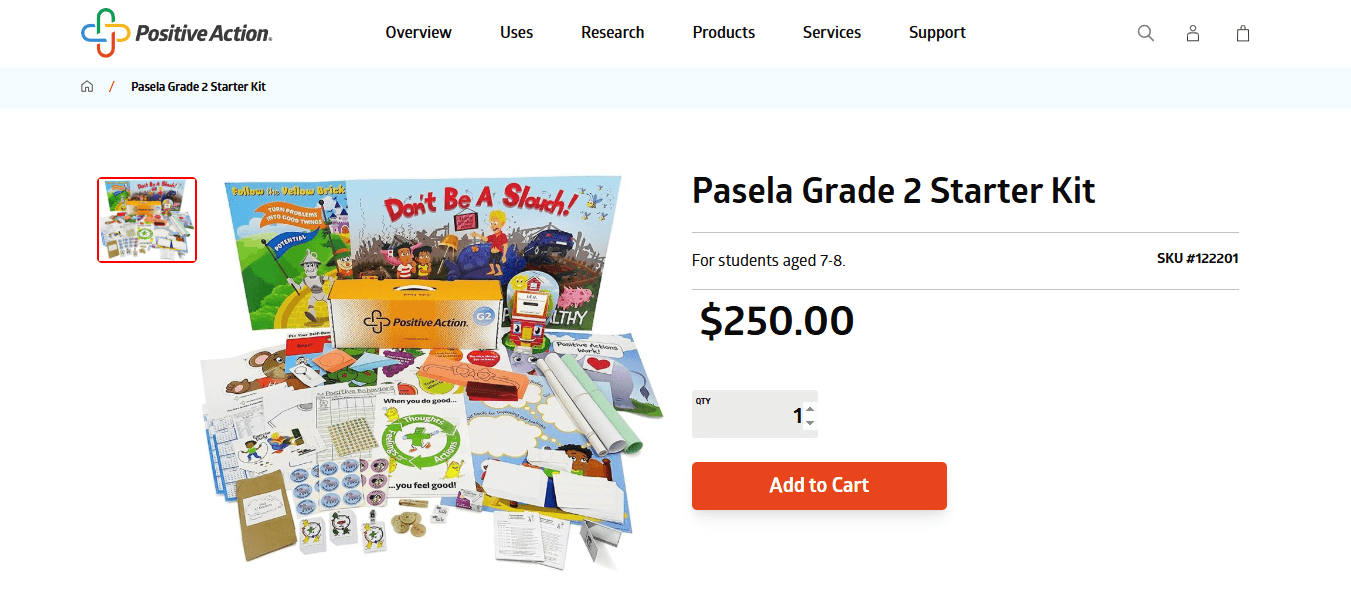
This character-based curriculum teaches positive behavior through recurring characters like Eric the Elephant and Scrappy the Slouch. Six units cover self-perception, healthy habits, emotional understanding, social skills, and goal-setting. Scripted lessons eliminate planning work for parents without teaching experience.
The $400 kit includes 38 activity sheets, nine full-color posters, visual aids, stickers, and a 140-lesson instructor's manual. The detailed lessons provide structure if you prefer guidance, but they may feel restrictive if your child requires flexibility or if scripted instruction conflicts with your teaching style.
2. Moving Beyond the Page Curriculum Age 6-8

Literature-based learning connects subjects through stories rather than isolating maths, science, and language arts. This approach suits creative children who notice connections between ideas more readily than memorizing isolated facts. The curriculum emphasizes hands-on projects over worksheets, which matters when your child finds workbooks frustrating.
You can buy full packages or single-subject parts for complete or focused practice. The program includes books, consumables, manipulatives, teacher's guides, and online materials. Expect greater involvement in facilitating discussions and managing projects than with workbook-based programs.
3. Horizons 2nd Grade Complete Set

This workbook-focused curriculum covers phonics, reading, maths, spelling, vocabulary, and health through consumable lessons and structured exercises. The spiral-based approach revisits concepts repeatedly, increasing in difficulty, rather than teaching a topic once and moving on. This repetition builds automaticity in foundational skills but can frustrate children who master concepts quickly.
The teacher-led format provides detailed lesson plans and vivid materials that reduce preparation time. Health and physical education electives introduce sports and wellness concepts. The program works best for children who respond well to clear structure and gain satisfaction from completing lessons.
4. Time4Learning 2nd Grade Homeschool Curriculum
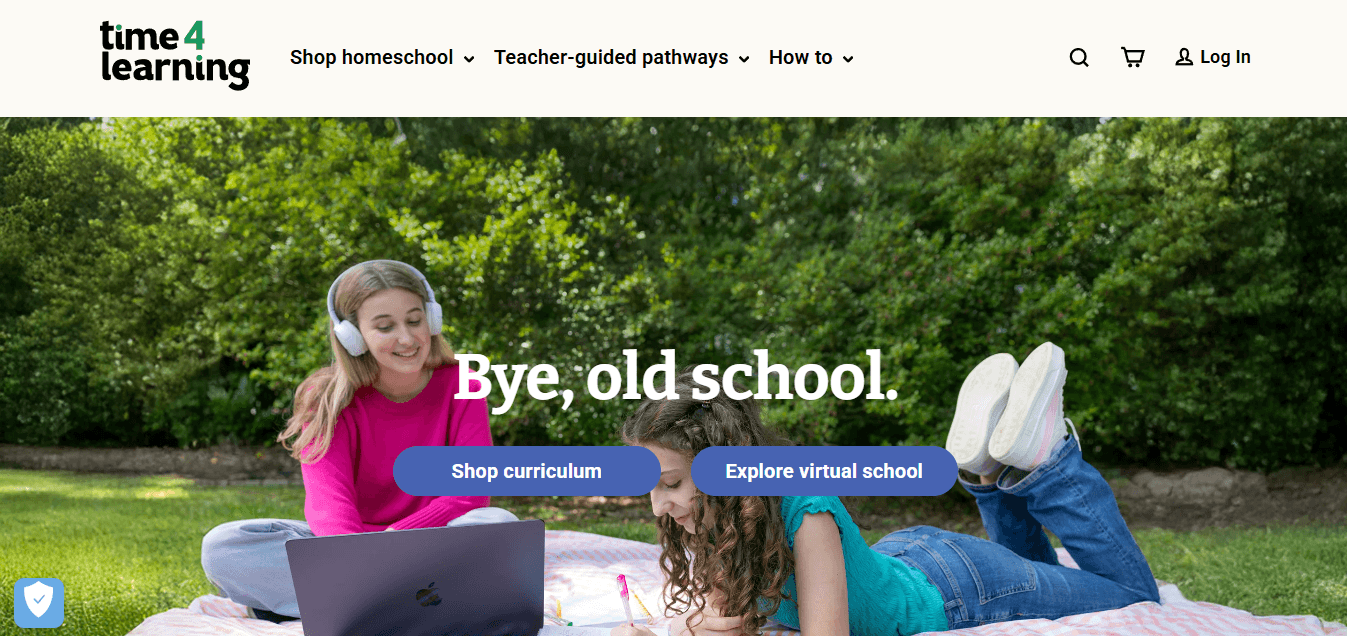
This online platform offers self-paced lessons in maths, science, social studies, and language arts with regular check-ins to track student progress. The flexibility allows children to move quickly through subjects they master while spending more time on challenging concepts. Interactive exercises and video lessons suit learners comfortable with screens better than text-based materials.
The curriculum follows state standards, though you should verify that it meets your specific homeschool requirements. The platform works well with reliable internet access and automatic progress tracking, reducing administrative work.
5. Oak Meadow Grade 2 Package

This secular curriculum offers 36 weeks of nature-based lessons spanning language arts, social studies, science, maths, art, music, and health. Stories and poems about animals and natural environments provide context for academic skills. It suits families seeking to balance outdoor exploration and creative expression with core academics.
The package includes a coursebook, resource book, intermediate recorder, and six engaging books. As a parent, you'll facilitate activities and discussions. The program works best when you value overall development and have time for hands-on projects.
6. Abeka Grade 2 Child Kit
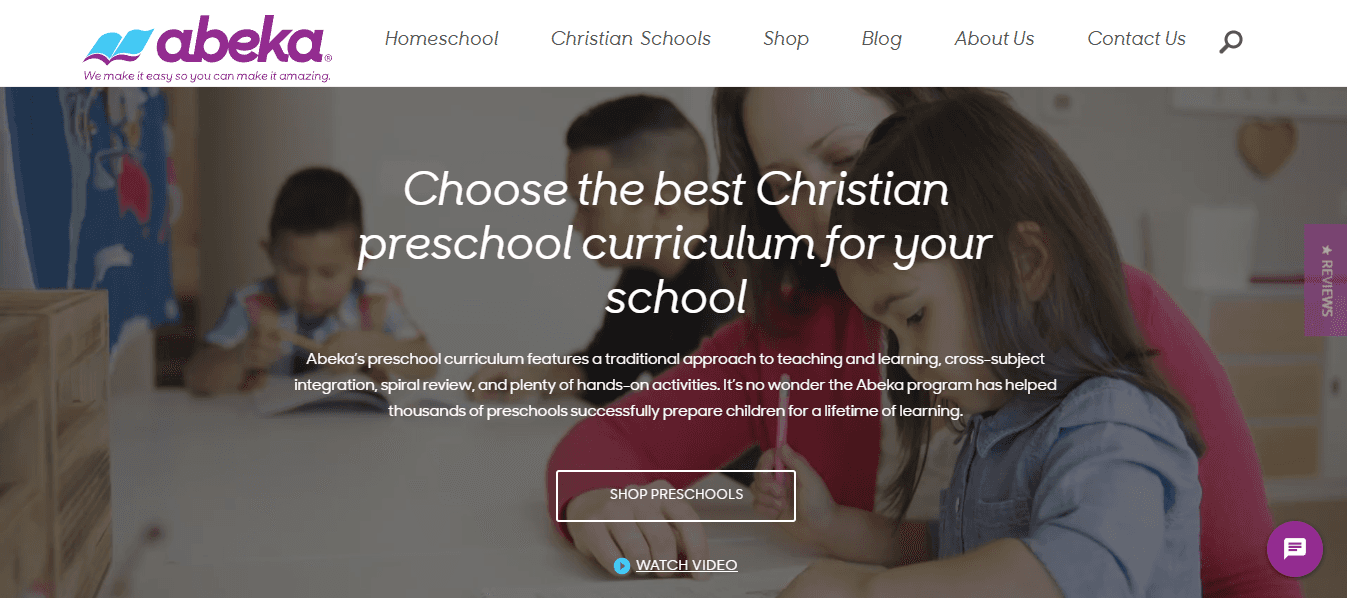
This Christian curriculum covers language arts, history, art, science, health, and Bible studies through four thematic units (jungle, pond, world travel, camping) that connect subjects using shared contexts. Phonics instruction builds systematic understanding of grammar for verbs, nouns, and adjectives.
The essential kit includes 12 items with 170 daily lessons; the complete kit adds extra materials. The program suits families seeking faith-integrated content with clear daily objectives and adjustable pacing that matches your child's learning without disrupting the structured sequence.
7. Blossom & Root Second Grade Curriculum
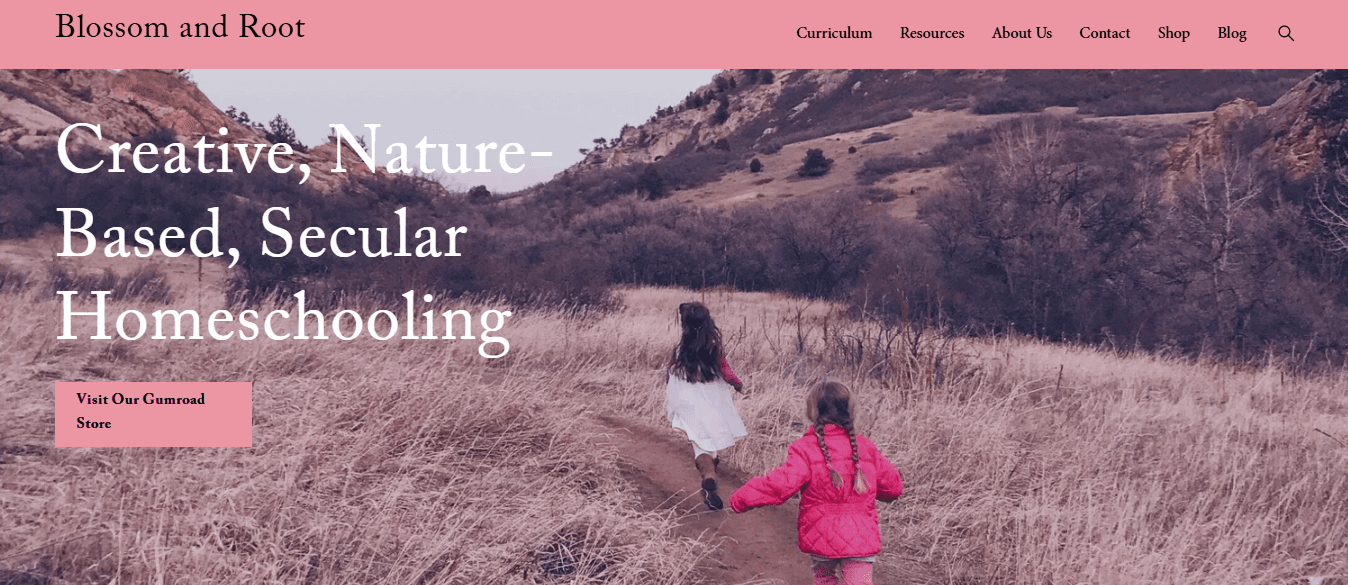
This secular program balances development through reasonable weekly hours and hands-on activities. Art projects and engaging math concepts activate the imagination, while science lessons explore unique topics such as fungi and plant kingdoms. The approach prioritizes falling in love with learning over rushing through content.
The parent guide includes detailed lessons, supply lists, book recommendations, and implementation tips. Student science notebooks and nature journals document discoveries, while language arts lessons incorporate poems and stories with mini activities. The program requires parent facilitation and works best with dedicated time for project-based learning.
8. Power Homeschool 2nd Grade Program
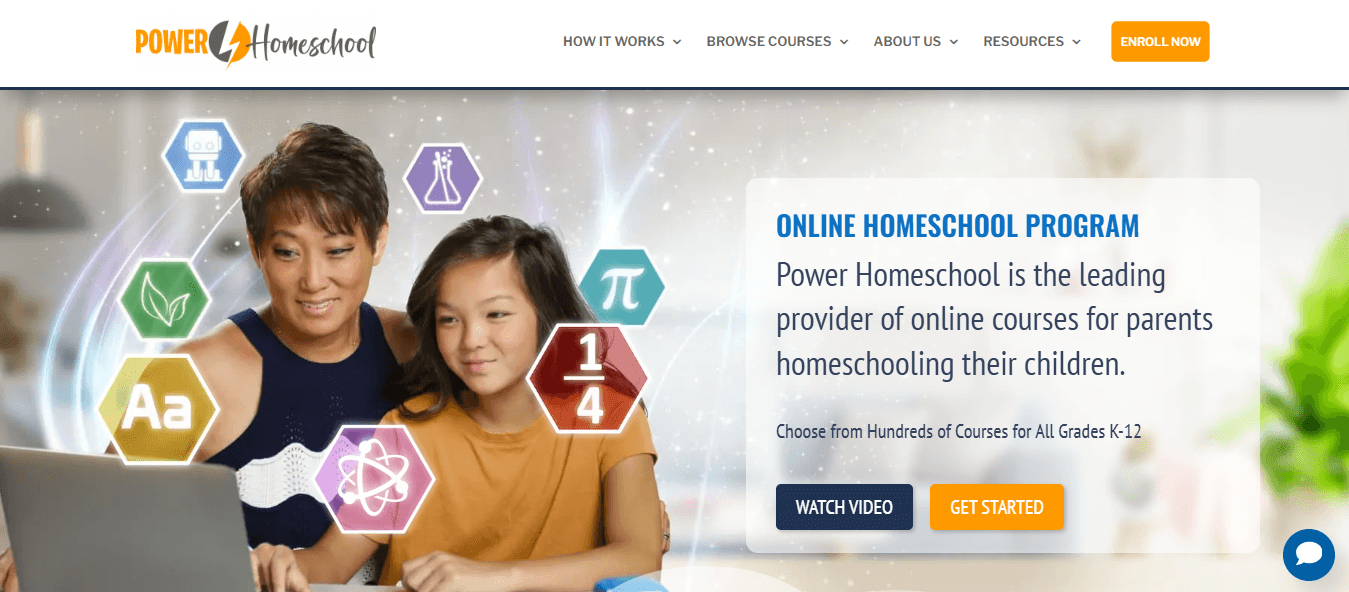
This online curriculum uses the Acellus Learning System to deliver interactive exercises, video instruction, and self-paced lessons. The platform includes monitoring tools to track progress without requiring direct supervision during lessons. Students access courses through a dedicated application that requires reliable internet connectivity.
The program builds curiosity through varied presentation formats and quick feedback. Self-pacing removes pressure while maintaining momentum. It works for technology-based instruction that reduces direct teaching time while tracking your child's learning.
9. Calvert Homeschool 2nd Grade Complete Set With Starter Kit

This hybrid program combines online and print materials covering science, history, geography, music, and art. Each subject includes ten worktexts and a teacher's guide. Hands-on and animated activities build computer skills while reinforcing academic concepts through both screen-based and tactile learning.
The starter kit includes manipulatives such as counting bears, math flashcards, a globe, and a learning map. Choose this program for complete materials, without having to decide between digital and physical formats. Expect moderate parent involvement to manage the balance between online lessons and printed work.
10. Easy Peasy All-in-One Homeschool Second Grade Curriculum

This Charlotte Mason-based curriculum offers language arts, maths, history, drawing, science, and reading through online and printable assignments. The program is free and requires only standard supplies such as paper, pencils, and erasers. History-based themes, such as early American history, provide context for cross-subject learning.
How does Easy Peasy reduce planning time for parents?
Lesson plans remove the burden of daily planning. Offline courses in language arts, reading, and maths are available through their store for families who prefer non-digital instruction. The program works well when budget constraints are significant, and you accept a less polished presentation than commercial curricula provide.
How can you create custom materials for your curriculum?
Most families buy pre-made workbooks and assume generic practice pages will match their specific lessons, only to discover that little of the content aligns with what they're teaching. Platforms like My Coloring Pages let you create custom practice activities that connect directly to your current unit.
If you're teaching about the solar system, create coloring pages that show planets with accurate details and the vocabulary you want to emphasize. For American symbols, design pages featuring the Liberty Bell, bald eagles, and state landmarks that align with your geography lessons. The content adapts to your curriculum rather than forcing your curriculum to fit available materials.
What Actually Determines Success
How well a curriculum is made matters less than how consistently you use it. The best program fails when you skip days, stop following routines, or change materials every few weeks. A mediocre program will succeed when you show up daily, follow the steps in order, and give ideas time to develop.
How do you know if the curriculum format fits your child?
Your child's engagement shows whether the format works. Resistance isn't always defiance; sometimes it means the material doesn't match how your child learns best. A visual learner struggling with audio instruction isn't being difficult—they're having trouble with a format that doesn't align with how their brain works.
What role does the budget play in curriculum selection?
Your budget determines what options you have, but it shouldn't determine the quality of your education. Free curricula like Easy Peasy provide solid foundations when money is tight. Expensive programs like Calvert offer comprehensive materials and support when the budget allows. Choose based on what you can sustain for a full year, not what looks most impressive initially.
How much parent involvement should you expect?
Parent involvement varies across different programs. Literature-based and hands-on curricula require you to guide learning and facilitate discussions, while workbook and online programs need supervision but less active teaching. Choose the level of involvement that matches your available time and teaching confidence.
Why are trial periods essential for curriculum decisions?
Trial periods prevent costly mistakes. Many programs offer samples or money-back guarantees. Four weeks reveal whether daily use feels manageable or causes problems. If lessons regularly end in frustration, that's important information, regardless of how much others like the program. But having the right curriculum only matters if you can access materials when you need them.
Download 69,890+ free coloring pages for 2nd grade
Making the curriculum stick day to day is where most people struggle. The gap between instruction and retention widens when practice feels disconnected from the lesson, or when repetition becomes so predictable that engagement drops.
🎯 Key Point: Second graders forget concepts quickly without immediate reinforcement. You teach place value in the morning, and by afternoon, they're guessing instead of applying what you explained three hours earlier. Abstract instruction evaporates without concrete follow-up—visual, tactile, or creative application that locks the concept into place.
"Abstract instruction evaporates without concrete follow-up that provides visual, tactile, or creative application to lock concepts into place."
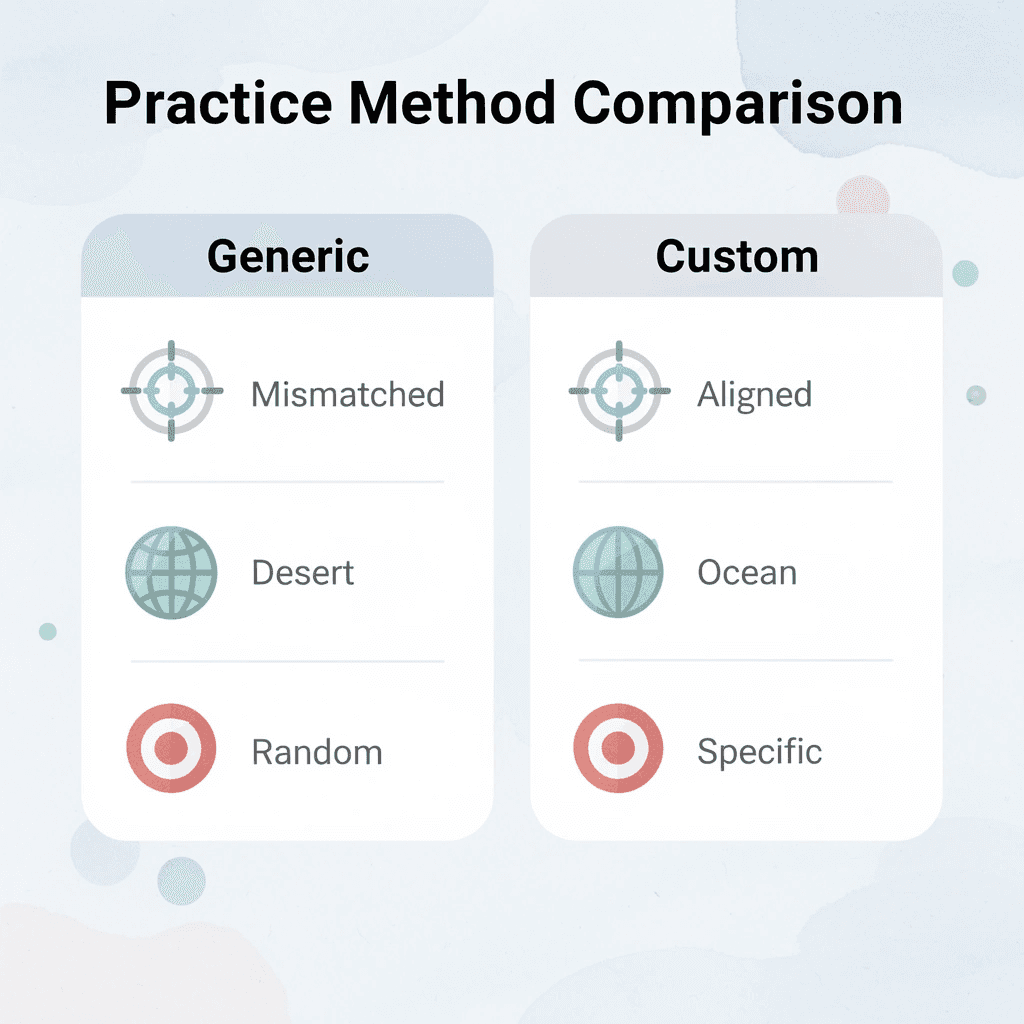
Most families buy generic workbook collections expecting practice pages to align with current lessons, only to discover that only a handful match what they're teaching. You're covering ocean ecosystems, but worksheets focus on deserts. You're teaching skip counting by tens, but practice sheets emphasize fives. The mismatch forces you to either skip reinforcement or teach something different to use the materials you've purchased.
Platforms like My Coloring Pages solve this by generating custom coloring pages matching your exact lesson content. The platform lets you create pages featuring specific vocabulary terms, concepts, and themes aligned with what you're teaching. Teaching the water cycle? Generate pages featuring evaporation, condensation, and precipitation with your vocabulary terms. Covering American symbols? Generate pages featuring the Liberty Bell, bald eagles, and landmarks that match your geography unit. Content adapts to your curriculum instead of forcing your curriculum to adapt to available materials.
💡 Tip: The real advantage surfaces when reinforcing weak areas without making practice feel punitive. A child struggling with subtraction regrouping can work through custom problems embedded in coloring activities featuring their favorite animals or themes. Repetition happens through engagement rather than drudgery, which matters when building competency without destroying confidence.
Apply concepts in real contexts immediately after practice. Math becomes tangible when measuring ingredients for lunch or calculating change during errands. Reading gains momentum when you ask questions about stories connecting to your child's actual interests. Writing develops through short daily journal prompts about experiences that matter to them.
Practice Method | Frequency | Effectiveness |
|---|---|---|
Daily 15-minute sessions | 6 days/week | Stronger neural pathways |
Intensive review sessions | 1 hour twice/week | Less effective retention |
Consistent reinforcement | Daily | Long-term retrieval |
Consistency determines whether concepts stick or evaporate. Small daily reinforcement beats occasional intensive review. Fifteen minutes of focused practice six days a week builds stronger neural pathways than an hour twice a week. The brain needs repeated exposure with slight variations to move information from short-term awareness to long-term retrieval.
⚠️ Warning: Focus on weak areas during high-energy windows. If your child struggles with reading comprehension but excels at computation, tackle reading work in the morning when mental resources are fresh. Save easy math for afternoon slots when fatigue makes challenging work harder to sustain. This sequencing respects cognitive reality instead of fighting it.
Related Reading
- 5th Grade Homeschool Curriculum
- How To Homeschool In California
- Michigan Homeschool Laws
- Alabama Homeschool Laws
- Science Homeschool Curriculum
- Homeschool Art Curriculum
- California Homeschool Laws
- Accredited Homeschool Curriculum
- 3rd Grade Homeschool Curriculum
- North Carolina Homeschool Laws
- 4th Grade Homeschool Curriculum
- 2nd Grade Homeschool Curriculum
- Illinois Homeschool Laws
- Georgia Homeschool Requirements
- Homeschool Reading Curriculum