
Alabama Homeschool Laws Detailed Guide
Alabama homeschool laws explained: requirements, regulations, and compliance steps. My Coloring Pages provides the complete legal guide parents need.


Alabama homeschool laws offer three main pathways: church school, private tutor, and cover school options. Each structure has specific requirements for attendance records, curriculum standards, and teacher qualifications that families must follow to remain compliant. Understanding these legal frameworks helps parents choose the approach that best fits their educational goals and family situation.
Successful homeschooling requires both legal compliance and engaging educational materials that bring lessons to life. Quality resources support learning across subjects from state history to science concepts while keeping children motivated and involved in their education. Parents looking to enhance their curriculum can download 69,890+ free coloring pages that complement lesson plans and provide hands-on learning tools.
Table of Contents
- Is Homeschooling Legal in Alabama?
- Alabama Homeschool Laws
- How to Homeschool Legally in Alabama
- How to Choose the Right Homeschool Program in Alabama
- 10 Best Homeschool Programs in Alabama
- Download 69,890+ free coloring pages for homeschooling in Alabama
Summary
- Alabama gives homeschool families complete curriculum freedom and requires no standardized testing, subject approval, or home visits from education officials. The state's regulatory approach focuses only on whether children receive instruction, not how parents deliver it. This minimal oversight explains why Alabama earned a B+ grade for education freedom from the American Legislative Exchange Council and ranks among the top 10 states for homeschooling enrollment.
- Roughly 80% of Alabama homeschoolers choose the church school pathway because it eliminates the need for teaching certification and minimizes paperwork. Families enroll through an umbrella organization that handles state reporting while parents teach independently at home using whatever methods and materials they choose. Annual fees typically range from $25 to $200, making this the most accessible option for families without teaching credentials.
- Legal compliance in Alabama centers on documentation rather than performance metrics, with students required to receive instruction for the same number of days as public school students (typically 180 days annually). Parents must maintain attendance logs showing instruction occurred consistently, but the state mandates no portfolio reviews, work samples, or academic assessments. This creates a documentation challenge for families using verbal lessons or digital programs that leave no physical trace of daily learning.
- A 2024 survey by the National Home Education Research Institute found that 43% of homeschool families now use online programs specifically to reduce teaching stress. Many parents underestimate the daily energy required to teach multiple subjects across different grade levels, discovering that professional teacher support helps address the isolation that can arise when navigating math instruction or essay writing alone.
- Visual learners need diagrams, charts, and color-coded materials to process information effectively, yet most purchased curricula only partially match what parents teach on any given day. Families who start homeschooling with complete flexibility often struggle to maintain momentum without external structure, spending weekends searching for supplemental materials that align with current teaching units instead of following ready-made lesson plans.
- Completed work samples become essential documentation for church schools and umbrella organizations, asking parents to demonstrate that instruction occurred consistently throughout the year. My Coloring Pages addresses this by letting parents generate custom educational coloring pages instantly for any topic being taught, creating printable activities that reinforce lessons while producing tangible portfolio evidence without adding hours to weekly planning time.
Is Homeschooling Legal in Alabama?
Yes, homeschooling is completely legal in Alabama. You don't need state approval, a teaching certificate, or special permission to teach your children at home. The state recognizes home education as a valid alternative to traditional schooling, and Alabama ranks among the top 10 states for homeschooling according to recent enrollment data.
🎯 Key Point: Alabama's homeschool-friendly laws make it one of the easiest states to begin home education without bureaucratic barriers.
"Alabama ranks among top 10 states for homeschooling according to recent enrollment data." — Montgomery Advertiser, 2025
🔑 Takeaway: The legal freedom to homeschool in Alabama means parents can focus on education rather than navigating complex regulatory requirements.
Three Legal Pathways, Not One System
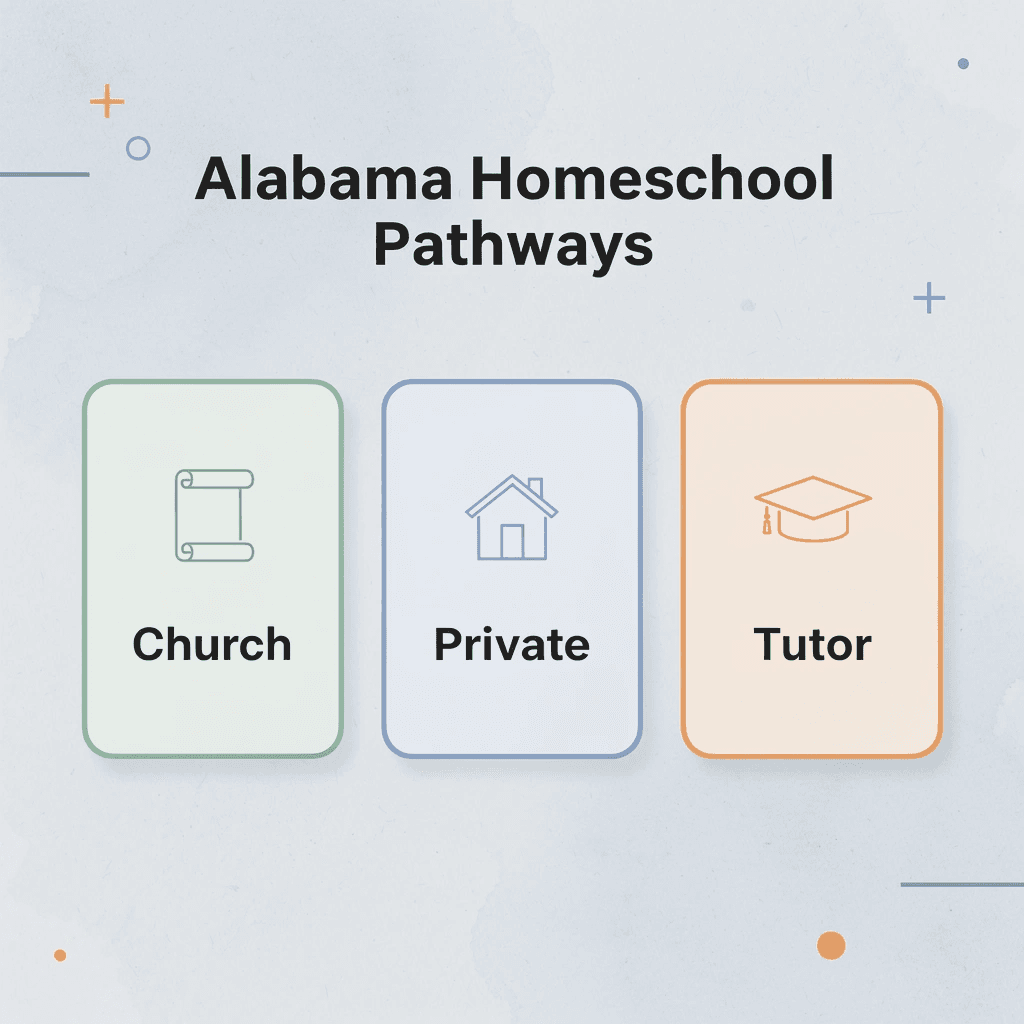
Alabama offers three legal structures to meet compulsory attendance requirements. The church school option is most popular because it allows families flexibility without requiring a certified teacher. You enroll through an umbrella organization (often called a "cover school"), teach at home using your own methods and materials, and the school handles attendance reporting. The private school pathway works similarly through secular institutions. The private tutor route requires hiring or becoming a state-certified teacher and following stricter instructional hour requirements, which deters most families.
What Alabama Doesn't Require
Alabama gives you control over what you teach, how you teach it, and how you assess student learning. The state does not require standardized testing, does not approve each subject, and does not send education officials to your home. You won't need to submit lesson plans for review or demonstrate teaching qualifications (unless you choose the tutor pathway). This regulatory approach prioritizes ensuring children receive instruction over how you deliver it.
What are your core legal obligations in Alabama?
You must sign up through one of the three pathways and maintain attendance records as specified by your chosen structure. Education must occur for children ages six through seventeen. Following the rules focuses on paperwork rather than performance metrics, typically confirming your child attended instruction for the required number of days. No one checks whether your child learned algebra or can diagram sentences.
How can you find quality teaching materials?
Most families prioritize engaging, flexible teaching materials over navigating rules. My Coloring Pages offers over 69,890 printable resources that homeschool parents use to supplement lessons across subjects, from Alabama geography to biological systems. You can make custom coloring pages right away instead of searching through regular workbooks that don't fit your teaching style.
Why This Matters for Your Planning
Understanding Alabama's legal framework removes the fear that keeps many parents from starting. You're not entering a grey area or risking legal trouble by teaching your children at home. The flexibility lets you adapt your approach as your family's needs change, switching between curriculum styles or adjusting your schedule without permission. The real work is building a learning environment that works for your specific children. Knowing homeschooling is legal only opens the door; it doesn't tell you which of those three pathways fits your situation.
Alabama Homeschool Laws
The American Legislative Exchange Council gave Alabama a B+ grade for education freedom, recognizing the state's small regulatory burden on home educators. You won't navigate a complicated legal maze: pick one of three pathways, file basic paperwork, and focus on teaching. The confusion families encounter stems from the lack of a single rulebook, not from actual complexity. Alabama's approach gives you options rather than prescribing one method.

🎯 Key Point: Alabama offers three distinct homeschool pathways, giving families flexibility to choose the approach that best fits their situation and educational philosophy.
"Alabama's small regulatory burden on home educators earned the state a B+ grade for education freedom, making it one of the more homeschool-friendly states in the nation." — American Legislative Exchange Council

⚠️ Warning: The biggest challenge isn't legal complexity—it's the absence of centralized guidance. Many families get confused because there's no single state handbook explaining all three options in one place.
Compulsory Education Ages Define Your Timeline
Your child must receive instruction between the ages of six and seventeen. You can delay enrollment until age seven by submitting written notification to your local school superintendent. Once you start, you're committed to maintaining instruction through age seventeen unless your child graduates early or transitions to traditional schooling.
Church School Enrollment Works for Most Families
The church school pathway does not require teaching certification and involves minimal interaction with the state. You enroll your child with an umbrella organization (often called a cover school), which can be religious or secular despite the name. The school maintains attendance records and handles state reporting, while you teach at home using whatever curriculum and methods you choose. Most cover schools charge annual fees ranging from $25 to $200 and provide enrollment verification letters if questioned. This structure explains why roughly 80% of Alabama homeschoolers choose this route.
Private School and Tutor Options Add Requirements
Starting or joining a private school offers similar freedom but typically involves more formal attendance records and enrollment updates. The private tutor pathway demands the most: you must either be a certified teacher or hire one, provide at least three hours of daily instruction, and operate for 140 days per year. Few families choose this option because the certification requirement eliminates the accessibility that draws many to homeschooling.
Record Keeping Protects Your Legal Standing
Your chosen pathway determines what documentation you maintain. Church schools usually require attendance logs showing your child received instruction for the required number of days. Private schools may ask for enrollment confirmations and withdrawal notifications if you switch approaches. Private tutors must keep detailed records of subjects taught, instructional schedules, and daily attendance. Alabama doesn't require portfolio reviews, work samples, or academic assessments, though many families keep these to track progress and demonstrate educational activity if questions arise. Resources like My Coloring Pages provide printable activities you can customize for any topic and include in portfolios as visual proof of instruction across disciplines.
Curriculum Freedom Means Real Choices
Alabama does not require specific subjects, textbooks, or teaching methods for church school and private school pathways. You can use a complete boxed curriculum, combine resources from multiple publishers, follow interest-led learning, or create your own materials. This freedom extends to teaching philosophy (classical, Charlotte Mason, unschooling, traditional) and scheduling (year-round, four-day weeks, flexible daily hours). The only requirement is that instruction occurs. The legal framework gives you permission, but it does not tell you how to start teaching tomorrow morning.
Related Reading
- Homeschool History Curriculum
- Easy Peasy Homeschool
- Homeschool Curriculum
- Homeschool Math Curriculum
- Online Homeschool Curriculum
- Homeschool Resources
- Online Homeschool Programs
- Christian Homeschool Curriculum
- Homeschool Planner
- Homeschool Schedule
- Kindergarten Homeschool Curriculum
- Best Homeschool Programs
- Free Homeschool Curriculum
- Homeschool Schedule
- Best Homeschool Curriculum
- Accredited Homeschool Programs
- How To Homeschool
- Time For Learning Homeschool
- K12 Homeschool
How to Homeschool Legally in Alabama
You meet Alabama's legal requirements by choosing one of three pathways (church school, private school, or private tutor) and keeping the attendance records your chosen pathway requires. The state doesn't judge your teaching methods or curriculum choices: only that instruction happened.
Pathway | Key Requirement | Record Keeping |
|---|---|---|
Church School | Religious affiliation | Attendance records |
Private School | Home-based instruction | Attendance records |
Private Tutor | Certified teacher | Attendance records |
🎯 Key Point: Alabama's homeschool laws focus on compliance with your chosen pathway, not on evaluating your educational approach or materials.
"Alabama requires homeschoolers to maintain attendance records but does not mandate curriculum approval or standardized testing." — Alabama Department of Education
⚠️ Warning: Failing to maintain proper attendance documentation is the most common compliance mistake among Alabama homeschoolers.

Select Your Legal Pathway First
This decision determines everything about your compliance process. The church school route lets you enroll through an umbrella organization that handles state reporting while you teach independently at home. Private school enrolment works similarly, but through secular institutions that may require additional documentation. The private tutor pathway demands either state teaching certification or hiring a certified teacher, plus strict adherence to three instructional hours daily for 140 days annually. According to the U.S. Department of Education, Alabama requires homeschool parents to have either a high school diploma or a GED or to work under the supervision of a certified teacher. Most families choose church school enrolment because it eliminates certification requirements and minimizes paperwork.
Handle Enrollment and Withdrawal Correctly
If your child currently attends public or private school, submit formal withdrawal paperwork to the school office and keep written confirmation. Schools mark students truant when families begin homeschooling without official withdrawal, even if parents believe they've communicated their intent verbally. Enroll immediately through your chosen pathway: church schools typically provide an enrollment certificate you file with your local superintendent's office, while private schools handle enrollment notifications directly. The gap between withdrawal and enrollment creates legal vulnerability that attracts attention from truancy officers.
Build Your Documentation System Early
Your church or private school will specify what records you must maintain, usually attendance logs showing instruction occurred for the required number of days. Alabama homeschool students must receive instruction for the same number of days as public school students (typically 180 days per year). Keep a simple calendar that marks teaching days, even if your cover school doesn't strictly enforce it. Many families save work samples, completed assignments, and curriculum materials as proof of educational activity. Visual materials work better than written logs for younger students. Resources like My Coloring Pages let you generate custom educational coloring pages matching your current teaching units (Alabama geography, life cycles, historical events), and completed pages provide tangible proof of subject coverage for your portfolio.
Understand What Alabama Doesn't Require
Alabama does not require standardized testing, curriculum approval, or teaching qualifications beyond those required by your chosen pathway. You won't need to submit lesson plans for review or have education officials visit your home. This approach reflects Alabama's trust in parents to make sound educational choices. Your legal risk stems from improper enrolment or inadequate attendance records, not from curriculum or teaching methods. This freedom also means you bear full responsibility for ensuring your child receives a quality education without outside oversight.
Maintain Consistency Over Perfection
Legal compliance depends on consistent teaching, not academic excellence. Teaching four days weekly year-round satisfies requirements as well as traditional five-day schedules. Using library books instead of purchased curriculum meets legal standards. What matters is that education happens regularly, and you can demonstrate it. Alabama's law focuses on access to instruction over standardized outcomes. The real challenge isn't satisfying legal requirements; it's choosing teaching materials that work for your specific children.
How to Choose the Right Homeschool Program in Alabama
Choosing a homeschool program in Alabama means deciding what works best for your child's learning style and your available teaching time. The decision hinges on two main questions: Will you teach your child yourself using curriculum materials, or will you use an online program with certified teachers? Everything else depends on that choice.
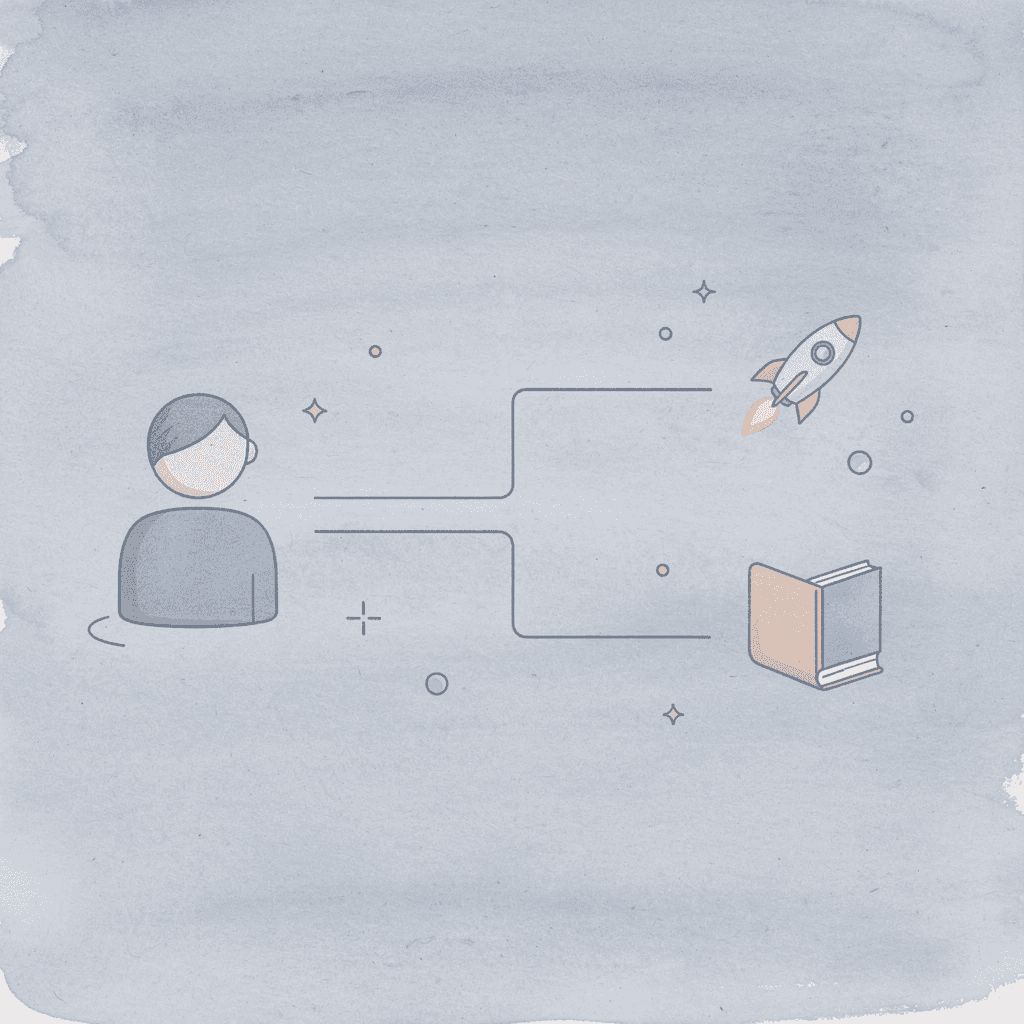
🎯 Key Point: Your teaching preference determines which program type will work best for your family's homeschool journey.
"The most successful homeschool families are those who choose programs that match their teaching style and available time commitment." — Alabama Homeschool Association, 2024
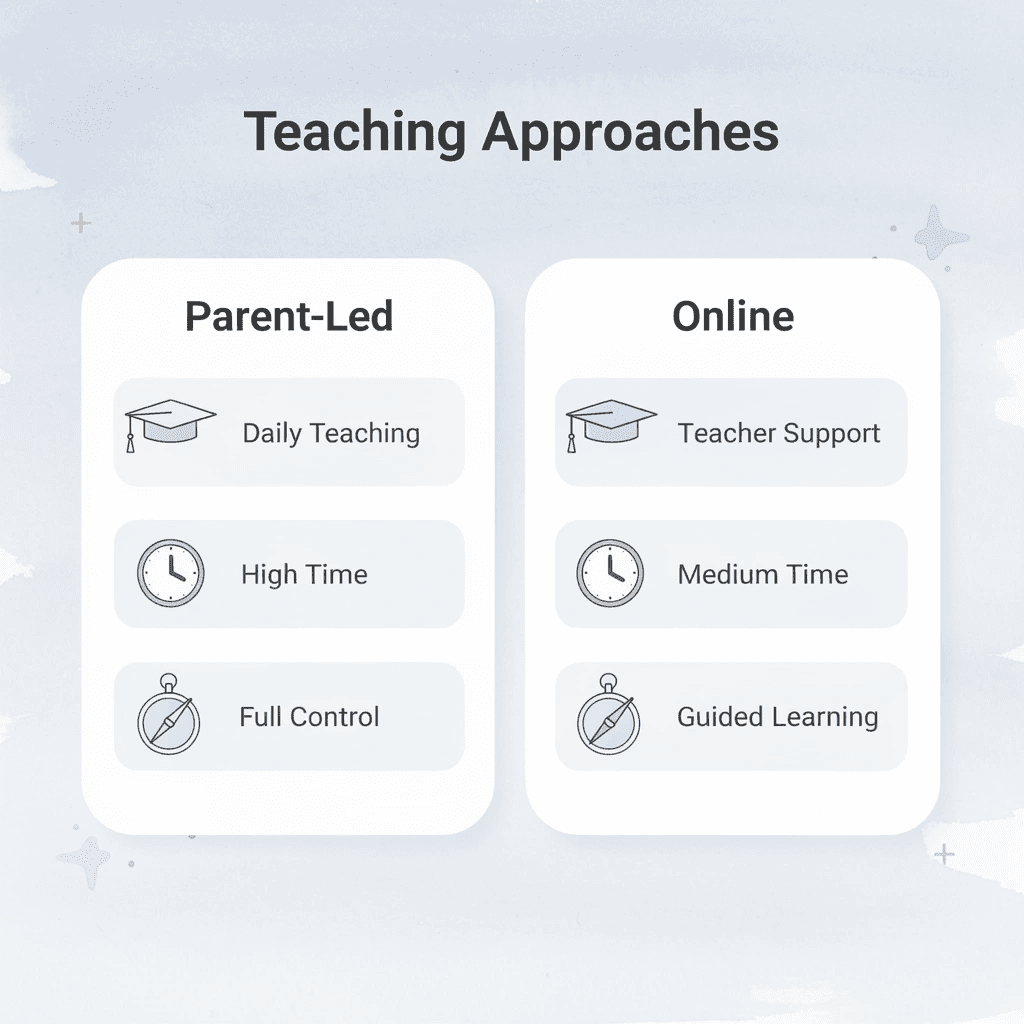
Teaching Approach | Best Program Type | Time Commitment |
|---|---|---|
Parent-led instruction | Traditional curriculum packages | High - daily teaching required |
Guided learning | Online programs with teacher support | Medium - supervision and support |
Independent study | Self-paced online courses | Low - monitoring progress |
⚠️ Warning: Don't choose a program based solely on cost - a mismatch between your teaching style and program type often leads to frustration and switching programs mid-year.
Parent-Led Teaching Versus Structured Programs
Parent-led homeschooling gives you complete control over pacing, methods, and daily schedules. You select curriculum materials (or create your own), deliver lessons, grade work, and adjust approaches when something isn't working. This flexibility lets you spend three weeks on fractions if your child needs it or skip units they've already mastered. The cost is time: you're planning lessons, researching teaching methods, and carrying full educational responsibility.
How do structured online programs work?
Structured online programs shift responsibility to professional teachers who deliver lessons, grade assignments, and track progress through live or recorded sessions. Your role becomes that of a facilitator rather than an instructor. These programs reduce parent burnout and provide a consistent academic structure, but they come at the cost of flexibility. Your child follows the program's schedule and curriculum sequence.
According to a 2024 survey by the National Home Education Research Institute, 43% of homeschool families now use online programs to reduce teaching stress. Programs with built-in teacher support address isolation when parents navigate subjects like maths instruction or essay writing without professional guidance.
When Accreditation Actually Matters
Accreditation means an outside organization has verified that a program meets academic standards, employs qualified teachers, and uses sound assessment methods. Alabama doesn't require it—your church or private school enrolment satisfies legal requirements regardless of curriculum source. Accreditation matters only if your child might return to traditional school or if you need transcript credibility for college admissions. Elementary years rarely need it because young children transition easily between educational settings. Middle and high school accreditation carries more weight, as transcripts from accredited programs receive less scrutiny from admissions offices and transfer more smoothly if your child returns to public school.
Match Methods to How Your Child Actually Learns
Visual learners need diagrams, charts, and color-coded materials to process information. Hands-on learners retain concepts by building, experimenting, and physically manipulating. Some children work independently for hours, while others need constant interaction and immediate feedback. The curriculum that worked for your neighbor's child might completely frustrate yours. Our My Coloring Pages tool generates educational coloring pages matching any topic you're teaching—Alabama state history, geometric concepts, biological systems—giving visual learners concrete materials to interact with while you maintain full control over content and pacing.
Assess Your Real-Time Capacity
Be honest about your schedule before committing to parent-led teaching. Can you consistently teach for 3 to 4 hours daily? Will you plan lessons on weekends? What happens when you're sick or managing family emergencies? Programs with live classes and teacher-led instruction remove the planning burden but require attending scheduled sessions. Self-paced programs offer flexibility but require more parental involvement to maintain momentum. Families who struggle most choose parent-led approaches while managing demanding jobs, multiple young children, or other significant time constraints. Burnout stems from a mismatch between expectations and available time and energy.
Track Progress Without Creating Busywork
Good programs include regular check-ins that show what your child learned, not what you taught. Progress reports help identify gaps before they become problems and provide documentation to support your homeschool's effectiveness if anyone questions it. Some programs provide detailed information on time spent on subjects, quiz scores, and skill mastery; others offer simpler reports four times a year. The tracking method matters less than consistency—parents who create complicated record-keeping systems often abandon them by October, while those using their program's built-in tools maintain records effortlessly.
10 Best Homeschool Programs in Alabama
These ten programs represent the most reliable options for Alabama homeschoolers, each addressing different needs: full teacher support, faith-based instruction, flexible scheduling, and budget-friendly solutions. Choose based on your ability to teach independently versus your need for structured guidance.

🎯 Key Point: The best homeschool program for your family depends on your teaching confidence level, budget constraints, and whether you prefer secular or faith-based curriculum approaches.
💡 Tip: Consider starting with a hybrid approach—use a structured program for subjects you're less comfortable teaching while maintaining flexibility in areas where you excel.

Program Type | Best For | Support Level |
|---|---|---|
Full-Service Online | Busy parents, working families | High teacher support |
Faith-Based | Religious instruction priority | Moderate to high |
Flexible/Unit Studies | Creative, hands-on learners | Parent-led guidance |
Budget-Friendly | Cost-conscious families | Minimal to moderate |
"The most successful homeschool families are those who choose programs that align with their teaching strengths rather than trying to fit into a one-size-fits-all approach." — National Home Education Research Institute
1. Enlightium Academy
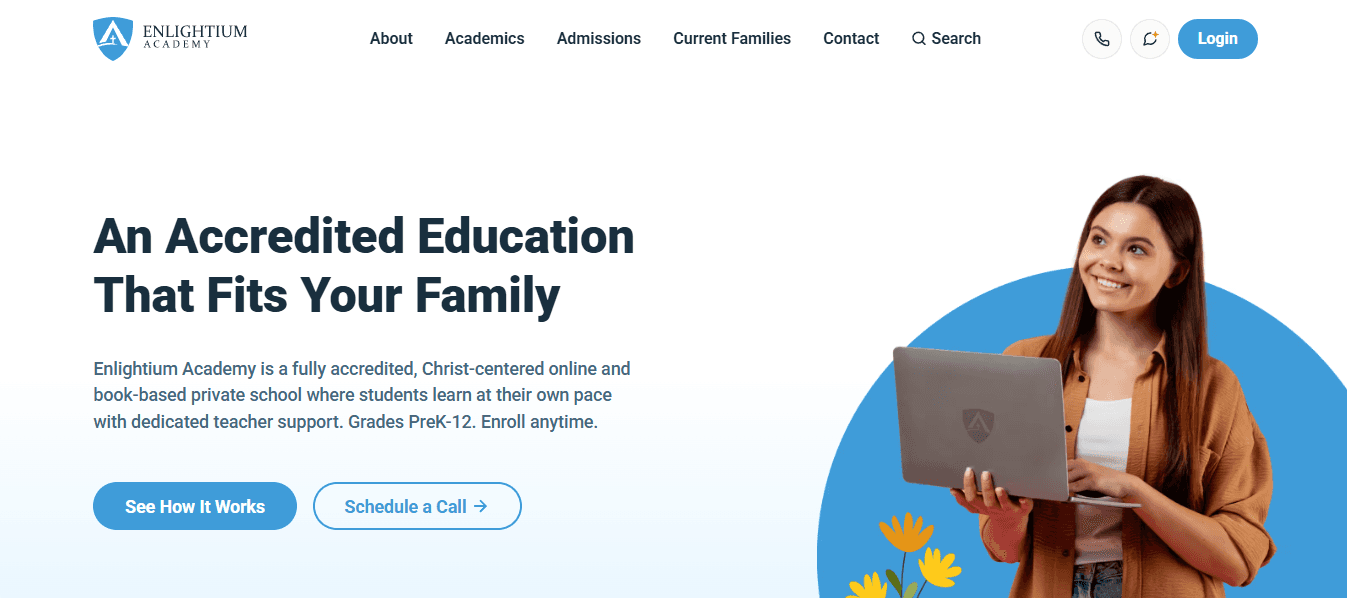
This accredited online program employs certified teachers to deliver lessons, grade assignments, and track students' progress. Your child follows a structured curriculum modeled on traditional schooling while progressing at their own pace. The diploma carries regional accreditation recognized by colleges. While the program costs more than curriculum-only options, it eliminates the planning burden that makes parent-led homeschooling challenging for working parents or those managing multiple children.
2. Bina School
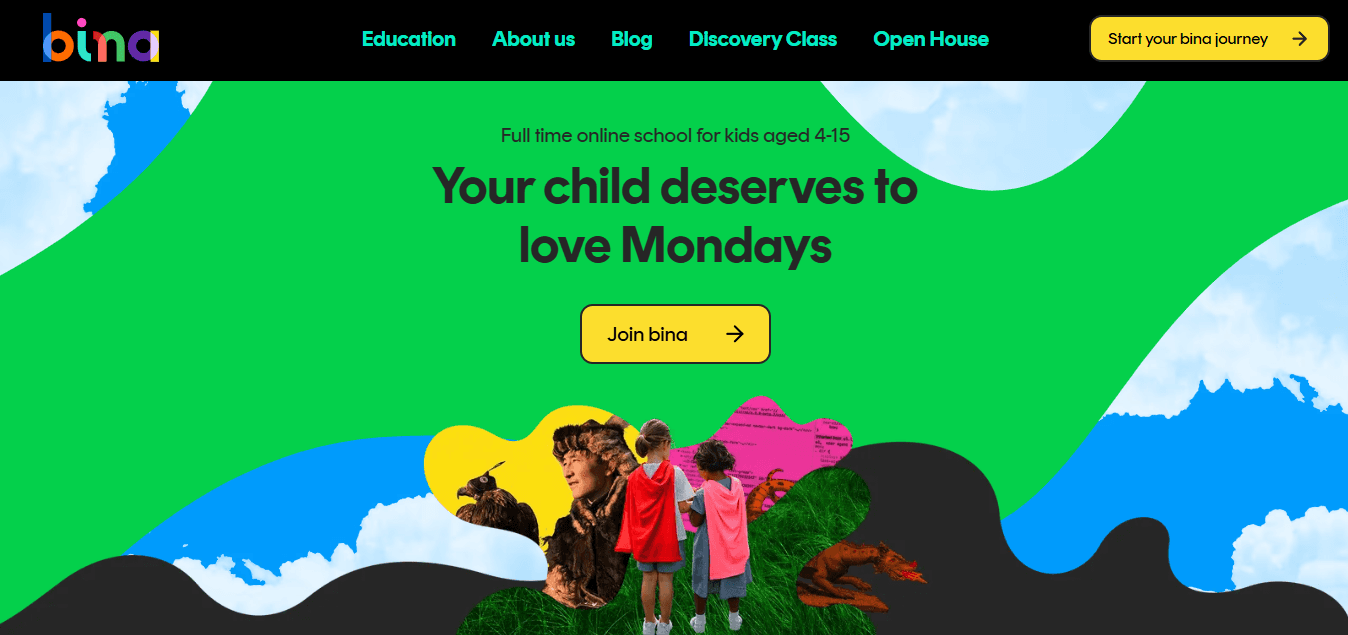
Small live classes with six to eight students create real-time interaction that isolated homeschoolers rarely experience. Teachers adjust pacing based on student responses during video conferencing, providing accountability that self-paced programs lack. This structure suits children who need social engagement to stay motivated while their families want homeschool flexibility. Fixed class schedules build consistency, though at the cost of reduced scheduling flexibility.
3. NFC Academy
This hybrid model lets you choose between teacher-led online classes or parent-directed learning using their curriculum materials. You might start with full teacher support in high school maths while handling history and literature on your own. Alabama's CHOOSE Act funding applies here, reducing costs for eligible families. The Christian worldview integration appeals to faith-based homeschoolers who want biblical principles woven through academic content rather than added as separate devotional time.
4. Northgate Academy
High school students can earn a regionally accredited diploma from Northgate for college applications. Self-paced courses allow students to progress faster through familiar subjects or spend extra time on challenging material. The program qualifies for Alabama CHOOSE Act funding, making accredited education accessible without the costs of private school tuition. Northgate transcripts carry more weight with admissions offices than parent-created records, which matters for competitive college applications.
5. Classical Conversations
Weekly community meetings bring together homeschool families for organized instruction in memory work, logic, and rhetoric while parents teach daily lessons at home using the Classical Conversations curriculum. The model addresses isolation by providing peer support and instruction in challenging subjects. Children develop public speaking skills through regular presentations to their community group. The classical education approach aligns learning stages with child development, distinguishing it from interest-led or eclectic methods. Annual tuition covers community participation and curriculum materials, with costs varying by location.
6. Legacy Online School

Certified teachers deliver instruction through live and recorded sessions, including Advanced Placement courses that earn college credit. Personalized learning paths adjust difficulty based on assessment results, allowing gifted students to progress faster while supporting struggling learners. The flexible schedule accommodates families with irregular work hours or frequent travel. Tuition falls between budget curriculum options and premium programs with full teacher support.
7. ABCmouse
ABCmouse is a learning platform with games for preschool through early elementary students that builds foundational reading and maths skills. The platform offers 10,000 interactive activities teaching through games rather than formal instruction. Progress tracking shows which skills your child has mastered and which areas need more work. The automated system requires minimal parent involvement, making it useful for families managing multiple children. However, it is limited to early elementary concepts; you will need different solutions as your child advances.
8. Time4Learning
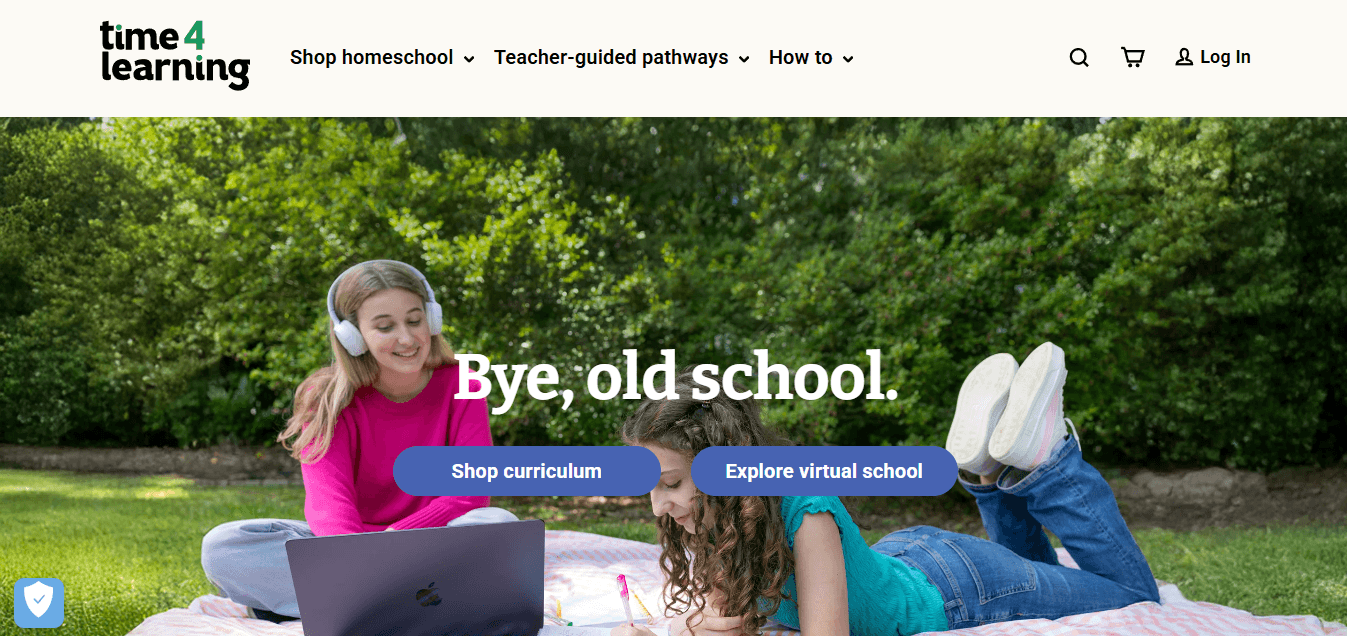
Automated grading and built-in lesson plans reduce the teaching burden for parents seeking minimal daily involvement. The self-paced curriculum covers core subjects with video lessons, interactive activities, and assessments requiring no parent assistance. Your role involves checking progress reports and ensuring your child logs in regularly. This works well for independent learners but not for children who need direct instruction or struggle with computer-based learning. Monthly subscriptions make it one of the most affordable structured programs available.
What supplemental materials work with automated programs?
Many families using automated programs like Time4Learning find that their children need extra hands-on materials to reinforce digital lessons, particularly visual learners who process information better through physical interaction than screen time. My Coloring Pages lets you generate custom educational coloring pages matching any curriculum topic (state geography, scientific processes, historical events), giving children tangible materials they can complete offline while maintaining full control over content aligned with your teaching units.
9. Easy Peasy All-in-One Homeschool

This free online curriculum provides daily lesson plans for K-12 across all subjects. You follow the schedule without creating your own scope and sequence or purchasing materials. The Christian worldview permeates the content, appealing to faith-based families but potentially limiting its use for secular homeschoolers. Quality varies by subject and grade level due to volunteer contributions. Parents typically supplement weak areas with library books or other free resources rather than accepting gaps in instruction.
10. Khan Academy Plus Worksheets
This DIY approach combines Khan Academy's free video lessons with printable worksheets and library books you select yourself, letting you build a custom curriculum from the ground up rather than follow someone else's plan. The method requires substantial parent involvement in planning curriculum and pacing, costs almost nothing, and works perfectly for your child's specific needs and interests. According to Power Homeschool, Alabama homeschoolers have complete curriculum freedom, making this fully customizable approach legally viable.
What challenges should parents expect with this approach?
The challenge is staying consistent. Parents who start with complete flexibility often struggle to maintain momentum without external structure or progress tracking. But knowing which programs exist doesn't solve the real problem of finding ready-to-use materials that match your curriculum.
Related Reading
- Homeschool Room
- Homeschool Report Card Template
- Homeschool Room Ideas
- Homeschool Vs Public School
- Language Arts Homeschool Curriculum
- Homeschool Preschool
- Texas Homeschool Requirements
- How To Homeschool Your Kids
- How To Homeschool In Texas
- Homeschool Coop
- Pre K Homeschool Curriculum
- Florida Homeschool Requirements
- 1st Grade Homeschool Curriculum
- Colorado Homeschool Laws
- Georgia Homeschool Laws
- 6th Grade Homeschool Curriculum
Download 69,890+ free coloring pages for homeschooling in Alabama
Programs give you structure, but daily instruction requires materials your child can use: worksheets that reinforce lessons, visuals that match your current unit, and activities that create physical evidence of learning without adding hours to planning. The gap appears when you're searching for supplemental materials that fit what you're teaching today.
🎯 Key Point: Most families bookmark websites, buy partial workbook bundles, or create materials from scratch on weekends. That approach fails when teaching multiple subjects across grade levels while managing daily demands. Materials rarely align perfectly with your current topic, and custom worksheets take time you don't have. By October, you're three weeks behind searching for diagrams that match what you just explained.

"Digital programs leave no physical trace. Printable activities your child completes and you file give tangible proof that education happened across subjects throughout the year."
Tools like My Coloring Pages let you generate custom educational coloring pages instantly for any topic, such as Alabama geography, fraction concepts, historical timelines, and biological systems. Our platform lets you type what you need and receive a printable page in seconds, giving your child a hands-on activity that reinforces the lesson. Completed pages serve as portfolio documentation without extra work, and visual learners interact with materials physically rather than consuming information through screens alone.
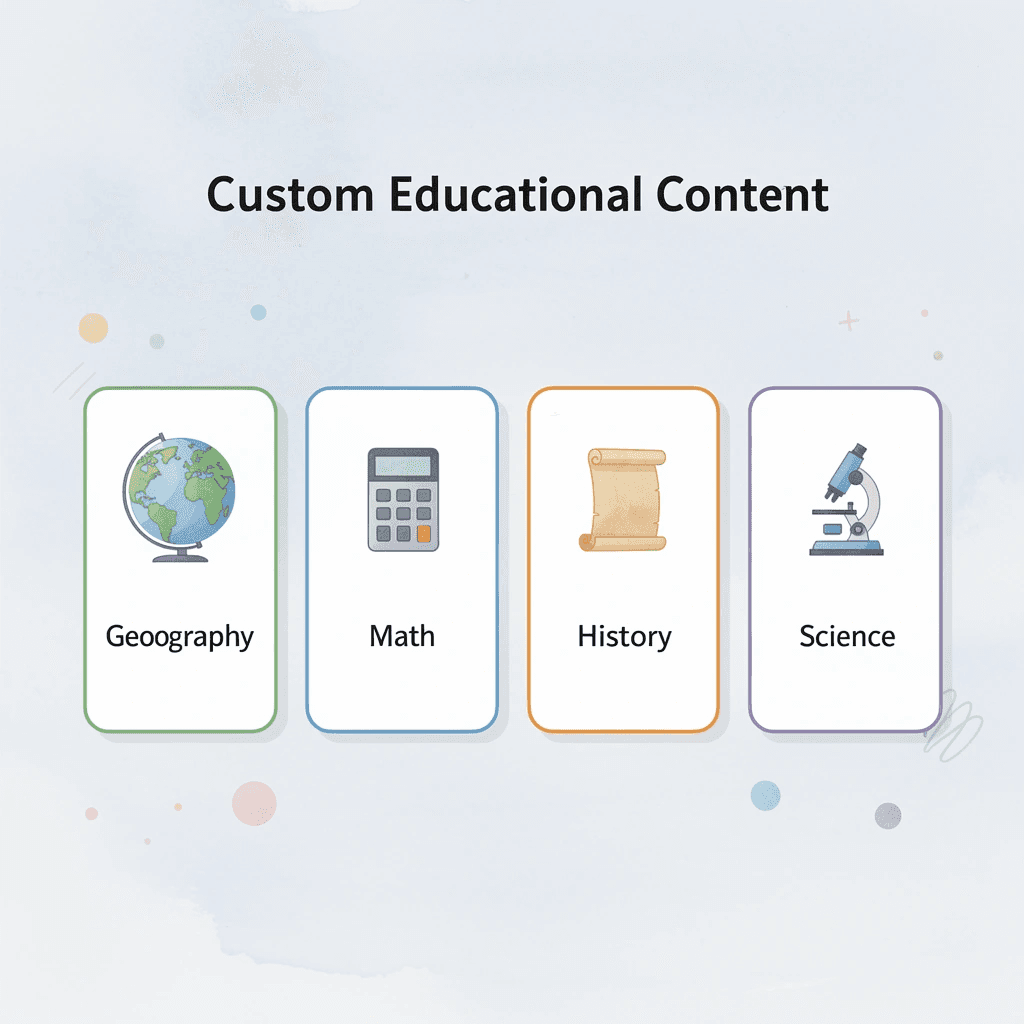
💡 Tip: This matters in Alabama because your church school or umbrella organization may require work samples showing consistent instruction. Digital programs leave no physical trace. Printable activities your child completes, and you file, give tangible proof that education happened across subjects throughout the year. Completed work samples remove the anxiety of wondering if you're doing enough.
Homeschooling freedom in Alabama means you control what happens in your home, but you also carry full responsibility for making education happen daily. Families who sustain this long-term aren't those with perfect curricula or teaching credentials—they're the ones who built simple systems that work when motivation fades, or life interrupts plans. Your legal pathway protects you from state interference, your program provides instructional content, and your daily execution determines whether homeschooling delivers the education you envisioned.
Related Reading
- 5th Grade Homeschool Curriculum
- How To Homeschool In California
- 3rd Grade Homeschool Curriculum
- Michigan Homeschool Laws
- Illinois Homeschool Laws
- Alabama Homeschool Laws
- Homeschool Art Curriculum
- Science Homeschool Curriculum
- Accredited Homeschool Curriculum
- North Carolina Homeschool Laws
- California Homeschool Laws
- Georgia Homeschool Requirements
- 2nd Grade Homeschool Curriculum
- 4th Grade Homeschool Curriculum
- Homeschool Reading Curriculum