10 Best Free Homeschool Curriculum for Preschoolers
Discover 10 best free homeschool curriculum options for preschoolers. My Coloring Pages shares proven resources to start your child's learning journey today.


Parents searching for quality educational materials often face the challenge of finding resources that engage young learners without straining the family budget. A free homeschool curriculum can provide the foundation needed for early education, but locating materials that truly capture a preschooler's attention requires careful selection. The key lies in finding resources that combine learning objectives with activities children naturally enjoy.
Coloring pages serve as powerful educational tools that develop fine motor skills, letter recognition, and number concepts while keeping young students engaged. These printable resources offer parents flexibility to customize lessons around their child's interests and learning pace. For families seeking comprehensive educational materials at no cost, they can download 67,338+ free coloring pages that support various learning objectives.
Table of Contents
- Is Homeschool Curriculum Good Enough for Children?
- Benefits of Homeschool Curriculum
- What to Include in Preschool Homeschool Curriculum
- How to Design Homeschool Curriculum for Preschoolers
- 10 Best Free Homeschool Curriculum for Preschoolers
- Find the Best Free Homeschool Worksheets for Preschoolers on My Coloring Pages
Summary
- Homeschooled students score 15-30 percentile points above public school students on standardized tests, according to the National Home Education Research Institute. These outcomes hold across different curriculum formats, whether families follow structured programs, eclectic approaches, or parent-designed materials. The pattern suggests that curriculum format matters less than how it's used, with flexibility and consistent application mattering more than following a single standardized program from cover to cover.
- Traditional classrooms lose substantial hours to transitions, attendance procedures, and classroom management that have nothing to do with actual learning. Homeschool families complete rigorous academic work in two to three focused hours because they eliminate those logistical inefficiencies. Parents schedule lessons during their child's peak attention windows and adapt daily routines around real-world learning opportunities without falling behind arbitrary attendance requirements, resulting in more concentrated active learning packed into fewer total hours.
- Approximately 20% of students in traditional schools report experiencing bullying, which directly undermines both academic performance and mental health. Homeschooling creates controlled learning environments where children focus on content rather than navigating social stress, peer pressure, or classroom conflicts that consume emotional energy. This separation of academic instruction from volatile social dynamics allows children to develop confidence and skills before facing those pressures in contexts where they have more autonomy and support.
- Preschool curriculum needs 10 foundational components that work together to support cognitive, physical, social, and creative development without imposing academic pressure. The goal isn't to replicate institutional preschool at home but to create structured learning opportunities that respect how young children actually absorb information through play, repetition, and hands-on exploration. Drawing, painting, crafts, music, and movement aren't supplementary activities but are essential for developing fine motor control, spatial reasoning, and creative problem-solving, which make holding pencils and forming letters possible later.
- Thematic units connect literacy, math, science, and creative activities into coherent learning experiences instead of disconnected lessons. A unit on seasons might include weather observations, counting fallen leaves, reading books about autumn changes, and creating art with natural materials. Themes help children see how concepts relate across subjects while building vocabulary in meaningful contexts rather than isolated word lists, though unit studies work best as enrichment when combined with systematic skill progression in areas like phonics patterns or number sense.
- My Coloring Pages addresses the challenge of creating custom reinforcement materials by offering download 67,338+ free coloring pages that parents describe, upload, or build to match exactly what their child is studying that week, turning abstract concepts into visual practice without subscriptions or hours of searching online.
Is Homeschool Curriculum Good Enough for Children?
Homeschool curriculum can deliver strong academic results when parents use it regularly and adapt materials to their child's pace. The key advantage is individualized pacing: students progress based on mastery rather than standardized classroom schedules that advance everyone simultaneously.

🎯 Key Point: The effectiveness of homeschool curriculum depends heavily on consistent implementation and adaptive teaching methods that respond to each child's unique learning needs.
"Students who learn at their own pace through mastery-based education show significantly higher retention rates compared to traditional time-based learning models." — Educational Research Institute
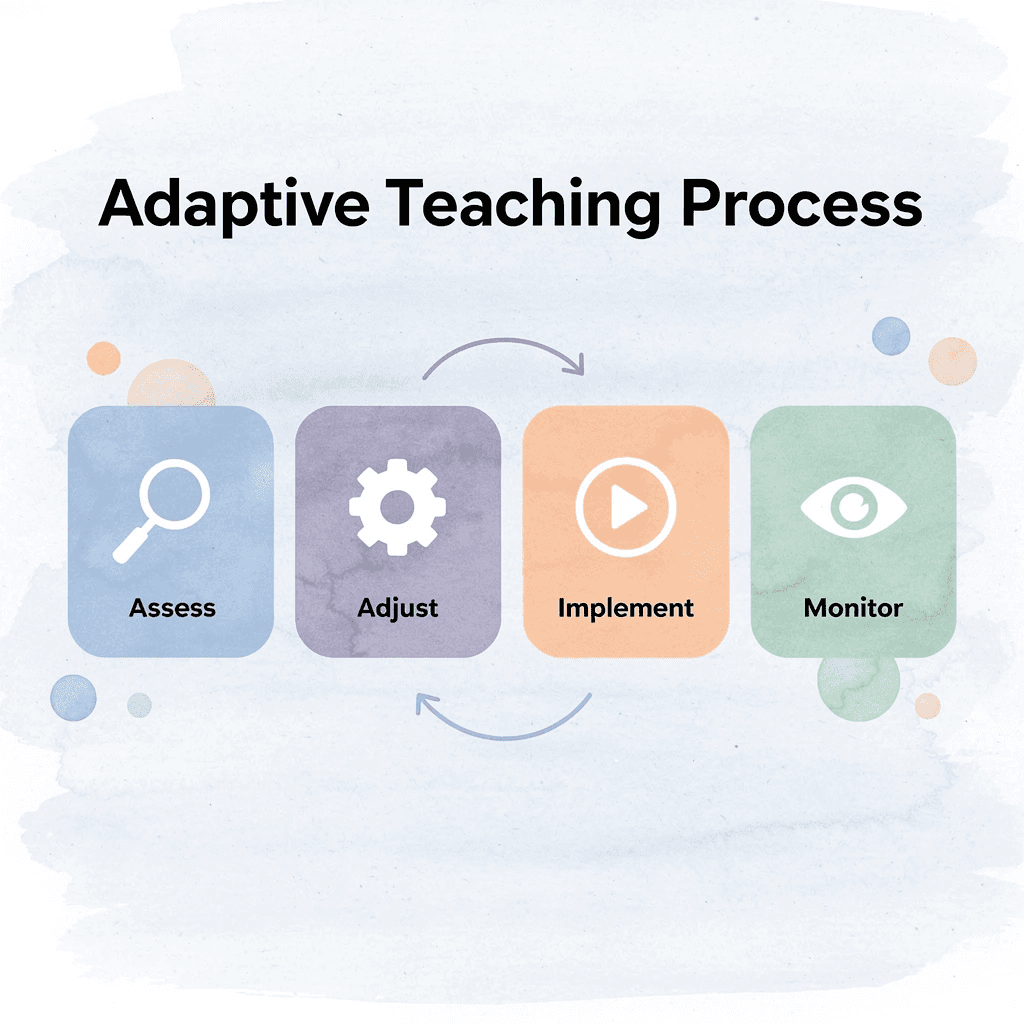
💡 Best Practice: Successful homeschooling requires parents to continuously assess their child's progress and adjust curriculum difficulty and pacing to maintain optimal challenge levels without overwhelming the student.
Academic outcomes challenge the rigor assumption
The National Home Education Research Institute found that homeschooled students score 15-30 percentile points above public school students on standardized tests across structured programs, eclectic approaches, and parent-designed materials. A regular curriculum applied with flexibility often outperforms a prestigious one that forces students through content they've already mastered or aren't ready to understand.
Flexibility creates depth, not gaps
Traditional classrooms standardize pacing because managing thirty students requires it. One teacher cannot let each child master fractions at their own speed when the district calendar mandates moving to decimals next Tuesday. Homeschooling removes that limitation. Parents revisit topics until understanding solidifies, skip ahead when a child grasps concepts quickly, and explore subjects that spark genuine curiosity. This is how learning works when you're not constrained by logistical compromises designed for crowds.
Why do parents worry about matching formal education quality?
Parents often worry they can't match the quality of formal education systems when choosing between pre-packaged programs or creating their own materials. Most classroom curricula aren't designed for optimal learning; they're designed for efficient delivery to large groups. The real issue is whether the approach allows students to master concepts before moving forward and whether parents maintain consistency over time rather than following sporadic, interest-driven learning that leaves gaps.
Multiple resources outperform single rigid programs
Homeschooling uses books, worksheets, online tools, hands-on projects, and real-world experiences rather than relying on a single textbook series. When a math workbook proves ineffective, parents add videos or manipulatives. When history feels stale, they incorporate primary sources or field trips. Research consistently shows that engagement and adaptation matter more than following a standardized program from cover to cover.
How can printable resources support customized learning?
My Coloring Pages offers over 67,338 free printable coloring pages supporting this customized approach, especially for younger learners. The platform removes friction from planning by providing instant access to printable materials matching lessons. Parents can upload or build custom designs that align with what their child is studying that week, turning abstract concepts into visual, tactile learning tools without additional monthly subscriptions.
What challenges remain with curriculum selection?
But the best materials won't work if parents can't stay consistent or if the curriculum doesn't match their child's learning needs.
Benefits of Homeschool Curriculum
Homeschool curriculum gives students measurable academic advantages by removing structural compromises that slow learning in traditional classrooms. According to the National Home Education Research Institute, homeschooled students score 15-30 percentile points above public school students on standardized academic achievement tests. Parents can adjust pacing, depth, and methods to match individual readiness rather than calendar mandates, enabling more effective curriculum use.

🎯 Key Point: The flexibility to customize curriculum delivery creates significant performance gaps between homeschooled and traditionally-schooled students.
"Homeschooled students score 15-30 percentile points above public school students on standardized academic achievement tests." — National Home Education Research Institute
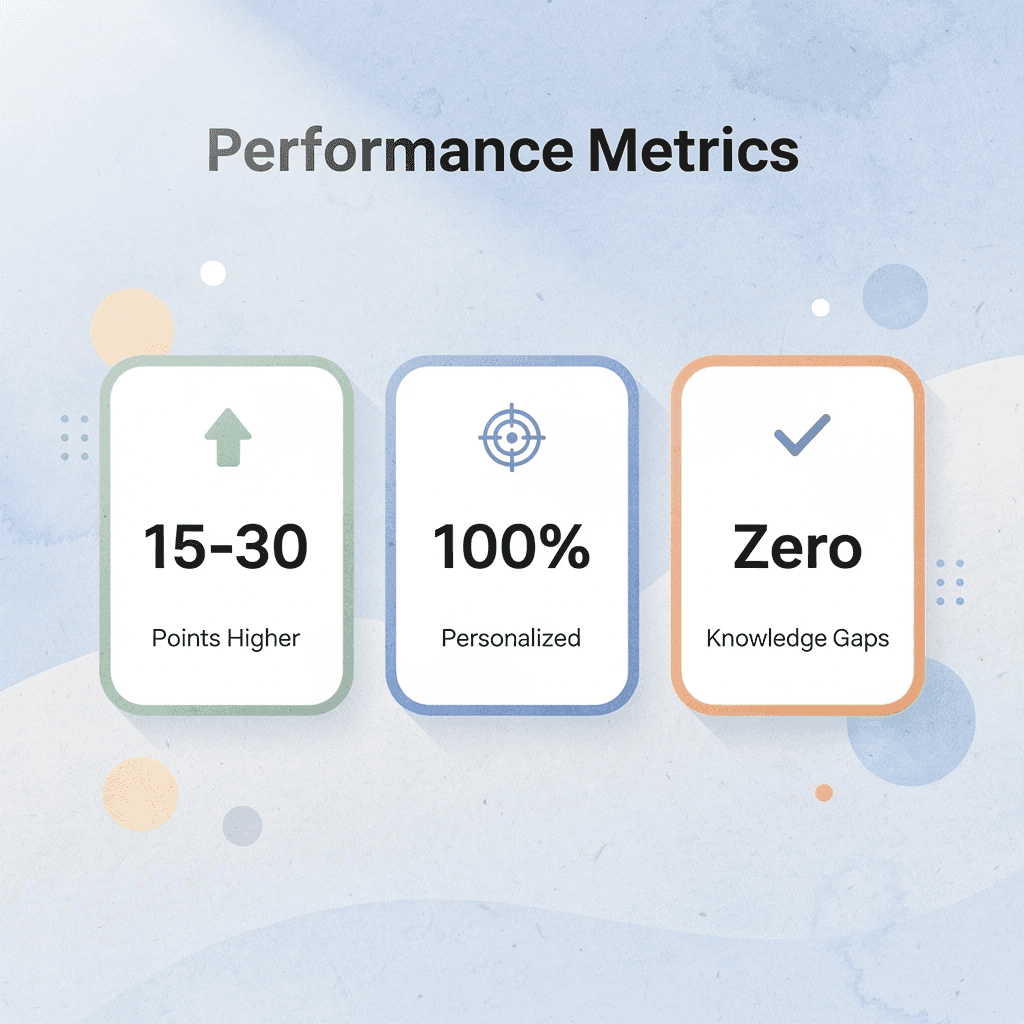
💡 Tip: Personalized pacing allows students to master concepts thoroughly before moving forward, eliminating the knowledge gaps that accumulate in rigid classroom schedules.
Personalized pacing prevents forced advancement
Traditional classrooms move entire groups forward on set schedules regardless of individual mastery. A child who grasps multiplication in three days waits two weeks for classmates to catch up, while another who needs five weeks advances into division before the foundation solidifies. Homeschool curriculum eliminates this constraint. Parents watch for genuine understanding, revisit concepts until comprehension clicks, and accelerate through material their child absorbs quickly. This matches instruction to actual learning rather than administrative convenience.
Flexible schedules maximize productive learning time
Schools lose significant hours to transitions, attendance procedures, and classroom management unrelated to learning. Homeschool families complete rigorous academic work in two to three focused hours by eliminating these inefficiencies. Parents schedule lessons during their child's peak attention windows and adapt routines around appointments, family events, or real-world learning opportunities without falling behind arbitrary attendance requirements. The result is concentrated active learning in fewer total hours, leaving time for physical activity, creative exploration, and genuine rest instead of busywork.
Mastery-based progression builds deeper understanding
Rushing through fractions to meet district timelines creates students who memorize procedures without understanding principles, then struggle when later concepts require that missing foundation. Homeschool curriculum allows children to stay with topics until understanding becomes automatic rather than fragile. This approach takes longer on some subjects and moves faster on others, but it produces students who retain knowledge over time instead of cramming for tests and forgetting material weeks later.
Safe environments protect focus and emotional well-being
About 20% of students in traditional schools experience bullying, which harms their grades and mental health. Homeschooling provides a controlled learning environment where children can focus on academics without the distractions of social stress, peer pressure, or classroom conflicts. This means keeping academic learning separate from the unpredictable social dynamics of age-grouped school settings, allowing children to build confidence and skills before facing those pressures with greater independence and adult support.
What tools can enhance the homeschool learning environment?
My Coloring Pages offers over 67,338 free printable coloring pages that parents describe, upload, or build to match their child's weekly curriculum, transforming abstract concepts like letter recognition, number patterns, and thematic units into visual, hands-on learning tools. Our AI-powered generator removes the hassle of creating curriculum-specific materials, without subscription costs.
Related Reading
- Homeschool
- Easy Peasy Homeschool
- Homeschool Curriculum
- Homeschool Math Curriculum
- Online Homeschool Curriculum
- Homeschool Resources
- Online Homeschool Programs
- Christian Homeschool Curriculum
- Homeschool Planner
- Homeschool Schedule
- Kindergarten Homeschool Curriculum
- Homeschool History Curriculum
- Best Homeschool Programs
- Free Homeschool Curriculum
- Homeschool Schedule
- Best Homeschool Curriculum
- Accredited Homeschool Programs
- How To Homeschool
- Time For Learning Homeschool
- K12 Homeschool
What to Include in Preschool Homeschool Curriculum
Preschool curriculum needs ten foundational components that build thinking skills, physical abilities, social skills, and creative development without imposing academic pressure. These elements support natural learning rhythms while establishing essential skills for kindergarten readiness and long-term confidence. The goal is to create structured learning opportunities that respect how young children absorb information through play, repetition, and hands-on exploration.

🎯 Key Point: The most effective preschool curricula balance structured learning with natural development, ensuring children build foundational skills without overwhelming their cognitive capacity.
"Children learn best when curriculum respects their natural learning rhythms and incorporates play-based exploration as the primary vehicle for skill development." — Early Childhood Education Research, 2023
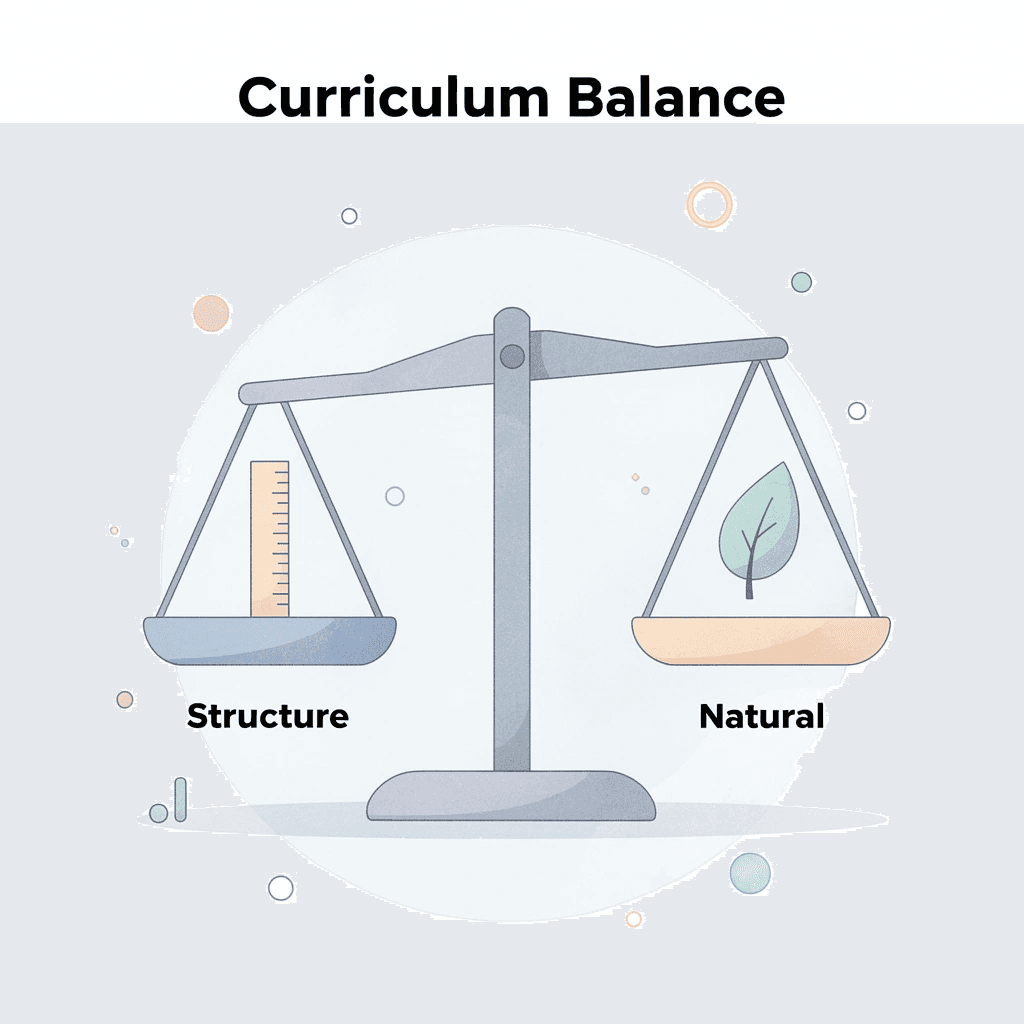
💡 Best Practice: Focus on developmental appropriateness rather than academic acceleration — preschoolers thrive when curriculum matches their cognitive stage and supports holistic growth across all learning domains.
Early literacy foundations without formal reading pressure
Learning to recognize letters and phonics basics should happen in preschool through everyday read-alouds, alphabet songs, picture books, and simple tracing activities, not through drilling flashcards. Children build vocabulary by talking, telling stories, and listening to different sentence structures in quality children's books. The goal is to make children comfortable with written language so formal reading instruction feels natural in later years rather than like something new that suddenly appears.
Number sense through concrete experiences
Math for preschoolers means counting real objects, recognizing written numerals from 1 to 20, identifying shapes in their environment, and understanding basic comparisons like bigger versus smaller or more versus less. Children should count toys during cleanup, sort blocks by color or size, identify circles and squares in buildings, and physically experience what "five" means by holding five crackers. This concrete foundation prevents the disconnect that happens when children memorize number sequences without understanding quantity.
Science as curiosity cultivation
Preschool science builds observation, questioning, and prediction skills through simple experiments and nature exploration, rather than memorizing facts. A walk outside examining leaves, watching insects, or discussing weather patterns develops scientific thinking more effectively than worksheets about the water cycle. Simple experiments, such as testing which objects float or watching ice melt, teach hypothesis formation and observation of outcomes. The critical skill is learning to ask "What do you think will happen?" and to test ideas through direct experience.
Creative expression for brain development and motor skills
Drawing, painting, crafts, music, and movement develop fine motor control, spatial reasoning, and creative problem-solving. Free drawing strengthens hand muscles and supports writing development. Cutting with safety scissors, coloring shapes, and working with craft materials build the fine motor control needed to hold pencils and form letters. Music and dancing develop rhythm, body awareness, and auditory processing that support language development.
What tools help create custom learning materials on a budget?
When teaching letter shapes, number recognition, or thematic units, creating custom practice materials is time-consuming and costly. Parents use My Coloring Pages to generate printable coloring pages that match their child's learning, turning abstract ideas into visual, hands-on practice. The AI generator creates custom designs without subscriptions or technical skills, helping families with tight budgets adapt to their child's evolving interests.
Physical development through active play
Big-muscle skills like running, jumping, balancing, and climbing develop through daily outdoor time and movement games, not through structured exercise programs. Preschoolers need space to test their bodies, build strength, and develop coordination through unstructured active play. Obstacle courses, playground time, and backyard exploration prove more effective than organized sports at this age. Physical confidence built now helps children focus during seated learning, as children who move enough can sit still when concentration matters. But knowing what belongs in preschool curriculum doesn't solve the harder question of how to structure these elements into a functional daily routine.
How to Design Homeschool Curriculum for Preschoolers
Plan your preschool curriculum around your child's developmental stage. Balance structure with flexibility, intentional teaching with child-led exploration, and academic readiness with emotional growth. Be clear about what you want your child to develop, how preschoolers learn, and which resources support those goals.

🎯 Key Point: The most effective preschool curricula blend structured learning activities with natural play-based exploration, allowing children to develop cognitive skills while maintaining their innate curiosity and love of learning.
"Children learn best when curriculum matches their developmental readiness and incorporates both teacher-directed and child-initiated activities." — Early Childhood Education Research, 2023
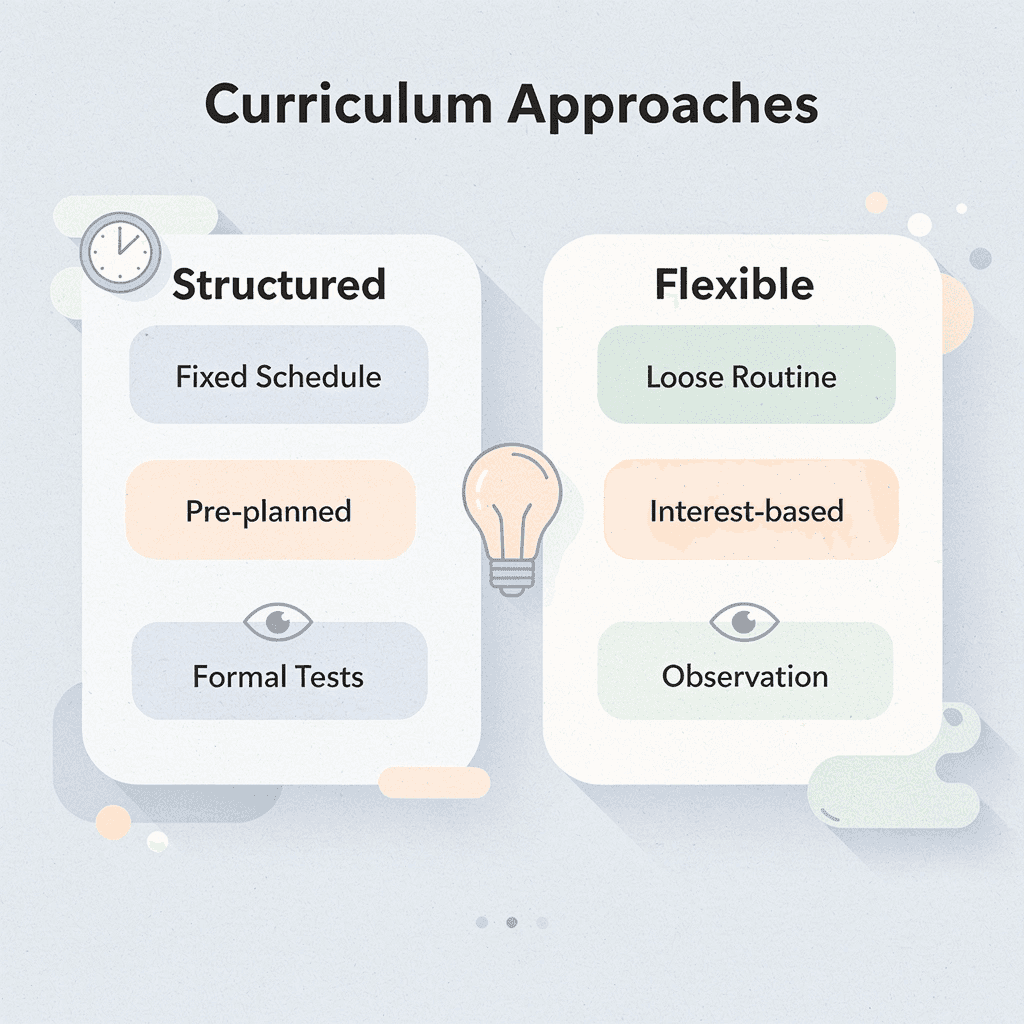
Curriculum Component | Structured Approach | Flexible Approach |
|---|---|---|
Daily Schedule | Fixed time blocks | Loose routine with child input |
Learning Activities | Pre-planned lessons | Interest-based exploration |
Assessment | Formal milestones | Observational notes |
Subject Integration | Separate skill focus | Cross-curricular themes |
⚠️ Warning: Avoid creating a curriculum that's too rigid for preschool-age children. Children aged 3-5 years need frequent breaks, hands-on activities, and the freedom to explore topics that capture their natural interest and developmental curiosity.
Clarify developmental priorities before choosing materials
Figure out which skills, experiences, and values matter most for your family by year's end. Identify basic abilities your child should develop (knowing letters, counting to 20, fine motor control), experiences you want them to have (exploring nature, creative expression, playing together), and the values that guide your approach. These priorities prevent curriculum decisions from becoming random purchases driven by marketing or comparison with other families, making every resource choice purposeful rather than reactive.
Match activities to actual developmental stages
Preschoolers need activities that match their growth and learning, not simplified school subjects. Focus on language development through conversation and storytelling, early maths through sorting and pattern recognition, science through observation and simple cause-and-effect experiments, motor skills through precise hand movements and full-body play, and social-emotional growth through sharing, patience, and self-regulation. Design activities that fit each child's developmental stage rather than forcing them through age-based standards that ignore their readiness.
Organize learning around thematic units
Themes connect reading, maths, science, and creative activities into cohesive learning experiences. A unit on seasons might include observing weather, counting fallen leaves, reading books about autumn changes, and creating art with natural materials. Community helpers could integrate vocabulary building, dramatic play, counting exercises related to different jobs, and field trips to local businesses. Themes help children see how concepts relate across subjects while building vocabulary in meaningful contexts.
Build resource collections that support multiple learning styles
Pick materials that support your goals through different learning styles. Read-aloud books develop language and comprehension. Hands-on tools like blocks, puzzles, and natural objects make abstract ideas concrete. Play-based activities, including dramatic play setups and sensory bins, create experiential learning. Simple worksheets reinforce concepts through visual and fine motor practice, but only after hands-on exploration establishes understanding. Outdoor time provides opportunities for observation and supports physical development.
How can you efficiently create custom reinforcement materials?
When you need practice materials that match your teaching (letter shapes for an alphabet unit, number recognition for counting practice, or pictures related to seasonal changes), creating custom worksheets typically requires buying mismatched workbooks or spending hours searching online. Parents use My Coloring Pages to create printable coloring pages that connect directly to what their child is learning that week, turning abstract concepts into visual practice without subscriptions or design skills. The AI generator lets you describe what you need or upload images to create custom designs, streamlining lesson planning.
Structure days with consistent routines and varied activities
Create a weekly rhythm that balances predictability with diversity. Daily elements might include a short morning circle time, one focused hands-on activity, and outdoor exploration. Weekly patterns could include at least one science experiment, one art project, and multiple storytelling discussions. Monthly experiences might add field trips, community interactions, or family projects that extend learning beyond home. Routine provides security that helps children engage more fully, while variety maintains curiosity and prevents stagnation.
Related Reading
- Homeschool Room
- Homeschool Report Card Template
- How To Homeschool Your Kids
- Colorado Homeschool Laws
- Abeka Homeschool Curriculum
- Georgia Homeschool Laws
- 6th Grade Homeschool Curriculum
- Homeschool Preschool
- Homeschool Room Ideas
- 1st Grade Homeschool Curriculum
- How To Homeschool In Texas
- Homeschool Vs Public School
- Homeschool Coop
- Pre K Homeschool Curriculum
- Kentucky Homeschool Laws
- Homeschool Report Card Template
- Texas Homeschool Requirements
- Florida Homeschool Requirements
10 Best Free Homeschool Curriculum for Preschoolers
Good free homeschool curriculum is available online for families willing to search. These websites offer lesson plans, worksheets, activities, and ways to track progress comparable to expensive paid programs. The important thing is distinguishing between resources that teach your children and those that merely keep them occupied.

🎯 Key Point: The best free curriculum combines structured learning with engaging activities that promote real educational growth, not just entertainment.
"Quality educational resources don't have to come with a high price tag - many free programs offer the same comprehensive learning as premium alternatives." — National Home Education Research Institute

💡 Tip: Look for curricula that include assessment tools and progress tracking features to ensure your preschooler is meeting important developmental milestones.
1. Khan Academy Kids
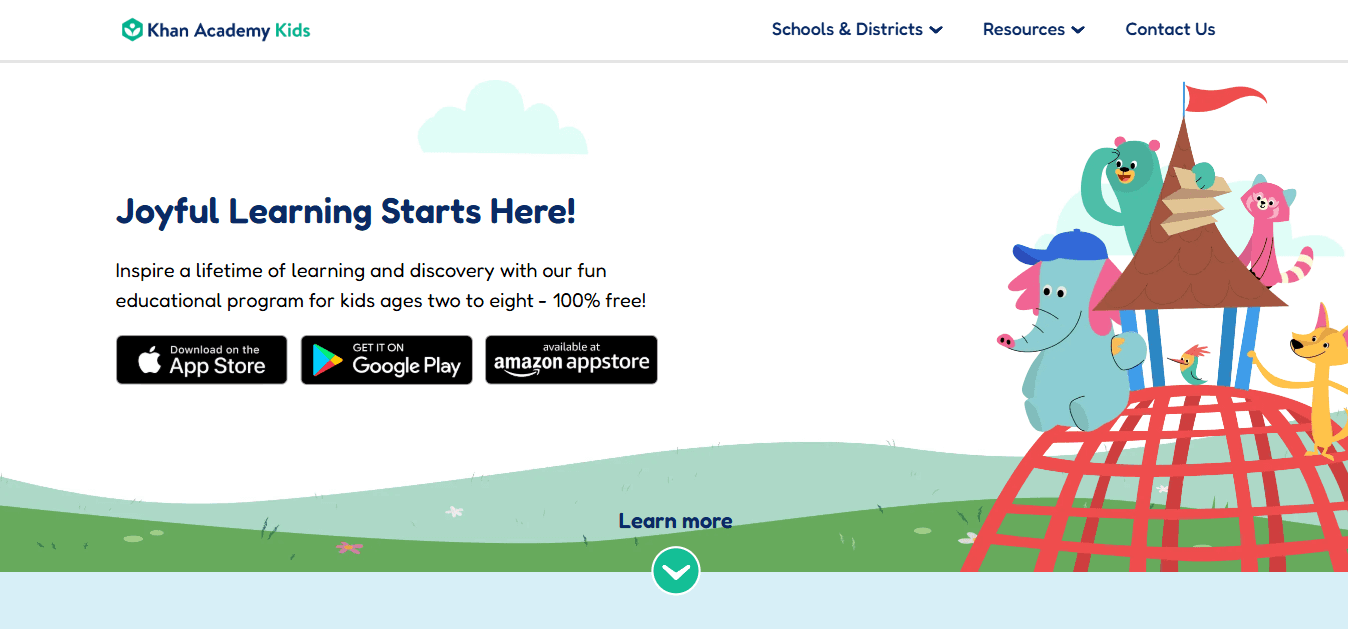
This platform builds foundational skills through adaptive learning paths that adjust to your child's pace. The app covers early literacy, maths concepts, logic, and creative expression through interactive activities that feel like games but follow research-based learning progressions. Progress tracking shows which skills your child has mastered and which need more practice.
How does the independent learning system work?
The interface works independently once children understand how to navigate it, freeing parents to focus on other tasks. Maths sequences progress from counting objects to recognizing numerals to simple addition using pictures that make abstract ideas concrete. Reading activities advance from letter recognition through phonics patterns to simple word building, reinforcing previous skills while introducing new challenges.
What are the main limitations of screen-based learning?
The problem emerges when you want hands-on activities beyond screen time. Preschoolers need to physically manipulate objects, explore outdoors, and engage in creative projects that tablets cannot provide.
2. Easy Peasy All-in-One Homeschool

This curriculum eliminates the need for planning by providing daily lesson schedules with specific instructions. Parents overwhelmed by designing their own scope and sequence can open the website and follow along. The program covers reading, maths, writing, science, Bible studies, and arts across all grade levels, including preschool.
How does the daily structure work?
Each day includes links to specific activities, readings, and worksheets. You don't choose the materials or the sequence of topics; those decisions have already been made. This structure suits families seeking clear direction without extensive research into approaches or program comparisons.
What are the flexibility limitations?
The tradeoff is flexibility. When your child learns a concept quickly, you still follow tomorrow's lesson rather than moving faster. When they struggle, the program moves forward unless you manually repeat days. Customization requires stepping outside the planned sequence, which undermines the main advantage of having everything pre-decided.
3. Ambleside Online
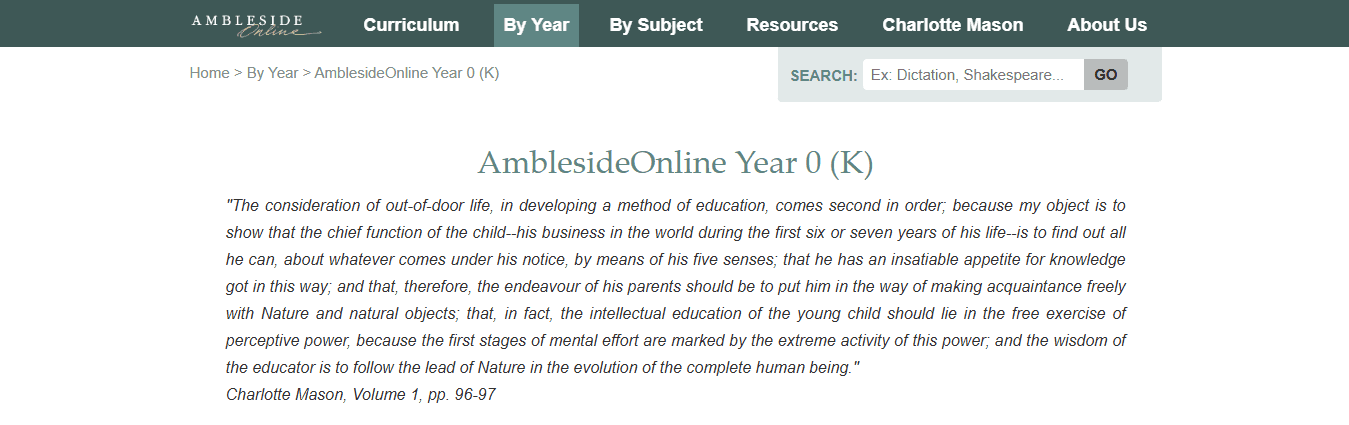
Literature forms the foundation of this Charlotte Mason approach. Children listen to quality books read aloud and narrate what they hear. Rather than workbooks, you use historical fiction and biographies for history, living books about animals, plants, and natural phenomena for science, and poetry, art study, and nature journals to complete the curriculum.
What materials and resources does this curriculum require?
Booklists include specific titles organized by grade level with weekly reading schedules. Parents need library access or book-buying budgets, as the curriculum is free but requires obtaining actual books. The method fosters deep comprehension, vocabulary, and critical thinking because children must process and retell information in their own words rather than simply completing worksheets.
How much parent involvement does this approach need?
This approach requires significant parent involvement: reading aloud daily, facilitating discussions, and guiding nature observations. Families who love books and conversation thrive with this model. Those wanting more independent work or structured written practice need supplementary materials.
4. CK-12 Foundation
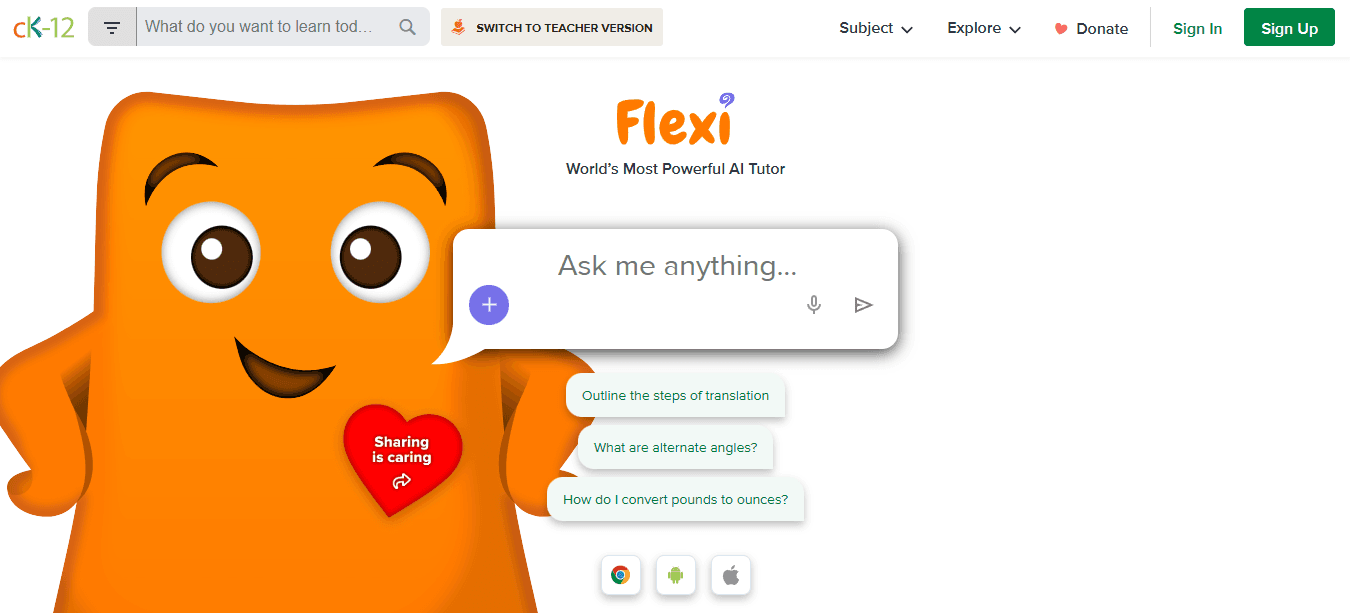
CK-12 Foundation targets older elementary through high school students, but its digital textbooks and interactive simulations offer depth beyond basic preschool programs. Parents adapting content for younger learners find the visual explanations and interactive models helpful for introducing advanced concepts. The customizable FlexBooks let you select specific chapters matching current interests without following entire grade-level sequences.
How can you adapt advanced content for younger learners?
When your preschooler asks why ice melts or how plants grow, CK-12 provides accurate scientific explanations with pictures that clarify complex ideas. You're building scientific thinking through observation and questioning rather than teaching formulas. The platform works best as supplementary learning, as most content assumes reading skills and abstract thinking beyond early childhood development.
5. Homeschool Share

Thematic unit studies connect multiple subjects around single topics, transforming isolated lessons into cohesive learning experiences. A unit on farm animals might include counting activities, animal sound matching, farm-themed coloring pages, books about agriculture, and dramatic play scenarios. The site offers hundreds of free unit studies with printable materials, book recommendations, and activity ideas organized by theme.
How do thematic units maintain engagement across subjects?
Parents appreciate how themes keep children engaged throughout the week while building skills through varied situations. Children learn vocabulary, counting, observation, and creative expression within one connected topic rather than jumping between unrelated subjects. When you need practice materials that match current themes, creating custom worksheets often means buying mismatched workbooks or spending hours searching online. Our AI generator at My Coloring Pages lets you create printable coloring pages that connect directly to what your child is studying that week, turning abstract concepts into visual practice. You can describe what you need or upload images to generate custom designs without subscriptions, streamlining lesson planning.
What are the limitations of unit studies?
Unit studies work well as enrichment, but don't provide step-by-step skill progression. You cover topics in depth, but might miss foundational skills that must be learned sequentially, like phonics patterns or number sense. Most families combine thematic units with structured maths and reading programs to ensure comprehensive coverage.
6. NASA Education Resources

Space science becomes easy to understand through age-appropriate activities. Household items can demonstrate gravity, force, and motion, while videos of real space missions, astronaut interviews, and planetary exploration spark curiosity about the universe.
How do hands-on NASA activities teach scientific concepts?
Young children build rockets from paper and straws to learn how things move through the air, create moon phase calendars to observe patterns, and conduct insulation experiments. These hands-on activities teach the scientific method through testing rather than memorization, showing children that science is real work people do.
How should NASA resources be integrated into a homeschool curriculum?
NASA resources work best when used once a week for extra learning rather than as the main curriculum. Pairing these activities with the core curriculum creates memorable learning experiences that reinforce concepts from other materials.
7. Smithsonian Learning Lab
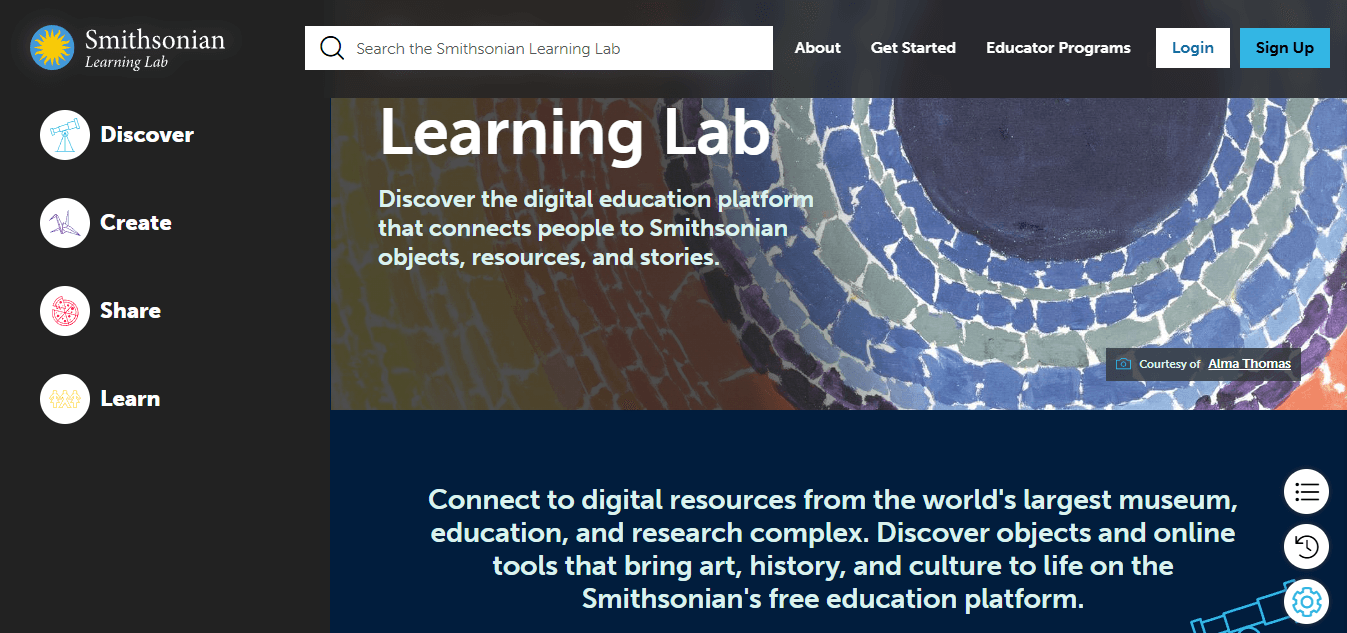
Museum collections become educational resources when people can access artifacts, artwork, and historical documents online. Parents build custom collections around topics their children study, pulling images directly from Smithsonian holdings: photographs from the Natural History Museum's collection for a unit on insects, or primary source documents and historical photographs for American history.
How does inquiry-based learning work with museum resources?
The inquiry-based approach encourages children to observe, question, and research rather than passively receive information. Even preschoolers benefit from examining detailed photographs of butterflies, asking questions about what they notice, and comparing different species. This develops research skills and critical observation that transfer across subjects.
What planning considerations should families expect?
When there are no structured daily lessons, parents must design their own learning experiences using these resources. This flexibility allows families to customize everything, but it requires planning time and educational confidence that not all families possess, especially when starting homeschooling.
8. 123 Homeschool 4 Me
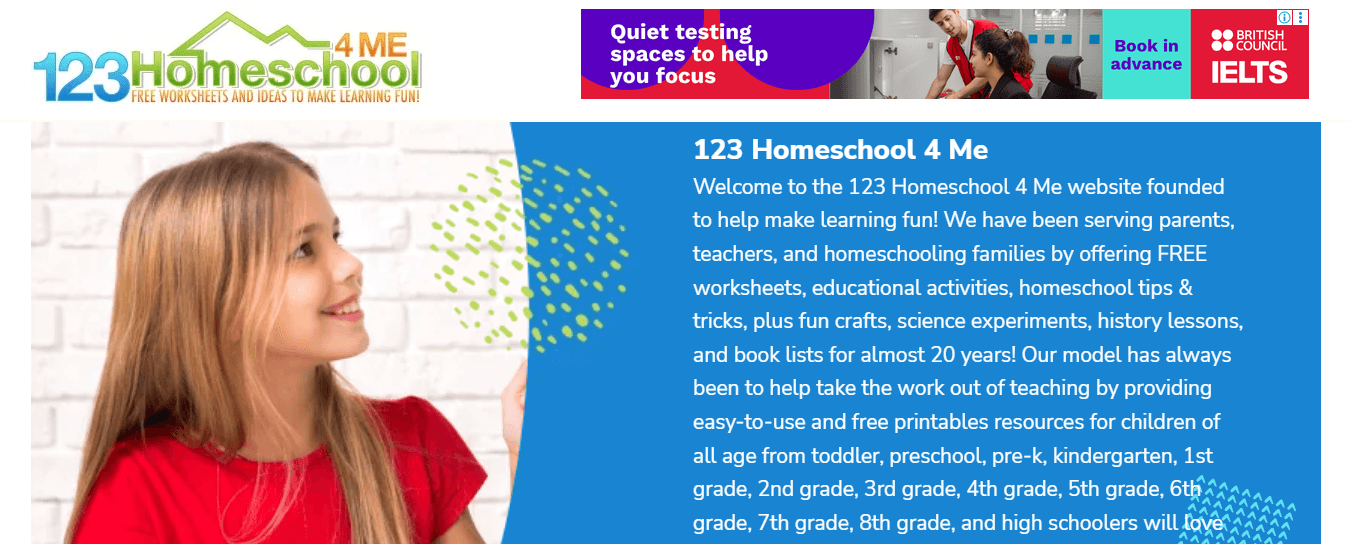
Thousands of printable worksheets cover phonics, maths, handwriting, and seasonal activities, organized by grade level and skill. Parents search by topic to find practice materials that reinforce concepts taught through other methods.
What variety of materials can you find?
The variety means you'll find materials matching almost any topic or skill level: alphabet tracing in multiple formats, number recognition worksheets progressing from 1–10 through higher ranges, and thematic activities connected to holidays and seasons. Everything prints free, which matters when supplementing multiple subjects and needing fresh materials regularly.
How should worksheets be used effectively?
These worksheets work as practice tools, not as the primary teaching method. Children need to learn first through conversation, hands-on activities, and demonstration before practicing on paper. Using worksheets as your main curriculum creates busywork in which children fill pages without understanding what they are learning.
9. Core Knowledge Foundation
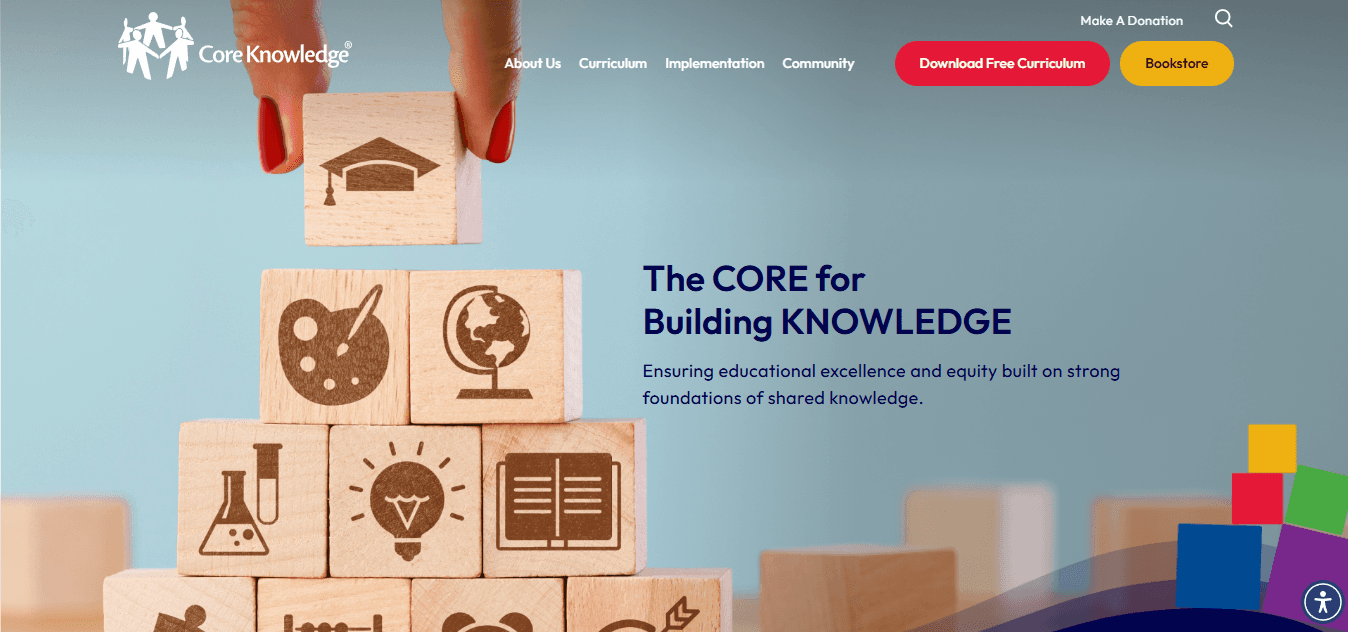
A research-based curriculum for prekindergarten through third grade helps students build background knowledge across different subjects. Teacher guides explain what to teach, why it matters, and how to present concepts effectively. Lesson plans include read-aloud selections, discussion questions, activities, and assessments that track student understanding of key ideas.
How does the structured approach benefit learning?
A structured approach removes uncertainty about what content will be covered. Clear sequences build knowledge step by step rather than jumping between random topics. The focus on vocabulary development and background knowledge lays the foundation for reading comprehension and academic success in later grades.
What level of parent involvement is required?
Parent guides require reading and preparation time before they can be taught. You actively instruct, discuss, and guide learning rather than assign independent worksheets. Families seeking minimal parent involvement may find this demanding, though the educational outcomes justify the time investment.
10. The Good and the Beautiful
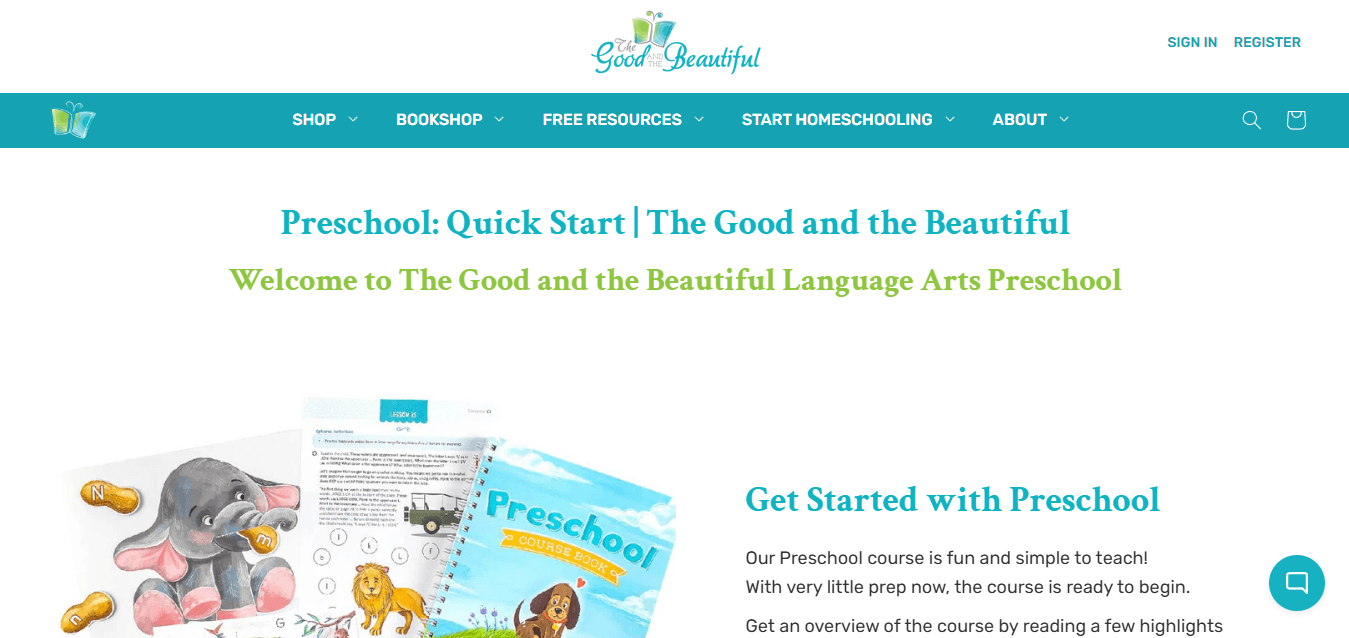
Materials with clean design and beautiful pictures keep young learners engaged. The free language arts levels provide complete reading and writing instruction with detailed lesson plans, printable pages, and clear steps through phonics and early literacy skills. Children stay focused longer when materials feel pleasant rather than cluttered or institutional.
What makes their phonics approach effective?
A strong phonics foundation builds reading skills systematically while incorporating character development and nature study. Activities balance written work with hands-on projects, movement, and creative expression, maintaining academic rigor that prepares children for advanced reading.
What are the limitations of their free content?
Only certain levels and subjects remain free. The full curriculum requires purchase. The free content works well as your main language arts program, and you can combine it with free resources from other platforms for maths and science. But knowing these ten platforms exist doesn't solve the practical problem of finding specific worksheets that match what you're teaching tomorrow morning.
Find the Best Free Homeschool Worksheets for Preschoolers on My Coloring Pages
Relying on a single online curriculum creates gaps in subjects it doesn't emphasize, disengagement when the teaching style doesn't match your child's learning preferences, and pacing mismatches that leave some children bored while others struggle. Combine a core curriculum for structure with flexible, hands-on reinforcement to keep learning balanced and responsive to actual progress.
🎯 Key Point: A hybrid approach that combines a structured curriculum with supplementary materials addresses individual learning gaps more effectively than a single resource.

Start by choosing one primary online curriculum that provides daily lessons and clear guidance. Khan Academy Kids, Easy Peasy, or Core Knowledge work well as primary frameworks because they sequence skills logically, track progress, and eliminate the need to design scope from scratch.
"Structured curricula that sequence skills logically provide the foundational framework that prevents learning gaps and ensures comprehensive coverage of essential concepts." — Educational Research Foundation, 2023
Next, identify specific areas where your child needs extra support or more engagement. The math curriculum may move too quickly through counting concepts, or the reading program may feel too abstract without enough hands-on letter practice. Perhaps science lessons spark questions deserving deeper exploration than the standard curriculum provides. These gaps signal where supplementary materials make the difference between surface familiarity and genuine mastery.
⚠️ Warning: Don't ignore signs that your child is struggling with pacing. Addressing gaps early prevents frustration and learning blocks later.
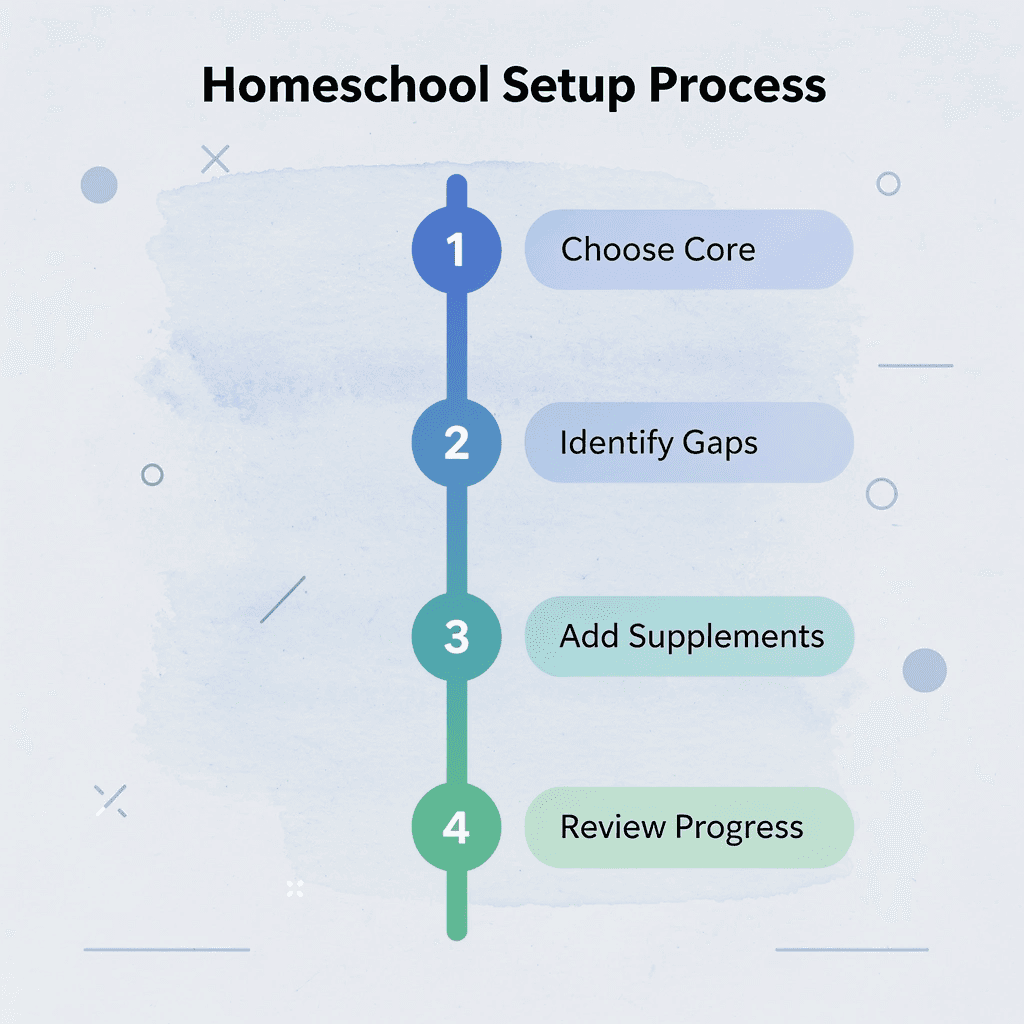
Supplement with interactive tools, activities, or worksheets that match those exact topics. Parents generate printable coloring pages through My Coloring Pages that connect directly to current lessons, turning abstract concepts into hands-on practice. Our AI generator lets you describe what you need or upload images to create custom designs without subscriptions, removing friction from lesson planning.
Resource Type | Best For | Time Investment |
|---|---|---|
Core Curriculum | Daily structure & scope | 30-60 minutes/day |
Custom Worksheets | Targeted skill practice | 10-15 minutes/day |
Interactive Activities | Engagement & reinforcement | 15-30 minutes/day |
Review your child's progress regularly and adjust the mix of resources accordingly. What works in September might need modification by November because your child has either mastered concepts faster than expected or needs more time with foundational skills before advancing. By combining a structured curriculum with responsive supplementation, you create a personalized homeschool system that adapts to how your child learns best.
🔑 Takeaway: Regular progress reviews and resource adjustments ensure your homeschool approach evolves with your child's changing needs and learning pace.

Related Reading
- Illinois Homeschool Laws
- California Homeschool Laws
- 3rd Grade Homeschool Curriculum
- 4th Grade Homeschool Curriculum
- Accredited Homeschool Curriculum
- 2nd Grade Homeschool Curriculum
- Homeschool Reading Curriculum
- Science Homeschool Curriculum
- North Carolina Homeschool Laws
- Alabama Homeschool Laws
- Homeschool Art Curriculum
- 5th Grade Homeschool Curriculum
- How To Homeschool In California
- Michigan Homeschool Laws
- Georgia Homeschool Requirements