
10 Best 4th-Grade Homeschool Curriculum in 2026
Discover the 10 best 4th-grade homeschool curriculum options for 2026. My Coloring Pages reviews top programs to help you choose the perfect fit.


Fourth grade marks a turning point in the homeschool journey. Subjects become more layered, critical thinking deepens, and children start connecting ideas across math, science, language arts, and social studies in genuinely exciting ways. Building a 4th-grade homeschool curriculum that balances structure with flexibility can feel overwhelming, especially when searching for resources that match a child's learning style while keeping them engaged.
Access to diverse, ready-to-use materials makes all the difference in creating effective lessons. Whether reinforcing multiplication facts, exploring state geography, or adding visual elements to literature studies, printable resources help parents create a curriculum that feels personal and purposeful without starting from scratch every time. Download 69,777+ free coloring pages that can be customized into worksheets, study aids, and creative activities tailored specifically to fourth graders' needs.
Table of Contents
- Is Homeschooling Good Enough for a 4th-Grader?
- Benefits of Homeschooling a 4th-Grader
- How to Homeschool a 4th-Grader Effectively
- How to Choose the Best 4th-Grade Homeschool Curriculum
- 10 Best 4th-Grade Homeschool Curriculum in 2026
- Download 69,777+ free worksheets for homeschooling 4th-Graders
Summary
- Homeschooled fourth graders score 15 to 30 percentile points above public school students on standardized tests, according to the National Home Education Research Institute. This performance gap appears because instruction adapts to individual thinking patterns rather than predetermined pacing guides. When children grasp fractions in three days instead of two weeks, or need a full month for reading comprehension strategies instead of one week, the flexibility to adjust prevents both boredom from waiting and anxiety from falling behind.
- Traditional school days run six to seven hours but deliver only three hours of focused academic time after accounting for transitions, announcements, and classroom management. Homeschooling condenses core instruction into three to four hours because structural overhead disappears. This efficiency creates space for depth rather than just coverage. When confusion appears in September, you can stop and rebuild understanding instead of moving forward because the schedule demands it, preventing skill gaps from compounding into permanent learning obstacles by December.
- Fourth graders develop independence through ownership rather than compliance when learning environments require genuine thinking instead of task completion. Children working through science experiments or writing assignments at home learn to problem-solve before asking for help because no teacher circulates among thirty students. This shift from following instructions to managing their own focus becomes visible in fourth grade, when work becomes complex enough to require actual reasoning rather than just completing assigned tasks.
- Curriculum selection determines whether homeschool years build momentum or create daily friction, yet most parents overthink this decision by chasing perfect programs instead of identifying what works for their specific situation. Strong curricula build concepts incrementally, with each lesson assuming mastery of previous material and adding one new element. When programs jump randomly between topics, hoping exposure creates understanding, children develop fragmented knowledge rather than coherent mental models that support flexible thinking across subjects.
- Generic worksheets targeting average fourth graders with average struggles waste time without building mastery because the practice doesn't match specific confusion points. Your child needs equivalent fraction practice, specifically, not mixed fraction operations, or inference questions about narrative text rather than informational passages. Effective reinforcement happens immediately after instruction, while concepts remain fresh, not days later when you finally locate materials that approximately fit your need.
- My Coloring Pages addresses the gap between identifying confusion and providing targeted practice by offering over 69,777 customizable templates that adapt into worksheets, visual aids, and practice materials to match your fourth grader's precise learning needs, without requiring extensive searching or creating materials from scratch.
Is Homeschooling Good Enough for a 4th Grader?
Homeschooling often shows its clearest advantages in fourth grade. Academic outcomes, cognitive development, and learning efficiency contradict concerns that children need traditional classrooms at this level.

🎯 Key Point: Fourth grade represents a critical transition period where homeschooled students often demonstrate superior academic flexibility and personalized learning outcomes compared to their traditionally-schooled peers.
"Fourth grade is when children develop independent learning skills and critical thinking abilities that benefit significantly from one-on-one instruction and customized pacing." — National Home Education Research Institute
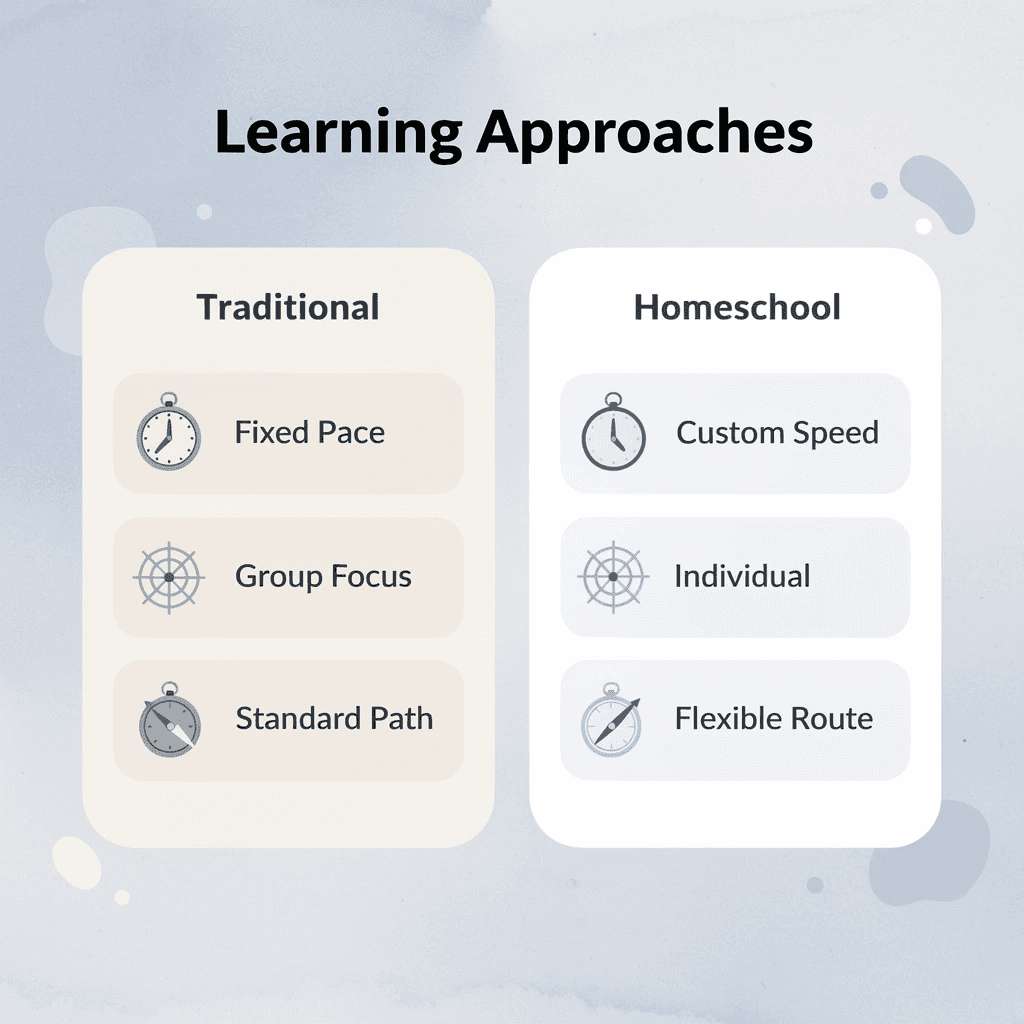
💡 Tip: At the fourth-grade level, homeschooling allows parents to address individual learning styles, tackle knowledge gaps immediately, and accelerate through subjects where children show natural aptitude, creating a more efficient and effective educational experience.
The Performance Gap Runs the Other Direction
Fourth graders learning at home typically outperform their classroom peers by significant margins. The National Home Education Research Institute found that homeschooled students score 15 to 30 percentile points above public school students on standardized tests, equivalent to the gap between average performance and the top quarter of test takers. This advantage emerges in fourth grade when foundational skills are established. Reading fluency and basic maths operations are solid. Instruction shifts to comprehension, multi-step problem-solving, and the application of knowledge across contexts. These skills develop more quickly when teaching adapts to a specific child's way of thinking rather than following a curriculum schedule.
Cognitive Timing Favors Individualized Learning
Fourth graders enter the concrete operational stage, thinking logically about complex problems and understanding cause-and-effect relationships. This cognitive shift varies across children and subjects. Traditional classrooms move everyone forward at the same speed, regardless of individual understanding. Homeschooling lets you move faster where understanding clicks and slow down where confusion lingers. This flexibility matters in fourth grade because the cognitive tools emerging now determine how well children handle middle school academics.
Time Efficiency Creates Space for Depth
A traditional school day runs six to seven hours, but actual focused academic time is approximately three hours after accounting for transitions, announcements, and classroom management. Homeschooling condenses core instruction into three to four hours with no structural overhead, fewer distractions, and lessons tailored to each child's needs.
What opportunities does this efficiency create for deeper learning?
That efficiency creates space for depth. When a math concept confuses your fourth grader, you can stop and rebuild understanding instead of moving on because the schedule demands it. When a history topic sparks genuine curiosity, you can follow that thread without worrying about falling behind. Most parents cover more material in less time than expected, then use the remaining hours for hands-on projects, extended reading, or skill practice that wouldn't fit into a traditional school day.
Skill Gaps Get Addressed Instead of Compounded
In classrooms, unresolved confusion in September becomes a foundational gap by December. Fourth-grade maths builds on third-grade concepts, and reading comprehension assumes decoding fluency already exists. When a child doesn't understand a prerequisite skill, they spend the rest of the year building on unstable ground. Homeschooling lets you catch gaps immediately. If long division isn't working, you don't move to multi-digit multiplication and hope it works out. You go back to place value, practice estimation, and try a different explanation method. This flexibility to address confusion before it becomes a learning obstacle proves crucial in fourth grade, when academic complexity accelerates faster than most curricula recognise.
What resources help create custom practice materials?
Many homeschooling parents need custom practice materials targeting their child's specific struggles rather than generic pages designed for average students. My Coloring Pages offers over 69,777 free printable resources that parents can customize into targeted practice sheets, visual aids for maths concepts, or illustrated vocabulary builders. Instead of searching for the right worksheet or creating one from scratch, you can adapt existing materials to fit the precise skill your fourth grader needs to master.
Independence Develops Through Ownership, Not Compliance
Fourth graders in traditional settings learn to follow instructions and meet outside expectations. Homeschooled children often develop independence earlier by managing their own focus, identifying when they need help, and taking ownership of their progress, as their learning environment demands.
This is practical, not idealistic. When working through a science experiment or writing assignment at home, there's no teacher circulating among thirty students. You learn to solve problems before asking for help and develop awareness of your own understanding because no one else is tracking it for you.
Why does fourth grade mark a turning point for ownership?
This shift from following rules to taking ownership becomes visible in fourth grade when work grows complex enough to require thinking beyond task completion.
Social Development Happens Outside Age-Segregated Rooms
Despite ongoing concerns, homeschooled students participate socially as much or more than their peers. Research indicates that 87% of homeschooled students participate in two or more extracurricular activities through community sports, music lessons, co-op classes, volunteer work, and neighborhood friendships.
How does mixed-age interaction benefit social development?
What differs is the context. Instead of spending six hours daily with same-age peers in structured environments, homeschooled students interact with people across age groups in real-world settings, such as librarians, coaches, store clerks, younger children, and older mentors. This mixed-age interaction often produces stronger communication skills and social confidence because it mirrors how humans interact outside institutional settings.
Is age-segregated classroom socialization the only valid form of socialization?
The real question isn't whether homeschooled children get social interaction, but whether a classroom of same-age peers is the only or best way to socialize.
When does homeschooling fail to deliver results?
Homeschooling works when there is structure, parents maintain consistent routines, and practice reinforces concepts. It fails when days drift without clear learning goals, passive video-based instruction replaces active engagement, or parents assume exposure equals understanding.
How does good homeschooling compare to traditional classrooms?
Poor execution produces worse outcomes than a mediocre classroom. A well-designed homeschool approach—one that balances flexibility with accountability and adapts to how the child learns—typically produces stronger academic results and deeper skill development than good traditional classrooms. Fourth grade is where homeschooling often proves its worth most clearly. But understanding why it works better than expected matters only if you can sustain it day to day.
Related Reading
- Homeschool History Curriculum
- Easy Peasy Homeschool
- Homeschool Curriculum
- Homeschool Math Curriculum
- Online Homeschool Curriculum
- Homeschool Resources
- Online Homeschool Programs
- Christian Homeschool Curriculum
- Homeschool Planner
- Homeschool Schedule
- Kindergarten Homeschool Curriculum
- Best Homeschool Programs
- Free Homeschool Curriculum
- Homeschool Schedule
- Best Homeschool Curriculum
- Accredited Homeschool Programs
- How To Homeschool
- Time For Learning Homeschool
- K12 Homeschool
Benefits of Homeschooling a 4th Grader
Homeschooling fourth graders helps them develop critical thinking, time management, and confidence. These benefits grow over time by changing how children learn, not by teaching content more quickly.
🎯 Key Point: The fourth-grade year is particularly crucial for homeschooling because children at this age are developing independent learning skills that will serve as the foundation for their entire educational journey.
"Fourth grade represents a critical transition period where students move from learning to read to reading to learn, making it an optimal time for personalized instruction." — National Education Research Institute, 2023
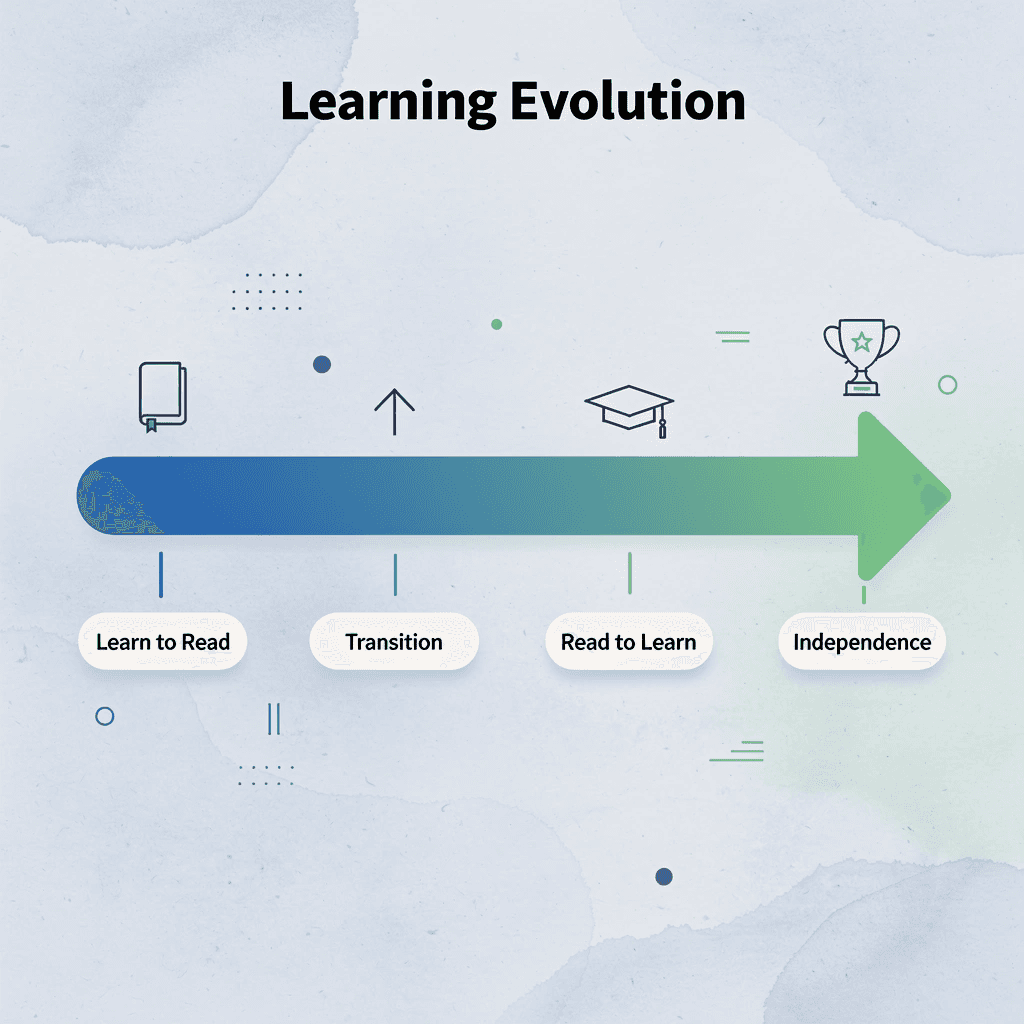
💡 Tip: Focus on building self-directed learning habits during the fourth-grade year - these skills will dramatically improve your child's ability to tackle more complex subjects in later grades.
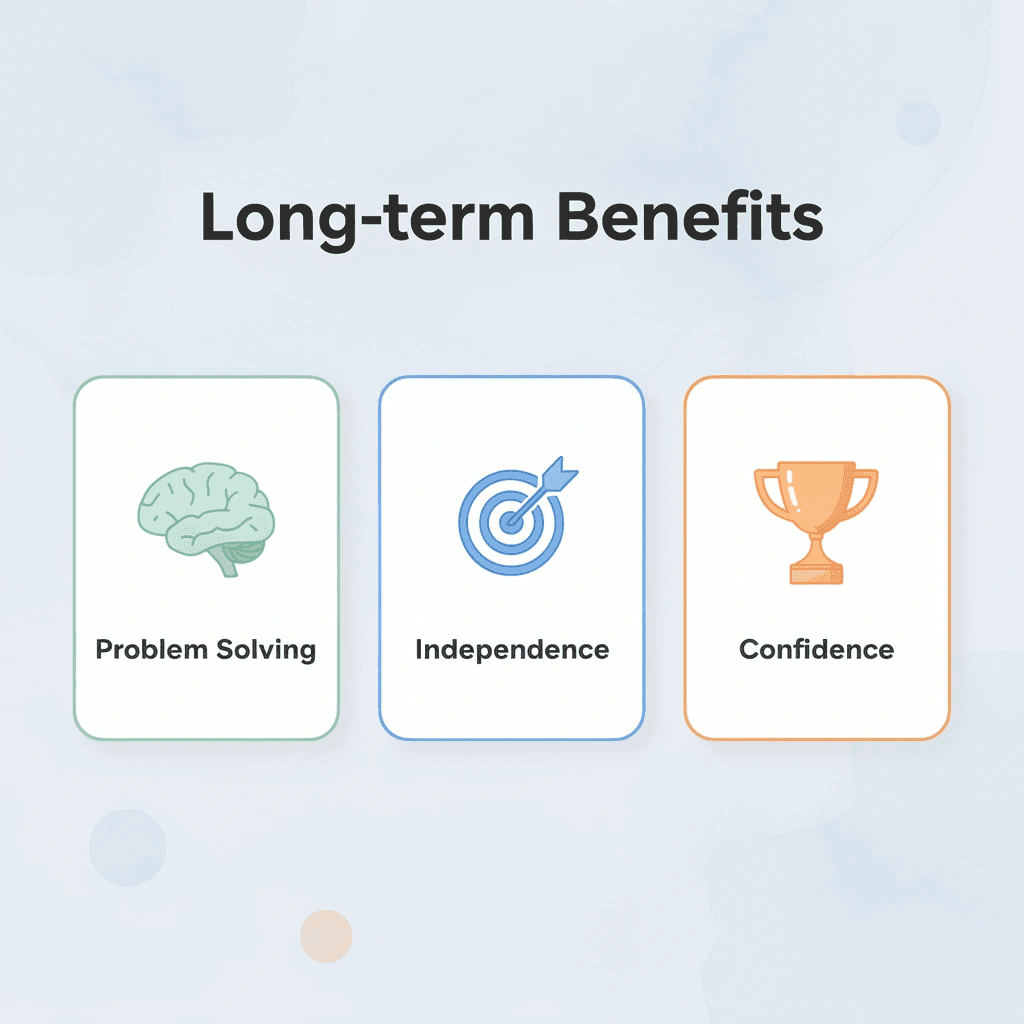
Key Benefit | Long-term Impact |
|---|---|
Critical Thinking | Better problem-solving in middle school and beyond |
Time Management | Self-directed study habits and independence |
Confidence | Willingness to tackle challenging subjects |
Learning Moves at Your Child's Actual Pace
Fourth-grade curriculum assumes all students learn at the same pace: multiplication facts in two weeks, paragraph writing in three. But children's brains develop unevenly. Some understand abstract ideas quickly but need extra time with step-by-step skills. Others show the opposite pattern.
How does flexible pacing prevent learning challenges?
Homeschooling removes the artificial constraint of synchronized pacing. When your fourth grader masters fraction concepts in three days instead of two weeks, you move forward. When reading comprehension strategies require a month instead of the scheduled week, you take that time off instead. This flexibility prevents both boredom from waiting and anxiety from falling behind.
What do research results show about individualized learning?
According to the National Home Education Research Institute, homeschooled students typically score above the 80th percentile on standardized tests, suggesting that self-paced learning produces measurably stronger results than age-based systems.
Schedules Adapt to How Your Family Actually Lives
Traditional school imposes a fixed schedule regardless of your child's natural rhythms or family circumstances. Morning people and night people follow identical schedules. Families with unusual work hours, frequent travel, or seasonal commitments must restructure their lives around school calendars. Homeschooling flips that relationship around. You design learning time around when your child focuses best. If concentration peaks mid-morning, core subjects happen then.
What benefits does this approach provide in terms of flexibility?
Learning continues during family trips, includes local experiences, and pauses when illness or life events require it without penalty. This flexibility reduces daily friction that exhausts families: no rushed mornings, forgotten lunches, or stress about being late. Learning happens in a sustainable rhythm rather than a forced march through someone else's schedule.
Family Relationships Deepen Through Shared Experience
Traditional schooling separates families for most waking hours. Parents witness their children's homework struggles but miss their children's learning breakthroughs. Siblings in different grade levels don't share experiences. When families discuss the school day, children offer one-word answers because school feels too distant to discuss meaningfully.
What shared experiences strengthen family bonds through homeschooling?
Homeschooling creates natural opportunities for connection. You witness the moment multiplication clicks. You explore historical events together. Siblings work on projects, with younger ones observing what's ahead and older ones reinforcing concepts by explaining them. These shared experiences build relational depth difficult to replicate when everyone attends separate institutions daily. The time together offers quality presence during moments of discovery, frustration, and growth that traditionally occur beyond parental view.
Curriculum Choices Reflect Your Values and Your Child's Needs
Schools choose materials based on district standards, budget limits, and general student needs. Individual learning styles, family values, and specific interests rarely influence those decisions.
What advantages do homeschoolers have in selecting learning materials?
When homeschooling, you can choose resources that match your fourth grader's learning style. Visual learners benefit from diagram-heavy materials, while kinesthetic learners thrive with manipulatives and movement. You can also include topics schools often skip: financial literacy, practical life skills, entrepreneurial thinking, and deeper exploration of subjects that fascinate your child.
Many parents create custom practice materials when standard worksheets don't fit their child's learning gap. My Coloring Pages provides over 69,777 customizable templates that can be transformed into targeted educational tools, such as illustrated multiplication charts, geography maps, and vocabulary sheets. Instead of searching multiple sites or creating from scratch, you adapt existing designs to match exactly what your fourth grader needs to master.
Learning Environments Feel Safe Instead of Stressful
Classroom dynamics create social pressures that impede learning: fear of judgment stops students from asking questions, bullying consumes mental energy, and peer comparison creates anxiety. For many fourth graders, social survival competes with academic focus.
Homeschooling removes those distractions. Your child asks questions without worrying about peer judgment, mistakes become learning opportunities instead of embarrassments, and attention stays on understanding concepts rather than managing social dynamics. This psychological safety matters more as academic work gets harder. Fourth graders tackle abstract reasoning, multi-step problems, and skills requiring sustained focus: cognitive work that happens more effectively free from social anxiety.
Social Skills Develop in Diverse, Real-World Contexts
Some people worry that homeschooling doesn't help children develop social skills, believing that classroom interaction with peers is essential for learning to get along with others. However, most adults interact with people of different ages across varied situations. Homeschooled fourth graders participate in community activities, sports teams, co-op classes, volunteer work, and neighborhood friendships—experiences that reflect how people interact in the real world.
What research shows about the social development of homeschooled students?
They learn to communicate with younger children, older mentors, and adults in positions of authority, navigating social situations that require genuine relationship skills rather than managing peer hierarchies. Research from the National Home Education Research Institute shows that 87% of homeschooled students go on to college, compared to 57% of public school students, suggesting that their social development doesn't hinder college success or adjustment to new institutions. The question is whether diverse, mixed-age interaction creates stronger social skills than same-age classroom exposure.
Academic Independence Emerges Through Ownership
Traditional classrooms reward following the rules: doing what you're told, finishing assignments, and meeting others' deadlines. These skills matter, but they don't help you learn to think for yourself. Homeschooled fourth graders develop different abilities earlier. They learn to check their own understanding, identify when they need help, and maintain focus without constant direction. Since no teacher oversees thirty students simultaneously, the setup requires them to take charge of their own learning.
What signs show that academic independence is developing?
This shift from task completion to genuine thinking becomes visible when children start asking better questions, making connections between subjects independently, and approaching new material with confidence rather than waiting for step-by-step instructions. Capturing these benefits in daily practice requires understanding what effective homeschooling looks like in action.
How to Homeschool a 4th Grader Effectively
Good fourth-grade homeschooling balances structure with the ability to adapt when needed. Consistent routines keep momentum without being so rigid that everything collapses when life intervenes. Twelve practical approaches address how fourth graders learn, not how traditional school assumes they should.

🎯 Key Point: Fourth grade represents a critical transition where children develop independent learning skills while still needing guided support. This balance requires a flexible structure that adapts to your child's natural learning rhythm.
"Fourth grade is when children transition from learning to read to reading to learn - making this year crucial for establishing effective study habits and academic confidence." — National Education Association, 2023

⚡ Pro Tip: Create a daily routine that includes 30 minutes of flexible time for your child to choose among review activities, creative projects, or educational games. This maintains structure while honoring their need for autonomy.
Build a Structure That Holds Without Constraining
Fourth graders work best in focused blocks of 30 to 45 minutes per subject. A good daily structure might include 40 minutes of maths, 40 minutes of language arts, 30 minutes of science or social studies, and 30 minutes of creative or physical activity.
This rhythm stops the drift that hurts homeschool consistency. Without a predictable learning time, days blur into reactive scrambling, with real instruction getting postponed. The structure serves the learning, not the schedule: if a concept requires 60 minutes instead of 40, you adjust. The framework creates momentum, not constraints.
Match Curriculum to How Your Child Actually Learns
The choice of curriculum shapes everything that follows. Fourth-grade materials should build skills step by step, not jump randomly between topics. Core subjects (math, language arts, science, social studies) need to be covered, but how you teach them matters more than the brand name. Struggling learners need organized programs with clear explanations and small steps forward. Independent learners thrive with flexible approaches that allow exploration of side topics and self-paced progress. Avoid selecting a curriculum based on what worked for another child without considering whether it matches your child's learning style.
Practice Concepts Until They Stick, Not Just Until Class Ends
Being exposed to something doesn't make you good at it. Fourth graders need daily practice to reinforce concepts they have learned, not just to acquire new ones. Even the best curriculum fails if students don't cement their understanding through deliberate practice.
How can you find targeted practice materials for specific learning gaps?
Most parents need materials that focus on specific skills their child hasn't mastered. Generic worksheets rarely match the exact concept, causing confusion. You need practice materials you can customize for your child's precise learning gap, whether that's fraction operations, reading inference, or paragraph structure. My Coloring Pages provides over 69,777 printable resources that can be adapted into targeted practice tools. Rather than searching multiple sites or creating materials from scratch, our collection lets you modify existing templates to reinforce what your fourth grader needs to master.
Follow the Teach, Practice, Apply Sequence
Every lesson should move through three phases: teach the concept with explanation and examples, practice through exercises that isolate the skill, and apply it in real contexts that demonstrate its relevance. Teaching fractions means explaining the concept, working practice problems, then measuring ingredients while cooking or dividing a pizza fairly. This sequence prevents the disconnect where children complete worksheets but cannot use the skill when it matters. Application creates the neural pathways that transform abstract knowledge into usable capability.
Prioritize Understanding Over Memorization
Fourth grade shifts from memorizing facts to thinking things through. Children must explain their answers, solve multi-step problems, and apply what they know to new situations. Memorizing multiplication tables matters, but understanding why multiplication works matters more.
Use story problems that require thinking, not just computation. Ask your child to explain their reasoning aloud. Show concepts with pictures when verbal explanation doesn't suffice. The goal is to build mental models that support flexible thinking, not simply to obtain correct answers.
Connect Academic Concepts to Daily Life
Fourth graders learn faster when abstract ideas connect to real experiences they can touch and see. Grocery shopping becomes maths practice through price comparison and budgeting. Cooking teaches fractions and measurement. Travel introduces geography and planning skills. These connections transform theoretical knowledge into practical understanding. Real-world application answers the question every fourth grader asks: "Why do I need to know this?" When learning connects to visible outcomes, motivation sustains itself.
Build Reading Into Daily Rhythm
Reading ability determines success across every subject in fourth grade and beyond. Set a fixed reading time each day, let your child choose books that interest them, and talk about what they read. These conversations matter as much as the reading itself. Asking questions about character motivation, plot predictions, or confusing passages builds comprehension skills that silent reading alone cannot develop.
Track Progress Before Gaps Become Permanent
Regular assessment catches confusion before it compounds. Weekly reviews, small quizzes, and observing your child during lessons reveal whether they truly understand or simply complete assignments. Identifying weak areas early prevents them from undermining future learning. When you see confusion, make changes right away. Teach again using different methods, provide extra practice, or slow down until your child understands. This ability to respond to tracking data is homeschooling's biggest advantage over classroom instruction that moves at a fixed pace.
Include Creative and Physical Development
Art, music, and physical activity support brain development, emotional control, and focus during schoolwork. These subjects aren't rewards for finishing academic work: they're essential parts of healthy development that enhance learning. Children who move, create, and express themselves regularly show better concentration during focused academic time. This variety prevents burnout and builds skills that schools increasingly eliminate due to budget constraints.
Use Strategic Breaks to Maintain Focus
After 30 to 45 minutes of focused work, attention declines. Short breaks with movement, play, or a mental reset restore focus more effectively than pushing through fatigue. Fourth graders can concentrate intensely for short periods and then need recovery time before the next session. Parents who ignore this pattern spend twice as long teaching half as well. Those who work with natural attention rhythms accomplish more in less time with less frustration.
Balance Technology With Hands-On Learning
Educational videos, interactive tools, and learning apps work best alongside writing, physical worksheets, and face-to-face discussion. Technology alone creates passive consumption rather than active learning. Use digital resources to explain complex concepts visually, then reinforce through hands-on practice. Let apps provide repetition for basic skills, but require your child to explain their thinking verbally. Technology serves learning; it doesn't replace it.
Create Social Interaction Opportunities
Homeschooling doesn't mean your child will be alone. Fourth graders need to spend time with other children through co-ops, sports teams, community activities, or organized field trips. This builds communication skills, confidence, and the ability to work well in groups. Social development happens when children interact with diverse people, not just peers in a classroom. Mixed-age activities build stronger social skills by mirroring how people interact outside school. But even if all twelve approaches are working well, none of it matters if the curriculum doesn't fit your child's learning style and your ability to teach it.
Related Reading
- Homeschool Room
- Homeschool Report Card Template
- Homeschool Room Ideas
- Homeschool Vs Public School
- Language Arts Homeschool Curriculum
- Homeschool Preschool
- Texas Homeschool Requirements
- How To Homeschool Your Kids
- How To Homeschool In Texas
- Homeschool Coop
- Pre K Homeschool Curriculum
- Florida Homeschool Requirements
- 1st Grade Homeschool Curriculum
- Colorado Homeschool Laws
- Georgia Homeschool Laws
- 6th Grade Homeschool Curriculum
How to Choose the Best 4th Grade Homeschool Curriculum
Choosing your curriculum is important because it determines whether your homeschool year runs smoothly or creates daily problems. The best materials align with how your child learns, match your teaching capacity, and cover the skills your child needs without overwhelming either of you.
💡 Tip: Assess your child's learning style and your own teaching confidence level before comparing curriculum options.
"The right curriculum match can mean the difference between a successful homeschool year and daily struggles that discourage both parent and child." — Homeschool Research Institute
⚠️ Warning: Don't choose a curriculum based solely on reviews or popularity - what works for other families may not work for your unique situation.

Start by Observing How Your Child Processes Information
Watch how your fourth grader learns new ideas before selecting a curriculum. Some children need pictures and color-coded systems to grasp complex concepts. Others learn through hands-on activities, building models, or acting out situations. Still others prefer reading explanations and written examples.
The curriculum that works well for a kinesthetic learner will frustrate a child who learns best through reading and thinking. What you observe about how your child learns matters more than what companies claim about comprehensive coverage or design awards.
Identify Non-Negotiable Skills for This Grade Level
Fourth grade focuses on four main academic skills: performing multi-digit calculations in mathematics, learning basic fractions, writing organized paragraphs in language arts, applying the scientific method in science, and understanding geography and history in social studies. These skills prepare students for fifth grade.
Any curriculum should teach these core areas directly. If a program skips fractions or teaches writing only as creative expression without addressing organization, you will create gaps that cause problems later.
Match Teaching Philosophy to Your Daily Reality
Structured curricula provide scripted lessons and daily schedules requiring minimal preparation. Flexible approaches ask you to design lessons, select activities, and adapt materials to your needs. Online programs shift instruction to video teachers, reducing your direct teaching time but requiring you to assess understanding independently.
Your available time and teaching confidence determine which approach works best. Part-time work or multiple children favor structured or online options to avoid nightly lesson planning. Teaching experience and preference for controlling pace support flexible materials that let you customize lessons.
Decide How Much Independence Your Child Can Handle
Some fourth graders work through lessons with minimal help, reading instructions and asking for assistance when stuck. Others need constant guidance, frequent check-ins, and immediate feedback to stay focused and prevent practicing mistakes.
Independent curricula assume self-directed learning capability, while teacher-led programs expect active instruction and monitoring. Most families need different approaches for different subjects: maths might require direct teaching, while reading can be done independently. Match curriculum structure to your child's actual self-regulation capacity, not your aspirations for it.
Prioritize Engagement Over Completion
Fourth graders lose focus when instruction feels like endurance testing. Materials using stories, experiments, real-world applications, or creative projects sustain attention better than endless worksheet repetition. The goal is to build a genuine understanding that extends beyond the lesson.
Curricula heavy on drill and practice work for children who need repetition to learn concepts. But if your child understands quickly and gets bored easily, those same materials create resistance. Engagement is the cognitive activation that signals learning is happening.
Verify Skill Progression Makes Logical Sense
Strong curricula build ideas step by step, with each lesson assuming students have mastered prior material and introducing one new concept. Weak programs jump between topics randomly. Open a sample lesson sequence and trace how concepts develop. If multiplication appears, then disappears for three weeks before reappearing in word problems without intervening practice, the progression has gaps.
This matters in maths and writing, where skills build sequentially. If students don't understand place value before multi-digit multiplication, every subsequent lesson builds on shaky ground. The curriculum's internal logic determines whether your child develops clear mental models or fragmented, disconnected knowledge.
Assess Realistic Time Requirements
Most fourth-grade homeschool days run three to four focused hours for core academics. Curricula that claim comprehensive coverage but require six hours of daily instruction include excessive busywork or unrealistic pacing. Check sample schedules and lesson plans to verify time commitments match your available teaching window. A curriculum you can't maintain consistently produces worse outcomes than simpler materials you complete thoroughly. Sustainability beats comprehensiveness when teaching every subject yourself for nine months.
Accept That Mixing Resources Often Works Better
Few families use a single curriculum for all subjects. You might choose a structured math program, a literature-based reading approach, hands-on science kits, and project-based social studies. This combination strategy lets you match each subject to the teaching method that works best for that content type. The mixing approach requires more upfront research but creates better daily experiences because each subject uses materials optimized for its specific learning goal.
How can you fill specific skill gaps when mixing resources?
Parents who combine resources often need extra practice materials focused on specific ideas their child hasn't yet learned. Generic worksheets rarely address the specific skill gap, leading to confusion. My Coloring Pages offers over 69,777 printable templates that can be customized into focused educational resources, whether you need illustrated fraction models, vocabulary practice tied to current reading, or visual aids for scientific concepts. Rather than searching multiple sites or creating materials from scratch, you modify existing designs to match your child's immediate learning needs.
Use Grade-Level Standards as a Coverage Checklist
State standards documents outline what fourth graders are expected to know and do. Compare your curriculum against these standards to identify gaps. While you needn't follow standards exactly, understanding typical fourth-grade learning ensures you don't skip important foundational skills. This checking process prevents discovering in December that your curriculum never covers measurement conversion or reading inference strategies—topics that will appear on any assessment your child eventually takes.
Test Materials Before Full Commitment
Most curriculum companies offer sample lessons or trial periods. Teach three to five lessons and observe whether your child engages, understands explanations, and completes practice independently. Monitor your own frustration level. If sample lessons feel confusing or require substantial extra help, the full program won't improve. This testing phase reveals mismatches early enough to change direction without losing months to ineffective materials.
Plan Systematic Review and Reinforcement
Ideas you learn in September can be forgotten by December without regular review. Plan weekly review sessions covering old topics, use tests that combine multiple skills, and practice activities that strengthen what you've learned rather than teaching it once. This extra practice layer transforms covering the material into genuine understanding. But knowing how to pick the right curriculum and finding which specific programs actually work best means looking at what's available right now and how each choice performs in real homeschool settings.
10 Best 4th Grade Homeschool Curriculum in 2026
Fourth-grade curriculum options fall into three categories: all-in-one systems that bundle every subject, specialized programs that excel at one discipline, and flexible frameworks for custom combinations. The right choice depends on how much structure versus freedom you need, your child's independence level, and whether you prefer one source or mixing resources.
🎯 Key Point: The right curriculum isn't about finding the most popular option – it's about matching your family's learning style and time constraints with a program that delivers consistent results.
"Fourth grade represents a critical transition where students move from learning to read to reading to learn, making curriculum choice more important than ever." — National Education Association, 2024
💡 Tip: Before committing to any full curriculum, consider your child's attention span and whether they thrive with structured lessons or need more hands-on flexibility to stay engaged throughout the school year.
1. The Good and the Beautiful
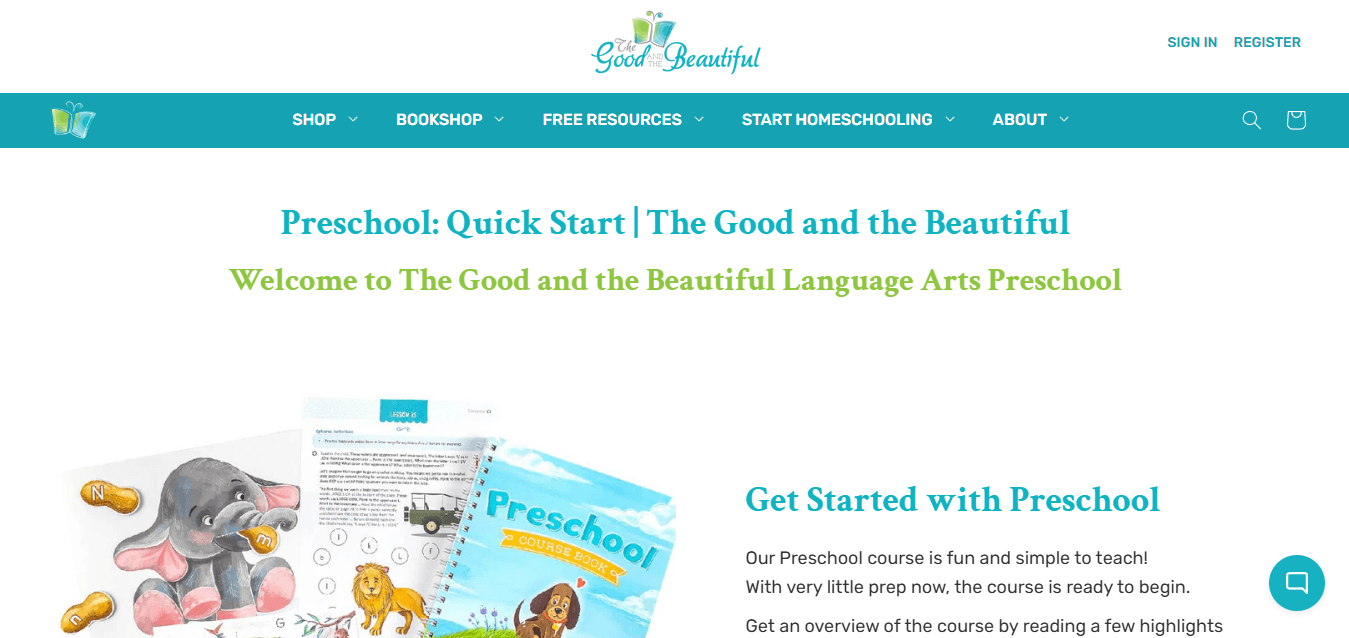
This program integrates language arts, maths, science, and electives through engaging lessons that combine nature photography, art, and storytelling. The teacher guides provide step-by-step instructions requiring minimal preparation, making them accessible to parents without teaching experience.
What makes this curriculum engaging for fourth graders?
The strength lies in engagement. Fourth graders who resist traditional textbooks often respond well to story-driven lessons delivered through illustrated narratives rather than dense paragraphs. The materials balance rigorous academics with creativity, incorporating art projects and nature studies alongside core skills.
What are the potential challenges with this approach?
The problem emerges when you need a strict structure. The flexible pace suits self-directed learners but requires more parental oversight for children who need accountability. Families wanting to set daily schedules must create their own timelines.
2. Singapore Math
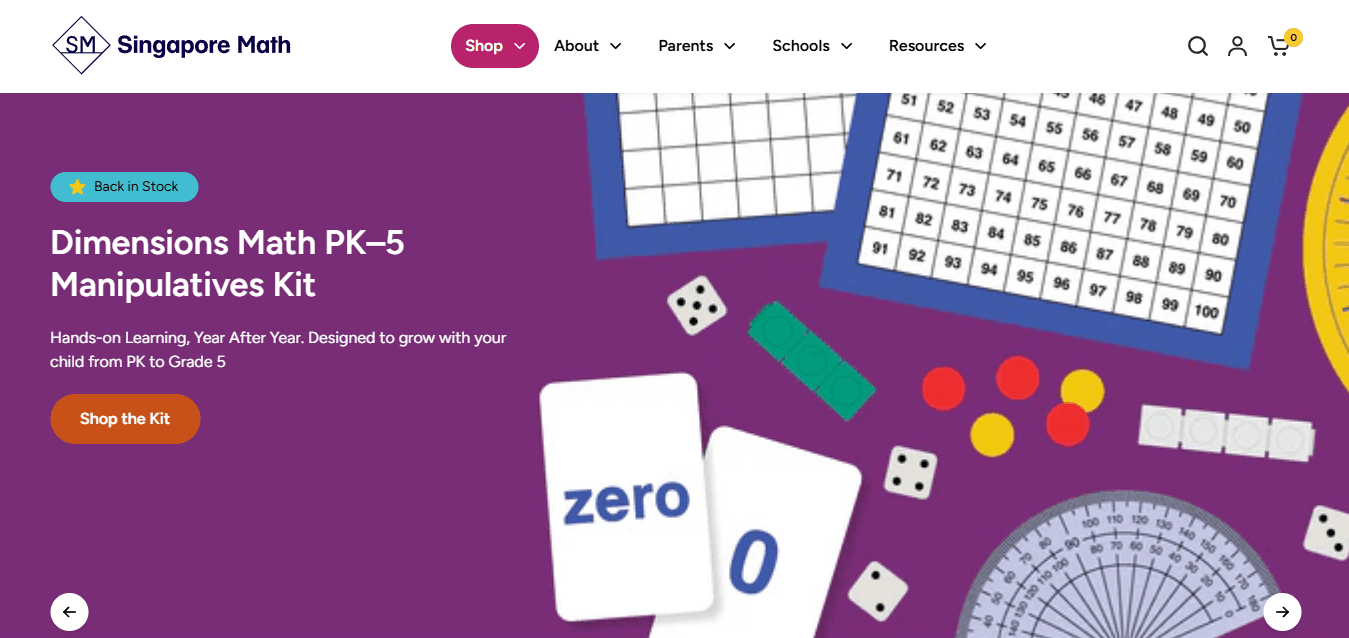
This program builds mathematical thinking through visual models before introducing abstract operations. Fourth graders learn fraction concepts by drawing bar diagrams that show relationships between parts and wholes. Multiplication makes sense because they've encountered arrays and area models that explain why the operation works.
The method produces deep understanding rather than procedural memorization. Singapore consistently ranks among the top three countries in international math performance, reflecting this teaching approach. Students develop problem-solving skills that transfer beyond mathematics.
What are the parent involvement requirements for Singapore Math?
The tradeoff is parent involvement. You can't give your child the workbook and expect progress without active instruction, guided practice, and patient explanation when confusion arises. If you have limited teaching time or manage multiple children, this intensive approach may exceed your capacity.
3. Abeka
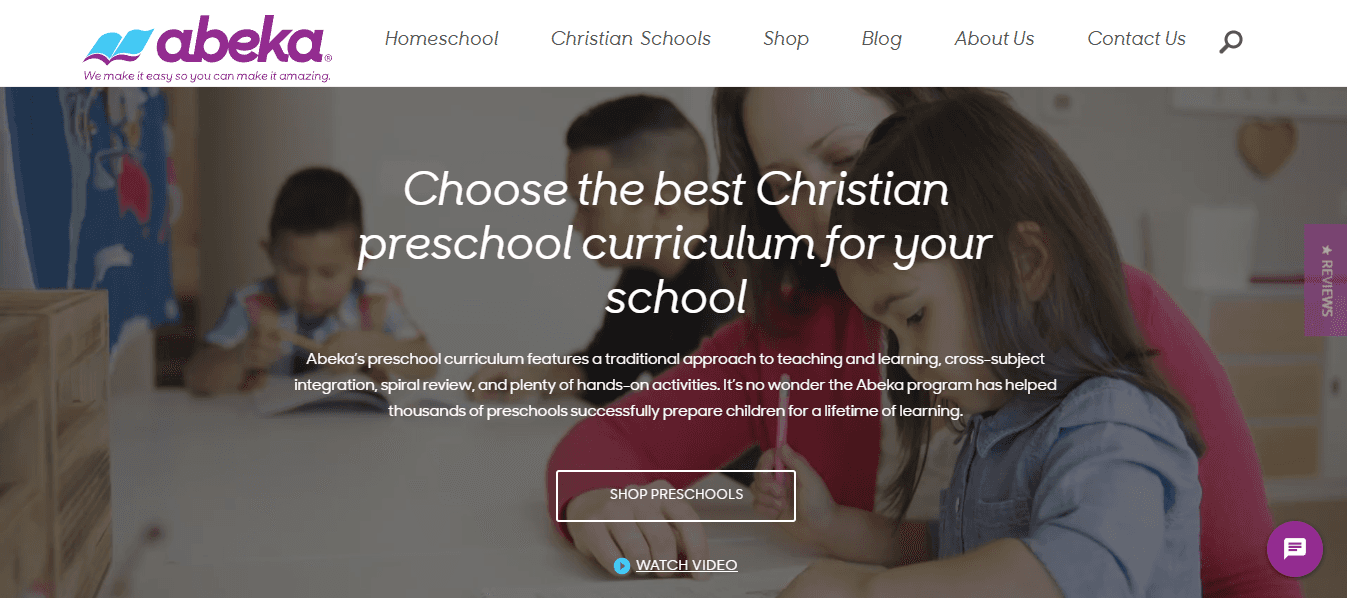
This traditional program provides a structured, complete education across all subjects with video lessons, textbooks, and daily schedules. You follow the set sequence and trust the system to cover everything fourth graders need.
What are the strengths of this curriculum approach?
The academic rigor matches or exceeds public school standards. Memorization and repetition form the foundation of the approach, which works well for children who thrive with routine and clear expectations. Parents seeking a school-at-home structure without designing their own curriculum can avoid decision fatigue.
What challenges might families encounter?
The heaviness becomes clear quickly. Workload is substantial, lessons move at a set pace regardless of your child's understanding, and the lecture-based format doesn't adapt to different learning styles. Families preferring flexibility or child-led exploration will feel constrained.
4. BookShark
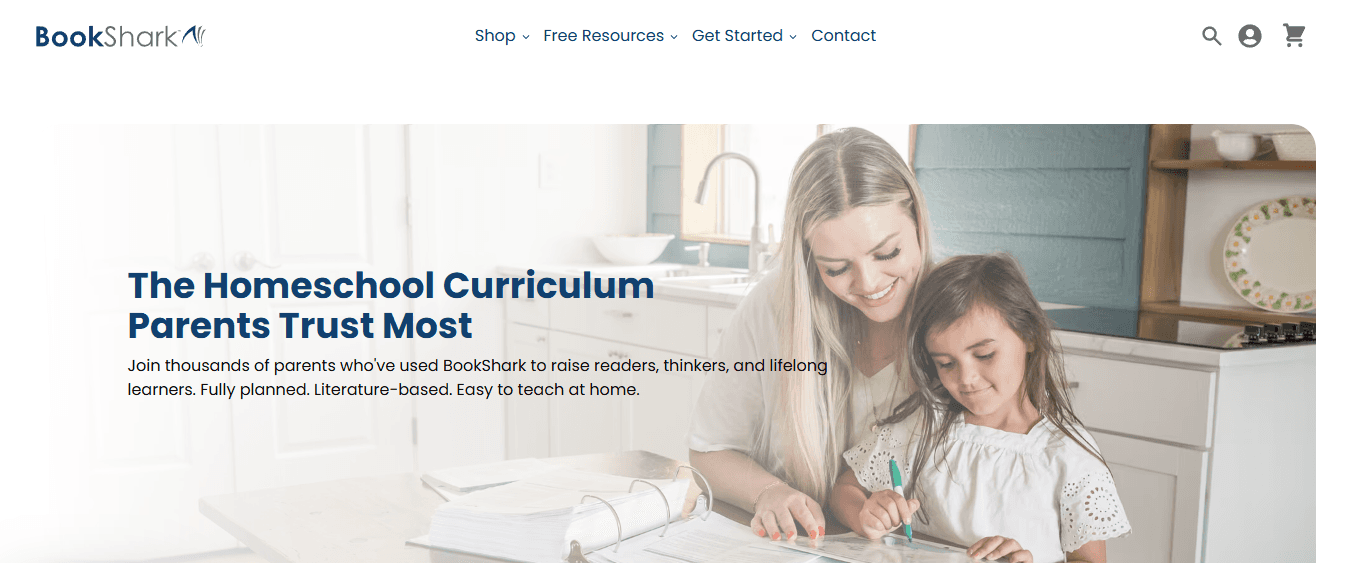
Literature is the main focus of this curriculum. Fourth graders study history through historical fiction, learn geography via adventure stories, and explore science through narrative nonfiction. The reading list replaces textbooks, and students develop understanding through discussion rather than worksheets.
What are the benefits of this literature-based approach?
This approach builds strong reading skills and critical thinking. Children who love books stay engaged because learning feels like reading for fun. Discussions after each book create opportunities to explore themes, analyze characters, and connect ideas across subjects.
What challenges should parents consider with BookShark?
There is substantial reading required, and it takes considerable time. If your child reads slowly or resists extended reading sessions, the daily amount can feel overwhelming. The curriculum assumes your child already reads well and comprehends what they read, making it less suitable for students who struggle with reading fundamentals.
5. Oak Meadow

Project-based learning forms the foundation of this flexible curriculum. Fourth graders might build a model ecosystem for science, write and illustrate their own historical fiction for language arts, or create maths games to demonstrate understanding of fractions. This approach prioritizes discovery over direct instruction.
What makes this approach work for creative learners?
Creative learners thrive in this environment. The low-pressure structure allows children to explore topics in depth when interested, without strict timelines. Arts integration happens naturally rather than as a separate enrichment activity.
What challenges should families expect with this curriculum?
The lack of structure creates challenges for families needing clear daily plans. You must design the learning path, which requires significant preparation time and confidence in teaching. Parents wanting detailed lesson plans or children needing external accountability may find the open-ended approach confusing rather than liberating.
6. Time4Learning
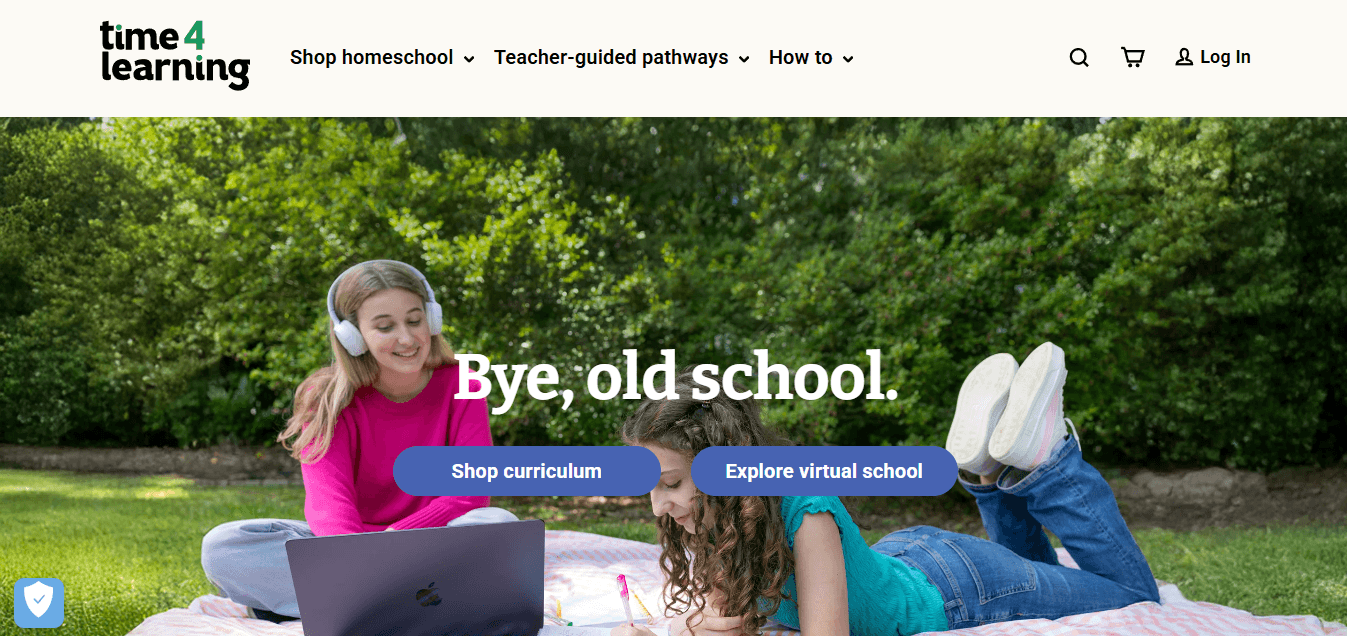
This online platform provides students with a complete curriculum through interactive video lessons, automatic grading, and progress tracking. Fourth graders watch instructional videos, complete practice exercises, and receive immediate feedback without requiring direct parental instruction.
What are the benefits of Time4Learning's self-paced structure?
The self-paced structure lets advanced students progress quickly while struggling learners repeat lessons without judgment. The automated system handles record-keeping and assessment, appealing to working parents or those managing multiple children.
What concerns should parents have about screen time?
Screen time is the main concern. Six hours of daily computer-based learning causes eye strain and reduces physical activity. Video instruction works well for visual learners but doesn't accommodate kinesthetic or hands-on learning preferences, and some children need human interaction to stay motivated.
7. Beast Academy
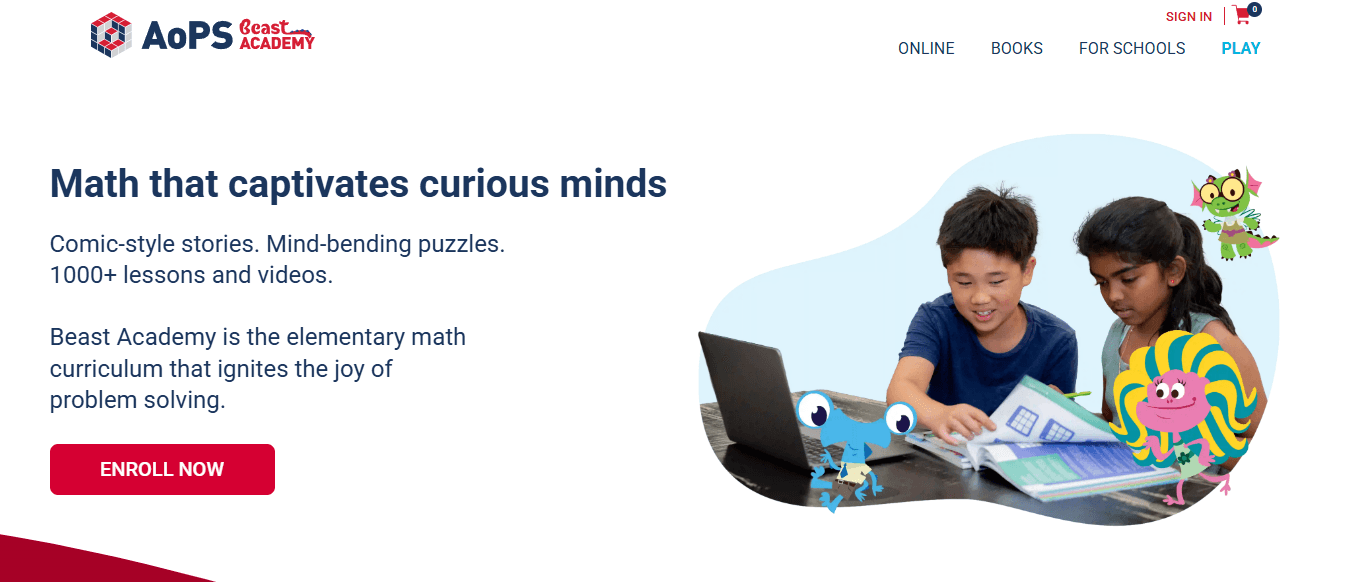
This comic-style math program turns problem-solving into puzzle adventures. Fourth graders follow cartoon characters through logic challenges, pattern recognition exercises, and mathematical investigations that build reasoning skills beyond standard computation.
Gifted learners and children who enjoy analytical thinking engage deeply with challenging content. The puzzles develop flexible thinking and multiple solution strategies rather than memorized procedures. The visual format makes abstract concepts accessible.
The difficulty level exceeds standard fourth-grade expectations, making it suitable for enrichment or acceleration rather than remediation. Struggling students or those needing confidence-building may find the challenges frustrating.
8. Saxon Math
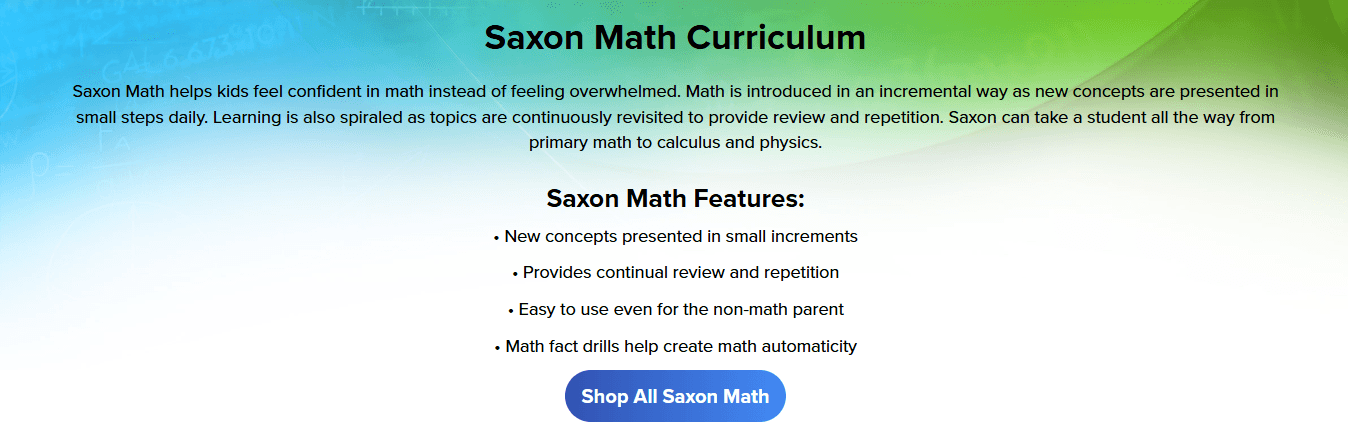
This curriculum uses incremental learning with continuous review. Each lesson introduces one new concept while reviewing previously learned skills: fourth graders practice yesterday's lesson, last week's topic, and last month's concept in every assignment, creating retention through constant repetition.
The systematic review prevents forgetting and benefits children who need multiple exposures to understand concepts. The structured format provides clear daily lessons without requiring parents to design the curriculum. The repetition feels excessive for quick learners who grasp concepts immediately, and the worksheet-heavy format lacks hands-on activities or real-world applications that make mathematics feel relevant.
9. Calvert Homeschool
This accredited program offers a traditional curriculum structure with online delivery and optional teacher support. Fourth graders receive organized lesson plans, graded assignments, and official transcripts that meet institutional requirements for transitioning to traditional school.
What are the benefits of Calvert's structured approach?
Getting official recognition for schoolwork matters for families who need to keep records or plan for future school enrollment. The balance between structure and flexibility lets you follow the curriculum while adjusting the pace to match your child's needs. Teacher support provides professional guidance when you need clarification.
What are the potential drawbacks to consider?
The cost is higher than most alternatives, and the traditional approach lacks innovative teaching methods or accommodation for diverse learning styles beyond standard differentiation. Families seeking creative, project-based learning will find the format outdated.
10. Blossom and Root

Nature studies, literature, and creative arts form the foundation of this curriculum designed for younger or creative learners. Fourth graders learn science through outdoor observation, study history via living books, and develop writing skills through journaling and storytelling rather than structured composition lessons.
What are the benefits of this child-led approach?
The child-led approach reduces pressure and builds intrinsic motivation. Children who resist formal instruction often engage when learning feels like exploration, and the nature focus creates hands-on discovery opportunities that textbooks cannot replicate.
What are the potential drawbacks to consider?
The relaxed structure may not adequately prepare students for standardized tests or transition to traditional schools. Families requiring clear academic goals or comprehensive coverage might find gaps in this intentionally simplified approach.
How do you match curriculum to your family's specific needs?
Families seeking structure benefit from Abeka, Saxon Math, or Calvert because daily plans eliminate decision-making. Families wanting flexibility find Oak Meadow, Blossom and Root, or The Good and the Beautiful effective, as they adapt to different schedules and interests. Children who love reading thrive with BookShark's literature-based approach. Families prioritizing maths choose Singapore Math, Beast Academy, or Saxon Math depending on whether they want conceptual understanding, advanced challenge, or systematic review. Parents with limited time appreciate Time4Learning's automated instruction.
Match your teaching philosophy, learning style, and family capacity to materials suited to your situation. A curriculum that produces excellent results for independent, analytically-minded children may fail with creative, hands-on learners who need movement and exploration.
Should you mix different curricula across subjects?
Most families find that mixing curricula across subjects produces better results than using a single teaching approach. You might use Singapore Math for its conceptual depth, BookShark for literature-rich history, and The Good and the Beautiful for science, including nature studies.
Parents who mix resources often need extra practice materials to target specific skill gaps. When your fourth grader struggles with equivalent fractions but understands simplification, you need practice tools focused on that exact gap. My Coloring Pages provides over 69,777 customizable templates that can be adapted into targeted educational resources, whether you need visual fraction models, vocabulary reinforcement, or illustrated math concepts. Instead of searching multiple sites or creating materials from scratch, you modify existing designs to match your child's immediate learning needs.
What matters more than choosing the perfect curriculum?
Test sample lessons before buying a full curriculum. Most companies offer trial periods or downloadable samples. Teach three lessons and assess whether your child is interested, the explanations are clear, and the time requirements fit your schedule. If sample lessons require extra help or create frustration, the full program won't improve.
Consistent implementation with regular assessment matters more than curriculum choice. Excellent materials used inconsistently produce worse outcomes than adequate materials applied thoroughly. Your daily routine's sustainability determines results more than the curriculum's brand name.
Download 69,777+ free worksheets for homeschooling 4th Graders
You've chosen your curriculum. Your fourth grader completes lessons. But three days later, they can't remember how to compare fractions or explain the main idea of a passage they read last week. This is the predictable result of learning without systematic reinforcement.
🎯 Key Point: Single-exposure learning creates the illusion of understanding; true mastery requires deliberate reinforcement within 72 hours of initial instruction.

Fourth-grade content moves too fast for single-exposure learning. Concepts layer on concepts: fractions lead to decimals, simple paragraphs evolve into multi-paragraph essays, and reading shifts from decoding to analysis. Without deliberate practice that cements understanding, your child experiences temporary comprehension that evaporates before it becomes permanent knowledge.
"Students who engage in systematic review within 24-48 hours show 67% better retention compared to those relying on single-exposure methods." — Educational Psychology Research, 2023
⚠️ Warning: The gap between temporary understanding and permanent mastery is where most homeschool families lose academic momentum.
Why Standard Worksheets Don't Fix This
Generic worksheet packets don't fix retention problems because the practice doesn't match the specific confusion point. Your child needs practice with equivalent fractions, not mixed-fraction operations, or inference questions about narrative text, not informational passages. The mismatch between what they need and what standard worksheets provide wastes time without building mastery. Creating custom materials solves the targeting problem but creates a time problem: you spend evenings designing worksheets instead of resting, and the effort becomes unsustainable within weeks.
Building Practice That Actually Sticks
Good reinforcement happens immediately after instruction, while the idea is still fresh. Your fourth grader learns how to multiply fractions and completes focused practice targeting that exact skill during the same learning session, building brain connections before the material fades. This practice loop requires materials you can access and modify immediately. When your child struggles with subject-verb agreement during a grammar lesson, you need practice sentences ready now, not after searching multiple websites and editing PDFs.
The best reinforcement systems let you create practice materials that match your child's exact learning gap. You describe what they need to practice, and the right materials appear without design work or searching. My Coloring Pages provides this responsive practice system. Our platform creates customized worksheets, visual aids, and practice materials matching your specific reinforcement needs. When your fourth grader needs fraction practice with visual models, you create it in minutes. When vocabulary from this week's reading needs reinforcement, you generate illustrated practice sheets immediately. Our 69,777+ templates adapt to whatever skill gap emerges during today's lesson, eliminating the delay between identifying confusion and providing focused practice.
The Weekly Review Loop
Set aside time each Friday to review ideas from earlier in the week, mixing old material with new. Group problems require multiple skills rather than practicing one skill at a time. Daily practice prevents immediate forgetting; weekly review prevents long-term forgetting.
This review session reveals what stayed in your child's mind versus what was a temporary understanding. When your child confidently solves Monday's fraction problems on Friday, learning has moved to long-term memory. When they look confused at Wednesday's reading comprehension strategy, you've identified a gap before it becomes next month's larger problem.
The weekly loop builds metacognitive awareness. Your fourth grader starts noticing their own learning patterns: which ideas need more practice, which study methods work best for different subjects, and when confusion signals a need for help rather than further effort.
Tracking Progress Without Overwhelming Assessment
You don't need formal tests every week. Watch how your child approaches problems during practice: confident, accurate work signals solid understanding, while hesitation, frequent errors, or requests for instruction you've already provided indicate gaps. Keep brief notes about which concepts need revisiting. When fraction comparison appears shaky on Tuesday and remains problematic on Friday, that becomes your focus for next week. These informal assessments guide your teaching decisions without creating test anxiety.
Making Retention Visible
Fourth graders need to see their own progress. Create simple tracking systems where they record mastered skills: a checklist of maths concepts, a reading log with comprehension notes, or a grammar skill chart updated weekly. These visual records build confidence and make abstract learning concrete. Tracking prevents discouragement from setting in when stuck in a repetitive loop. When your child can look back and see that they've mastered 12 multiplication strategies, 3 types of paragraph structure, and 5 reading comprehension techniques, cumulative growth becomes undeniable.
The Real Solution Isn't More Curriculum
Parents who struggle with their children's retention often assume they've chosen the wrong curriculum. They switch programs mid-year, explore alternatives, or add supplementary courses. The new materials produce identical memory problems because the curriculum wasn't the underlying issue. The missing piece is a system that reinforces learning and turns "I learned this" into "I remember this." That system needs three parts: practice immediately after teaching, weekly review mixing different concepts, and materials targeting specific gaps rather than general skill categories. You already have the teaching curriculum. What turns temporary understanding into permanent learning is the practice system you build around it. That system needs to be sustainable, responsive, and specific enough to address the exact confusion your fourth grader experiences today, not the average struggles of hypothetical students.
The difference between fourth graders who remember what they learn and those who forget within days comes down to whether practice is systematic or sporadic, whether it targets specific gaps or covers general skills, and whether materials match immediate needs or require extensive searching and modification. Your curriculum teaches. Your reinforcement system makes it permanent. Both matter, but only one typically receives adequate attention.
Related Reading
- 5th Grade Homeschool Curriculum
- How To Homeschool In California
- Georgia Homeschool Requirements
- Homeschool Art Curriculum
- Michigan Homeschool Laws
- North Carolina Homeschool Laws
- 3rd Grade Homeschool Curriculum
- Illinois Homeschool Laws
- Homeschool Reading Curriculum
- 2nd Grade Homeschool Curriculum
- Alabama Homeschool Laws
- Science Homeschool Curriculum
- 4th Grade Homeschool Curriculum
- Accredited Homeschool Curriculum
- California Homeschool Laws