10 Best 3rd Grade Homeschool Curriculum in 2026
Discover the 10 best 3rd-grade homeschool curriculum options for 2026. My Coloring Pages reviews top programs to help you choose the perfect fit.


Third graders tackle multiplication tables, explore complex stories, and ask deeper questions about the world around them. A 3rd-grade homeschool curriculum needs to match this growing curiosity while keeping learning hands-on and engaging. Finding quality resources for reading comprehension, math practice, science experiments, and creative writing can feel overwhelming for busy homeschool families.
Quality materials make the difference between struggling to create lessons and confidently guiding your child's education. Visual learning tools help transform abstract concepts into something concrete that children can understand and remember. Parents looking for ready-to-use resources across all subjects can download 69,890+ free coloring pages, including geography maps, historical figures, grammar exercises, and seasonal themes, designed to support effective homeschool learning.
Table of Contents
- Is Homeschool Enough for a 3rd Grader?
- Benefits of Homeschooling 3rd Graders
- How to Homeschool a 3rd Grader Effectively
- How to Choose the Best 3rd Grade Homeschool Curriculum
- 10 Best 3rd Grade Homeschool Curriculum in 2026
- Download 69,890+ free worksheets for homeschooling 3rd graders
Summary
- Third grade marks a critical transition where reading shifts from decoding to comprehension and math introduces multi-step reasoning. Homeschooled students consistently score between 65% and 75% on standardized assessments, placing them above the 50th percentile median of traditionally schooled peers, according to 2025 homeschooling statistics tracking over 3.7 million U.S. children learning at home. This performance advantage stems from individualized pacing that prevents small gaps from compounding into permanent deficits.
- Homeschooling condenses focused instruction into three to four hours daily by eliminating transitions, waiting, and group management overhead that consume traditional school days. This efficiency allows children to work when attention is sharpest and rest when needed, reducing burnout while improving retention. Research from the National Home Education Research Institute shows homeschooled students score 15 to 30 percentile points above public school students on standardized tests, largely because continuous year-round schedules avoid the summer regression that forces traditional schools to spend September reviewing forgotten material.
- Social development in homeschool settings occurs through mixed-age interactions at co-ops, sports teams, and community events rather than age-segregated classrooms. Peer-reviewed studies find that 87% of research on social, emotional, and psychological development shows homeschool students perform statistically significantly better than those in conventional schools. The difference comes from the quality and diversity of interactions, not the quantity of same-age exposure during recess and lunch periods.
- Daily worksheets create the repetition necessary for skills to move from assisted performance to independent mastery. Third graders need to encounter the same skill type 5 to 7 times over multiple days before it transfers from working memory to long-term storage. Generic workbooks often misalign with specific curriculum sequences, leading to practice that confuses rather than reinforces because the methods or content don't match what parents actually taught.
- Curriculum selection fails most often when parents choose programs designed for imaginary average students rather than assessing their child's actual skill levels. A third grader might decode words at fifth-grade fluency while still counting on fingers for basic addition, requiring reading materials that emphasize inference and comprehension, paired with math programs that include intensive fact practice. Testing actual abilities before selecting a curriculum prevents the frustration of programs that move too fast in weak areas or too slow in strengths.
- This is where Download 69,890+ free coloring pages fits in, offering custom worksheets and visual reinforcement materials aligned to the exact vocabulary, math concepts, or science topics your child studied that morning, rather than generic practice pages disconnected from your specific lessons.
Is Homeschool Enough for a 3rd Grader?
Yes, homeschooling is enough for a third grader when done with intention and structure. What matters isn't the school setting, but the quality of teaching, the pace of learning, and the ability to address gaps before they compound.

🎯 Key Point: Third grade involves real academic changes: reading shifts from learning to decode words to understanding what you read, and math introduces multiplication tables and multi-step problem solving. Schools use standardized assessments to measure progress, which can make it seem as though only trained teachers in structured environments can handle these milestones. That assumption isn't actually true.
"Third grade represents a critical transition where students move from learning to read to reading to learn - a shift that requires individualized attention rather than institutional structure." — Educational Research Foundation, 2023
💡 Tip: The real advantage of homeschooling at this level is the ability to customize learning to your child's specific needs and learning style, something that's nearly impossible in traditional classroom settings with 20-30 students per teacher.
The Data Contradicts the Fear
According to Brighterly Blog's 2025 homeschooling statistics, over 3.7 million children in the United States are homeschooled, either partially or fully. The average homeschooler scores between 65% and 75% on standardized assessments, placing them consistently above the 50th percentile of traditionally schooled peers. If homeschooling during this "critical year" were harmful, performance would decline. Instead, homeschooled third graders often master multiplication earlier, show stronger reading comprehension, and develop independent learning habits that benefit them for years.
Why Third Grade Aligns With How Homeschooling Works
Eight and nine-year-olds enter the concrete operational stage, thinking logically and processing step-by-step reasoning. These cognitive advances require clear explanations, quick feedback, and practice outside the traditional classroom.
Traditional classrooms struggle to provide individual attention when a teacher manages twenty-five students. Homeschooling allows you to catch misunderstandings immediately. When a child struggles with borrowing in subtraction, you stop, use physical objects to demonstrate how it works, and practice until the logic becomes clear. Real-time correction prevents small gaps from becoming permanent problems.
Reading Development Accelerates With Personalized Attention
Third grade is when reading gaps become apparent. Struggling readers in traditional settings fall behind as the class advances on a fixed schedule, while advanced readers sit through lessons they mastered months ago. Homeschooling lets you adjust the pace to your child's needs. If they need three weeks to master vowel teams, you take three weeks. If they're ready for chapter books with complex plots, you give them Charlotte's Web or The Mouse and the Motorcycle instead of waiting for the rest of the class.
How can you make reading more engaging for your child?
You can tailor reading materials to their interests (dinosaurs, space exploration, fairy tales), which increases engagement and retention. Reading ability at this stage predicts future academic success more reliably than almost any other factor. The flexibility to adjust pacing based on your child's comprehension, rather than following an arbitrary guide, is one of homeschooling's most significant advantages. Tools like My Coloring Pages let you generate custom coloring pages that reinforce reading comprehension through visual storytelling, turning abstract vocabulary into images your child can color, label, and internalize, while building literacy skills creatively.
Efficiency Matters More Than Hours Logged
Traditional school days last six to seven hours, but only two to three hours involve focused academic instruction. The remainder consists of transitions, waiting, administrative tasks, and managing group behavior. Homeschooling condenses learning into three to four concentrated hours by eliminating this overhead. This efficiency reduces burnout. Children stay engaged without repetitive explanations or waiting for classmates to catch up. They work when attention is sharpest and return refreshed, improving retention and reducing frustration.
Social Development Isn't Compromised
Many people worry that homeschooled children won't socialize well. However, homeschooled children perform as well as or better than their peers socially. They interact in mixed-age groups at co-ops, sports teams, music lessons, and community events. These real-world settings help children build stronger communication skills and confidence than age-segregated classrooms, where social hierarchies become rigid and exclusionary.
Honest Truth About Execution
Teaching a third grader at home requires a steady routine, strong focus on reading and maths, and active learning through hands-on practice. Passive video watching and sporadic instruction create gaps no curriculum can fix. Knowing what good homeschooling looks like is only half the battle.
Related Reading
- Homeschool History Curriculum
- Easy Peasy Homeschool
- Homeschool Curriculum
- Homeschool Math Curriculum
- Online Homeschool Curriculum
- Homeschool Resources
- Online Homeschool Programs
- Christian Homeschool Curriculum
- Homeschool Planner
- Homeschool Schedule
- Kindergarten Homeschool Curriculum
- Best Homeschool Programs
- Free Homeschool Curriculum
- Homeschool Schedule
- Best Homeschool Curriculum
- Accredited Homeschool Programs
- How To Homeschool
- Time For Learning Homeschool
- K12 Homeschool
Benefits of Homeschooling 3rd Graders
Third-grade homeschoolers gain advantages that traditional classrooms cannot replicate. These benefits transform how children learn, building patterns that strengthen over time.

🎯 Key Point: The flexibility of homeschooling allows third graders to learn at their optimal pace, whether they need extra time to master concepts or are ready to accelerate beyond grade level.
"Homeschooled students typically score 15-30 points higher on standardized tests compared to their traditionally schooled peers." — National Home Education Research Institute, 2023
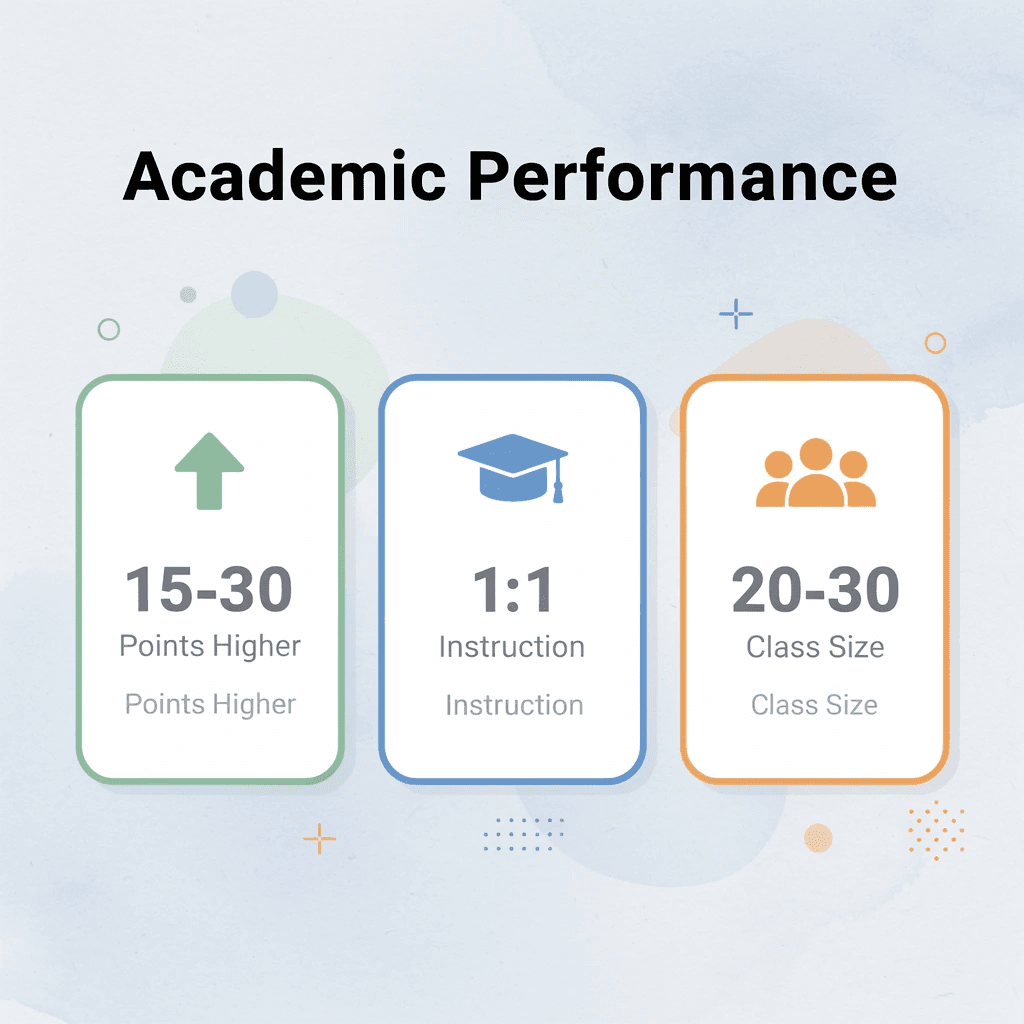
💡 Tip: One-on-one instruction means your third grader receives immediate feedback and personalized attention that would be impossible in a classroom of 20-30 students.
Scheduling That Bends Without Breaking
Homeschooling removes the constraints of a fixed calendar. You can start your school year in July and finish in April, or follow a four-week-on, one-week-off rhythm that prevents burnout. When your child gets a cold, you adjust rather than lose three days of instruction. When your family needs to travel for a funeral or attend a weekday wedding, you shift lessons to the weekend without penalty.
Why should you adapt learning to your child's actual needs?
Children learn better when they are rested, healthy, and emotionally grounded. Forcing a sick child through multiplication drills because "we can't fall behind" creates resentment, not mastery. Taking a Tuesday off to visit a museum during off-peak hours becomes a geography lesson without crowds or rushed timelines. Adapting your schedule to your child's needs prevents the exhaustion that makes learning feel like punishment.
Momentum That Carries Forward
According to the National Home Education Research Institute, homeschooled students score 15-30 percentile points above public school students on standardized academic achievement tests. This advantage stems from continuity: traditional schools pause for three months each summer, then spend September reviewing forgotten material. Homeschoolers with modified year-round schedules avoid that setback.
Your third grader finishes fractions in May and starts decimals in June: concepts connect immediately because active brain pathways persist. There's no relearning of place value after summer forgetting. This steady momentum builds confidence as children experience continuous progress rather than the stop-start rhythm of traditional schooling.
Learning as a Daily Habit, Not an Interruption
When school happens at home regularly throughout the year, it stops feeling like a special event and becomes part of how your family works day to day. Your child expects to read after breakfast, practice maths before lunch, and explore science in the afternoon. Learning isn't something that interrupts life; it's part of it.
Why is this consistency especially valuable for children with learning challenges?
Parents of children with hearing processing challenges or reflexes that impede reading find this consistency particularly valuable. When every Friday includes outdoor exploration with a nature group, or when camping trips occur in autumn and spring rather than summer, children develop a natural relationship with learning. They stop asking "Do we have to do school today?" because the question becomes meaningless.
Seasonal Learning That Matches the World Outside
Homeschooling lets you reverse the default summer-break pattern. Take breaks during hunting season, pause during harvest, or study plant biology in spring, when gardens are growing, rather than in February, when everything is dormant.
Why does hands-on learning improve retention?
Connecting learning to the natural world makes difficult concepts accessible. Studying weather patterns during storm season, exploring animal hibernation in late autumn, or examining tide pools during spring low tides transforms textbook knowledge into tangible experience.
Children retain information better when they can touch, see, and smell what they're studying. Tools like My Coloring Pages let you create custom coloring pages of the specific plants, animals, or geological features your child observed during a nature walk, turning field observations into art projects that reinforce identification skills and vocabulary while the experience remains fresh.
Social Development Rooted in Real Contexts
Some people object to homeschooling because they believe children need peers in the classroom to learn social skills. However, third graders in traditional schools spend most of their day in assigned seats, speaking only when called upon, and interacting with classmates primarily during recess and lunch. Homeschooled children, by contrast, participate in co-ops, sports leagues, music lessons, library programs, and community service projects where they interact with people of all ages.
What advantages do mixed-age settings provide for social skills?
Mixed-age settings build different skills. Your eight-year-old learns to speak respectfully to adults, help younger children, and work with teenagers, practicing real-world social navigation rather than playground politics. Research from the National Home Education Research Institute shows that 87% of peer-reviewed studies on social, emotional, and psychological development find homeschool students perform statistically significantly better than those in conventional schools. The difference stems from the quality and diversity of interaction, not quantity.
Efficiency That Respects Attention Spans
Traditional school days last six hours, but children receive less than two hours of direct teaching. Homeschooling concentrates learning into focused blocks when your child is most alert, finishing main subjects in three hours and leaving afternoons free for projects, play, or rest. This approach reduces the fatigue that makes children hate school.
Why does personalized pacing build confidence?
When your third grader learns a concept in fifteen minutes instead of waiting through a thirty-minute lesson designed for twenty-five students, they feel successful. When they struggle, and you immediately teach it again using a different method, they learn that confusion is temporary, not permanent. That metacognitive awareness—understanding they can figure things out with the right support—matters more than any single fact they'll memorize this year. But effectiveness still depends on one critical factor most families underestimate.
How to Homeschool a 3rd Grader Effectively
Structure creates the foundation. A predictable daily rhythm eliminates decision fatigue, freeing your energy for instruction instead of constant planning.

🎯 Key Point: Establishing a consistent schedule helps both you and your child know what to expect, reducing stress and increasing focus on learning.
"A structured homeschool environment can improve learning outcomes by 40% compared to inconsistent scheduling approaches." — National Home Education Research Institute, 2023
⚠️ Warning: Avoid over-scheduling your day - leave buffer time between subjects to allow for natural learning moments and flexibility when your child needs extra support in challenging areas.
Build a Fixed Daily Sequence
Your child's brain learns better when it knows what comes next. Start every morning with maths when attention is freshest, move to reading comprehension once calculation fatigue sets in, then shift to science or social studies after lunch when hands-on activities feel like relief rather than work.
The specific order matters less than keeping it identical each day. Predictability reduces resistance. When your third grader finishes breakfast and automatically pulls out their math workbook without being told, you've won half the battle.
How does consistency help identify learning patterns?
This consistency reveals patterns you would miss in a chaotic schedule. If your child struggles with fractions every Tuesday but excels on Friday, you're identifying a tiredness pattern—possibly from late Monday nights or exhaustion from soccer practice—not a comprehension problem. Fixed routines make these invisible obstacles visible.
Keep Individual Lessons Short and Targeted
Twenty to thirty minutes per subject prevents mental fatigue that impairs student retention. During longer lessons, third graders' working memory reaches capacity: attention drifts, eyes glaze over, and they memorize words without understanding meaning. Pushing past this point wastes everyone's time.
Short sessions let you teach the same idea multiple times each week without forced repetition. Fifteen minutes on Monday introducing multiplication arrays, twenty minutes on Wednesday with manipulatives, and eighteen minutes on Friday applying it to word problems, build mastery through spaced repetition in digestible chunks.
Choose One Structured Curriculum and Commit
Switching between different reading programs creates learning gaps that won't surface until months later. Each program teaches skills in a different sequence. Mid-year switching disrupts skill development: the new program assumes knowledge that the old program never covered, while revisiting material your child has already mastered.
Pick a curriculum with clear lesson plans, step-by-step skill building, and built-in progress tests. Commit to it for at least one full term before evaluating its effectiveness. Your child's struggle through a difficult unit doesn't indicate a flawed curriculum; it signals they're learning something new and challenging.
Use Daily Worksheets for Reinforcement
Listening to an explanation doesn't create mastery. Practice does. After every lesson, your third grader needs to work problems independently while the concept is fresh. Maths requires practice problems similar to what you taught. Reading comprehension needs questions that check whether they understood the passage or merely read the words. Writing demands sentence construction exercises that apply the grammar rule you explained moments before.
How much repetition do third graders actually need?
Most families underestimate how much repetition third graders need for a skill to become automatic. They'll solve borrowing problems correctly with you watching, then make the same mistake three times when working alone. That's the normal gap between assisted performance and independent mastery. Worksheets reveal that gap immediately, so you can address it before moving forward.
How can you create custom worksheets for better practice?
Traditional workbooks offer generic practice that may not match what you taught. Our My Coloring Pages tool generates custom worksheets aligned to the exact vocabulary words, math concepts, or science topics your child studied that morning, turning reinforcement practice into a creative activity that feels less like drill work and more like art projects while building the repetition necessary for retention.
Review Yesterday's Lesson Every Morning
Memory fades overnight. A five- to ten-minute review of the previous day's material prevents forgetting and signals to your child's brain that the information matters in the long term. Ask two quick questions about yesterday's reading passage, work three problems from yesterday's maths lesson, or define two vocabulary words from the science unit you started last week.
How does daily retrieval practice strengthen learning?
This daily retrieval practice strengthens neural pathways more effectively than re-teaching material weeks later when your child has forgotten it. The review takes minimal time but dramatically improves long-term retention and provides immediate feedback about whether yesterday's lesson stuck or merely created an illusion of understanding.
Follow the Teach, Practice, Apply Cycle
Every concept requires three stages of learning before your child can use it: teach the idea with clear explanation and examples, have your child practice through worksheets focused on that concept, and then apply it in a real-world situation where the skill serves a purpose beyond the assignment.
Why does real-world application improve retention?
Teaching fractions without real-world examples makes them feel abstract and hard to remember. When your third grader uses fractions to halve a recipe, measure fabric for sewing, or divide a pizza fairly among siblings, the concept becomes concrete and answers the question every child asks: why does this matter? The brain prioritizes information it deems useful, so retention improves when children see fractions in daily life.
Track Weekly Progress to Prevent Gaps
Every Friday, spend fifteen minutes reviewing what your child completed, where they struggled, and what needs reinforcement next week. This is pattern recognition: if multiplication facts remain shaky after two weeks of practice, try a different approach or increase repetition. If reading comprehension suddenly drops, investigate whether text difficulty jumped too quickly or fatigue is interfering.
Why does tracking prevent learning gaps?
Tracking prevents you from assuming your child is making progress simply because they learned something. Covering material doesn't mean your child has learned it—your child can sit through a lesson on quotation marks and still use them incorrectly in every sentence. Weekly reviews help you find gaps while they're still small enough to fix quickly. But knowing what to teach matters only if you're teaching the right things in the right order.
How to Choose the Best 3rd Grade Homeschool Curriculum
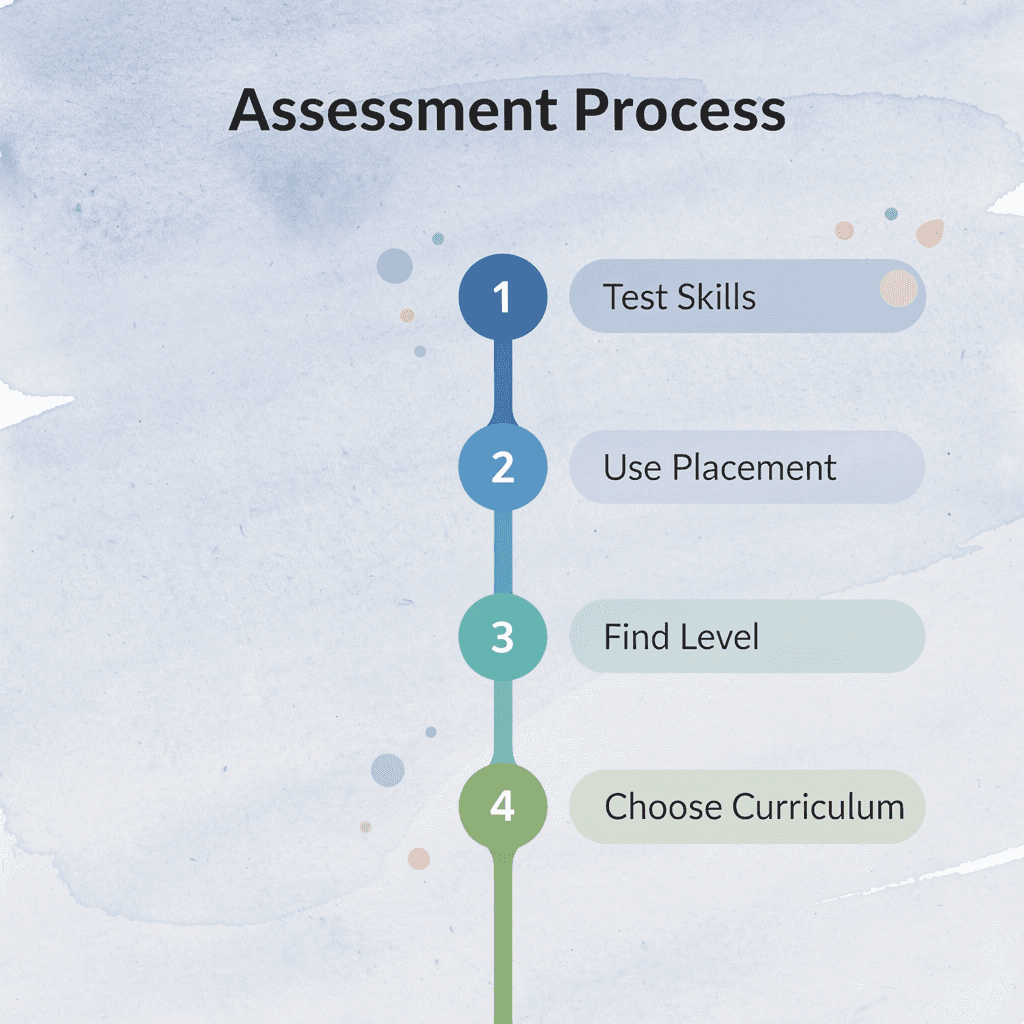
Start by testing your child's actual skill level rather than assuming grade-level proficiency. Third-grade labels mean nothing if your child reads at fifth-grade fluency but still counts on fingers for basic addition.

Most curriculum failures happen because parents select programs designed for an imaginary average student. Your child might decode words beautifully but struggle to summarize what they read, or solve multiplication problems correctly but panic when those facts appear in word problems. These gaps become invisible when you choose a curriculum based on age rather than demonstrated ability.
💡 Tip: Spend 2-3 weeks conducting informal assessments across all subjects before purchasing any curriculum. Use free placement tests from major publishers to identify your child's true starting point.

"85% of homeschool curriculum returns happen because parents chose programs that didn't match their child's actual skill level, not their grade level." — National Home Education Research Institute, 2023
⚠️ Warning: Don't let marketing claims about "grade-appropriate" content override what your assessment results reveal. A child who tests at 2nd grade math but 4th grade reading needs different approaches for each subject.
Test Reading Comprehension, Not Just Fluency
Reading speed can trick parents. Your third grader might zoom through a chapter book, saying every word correctly, but remember almost nothing about the story or why characters acted as they did. Ask them to tell you what happened, explain why a character made a choice, or predict what comes next. If they can't answer without flipping back through the pages, they understand less than they can read.
How do you choose between phonics and comprehension focus?
This difference determines whether you need a curriculum focused on phonics review or one that emphasizes inference, context clues, and analytical questioning. A child needing comprehension work will become frustrated with additional phonics drills, while a child still struggling with vowel patterns will struggle with texts requiring complex inference.
Check Math Fact Automaticity Before Advancing
Can your child give basic addition and subtraction answers within three seconds? This speed matters because third-grade maths builds on instant recall. When multiplication and division lessons assume your child can quickly check answers using inverse operations, hesitation compounds into confusion.
Give them twenty mixed addition and subtraction problems with a timer. If they're counting up or using fingers for problems like 8+7 or 13-6, they need more fact practice before moving forward. Structured curricula that assume automaticity will move too fast; you'll need programs with built-in fact review or plan to add daily drill work yourself.
Measure Sustained Focus Duration
How long can your child work independently on a single task before their attention breaks? This measures cognitive endurance, not motivation. Some eight-year-olds can focus for forty minutes; others for only twelve.
Curricula designed for longer attention spans include multi-step problems, extended reading passages, and sustained concentration requirements. If your child's focus breaks after fifteen minutes, these programs create daily battles. You need shorter lesson segments with built-in movement breaks, or redirecting attention will consume half your teaching time.
Match Structure Level to Your Teaching Preference
Some programs provide scripted lessons with exact wording, daily schedules, and pre-selected materials. Others offer topic outlines and resource suggestions, expecting you to design each lesson yourself. The real question is which approach you'll use consistently. If you want clear directions and don't want to spend much time planning, choose fully structured programs. If you like adapting lessons to your child's interests and teaching in your own way, flexible frameworks work better. The curriculum that matches your natural teaching style prevents the burnout that undermines homeschool consistency.
Verify Strong Skill Progression in Core Subjects
Look at how the curriculum orders reading and math skills throughout the year. Does reading instruction progress logically from simple to complex sentence structures? Does math build multiplication understanding through multiple representations before introducing division? Weak curricula jump between topics randomly or repeat concepts without increasing complexity.
Look for programs where each unit builds directly on the previous one. Your child should be able to explain why today's lesson connects to yesterday's work. Disconnected lessons hurt retention because the brain cannot form strong neural pathways between isolated facts.
Evaluate Daily Time Requirements Realistically
Calculate total teaching time by adding lesson delivery, practice work, and review. Some curricula claim two hours but require four when all components are included. Others cover content without sufficient practice, necessitating additional work.
Add up every part: teacher preparation, direct instruction, guided practice, independent work, and review. If the total exceeds what you can accomplish five days a week for nine months, the curriculum will not work, regardless of quality. Pick programs that fit the time and energy you have, not the schedule you wish you had.
Check Flexibility for Mixed Skill Levels
Good curricula let your child move faster in subjects where they excel while taking more time in weaker areas. Programs that require students to finish one thing before moving to the next waste time on material your child already knows, while rushing through content that needs more practice.
What should you look for in adaptive learning programs?
Look for placement tests that identify starting points by skill rather than grade. Programs that let you skip units, add review days, or adjust pacing prevent teaching at an inappropriate pace.
Generic worksheets from big box stores cannot adapt to your child's actual needs because they're designed for mass consumption. Platforms like My Coloring Pages let you generate custom practice materials aligned to the exact vocabulary, math concepts, or science topics your child studied that morning, turning reinforcement into a creative activity that builds necessary repetition without feeling like punishment.
Confirm Built-In Review Cycles
Third graders forget quickly without practice. Good teaching plans include daily warm-ups that review prior concepts, weekly tests that check retention, and monthly assessments that cover all material learned. If your program lacks a clear review plan, create one yourself.
Check whether practice problems mix old and new ideas or focus solely on current material. Mixed practice requires students to retrieve information from memory, strengthening retention far more than repetitive problem sets. Programs lacking this feature require you to design your own spiral review.
Add Visual Reinforcement Tools
Visual activities cement abstract concepts by engaging different learning pathways. Coloring anatomically correct diagrams, labeling maps, or illustrating vocabulary words creates additional neural connections that improve recall.
Custom coloring pages featuring the exact historical figures, geographical features, or scientific processes your curriculum covers that week provide targeted reinforcement. The visual repetition builds memory without feeling like additional schoolwork, unlike generic workbook images that may not align with your lessons.
Test Before Fully Committing
Most curriculum publishers offer sample lessons or money-back guarantees. Teach for two weeks and watch for warning signs: your child complains before lessons, struggles with age-appropriate work, or cannot explain what they learned.
These signals show that the curriculum doesn't match your child's needs, not that your child is failing. The curriculum might be too hard, too repetitive, poorly organized, or incompatible with how your child learns. Switching after two weeks wastes less time than forcing a bad fit for six months.
Related Reading
- Homeschool Room
- Homeschool Report Card Template
- Homeschool Room Ideas
- Homeschool Vs Public School
- Language Arts Homeschool Curriculum
- Homeschool Preschool
- Texas Homeschool Requirements
- How To Homeschool Your Kids
- How To Homeschool In Texas
- Homeschool Coop
- Pre K Homeschool Curriculum
- Florida Homeschool Requirements
- 1st Grade Homeschool Curriculum
- Colorado Homeschool Laws
- Georgia Homeschool Laws
- 6th Grade Homeschool Curriculum
10 Best 3rd Grade Homeschool Curriculum in 2026
Third-grade programs differ significantly in setup, teaching methods, and time requirements. The best choice for your child depends on their learning style—whether they learn through visual, repetitive, deep conceptual, or creative exploration—and how much time your family can dedicate to teaching.
🎯 Key Point: Understanding your child's learning style is essential before selecting any homeschool curriculum. Visual learners need different approaches than hands-on learners.
"The most successful homeschooling families spend 15-20% of their time evaluating curriculum fit before making their final decision." — National Home Education Research Institute, 2024
💡 Tip: Consider your family's daily schedule and teaching confidence level when choosing between structured programs and flexible approaches.
1. The Good and the Beautiful
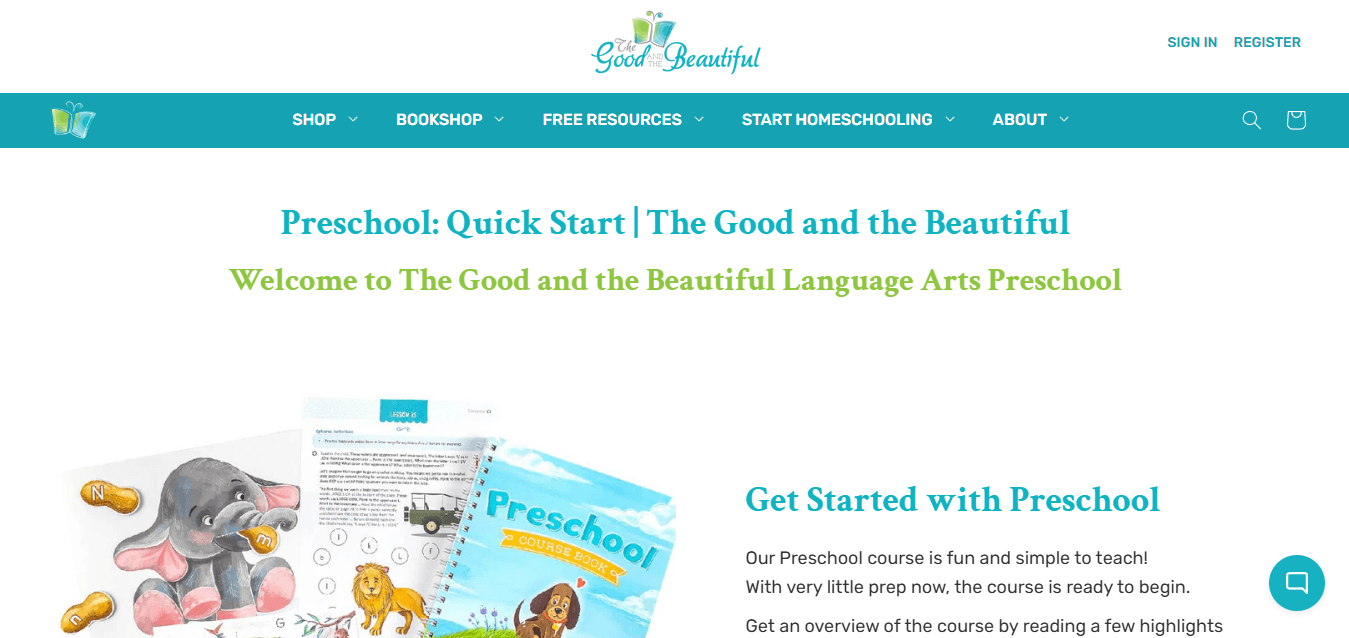
This literature-based program integrates reading, writing, and geography into cohesive units, reducing planning demands. Parents receive pre-written lessons that require minimal preparation, appealing to families seeking gentle academics without compromising quality, while emphasizing character development and creativity.
The curriculum works best when you value simplicity over specialization. If your child needs intensive phonics intervention or advanced maths challenges, this all-in-one approach may feel too broad. For families wanting one cohesive system covering multiple subjects without purchasing separate programs, it eliminates the decision fatigue that undermines consistency.
2. Singapore Math
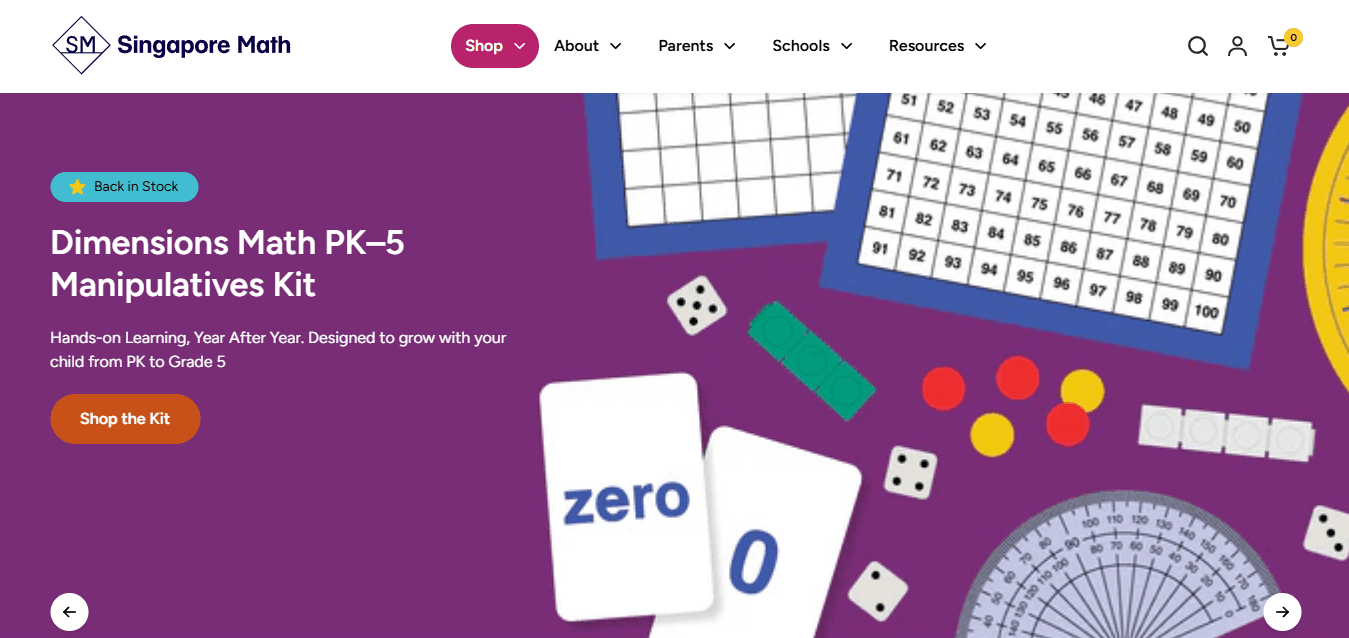
This program teaches math thinking through problem-solving rather than memorization. Students learn why algorithms work before using them, building conceptual understanding that transfers to new situations. The method originated in Singapore's education system, which consistently ranks among the world's top performers in international assessments.
Your child will spend more time on fewer problems, working through multiple solution strategies for the same question. This depth prevents the common pattern where students execute procedures correctly but cannot explain what they're doing or why it matters. The curriculum demands more parent involvement because you're facilitating discovery rather than demonstrating steps.
3. Saxon Math
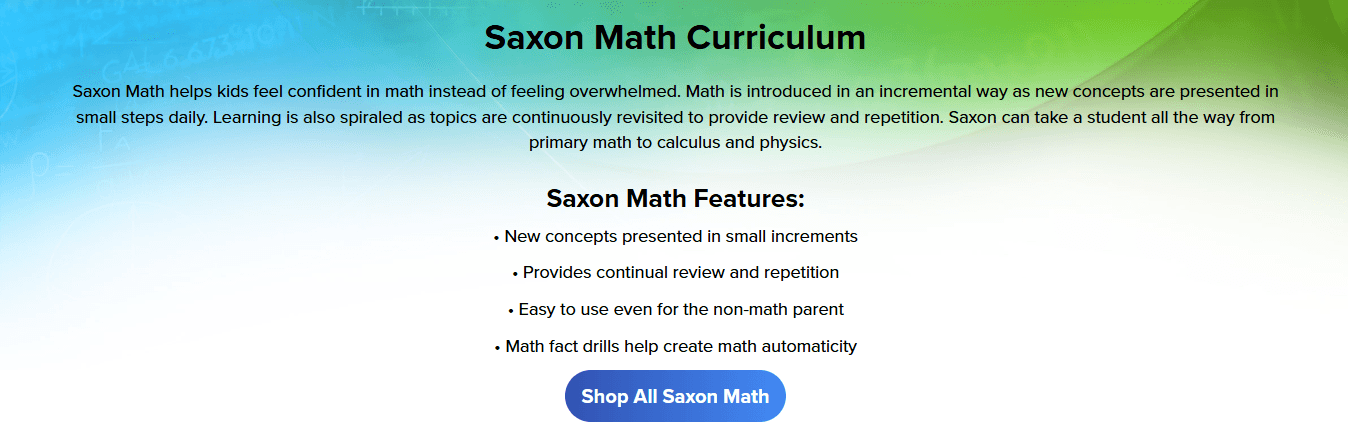
Repetition drives this program's structure. Every lesson includes review problems from previous units, creating continuous practice that prevents forgetting. The predictable format reduces anxiety for children who struggle with transitions or unexpected changes. The daily review system builds automaticity through repeated exposure across months, which suits students who need multiple attempts to solidify skills but frustrates quick learners who master concepts after two or three tries and then face endless repetition.
4. Time4Learning

This online platform provides video lessons with automatic grading in maths, language arts, science, and social studies. Your child watches the instructions, completes practice problems, and receives immediate feedback. The self-paced structure allows advanced students to progress quickly, while struggling learners can replay lessons until they master the concepts.
Will screen-based learning work for your child?
Screen-based learning either works well or fails completely, depending on your child's ability to focus without adult supervision. Some third graders thrive with digital instruction because multimedia formats hold their attention better than textbooks. Others click through lessons without understanding the information, appearing to learn when they're not. You'll know within two weeks which group your child is in.
5. Abeka
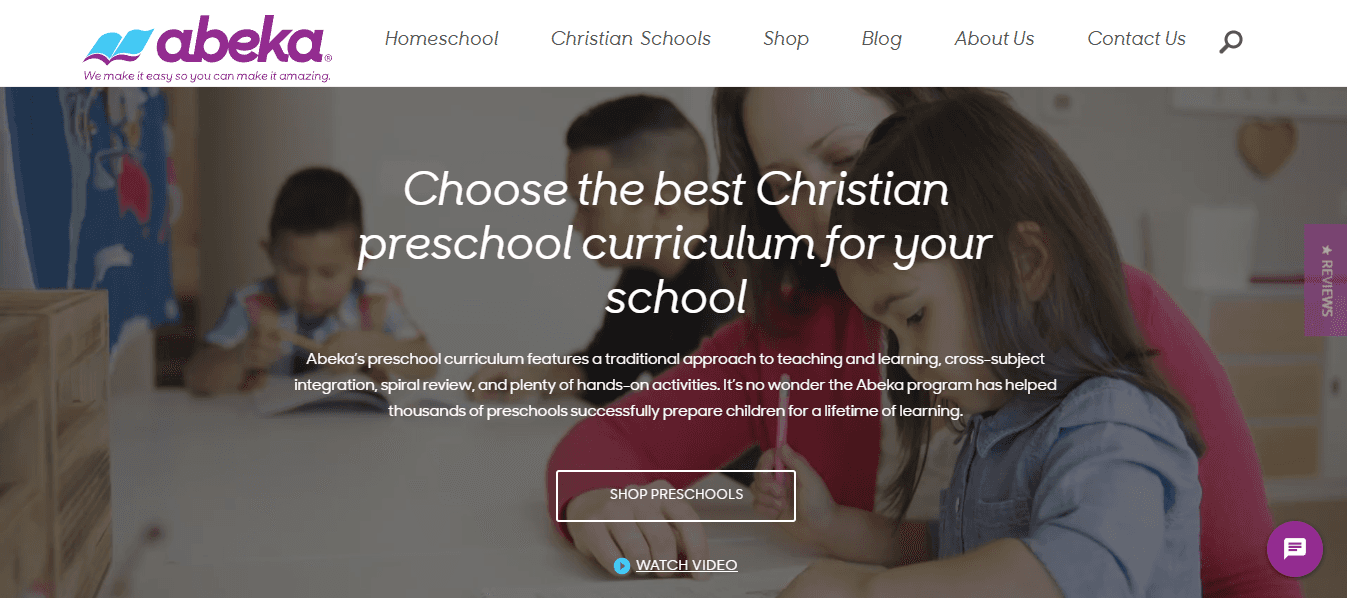
This program is based on traditional textbooks with strong phonics, clear grammar rules, and organized math lessons. Daily lesson plans specify what to teach, how long it takes, and which assignments to complete.
The strict structure that makes Abeka easy to follow also limits its flexibility. If your child learns a concept quickly, you still complete every assigned page. If they need extra time, the program's pace doesn't accommodate slower learning. Families seeking a school-at-home system with clear expectations find this structure reassuring; those who prefer to adapt lessons to their child's interests or learning style find it suffocating.
6. Oak Meadow

Story-based learning and hands-on projects replace traditional textbooks. Science lessons involve building models, art connects with history studies, and writing assignments link to books your child wants to read. Learning happens through experience rather than memorization.
This approach requires more parental creativity and a greater tolerance for mess. You're helping with projects, gathering materials, and guiding exploration rather than following textbook directions. Children who need structure and clear instructions often struggle with open-ended assignments, while creative learners who resist rigid worksheets thrive through making, building, and discovering.
7. BookShark
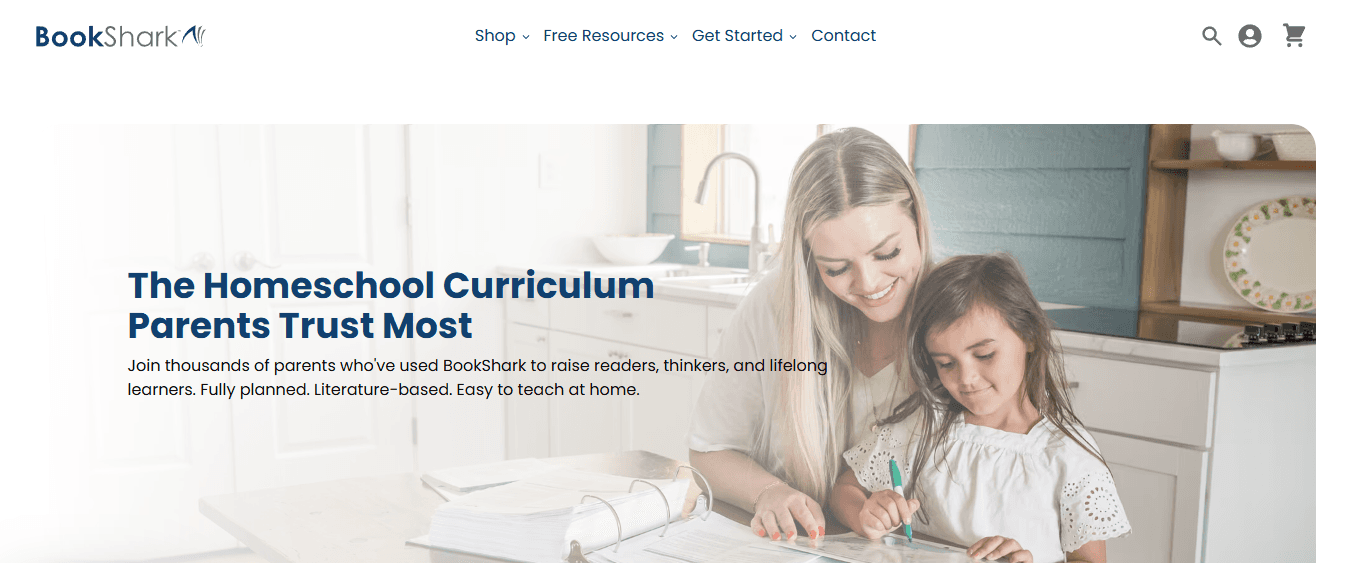
Real books replace textbooks in this literature-rich program. Your child reads historical fiction, biographies, and high-quality nonfiction rather than simplified textbook summaries. Comprehension questions and discussion prompts build critical thinking through stories rather than isolated skill drills.
What challenges might your child face with BookShark's reading volume?
Your third grader will read multiple chapter books each week to build reading speed and vocabulary. This approach works well for children who love stories and learn through reading, but may overwhelm those who dislike reading or tire easily. Excessive text can frustrate children with limited reading stamina or those who learn better through visual information.
How can visual learners enhance their BookShark experience?
Most coloring books offer generic images disconnected from the books your child is reading. Platforms like My Coloring Pages let you create custom illustrations with characters, settings, and key scenes from your BookShark unit. Visual learners gain another avenue to understand story elements while reinforcing plot details and character relationships through art projects.
8. Beast Academy

This puzzle-based math curriculum challenges students through logical problem-solving rather than repetitive practice. Lessons present math as a mystery to solve through reasoning and pattern recognition, in a comic book format that makes abstract concepts visual and engaging.
Beast Academy works for children who find traditional maths boring or need intellectual challenge. It fails for students requiring step-by-step instruction and multiple examples before independent work. The program assumes mathematical curiosity and tolerance for productive struggle. If your child shuts down when confused or needs extensive scaffolding, this approach will create daily battles.
9. Khan Academy
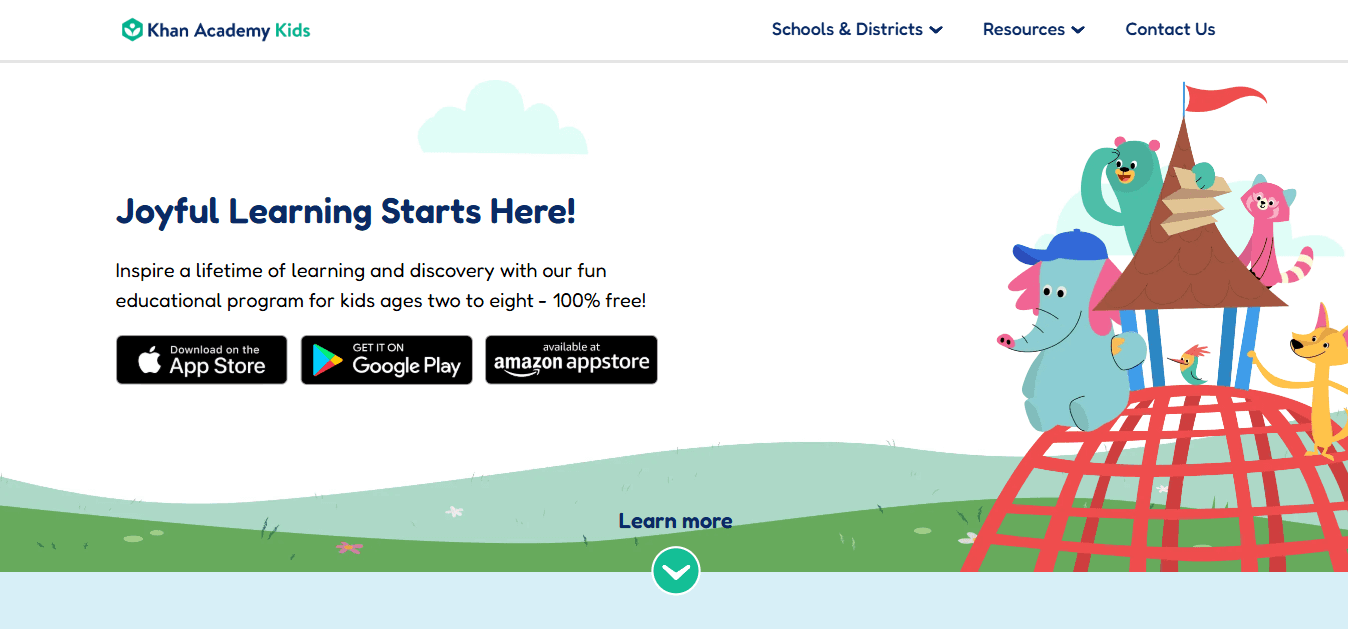
This free platform provides structured video lessons and practice exercises in maths and science. Your child watches short teaching videos, completes practice problems with immediate feedback, and progresses through skills at their own pace. The system tracks what your child has learned and automatically identifies gaps.
The free model suits budget-conscious families, but the platform excels at maths while offering limited choices in reading, writing, and humanities. You'll need to supplement language arts, meaning you're still planning and teaching multiple subjects daily. Khan Academy works best as one part of a custom curriculum rather than as your sole solution.
10. Easy Peasy All-in-One Homeschool

This free K-12 curriculum provides daily lesson plans for all subjects with links to free online resources. You follow the schedule, your child completes assigned readings and activities, and you're finished. The simplicity appeals to families starting homeschooling with no budget or experience.
What are the quality concerns with Easy Peasy?
The quality varies because Easy Peasy aggregates free content from across the internet rather than creating original lessons. Some lessons are excellent, while others feel disconnected or unclear. You'll need to invest time verifying that each day's assignments deliver on their stated learning objectives. For families seeking free options, it provides a useful framework for supplementing weak areas with library books and additional practice. But picking a curriculum only matters if you have the right tools to reinforce what you're teaching.
Download 69,890+ free worksheets for homeschooling 3rd graders
Curriculum teaches concepts. Worksheets turn concepts into skills your child can use independently. Most homeschool struggles in third grade stem from insufficient practice after the lesson ends, not from weak curriculum choices.
🎯 Key Point: The gap between learning a concept and mastering it is filled by consistent worksheet practice that reinforces what your child just learned.
"The difference between knowing something and being able to use it independently comes down to deliberate practice outside the initial lesson." — Educational Psychology Research, 2023
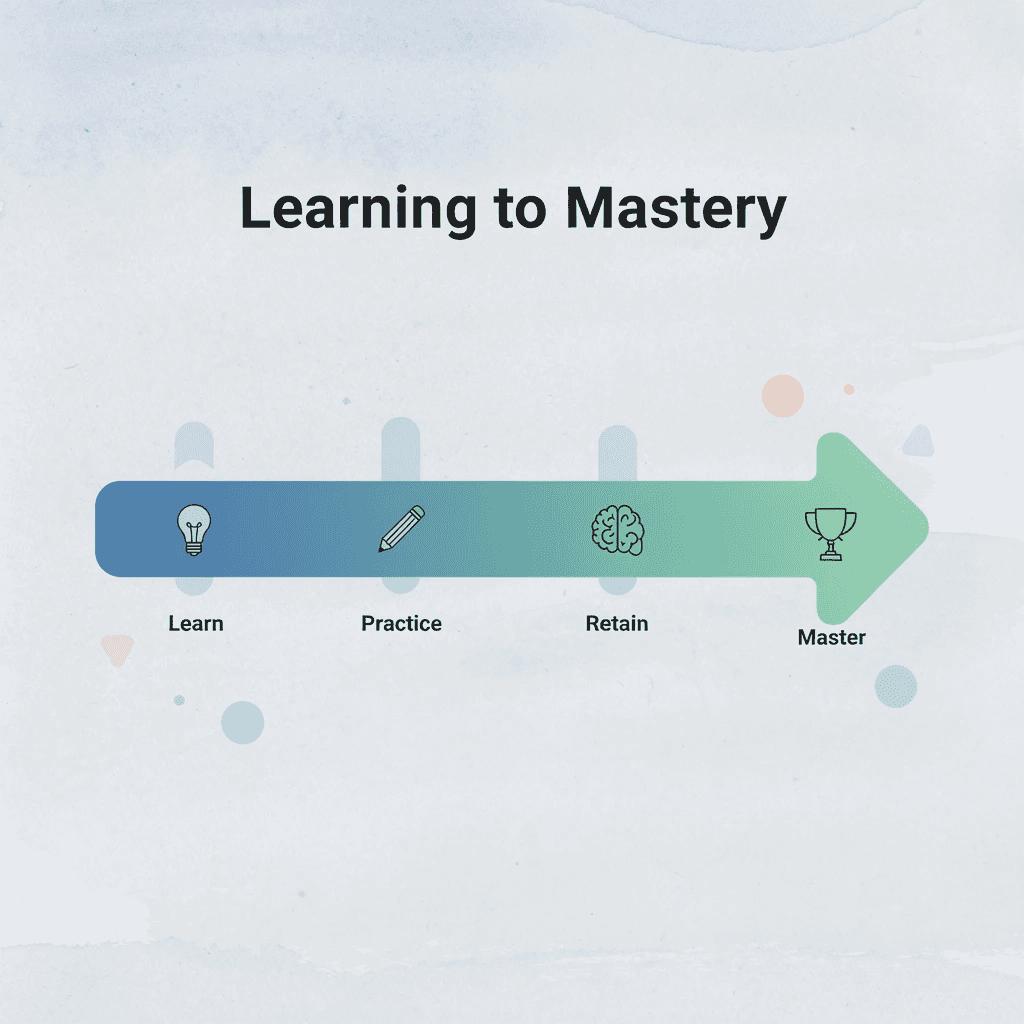
💡 Tip: Use worksheets as immediate reinforcement within 24 hours of teaching a new concept to maximize retention and build confidence in your third grader's abilities.
Why Worksheets Matter More Than Curriculum Quality
Your child can solve three problems correctly during a lesson, but that's assisted performance, not mastery. The neural pathway hasn't solidified yet. Worksheets create the repetition necessary for that pathway to become automatic.
Third graders need to encounter the same skill type 5 to 7 times over multiple days before it moves from working memory into long-term storage. One lesson introduces the concept, but without additional practice the next day and beyond, the skill fades. Worksheets scheduled across the week prevent forgetting by forcing retrieval before the memory disappears.
The Problem With Generic Practice Materials
Most generic workbooks don't match your teaching. Your curriculum teaches borrowing in subtraction using a specific method, but the workbook uses a different approach, confusing your child instead of reinforcing the skill. Vocabulary words in reading workbooks don't match the stories you've taught, making practice feel disconnected from lessons.
This mismatch wastes time and creates frustration. Your child completes pages that don't strengthen what they're learning, filling in blanks on unrelated topics instead of reinforcing what you're teaching them.
Custom Worksheets That Match Your Actual Lessons
Practice materials should match your actual lessons. When your science lesson covers flower parts, your child needs a diagram labeling those exact parts, not a generic plant worksheet. When your history unit focuses on the American Revolution, comprehension questions should reference the specific events and figures you're studying.
Most families search online for free worksheets, spending thirty minutes finding something close enough. As curriculum topics become more specific, finding aligned worksheets grows harder. Generic resources can't match the precise vocabulary, maths concepts, or science content your child studied that morning.
Platforms like My Coloring Pages generate custom worksheets aligned to your exact content. Create math practice sheets with the problem types your curriculum covered, vocabulary coloring pages with specific words from today's reading, or science diagrams showing concepts you explained—eliminating search time while ensuring practice reinforces what you taught.
Math Worksheets That Build Automaticity
After teaching multiplication facts, your child needs pages of mixed problems that force quick recall without predictable patterns. Ten problems using the same number (5×1, 5×2, 5×3) allow counting by fives instead of multiplying. Mixed practice (7×3, 4×8, 6×2, 9×5) requires retrieving each fact independently, building the automaticity needed to solve complex problems later.
Generate worksheets with 20 to 30 mixed problems daily, and time your child as they complete them, tracking speed improvements across weeks. When they can finish a page in under three minutes with 90% accuracy, those facts have become automatic. Until then, they need continued practice rather than advancement to new concepts that assume instant recall.
Reading Comprehension Practice That Checks Understanding
After your child reads a chapter or passage, they need questions that assess understanding beyond mere recall of facts. "Who did what" questions only verify word decoding, not comprehension of themes, character motivation, or cause-and-effect relationships. Good comprehension worksheets ask them to infer, predict, compare, and evaluate.
Create practice pages with three to five questions requiring different levels of thinking: a recall question to confirm they read the text, an inference question to check if they read between the lines, and an application question asking them to connect the reading to their own experience or another text. This layered approach reveals whether they're truly understanding or merely remembering surface details.
Writing Practice That Applies Grammar Rules
Teaching grammar rules without immediate application makes the lesson a waste. After explaining how commas separate items in a series, your child needs to write ten sentences using that skill. They should create original sentences demonstrating correct comma usage, not circle commas in pre-written text.
Worksheets that ask for specific sentence building force active use of the skill. After a lesson on quotation marks, provide dialogue scenarios that students must punctuate correctly. After teaching possessive apostrophes, have them rewrite phrases using possessive forms. This focused practice builds writing fluency faster than general grammar drills.
Science Reinforcement Through Visual Learning
Third-grade science introduces systems and processes that benefit from visual representation. After explaining the water cycle, have your child label diagrams showing evaporation, condensation, and precipitation. After teaching animal adaptations, they should draw and label examples demonstrating camouflage, mimicry, or specialized body parts.
Coloring activities reinforce science because the act of coloring demands attention to detail while creating visual memory. When your child colors a solar system diagram and labels each planet's position and characteristics, the combination of visual processing and fine motor activity creates stronger memory formation than reading or watching videos.
Vocabulary Building Through Repeated Exposure
New vocabulary words require five to seven meaningful encounters before students can use them actively. Worksheets provide these encounters through varied activities: matching words to definitions, using each word in sentences, drawing pictures that illustrate meaning, sorting words by category or part of speech, and writing paragraphs that incorporate all words correctly.
This repeated practice with different uses prevents children from memorizing definitions for tests without being able to use words in conversation or writing. Each worksheet activity engages students in different ways, strengthening neural connections linked to the same vocabulary.
Consistency Creates Compound Growth
Worksheets work only when used daily. Practicing sporadically yields sporadic results. Your brain needs regular practice retrieving information to keep memories strong and durable.
Set aside time for worksheets at the same time each day, right after you learn the main lesson, while the ideas are still fresh in your mind. Fifteen to twenty minutes of focused practice beats an hour of distracted work spread throughout the afternoon. A routine makes it easier to get started, and practicing immediately prevents forgetting what you've learned.
Related Reading
- 5th Grade Homeschool Curriculum
- How To Homeschool In California
- Alabama Homeschool Laws
- Homeschool Reading Curriculum
- Science Homeschool Curriculum
- Accredited Homeschool Curriculum
- Illinois Homeschool Laws
- North Carolina Homeschool Laws
- 2nd Grade Homeschool Curriculum
- 4th Grade Homeschool Curriculum
- Georgia Homeschool Requirements
- Homeschool Art Curriculum
- 3rd Grade Homeschool Curriculum
- Michigan Homeschool Laws
- California Homeschool Laws