
20 Best Homeschool Programs for Preschoolers
Discover the 20 best homeschool programs for preschoolers with My Coloring Pages. Expert reviews, curriculum details, and parent-tested recommendations.


Homeschool parents often struggle to find curriculum materials that truly match their child's learning style and developmental needs. The best homeschool programs offer flexibility to adapt lessons for individual students rather than forcing them through rigid, one-size-fits-all approaches. Quality homeschool resources should provide engaging activities that maintain children's natural curiosity while meeting educational standards. Parents need access to diverse materials that can be customized for different subjects, learning paces, and teaching methods.
Effective homeschool education requires a combination of structured curriculum and supplementary resources that reinforce key concepts through hands-on activities. Preschoolers especially benefit from visual and tactile learning experiences that make abstract concepts more concrete and memorable. Parents can enhance their lesson plans with engaging materials that transform learning into an enjoyable experience rather than a chore. To support these interactive learning goals, families can download 67,338+ free coloring pages that complement any homeschool curriculum with alphabet practice, number recognition, and subject-specific activities.
Table of Contents
- Do Homeschooled Kids Do Well?
- Pros and Cons of Homeschooling
- Is Homeschooling Suitable For Your Child?
- How to Choose the Right Homeschool Program for Your Children
- 20 Best Homeschool Programs for Preschoolers
- Download 67,338+ Free Supplementing Homeschool Worksheets
Summary
- Homeschooled students score 15-30 percentile points higher than public school students on standardized tests, according to the National Home Education Research Institute, and this advantage persists regardless of parental education level or household income. The performance gap stems from individualized attention and flexible pacing rather than resource advantages. These students maintain higher college GPAs and stronger retention rates because they've developed independent learning skills that matter more than memorized content.
- The average homeschool family spends just $600 per student annually on curriculum and materials, but the real cost comes from lost household income when a parent stops working to teach full-time. Most homeschooling parents cannot maintain full-time employment, forcing families to eliminate an entire income stream. This financial reality creates hard boundaries that make homeschooling impossible for single-parent households or families requiring two incomes to cover basic expenses, regardless of educational philosophy.
- Curriculum selection fails most often because parents choose based on impressive descriptions rather than on the program's actual capacity to be implemented consistently. A curriculum requiring extensive nightly preparation burns out parents within weeks, while open-ended approaches overwhelm those who need clear structure. The program that works is the one you can execute reliably within your available time and with the confidence you have in your teaching, not the one that sounds most comprehensive in homeschool forums.
- Most homeschool families change curriculum within the first year, and this adjustment represents learning through direct experience rather than failure. Programs serve your family's needs, and when something creates daily resistance or doesn't match your child's learning patterns, you pivot immediately. Flexibility to adjust based on what actually produces engagement and retention matters more than completing every page of a prestigious curriculum that makes everyone miserable.
- Research shows that 87% of homeschooled students regularly participate in two or more activities outside the home, but this socialization requires ongoing parental coordination. Unlike traditional school parents who rely on built-in peer interaction, homeschooling families must intentionally engineer social opportunities through co-ops, sports teams, and community groups. This constant scheduling and driving to multiple weekly activities adds a significant workload beyond the teaching itself.
- My Coloring Pages provides access to download 67,338+ free coloring pages that work as supplemental materials when the core curriculum lacks customization for specific topics or interests, letting families generate educational worksheets that reinforce concepts from letter tracing to ecosystem exploration without adding hours to lesson planning.
Do Homeschooled Kids Do Well?
Homeschooled students often perform significantly better than students in traditional schools on standardized tests, college acceptance, and long-term civic engagement. Research from the National Home Education Research Institute shows homeschooled students score 15-30 percentile points above public school students on standardized academic achievement tests, regardless of their parents' education level or household income. This advantage stems from individualized attention, flexible pacing, and learning environments tailored to each child's needs rather than administrative convenience.
"Homeschooled students score 15-30 percentile points above public school students on standardized academic achievement tests, regardless of parents' education level or household income." — National Home Education Research Institute
🔑 Key Takeaway: The consistent academic advantage of homeschooled students across all socioeconomic backgrounds suggests that personalized learning approaches and flexible pacing matter more than family resources or parental education levels.
💡 Research Insight: This performance gap remains stable across different testing metrics and demographic groups, indicating the homeschooling advantage stems from educational methodology rather than selection bias.

Academic Performance That Holds Up Under Scrutiny
The test score advantage isn't luck. Homeschooled students maintain higher GPAs in college and show stronger retention rates than their peers. Universities actively recruit them because they've learned how to learn independently—a skill that matters more than memorizing content for exams. Most homeschoolers achieve the same or better academic results in three to five hours per day, compared to the seven-hour school day that includes transitions, administrative tasks, and waiting.
Social Development Happens Differently, Not Poorly
The concern about socialization often conflates social skills with age-segregated classrooms. Homeschooled children participate in community groups, sports teams, volunteer work, and mixed-age activities that develop cross-generational communication skills. They frequently demonstrate stronger confidence and greater ease conversing with adults, since their daily interactions extend beyond same-age peers. When you're wondering if your child is falling behind, remember that grade-level benchmarks show averages, not optimal achievement. Homeschooling lets you focus on your child's actual learning trajectory rather than how they compare to peers.
Personalization Creates Momentum
One-on-one attention identifies where understanding breaks down and allows you to address it immediately. If your child learns fractions quickly, you move forward. If they need three weeks on long division, you give them three weeks without the pressure of a class moving ahead without them. This adaptive pacing improves knowledge retention and builds confidence because mastery precedes advancement. Traditional classrooms with 25-to-1 ratios cannot offer this level of responsive teaching.
What determines the quality of homeschooling success?
The real limitation isn't the homeschooling model; it's how well it's executed. Poorly structured homeschooling with inconsistent parental involvement creates gaps, as do under-resourced traditional schools. Homeschooling gives you control over structure, resources, and priorities. When families integrate creative learning tools like custom coloring pages from My Coloring Pages into their curriculum, they reinforce concepts through visual learning and hands-on engagement tailored to their lesson plan. AI customization lets you create materials on demand rather than searching for ones that fit. The real question when evaluating homeschool success isn't whether homeschooled kids perform as well as traditional students, but whether they're equipped for what comes after formal education ends.
Related Reading
- Homeschool
- Easy Peasy Homeschool
- Homeschool Curriculum
- Homeschool Math Curriculum
- Online Homeschool Curriculum
- Homeschool Resources
- Online Homeschool Programs
- Christian Homeschool Curriculum
- Homeschool Planner
- Homeschool Schedule
- Kindergarten Homeschool Curriculum
- Homeschool History Curriculum
- Best Homeschool Programs
- Free Homeschool Curriculum
- Homeschool Schedule
- Best Homeschool Curriculum
- Accredited Homeschool Programs
- How To Homeschool
- Time For Learning Homeschool
- K12 Homeschool
Pros and Cons of Homeschooling
What control do you have over your child's learning environment?
Homeschooling gives you control over what, when, and how your child learns. You can travel during off-peak seasons, include faith-based teaching in daily lessons, and avoid the social pressures of institutional settings. According to the National Home Education Research Institute, the average cost of homeschooling is $600 per student per year, making this flexibility affordable for many families. Practical skills like woodworking, gardening, and coding become real subjects alongside traditional academics, with teachable moments occurring naturally throughout the day.
How does flexible scheduling benefit your family?
This freedom extends to scheduling. If your child learns better starting lessons at 10 a.m. instead of 7 a.m., you can change it. Doctor appointments incur no absence penalties. When your daughter becomes fascinated with marine biology, you spend three weeks building an entire unit around ocean ecosystems instead of moving on because the curriculum requires it. The structure bends around your child's natural rhythms and interests rather than forcing them into predetermined boxes.
How does individualized attention adapt to your child's daily needs?
Classroom teachers managing 25 students cannot customize lessons for each one. At home, you meet your child where they are. If fractions require an extra week, you take it. If your son excels in algebra but struggles with writing, he can work at different grade levels in different subjects without embarrassment. You celebrate breakthroughs as they happen, building confidence when it matters most.
Why does personalization matter for twice-exceptional students?
This personalization matters especially for twice-exceptional students who are advanced in some areas while needing support in others. Traditional schools often lack the flexibility to accommodate these variations without labeling children as behind or ahead. Families integrate resources like custom coloring pages from My Coloring Pages to reinforce concepts through hands-on engagement. AI customization lets you create materials that match your weekly topics, whether illustrating historical events, visualizing maths concepts, or exploring scientific processes through art.
Relationships Deepen Through Shared Learning
Spending more time together creates bonding opportunities impossible in rushed evenings and weekends. Field trips become shared adventures of discovery. Siblings learn to help each other rather than compete for attention. Parents with flexible schedules can participate in learning experiences that would otherwise occur during work hours. Constant presence builds understanding. You notice whether your child's frustration signals genuine confusion or tiredness, catch the moment a concept clicks, and immediately build on that momentum. These observations enable real-time adjustments impossible in a classroom setting.
What workload challenges do homeschooling parents face?
You become a teacher, curriculum researcher, principal, and parent simultaneously. Creating, teaching, and grading lessons across multiple subjects consumes hours daily. Parents with younger children must manage toddlers while teaching older students. The constant nature of homeschooling means students never leave at the end of the day, making time for personal care, exercise, or personal pursuits a significant challenge.
How does the financial impact affect homeschooling families?
The financial sacrifice compounds the workload burden. Most homeschooling parents cannot work full-time, and many lose an entire household income. For families already struggling financially, homeschooling becomes impossible regardless of their educational philosophy. Additionally, parents spend more on extracurricular activities and social opportunities that traditional schools provide through existing infrastructure.
How do you create meaningful social opportunities for homeschooled children?
Your child won't automatically develop friendships by showing up somewhere five days a week. You need to intentionally create social opportunities through co-ops, sports teams, community groups, and activities that bring your child into contact with different peers. This requires research, scheduling, and often driving to multiple locations each week.
What social challenges do homeschooling families face?
You'll face judgment and assumptions that something must be wrong with homeschooled children. People expect social awkwardness or academic gaps and will question whether you're depriving your child of normal experiences, even when your child thrives.
How do you know if homeschooling is right for your family?
The question isn't whether homeschooling is objectively good or bad, but whether it fits your specific child's needs right now.
Is Homeschooling Suitable For Your Child?
Whether homeschooling works for your family depends on what you can commit to: spending consistent time on it, using teaching methods that work for your kids, and establishing structured routines that replace the built-in accountability of school. Consider your schedule, your confidence in teaching, and your willingness to manage both instruction and socialization.

🎯 Key Point: Successful homeschooling requires more than just good intentions—it demands daily commitment, structured planning, and the ability to wear multiple hats as both parent and educator.
"The decision to homeschool should be based on realistic assessment of your family's capacity for long-term commitment to education at home." — National Home Education Research Institute
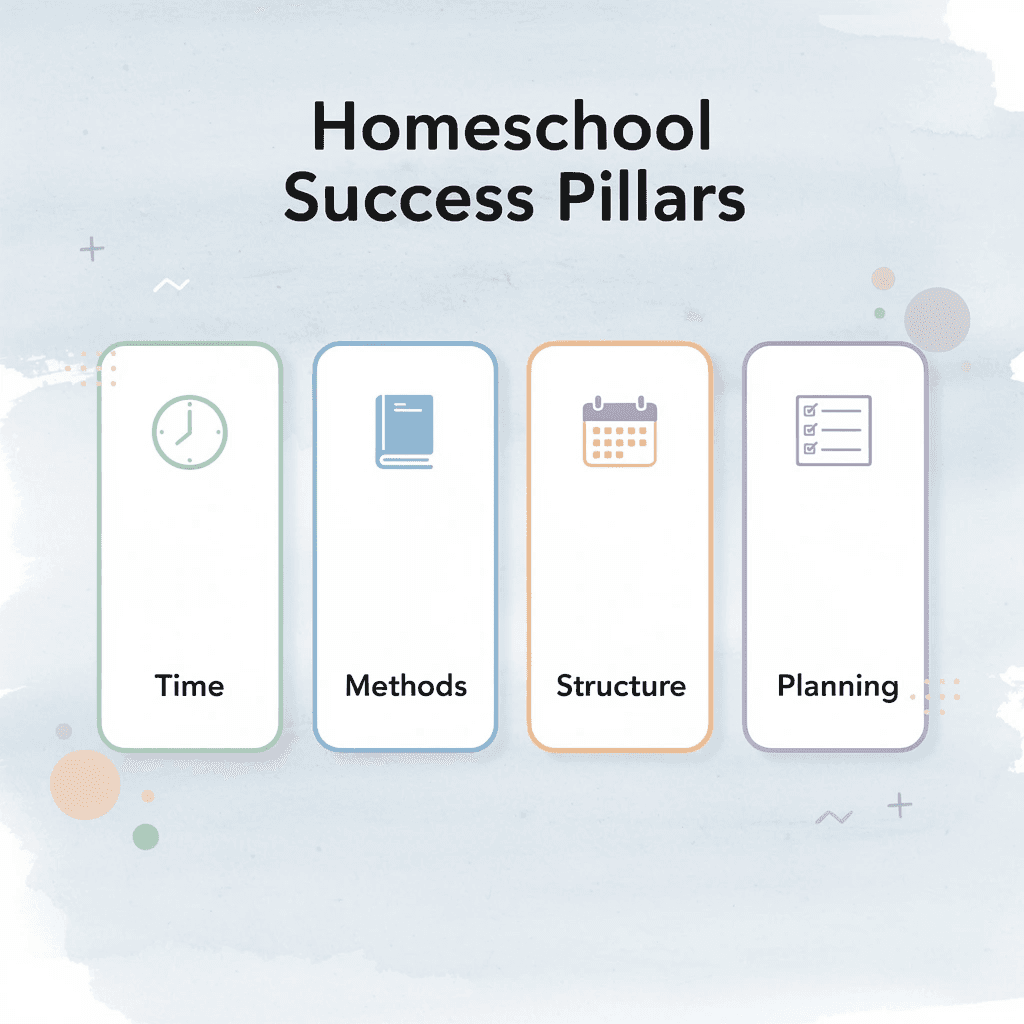
💡 Tip: Before making the leap, honestly evaluate your family's readiness by considering your available time, teaching confidence, and ability to create consistent learning environments that replace traditional school structure.
Your Schedule Determines Feasibility
Homeschooling demands a full-time commitment. You'll spend hours planning lessons, researching curriculum, grading work, and managing administrative tasks like attendance records and state compliance. Full-time employment or caring for multiple young children compounds the challenge. Evening hours disappear into lesson preparation, ordering materials, and coordinating group activities. Parents who succeed build structured daily routines that separate teaching from household management. They prep materials before lessons begin, batch administrative work during independent study periods, and protect teaching hours from interruptions. Without this discipline, homeschooling becomes chaotic and ineffective.
What level of educational confidence do you need for homeschooling?
You don't need a teaching degree, but you must be comfortable with not knowing everything. Strong homeschooling parents recognise knowledge gaps and seek resources through online courses, workshops, or seminars covering teaching methods and legal requirements. They join co-ops where other parents teach subjects outside their expertise, or they use curriculum packages with built-in lesson plans and grading rubrics.
How do you handle advanced subjects as your children progress?
The struggle intensifies as children advance to higher-level math, science, or foreign languages. Parents who successfully taught elementary concepts often hit walls with algebra or chemistry. Some hire tutors or enroll children in online courses for advanced subjects. Others connect with homeschool networks where parents with different strengths trade teaching responsibilities. Platforms like My Coloring Pages let parents generate custom educational materials that reinforce concepts visually, such as illustrating historical timelines, visualizing fractions, or exploring ecosystems through detailed drawings that children color as they learn.
How does your child's learning style reveal whether homeschooling is compatible?
Some children thrive with self-directed exploration, while others need external structure and deadlines. Homeschooling suits kids who learn better at their own pace, moving quickly through subjects they love or taking extra time on challenging concepts without peer pressure. According to the National Home Education Research Institute, homeschooled students score 15-30 percentile points above public school students on standardized academic achievement tests, largely because instruction adapts to individual learning preferences rather than classroom averages.
What challenges do socially motivated children face in homeschooling?
Children who need constant peer interaction or competitive environments to stay motivated often struggle in isolated home settings. They miss group discussions, collaborative projects, and the spontaneous social moments that occur naturally in classrooms. Parents must compensate by organizing these experiences through sports teams, art classes, volunteer work, and co-op meetings. Research from the National Home Education Research Institute shows that 87% of homeschooled students regularly participate in two or more activities outside the home, though this requires active parental coordination.
What are the real financial costs of homeschooling?
Most families lose one full income when a parent stays home to teach. Direct costs average $600 annually per child for curriculum and materials, but opportunity costs run into tens of thousands when factoring in lost wages, retirement contributions, and career advancement. Extracurricular activities, field trips, and specialized resources add expenses that public schools absorb into their existing infrastructure.
How do income requirements affect homeschool decisions?
Single-parent households or families requiring two incomes for basic expenses cannot homeschool without major lifestyle changes. The decision becomes less about educational philosophy and more about financial survival. Even families with extra money must plan carefully for curriculum, educational subscriptions, art supplies, science equipment, and other materials that successful homeschooling requires. The harder question is which approach fits your child's specific needs.
How to Choose the Right Homeschool Program for Your Children
Define your family's non-negotiable priorities before comparing programs. Write down three essentials—whether flexibility, faith integration, minimal planning time, or hands-on activities—and use those as your filter. The right choice matches your family's actual capacity and your child's learning tendencies, not the best reviews or most comprehensive materials.

🎯 Key Point: Your family's unique circumstances should drive program selection, not popular recommendations or feature-heavy curricula that don't align with your reality.
"The most successful homeschool families are those who choose programs that match their lifestyle and teaching capacity, rather than trying to fit into someone else's ideal." — National Home Education Research Institute
💡 Pro Tip: Create a simple scoring system in which you rate each potential program on your three non-negotiables using a 1-5 scale. Programs that score below 12 total points are likely poor fits, regardless of their reputation.
How do you match curriculum to your teaching style?
Pick a program that works for the person teaching, not just the learner. If you hate detailed lesson planning but choose a curriculum requiring extensive daily prep, you'll burn out within weeks. If you thrive on structure but pick an open-ended approach that requires constant creativity, the chaos will overwhelm you.
What learning patterns should you observe in your child?
Watch how your child learns. Does she stop doing worksheets after five minutes but spend an hour building with blocks? Does he ask for clear checklists and feel worried when tasks are not defined? These patterns reveal more than any learning style quiz.
How do family circumstances affect curriculum choice?
Parents teaching multiple grade levels while managing younger children need ready-to-use programs that don't require nightly preparation. Single parents working part-time cannot manage complex unit studies that require constant supervision. The curriculum that works is the one you can use consistently, not the one that sounds most impressive in homeschool forums.
What are the main homeschool structural approaches?
Traditional school-at-home programs use textbooks and grade-level expectations similar to those of public schools. Classical education focuses on logic and reasoning through grammar, logic, and rhetoric stages, emphasizing history and literature. Charlotte Mason approaches use living books, short lessons, nature study, and habit formation. Unit studies combine multiple subjects around single themes through hands-on projects. Eclectic methods mix elements from different philosophies by subject. Online programs offer fully digital or hybrid options with varying levels of parent involvement.
How do families find their ideal structure?
Most families adjust within the first year as they discover what works in their home versus what sounded appealing in theory. The goal isn't to find the perfect system but to identify which structure reduces daily friction enough to enable consistent learning.
How can you budget realistically without overspending?
An expensive curriculum doesn't guarantee better outcomes. Free resources from libraries and online platforms work as effectively as thousand-pound boxed programs if used consistently. Start with core subjects like maths and language arts, then add science and history once you've established a routine. Buy used curriculum from other homeschool families, borrow through co-ops, and resell what doesn't work. Supplemental materials like art supplies and science equipment add up regardless of the base curriculum cost.
What tools help create custom learning materials efficiently?
Making custom visual learning tools is important, but time-consuming. Platforms like My Coloring Pages let parents create educational coloring pages that reinforce concepts across subjects, whether depicting historical events, visualizing maths problems, or exploring ecosystems. AI customization means you create exactly what supports your child's learning that week, without searching for pre-made materials that almost fit.
Accept That Adjustment Is Normal, Not Failure
Most homeschool families change curriculum within the first year—that's learning through direct experience, not failure. Curriculum is a tool you can replace when it stops serving your family's needs. Your relationship with your child and a peaceful home environment matter more than finishing every workbook page. The ability to adjust is one of homeschooling's core advantages. Knowing which programs work requires examining what families with different needs have found effective in practice.
Related Reading
- Homeschool Room
- Homeschool Report Card Template
- How To Homeschool Your Kids
- Colorado Homeschool Laws
- Abeka Homeschool Curriculum
- Georgia Homeschool Laws
- 6th Grade Homeschool Curriculum
- Homeschool Preschool
- Homeschool Room Ideas
- 1st Grade Homeschool Curriculum
- How To Homeschool In Texas
- Homeschool Vs Public School
- Homeschool Coop
- Pre K Homeschool Curriculum
- Kentucky Homeschool Laws
- Homeschool Report Card Template
- Texas Homeschool Requirements
- Florida Homeschool Requirements
20 Best Homeschool Programs for Preschoolers
Choosing a preschool curriculum means determining what you can sustain while meeting your child's developmental needs. The programs below represent different philosophical approaches, cost structures, and levels of parental involvement. What works for a family prioritizing faith integration won't work for one needing minimal screen time, and what succeeds with a self-directed learner fails with a child who needs external structure.

🎯 Key Point: The best homeschool program isn't the highest-rated one—it's the one that matches your family's lifestyle and your child's learning style.
"The most successful homeschool families choose curricula that align with their daily routines and educational philosophy, not just academic reputation." — National Home Education Research Institute

💡 Tip: Before committing to any program, consider your available time, budget constraints, and whether you prefer structured lessons or flexible learning approaches.
1. Time4Learning
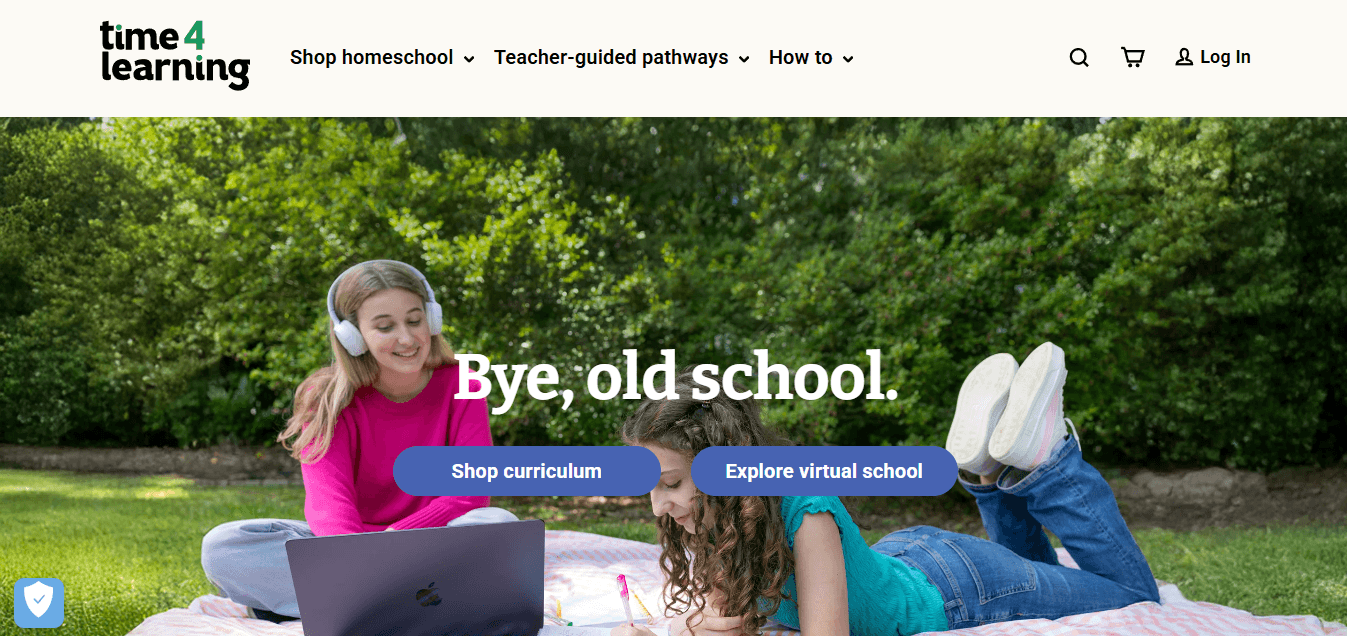
This online platform provides animated lessons in language arts and maths for Pre-K through high school. Parents can access dashboards that track progress and identify which concepts their child has mastered and where they need support. Game-like activities engage young learners in ways that feel more like fun than schoolwork. The screen-heavy approach worries parents who want to limit children's time with digital devices in early childhood. A four-year-old spending two hours daily on a tablet misses the developmental benefits of hands-on play and exploration. Tech-friendly families accept this; others feel it conflicts with their parenting values about early childhood development.
2. My Coloring Pages

Printable worksheet-based learning centers on tracing, phonics, and maths activities that develop fine motor skills while reducing screen dependency. Themed activities connect academic concepts to seasons, holidays, or topics your child finds interesting. The hands-on experience of holding a crayon and forming letters builds neural pathways differently than tapping a screen. The approach requires active parent guidance throughout lessons. You sit beside your child, demonstrating letter formation, correcting grip, and providing immediate feedback. Families with multiple young children or parents working from home find this constant supervision challenging to maintain.
3. ABCmouse
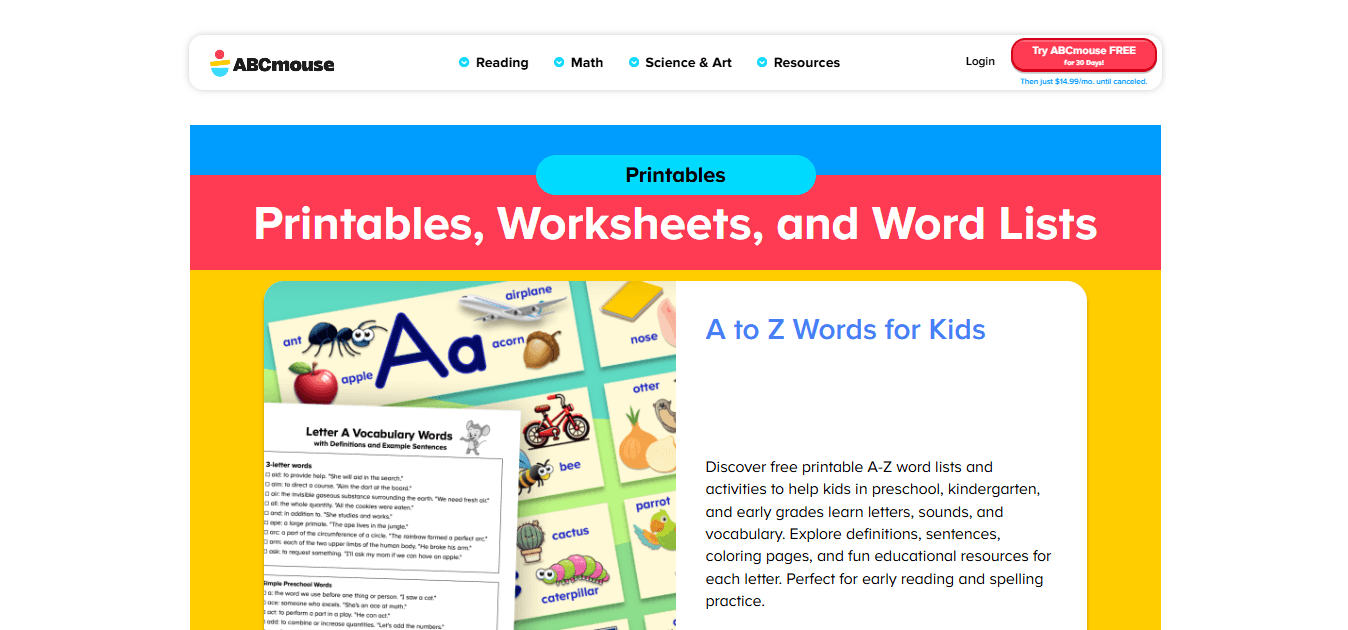
This online program organizes 850+ lessons across reading, maths, art, and music into a step-by-step learning path. Game-based activities reward progress with tickets that children use to customize virtual spaces, creating motivation to complete lessons. Repetitive content becomes noticeable after several months of daily use. The same activity formats cycle through different content, and children who initially found the games engaging start asking to skip lessons. Parents report their kids lose interest around the six-month mark, requiring supplementary materials to sustain engagement.
4. The Good and the Beautiful
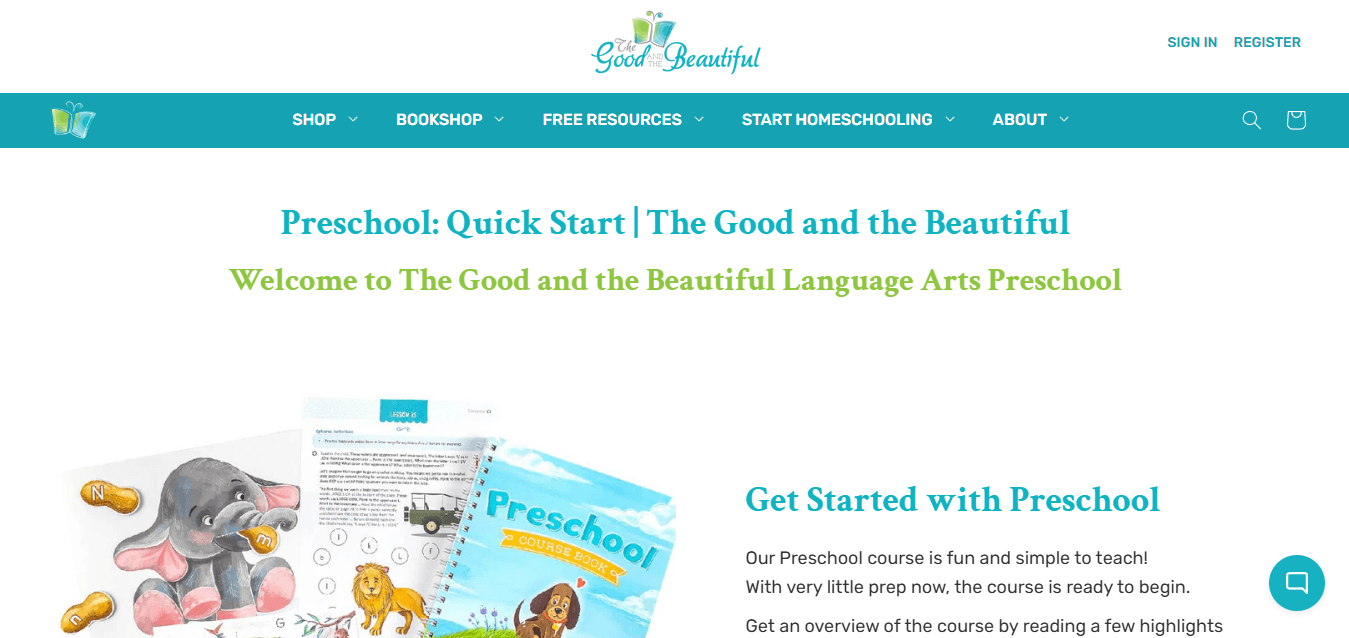
Faith-based curriculum teaches language arts through nature-inspired content infused with Christian values. Materials teach phonics via stories about kindness, perseverance, and biblical principles while developing character alongside academic skills. For families seeking education aligned with their religious beliefs, this approach offers meaningful integration. The clearly Christian approach may not work well for secular families or those from different faith traditions. If your family doesn't share these religious values, many of them won't align with your teaching goals. The curriculum is based on a particular worldview that shapes how every subject is presented.
5. Khan Academy Kids
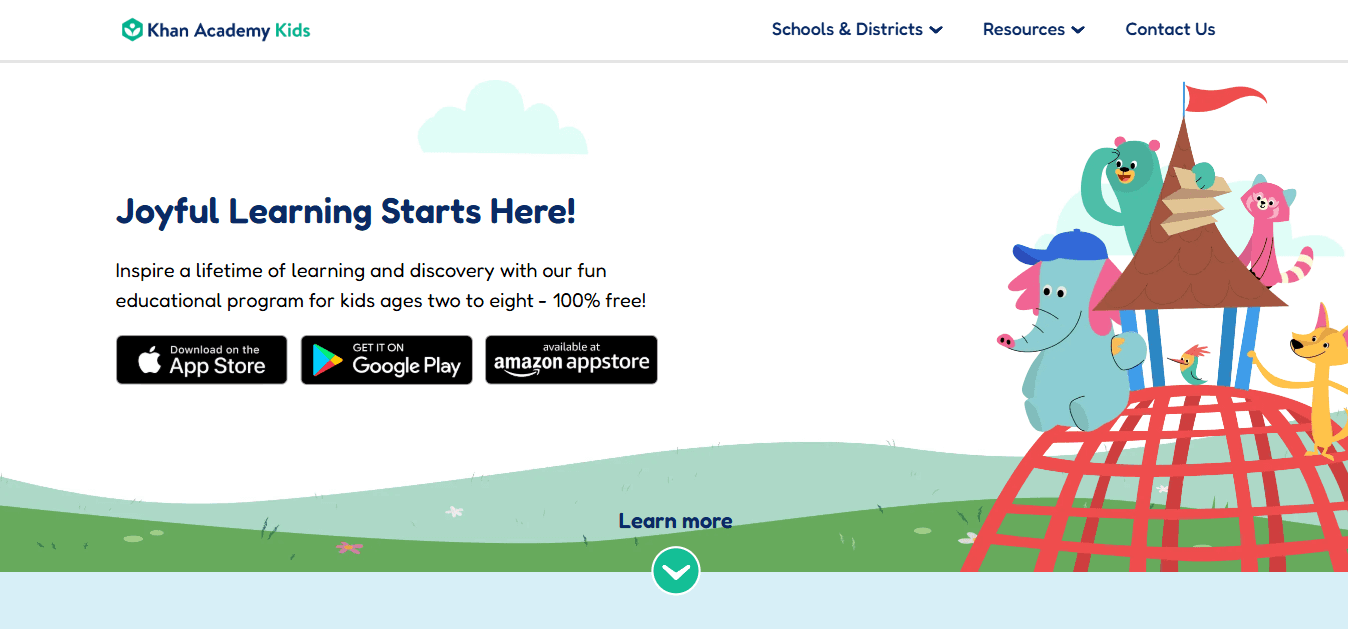
This free app provides research-backed content for reading, maths, and social-emotional learning without subscription fees or ads. As a nonprofit, it regularly adds new content at no cost, making quality educational materials accessible to budget-conscious families. The app lacks a structured pace, so parents must create their own sequence and ensure complete coverage. You're responsible for tracking what's been covered and identifying gaps in the progression of concepts.
6. Blossom and Root
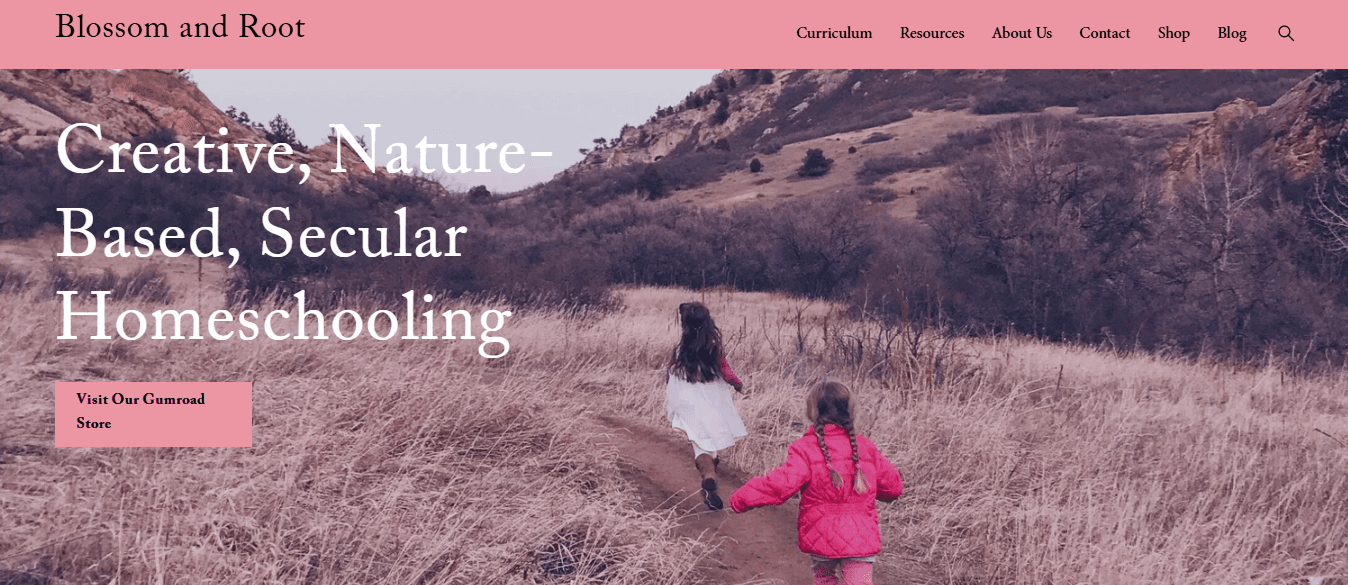
Waldorf-inspired curriculum emphasizes art, storytelling, and nature exploration over early academic pressure. Lessons encourage imagination through open-ended activities in which children interpret stories through drawing, movement, and creative play. This approach suits nature-focused homes that value unstructured outdoor time. Parents concerned about kindergarten readiness worry about the limited academic structure. If your child will move to a traditional school, the difference between Waldorf pacing and conventional grade-level expectations requires catch-up work. The philosophy intentionally delays formal academics, which works well if you're committed long-term but complicates transitions.
7. Oak Meadow

This Waldorf-style program uses play-based learning and storytelling to introduce concepts through stories rather than direct instruction. Children learn math through measuring in cooking, science through observing in gardening, and language through dictating their own stories. Structured learners who thrive with clear expectations and measurable progress can feel lost without defined benchmarks. Parents accustomed to traditional education struggle with the absence of workbooks, tests, and grade-level standards. The philosophy requires trusting that learning happens through experiences that don't resemble conventional schoolwork.
8. Brightly Beaming Resources
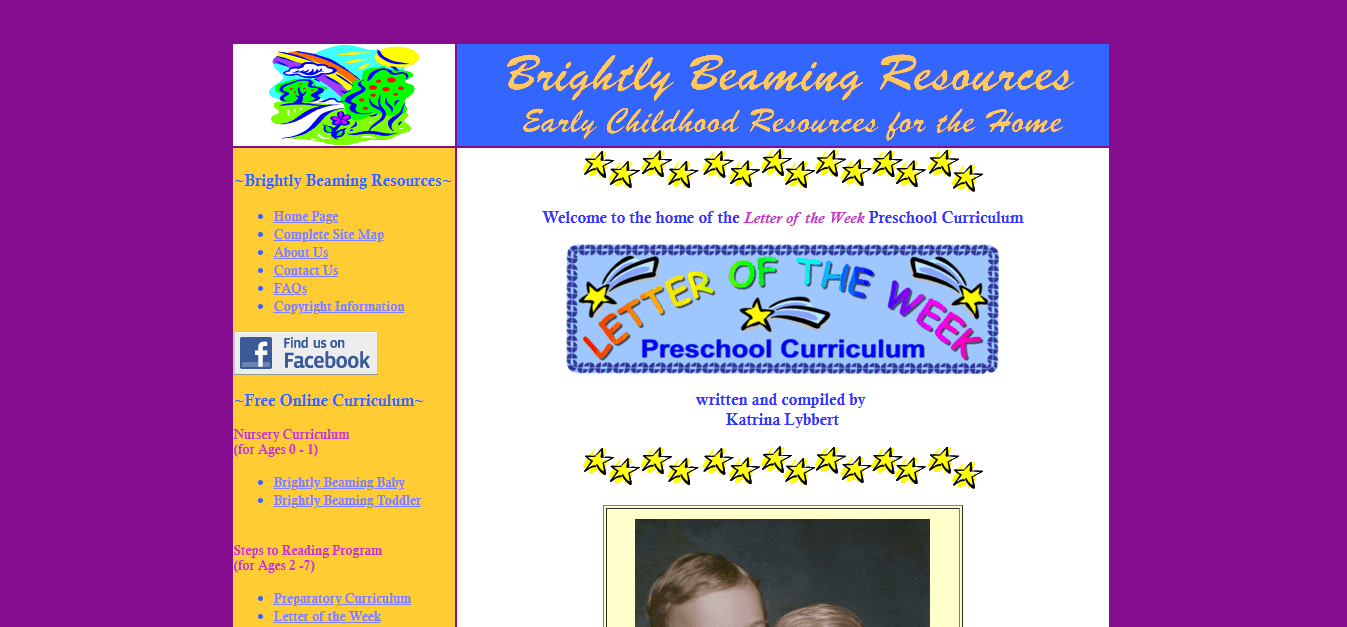
Free printable curriculum provides daily lesson plans covering letter recognition and number concepts through simple worksheets. Parents can download and print them, then teach without subscription fees or shipping costs. Basic design quality means worksheets lack the visual appeal of paid programs. Black-and-white line drawings on plain backgrounds cannot compete with colorful, professionally illustrated materials. Some children work well with simple designs; others need more visual stimulation to stay focused.
9. Easy Peasy All-in-One Homeschool

This free online program organizes daily lessons across all subjects into a simple schedule, eliminating the stress of deciding what to teach next. The easy-to-follow format appeals to families starting homeschool mid-year or testing whether this approach works for them. The program relies on text-based instruction and basic exercises, with no multimedia engagement. The dated website design lacks the production value of commercial programs. For self-motivated learners comfortable with reading-based learning, this approach works well. For children needing varied sensory input, it becomes monotonous quickly.
10. Mother Goose Time
Monthly subscription boxes deliver themed kits with hands-on activities, manipulatives, and teacher guides, all pre-packaged so you needn't source supplies or print materials yourself. The activity-based approach keeps young children engaged through tactile exploration rather than worksheets. Monthly fees can strain budgets, especially for families homeschooling multiple children. While convenience justifies the cost for some, others achieve comparable learning with library books and dollar-store supplies.
11. Playing Preschool
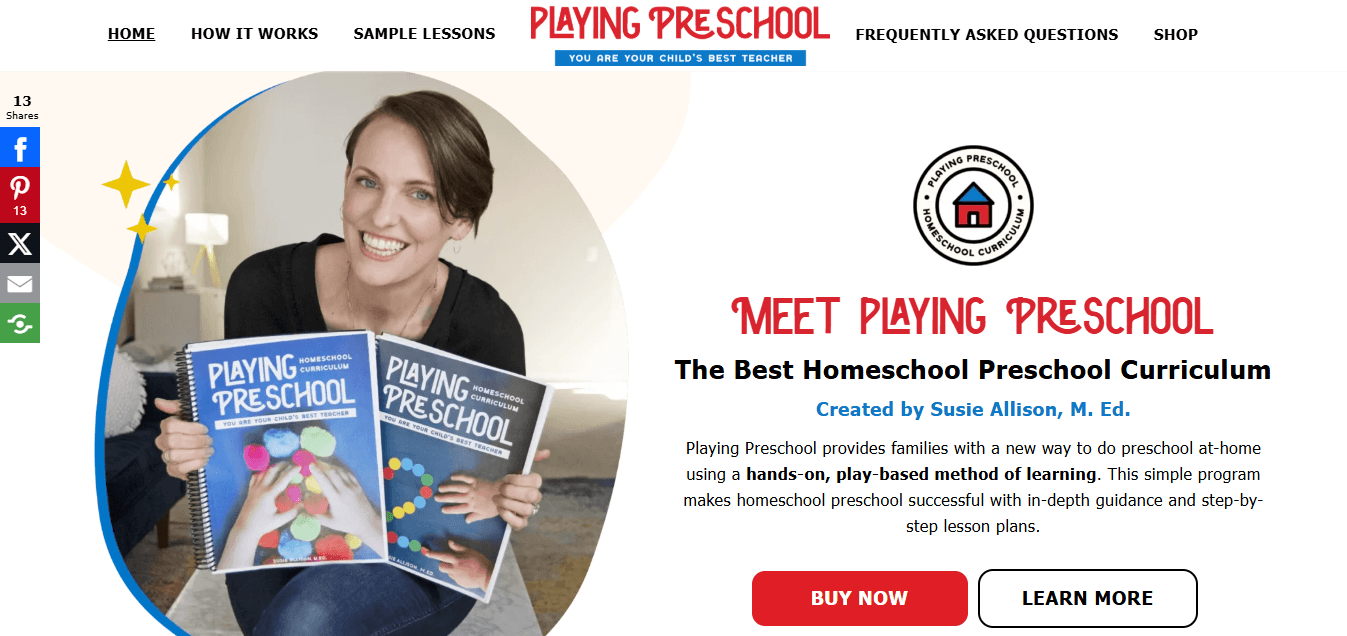
Play-based curriculum offers 190+ activities through simple lesson plans requiring minimal parent knowledge. Instructions guide you through setting up learning experiences using common household items. Activity preparation takes time, even with simple instructions. Gathering materials, setting up stations, and cleaning up afterward adds work to your day, which can feel overwhelming for already busy parents.
12. BookShark
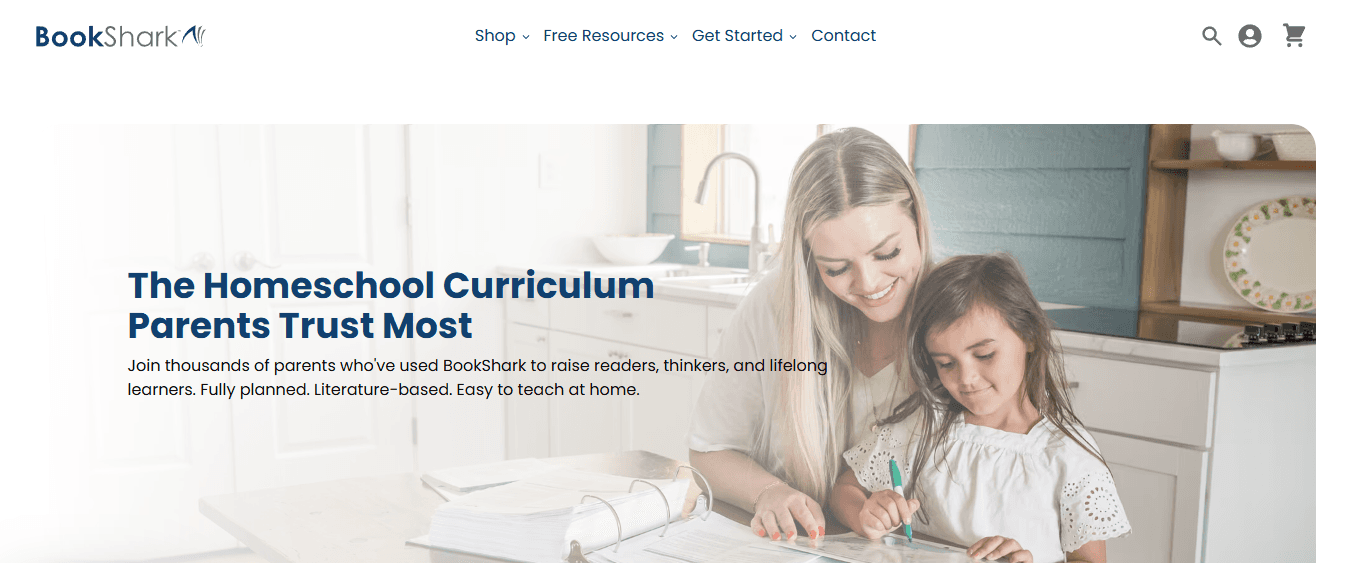
Book-based learning builds vocabulary and comprehension through read-aloud programs using quality literature as the foundation for all subjects. Story-based learning connects academic concepts to narratives children remember, making abstract ideas concrete through character experiences. Less hands-on interaction means children spend significant time sitting and listening rather than manipulating objects or moving their bodies. Kinesthetic learners who need physical activity to process information struggle with the reading-heavy format, while auditory learners thrive, and other learning styles remain underserved.
13. Horizons Preschool
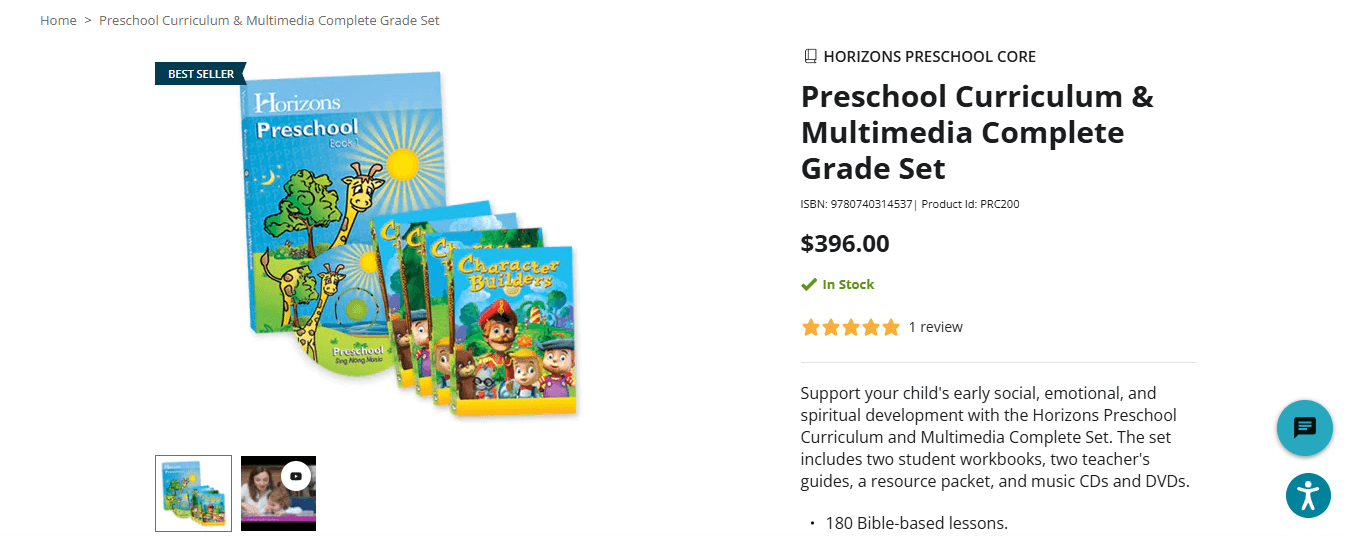
A workbook-based curriculum provides children with a clear learning path through step-by-step exercises, helping them develop early math skills through explicit instruction and measurable progress, and preparing them for formal schooling. Families appreciate this structured approach. The workbook format can limit creative thinking and prioritize getting the right answers over understanding how to solve problems. This may worry young learners who aren't ready for formal instruction. The strict approach works well for some children but overwhelms others.
14. Gentle + Classical Preschool
The classical approach balances structured memory work with the integration of music and art. Children memorize poems, songs, and facts through repetition while engaging in creative activities that reinforce learning. This appeals to families seeking age-appropriate academic content. Using this approach consistently every day requires discipline that parents must maintain, even when life gets messy. The approach works well but falls apart without regular practice. Families with unpredictable routines struggle to maintain the necessary consistency.
15. Torchlight Curriculum
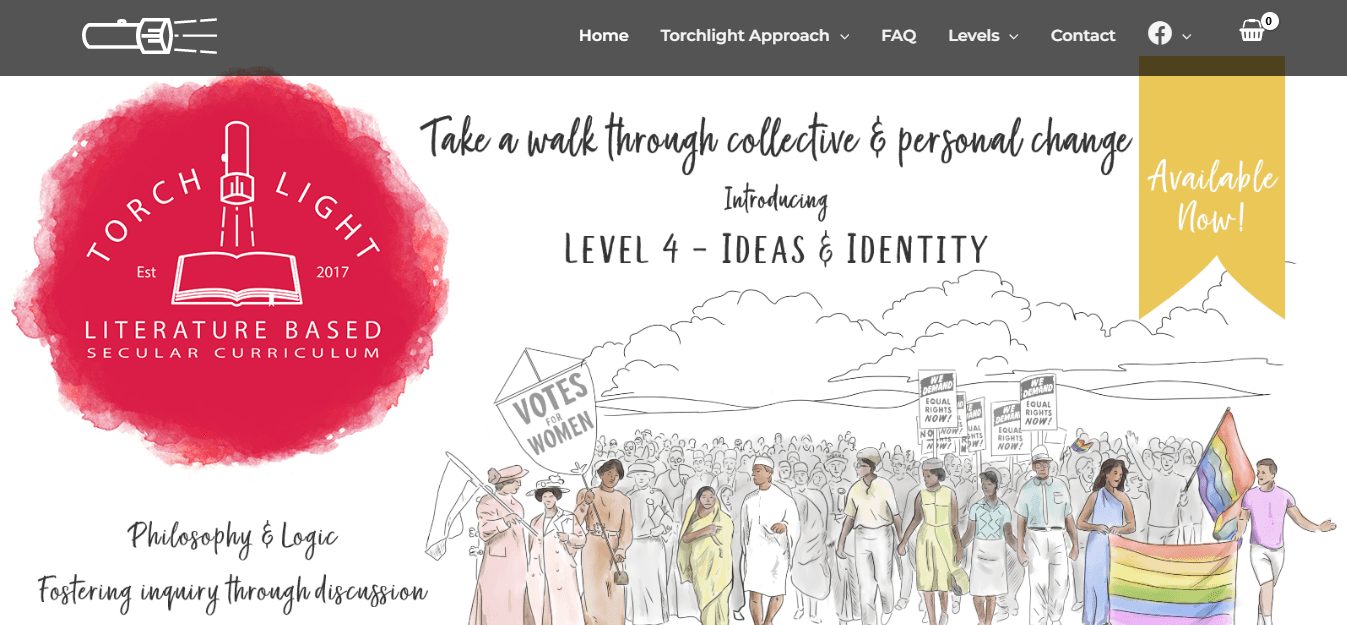
A literature-based program emphasizing diverse books and inquiry-based learning encourages critical thinking over rote memorization. Children explore questions through discussion and investigation rather than absorbing predetermined answers. Secular families seeking inclusive, varied perspectives find this approach aligns with their values. The less-structured format requires parents to set the pacing and sequence. You receive book lists and discussion prompts, but must design the daily schedule and ensure thorough coverage. This flexibility appeals to experienced homeschoolers but can overwhelm those seeking clear step-by-step guidance.
16. Busy Toddler Curriculum
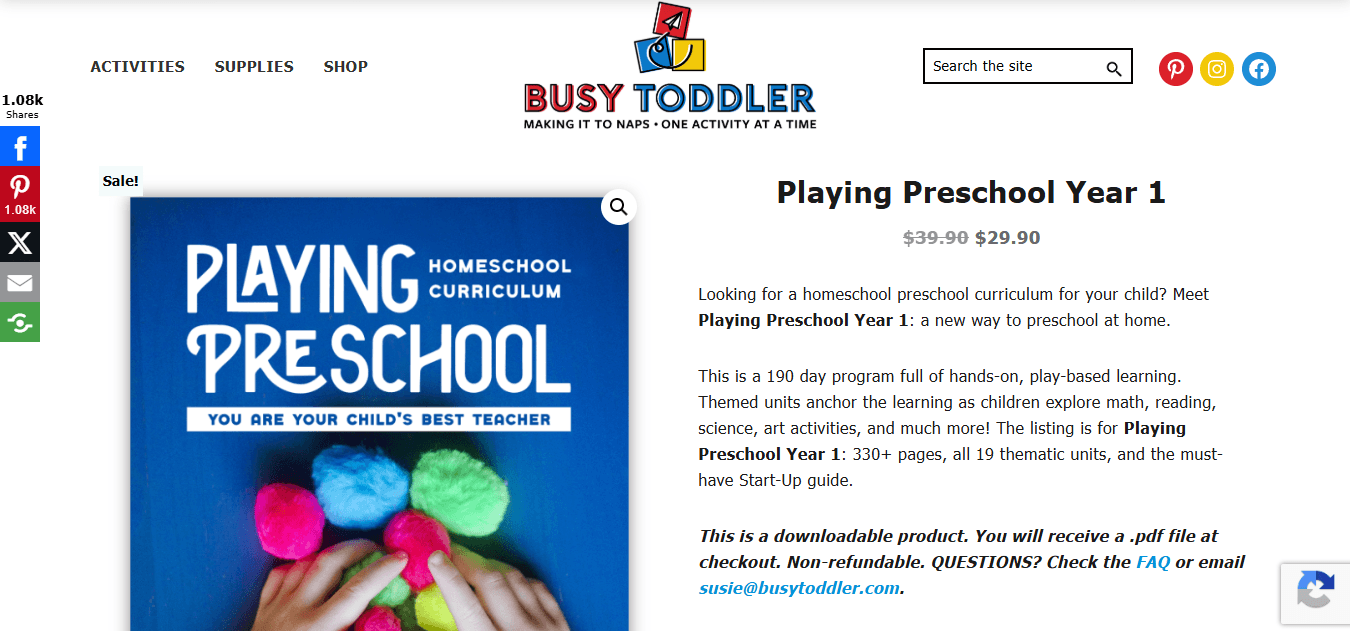
An activity-based program offers simple daily activities for young learners, using household items rather than specialized educational materials. Parents new to teaching toddlers find the straightforward approach easy to use. This isn't a complete curriculum covering all preschool skills. It provides activities that support development but doesn't systematically teach reading, maths, or other academic foundations. Families need additional resources to cover subjects thoroughly.
17. Five in a Row

The unit study approach spends one week reading the same picture book daily, exploring different subjects through that single story. Integrated learning connects maths, science, social studies, and art to the narrative, building a thorough understanding rather than surface-level exposure to multiple topics. Slower pace concerns parents worried about covering enough material. Spending five days on one book means fewer total concepts are explored than in programs that introduce new content daily. This trade-off between depth and breadth suits some learning goals but conflicts with others.
18. Global Student Network
Online curriculum provides structured digital lessons with built-in assessments that track mastery. Organized academic progression follows scope and sequence charts to ensure comprehensive coverage. The structured format prioritizes academic content over developmental appropriateness for preschool-age children, working better for elementary students than four-year-olds, who learn through exploration and manipulation. Parents must weigh whether early academics justify this less developmentally aligned approach.
19. Montessori Print Shop

Montessori printables help children learn independently by allowing them to choose activities and work at their own pace with minimal adult guidance. This approach builds independence and focus through carefully designed materials. Setting up requires substantial upfront work to gather materials, organize activities, and create the right environment. Parents must learn the philosophy and techniques before effectively using the resources, making it challenging for families seeking quick solutions.
20. Preschool Mom
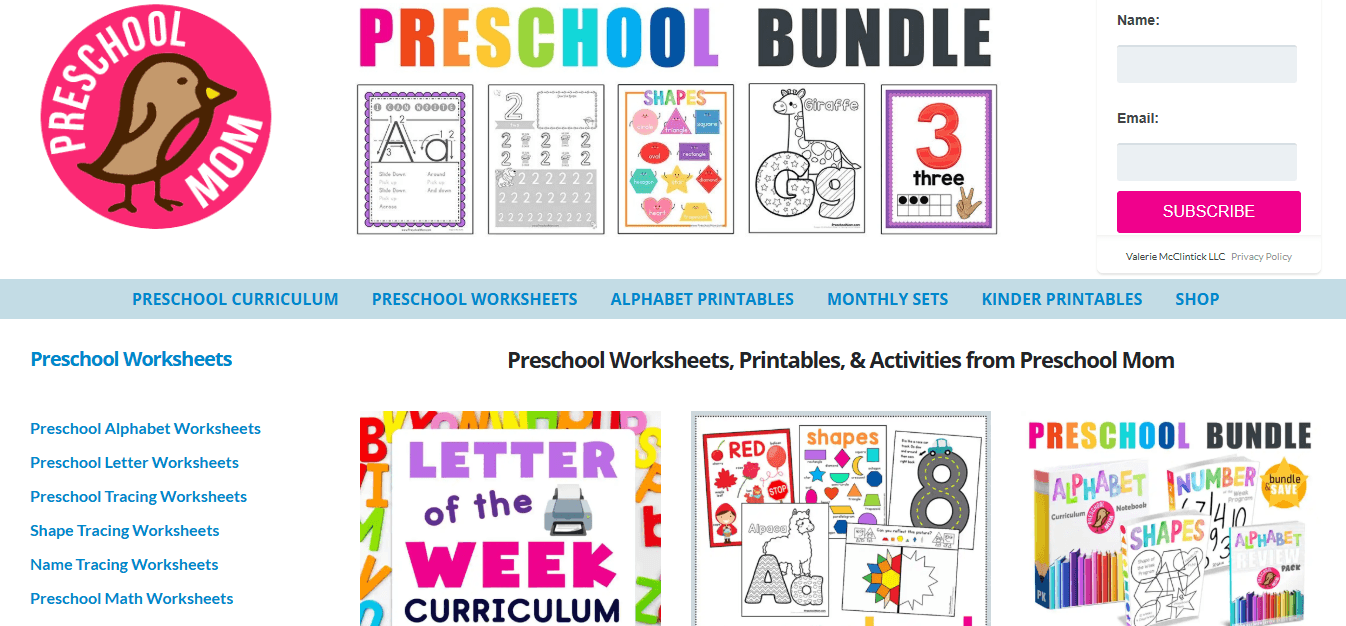
Free printable worksheets cover the alphabet, numbers, and shapes through straightforward exercises. The no-cost, easy-to-use format lets parents download and print without complicated instructions or extensive preparation. These worksheets reinforce specific skills but aren't a complete curriculum. Parents should use them as supplements to their main approach, not as a standalone instruction.
Which programs work best for structured families?
Families that prefer structure do well with Time4Learning, ABCmouse, or Easy Peasy because these programs provide clear daily schedules and set expectations. The external accountability replaces the structure that traditional schools provide through classroom routines. Families prioritizing strong academics gravitate toward Horizons, BookShark, or Gentle + Classical because these programs build foundational skills through direct instruction. Parents concerned about kindergarten readiness or future school transitions seek evidence of progress measured against recognized standards.
How do hands-on learning approaches benefit development?
People who believe in hands-on learning favor My Coloring Pages, Mother Goose Time, or Montessori Print Shop because touching and manipulating materials builds brain connections differently than screens do. When children trace letters, cut shapes, or move counting objects, they engage physical movement and cognition simultaneously. Parents seeking to reduce screen time find these methods align with their values for child development and learning.
People who believe in learning through play choose Playing Preschool, Busy Toddler, or Blossom and Root because they think children learn best through exploration and experimentation rather than direct instruction. These programs view early childhood as a time for discovery, imagination, and child-directed activities.
What free options eliminate budget barriers?
Free options like Khan Academy Kids, Easy Peasy, and Brightly Beaming remove cost as a barrier to starting homeschool. Budget constraints need not prevent quality education when you invest time instead of money.
How do you adapt when your initial choice doesn't work?
Most homeschool families find that their first choice doesn't work perfectly. You adjust, add materials, and sometimes change direction entirely. When worksheets create tears instead of learning, you try something else. When your child moves through material quickly, you accelerate. When concepts don't make sense, you slow down or seek different explanations.
Programs that combine creative learning tools offer flexibility to customize without starting from scratch. Platforms like My Coloring Pages let parents create educational materials matching the week's topic, whether reinforcing letter recognition, visualizing math concepts, or exploring science through detailed illustrations. Children color while learning. AI customization adapts to your specific needs rather than forcing you to adapt your teaching to pre-made materials. But having the right program only matters if you can use it consistently, which requires resources most families don't realize they need.
Download 67,338+ Free Supplementing Homeschool Worksheets
Narrow your program choices to 2-3 options and test them against your child's actual response. Start by identifying your single highest priority: minimizing screen time, reducing daily prep work, or building specific academic skills. Review sample lessons or use free trials before committing to a financial commitment. Many families choose based on impressive curriculum descriptions, then discover that after three weeks, their child resists the format or cannot sustain the required prep time.
🎯 Key Point: Test programs with your child's real learning style before making long-term commitments—what looks perfect on paper may create daily struggles in practice.
Build a simple weekly plan that combines your main curriculum with supplemental activities to fill gaps. If you selected a screen-heavy option like Time4Learning or ABCmouse, balance it with hands-on materials for fine motor skills and tactile learning. When your core program lacks customization for your child's interests or current topics, platforms like My Coloring Pages let you generate educational worksheets that reinforce whatever you're teaching that week, from tracing letters to visualizing fractions to exploring ecosystems. Track what produces engagement and retention over the first 2–3 weeks. Adjust immediately when something creates daily resistance: consistency matters more than completing a prestigious curriculum that makes everyone miserable.
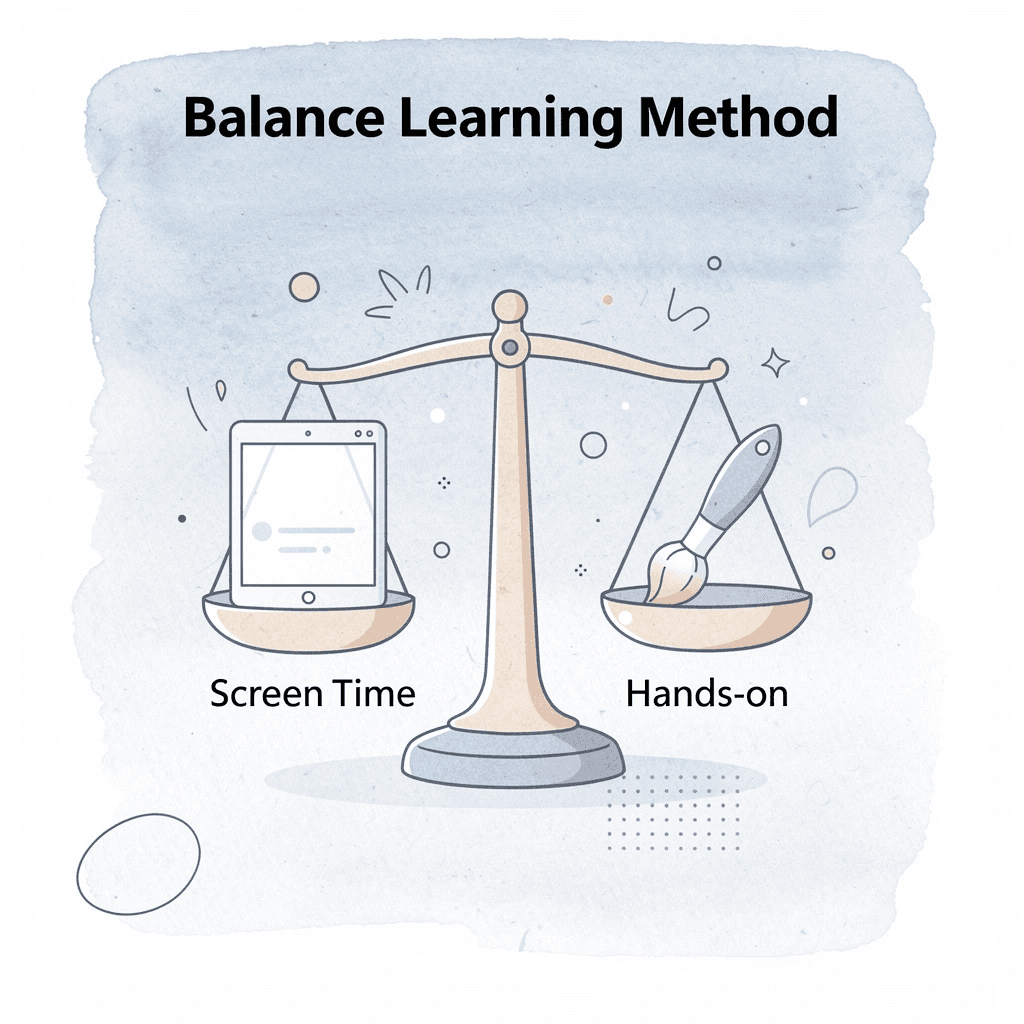
"Consistency matters more than completing a prestigious curriculum that makes everyone miserable." — Homeschool Implementation Reality
💡 Tip: Use platforms that generate custom worksheets to bridge gaps between your main curriculum and your child's specific interests or learning needs.
You're building a customized learning system that functions within your family's constraints and matches your child's actual learning patterns, which becomes clear only through direct implementation.
Related Reading
- 5th Grade Homeschool Curriculum
- How To Homeschool In California
- Georgia Homeschool Requirements
- Alabama Homeschool Laws
- 2nd Grade Homeschool Curriculum
- Homeschool Reading Curriculum
- California Homeschool Laws
- 4th Grade Homeschool Curriculum
- North Carolina Homeschool Laws
- Homeschool Art Curriculum
- Accredited Homeschool Curriculum
- 3rd Grade Homeschool Curriculum
- Illinois Homeschool Laws
- Michigan Homeschool Laws
- Science Homeschool Curriculum