
Colorado Homeschool Laws Detailed Guide
Colorado homeschool laws explained: requirements, testing, record-keeping & compliance steps. My Coloring Pages delivers the complete legal guide parents need.


Colorado homeschool laws require parents to follow specific notification procedures, testing requirements, and attendance records, though the state offers more flexibility than many others. Understanding these legal requirements helps families confidently navigate curriculum choices and documentation while ensuring compliance. Parents must notify their local school district, maintain attendance records, and provide annual assessments through standardized tests or portfolio evaluations.
Beyond legal compliance, homeschooling families need quality educational materials that engage children across different subjects and learning styles. Supplementing lessons with visual aids, creative projects, and hands-on activities helps meet educational standards while keeping students motivated. For additional learning resources that support various curriculum needs, download 69,777+ Free Coloring Pages.
Summary
- Colorado homeschool laws require parents to file a Notice of Intent with any school district in the state, provide 172 days of instruction annually (roughly four days per week for 43 weeks), and cover nine core subjects, including reading, writing, math, science, history, civics, literature, and the U.S. Constitution. The state does not require teacher certification, state-approved curriculum, or permission to begin homeschooling. Parents maintain full control over teaching methods, materials, and daily schedules as long as they meet the minimum instruction time and subject coverage requirements.
- Student evaluations occur only five times throughout a child's entire K-12 education, specifically in grades 3, 5, 7, 9, and 11. This means most school years involve zero mandatory testing or assessment. When evaluation years arrive, parents choose between administering standardized tests or hiring a qualified evaluator (licensed teacher, psychologist, or education specialist) to assess progress through portfolio review and observation, giving families flexibility to select the method that best demonstrates their child's actual learning rather than forcing all students into timed testing formats.
- Homeschooling in Colorado increased by 51% as families rejected one-size-fits-all institutional education approaches, according to Rocky Mountain Voice, which reported on recent enrollment trends. The surge reflects growing dissatisfaction with traditional school structures that don't accommodate individual learning styles, pacing differences, or family-specific values. Colorado's flexible homeschool framework allows parents to customize education around their child's needs without the bureaucratic barriers found in more restrictive states.
- The most common homeschool failure point is not curriculum selection but retention problems that emerge three months into the school year. Children often grasp concepts during lessons but cannot recall basic information days later, particularly with abstract ideas like fractions, grammar rules, or historical cause-and-effect relationships. This pattern signals the need for targeted reinforcement through different learning modalities rather than simply repeating the same lesson format or switching to a new curriculum entirely.
- Visual and kinesthetic learners frequently disengage from text-heavy lessons despite understanding the content conceptually. These students retain information more effectively when they can interact with material through diagrams, timelines, character maps, or hands-on representations of abstract concepts. Ten to fifteen minutes of targeted visual practice after regular lessons often improves retention more than extended review sessions using the same instructional approach that initially failed to create lasting comprehension.
- Download 69,777+ Free Coloring Pages supports Colorado homeschoolers by generating custom educational illustrations that reinforce curriculum content through visual learning, including science diagrams, historical timelines, math concept representations, and geography maps that parents can adapt to their child's current lesson topics and comprehension level.
Is Homeschooling Legal in Colorado?
Homeschooling in Colorado is legal and has been for decades. The state recognizes home-based education as an alternative to public and private schools. You don't need special permission, teacher certification, or a state-approved curriculum to teach your children at home.

🎯 Key Point: Colorado's homeschool laws focus on accountability, not control over your teaching methods.
"The state requires basic accountability: a notice of intent, teaching core subjects, and occasional evaluations. These requirements make sure educational standards are met rather than control how you teach." — Colorado Department of Education Guidelines

Confusion around Colorado homeschooling stems from mistaking "having structure" for "being restrictive." The state requires basic accountability: a notice of intent, teaching core subjects, and occasional evaluations. These requirements ensure educational standards are met rather than control how you teach. Most families find the rules straightforward once they understand what's required, rather than what anxious internet forums claim.
⚠️ Warning: Don't let misinformation from online forums create unnecessary anxiety about Colorado's straightforward homeschool requirements.

The Core Requirements Are Simpler Than You Think
File a Notice of Intent to homeschool with your local school district. This is an administrative requirement, not a request for approval. According to All About Learning Press, you must provide 172 days of instruction annually (four days a week for 43 weeks). You can schedule those days around your family's calendar rather than a school bell schedule.
How much flexibility do you have with curriculum choices?
The subject requirements—reading, writing, maths, science, history, and civics—represent the educational core every child needs. Colorado doesn't dictate which maths program, literature, or teaching method you use. You can blend Charlotte Mason with classical education, use unit studies, or follow interest-led learning. The state requires these subjects to be taught, not how you teach them.
Testing Happens Five Times, Not Every Year
Tests occur only in grades 3, 5, 7, 9, and 11, so most school years involve no testing. When test years arrive, you can choose between standardized tests or hiring a qualified evaluator to assess your child's progress. This choice matters because some children demonstrate their knowledge more effectively through conversation and portfolio review than through bubble sheets.
How can you find curriculum materials that meet Colorado requirements?
Many homeschooling families struggle to find educational materials that match Colorado's requirements while keeping lessons engaging. My Coloring Pages offers a practical solution with customizable worksheets and coloring pages supporting core subjects such as science diagrams, historical figures, and geography maps. Parents can create curriculum-aligned content on demand without purchasing traditional workbooks.
What do these rules mean for your daily homeschool life?
But knowing the rules is only half the picture. Understanding what they mean for your daily homeschool life changes everything.
Colorado Homeschool Laws
Colorado requires nine core legal elements to homeschool legally. These distinguish legitimate home education from neglect and prevent both over-complicating compliance and accidentally missing critical requirements.

🎯 Key Point: Understanding these nine elements is essential for maintaining legal compliance while avoiding unnecessary bureaucratic complexity.
"Colorado's homeschool laws focus on nine core elements that distinguish legitimate education from neglect while keeping compliance manageable." — Colorado Department of Education Guidelines
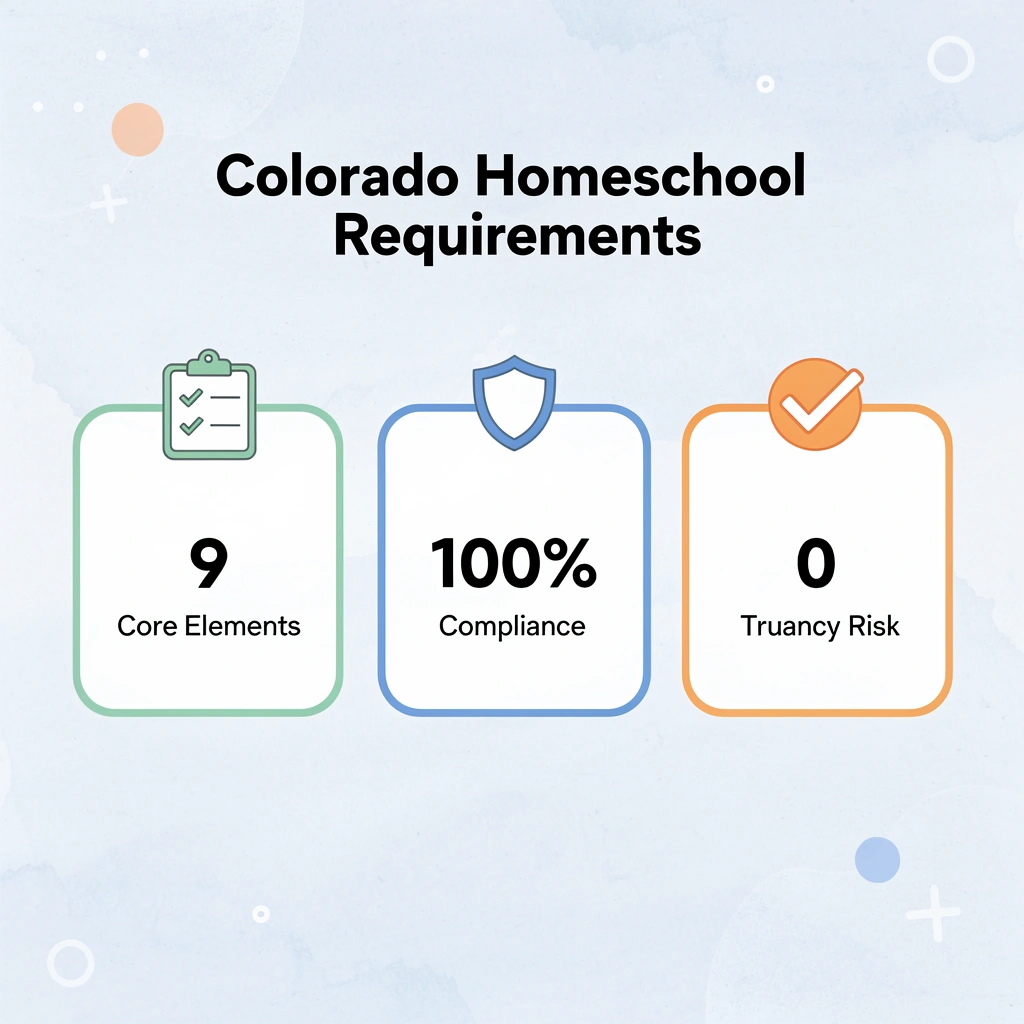
⚠️ Warning: Missing even one of these legal elements can jeopardize your homeschool status and potentially lead to truancy issues.
1. Notice of Intent Establishes Your Legal Status
You must file a Notice of Intent with a Colorado school district at least 14 days before instruction starts, and annually thereafter. This document notifies the state that you're taking educational responsibility for your child—it doesn't request permission. The notice must include your child's name and age, your address, planned instruction hours, and your signature. Once submitted, you're legally recognized as a homeschool without waiting for approval or confirmation.
2. Instruction Time Sets the Annual Minimum
Colorado requires 172 days of instruction per year, averaging about four hours per day (roughly 688 hours annually). The state does not monitor daily schedules or require specific start times. You can teach four days a week for 43 weeks, five days a week with longer breaks, or any pattern that totals 43 weeks. What matters is the cumulative time, not how you distribute it.
3. Required Subjects: Define the Educational Core
Your program must cover reading, writing, speaking, mathematics, science, history, civics, literature, and the U.S. Constitution. These subjects represent what Colorado considers essential knowledge, not a prescribed curriculum. You choose the materials, methods, and depth. One family might use Saxon Math while another prefers Singapore Math. Some teach history by time period, others by theme. The state requires these areas to be addressed in a sequential program of instruction, meaning you build knowledge over time rather than teach randomly selected topics.
How can visual learning enhance required subject instruction?
Traditional workbooks and textbooks provide structure but lock families into predetermined content that may not match a child's interests or learning pace. My Coloring Pages offers an alternative by generating custom educational coloring pages aligned with Colorado's required subjects. The platform lets parents create science diagrams for biology lessons, historical figure portraits for civics, or geography maps for social studies, adapting complexity and focus to each child's level while maintaining engagement through visual learning.
4. Teacher Qualifications Require No Certification
You don't need a teaching degree, state certification, or professional training to homeschool your children in Colorado. Any parent, guardian, or approved adult can teach. Rocky Mountain Voice reports a 51% increase in homeschooling as families exercise this freedom. Many families choose homeschooling because they reject the one-size-fits-all approach of traditional schools.
5. Assessment Occurs Five Times, Not Annually
Students must be evaluated in grades 3, 5, 7, 9, and 11 using either standardized testing or professional evaluation. Standardized tests measure student performance against national standards, while qualified evaluators (licensed teachers, psychologists, or education specialists) assess students through portfolio review, observation, and conversation. Results remain in your records and may be requested by your district, but are not submitted automatically. This structure creates accountability checkpoints without constant oversight, giving families years of uninterrupted freedom between evaluations.
Related Reading
- Homeschool History Curriculum
- Easy Peasy Homeschool
- Homeschool Curriculum
- Homeschool Math Curriculum
- Online Homeschool Curriculum
- Homeschool Resources
- Online Homeschool Programs
- Christian Homeschool Curriculum
- Homeschool Planner
- Homeschool Schedule
- Kindergarten Homeschool Curriculum
- Best Homeschool Programs
- Free Homeschool Curriculum
- Homeschool Schedule
- Best Homeschool Curriculum
- Accredited Homeschool Programs
- How To Homeschool
- Time For Learning Homeschool
- K12 Homeschool
How to Homeschool Legally in Colorado
Filing your Notice of Intent starts the process, but the eight steps that follow determine whether your homeschool runs smoothly or becomes a rush to follow the rules. They form the operational framework that keeps your homeschool legally sound while preserving the flexibility that drew you to this path.

🎯 Key Point: Your Notice of Intent is just the beginning - the real work happens in implementing the eight required steps that maintain your legal compliance throughout the school year.
"The operational framework you establish after filing determines whether homeschooling becomes a smooth educational journey or a stressful compliance scramble." — Colorado Homeschool Legal Guide

⚠️ Warning: Many families focus only on the initial filing and miss the ongoing requirements that keep their homeschool legally protected - don't let paperwork surprises derail your educational goals.
File Your Notice of Intent With Any Colorado District
Submit a Notice of Intent to Homeschool to any Colorado school district (some process faster or communicate more clearly than others). Include your child's name and age, your address, planned instruction hours (172-day minimum), and your signature. Send it at least 14 days before you begin teaching, and refile every year by the same deadline. The district receives and acknowledges your notice—they don't approve or deny it. A simple form accomplishes this in five minutes.
Structure Your Year Around 172 Days of Instruction
You need 172 instructional days every year, averaging about four hours per day—roughly 688 hours total. The state doesn't track how you spread them out. Some families teach Monday through Thursday for 43 weeks, taking three-day weekends year-round; others follow a traditional September-to-May calendar with longer summer breaks. Keep track of your days in a simple attendance log (a spreadsheet or notebook works), noting the date and subjects covered. You won't submit this regularly, but keep it available in case your district requests documentation.
Cover the Nine Required Subjects in Your Own Sequence
Your program must address reading, writing, speaking, mathematics, science, history, civics, literature, and the U.S. Constitution. Colorado doesn't dictate which math curriculum you use, what novels you assign, or how you teach the Bill of Rights. One family might use a classical approach, using Latin and primary sources, while another follows a project-based model in which children research local history through interviews and museum visits. Both satisfy the requirement because they teach the required subjects sequentially and build on each other. A third-grader learning multiplication needs to understand addition first; a middle schooler studying the Civil War should already know basic American history.
Maintain Three Essential Records at Home
Keep an attendance log, evaluation results from testing years, and immunization records or exemption forms. These remain in your files unless requested during an evaluation year or if you re-enroll your child in public school. Most families use a simple binder with tabs for each category. The attendance log can be as basic as a calendar with checkmarks and brief subject notes. Evaluation results include standardized test scores or written assessments from your hired evaluator. Immunization records follow the same requirements as public schools, though Colorado allows religious and personal belief exemptions.
Choose Between Testing or Professional Evaluation in Key Grades
Students must be assessed in grades 3, 5, 7, 9, and 11. You can choose between standardized testing (Iowa Assessments, Stanford Achievement Test, or similar nationally normed tests) or hiring a qualified evaluator: a licensed teacher, psychologist, or education specialist who reviews your child's portfolio, observes their work, and provides a written assessment.
Testing costs $30 to $100; professional evaluations run $100 to $300 and offer more detailed feedback for children who struggle with timed conditions. The right choice depends on your child's learning style and how you want to document progress.
How can visual learning tools enhance the Colorado homeschool curriculum?
Traditional workbooks feel repetitive, especially for visual learners. Platforms like My Coloring Pages create custom educational coloring pages aligned with Colorado's required subjects.
Parents can create science diagrams for biology, historical maps for civics, or math concept illustrations that help students learn through hands-on visual activities aligned with their curriculum.
Related Reading
- Homeschool Room
- Homeschool Report Card Template
- Homeschool Room Ideas
- Homeschool Vs Public School
- Language Arts Homeschool Curriculum
- Homeschool Preschool
- Texas Homeschool Requirements
- How To Homeschool Your Kids
- How To Homeschool In Texas
- Homeschool Coop
- Pre K Homeschool Curriculum
- Florida Homeschool Requirements
- 1st Grade Homeschool Curriculum
- Abeka Homeschool Curriculum
- Georgia Homeschool Laws
- 6th Grade Homeschool Curriculum
- Kentucky Homeschool Laws
How to Choose the Right Homeschool Program in Colorado
Choosing the right homeschool program starts with understanding how your child learns best, not selecting a popular curriculum. Some children thrive with structure and clear steps, while others learn better with flexibility and exploration. When a child's learning style mismatches the program's teaching approach, it causes more homeschool failures than any other factor.
🎯 Key Point: The most expensive or highly-rated program means nothing if it doesn't align with your child's natural learning style.
"Mismatched learning styles account for the majority of homeschool program switches within the first year of implementation." — Colorado Homeschool Research, 2023
⚠️ Warning: Don't choose a program based solely on reviews from other families. What works for their child may be completely wrong for yours.

Start by Identifying How Your Child Actually Learns
Before you compare curricula, answer three questions: Does your child need step-by-step instruction, or prefer to figure things out independently? Do they learn better through reading, visual demonstrations, or hands-on activities? Where do they struggle most: focus, reading comprehension, or abstract math concepts? These answers determine which program structure will support their growth rather than work against their natural tendencies. A visual learner forced into text-heavy lessons will disengage quickly, as will a kinesthetic learner stuck at a desk.
Verify Coverage of Colorado's Nine Required Subjects
Your program must address reading, writing, speaking, math, science, history, civics, literature, and the U.S. Constitution. Some curricula cover all nine subjects in one package, while others require combining multiple resources for customization. Check whether your chosen program provides complete coverage or leaves gaps you'll need to fill separately. According to All About Learning Press, Colorado requires 172 days of instruction per year, so your program needs sufficient material to sustain that schedule without repetition or rushed pacing.
Match Program Structure to Your Teaching Capacity
Ready-made lesson plans work well for parents who want clear daily guidance without extensive preparation. These structured programs specify what to teach each day, making them ideal for beginners or families managing multiple children. Flexible programs offer control over pacing and content selection but require more planning. Consider how much time you can dedicate to lesson planning each week and whether you prefer following a proven sequence or building your own path. Your available time and confidence level should drive this choice.
Understand That Different Styles Build Different Skills
Structured textbook programs teach discipline through regular practice. Literature-based programs develop reading comprehension and critical thinking. Online programs encourage independence and engagement through interactive elements. Hands-on programs build real-world understanding through experiments and projects. The right choice depends on which skills matter most for your child's developmental stage and which learning gaps you're addressing.
What alternatives work for visual learners who need targeted reinforcement
Many families need extra help in specific subjects. Traditional workbooks can feel boring for children who learn better visually. My Coloring Pages creates custom educational coloring pages aligned with Colorado's required subjects: science diagrams showing cell structure, historical timelines teaching civics concepts, or math worksheets introducing fractions through imagery. The difficulty adjusts to your child's needs while maintaining engagement.
Review Sample Lessons and Daily Workload Before Committing
Ask for sample lessons or trial periods to see what students do each day. Examine how much reading, writing, and problem-solving a typical day requires, and whether practice feels purposeful or repetitive. A program assigning 50 math problems when 15 would be enough to achieve mastery creates burnout without educational benefit. Similarly, a program rushing through concepts without adequate practice leaves knowledge gaps that compound over time. The workload should challenge your child without overwhelming them, building competence through appropriate repetition rather than excessive busywork.
10 Best Homeschool Programs in Colorado
These ten programs represent the most widely used homeschool curricula among Colorado families. They range from structured classical education models to flexible literature-based approaches, faith-based frameworks to secular options, and comprehensive all-in-one packages to specialized subject programs. The "best" program depends on matching its teaching method to your child's learning style and its structure to your teaching time.

🎯 Key Point: The right homeschool program isn't about finding the highest-rated option—it's about discovering the perfect match for your family's unique educational goals and daily schedule.
"Colorado families using structured homeschool programs report higher satisfaction rates and more consistent academic progress compared to those using unstructured approaches." — Colorado Homeschool Association, 2023
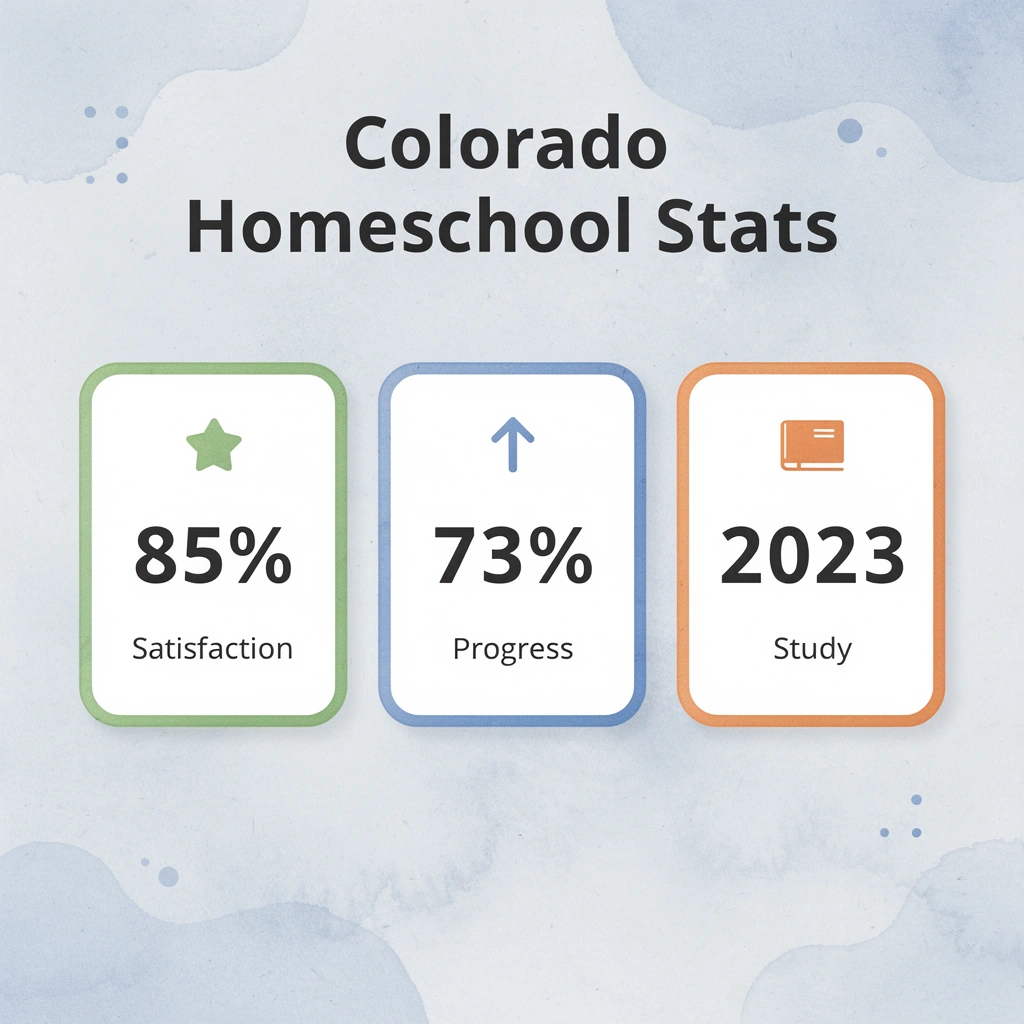
💡 Tip: Before committing to any full curriculum, always request sample lessons or take advantage of free trial periods to ensure the teaching style aligns with your child's natural learning preferences.
1. Classical Conversations
Classical Conversations builds education around the trivium (grammar, logic, and rhetoric stages), teaching children to learn facts first, then analyze relationships between ideas, and finally create persuasive arguments. Families meet weekly in community groups where trained tutors lead discussions and presentations, whilst parents handle daily instruction at home using provided lesson plans. The memory work component is intensive, requiring students to memorize historical timelines, scientific classifications, mathematical formulas, and Latin vocabulary through repetitive practice.
Which families benefit most from Classical Conversations?
This program works best for families who value strong academics within a Christian worldview and want built-in community accountability. Parents appreciate the detailed daily guides, while children who thrive with structure benefit from the clear progression through each learning stage. The weekly meetings create social connections and public speaking practice, though they require commitment to a fixed schedule that may not suit families who travel frequently or have irregular routines.
2. The Good and the Beautiful
The Good and the Beautiful focuses on learning through literature, integrating character growth and nature study into schoolwork. The language arts program combines phonics, grammar, and writing with high-quality books. Parents teach straight from the book with minimal preparation required.
Families choose this program for its strong academics without constant testing or competition. The content emphasizes beauty, virtue, and wonder whilst avoiding controversial topics, appealing to families seeking education aligned with their values. The minimal prep time suits parents with multiple children or those with part-time work. However, some students find the workbook format repetitive over time.
3. Time4Learning
Time4Learning provides a complete K-12 curriculum through interactive online lessons with automatic grading and progress tracking. Students watch video instructions, complete digital exercises, and take assessments independently. The platform covers all Colorado-required subjects and generates reports showing time spent, lessons completed, and mastery levels for each topic.
Who benefits most from Time4Learning's approach?
This works for independent learners and parents seeking teaching options that require minimal preparation. Families with multiple children benefit from grade-level pricing, which provides unlimited access to all subjects at that level. The self-paced format helps advanced students progress quickly through material they understand while spending more time on challenging concepts. The main limitation is screen time, which some families address by incorporating hands-on projects or outdoor learning.
4. BJU Press Homeschool
BJU Press uses a traditional textbook approach with video teaching options for most subjects. The program provides structured daily lesson plans, complete teacher guides, and regular assessments that mirror conventional classroom education. Academic depth is substantial in upper grades, with rigorous expectations for writing, critical thinking, and subject mastery.
Who benefits most from the BJU Press homeschool curriculum?
Families seeking a school-like structure at home, without institutional settings, choose BJU Press. Video teachers provide direct instruction, allowing parents to facilitate rather than teach from scratch—valuable for parents lacking confidence in certain subjects or homeschooling older students tackling advanced maths, science, or literature analysis. The faith-based worldview integrates Christian perspectives across all subjects, appealing to some families while excluding others based on their educational philosophy.
5. Sonlight
Sonlight centers education around books rather than textbooks, using historical fiction, biographies, and primary sources to teach history, geography, and cultural understanding. Instructor guides provide detailed schedules that indicate which books to read aloud, which students to read independently, and which discussion questions to explore together. Science, maths, and language arts are taught separately using recommended programs that complement the literature-based approach.
Which families benefit most from Sonlight?
This program suits families who prioritize reading comprehension and discussion-based learning over worksheets and standardized testing. Children who learn through stories and narrative context develop strong analytical skills via guided conversation about complex themes. The reading load is substantial, requiring several hours daily for both read-alouds and independent reading: ideal for book-loving families but challenging for those who struggle with sustained reading or prefer hands-on learning.
6. Master Books
Master Books offers simple, low-stress lesson plans designed to prevent homeschool burnout. The three-day-per-week schedules cover required subjects without overwhelming daily workloads, and multiple subjects are organized around common themes to reduce fragmentation.
Families choose Master Books for flexibility without sacrificing academic coverage. The lighter workload allows time for extracurricular activities, co-ops, or family projects. The faith-based content appeals to Christian families seeking biblical integration. However, the three-day structure requires parents to meet Colorado's 172-day instruction requirement through supplemental activities or extended school years.
7. Singapore Math (Primary Mathematics)
Singapore Math teaches maths concepts through visual problem-solving methods, particularly bar modeling. This helps students understand abstract concepts using concrete representations. The program prioritizes deep understanding over memorization, spending more time on fewer topics to build mastery before advancing to complex material.
Which students benefit most from Singapore Math?
This approach works for students who struggle with traditional drill-based math instruction or who need to see concepts visually before understanding them abstractly. Parents appreciate the clear teacher guides that explain not only what to teach but also why certain methods work and how concepts build on one another. The program requires active parent involvement during lessons, making it less suitable for families needing fully independent math instruction, though the conceptual foundation it builds often accelerates learning in later grades.
How can visual learning alternatives enhance math instruction?
Traditional worksheets help students practice skills, but they often feel boring, especially for visual learners who need variety to stay focused. Platforms like My Coloring Pages offer an alternative by creating custom educational coloring pages that match curriculum content.
Parents can create math concept pictures to support fraction understanding, science diagrams showing cell structures, or historical timelines to support civics lessons, adjusting difficulty to match their child's level while maintaining engagement through creative activity rather than repetitive drills.
8. Abeka Homeschool
Abeka offers one of the most organized programs available, with step-by-step daily lesson plans that specify what to teach, how long to spend on each activity, and which materials to use. The phonics and grammar instruction is especially thorough, using repeated practice to build strong foundational skills. Video teaching options let students learn directly from experienced teachers while parents manage pacing and accountability.
Which families benefit most from Abeka homeschool?
This program works well for parents who want clear daily guidance without having to make curriculum decisions. Families transitioning from public school often choose Abeka because the structure feels familiar, and academic expectations are clearly defined. The substantial daily workload requires students to stay on schedule. Students needing creative freedom or hands-on learning may find the approach too rigid, while those who thrive with routine appreciate its predictability.
9. Oak Meadow
Oak Meadow takes a Waldorf-inspired approach that emphasizes creativity, imagination, and overall development over standardized testing. Lessons integrate art, storytelling, and nature study into academic subjects, encouraging children to learn concepts through multiple modalities. The program provides flexible pacing guidelines rather than strict daily schedules, allowing families to adjust instruction based on their child's readiness.
Which families choose Oak Meadow and why?
Families choose Oak Meadow when they value artistic expression and hands-on learning alongside academic achievement. The approach suits creative, hands-on learners who struggle with traditional textbooks but thrive when drawing, building, and exploring concepts physically. The flexibility requires parents to make more instructional decisions and track progress without standardized benchmarks; some families find this freeing, while others find it overwhelming.
10. Easy Peasy All-in-One Homeschool
Easy Peasy All-in-One Homeschool provides a complete K-12 curriculum for free on its website, using open-source materials, public-domain texts, and free online resources. The program offers daily lesson plans that connect reading assignments, instructional videos, and practice exercises across all required subjects. Parents can customize it by swapping in preferred resources while maintaining the overall structure.
Why does this program matter for homeschooling families?
This program matters to families starting homeschooling on limited budgets or to those testing homeschooling before investing in expensive curricula. The zero-cost structure removes financial barriers that prevent some families from choosing home education. Quality varies across subjects: some areas provide excellent instruction while others require supplementary materials. The foundational framework gives families a customizable starting point.
Engaging materials are essential to keep children focused during daily lessons.
Download 69,777+ Free Worksheets for Homeschooling in Colorado
The real challenge isn't picking a curriculum. Most homeschooling families discover within three months that their child breezes through lessons but can't retain basic concepts from last week—a gap that emerges without the institutional support of classroom accountability and scheduled assessments.

🎯 Key Point: Keep your main curriculum as the foundation. Whether you choose Abeka, Time4Learning, or Oak Meadow, that program provides the sequential structure Colorado requires. The issue usually isn't the curriculum itself. Some children need additional reinforcement in specific areas, delivered in a format different enough to re-engage their attention without feeling like punishment.
"Children who struggle with retention often need the same concepts presented through different modalities to achieve lasting comprehension." — Educational Psychology Research, 2023
Watch for three patterns that signal retention problems: concepts your child grasps during lessons but can't explain the next day, subjects where interest drops sharply after the first few weeks, and abstract ideas (fractions, grammar rules, historical cause-and-effect) that never solidify into usable knowledge. These patterns show where supplemental practice would strengthen learning more than repeating the same lesson format.
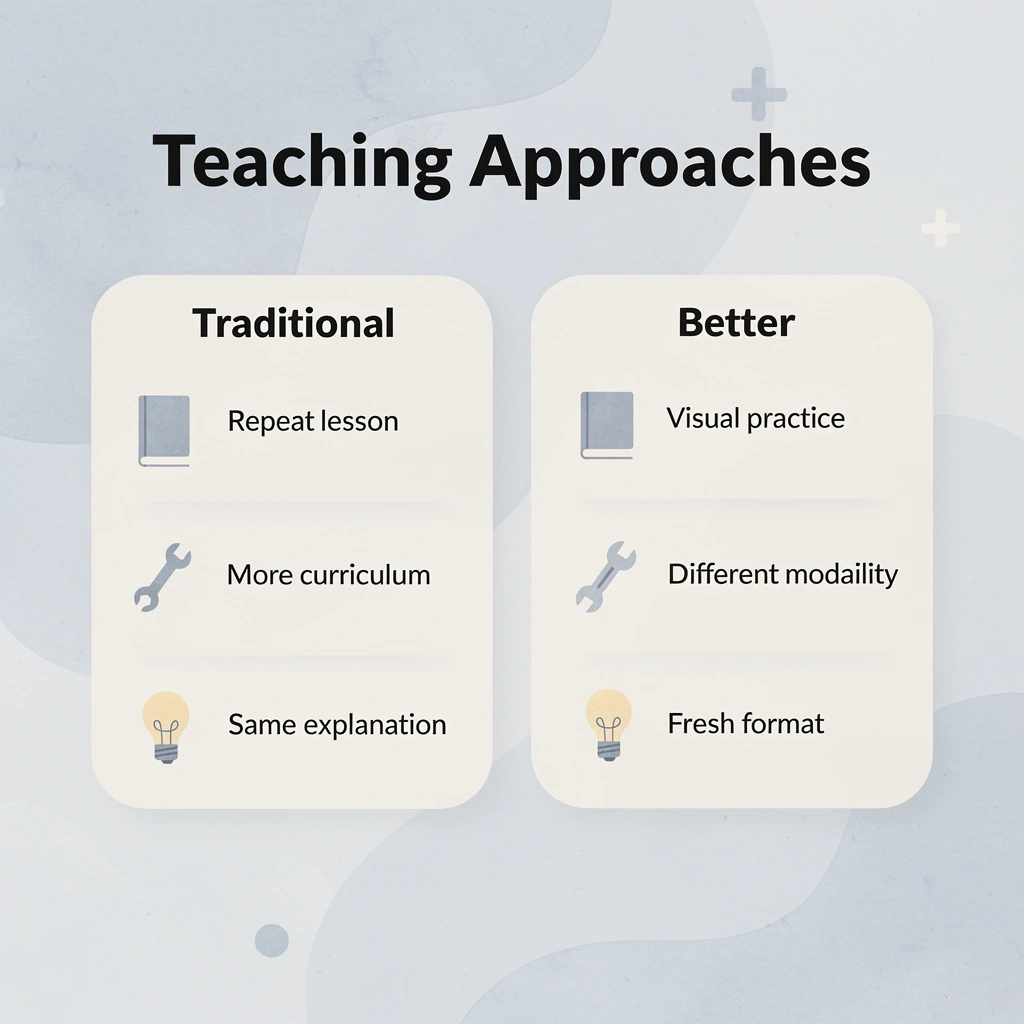
Most families respond by adding more curriculum, which increases workload without increasing comprehension. The better approach is targeted reinforcement with materials that are different enough to feel fresh. Visual learners who struggle with text-heavy history lessons often retain information better when they color historical maps or timeline illustrations. Kinesthetic learners who lose focus during math drills engage more when they manipulate visual representations of fractions or geometric concepts.
⚠️ Warning: Platforms like My Coloring Pages offer a practical middle ground between expensive supplemental workbooks and generic printables. Our platform lets parents generate custom coloring pages aligned with their current curriculum topics, creating visual reinforcement for reading comprehension (character maps, story sequence illustrations), math concepts (fraction diagrams, number patterns), science (labeled anatomy, ecosystem relationships), and history (timeline figures, geographic features). You're creating exactly what your child needs to practice right now, rather than searching through pre-made content hoping something matches your lesson.
Use these materials as support, not replacement. Ten to fifteen minutes after your regular lesson is enough. Focus only on topics where your child showed confusion or struggled to retain information. The goal is reinforcement through a different modality, not additional curriculum work that extends school hours and creates resistance.
💡 Tip: The effectiveness comes from matching the practice format to the retention problem. Children who forget vocabulary words might benefit from illustrated word cards they color while reviewing definitions. Students who struggle with multiplication tables sometimes retain facts better when they create visual patterns showing number relationships. You're filling the gaps where information isn't sticking through traditional instruction alone.
This approach works because Colorado's homeschool laws give you flexibility for a reason. You're not required to teach the way public schools teach. Within the legal framework (172 days, nine subjects, periodic assessments), you have permission to experiment with different reinforcement techniques until you find what improves retention for your child. That's the advantage homeschooling offers.
Related Reading
- 5th Grade Homeschool Curriculum
- How To Homeschool In California
- Georgia Homeschool Requirements
- Alabama Homeschool Laws
- 2nd Grade Homeschool Curriculum
- Homeschool Reading Curriculum
- California Homeschool Laws
- 4th Grade Homeschool Curriculum
- North Carolina Homeschool Laws
- Homeschool Art Curriculum
- Accredited Homeschool Curriculum
- 3rd Grade Homeschool Curriculum
- Illinois Homeschool Laws
- Michigan Homeschool Laws
- Science Homeschool Curriculum