
13 Tips on How to Homeschool Your Kids Effectively
Discover how to homeschool your kids with 13 proven strategies from My Coloring Pages. Get practical tips for effective learning at home today.


Parents who choose to homeschool their children often face the challenge of finding quality learning materials that match their preschoolers' interests and developmental needs. Building an effective curriculum requires access to engaging resources that make learning both fun and educational. The key lies in selecting materials that support hands-on activities and reinforce core concepts through interactive experiences.
Creating successful daily learning routines becomes much easier when parents have access to a diverse range of educational materials. Alphabet practice sheets, number recognition activities, and themed learning pages can transform ordinary lessons into engaging adventures that keep young learners motivated and excited about their education. Parents looking to enhance their homeschool curriculum can download 67,338+ free coloring pages that support various learning objectives and developmental stages.
Summary
- Homeschooled students score 15 to 30 percentile points above public school students on standardized tests according to the National Home Education Research Institute, with homeschoolers typically landing between the 65th and 80th percentile, while public school averages hover around the 50th. This academic advantage often stems from personalized pacing, one-on-one attention, and the ability to adapt learning methods to how individual children actually absorb information rather than following rigid classroom schedules.
- College enrollment rates favor homeschooled students at 66.7% compared to 57.5% for public school students, and universities actively recruit them because they demonstrate stronger self-discipline and independent learning skills. The transition from homeschool to higher education doesn't create the academic gaps critics predict. Instead, it reveals students who learned to manage their own learning without constant external structure.
- Homeschooling demands full-time parental availability and costs between $600 and $1,200 per year per child in direct expenses, though this figure doesn't account for lost wages when one parent reduces work hours or leaves the workforce entirely. The mental load extends beyond curriculum costs to include constant lesson planning, grading, administrative requirements, and the anxiety of being solely responsible for your children's educational foundation, with many parents describing it as parenting on steroids, where free time essentially disappears.
- Socialization in homeschooling happens through community groups, sports teams, volunteer work, and co-op classes rather than institutional settings, with 87% of homeschooled students involved in two or more activities outside the home on a regular basis. These children often develop stronger communication skills with adults and navigate real-world social contexts where age diversity is normal, preparing them differently but not inadequately for adult social environments.
- The success of homeschooling depends more on execution than method, requiring engaged adults, appropriate resources, clear learning goals, and consistent educational routines regardless of the setting. Poorly structured homeschooling creates gaps just as under-resourced traditional schools fail students, making access to quality, curriculum-aligned materials essential for maintaining educational momentum without spending hours searching for resources that match specific teaching moments.
- My Coloring Pages addresses the resource challenge homeschooling parents face by offering download 67,338+ free coloring pages that can be customized to match specific lesson plans, whether families need alphabet practice sheets, anatomical diagrams for biology, or geometric patterns that reinforce math concepts being taught that day.
Do Homeschooled Kids Do Well?
Homeschooled students often do as well as or better than students in regular schools in grades and social skills. What matters most is having a clear plan, staying consistent, and ensuring learning is purposeful.

🎯 Key Point: The quality of education matters more than the setting - whether that's at home, in a traditional classroom, or through hybrid approaches.
"Success in education depends on purposeful learning and consistent implementation rather than the physical location of instruction." — Educational Research Foundation
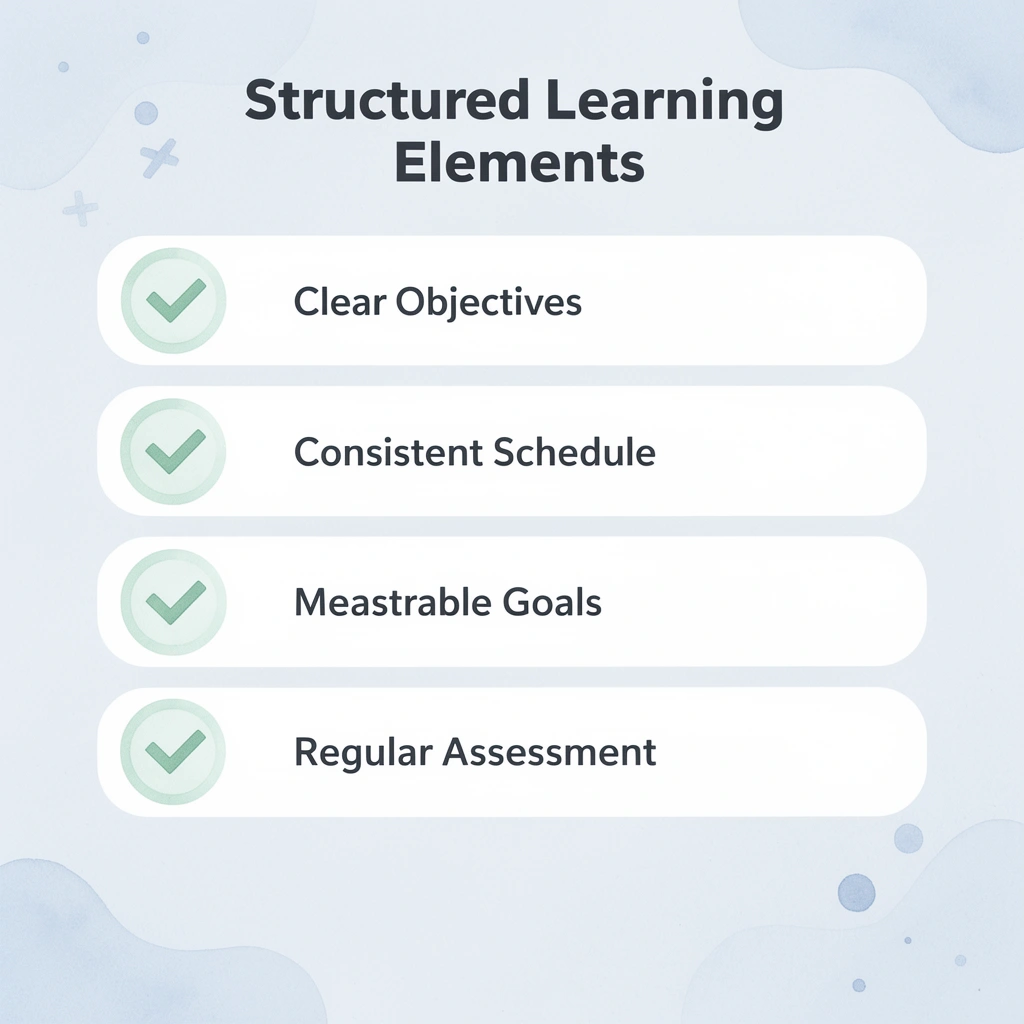
💡 Best Practice: Focus on creating structured learning environments with clear objectives and measurable outcomes, regardless of your chosen educational path.
How do homeschooled students perform on standardized tests?
Research from the National Home Education Research Institute shows that homeschooled students score 15-30 percentile points above public school students on standardized tests. Homeschooled students typically score between the 65th and 80th percentile, while public school students average around the 50th percentile. This pattern contradicts the assumption that formal classroom settings are necessary for strong academic results. The success stems from personalized pacing, one-on-one attention, and learning methods adapted to each child's needs.
What advantages do homeschoolers have in college admissions?
Universities actively recruit homeschoolers because they demonstrate stronger self-discipline, independent learning skills, and higher GPAs once enrolled. According to the National Center for Education Statistics, 66.7% of homeschooled students pursue college compared to 57.5% of public school students, suggesting that students who manage their own learning without constant external structure thrive in higher education.
What does different socialization mean for homeschooled children?
Parents worry that homeschooled children won't develop the social skills needed to work in groups, handle conflict, and communicate with peers. However, homeschooling includes community groups, sports teams, volunteer work, co-op classes, and interaction with people of different ages, rather than confining children to same-age peers for six hours daily.
How does real-world socialization prepare homeschooled kids for adulthood?
Homeschooled children often show stronger self-confidence and better communication with adults because their social experiences extend beyond institutional settings. They navigate real-world contexts where age diversity is normal, conversations span generations, and relationships develop authentically rather than through forced proximity.
The question isn't whether homeschooled kids socialize, but whether their socialization prepares them for the world they'll inhabit as adults.
Why does execution matter more than the method?
Poorly organized homeschooling creates gaps, as under-resourced traditional schools fail students. Success depends on parental involvement, quality materials, and consistent routines.
When homeschooling families struggle, it's typically because they lack resources, support systems, or guidance on curriculum. Platforms like My Coloring Pages help by generating age-appropriate, subject-specific activities on demand, turning resource gathering into a simple solution that reinforces learning and provides hands-on engagement.
What factors determine homeschooling success
Homeschooling results depend on involved adults, appropriate materials, clear learning goals, and emotional support: the same factors that help students succeed in any school setting.
The way you teach isn't the problem; how you execute it determines whether children thrive or fall behind. When families commit to homeschooling with quality materials, results often prove its effectiveness, regardless of criticism.
But knowing homeschooling can work doesn't answer whether it should work for your family.
Related Reading
- Homeschool History Curriculum
- Easy Peasy Homeschool
- Homeschool Curriculum
- Homeschool Math Curriculum
- Online Homeschool Curriculum
- Homeschool Resources
- Online Homeschool Programs
- Christian Homeschool Curriculum
- Homeschool Planner
- Homeschool Schedule
- Kindergarten Homeschool Curriculum
- Best Homeschool Programs
- Free Homeschool Curriculum
- Homeschool Schedule
- Best Homeschool Curriculum
- Accredited Homeschool Programs
- How To Homeschool
- Time For Learning Homeschool
- K12 Homeschool
Pros and Cons of Homeschooling
Homeschooling has clear benefits that regular schools often struggle to match, but it requires sacrifices that many families find surprising. Your choice depends on which trade-offs you're willing to make and which advantages matter most for your child's development and your family's situation.
🎯 Key Point: The biggest advantage of homeschooling is the ability to customize education to your child's unique learning style, pace, and interests—something traditional schools with 30+ students per classroom simply cannot provide.

"Homeschooled students typically score 15-30 points higher on standardized tests compared to their traditionally schooled peers." — National Home Education Research Institute, 2023
⚠️ Warning: The most underestimated challenge is the social responsibility placed on parents to actively seek out social opportunities, extracurricular activities, and peer interactions that schools naturally provide through daily interaction and organized programs.

What does complete control over learning look like?
Homeschooling gives you complete control over what, when, and how your children learn. You can start the school day at 10 a.m. if your child isn't a morning person, spend three weeks studying marine biology if your daughter discovers a passion for oceanography, or include faith-based teaching without institutional restrictions.
Travel becomes education rather than truancy. Volunteering counts as social studies. Cooking teaches fractions and chemistry simultaneously.
How does this flexibility reshape your family's daily life?
This flexibility transforms family schedules. You can schedule dentist appointments at noon on Tuesday without permission slips, take long weekends to visit historical sites during off-peak times, or adjust the school calendar to match a parent's work travel or a child's competitive sports training.
According to the Pew Research Center, 83% of parents worry about safety, drugs, and negative peer pressure in school environments. Homeschooling eliminates these concerns by letting you control who interacts with your children and when.
How does individualized education adapt to each child's learning style?
Every child learns differently, but classroom teachers cannot realistically adapt lessons to 25 distinct learning styles. At home, you can teach your child in the way that works best for them. If fractions don't make sense after the regular explanation, you can spend an extra 15 minutes using pizza slices or measuring cups until your child understands. If your child reads quickly but struggles with writing what they read, you can adjust the pace for each subject independently.
Why is homeschooling especially valuable for twice-exceptional children?
This personalization is especially valuable for twice-exceptional children who are gifted in one area yet need support in another. Traditional schools often place these students in special education classrooms that carry social stigma or ignore learning differences entirely because the child performs adequately overall. Homeschooling lets you focus on strengths without labeling weaknesses as deficits.
What is the always-on nature of homeschooling like?
Parents expect curriculum research and lesson planning to be challenging. What catches them unprepared is the relentless, always-on nature of homeschooling. Your children never leave at 3 p.m.; they're constantly present, constantly needing attention, and constantly requiring you to switch between parent and teacher mode. One homeschooling parent described it bluntly: "It's parenting on steroids. Some days I can't even shower because there's always someone who needs me."
How do you manage multiple children with different learning needs?
The workload intensifies when managing multiple children at different grade levels with different learning needs: teaching algebra to one child, helping another with reading comprehension, and keeping a younger sibling occupied simultaneously. You spend hours researching curricula that accommodate different learning styles, while worrying whether you're adequately preparing your children for adulthood.
What are the financial costs of homeschooling?
Homeschooling typically requires one parent to leave their job or significantly reduce their hours. Coalition for Responsible Home Education reports the average cost is $600 to $1,200 per year per child, excluding lost parental income.
For many families, losing a full-time job's income requires help from family members or creative work arrangements.
What personal sacrifices do homeschooling parents make?
The personal cost is substantial. Free time disappears. Exercise routines, hobbies, and self-care become luxuries scheduled around homeschool meets and co-op days.
The mental load of managing your children's educational foundation creates ongoing anxiety, alongside FOMO about traditional school experiences, second-guessing curriculum choices, and judgment from others scrutinizing homeschooled children.
Understanding these costs and benefits leaves one question: whether your specific child will thrive in this environment.
Is Homeschooling Suitable For Your Child?
Whether homeschooling fits your child depends less on how smart they are and more on how your family works when spending significant time together with clear rules. Consider your schedule, your commitment level, how your child learns best, and the social activities you can realistically provide. These everyday realities determine whether homeschooling becomes a positive experience or creates ongoing challenges.
🎯 Key Point: Successful homeschooling isn't about academic ability—it's about family dynamics, time management, and your ability to create structured learning environments that match your child's needs.

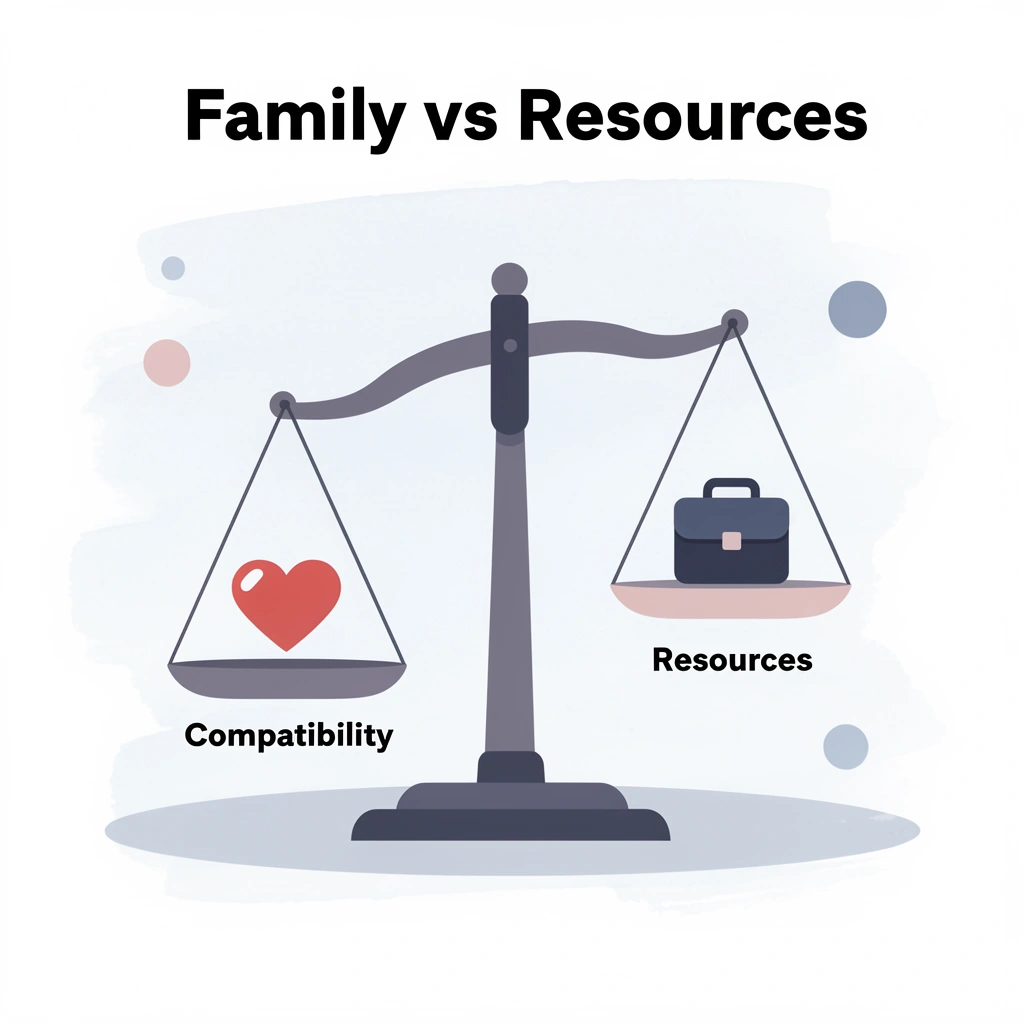
"The decision to homeschool should be based on family compatibility and realistic assessment of your resources, not just educational philosophy." — National Home Education Research Institute
⚠️ Warning: Many families underestimate the daily commitment required for homeschooling. Consider whether you can maintain consistent schedules, provide a diverse range of social opportunities, and adapt your teaching style to your child's unique learning preferences before making this significant decision.
Parents' schedule determines viability
Homeschooling demands full-time availability. You must plan lessons, grade work, research curriculum changes, and manage administrative requirements that schools delegate to dedicated staff. This requires structured daily blocks, consistent availability for guidance, and mental energy to track multiple subjects across potentially multiple children.
If both parents work full-time without flexible schedules, homeschooling becomes logistically impossible unless you hire tutors or enroll in structured online programs. One parent typically reduces work hours significantly or leaves the workforce entirely, creating immediate financial consequences that compound over years of lost income, retirement contributions, and career advancement.
Your educational background matters less than your willingness to learn
You don't need a teaching degree to homeschool effectively, but you do need intellectual curiosity and discipline to fill knowledge gaps. Educational workshops provide practical teaching strategies and curriculum planning frameworks. Homeschooling seminars cover state-specific legal requirements and connect you to support networks that prevent isolation. Online courses let you master subjects outside your expertise, from advanced mathematics and foreign languages to science lab techniques.
What mindset leads to homeschooling success?
The real question isn't whether you know enough right now—it's whether you're willing to stay one chapter ahead of your child, research unfamiliar topics until you can explain them clearly, and admit when you need outside help. Parents who approach homeschooling with humility and resourcefulness typically succeed.
Those who assume their high school or college education automatically qualifies them to teach every subject often encounter obstacles when children reach middle school and content that requires deeper subject mastery.
Matching your child's learning style unlocks progress
Some children learn best through hands-on experiments, others through independent reading, and still others through discussion. Traditional classrooms rely on lecture-based instruction with limited variation because teachers cannot simultaneously customize instruction for 25 different learning styles.
Homeschooling lets you tailor lessons to how your child learns best. If your daughter understands fractions better by measuring ingredients while baking than by doing worksheet problems, you can adjust your approach. If your son needs to move around while learning, you can incorporate physical activity into lessons.
What resources support personalized learning approaches?
According to the National Home Education Research Institute, 87% of homeschooled students regularly participate in two or more activities outside the home. This suggests families seek diverse learning settings tailored to their children's needs.
Homeschooling parents need worksheets, reading comprehension activities, science diagrams, historical timelines, and creative projects that reinforce concepts without feeling like busywork. Platforms like My Coloring Pages address this resource challenge by enabling parents to create custom, curriculum-aligned coloring pages on demand. Whether you need anatomical diagrams for biology, historical figures for social studies, or geometric patterns for maths concepts, the AI tool generates age-appropriate materials without endless searching through generic printables.
Personality shapes the homeschool experience
Outgoing children need planned social activities, such as co-op classes, sports teams, theater groups, and community service opportunities. Shy children often thrive in homeschool environments where they can control their social exposure and build deep friendships with a few close peers. The question is whether you can create an environment that respects your child's natural temperament while developing their social skills.
What if your child struggles with motivation or authority?
Children who resist authority or struggle with self-motivation present different challenges. Homeschooling removes external accountability structures like grades and teacher oversight. If your child needs external motivators to complete work, you'll spend significant energy creating artificial accountability systems. If your child is self-directed, homeschooling often accelerates learning because they're not waiting for classmates or reviewing concepts they already understand.
Knowing what works for your child matters only if you can use it consistently.
13 Tips on How to Homeschool Your Kids Effectively
Building structure into your homeschool day prevents things from getting messy, but the structure itself must adapt to how your family works. These 13 strategies address the real problems that arise when you move from planning to daily execution. They help you build momentum, sustain energy, and create accountability systems that replicate what traditional schools achieve through rules and pressure.

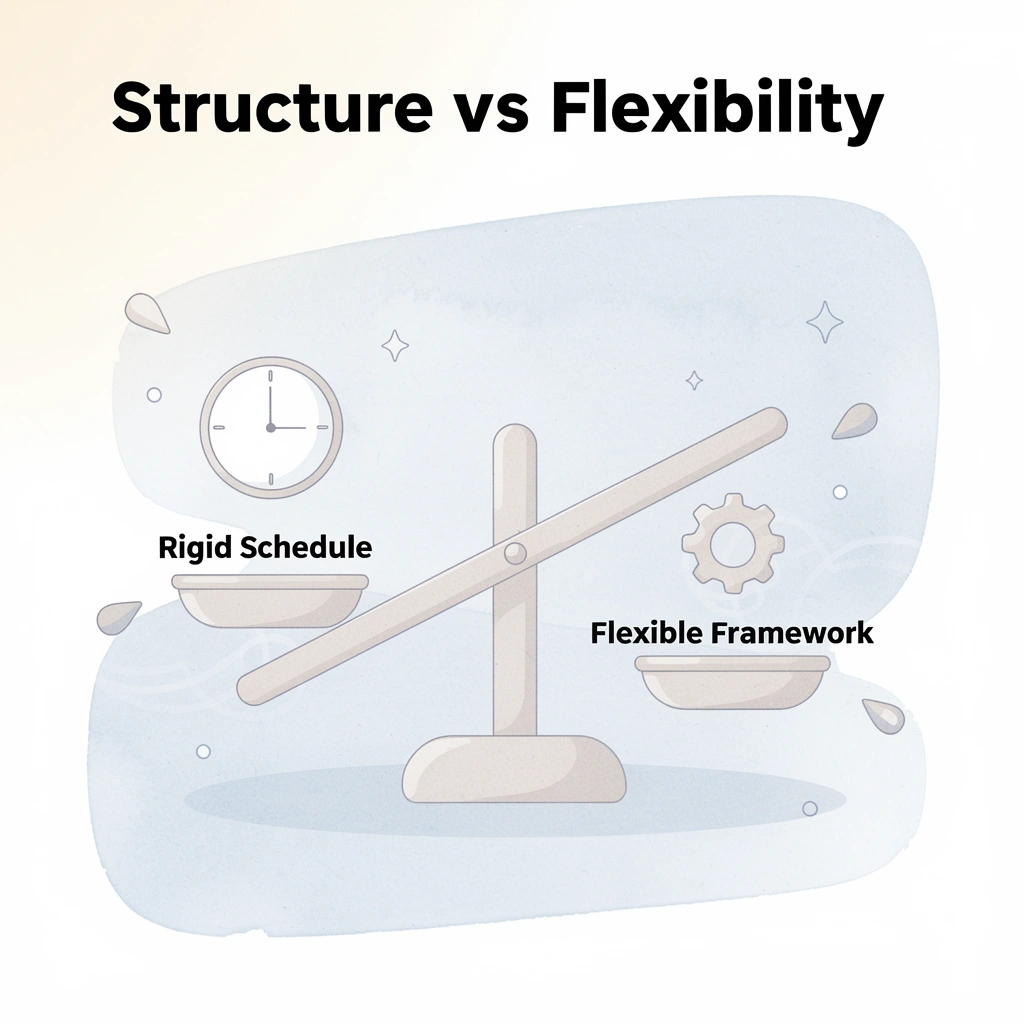
🎯 Key Point: The most successful homeschooling families don't follow rigid schedules—they create flexible frameworks that adapt to their unique family dynamics while maintaining consistent learning outcomes.
"Structured flexibility is the cornerstone of effective homeschooling, allowing families to maintain educational consistency while adapting to their individual needs and circumstances." — National Home Education Research Institute
💡 Tip: Start with basic routines and gradually add complexity as your family finds its natural rhythm. The goal is to create sustainable systems that support learning without creating unnecessary stress or burnout.
1. Build routines that create psychological safety
Children experience uncertainty as instability rather than flexibility. Consistent wake times, predictable meal schedules, and repeating daily patterns create the mental scaffolding that lets them relax into learning instead of worrying about what comes next.
How do morning rituals establish learning boundaries?
Start each morning the same way: wake up at the same time, make the bed before breakfast, and get dressed in real clothes. These habits signal that learning time is separate from free time, creating the mental shift that classroom students experience through physically traveling to school.
One homeschooling parent noted that maintaining weekday bedtime routines eliminated the Sunday night worry many families experience before Monday mornings.
Why do fixed schedules prevent cognitive fatigue?
Set fixed start and end times for your school day with buffer space between subjects. Young children need movement breaks every 10 to 15 minutes; older students can work for 40 to 50 minutes before needing to reset.
Ignoring these biological realities creates frustration that appears as defiance but stems from cognitive fatigue.
2. Communicate expectations before problems surface
Talk through the day's plan each morning before opening a book. Review the to-do list together, clarify what success looks like for each task, and identify possible problems. This five-minute conversation prevents mid-afternoon meltdowns when your child realizes they've misunderstood an assignment.
Why should you focus on process during daily debriefs?
End each day with a debrief focused on process, not completion. Ask what felt hard, what made sense, what they're curious about now. This teaches metacognition: helping children notice their own thinking patterns and learning preferences. The child who recognizes they understand fractions better through cooking than worksheets has learned something more valuable than the fractions themselves.
How can you maintain effective contact with teachers and tutors?
Stay in regular contact with teachers or tutors if you're using outside curriculum support. Send emails with specific questions rather than asking if everything is okay, since children will typically say "fine" even when struggling. Teachers see patterns across many students and can tell you what to watch for, helping you stop small misunderstandings before they become larger problems.
3. Design physical space that supports focus
A dedicated workspace with proper ergonomics is essential for sustained homeschooling. A chair that fits your child's height, adequate lighting to prevent eye strain, and ventilation to maintain alertness create the physical conditions necessary for concentration.
How do you eliminate competing stimuli from the learning space?
Keep the space clear of competing distractions. Toys, phones, gaming devices, and television undermine focus and create constant decision fatigue. Remove distractions entirely during school hours rather than expecting children to resist them through willpower.
Why should you use technology controls for educational devices?
Use app blockers and parental controls on devices needed for online work. While the internet provides essential educational resources, it also offers endless distractions that can break your focus in seconds. Technology that limits access to non-educational sites removes the burden of self-control from children who lack the developmental capacity to resist distraction.
4. Stay organized or drown in administrative chaos
Homeschooling generates substantial paperwork: attendance records, assignment samples, assessment results, curriculum receipts, and legal compliance documentation. Without filing systems, you'll waste hours searching for needed documents, often before legally important deadlines.
How should you organize your homeschool documents?
Create subject-specific binders for lesson plans, completed work samples, and progress notes. Keep a separate administrative binder for attendance logs, standardized test results, and correspondence with educational authorities. This separation prevents frantic shuffling when locating specific documents.
Why is tracking important dates essential for homeschool success?
Keep track of important dates—test deadlines, co-op class schedules, field trip dates, curriculum ordering windows—in one central calendar that everyone can access. Trying to remember everything yourself creates constant worry that undermines your presence during teaching moments.
5. Schedule breaks that actually restore energy
Sitting still for long periods reduces blood flow to the brain and impairs cognitive function. Physical movement is essential for brain health, not a reward. Schedule activity breaks as you would math lessons: they are not optional.
Which outdoor activities most effectively restore attention spans?
Send children outside between subjects. Running, jumping, climbing, and unstructured play reset attention spans more effectively than passive rest. Fresh air and natural light help control the body's internal clock, which affects mood and memory storage. The 15 minutes spent outside saves 45 minutes of fighting distraction later.
How can meal preparation reduce daily friction?
Pack snacks and lunch before the school day starts. Deciding what to eat drains energy and causes unnecessary arguments. Having food ready eliminates problems during an already demanding day.
6. Create social opportunities that match your child's needs
Kids who are outgoing and gain energy from being around other people need planned social activities. Sign them up for co-op classes, sports leagues, theatre programs, volunteer organizations, or hobby groups that provide regular peer interaction. These activities help prevent the isolation that many people worry about when homeschooling.
What social approach works best for introverted children?
Introverted children need social interaction, but in smaller amounts with deeper connections. One or two close friendships with regular one-on-one time work better for them than large group activities that leave them exhausted. Respect these differences rather than forcing all children into the same social pattern.
How can you quickly find engaging practice materials?
Many homeschooling parents struggle to find practice materials that match their curriculum while keeping students engaged. Platforms like My Coloring Pages help by enabling parents to create custom coloring pages aligned with their teaching instantly.
Whether you need historical figures for social studies, geometric patterns for maths concepts, or anatomical diagrams for biology, our AI tool creates age-appropriate materials when you need them, making it easier to find resources.
7. Connect with other homeschooling families
Local homeschool groups provide practical support that online forums cannot: planning field trips, splitting curriculum costs, arranging childcare trades, and solving problems with people who understand your situation. These relationships reduce the isolation many homeschooling parents experience.
What benefits do online homeschooling communities offer?
Join online homeschooling communities to get advice from thousands of families who have already faced your challenges. Ask questions freely and be honest about struggles; openness creates connection and reveals that others share the same concerns.
Why should you attend homeschool conferences?
Go to homeschool conferences when you can. Spending a weekend learning about teaching ideas, curriculum choices, and practical strategies can teach you what might take years to figure out on your own. You'll meet vendors, connect with experienced homeschoolers, and discover new ideas that help you break out of established patterns.
8. Set goals that create motivation beyond compliance
Goal-setting teaches children to direct their own development rather than waiting for external authorities to tell them what matters. Break goals into categories—academics, athletics, creative pursuits, and personal growth—to prevent the narrow focus on grades that makes learning feel like a transaction.
How do you create effective learning goals?
Use the SMART framework: goals should be specific enough to visualize, measurable so progress is clear, achievable within realistic limits, important to what the child cares about, and have a deadline to create urgency. "Get better at reading" fails to meet these criteria. "Read three chapter books on your own by the end of the month" provides clear direction.
Why should children own their goals?
Let children own their goals. Objectives must reflect their interests and values, not yours. A child working toward someone else's definition of success loses motivation when external pressure disappears, while a child pursuing their own aspirations develops intrinsic drive that persists through obstacles.
9. Implement reward systems that reinforce progress
Rewards work best when they match the effort required and connect to specific achievements. Create a chart showing different rewards based on task difficulty, and ask your children what rewards they value. For example, finishing daily maths homework might earn 30 minutes of screen time, while completing a major project could earn a special outing.
How can privileges become motivating rewards?
Use privileges as rewards rather than entitlements. Gaming time, television access, and special activities become things children earn through effort rather than expectations they receive regardless of behavior. This shifts the dynamic from constantly saying no to children actively working toward yes.
What types of rewards should you avoid in homeschooling?
Avoid rewards that undermine learning itself. Paying cash for grades teaches children that knowledge has value only when someone pays them for acquiring it. Instead, reward the process, effort, persistence, and improvement rather than outcomes.
10. Understand legal requirements before you need them
Homeschool rules vary significantly by location. Some areas require yearly tests, regular progress reports, and curriculum approval, while others need only notification of homeschooling with minimal oversight. Ignorance of these rules offers no protection from consequences, which can include legal problems or mandatory enrolment in a traditional school.
Look up your area's subject requirements, progress documentation, record-keeping standards, curriculum freedom, testing schedules, and reporting deadlines. Identify who oversees compliance and what they expect to see.
Why should you keep detailed records from day one?
Keep detailed records that exceed minimum requirements. Good documentation protects you far better than recreating months of work from memory and helps you track what's working and identify patterns you might otherwise miss.
11. Remember your reasons when motivation fades
Write down why you chose homeschooling before the hard days arrive. Be specific about what you hoped to avoid and what you wanted to create. Keep this document accessible: frame it where you see it daily or file it in your administrative binder for moments when you question everything.
How do your reasons help during difficult days?
On difficult days, return to these reasons. They help you remember the bigger picture that gets lost when frustrated by a child's lack of focus or a failed lesson plan. Remembering that you're building something specific restores clarity.
Should you share your reasons with your children?
Share your reasons with your children when they're old enough to understand. Knowing that homeschooling serves a purpose beyond parental preference helps them engage rather than resist. They become part of a shared project instead of subjects in an experiment they didn't choose.
12. Build flexibility into your expectations
Some days will fall apart completely. Illness, family emergencies, unexpected opportunities, or a bad mood can disrupt your plans. Fighting these days creates anger without helping you learn anything. Recognize when conditions aren't right and switch to something else.
How can enrichment activities enhance learning?
Add enrichment activities throughout each week that don't feel like traditional schoolwork. Museum visits, nature walks, cooking projects, building challenges, and creative arts provide learning that doesn't announce itself as education. These experiences often create memorable moments that children recall years later, even as formal lessons fade.
Why should you plan experiential learning opportunities?
Plan field trips and hands-on learning activities that go beyond textbooks. Historical sites, science centers, working farms, manufacturing facilities, and community organizations provide real-world examples that clarify difficult concepts. A child who visits a water treatment plant understands how cities manage water, unlike one who only reads about it.
13. Track progress consistently to maintain direction
Without clear tracking, homeschooling can drift off course. Progress monitoring ensures that learning stays aligned with your goals while helping you identify gaps before they become serious setbacks.
How do you measure academic progress effectively?
Use a mix of formal and informal assessments. Quizzes, writing samples, reading logs, and project outcomes provide a clearer picture than relying on any single method. Regular reviews—weekly or biweekly—help you adjust lessons based on what your child actually understands, not what was planned.
Why is documenting progress essential for long-term success?
Keeping records of completed work, test results, and skill development builds a timeline of growth. This not only supports legal compliance where required but also provides motivation. Children can see how far they’ve come, which reinforces confidence and encourages continued effort.
How can reflection improve learning outcomes?
Set aside time each week to reflect together. Ask what topics felt easy, what was challenging, and what they want to explore next. This ongoing feedback loop allows you to refine your teaching approach while helping your child take ownership of their education.
15 Educating Homeschool Worksheets for Children
Finding worksheets that match what you are teaching right now—not just regular grade-level content—requires knowing where to look. You need practice that reinforces this week's fractions lesson or yesterday's water cycle discussion in formats your child will engage with rather than resist.
🎯 Key Point: The most effective homeschool worksheets are timely and topic-specific, not generic grade-level materials that may not align with your current curriculum focus.
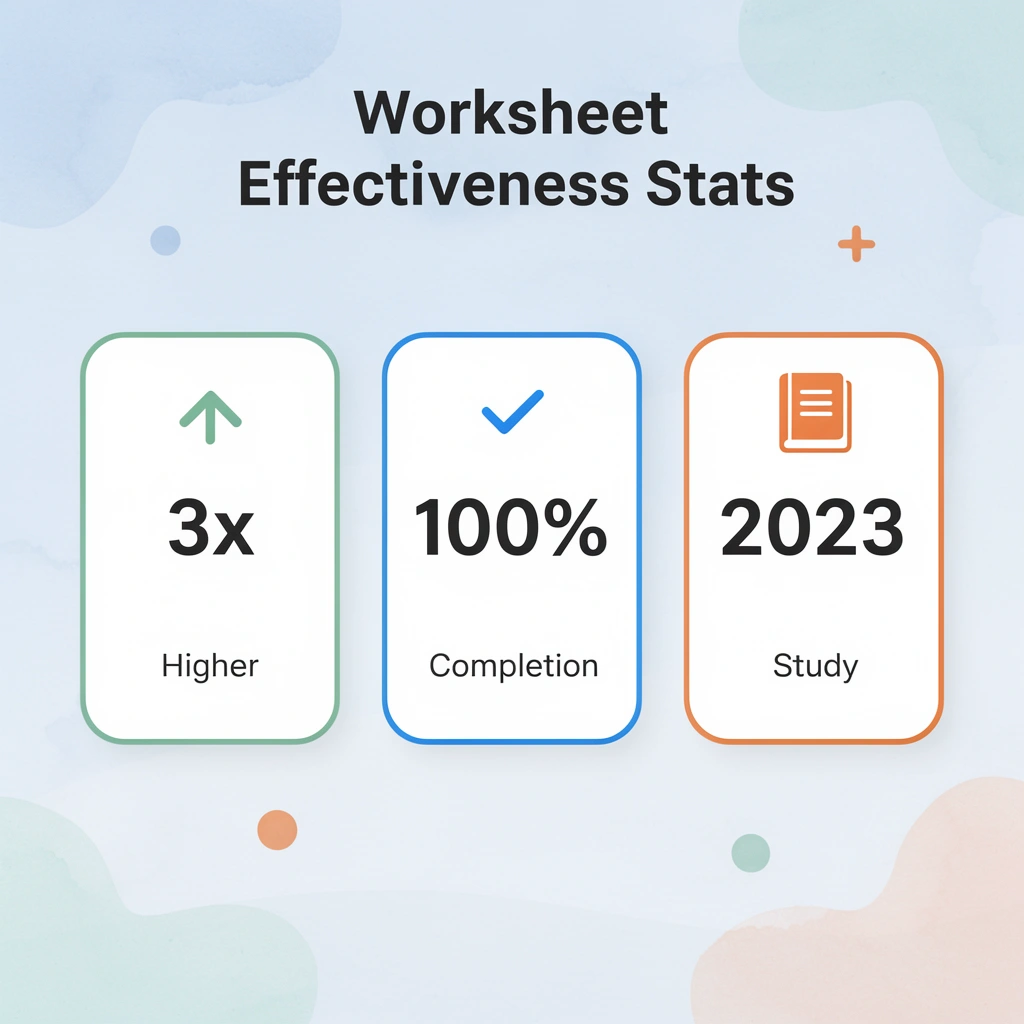
"Worksheets that directly reinforce current lessons show 3x higher completion rates compared to generic practice materials." — Homeschool Resource Study, 2023
💡 Tip: Create a weekly worksheet plan that matches your lesson schedule—search for specific topics like "equivalent fractions practice" rather than broad terms like "math worksheets" to find materials that truly support your teaching goals.
1. Homeschool Genie
This AI-powered platform generates worksheets instantly based on grade level, subject, and learning objectives. Input a concept your child struggled with, and it creates targeted practice materials within seconds. Customization includes reading comprehension questions for your child's current book, spelling lists that match weekly vocabulary, and maths problems that isolate specific operations. Parents appreciate how quickly they can address learning gaps without waiting for physical workbooks to arrive.
2. Education.com
The platform offers over 30,000 worksheets organized by grade, subject, and educational standards. Filtering systems let you select specific skills rather than browse entire grade levels, building customized sequences that skip unnecessary content. The extensive worksheet library provides multiple approaches to teach the same concept, allowing you to try different explanations when one doesn't work. At about $10 monthly, it's an affordable supplement rather than a complete curriculum replacement.
3. K5 Learning
This platform focuses on maths and reading with worksheets chosen by skill level rather than age. You identify specific learning gaps (such as understanding fractions as division or recognizing context clues), then receive targeted practice addressing that skill. The structure emphasizes identifying weaknesses and focused practice over following a step-by-step curriculum.
4. TES
Teachers worldwide upload worksheets to this global library, creating diverse teaching approaches and subject coverage. You can search by topic, difficulty, and educational level, then combine resources from different teachers to build lesson sequences matching your teaching style. Quality varies since anyone can contribute, so preview materials before assigning them. This diversity proves valuable when standard curriculum approaches fall short, and you need alternative explanations of the same concept.
5. 123 Homeschool 4 Me
According to the 15 Worksheets Website, this platform offers more than 25,000 free printable worksheets organized by grade and subject. Parents can select and combine resources into personalized lesson plans without purchasing a formal curriculum. Materials span preschool through middle school, with multiple worksheets addressing the same learning goal at different difficulty levels or contexts.
6. Homeschool.com
This platform provides worksheets, planners, and curriculum tools to build organized homeschool systems. You can mix subjects, create weekly schedules, and integrate worksheets into comprehensive lesson plans. The organizational framework addresses the planning work that many homeschoolers underestimate, offering templates that eliminate the daily scramble.
7. CleverLearner
CleverLearner focuses on early learning concepts like numbers, shapes, colors, and basic science for preschool and kindergarten. Parents select specific concepts and create themed learning sessions: for example, spending a week on circles with worksheets covering shape recognition, counting circular objects, and tracing. This narrow focus avoids the overwhelming variety of broader platforms.
8. MegaWorkbook
Made by homeschoolers for homeschooling families, the materials are easy to mix, match, and adapt. Worksheets cover math, logic, English, and critical thinking, with consistent formatting across subjects, reducing confusion and allowing children to focus on content rather than navigating new formats.
9. CK-12 Foundation
This platform provides customizable STEM materials, including worksheets, simulations, and practice questions, adjustable to different difficulty levels. You can modify topics and complexity to match your child's level rather than grade-level standards. Interactive elements include manipulable models that let children experiment with variables, making abstract concepts like physics or chemistry more accessible.
10. The Good and the Beautiful
This curriculum provider offers downloadable worksheets and unit studies you can adapt to your lesson plans. The materials feature a strong, attractive design with consistent nature themes, appealing to families who value beauty in education. The structured yet flexible format suits parents seeking guidance without rigid daily scripts.
11. NASA for Educators
NASA offers free science worksheets and activities about space, physics, Earth science, and engineering. You can create custom STEM units around topics like planetary motion, rocket design, or climate systems using materials made by actual scientists. These materials are more reliable and detailed than most commercial curriculum companies, though they work best as part of a larger lesson plan rather than standalone.
12. Smithsonian Learning Lab
This platform offers interactive worksheets and resources from museum archives, enabling you to create custom collections around history, science, art, and culture. You can build a unit on Ancient Egypt using primary source images, artifact descriptions, and worksheets with analytical questions about the evidence. Museum-quality materials transform lessons from textbook summaries into direct engagement with historical evidence.
13. National Geographic Kids
The platform offers printable worksheets and activities about animals, geography, nature, and environmental science. Parents can choose topics matching their child's interests, transforming learning into exploration rather than rote assignment completion. National Geographic's photography and visual design make materials more engaging than generic alternatives.
14. Createful Journals
This platform offers editable worksheet templates in PowerPoint format that you can customize by changing colors, content, fonts, and structure. You can create materials that match your teaching moment, incorporating your child's specific interests or current events into practice problems and reading comprehension passages.
How can AI tools help create custom learning materials?
Homeschooling parents need worksheets that reinforce daily lessons and match specific units or concepts their child struggles with. Platforms like My Coloring Pages address this by generating custom, curriculum-aligned coloring pages on demand. Whether you need anatomical diagrams for biology, historical figures for social studies, or geometric patterns for maths, the AI tool creates age-appropriate materials instantly, reinforcing learning while developing fine motor skills.
15. My Coloring Pages
This platform lets you create fully customized worksheets by describing what you need or uploading reference images. You design topic-specific visual learning materials for your exact teaching moment, rather than searching static libraries for pre-made resources.
This proves especially valuable for preschool and early elementary homeschooling, where visual reinforcement drives engagement. You can generate letter tracing pages featuring your child's favorite animals, science diagrams of plant parts you discussed during your nature walk, or themed activities connecting to books you're reading together.
Knowing where to find worksheets matters far less than knowing which worksheets reinforce what your child is learning now, not what the generic curriculum assumes they should know.
Related Reading
- Homeschool Room
- Homeschool Report Card Template
- Colorado Homeschool Laws
- Abeka Homeschool Curriculum
- Georgia Homeschool Laws
- 6th Grade Homeschool Curriculum
- Homeschool Preschool
- Homeschool Room Ideas
- 1st Grade Homeschool Curriculum
- How To Homeschool In Texas
- Homeschool Vs Public School
- Homeschool Coop
- Pre K Homeschool Curriculum
- Kentucky Homeschool Laws
- Homeschool Report Card Template
- Texas Homeschool Requirements
- Florida Homeschool Requirements
Stop Using Random Worksheets—Match Them to What Your Child Is Actually Learning With My Coloring Pages
The most effective homeschool worksheets reinforce what you taught this morning, not what a curriculum designer assumed your child should learn three months from now. When worksheets align directly with your current lesson, children see immediate connections between instruction and practice, strengthening memory and building confidence. Generic printables force you to adapt your teaching to match available materials instead of finding materials that support your teaching decisions.
🎯 Key Point: Most homeschooling parents collect worksheets from multiple platforms, downloading whatever looks close enough to their current topic. As resource folders fill with hundreds of printables across different formats and difficulty levels, you spend more time searching through saved files than teaching. The problem gets worse when you finally locate a worksheet only to discover it introduces words you haven't taught yet or skips steps your child still needs to practice.

"When worksheets line up directly with your current lesson, children see immediate connections between instruction and practice, strengthening memory and building confidence." — Educational Research, 2024
Platforms like My Coloring Pages shift this dynamic by generating curriculum-aligned materials on demand rather than hunting through generic libraries. You describe the specific concept your child is learning—whether photosynthesis stages, multiplication tables for the number seven, or identifying cloud formations—and the AI creates age-appropriate coloring pages that reinforce those exact learning objectives. Resource gathering transforms from a scavenger hunt into a tool that adapts to your teaching in real time.

When your child struggles to remember the difference between herbivores and carnivores after reading about animal diets, you create a coloring page featuring specific animals they can categorize while coloring. When fractions feel abstract during maths instruction, you generate pizza slice diagrams or pie charts that they can color while counting parts of the whole. Visual reinforcement occurs immediately while the concept remains fresh, rather than days later after searching for a relevant worksheet online.
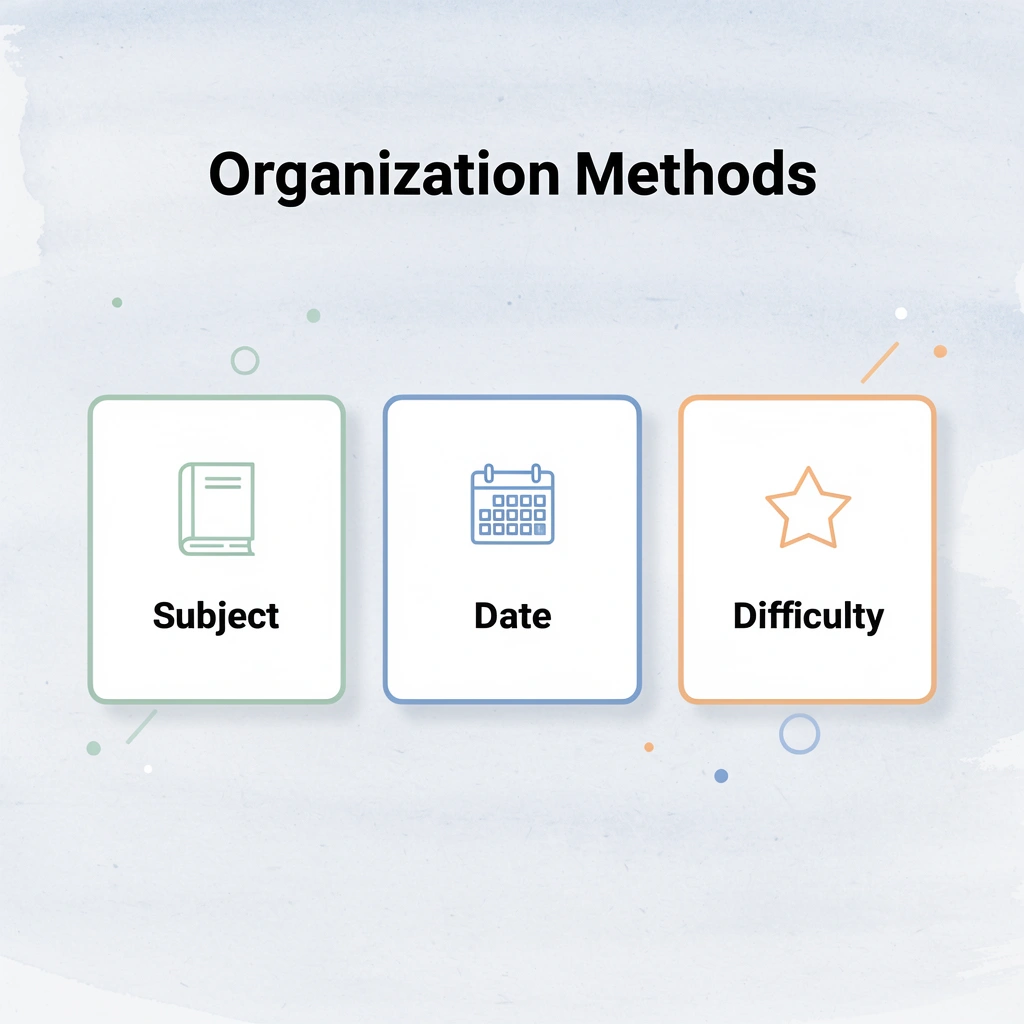
💡 Tip: Keep completed coloring pages organized by subject and date to track which concepts needed extra reinforcement and which your child grasped immediately. This documentation provides evidence of learning progress for any required reporting and reveals patterns about how your child learns best. You might discover they remember science concepts better when coloring detailed diagrams, or that math practice sticks when visual representations accompany number problems.
⚠️ Warning: The shift from random worksheets to intentionally matched materials changes how children experience practice work. Instead of completing disconnected activities that feel like busywork, they engage with materials that clearly connect to what they're learning, making the purpose of practice obvious rather than mysterious.
Related Reading
- 5th Grade Homeschool Curriculum
- How To Homeschool In California
- Georgia Homeschool Requirements
- Alabama Homeschool Laws
- 2nd Grade Homeschool Curriculum
- Homeschool Reading Curriculum
- California Homeschool Laws
- 4th Grade Homeschool Curriculum
- North Carolina Homeschool Laws
- Homeschool Art Curriculum
- Accredited Homeschool Curriculum
- 3rd Grade Homeschool Curriculum
- Illinois Homeschool Laws
- Michigan Homeschool Laws
- Science Homeschool Curriculum