Detailed Guide on Georgia Homeschool Laws
Georgia homeschool laws explained: requirements, testing, records & compliance. My Coloring Pages provides the complete legal guide parents need.


Parents choosing to homeschool in Georgia must navigate specific state requirements while creating an effective learning environment for their children. Georgia homeschool laws establish clear guidelines for attendance records, annual assessments, and curriculum standards that families need to follow. Understanding these regulations helps parents maintain compliance while preserving the educational freedom that makes homeschooling attractive.
Building an engaging curriculum requires quality educational materials that keep children excited about learning. Parents need flexible resources that can be customized to match lesson plans and adapt to each child's developmental stage. For families seeking creative learning tools, they can download 69,451 free+ coloring pages that transform ordinary educational moments into opportunities for skill building and creativity.
Summary
- Homeschooling is fully legal in Georgia, with the state treating home study programs as legitimate private education rather than exceptions requiring special permission. Parents establish legal status by filing an annual Declaration of Intent, teaching five core subjects (reading, language arts, math, science, and social studies), providing approximately 4.5 hours of instruction per day for 180 days per year, and maintaining attendance records, without requiring teaching licenses or state curriculum approval.
- Georgia's homeschool requirements focus on documentation rather than oversight, with no home inspections, curriculum approvals, or routine submissions to education officials. Parents maintain attendance logs, annual progress reports, and standardized test results (administered every three years starting in third grade) for their own records unless truancy concerns arise, creating accountability without daily government involvement in teaching decisions.
- The state enrolled 89,510 homeschool students as of the 2024–2025 academic year, reflecting how mainstream this educational choice has become over four decades. Atlanta Magazine reports that Georgia has developed into one of the nation's largest and most diverse homeschooling ecosystems, supported by co-ops, park meetups, and informal networks where families share resources and prevent the isolation that often leads to burnout.
- Most new homeschoolers waste weeks researching curriculum before filing the required paperwork, when the Declaration of Intent establishes legal standing and must be submitted by September 1 or within 30 days of starting. Without this single form, families risk truancy concerns regardless of how much actual teaching occurs, making legal compliance the necessary first step before curriculum decisions.
- Program selection should prioritize parental teaching capacity over grade-level features or impressive scope documents, since underestimating workload leads to mid-year burnout and curriculum switches that disrupt learning more than any initial choice. The programs that work long-term match how many hours parents can realistically dedicate to planning and explaining concepts, with structured options like Abeka reducing decision fatigue and flexible platforms like Time4Learning allowing independent pacing.
- My Coloring Pages addresses the need for customizable reinforcement activities by offering 69,451+ free coloring pages that parents can generate to match specific lesson topics, from letter recognition exercises for language arts to geometric patterns for math concepts, creating screen-free practice tools that complement existing curriculum without requiring pre-made workbooks.
Is Homeschooling Legal in Georgia?
Yes, homeschooling is legal in Georgia. The state recognizes home study programs as legitimate private education, and you can teach your child at home without a teaching license or government approval.

🎯 Key Point: Georgia treats homeschooling as private education, giving parents significant freedom to design their child's educational experience without bureaucratic barriers.
"Georgia recognizes home study programs as legitimate private education, requiring no teaching credentials or state approval to begin homeschooling." — Georgia Department of Education

⚠️ Important: While homeschooling is legal, you must still comply with Georgia's attendance requirements and maintain proper educational records for your homeschool program.
Georgia Law Officially Recognizes Home Study Programs
State law treats homeschooling as a valid form of private education, not as an exception or loophole. Atlanta Magazine reports that Georgia has grown into one of the nation's largest and most diverse homeschooling ecosystems over four decades. Parents establish a home study program by filing a Declaration of Intent annually, teaching five core subjects (reading, language arts, maths, science, and social studies), providing approximately 4.5 hours of daily instruction, maintaining attendance records, and administering standardized tests every few years.
What Georgia Doesn't Require (This Surprises Most Parents)
Georgia won't inspect your home, approve your curriculum, or require a teaching degree. You choose your books, teaching methods, and pace while covering required subjects and keeping records for your own accountability. This flexibility lets you design learning experiences matching your child's interests—for example, teaching fractions through custom worksheets featuring their favorite animals or hobbies to make abstract concepts concrete and relevant.
When Homeschooling Becomes a Legal Problem
The law protects your right to homeschool, but only if you follow basic requirements. Problems arise when families skip the Declaration of Intent, ignore record-keeping, or fail to teach required subjects. Authorities then treat it as truancy rather than homeschooling. You're not breaking the law by teaching at home; you're breaking it by not meeting Georgia's minimal standards. Most families never face legal trouble because the requirements are straightforward.
Knowing the rules exist and understanding how to work within them are two different things.
Related Reading
- Homeschool History Curriculum
- Easy Peasy Homeschool
- Homeschool Curriculum
- Homeschool Math Curriculum
- Online Homeschool Curriculum
- Homeschool Resources
- Online Homeschool Programs
- Christian Homeschool Curriculum
- Homeschool Planner
- Homeschool Schedule
- Kindergarten Homeschool Curriculum
- Best Homeschool Programs
- Free Homeschool Curriculum
- Homeschool Schedule
- Best Homeschool Curriculum
- Accredited Homeschool Programs
- How To Homeschool
- Time For Learning Homeschool
- K12 Homeschool
Georgia Homeschool Laws
Georgia requires you to file a Declaration of Intent every year, teach five core subjects, provide at least 4.5 hours of instruction daily for 180 days per year, keep attendance records, and administer standardized testing every three years starting in third grade. The state lets you choose your own curriculum, teaching methods, and pacing.
"Georgia homeschool families must provide at least 4.5 hours of instruction daily for a minimum of 180 days per year across five core subjects." — Georgia Department of Education
🔑 Key Requirement: The Declaration of Intent must be filed annually to maintain legal homeschool status in Georgia.
⚠️ Testing Alert: Standardized testing is mandatory every three years starting in third grade — plan ahead for this requirement.

The Declaration of Intent: Your Legal Foundation
This single document establishes your homeschool's legal status. File it once yearly within 30 days of starting or by September 1 if continuing. It requires your child's name and age, your address, the local school district, and a statement confirming you'll provide the required instructional hours. The form doesn't ask about teaching philosophy or curriculum plans; it notifies the state of your home education choice and creates a paper trail protecting you from truancy concerns.
Required Subjects and What They Actually Mean
Reading, language arts, mathematics, science, and social studies are required subjects. The law doesn't specify what "social studies" should entail or how to teach fractions. You could use traditional textbooks, build lessons around nature walks, or design projects that combine multiple subjects into one experience. A lesson on measuring ingredients for a recipe covers maths and reading. A discussion about local history during a museum visit meets social studies requirements. This flexibility lets you tailor instruction to your child's learning style rather than force both of you into a rigid structure.
Record-Keeping That Stays in Your Hands
You keep attendance logs, yearly progress reports covering each required subject, and test results for at least three years. These records remain with you unless authorities investigate a truancy complaint. There are no regular submissions or planned reviews. This approach trusts parents to document their work honestly while establishing accountability if problems arise.
How can hands-on activities support your record-keeping?
Some homeschooling families use hands-on activities to keep younger students engaged during instructional hours. Platforms like My Coloring Pages let parents create custom coloring sheets tied to specific lessons, such as geometric shapes for math practice or historical figures for social studies. This customization transforms screen-free activities into targeted learning tools that integrate naturally into lesson plans without requiring pre-made workbooks.
Testing Requirements Without the Pressure
Every three years, starting in third grade, your child takes a nationally standardized test. You choose the test, administer it at home or through a qualified proctor, and keep the results on file. The state doesn't review scores or set minimum performance thresholds. This requirement ensures learning is happening without defining what success looks like. If your child struggles with timed tests but excels in project-based work, the scores become one data point among many, not a judgment on your homeschool's effectiveness.
What happens when you sit down to plan a year that meets all these requirements?
How to Homeschool in Georgia
You file the paperwork, choose your materials, and start teaching. The challenge is building a rhythm that keeps both you and your child engaged without burning out or second-guessing every decision.
🎯 Key Point: The transition from planning to daily execution is where most new homeschooling families struggle. Focus on establishing consistent routines rather than perfect lesson plans.
"The most successful homeschooling families prioritize sustainable daily rhythms over rigid academic schedules." — National Home Education Research Institute, 2023
⚠️ Warning: Avoid the common mistake of trying to replicate a traditional classroom at home. Your homeschool should work for your family's unique needs and learning styles.
Start With the Declaration, Not the Curriculum
Most new homeschoolers research curriculum before filing legal paperwork, which is backward. According to the Georgia Department of Education, your Declaration of Intent must be submitted annually by September 1 or within 30 days of your start date. This form establishes your legal standing. Without it, you're not homeschooling in the state's eyes. File first, then build your teaching plan around what your child needs rather than what a catalog promises.
Track Attendance From Day One, Not When You Remember
You need records for 180 days of instruction covering reading, language arts, math, science, and social studies. A notebook with dates and short notes suffices. Don't delay tracking attendance or assume you'll remember later; rebuilding accurate records becomes guesswork. Start simple and stay consistent. If authorities question your program, your attendance log proves learning happened on a regular basis.
Build Learning Around Real Engagement, Not School Imitation
The law requires 4.5 hours of instruction daily, but this needn't mean sitting at a desk copying classroom structure. A nature walk that identifies plants and discusses ecosystems counts as science. Reading a chapter book together covers language arts. Measuring ingredients for a recipe teaches fractions. Younger students, especially in JK through first grade, stay focused longer with hands-on, screen-free activities. Platforms like My Coloring Pages let parents generate custom coloring sheets tied to specific topics: state symbols for Georgia history or geometric patterns for math, turning creative work into targeted learning tools that fit naturally into lesson plans.
Test Every Three Years, But Don't Teach to the Test
Standardized testing occurs every three years beginning in third grade, and you retain the results without submitting them to the state. Select a nationally recognized test, administer it at home or through a qualified proctor, and file the scores with your records. If your child struggles with timed tests but demonstrates mastery through projects or discussions, the test becomes one piece of information among many. The scores don't determine your success—they simply document that an assessment took place.
Connect With Other Homeschoolers Before You Feel Isolated
New homeschoolers often underestimate the importance of local support networks. Georgia has co-ops, park meetups, and informal groups where families share resources and children connect with peers. These connections prevent the isolation that can lead to burnout. When managing multiple grade levels or questioning your approach, talking to experienced homeschoolers proves more valuable than reading another curriculum review. The friendships you build often become as valuable as any teaching resource.
Related Reading
- Homeschool Room
- Homeschool Report Card Template
- Homeschool Room Ideas
- Homeschool Vs Public School
- Language Arts Homeschool Curriculum
- Homeschool Preschool
- Texas Homeschool Requirements
- How To Homeschool Your Kids
- How To Homeschool In Texas
- Homeschool Coop
- Pre K Homeschool Curriculum
- Florida Homeschool Requirements
- 1st Grade Homeschool Curriculum
- Colorado Homeschool Laws
- 6th Grade Homeschool Curriculum
- Abeka Homeschool Curriculum
- Kentucky Homeschool Laws
How to Choose a Homeschool Program in Georgia
You're deciding how much structure you can handle, what your child needs to stay interested, and whether you can teach without feeling upset about it. Georgia offers complete freedom over materials and methods, which sounds appealing until you face dozens of options. Programs that work long-term match your ability as a teacher first, your child's learning style second, and legal requirements third.
🎯 Key Point: Your teaching comfort level should be the primary factor when choosing a homeschool program—even the best curriculum won't work if you're constantly frustrated with it.
"The programs that work long-term match your ability as a teacher first, your child's learning style second, and legal requirements third." — Homeschool Program Selection Priority
⚠️ Warning: Don't choose a program based solely on what worked for other families. Your teaching style and family dynamics are unique factors that significantly impact success.

Start by Defining Your Teaching Capacity, Not Your Child's Grade Level
Most parents search for "best fourth-grade curriculum" when the real question is how many hours you can realistically spend on planning, grading, and explaining concepts. A complete online program with automated lessons requires minimal parent involvement but offers less customization. A literature-based approach gives you flexibility but demands daily preparation and confidence in your teaching instincts. The mistake occurs when you choose based on what sounds impressive rather than what you can maintain through December, March, and May. If you underestimate your workload, you'll either burn out or switch programs mid-year, creating disruption that affects your child more than any curriculum choice could.
Match Learning Style to Delivery Method, Not Subject Coverage
Every program covers reading, math, science, social studies, and language arts because Georgia law requires it. The difference lies in how content is delivered. Visual learners benefit from video-based platforms like Time4Learning or Power Homeschool that break concepts into segments with graphics and animations. Kinesthetic learners need hands-on projects, manipulatives, and movement breaks that traditional workbooks cannot provide. Younger students, especially in kindergarten through first grade, stay focused longer with creative, screen-free activities.
Platforms like My Coloring Pages let parents generate custom coloring sheets tied to specific topics—such as letter recognition for language arts or counting exercises for math. This customization transforms creative work into targeted learning tools that integrate naturally into lesson plans. According to Georgia Homeschool Laws, standardized testing occurs every three years, giving you flexibility to experiment with engagement-focused methods during interim years.
Evaluate Progress Tracking Tools Before You Need Them
Good programs have built-in systems for tracking attendance, recording finished lessons, and creating reports that meet Georgia's record-keeping requirements. You need documentation for 180 days of instruction covering all five subjects; attempting to recall that information months later becomes guesswork. Look for platforms with automatic attendance tracking, printable transcripts, and clear subject organization. If a program requires separate spreadsheets or notebooks to prove compliance with legal standards, it's creating unnecessary extra work.
Test Engagement in the First Two Weeks, Not After You've Paid for a Full Year
Every program offers trials or money-back guarantees because providers know that fit matters more than features. Watch for specific signals during these initial weeks: Does your child complete lessons independently or constantly ask for help? Do they finish feeling accomplished or frustrated? Are you spending more time fixing platform problems than teaching? If the first two weeks feel like a struggle, the next ten months won't get any easier. The best curriculum is the one your child uses consistently without bribes or threats.
Consider How Programs Scale as Your Child's Independence Grows
A program that works well in second grade might feel limiting by sixth grade, when students need more freedom and critical-thinking skills. Look for platforms that let students advance in certain subjects rather than progress at the same grade level across the board.
If your child excels at maths but struggles with writing, you want to advance them in maths while providing extra support for writing. Programs built around strict grade levels force you to either slow your child's progress in their strength or push them through their weakness.
Moving to middle school goes more smoothly when your curriculum already expects students to plan their own schedules and take responsibility for their assignments, rather than suddenly asking them to be independent without prior experience.
10 Best Homeschool Programs in Georgia
Georgia families have access to dozens of homeschool programs with varying teaching philosophies, time commitments, and levels of parent involvement. Your job isn't finding the "best" program—it's identifying which structure matches your teaching capacity and your child's learning style well enough to sustain every day for an entire school year.
🎯 Key Point: The most important factor isn't program popularity or reviews—it's finding a sustainable match between the program's daily requirements and your family's realistic capacity for consistent implementation.
"Success in homeschooling comes not from choosing the perfect curriculum, but from choosing a program you can actually follow through with day after day." — National Home Education Research Institute
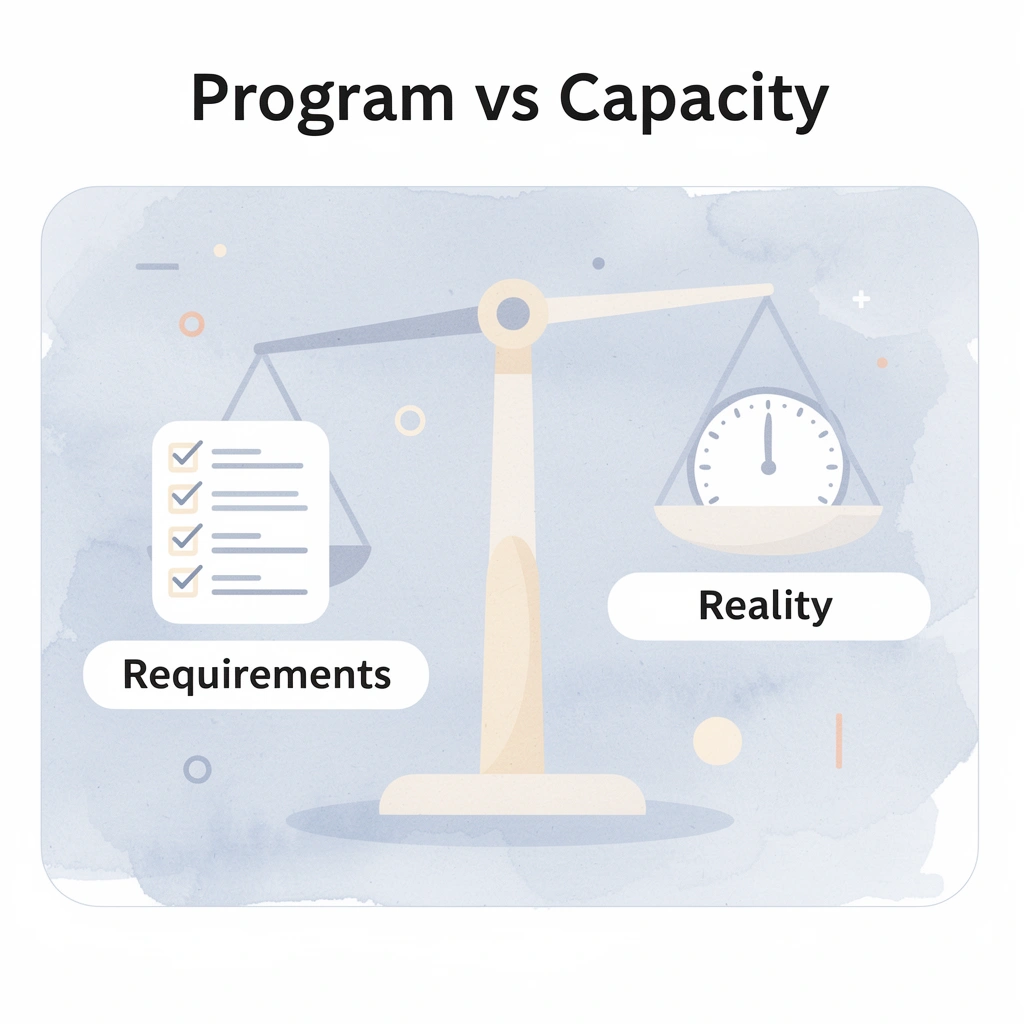
⚠️ Warning: Many families choose overly ambitious programs that require 3-4 hours of daily parent instruction when they realistically have 30-60 minutes available, leading to frustration and incomplete lessons throughout the year.
1. Georgia Cyber Academy (GCA)
This free online public charter school offers live virtual classes with certified Georgia teachers, structured schedules, and official grade tracking across kindergarten through twelfth grade, with curriculum aligned to state standards.
Parents seeking school structure without leaving home often choose GCA. However, your child is officially enrolled in public school, not in homeschool, which means less flexibility over pacing, curriculum, and daily schedules. You trade independence for institutional support, which works well if you need outside accountability but struggle with independent lesson planning.
2. Time4Learning
This self-paced online platform delivers math, language arts, science, and social studies through interactive lessons with automatic grading. Parents track progress via a dashboard while students work independently, with flexibility for year-round teaching or breaks without disrupting enrollment.
Time4Learning works best for children who can focus during screen-based learning and parents who prefer minimal daily involvement. The program lacks live instruction and personalized feedback, so students needing frequent redirection often become frustrated when their parents must intervene without curriculum support.
3. Bridgeway Academy
Bridgeway offers accredited homeschool programs with custom learning plans, academic advisors, and multiple curriculum formats, including online and print options. Advisors help you adjust pacing, switch materials, and document progress for record-keeping requirements.
Families seeking structured guidance without rigid timelines appreciate the personalization. The cost exceeds that of self-directed programs, but you're paying for expertise that helps prevent common mistakes new homeschoolers make when building curriculum from scratch.
4. Power Homeschool (Acellus)
This video-based platform offers hundreds of pre-recorded courses. Students watch instruction, complete assignments, and progress at their own pace while parents track progress through a dashboard.
Independent learners thrive in this environment. If your child needs frequent redirection or struggles with self-motivation, you'll spend considerable time keeping them on task rather than benefiting from the hands-off design.
5. BJU Press Homeschool
BJU Press offers traditional textbook-based learning with optional video lessons, strong academic rigor, detailed lesson plans, assessments, and grading guidelines.
Parents who prefer a school-like structure at home find the clarity reassuring. The trade-off is flexibility: the program expects you to move through material in order, which can feel restrictive if your child needs more time on certain concepts or wants to explore topics outside the prescribed scope.
6. Abeka Academy
Abeka offers a structured Christian homeschool curriculum with video lessons, complete workbooks, and textbooks. The program follows a strict grade-by-grade sequence and includes regular assessments.
Families appreciate that Abeka removes the guesswork by planning daily lessons and grading them for you. However, this strict structure limits customization and may not suit students with different learning styles or interests outside what Abeka offers.
7. Oak Meadow
Oak Meadow uses Waldorf-inspired methods that emphasize story-based learning, art, nature exploration, and project work. The curriculum integrates multiple subjects through thematic units rather than teaching skills in isolation, and employs flexible pacing that prioritizes creativity over preparation for standardized testing.
Creative learners who dislike worksheet-heavy programs often thrive here. The low-pressure approach prioritizes the learning process over results, reducing stress. However, it requires parents comfortable with fewer ways to measure progress. According to Homeschool Start Guide, Georgia requires 180 days of instruction at 4.5 hours per day, and Oak Meadow's project-based structure lets you meet that requirement through activities that feel less like school and more like meaningful exploration.
8. Moving Beyond the Page
This program offers students an interdisciplinary curriculum that integrates literature, science, and social studies through hands-on activities and critical thinking tasks. Units are built around themes that connect multiple subjects, helping students see how ideas relate across disciplines rather than in isolation.
Which students thrive with this exploration-based approach?
Advanced or naturally curious learners who frequently ask "why" find the exploration-based approach satisfying. Parents must be comfortable with less structured schedules and confident in managing open-ended projects that don't always produce neat, gradeable outcomes.
How can younger students stay engaged with hands-on activities?
Younger students, especially in kindergarten through first grade, stay focused longer with hands-on, screen-free activities. Platforms like My Coloring Pages let parents create custom coloring sheets tied to specific topics, such as state symbols for Georgia history or letter recognition for language arts. This customization transforms creative work into targeted learning tools that fit naturally into lesson plans without requiring pre-made workbooks that may not match your teaching approach or your child's interests.
9. Master Books
Master Books offers a flexible, subject-based curriculum you can mix and match based on your child's needs. The literature-based approach builds lessons around quality books rather than textbooks, with easy customization across grade levels.
Parents appreciate the modularity that allows them to build custom plans without starting from scratch. You're not locked into a single publisher's vision for every subject, though this flexibility requires more planning since you're assembling pieces rather than following a complete system.
10. Calvert Homeschool Program
Calvert provides a complete, structured curriculum with step-by-step lesson plans, full subject coverage, and parent guides. You open the materials and teach what's there.
What are the benefits and drawbacks of structured programs?
Families who want a fully organized system without daily decision fatigue appreciate this thoroughness. The comprehensiveness that reduces stress also limits spontaneity: you're following their plan, which works beautifully when it matches your child's needs and feels limiting when it doesn't.
How has the homeschool landscape in Georgia changed?
Homeschool Start Guide reports 89,510 students homeschooling in Georgia as of the 2024–2025 school year, reflecting how common this choice has become. While more program options exist than five years ago, selecting among them requires weighing quality, alignment with your beliefs, time commitment, and whether a program's strengths address your specific teaching challenges.
Picking a program is just the start of what you actually need to teach well.
Download 69,777+ free worksheets for homeschooling in Georgia
Stop comparing everything at once. The problem isn't a lack of options—it's treating every program as equally good when most won't work with how you teach or how your child learns. You need a way to filter your choices, not more research.
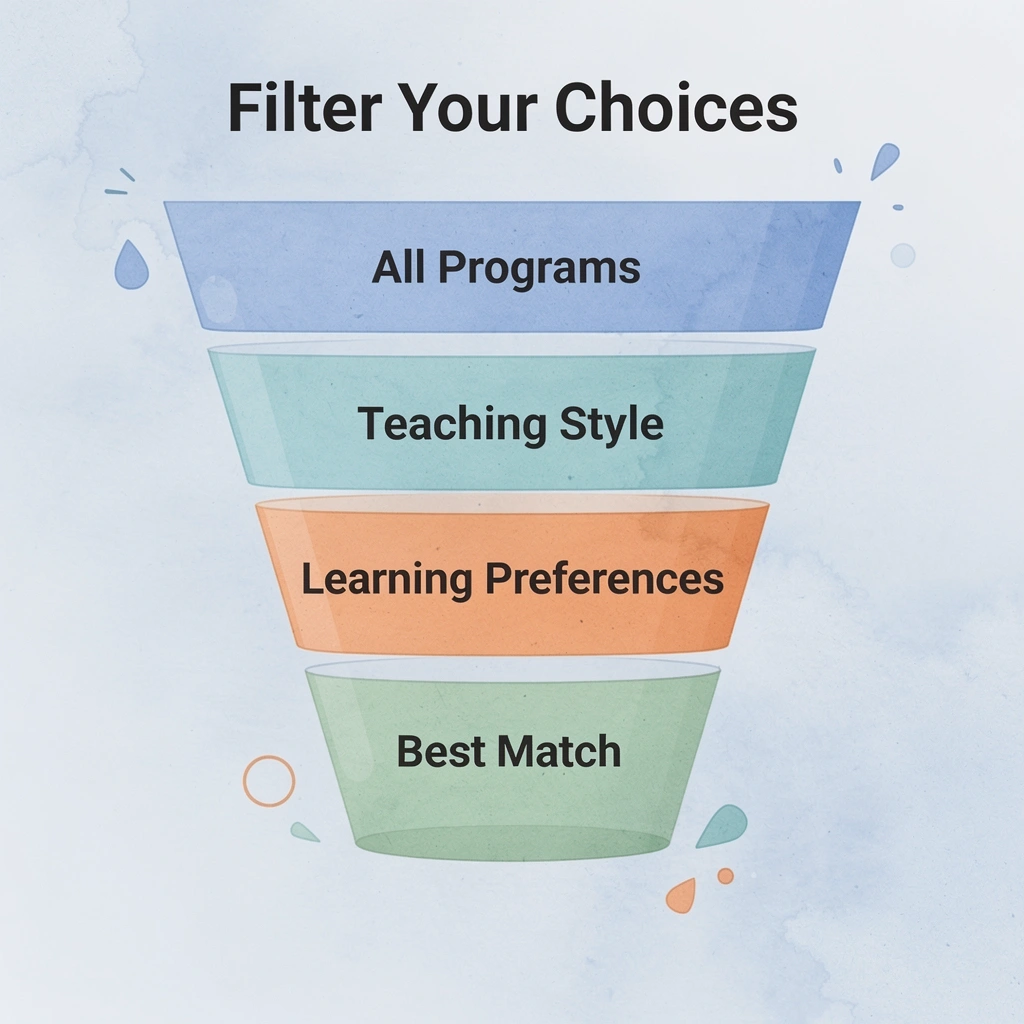
🎯 Key Point: Filtering options is more valuable than endless research when choosing homeschool resources for your Georgia student.
"The real problem isn't that you don't have enough options—it's treating every program like it's equally good when most won't work with how you teach or how your child learns."

🔑 Takeaway: Focus on compatibility with your specific teaching style and your child's learning preferences rather than trying to evaluate every available program.
Decide Your Homeschool Direction First
Three categories cover most approaches: structured programs like Abeka, BJU Press, or Calvert that provide daily lesson plans; flexible platforms like Time4Learning, Master Books, or Power Homeschool that let you adjust pacing and subject difficulty; and creative curricula like Oak Meadow or Moving Beyond the Page that emphasize projects over standardized sequences. Choose based on how much daily planning you can manage. Structured programs reduce decision fatigue if you're managing multiple children or working part-time. Creative approaches prevent daily conflicts if your child resists worksheet-heavy instruction.
Narrow It Down to Two Programs Only
Pick two programs from your selected category and ignore everything else for now. Comparing six programs simultaneously creates decision paralysis by weighing dozens of variables without a clear priority system. Two programs provide enough contrast to evaluate differences without overwhelming your ability to make a confident choice. Test actual daily use with your child rather than spending weeks reading reviews and watching demo videos.
Run a Real-Life Test for Ten to Fourteen Days
Check how well your program is working by examining three metrics: how easily your child follows lessons without constant redirection, how much they engage daily by completing work without resistance, and how much parental effort the program requires. Pay attention to problem areas in the first week. If your child asks for help every ten minutes, the program expects more independence than your child currently has. If you're spending an hour each evening preparing materials, that workload won't decrease over time. The trial period reveals problems before you commit to a full year.
Fix Learning Gaps Instead of Switching Programs
When your child struggles with retention, writing, or consistency, the problem often isn't the curriculum—it's missing foundational skills or insufficient practice. Add small reinforcement activities daily rather than overhauling your system. Short writing drills, revision tasks, or structured worksheets targeting specific weak points support their current learning without creating confusion from mid-year approach changes. Platforms like My Coloring Pages let you generate custom practice sheets tied to concepts your child needs to master, whether letter tracing for handwriting or number recognition for maths fluency, turning screen-free reinforcement into targeted skill-building that complements your existing curriculum.
Your child's education depends on choosing something sustainable, testing it honestly, and filling gaps as they arise rather than chasing a system that promises to eliminate all struggle.
Related Reading
- 5th Grade Homeschool Curriculum
- How To Homeschool In California
- Georgia Homeschool Requirements
- Alabama Homeschool Laws
- 2nd Grade Homeschool Curriculum
- Homeschool Reading Curriculum
- California Homeschool Laws
- 4th Grade Homeschool Curriculum
- North Carolina Homeschool Laws
- Homeschool Art Curriculum
- Accredited Homeschool Curriculum
- 3rd Grade Homeschool Curriculum
- Illinois Homeschool Laws
- Michigan Homeschool Laws
- Science Homeschool Curriculum