
How To Homeschool Legally In California in 2026
Learn how to homeschool in California legally with My Coloring Pages' complete 2026 guide covering requirements, forms, and step-by-step setup.


California provides several pathways for families who want to homeschool, including private school affidavits, charter programs, and independent study through public schools. Each option comes with specific legal requirements for curriculum, record keeping, and reporting that parents must understand before beginning their homeschool journey. Success depends on choosing the right approach for your family's needs and maintaining compliance with state regulations.
Creating an effective homeschool environment requires quality educational materials that don't strain your budget or planning time. Parents need flexible resources they can adapt quickly for different subjects and grade levels, from math practice to science activities to creative learning breaks. Building a collection of versatile teaching tools helps streamline daily lesson planning and keeps students engaged throughout their learning experience, which is why many homeschool families download 698,999+ free coloring pages to create custom worksheets and activities.
Summary
- California treats homeschooling as a form of private schooling rather than using the term "homeschool" in its education code, which creates persistent confusion about legality despite over 200,000 students being homeschooled in the state. This semantic gap has fueled myths that the practice is prohibited, even though it remains one of the most common educational choices available to California families.
- The Private School Affidavit pathway is most popular among California homeschoolers because it requires no teaching credentials, no standardized testing, and no curriculum approval. Families must simply file annually between October 1 and 15, teach required subjects, maintain attendance records for at least 175 days, and keep basic documentation of courses taught without state review of curriculum or learning outcomes.
- Charter homeschool programs provide $2,000 to $4,000 annually for materials and classes, but this funding comes with regular teacher check-ins, work sample submissions, and adherence to standardized pacing calendars. Families gain financial resources and credentialed teacher support but surrender the curricular authority and flexibility that many parents seek when choosing homeschooling over traditional school.
- Parents often select homeschool programs based on funding amounts rather than philosophical alignment, then discover six months later that quarterly portfolio reviews and curriculum approval processes feel intrusive. The money becomes irrelevant when the oversight erodes teaching motivation or contradicts the educational autonomy families expected when leaving traditional school.
- Charter programs must demonstrate student progress to maintain authorization, creating institutional pressure toward measurable outcomes even when facilitators personally support interest-led learning. This tension between program philosophy and compliance reality explains why families sometimes feel misled about how much curricular freedom they actually retain after enrollment.
- The real challenge in California homeschooling isn't finding a legal program but selecting one that provides needed resources without gradually undermining the educational independence families chose homeschooling to protect. Success depends less on which specific program you choose and more on honest assessment of whether you teach better with external structure or complete autonomy, whether you need financial support enough to accept accompanying oversight, and whether your child's learning style matches the program's underlying educational philosophy.
- My Coloring Pages addresses the gap between curriculum coverage and actual retention by providing customizable worksheets that reinforce whatever your California homeschool program teaches, adapting instantly as your child's focus shifts, without requiring expensive materials or vendor approval.
Is Homeschooling Legal in California?
Homeschooling is legal in California and has been for decades. The confusion stems from California's education code, which doesn't use the word "homeschooling" and instead treats home education as private schooling. This has created false beliefs that homeschooling is not allowed, when, according to Tuttle Twins, over 200,000 students are homeschooled in California, making it one of the most popular educational choices in the state.
💡 Tip: California's education code treats homeschooling as private education, which is why you won't find the specific term "homeschooling" in the legal documents.
"Over 200,000 students are homeschooled in California, making it one of the most popular educational choices in the state." — Tuttle Twins
🔑 Takeaway: Despite legal confusion around terminology, California has one of the largest homeschool populations in the nation, proving that home education is both legal and thriving in the Golden State.
Why the confusion persists
California's education laws require children ages six through eighteen to attend school, though not necessarily public school. Homeschooling is a legal way to meet compulsory education requirements. However, the law uses terms like "private school affidavit" and "independent study" rather than "homeschooling," leading families to question its legality. A 2008 court case briefly challenged this understanding and alarmed many families before the court ruled in favor of homeschooling families. That concern continues to shape how people view homeschooling today.
Four legal pathways
Parents can choose from four distinct approaches to homeschool legally. Filing a Private School Affidavit annually with the California Department of Education designates your home as a private school and grants full curricular control. A second option is enrolling in a Private School Satellite Program, which provides administrative oversight and reduces paperwork while keeping learning at home. Public charter schools and independent study programs offer a third route, where students learn at home but remain technically enrolled in public education with teacher support. The fourth option requires hiring a credentialed private tutor, though this path is less common due to cost and credential requirements.
What compliance actually requires
Staying legal doesn't require teaching credentials or standardized testing in most cases. Families must teach core subjects like maths, English, science, and social studies, but California doesn't require specific curricula or textbooks. You'll need to keep attendance records and documentation proving that educational activity occurs. The flexibility lets parents adjust instruction to their child's learning style, pace, and interests without bureaucratic interference.
How can you adapt the curriculum to changing interests?
When building lesson plans around a child's changing interests—marine biology one month, ancient Egypt the next—customizable educational materials are essential. My Coloring Pages lets homeschooling families instantly create worksheets, diagrams, and activity pages tailored to their students' interests, transforming niche topics into learning tools without purchasing specialized workbooks that may be abandoned after weeks. This flexible curriculum design requires controlling both the educational approach and supporting resources.
The real risk
What breaks California law is not teaching your child at all, not homeschooling through proper channels. Truancy laws target families who ignore compulsory education requirements, not families choosing alternative learning methods. If you follow one of the four legal pathways, teach required subjects, and keep basic records, you're compliant with the law regardless of how unconventional your teaching methods are.
Knowing homeschooling is legal is the start; understanding which rules apply to your chosen pathway helps you move forward with confidence.
California Homeschool Laws
California's homeschool rules don't directly talk about homeschooling. Instead, the state's education code gives four different legal ways that meet compulsory education requirements. Each pathway has different rules to follow, different record-keeping requirements, and different levels of oversight. Picking the right pathway depends on how you like to teach, how much paperwork you're willing to do, and what you believe about education.
🎯 Key Point: California offers four distinct legal pathways for homeschooling compliance, each with unique requirements and levels of oversight.
"California provides multiple legal avenues for homeschooling families, with four different pathways to meet compulsory education requirements." — California Department of Education
⚠️ Warning: Choosing the wrong pathway can lead to compliance issues and potential legal complications down the road.

Compulsory education applies universally
Every child between the ages of six and eighteen must receive instruction under California Education Code Section 48200. The law requires enrollment in a legally recognized education program, but does not require public school attendance. Families following any of the four approved pathways remain compliant, while those ignoring the requirement face truancy proceedings.
Private School Affidavit gives maximum control
Filing a Private School Affidavit (PSA) between October 1 and 15 each year designates your home as a private school under California law. According to CHEA of California, over 200,000 homeschool students in California use this pathway because it requires no teaching credentials, no standardized testing, and no curriculum approval. You must teach subjects comparable to those offered in public schools (English, mathematics, science, social studies, visual and performing arts, health, and physical education), maintain attendance records showing at least 175 days of instruction, and document coursework. The state doesn't review your curriculum or verify learning outcomes; you simply affirm that instruction occurs in English and that the teacher is "capable of teaching," a standard California interprets broadly to include any parent willing to take responsibility for their child's education.
Private School Satellite Programs reduce paperwork burden
Enrolling in a Private School Satellite Program (PSP) places your homeschool under the umbrella of an established private school. The PSP files the affidavit, keeps official records, and handles legal compliance while you teach at home. Annual fees range from a few hundred to over a thousand dollars, depending on the services provided. Some offer curriculum guidance, standardized testing options, or teacher support; others provide only administrative coverage. This pathway appeals to families wanting less bureaucratic responsibility or concerned about navigating legal requirements independently, though it sacrifices some curricular freedom that the PSA route offers.
Independent study through public charters blends oversight with flexibility
Public charter schools and independent study programs allow students to learn at home while remaining enrolled in public education. A credentialed teacher monitors progress, typically meeting weekly or biweekly to review work and provide guidance. The school supplies curriculum materials, and students must complete state-required standardized testing.
Families access public school resources, extracurricular activities, and credentialed teacher expertise without paying tuition, but they surrender control over the curriculum. The school determines what gets taught and how learning is measured, making this choice less appealing to families seeking educational freedom but attractive to those wanting structured support or planning to transition to traditional schooling.
How can you create affordable materials for changing interests?
When your seven-year-old becomes focused on volcanoes for three weeks, then switches to the solar system, buying separate workbooks for each interest becomes expensive and wasteful. My Coloring Pages lets homeschooling families create custom educational materials instantly, whether volcano cross-sections one week or planetary diagrams the next, turning short-lived interests into meaningful learning activities without the cost of specialized workbooks. This interest-led education requires materials that change as quickly as your child's attention does.
What documentation requirements come after choosing your pathway?
Picking the right legal pathway is only the beginning. Staying compliant year after year requires understanding what documentation the state can request and when you must provide it.
Related Reading
- Homeschool History Curriculum
- Easy Peasy Homeschool
- Homeschool Curriculum
- Homeschool Math Curriculum
- Online Homeschool Curriculum
- Homeschool Resources
- Online Homeschool Programs
- Christian Homeschool Curriculum
- Homeschool Planner
- Homeschool Schedule
- Kindergarten Homeschool Curriculum
- Best Homeschool Programs
- Free Homeschool Curriculum
- Homeschool Schedule
- Best Homeschool Curriculum
- Accredited Homeschool Programs
- How To Homeschool
- Time For Learning Homeschool
- K12 Homeschool
How To Homeschool Legally In California in 2026
File your Private School Affidavit between October 1 and 15 to homeschool legally in California. Register your home as a private school, teach required subjects, keep attendance records for at least 175 days, and document the courses you teach. You don't need teaching credentials, curriculum approval, or standardized testing.
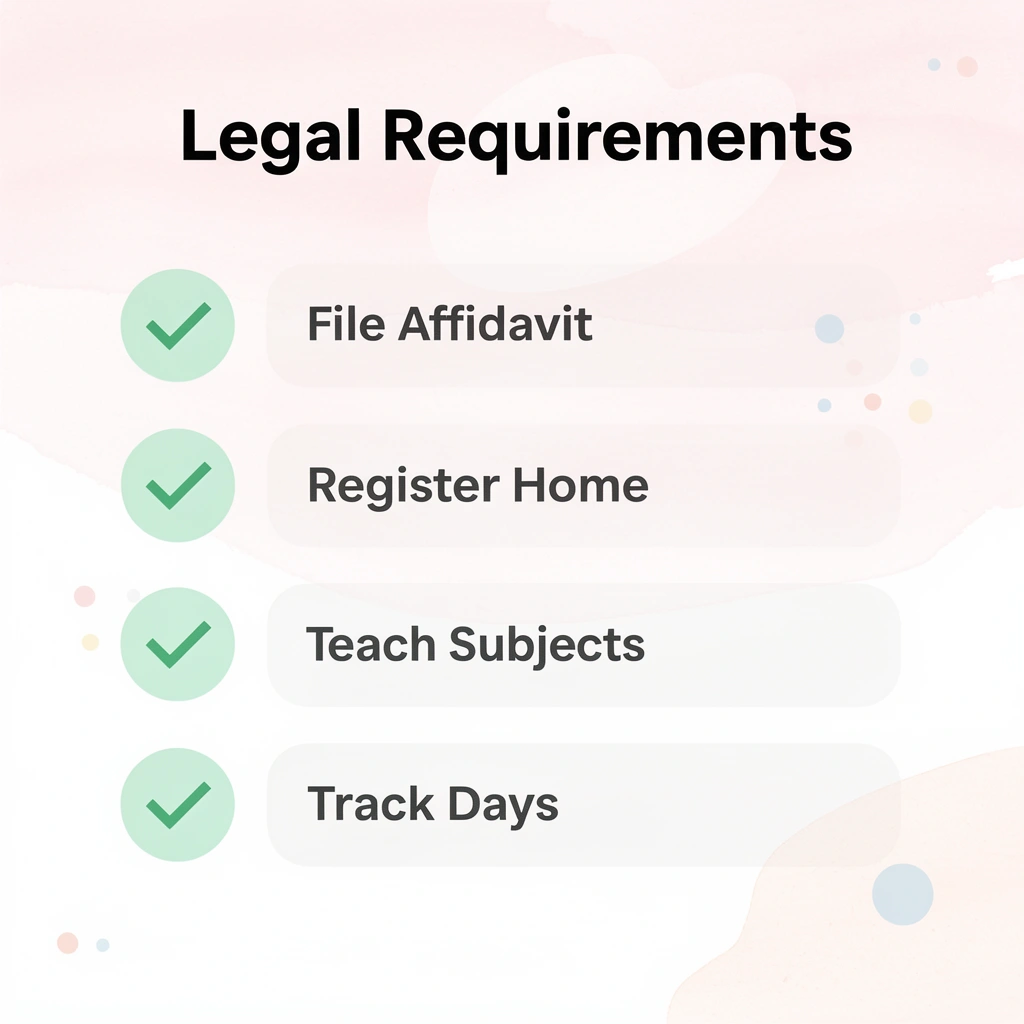
🎯 Key Point: The Private School Affidavit is your most important legal document - missing the October 1-15 deadline could jeopardize your homeschool status for the entire year.
"California homeschoolers using the private school option must maintain attendance records for a minimum of 175 days per school year." — California Education Code, Section 48222

⚠️ Warning: While no teaching credentials are required, you must be able to demonstrate that core subjects like math, English, science, and social studies are being taught if questioned by authorities.

Step 1: Choose your legal pathway before anything else
This decision shapes everything that follows. The Private School Affidavit gives you complete control over what your child learns with minimal oversight, which is why most California homeschooling families select it. Private School Satellite Programs reduce paperwork but add yearly fees and administrative oversight. Public charter independent study programs provide credentialed teacher support and free materials, but require you to cede authority over curriculum and assessment.
Your pathway determines who oversees your child's education. For full control, file the PSA. For structural support, choose a satellite program or charter. If you're uncertain about designing curriculum independently, the charter route provides guidance. You can switch pathways between school years, but starting with clarity prevents mid-year disruption.
Step 2: Withdraw your child properly from traditional school
Send a written notice to your current school stating your child is transferring to a private school. Email works, but keep confirmation of receipt. This prevents truancy flags and attendance problems that can trigger scrutiny from district officials.
Families moving to California sometimes discover their previous state's homeschool withdrawal process doesn't meet California requirements. Some states accept verbal notification; others require notarised affidavits. California requires only written confirmation that your child has left public enrollment. Skip this step, and the school may mark your child truant while you're legally homeschooling under a different framework.
Step 3: File your Private School Affidavit online
According to the HomeSchool Association of California, the California Department of Education's online filing system opens on October 1 each year. If starting mid-year, file immediately. The affidavit requires basic information: your school name (typically your family name plus "Private School"), address, enrollment numbers, and confirmation that instruction occurs in English.
This is a notification, not an application. The state doesn't approve or deny your filing—you're simply telling them your private school exists, which satisfies compulsory education law. No one reviews your curriculum or teaching qualifications. The affidavit creates a legal record that your child receives instruction outside the public system.
Step 4: Maintain required documentation
Keep attendance records showing 175 instructional days per year, a list of subjects taught, and immunization records or exemption forms. California doesn't require annual submission, but they must be available upon request during an investigation or audit.
When might officials request your documentation?
Document requests usually arise during custody disputes, truancy investigations, or school transitions. Your records need only show dates of instruction and general subject coverage: evidence that education occurred consistently, not that your child mastered specific standards.
How can you create affordable educational materials?
When your nine-year-old shifts from ancient Rome to coral reefs, buying separate workbooks for each interest wastes money. My Coloring Pages lets you generate custom educational worksheets instantly, turning passing interests into documented learning without accumulating expensive materials that gather dust after brief use.
Step 5: Select a curriculum that matches your child's learning style
California requires students to learn English, mathematics, science, social studies, visual and performing arts, health, and physical education. However, the state doesn't mandate which textbooks or teaching methods to use. Choose materials based on how your child learns best—whether through reading, hands-on activities, demonstrations, or discussion. Picking the wrong materials can cause daily problems and make homeschooling feel exhausting.
Why do families abandon elaborate curriculum programs?
Families often start with detailed boxed curricula, then abandon them within months because the pace doesn't match their child's needs or the teaching style feels forced. Starting with core materials in two or three subjects, then gradually expanding as you discover what keeps daily momentum and prevents the overwhelm that makes parents question whether they can sustain homeschooling long-term.
What's the real challenge in curriculum selection?
The real challenge isn't finding a legal program. It's finding one that doesn't quietly undermine the freedom you chose homeschooling to protect.
Related Reading
- Homeschool Room
- Homeschool Report Card Template
- Homeschool Room Ideas
- Homeschool Vs Public School
- Language Arts Homeschool Curriculum
- Homeschool Preschool
- Texas Homeschool Requirements
- How To Homeschool Your Kids
- How To Homeschool In Texas
- Homeschool Coop
- Pre K Homeschool Curriculum
- Florida Homeschool Requirements
- 1st Grade Homeschool Curriculum
- Colorado Homeschool Laws
- Georgia Homeschool Laws
- 6th Grade Homeschool Curriculum
How to Choose the Right Homeschool Program in California
Your first decision is figuring out how much supervision you can accept versus how much freedom you need. California offers three structural options: Public Charter Homeschool Programs provide $2,000 to $4,000 annually for materials and classes, but require regular teacher check-ins and work samples. Private School Affidavit gives you complete control with zero funding and zero required reporting. Private School Satellite Programs split the difference, offering administrative support and community without the intensive supervision or funding requirements.
🎯 Key Point: Your comfort level with oversight and need for funding will determine which program structure works best for your family's homeschool journey.
"California's diverse homeschool options allow families to choose between $2,000-$4,000 in annual funding with oversight or complete educational freedom with no financial support." — California Legislative Analyst's Office, 2025
⚠️ Warning: Don't choose a program based solely on funding—consider whether you can realistically meet the supervision and reporting requirements long-term.

Structure determines everything that follows
Parents often worry about curriculum choices before answering the main question: Who controls your child's education? Charter programs offer funding and trained teacher support, but you surrender control over curriculum to state standards. A Private School Affidavit gives you complete control and requires you to pay for it yourself, with minimal outside oversight except for rare investigations. This choice determines whether you can change direction mid-year when interests shift, skip subjects to study something deeply, or teach without keeping records.
Match structure to your actual capacity, not your ideal self
The pattern repeats in homeschool communities: parents choose maximum independence for its philosophical appeal, then discover they lack the discipline to maintain consistent instruction without external accountability. Others select highly structured charter programs for support, then feel suffocated by required meetings and standardized expectations that contradict their reasons for leaving traditional school.
A charter program works if you want someone else to track attendance, suggest curriculum, and provide benchmarks for progress. It fails when you resent justifying your child's three-week obsession with medieval castle architecture because it doesn't align with the assigned history scope and sequence. The Private School Affidavit works when you possess enough confidence to design learning experiences without external validation, but it collapses when you're paralyzed by choice or need confirmation that you're not creating educational gaps.
How can you maintain flexibility when your child's interests change rapidly?
Most homeschool programs require you to commit to specific curricula for the entire year. When your child loses interest in marine biology after six weeks, you're stuck with unused materials and frustration. Families using the Private School Affidavit route gain flexibility to change instantly and create custom educational content that matches their students' interests.
My Coloring Pages lets parents create worksheets, diagrams, and activity pages for any topic: volcano cross-sections this month or planetary systems next month. It transforms unpredictable interests into documented learning without the need to purchase expensive workbooks that gather dust.
Ask what happens when the program doesn't fit anymore
Before you commit, figure out the exit conditions. Charter programs lock you in for the school year: if the teacher's style doesn't match your approach or required check-ins feel excessive, you're stuck until June.
Private School Satellite Programs vary in their exit requirements: some allow you to leave with minimal paperwork, while others charge fees or require notice. The Private School Affidavit offers immediate flexibility because you're not enrolled in anyone else's system.
Switching to a charter mid-year is difficult because funding and teacher assignments are determined at enrolment. Parents who choose based on reputation rather than fit discover this problem too late.
How do you balance resources with educational autonomy?
The real challenge isn't finding a legal program: it's finding one that provides the resources you need without compromising the educational freedom you chose homeschooling to protect.
10 Best Homeschool Programs in California
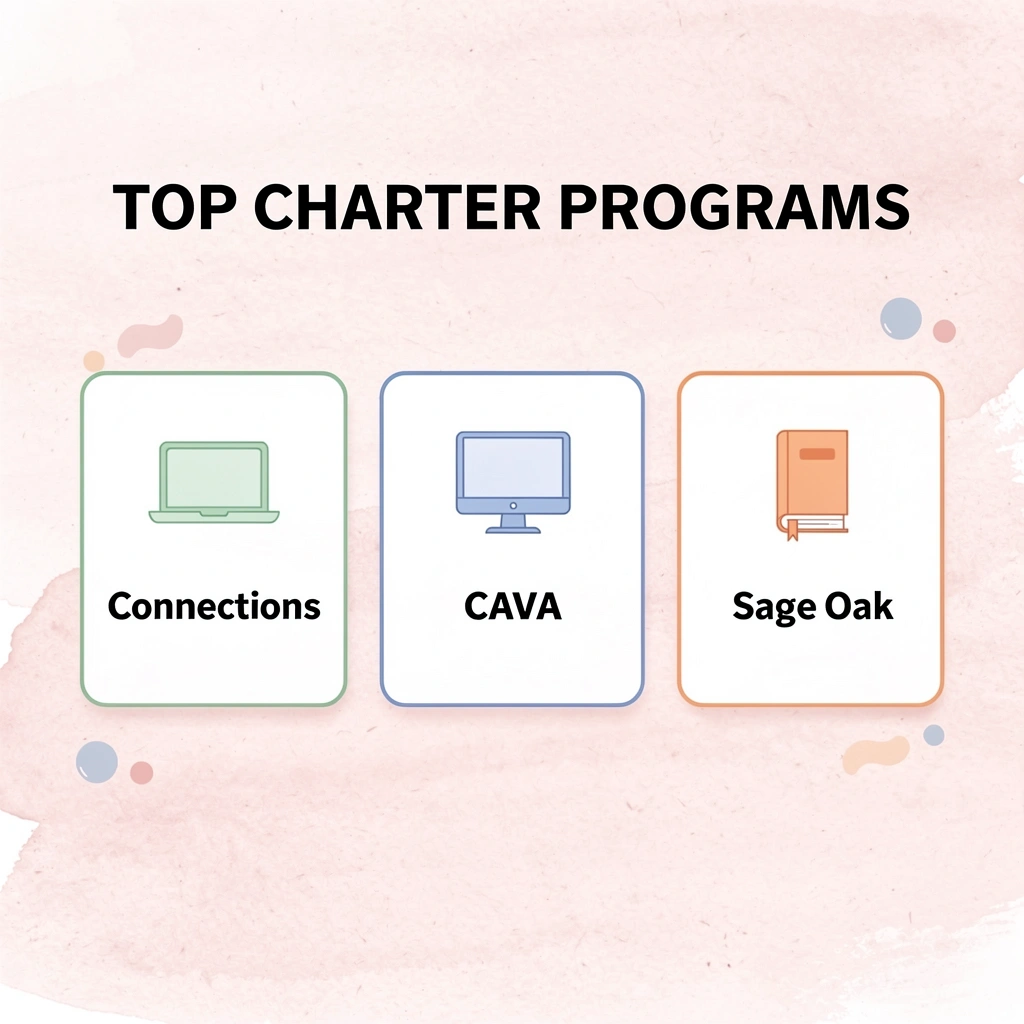
California Connections Academy is a leader in the charter homeschool space, offering a full online structure, credentialed teacher support, and zero tuition. California Virtual Academies (CAVA) provides similar benefits through a different platform, while Sage Oak Charter School offers the highest funding flexibility for families choosing their own curriculum. The "best" choice depends on whether you prioritize autonomy, financial support, or structured guidance.

🎯 Key Point: Charter schools like these provide public funding while allowing homeschool flexibility - giving families the best of both worlds without the financial burden of private programs.
"Charter homeschool programs serve over 300,000 students nationwide, offering families tuition-free alternatives to traditional brick-and-mortar schools." — National Alliance for Public Charter Schools, 2023

💡 Tip: Consider your family's learning style and support needs when choosing between these top-tier options - each offers unique advantages that can make or break your homeschool success.
1. California Connections Academy
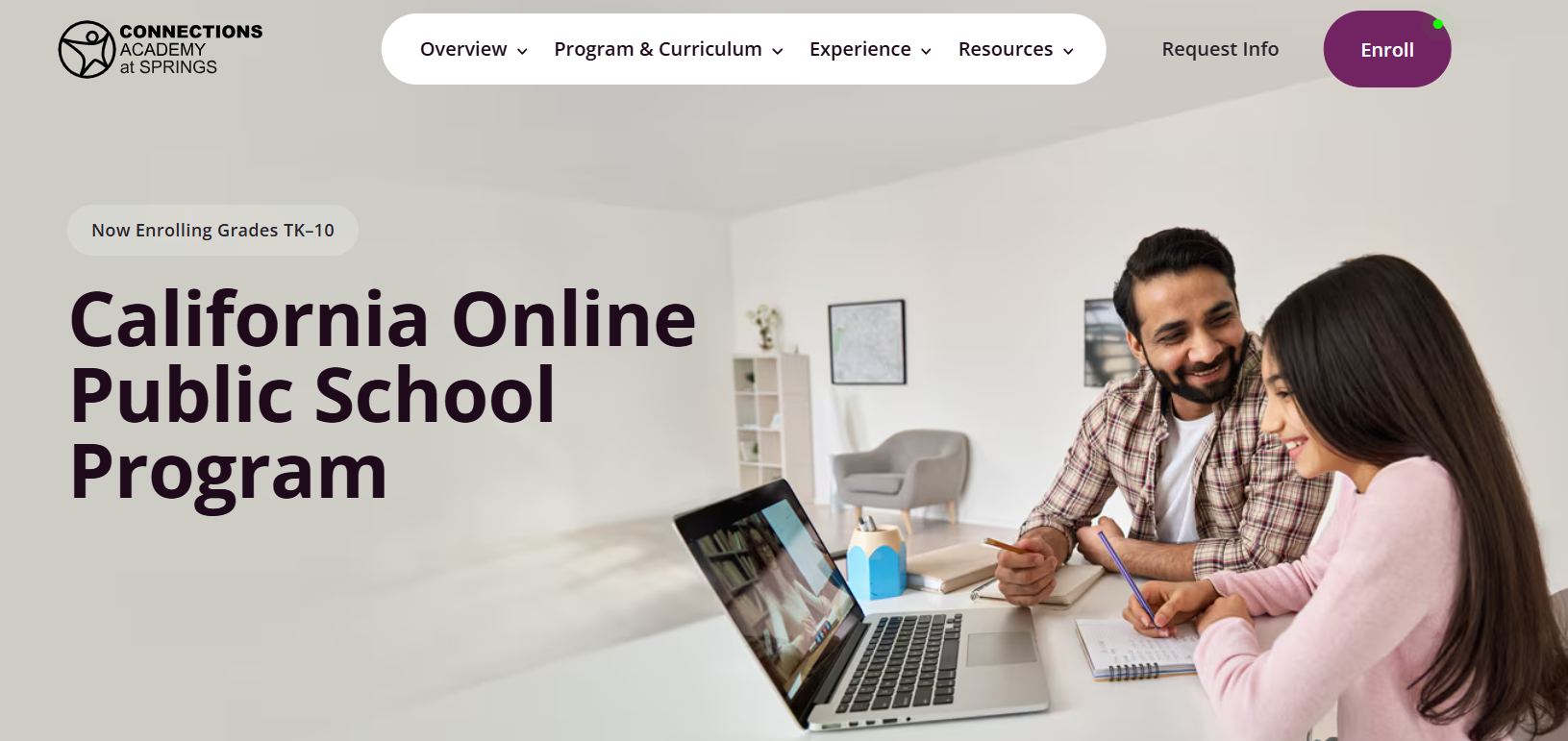
This tuition-free public charter school offers a comprehensive online curriculum with certified teachers, live class sessions, and a structured daily schedule. Students receive laptops, materials, and access to virtual clubs and activities. The program suits families seeking a school-like structure without leaving home, though it requires adherence to state testing schedules, specific pacing calendars, and regular communication with teachers. You gain professional instruction and comprehensive resources while forfeiting the ability to pause subjects for deeper exploration or accelerate when your child masters material faster than the planned timeline.
2. California Virtual Academies (CAVA)
CAVA works through the K12 curriculum platform, which provides lesson plans, automated grading, and teacher-led instruction for all grade levels. Parents serve as learning coaches rather than primary instructors, appealing to families uncertain about creating their own curriculum. The tradeoff: your child follows the same sequence as thousands of other students, regardless of whether the pace matches their learning speed. When your nine-year-old becomes obsessed with the Roman Empire for six weeks, CAVA's preset history curriculum moves forward whether or not that interest is satisfied.
3. Sage Oak Charter School
Sage Oak provides $2,500 to $3,500 annually in educational funding for approved curriculum, classes, tutoring, and enrichment activities. The vendor list includes hundreds of options, from traditional textbook publishers to specialty art programs and STEM subscriptions. An assigned educational facilitator meets with families monthly to review progress and approve purchases, though curriculum choices remain parent-directed. This model suits families seeking financial support without surrendering curricular control, though the monthly check-ins and spending-approval process introduces more oversight than the Private School Affidavit route requires.
4. Sky Mountain Charter School
Sky Mountain offers approximately $3,800 per year in funding with one of California's most extensive approved vendor lists for charter homeschools. Families can use funds for curriculum materials, online subscriptions, local classes, sports programs, and educational supplies. Every three months, your educational facilitator reviews student work samples and progress documentation through portfolio reviews. Parents who welcome outside accountability appreciate this structure; those who prefer autonomy find it burdensome.
5. iLead Exploration
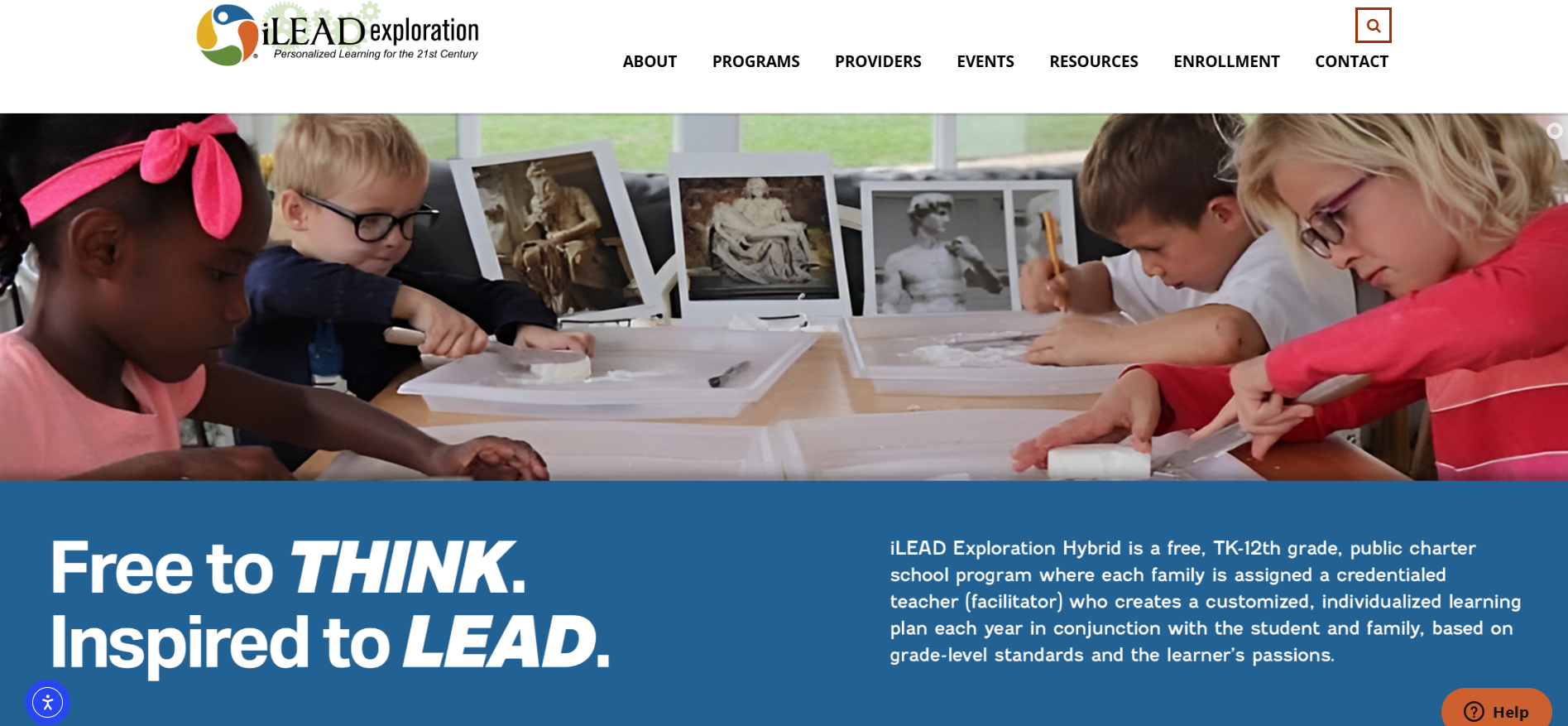
iLead focuses on learning through projects and hands-on activities rather than traditional textbook teaching. Families receive $2,800 to $3,000 in yearly funding and work with facilitators who support student-led projects, maker activities, and experiential learning. The program suits families whose children learn best by building, experimenting, and creating. If your teaching style is traditional and textbook-focused, iLead's project-based approach may not be the right fit.
6. Compass Charter Schools
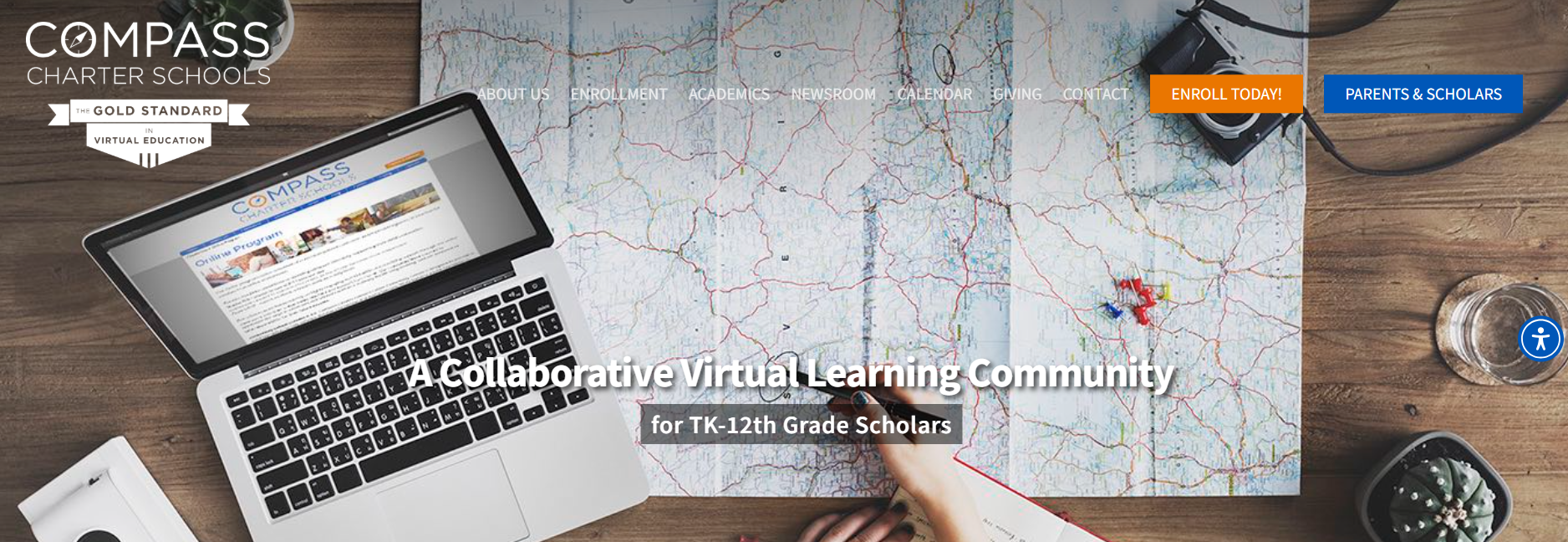
Compass offers multiple learning tracks ranging from highly structured online programs to flexible independent study options. Families can choose the level of teacher involvement and curriculum structure that matches their needs and adjust between tracks if needed. This flexibility prevents mid-year frustration when a program doesn't match a family's teaching capacity. However, the variety of options requires parents to understand the practical differences between tracks before enrolling.
7. Excel Academy Charter Schools
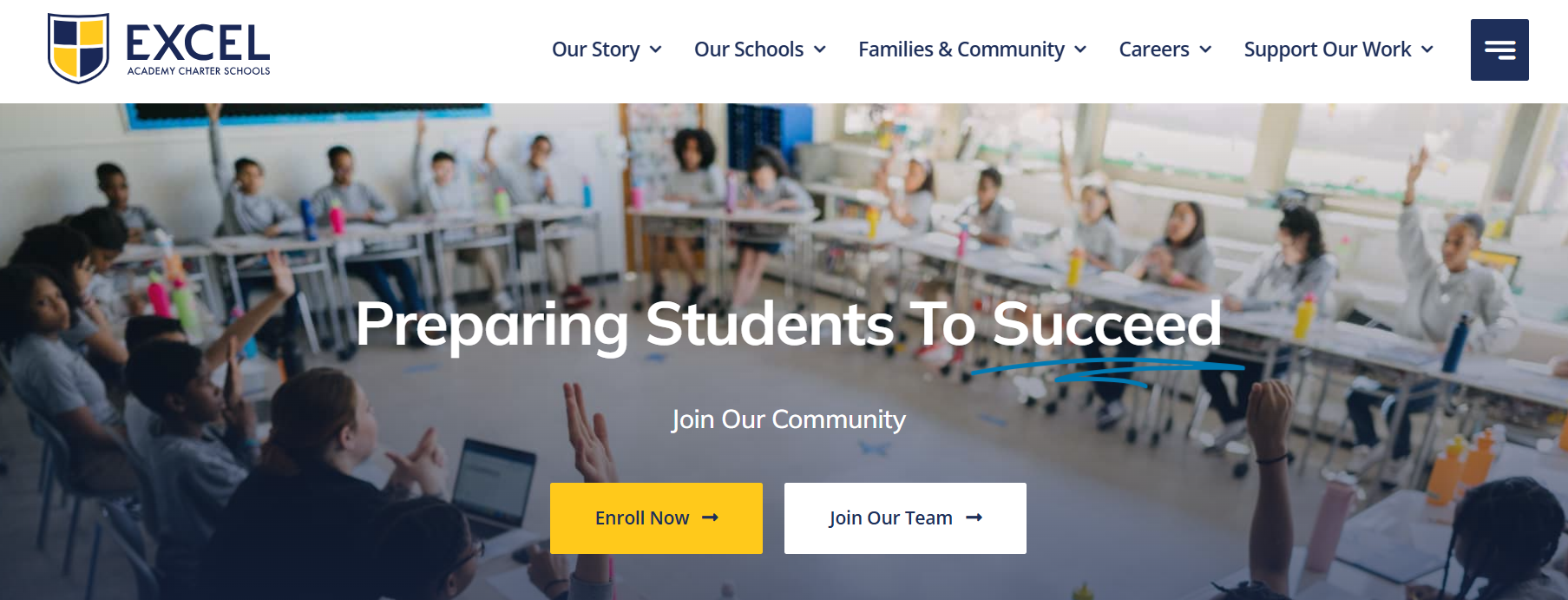
Excel focuses on college-preparatory academics, with personalized learning plans, regular assessments, and clear pathways to admission to four-year universities. This approach suits families prioritizing traditional academic achievement and standardized test performance. It's not a good fit for families wanting deep interest-based learning or alternative educational philosophies. You gain structured academic rigor and clear benchmarks. You lose the freedom to spend three months studying marine biology because your child discovered a passion for oceanography.
8. Blueridge Academy
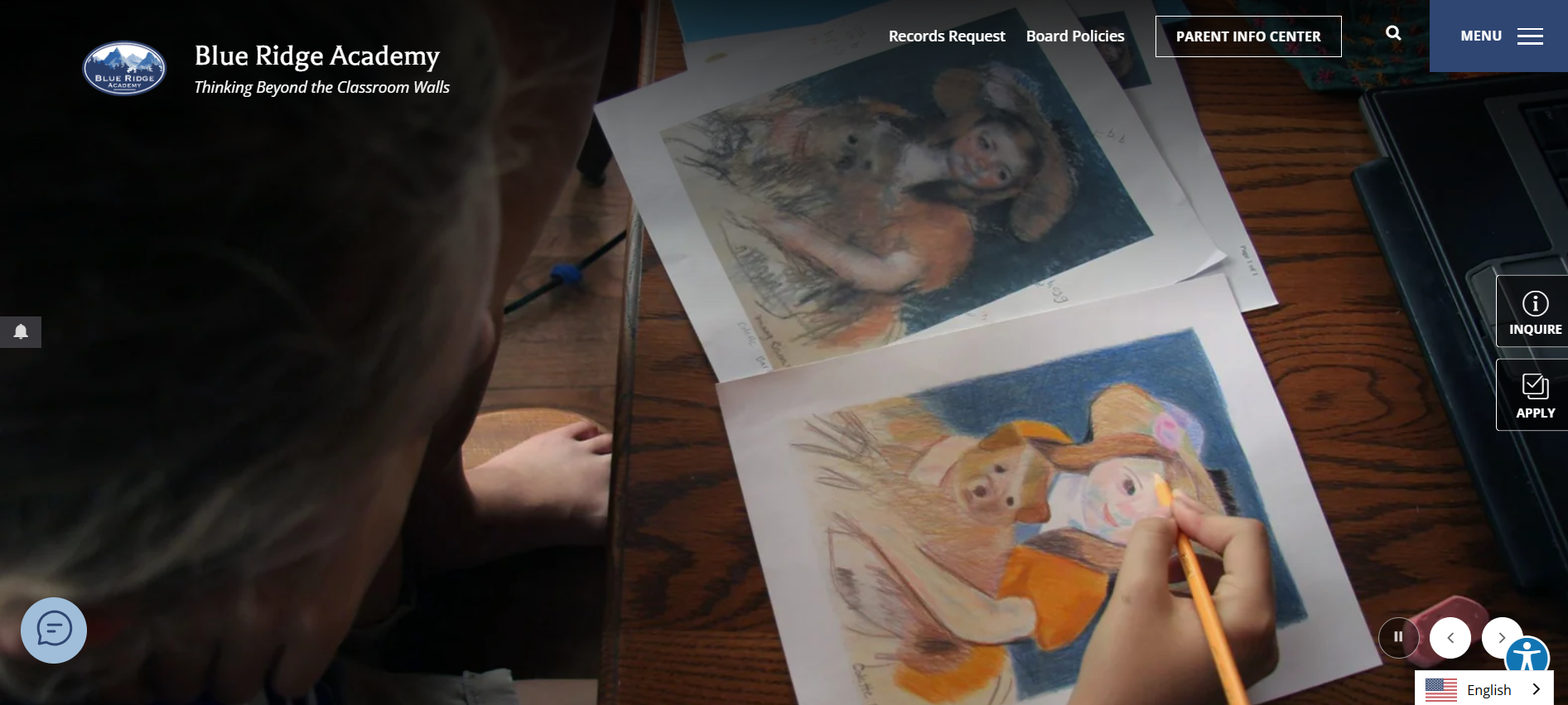
Blueridge provides strong parent support through responsive educational facilitators, regular workshops, and community events that help new homeschoolers build confidence. The program offers curriculum funding and flexible learning approaches while maintaining enough structure to prevent the paralysis that can strike families overwhelmed by complete freedom. This balance appeals to parents transitioning from traditional school who need guidance without feeling micromanaged. The community aspect addresses isolation common in homeschooling, though it requires participation in group activities that may not suit every family's schedule.
9. Liberated Kids
Liberated Kids handles legal paperwork, maintains required records, and provides support for regulatory compliance while families retain complete freedom to choose their curriculum. The program focuses on child-led learning and unschooling, charging annual fees for administrative assistance but requiring no specific curriculum, testing, or work-sample submissions. You gain legal protection and community connection, though you cover all costs for materials and classes without financial assistance.
10. Branson Academy
Branson operates as a Private School Satellite Program that provides administrative support, record-keeping, and compliance guidance without controlling curriculum choices. Annual fees cover affidavit filing, attendance tracking, and access to educational consultants who answer questions about curriculum selection and learning approaches. This option suits families confident in their teaching ability but uncertain about legal requirements, though you'll purchase all materials independently.
What are the key differences between California homeschool program types?
Charter programs offer funding but require regular check-ins, portfolio reviews, and curriculum approval: helpful for some families, but excessive oversight for others. Private School Satellite Programs eliminate paperwork without adding funding, ideal when the administrative burden feels overwhelming, but financial assistance isn't needed. The Private School Affidavit path offers maximum freedom with no support, working well for confident, self-directed families and poorly for those who need external structure.
Why do families struggle when choosing programs based on funding alone?
Parents often choose based on funding amounts rather than philosophical alignment, then discover the program's educational approach contradicts their teaching style. A family drawn to Sky Mountain's $3,800 annual funding might find quarterly portfolio reviews feel like justifying every educational decision to someone who doesn't understand why their child spent three weeks building model catapults instead of completing the assigned history textbook. The funding becomes irrelevant when oversight erodes your motivation to teach.
The hidden curriculum control question
Every program description promises flexibility, but you discover what that means at your first meeting with your facilitator. Some facilitators serve as helpful resources, supporting families in finding materials and working through challenges. Others function as curriculum gatekeepers who require proof that students are making progress at grade level and meeting state standards. You won't know which type of facilitator you get until after you sign up, and switching to a different facilitator is often difficult or impossible.
Why do charter programs create compliance pressure?
Charter programs must show that students are making progress to keep their authorization, creating pressure to focus on measurable results and standardized curricula. Your facilitator may support interest-led learning in theory, but they still need to document that your child is advancing through recognizable academic benchmarks. This tension between the program's stated approach and its operational requirements explains why families sometimes feel misled about the actual freedom they have.
How can families handle unpredictable learning interests?
When your child focuses on a specific topic for weeks, then switches to something completely different, pre-purchased curriculum becomes expensive waste. Charter programs with approved vendor lists help financially, but can't solve the fundamental mismatch between your child's unpredictable interests and materials designed for sequential progression. My Coloring Pages lets families generate custom educational worksheets instantly for whatever topic currently captivates their student, whether dinosaur anatomy this month or space exploration next month, transforming fleeting curiosities into legitimate learning activities without accumulating unused workbooks or waiting for vendor approval.
What factors determine your long-term homeschool satisfaction?
The program you choose matters less than how well it fits your teaching ability. Families who need progress monitoring do well in programs with regular check-ins and portfolio reviews. Those who dislike outside oversight find the same structure too limiting.
The real mistake isn't picking the wrong program—it's picking based on what sounds good in theory rather than being honest about whether you teach better with structure or freedom, whether you need the income enough to accept the oversight that comes with it, and whether your child's learning style matches what the program actually teaches.
How do you research California's diverse homeschool programs?
California has dozens of smaller charter schools and satellite programs with varying philosophies, funding levels, and levels of oversight. According to Times of San Diego, this diversity reflects California's large homeschool population and relatively hands-off regulatory approach. Research program details beyond marketing descriptions.
Even the perfect program match matters only if you can afford the materials your child needs to learn effectively.
Download 698,999+ Free Worksheets for Homeschooling in California
Choosing a great homeschool program in California is only half the job. The real problem emerges when kids rush through lessons without learning concepts, when programs deliver content without consistent reinforcement, and when parents follow curricula carefully yet see comprehension gaps widen. Most homeschool structures focus on delivering lessons but neglect the practice that transforms exposure into real understanding.
🎯 Key Point: Even the best curriculum fails without proper reinforcement and practice components to cement learning.

My Coloring Pages gives instant access to customizable worksheets that reinforce whatever your California homeschool program teaches, whether that's labeling cell structures this week or practicing multiplication through visual problems next month. Retention happens through repeated exposure in different formats, not through single-pass curriculum coverage that moves forward regardless of whether concepts are actually stuck.
"Retention happens through repeated exposure in different formats, not through single-pass curriculum coverage that moves forward regardless of whether concepts actually stuck."
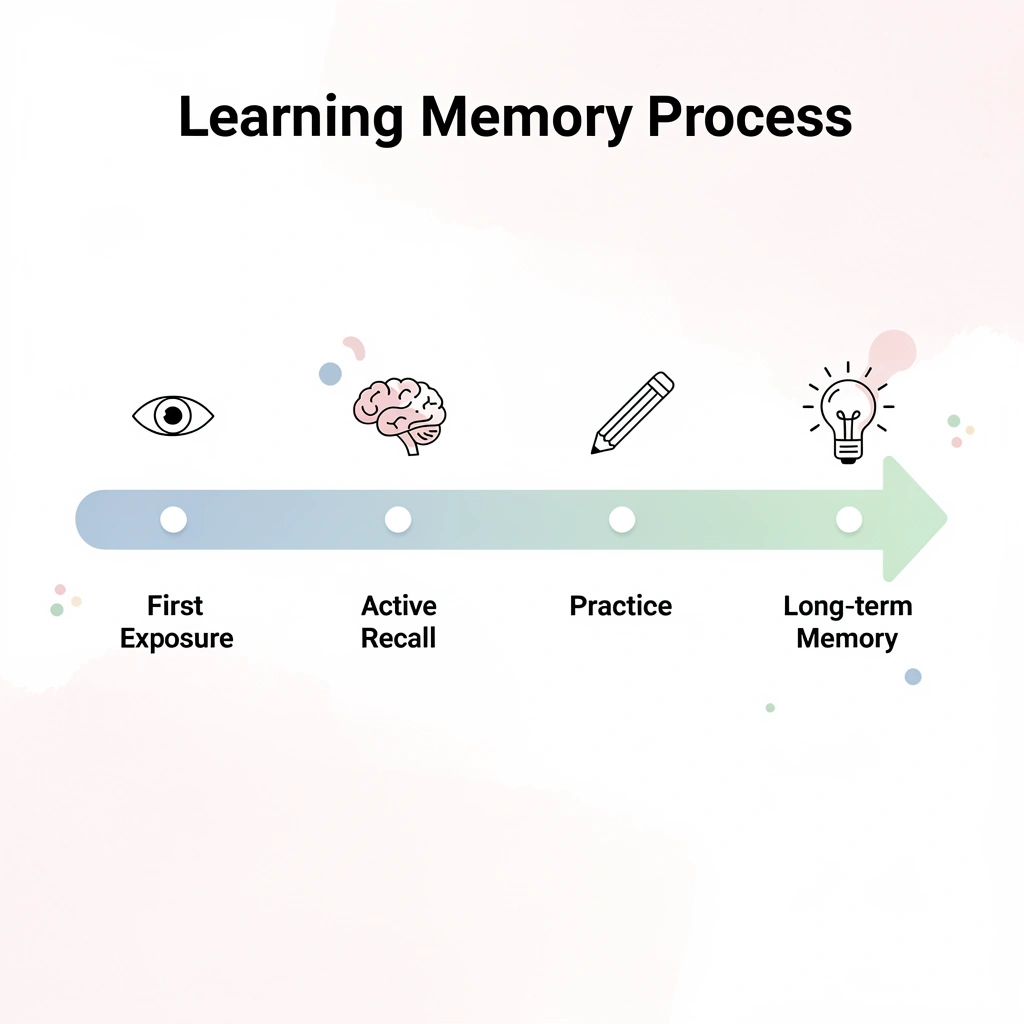
When your child forgets last week's lesson or struggles to explain concepts they learned, the gap isn't in the program itself. It's in the space between first exposure and long-term memory, where active recall and hands-on practice turn information into knowledge. Adding a simple reinforcement layer after each lesson using worksheets that match your child's current learning focus closes that gap without requiring curriculum changes or program switches.
💡 Tip: Use targeted worksheets immediately after each lesson to bridge the gap between initial exposure and long-term retention.
Related Reading
- Michigan Homeschool Laws
- Accredited Homeschool Curriculum
- Georgia Homeschool Requirements
- 4th Grade Homeschool Curriculum
- 3rd Grade Homeschool Curriculum
- 2nd Grade Homeschool Curriculum
- Science Homeschool Curriculum
- Alabama Homeschool Laws
- Illinois Homeschool Laws
- 5th Grade Homeschool Curriculum
- Homeschool Reading Curriculum
- North Carolina Homeschool Laws
- Homeschool Art Curriculum
- California Homeschool Laws