10 Best 1st Grade Homeschool Curriculum in 2026
Discover the 10 best 1st-grade homeschool curriculum options for 2026. My Coloring Pages reviews top programs to help you choose the perfect fit.


Six-year-olds approach learning with natural curiosity, ready to tackle chapter books, solve math problems, and explore new concepts. Selecting an effective 1st grade homeschool curriculum requires balancing phonics instruction, mathematical foundations, science discovery, and creative activities while maintaining student engagement. Parents need resources that make teaching core subjects both manageable and enjoyable. The key lies in finding materials that complement structured lessons while providing variety throughout the learning day.
Printable educational resources can significantly enhance homeschool instruction by reinforcing key concepts and providing creative learning breaks. Quality materials support phonics development, number recognition, handwriting practice, and thematic connections across subjects. These tools save valuable preparation time while keeping young learners motivated and engaged. Families seeking comprehensive educational resources can download 69,451+ free coloring pages and customizable worksheets designed specifically for early elementary students.
Table of Contents
- Should You Homeschool 1st Graders?
- 6 Challenges of Homeschooling 1st Graders
- 10 Tips on How to Homeschool a 1st Grader
- How to Choose the Best 1st Grade Homeschool Curriculum
- 10 Best 1st Grade Homeschool Curriculum in 2026
- Download 69,451+ free worksheets for homeschooling 1st graders
Summary
- First graders learning through one-on-one homeschool instruction can achieve results two standard deviations higher than traditional classroom learning according to Bloom's 1984 research on individualized tutoring. This advantage stems from immediate feedback, customized pacing, and the ability to address confusion the moment it appears rather than following fixed classroom schedules that prioritize coverage over mastery.
- Homeschooled students score 15 to 30 percentile points above public school students on standardized academic achievement tests, according to the National Home Education Research Institute. The foundation children need at first grade, including reading proficiency, basic math skills, and solid learning habits, can be delivered as effectively (often more so) through focused homeschool instruction as through traditional classroom settings where individual attention gets diluted across 25 students.
- Reading development at the first-grade level benefits significantly from direct parental involvement during the critical transition from learning to read to reading to learn. Research by Bus, Van IJzendoorn, and Pellegrini demonstrated that parent-child reading sessions significantly improve vocabulary, comprehension, and early literacy skills, with daily guided reading, immediate pronunciation correction, and personalized pacing mattering more than the institutional setting where instruction occurs.
- Socialization concerns dominate homeschooling decisions, with 78% of parents citing it as their biggest worry according to Education World Wide. First graders need regular peer interaction to develop social skills, conflict resolution abilities, and collaborative play patterns, requiring intentional effort through homeschool co-ops, park days, sports teams, and community classes that demand parental coordination and transportation time, which traditional school attendance handles automatically.
- Curriculum selection paralysis stems from overwhelming marketplace options rather than the scarcity of quality materials. The most successful homeschool families typically use fewer resources focused on three foundational areas (phonics-based reading, basic addition and subtraction, simple sentence writing) rather than stacking multiple comprehensive programs across all subjects, with depth consistently outperforming breadth for six and seven-year-old learners.
- My Coloring Pages addresses the reinforcement challenge by generating custom coloring activities tied to specific phonics patterns, sight words, or math concepts currently being taught, transforming repetitive practice into fresh activities that feel like creative breaks while targeting exact skills children need to master.
Should You Homeschool 1st Graders?
Yes, you can homeschool a first grader effectively. Early elementary learning depends on instruction quality, consistency, and individual attention more than the classroom setting. According to the National Home Education Research Institute, homeschooled students score 15-30 percentile points above public school students on standardized academic achievement tests. The foundation your child needs—reading proficiency, basic math skills, and solid learning habits—can be delivered through homeschool instruction as effectively as traditional classrooms.

"Homeschooled students score 15-30 percentile points above public school students on standardized academic achievement tests." — National Home Education Research Institute
🎯 Key Point: First grade is an ideal time to start homeschooling because foundational skills like reading and basic math require consistent, individualized attention that homeschooling naturally provides.
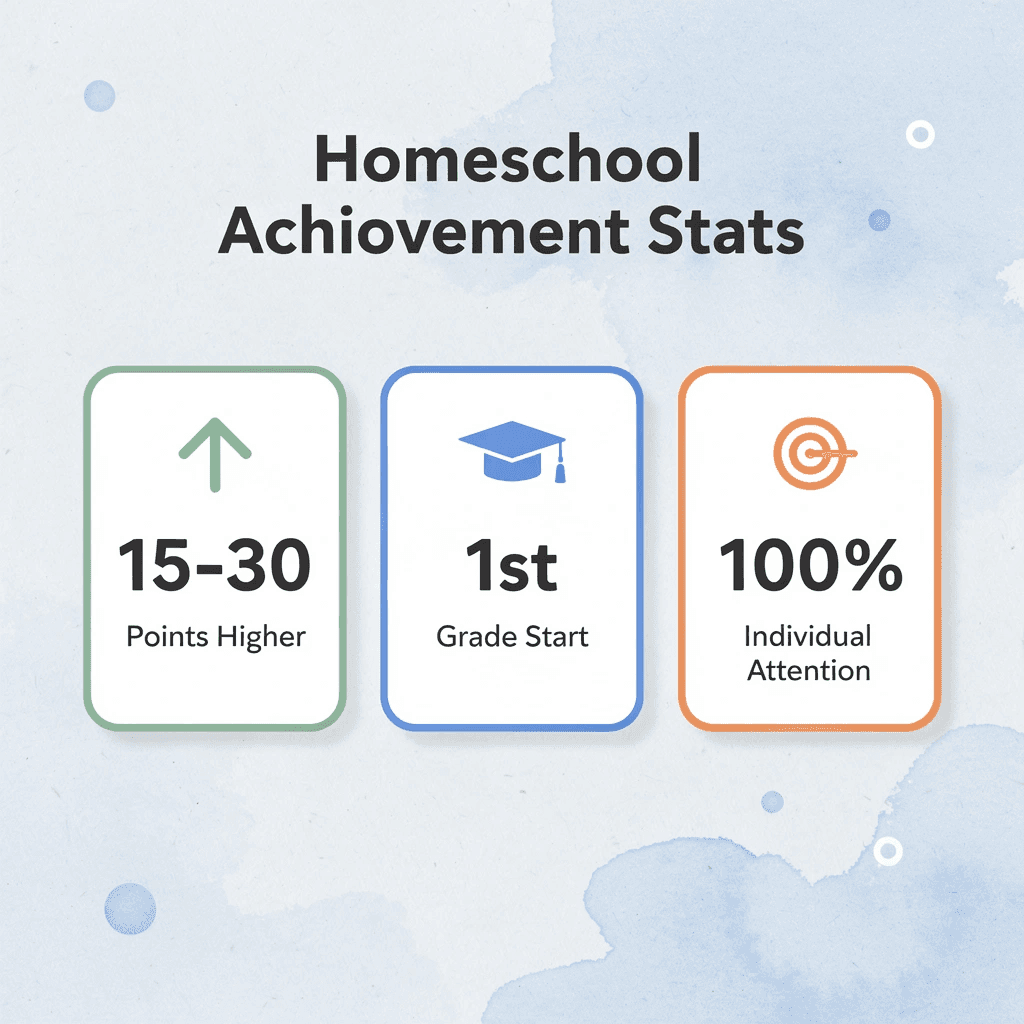
🔑 Takeaway: The 15-30 percentile point advantage demonstrates that homeschool environments can deliver superior academic outcomes during these critical early learning years.
How does one-on-one instruction benefit first-grade learning?
First grade is when children learn to read, build number sense, and develop learning habits that will serve them throughout their school career. Bloom's landmark 1984 research on the "2 Sigma Problem" found that one-on-one tutoring produced results two standard deviations higher than traditional classroom learning. Homeschooling offers similar advantages: you can provide immediate feedback when your child mispronounces a word, adjust lesson pace when your child grasps a math concept faster than expected, and intervene when confusion arises.
Why can't traditional classrooms provide this level of attention?
The classroom model wasn't designed for this kind of quick response. When twenty-five first graders need help simultaneously, even great teachers must focus on teaching the whole class rather than helping each student master the material. Your child might understand phonics patterns in three weeks or need six weeks, but the class schedule moves forward regardless. Homeschooling removes that constraint, allowing you to build strong skills before advancing to more challenging material.
How does reading with your child transform literacy development?
Reading with your child transforms how they learn to read and write. Research by Bus, Van IJzendoorn, and Pellegrini (1995) shows that shared reading helps children acquire vocabulary, comprehend text more effectively, and develop strong reading skills. First grade marks the critical inflection point where children transition from learning to read to reading to learn. During this period, daily guided reading sessions, immediate phonetic correction, and pace adjustments tailored to each child are essential.
What advantages do parents have over classroom teachers?
Parents often worry they lack the knowledge to teach reading, yet structured phonics programs like UFLI Foundations or Progressive Phonics provide the framework needed. You offer your child proven instruction with an advantage no classroom teacher possesses: complete knowledge of how your child learns, what frustrates them, and what motivates them.
How does structure benefit first-grade homeschooling?
Homeschooling first grade works best with consistent daily routines focused on core skills: reading, maths, and writing, with flexibility to adjust when your approach isn't working. Structure prevents educational drift; flexibility prevents the frustration that shuts down young learners. Platforms like My Coloring Pages connect structured lessons with creative reinforcement by generating custom coloring pages that reinforce phonics patterns, number recognition, or science concepts you're teaching.
What research supports homeschooling effectiveness?
Research from the National Home Education Research Institute shows 87% of homeschooled students pursue higher education compared to 57% of public school students. Early academic success depends on whether instruction matches your child's skill level, whether practice occurs regularly, and whether gaps in understanding are identified promptly. Knowing homeschooling can work and making it work every day are two different challenges.
6 Challenges of Homeschooling 1st Graders
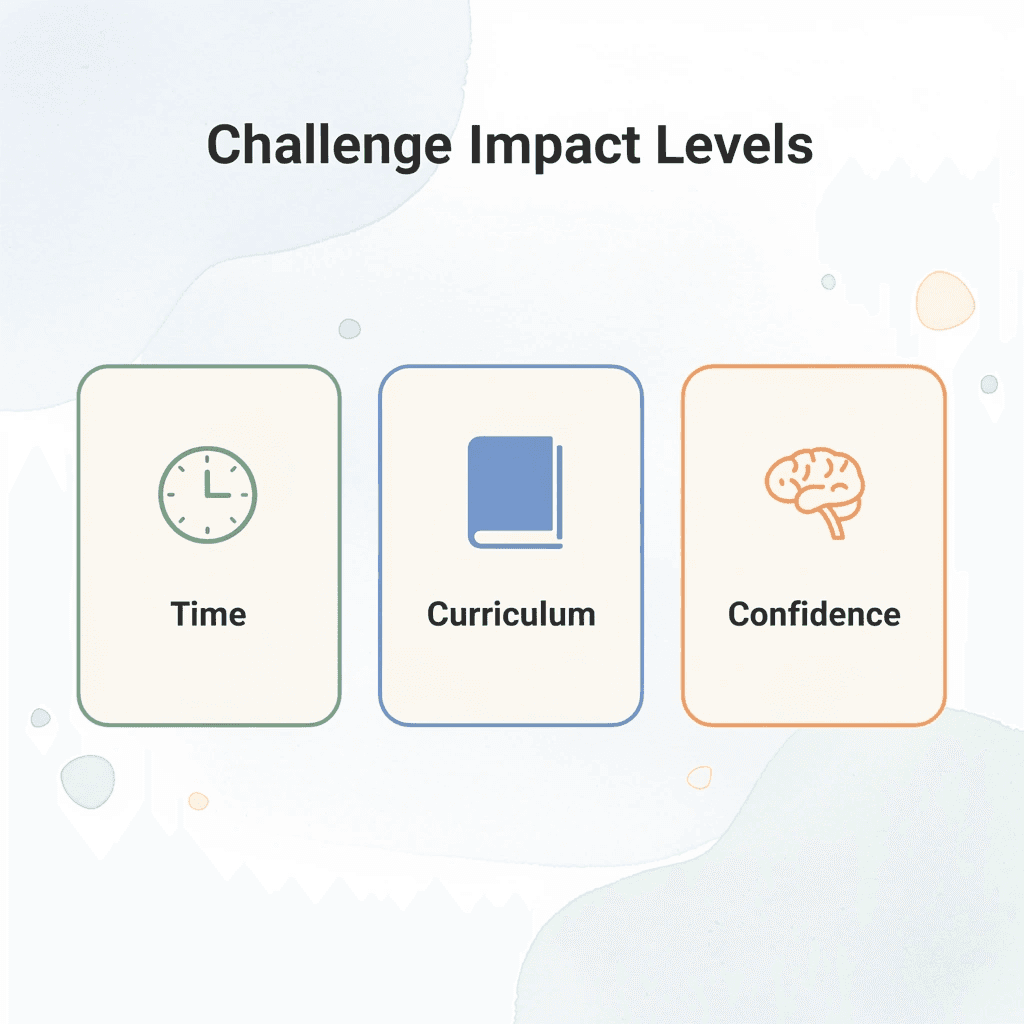
Homeschooling a first grader brings specific challenges that even prepared parents can catch off guard: time pressure, curriculum confusion, and self-doubt. These predictable friction points emerge when you shift from using education to providing it.

🎯 Key Point: The transition from education consumer to education provider creates unique stress points that require specific strategies to overcome.
"The shift from using education services to providing them represents one of the most significant role changes parents face in homeschooling." — Homeschool Research Institute

Challenge Type | Impact Level | Common Trigger |
|---|---|---|
Time Pressure | High | Daily schedule management |
Curriculum Confusion | Medium | Too many options available |
Self-Doubt | High | Comparing to traditional schools |
⚠️ Warning: These challenges compound when parents try to replicate traditional classroom environments at home instead of embracing homeschooling's unique advantages.
1. Time Management and Scheduling
Balancing school responsibilities against work deadlines, household management, and other children's needs creates constant tension. According to the PRiME Center at St. Louis University, more than 3.4 million children in America are homeschooled, meaning millions of families navigate this scheduling puzzle daily. Effective first-grade instruction requires consistent morning focus windows, often the exact hours when parents face their own work demands. Successful families protect core learning time (typically 2-3 hours for first grade) while building flexibility into their structure. They identify non-negotiable learning blocks and accept that everything else can change.
2. Curriculum Selection and Academic Rigor
Choosing the right materials from the many homeschool curriculum options can leave parents feeling stuck. Phonics programs alone offer dozens of approaches, each claiming superiority. The real challenge is finding materials that match your teaching style, learning style, and your family's capabilities.
How can you avoid curriculum overwhelm and create effective learning?
Parents often buy too much, switch curricula midyear, or use multiple programs simultaneously, becoming overwhelmed. The most effective approach is to pick one solid core curriculum for reading and maths, then add other resources strategically. Platforms like My Coloring Pages fill curriculum gaps by creating custom educational coloring pages that reinforce specific phonics patterns, sight words, or math concepts you're teaching, turning practice into something your child wants to do.
3. Socialization Concerns
The socialization question concerns homeschooling parents, particularly during early elementary years when peer interaction patterns form. Education World Wide reports that 78% of parents cite socialization as their biggest concern about homeschooling. First graders need regular peer interaction to develop social, conflict-resolution, and collaborative play skills. The solution requires intentional effort. Homeschool co-ops, park days, sports teams, and community classes provide structured peer interaction, but they demand parental coordination and transportation time that traditional school attendance handles automatically.
4. Parental Doubts and Educational Expertise
You will repeatedly question your teaching ability, especially during the first year. Parents without formal education training worry whether they're explaining ideas correctly, whether they're missing learning disabilities, or whether they're creating knowledge gaps. This self-doubt intensifies when your child struggles with a concept that seems simple or resists instruction.
How do you gauge your child's progress without comparing them to peers?
It's hard to know if your child is making good progress without other children to compare them to. In regular classrooms, teachers can see how a child is doing compared to about twenty other students. Homeschooling parents lack this comparison, which can fuel worry about whether reading problems are normal or something more serious. Research shows formal teaching certification doesn't correlate strongly with homeschool academic outcomes, but that information often doesn't stop parents from doubting their own abilities.
5. Maintaining Motivation and Engagement
Keeping a first grader focused requires constant creativity. The novelty of "home school" fades within weeks, replaced by resistance, complaints, or sudden bathroom emergencies when math worksheets appear. Young children lack intrinsic academic motivation and learn best through play, hands-on activities, and short, focused bursts rather than extended sitting. Lesson plans requiring sustained attention fail consistently, regardless of curriculum quality. Design instruction that feels like exploration rather than obligation, switch activities every 15–20 minutes, and accept that some days your prepared lesson gives way to an impromptu nature walk that teaches more than the worksheet would have.
6. Financial and Resource Constraints
Homeschooling costs money despite being called "free" education. Curriculum purchases, educational materials, field trips, co-op fees, and extracurricular activities accumulate quickly. The National Home Education Research Institute notes average annual spending of $600 per homeschool student, though first-grade expenses often run higher as families purchase foundational materials and explore different approaches.
How do income constraints affect homeschooling families?
Families with one income or two working parents face extra challenges with homeschooling, which typically requires one parent to reduce or stop working entirely. This compounds the direct costs of homeschooling with lost income. Finding free or low-cost resources becomes essential, though quality varies, and evaluating options demands significant time.
Related Reading
- Homeschool
- Homeschool History Curriculum
- Easy Peasy Homeschool
- Homeschool Curriculum
- Homeschool Math Curriculum
- Online Homeschool Curriculum
- Homeschool Resources
- Online Homeschool Programs
- Christian Homeschool Curriculum
- Homeschool Planner
- Homeschool Schedule
- Kindergarten Homeschool Curriculum
- Best Homeschool Programs
- Free Homeschool Curriculum
- Homeschool Schedule
- Best Homeschool Curriculum
- Accredited Homeschool Programs
- How To Homeschool
- Time For Learning Homeschool
- K12 Homeschool
10 Tips on How to Homeschool a 1st Grader
Building a sustainable homeschool rhythm for your first grader requires structure without rigidity and focus without overwhelm. These ten strategies address the specific developmental needs of six and seven-year-olds while protecting your sanity.
1. Establish a Flexible Daily Rhythm, Not a Rigid Schedule
Your first grader needs things to happen in a predictable order, not at exact times. Create a routine that flows naturally rather than a clock-based schedule that causes stress when life intervenes. A typical rhythm: 15 minutes of reading, 15 minutes of maths, then 10 minutes of writing. This becomes automatic within two weeks, reducing decision fatigue for both of you.
How does flexible timing benefit your homeschool day?
The flexibility lives in the margins. Some days reading stretches to 25 minutes because your child is engaged; other mornings you'll compress everything into 30 minutes due to a cranky start or an appointment. The consistency of the sequence matters more than exact timing. Your child's brain learns to anticipate what comes next, reducing resistance and enabling smooth transitions between activities.
2. Keep Your Curriculum Simple and Focused
At this stage of development, depth is better than breadth. Focus on three main areas: phonics-based reading instruction, basic addition and subtraction, and simple sentence writing. Everything else is extra, and multiple large programs create unnecessary work. One solid phonics program, one math curriculum, and basic writing practice make up your whole academic core. Don't add separate grammar workbooks, spelling programs, and handwriting curricula; most quality first-grade materials already include these skills. Families reporting the most confidence typically use fewer resources, not more.
3. Prioritize Reading Instruction Above Everything Else
Reading skills open every future school door. Daily phonics practice builds the decoding skills that turn random letters into meaningful words. Read aloud together for at least 20 minutes daily, demonstrating fluency, expression, and comprehension. Then have your child read simple books independently, even if that means reading the same five books until mastery. Strong readers handle math word problems, science texts, and history narratives independently. Weak readers struggle across subjects and require constant parental support, which becomes unsustainable by third grade. The time you invest in reading instruction this year benefits your child for the next decade.
4. Build Daily Reinforcement Into Your Routine
Teaching a concept once doesn't help your child retain it. Your child needs to encounter the information multiple times in different ways before it moves from short-term memory to long-term learning. After each lesson, spend five minutes on a follow-up activity that requires your child to recall what they learned rather than passively review it. Matching games for sight words, tracing activities for letter formation, and visual worksheets for maths concepts all work well.
How can you find fresh reinforcement materials that don't feel repetitive?
Finding reinforcement materials that feel fresh rather than repetitive is challenging. Platforms like My Coloring Pages solve this by generating custom coloring pages tied to your current teaching. Need phonics practice for the "ch" blend? Generate a page featuring objects that start with that sound. Working on number recognition? Create a counting scene with the specific numbers your child needs to practice. The activity feels like a break from formal learning while deepening the exact skills you just taught.
5. Make Learning Hands-On and Interactive
First graders understand ideas through physically handling things before learning abstract representations. Use blocks, beads, or household objects for maths instead of worksheets. Act out stories together, assigning characters to each person and improvising dialogue. Add drawing, building, or crafting to lessons whenever possible. Learning by doing creates stronger connections in the brain than listening alone. When your child physically groups objects to understand addition or builds a structure to grasp spatial relationships, the learning stays with them. Families who struggle to keep their children engaged often replicate traditional desk-based teaching at home without leveraging the hands-on benefits of homeschooling.
6. Schedule Consistent Social Interaction
Set aside specific times each week for playdates, park days, homeschool co-op classes, or community activities. Treat these commitments as non-negotiable parts of your schedule, not optional extras. Without structure, weeks slip by with minimal peer interaction. One weekly co-op class and one playdate provide two guaranteed social touchpoints. Add a monthly field trip with other homeschool families, and you've established a baseline social rhythm. This won't replicate the daily peer exposure of traditional school, but it provides sufficient interaction for healthy social development if maintained consistently.
7. Use Short Learning Blocks That Match Attention Spans
Keep each subject block to 10–15 minutes for six-year-olds. Three 15-minute focused sessions work better than one 45-minute session with frequent redirections and resistance. Add breaks between subjects. After maths, let your child run outside for ten minutes before starting writing practice. Physical movement resets attention and prevents cognitive fatigue. Total instructional time for first grade rarely needs to exceed two hours daily when working one-on-one with focused attention.
8. Incorporate Weekly Review Sessions
Set aside 20-30 minutes each Friday to revisit concepts from earlier in the week. Review sight words learned Monday, practice math problems from Tuesday, and reread a passage from Wednesday. This spaced repetition moves information from working memory into long-term storage far more effectively than single-session learning. Parents often skip review because it feels like backtracking. But children who review weekly remember 70-80% of what they learn compared to 20-30% without review. You'll make faster progress by slowing down.
9. Guide Rather Than Lecture
You don't need to teach formal lessons. Learn together with your child, ask questions that make them think, and have them explain ideas back to you. When your child struggles with a maths problem, don't show them the answer right away. Instead, ask "What do you notice about these numbers?" or "What strategy could we try first?" This approach builds problem-solving confidence rather than creating dependence on your explanations. Children who learn to work through confusion develop resilience, while those who wait for parents to solve every problem become passive learners who shut down when challenges appear.
10. Keep Resources Intentional and Cost-Effective
Pick one main curriculum for each core subject, then add only targeted supplements that fill specific gaps. Avoid accumulating multiple programs for the same subject; quality materials used daily outperform premium materials used sporadically. Free resources exist everywhere if you're willing to invest time in curation. Library books, educational YouTube channels, and printable worksheets cover most supplementary needs. Spend money on your core curriculum where consistency matters, then get creative with everything else.
How to Choose the Best 1st Grade Homeschool Curriculum
Figure out what your child needs to learn: phonics-based reading, adding and subtracting single numbers, and writing basic sentences. Avoid any curriculum that doesn't teach phonics in a step-by-step way or substitutes games for structured math practice, regardless of marketing appeal.
🎯 Key Point: A solid 1st-grade foundation requires three core academic pillars: systematic phonics instruction, concrete math skills, and basic writing mechanics. Everything else is supplementary.

⚠️ Warning: Many popular curricula prioritize engagement over skill mastery. If a program emphasizes games and activities more than direct instruction and practice, it may not provide the structured learning your 6-year-old needs.
"First grade is the critical year when children transition from learning to read to reading to learn - making phonics mastery absolutely essential for future academic success." — National Reading Panel Research

Essential Skill | What to Look For | Red Flags |
|---|---|---|
Phonics | Systematic, sequential phonics lessons | Whole language or sight word heavy approaches |
Math | Concrete manipulatives and step-by-step number work | Game-based learning without structured practice |
Writing | Letter formation and simple sentence structure | Creative writing focus without basic mechanics |
What curriculum structure matches your teaching reality?
Some programs require 45 minutes of daily prep work, teacher manuals with scripted lessons, and multiple manipulatives to organize before each session. Others offer open-and-go workbooks with minimal guidance. The question is which one you'll use five months from now while managing a toddler or working from home.
How do you choose between a detailed and a streamlined approach?
If you do well with detailed lesson plans, complete programs with written-out instructions work well for you. If you need to move quickly without extensive preparation, a simple workbook-based approach prevents frustration over unused materials. Families abandon good curricula when daily use becomes too time-consuming, while others struggle with materials lacking sufficient structure.
How does your child approach new information?
Watch how your child approaches new information. Some first graders need concepts presented the same way multiple times before understanding them, while others grow frustrated with repetition and learn better through varied activities that address the same skill from different angles.
What's the difference between mastery-based and spiral curricula?
Mastery-based programs practice each concept thoroughly before introducing the next one. Spiral curricula introduce topics briefly, then revisit them repeatedly throughout the year, increasing in difficulty. A child who needs deep practice before moving forward will feel rushed with spiral approaches. A child who grasps concepts quickly will feel bored with mastery-focused repetition. This mismatch creates behavior problems that parents mistake for curriculum-quality issues, when the real problem is that the teaching style doesn't match how the child learns.
Why is immediate practice essential after phonics instruction?
Teaching a phonics rule during a 15-minute lesson requires immediate practice. Good curricula include practice activities right after instruction, not as separate extra materials. Look for programs that provide worksheets, games, or activities reinforcing what you taught.
How can you keep practicing engaging across multiple days?
The challenge is keeping practice fun when your child needs to work on the same skill repeatedly over several days. Standard worksheets get boring fast, creating pushback that slows progress. Families using our platform at My Coloring Pages create fresh coloring activities that connect to specific phonics patterns or maths concepts, turning repetitive practice into something that feels new while targeting exact curriculum skills.
How can you test the effectiveness of a curriculum before making a financial commitment?
Most homeschool publishers offer sample lessons, placement tests, or money-back guarantees. Teach three full lessons before deciding whether a program is suitable for your child. Evaluate how engaged your child is, whether they understand the material after instruction, and if the lesson pace matches their learning speed. Reviews from other parents matter less than what you observe at your own kitchen table.
What patterns should you watch for during the trial period?
The real insight comes around day four or five when the initial excitement fades, and you settle into the rhythm of daily lessons. Does your child still want to participate, or does resistance emerge? Can you finish lessons in your set time, or are you consistently running over? Are ideas building logically, or does your child seem confused about how lessons connect? These patterns predict long-term success far more accurately than curriculum philosophy or brand reputation.
Related Reading
- Homeschool Room
- How To Homeschool Your Kids
- Colorado Homeschool Laws
- Abeka Homeschool Curriculum
- Georgia Homeschool Laws
- 6th Grade Homeschool Curriculum
- Homeschool Preschool
- Homeschool Room Ideas
- 1st Grade Homeschool Curriculum
- How To Homeschool In Texas
- Homeschool Vs Public School
- Homeschool Coop
- Pre K Homeschool Curriculum
- Language Arts Homeschool Curriculum
- Kentucky Homeschool Laws
- Homeschool Report Card Template
- Texas Homeschool Requirements
- Florida Homeschool Requirements
10 Best 1st Grade Homeschool Curriculum in 2026
Time4Learning provides automated online lessons in math, reading, and science with built-in grading and progress tracking. Sonlight develops reading skills through read-aloud books and 36-week lesson plans combining history, science, and language arts. BJU Press offers structured video-based instruction with clear daily steps in phonics, math, and writing.
💡 Tip: The right choice depends on whether the teaching approach matches your child's learning style and how much time you have to teach.
🎯 Key Point: Consider your family's schedule and your child's preferred learning method when selecting from these top-rated curricula.

Curriculum | Format | Key Strength |
|---|---|---|
Time4Learning | Online/Automated | Built-in grading |
Sonlight | Book-based | 36-week structure |
BJU Press | Video instruction | Daily lesson plans |
"The most effective homeschool curriculum is one that aligns with both the child's learning preferences and the parent's teaching capacity." — Homeschool Research Institute, 2024
1. Time4Learning
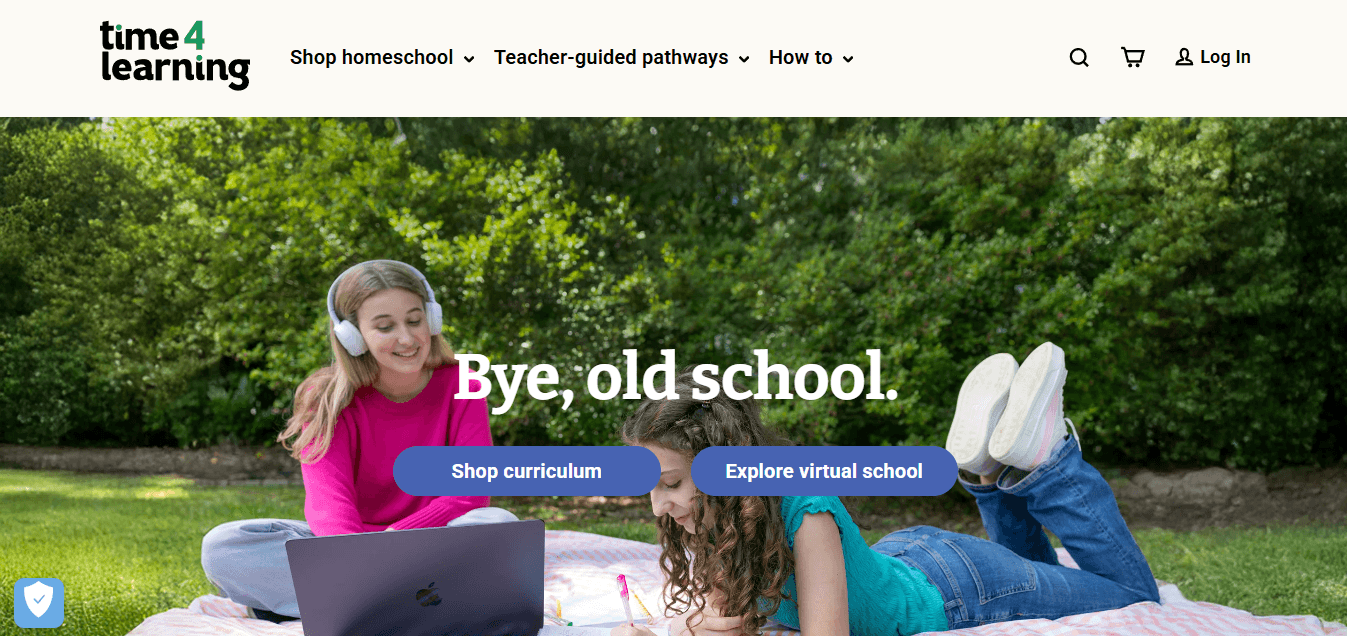
This computer program automatically grades work and tracks progress. Lessons appear in sequence with animated explanations for maths, phonics drills paired with comprehension games for reading, and videos demonstrating science concepts.
What are the main advantages and disadvantages?
The advantage emerges when managing multiple children or working from home: your child logs in, completes lessons, and the dashboard shows exactly what happened. The disadvantage appears after several weeks: no physical books, no concrete math manipulatives, no handwriting. Screen fatigue becomes real around month three for families using this as their sole curriculum.
Which families benefit most from this approach?
Best for parents teaching multiple grades simultaneously or balancing work responsibilities during school hours who need structured independence.
2. Sonlight
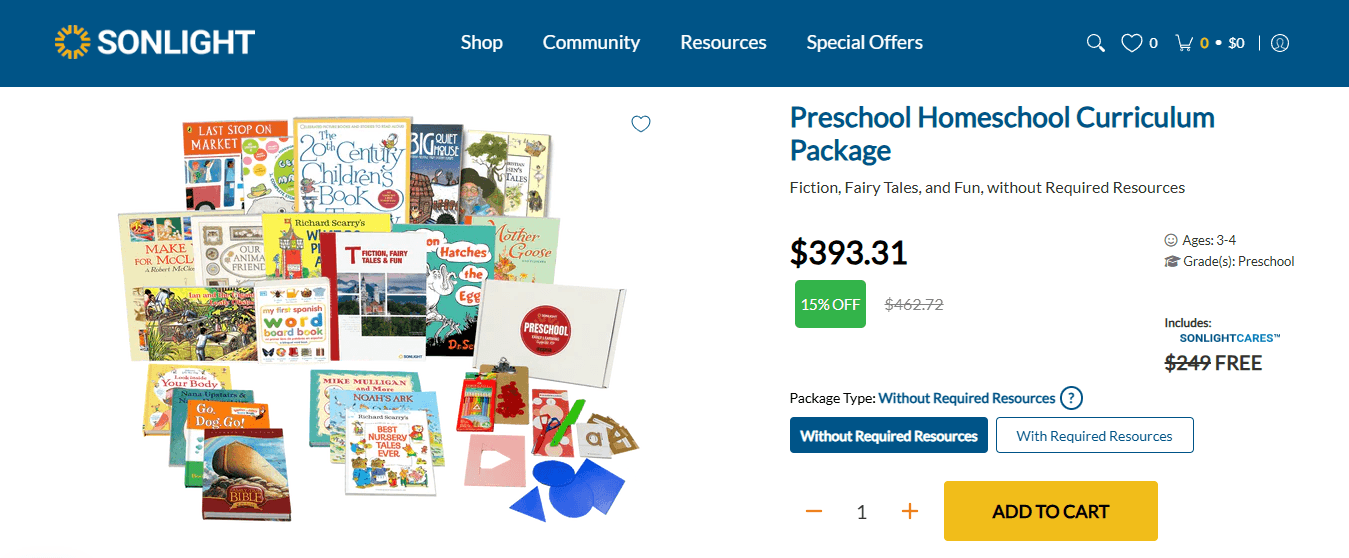
Literature drives everything here. You'll read aloud for 60–90 minutes daily from carefully selected books that teach history, geography, and science through narrative rather than textbooks. The instructor's guide specifies which books to read each week, what questions to ask, and how to connect stories across subjects.
What are the benefits and challenges of this approach?
Strong readers develop by hearing rich vocabulary, complex sentence structures, and engaging stories daily. Critical thinking grows naturally when you pause to discuss why characters act as they do or explore historical context. Problems arise when your child wants to read independently, but you're still three chapters behind in the read-aloud schedule, or when 90 minutes of reading leaves no time for maths or writing.
Which families work best with this curriculum?
Best for families who already read together regularly and want a curriculum that formalizes their natural practice.
3. BJU Press Grade 1
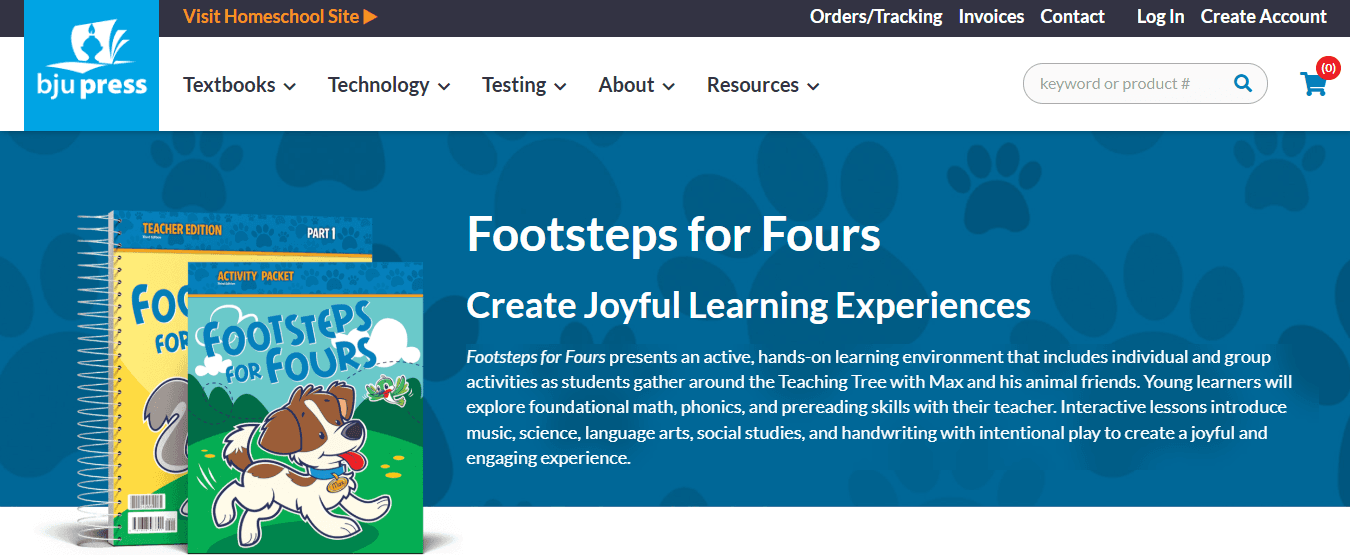
This mirrors traditional schooling at home. Video lessons teach each concept, workbooks provide immediate practice, and lessons follow a structured plan. Phonics instruction is systematic and comprehensive, maths builds progressively without gaps, and writing assignments specify exactly what students should create.
Who benefits most from this structured approach?
Parents confused by open-ended curricula find relief here. The teacher edition specifies what to say, when to say it, and what correct answers look like. That predictability creates security for some learners and boredom for others. By February, you'll know which category your child falls into based on whether they complete lessons willingly or suddenly need bathroom breaks when you open the workbook. Best for parents who want classroom-style academics without having to create their own lesson plans.
4. Abeka Grade 1
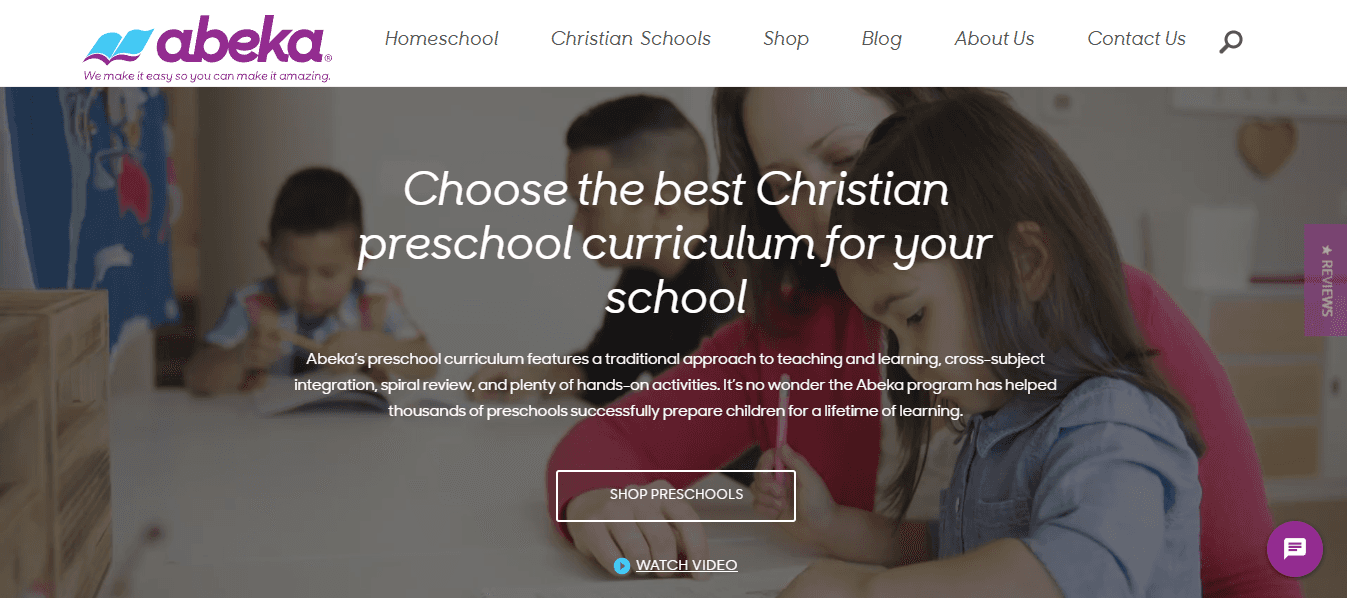
This program is strict and demanding. Phonics instruction moves quickly through letter sounds, blends, and reading rules with daily practice that builds fluency. Math concepts appear earlier than most first-grade programs, handwriting practice happens daily with specific formation expectations, and spelling lists require weekly testing.
Which children thrive with Abeka's approach?
Children who do well with clear expectations and consistent practice often excel here. The structure prevents gaps because every skill gets addressed systematically. The intensity becomes problematic when a six-year-old isn't developmentally ready for the pace or workload. Parents report more frequent tears during lessons with Abeka than with gentler programs because the pace and volume overwhelm some learners.
Is Abeka the right fit for your family?
Best for families seeking strong academic foundations and children who thrive with structured, repetitive practice.
5. Oak Meadow Grade 1

Creativity and a relaxed pace are key to this Waldorf-inspired approach. Lessons combine art, storytelling, and nature observation with academic instruction. Math concepts emerge through drawing and movement before abstract numbers appear. Reading develops through oral storytelling and picture interpretation before formal phonics instruction begins.
What are the benefits and drawbacks of this approach?
The low-pressure environment works well for sensitive children. Learning feels playful rather than forced, and the curriculum respects childhood as an important developmental stage in its own right. The trade-off appears when comparing your child's progress to that of peers in traditional schools: they might read later or complete less written work. That gap might close eventually or persist. Oak Meadow families typically prioritize keeping their child's curiosity alive over meeting grade-level benchmarks. Best for families that prioritize creativity and emotional development over academic acceleration.
6. BookShark Level 1
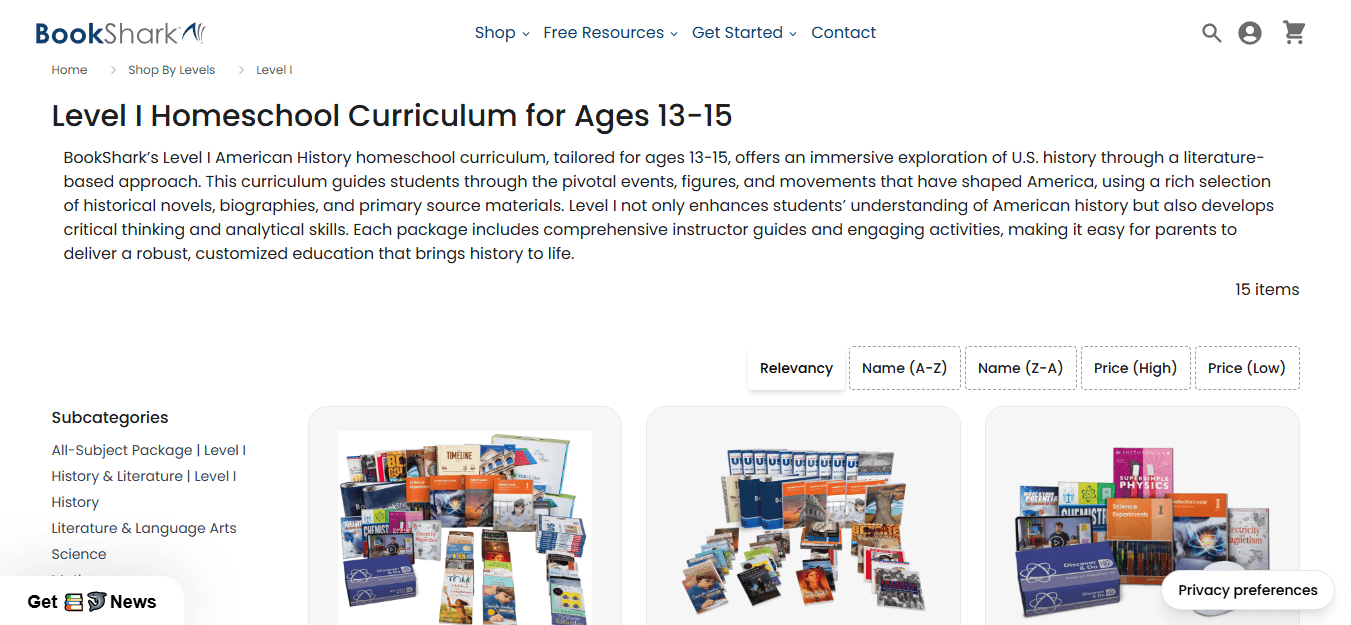
This non-religious choice uses the same literature-based approach without religious content. Books teach history by time period, science through story-based nonfiction, and language arts through discussion and writing about what you've read together. The instructor's guide provides daily schedules but allows you to progress at your own pace.
What are the benefits and challenges of BookShark's approach?
Multiple children can participate in read-aloud sessions regardless of age, making this a useful option for families with several kids. Comprehension develops naturally through listening to quality writing rather than isolated skill drills. The main barrier is the reading requirement: 60–90 minutes daily for read-alouds, plus additional time for independent reading practice. Families who don't prioritize reading time struggle to complete lessons consistently. Best for families who want story-based learning without religious content and are willing to commit to substantial daily reading.
7. Easy Peasy All-in-One Homeschool

This free online curriculum provides daily lesson plans for all subjects with clickable links to resources. It specifies what to do for maths, reading, science, and other subjects, drawing on various free internet sources to create a clear sequence.
What are the pros and cons of this free curriculum?
Families watching their budget find this helpful, especially during the first year when they're uncertain about homeschooling long-term. Quality varies because free resources aren't designed specifically for teaching: some lessons work well, but others feel disjointed or require significant revision. Customization options are limited since you follow a preset plan rather than selecting your own materials.
Which families benefit most from this approach?
Best for families wanting to try homeschooling on a budget or needing a temporary curriculum during a school transition.
8. Horizons 1st Grade
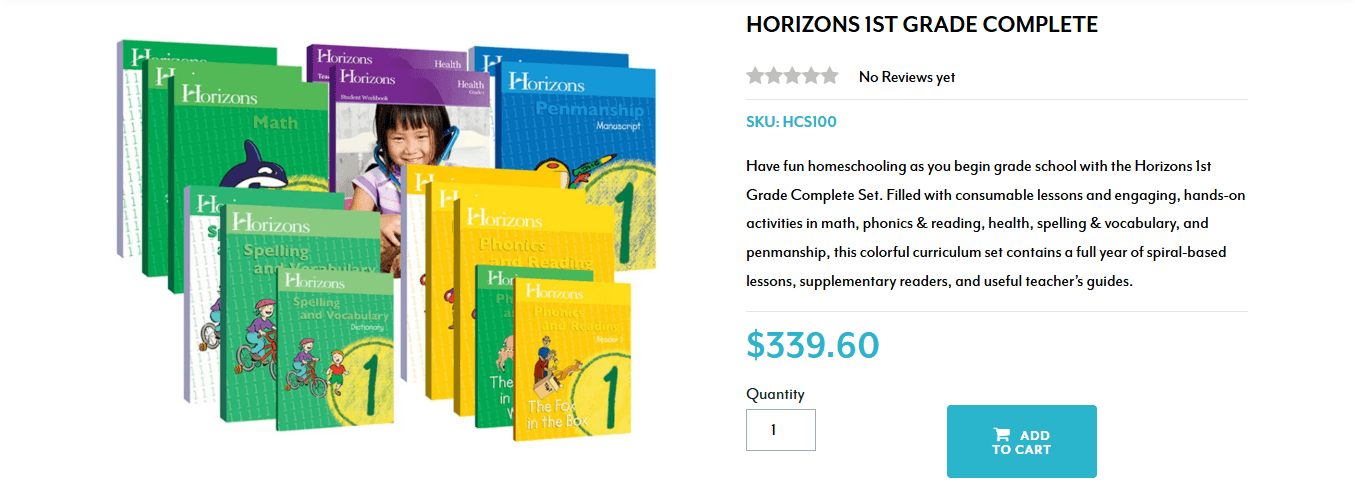
Colorful spiral workbooks define this program, cycling through concepts multiple times across the year with increasing complexity. Math workbooks provide extensive practice problems, phonics instruction uses visual cues and repetition, and bright pages maintain visual interest.
Who benefits most from the repetitive approach?
Kids who need to see things multiple times before understanding them thrive with this method. Repeated exposure to the same ideas builds confidence and deepens familiarity with the material rather than introducing entirely new concepts weekly. However, because this program relies heavily on workbooks, you'll need to supplement with hands-on activities. You'll spend considerable time at the table filling in pages instead of learning through tactile objects or real-world examples.
How can you balance workbook practice with hands-on activities?
Most families pair Horizons with hands-on activities to balance the practice-focused approach. Platforms like My Coloring Pages create custom coloring activities tied to specific phonics patterns or maths concepts, turning repetitive review into creative breaks while reinforcing the exact skills Horizons teaches through workbook pages. Best for children who learn through repetition, and parents comfortable with workbook-based instruction.
9. Positive Action Grade 1
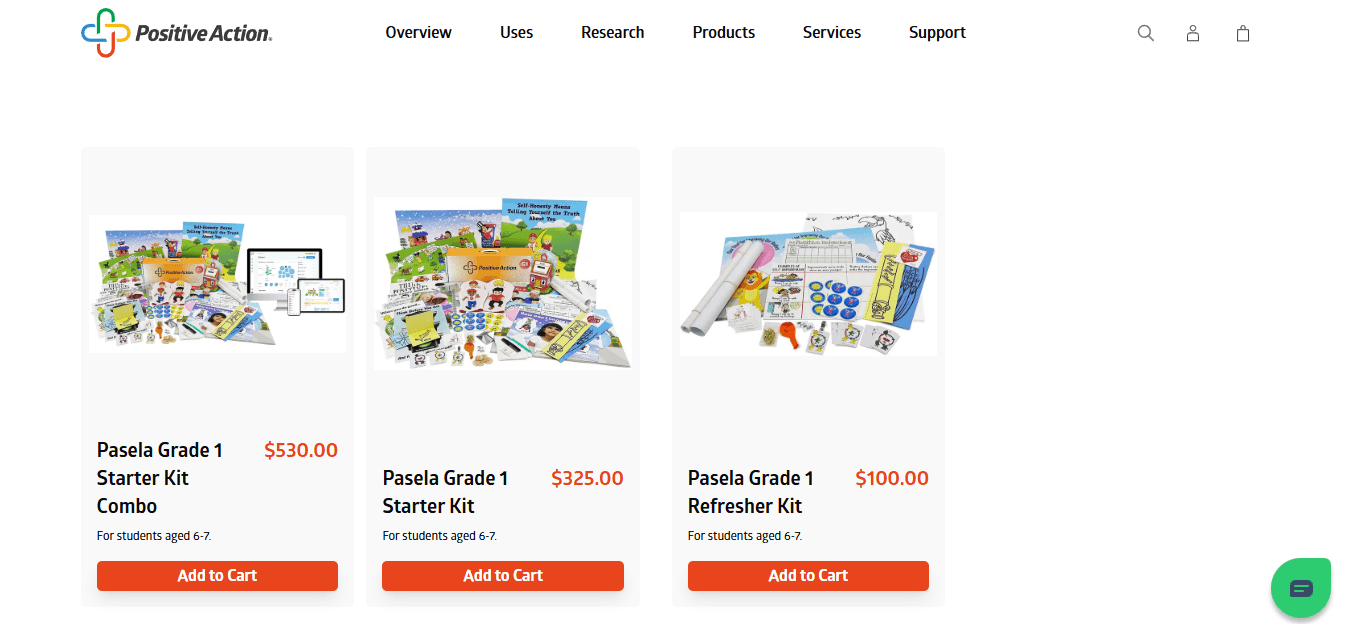
Character education complements academics through direct lessons on self-perception, emotional management, and respect for others. Students learn through activities, discussions, and worksheets. This whole-child approach appeals to families who view education as extending beyond academics. Children learn to describe their emotions, practice solving conflicts, and understand themselves while studying core subjects. However, the program emphasizes character development over academic rigor. You will need separate maths and reading curricula to ensure students reach grade-level skills. Positive Action works as a supplementary character-development tool. This program works best for parents who value social-emotional learning and plan to use it alongside stronger academic programs.
10. Master Books Grade 1

This flexible approach lets you pick individual subject materials instead of buying a complete package. Choose their phonics program, add a different publisher's maths, and include their science if it suits your needs.
What are the benefits and challenges of this approach?
Building your own curriculum gives you control but requires more planning. You're responsible for ensuring subjects align, and nothing gets missed. Affordability helps because you're only buying what you need. Parents who enjoy researching and comparing options thrive with this flexibility; those who prefer someone else to make decisions find it overwhelming. Best for parents who want to customize their approach and are willing to spend time on planning and coordination.
Matching Program to Reality
Structured programs with daily guidance work when you want clear direction without decision fatigue. Flexible creative programs succeed when your child resists rigid schedules. Automated options save time when managing multiple responsibilities. Practice-heavy workbooks build mastery through repetition. The program you choose matters less than whether you'll use it consistently. A mediocre curriculum implemented daily outperforms an excellent curriculum used sporadically. Test your choice for two weeks, monitoring engagement patterns, completion rates, and whether lessons fit your available time. But the curriculum alone never tells the full story of first-grade learning success.
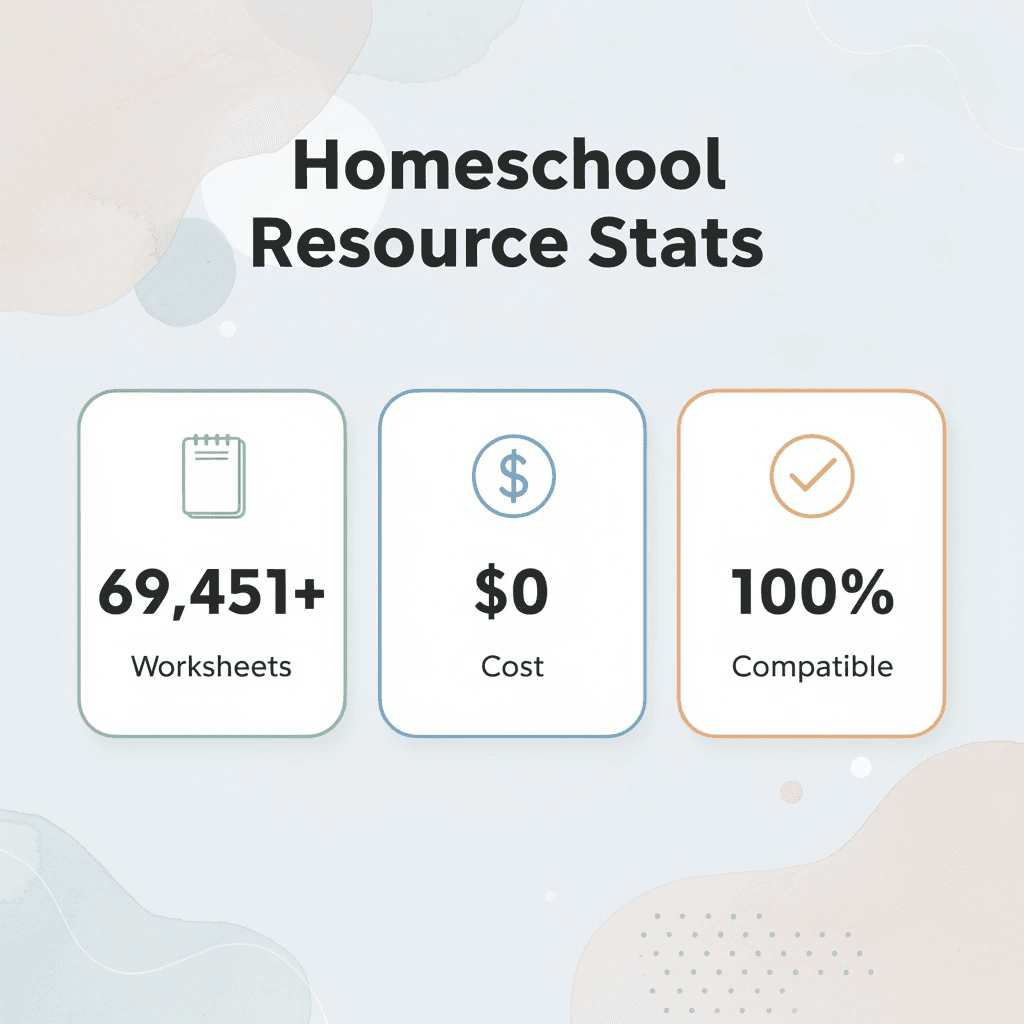
Download 69,451+ free worksheets for homeschooling 1st graders
Free resources already exist that support what you're teaching—you don't need to buy extra workbooks. The challenge is picking a curriculum that works for your child and adding practice materials that keep your child engaged without disrupting your system.
🎯 Key Point: With 69,451+ free worksheets available, you can supplement any homeschool curriculum without breaking your budget or disrupting your teaching flow.

"The best homeschool resources are often the ones that seamlessly integrate with your existing curriculum, not the ones that force you to start over." — Homeschool Education Research, 2024
💡 Tip: Focus on finding worksheets that align with your current teaching style rather than switching to an entirely new system—this approach maintains consistency while adding valuable practice opportunities for your 1st grader.
Identify your child's learning type first
Watch how your child responds to structure. Some first graders thrive with predictable routines, defined lesson start and end points, and clear expectations. If your child asks, "What are we doing today?" and relaxes once you explain the schedule, structured programs like Abeka or BJU Press match that temperament. The other six-year-olds resist formal instruction and learn best through exploration and narrative. If your child groans at workbooks but lights up during read-aloud time, choose Sonlight or BookShark. These programs build skills through story engagement rather than isolated drills.
Some children cannot focus for more than ten minutes, regardless of the material quality. Their brains need frequent shifts in activity to maintain focus. If you're constantly redirecting attention or watching your child squirm after brief table time, try Time4Learning or Oak Meadow. These approaches break learning into smaller chunks with built-in variety.
Pick one curriculum and commit to it for two weeks
Don't mix programs yet. Focus on three specific indicators during this trial period: Can your child follow the lessons daily without constant resistance? You're not looking for perfect enthusiasm every morning, but you should see general willingness to start and ability to complete activities without tears or major battles. Are they engaged during instruction? Engaged children ask questions, make connections to prior knowledge, or demonstrate learning unprompted. Disengaged children stare blankly, fidget constantly, or repeatedly ask when lessons will end. This distinction reveals whether the teaching style aligns with how their brain processes information.
Is the program manageable for you? Some curricula require extensive preparation and constant parental involvement, while others let you open a book and start immediately. If you're consistently skipping lessons because preparation feels overwhelming, the curriculum doesn't fit your reality, regardless of its educational quality.
Diagnose the problem before switching
When something feels off after two weeks, resist the urge to abandon everything immediately. Most curriculum problems have specific causes that targeted adjustments can fix. If your child struggles with writing, the issue often isn't the curriculum itself. First graders commonly lack the fine motor strength for extended handwriting, or they understand what to write but cannot translate thoughts to paper quickly enough to maintain momentum. Add more practice through different formats instead of switching programs. Five minutes of tracing activities before writing lessons builds hand strength. Letting your child dictate sentences while you write them removes the mechanical barrier, allowing them to focus on composition. Breaking writing tasks into smaller pieces prevents fatigue that shuts down effort.
Forgetting concept points to insufficient reinforcement rather than poor initial instruction. Your child understood the lesson when you taught it, but didn't encounter the skill enough times afterward for it to stick. Increase reinforcement by revisiting concepts through quick daily reviews: spend three minutes each morning reviewing yesterday's phonics pattern before introducing today's new content, or use the last five minutes of maths time to solve two problems from last week alongside today's practice.
Losing focus mid-lesson usually means the activity exceeds your child's current attention capacity. Shorten lessons even if it means covering less material per session. A ten-minute lesson, completed with full attention, accomplishes more than a twenty-minute lesson in which the second half occurs while your child disengages. You can always add a second short session later in the day once their focus resets.
Add a targeted support layer
Most families switch curricula to address engagement or retention issues when the real solution is to add simple follow-up activities. After each lesson, spend five minutes on a practice activity requiring your child to recall and apply what you taught: matching games for sight words, tracing activities for letter formation, or visual worksheets for maths concepts. The challenge is finding reinforcement materials that feel different from the lesson itself. If your child completed phonics worksheets, handing them more worksheets triggers resistance and signals "more work" even when the content differs.
Platforms like My Coloring Pages solve this by generating custom coloring activities tied to your current teaching. Need practice with the "sh" blend? The platform generates a coloring page featuring objects that start with that sound (ship, shell, shark). Working on number recognition for 6–10? Create a counting scene with those specific numbers. The activity feels like creative time rather than schoolwork, yet your child reinforces the exact skills your curriculum introduced. When practice doesn't feel like practice, children willingly complete it, and retention improves.
The goal isn't finding the perfect curriculum—it's choosing one that fits your child and building a system around it that works day to day. Perfect programs don't exist because every child learns differently and every family operates under different constraints. What works is selecting solid materials, using them consistently, and adding targeted support that keeps your child engaged with the concepts they need to master.
Related Reading
- 5th Grade Homeschool Curriculum
- How To Homeschool In California
- Georgia Homeschool Requirements
- Alabama Homeschool Laws
- 2nd Grade Homeschool Curriculum
- Homeschool Reading Curriculum
- California Homeschool Laws
- 4th Grade Homeschool Curriculum
- North Carolina Homeschool Laws
- Homeschool Art Curriculum
- Accredited Homeschool Curriculum
- 3rd Grade Homeschool Curriculum
- Illinois Homeschool Laws
- Michigan Homeschool Laws
- Science Homeschool Curriculum