12 Tips on How to Homeschool Preschoolers Effectively
Discover 12 proven homeschool preschool tips from My Coloring Pages. Transform your child's early learning with practical strategies that work.

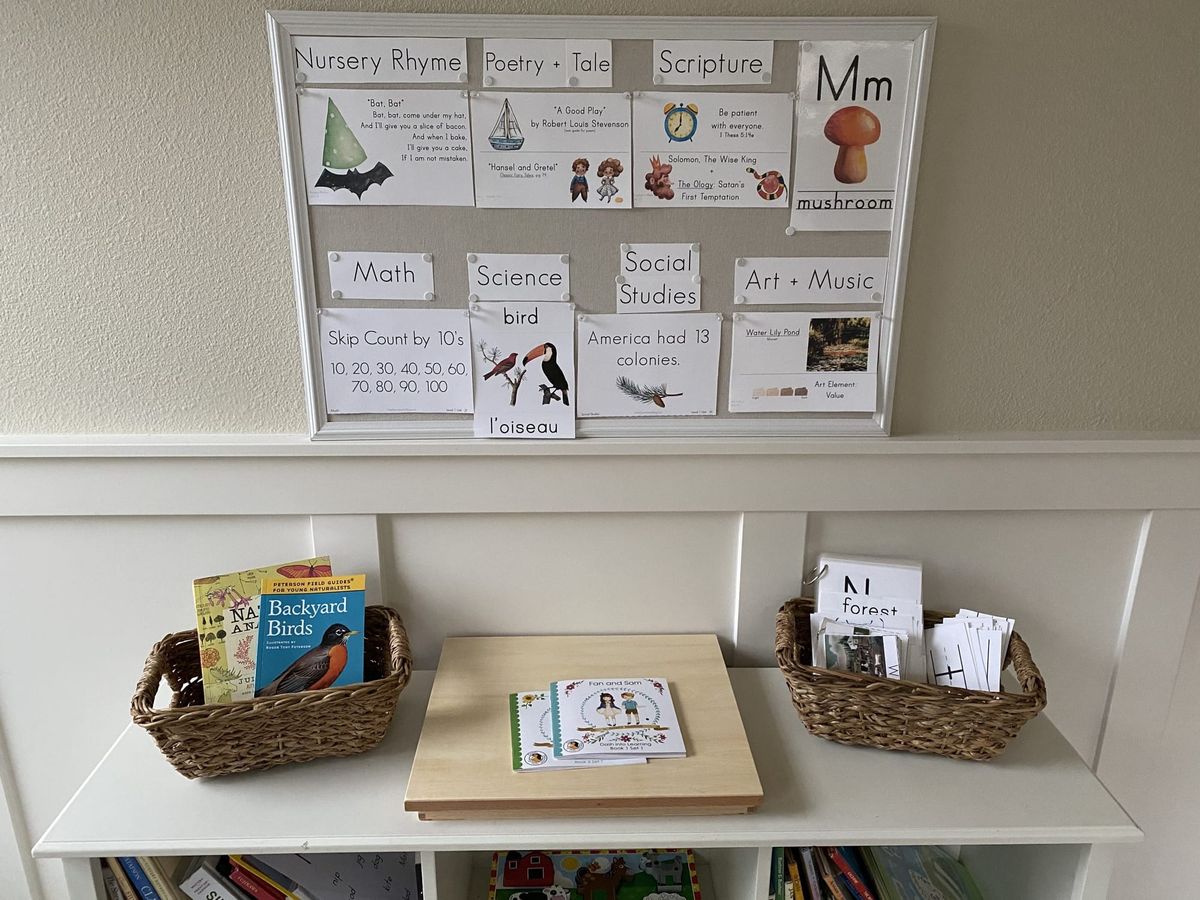
Three-year-olds ready to learn don't always fit into traditional preschool schedules, budgets, or teaching methods. Homeschool preschool gives parents the freedom to teach at their child's natural pace while focusing on individual interests and creating meaningful learning moments throughout each day. This approach allows families to build educational experiences around what works best for their unique situation.
Fresh materials that align with current learning goals make homeschool teaching more effective and engaging for young learners. Parents can reinforce letter recognition, number skills, shapes, and seasonal themes without spending hours searching online or buying expensive workbooks by downloading 69,451+ free coloring pages designed specifically for early childhood education.
Table of Contents
- Is Homeschooling Preschool a Good Idea?
- Benefits of Homeschooling Preschool
- 12 Tips on How to Homeschool Preschoolers
- How to Design Preschool Homeschool Curriculum
- 10 Best Preschool Homeschool Curriculum in 2026
- Download 69,451+ Free Preschool Homeschool Worksheets
Summary
- Homeschool preschool success depends more on meaningful adult-child interaction and language-rich environments than on formal classroom settings. Research from the National Institute for Early Education Research shows that purposeful activities and conversational depth drive early childhood development, and homeschooled students score 15-30 percentile points above public school students on standardized tests, according to Fan & Chen's 2001 study. The one-on-one attention inherent in home settings allows immediate feedback and real-time curiosity exploration that group classrooms with fifteen students cannot replicate.
- Children in language-rich home environments develop larger vocabularies and stronger academic performance because they experience constant conversation, immediate responses to questions, and back-and-forth exchanges that build comprehension. Hart and Risley's 1995 landmark study revealed significant differences in vocabulary growth based on daily exposure to conversation. Homeschooling creates continuous opportunities for this dialogue during cooking, laundry folding, and walking to the mailbox, providing narration and vocabulary introduction that formal classroom schedules often cannot accommodate.
- Play-based learning produces measurable improvements in problem-solving, creativity, and language development, not as a frivolous time-filler before "real learning" begins. Hirsh-Pasek's 2015 research demonstrated that when preschoolers build block towers and watch them fall, they learn gravity, balance, and cause-and-effect, while sorting toys by color or size develops categorization skills that underpin mathematical thinking. Homeschool environments typically provide more space for this critical exploration than structured classroom schedules allow.
- Children remember information taught through music significantly better than material presented through other methods, with topics taught using songs sticking while other approaches fade within days. The same mechanism that makes annoying commercial jingles memorable years later can be applied intentionally to educational content. Simple, repetitive melodies with clear lyrics work best for young learners, and when children sing while learning, they engage multiple brain regions simultaneously, strengthening memory formation.
- Daily outdoor time during the preschool age range of 3-5 years old represents a critical window for establishing healthy habits that support cognitive development. Children who spend time outside regularly demonstrate better emotional regulation, which directly impacts their ability to focus during academic activities. Fresh air and physical activity prime children's brains for learning in ways indoor environments cannot replicate, and children return calmer, more focused, and better able to concentrate after running, climbing, and exploring outdoors.
- Theme-based weekly planning simplifies preparation because a single topic generates multiple activities across different skill areas, eliminating the need for separate searches for letters, numbers, and science materials. A week focused on "ocean animals" naturally integrates letter practice (S for shark), counting (octopus legs), fine motor work (drawing fish), vocabulary building (sea creature names), and general knowledge (ocean locations). This integrated approach feels cohesive rather than fragmented and helps children see relationships between different types of knowledge.
- My Coloring Pages addresses the recurring frustration of finding practice materials by generating custom coloring pages that combine whatever letter, number, or concept parents are teaching with images their child actually cares about, supporting any primary curriculum with 69,451+ free downloads.
Is Homeschooling Preschool a Good Idea?
Yes, homeschooling preschool can be an excellent choice when approached with clear goals and structure. Early learning depends more on meaningful interaction, language exposure, and guided activities than on where learning happens. A language-rich environment with consistent engagement allows your preschooler to thrive at home as well as in a traditional classroom.

🎯 Key Point: The quality of interaction matters more than the location of learning for preschool-aged children.
"Early learning depends more on meaningful interaction, language exposure, and guided activities than on where learning happens." — Early Childhood Education Research

💡 Tip: Focus on creating a language-rich environment with consistent daily engagement rather than worrying about formal classroom settings.
Learning Quality Beats Location Every Time
The National Institute for Early Education Research has consistently found that adult-child interaction, language richness, and purposeful activities drive early childhood development more than formal preschool settings. Homeschooling maximizes one-on-one attention, enabling immediate feedback when your child asks why clouds move or how caterpillars become butterflies. This conversational depth and ability to follow curiosity in real time surpass what one teacher can provide, managing fifteen preschoolers with varying needs.
Parent Involvement Creates Measurable Academic Gains
According to research by Fan & Chen (2001), homeschooled students score 15-30 percentile points above public school students on standardized academic achievement tests. Parent involvement shows a strong positive correlation with academic achievement, particularly during the preschool years, when young children learn primarily through interaction with trusted adults. Your immediate presence allows you to correct misconceptions instantly, expand on emerging interests, and adjust pacing when concepts need more time to solidify: personalized attention that traditional preschools cannot match.
Language Development Flourishes in Conversation-Rich Homes
Hart and Risley's landmark 1995 study revealed significant differences in vocabulary based on daily conversation. Children who hear more words develop larger vocabularies and perform better in school because they encounter words in context, receive immediate responses, and engage in back-and-forth conversations.
Homeschooling creates chances to talk all the time: cooking together, folding laundry, or walking to the mailbox become opportunities to describe what you're doing, teach new words, and answer the endless "why" questions that classroom schedules can't accommodate.
How can custom materials support interest-based learning?
When parents need materials matching their child's current interests, platforms like My Coloring Pages can create custom coloring pages that reinforce ideas you're learning about together. You can generate printables connecting directly to your child's curiosity—letter recognition through favorite animals or number practice with beloved characters—rather than searching through generic workbooks.
Play-Based Learning Isn't "Just Play"
Hirsh-Pasek's 2015 research on playful learning demonstrated that play improves problem-solving, creativity, and language development in measurable ways. When your child builds block towers and watches them fall, they learn about gravity, balance, and cause-and-effect. When they sort toys by color or size, they develop the ability to organize things into groups—a skill that supports later maths learning. Homeschool preschool naturally includes pretend play, hands-on exploration, and open-ended activities. These build critical thinking skills, and homeschool environments often provide more space for this learning than structured classroom schedules.
The decision to teach at home offers advantages that extend far beyond academic preparation.
Benefits of Homeschooling Preschool
Homeschooling preschool lets children develop emotions, social skills, and practical abilities in ways that fit each child. Traditional classrooms use group schedules and standardized curricula that don't allow for personalized learning. You can see the benefits in how children interact daily, the skills they build over time, and how families organize their lives around learning rather than fitting it into set time blocks.
🎯 Key Point: Homeschooling preschool provides individualized development that adapts to your child's unique emotional and social growth timeline, rather than forcing them into a one-size-fits-all classroom model.
"Personalized learning approaches can lead to 30% better developmental outcomes compared to traditional group-based preschool settings." — Early Childhood Education Research, 2023
💡 Tip: Build emotional intelligence and social skills through real-world interactions rather than artificial classroom scenarios, creating more authentic learning experiences for your preschooler.

Children Learn at Their Own Developmental Pace
Your three-year-old can take an extra week to learn how to count to ten without pressure or comparison to other children. Your four-year-old who learns letter recognition in days can move forward immediately. Traditional preschools balance fifteen different developmental stages on group timelines. At home, you respond to your child's actual readiness rather than calendar dates or curriculum maps. This responsive pacing builds confidence because children experience success before progressing and never feel held back when ready to advance.
Curriculum Customization Matches Individual Interests
Your child's interest in ocean animals this month and construction vehicles next month becomes the foundation for learning letters, numbers, and problem-solving skills. Spend three weeks exploring tide pools and marine biology, then switch to measurement and engineering concepts through building projects when interests change. Platforms like My Coloring Pages let you generate custom coloring pages that reinforce the concepts you're exploring together, turning every activity into personalized learning rather than generic worksheets.
Safe Learning Environments Reduce Anxiety and Build Confidence
Children learn best when they feel safe, respected, and free from comparison to others. Homeschool preschool eliminates bullying, peer pressure, and fear of judgment in a classroom setting. For sensitive children—those bothered by sounds and lights, experiencing anxiety, or developing differently—home environments allow you to control noise levels, lighting, activity transitions, and social demands. You can introduce new concepts when your child feels calm and pause when they feel overwhelmed, rather than adhering to rigid schedules.
Self-Discipline Develops Through Structured Independence
Homeschooling requires children to complete activities without constant external supervision, building internal motivation and time awareness earlier than traditional schooling allows. Your preschooler learns that morning activities precede free play, that cleaning up materials is part of the learning cycle, and that focused work leads to preferred activities. These become habits through daily repetition rather than abstract lectures. While traditional preschools provide structure through teacher-managed group behavior, homeschooled children internalize the structure itself by participating in creating and maintaining it.
Family Time Expands Beyond Evenings and Weekends
According to Queen's Online School, 87% of homeschooled students participate in two or more extracurricular activities, suggesting that efficient home education creates time rather than consuming it. Homeschool preschool typically requires two to three focused hours daily, leaving afternoons free for library visits, nature walks, community activities, and unstructured family time. You eat meals together without rushing, read aloud when energy is high rather than when bedtime demands it, and build traditions around learning instead of scheduling learning around institutional calendars.
Related Reading
- Homeschool
- Homeschool History Curriculum
- Easy Peasy Homeschool
- Homeschool Curriculum
- Homeschool Math Curriculum
- Online Homeschool Curriculum
- Homeschool Resources
- Online Homeschool Programs
- Christian Homeschool Curriculum
- Homeschool Planner
- Homeschool Schedule
- Kindergarten Homeschool Curriculum
- Best Homeschool Programs
- Free Homeschool Curriculum
- Homeschool Schedule
- Best Homeschool Curriculum
- Accredited Homeschool Programs
- How To Homeschool
- Time For Learning Homeschool
- K12 Homeschool
12 Tips on How to Homeschool Preschoolers
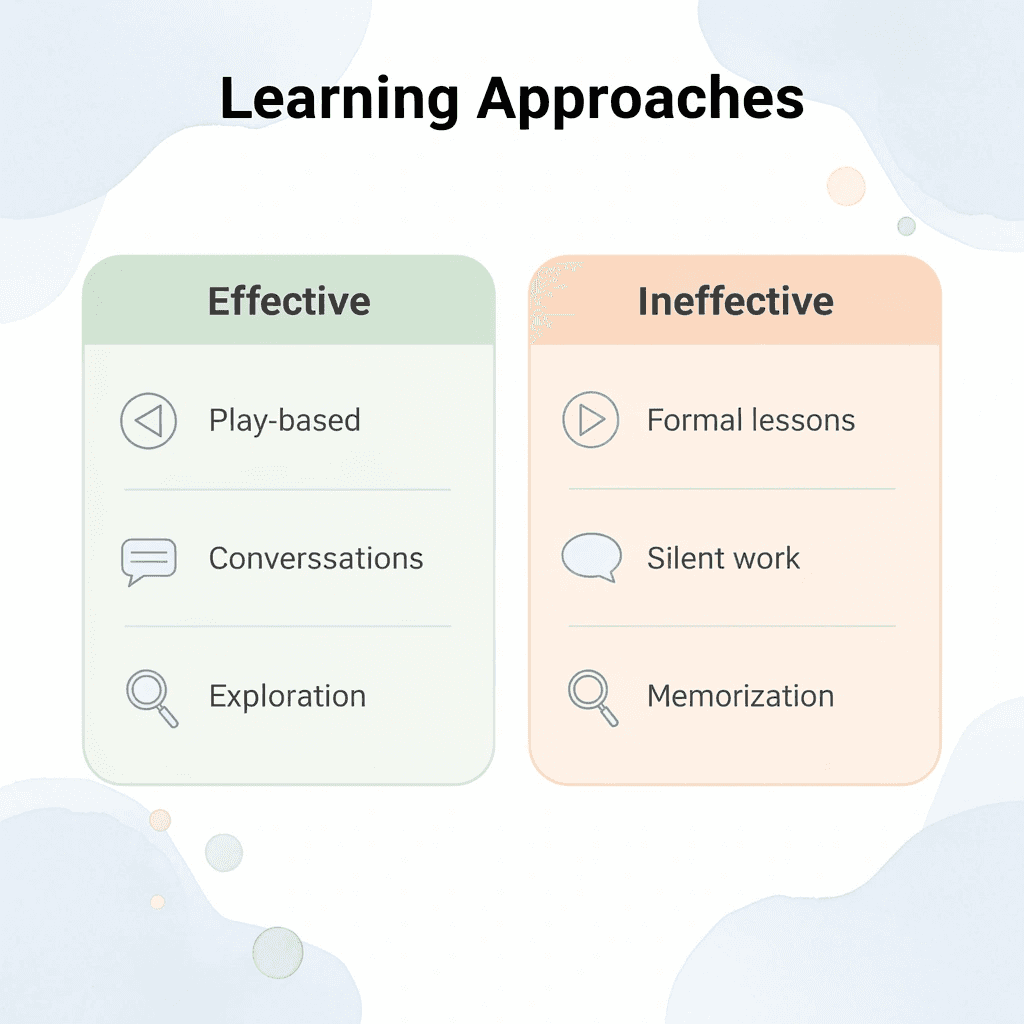
Preschoolers learn through play, conversation, and hands-on exploration rather than formal instruction. These twelve practical approaches transform everyday moments into learning opportunities while building kindergarten-readiness skills.
🎯 Key Point: The most effective preschool learning happens through structured play and natural conversations rather than traditional classroom methods.
"Children ages 3-5 learn best through hands-on activities and social interaction, making play-based learning 75% more effective than formal instruction methods." — National Association for the Education of Young Children, 2023
Learning Method | Effectiveness | Best For |
|---|---|---|
Play-based activities | High | Motor skills, creativity |
Conversation practice | Very High | Language development |
Hands-on exploration | High | Problem-solving skills |
Formal instruction | Low | Limited application |
⚠️ Warning: Avoid pushing formal academics too early - preschoolers need developmentally appropriate activities that feel like play rather than work.
1. Why should you read extensively every single day?
Books build vocabulary, comprehension, and word recognition more effectively than any other preschool activity. When you read aloud, your child hears sentence structure, learns how stories work, and connects spoken words to printed letters. Choose books that match current interests (dinosaurs, construction vehicles, ocean animals), since engagement drives retention.
Visit libraries weekly, explore thrift stores for inexpensive options, and rotate books regularly to maintain novelty.
How does interactive reading build critical thinking skills?
Reading together creates bonding time while teaching far beyond basic literacy. When your child asks questions mid-story, pause to discuss why characters made certain choices, predict what happens next, or connect story events to their own experiences. This interactive reading builds critical thinking alongside language skills.
Videos convey information passively, while books require active engagement that strengthens neural pathways for language processing—a human interaction component absent from screen-based content.
2. Make Every Learning Moment Enjoyable
Young children learn best when activities feel like play rather than work. Engagement and learning stick when activities feel enjoyable rather than boring or stressful. Turn counting into games, transform letter practice into art projects, and add movement to concepts you're teaching. Children willingly participate rather than resist when learning is enjoyable.
Worksheets alone don't create understanding for preschoolers. Children need to manipulate objects, move their bodies, and experience concepts through multiple senses before abstract symbols make sense. Use worksheets only for brief reinforcement after teaching concepts through active methods.
3. Why do children remember songs better than other teaching methods?
Kids remember information taught through music far better than material presented through other methods. Topics taught with songs stick while other approaches fade within days, whether you're teaching letters, numbers, Spanish vocabulary, or science concepts. Adding a simple melody dramatically improves long-term retention.
The most annoying commercial jingles demonstrate this principle: you remember advertising songs years later because music creates stronger memory pathways than spoken information. Apply that mechanism intentionally to educational content. Simple, repetitive melodies with clear lyrics work best for young learners.
How can you create effective educational songs?
Create songs for any concept worth remembering. Sing the alphabet to familiar tunes, make up rhymes for number sequences, or add melodies to vocabulary words. When children sing while learning, they engage multiple brain regions simultaneously, strengthening memory formation.
4. Why does body involvement help children learn better?
Using your body helps children understand difficult concepts that listening alone cannot convey. Have your child form letters with their whole body, act out planets orbiting the sun, or jump on numbers while counting. Movement engages kinesthetic learners while maintaining interest for all children.
How does physical activity prevent restlessness in young learners?
Physical activity helps stop the restlessness that builds up when young children sit too long. When attention wanders, add movement to your teaching rather than demanding stillness. Children naturally need to move, and fighting that biological reality creates unnecessary conflict.
What makes combining music with movement so effective?
Combining music with movement creates powerful learning experiences. Add hand motions to songs, encourage dancing while singing, or create full-body movements that represent concepts. This multi-sensory approach reaches different learning styles while maintaining energy levels for sustained focus.
5. Why are regular sensory experiences important for preschoolers?
Children regularly exposed to a range of textures and sensory activities demonstrate better emotional regulation and social skills. Try using shaving cream for letter practice, making slime for science exploration, encouraging play in dirt, or setting up water tables for volume experiments. These messy activities build neural connections that support development across multiple areas.
How can parents overcome concerns about messy sensory play?
Parents often worry about cleanup. Whenever possible, do these activities outside. Use easily washable materials. The developmental benefits outweigh the temporary mess. Children who avoid sensory experiences often struggle later with emotional flexibility and adaptability.
What types of sensory experiences should you include?
Sensory play engages multiple senses beyond touch. Include activities that use smell (herbs, spices, flowers), sound (musical instruments, nature recordings), and taste (cooking projects, food exploration). Varied sensory input helps your child develop stronger processing abilities.
6. Why doesn't a single exposure create lasting learning?
Seeing something once doesn't help you learn and remember it. Children need to practice and review material repeatedly to move information from short-term memory into long-term memory. The "letter of the day" approach is ineffective because it moves on to the next letter before children have understood and retained the previous one.
How does spaced repetition strengthen memory pathways?
Go back to basic ideas regularly instead of always teaching new material. Teach the letter A through multiple activities over several days, then revisit it the following week in different ways. Spaced repetition strengthens memory far more effectively than learning everything in one day.
How can you vary repetition while maintaining engagement?
Repetition doesn't mean doing the exact same activities. Teach the same letter through songs one day, sensory materials the next, and movement activities the following week. Varied approaches maintain engagement while building the repetition necessary for retention.
7. Why does outdoor time improve learning readiness?
Fresh air and physical activity prepare children's brains for learning in ways indoor environments cannot replicate. When children run, climb, and explore outdoors before focused learning time, they return calmer, more focused, and better able to concentrate.
Outdoor time doesn't need fancy planning: walk around your neighborhood, visit local parks, or play in your backyard.
What makes the preschool years critical for outdoor habits?
According to The Ultimate Guide to Homeschooling Preschool, the preschool age range of 3-5 years old is critical for building healthy outdoor habits that support how children think and learn.
Nature gives children sensory experiences, opportunities to use their large muscles, and unstructured exploration that indoor environments cannot match. Daily outdoor time reduces behavior problems and improves attention during structured learning.
Children who spend time outside regularly show better emotional control, which directly affects their ability to focus during academic activities.
8. Why do children need predictable daily rhythms?
Kids feel safer and learn better when they know what to expect. Predictable routines lower anxiety by removing uncertainty about what comes next. Consistent sequences—rather than strict schedules with exact times—help kids prepare mentally for activities.
Kids focus better when they know that outdoor play happens before learning activities or that reading time comes after lunch. These patterns create mental frameworks that lower decision fatigue for everyone.
How can you build flexibility into your routines?
Build flexibility into your routines. Change direction when plans aren't working, extend activities that capture deep engagement, and adjust based on energy levels. The goal is a consistent rhythm, not strict scheduling. When something unexpected happens, acknowledge the change and explain the new plan to maintain predictability.
9. How can you connect learning to your child's natural curiosity?
Children learn best when topics connect to their existing curiosity. When your child is interested in dinosaurs, use that interest to teach letters (D is for Diplodocus), numbers (count dinosaur toys), measurement (compare sizes), and history (when different species lived).
Forcing topics your child is not interested in creates unnecessary struggle. Framing required material through current passions makes learning feel relevant rather than arbitrary.
What happens when your child's interests change?
When interest shifts from construction vehicles to butterflies next month, update your examples and activities accordingly.
When parents can't find materials that match their child's specific interests, platforms like My Coloring Pages offer custom coloring pages. Instead of generic worksheets on random topics, you create printables featuring the exact dinosaurs, vehicles, or animals your child wants to learn about, transforming practice activities into projects your child anticipates.
10. Why should you prioritize happiness over academic milestones?
Your child will only be this age once. Prioritizing happiness, kindness, and curiosity matters more than being the first to read or write. The parent who focuses on whole-child development while maintaining patience and joy teaches more through modeling than through any formal lesson plan.
What predicts future success better than early academics?
Building your child's character over time matters more than current school performance. Feeling safe and loved, and enjoying learning, predicts future success better than early achievements. Care for yourself so you have the energy to be patient; your child learns more by watching how you handle challenges than from anything you directly teach them.
How do simple moments shape your child's future approach to life?
Stop to notice clouds, smell flowers, and stomp in puddles. These moments teach your child presence. This shapes how your child sees life long after preschool ends.
11. Why Should Worksheets Be Used Only for Reinforcement?
After teaching ideas through songs, movement, and hands-on activities, short worksheets can reinforce learning by having students trace, match, and color purposefully. Worksheets serve as reinforcement tools, not primary teaching methods.
Keep worksheet time short: ten minutes of focused practice provides sufficient reinforcement without creating resistance. If your child shows frustration, stop and return to active learning methods.
12. Why Should You Design Simple Theme-Based Weekly Plans?
Plan learning around weekly themes that naturally bring together multiple skills. A week focused on "ocean animals" can include letter practice (S for shark), counting (how many legs an octopus has), fine motor work (drawing fish), vocabulary building (names of sea creatures), and general knowledge (where oceans are located). This integrated approach feels cohesive rather than fragmented.
Theme-based planning simplifies preparation by generating multiple activities across different skill areas from a single topic. Everything connects to the central theme, helping children see relationships between different types of knowledge.
How to Design Preschool Homeschool Curriculum
Figure out what you want your child to know by kindergarten, then work backward to create weekly themes that make those skills feel like play. You need clear learning goals, a simple weekly structure, and flexibility to follow your child's energy and interests.
🎯 Key Point: Start with your end goal in mind - what specific skills does your child need for kindergarten success? Think letter recognition, counting to 20, basic social skills, and following simple instructions.
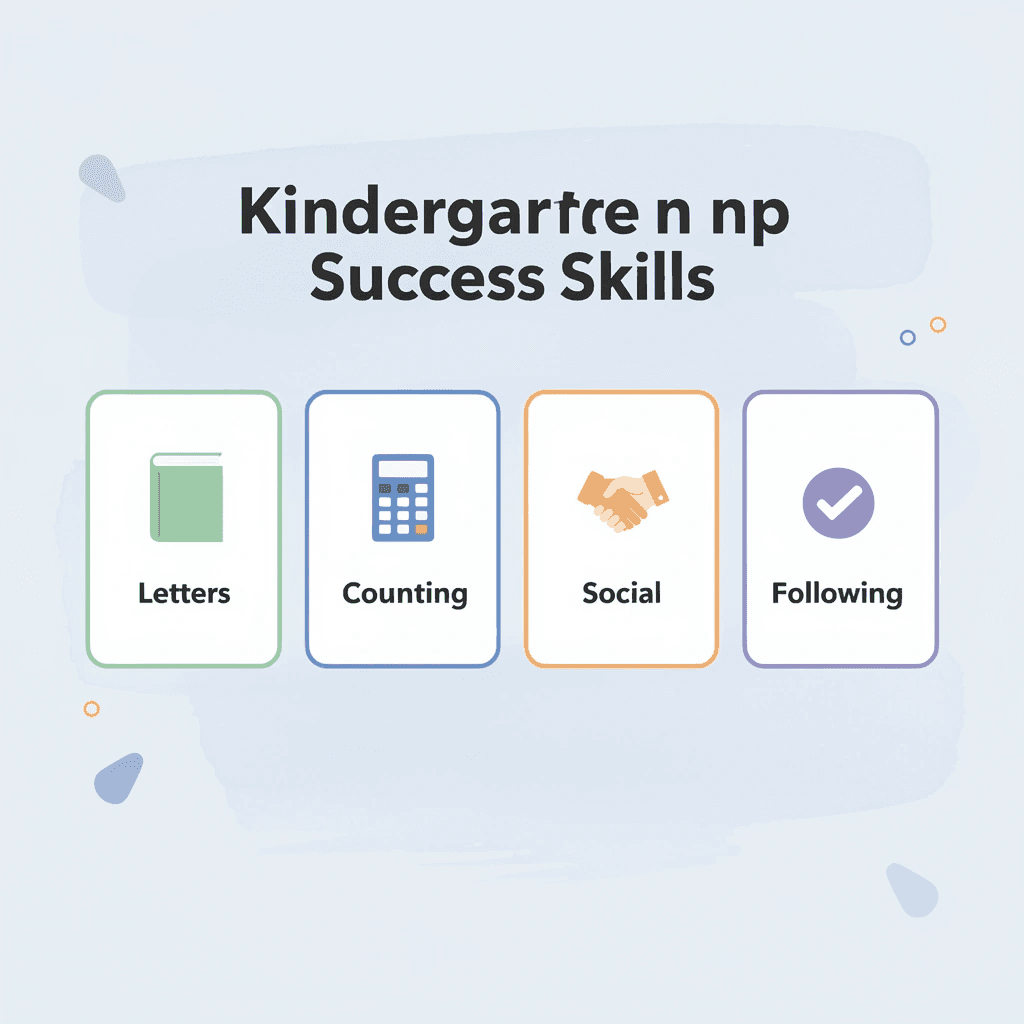
💡 Pro Tip: Create theme-based weeks that naturally incorporate multiple learning areas. A "Community Helpers" week can include counting fire trucks, writing the letter F, and role-playing social interactions - all while feeling like pure fun to your preschooler.
Step 1: Define Your Core Learning Targets
Write down the specific skills you want your child to develop this year. For academics, focus on alphabet recognition (both uppercase and lowercase letters), counting and recognizing numbers 1–20, identifying basic shapes and colors, and understanding calendar concepts such as days of the week and months.
One letter per week works well for most preschoolers, though expect to review constantly because single exposure doesn't create retention. Wait on sight words until your child solidly understands letter sounds; otherwise, you're building on unstable ground.
Why are social and emotional goals important in homeschool preschool?
Beyond academics, consider social and emotional goals: taking turns, expressing feelings with words instead of tantrums, and completing simple tasks independently. Kindergarten teachers need children who can control their emotions and follow basic instructions, not merely recite the alphabet.
Step 2: Map Out Your Weekly Themes
Pick themes that excite your child and connect to their life: ocean animals, construction vehicles, farm life, weather, community helpers, and seasonal topics. Decide whether to change themes weekly or monthly based on depth. Some parents switch weekly for variety, while others spend two weeks or a month on rich themes like "Under the Sea" to explore dozens of songs, stories, and activities.
Create a simple calendar showing your theme progression. This prevents Sunday night panic and reduces daily decision fatigue. You can adjust when your child's interests change, but the framework provides important structure.
Step 3: Set Specific Weekly Targets
Determine how much structured learning you will include each week. Will you teach one letter and one number, or two letters? Decide on a specific skill focus: rhymin, pattern recognition, or color sorting.
How do you balance activities without overwhelming prep time?
Plan two to three organized crafts per week to keep things varied without excessive work. Introduce at least one new song per theme while continuing familiar favorites, since music creates the strongest memory pathways for young children.
If you include time for physical activity, find one new game or movement activity per theme. Specificity matters: concrete targets like "teach letter B through three different activities" get completed, while vague intentions like "do some crafts this week" rarely happen.
Step 4: Gather Materials That Match Your Plan
Once you have your themes and weekly targets set up, gather specific resources for each topic. Search your library for book collections that match your themes, find songs on YouTube or children's music platforms that connect to your topic, and plan simple crafts using materials you already have or can obtain cheaply (construction paper, glue, scissors, crayons).
How can you create custom materials that match your themes?
Generic workbooks rarely align when you need letter tracing practice featuring ocean animals this week and construction vehicles next week. Platforms like My Coloring Pages solve this by generating custom coloring pages that combine your academic focus with your theme: the letter S surrounded by sharks, or number practice featuring the exact vehicles currently fascinating your child.
Step 5: Implement With Flexibility
Start your plan Monday morning, but stay ready to adjust it as circumstances change. Some activities will keep your child busy for thirty minutes; others may not work after five minutes. When your child loses interest, stop immediately instead of forcing them to finish. Save that activity for another day or skip it if it never seems to work. The plan exists to help you, not the other way around.
How do you refine your homeschool preschool approach over time?
Keep track of what works and what doesn't to improve future weeks. If songs engage children but crafts cause problems, adjust your ratios. If outdoor time before structured learning improves focus, make that order permanent. Let your curriculum evolve from observed patterns, not predetermined ideas.
10 Best Preschool Homeschool Curriculum in 2026
Timberdoodle, Sonlight, and BJU Press deliver clear results for homeschool preschoolers. The right choice depends on whether you want hands-on exploration, literature immersion, or structured academic progression. Each curriculum addresses specific parent concerns: minimal prep time, developmental appropriateness, and budget constraints.

🎯 Key Point: The most successful preschool homeschool families choose curricula that match their child's learning style and their own teaching preferences rather than following popular trends.
"The best curriculum is the one that gets used consistently and creates positive learning experiences for both parent and child." — National Home Education Research Institute
💡 Tip: Start with sample lessons or trial periods when available - most top-rated curricula offer ways to test their approach before making a full commitment to ensure the perfect fit for your family's needs.
1. Timberdoodle Preschool Curriculum Kit
This all-in-one system removes decision fatigue by packaging everything you need into weekly boxes: puzzles, manipulatives, games, activity books, and a daily planner. Children build problem-solving abilities and hand strength for writing through tangible objects that teach spatial reasoning, pattern recognition, and logical thinking without worksheets or screens.
What are the cost considerations for this curriculum?
The expense creates a barrier for many families. This option works best when your budget allows, and you value saving time over keeping costs low. Parent involvement remains essential because the kit provides materials rather than instruction.
Best for
Parents who want complete systems delivered to their door and can invest in premium materials that eliminate planning time.
2. Sonlight Preschool Program
Sonlight builds everything around books, exposing your child to rich vocabulary, complex sentence structures, and diverse stories daily. The 36-week plan includes dozens of carefully selected books plus hands-on activities that extend reading into physical learning. You create conversations that develop comprehension, empathy, and cultural awareness.
How does the language development approach work?
Language development accelerates when you read aloud to children regularly. This builds strong reading skills while strengthening your bond with them. The lesson plans specify which books to read, when to read them, what questions to ask, and which activities accompany each story.
What are the program's limitations and ideal fit?
Maths receives less attention than language arts, so you'll need to add extra practice for balanced skill development. Some children thrive with reading-heavy approaches, while others need more variety to stay engaged.
Best for
Families who love reading together and want to build preschool learning around literature and storytelling.
3. BJU Press Footsteps for Fours
This structured program resembles traditional school, with clear phonics instruction, maths concepts, and prereading skills taught step-by-step. You can choose video-based teaching or parent-led lessons depending on your comfort with direct instruction. Themed lessons organize learning around topics like community helpers or seasons while maintaining consistent academic progress.
What makes this program appealing to homeschool parents?
The clear structure helps parents stay informed about key learning objectives. You know exactly what your child should learn each week, and multiple teaching methods let you adapt instruction to your child's learning style without altering the curriculum.
What challenges might you encounter with this approach?
This approach requires more desk time than play-based programs, leading to resistance among children who need movement to learn effectively. If your child struggles to sit still or responds better to hands-on exploration, the structured format may spark daily battles rather than foster learning.
Best for
Parents who want school-like progression at home and feel confident their child responds well to structured academic instruction.
4. Meadowlark Learning Preschool Curriculum
Ninety guided lessons balance structure with play-based exploration. The hands-on play pack teaches pre-literacy and numeracy through game-like activities, building skills without the pressure that can shut down young learners.
Implementation requires minimal effort: lessons are simple and clearly explained, with no teaching experience or extensive preparation required. The affordable price removes financial barriers for families seeking a structured curriculum.
Academic advancement happens more slowly than with rigorous programs. This curriculum prioritizes developmental appropriateness over acceleration, so children who grasp concepts quickly may need supplemental challenges.
Best for
Beginners seeking gentle structure without pressure, particularly when budget constraints limit expensive options.
5. Rock and Grow Preschool Curriculum Kit
Every month, a box arrives with everything needed to teach that month's lessons, including all materials and step-by-step instructions. Open it Monday morning and start teaching immediately without gathering supplies or planning activities yourself.
What are the main benefits of subscription-based curriculum boxes?
Engagement stays high because activities change frequently and materials feel fresh rather than repetitive. The subscription model eliminates the need to plan activities or decide what to teach next.
What challenges should parents consider with monthly curriculum kits?
It becomes impossible to customize learning when following predetermined monthly plans. If your child shows intense interest in ocean animals but this month focuses on farm life, you cannot easily change direction. The subscription cost adds up over time, potentially exceeding the expense of purchasing a full-year curriculum upfront.
Best for
Busy parents who prioritize convenience over customization and prefer decisions made for them.
6. Master Books Preschool Curriculum
Picture books and activity books offer children a gentle introduction to learning without pressure or rigid schedules. Themed learning connects reading to simple activities that naturally reinforce ideas. This approach suits children who resist formal instruction and parents seeking to keep the preschool years play-based.
The easy-to-follow format and affordable price make this accessible to families starting their homeschool journey, allowing you to test whether homeschooling fits your family without significant upfront investment.
What are the potential drawbacks of this approach?
Having a structured plan matters less in unschooling than in school programs, so you need to monitor whether your child is learning skills or simply enjoying activities. Some children need more organized teaching to grasp foundational concepts, and this relaxed approach may not provide sufficient structure for those learners.
Best for
Parents seek a light, flexible curriculum that prioritizes fun over academic milestones.
7. Homeschool Complete Preschool
The teacher manual and workbook provide fully structured lessons requiring no planning. You follow the daily plan and systematically cover multiple skill areas through activity-based learning that builds kindergarten readiness.
A clear daily structure removes decision fatigue and creates predictability for both parent and child. You know exactly what to teach and when, which builds confidence for beginners.
The rigid structure makes it difficult to explore unexpected interests without abandoning the plan. Some children thrive with this consistency, while others feel constrained by it.
Best for
Parents who want complete structure without planning and prefer following predetermined lesson sequences.
8. Playing Preschool by Busy Toddler
Hands-on activities and themed lessons turn everyday materials into learning opportunities. Daily plans guide you through activities matched to preschoolers' developmental abilities and build skills through play, reducing frustration.
How does this approach keep children engaged?
Children stay engaged when they move around, use their senses, and explore things rather than passively listen or watch. Your child learns and develops skills through water play, block building, and art projects.
What preparation time should parents expect?
Getting ready takes considerable time: you'll need to collect materials, set up activities, and oversee messy projects. This curriculum requires your active involvement, not passive presence.
Best for
Families who enjoy learning through play and have time to prepare activities and supervise them.
9. Blossom and Root Early Years
Nature-based outdoor learning combines art and storytelling to create a child-led approach. Flexible plans adapt to your child's interests and energy levels rather than following strict schedules. This curriculum emphasizes creativity, wonder, and connection to the natural world over academic benchmarks.
What makes this approach appealing to parents?
Low stress and flexibility appeal to parents who reject traditional schooling models and want preschool to feel like childhood rather than preparation for formal education. Your child explores, creates, and discovers without pressure to perform or meet specific milestones.
What are the potential drawbacks for kindergarten readiness?
Academic structure takes a back seat to creative exploration, which worries parents concerned about kindergarten readiness. If your child needs systematic instruction in letters and numbers, you'll need to supplement this curriculum significantly.
Best for
Parents seeking creative, holistic approaches that prioritize nature connection and artistic expression over academics.
10. My Coloring Pages Worksheet System
Most parents struggle to find worksheets that match both their current theme and their child's skill level. Platforms like My Coloring Pages solve this by creating custom coloring pages that combine the letter, number, or concept you're teaching with images your child cares about. You can create printables showing the letter B surrounded by butterflies for this week's focus, then create construction vehicle number practice when interests shift next week.
How do custom worksheets support learning?
Tracing, coloring, and matching worksheets reinforce information retention and build fine motor skills when paired with hands-on learning. This system complements any primary curriculum by providing consistent, personalized practice rather than generic exercises.
This works as a reinforcement tool, not a complete curriculum. You still need a primary program that introduces concepts through different methods before worksheets provide practice.
Best for
Supporting any curriculum with consistent, customizable practice matched to your child's current interests and learning targets.
Related Reading
- Homeschool Room
- How To Homeschool Your Kids
- Colorado Homeschool Laws
- Abeka Homeschool Curriculum
- Georgia Homeschool Laws
- 6th Grade Homeschool Curriculum
- Homeschool Room Ideas
- 1st Grade Homeschool Curriculum
- How To Homeschool In Texas
- Homeschool Vs Public School
- Homeschool Coop
- Pre K Homeschool Curriculum
- Kentucky Homeschool Laws
- Homeschool Report Card Template
- Texas Homeschool Requirements
- Florida Homeschool Requirements
Download 69,451+ Free Preschool Homeschool Worksheets
The smartest approach is to choose a curriculum that fits your child, test it for two weeks, and strengthen it with targeted practice materials instead of constantly switching. Most homeschool parents abandon curricula not because the program fails, but because they expect one resource to meet every need without supplementation.
🎯 Key Point: Give any new curriculum a two-week trial period before making changes - this prevents the costly cycle of constantly switching between programs that could have worked with proper supplementation.
"Most homeschool parents abandon good curricula not because the program fails, but because they expect one resource to meet every need without supplementation."

💡 Tip: Instead of searching for the perfect all-in-one curriculum, focus on building a strong foundation with one core program and adding targeted worksheets to fill specific gaps in your child's learning.
Match Curriculum to Your Child First
If your child learns by exploring with their body and needs to move around, play-based programs like Playing Preschool or Blossom and Root will suit them well. Forcing a kinesthetic learner into desk-based lessons creates daily conflicts that exhaust everyone. If your child thrives with predictable routines and clear expectations, structured options like BJU Press or Homeschool Complete provide the consistency they need to feel secure and focused.
When time is limited, open-and-go systems like Rock and Grow or Timberdoodle remove planning stress. Being realistic about what you can sustain long-term matters more than ambitious plans that collapse after three weeks.
Test Before Committing Fully
Buy one month or one unit instead of the whole year. Over ten to fourteen days, observe whether your child wants to start learning or resists it, whether you can stick with the curriculum consistently, and whether the difficulty level matches your child's actual level.
After two weeks, assess what you see. If your child wants to learn and you stay consistent, keep going. If daily learning feels like a fight or you're skipping lessons frequently, the curriculum doesn't work for you, regardless of other parents' preferences.
Strengthen Instead of Switching
When your child likes the curriculum but struggles to retain concepts, provide extra practice rather than switching to a different program. Most parents spend considerable time searching for worksheets that match both their teaching content and their child's interests, only to find generic material that fails to engage them.
Platforms like My Coloring Pages create custom coloring pages combining letters, numbers, or concepts with images children care about. During a transportation week teaching the letter T, you generate tracing pages with trains and trucks instead of random objects. When interests shift to ocean animals, you create counting practice with dolphins and sea turtles. This focused practice helps children retain information and build fine motor skills by engaging willingly with activities that reflect their current interests.
The goal isn't to be perfect. Pick something that works and stick with it long enough to see real progress, rather than searching for a curriculum that promises everything but causes frustration when reality doesn't match the marketing.
Related Reading
- 5th Grade Homeschool Curriculum
- How To Homeschool In California
- Georgia Homeschool Requirements
- Alabama Homeschool Laws
- 2nd Grade Homeschool Curriculum
- Homeschool Reading Curriculum
- California Homeschool Laws
- 4th Grade Homeschool Curriculum
- North Carolina Homeschool Laws
- Homeschool Art Curriculum
- Accredited Homeschool Curriculum
- 3rd Grade Homeschool Curriculum
- Illinois Homeschool Laws
- Michigan Homeschool Laws
- Science Homeschool Curriculum