45 Homeschool Room Ideas for Driving Creativity
Discover 45 homeschool room ideas to transform your space into a creative learning hub. My Coloring Pages shares practical tips for every budget.

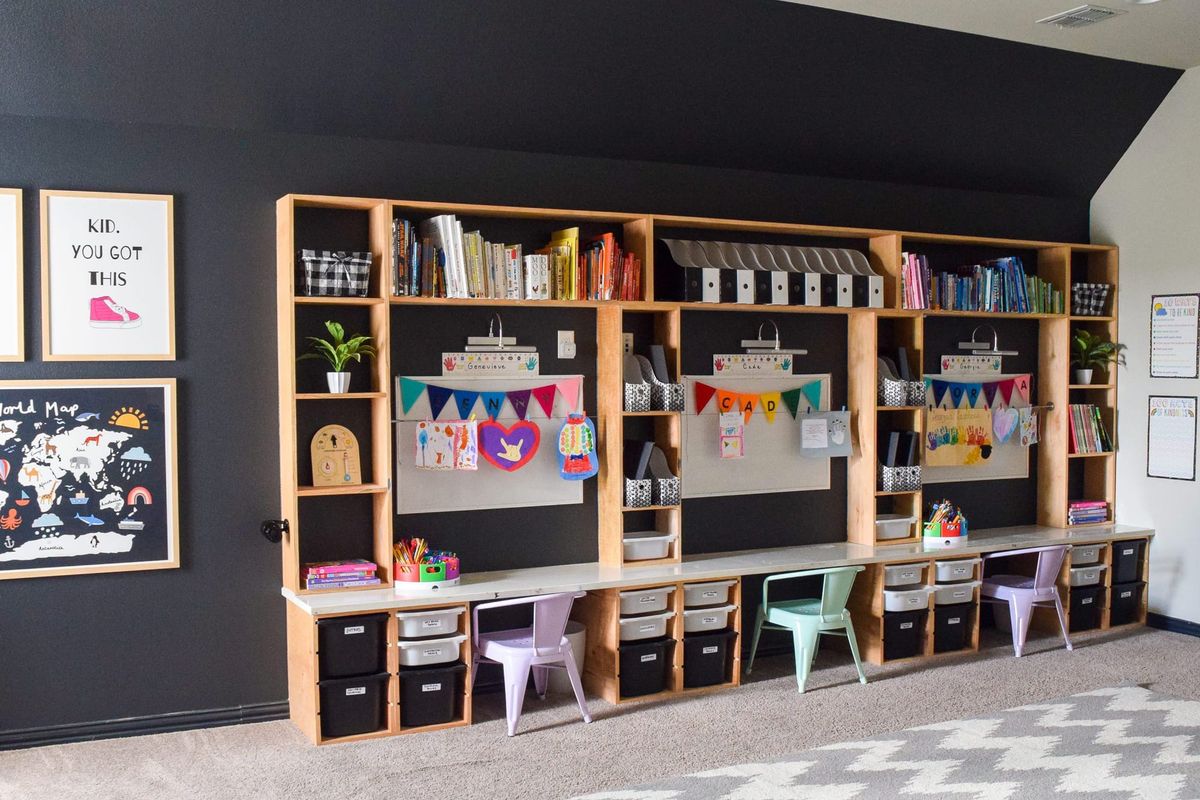
When math manipulatives bury the dining table and art supplies colonize kitchen counters, creating a dedicated learning space becomes essential. A well-designed homeschool room transforms chaos into calm while giving children a consistent environment where they can focus and thrive. The right setup works within any budget or space constraint, from full spare rooms to cozy corner nooks.
Successful homeschool room ideas combine smart organization with engaging materials that capture young learners' attention. Beyond furniture and lighting, the space needs readily accessible resources that can adapt to different subjects and developmental stages. Parents can enhance any learning environment when they download 67,338+ free coloring pages to create customized educational materials that match their child's interests and needs.
Table of Contents
- Importance of an Engaging Homeschool Room
- Why a Dedicated Homeschool Room Matters
- 11 Things You Need for Your Homeschool
- Tips for Effectively Decorating a Homeschool Room
- 45 Homeschool Room Ideas for Driving Creativity
- Download 67,338+ Free Worksheets For Your Homeschool Set-up
Summary
- A well-designed homeschool environment directly impacts learning outcomes, with research analyzing 173 articles showing that physical classroom spaces significantly affect mental health, cognitive development, and educational effectiveness. Children spend 70% of their learning time in these environments, making intentional design choices critical rather than optional.
- Controlled experiments using virtual reality with 96 children aged 10 to 14 revealed that six specific design factors, including lighting quality, wall colors, decorations, seating layouts, plants, and natural elements, measurably impacted children's focus, emotional state, and learning readiness. Even minor adjustments to homeschool room design can shift how a child's brain responds to challenging material.
- Visual organization compensates for the structure that traditional classrooms provide naturally. Students in poorly designed homeschool environments report feeling directionless and describe severe academic regression, struggling to retain even previously mastered skills when their space lacks visual cues, organizational systems, or stimulating design elements that help organize thinking.
- Homeschool students score 15 to 30 percentile points above public school students on standardized tests, according to the National Home Education Research Institute, with environmental consistency playing a measurable role in that achievement gap. Dedicated learning spaces create psychological boundaries that signal intention, helping children mentally transition from free time to focus time.
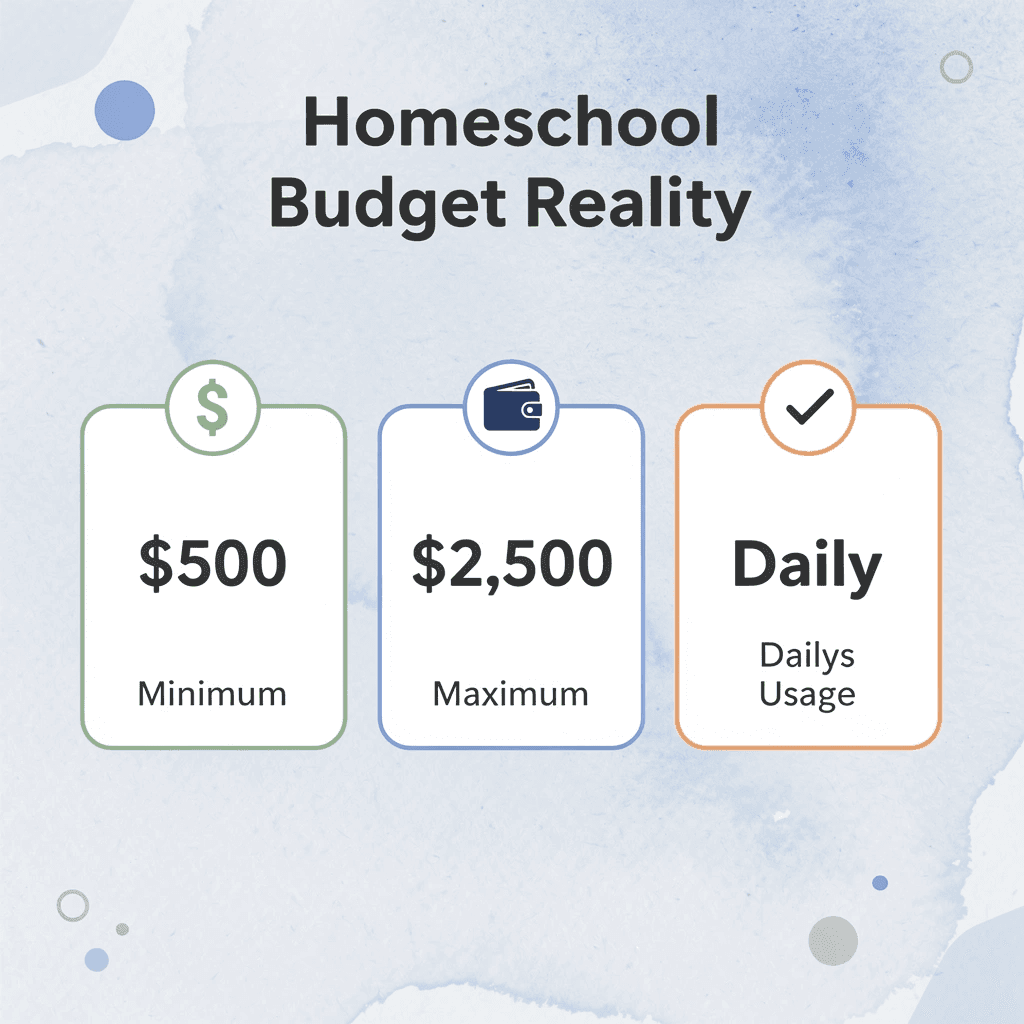
- The average annual cost of homeschooling ranges from $500 to $2,500, requiring families to make strategic decisions about which materials and furniture truly support daily learning versus what merely looks impressive. Essential items focus on organization, creativity, and momentum rather than replicating expensive traditional classroom setups.
- My Coloring Pages addresses this resource challenge by offering 67,338+ free coloring pages that families can customize for specific learning needs, transforming any homeschool corner into an engaging educational space without the time investment of creating materials from scratch.
Importance of an Engaging Homeschool Room
Your child's learning space has a significant impact on their academic performance. According to a detailed review of 173 research articles published by Springer in 2024, the classroom environment affects mental health, cognitive development, and student learning. The physical space where children spend 70% of their learning time shapes outcomes, whether designed intentionally or neglected.
"The classroom environment affects mental health, cognitive development, and how well students learn, with children spending 70% of their learning time in physical spaces that shape results." — Springer Research Review, 2024
🎯 Key Point: Your homeschool room isn't furniture and decorations—it's a learning tool that directly impacts your child's academic success and mental well-being.
🔑 Takeaway: With children spending 70% of their learning time in their physical environment, an intentionally designed homeschool space becomes essential for maximizing educational outcomes.
Environment Triggers Creativity, Not Just Teaching
Creativity doesn't come from what you're taught or how you're taught it. Research from BMC Psychology demonstrates that effective learning spaces foster creative thinking through open atmospheres, visual stimulation, and positive emotional context. Wall displays, student work showcases, and personalized elements measurably improve idea generation, problem-solving ability, and question-asking behavior. The space itself becomes a collaborator in learning.
Small Design Changes Create Measurable Brain Responses
A 2025 controlled experiment with 96 children aged 10 to 14 tested different classroom designs using virtual reality, measuring stress levels, attention spans, mood states, and cognitive responses. Six design factors—lighting quality, wall colors, decorations, seating layouts, plants, and natural elements—significantly affected children's focus, emotional state, and readiness to learn. Small changes to your homeschool room can alter how your child's brain processes challenging material, making difficult subjects easier to understand.
Why do visual learning supports matter for homeschool success?
Many families underestimate how visual organization compensates for the structure that traditional classrooms naturally provide. Students in poorly designed homeschool environments report severe academic regression, struggling to retain skills they had already mastered when their space lacks visual cues, organizational systems, or stimulating design elements. Creating subject-specific areas, interactive walls, and visible timelines helps learners organize their thinking and reduces overwhelm.
How can printable resources transform your homeschool room?
When you download custom coloring pages from My Coloring Pages, you create visual anchors that transform blank walls into educational landscapes: alphabet charts for early readers, geography maps for social studies, or science diagrams that reinforce concepts between lessons. These printable resources let you quickly adapt your space to match your child's current interests and developmental stage. The harder question is what makes a homeschool room work.
Related Reading
- Homeschool History Curriculum
- Easy Peasy Homeschool
- Homeschool Curriculum
- Homeschool Math Curriculum
- Online Homeschool Curriculum
- Homeschool Resources
- Online Homeschool Programs
- Christian Homeschool Curriculum
- Homeschool Planner
- Homeschool Schedule
- Kindergarten Homeschool Curriculum
- Best Homeschool Programs
- Free Homeschool Curriculum
- Homeschool Schedule
- Best Homeschool Curriculum
- Accredited Homeschool Programs
- How To Homeschool
- Time For Learning Homeschool
- K12 Homeschool
Why a Dedicated Homeschool Room Matters
A dedicated homeschool space creates psychological boundaries that signal clear intention. When you set aside a specific area for learning, you establish structured routines that help both you and your child, even if that space is a folding table and whiteboard. The room doesn't need to resemble a traditional classroom or cost thousands of dollars; it only needs to be a place set apart for focused education.
🎯 Key Point: A designated learning space creates powerful psychological cues that separate "school time" from "home time," improving focus and academic performance.
"Physical learning environments significantly impact student engagement and cognitive performance by establishing clear behavioral expectations through spatial design." — EDUCAUSE Learning Spaces Research, 2023
🔑 Takeaway: Your homeschool room's value isn't measured in dollars spent but in boundaries created—a $50 setup can be as effective as an expensive classroom when it consistently signals learning mode.

It Shifts Your Child's Mental State
Moving from the couch to a designated learning area changes how children approach their work. According to research from the National Home Education Research Institute, homeschool students score 15 to 30 percentile points above public school students on standardized tests, and a consistent environment plays a measurable role in that achievement gap. When your child sits in the same chair each morning, their brain connects that location with focus and engagement. You'll notice the change: the way they look at you, waiting for instruction rather than drifting toward distractions.
How do visual learning tools enhance this effect?
Visual learning tools strengthen this effect. A large whiteboard proves useful for breaking down maths problems, mapping sentence structures, or drawing science concepts. When visual learners see information organized spatially, understanding happens faster. The space itself becomes a teaching partner.
It Protects Your Focus From Household Chaos
Even disciplined adults struggle to maintain focus on teaching with undone laundry, unwashed dishes, and unanswered emails waiting. A homeschool room creates a psychological barrier between instruction time and household management, making it easier to defer non-urgent tasks until school hours end. Stepping into that space signals to yourself that this time belongs to education, not errands.
It Establishes Boundaries for Younger Siblings
Younger children learn to respect learning time when they see a clear classroom space. They understand that different behavioral expectations apply in that area and choose quieter activities like coloring, blocks, or books. Our My Coloring Pages platform offers thousands of printable designs to keep younger siblings occupied during school hours. Without such a space, enforcing this boundary becomes difficult.
It Centralizes Materials and Reduces Interruptions
Keeping supplies in one location eliminates mid-lesson searches for scissors, rulers, pencil sharpeners, or teacher manuals. When managing multiple children at different grade levels, this centralization maintains instructional flow. Breaking a child's concentration to hunt for materials wastes the mental energy required to build focus. In small spaces, pulling the week's supplies on Sunday and staging them in your classroom area solves the problem without requiring additional square footage.
It Contains the Inevitable Mess
Art projects, science experiments, and hands-on maths activities create a mess. A dedicated space lets you plan for that reality by choosing furniture and flooring that can handle spills, marker stains, and glue accidents. An old folding table or worn floor works well when reserved for learning. The mess stays contained, and cleanup becomes easier because everything messy happens in one predictable zone. But setting up the space is only half the equation. The real question is what needs to go in it.
11 Things You Need for Your Homeschool
Setting up a homeschool doesn't require recreating a traditional classroom or spending thousands of dollars on specialty furniture. You need tools that support organization, creativity, and momentum without straining your budget or space.
According to Brighterly Blog - Homeschooling Statistics, the average annual cost of homeschooling is $500 to $2,500. The items below represent what gets used every day, not what sits untouched in a corner gathering dust.
"The average annual cost of homeschooling is $500-$2,500." — Brighterly Blog, 2024
🎯 Key Point: Focus on practical tools that get daily use rather than expensive specialty equipment that may go unused.
💡 Tip: Start with basic essentials and add specialized items only after you've identified specific needs through actual homeschool experience.
1. A Homeschool Planner
You need something that tracks what you've taught, what you're teaching next, and what you planned to cover but skipped because your child needed extra time on fractions. A planner creates accountability for both parent and student, making it clear when subjects get neglected or when you're moving too fast through material that hasn't solidified. A simple dated notebook where you record daily lessons, note struggles, and track completed work serves the same purpose as expensive specialty planners.
Why is documentation important for homeschool families?
Many states require documentation of homeschool progress for annual reviews or portfolio assessments. Your planner becomes that record without requiring you to reconstruct months of teaching from memory. When you flip back and see that your child struggled with long division for three weeks before it clicked, you gain perspective on their current challenge with algebraic thinking instead of panicking that they're falling behind.
2. Basic Art and School Supplies
Stock pencils, erasers, crayons, markers, scissors, glue sticks, construction paper, and notebooks in quantities that allow your child to illustrate concepts or build models without running out mid-project. Depleted supplies kill momentum and transform creative engagement into frustration. Dollar store crayons work well for labeling diagrams or adding color to geography maps.
How do you organize tools by subject?
Keep a variety of writing tools accessible because different subjects benefit from different formats. Math needs pencils with good erasers. History timelines look clearer in markers. Science diagrams require coloured pencils for labeling parts. When these tools live in a single centralized caddy or drawer, you eliminate the need to hunt for supplies while your child's focus slips away.
3. Functional Storage
Loose papers, workbooks, manipulatives, art supplies, and reference materials accumulate quickly without an organizational system. Invest in labeled bins, shelves, rolling carts, or cube organizers to give each material type its own space. When your child finishes maths and needs to switch to reading, they should be able to put away manipulatives and retrieve their current book without your help. This independence becomes important as you add more children or manage multiple grade levels.
How does desk organization impact learning readiness?
Desk organization tools like pencil cups, drawer dividers, and file folders prevent the mess that transforms a functional workspace into chaos. A neat space signals readiness to learn; a messy desk suggests school is something you're behind on rather than actively pursuing.
4. A Library Card
You can access thousands of books, audiobooks, educational DVDs, and digital resources for free with a library card.
How does the library expand learning beyond your curriculum?
Regular visits let your child explore topics that spark curiosity beyond your planned curriculum, such as dinosaurs, ancient Egypt, coding, or graphic novels about historical figures. Libraries also offer programs, workshops, and community events that provide socialization and exposure to subjects you might not teach at home.
What life skills do library visits teach?
Going to the library weekly teaches children responsibility by requiring them to borrow and return books on time. It also frames reading as enjoyable rather than mere schoolwork. When your child views the library as a place to pursue their own interests, you foster a lasting love of learning that extends beyond classroom instruction.
5. Curriculum You Love
Pick materials that match how you like to teach and how your child likes to learn. This might mean using resources from different publishers or mixing a formal curriculum with living books and hands-on projects. The right curriculum provides structure and a plan, easing your daily work without requiring you to create every lesson independently. When you enjoy the materials you're using, your child will notice your enthusiasm and benefit from it.
Why does curriculum enthusiasm matter for homeschool success?
Curriculum mismatches drain energy faster than almost any other factor. If you dread opening the maths program each morning, your child will absorb that resistance. If the history curriculum bores you, you'll rush through it or skip it entirely. Materials that excite you create momentum that carries both of you through difficult concepts and challenging days.
6. A White Board
A large whiteboard transforms abstract ideas into visible, tangible concepts. You can draw sentences, create number lines, sketch scientific processes, map story structures, or brainstorm project ideas in real time. For visual learners, organizing information spatially helps them understand and retain material more effectively than verbal explanation alone. Use the whiteboard to show weekly goals, track finished subjects, celebrate wins, and share schedule changes, field trips, or library due dates. When your child sees their progress visualized, they gain clear proof that hard work pays off.
7. A Designated Learning Space
Create a specific area for school—even a corner of the kitchen table with a basket of supplies. The physical boundary signals a mental shift from free time to focus time, and your child's brain begins connecting that location with expectation and engagement rather than entertainment. A folding table, cozy nook, or specific chair works as well as a spare room.
How should you decorate your homeschool learning area?
Decorate the space with educational posters, a wall calendar for tracking dates, and comfortable seating that supports good posture. The environment should feel inviting and warm rather than institutional. When the space reflects your family's character rather than a traditional classroom, learning becomes a natural part of your home culture.
8. A Laptop and Headphones
A reliable laptop provides access to virtual classes, educational videos, interactive learning platforms, and research resources, expanding learning beyond the classroom. Your child can join online co-op classes, watch science experiments unsafe to perform at home, and practice digital literacy skills they'll need for any future career.
How do headphones improve the learning environment?
Good headphones reduce distractions during online lessons and allow one child to watch educational content while another works independently in the same room. Install necessary educational software and bookmark frequently used websites to streamline switching between learning activities. Online resources enable students to learn from multiple teachers and explanations without requiring them to be an expert in every subject.
9. A Reliable Printer
Printing worksheets, custom learning materials, reference sheets, and activity pages keeps teaching flexible and responsive to your child's immediate needs. When you identify a gap in understanding, you can print focused practice problems right away instead of waiting for a workbook order to arrive. A printer with scanning and copying capabilities helps you keep records, make copies for multiple children, and save student work for portfolios.
How can custom-printed materials personalize learning?
Many families create custom materials that blend different curricula or adapt lessons to their child's interests. When you can print a dinosaur-themed maths worksheet or create a spelling list from your child's current reading book, learning becomes personalized in ways pre-packaged curriculum cannot match. Stock extra ink and paper to avoid supply shortages mid-lesson.
10. A Homeschool Co-Op
Joining a co-op provides community support, specialized classes taught by other parents, and shared resources. Co-ops offer subjects that feel intimidating to teach alone, such as advanced sciences with lab components, foreign languages, and performing arts.
What social benefits do co-ops provide for homeschooled children?
Your child experiences different teaching methods, makes friends with other homeschooled children, and spends time with peers.
How can active participation maximize the benefits of co-op?
Taking an active part in co-op events helps your family get the most out of these groups. They provide emotional support during tough times, practical tips from experienced homeschooling parents, and the comfort of seeing other families face similar challenges. The group approach brings diverse perspectives and social connections that home learning alone cannot offer.
11. Engaging Worksheets
Worksheets with coloring, labeling, and hands-on activities transform passive learning into active engagement. Interactive formats help children retain information through multiple processing pathways. History, science, and early literacy become more accessible when abstract ideas pair with concrete images that children can color, label, and personalize.
How can custom materials enhance worksheet activities?
Custom coloring pages from My Coloring Pages create visual anchors that reinforce lessons without requiring you to design everything. Alphabet practice sheets, geography maps, and science diagrams showing photosynthesis or the water cycle adapt to your child's interests and developmental stage. The AI-powered generator creates personalized materials rather than generic ones, transforming worksheet time into something children look forward to.
What determines homeschool success beyond materials?
Having the right materials is only half the battle. What you do with them determines whether your homeschool becomes a place of genuine learning or simply another space filled with unused supplies.
Tips for Effectively Decorating a Homeschool Room
Decorating your homeschool room means making thoughtful choices about what stays visible, what gets stored, and what shows focus versus distraction. You're building a functional space where learning happens regularly, materials are easy to reach, and your child's attention stays focused on the work at hand rather than on competing visual noise.
🎯 Key Point: The goal isn't to create a perfect classroom replica, but rather a personalized learning environment that minimizes distractions while maximizing functionality and comfort.
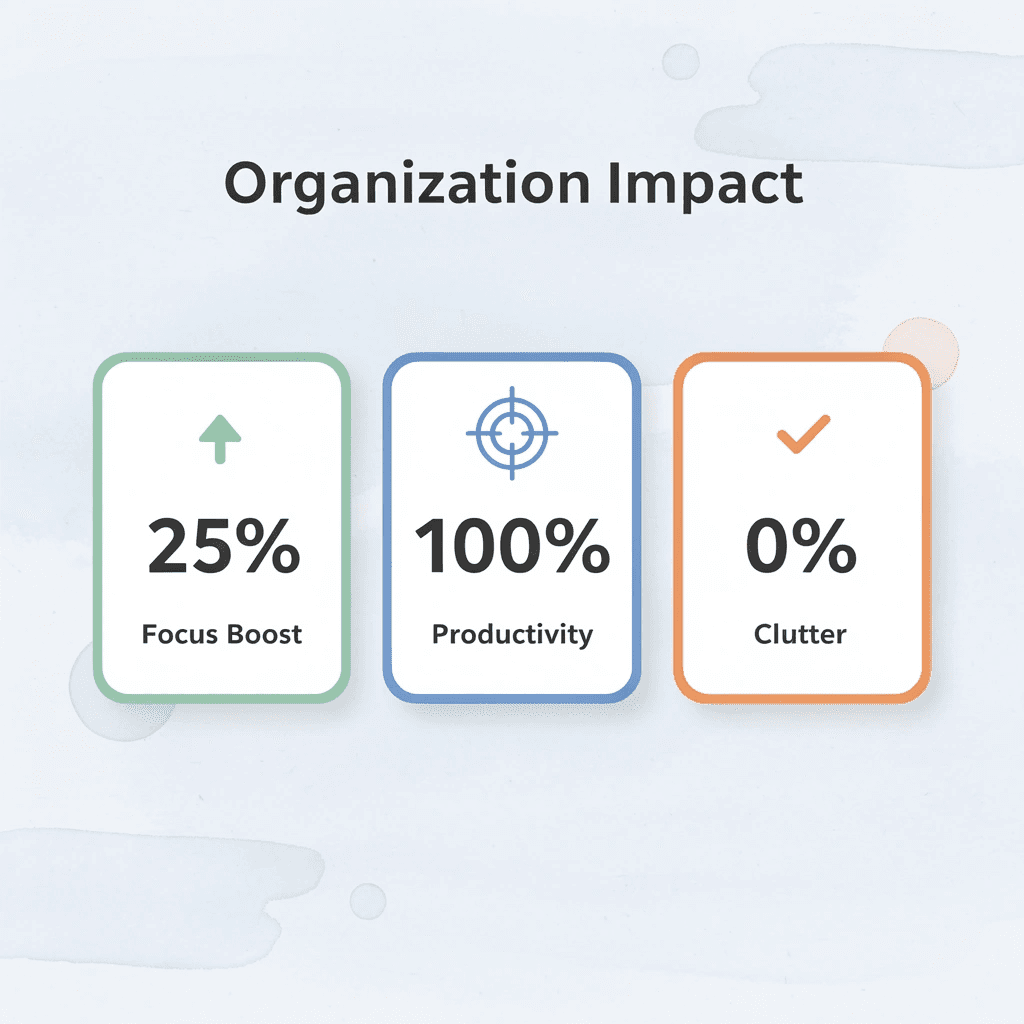
"A well-organized learning space can improve focus and productivity by up to 25% compared to cluttered environments." — Educational Space Design Research, 2023
💡 Tip: Start with a neutral color palette as your base, then add pops of color through educational posters, artwork, or storage bins that serve dual purposes as both decoration and organization tools.
How do you choose the right location for your homeschool space?
Pick one area and protect it as school territory, even if that's just a corner table with a bookshelf. The location matters less than consistency. A six-year-old learning to read needs you nearby if you're also caring for a toddler downstairs, making the kitchen table more practical than an upstairs bedroom would be. A thirteen-year-old working through algebra independently can handle more distance because they've developed the ability to stay focused without constant supervision.
What should you consider about your daily routine when setting up?
Think about your daily routine when choosing where to set up the learning space. If you spend time teaching and working from home, position the learning space where you can see your child from your desk, allowing you to monitor progress without hovering constantly.
What furniture essentials support productive learning?
You need a table large enough for spreading out materials, chairs that don't cause back pain, and storage within arm's reach. The specific furniture matters less than whether it matches your child's physical size and space constraints. A wobbly folding table works fine if it is stable enough to write on. An expensive desk becomes useless if it is too high for your child's feet to touch the ground, causing fidgeting that kills concentration.
How does vertical writing space enhance learning?
Add a whiteboard or chalkboard to work through problems, brainstorm, or display the week's schedule. Vertical writing space transforms abstract concepts into visible forms, helping visual learners who struggle with auditory information alone.
How can you maximize natural light and add task lighting to your homeschool space?
Put your learning area near windows when possible: sunlight has been shown to improve mood, attention span, and school performance in multiple controlled studies. Natural light reduces eye strain during reading and creates a more pleasant space than overhead lights. On cloudy days or during the winter months, when daylight fades early, add desk lamps or clip-on task lights to illuminate your work surface without creating harsh shadows or glare.
How can you minimize visual distractions in your homeschool space?
Keep only current materials visible in your learning space. Last month's science project, finished workbooks, and unrelated toys create visual noise that disrupts attention, especially for younger students still developing focus. A few well-chosen educational posters teach more effectively than a dozen competing for attention. Store non-essential items in closed cabinets or bins so the environment signals readiness rather than chaos.
Why should you eliminate screen distractions during learning time?
Turn off screens during instruction time unless actively using them for educational content. Background television, phone notifications, and tablets displaying games send the message that learning competes with entertainment. When your child finishes maths and transitions to reading, they should reach for their book without scrolling past more appealing options.
How can custom educational materials reduce visual clutter while enhancing learning?
When you generate custom coloring pages through My Coloring Pages, you're creating visual learning tools that reinforce concepts while feeling personalized rather than mass-produced. Whether dinosaur-themed math practice, state maps for geography, or vocabulary illustrations matched to your child's reading level, our coloring pages transform blank walls into educational resources that get used.
45 Homeschool Room Ideas for Driving Creativity
Creativity grows in spaces where people can work together, try new things, and see ideas in tangible ways. The ideas below show how to turn regular spaces into places where children learn by doing rather than listening. Each suggestion supports something important, like understanding space, staying motivated, or calming the senses.
🎯 Key Point: The most effective homeschool rooms combine collaborative zones, hands-on materials, and sensory-friendly elements to maximize creative potential.
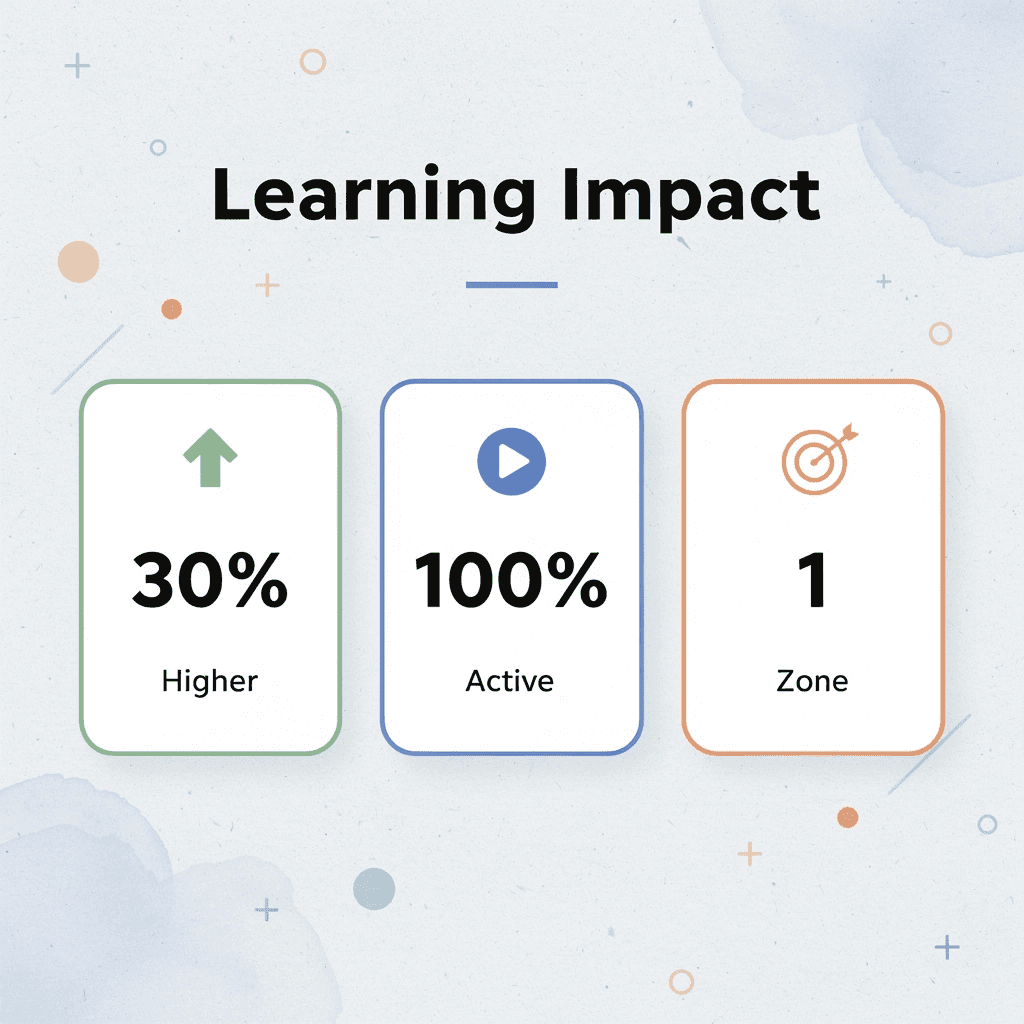
"Learning environments that encourage active participation and creative expression lead to 30% higher engagement and improved problem-solving skills." — Educational Psychology Research, 2023
💡 Tip: Start with one creative zone at a time - whether it's an art corner, building station, or quiet reading nook - and expand based on your child's natural interests and learning style.
1. Interactive World Map Wall
Put a large world map at your child's eye level and fill a container with pushpins, small flags, or adhesive dots. Every time you study a new country in history or read a book set in a different location, your child marks it on the map. This transforms geography from memorizing disconnected names into building a mental atlas of real places connected to stories and people. Over months, the accumulation of pins creates a visual record of learning that sparks questions about unmarked regions.
Why does physical interaction improve memory retention?
The physical act of walking to the map, finding the location, and placing the marker creates a procedural memory that pure reading cannot match. When you later mention ancient Rome or modern Japan, your child's brain recalls not just facts but the movement of their hand reaching toward that spot, the conversation you had while searching for it, and what they learned that day.
2. History Timeline Wall
String a long cord or ribbon horizontally across one wall, or use painter's tape to create lanes representing different centuries. Add index cards, drawings, or printed images of major events positioned in chronological order. This spatial arrangement helps children understand cause and effect: they can literally see how the American Revolution preceded the French Revolution, or how ancient Egyptian civilization lasted much longer than the Roman Empire.
What makes timeline walls effective for different age groups?
Younger students understand time better when they can walk along the timeline and touch events in sequence. Older students learn more when they see what was happening in different places simultaneously, such as in China while Europe experienced the Renaissance. The timeline becomes a tool students use for every new topic, helping them integrate new information with existing knowledge rather than viewing history as a series of disconnected pieces.
3. "Today I Learned" Board
Put a small whiteboard or corkboard where your child can write one specific thing they learned each day before finishing school. This daily reflection strengthens memory consolidation because retrieving information from memory shortly after learning creates stronger brain connections than passive review. The board also reveals patterns over time, showing which subjects excite your child or which days produce especially good learning. How many different things your child writes matters less than practicing regularly and being able to name and explain new knowledge. When children struggle to recall what they learned, the day was a waste of time, so you can adjust tomorrow's plan accordingly.
4. Alphabet and Phonics Wall
Show large letters next to pictures and words (A with an apple, B with a ball) where your child can easily see them. When your child sees these letters and pictures frequently, they learn to recognize letters and understand the sounds they make without tedious practice drills. Your child's brain makes these connections as it moves between activities, gradually learning the sound-symbol relationships needed for reading. Change the pictures periodically to maintain interest. Once your child masters basic phonics, replace the alphabet wall with sight words, spelling patterns, or vocabulary words matched to their reading level.
5. Math Formula Wall
Keep formulas, number patterns, and worked examples where students can see them, rather than hiding them in textbooks. When children see the area formula for rectangles every time they look up from their worksheet, the structure becomes familiar before they need to memorize it. This passive learning reduces cognitive load during problem-solving because applying the formula correctly becomes the focus rather than remembering it. Include visual representations alongside symbolic notation. Show multiplication as arrays of dots, fractions as divided shapes, or percentages as shaded grids. Multiple representations help different types of thinkers access concepts through their preferred processing style.
6. Science Discovery Wall
Set aside wall space for diagrams, experiment results, or scientific drawings your child makes. A labeled water cycle diagram stays visible for weeks, allowing them to reference it when studying weather patterns or plant biology and see how topics connect. This builds scientific thinking by showing how natural events link through basic principles. Encourage your child to write questions on the science wall when something confuses them or sparks their curiosity. These questions become topics for future investigations, teaching them that science advances through inquiry rather than memorization.
7. Student Work Gallery Wall
Frame or clip your child's strongest work from different subjects and rotate the display monthly. Seeing their best efforts honored creates pride and motivates them to maintain high-quality standards. Comparing September's writing sample with March's revision makes abstract concepts such as "improvement" and "growth" visible and tangible. Involve your child in selecting which pieces deserve to be displayed. This teaches self-assessment and helps them understand quality standards. When they can explain why one essay is stronger than another, they develop critical thinking skills that extend beyond schoolwork.
8. Growth Mindset Quote Wall
Show short phrases that reinforce effort over natural ability: "Mistakes help me learn," "I can improve with practice," "Challenges make me stronger." These reminders matter most during frustrating moments when your child wants to quit. Glancing at the wall and seeing "I haven't mastered this yet" shifts their internal narrative from fixed ability to developing skill. Rotate quotes periodically and discuss their meaning during calm moments, not during a meltdown. When children understand the philosophy behind the words before they need encouragement, the phrases carry more weight during struggles.
9. Current Events Board
Share age-appropriate news summaries weekly to connect classroom learning to the real world. Discussing current events builds children's media literacy and critical thinking skills by teaching them to question information sources, recognise bias, and seek complete stories. Pick content that matches your child's maturity level. A seven-year-old might discuss a new animal discovery or space mission, while a teenager can engage with more complex political or social topics. The goal is to foster awareness and interest without overwhelming them with problems they're not ready to understand.
10. Art Rotation Wall
Create a dedicated space where artwork changes weekly or every two weeks. Rotation prevents visual boredom and keeps the environment dynamic: your brain stops noticing static posters, pushing them into the background. Fresh content captures attention and demonstrates support for active learning. Let your child help select what gets displayed next. This ownership increases their investment in the space and teaches them curation skills.
11. Mini Home Library Corner
Organize books by subject or reading level on shelves your child can easily reach and browse. When books are accessible, children are more likely to choose reading over screens during free time. Group similar books together so a child interested in ancient Egypt can find both fiction and nonfiction without searching through random piles.
How can rotating books enhance learning?
Change out your books by season or by theme. During your American Revolution unit, move related historical fiction and biographies to eye level. When studying ecosystems, feature nature guides and animal stories. This strategic placement suggests reading options that reinforce current learning without explicit assignment.
12. Reading Tent or Cozy Nook
Set up a small tent, canopy, or cushioned corner with soft lighting dedicated to reading. The physical comfort and psychological separation from the main learning area make reading feel like a privilege rather than a chore. Children associate this space with relaxation and enjoyment, building positive emotional connections to books that outlast any specific title or assignment. The nook works especially well for children who resist reading at their desk because it feels like schoolwork. Moving to a different location signals a shift from required tasks to chosen activities, even when the reading is assigned.
13. Book Recommendation Shelf
After finishing a book, your child writes a short recommendation (2-4 sentences) and displays it with the book on a special shelf. This builds summarization and critical thinking skills as they explain what made the book worth reading or who would enjoy it. Over time, the shelf becomes a personalized library of checked options, making future book selection easier. Younger children can draw a scene from the book instead of writing a review. The reflective practice of considering what made the book memorable matters more than the format.
14. "Book of the Week" Display
Put one book in a special stand or frame each week, rotating different types and difficulty levels. When a book receives focused attention, your child is more likely to read it because it seems important. This approach works well for introducing books slightly harder than what your child usually reads—books they might skip if browsing independently. Go with the display by briefly explaining why you picked this book. Sharing your reasoning shows your child how readers select books based on their interests, emotions, or learning goals—a better approach than grabbing whatever is closest.
15. Quiet Reading Basket System
Keep several baskets of leveled books that rotate weekly, each containing 5–8 titles suitable for independent reading. Limited choices prevent overwhelm while offering variety. When your child finishes assigned work early, they know exactly where to find approved reading material without interrupting you. Color-code baskets by difficulty level or subject so children select appropriately challenging material independently. This builds independence and develops awareness of their own reading abilities.
16. Storytelling Chair Area
Pick a specific chair where children practice reading aloud or telling stories from memory. Speaking engages different brain regions than silent reading, thereby strengthening comprehension and retention. Sitting in the storytelling chair signals a shift from independent reading to performing for an audience, even if that audience is just you or a younger sibling. Recording these sessions lets children hear their own reading speed and expression, building awareness of pacing, tone, and clarity. Playback reveals habits they don't notice while reading, such as rushing through punctuation or mumbling unfamiliar words.
17. Audiobook Listening Station
Set up headphones and a device loaded with audiobooks in a comfortable spot separate from the main work area. Audiobooks support struggling readers by enabling access to complex stories beyond their current reading ability, building vocabulary and comprehension while technical reading skills develop. They also benefit auditory learners who process spoken language more efficiently than written text. Pair audiobooks with physical copies so children can follow along, connecting sounds to words on the page. This dual input accelerates reading development for many learners.
18. Biography Shelf
Fill a dedicated shelf with biographies of scientists, inventors, historical figures, and leaders from diverse backgrounds. Real-life stories inspire differently from fiction: children see that actual people overcame obstacles, made discoveries, and changed the world. These books show that the maths formulas they're learning were developed by real people solving real problems. Rotate biographies to match current studies. During your Civil Rights Movement unit, feature books about Rosa Parks, Martin Luther King Jr., and lesser-known activists. When studying space, highlight astronauts and astronomers. This strategic placement makes nonfiction reading feel relevant to their other learning.
19. Poetry Corner
Set aside a small space to display poems and encourage creative writing. Exposure to rhythm, metaphor, and condensed language improves linguistic creativity and helps children understand that writing serves purposes beyond conveying information. Poetry's compressed format makes it less intimidating than longer assignments, allowing struggling writers to experience success in completing a whole piece. Change the displayed poems weekly and occasionally discuss what makes them effective. This builds analytical skills and shows children that poetry follows craft principles rather than being random, pretty words.
20. Vocabulary Wall
Add 3 to 5 new words each week with definitions, example sentences, and related pictures. Repeated exposure helps your child learn vocabulary naturally, and pictures aid retention and word recognition during reading and conversation. Let your child help pick vocabulary words based on what they're reading or what interests them. Children who choose their own words pay more attention and remember them better than when a teacher selects all the words.
21. Worksheet Station
Organize printed worksheets in labeled folders by subject and difficulty level. This system removes barriers for independent work: children know exactly where to find their next assignment, and it works particularly well for families managing multiple children at different levels. Most families waste hours searching for worksheets that match their current unit while connecting to their child's interests. My Coloring Pages generates custom materials in minutes: multiplication practice featuring dinosaurs for your paleontology-obsessed eight-year-old, or state capitals worksheets matching your geography unit. These personalized printables bridge the gap between standardized curriculum and individual engagement without the hours required to create them manually.
22. Coloring-Based Learning Area
Set aside space for educational coloring worksheets where children color, label, or complete activities that reinforce concepts through visual and hands-on engagement. This works especially well for anatomy, geography, historical events, or vocabulary because coloring creates procedural memory alongside conceptual understanding. A child who colors and labels flower parts retains that information longer than one who simply reads the same diagram. Younger learners develop fine motor skills while coloring, absorbing educational content. Older students benefit from the calming quality of coloring, which reduces anxiety around challenging subjects and builds positive emotional associations with difficult material.
23. Craft and Project Table
Set up a dedicated surface for cutting, building, and creating models related to current studies. Hands-on construction transforms abstract concepts into tangible objects that children can manipulate and examine from multiple angles. Building a model of the solar system teaches scale and spatial relationships in ways that reading cannot match. Constructing a historical diorama requires understanding sequence, setting, and key figures, demanding deeper engagement than passive reading.
How do you keep craft supplies ready for spontaneous learning?
Keep basic craft supplies permanently stocked so spontaneous project ideas don't stall. When your child asks, "Can I build a model of a medieval castle?" you can say yes immediately and capture that moment of enthusiasm before it fades.
24. Map Drawing Desk
Give children space and materials to redraw maps or locations they're studying. Copying maps builds spatial awareness and geographic understanding because children must pay attention to relative positions, distances, and directional relationships. They notice details like which states border each other or how mountain ranges affect settlement patterns: details they'd skip when viewing a finished map. Start with simple maps for younger children (their bedroom, the house layout, the neighborhood) before progressing to states, countries, and continents. This scaffolding builds confidence and teaches that maps represent real spaces at different scales.
25. Science Experiment Tray
Keep a designated tray stocked with materials for safe, simple experiments your child can conduct with minimal supervision. This accessibility transforms science from a series of scheduled lessons into an ongoing investigation. When children can test ideas immediately rather than waiting for supplies, curiosity stays alive, and scientific thinking becomes habitual. Rotate materials to match current units. During chemistry studies, stock baking soda, vinegar, and food coloring. For physics, provide ramps, balls, and measuring tools. This strategic preparation transforms experimentation from concept to practice.
26. Timeline Craft Station
Let children physically build timelines using paper strips, drawings, and written descriptions of events. The construction process makes abstract concepts like chronological sequence and relative duration concrete. Deciding how much space separates the American Revolution from the Civil War forces consideration of the 80+ years between them. Three-dimensional timelines work particularly well, using different-colored strips for different themes (political events, scientific discoveries, artistic movements) that run parallel to each other to show what happened simultaneously across domains.
27. Flashcard System Wall or Box
Use flashcards to memorize facts such as multiplication tables, state capitals, foreign vocabulary, and historical dates. Active recall—pulling information from memory instead of re-reading—creates stronger neural connections than passive study methods, according to cognitive science research. Regular flashcard practice strengthens retention of basic facts, freeing your brain to focus on more complex concepts. Organize cards by how well your child knows them. Facts they know well go in one stack for occasional review, while ideas they struggle with get daily practice until mastered. This sorting teaches metacognition as children assess their own knowledge honestly.
28. Math Manipulative Box
Stock blocks, beads, fraction tiles, base-ten materials, or other concrete objects make abstract math concepts tangible. Physical manipulation helps children understand operations and relationships that symbolic notation alone cannot convey. A child who builds 3 groups of 4 blocks understands multiplication differently from one who only sees 3 × 4 = 12 written on paper. Match manipulatives to current topics. When teaching fractions, provide fraction circles and bars. During geometry units, offer pattern blocks and geoboards.
29. Puzzle and Logic Corner
Provide jigsaw puzzles, brain teasers, logic problems, and strategy games that develop critical thinking and patience. These activities teach persistence and build executive function skills that support schoolwork. Children learn to try different approaches when initial strategies fail, developing flexibility in problem-solving. Change puzzle difficulty to keep the right challenge level. Puzzles that are too easy bore children, while ones that are too hard create frustration. The best level is slightly harder than what they can already do.
30. Role-Play Learning Box
Keep costumes, props, or simple materials for acting out historical events, scientific processes, or social scenarios. Embodying a historical figure or demonstrating photosynthesis through movement creates emotional and physical memories that reading cannot match. When children argue both sides of a historical debate while wearing period-appropriate hats, they develop empathy for different perspectives and understand that historical events involved real people making difficult choices. Simple props work better than elaborate costumes. A few hats, scarves, or cardboard signs let imagination fill in the details without expensive preparation.
31. Natural Light Setup
Place your main learning area near windows that let sunlight in during the day. Natural light improves alertness, reduces eye strain, and positively affects mood and academic performance. Children working in naturally lit spaces show better focus and less fatigue than those under artificial lighting alone. Add sheer curtains if direct sunlight creates glare on work surfaces, while maintaining the connection to outdoor light and changing weather.
32. Indoor Plants
Add several low-maintenance plants to your learning space. Plants improve air quality by filtering toxins and releasing oxygen, reduce stress levels, and create a more welcoming atmosphere than purely artificial environments. Involve children in plant care to teach responsibility while providing movement breaks between subjects. Watering plants or checking soil moisture gives hands and minds a brief rest before returning to focused work.
33. Soft Color Theme
Pick calm, neutral colors like beige, light blue, sage green, or warm grey for walls and large furniture. Overly stimulating colors, especially bright reds and intense oranges, increase restlessness and impair concentration, particularly for children sensitive to sensory input. Add color through easily changeable items like posters, storage bins, or cushions. This lets you adjust the room's energy without repainting walls or replacing furniture.
34. Flexible Seating
Add bean bags, floor cushions, wobble stools, or exercise balls alongside regular chairs. Movement flexibility helps many children maintain attention by allowing them to shift positions when restless without leaving their work area. Some children focus better while bouncing gently on an exercise ball; others prefer the stability of a standard chair. Let children choose their seating based on the task. Reading might happen curled up in a beanbag, while mathematical computation requires a stable desk surface. This choice teaches them to recognise which environments support different types of work.
35. Calm Background Music
Play soft instrumental music during independent work time to reduce environmental noise distractions and create a consistent auditory environment. Music without lyrics works best because words compete with reading and writing tasks. Classical, ambient, or nature sounds mask sudden noises—traffic, appliances, siblings—without demanding attention. Test whether music helps or hinders your specific child. Some learners focus better in complete silence, while others find quiet environments distracting because even small sounds draw their attention.
36. Clutter-Free Storage System
Install shelves, bins, or cabinets to give every material category a designated home. Organized storage reduces cognitive overload because children can locate needed supplies quickly without scanning through visual chaos, and cleanup becomes a simple sorting task rather than a decision-making challenge. Label storage clearly with words or pictures so children can maintain the system independently. This builds responsibility and reduces your mental load by distributing knowledge of where things belong.
37. Daily Reset Table
Set up a daily routine to clear and organize the learning space at day's end. This provides a fresh start each morning and teaches discipline through regular practice. A clean, organized space signals readiness to learn, while clutter creates resistance before the day begins. Make reset time a shared activity with your child rather than something you do alone. This teaches that maintaining order is part of the learning process, not separate from it.
38. Sensory Break Corner
Create a small, calm space with soft textures, fidget tools, or sensory items where children can manage their emotions when frustration or overwhelm builds. This area teaches children to recognise when they need a break and offers a constructive choice instead of a meltdown or shutting down. A few minutes with a stress ball, kinetic sand, or soft blanket can help reset their nervous system enough to return to challenging work. Treat using the sensory corner as a normal practice rather than a punishment or failure. Learning to take purposeful breaks helps prevent more severe emotional problems.
39. Goal Tracking Board
Show weekly learning goals visually so you can track progress with checkmarks, stickers, or coloured markers. Written goals feel concrete rather than abstract, and checking off completed items provides quick wins that sustain motivation. This visual approach helps children understand that large projects break down into manageable daily tasks. Include your child in setting realistic goals instead of telling them what to do. When they help decide what can be accomplished in a week, they learn planning skills and feel more responsible for completing the work.
40. Reward Chart System
Create a simple positive reinforcement system where completed tasks earn points, stickers, or checkmarks toward agreed-upon rewards. This approach works particularly well for younger children or when establishing new habits, as it makes abstract effort tangible and provides immediate feedback. Phase out reward charts gradually as habits solidify. The goal is to develop intrinsic motivation rather than permanent dependence on external incentives.
41. Learning Journal Station
Set up a dedicated notebook where children reflect on what they learned each day or week, what confused them, or what they want to explore further. This metacognitive practice strengthens memory and understanding because articulating knowledge requires deeper thinking than passive review. Writing forces children to organize scattered thoughts into clear statements, revealing gaps in understanding that need to be addressed. Review journal entries periodically to identify patterns in what confuses or interests your child. These patterns help you adjust your teaching and demonstrate that your child's thoughts matter and shape what comes next.
42. Personalized Name Zone
Label parts of the room with your child's name, or let them create signs to mark their learning space. This ownership builds an emotional connection to the environment and signals that the space belongs to them. Children take better care of spaces they feel invested in. Let them choose how their name appears (full name, nickname, creative lettering) and where it goes. This freedom creates psychological investment without requiring major decisions.
43. Future Vision Board
Set aside a space where children can paste images, words, or drawings of what they want to be or do in the future. This forward-looking focus builds long-term motivation by connecting today's effort to tomorrow's possibilities. When multiplication feels pointless, seeing their dream of becoming a video game designer reminds them that maths skills matter for that goal. Update the vision board as interests change. Connecting current learning to future possibilities matters more than the specific dreams themselves.
44. Presentation Corner
Create a small area where children formally present what they've learned to you, siblings, or extended family via video call. Teaching others is one of the most effective learning strategies because it requires deep understanding to explain concepts clearly. Children cannot fake mastery when they must answer questions or demonstrate processes. Make presentations regular but low-pressure, focusing on building communication skills and deepening understanding rather than creating performance anxiety.
45. Monthly Theme Room Rotation
Change your room's focus monthly based on current studies. During an ocean unit, add blue decorations, sea life posters, and topic-related books. For ancient civilizations, display maps, artifacts, and themed artwork. This thematic immersion reinforces current learning and strengthens connections. Involve your child in planning and putting together theme changes. This builds excitement for upcoming units and teaches that learning environments can be dynamic rather than static.
Related Reading
- Homeschool Room
- How To Homeschool Your Kids
- Colorado Homeschool Laws
- Abeka Homeschool Curriculum
- Georgia Homeschool Laws
- 6th Grade Homeschool Curriculum
- Homeschool Preschool
- 1st Grade Homeschool Curriculum
- How To Homeschool In Texas
- Homeschool Vs Public School
- Homeschool Coop
- Pre K Homeschool Curriculum
- Kentucky Homeschool Laws
- Homeschool Report Card Template
- Texas Homeschool Requirements
- Florida Homeschool Requirements
Download 67,338+ Free Worksheets For Your Homeschool Set-up
Start with one creativity anchor, add one active learning station, then layer in triggers gradually as your child's needs become clearer. This prevents overwhelm while building an environment that evolves with their development.
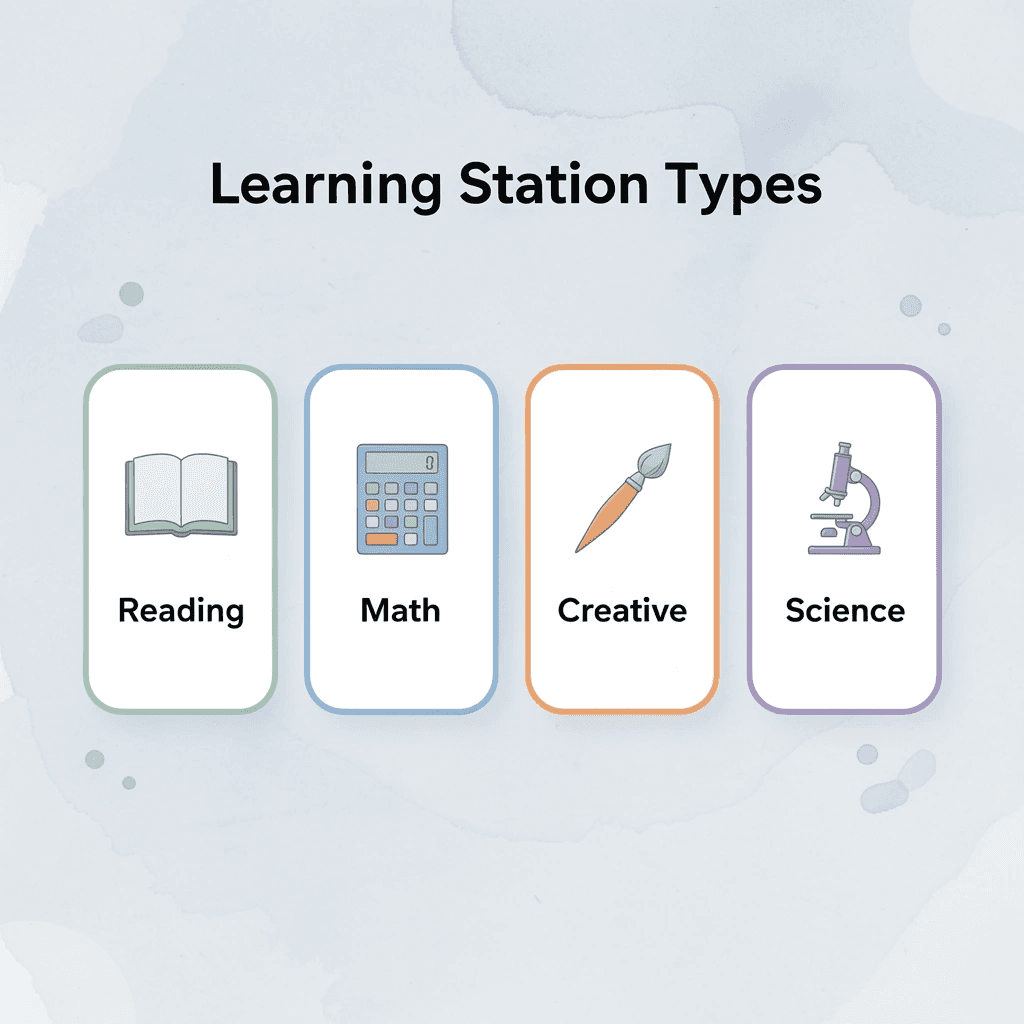
When you download custom worksheets from My Coloring Pages, you're accessing 67,338+ free printable resources that adapt to your homeschool's needs. Our collection includes alphabet practice sheets for your reading nook, multiplication grids for your math station, geography maps that rotate with monthly themes, and science diagrams that reinforce current units. These materials fill your learning walls and activity stations without the expense or time of creating everything yourself.
🎯 Key Point: Start small with just one anchor and one station to avoid overwhelming your child while building a foundation that can grow with their learning needs.
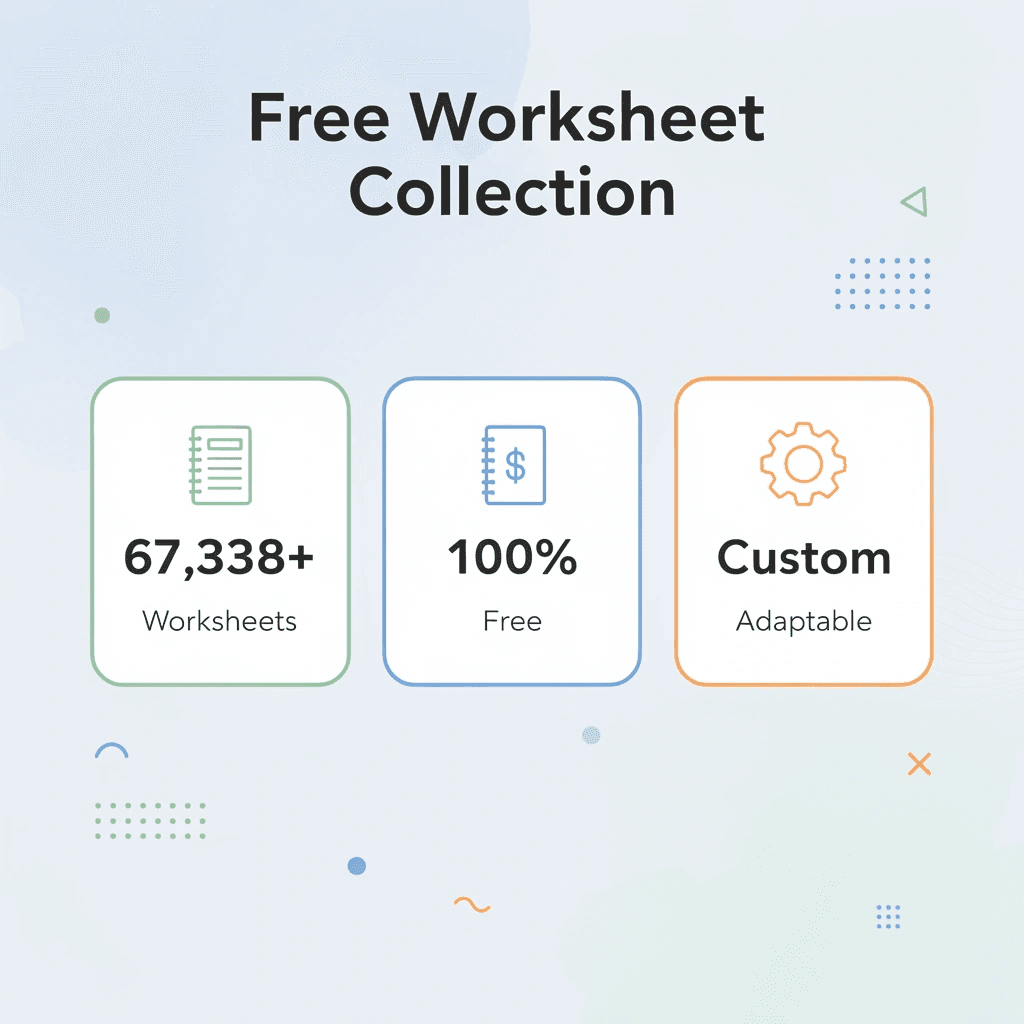
💡 Tip: Use our 67,338+ worksheets to quickly populate your learning stations without spending hours creating materials from scratch—efficiency meets effectiveness.
"Accessing 67,338+ free printable resources means homeschool families can create comprehensive learning environments without the typical cost barriers." — My Coloring Pages Collection
Learning Station Type | Worksheet Categories | Key Benefits |
|---|---|---|
Reading Nook | Alphabet practice, phonics sheets | Builds literacy foundation |
Math Station | Multiplication grids, number games | Reinforces mathematical concepts |
Geography Corner | World maps, country studies | Develops global awareness |
Science Area | Diagrams, experiment sheets | Supports hands-on learning |
Related Reading
- 5th Grade Homeschool Curriculum
- How To Homeschool In California
- Georgia Homeschool Requirements
- Alabama Homeschool Laws
- 2nd Grade Homeschool Curriculum
- Homeschool Reading Curriculum
- California Homeschool Laws
- 4th Grade Homeschool Curriculum
- North Carolina Homeschool Laws
- Homeschool Art Curriculum
- Accredited Homeschool Curriculum
- 3rd Grade Homeschool Curriculum
- Illinois Homeschool Laws
- Michigan Homeschool Laws
- Science Homeschool Curriculum