Homeschool Vs Public School: Which One is For Your Children?
Homeschool vs public school comparison guide by My Coloring Pages. Discover which education option best fits your child's needs and your family.

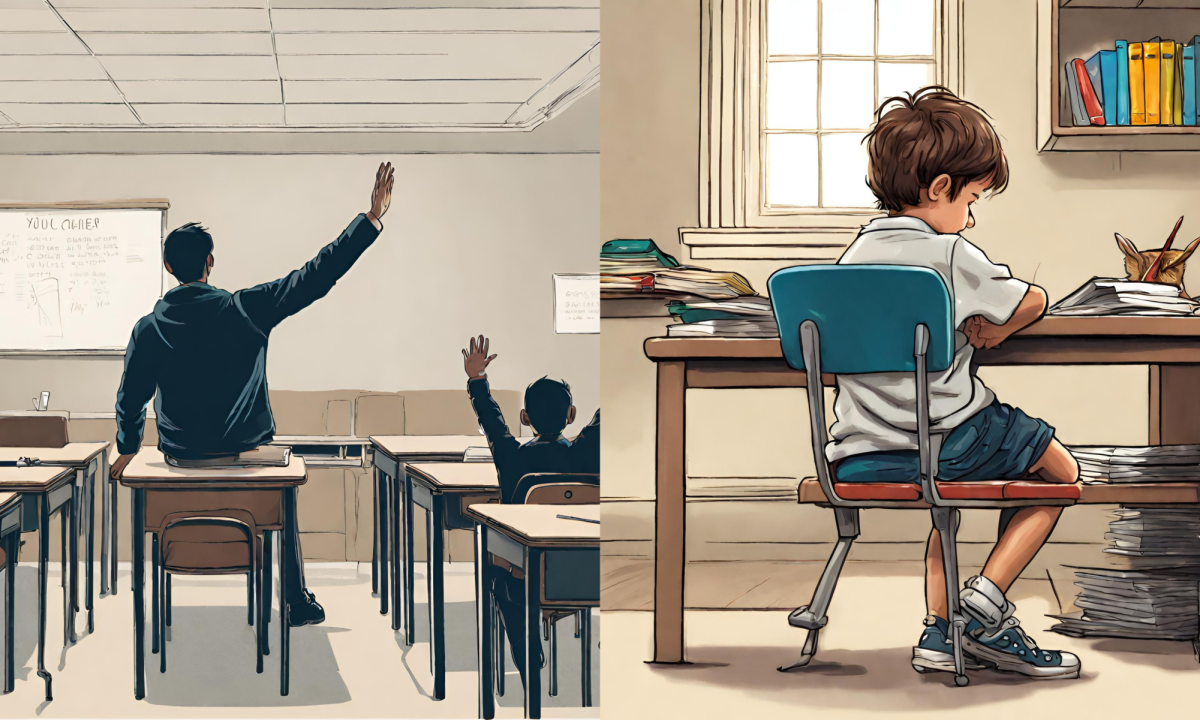
Parents face a pivotal decision when choosing between homeschool vs public school for their child's education. This choice affects daily routines, curriculum flexibility, socialization opportunities, and the pace of learning. Understanding the key differences between these educational approaches helps families make informed decisions that align with their values and their child's unique learning needs. Each option offers distinct advantages and challenges that deserve careful consideration.
After choosing homeschool, parents often struggle to find quality educational materials that engage young learners without straining budgets. Creating a personalized learning environment requires resources that combine structured education with creative activities. Children develop essential skills like fine motor coordination, color recognition, and early literacy through hands-on materials that make learning enjoyable. Parents can enhance their homeschool curriculum when they download 69,451+ free coloring pages designed specifically for early learners.
Table of Contents
- Are Public Schools Better Than Homeschools?
- Benefits of Homeschooling
- Homeschool Vs Public School: Which One is For Your Children?
- How to Choose the Best Homeschool Programs for Your Children
- How to Supplement Homeschool Learning as a Parent
- Download 69,451+ Free Worksheets to Supplement Homeschool Learning
Summary
- Homeschooled students score in the 80th percentile on standardized tests compared to the 50th percentile for public school peers, a 30-point gap that holds regardless of parental income or education level. This advantage stems from structural elements such as one-on-one instruction, immediate feedback, and flexible pacing, rather than from family wealth. According to the National Home Education Research Institute, 87% of peer-reviewed studies show homeschool students perform statistically significantly better on social, emotional, and psychological development measures than those in conventional schools.
- College enrollment data contradicts the assumption that homeschooling limits opportunities. The National Center for Education Statistics reports that 66.7% of homeschooled students attend college compared to 57.5% of public school students, and once enrolled, homeschoolers maintain higher GPAs and graduation rates. They demonstrate stronger self-direction, time management, and independent learning skills because their educational experience required developing those capacities from the start rather than learning to follow externally imposed structures.
- The socialization concern misframes what healthy social development actually requires. Homeschoolers participate in community activities, sports teams, and volunteer work at rates 33% higher than their traditionally schooled peers, suggesting they develop civic engagement through active participation rather than passive observation in age-restricted classroom settings. They engage with diverse age groups in real-world contexts instead of spending six hours daily with same-age peers, creating different social patterns rather than deficient ones.
- Choosing between homeschooling and public schooling depends less on which system scores higher on average and more on matching the educational approach to your child's learning patterns and your family's realistic capacity. A child who needs slower pacing in math but accelerates through reading benefits from homeschooling's flexibility to adjust daily, while a child who craves routine and learns well in groups might flourish in public school's structured environment. The decision requires understanding whether you can manage the significant time investment homeschooling demands (averaging $600 to $1,200 annually, plus substantial parental hours) or whether you need the built-in structure, trained educators, and automatic socialization that public school provides.
- Supplementing homeschool learning effectively means strategically enhancing what your curriculum already does well while addressing natural gaps through field trips, co-ops, outdoor observation, and targeted practice activities. Research shows 98% of homeschooled students participate in an average of 5 extracurriculars per week, demonstrating that most families already recognize education extends beyond formal curriculum hours. The challenge lies in finding opportunities that fit unpredictable schedules and tight budgets, with families typically spending between $500 and $2,500 annually on homeschooling costs.
- Retention gaps occur because understanding in the moment doesn't equal memory three days later, requiring active recall combined with visual processing rather than passive repetition. My Coloring Pages addresses this by offering 67,338+ free downloadable worksheets and customizable coloring pages that combine visual engagement with active recall, letting homeschool families create materials matching exactly what they just taught without adding hours to preparation time or straining already tight educational budgets.
Are Public Schools Better Than Homeschools?
The data tells a different story than most people think. When you compare academic performance, social development, and long-term outcomes, homeschooling performs as well as or better than public schooling. According to the National Home Education Research Institute, 87% of peer-reviewed studies on social, emotional, and psychological development show homeschool students perform statistically significantly better than those in conventional schools.
"87% of peer-reviewed studies on social, emotional, and psychological development show homeschool students perform statistically significantly better than those in conventional schools." — National Home Education Research Institute
🎯 Key Point: Research consistently shows homeschooling produces superior outcomes across multiple developmental areas, not academics alone.
🔑 Takeaway: When 87% of peer-reviewed studies favor homeschooling for social and emotional development, it challenges the assumption that public schools provide better socialization opportunities.

What do standardized test scores reveal about homeschool performance?
Homeschooled students score in the 80th percentile on standardized tests, compared to the 50th percentile for public school peers: a 30-point gap that persists regardless of parental income or education level. This advantage stems from high-impact conditions research identifies: one-on-one instruction, immediate feedback, and flexible pacing.
How do structural constraints affect public school individualization?
Public schools face structural constraints that limit individualized attention: large class sizes, standardized curricula, and age-based grouping create environments in which some students thrive while others fall through the gaps. Homeschooling removes these constraints by design. When a child struggles with fractions, you stay with fractions until they understand it, rather than moving to decimals, because the curriculum requires it.
What's the real truth about homeschool socialization?
Many people believe homeschooled children lack social skills due to limited classroom exposure. However, research shows homeschoolers demonstrate equal or higher levels of confidence and social maturity compared to traditionally schooled peers. They participate in community activities, sports teams, and volunteer work at comparable rates, demonstrating they are not isolated.
How does age-mixed socialization compare to classroom environments?
The real question isn't whether homeschoolers socialize, but whether age-restricted classroom environments provide the most effective social development. Homeschooled children engage with diverse age groups in real-world settings rather than spending six hours daily with same-age peers. The 33% higher volunteering rates among homeschoolers suggest they develop civic engagement and community connection through participation rather than observation.
How do homeschooled students perform in college compared to public school graduates?
The National Center for Education Statistics reports that 66.7% of homeschooled students pursue college compared to 57.5% of public school students. Once enrolled, homeschoolers maintain higher GPAs and graduation rates, reflecting stronger self-direction, time management, and independent learning skills developed through their education.
What long-term advantages do homeschool graduates experience?
Homeschool graduates show better retention in college and stronger professional outcomes later, reflecting learning environments that prioritize mastery over coverage, maintain tight feedback loops, and adapt to the learner rather than forcing the learner to adapt to the system. Both homeschool and public school families benefit from resources that support different learning styles and provide creative outlets for skill development. But here's what the data can't fully capture: how differently children respond when the pressure to perform on someone else's timeline disappears.
Related Reading
- Homeschool History Curriculum
- Easy Peasy Homeschool
- Homeschool Curriculum
- Homeschool Math Curriculum
- Online Homeschool Curriculum
- Homeschool Resources
- Online Homeschool Programs
- Christian Homeschool Curriculum
- Homeschool Planner
- Homeschool Schedule
- Kindergarten Homeschool Curriculum
- Best Homeschool Programs
- Free Homeschool Curriculum
- Homeschool Schedule
- Best Homeschool Curriculum
- Accredited Homeschool Programs
- How To Homeschool
- Time For Learning Homeschool
- K12 Homeschool
Benefits of Homeschooling
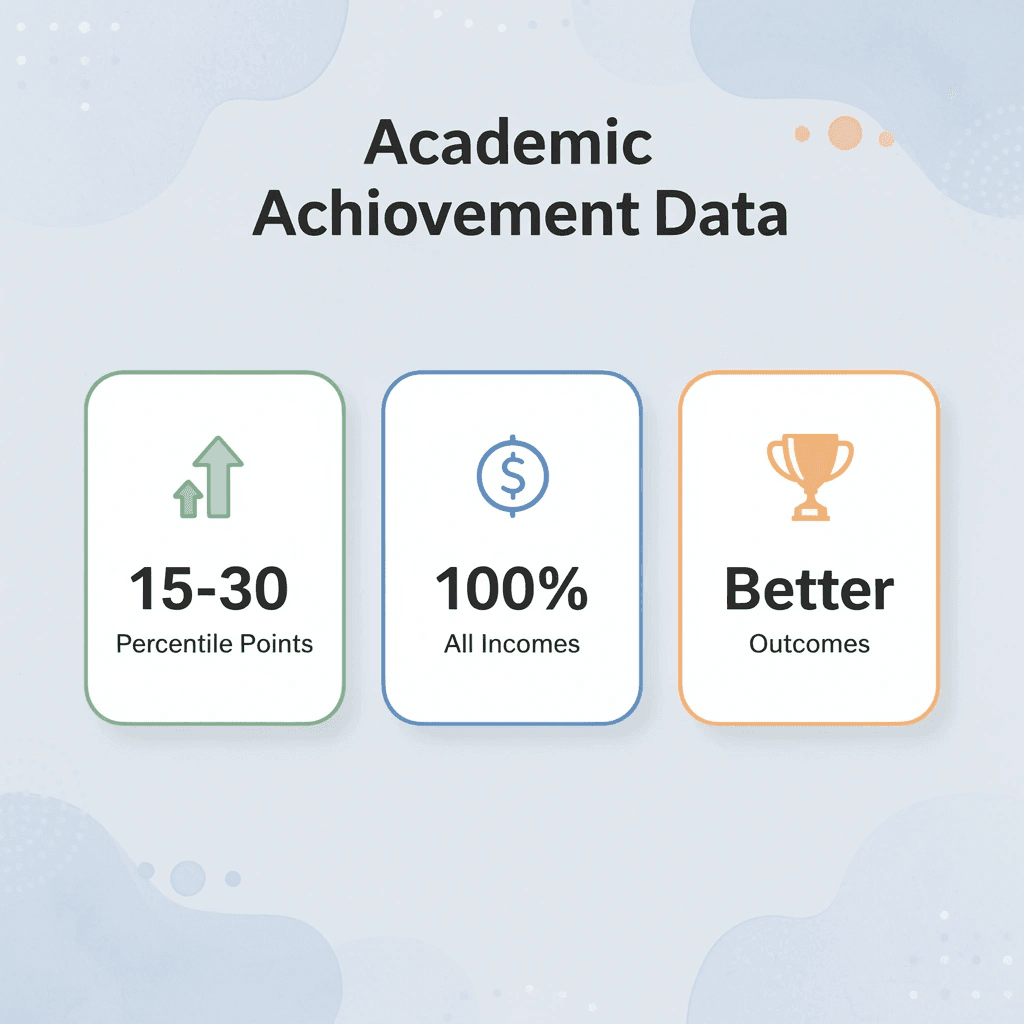
Homeschooling allows families to design education around how their children learn, not how a system requires them to learn. According to the National Home Education Research Institute, homeschooled students score 15 to 30 percentile points above public school students on standardized academic achievement tests, a gap that persists across all income levels and parental education backgrounds.
🎯 Key Point: The personalized learning approach in homeschooling creates significant academic advantages that persist regardless of family socioeconomic status.
"Homeschooled students score 15 to 30 percentile points above public school students on standardized academic achievement tests." — National Home Education Research Institute
💡 Tip: This performance gap demonstrates that when education is tailored to individual learning styles rather than standardized classroom approaches, students achieve measurably better outcomes across the board.
1. Instruction That Adapts to the Learner
One-on-one instruction removes the artificial constraints of classroom teaching. When a child struggles with multiplication, you adjust explanations and practice until understanding clicks, rather than advancing to division because Thursday arrived. Public school teachers face impossible constraints: 25 students, a single curriculum timeline, and limited flexibility to adapt to individual readiness.
What happens when you remove limits on student potential?
Homeschooling removes the ceiling on student potential. A seven-year-old who loves astronomy can study planetary motion while developing grade-level reading skills. A twelve-year-old skilled at maths can learn calculus without waiting until secondary school. The curriculum adapts to each student's strengths and interests rather than requiring all children to learn identical content at the same pace.
2. Schedule Flexibility That Honors How Families Actually Live
Traditional school schedules assume every child learns best between 8 a.m. and 3 p.m., five days a week, September through June. This rigidity creates problems for families managing shift work, frequent moves, or children whose focus peaks at different times. Homeschooling lets you structure learning around when attention and energy are at their highest, whether early in the morning or late in the afternoon.
What lifestyle advantages does homeschool scheduling flexibility provide?
This flexibility extends beyond daily schedules. Families can take vacations during off-peak travel times, schedule doctors' appointments without missing class, and celebrate cultural or religious holidays without conflict. Moving mid-year no longer disrupts a child's education through curriculum changes or the anxiety of joining an established peer group.
3. Stronger Family Relationships Through Shared Learning
Working through challenges together builds connection beyond academics. When you help your daughter understand fractions or watch your son's confidence grow while mastering difficult material, you create shared experiences that deepen trust and understanding. This matters particularly for children who struggle in traditional settings. One parent watched their child experience daily meltdowns and sensory overload in public school. After switching to homeschool, learning happened in a calm environment with a trusted instructor who understood their specific needs. Academic progress mattered, but the return of joy and curiosity mattered more.
4. Learning Environments Built for Comfort and Confidence
School buildings can feel overwhelming: fluorescent lights, constant noise, 30 bodies in one room, bells dictating movement. Some children thrive in that environment. Others find it tiring or anxiety-inducing, spending energy managing sensory input rather than engaging with the material. Homeschooling removes those barriers, letting students learn in spaces where they feel physically and emotionally safe.
Why does comfort lead to better intellectual risk-taking?
That comfort translates into a willingness to take intellectual risks. Students ask questions without worrying about peer judgment and tackle challenging material without fear of public failure. Platforms like My Coloring Pages extend this principle by letting families create customized educational activities that match individual interests and learning styles, whether generating dinosaur anatomy pages for a paleontology unit or designing geometric patterns to explore mathematical concepts.
5. Real-World Learning Beyond Textbooks
Homeschooling families supplement formal instruction with experiences that public schools struggle to provide. A history lesson on ancient Rome might include a visit to a museum to examine artifacts firsthand. A biology unit on ecosystems could involve weekly nature walks to observe seasonal changes. Literature study might pair with attending live theatre performances of the texts being read.
What makes homeschool learning more responsive to teachable moments?
These are learning experiences that happen when schedules allow, and parents respond to teachable moments as they arise. A child's question about how bridges stay up can lead to an afternoon of exploring local buildings and structures. Curiosity about where food comes from can lead to visits to farmers' markets and conversations with growers.
6. Education Aligned with Family Values
Some families choose homeschooling because public school classes conflict with their cultural or religious beliefs. Homeschooling allows families to select materials that align with their values while maintaining strong academics, ensuring education supports rather than contradicts what families teach at home. But choosing this path means accepting that the benefits require real work, and results depend entirely on what you build.
Homeschool Vs Public School: Which One is For Your Children?
The right choice depends on what your specific child needs to do well. A child who likes routine and learns well in groups might do great in a public school's structured environment. A child who needs slower pacing in math but moves faster through reading benefits from homeschooling's flexibility to change their daily schedule. Think about your child's learning style, your family's capacity, and what you're willing to give up, since both paths need different amounts of time, energy, and attention.
🎯 Key Point: The best educational choice isn't about which system is objectively better—it's about which approach matches your child's unique needs and your family's circumstances.
💡 Tip: Consider doing a trial period with your chosen approach. Many families start with one method and successfully transition to another when they discover what works best for their child.
Factor | Public School | Homeschool |
|---|---|---|
Schedule Flexibility | ❌ Fixed hours | ✅ Customizable |
Social Interaction | ✅ Built-in peer groups | ❌ Requires planning |
Curriculum Control | ❌ Standardized | ✅ Fully customizable |
Parent Time Commitment | ✅ Lower daily involvement | ❌ High daily involvement |
Cost | ✅ Free (tax-funded) | ❌ Materials & resources |
Learning Pace | ❌ Group-based | ✅ Individual-based |
"The most important factor in educational success isn't the type of school, but the quality of engagement between the child, family, and learning environment." — National Education Association
🔑 Takeaway: Both public school and homeschooling can produce excellent educational outcomes when they align with your child's learning style and your family's capacity to support their education effectively.
How does your child respond to structure versus freedom?
Watch how your child responds to structure versus freedom. Some children feel secure with clear expectations and classroom social energy; others shut down in crowded rooms or lose focus when forced to move on before concepts solidify. A child who pursues interests obsessively often struggles with 45-minute blocks. A child who needs external accountability might drift without the daily rhythm of assignments, deadlines, and peer comparison that public school provides.
What role do attention span and emotional regulation play?
Your child's ability to focus and emotional regulation matter in environments where public schools follow set schedules with limited flexibility for breaks, sensory needs, or processing time. Homeschooling allows a child who concentrates best in short bursts to work for 20 minutes, take a movement break, then return refreshed, and lets anxious children learn without constant social evaluation. But it requires parents to provide that structure themselves, knowing when their child needs to be pushed versus when they need space.
What should you consider about time and financial commitment?
Homeschooling requires significant parental involvement in teaching, planning, tracking progress, and creating social opportunities. According to the Coalition for Responsible Home Education, the average cost runs $600 to $1,200 per year per child, though the larger investment is time. If both parents work full-time with inflexible schedules or you're managing multiple young children with different needs, homeschooling becomes significantly harder. Public schools provide built-in structure, trained educators, and automatic socialization, freeing parents to focus on work and other responsibilities.
How confident are you in your teaching abilities?
Your confidence in teaching matters. Some parents feel energized by designing lessons and adapting to their child's pace; others find the responsibility overwhelming or worry they'll miss critical concepts. Public schools offer access to specialists in advanced mathematics, foreign languages, and special education services that most families cannot replicate at home. Homeschooling requires developing that expertise yourself, hiring tutors, or joining co-ops where families share teaching responsibilities. Platforms like My Coloring Pages help create customized educational activities: generating anatomy diagrams for biology or designing pattern recognition exercises that turn math practice into creative expression, bridging curriculum requirements and individual interests.
How does schedule flexibility impact your family's lifestyle needs?
Public schools have strict schedules that can hinder families who need to travel, attend medical appointments, or handle emergencies. Homeschooling offers flexibility for families whose jobs require relocation or frequent travel, or whose children have health issues requiring a flexible schedule. Learning can occur on your family's timeline rather than the school district's. However, flexibility benefits only families who maintain clear routines; homeschooling without structure often leads to inconsistent effort and incomplete learning.
What are the benefits of public schools' predictable structure?
Public schools help families by providing childcare on a set schedule while parents work and by keeping education separate from home life. The fixed schedule creates clear boundaries: when school ends, learning ends, and evenings belong to family rather than lesson planning. Homeschooling blurs these lines—your home becomes the classroom, and educational responsibility never fully switches off. Some families find this energizing; others find it exhausting.
How do academic outcomes compare between homeschool and public school?
Both paths lead to college and career success, though they develop different skills. Research from the National Home Education Research Institute shows homeschool students score 15 to 30 percentile points above public school students on standardized tests. Public school students get daily practice navigating institutional systems, managing peer relationships, and adapting to environments they didn't choose. Homeschoolers develop stronger self-direction and independent learning habits, and engage more in community activities, volunteer work, and mixed-age interactions.
What social skills do homeschool vs public school environments develop?
The question isn't which environment produces better socialization, but which social skills you want your child practicing daily. Public schools teach adaptation to group dynamics, conflict resolution with peers, and functioning within hierarchical systems. Homeschooling emphasizes self-advocacy, intrinsic motivation, and building relationships across age groups in community settings. Neither is inherently superior; they prepare children for the world in different ways. Choosing wisely requires knowing which specific programs and approaches deliver what your child needs.
Related Reading
- Homeschool Room
- How To Homeschool Your Kids
- Colorado Homeschool Laws
- Abeka Homeschool Curriculum
- Georgia Homeschool Laws
- 6th Grade Homeschool Curriculum
- Homeschool Preschool
- Homeschool Room Ideas
- 1st Grade Homeschool Curriculum
- How To Homeschool In Texas
- Homeschool Coop
- Pre K Homeschool Curriculum
- Kentucky Homeschool Laws
- Homeschool Report Card Template
- Texas Homeschool Requirements
- Florida Homeschool Requirements
How to Choose the Best Homeschool Programs for Your Children
Choosing a homeschool program starts with understanding how your child learns. Assess their performance across different subjects, consider how much time you can spend teaching, check what your state requires by law, and identify what matters most to you in education before comparing programs. Begin with your own situation and goals rather than selecting a program because it sounds appealing in a catalog.
🎯 Key Point: Your child's learning style and your family's capacity should drive program selection, not marketing materials or popular recommendations.
💡 Pro Tip: Create a family education profile before browsing programs—document your child's strengths, challenges, your available teaching time, and non-negotiable requirements to stay focused during your search.
"The most successful homeschool families spend 3-4 weeks evaluating their specific needs before selecting a curriculum, rather than choosing based on recommendations alone." — National Home Education Research Institute, 2023
How do you identify your child's learning style?
Your child's learning style determines which materials will engage them and which will frustrate them. Some children absorb information through reading and written exercises, thriving with workbooks and textbooks. Others need hands-on experience to understand abstract ideas: they'll struggle with a worksheet on fractions but grasp the concept immediately when measuring ingredients for a recipe or building with blocks representing parts of a whole.
What curriculum approaches work best for different learning styles?
Watch how your child approaches new information outside of school. Do they ask to watch videos explaining concepts? Do they need to move while thinking? Do they remember stories but forget lists? Game-based learning platforms work well for children who lose focus during traditional instruction but stay engaged when education feels like play. Project-based curricula suit children who need to understand why information matters before investing effort. Platforms like My Coloring Pages help parents create custom educational activities aligned with these approaches, whether generating anatomy diagrams for visual learners to color and label or designing pattern-recognition exercises that turn abstract maths into hands-on work.
Why should you assess actual performance instead of grade level?
Most children don't perform at exactly their assigned grade level across all subjects. A third grader might read at a fifth-grade level while struggling with third-grade maths. Homeschooling lets you teach each subject at the level where your child works, but only if you know where that is.
How do standardized assessments guide curriculum choices?
Standardized online assessments quickly reveal these gaps, showing whether your child needs extra help or can handle advanced material. This information helps you choose appropriate programs. If your daughter tests two years ahead in language arts, you need a curriculum that won't bore her with content that's age-appropriate. If your son tests below grade level in maths, you need materials that fill foundational gaps without making him feel behind. The goal is to teach from where understanding exists rather than where a birthday suggests it should.
What level of teaching involvement can you realistically handle?
Different school programs require varying levels of parental involvement. Some programs provide video lessons, automatic grading, and set schedules that demand minimal teaching time from parents. Others expect you to teach lessons, create assignments, and assess student progress. Your available time, subject knowledge, and teaching confidence should determine which program type suits you best.
How do you match curriculum demands to your family situation?
If you're managing multiple children while working from home, you need curricula in which students work independently for most of the day, with you available for questions and oversight rather than constant direct instruction. If you have more flexibility and enjoy hands-on teaching, you might choose programs that give you control over pacing and methods but require more preparation. Assess which subjects intimidate you. If advanced mathematics or foreign languages fall outside your comfort zone, seek programs with strong video instruction or online classes that offer expert instruction in those areas.
What are the legal requirements for homeschooling in your state?
Homeschooling rules vary significantly by state. Some states require you to teach certain subjects, maintain a minimum number of instructional hours, administer annual tests, or submit portfolio reviews, while others have almost no requirements beyond notification. You need to know your state's legal requirements before deciding whether a program will meet your needs.
How do you find and verify current homeschool regulations?
Check your state's homeschool association website or department of education for current rules regarding required subjects, mandatory testing schedules, and necessary paperwork. Some states require homeschoolers to cover specific topics, such as state history or health education, while others mandate standardized testing at certain grade levels. Choose curricula that naturally include these requirements rather than forcing you to add more later. Also, check whether your state allows homeschoolers to participate in public school activities, such as sports teams, or to take individual classes, as this may affect how comprehensive your home program needs to be.
What educational priorities should you establish beyond basic requirements?
State requirements set the basic standard. Your priorities decide what you build on top of that. Write down what matters most for your child's education this year, beyond following the rules. Are you preparing them for competitive college admission? Focus on challenging academics with AP-level courses and strong college prep components. Are you prioritizing practical life skills? Look for curricula that include financial literacy, home economics, and real-world problem solving.
How do you align curriculum choices with your family's values?
Some families prioritize religious or values-based education that public schools don't provide, while others seek intensive foreign language instruction or an emphasis on the arts and creativity that traditional schools often minimize. Your priorities might include developing specific character traits like self-discipline, critical thinking, or entrepreneurial skills. The curriculum you choose should support these priorities naturally rather than requiring constant supplementation to address gaps. But having the right program matters only if you know how to fill the inevitable gaps every curriculum leaves behind.
How to Supplement Homeschool Learning as a Parent
Supplementing homeschool learning means filling the experiential gaps left by textbooks through field trips, clubs, outdoor experiences, and focused activities that reinforce concepts. The goal is to enhance what your curriculum does well while addressing what it naturally omits.
🎯 Key Point: The most effective supplementation targets specific learning gaps rather than adding random activities. Focus on hands-on experiences that make abstract concepts tangible and memorable.
"Students who engage in experiential learning activities show 25% better retention of core concepts compared to traditional textbook-only approaches." — National Home Education Research Institute, 2023
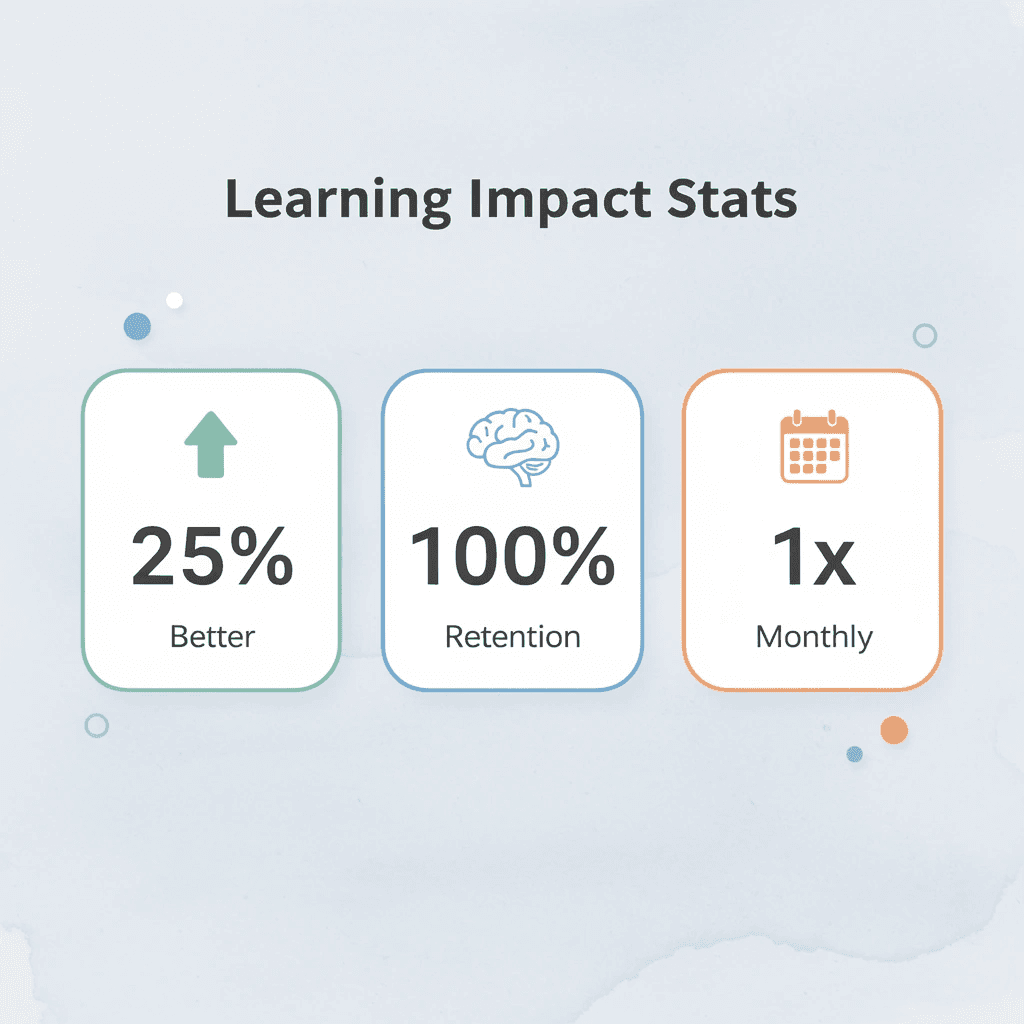
💡 Pro Tip: Create a gap analysis by reviewing your curriculum monthly and identifying topics that would benefit from real-world application. This targeted approach prevents over-supplementation while ensuring maximum impact.
Find Field Trips That Connect to What You're Teaching
Field trips transform abstract ideas into real experiences. A lesson about the American Revolution becomes clear when you stand in the places where events happened. A biology unit on ecosystems makes more sense after seeing tidal pools or forest habitats in person. You need not travel to major museums or historical landmarks; local farms, fire stations, water treatment plants, and small historical societies offer learning opportunities that connect classroom study to real-world applications. Plan these trips to align with what students are studying rather than treating them as random outings. When timed appropriately, the experience reinforces their learning instead of fading from memory.
Explore Your Child's Specific Interests Beyond the Standard Curriculum
Homeschooling's flexibility lets you spend time on what interests your child. A child who loves animals can volunteer at shelters, participate in wildlife rehabilitation programs, or shadow veterinarians—opportunities public school schedules rarely allow. Future engineers benefit from robotics clubs or LEGO leagues that teach mechanical principles through building rather than theory. According to Brighterly's homeschooling research, families spend between $500 and $2,500 annually on homeschooling, meaning every activity competes with curriculum costs. Seek free or low-cost community programs first: libraries, community centers, and local businesses often host workshops, maker spaces, or mentorship programs.
Join Co-ops and Clubs for Structured Social Learning
Many families avoid homeschooling due to concerns about socialization, despite its academic benefits. Homeschool co-ops address this by creating peer groups in which children learn specific subjects with consistent teachers. Classical Conversations and similar organizations offer structured lesson plans with weekly meetings. STEAM clubs focus on hands-on science and engineering projects. Art clubs at libraries or community centers teach skills that families cannot easily replicate at home. Book clubs foster enthusiasm for reading through group discussion. These learning spaces help children build strong friendships with peers they see regularly and provide instruction in areas where parents lack expertise. Online co-ops serve families facing location or scheduling constraints, though they require more parental engagement to maintain children's interest.
Get Outside for Learning That Happens Through Observation
Nature provides endless opportunities to learn without formal lesson plans. Camping trips teach navigation, fire safety, and weather prediction. Hiking builds strength while enabling plant identification, animal tracking, and observation of geological features. Nature journaling combines art skill development with scientific observation as children sketch and record seasonal changes. Programs like 1000 Hours Outside provide structure and tracking tools for families seeking accountability. Urban parks, backyard observations, and neighborhood walks work when approached intentionally. Outdoor time becomes learning time through guided attention rather than recess. Research shows that 98% of homeschooled students participate in an average of 5 extracurriculars per week, suggesting most families recognise that education extends beyond formal curriculum hours.
How should worksheets be used for targeted reinforcement?
Worksheets work best as follow-up activities after you've taught a concept, not as the lesson itself. Teach multiplication through manipulatives, real-world examples, and discussion first, then provide a focused worksheet with 10–15 problems for practice. Visual worksheets combining coloring with labeling or pattern recognition help younger learners process information through multiple pathways. Platforms like My Coloring Pages let you generate custom educational coloring pages that match specific lessons: anatomical diagrams for biology, geometric patterns for maths, or historical scene illustrations for social studies.
What makes worksheet sessions most effective?
Keep worksheet sessions short and directly connected to recent instruction. When worksheets become busywork disconnected from active teaching, children complete them without thinking deeply about what they are doing and without genuine understanding. When they serve as purposeful practice immediately after a concept is introduced, they help cement learning through manageable repetition.
Download 69,451+ Free Worksheets to Supplement Homeschool Learning
Understanding something right now doesn't mean your child will remember it three days later. Your child nods during the lesson, answers questions correctly, then looks confused when you revisit the same material the following week. The problem isn't their intelligence or your teaching—it's the lack of structured practice that moves information from short-term recognition into long-term memory.
🎯 Key Point: Most families assign more practice problems or repeat explanations, assuming repetition alone creates memory. What actually works is active recall combined with visual processing, forcing the brain to retrieve information rather than passively recognize it. A worksheet where your child labels a diagram, matches concepts to examples, or identifies patterns requires mental effort that recognition tasks skip entirely. That retrieval process strengthens neural pathways in ways that reading the same page twice never will.
"Spaced repetition pattern, practicing the same material with a day's gap between sessions, dramatically improves long-term retention compared to massed practice where all repetition happens in one sitting." — Birmingham City University, 2024
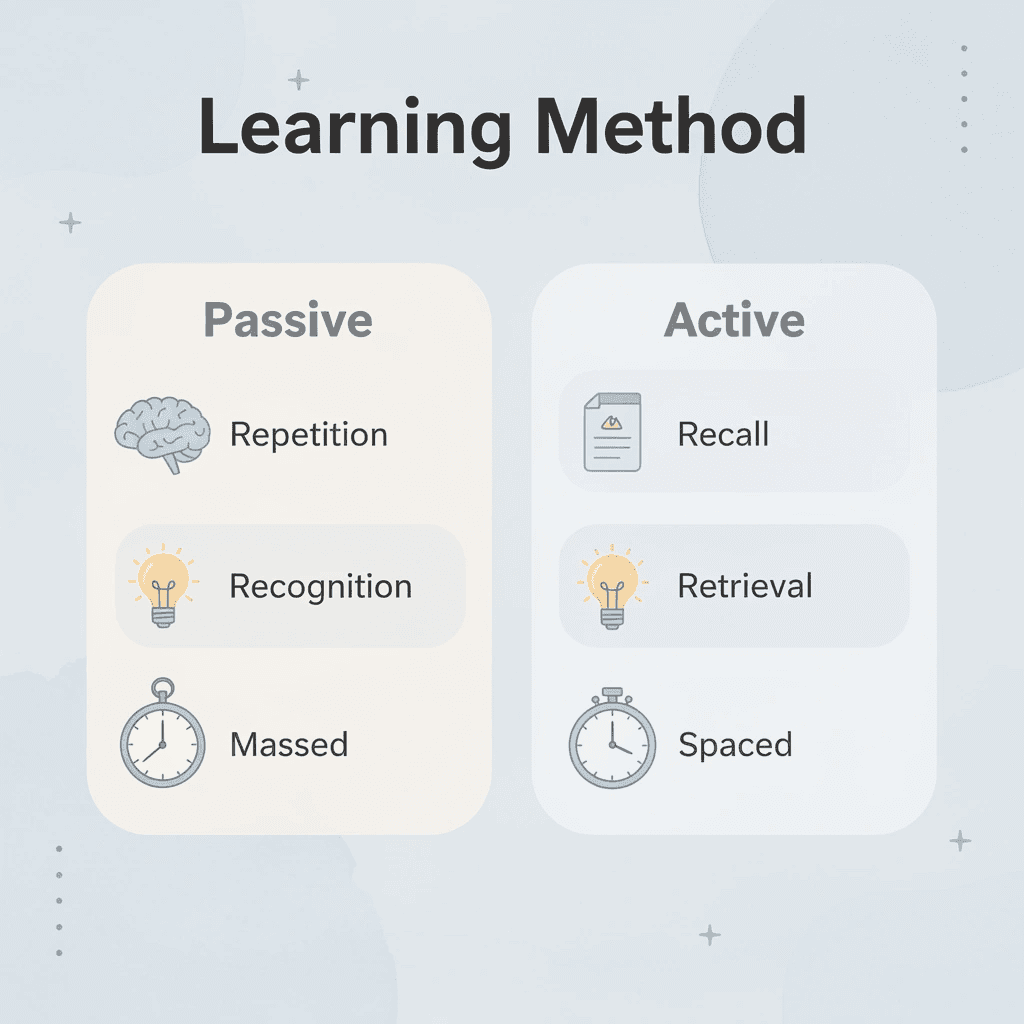
Platforms like My Coloring Pages let you generate custom worksheets combining visual engagement with active recall. Rather than generic practice sheets, you create materials matching what you taught: labeling cell parts after a biology lesson or identifying geometric shapes after introducing polygon properties. The coloring component keeps younger learners engaged, while labeling or matching tasks demand retrieval.
💡 Tip: Schedule a ten-minute retention block immediately after each lesson, particularly for vocabulary, history facts, or foundational math concepts. Have your child recall what you just covered without referencing notes or textbooks. This immediate practice catches information while fresh but requires effort to access—the cognitive work that builds lasting memory. The next day, use a similar worksheet covering the same concept through different questions. This spaced repetition pattern, practicing the same material with a day's gap between sessions, dramatically improves long-term retention compared to massed practice, in which all repetition occurs in one sitting.
✅ Best Practice: You now have access to materials that turn the frustrating cycle of teaching and forgetting into systematic learning that sticks. Download resources matching your current units, use them strategically rather than as busywork, and watch retention improve without adding hours to your teaching day.
Related Reading
- 5th Grade Homeschool Curriculum
- How To Homeschool In California
- Georgia Homeschool Requirements
- Alabama Homeschool Laws
- 2nd Grade Homeschool Curriculum
- Homeschool Reading Curriculum
- California Homeschool Laws
- 4th Grade Homeschool Curriculum
- North Carolina Homeschool Laws
- Homeschool Art Curriculum
- Accredited Homeschool Curriculum
- 3rd Grade Homeschool Curriculum
- Illinois Homeschool Laws
- Michigan Homeschool Laws
- Science Homeschool Curriculum