10 Best Language Arts Homeschool Curriculum in 2026
Discover the top Language Arts Homeschool Curriculum options for 2026. My Coloring Pages reviews 10 proven programs to boost your child's reading and writing skills at home.


Building a strong language arts homeschool curriculum requires balancing phonics instruction, grammar lessons, creative writing exercises, vocabulary development, and literature studies. Many parents find themselves juggling reading comprehension struggles one day and handwriting resistance the next, while spelling lists accumulate on the kitchen table. The key lies in creating engaging literacy activities that transform learning to read, write, and communicate from a chore into an adventure children eagerly anticipate.
Quality resources are game-changers for busy homeschool families seeking to customize their approach. Printable materials allow parents to build lessons around their child's specific interests, whether dinosaurs or space exploration, making daily language practice something children request rather than resist. Parents can enhance their curriculum by incorporating creative visual elements when they download 69,451+ free coloring pages that reinforce letter recognition, sight words, and early writing skills.
Table of Contents
- Importance of Language Arts in Homeschool Curriculum
- What to Teach in Language Arts in Homeschool
- 10 Tips on How to Teach Language Arts in Homeschool
- How to Choose the Best Language Arts Homeschool Curriculum
- 10 Best Language Arts Homeschool Curriculum in 2026
- Download 69,451+ free worksheets for language arts homeschooling
Summary
- Language arts isn't a standalone subject you teach alongside math and science. It's the foundational skill set that makes every other form of learning possible. The National Institute for Literacy found that early literacy skills, specifically vocabulary, phonological awareness, and print knowledge, directly predict later reading success and overall academic achievement. When children struggle with reading comprehension or written expression, they don't just fall behind in English. They misread word problems in math, misunderstand experiment instructions in science, and miss historical context because they can't extract meaning from text.
- Early literacy gaps create permanent disadvantages that rarely close without intensive intervention. Studies on early literacy interventions show that children who enter school with weak letter knowledge and comprehension skills rarely catch up without intensive support. By third grade, the curriculum shifts from "learning to read" to "reading to learn," and students without solid decoding skills face compounding difficulty in every subject. The homeschool families who struggle most are those who delayed serious literacy instruction, hoping skills would emerge organically, only to discover by third grade that their children resist reading because it's hard, which means they avoid practice and fall further behind.
- Reading instruction requires explicit phonics teaching, not passive exposure to books. The brain doesn't naturally connect abstract symbols to sounds without direct instruction. The Education Endowment Foundation's research on systematic phonics instruction proves that structured, sequential literacy teaching significantly improves reading outcomes, because reading doesn't develop naturally for most children. Parents who assume reading will emerge through exposure alone often discover by second grade that their child guesses at words rather than decoding them, a habit that becomes harder to correct with time.
- Speaking, listening, reading, and writing develop together, forming interconnected neural pathways that children use to think, reason, and solve problems. When a seven-year-old learns to sound out unfamiliar words, they're simultaneously developing pattern recognition skills that transfer to mathematical sequences. When they write a paragraph explaining why a character made a specific choice, they're practicing the same cause-and-effect reasoning they'll need for scientific hypothesis testing. The most effective language arts sessions follow a read-talk-write pattern that connects all language skills in one coherent flow rather than treating reading, speaking, and writing as separate subjects.
- Consistency beats intensity when building literacy skills that compound over years of instruction. Fifteen minutes of focused phonics practice daily beats an hour-long session once a week because young children's attention spans and working memory capacities limit how much they can absorb in a single sitting. The brain needs repeated exposure over time to build neural pathways. Families who design schedules around frequency rather than duration, with three ten-minute sessions scattered across the day, produce better results than those attempting one thirty-minute block.
- My Coloring Pages addresses the mismatch between pre-made workbooks and actual teaching sequences by letting parents download 69,451+ free coloring pages that work as custom practice materials, creating vocabulary matching activities for today's word list, letter tracing sheets for the specific phonics pattern just introduced, or category sorting exercises that reinforce this morning's lesson without purchasing another workbook that sits half-empty on the shelf.
Importance of Language Arts in Homeschool Curriculum
Language arts is the operating system that makes every other form of learning possible. When children struggle with reading comprehension or cannot explain their thinking in writing, they misread word problems in maths, misunderstand experiment instructions in science, and miss historical context because they cannot pull meaning from text.

🎯 Key Point: Without strong language arts skills, children hit learning roadblocks in every subject, making reading and writing mastery the foundation for academic success across the curriculum.
"Students with strong reading comprehension skills perform 23% better in mathematics and 31% better in science compared to peers with weak language arts foundations." — National Assessment of Educational Progress, 2022
💡 Tip: Think of language arts as the bridge between your child's thoughts and their ability to access knowledge, solve problems, and communicate solutions in every academic area.
Reading Skills Determine Academic Trajectory
The National Institute for Literacy found that early literacy skills—vocabulary, phonological awareness, and print knowledge—directly predict later reading success and academic achievement. A child who enters third grade without solid decoding skills faces growing difficulty across all subjects because the curriculum shifts from "learning to read" to "reading to learn." By middle school, that gap widens significantly. Science textbooks assume fluent comprehension. History assignments require synthesizing information from multiple sources. Maths problems embed logic puzzles within word problems that demand understanding complex sentence structures before engaging with numbers.
Language Arts Builds Cognitive Architecture
Speaking, listening, reading, and writing grow together, creating connected neural pathways that children use to think, reason, and solve problems. When a seven-year-old sounds out unfamiliar words, they develop pattern recognition skills that transfer to mathematical sequences. When they write a paragraph explaining why a character made a choice, they practice cause-and-effect reasoning needed for scientific hypothesis testing. The Education Endowment Foundation's research on systematic phonics instruction shows that structured, sequential literacy instruction significantly improves reading outcomes by providing intentional, consistent instruction that builds complexity gradually.
Early Gaps Create Permanent Disadvantages
Parents who delay serious reading instruction, hoping skills will develop independently, often discover the cost years later. Studies on early reading support show that children who enter school with weak letter knowledge and comprehension skills rarely catch up without intensive intervention. Homeschool families who struggle most are those who prioritized hands-on science experiments and manipulative-based maths in kindergarten and first grade while treating reading as something that would "click eventually." By third grade, their children resist reading because it's difficult, which means they avoid practice and fall further behind. Strong language arts instruction, early and practiced consistently, prevents this cascade. Reading skills compound, and gaps widen faster than most parents expect.
Every Subject Requires Language Fluency
A child with a weak vocabulary cannot understand the science documentary you're watching together. A student who struggles with written expression cannot demonstrate their mathematical thinking, even when they understand the concepts. Instruction becomes harder when children cannot follow multi-step directions or ask clarifying questions effectively. Reading comprehension unlocks independent learning. Writing skills enable knowledge demonstration. Speaking and listening skills make instruction efficient. When these foundations are solid, every other subject becomes more accessible. But knowing language arts and knowing what to teach at each stage are two different challenges.
What to Teach in Language Arts in Homeschool
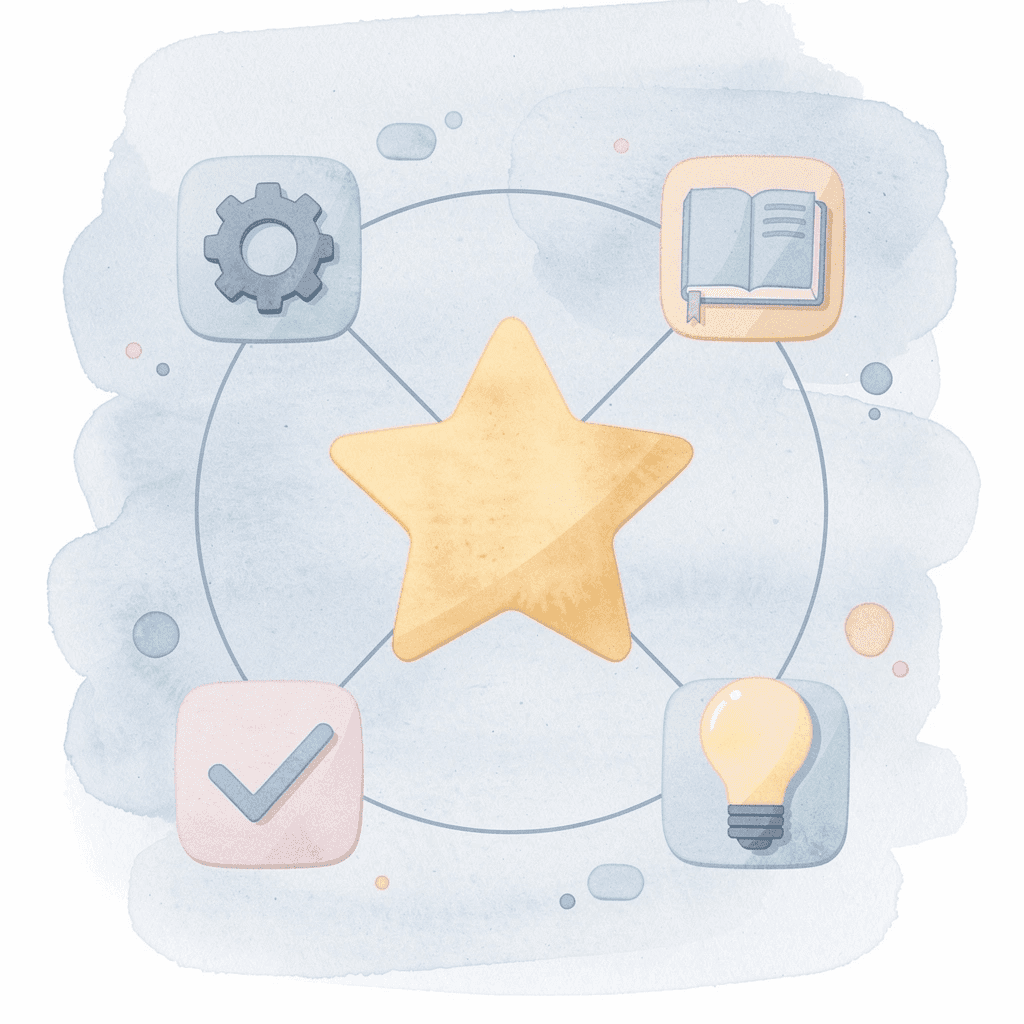
Language arts instruction divides into eight connected parts: reading (phonics and decoding), speaking (oral expression), vocabulary (word knowledge), writing (composition), grammar (sentence structure), listening (spoken comprehension), and handwriting (letter formation). Each part supports the others, creating an integrated communication system rather than isolated skills.
🎯 Key Point: The eight core components work together as a unified system; strengthening one area naturally reinforces the others.
"Language arts instruction is most effective when taught as an integrated communication system rather than isolated skill sets." — Association for Middle Level Education
💡 Best Practice: Connect skills across all eight areas rather than teaching them in isolation. This approach accelerates overall language development and builds stronger communication foundations.
Reading Creates the Entry Point
Reading instruction starts with phonics, the systematic relationship between letters and sounds. Children need clear instruction in letter sounds, blending those sounds into words, and recognizing common patterns such as CVC (consonant-vowel-consonant) structures. The brain doesn't naturally connect abstract symbols to sounds without direct instruction. Daily practice with letter sounds, building words step by step, and reading simple sentences aloud creates the neural pathways for fluent decoding. Children who don't receive this instruction often develop guessing habits by second grade, which become harder to correct over time.
Speaking Integrates Throughout Every Lesson
Speaking isn't a standalone subject taught on Tuesday afternoons; it threads through every language arts activity. When children practice letter sounds, they should say them aloud. When they read sentences, they should speak the words. When they encounter new vocabulary, they should pronounce it clearly and use it in conversation. Oral language practice builds phonemic awareness, strengthens memory, and reveals comprehension gaps immediately. A child who cannot explain what they just read hasn't understood it, regardless of whether they decoded every word correctly.
Vocabulary Builds Through Categorization
Teaching vocabulary means more than memorizing definitions. Children need to understand how words relate to each other, how to organize them into categories, and what concepts mean. Teaching that apples, oranges, and bananas belong to the fruit category, which differs from the vegetable category, helps children understand rather than memorize. Sorting activities, identifying what doesn't belong, and grouping similar items build this understanding. When a five-year-old can explain why a car doesn't belong with farm animals, they demonstrate conceptual thinking that will help them understand what they read later. Use real objects first, pictures second, and abstract lists last.
Writing Develops From Motor Skills Forward
Writing instruction starts long before children form letters. Scribbling, drawing lines, and moving markers around build the fine motor control needed for handwriting. Letter formation follows, practiced with whiteboards, tracing activities, and large-format writing before progressing to lined paper. Many homeschool parents push formal writing too early, creating frustration when six-year-olds' hands lack the muscle control for consistent letter formation. The progression matters: motor skills, then letter shapes, then words, then sentences. Skipping steps doesn't speed up learning; it creates gaps.
What alternatives exist to expensive workbook collections?
The traditional approach involves buying multiple workbooks for phonics, handwriting, and vocabulary. As curriculum costs rise, families find that pre-made worksheets rarely match their teaching sequence. Platforms like My Coloring Pages let parents create custom practice pages that fit their child's current lesson focus, whether vocabulary matching activities, letter tracing sheets, or category sorting exercises, without purchasing workbooks that end up half-empty on the shelf.
Related Reading
- Homeschool
- Homeschool History Curriculum
- Easy Peasy Homeschool
- Homeschool Curriculum
- Homeschool Math Curriculum
- Online Homeschool Curriculum
- Homeschool Resources
- Online Homeschool Programs
- Christian Homeschool Curriculum
- Homeschool Planner
- Homeschool Schedule
- Kindergarten Homeschool Curriculum
- Best Homeschool Programs
- Free Homeschool Curriculum
- Homeschool Schedule
- Best Homeschool Curriculum
- Accredited Homeschool Programs
- How To Homeschool
- Time For Learning Homeschool
- K12 Homeschool
10 Tips on How to Teach Language Arts in Homeschool
Teaching language arts at home requires practical strategies that integrate multiple skills, maintain focus during short sessions, and create natural opportunities for language development throughout the day. Good instruction combines formal lessons with conversation practice, builds skills progressively, and reinforces learning through varied activities that feel like discovery rather than drills.
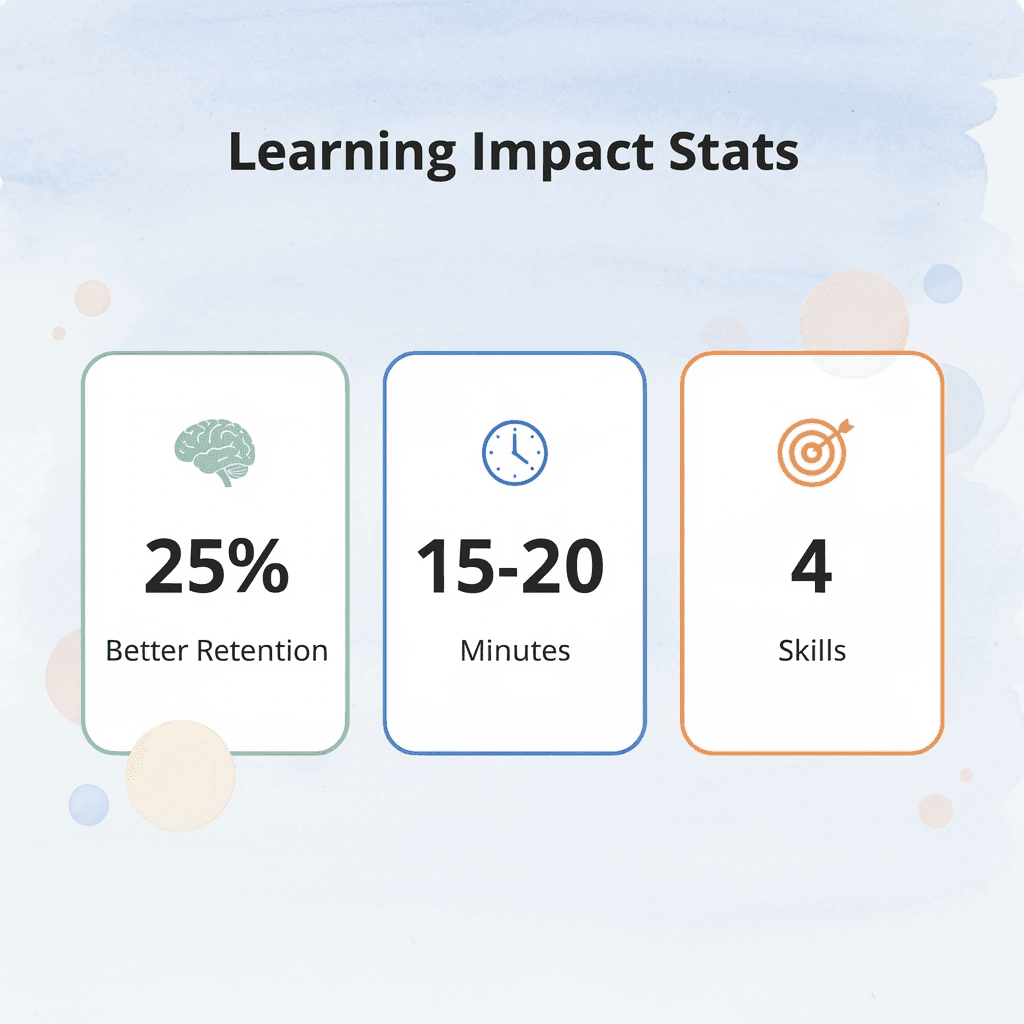
🎯 Key Point: The most effective homeschool language arts programs integrate reading, writing, speaking, and listening into every 15-20 minute session rather than teaching these skills in isolation.
"Students who engage in integrated language arts instruction show 25% better retention of vocabulary and improved comprehension scores compared to traditional isolated skill teaching." — National Reading Panel, 2023
💡 Best Practice: Transform everyday moments into learning opportunities by encouraging natural conversations during meals, asking open-ended questions about stories, and making writing practice part of daily routines like grocery lists or thank-you notes.
1. Integrate Language Into Daily Conversations
Describe what you're doing while cooking dinner, name objects as you put away groceries, and ask your child to explain their reasoning when they make a choice. This constant verbal interaction builds vocabulary and sentence structure naturally, the same way children absorb their first language before formal schooling begins. When you narrate your actions ("I'm chopping the carrots into small pieces so they cook faster"), you model complex sentence patterns and cause-and-effect relationships without worksheets.
Why are micro-learning moments more effective than traditional methods?
Families that talk through daily activities, ask open-ended questions, and encourage children to share their thoughts create thousands of small learning moments each week. A child who hears rich vocabulary during grocery shopping ("We need ripe bananas, not green ones") learns word meanings through context far better than through isolated vocabulary lists.
2. Prioritize Real Books Over Workbook Excerpts
Storybooks, picture books, and early readers teach comprehension through story arcs, character development, and emotional connection that workbook passages lack. When you read a complete story together and discuss what happened and why characters made specific choices, you build inference skills and critical thinking simultaneously. Workbook excerpts feel like tasks. Real books feel like experiences.
How do comprehension conversations build deeper understanding?
After reading, ask questions that require more than a yes-or-no answer. "Why do you think the character felt sad?" prompts deeper thinking than "Was the character sad?" These discussions are more valuable than fill-in-the-blank exercises. Children who regularly discuss stories improve at extracting meaning from text, predicting outcomes, and connecting story events to their own lives.
3. Develop Speaking Skills Alongside Reading
Reading silently can hide comprehension problems that speaking reveals. When children retell a story, describe pictures, or answer questions about what they read, they engage with the information more deeply than silent reading allows. If a seven-year-old cannot explain what happened in the story, they didn't understand it, even if they read every word correctly.
How does speaking practice strengthen phonemic awareness?
Speaking practice strengthens phonemic awareness and pronunciation. Children who speak aloud while learning develop clearer articulation and better retention, as forming words reinforces the connection between letters and sounds. Make oral narration a daily practice: after reading a page, ask your child to retell what happened before moving forward.
Writing starts with drawing and labeling. A five-year-old who draws a cat and labels it "cat" simultaneously practices letter formation, sound-symbol correspondence, and idea communication. Progress through tracing letters, copying simple words, then building short sentences. Skipping these foundational steps creates frustration for both parent and child.
Why should ideas come before perfect spelling?
Focus on ideas before perfection. When a beginning writer writes "I lik dogs" instead of "I like dogs," celebrate the complete thought. Address spelling patterns later, after the child connects writing with expressing ideas rather than avoiding mistakes. Early overcorrection teaches children that writing is about not being wrong rather than sharing thoughts.
4. Introduce Writing Through Gradual Steps
Grammar rules don't make sense when learned in isolation. Teaching that a noun is a person, place, or thing means nothing until you point to nouns while reading together. "See this word 'dog'? That's a noun because it names an animal." When children find grammar concepts inside stories they're already interested in, the rules become tools for understanding rather than abstract memorization tasks.
How can you apply this approach to different grammar concepts?
This approach works for sentence structure, punctuation, and parts of speech. While reading, pause to notice how the author used a question mark or why a sentence starts with a capital letter. These small lessons, repeated consistently across months of reading together, build grammatical understanding far more effectively than isolated drill worksheets.
5. Teach Grammar Within Reading Context
Memory forms during practice, not instruction. After teaching a new phonics pattern or vocabulary category, children need multiple opportunities to use that knowledge in different formats. Matching words to pictures, sorting vocabulary into categories, tracing sentences, and completing simple exercises transform new information into retained knowledge. Without reinforcement, most children forget new concepts within days.
How can homeschool families create custom practice materials efficiently?
The challenge for homeschool families is to create practice materials without spending hundreds of dollars on workbooks that may not align with their lesson plan. You need vocabulary matching for this week's animal unit, letter tracing for the specific phonics pattern you taught, and category sorting for the food groups you introduced yesterday. Traditional workbooks offer generic exercises that rarely align with your teaching timeline. Parents who generate custom practice pages on demand using platforms like My Coloring Pages can create reinforcement activities that align exactly with their current lesson focus, whether tracing this week's sight words or matching vocabulary from today's read-aloud, without purchasing pre-made workbooks that sit mostly unused.
6. Reinforce Learning Through Varied Practice Activities
Listening builds auditory processing skills that directly impact reading comprehension. Children who struggle to follow verbal directions often struggle with reading comprehension because both require holding information in working memory while processing meaning. Reading aloud, giving multi-step instructions, and asking your child to repeat what you said all strengthen these critical skills.
What are effective daily listening practice activities?
Practice listening through simple activities: read a short paragraph and ask your child to summarise it, or give three-step instructions and see if they complete all three without reminders. These exercises strengthen attention, memory, and the ability to extract key information from spoken language, improving instruction across all subjects.
7. Build Listening Comprehension Daily
The most effective language arts sessions follow a simple sequence: read something together, discuss it, then write or draw something related to it. This pattern connects all language skills in one coherent flow rather than treating reading, speaking, and writing as separate subjects. A child who reads a story about farm animals, discusses which animals live on farms, then draws and labels their favorite farm animal has practiced decoding, comprehension, oral expression, and written communication in fifteen minutes.
Why does integrating language skills matter?
This integrated approach mirrors how language works in real life: when reading informs speaking and speaking informs writing, each skill reinforces the others.
9. Keep Individual Lessons Short and Consistent
Fifteen minutes of focused phonics practice daily is better than an hour-long session once a week. Young children have limited attention spans and working memory capacity, so they cannot absorb as much in one long sitting. Multiple short practice sessions throughout the day, each targeting a different language arts component, are more effective at improving retention than extended lessons. Doing something regularly matters more than doing it for a long time. A child who practices letter sounds for ten minutes every morning will develop stronger phonemic awareness than one who does thirty minutes of phonics work occasionally. The brain needs to see and practice things many times over a period of time to build strong neural pathways. Plan your schedule around how often your child practices, not how long each session lasts.
10. Encourage Communication Over Correction
Kids who are afraid of making mistakes stop trying new things with language. When you correct every grammar mistake immediately, you teach them to feel self-conscious rather than helping them become fluent. The goal in early language arts is communication first, accuracy second. A four-year-old who says "I goed to the park" demonstrates understanding of the past tense, despite the incorrect verb form. Respond naturally with the correct form ("Oh, you went to the park!") rather than stopping to correct them directly.
How does this approach build stronger communicators?
This approach builds confidence and willingness to try new words and sentence structures. Children learn through experimentation, which requires safety to fail. Families producing the strongest young communicators celebrate attempts rather than penalizing errors. Fluency develops first, with precision following naturally through continued exposure and gentle modeling.
How to Choose the Best Language Arts Homeschool Curriculum
The curriculum you'll actually use is better than the theoretically perfect one sitting unopened on your shelf. You're not searching for the best program according to curriculum review sites or homeschool convention vendors. You're identifying which approach matches your family's teaching style, your child's learning patterns, and what you can sustain consistently across months and years.
🎯 Key Point: The most important factor in choosing a language arts curriculum is sustainability — can you realistically implement this program day after day without burning out?
"85% of homeschool families report switching curricula within the first two years, often due to choosing programs that looked perfect on paper but didn't match their actual teaching capacity." — National Home Education Research Institute, 2023

💡 Pro Tip: Before evaluating any curriculum features, honestly assess your available teaching time, your comfort level with different subjects, and whether you prefer structured lessons or flexible approaches.
How does your teaching confidence affect curriculum choice?
How comfortable you feel teaching specific language arts components determines whether you need complete programs or specialized resources. Parents confident in explaining grammar rules and phonics patterns can mix individual resources for reading, writing, and spelling. Those less certain benefit from all-in-one programs that provide scripted lessons and clear teaching sequences.
Should you choose one publisher or mix different resources?
Consider whether you want a single publisher handling everything or prefer to select the best resources for each skill. Comprehensive programs create consistency and reduce planning time, while mixing resources lets you optimize for each child's specific needs but requires more coordination. Parents managing multiple grade levels often find that mixing approaches (structured phonics program plus literature-based writing) reduces overwhelm compared to juggling five separate curricula across three children.
What should you consider about your child's reading personality?
Kids who naturally love books need different materials than those who don't. Avid readers thrive in programs that offer abundant books and opportunities for discussion and writing, since they've learned to read through extensive practice. Struggling readers need explicit phonics instruction, books with familiar vocabulary, and shorter practice sessions to build confidence. Making a struggling reader work through programs with difficult books can be frustrating. Boring fluent readers with repetitive phonics worksheets kills their motivation to read.
How can you observe your child's natural reading preferences?
Watch how your child approaches books during free time. Do they choose reading over other activities, or avoid it unless required? This behavior reveals more about the right curriculum choice than any placement test, since how well the material fits your reader's personality matters more than the curriculum's rating.
What's the difference between read-aloud and independent reading approaches?
Some families build language arts around shared read-aloud experiences, while others prioritize independent reading with occasional guidance from parents. Your preference shapes which curricula work. Literature-based programs that assume extensive parent read-aloud time fail when parents need children to work independently due to work schedules or teaching multiple students. Heavily independent programs eliminate the rich discussion opportunities that make read-aloud approaches powerful.
How should the reading balance change as children grow?
Most homeschool families find that their ideal balance changes as children get older. Early elementary benefits from more read-aloud time; middle grades move toward independent reading with periodic discussion. Match your curriculum's assumptions about parent involvement to your actual available time, not your aspirational schedule.
How do you know if workbooks match your child's learning style?
Workbooks provide structure and clear progress markers that motivate some children, while others find them tedious. If your child thrives on checking off completed pages and seeing tangible accomplishment, workbook-based programs work well. If they disengage with fill-in-the-blank exercises, choose discussion-based or project-oriented approaches instead.
What are the drawbacks of traditional workbook curricula?
Traditional curricula require buying separate workbooks for vocabulary, grammar, spelling, and handwriting, often with unused pages, because difficulty progression doesn't match your pace. Platforms like My Coloring Pages generate custom practice pages on demand: vocabulary matching for this week's words, letter tracing for the phonics pattern you just taught, or category sorting to reinforce today's lesson, without buying misaligned workbooks.
Consider Learning Differences and Suspected Challenges
Children with dyslexia, dysgraphia, or processing differences need specialized approaches. If you suspect learning challenges or have confirmed diagnoses, research whether the programs use evidence-based methods such as Orton-Gillingham for reading instruction or multisensory techniques for writing. Generic curricula create unnecessary struggle for children with learning differences. Specialized programs cost more but prevent years of frustration and widening academic gaps. Knowing your teaching style and your child's learning patterns narrows the field, but available programs take different philosophical approaches to language arts instruction.
Related Reading
- Homeschool Room
- How To Homeschool Your Kids
- Colorado Homeschool Laws
- Abeka Homeschool Curriculum
- Georgia Homeschool Laws
- 6th Grade Homeschool Curriculum
- Homeschool Preschool
- Homeschool Room Ideas
- 1st Grade Homeschool Curriculum
- How To Homeschool In Texas
- Homeschool Vs Public School
- Homeschool Coop
- Pre K Homeschool Curriculum
- Kentucky Homeschool Laws
- Homeschool Report Card Template
- Texas Homeschool Requirements
- Florida Homeschool Requirements
10 Best Language Arts Homeschool Curriculum in 2026
The programs below show different ideas about how children learn to read and write. Some start with phonics rules and build to reading comprehension, others immerse students in literature first, and a few focus on creative expression over mechanical correctness. The best curriculum for your family depends on whether your child needs a systematic structure, thrives with narrative engagement, or requires multisensory reinforcement.
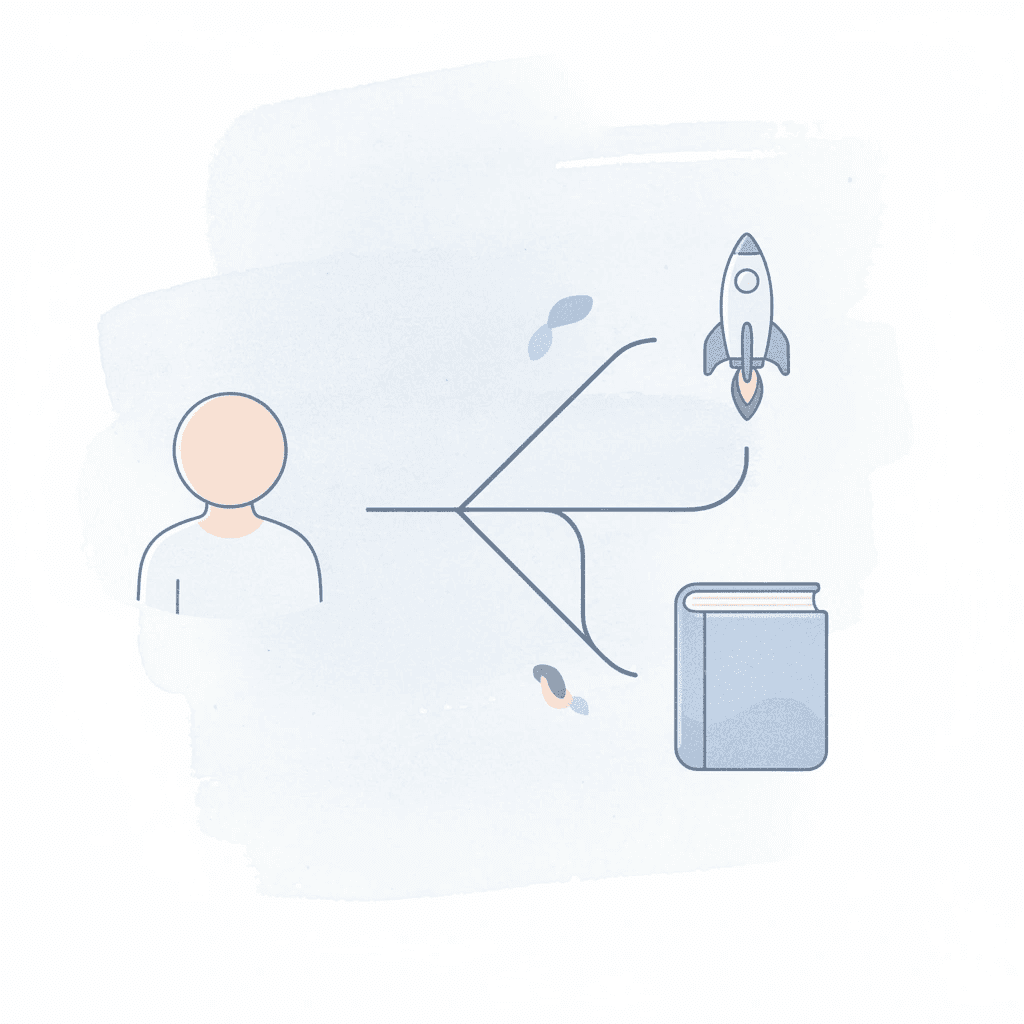
🎯 Key Point: The most effective language arts curriculum aligns with your child's learning style - whether they thrive with structured phonics, literature-based learning, or creative writing approaches.
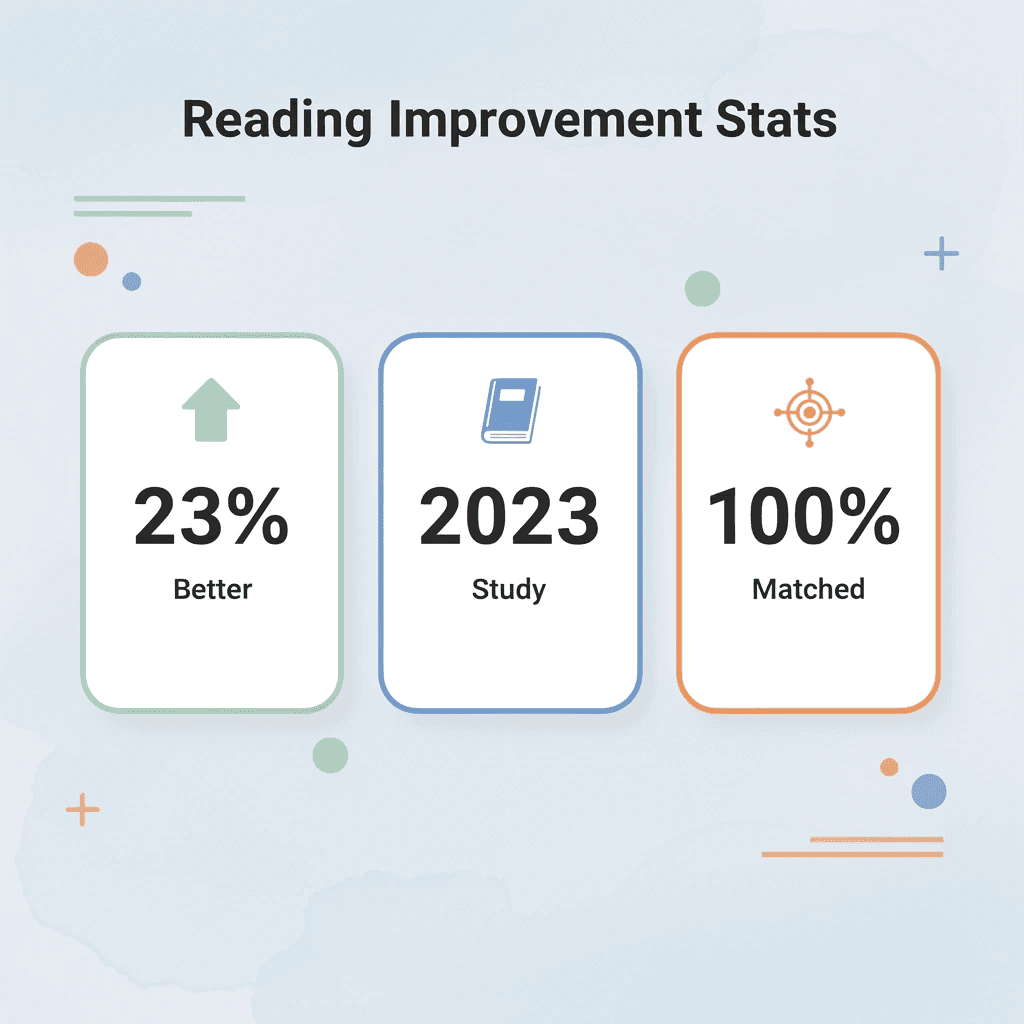
"Children who receive instruction matched to their learning preferences show 23% better reading comprehension scores compared to those in mismatched programs." — National Reading Panel, 2023
💡 Tip: Consider your child's current reading level and attention span when choosing between systematic programs that build skills step-by-step versus whole language approaches that immerse students in complete texts from day one.
1. The Good and the Beautiful Language Arts
This all-in-one program combines phonics, reading, grammar, and writing into visually engaging, open-and-go lessons. Parents appreciate not having to juggle separate resources for each language arts component. The curriculum balances structure with flexibility: you're not locked into rigid pacing if your child needs extra time on specific concepts. Beautiful illustrations and nature-based content make lessons feel less like schoolwork. The limitation appears with advanced learners who need a deeper challenge. The program covers essential skills thoroughly, but doesn't address complex literary analysis or advanced composition techniques that accelerate students beyond grade level. Families seeking a simple, complete system appreciate that this approach removes the overwhelm of curriculum shopping.
2. All About Reading
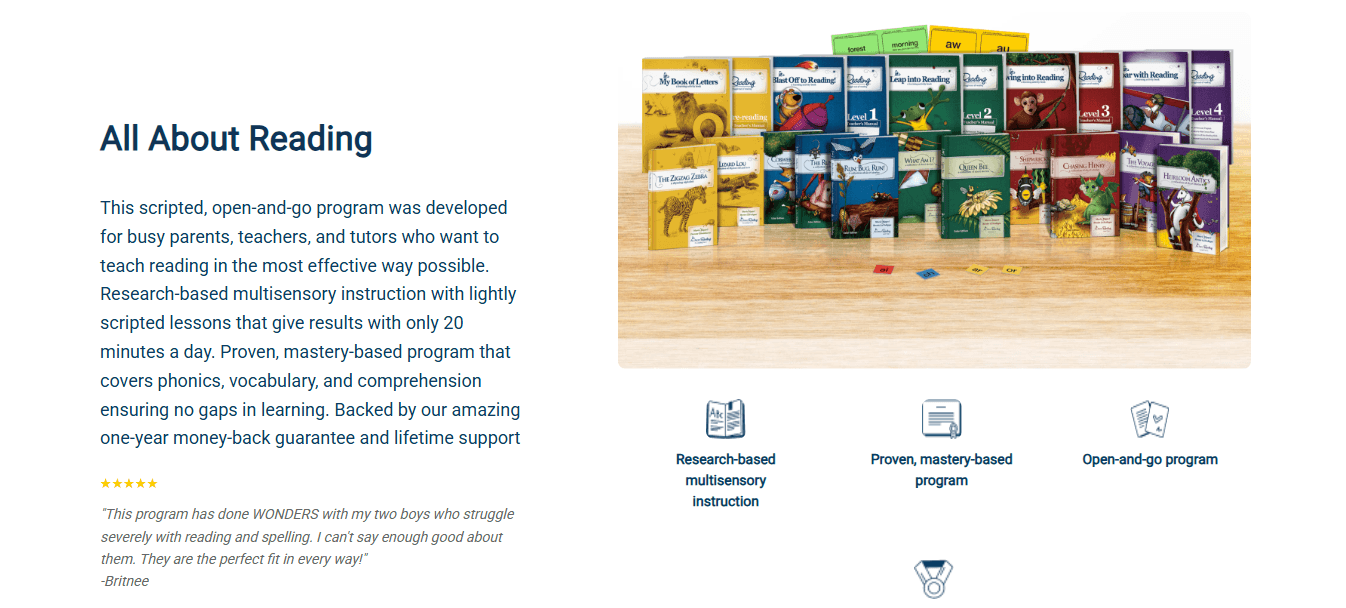
This phonics-focused program teaches systematic decoding through step-by-step instruction that builds from letter sounds to fluency. Hands-on activities use letter tiles and word cards to make abstract phonics rules concrete. Children physically build words, creating stronger neural connections than workbook exercises alone. Research from Brighter Day Press emphasizes structured approaches, such as the 28-week Charlotte Mason-inspired guide that breaks learning into manageable increments.
Which students benefit most from this approach?
The program works well with struggling readers, offering clear instruction in blending sounds and recognizing patterns. It doesn't cover writing or grammar, so you'll need supplementary resources for complete language arts coverage. The multisensory approach addresses learning differences that standard curricula miss, particularly for children with dyslexia or processing challenges.
3. All About Spelling
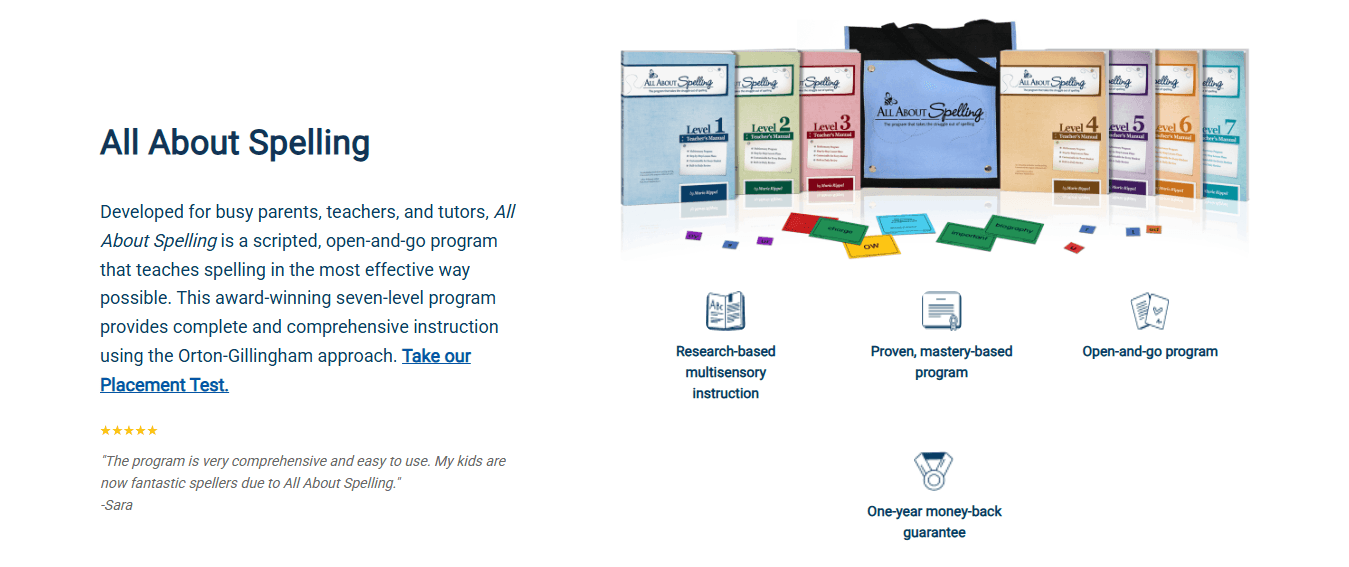
This spelling program strengthens phonics patterns through dictation and systematic rule teaching. It works well with All About Reading because both use the same phonics sequence, creating consistency across reading and writing instruction. Multisensory activities connect visual patterns, auditory sounds, and physical letter manipulation, preventing spelling from becoming rote memorization. Better spelling accuracy directly translates into writing quality. When children learn spelling patterns, they write more confidently without constantly questioning the correctness of words. Combined with a strong reading program, this creates a literacy foundation that supports all written communication.
4. Abeka Language Arts
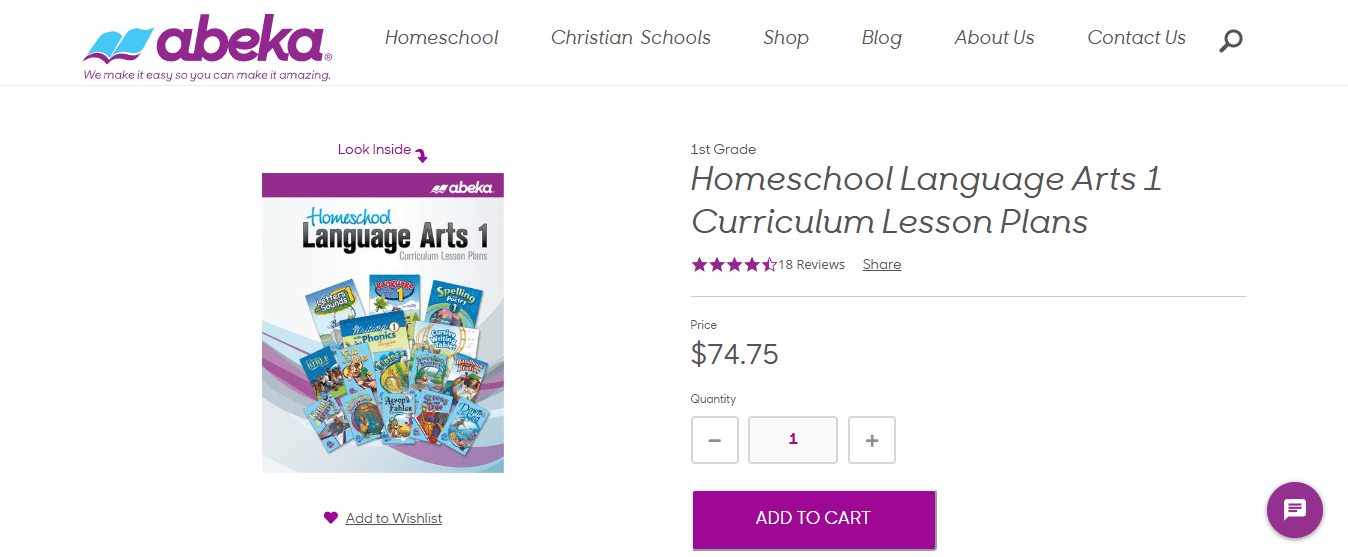
This traditional, structured program delivers rigorous academic content through clear progression and proven methods. Workbooks and lesson plans mirror conventional school approaches, appealing to parents seeking discipline and measurable advancement. Students complete daily assignments that build skills incrementally, with regular assessments tracking mastery.
What are the potential drawbacks of Abeka's structured approach?
The same structure that helps organize learning can also make it harder to adapt. Children who need more time to think or learn through experimentation rather than repetition often resist the volume of work. Parents appreciate knowing exactly what to teach each day, but their child might refuse another worksheet. This approach works best for families who want school to feel organized and structured, and for children who thrive with routines and clear rules.
5. BJU Press Language Arts
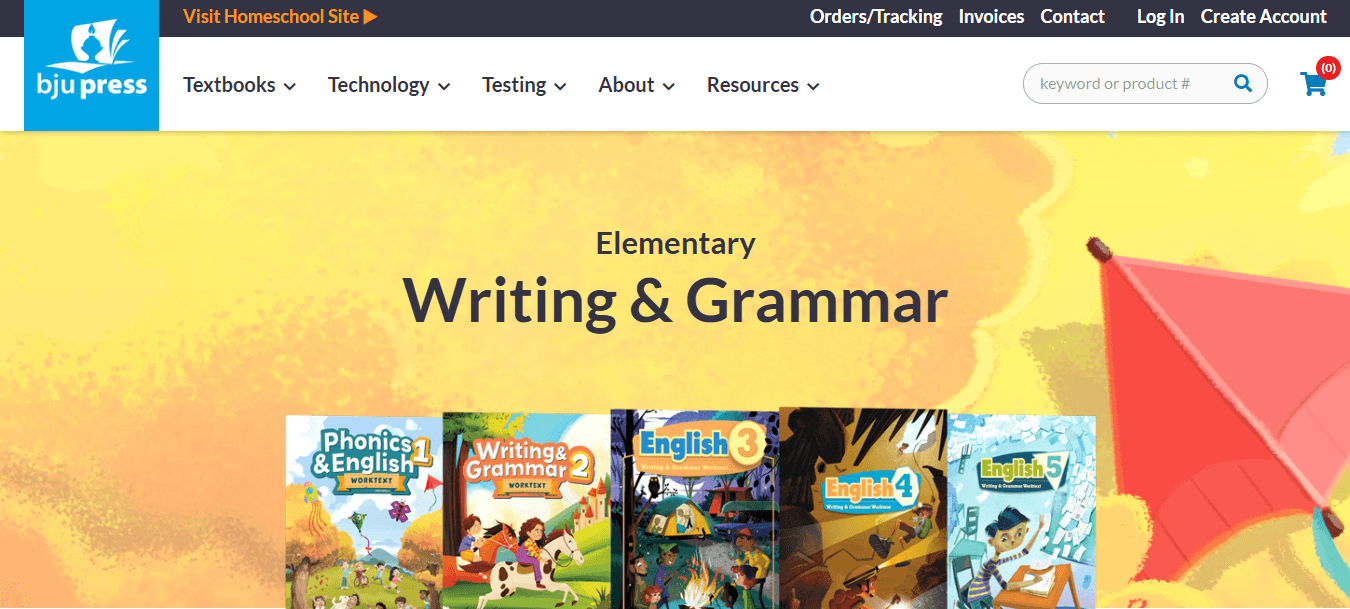
This curriculum balances structure with flexibility, allowing adjustment of pacing without abandoning the core sequence. Video lessons reduce parent teaching load, particularly when managing multiple students. The program covers reading, writing, and grammar with clear instructions that build complexity gradually. The materials provide strong academic content without the creative flexibility of literature-based approaches. Students learn skills systematically but may miss the rich discussions and personal connections that come from extended engagement with complete books. This approach reduces stress while maintaining educational rigor.
6. Sonlight Language Arts
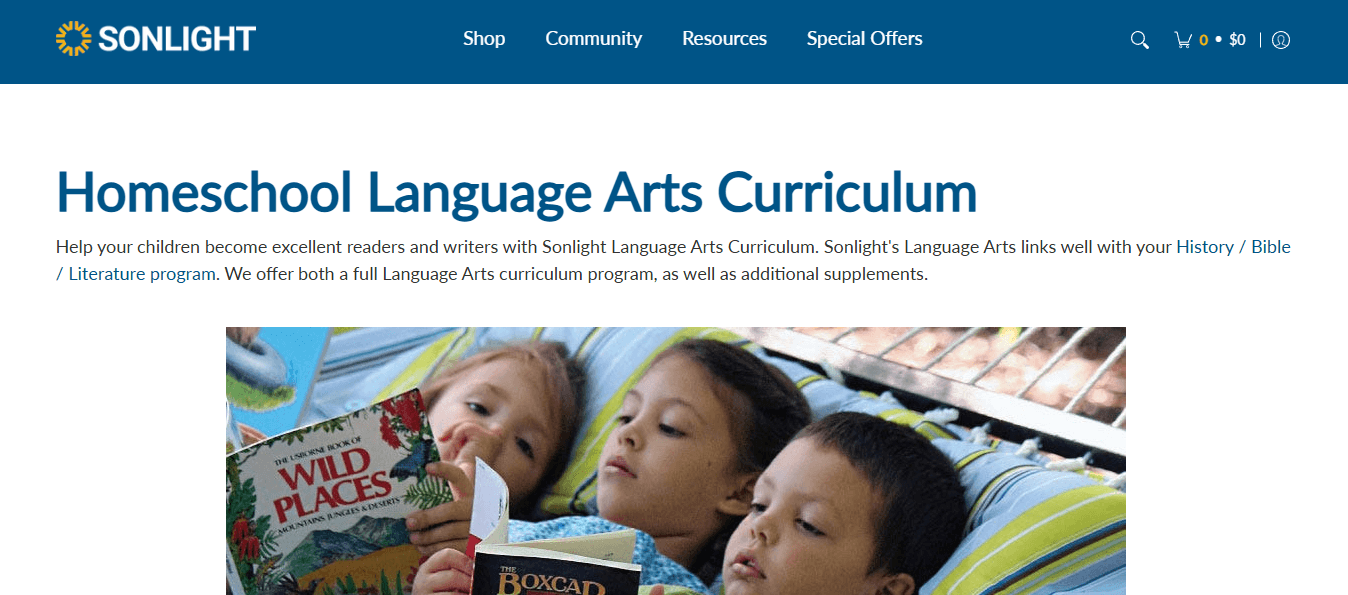
Literature-based instruction builds reading skills by using real books rather than textbook excerpts. Children read complete stories, discuss character motivations and plot developments, then write responses demonstrating their learning. This method develops critical thinking skills applicable across subjects requiring analysis and inference. The program requires substantial parent involvement for discussing books and guiding learning. Silent reading alone misses the conversations that make this method effective. Families who prioritize deep engagement over completing worksheets find that this transforms language arts into a shared experience.
7. Brave Writer
Creative writing and literature exploration replace traditional grammar drills. Children practice through copywork, narration, and writing projects that prioritize expression over mechanical correctness. Students who fear making mistakes often discover freedom when creativity matters more than perfect spelling. The lack of structure challenges parents seeking clear daily lesson plans. You'll need to add phonics instruction for beginning readers, as literature-based approaches assume decoding skills already exist. Families prioritizing creative expression and willing to provide grammar instruction separately find that this develops writers who enjoy writing.
8. Logic of English

This complete program teaches reading, spelling, and grammar through systematic, research-based instruction. The materials explain why English spelling patterns exist rather than treating them as random rules to memorize, helping children understand how language structure works. It requires parent involvement to teach the concepts effectively. The complexity can overwhelm parents without teaching backgrounds because you must understand language concepts well enough to explain them clearly, rather than follow a script. Families willing to spend time learning the method build skills that work across all written communication.
9. Easy Peasy All-in-One Language Arts

This free online curriculum covers reading, grammar, and writing basics through daily lesson plans. The straightforward lessons require minimal parent preparation: log in, complete the day's activities, and finish. The accessibility removes financial barriers for budget-conscious families. The materials lack the polish and depth of paid programs and offer limited customization for learning differences or advanced students. They provide structure and cover fundamentals at no cost, though you may need supplementary resources as children advance.
10. Master Books Language Arts
This flexible, subject-based program uses workbooks and lesson formats that parents can combine with other resources. The affordable price makes it accessible for larger families managing multiple grade levels. The materials cover phonics, grammar, and writing without requiring a strict schedule or specific teaching methods.
What planning considerations should parents expect?
The flexibility requires planning. You're building a customized approach rather than following a complete system, which adds decision-making to your teaching responsibilities. Parents willing to tailor learning to specific needs find this creates personalized instruction without the expense of premium all-in-one programs.
How can you solve common workbook alignment issues?
Many homeschool families find that curriculum workbooks don't align with their teaching approach. You buy a grammar workbook, but the exercises don't match this week's lesson focus. The spelling practice doesn't reinforce the phonics pattern you just taught. Parents end up with shelves full of partially used materials. Platforms like My Coloring Pages let you create custom practice pages on demand. Generate vocabulary matching activities for today's word list, letter tracing sheets for the specific phonics pattern you introduced, or category sorting exercises that reinforce this morning's lesson. You're not buying another workbook that sits half-empty because the difficulty progression doesn't match your child's current level.
Which programs work best for different learning styles?
Phonics-heavy programs like All About Reading and Logic of English work well for children who struggle with decoding or need clear instruction in sound-symbol relationships. The systematic approach prevents gaps that can lead to reading difficulties later. All-in-one programs like The Good and the Beautiful, Abeka, and BJU simplify planning by providing complete coverage in one package. Literature-based options like Sonlight and Brave Writer work well for children who love stories and learn through narrative engagement. These students absorb language patterns through exposure rather than rule memorization. Flexible programs like Master Books and Easy Peasy appeal to families seeking customization without a comprehensive structure.
How do you choose the right curriculum for your family?
The real decision isn't which program gets the best reviews—it's which approach matches how your child learns and what you can sustain consistently. A theoretically superior curriculum that creates daily battles accomplishes less than a simpler program that your child completes willingly. Consistency beats perfection when building literacy skills that compound over years of instruction. But the right curriculum only works if you have sufficient practice materials to reinforce what you're teaching.
Download 69,451+ free worksheets for language arts homeschooling
Language arts instruction requires daily practice across multiple skill areas. The lesson introduces the concept, but the following practice activity determines retention. When the gap between instruction and application widens, children forget by the next day, leaving you re-teaching the same phonics pattern or vocabulary category.
🎯 Key Point: The mismatch between generic workbooks and your actual lesson sequence creates unnecessary friction in your homeschool routine.
Most homeschool parents stockpile workbooks, purchasing separate resources for handwriting, phonics, vocabulary, and grammar. The shelf fills with materials that don't align with your current teaching sequence. You need letter tracing for the sound pattern you introduced this morning, not generic alphabet practice from a workbook designed for a different method. You need vocabulary sorting for the animal categories you discussed today, not seasonal words three chapters ahead. This mismatch between pre-made materials and your lesson flow creates friction.
"The practice materials should align with your instruction timeline instead of forcing your teaching sequence to match a publisher's scope."

Platforms like My Coloring Pages let you generate custom practice pages on demand, creating reinforcement activities that match exactly what you taught today. Generate tracing sheets for the CVC words you introduced in seconds, or create matching exercises for this week's vocabulary theme instantly. Your practice materials align with your instruction timeline instead of forcing your teaching sequence to match a publisher's scope.
⚠️ Warning: Separating language arts into isolated blocks prevents children from seeing how reading, writing, and speaking naturally connect.
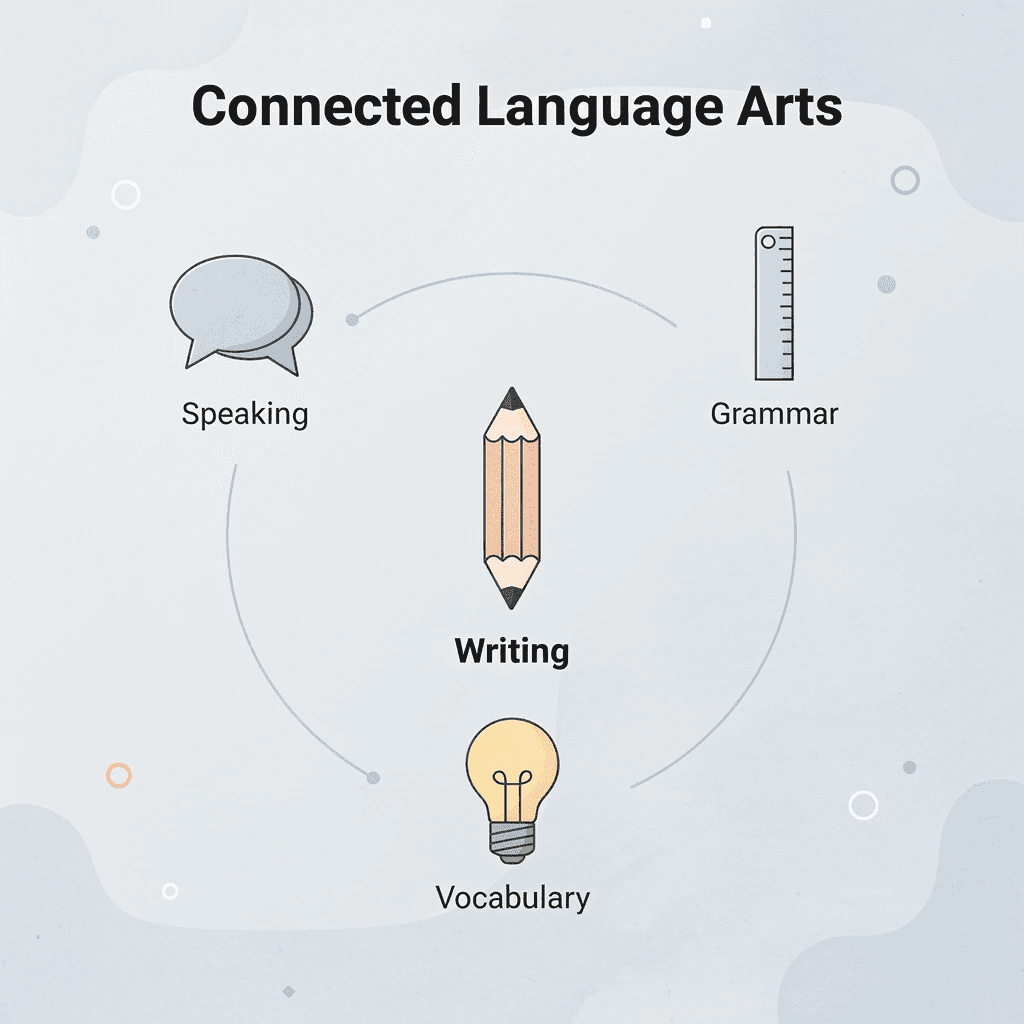
Stop separating language arts into isolated subject blocks. Your child doesn't need twenty minutes of reading, followed by fifteen minutes of writing, followed by ten minutes of grammar, as if these skills work independently. They need one connected routine that flows naturally from consuming language to producing it. Read something together, talk about what you read, write or draw something related to it, then practice the specific skill you introduced. This integrated approach mirrors how language actually works in real life, where reading informs speaking and speaking informs writing in continuous cycles.
After reading, ask your child to retell what happened, describe the main idea, or explain why a character made a specific choice. This oral processing step reveals comprehension gaps that silent reading conceals. A seven-year-old who cannot summarize the story in their own words did not understand it, regardless of how fluently they decoded the sentences.
Activity Type | Time Required | Retention Benefit |
|---|---|---|
Matching exercises | 5 minutes | High |
Tracing practice | 5 minutes | High |
Category sorting | 5 minutes | High |
Quick reinforcement after every lesson moves skills from understood to remembered. Without immediate application, understanding fades before reaching long-term memory. The follow-up activity doesn't need to be elaborate: simple matching exercises, tracing practice, or category sorting, taking five minutes, creates the repetition necessary for retention. The goal is building a system where your child reads, speaks, and writes with growing confidence because skills compound through consistent practice rather than evaporating between lessons.
Related Reading
- 5th Grade Homeschool Curriculum
- How To Homeschool In California
- Georgia Homeschool Requirements
- Alabama Homeschool Laws
- 2nd Grade Homeschool Curriculum
- Homeschool Reading Curriculum
- California Homeschool Laws
- 4th Grade Homeschool Curriculum
- North Carolina Homeschool Laws
- Homeschool Art Curriculum
- Accredited Homeschool Curriculum
- 3rd Grade Homeschool Curriculum
- Illinois Homeschool Laws
- Michigan Homeschool Laws
- Science Homeschool Curriculum